
Croatia just explodes with energy from May to September. Festivals seem to pop up every week along the dazzling coastline and inside those ancient cities. I’ve realized Croatia pulls off over 80 major festivals during the summer, ranging from the wild world of Ultra Europe to cozy cultural parties in medieval towns. These aren’t your average gatherings—they happen in Roman amphitheaters, on beaches so clean you’ll want to bottle the sand, and within fortress walls that have seen centuries of celebration.
What really sets these Croatian summer festivals apart? The variety and the settings, honestly. One week you’re grooving to hip-hop on Pag Island’s party beaches, the next you’re soaking up classical music in Dubrovnik’s old stone halls. It’s wild. The scene attracts superstar DJs and global crowds, but you’ll also stumble into age-old Croatian traditions if you wander a little.
Each month brings a new flavor. Some weeks are all about underground beats; others highlight film, folk, or food. I’ll walk you through the events that make each destination pop, share why they matter, and throw in some tips for making your Croatian festival adventure unforgettable.
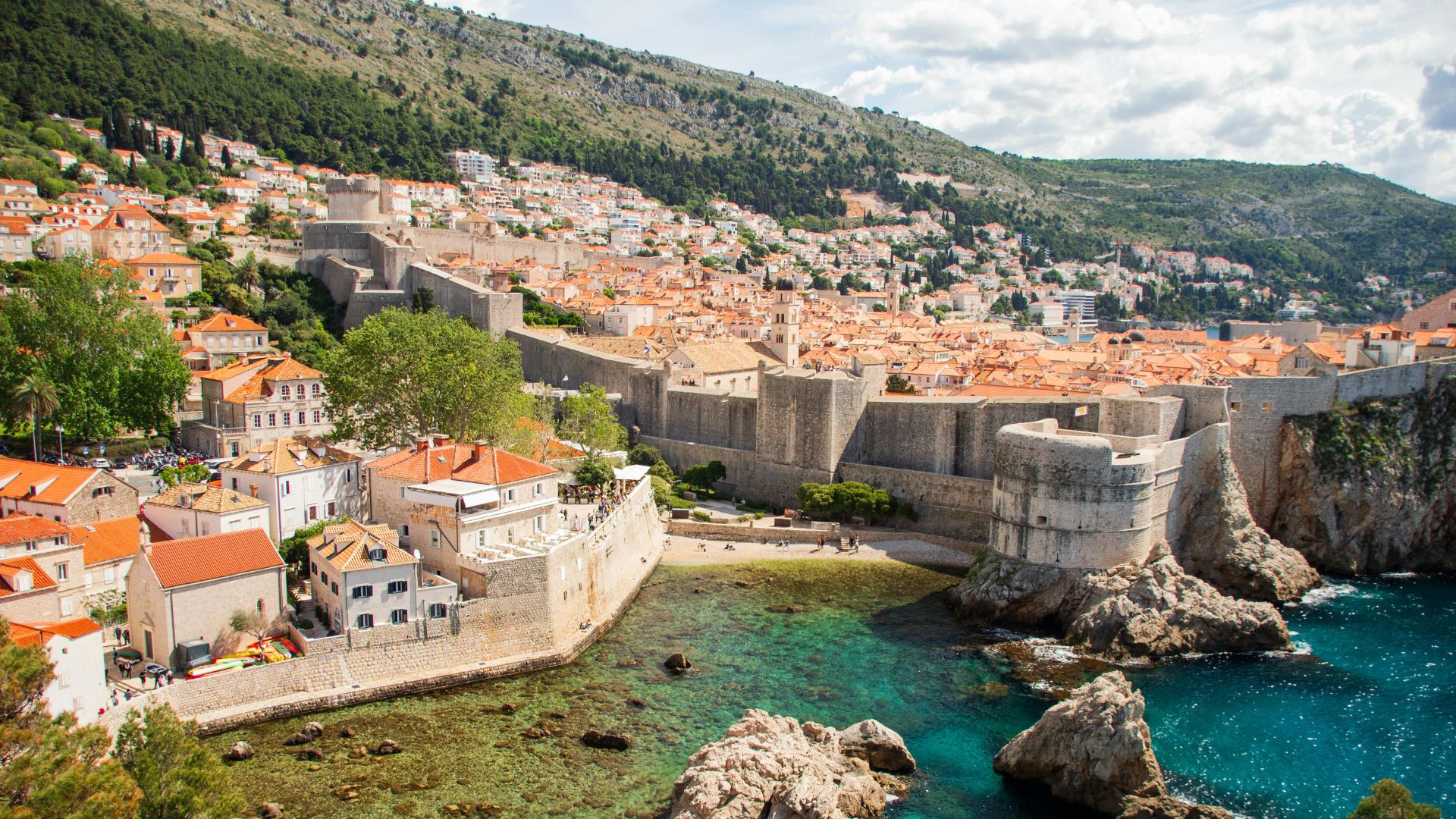
Overview of Croatian Summer Festivals
When summer hits, Croatia basically turns into festival central. The country hosts a wild mix of electronic music, cultural traditions, and seaside parties. You’ll find celebrations everywhere—coastal cities, medieval towns, even tucked-away villages.
Summer in Croatia: Festive Atmosphere
Summer here means there’s always something going on. The festival calendar really gets rolling in May and doesn’t let up until September.
July and August are peak madness. The warm Mediterranean sun and those dreamy blue waters? Perfect for open-air events. Most festivals set up right on the coast, whether that’s a city square or a stretch of sand.
Festival Types:
- Electronic music raves with top DJs
- Rock and pop concerts with big names
- Cultural events that highlight Croatian heritage
- Film festivals in old town squares
- Street art parties
A lot of these aren’t just one-night affairs. Ultra Europe, for example, goes on for a whole week and hops between coastal spots. INmusic Festival takes over Lake Jarun for three days straight.
The party rarely stays contained. People spill out to beach bars, yachts, and after-hours clubs—especially along the Adriatic.
Geographic Highlights and Festival Diversity
Croatia’s landscape gives each festival its own vibe. I’ve noticed that every region brings something different to the table.
Coastal Festivals:
- Split hosts Ultra Europe, the country’s biggest electronic event
- Umag’s Sea Star Festival lights up Istria’s northern coast
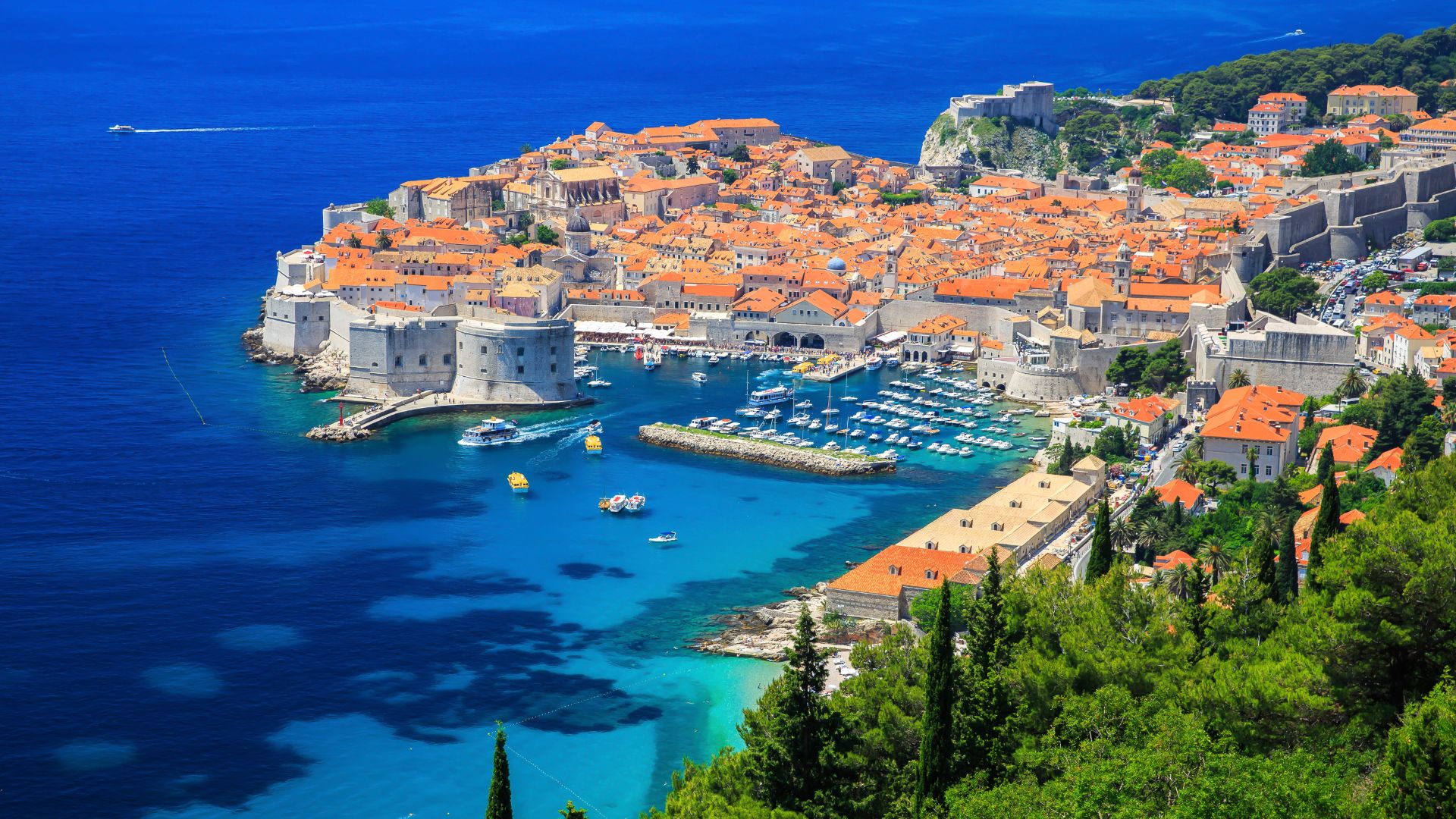
- Dubrovnik’s Summer Festival fills historic stages
Island and Inland Events:
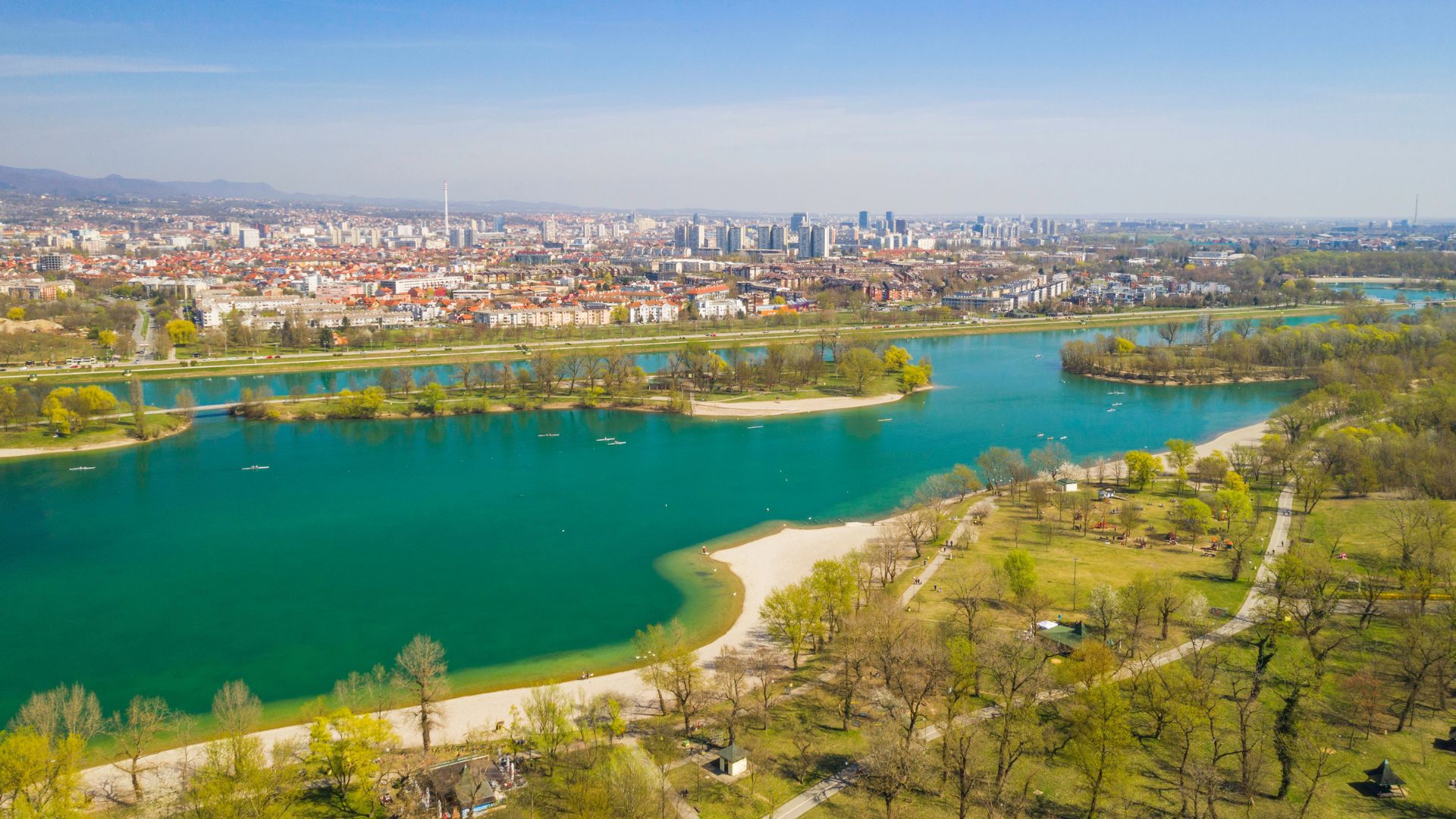
- Zagreb’s INmusic Festival happens on Youth Island in Lake Jarun
- Motovun Film Festival screens indie flicks in a hilltop town
- Osijek’s Pannonian Challenge mixes extreme sports with music
You’ll find everything from packed electronic festivals to small-town culture nights. Varaždin’s Špancirfest turns the whole city into a street arts playground, while Motovun Film Festival is all about indie movies under the stars.
Every spot brings its own charm. Coastal festivals blend beach life with old-world backdrops. Inland, you get a taste of continental Croatia and its green parks.
Importance of Festivals in Croatian Culture
Festivals here aren’t just about having a good time—they really matter to Croatian culture and the economy. I see them as a bridge between old-school traditions and the new global scene.
The Dubrovnik Summer Festival, for example, has been going for nearly 70 years. It turns the city into a stage for music, theater, and dance.
Why They Matter:
- Keep Croatian arts alive
- Bring in talent from all over
- Boost tourism in a big way
- Create jobs in local communities
When festival season hits, small towns like Motovun get a huge boost. Hotels fill up, restaurants buzz, and everyone benefits.
These events also put Croatia on the international radar. Ultra Europe and INmusic Festival, for instance, pull in media from around the world.
The memories stick with you. People come back year after year, and Croatia’s reputation as a festival hotspot just keeps growing.
Signature Music Festivals Across Croatia
Croatia throws some of Europe’s best music festivals, hands down. Whether you’re into massive raves or indie vibes, you’ll find something that fits.
Ultra Europe: Electronic Extravaganza in Split
Ultra Europe takes over Split’s Poljud Stadium every July. It’s probably the most famous festival in Croatia, at least internationally.
There are three main stages:
- Main Stage: EDM and big-room house
- Resistance Stage: Techno and the underground scene
- Ultra Beach: Pool parties by day
Headliners have included David Guetta, Carl Cox, and Charlotte de Witte. The crowd? Over 150,000 people from more than 140 countries.
Ultra Europe is more than just the stadium. The whole week is packed with boat parties to places like Hvar and Vis. A lot of people mix the festival with sailing trips along the Dalmatian coast.
Split’s old city is just a short walk away, so you can explore Diocletian’s Palace between sets.

INmusic Festival: Lakeside Rock and Indie
INmusic Festival lands at Lake Jarun in Zagreb every June. It’s a three-day celebration of alternative rock, indie, and electronic acts.
The festival takes over Jarun Island, giving it a chill, laid-back vibe compared to the coastal parties.
Past lineups have included:
- Arcade Fire
- Kings of Leon
- Alt-J
- Florence + The Machine
Tickets are a steal compared to other big European festivals, which makes it perfect for younger fans and families.
Zagreb is super accessible from anywhere in Central Europe. And when the music stops, the city’s museums and old neighborhoods are right there.
Outlook Festival: Bass and Sound System Culture
Outlook Festival is all about bass, hip-hop, and sound system culture. It sets up shop in Tisno at The Garden Resort.
You’ll find venues like:
- Beach stages with ocean views
- Garden stages tucked among olive trees
- Boat parties to secret coves
Genres run from drum and bass to dubstep, reggae, and UK garage. DJ Shadow, Goldie, and Shy FX have all played here.
The festival usually lasts five days in late August or early September. You can camp, rent a bungalow, or splurge on a villa right by the action.
Tisno feels small and friendly, which gives the festival a tight-knit community vibe.
Other Notable Music Events
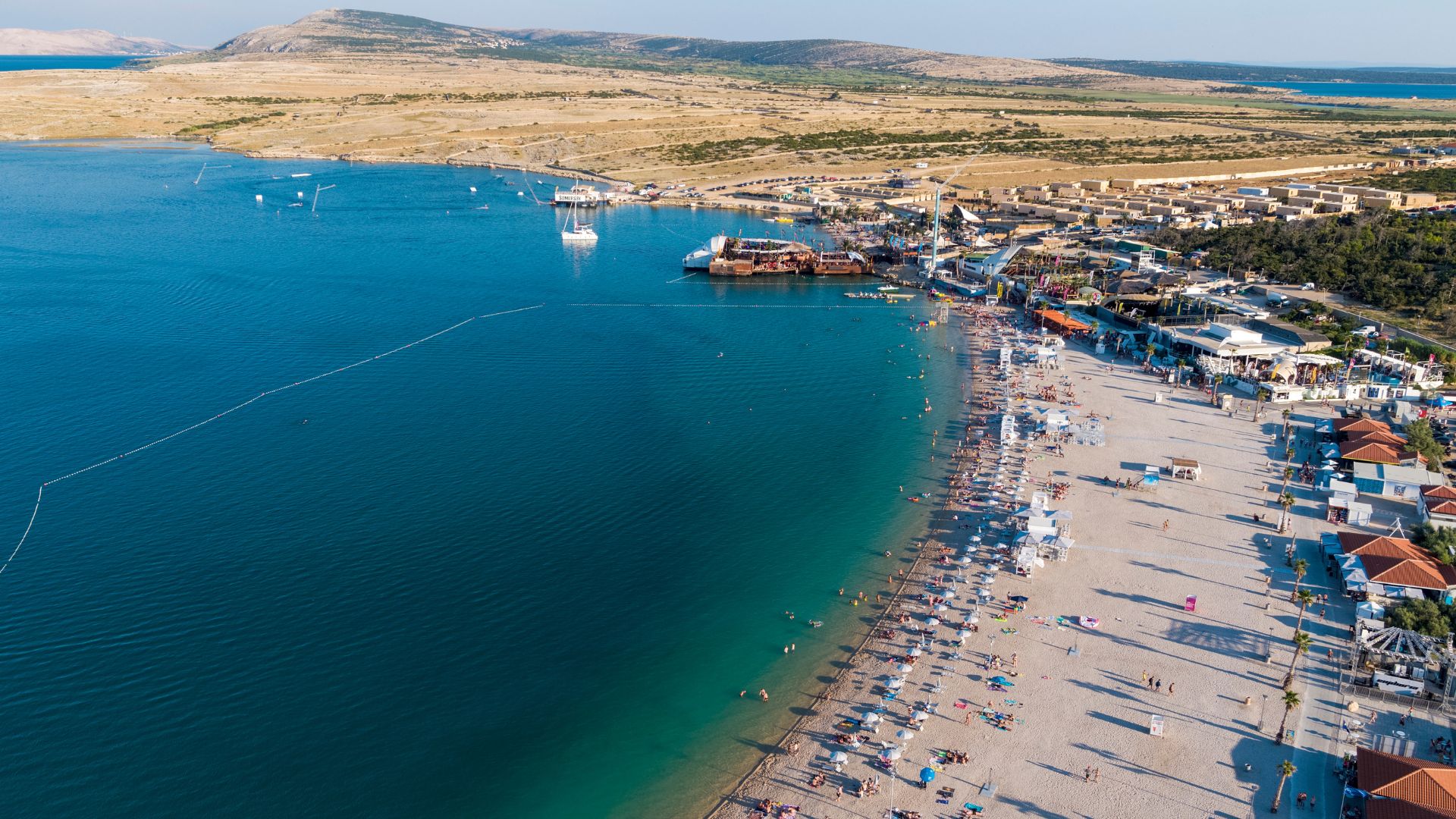
Hideout Festival brings house and techno to Zrce Beach on Pag Island, using five different beach clubs as stages.
Sonus Festival also rocks Zrce Beach, but leans more into underground techno and house. It’s run by German organizers and happens in mid-August.
Love International takes over The Garden Resort in Tisno for a week of house, disco, and sunset boat parties.
Most of these run from late June to early September. There’s usually a range of places to stay and easy transport from bigger European cities.
Film, Arts, and Cultural Celebrations
Croatia’s cultural festivals mix old traditions with fresh creativity. From open-air theater in Dubrovnik to watching movies inside a Roman arena in Pula, there’s always something a little magical happening.
Dubrovnik Summer Festival: Drama and Tradition
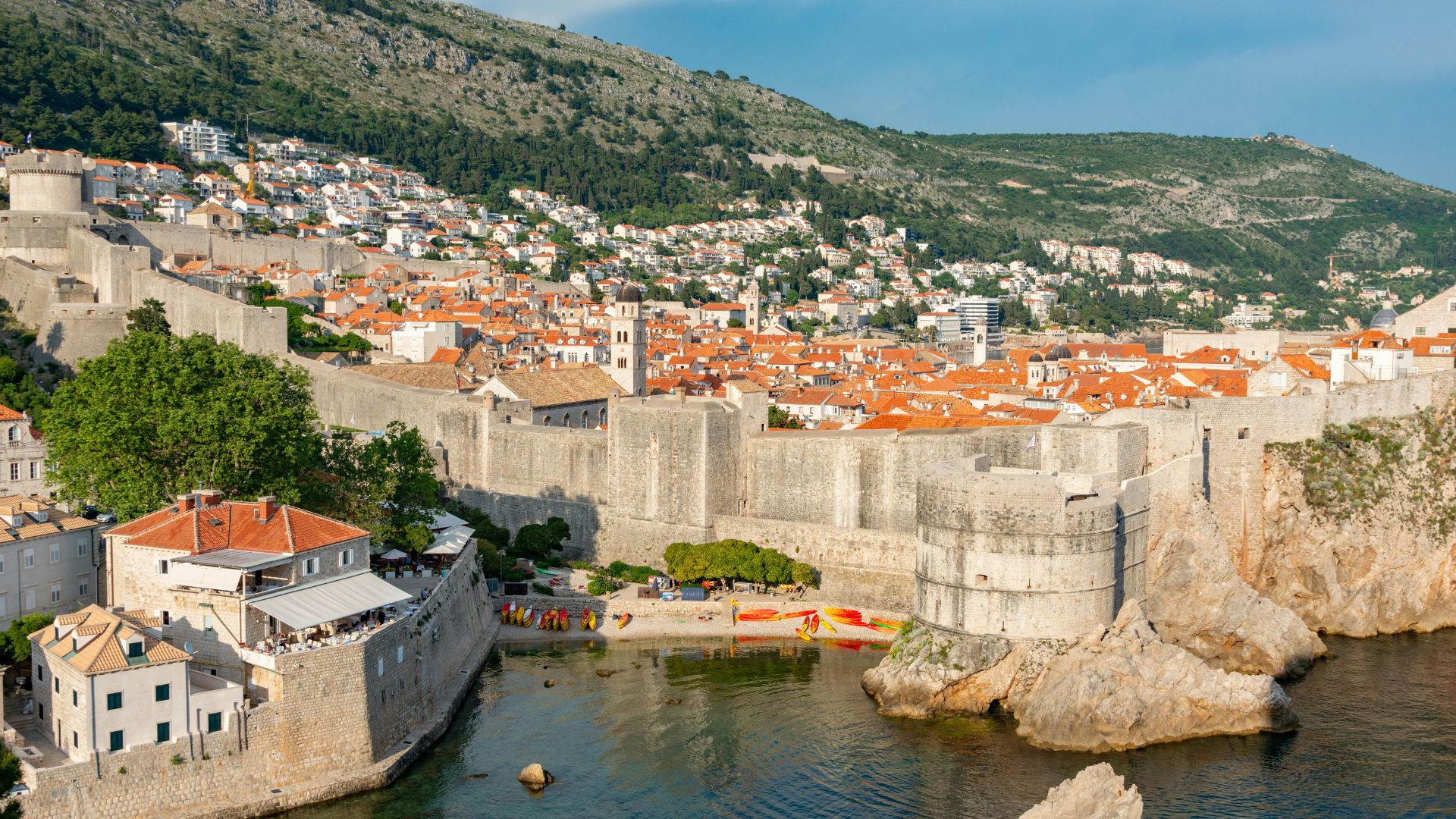
The Dubrovnik Summer Festival is a big deal for the arts scene here. It runs from mid-July to mid-August and turns the whole city into one giant stage.
I’ve seen plays and concerts unfold right inside the city’s medieval courtyards. The lineup includes classic theater, opera, ballet, and modern dance. Musicians from everywhere perform in places like the Rector’s Palace and Fort Lovrijenac.
What to Expect:
- Theater in historic courtyards
- Classical concerts in stone halls
- Ballet and dance under the stars
- Local and international artists together
Over 100,000 visitors come each summer. Street performers fill the Old Town during the day, and at night, the shows move to spots like Gradac Park and Sponza Palace.
Artists from Croatia and around the world collaborate on high-quality productions. The festival keeps Croatian traditions alive while bringing in new ideas.
Pula Film Festival: Movies in a Roman Arena
The Pula Film Festival is one of a kind—you watch movies inside a 2,000-year-old Roman amphitheater.
Honestly, it’s unforgettable. The ancient stones make for perfect acoustics, and you get to watch films under the open sky. The festival focuses on Croatian and regional movies but always throws in some international picks.
Why It’s Unique:
- Screenings inside a real Roman arena
- Premieres of Croatian and Balkan films
- That historic setting just adds to the magic
- A mix of new and classic movies
The festival usually happens in July and August. Daytime screenings are held indoors, but everyone flocks to the arena at night.
Award ceremonies happen right on the ancient stage. Directors and actors often show up, so you might even run into a few film stars.
City and Regional Arts Showcases
Smaller cities throw their own arts festivals too. Zagreb Summer Evenings hosts classical concerts in parks and old buildings. Split Summer Festival brings together theater, music, and dance.
Some regional festivals have a special focus. The International Children’s Festival in Šibenik is all about youth performances. Motovun Film Festival screens indie movies in the hills of Istria.
Types of Regional Festivals:
- Classical music series
- Street art parties
- Traditional crafts
- Photography shows
These events often happen in gorgeous spots—think seaside villages or mountain towns. Many are free or super affordable. I always recommend checking with the local tourist office for up-to-date schedules and hidden gems.
Museums and galleries usually stay open late during festival weeks. It’s a great way to catch both old-school and modern Croatian culture in one trip.
Festival Destinations and Unique Experiences
Croatia’s festival destinations each tell their own story. Whether you’re lakeside in Zagreb or sitting inside an ancient amphitheater in Pula, you’ll find unforgettable backdrops for every event.
The Magic of Lake Jarun and Zagreb
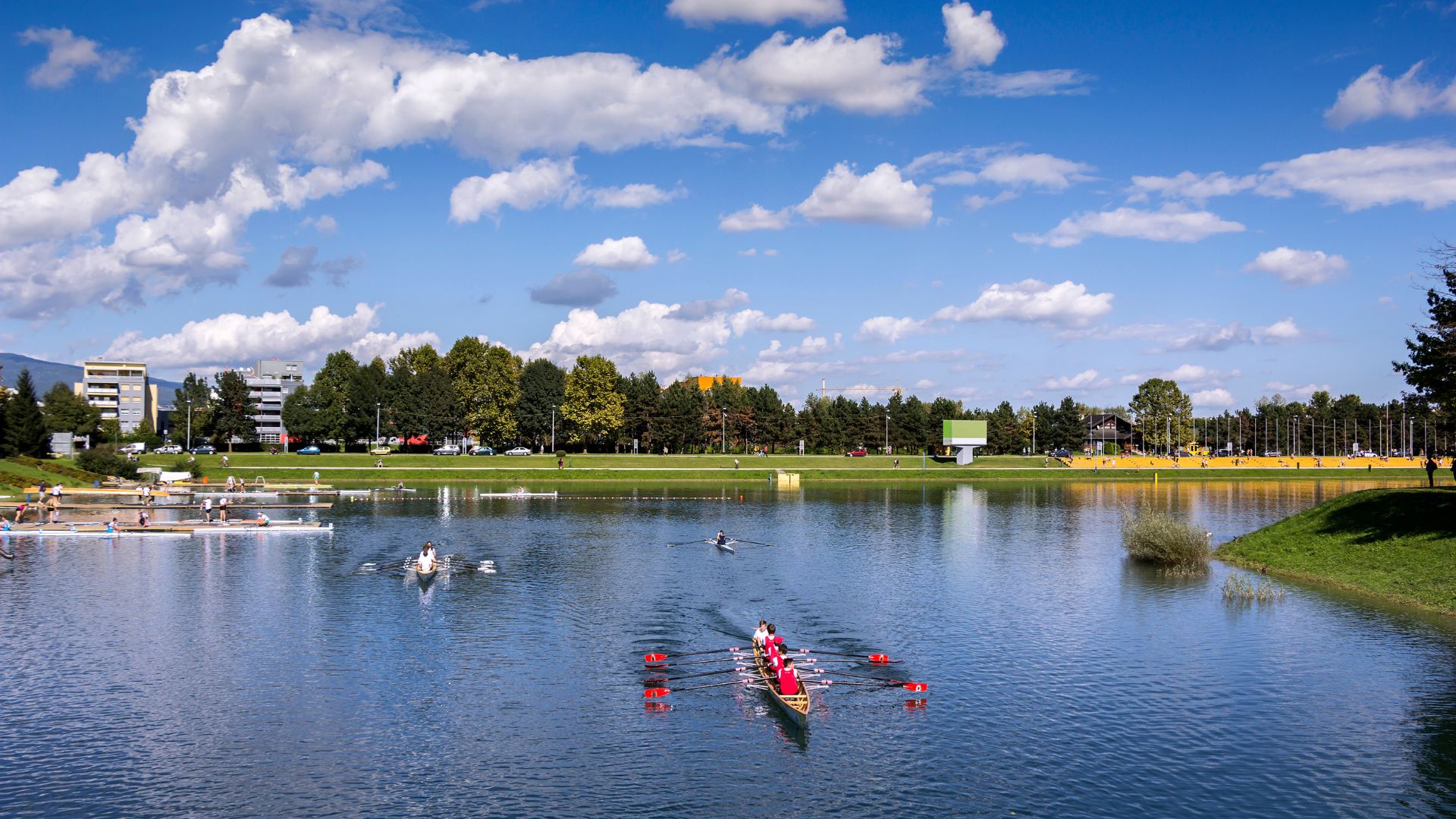
Lake Jarun turns into a music lover’s paradise during festival season. INmusic Festival takes full advantage of the lake, blending camping with big-name acts.
The lakeside setup is honestly perfect. You can pitch a tent right by the water and catch bands like The Killers or Arctic Monkeys just a short walk away.
Zagreb itself brings even more to the table. The city’s got everything—hotels, great food, museums—all close to the festival.
It’s the best of both worlds. Spend your day at the festival, then head into town at night for more adventures.
Getting around is a breeze. Trams and buses connect Jarun to the city center, so you’re never far from the action.
Festival Adventures in Split and Along the Coast
Split is the heartbeat of Croatia’s electronic music scene. Ultra Europe takes over every July, turning the city’s old streets into party zones.
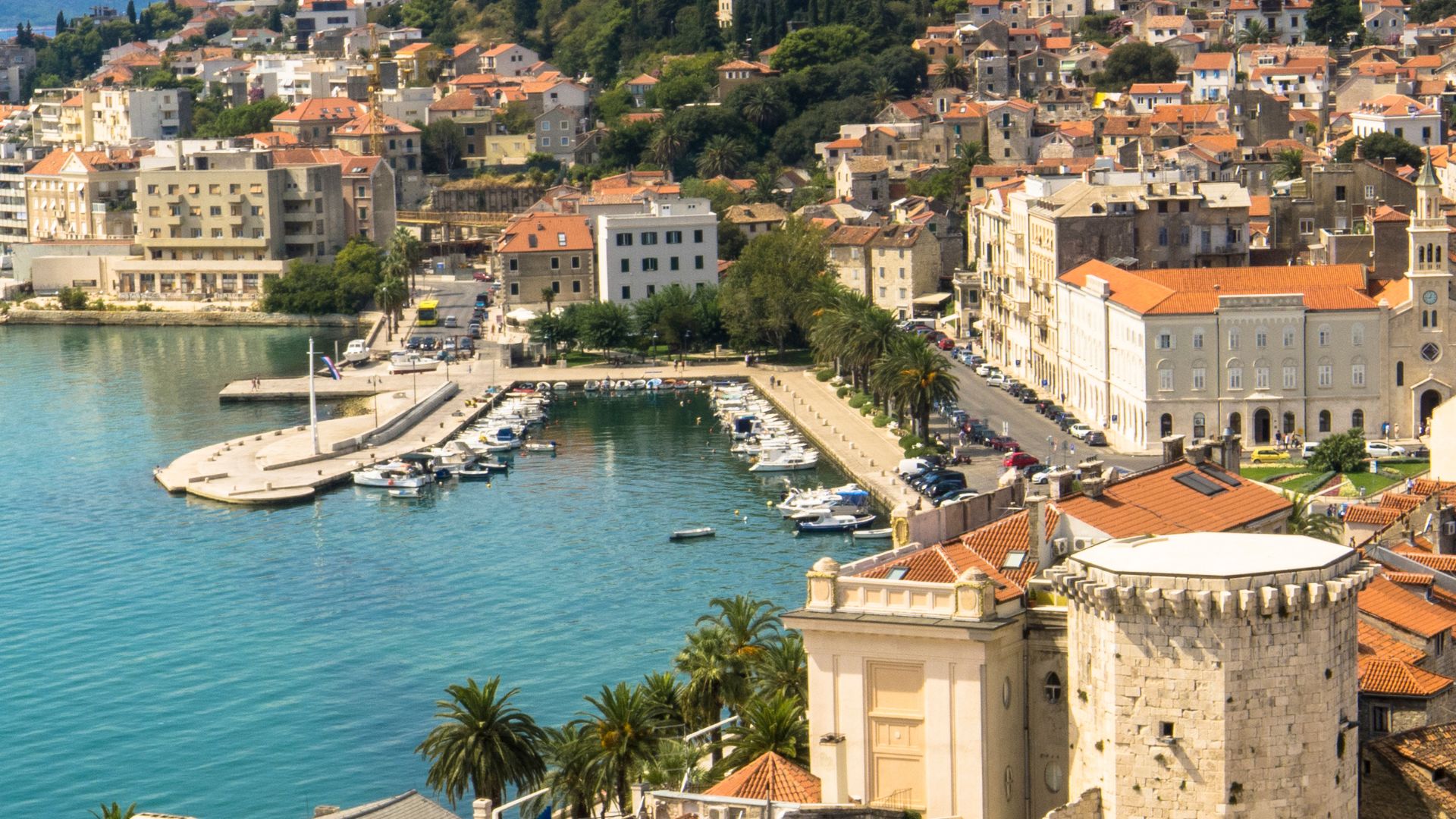
The festival stages sit right on the waterfront, with the Adriatic as your backdrop. Dancing to world-class DJs while boats cruise by? It’s something you have to see.
Split’s location makes island-hopping easy. Ferries to Hvar and Vis run all the time, so you can keep the party going or just chill after the festival.
There’s more to Split than music. Diocletian’s Palace is a UNESCO site, and you can sip coffee in buildings that are older than most countries.
Coastal festivals here get the best weather and views. The mix of ancient architecture, turquoise water, and next-level festival vibes? You won’t find it anywhere else in Europe.
Pula: Fortresses and Film Under the Stars
The Pula Film Festival turns historic venues into these almost magical stages for cinema. Picture this: movies flickering against the backdrop of a 2,000-year-old Roman amphitheater.
Honestly, Pula’s arena blows most modern movie theaters out of the water. Those ancient stone walls, the open night sky—something about it just feels electric.
The festival really puts Croatian and regional films in the spotlight. You don’t just watch a movie here; you get a window into local culture and storytelling you might not find elsewhere.
And then there’s Istria—Pula’s home turf. This region is a foodie’s dream, famous for truffles and wine, so festival nights usually mean unforgettable dinners, too.
Surprisingly, the amphitheater’s acoustics work great for films. The Romans built it for performances, and somehow, that spirit still lingers in the air.
Planning Your Trip: Practical Festival Tips
If you want a smooth festival trip, book your tickets early and map out your route. Croatia’s summer festival season means packed cities and sold-out hotels, especially along the coast.
Best Times and Tickets to Book
Here’s my honest advice: grab festival tickets 3-4 months before summer kicks off. The big ones—Ultra Europe, INmusic Festival—sell out before you know it.
Early Bird Pricing:
- January-March: You can save up to 40%
- April-May: Expect 20-30% off
- June-July: Full price, no deals left
Always start with the official festival sites. Third-party sellers sometimes tack on crazy fees or, worse, sell fakes.
Croatia’s summer runs from June through September. July and August are hot and crowded, so I usually aim for June—cooler air, fewer people.
Book your hotel or apartment as soon as you get your tickets. Trust me, prices triple on festival weekends in the coastal towns.
Travel Between Cities and Festival Locations
For city hopping, I stick with buses. They connect all the big festival spots and usually run on time.
Key Routes:
- Zagreb to Split: About 4-5 hours by bus
- Split to Dubrovnik: Roughly 4.5 hours
- Zagreb to Pula: Around 3.5 hours
When I head to an island festival, I rent a car. Ferries leave from Split and other coast cities all the time. Tickets usually run 15-25 euros per person.
A lot of festivals run shuttle buses from city centers. I always double-check the festival website for the latest shuttle times and pickup spots.
Croatia’s coastal roads can get jammed in July and August. I always pad my travel time—better safe than sorry.
Local Foods and Accommodation for Festival-Goers
Whenever I can, I snag a spot right in the city center. Sure, hotels close to festival venues crank up their prices, but honestly, skipping the long commute feels worth it.
Budget Options:
- Hostels: 20-40 euros per night
- Private rooms: 40-80 euros per night
- Camping: 15-25 euros per night
Before heading out to any event, I like to wander through local markets. Fresh produce is way cheaper than anything inside the festival gates.
Croatian markets burst with seasonal fruit, crusty bread, and cheese—honestly, perfect for throwing together a quick snack.
If you’re into seafood, the coast has you covered. I always go for black risotto or some grilled fish whenever I get a break between festival days.
Carrying a water bottle is a must at outdoor festivals. Tap water in Croatia? Totally safe. Festival stalls, though, will happily charge you 3-5 euros for a bottle.
Most mornings, I pop into a local bakery. They open early and the smell of fresh pastries is impossible to resist.
Burek and Croatian coffee have basically become my go-to breakfast before a long day of music and crowds.
