
America’s national parks? They’re honestly some of the most jaw-dropping places I’ve ever seen. These protected areas let you get up close with everything from rugged mountains and deep canyons to wild forests and animals you might only spot on postcards.
Love hiking? Camping under the stars? Or maybe you just want to breathe in the views. Whatever your thing, there’s a park that’ll feel just right.
Here’s a list of 14 national parks you’ve gotta check out in 2026 for unforgettable outdoor experiences. From the wilds of Wyoming and California to those coastal gems in Maine and Washington, every park brings something unique.
I’ve picked out the best times to visit and tossed in some tips I wish I’d known before my first trip. A little planning goes a long way—trust me, you’ll want to savor every minute.
1) Yellowstone National Park, Wyoming
Yellowstone claims the title of the world’s first national park, and honestly, it still blows my mind every time I visit. Over 2.2 million acres sprawl across Wyoming, Montana, and Idaho.
Those geothermal features? Wild. Old Faithful shoots water sky-high on a regular schedule, and Grand Prismatic Spring glows with unreal colors—think electric blue and fiery orange.
Steam rises from hot springs and mud pots. It’s like stepping onto another planet.
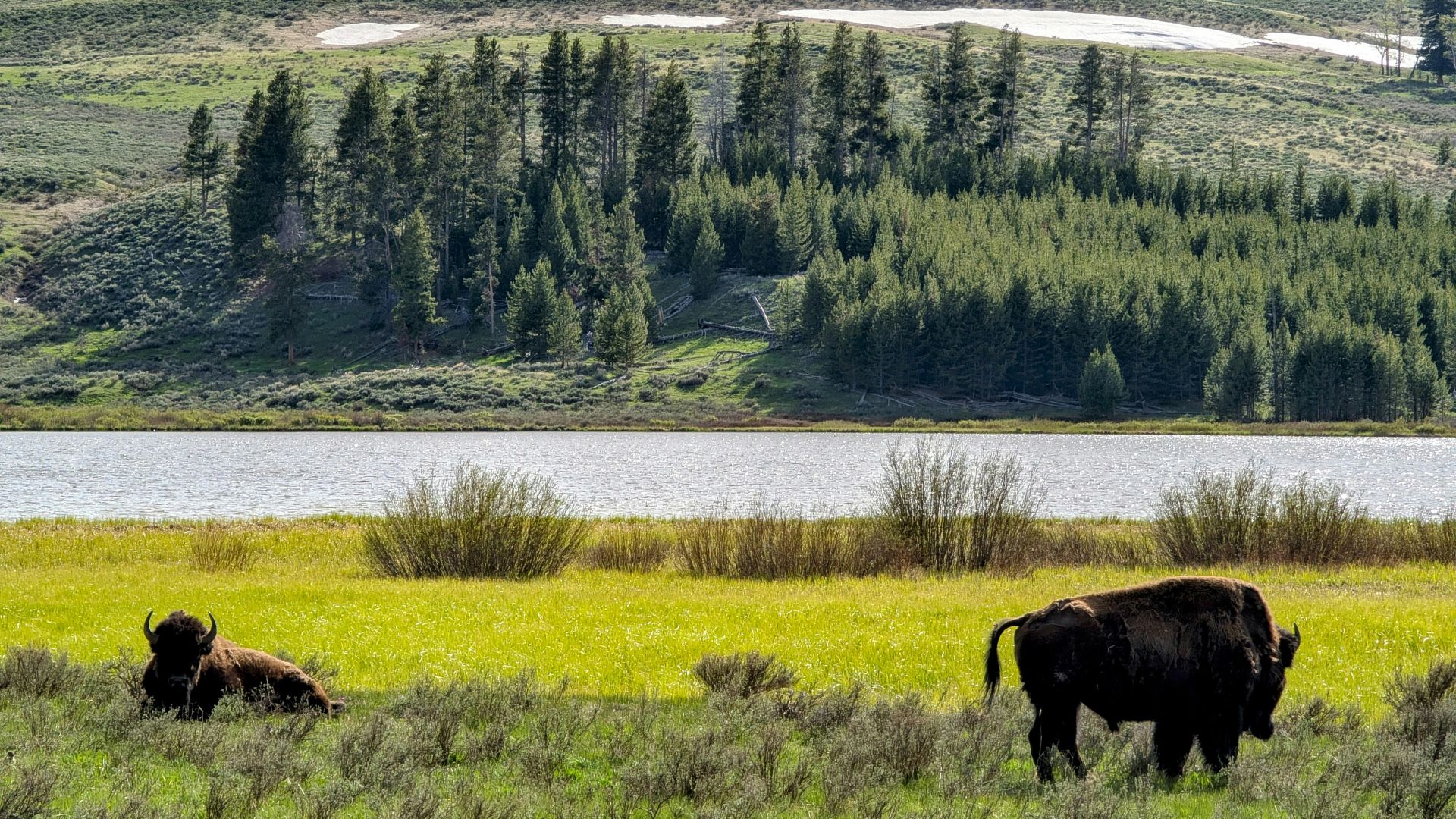
Lamar Valley is where I go when I want to spot bison, elk, or even wolves. If you’re lucky, you’ll catch a glimpse of bears or moose too.
Trails range from easy strolls to more challenging hikes. Fairy Falls is a moderate 5-mile trek with a 197-foot waterfall waiting at the end.
The Grand Canyon of the Yellowstone? Those views—waterfalls plunging past colorful rock walls—are worth every step.
If you’re into fishing, bring your gear. Just remember to follow park rules to help protect native fish.
2) Yosemite National Park, California
Yosemite sits tucked in California’s Sierra Nevada, covering nearly 1,200 square miles. It’s one of the oldest parks in the country, protected since 1864.
You’ll see towering granite cliffs, ancient sequoias, and waterfalls that thunder down in spring.
Yosemite Valley feels endless, with meadows and deep canyons stretching for miles. If you want to get away from the crowds, the High Sierra wilderness is where you’ll find remote trails and pristine landscapes.
Each season has its own vibe. Summer packs in the crowds, but spring brings roaring waterfalls, and fall covers the valley in color.
You could easily spend days exploring Yosemite’s landmarks. Don’t miss the granite cliffs, sequoia groves, and all those epic viewpoints.
The visitor center always has up-to-date info on what’s open and what’s not.
Whether you’re hiking, camping, or just soaking in the views, Yosemite’s beauty never gets old. From easy valley walks to tough backcountry treks, there’s a trail for everyone.

3) Grand Canyon National Park, Arizona
Grand Canyon National Park snags the top spot on U.S. News & World Report’s best places to visit in the USA for 2026. That’s no surprise—this place is legendary.
You’ve got two main areas to choose from. The South Rim stays open all year and gives you easy access to viewpoints and amenities.
The North Rim? It’s open seasonally and feels way quieter, perfect if you want to dodge the crowds.
There’s plenty to do here. Hike the Bright Angel Trail, hop on a helicopter tour, or just wander from lookout to lookout.
If you’re feeling adventurous, rafting the river lets you see the canyon’s layers from a whole new angle.
The park’s got everything from mellow rim walks to tough backcountry trails. New to hiking or a seasoned pro, you’ll find your groove here.
Timing matters. Summer is hot and busy. Spring and fall are comfy, with fewer people. Winter? You might catch snow on the rim and almost have the place to yourself.

4) Rocky Mountain National Park, Colorado
Rocky Mountain National Park spreads across 415 square miles right in the heart of Colorado. Think mountain peaks, alpine lakes, and forests that draw millions every year.
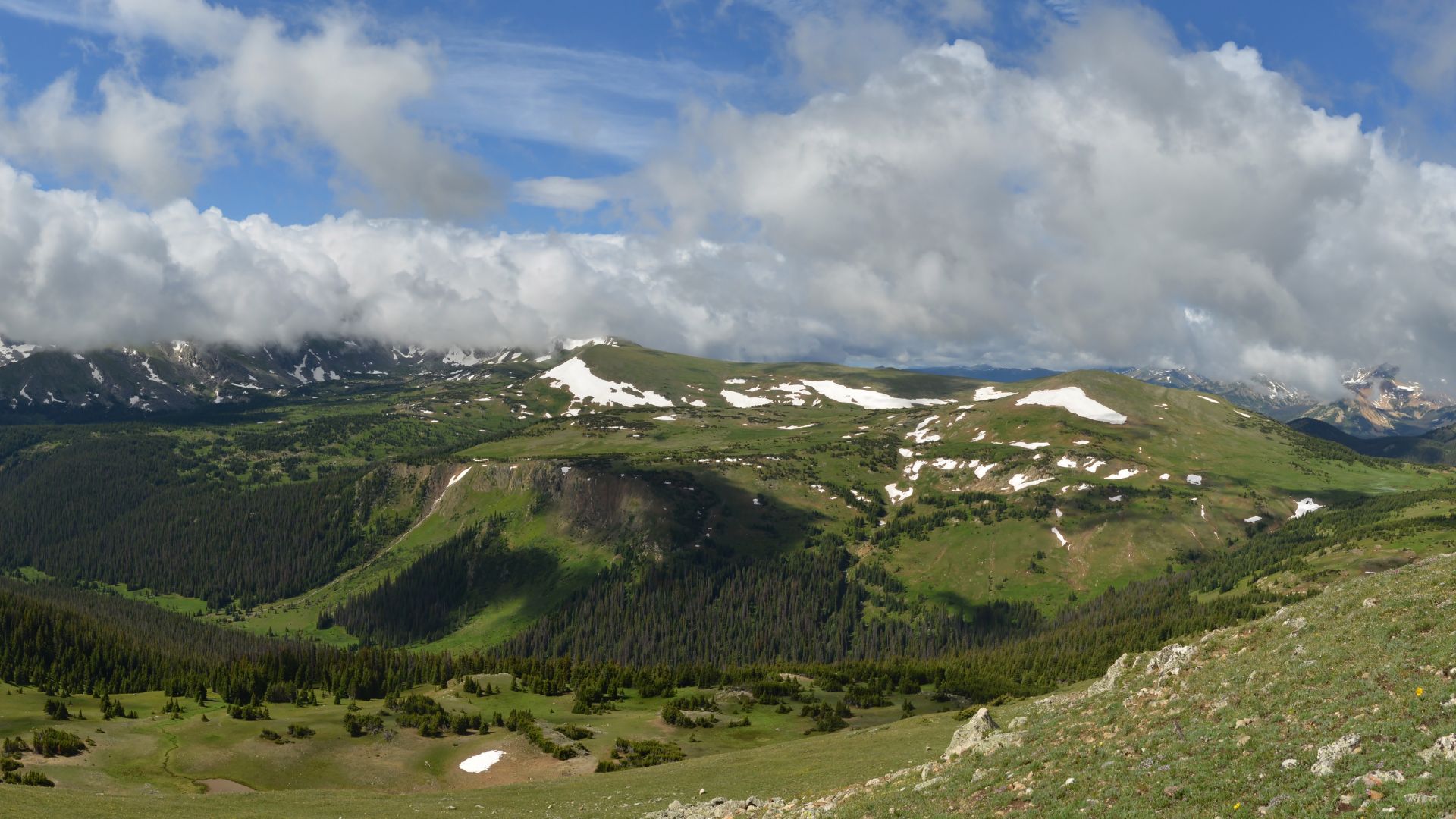
Trail Ridge Road is a must. This 48-mile drive climbs to 12,183 feet, and the views—wow. I always stop at the overlooks for photos (and to catch my breath).
With 300+ miles of trails, you can wander through forests or trek up to the alpine tundra. Many hikes end at crystal-clear lakes or waterfalls.
Wildlife is everywhere. Elk, moose, bighorn sheep, and black bears all call this park home.
Whether you’re into scenic drives, hiking, or snapping wildlife photos, Rocky Mountain’s got you covered.
5) Acadia National Park, Maine
Acadia National Park packs nearly 50,000 acres along Maine’s Atlantic coast. You get rocky beaches, quiet forests, and mountain peaks, all in one spot.
The park includes Mount Desert Island, Schoodic Peninsula, and Isle au Haut. There are 60 miles of coastline to explore and more than 150 miles of hiking trails.
Carriage roads—45 miles of them—make for great biking or walking.
Cadillac Mountain towers above the Atlantic. You can drive or hike to the top for sunrise views that’ll stick with you.
The Park Loop Road winds past all the major sights, making it easy to see a lot in a short time.
Explore tide pools, climb granite cliffs, or just soak in the island scenery. Whether you’re here for a day or a week, Acadia has trails for every skill level.
Bar Harbor sits right next door, with plenty of places to eat and sleep. The park entrance is just minutes away.
6) Zion National Park, Utah
Zion National Park anchors southwestern Utah’s “Mighty Five.” Red rock canyons and sandstone cliffs soar over 2,000 feet above you—honestly, it’s hard not to feel tiny here.
Hiking is king. The Narrows lets you wade through the Virgin River with canyon walls rising high on both sides. Angels Landing? It’s a tough climb, but those summit views are unforgettable.
Getting around is easy thanks to the park’s shuttle system. Just buy a $1 ticket ahead of time and you’re set. The shuttle runs daily during peak season and drops you at all the best trailheads.
If hiking isn’t your thing, try a scenic drive or camp under the stars. Canyoneering is a blast for adventure-seekers.
Spring and fall are my favorite times to visit—mild temperatures and smaller crowds make everything better.
Need help? Rangers answer questions from 10 a.m. to 5 p.m. Mountain Time, and there’s recorded info by phone 24/7.

7) Glacier National Park, Montana
Glacier National Park stretches over a million acres in northwest Montana, right up against Canada. Expect rugged peaks, alpine lakes, and ancient glaciers.
You’ve got 700+ miles of trails to choose from. The Going-to-the-Sun Road is a must—those scenic views are unreal.
Historic lodges and chalets dot the park, giving you a peek into its early days.
Wildlife is everywhere. I’ve spotted grizzlies, mountain goats, elk, and bighorn sheep—all in one trip.
Glacier became a national park in 1910. People call it the “Crown of the Continent,” and for good reason.
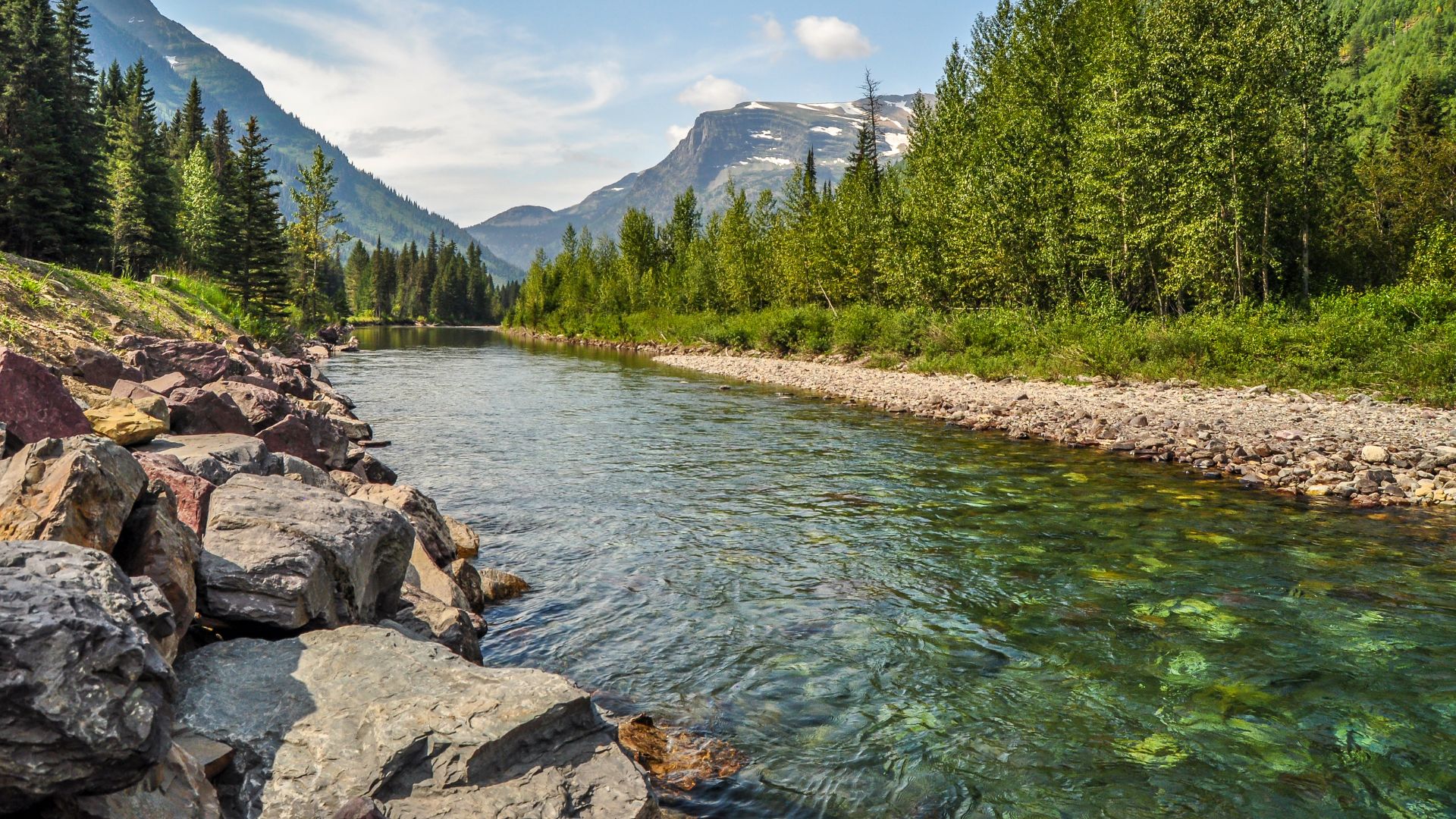
Hiking, photography, and exploring glacial valleys are just the start. Those turquoise-blue lakes? Absolutely stunning.
No matter your skill level, there’s something here for you.
8) Olympic National Park, Washington
Olympic National Park covers almost a million acres of Washington’s wildest landscapes. You can experience three totally different ecosystems—glacier-capped mountains, lush rainforests, and more than 70 miles of untamed coastline—all in one trip.
That variety is what sets Olympic apart. You’ll wander from alpine lakes to mossy forests in a single day.
The Hoh Rain Forest feels like a fairy tale, with trails winding through trees draped in moss. Hurricane Ridge offers mountain views and easy hikes.
The coast? It’s a world of its own. Rugged beaches and sea stacks make for dramatic scenery you won’t find anywhere else.
Sol Duc Falls is a favorite—just a short walk through evergreens to a picture-perfect waterfall. Lake Crescent is another gem, with calm waters ringed by mountains.
Trails range from easy to challenging, so pick your adventure.
Weather can be unpredictable, thanks to the park’s crazy range in elevation and rainfall. I always pack layers and plan for surprises.
Every area has its own vibe, so if you’ve got time, check out more than one section.

9) Great Smoky Mountains National Park, Tennessee/North Carolina
Great Smoky Mountains National Park straddles the line between Tennessee and North Carolina. It’s actually the most visited national park in the U.S.—about 13 million people come here every year.
The park sprawls over 522,000 acres of protected wilderness. Ridge after ridge of forested mountains creates that iconic misty look the Smokies are famous for.
One thing I love? No entrance fee. Tennessee and North Carolina made sure of that when they set up the park back in 1934.
This place protects one of the world’s richest temperate forests. Fun fact: there are more tree species here than all of northern Europe.
The biodiversity here is off the charts.
Hundreds of miles of hiking trails wind through the mountains. Not a fan of steep hikes? Scenic drives and accessible viewpoints make it easy to enjoy the views.
The Smokies are part of the Appalachian chain and even have temperate rainforest sections. You’ll get a taste of Southern Appalachian mountain culture mixed with stunning nature.

10) Joshua Tree National Park, California
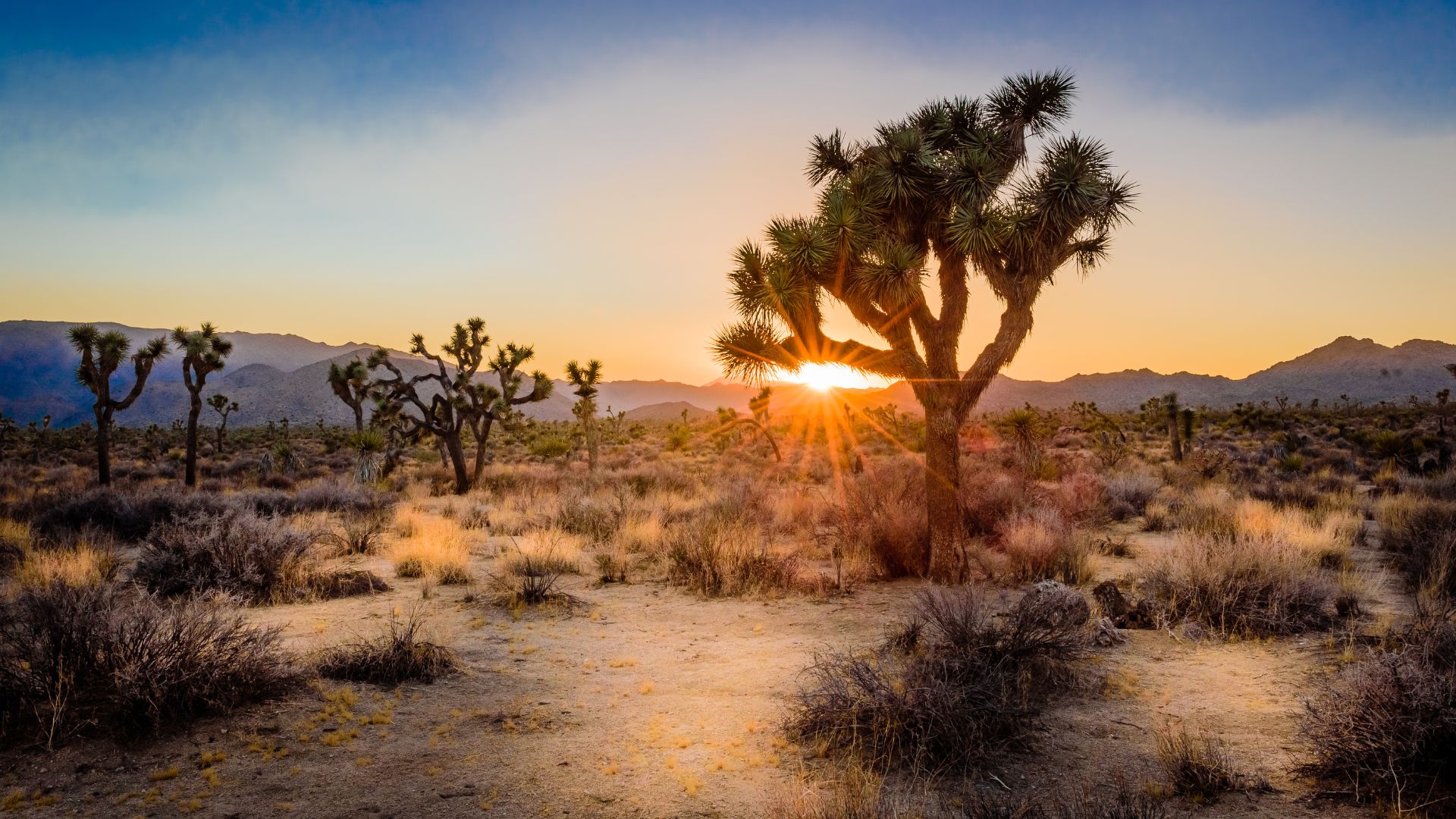
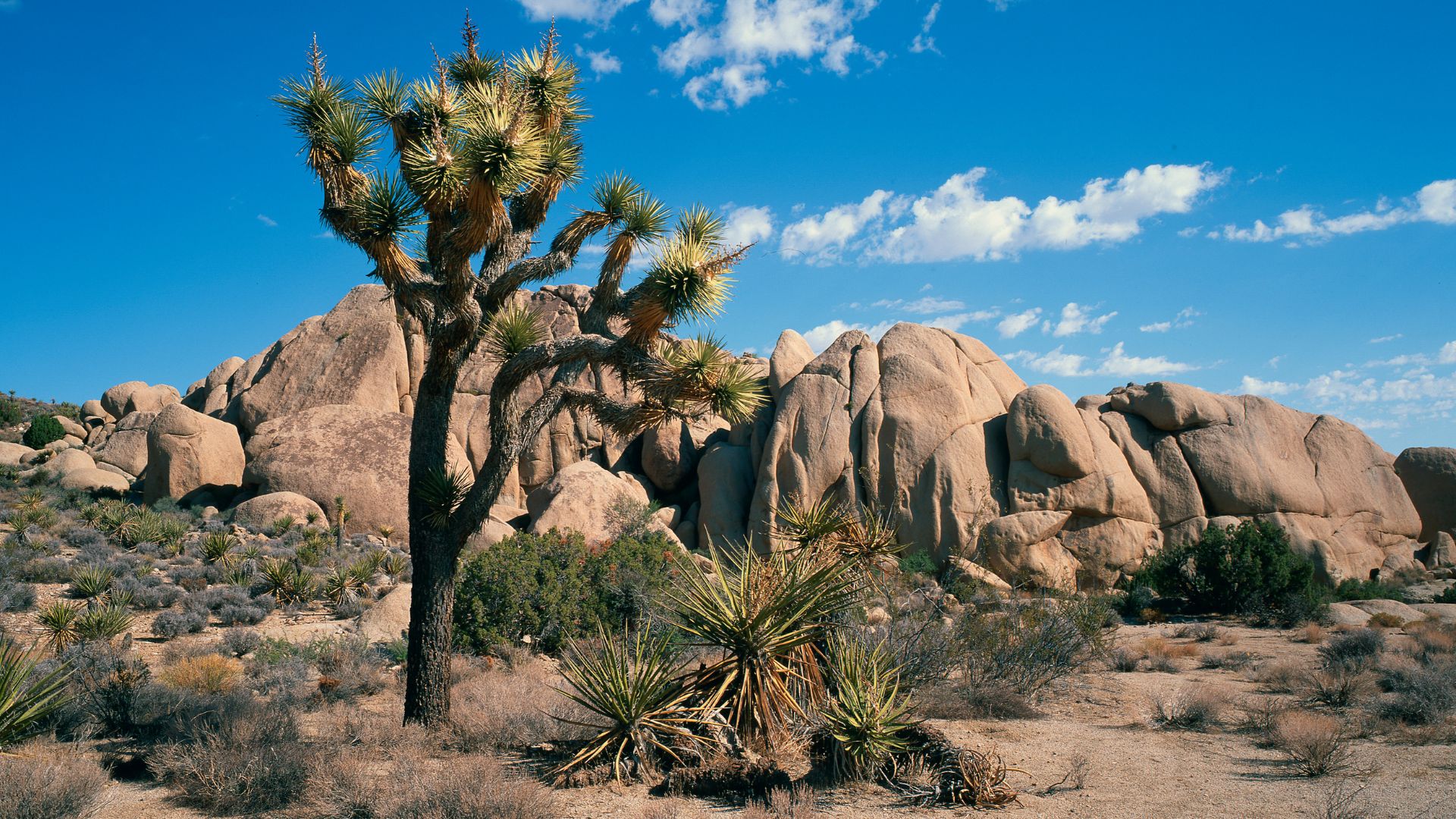
Joshua Tree National Park sprawls across southeastern California, about 130 miles east of LA. It covers nearly 800,000 acres where the Mojave and Colorado deserts collide.
You’ll spot those funky, Dr. Seuss-like Joshua trees everywhere—a yucca species that gives the park its name. The landscape’s got wild rock formations, shaped by wind and the occasional desert downpour.
Rock climbers flock here for those gritty granite faces. If you’re not up for climbing, you can wander along dozens of hiking trails that snake through the desert.
Stargazing is unreal thanks to the park’s remote location and inky night skies. I once spent hours just gawking at the Milky Way—no telescope needed.
Despite the harshness, wildlife hangs tough here. Plants and animals have figured out how to make this place home, and you’ll spot them if you look closely.
You can visit all year, but spring and fall bring the most pleasant weather. The park first got protected as a national monument in 1936, and in 1994, it became a national park.
Whether you’re hiking, bouldering, snapping photos, or just soaking in the desert vibes, Joshua Tree delivers a one-of-a-kind outdoor adventure in Southern California.
11) Bryce Canyon National Park, Utah
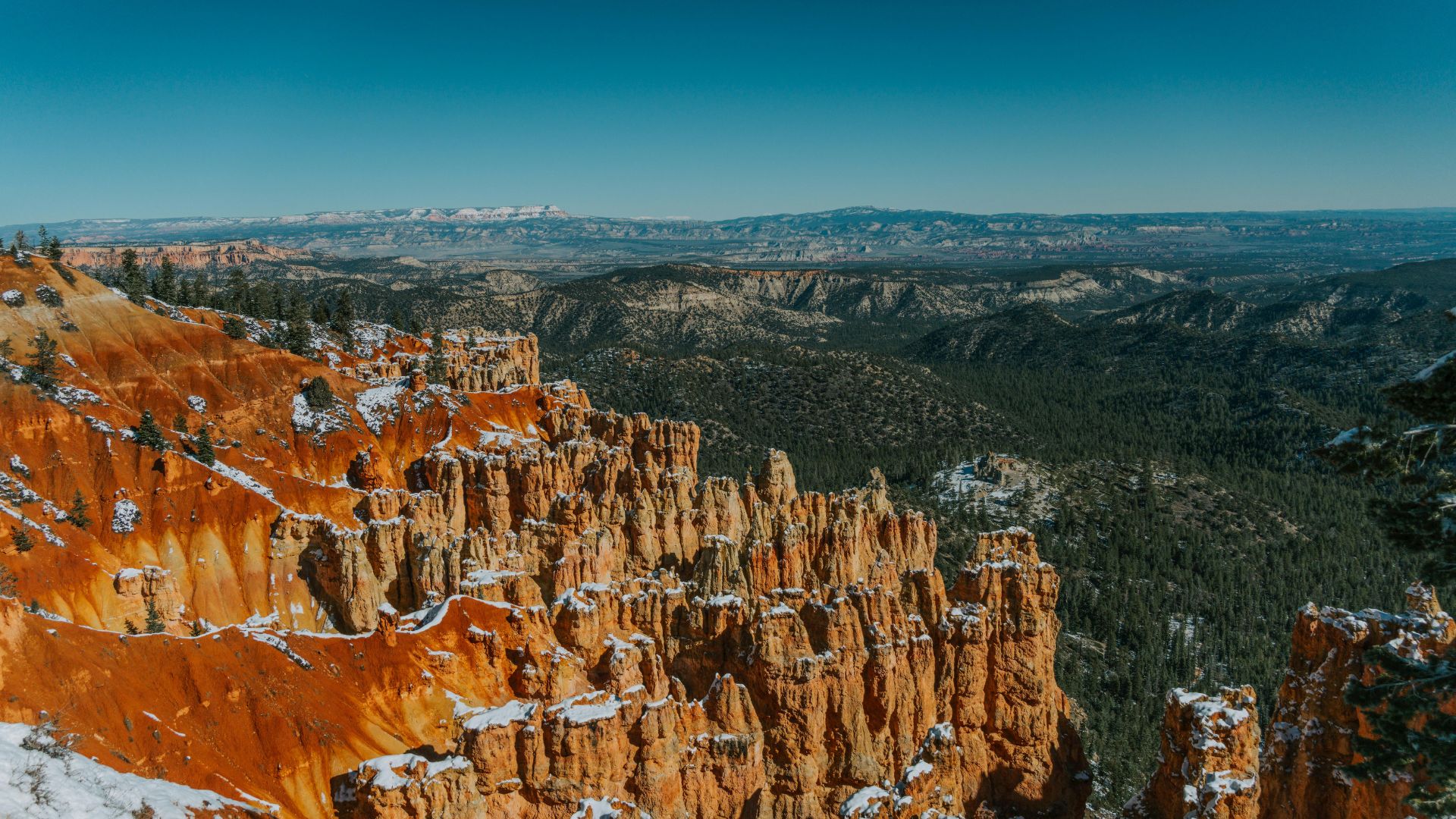
Bryce Canyon National Park really stands out among Utah’s parks, thanks to its wild hoodoos. These spindly, red-orange rock spires look like something from another planet.
The park sprawls over 35,000 acres in southern Utah’s red rock country. You can take in the amphitheater of hoodoos from the rim, or hike right down among them.
Inspiration Point and Sunset Point are classic stops—easy to reach and totally worth it. The Rim Trail links several viewpoints and works well if you’re after a mellow stroll.
If you want more adventure, hit the Navajo Loop or Queen’s Garden trails. You’ll wind right through the heart of the hoodoos.
Bryce Canyon sits high—between 8,000 and 9,000 feet—so expect cooler temps than nearby parks. Summer days are perfect for hiking, and in the winter, snow dusts the red rocks for a whole new vibe.
It’s just a mile from nearby hotels and close to other national parks. You can easily add Bryce to a southern Utah road trip.
12) Shenandoah National Park, Virginia
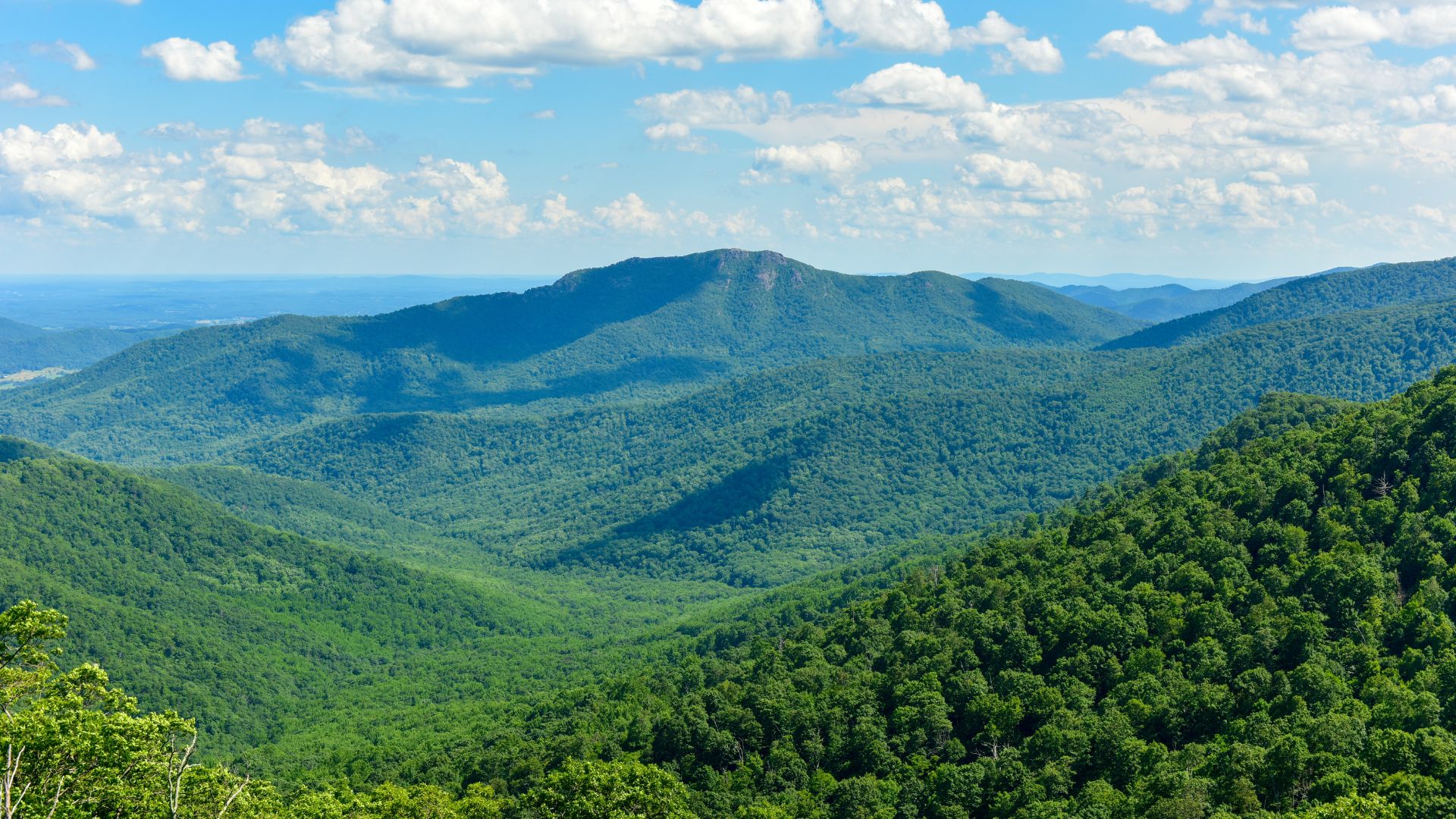
Shenandoah National Park stretches across more than 200,000 acres in Virginia’s Blue Ridge Mountains. There’s something for everyone, whether you’re a casual walker or a seasoned hiker.
Skyline Drive runs the length of the park—105 miles of winding road, mountain overlooks, and easy trail access. You can pull over at countless viewpoints to soak up the scenery.
The park connects to over 500 miles of hiking trails, including a chunk of the Appalachian Trail. Old Rag Mountain and Dark Hollow Falls are local favorites, with moderate hikes leading to waterfalls tucked in the woods.
Wildlife spotting is part of the fun here. You might see deer, black bears, or a flash of color from one of the many bird species.
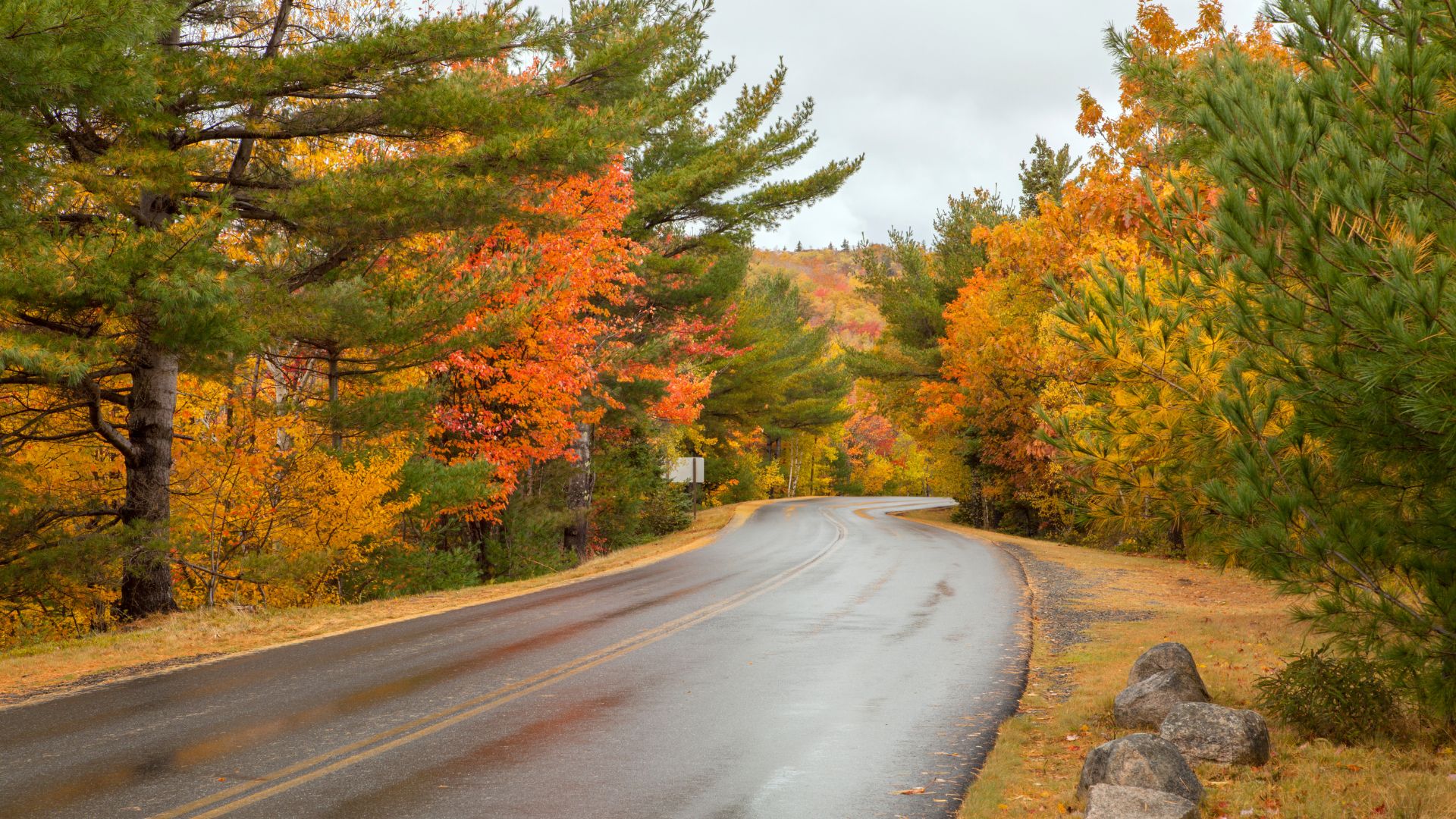
The forests put on a show in every season—from wildflowers in spring to blazing leaves in fall.
You can camp at developed campgrounds or try backcountry camping with a permit. If you like a roof over your head, lodges and cabins are available.
During peak season, rangers host educational programs that dive into the park’s natural and cultural stories.
13) Grand Teton National Park, Wyoming
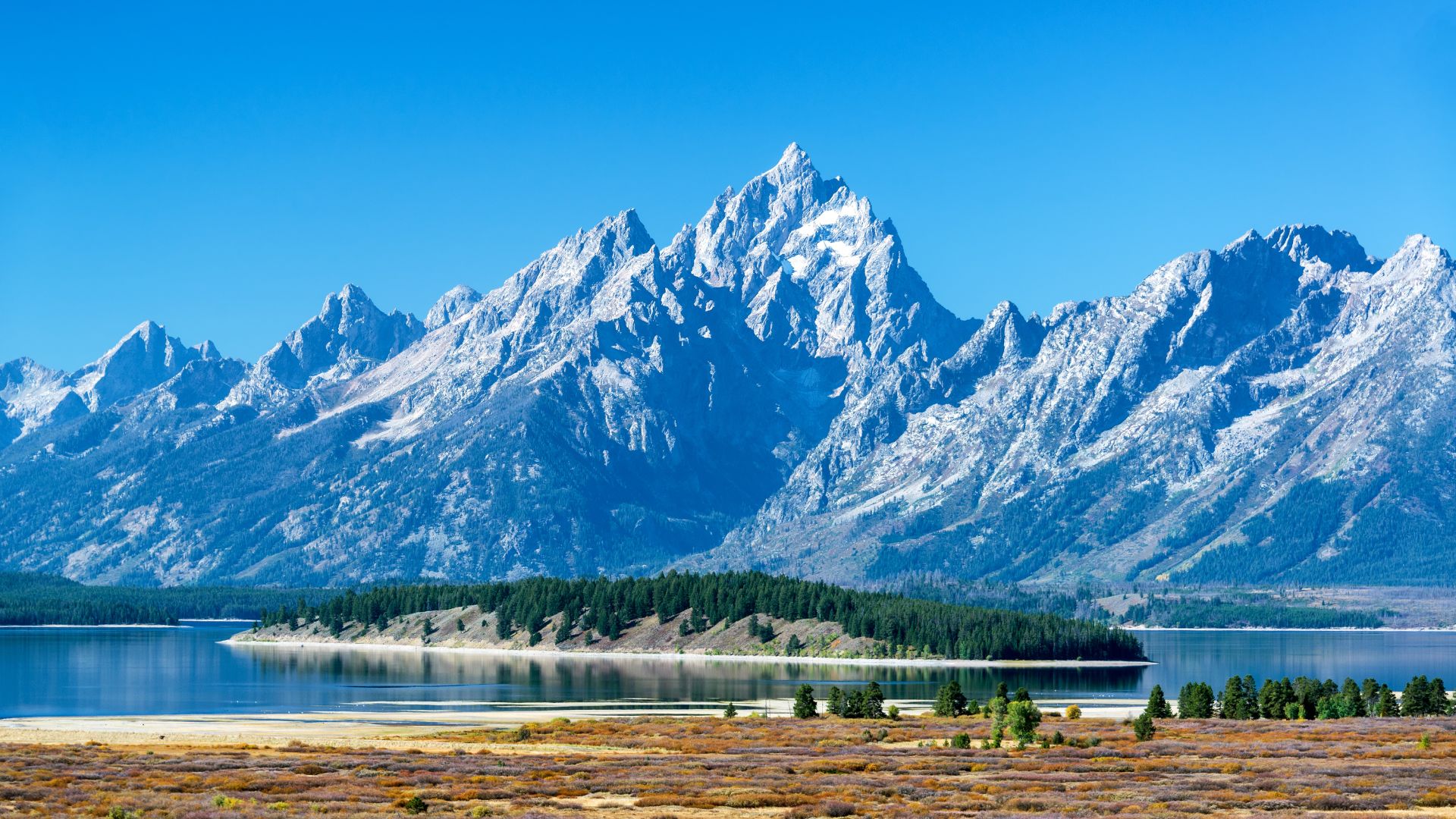
Grand Teton National Park draws you in with its jaw-dropping mountain peaks and endless ways to get outside. The rugged terrain begs for hiking boots, a camera, or maybe a kayak.
You can wander hundreds of trails, from easy walks to serious climbs. Scenic drives offer plenty of pullouts for those classic Teton Range photos.
Wildlife spotting is a thrill—elk, moose, bears, and bison all roam here. Sometimes you’ll see them just off the main road.
The lakes in the park are crystal clear. You can swim, paddle, or just sit and take in the views. Mormon Row is a must-see for its old barns set against those epic mountains.
There’s something for every skill level and interest. The park’s huge, so planning ahead helps you make the most of your visit.
Summer brings the best weather and access to everything. Grand Teton blends wild beauty with adventure like nowhere else.
14) Arches National Park, Utah
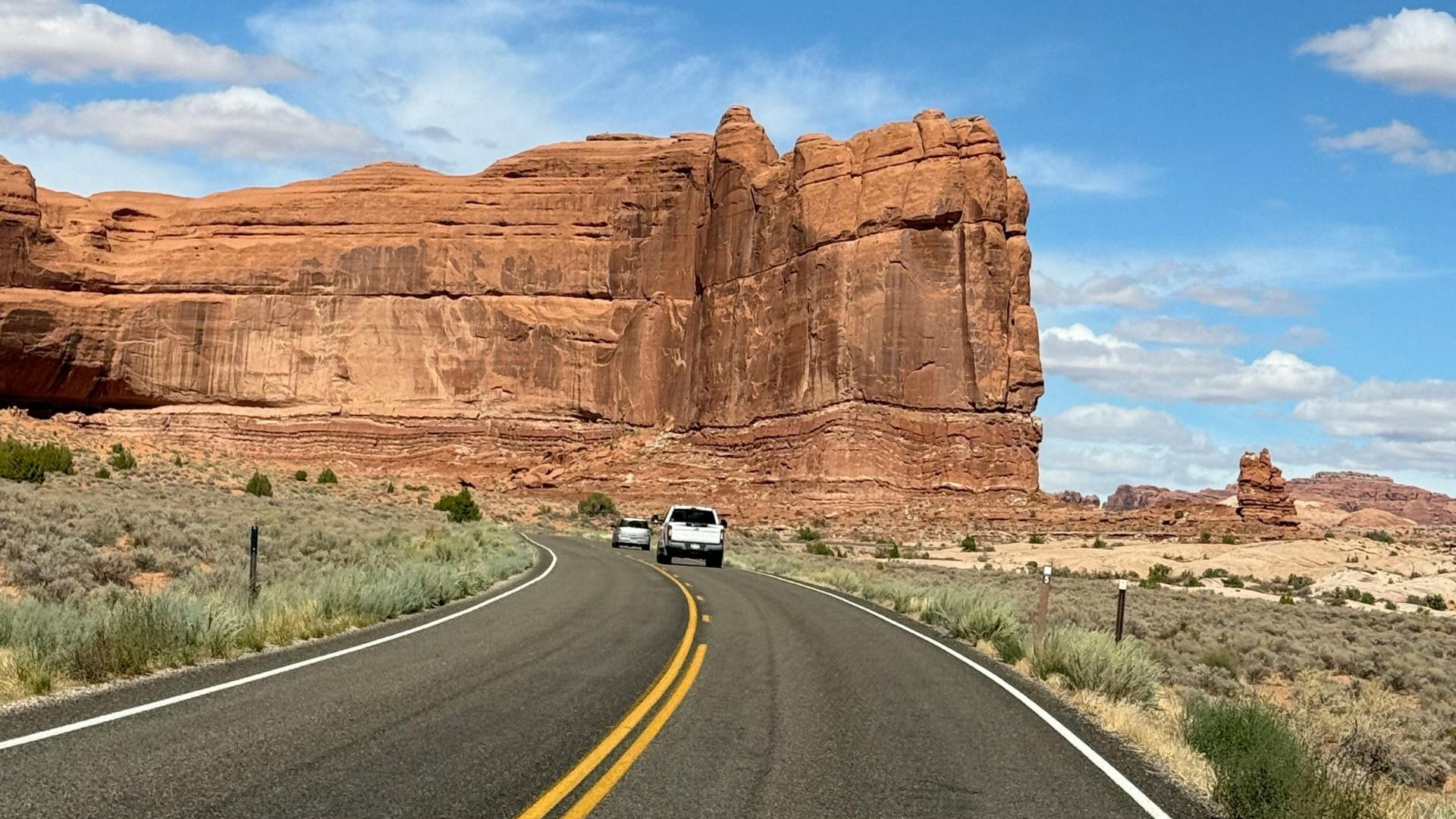
Arches National Park will blow your mind with over 2,000 natural stone arches scattered across a glowing red-rock landscape. Massive fins, soaring pinnacles, and those gravity-defying balanced rocks are everywhere you look.
Delicate Arch is the superstar here—you’ll reach it on a moderate hike, and trust me, it’s worth every step. Landscape Arch is another highlight, stretching longer than you’d think possible.
Balanced Rock is impossible to miss from the road. You don’t have to be a hardcore hiker to enjoy Arches; short walks and overlooks get you right up close to the wild geology.
The 22-mile scenic drive makes exploring easy, with plenty of stops for photos or a quick stroll. The park’s just outside Moab, so there’s tons of adventure nearby.
Give yourself at least a day, but two or three let you catch sunrise, sunset, and some quieter trails. The colors and formations are a photographer’s dream, especially when the light gets dramatic.
Best Times to Visit National Parks in 2026
When you visit a national park, timing really shapes your whole experience. Trail conditions, crowds, and even parking can change a lot depending on the season.
Seasonal Weather Trends
From January to March, desert parks like Joshua Tree and Death Valley serve up blue skies and comfy 60s-70s temps. Meanwhile, mountain parks such as Yellowstone and Rocky Mountain get buried in snow, so some roads close.
April and May are magic in the Southwest. Mild days—think 50-70°F—make parks like Zion and Grand Canyon super pleasant. Up north, Glacier and North Cascades start thawing out by late May, but snow hangs around on the high trails.
Summer is prime time for Alaska’s wild parks and any place at higher elevation. Denali, Glacier, and Sequoia all open up from June through August. Southern parks, though? They bake in 100°F+ heat, so pack extra water.
September through November brings cooler, comfy weather to most parks. The Southwest finally chills out, and northern parks stay open until late October, when winter starts creeping back.
Crowd Levels and Peak Seasons
Crowds? Oh, they spike from Memorial Day to Labor Day. Expect packed parking lots, full campsites, and busy trails all summer. Yosemite and Grand Canyon can feel like small cities during these months.
If you want breathing room, shoot for the shoulder seasons—April-May or September-October. Roads are open, services run normally, and crowds drop by almost half. Weekdays are even quieter.
January and February are the slowest months at year-round parks. You can find parking and empty trails, but some services shut down and weather can be unpredictable. March and November also stay pretty mellow, but with nicer weather than the coldest winter days.
Essential Tips for Planning Your Adventure
A little prep goes a long way in the national parks. You’ll want to lock in permits, pack smart, and follow the rules so everyone can enjoy these wild places.
Permits and Reservations
Many top parks now use timed entry systems during busy months. Book your permits 1-3 months ahead on Recreation.gov. Parks like Yosemite, Glacier, and Rocky Mountain require advance reservations for vehicles from May to September.
Backcountry camping permits are a whole different thing. You usually need to apply 2-6 months ahead, and some parks use lotteries while others do first-come, first-served.
Popular trailheads and day-use spots sometimes need reservations too. Check the park’s website about a month before your trip. Walk-up permits? They’re limited and go fast, usually early in the morning.
Packing for All Conditions
Weather changes fast in the parks, especially up high. Layers are your friend: bring a wicking base, something warm, and a waterproof shell. Even in summer, you’ll want extra clothes just in case.
Here’s my go-to gear list:
- Navigation: map, compass, and a charged GPS
- Sun protection: sunscreen (SPF 30+), good sunglasses, wide-brimmed hat
- First aid kit: bandages, pain meds, blister stuff, and your own meds
- Hydration: at least 2-3 liters of water per person, plus a filter
- Food: high-energy snacks and enough meals, with a little extra
- Emergency items: headlamp, whistle, fire starter, and a basic shelter
Skip cotton—it stays soggy and can chill you fast. Go for synthetic or wool layers instead.

Leave No Trace Principles
Let’s talk about Leave No Trace—it’s really the heart of protecting parks for everyone who comes after us.
When you visit, you’ve got to pack out every bit of trash, even those sneaky orange peels or a handful of nut shells. They might look harmless, but trust me, they stick around way longer than you’d think.
Stick to the marked trails. I’ve seen what happens when folks cut switchbacks—ugly scars and loose dirt that just won’t heal. If you’re camping in the backcountry, set up camp only in designated spots or at least 200 feet away from any water source.
Food storage is no joke in the wild. Always stash your snacks in bear-proof containers or use the lockers you’ll find at campsites. Don’t ever feed the animals or leave food lying around; it’s not just risky, it can change their behavior for good.
Keep things peaceful. Loud noises can ruin the vibe for everyone, so I try to keep it down and let nature do the talking. Instead of picking wildflowers (tempting, I know), snap a photo. And if you find a cool rock or an antler, it’s best to leave it right where it is—nature’s souvenirs are meant to stay put.
