
Sleep tourism is blowing up lately. More and more people realize how much chronic stress and lousy sleep can wreck your health. Instead of cramming in sightseeing, these trips invite you to slow down and actually rest—imagine that! The focus shifts from busy itineraries to creating the perfect environment for quality sleep.
Honestly, the best sleep tourism retreats I’ve visited blend expert advice, peaceful locations, and real, proven techniques to help you reset before life gets crazy again. We’re talking structured programs that offer way more than a soft mattress. Think sleep coaching, stress-busting therapies, and daily routines that really change how you rest.
These five spots? They range from dreamy islands to alpine wellness centers, and each one has its own unique spin on better sleep. Whether you need a total nervous system reboot or just want to pick up better habits, you’ll find something that fits.
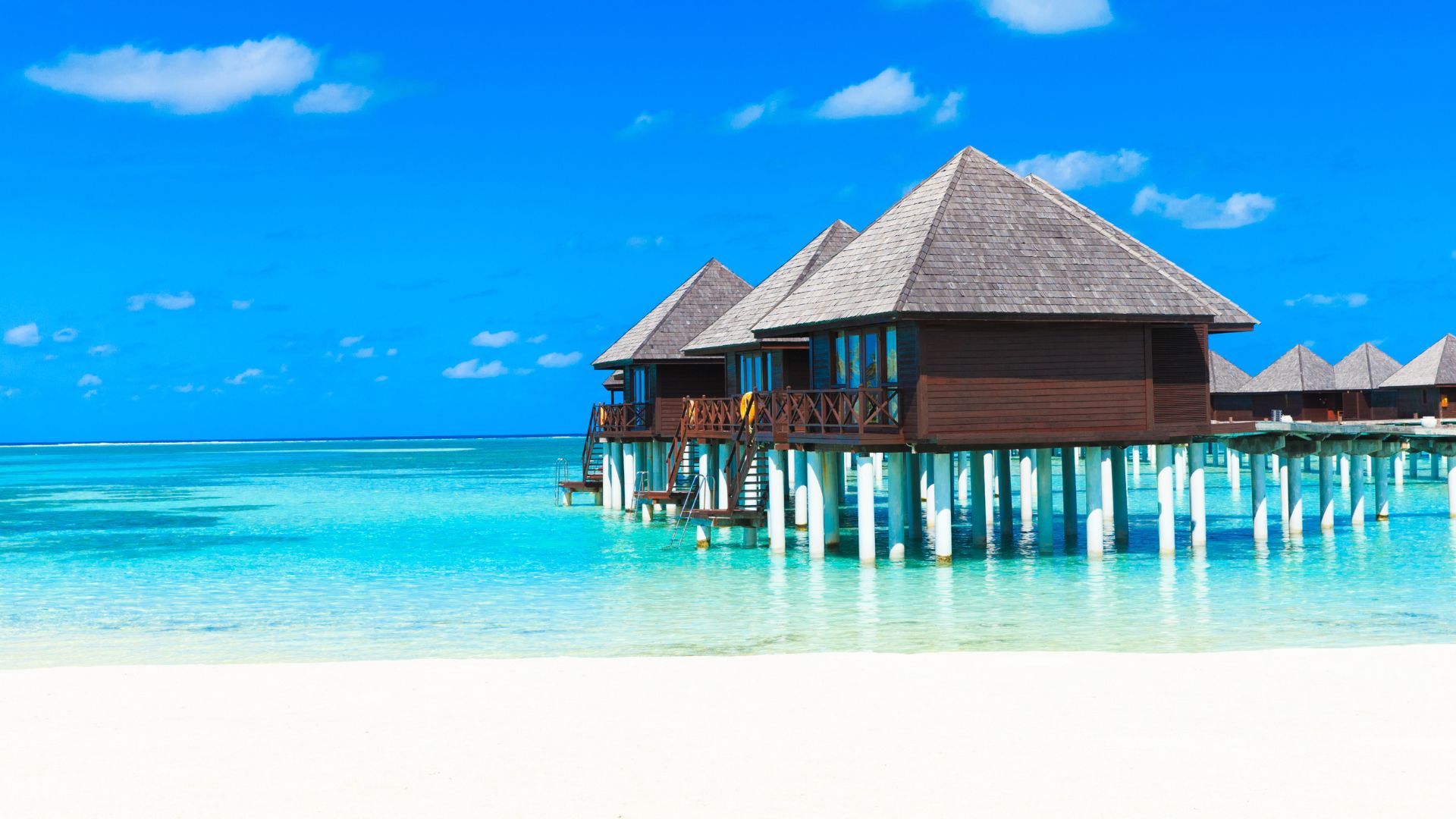
1) Soneva Fushi, Maldives – 14-night nervous system reset program
Soneva Fushi sits on a private Maldivian island. Their two-week program aims to calm your nervous system and help you truly unwind.
You stay in a villa tucked into lush forest, steps from white sand beaches. Every day, staff run sleep assessments and craft personalized plans for you.
They guide you through meditation and breathwork sessions. Sleep specialists dig into what’s actually messing with your rest.
Sound healing and gentle massages target stress and push your body into relaxation mode. Meals? They’re all about sleep support—local, fresh, and free of heavy additives.
You’ll unplug from screens and daily chaos. The island itself makes it easier to let go of work and focus on healing.
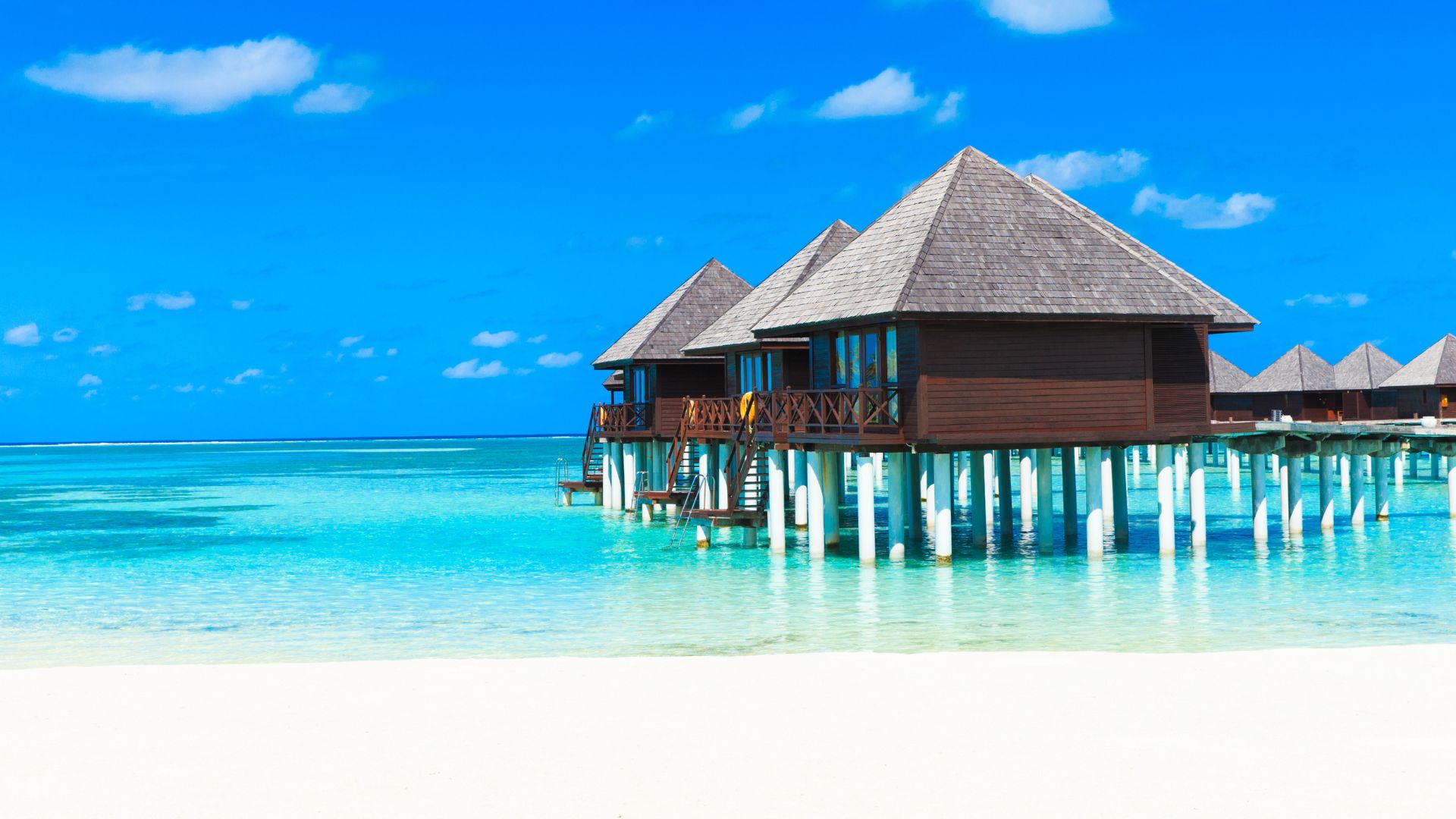
2) Lanserhof Tegernsee, Germany – holistic sleep and wellness retreat
Lanserhof Tegernsee, tucked in the Bavarian Alps, takes a medical wellness approach to sleep. They blend cutting-edge tech with traditional healing wisdom.
Here, you can get sleep lab testing to really understand your issues. Medical professionals actually work with you to build a plan that fits your needs.
Their programs usually run 7 to 14 nights. You’ll get nutritional advice, stress-reduction therapy, and hands-on sleep optimization.
What sets Lanserhof apart? Real doctors and specialists guide your journey. It’s perfect if you’re struggling with serious sleep disorders or constant exhaustion.
The facility features advanced diagnostics and a skilled medical team. You leave with a doable plan to keep up at home—no fluff, just real solutions.
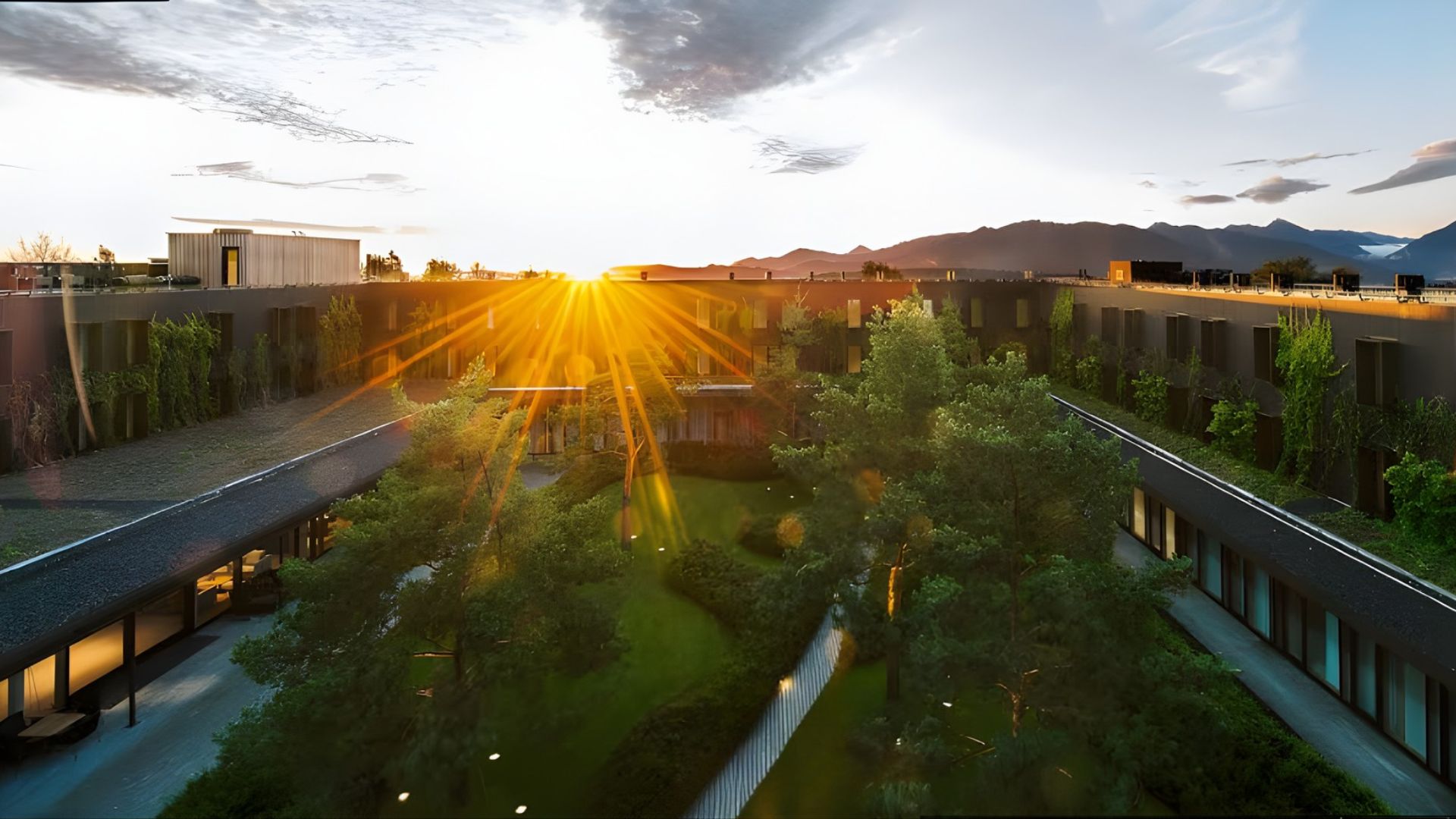
3) Canyon Ranch, Tucson – integrative health coaching with sleep focus
Canyon Ranch in the Arizona desert takes sleep seriously. Their programs come from sleep specialists and doctors who know their stuff.
Their integrative health coaching digs into the root causes of bad sleep. They combine sleep studies with custom wellness plans.
Each guest works with a team—nutritionists, fitness pros, and behavioral experts. Biometric testing helps coaches tailor everything to you, from stress hormones to sleep cycles.
You get treatments like acupuncture and craniosacral therapy. Classes cover sleep hygiene and stress management, so you actually learn skills to use at home.
Rooms are set up for optimal rest with controlled light, temperature, and sound. Quiet areas invite meditation and downtime.
This place works because it tackles physical health, mental stress, and daily habits all at once. It’s a true nervous system reset before life ramps up again.
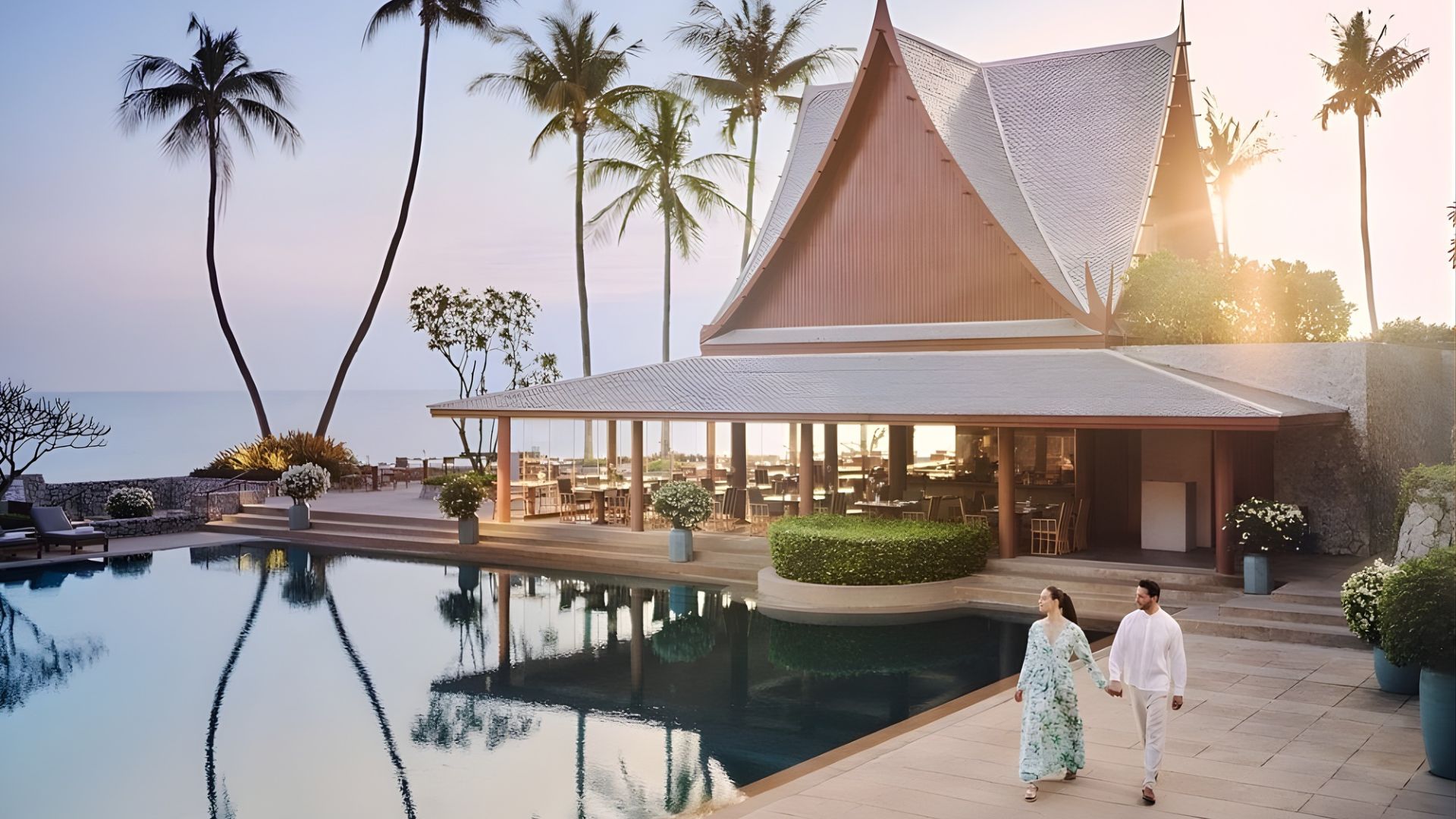
4) Chiva-Som, Thailand – yoga, breathwork, and meditation for deep sleep
Chiva-Som, right on the Gulf of Thailand, stands out as one of Asia’s most complete sleep retreats. Their programs are all about improving sleep quality in practical ways.
Yoga and targeted breathing exercises help calm your system before bedtime. Meditation sessions focus on quieting those racing nighttime thoughts.
The staff crafts personalized schedules for each guest based on their unique sleep issues. Yoga here isn’t about breaking a sweat—it’s gentle and restorative, prepping your body for sleep.
Breathwork slows your heart rate and teaches your body how to relax. I found myself using these techniques throughout the day for better sleep later.
Meditation includes both guided sessions and silent reflection. These tools help your mind release tension and drift off easier.
5) The Lodge at Woodloch, USA – guided sleep meditation and spa therapies
The Lodge at Woodloch, nestled in Pennsylvania’s Pocono Mountains, focuses on wellness through sleep science and relaxation.
Their sleep program features guided meditation to calm your mind before bed. Sleep coaches help you spot what’s disrupting your rest and teach breathing and body-awareness techniques.
The spa delivers stress-melting massage therapies and sound bath sessions, using gentle pressure and vibrations to quiet the mind.
Rooms come with blackout curtains and white noise machines. Staff keeps things quiet after 9 PM so everyone can actually sleep.
Meals support rest too, with nutrient-rich dishes that boost your natural sleep hormones. They steer clear of heavy foods at night, which is a relief.
Retreats run three to seven nights, giving you enough time to reset. You leave with real tools to keep your sleep on track at home.
How Sleep Tourism Retreats Impact the Nervous System
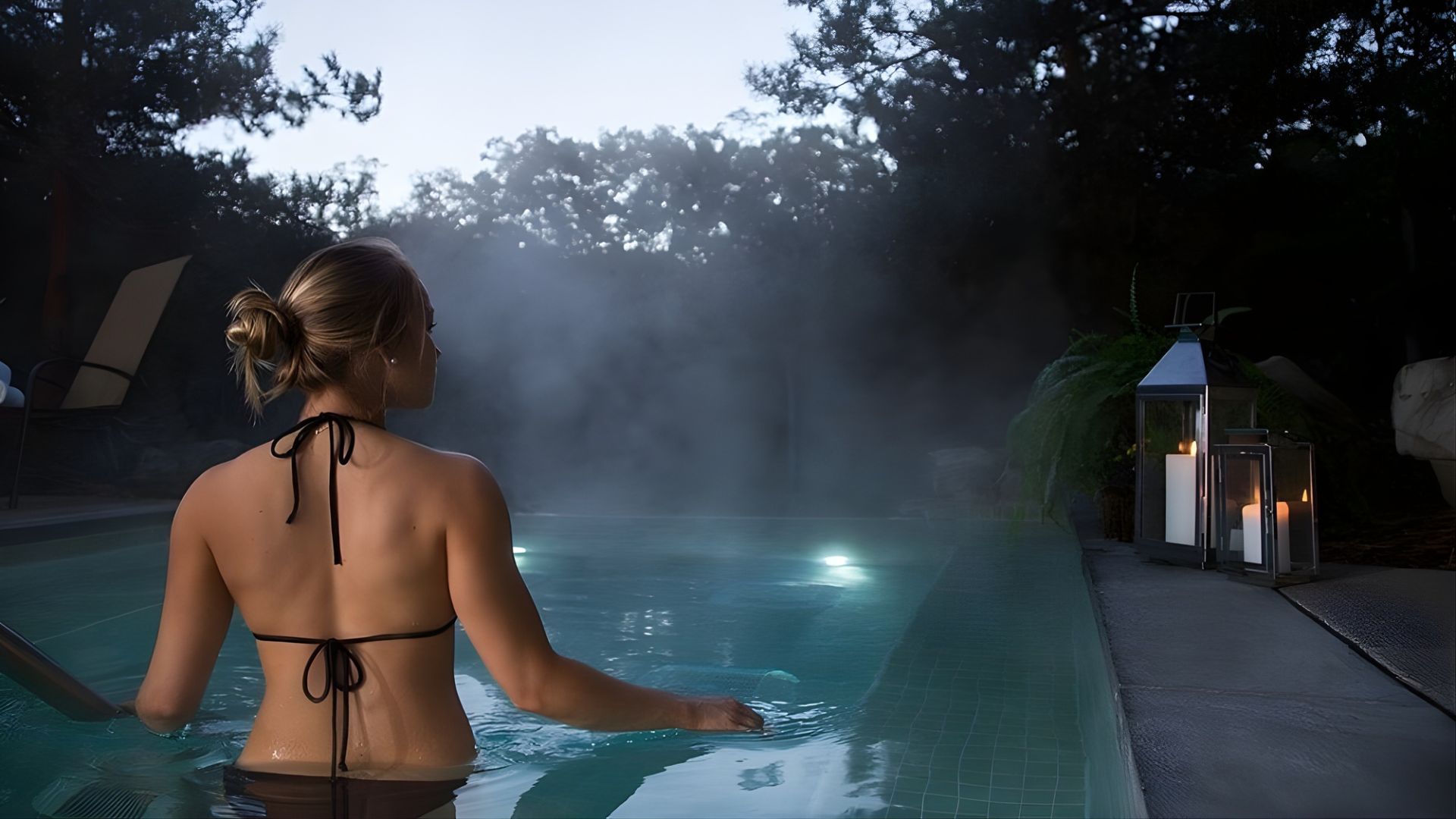
Sleep retreats create the right conditions for your nervous system to shift away from chronic stress and into parasympathetic healing. The environment, the focus on sleep, and fewer distractions all help restore balance.
Restorative Sleep and Brain Health
Your brain clears out toxic waste during deep sleep, thanks to the glymphatic system. This system works up to 60% better when you’re asleep. Sleep retreats set you up for those deep sleep cycles, so your brain gets the cleanup it needs.
When you get solid rest, your brain makes more BDNF—a protein that grows new neurons and protects the old ones. Poor sleep can slash BDNF by 30%, which isn’t great.
These destinations cut out things like extra light, noise, and weird schedules that usually keep you from deep sleep. Blackout curtains, temperature control, and set routines really help your brain do its thing.
Nervous System Regulation Through Environment
I’ve noticed sleep retreats offer what researchers call a “low-threat environment.” Your nervous system constantly scans for danger, and when it’s always on high alert, you stay stuck in fight-or-flight mode. Retreats strip away the stressors that trigger this.
Key environmental factors at sleep retreats:
- Less artificial blue light
- Cozy, cool temperatures (think 65-68°F)
- Minimal noise
- Natural light at the right times
- Limited screen time
Your vagus nerve, which helps your body relax, responds to these cues. When it’s activated, your heart rate drops, digestion improves, and inflammation goes down. Breathing exercises and meditation at retreats often target this nerve directly.

Long-Term Benefits of Retreat-Focused Rest
Changes you make at these retreats can stick around for weeks or even months. Your body learns new sleep patterns (that’s called sleep consolidation). Even a single week of good sleep can help reset your body clock.
Your stress system (the HPA axis) finally gets a break. Chronic bad sleep keeps it overactive, but retreats help it calm down and drop those cortisol levels.
Better sleep also means less inflammation, which lowers your risk for anxiety, brain fog, and more. Giving your immune system a break from stress does wonders.
Tips for Maximizing the Benefits of Your Sleep Retreat
Want to get the most from your sleep retreat? A little planning goes a long way. I’ve noticed that guests who prep beforehand and stick with new habits after see the biggest changes.
Establishing a Pre-Retreat Routine
Start making sleep-friendly tweaks two weeks before you leave. Head to bed 15 minutes earlier each night until you hit a regular bedtime—your body will thank you.
Cut back on caffeine slowly so you don’t get withdrawal headaches. Try dropping a cup every few days and stop all caffeine by 2 PM in the week before your trip.
Pre-retreat checklist:
- Cut screen time after 8 PM
- Keep a simple sleep journal
- Practice breathing exercises 5-10 minutes before bed
- Ease up on alcohol
- Pack comfy sleepwear and whatever helps you relax
Set realistic expectations too. A retreat isn’t a magic cure—it’s the start of better habits.
Integrating Restorative Practices Post-Retreat
The real challenge kicks in when you get home. I’ve watched people lose all their progress by dropping their new routines.
Pick three practices from your retreat and stick with them daily. Maybe it’s a breathing exercise, a supplement, or a bedtime ritual. Jot them down and treat them like appointments.
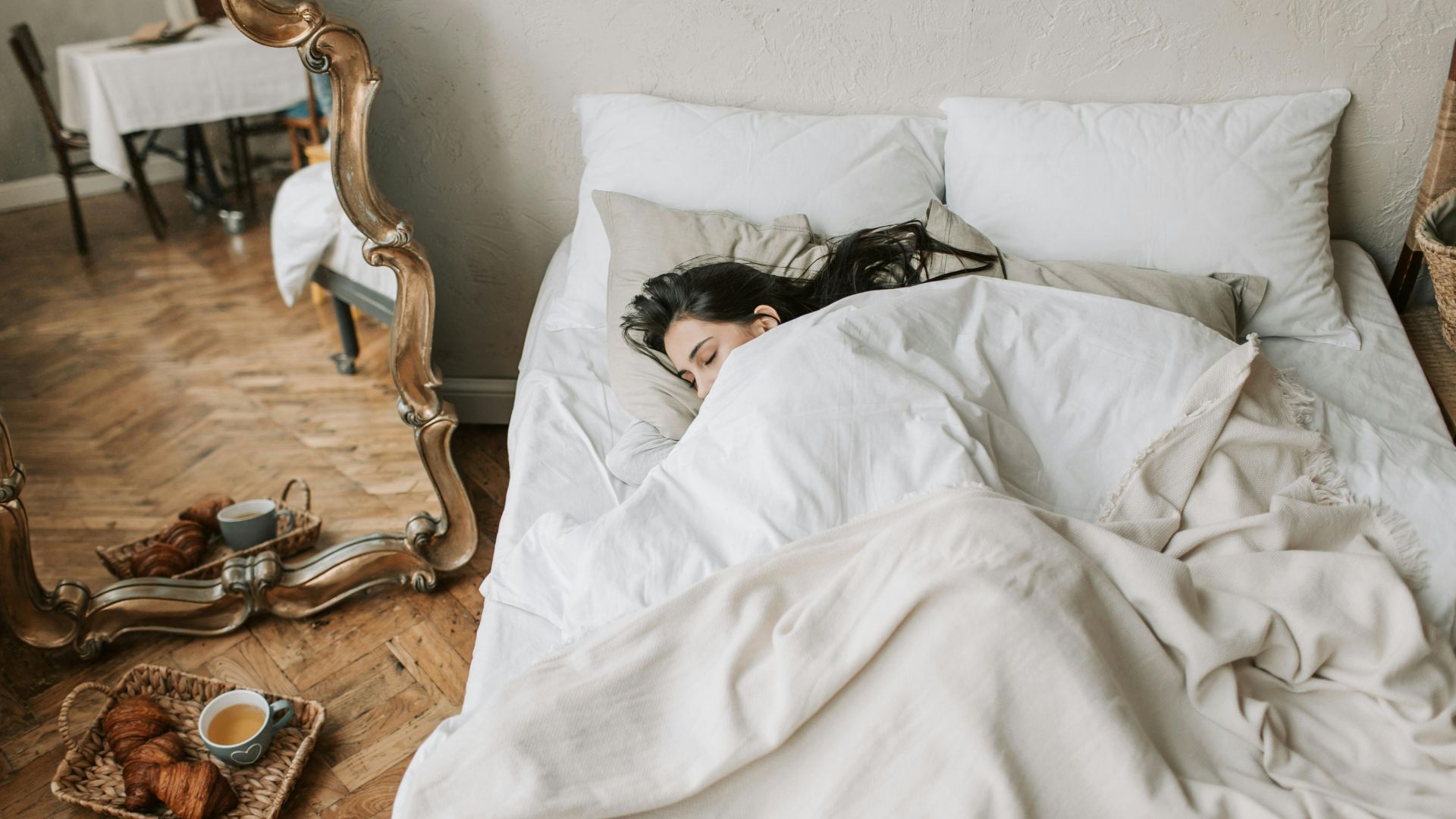
Make your bedroom as retreat-like as possible. Invest in blackout curtains, a white noise machine, or even a better mattress if you can. Keep your room cool—65-68°F works for me.
Track your sleep for a month after you get back. Notice what helps and what throws you off. This way, you’ll know which habits are worth keeping.
Frequently Asked Questions
Sleep tourism prices range from a few hundred to several thousand dollars per night. Places like Soneva Fushi and Lanserhof Tegernsee offer expert programs that blend medical know-how with relaxation. Their main goal? Helping you restore your nervous system through sleep and wellness practices.
Here are my top five picks for nervous system recovery. Soneva Fushi in the Maldives runs a 14-night reset program. Lanserhof Tegernsee in Germany mixes medical science with holistic wellness.
Canyon Ranch in Tucson focuses on integrative health coaching with a serious sleep component. Chiva-Som in Thailand uses yoga, breathwork, and meditation for deep rest. The Lodge at Woodloch in Pennsylvania pairs guided sleep meditation with therapeutic spa treatments.
Sleep tourism prices are all over the map. Basic hotel stays focused on sleep start at $200-$400 per night. More specialized retreats usually run $500-$1,000 a night.
If you want luxury—think Soneva Fushi or Lanserhof Tegernsee—expect $1,500 to $3,000 (or more) per night. Multi-week programs with medical consults and custom treatments cost the most. Many places require you to stay at least three to seven nights.
Sleep tourism hotels really go the extra mile—way beyond the usual comfy bed and blackout curtains. I’ve checked in to places that set the room temperature just right and filter the air so it always feels fresh.
You might find a pillow menu in your room, with all sorts of firmness options. High-thread-count sheets made from natural materials? Absolutely. It’s hard not to notice the difference when you crawl under those covers.
Some hotels even use circadian lighting that shifts as the day goes on, matching your body’s natural rhythm. Others hand out sleep trackers or set you up with a quick chat with a sleep specialist.
I’ve stayed in rooms that are totally soundproof, which is a game changer if you’re a light sleeper. Weighted blankets and a whiff of lavender from an aromatherapy diffuser can make falling asleep actually enjoyable.
A few places organize activities to fit the best sleep-wake cycles. Guests often get a personalized sleep assessment and a plan tailored just for them.
Nutrition gets plenty of attention too. Many hotels offer special menus full of foods that help you sleep better, which I honestly wish more places did.
Let’s face it—most of us don’t get enough sleep. I feel it after a long week, and apparently, so do millions of others. That’s a big reason why sleep tourism has exploded, turning into a $690 billion industry. People are realizing just how much poor sleep messes with their minds and bodies.
Our busy lives and constant screen time make it tough to get real rest. Regular vacations sometimes leave you more tired than when you arrived. Sleep-focused getaways, though, are all about helping you pay off that sleep debt with expert support.
Wellness travel keeps expanding because travelers want experiences that actually make them feel better. These days, good sleep isn’t just a nice perk—it’s something people see as essential.
I’ve found that a dedicated sleep retreat can really kickstart better habits. Structured programs help guests learn routines they can stick with back home.
Many places teach practical tips for managing stress and creating a sleep-friendly environment. When you bring those lessons home, the benefits tend to stick around—better mood, sharper focus, and even improved physical health.
Research backs this up: fixing sleep issues can lower your risk for all sorts of chronic problems. But here’s the thing—lasting results only come if you keep practicing those healthy habits.
A single retreat gives you a solid foundation, but you need to keep at it. From what I’ve seen, guests who follow their personalized plans often notice real, long-term improvements.
Sleep tourism retreats have really started weaving sustainable practices into their daily routines.
For example, when I visited Soneva Fushi, I saw how they prioritized eco-friendly building materials and leaned on renewable energy. It’s not just about the buildings, though.
A lot of these retreats serve organic, locally-sourced food. That’s a big deal for cutting down their carbon footprint, and honestly, the food usually tastes fresher too.
Water conservation? Absolutely. Many places install systems to limit water waste, and you’ll notice waste reduction programs everywhere. Some even go further by protecting natural landscapes around the property, which helps local ecosystems stick around.
If you’re searching for a retreat with real environmental chops, look for green certifications. They make it easier to spot places that actually walk the talk.
What’s interesting is how closely all this ties into the wellness vibe. Retreats seem to understand that taking care of the environment goes hand in hand with personal well-being.
Still, not every place is on the same page. Some are truly committed, while others just dabble in sustainability. So, it pays to do a little homework before you book.
