
When I set out on my Germany road trip along the famous Romantic Road, I wanted more than just the usual highlights. Everyone raves about Rothenburg ob der Tauber and Neuschwanstein Castle, but honestly, there’s a whole other side to this route if you’re up for a little adventure.
These seven unforgettable stops revealed the beauty, charm, and history that make driving the Romantic Road in Bavaria such a thrill.
Each place I visited brought its own flavor, from peaceful old towns to jaw-dropping scenery at the edge of the Alps. Pretty quickly, I realized the real magic of the Romantic Road isn’t just in the postcard spots.
It’s tucked into quiet corners and buzzing markets that most travelers never see.
If you’re searching for new ideas to make your journey stand out, stick around. I want to share the hidden gems that turned my trip through Germany’s Romantic Road into something I’ll never forget.
Why Explore Beyond Rothenburg and Neuschwanstein?
Most people only check out Rothenburg or Neuschwanstein Castle, but the Romantic Road is packed with lesser-known towns and sites bursting with their own character.
When I mapped out my trip, I wanted to see different sides of German architecture, local traditions, and landscapes that unfold along the Romantische Straße.
Unique Experiences Along the Romantic Road
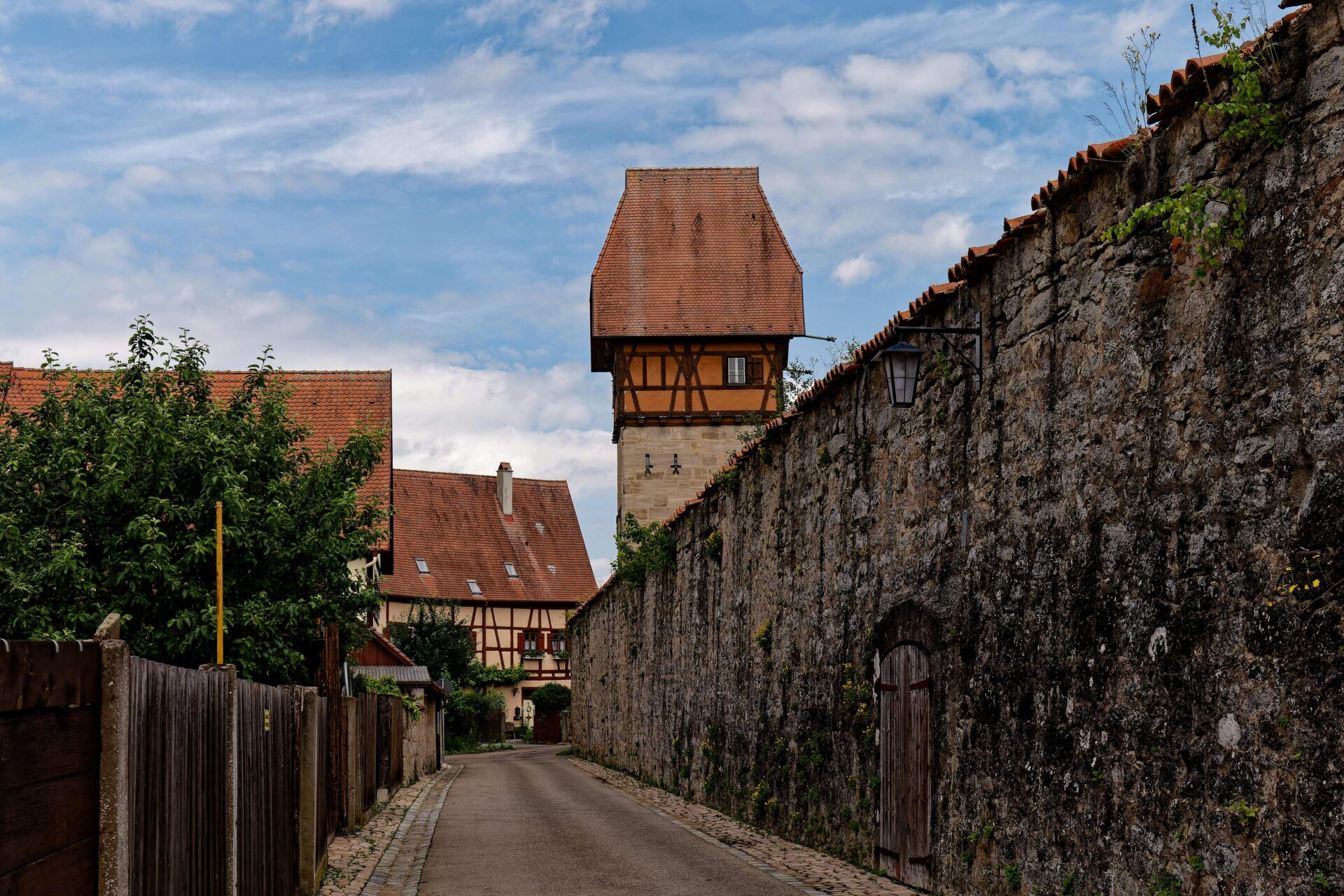
By going beyond Rothenburg and Neuschwanstein, I stumbled on hidden gems that most travelers skip. I wandered quiet cobblestone streets in Dinkelsbühl, where pastel houses and ancient churches stood untouched by the crowds.
In small villages like Bad Mergentheim, I browsed local markets filled with handmade goods and classic foods.
Harburg Castle surprised me with its raw medieval vibe. It’s nothing like Neuschwanstein’s fairy-tale look.
Harburg’s fortress let me see how German architecture morphed over the centuries. Meeting locals, joining small-town festivals, and soaking up places that felt real (not commercialized) made the journey even better.
Diversifying Your Itinerary
By skipping the biggest tourist magnets, I dodged crowds and enjoyed a more balanced trip. My route included gardens, cozy bakeries, and art museums in towns like Würzburg and Augsburg.
Mixing big cities with tiny villages showed me both Germany’s grand and simple sides. One moment, I’d stand beneath a Gothic cathedral by a peaceful river.
Next, I’d wander through a lively square just off the main road. That variety kept things fresh and memorable.
| Town | Highlight | Type |
|---|---|---|
| Dinkelsbühl | Medieval walls, local markets | Village |
| Augsburg | Art museums, old fountains | City |
| Bad Mergentheim | Thermal baths, animal park | Small Town |
Accessibility and Logistics
Driving the Romantic Road gave me total freedom. The route runs parallel to the autobahn, so I could easily tweak my plans—add a new stop or skip a crowded one.
Most towns sit close together, which meant I could spend just a few hours in one place and head out without feeling rushed.
Public transport works, but it’s not always direct. Having a car made it easy to reach tiny villages and out-of-the-way castles that don’t show up in most guidebooks.
Road signs for Romantische Straße are clear, and parking usually sits right near the old town gates or centers.
Planning around busy weekends or local events made a difference. Some villages throw festivals that draw crowds, but with a car, I could arrive early or leave before the rush.
That helped me find quiet moments and snag better photos.

Würzburg: Gateway to the Romantic Road
Würzburg kicks off the Romantic Road in the north, and it’s got a special mix of grand architecture, deep wine traditions, and a river setting I just loved.
Its blend of history and city life makes it the perfect spot to begin exploring Bavaria.
Würzburg Residence and UNESCO Heritage
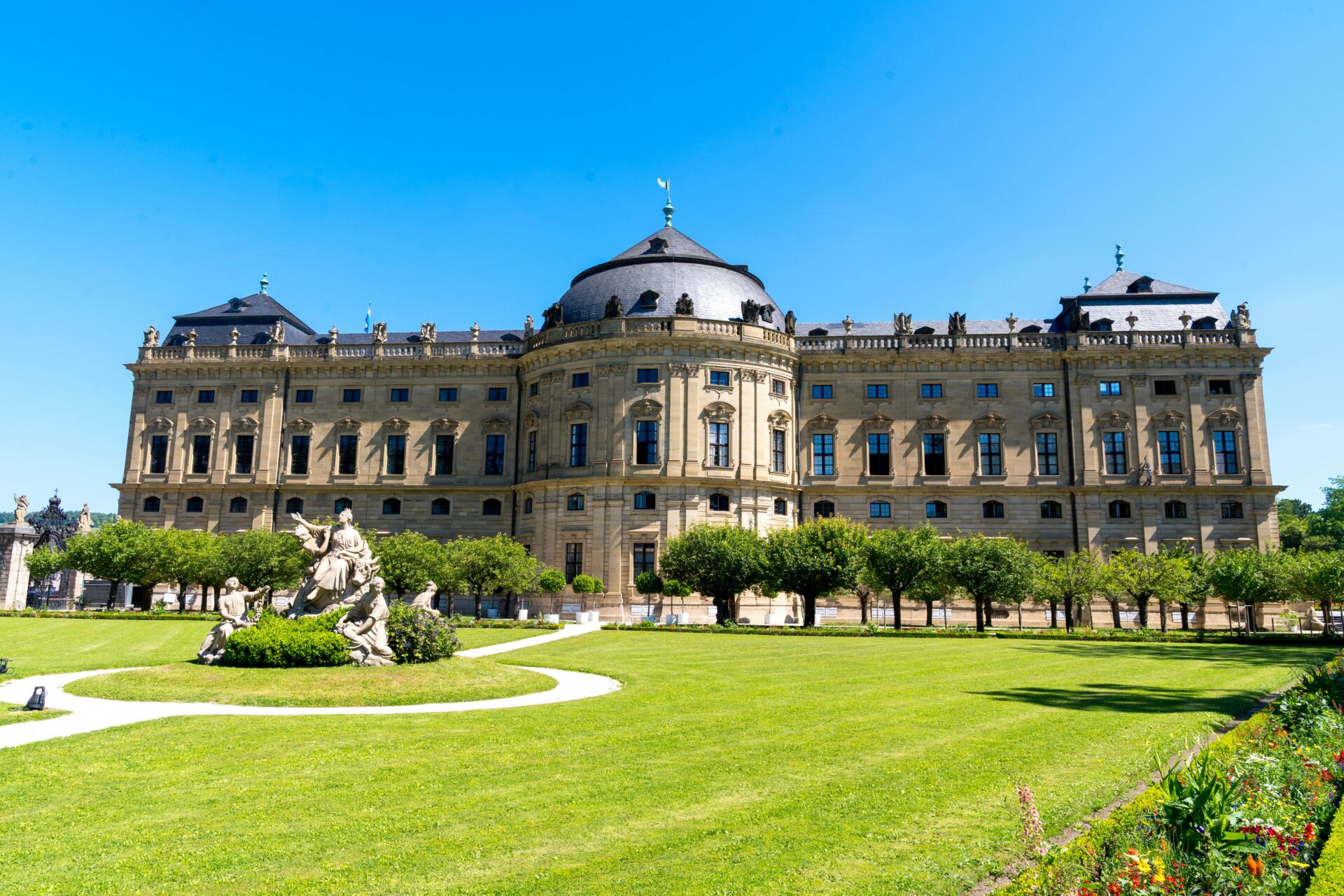
Touring the Würzburg Residence was hands-down the highlight of my start on the Romantic Road. This palace, a UNESCO World Heritage Site, is famous for its Baroque design and jaw-dropping interiors.
Franz von Schönborn, the Prince Bishop, built it back in the 18th century.
Walking through the palace, I stared up at the Staircase Hall with its massive Tiepolo fresco. The ceiling art burst with color and seemed to tell all of European history in one wild scene.
The Mirror Cabinet sparkled with gold trim and glass everywhere. Even though it’s a smaller room, the details blew me away.
I joined a guided tour, which helped me connect the décor with the stories and the palace’s role in Bavaria’s past.
Wine Culture and Baroque Beauty
Würzburg’s wine culture is everywhere you look. The city sits right in Franconia’s wine region, famous for its dry whites—mostly Silvaner and Müller-Thurgau.
I sampled local wines at the Bürgerspital and Juliusspital estates, both just a stroll from the old town.
Taverns offer tastings, and during my visit, vineyards stretched along the Main River hills. Late summer and fall bring wine festivals, filling squares with music, food stalls, and happy crowds.
Baroque buildings do more than decorate the city—they set the mood. I wandered past the ornate St. Kilian Cathedral, the bright pink Neumünster Church, and the statues lining the Old Main Bridge.
Every building seemed to have a story tied to Würzburg’s winemaking and royal history.
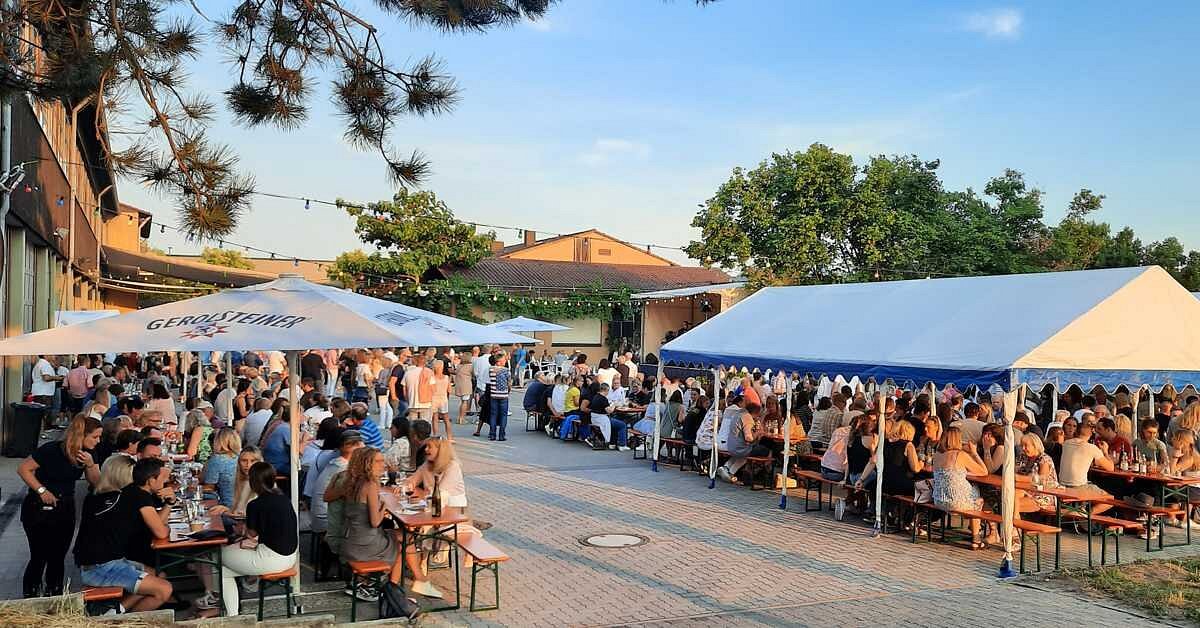
Exploring the Main River
The Main River winds right through Würzburg’s center. Its banks gave me peaceful walks and wide views of the city’s spires and hills.
The Alte Mainbrücke (Old Main Bridge) stands out with its line of stone saints and broad walkway. I joined locals here for a glass of wine from a riverside stand as the sun dipped behind the vineyards.
River cruises leave from the dock near the bridge, heading to wine villages and castles along the Main. Renting a bike was a breeze, and I followed the river trail past terraced vines, old mills, and tiny villages.
On the east bank, I climbed up to the Marienberg Fortress. The trek took about twenty minutes, but the view over Würzburg and the Bavarian countryside made every step worth it.
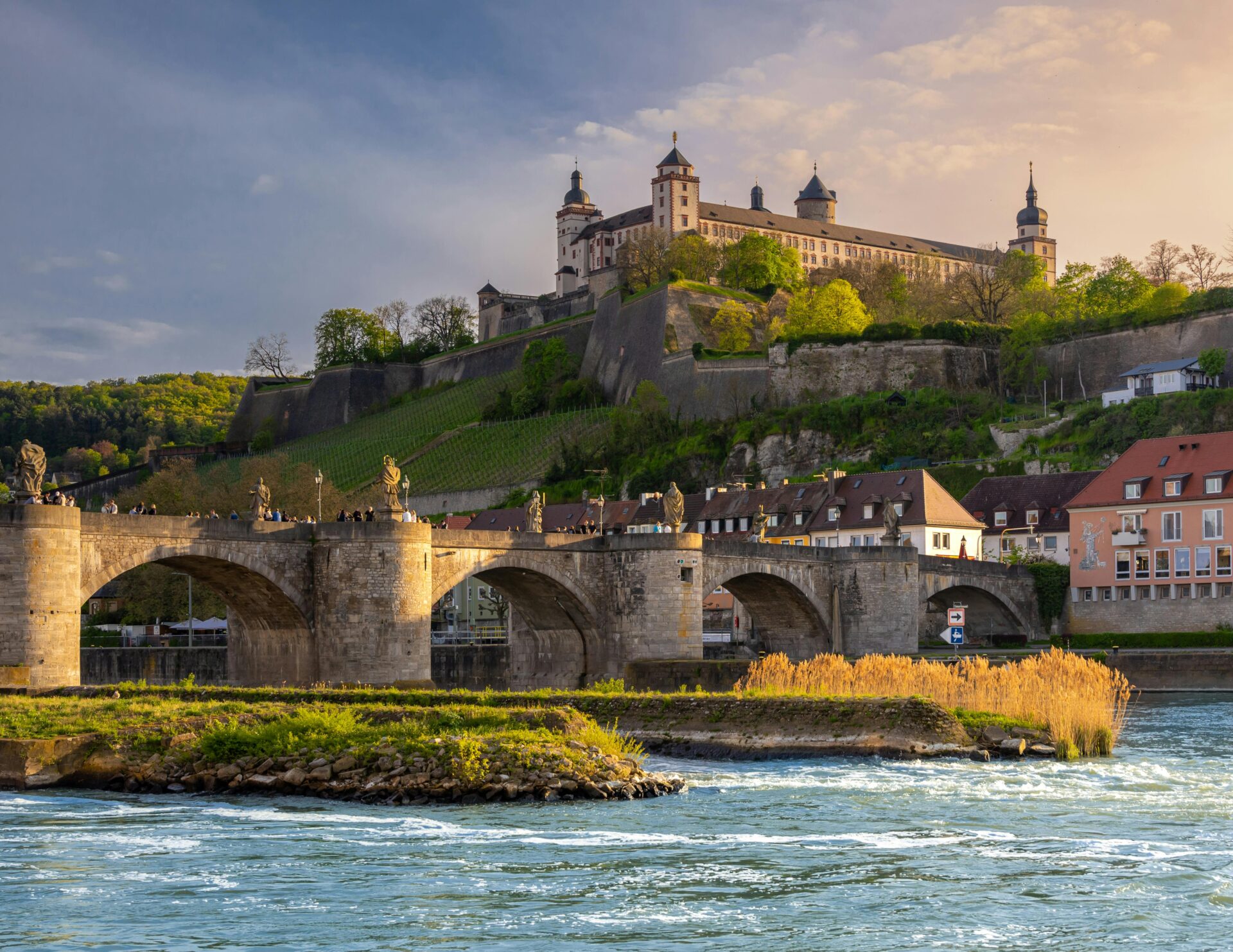
Hidden Gem Stops Along the Route
Germany’s Romantic Road introduced me to towns brimming with history, fairy tale charm, and quirky attractions.
Each place brought something unique, with stories and sights that went way beyond the usual tourist stops.
Nördlingen: The Town in a Crater
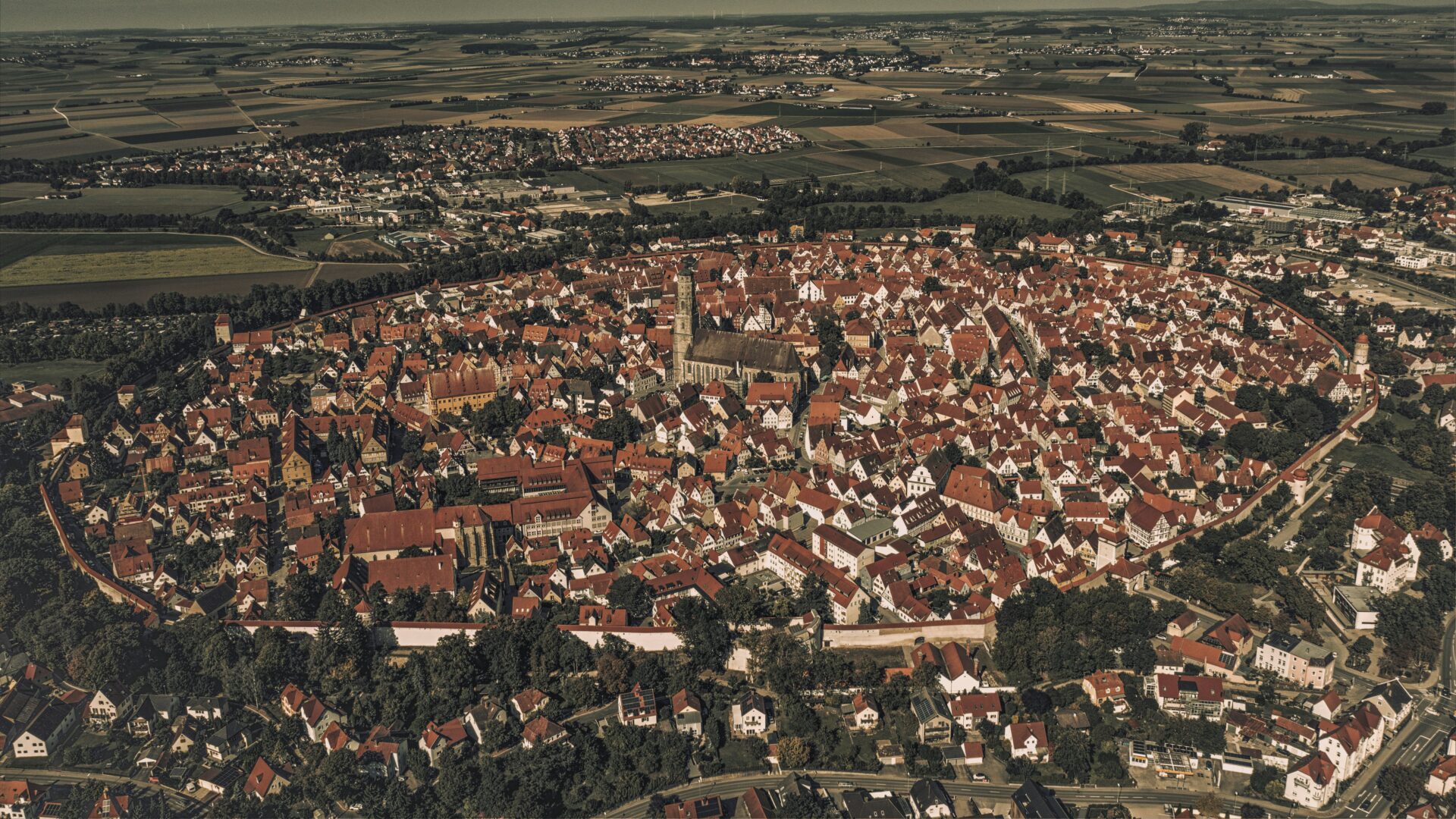
Nördlingen caught me off guard in the best way. Unlike other medieval towns, it sits inside a giant meteorite crater called the Ries.
This crater is about 15 miles wide and forms a natural ring around the town.
The best view of Nördlingen? Definitely from the top of St. George’s Church tower, nicknamed “the Daniel.” The old town wall still makes a complete circle—you can actually walk the ramparts and look down on the medieval streets below.
Shops and bakeries fill the narrow lanes, and the half-timbered houses add to the charm. At the Ries Crater Museum, I learned how the town’s wild location shaped its look and history.
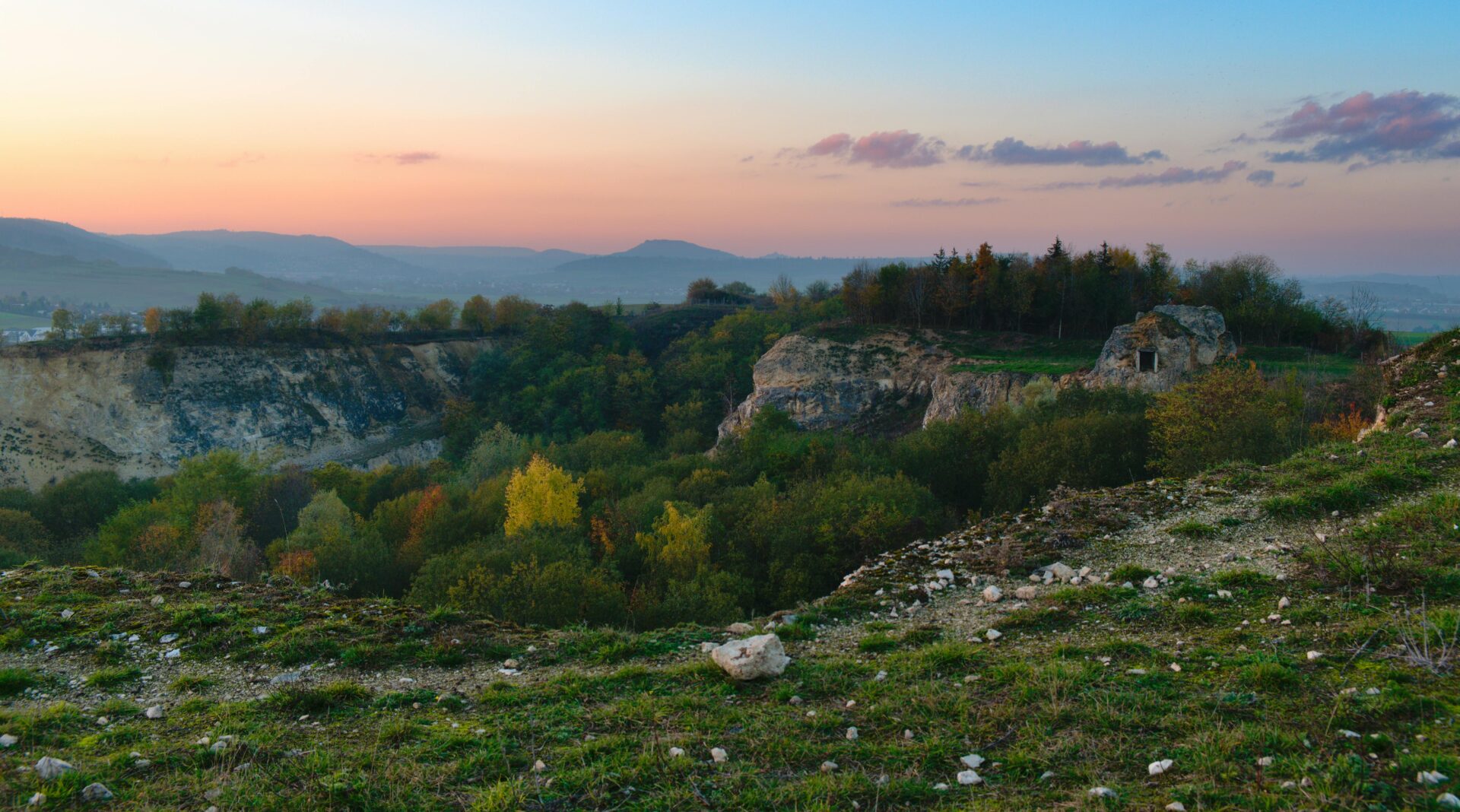
Dinkelsbühl: Medieval Marvel
Dinkelsbühl felt like stepping into a fairy tale. The town’s colorful, gabled houses and towers give it a storybook vibe.
Unlike some overrun spots, Dinkelsbühl stays calm. The old walls, city gates, and towers are almost all still standing.
In the Altstadt, I found St. George’s Minster—a Gothic masterpiece. Cobblestone streets connect market squares, which bloom with flowers in summer.
Local shops sell crafts, sweets, and snacks from the region.
The Kinderzeche Festival is the big event here. It celebrates a legend where the town’s children saved Dinkelsbühl during a siege.
Even when there’s no festival, the place feels peaceful and real.
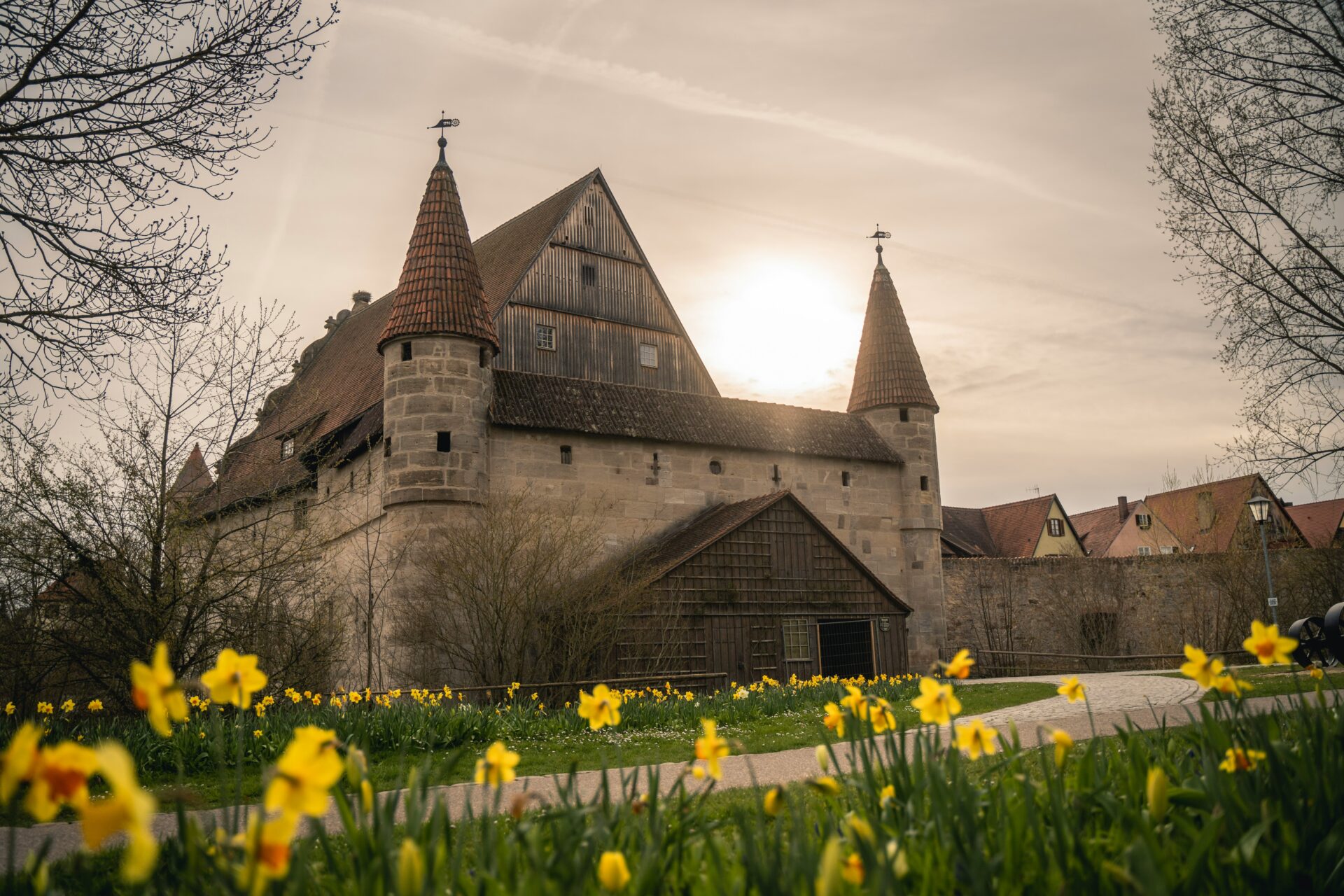
Bad Mergentheim: Spa Traditions and History
Bad Mergentheim surprised me with its mix of spa culture and medieval roots. The town’s mineral springs have drawn visitors for ages, and I spent a few hours soaking in a spa bath.
Apparently, the water’s supposed to have healing powers.
My favorite spot? The Deutschordensschloss, or Teutonic Order Castle. Inside, I wandered through a museum about the knights and town history.
The castle gardens are great for a short stroll.
Cafés crowd the main square, with outdoor tables whenever the weather’s good. Local menus feature Franconian wine, and bakeries sell pastries you won’t find anywhere else.
Donauwörth: River Confluence and Historic Altstadt
Donauwörth sits where the Danube and Wörnitz rivers meet. That spot made it a big trading hub back in the day.
The main street, Reichsstraße, is lined with pastel buildings, many with fancy Renaissance facades. I dropped by the Käthe Kruse Doll Museum, which highlights the town’s toy-making past.
The historic Altstadt is small and easy to explore on foot. Watching boats drift by and poking into craft shops along the rivers was a relaxing way to spend an afternoon.
The old bridges? They give you some of the best views in town.
Castles and Fairytale Architecture Beyond the Famous Two
Germany’s Romantic Road offers more than just Rothenburg and Neuschwanstein.
I found less-crowded castles and palaces, each with its own style and stories that made every stop feel special.
Harburg Castle: Fortress on the Romantic Road
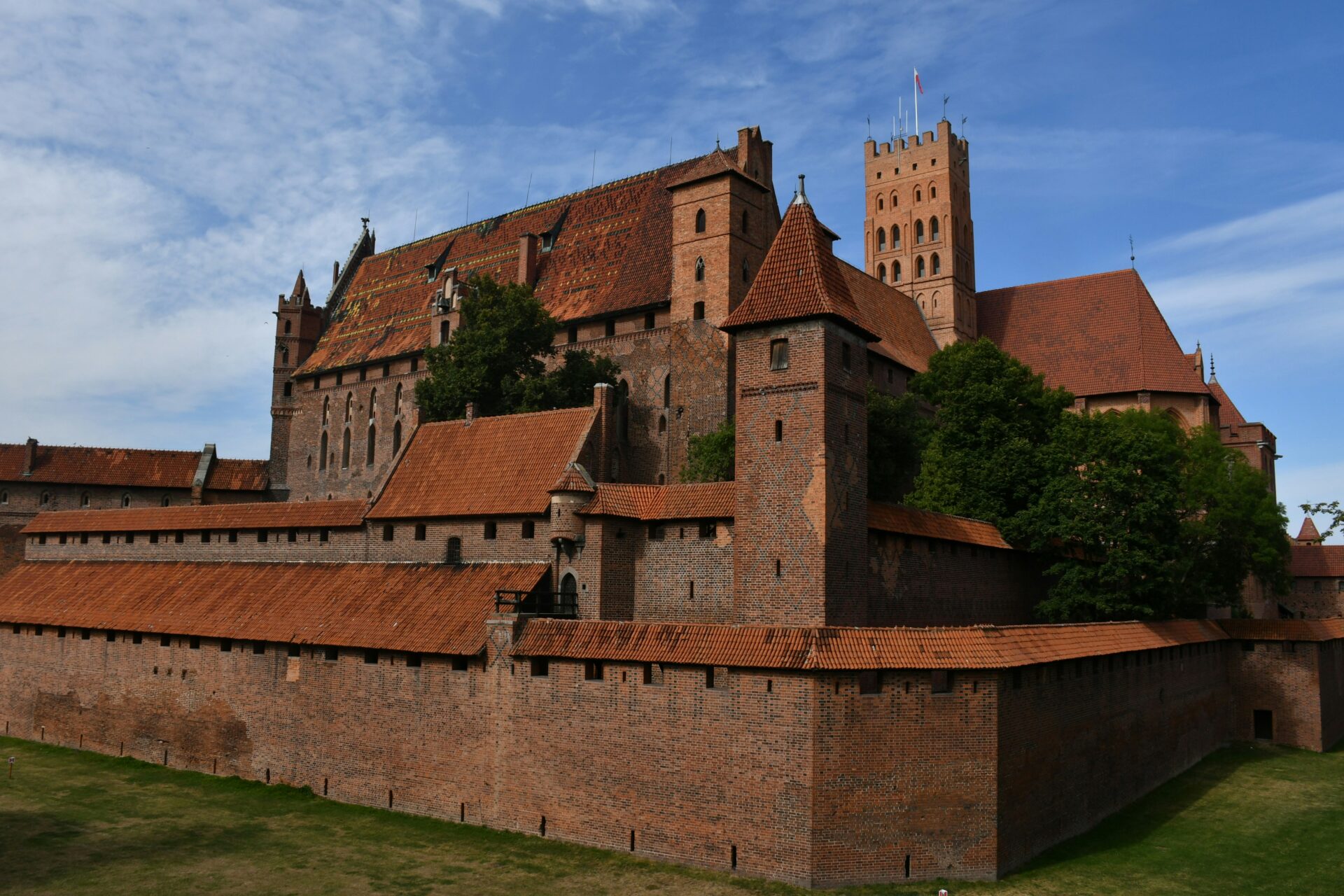
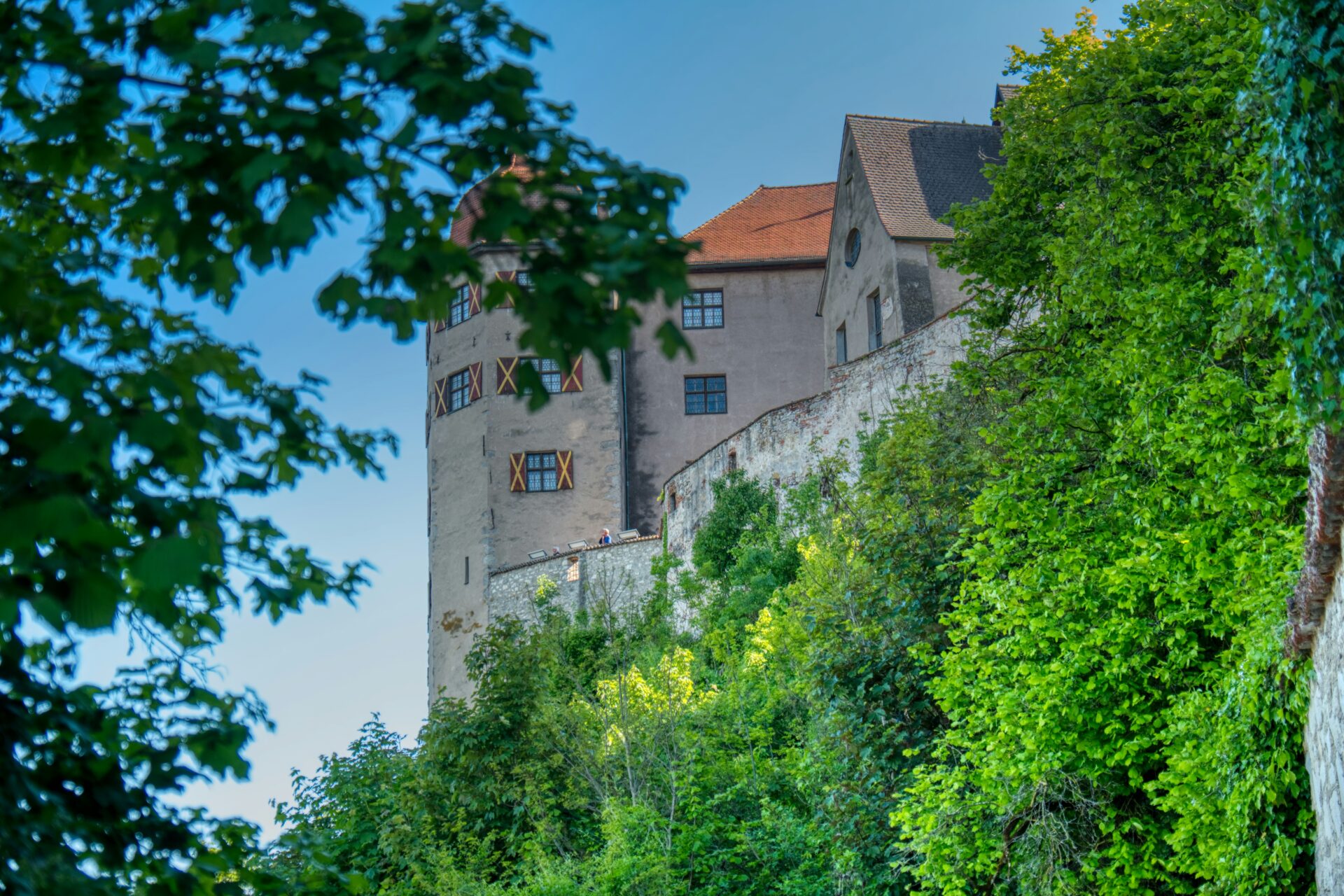
Harburg Castle stands out as one of the oldest and best-preserved castles on the Romantic Road. Built back in the 11th century, its thick stone walls, towers, and gates scream medieval fortress.
I loved how much history remains intact here—courtyards and rooms still give you a real sense of what daily life looked like centuries ago.
Inside, I wandered through narrow passages, practical living spaces, and layers of stonework shaped by different eras. Guided tours helped me explore everything from old battlements to the former prison tower.
Looking out over the Wörnitz River and the tiny town below, I could picture why this spot mattered for trade and defense.
Harburg isn’t about fairy-tale looks—it’s about raw strength and centuries of stories. If you want to step straight into the Middle Ages, this place has the atmosphere you’re after.
Weikersheim Castle: Baroque Splendor
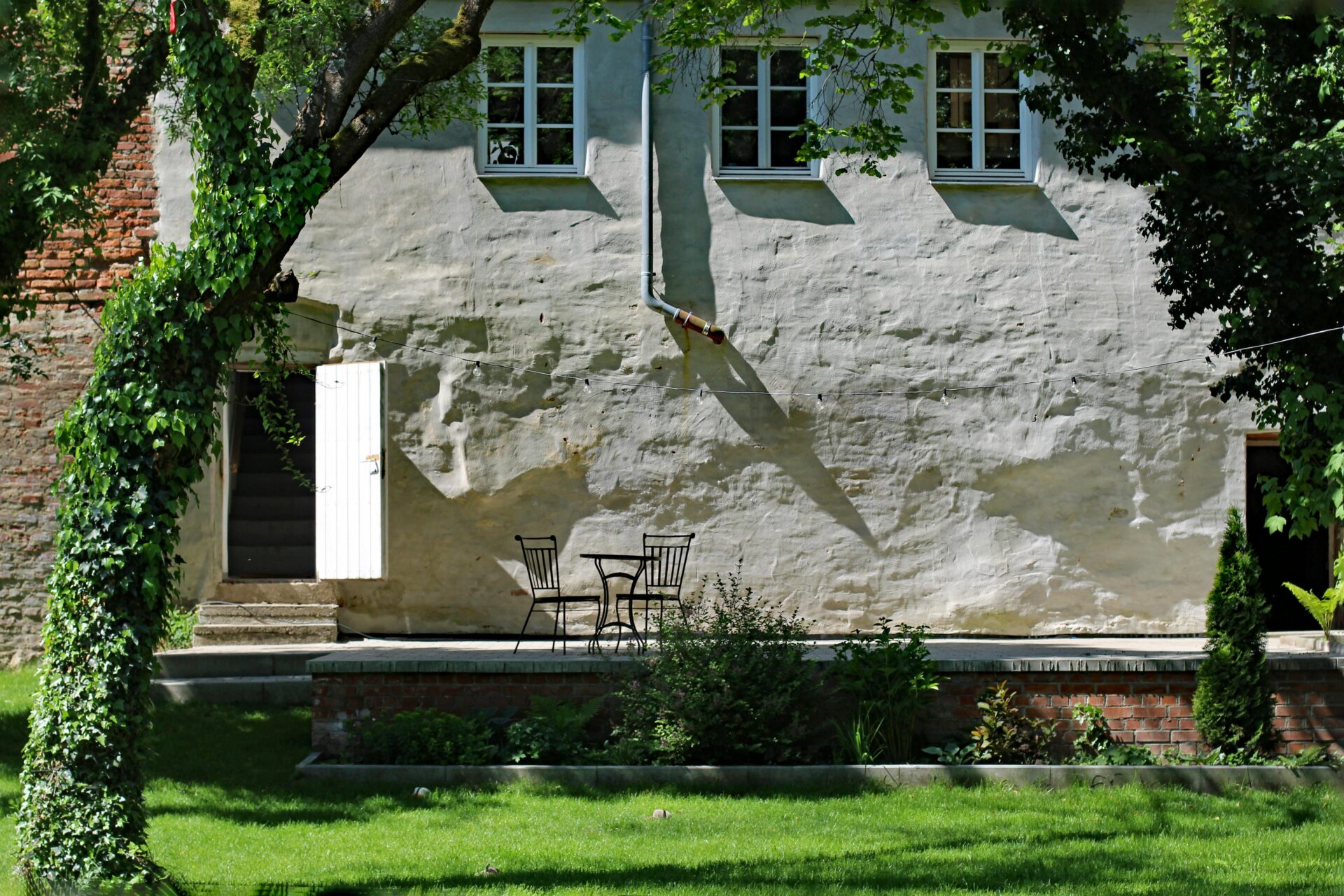
Weikersheim Castle couldn’t be more different from Harburg’s fortress. This place bursts with Baroque flair, bright gardens, and rooms that somehow manage to feel both grand and inviting.
When I first arrived, that broad avenue leading up to the main gate really set the mood. The gardens, with their neat hedges, fountains, and statues, felt almost theatrical.
Inside, I wandered through halls where mythological scenes sprawled across the ceilings. The furniture and detailing—wow, someone clearly had fun decorating. The Mirror Room, dripping with chandeliers and gold, made me think about how wildly different noble life was compared to the hard-edged world of Harburg.
Outside, I took my time in the gardens. These grounds weren’t built for defense; they’re pure show, and a perfect example of how castles became palaces during the Baroque period.
Burg Wertheim: Overlooking the Tauber Valley
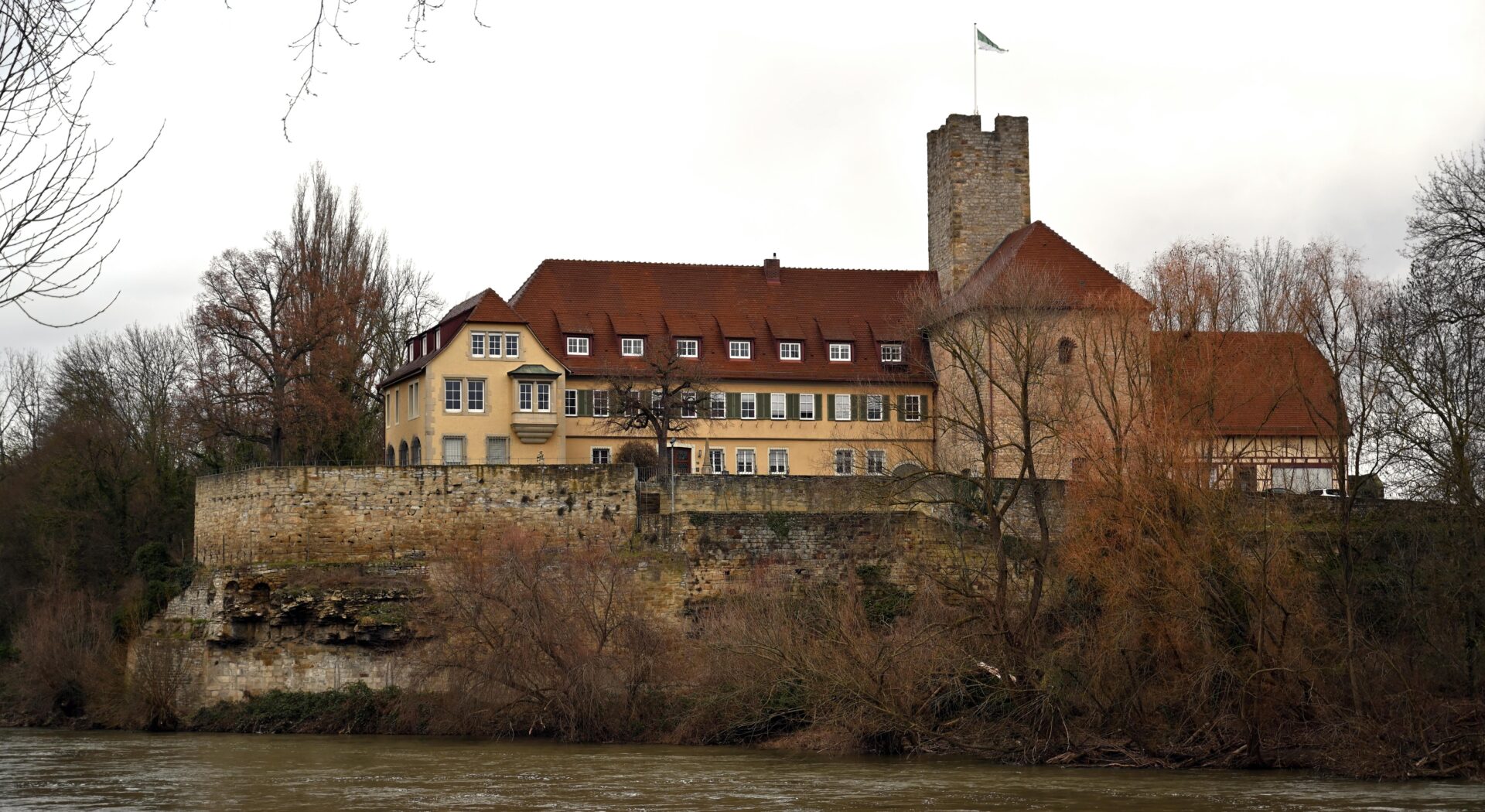
Burg Wertheim stands high above where the Main and Tauber rivers meet. The climb up the steep path left me a bit winded, but the views—absolutely worth it.
Even though much of the castle is in ruins, the thick walls and sturdy towers still stand proud. I made my way up the main tower and could see why someone picked this spot centuries ago. Forests, vineyards, and the winding river stretch out forever.
Parts of the grounds now host events, but you can still roam the remains and imagine fortress life. I grabbed a seat at one of the courtyard tables and just soaked in the view for a while.
| Castle | Key Feature | Notable Setting | Style |
|---|---|---|---|
| Harburg Castle | Medieval fortress | Hill above Wörnitz River | Romanesque |
| Weikersheim Castle | Baroque architecture | Formal gardens, grand halls | Baroque |
| Burg Wertheim | Ruins with scenic views | Overlooks Tauber and Main | Medieval-Gothic |

Cultural and Culinary Experiences
Traveling the Romantic Road, I dove into local flavors and traditions far beyond sightseeing. The beer, wines, regional dishes, and handmade goods brought the region to life in a way I didn’t expect.
Bavarian Beer and Wine Traditions
Bavaria’s beer culture is legendary, but I found surprises even in tiny towns. I stopped at traditional breweries where the Reinheitsgebot (German Beer Purity Law) isn’t just history—it’s alive and well.
Pubs poured local lagers and wheat beers in tall, frosty glasses. In the wine regions near Würzburg, I wandered into a family-run vineyard. Franconian wines, especially Silvaner, really impressed me.
Tasting rooms felt cozy, with hosts who loved to share stories about their craft. I nibbled on bread and cheese alongside my glass—simple, but so satisfying.
A quick look at what I enjoyed:
| Drink Type | Best Region | My Favorite |
|---|---|---|
| Beer | Augsburg | Weissbier |
| Wine | Würzburg | Silvaner |

Sampling German Food Along the Route
Eating my way down the Romantic Road was a highlight. Sure, you’ll find sausages and pretzels, but there’s so much more.
Inns served up bratwurst, creamy potato salad, and thick stews. Each village put its own spin on classic Bavarian dishes, and sometimes I felt like I was tasting someone’s family recipe.
Schneeballen, a quirky round pastry from Dinkelsbühl, made for a sweet break. In Augsburg, I tried Swabian spaetzle—those cheesy, soft noodles are comfort food at its best.
Plenty of places offered set meals pairing local beer or wine with seasonal eats. Vegetarian options existed, though meat and potatoes definitely ruled the menus.
Here’s a short list of food highlights:
- Bratwurst grilled over open flame
- Pumpkin soup in autumn
- Apple strudel with warm vanilla sauce

Local Markets and Artisan Shops
Markets and artisan shops popped up in every town, tempting me with souvenirs and homemade treats. In Nördlingen, the Saturday market overflowed with fresh breads, honey, and local cheeses.
I chatted with bakers who still use traditional rye bread recipes. Shops sold crafts like hand-painted pottery, wooden toys, and embroidered linens—so much better than a fridge magnet.
Watching a woodcarver in Donauwörth turn limewood into tiny figures was oddly mesmerizing. And those little chocolate shops? I couldn’t resist their hand-rolled truffles. Wandering these markets gave me a peek into real Bavarian daily life.
Insider Tips for Driving the Romantic Road
Driving the Romantic Road gave me the freedom to explore at my own pace, stop for random photo ops, and reach out-of-the-way towns. Planning a few must-see stops ahead of time definitely helped.
Scenic Photo Spots
Honestly, every bend in the road seemed to offer a new photo spot. Some of my favorites:
- Würzburg Residence Gardens: The palace with its baroque garden is stunning.
- Harburg Castle: Snap it from the old bridge below for the best angle.
- Dinkelsbühl: Medieval walls and half-timbered houses glow at sunset.
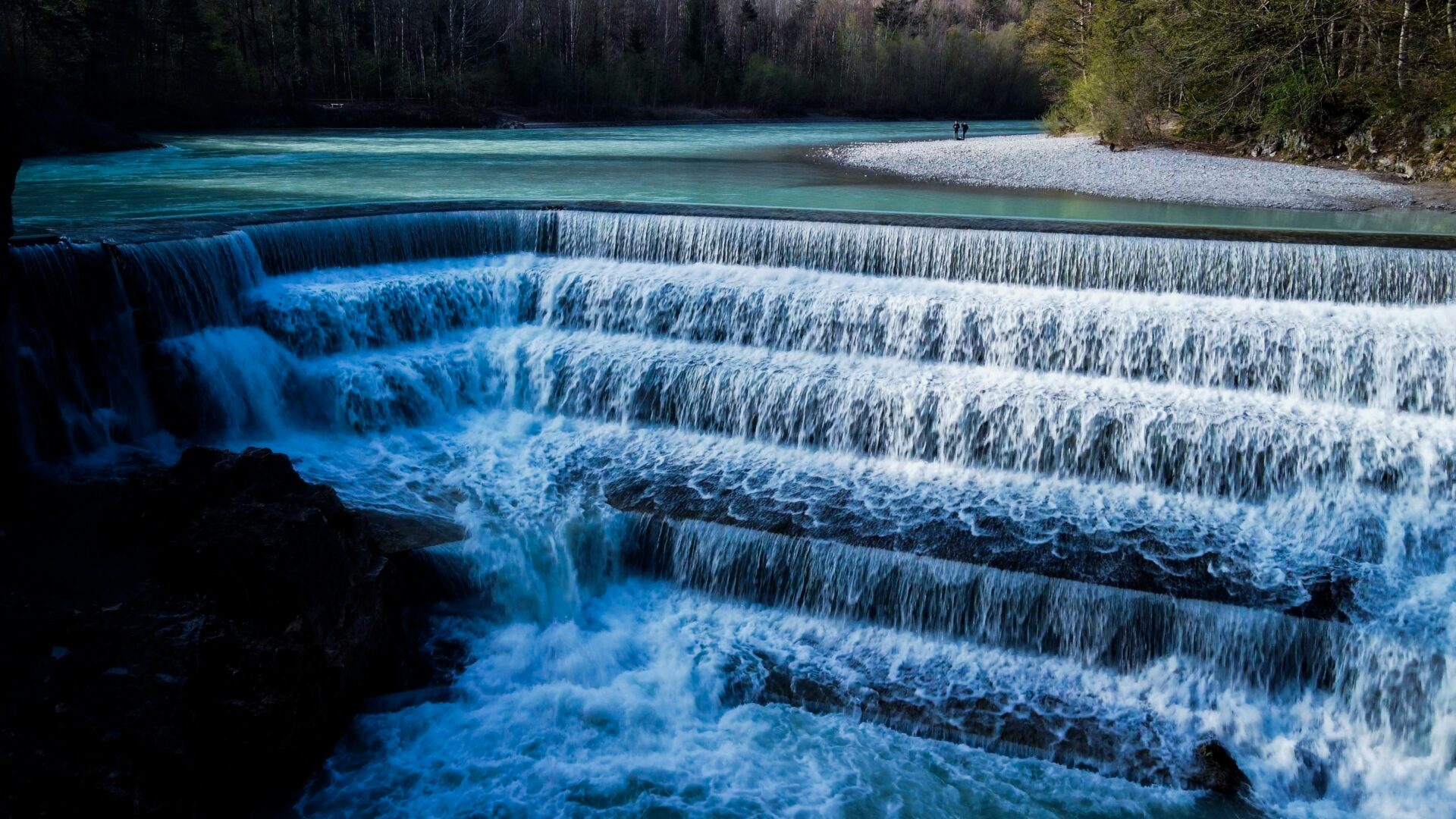
- Lechfall in Füssen: These falls mark the southern end of the route—perfect for landscape shots.
I always parked safely, since some overlooks are just off the main road. Early mornings and late afternoons gave the kindest light. If you have a wide lens, bring it—it’ll do the scenery justice.
Hiking and Relaxation Opportunities
Between drives, I found plenty of spots to stretch out and relax. The trail to the Marienbrücke (not the castle, but just nearby) offers panoramic views of the Alps and valleys.
In Augsburg’s city parks, I wandered with a coffee in hand. Around Tauberbischofsheim, gentle hills and vineyard paths made for easy walks.
Near Füssen, the Forggensee lake was perfect for a picnic or a quick swim. Some towns had spas (keep an eye out for “Therme” signs), and I was glad I’d packed decent walking shoes—trails got muddy after rain.

Using the Romantic Road Coach and Train
I didn’t drive the whole way. When city parking got annoying, I switched to the Romantic Road Coach, which runs from Frankfurt to Füssen.
Booking tickets online was easy, and the coach stops at most major towns. It saved me gas money and let me just watch the scenery roll by.
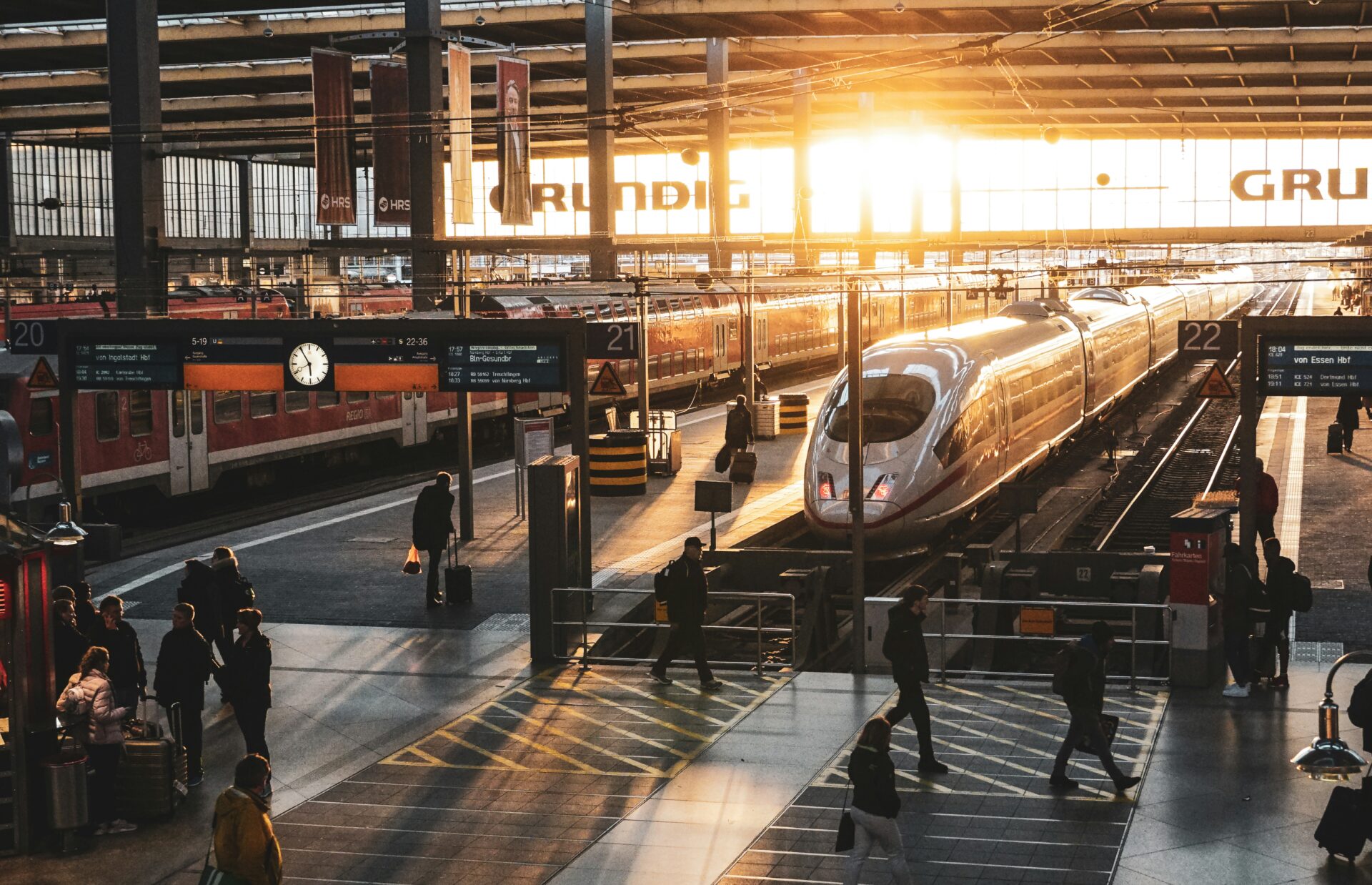
For faster trips, the German ICE train network connects cities like Munich, Augsburg, and Würzburg. I used these speedy trains for day trips when I wanted a break from the car.
Trains run often, but check holiday timetables and book ahead in summer if you can.
Day Trips to Major Cities
I found that staying flexible really opened up opportunities to check out bigger cities just off the Romantic Road. From Augsburg, I hopped on a fast train to Munich and wandered through museums and lively markets for the day.
Frankfurt sits as another major hub—honestly, it’s perfect for kicking off or wrapping up a trip. You’ll find cheap rental cars and plenty of flights there, which makes travel planning a whole lot easier.
I usually picked one town as my base and then switched between rail and rental car for city excursions. That approach let me dodge city traffic and those steep parking fees.
Day trips made it simple to retreat to quieter villages by evening. There’s nothing like winding down with a local dinner after a busy day exploring.
Here’s a quick table for travel ideas:
| Starting Point | Day Trip Destination | Transport Option |
|---|---|---|
| Augsburg | Munich | ICE train (40 mins) |
| Würzburg | Frankfurt | ICE train (1 hour) |
| Füssen | Munich | Regional train (2 hrs) |
Mixing bigger cities with the scenic countryside kept my trip balanced. I never felt rushed or stressed—just the right blend of adventure and relaxation.
