
When I started planning my trip to Greece, I pictured those classic postcards—white buildings perched on cliffs, plates stacked with souvlaki, and beaches jammed with sunbathers. I figured I knew what Greece was all about, mostly thanks to Instagram and those glossy travel brochures.
But wow, Greece blew those expectations out of the water. I realized this country has so much diversity: landscapes, food, culture, and experiences that go way beyond the usual tourist checklist.
I wandered through secret islands and stumbled across ancient ruins in the most unexpected places. Locals welcomed me into their world, blending modern life with deep-rooted traditions.
I slept in quirky places, tasted dishes I couldn’t even pronounce, and met Greeks who proudly shared both their history and their modern identity.
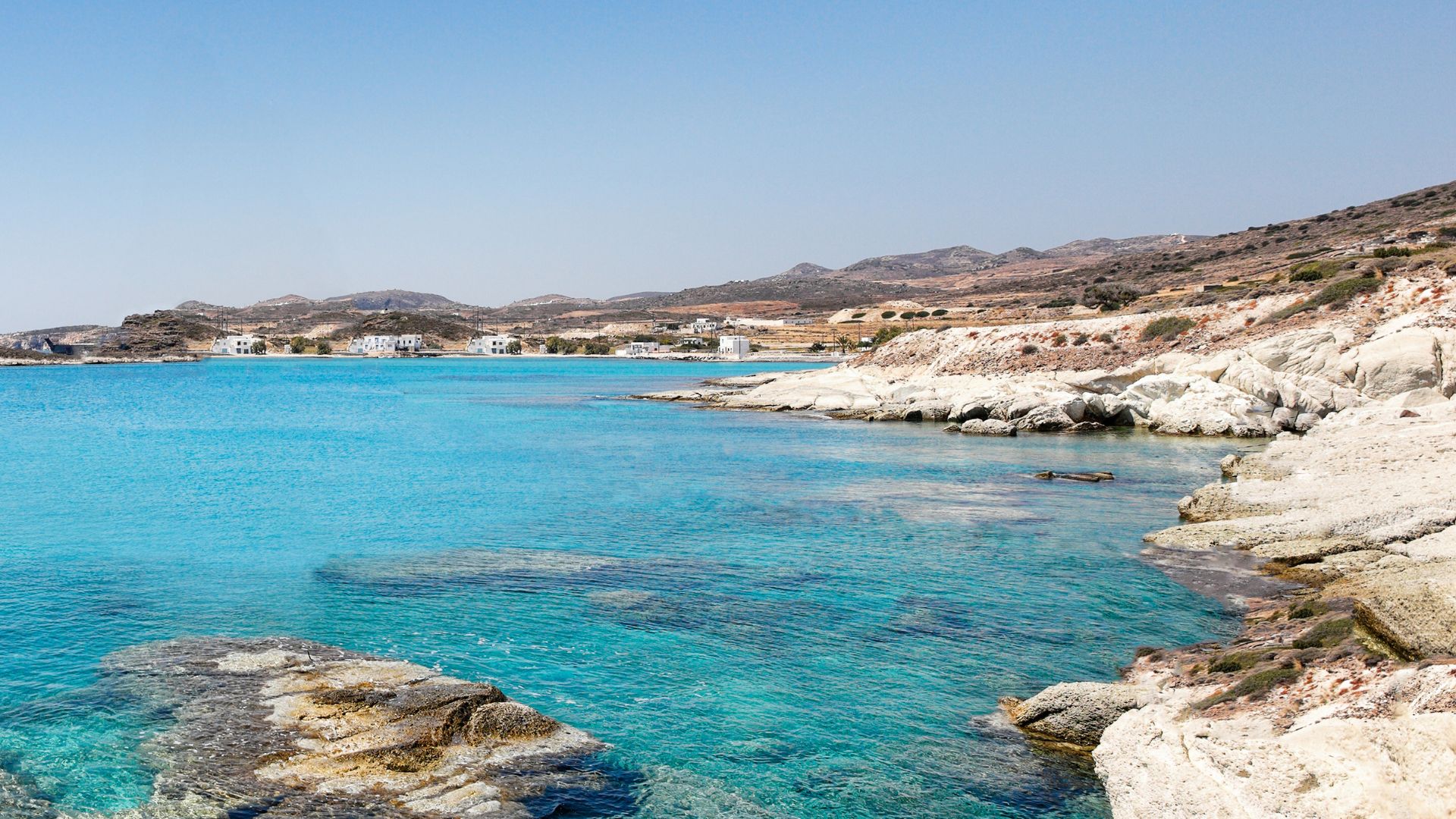
Exploring Beyond the Iconic White Islands
The Greek mainland? It’s packed with ancient wonders like Delphi and the monasteries of Meteora. I discovered lesser-known islands where crowds disappear, and mountain villages where time seems to slow down.
Mainland Destinations That Amazed Me
The Peloponnese peninsula really caught me off guard. I wandered through Ancient Olympia, the birthplace of the Olympic Games, where marble columns peek out from olive groves.
Nafplio felt like a fairytale. Venetian architecture, fortress views, and those winding cobblestone streets that lead to seaside cafes—I could’ve spent days just soaking it all in.
Delphi sits high on Mount Parnassus. Walking among the Temple of Apollo ruins, I finally got why ancient Greeks thought this place was the world’s center. The mountain views? Unreal.
Meteora looked straight out of a fantasy novel. Monasteries perch on massive rocks, and I climbed up stone steps carved into the cliffs, reaching centuries-old sanctuaries.
Thessaloniki buzzes with energy. The city’s Byzantine churches and lively food markets give Athens a run for its money. The seafood along the waterfront? Some of the best I’ve ever had.
Discovering Underrated Greek Islands
Forget Santorini and Mykonos for a second. I found islands brimming with authentic Greek vibes. Naxos surprised me with marble villages and quiet beaches. Local families run the tavernas, serving up the freshest catch.
The Ionian Islands became my chill zone. Kefalonia’s turquoise waters are honestly on par with the Caribbean. I swam in hidden coves surrounded by pine trees.
Milos wowed me with its volcanic landscapes and colorful fishing villages. I swam in mystical caves that formed natural pools with water so clear, it looked fake.
Paros charmed me with its marble streets and lively harbors. I picked up handmade ceramics straight from village workshops—couldn’t resist.
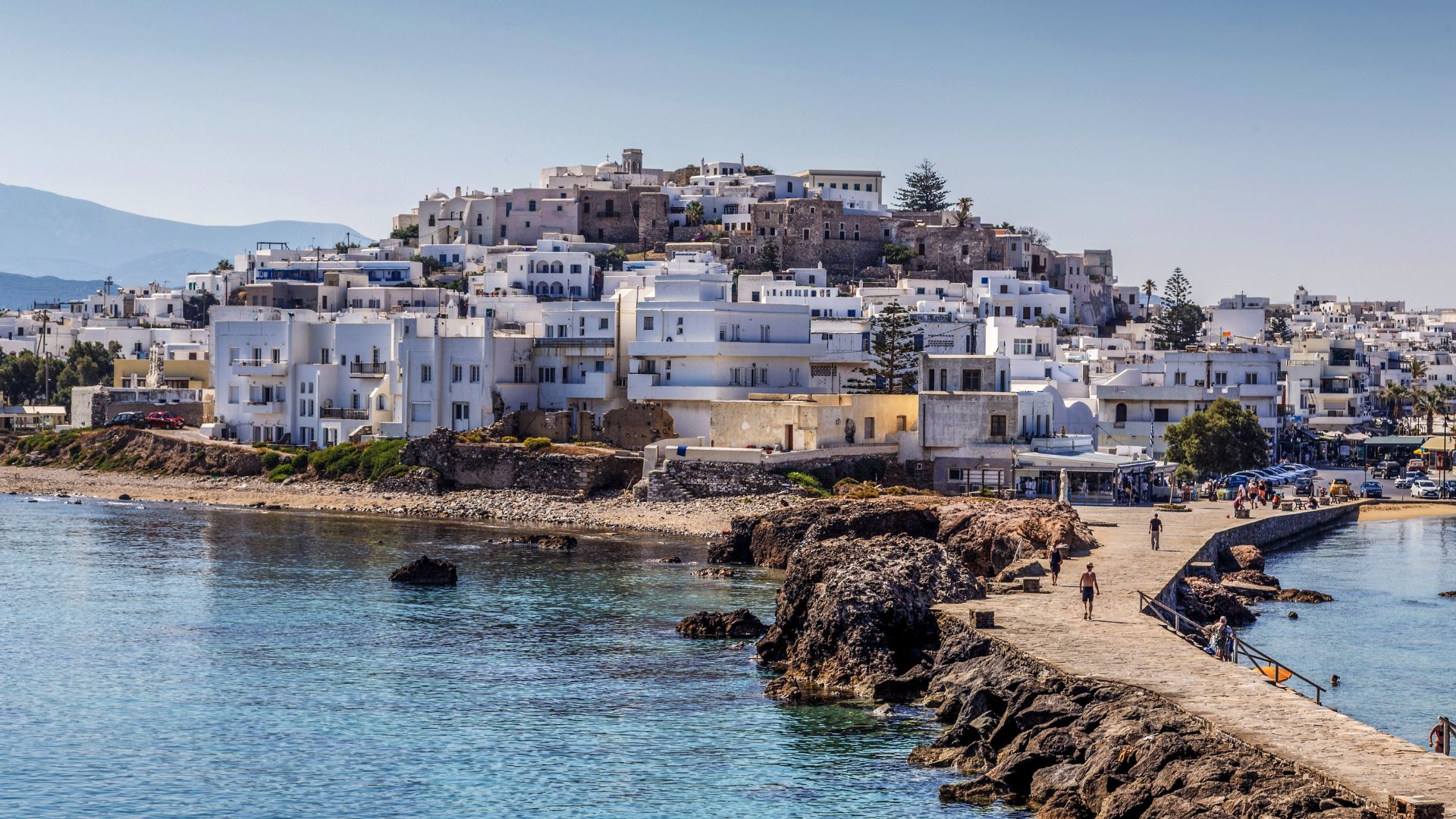
Charming Villages Off the Beaten Path
The Zagori villages in Epirus felt like stepping back in time. Stone houses nestle among forests and rivers. Hiking through Vikos Gorge, I realized why it’s considered one of the world’s deepest canyons.
Mount Pelion’s Portaria and Makrinitsa cling to the mountainside, overlooking the Aegean. Traditional homes with red-tile roofs and wooden balconies line the steep streets. I stayed in a guesthouse where the owner cooked every meal from scratch.
The Mani Peninsula revealed Greece’s wild side. Stone tower houses dot the rugged landscape, and I found secluded beaches tucked between rocky cliffs.
Arcadia’s mountain villages keep ancient traditions alive. I watched women weaving on wooden looms and joined in on a village festival with folk dancing that’s barely changed for centuries.
Unexpected Greek Cuisine
Greek food? It’s so much more than moussaka and gyros. Every region has its own twist, with wild greens, sheep’s milk cheese, and centuries-old festival recipes that tourists rarely get to try.
Regional Dishes I’d Never Heard Of
Cretan dakos completely changed my mind about Greek starters. Barley rusk, grated tomato, mizithra cheese, and olive oil—simple, but nothing like what I expected.
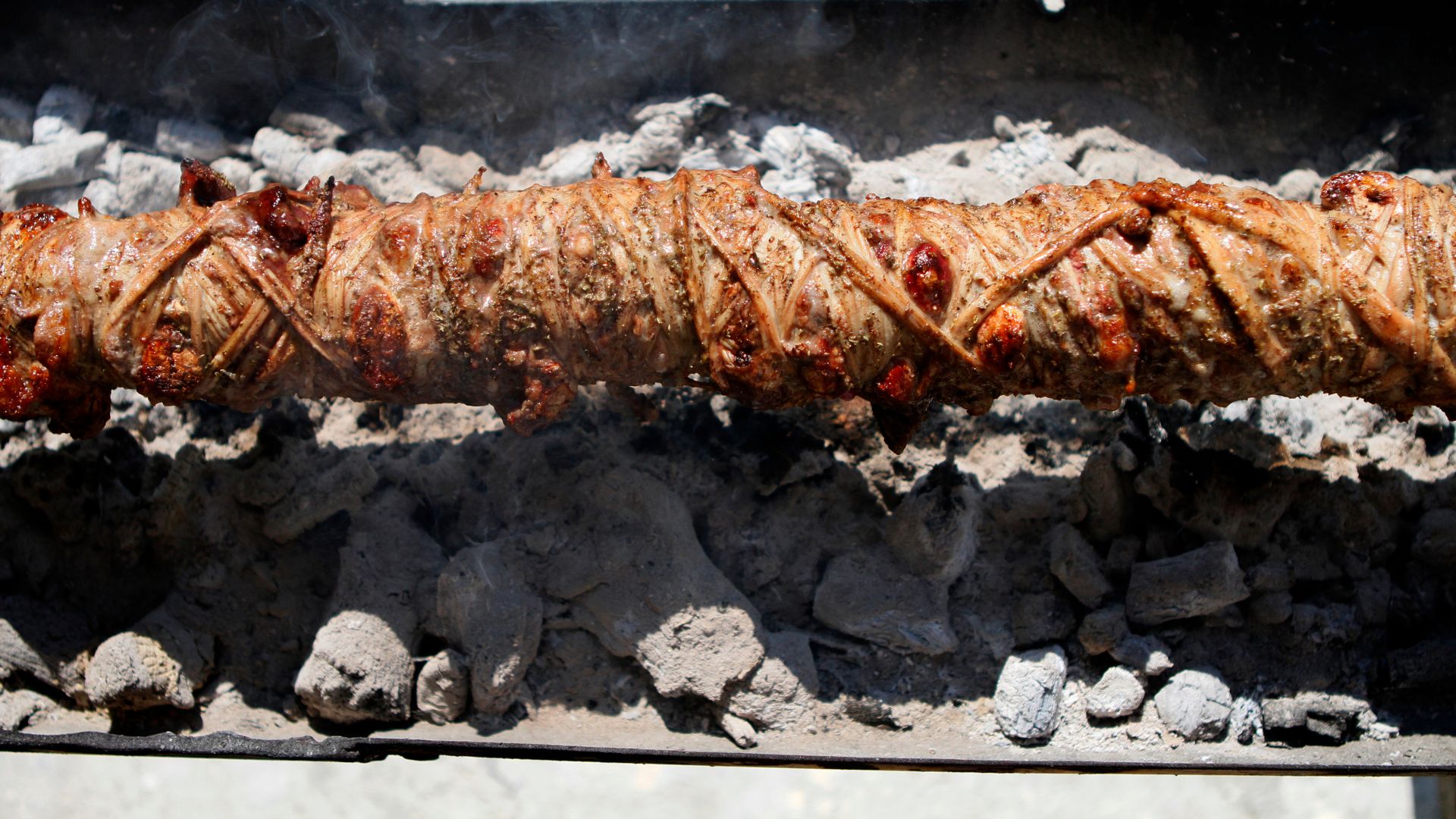
On Crete, I tried kokoretsi: lamb or goat offal wrapped in intestines and grilled. Sounds odd, right? But the flavor was surprisingly smoky and rich.
Wild greens, or horta, popped up everywhere. Locals boil these bitter leaves and drizzle them with lemon and olive oil. It’s a staple at every real Greek table.
| Dish | Region | Main Ingredients |
|---|---|---|
| Spetsofai | Pelion | Sausage, peppers, tomatoes |
| Pastitsada | Corfu | Pasta, rooster, cinnamon |
| Louza | Mykonos | Cured pork, wine, spices |
Fava from Santorini isn’t actually made from fava beans. Locals use yellow split peas grown in volcanic soil, and the creamy texture totally caught me off guard.
Local Food Festivals and Traditions
Summer in Greece means panigiri festivals. On Naxos, I joined locals as they cooked lamb in giant pots over wood fires.
Everyone brought their own plates and sat at long tables. The food was free, with donations supporting the local church.
Harvest festivals celebrate ingredients like olives and grapes. On Lesvos, I helped pick olives by hand, then dipped fresh bread in new olive oil—probably the best snack ever.
Name day parties matter more than birthdays here. I watched neighbors drop by with homemade sweets like kourabiedes for whoever’s celebrating their saint’s day.
Wine festivals, especially in Rethymno, introduced me to local grapes like Assyrtiko and Agiorgitiko. These wines pair so well with Greek cheese, trust me.
Authentic Dining Away From Tourist Hotspots
Neighborhood tavernas serve food you won’t find on tourist menus. I found Dionysos in Athens’ Exarchia district, where locals order gemista—stuffed veggies with rice and herbs.
No English on the menu, so I just pointed at what everyone else was eating.
Fishing villages dish up the freshest seafood. In Klima on Milos, fishermen bring their catch right to the tavernas. I ended up with sea urchins and caper leaves on my plate.
Mountain villages focus on meat and dairy. In Metsovo, I tasted smoked cheese made from sheep and goat milk, aged in mountain caves by local shepherds.
Workers’ cafeterias, or mageireia, offer real home-style food. Near Piraeus port, I sat beside dock workers eating bean soup and fresh fish for lunch.

Rich Traditions and Local Experiences
Greek culture really comes alive in its villages and everyday rituals. The warmth of Greek hospitality and genuine celebrations gave me a deeper appreciation for their way of life.
Village Festivals and Cultural Celebrations
Easter is a big deal here. Villages light up with midnight processions, special foods, and fireworks that go on all night.
Every island seems to have its own unique festival. On Chios, I watched locals harvest mastic in ancient villages—traditions that haven’t changed in ages.
During carnival season, I joined masked parades and street parties. Whole communities gathered for music and dancing—no tourists in sight, just pure celebration.
Religious festivals happen all year. I joined saint day parties where families shared homemade food with anyone who showed up. The generosity floored me.
Mountain villages, especially around Mt Olympus, keep old customs alive. I saw traditional crafts, listened to folk songs, and tasted recipes that families still guard like secrets.
Hospitality and the Greek Way of Life
Greek hospitality isn’t just a saying—it’s a way of life. Locals invited me in for coffee, and somehow those chats turned into hours-long conversations. It happened everywhere, not just once or twice.
They call it philoxenia—love of strangers. Shopkeepers sometimes refused my money for small things, or locals would walk me to a hidden spot instead of just giving directions.
Family ties run deep here. I watched three generations gather for Sunday feasts that lasted all day, with kids playing and adults swapping stories.
Life moves at its own pace. Afternoon breaks let people catch up with neighbors or family. I learned pretty quickly that relationships come first, schedules second.
Natural Wonders Beyond the Beaches
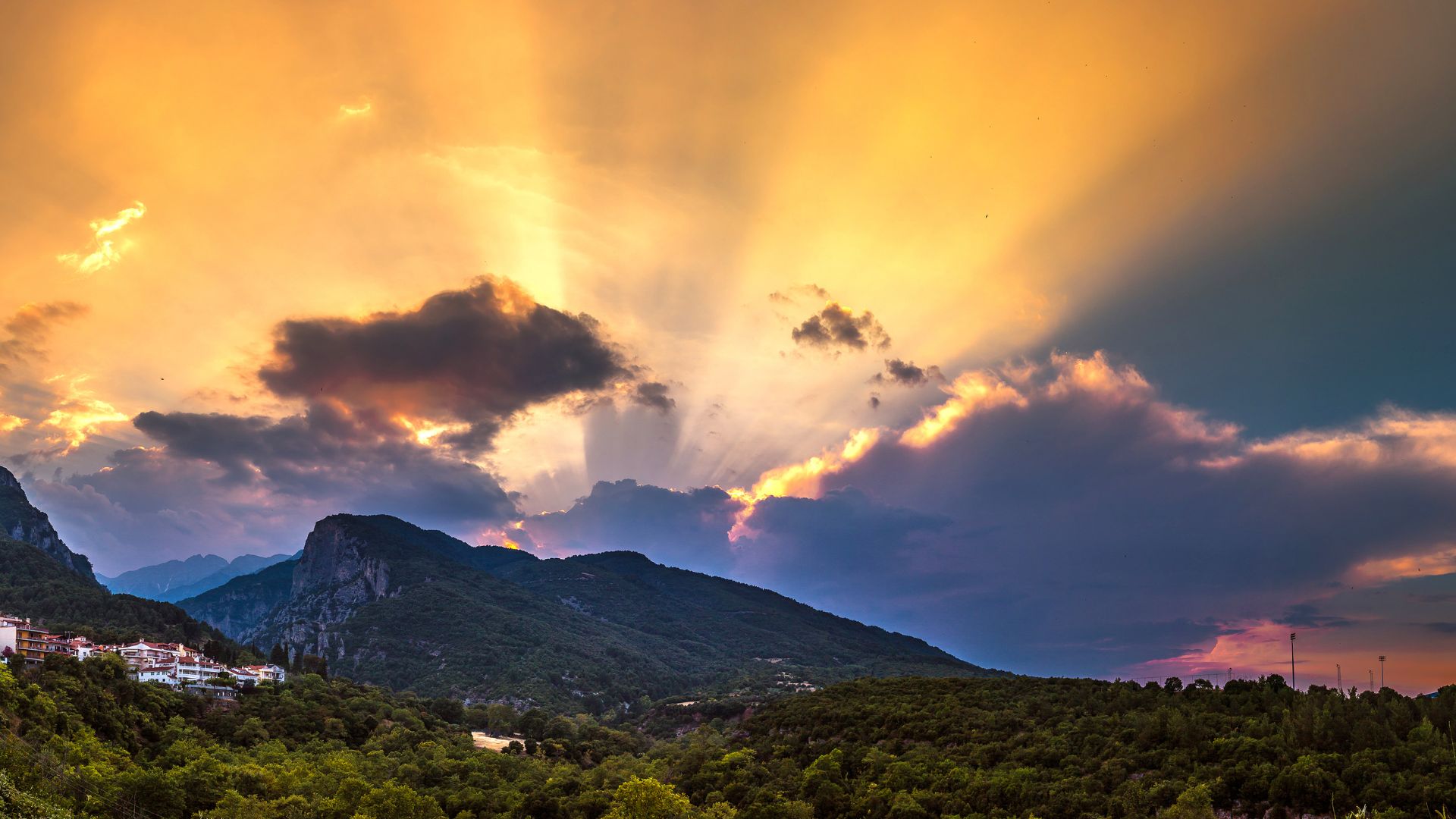
Greece’s beauty isn’t just about the coastline. I found dramatic mountains, secret swimming holes, and wild landscapes that most travelers miss.
Mountain Landscapes and Hiking Trails
Mount Olympus stands tall at 2,917 meters. The trails here offer jaw-dropping views—honestly, they rival any beach sunset.
The Meteora region blew me away. Giant rocks rise up from the plains, topped with ancient monasteries. I hiked winding paths, soaking in both nature and history.
On Crete, the Samaria Gorge stretches 16 kilometers from the Omalos Plateau to the sea. Steep cliffs, forests, and even wild goats—it’s an epic trek.
The Polylimnio area near Kalamata hides a string of lakes and waterfalls in thick forest. The hike leads through narrow gorges to pools perfect for a dip.
Up in the Epirus mountains, the Drakolimni lakes sit in alpine meadows. Local legend claims dragons once lived here. In winter, the whole place turns white with snow.
These trails showed me a wild, untamed Greece that most tourists never even hear about.
Hidden Bays and Secluded Swim Spots
On Kefalonia, Melissani Lake Cave sits 20 meters underground. I paddled a boat across this hidden lake, where sunlight turns the water electric blue.
The Blue Caves of Zakynthos near Shipwreck Beach literally glow. Swimming here felt like being inside a sapphire.
Giola Natural Pool on Thassos is a perfect circle carved by nature. The water stays warm and calm, while waves crash just beyond the rocks.
Lemnos island surprised me with the Gomati Desert—actual sand dunes in Greece! After exploring the dunes, I cooled off at a nearby beach.
On Samothraki, hot springs bubble up beside waterfalls and rocks. Soaking in warm mineral water, surrounded by untouched nature, was the perfect way to end a long hike.
These secret spots took a bit of effort to reach, but wow, they were worth it.
Staying in Unique and Historic Accommodations
Forget cookie-cutter hotels. In Greece, I’ve slept in converted windmills, grand old mansions from the Byzantine era, and even restored fishermen’s huts right on the water.
Each place revealed a little more of Greece’s rich architectural story—and honestly, made my trip way more memorable.
Castles, Towers, and Boutique Retreats
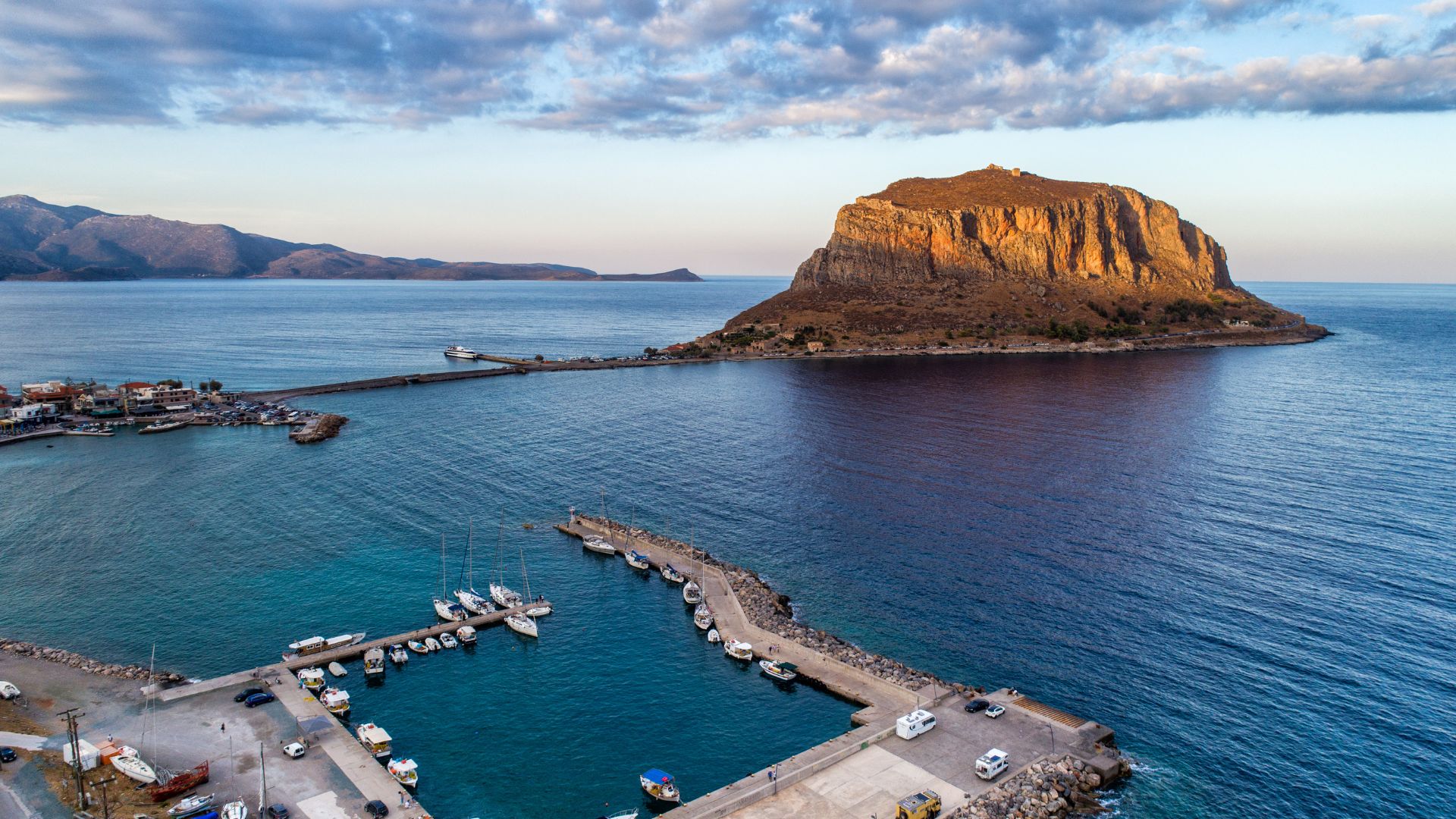
Monemvasia totally flipped my expectations about where you can stay in Greece. Imagine waking up inside restored castle walls—it’s not just a fantasy here.
I stumbled across apartments with sweeping sea views and dreamy rooftop terraces. The stone buildings have stood for centuries, and somehow, they still buzz with life—tavernas and cafes keep the old walls alive.
Santorini’s cave houses offer a different kind of history lesson. These aren’t just quirky Airbnbs—they’re real caves, carved into volcanic cliffs, where families actually lived for generations.
The Hector Cave House in Oia? It’s got rooms that spill out onto private terraces with those iconic caldera views. Some even have outdoor jacuzzis and plunge pools tucked right into the rock.
Athens caught me off guard with the Foundry Suites in Psiri. This place used to be an industrial foundry, and they kept all the original fixtures. Now, it’s a blend of old bones and modern luxury, with a rooftop that stares straight at the Acropolis.
On Milos, I spent a night in a 19th-century windmill near Zefiria village. Two Cycladic-style apartments sit here, surrounded by gardens where goats and chickens wander around.
Family-Run Guesthouses and Eco-Lodges
If you want the real deal, traditional farmhouses in Greece deliver. The Organic Orgon Farm in Crete has four restored houses, all on a working organic farm.
Every morning, fresh bread and farm-made breakfast show up at your door. You can hang out with chickens and goats, all while soaking in countryside views that roll down to the sea.
The Kinsterna Hotel in the Peloponnese is something else. It sits in a Byzantine mansion from 1667, and the 25-acre estate bursts with olive groves, citrus trees, and its own vineyard.
I loved their animal farm and the old-school activities—think bread baking and wine tasting. They even make their own Monemvasia oranges and house wine.
Bubble Suites in Halkidiki puts a new spin on glamping. Each see-through dome comes with air conditioning, a private bathroom, and your own swimming pool, all nestled among olive trees.
These stays prove Greece cares about sustainability as much as comfort. Expect solar panels, local materials, and a fresh approach to hospitality.
Modern Greece Versus Ancient Myth
I landed in Greece expecting ruins on every corner and gods lurking in the shadows. Instead, I found a country bursting with creativity, where ancient history bumps shoulders with a modern, urban vibe.
Innovative Urban Culture
Athens, honestly, blew me away with its startup energy and creative co-working spaces. In Psyrri and Exarchia, digital nomads and entrepreneurs fill every trendy café.
Turns out, Greece ranks high in Europe for startup density. Young Greeks are launching fintech apps, eco-friendly fashion labels, and food delivery services that feel right at home in Berlin or Amsterdam.
The city’s street art scene? Wild. Whole buildings become canvases for political murals and wild installations. Artists turn abandoned spots into open-air galleries stretching for blocks.
What really got me was how Greeks mix ancient philosophy with cutting-edge tech. I met people quoting Aristotle while talking about AI startups. It’s not a marketing gimmick—it’s just how they roll.
Contemporary Art and Nightlife Scenes
Greece’s nightlife goes way beyond ouzo and plate smashing. In Thessaloniki, I found underground electronic clubs that could go toe-to-toe with Ibiza. DJs blend Greek instruments with modern beats, and it’s honestly addictive.
Athens’ Metaxourgeio district brims with contemporary art galleries. I wandered into spaces where artists tackle topics like migration, the economy, and digital life using every medium you can think of.
Rooftop bars here are a thing, and they don’t just cater to tourists. Locals crowd in for craft cocktails made with mastiha or tsipouro, all while the Acropolis glows in the distance.
Young Greeks party till sunrise, then debate philosophy over coffee. Nightlife and intellectual life here aren’t separate—they feed off each other.
Frequently Asked Questions
Greek cuisine isn’t just about the usual tourist fare. Locals dig into winter stews, vegan surprises, and regional specialties most visitors never even hear about.
What are the traditional dishes one must try when in Athens?
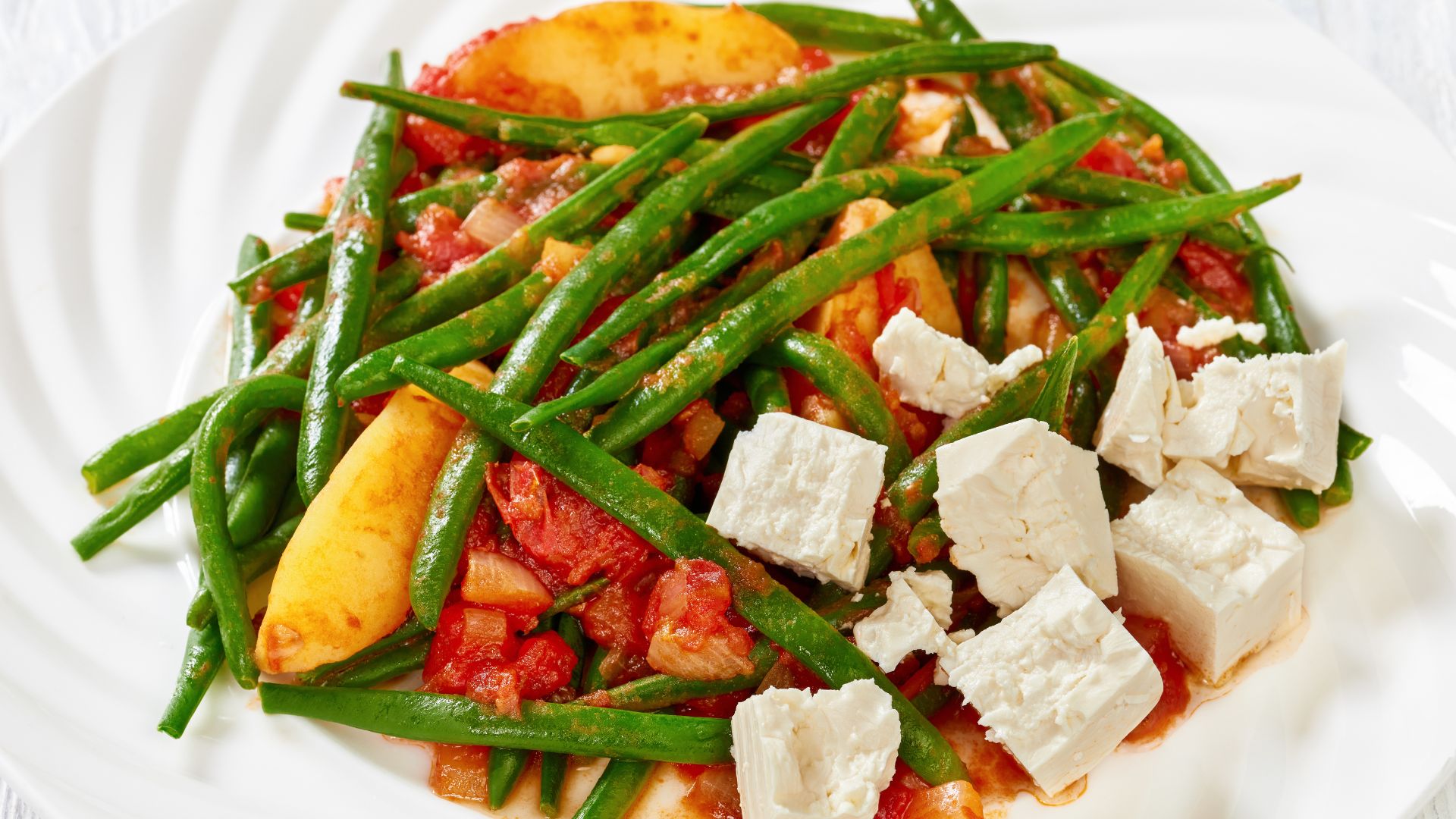
If you’re in Athens, try fasolakia—a slow-cooked green bean dish in rich tomato sauce. It’s the kind of comfort food that rarely makes it onto tourist menus.
Locals also swear by prasorizo and lahanorizo. These rice dishes, paired with leeks or cabbage, surprise a lot of first-timers.
Greek fava is another must. This yellow split-pea puree shows up everywhere and packs a ton of flavor.
Don’t miss agiares ala polita—artichokes cooked the special Athens way. It’s a dish that really captures what Athens tastes like.
Which foods are most commonly consumed by locals in Greece?
Coffee rules daily life here, more than any single food. Greeks meet for freddo espresso or cappuccino instead of a beer.
Older folks still love traditional Greek coffee, served in copper briki pots with a side of loukoumi.
Vegetable-based dishes fill Greek tables, especially in winter. Legumes and braised veggies show up way more often than you’d think.
Meat dishes like souvlaki and gyros? Locals eat them, but not nearly as often as visitors expect.
How can picky eaters find suitable options among Greek cuisine?
Greek food keeps it simple. Grilled meats, plain rice, and fresh veggies are everywhere and easy to like.
Most tavernas happily tweak dishes for special diets. Greek hospitality really shines when you ask for something a little different.
You’ll get bread at every meal, and honestly, it’s always good.
On the islands, grilled fish pops up on almost every menu. It’s mild, fresh, and a safe bet for cautious eaters.
What unexpected culinary experiences does Greece offer beyond its famous souvlaki?
Vegan dishes are everywhere if you know what to ask for. Tons of traditional recipes skip animal products entirely.
Every region puts its own spin on things. Try local specialties—you’ll stumble into flavors you won’t find anywhere else.
Greek food borrows from Italy and Turkey in surprising ways. You’ll taste those influences in the most unexpected places.
Menus shift with the seasons. In winter, hearty stews and braises dominate, and most tourists never even see them.
Can you list some authentic Greek recipes that are favorites on local forums?
Fasolakia gets a lot of love—people pass down their own versions for generations.
Greek fava sparks plenty of debate. Each region has its own way of making this split-pea staple.
Lahanorizo—cabbage rice—shows up in tons of family recipe swaps. It’s home cooking at its simplest.
Coffee making is practically a competitive sport. Greeks argue passionately about the best brewing method.
What aspects of the Greek diet are often discussed by food enthusiasts online?
Honestly, the sheer number of naturally vegan dishes in Greece catches a lot of people off guard. Food bloggers keep stumbling across plant-based options they never expected to find.
Greek cuisine doesn’t just stick to one formula—it thrives on regional twists. People love to debate whether island specialties beat out the classics from the mainland.
There’s also something fascinating about how Greeks eat with the seasons. You’ll notice the difference; winter meals look and taste nothing like their summer counterparts.
And let’s not forget the social side of things. Greek meals just last longer, with conversations that linger well past the last bite—something you don’t always see elsewhere.
