
Dubrovnik’s medieval walls and those ridiculously clear Adriatic waters have turned it into one of Europe’s most popular travel magnets. Ever since it played King’s Landing in Game of Thrones, the city’s narrow stone lanes fill up with cruise passengers and TV superfans every single day. But with a little insider know-how, you can actually soak up Dubrovnik’s magic while dodging the crowds that sometimes make the place feel more frantic than fabulous.
I’ve learned that escaping the crowds doesn’t mean you’ll miss what makes this Croatian gem so special. Honestly, some of my favorite moments happened far from the main drag—think peaceful islands just offshore, secret beaches, and sleepy neighborhoods where locals actually hang out.
If you know when to visit, which gates to slip through, and where to find those “wow” moments most tourists totally overlook, you’ll fall for the real Dubrovnik. Whether you’re craving nature, a dose of culture, or just a quiet spot to watch the sunset, these tips will help you experience the city at its best.
Plan Your Visit: Timing and Entrances for a Crowd-Free Dubrovnik
Getting the timing right and picking the right entrance can totally change how you experience Dubrovnik. I’ve figured out that visiting during off-peak seasons and sneaking in through less obvious gates saves a lot of hassle.
Best Seasons and Times to Visit
Just skip summer if you hate crowds. June through August? The city’s packed.
The heat bounces off those stone walls, and thousands of tourists cram the Old Town. It’s honestly not fun.
Winter’s your best bet for peace and quiet. December to February brings mild weather and way fewer tourists. Sure, you’ll need a jacket, but you might have the city nearly to yourself.
Shoulder seasons are a sweet spot. April, May, September, and October give you good weather and manageable crowds.
Time of day matters, too. I always try to get there before 9:00 AM. The streets are almost empty, and you can actually get photos without a million strangers in them.
Evenings are underrated. By 5:00 PM, most day-trippers have left. Wandering around then feels cooler and way more relaxed.
Using Lesser-Known Gates: Buza Gate and Ploce Gate
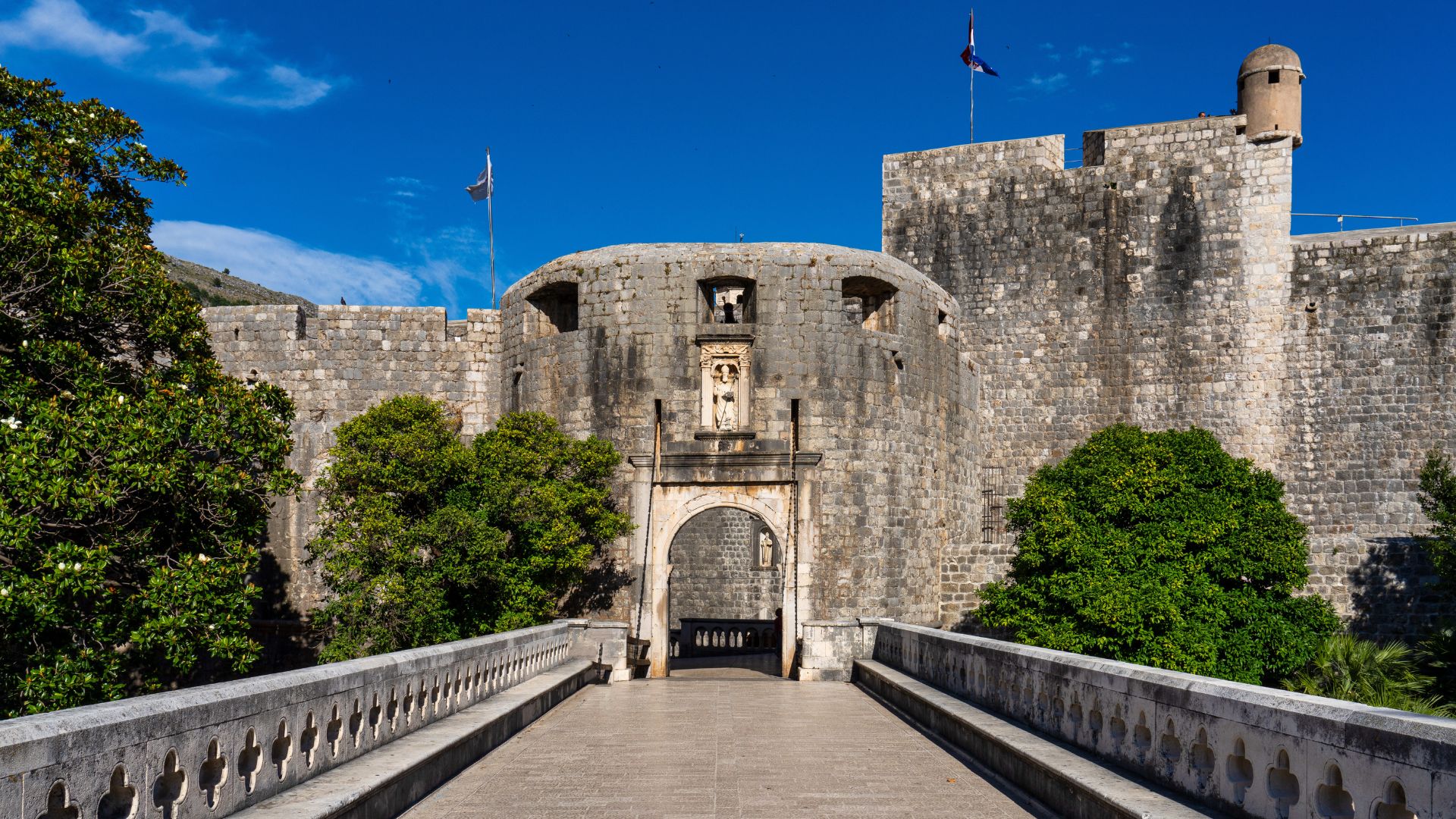
Pile Gate’s a magnet for crowds. It’s the Game of Thrones hotspot, so tour groups swarm there all day.
I always enter through different gates. Buza Gate and Ploce Gate are gorgeous options—no chaos, just easy access.
Buza Gate’s on the south side of the Old Town walls. It gives you awesome views and a direct route into the city. Most tourists miss it.
Ploce Gate is another great pick on the eastern side. It’s close to a lot of hotels and drops you right near some must-sees.
Using these gates, you can start your wall walk from a quieter spot. Same amazing views, way less hassle.
Tips for Avoiding Cruise Ship Crowds
Cruise ships can dump 10,000 extra people into Dubrovnik in a day. They dock all the time from May to October.
You can check cruise ship schedules online. Look for green days on crowd forecast sites—those usually mean fewer than 3,500 cruise visitors.
Thursday’s the busiest cruise day here. I never go to the Old Town on Thursdays in cruise season.
If you can’t dodge cruise days, just tweak your plans. I chill at the hotel pool or explore outside the walls in the morning, then hit the Old Town after 2:30 PM when the cruise crowds start heading out.
In September and October, cruise ships thin out as they sail for warmer waters. That’s honestly the best time to visit if you want space to breathe.
Unwind on Lokrum Island: Nature, History, and Serenity
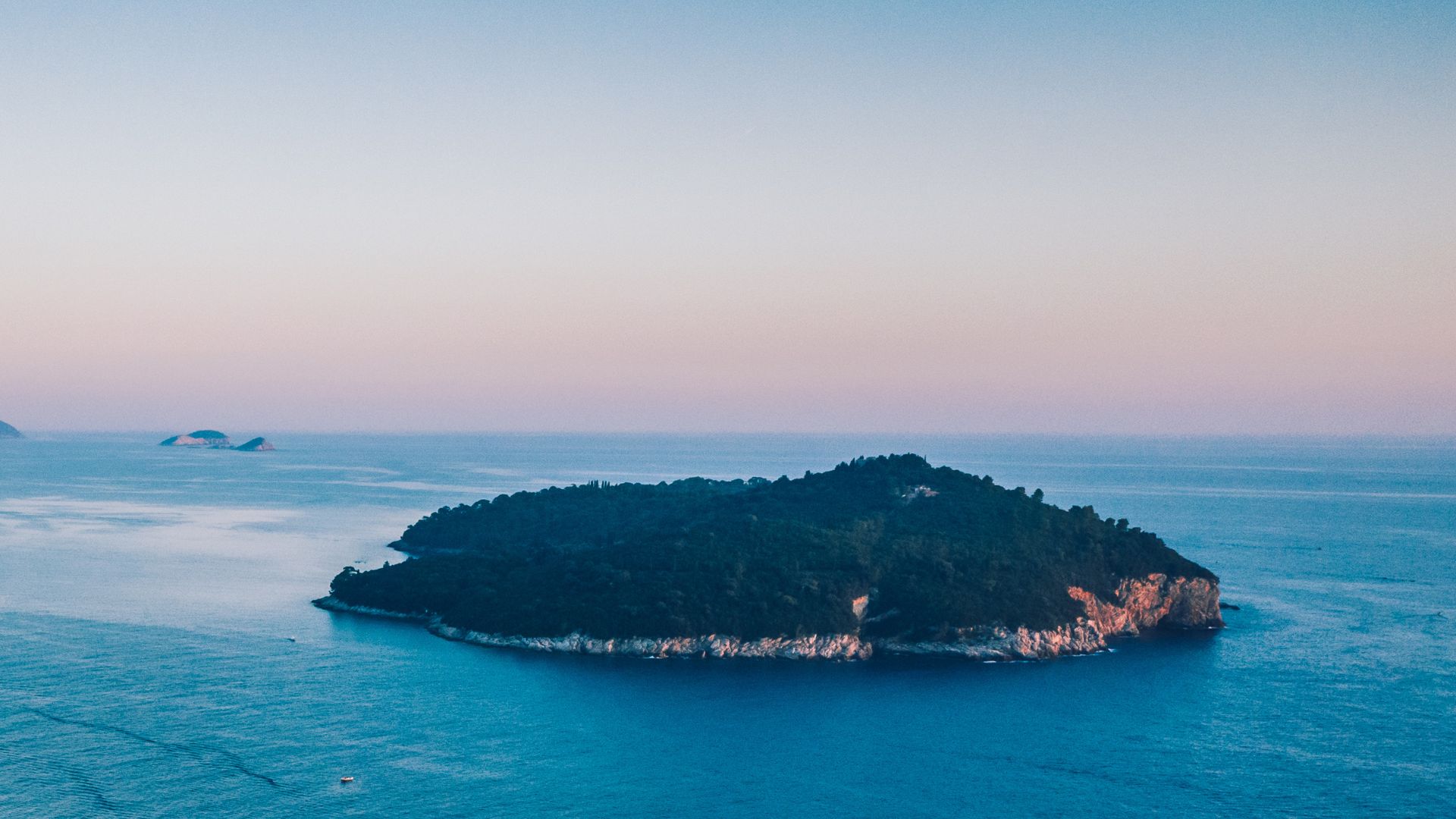
Lokrum Island sits just 600 meters off Dubrovnik’s coast—a quick escape from the city’s bustle. This nature reserve offers botanical gardens, monastery ruins, and hidden swimming spots that feel like your own private paradise.
Traveling to Lokrum Island
Getting to Lokrum is a breeze—just 15 minutes by boat from Dubrovnik. The ferry runs from the Old City Harbor, April to November.
I usually hop on a city bus to Old Town, stroll down Stradun, duck under the Bell Tower, and turn right for the harbor.
Ticket Info:
- Adult return: €30
- Kids (5-18): €5
- Under 5: Free
You can grab tickets at the booth near the boat or buy ahead online. Boats run every half hour when they’re operating.
The ride itself? Killer views of Dubrovnik’s walls from the water. No cars on Lokrum, so it’s super peaceful.
Exploring Monasteries and Gardens
Since 1976, Lokrum’s been a Special Forestry Reserve, protecting rare plants. The botanical garden has over 500 exotic species.
A lot of the plants come from Australia and South America. You’ll find eucalyptus, cacti, and all sorts of succulents—feels almost tropical.
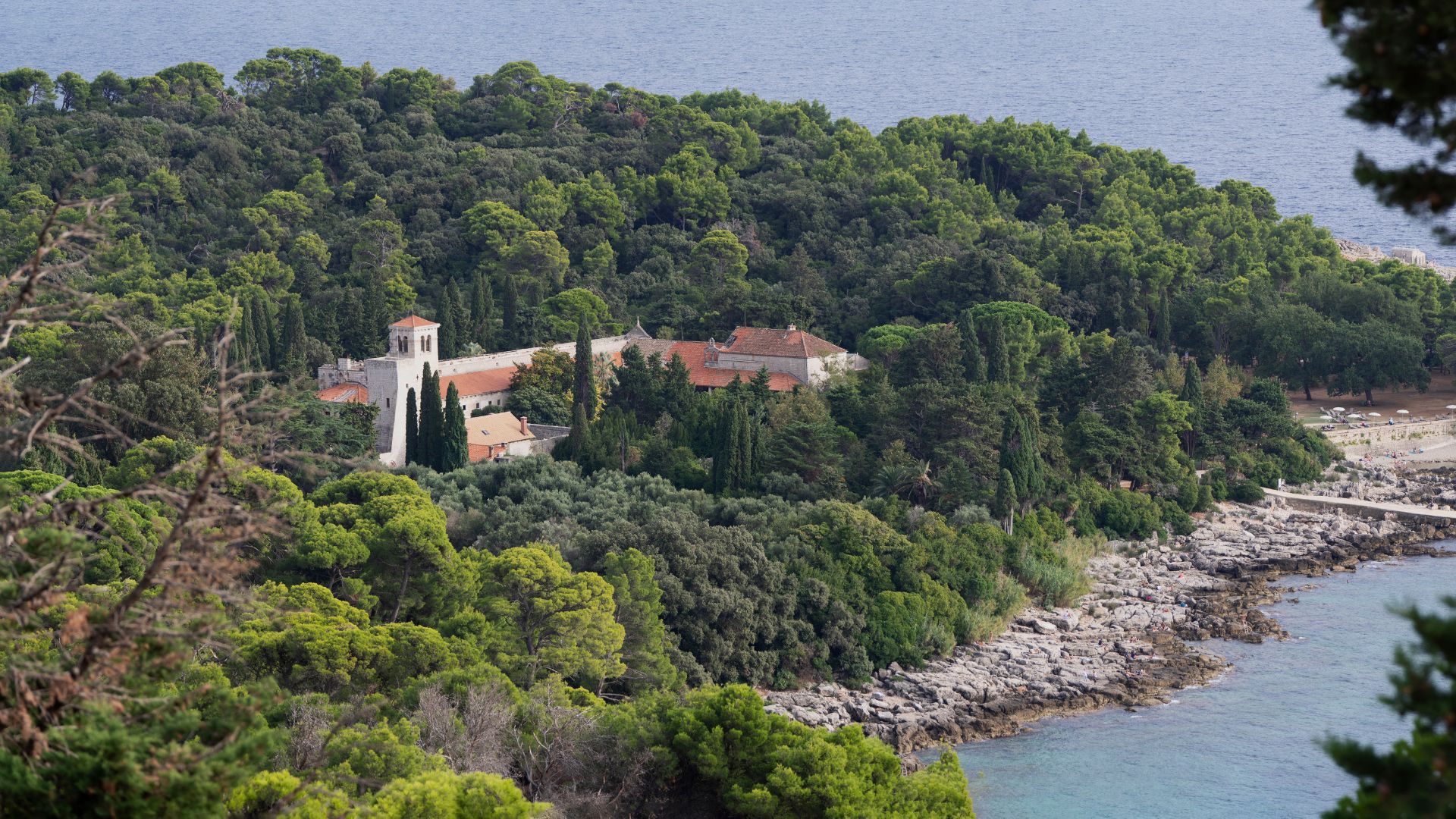
I love wandering the ruins of the old Benedictine Monastery. The stone arches and walls whisper stories of monks who once called this place home.
Peacocks roam everywhere, their calls echoing through the gardens. It’s surreal and a bit magical.
Every corner blends history with wild nature. Pine trees offer shade, and Mediterranean herbs scent the air.
Hidden Swimming Spots and Viewpoints
Lokrum’s rocky coast hides quiet swimming spots—way less crowded than Dubrovnik’s main beaches.
Mrtvo More (Dead Sea) is a tiny saltwater lake linked to the sea. It’s shallow and calm, ideal for kids or anyone who’s not a strong swimmer.
For sweeping views, I hike up to Fort Royal. The French built this fort in 1806 at the island’s highest point.
From up there, you can see all of Dubrovnik, Cavtat, and distant islands. The 20-minute hike winds through shady forest.
Rocky coves dot the island, perfect for a private swim. I can always find a quiet spot to listen to the waves and chill out.
Off-the-Beaten-Path Experiences Within Dubrovnik
You can dodge the Game of Thrones crowds by visiting big sights during quiet hours and exploring places most tourists never see. These ideas let you enjoy the city’s main attractions while discovering tranquil corners.
Late Afternoon Walks Along the City Walls
Walking the walls between 4 and 6 PM is a game-changer. Most tour groups are gone, and the light is just right for photos.
Best gates for a quieter start:
- Ploče Gate entrance – eastern side, barely any line
- Maritime Museum entrance – a secret spot most folks miss
The walls stay open until 7 PM in summer. I’ve found the eastern sections by St. John’s Fortress are practically empty late in the day.
Pro tip: Start at Ploče Gate and walk counterclockwise. You’ll move against the tourist flow.
Late afternoon brings that golden hour glow to the rooftops and sea. It’s cooler, too, so the 1.2-mile walk doesn’t feel like a marathon.
Tranquil Moments at the Franciscan and Dominican Monasteries
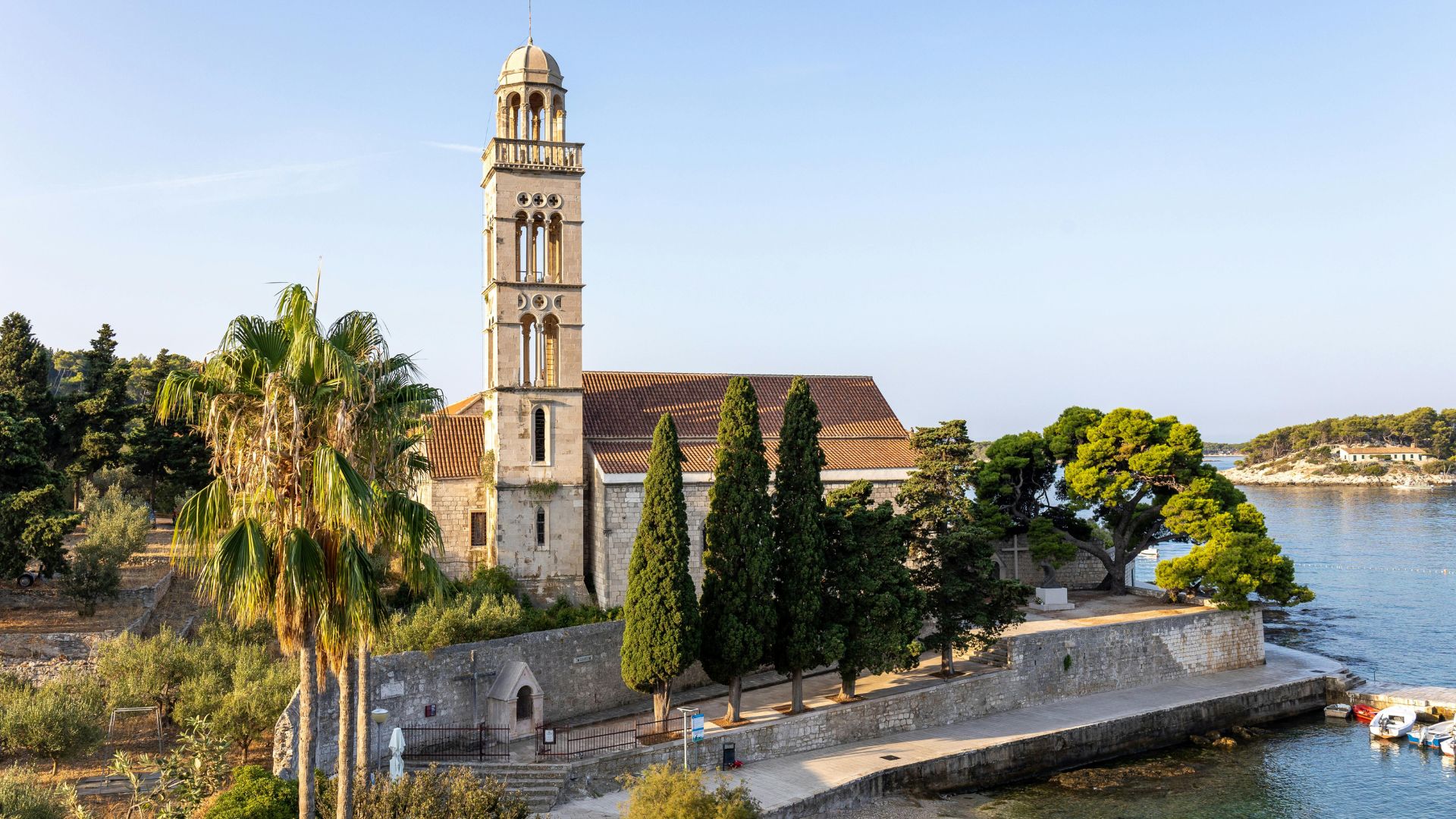
The Dominican Monastery is a peaceful haven right on Stradun. Most people walk by without a glance.
I always duck inside the museum and cloister garden. The stone arches and quiet courtyard are a total escape from the crowds. The pharmacy has been running since 1317!
Why it’s special:
- Stunning Gothic and Renaissance details
- Ancient pharmacy collection
- Orange trees in the cloister
- Artworks by Titian and others
At the other end of Stradun, the Franciscan Monastery claims to have Europe’s oldest pharmacy, also dating to 1317. The museum’s small but full of quirky old medical gear and manuscripts.
Both charge a small entrance fee. Dominican is about 30 kuna, Franciscan around 20.
Charming Neighborhoods Beyond the Main Streets
Prijeko Street runs parallel to Stradun but stays much quieter. I wander here for local restaurants and shops that aren’t tourist traps.
The area near Pustijerna offers glimpses of daily life—stone houses, laundry strung between windows, and not a selfie stick in sight.
Hidden gems I love:
- Tiny squares tucked between Stradun and the northern walls
- Narrow alleys winding up to St. Ignatius Church
- Residential lanes near the Jesuit Steps
Od Sigurate Street gives you quiet viewpoints over the harbor. The steep climb keeps most tourists away, but the sea views are worth it.
These neighborhoods remind you Dubrovnik is a living city, not just a film set. Locals still live, work, and play here, so you get a slice of real life.
Sun and Sea: Enjoying Dubrovnik’s Beaches and Coastal Activities
Dubrovnik’s coast is all about clear water and quiet spots to unwind. Banje Beach is super easy to reach and has killer views, while sea kayaking shows you the city walls from a whole new angle.
Relaxing at Banje Beach
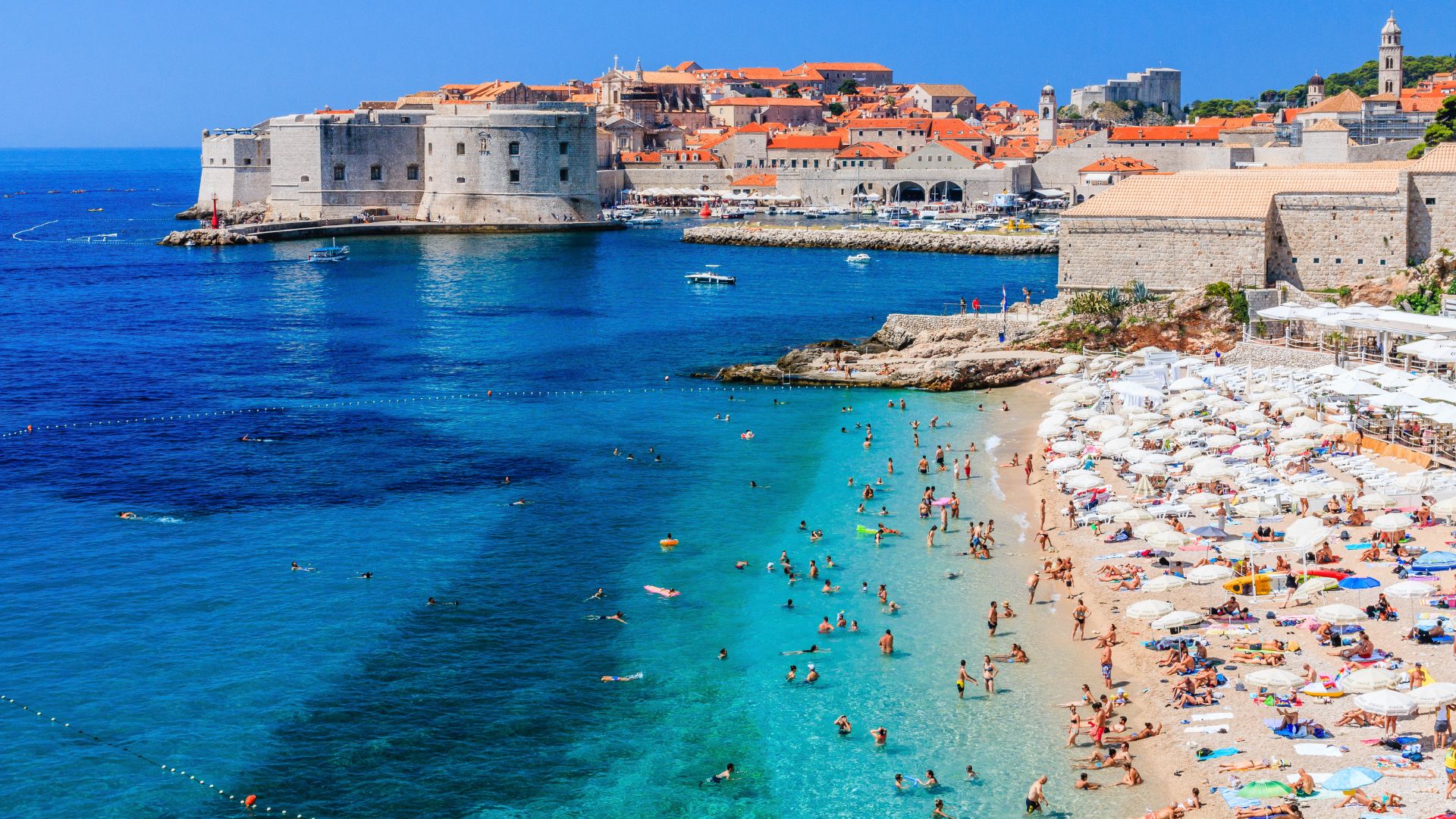
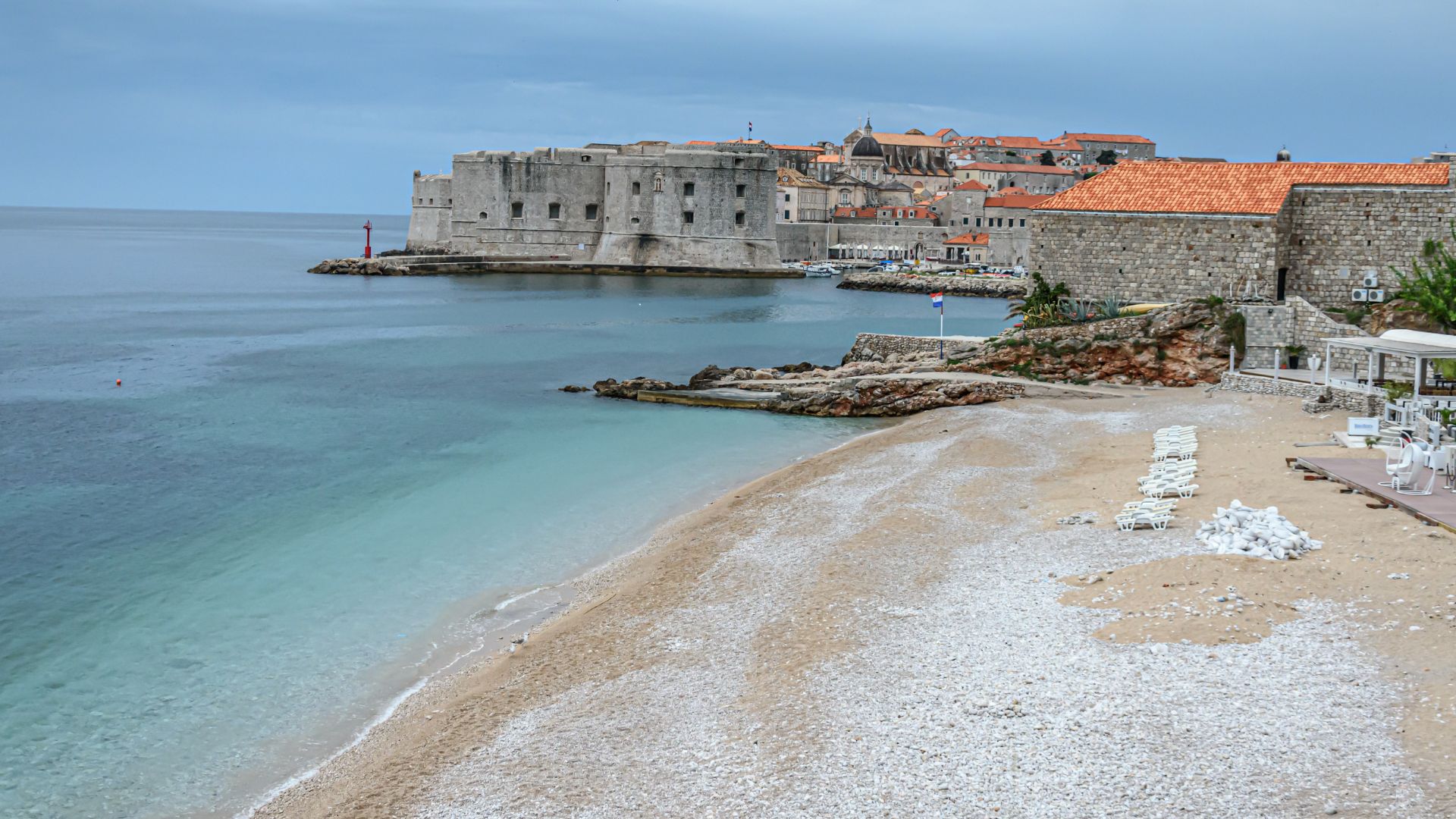
Banje Beach is probably the easiest beach to get to—just steps from the Old Town.
From your beach chair, you can see the entire walled city. It’s a postcard view, honestly.
What you’ll find:
- Pebble beach (bring sandals!)
- On-site restaurant and bar
- Sun loungers for rent
- A quick walk from Pile Gate
Get there early if you want a good spot. It fills up fast in summer.
The water’s clean and perfect for swimming. Families will appreciate the facilities.
At sunset, Banje turns into a lively bar scene. Grab a drink and watch the sun dip behind the walls.
Sea Kayaking Around Dubrovnik’s City Walls
Sea kayaking is hands-down my favorite way to see the walls—no crowds, just you and the water.
Most tours start near Pile Gate. You’ll paddle along the Old Town’s southern edge.
Highlights:
- Epic views of the city walls from the sea
- Secret swimming coves
- Option to stop at Lokrum Island
- Cool rock formations along the coast
The sea’s usually calm, so beginners are welcome. Tours last about 2–3 hours.
Morning trips are best for avoiding crowds and strong sun. Some tours even include snorkeling.
Tour companies provide all the gear and basic instructions. It’s easier than you think, and the perspective is unforgettable.
Day Trips from Dubrovnik: Exploring Beyond the City
Day trips from Dubrovnik open up some of the Balkans’ most jaw-dropping spots. You’ll find Ottoman bridges in Bosnia’s Mostar, swim beneath Kravice waterfalls, or wander the medieval lanes of Montenegro’s Kotor.
Discover the Heritage of Mostar
Mostar sits just two and a half hours from Dubrovnik—easy enough to reach by bus or car. This Bosnian city really revolves around the iconic Stari Most bridge, which locals rebuilt after the 1990s war. Now, it stands proudly as a UNESCO World Heritage site.
If you want a quieter experience, try to arrive early. I’ve found the Old Bridge area is best explored before the tour groups start pouring in.
Cobblestone streets twist through the old town, and you’ll spot Turkish-style shops everywhere. They sell everything from handcrafted copper goods to that strong, traditional Bosnian coffee.
The Stari Most stretches across the Neretva River, linking the two halves of Mostar. In the summer, you might catch local divers leaping from its dizzying 24-meter height—honestly, it’s a wild sight.
Key attractions in Mostar:
- Stari Most (Old Bridge)
- Koski Mehmed Pasha Mosque (climb the minaret for epic views)
- Turkish House museum
- The buzzing bazaar streets
Don’t forget your passport for this cross-border trip. Most day tours from Dubrovnik cost about €40-60 and usually include transport and a walking tour.

Natural Wonders at Kravice and Plitvice Lakes
If you’re craving a break from crowded beaches, Kravice Waterfalls in Bosnia are a dream. These stepped falls tumble 25 meters into clear swimming pools, all surrounded by lush green forest.
I’d go between May and September—water levels are high, and the scenery feels extra vibrant. Wooden walkways and viewing platforms let you get close for those envy-inducing photos.
A lot of tours bundle Kravice with Mostar, which really helps you make the most of your day. Even when the summer sun blazes, the waterfalls stay cool and refreshing.
Plitvice Lakes National Park in Croatia takes a bit longer to reach, but it’s worth every minute. Sixteen terraced lakes spill into each other, with waterfalls everywhere you look.
Wooden boardwalks snake through the forest and over crystal-clear waters. It’s almost surreal—like wandering through a fairy tale.
Best visiting tips:
- Book Plitvice tickets ahead of time online
- Wear comfy walking shoes (you’ll thank yourself later)
- Bring swimwear for Kravice
- Pack water and snacks—trust me, you’ll need them
Tours to Kravice usually cost €40-50, and trips to Plitvice run €70-90 from Dubrovnik.
A Seaside Escape to Kotor
Kotor Bay in Montenegro? It’s honestly one of those places that grabs your attention the moment you see it. Dramatic mountains hug the bay, and medieval buildings peek out from behind ancient stone walls. You’ll find this UNESCO-protected gem just about 90 minutes from Dubrovnik by car—a drive that’s scenic enough to make you want to stop for photos every few miles.
Step into the Old Town, and suddenly you’re wandering through a maze of narrow streets, stumbling across old stone churches and quiet, hidden squares. I always try to climb the fortress walls when I visit. Sure, there are 1,350 steps (your legs will complain), but the sweeping views over the bay make every step worth it.
St. Tryphon Cathedral stands tall, dating all the way back to 1166. Inside, you’ll spot religious treasures and some surprisingly vibrant frescoes. If you’re curious about local history, the Maritime Museum brings the region’s seafaring past to life.
The bay almost looks like a fjord, with steep mountains plunging straight into deep, blue water. Small towns like Perast line the coast, and they’re perfect for hopping on a boat tour to visit the tiny, man-made islands scattered across the bay.
Kotor highlights:
- Strolling the medieval Old Town walls
- Exploring St. Tryphon Cathedral
- Climbing the fortress (give yourself 2-3 hours)
- Taking a bay boat excursion
If you’re thinking of a day trip, tours usually cost between €55 and €70. They’ll help you out with border crossing, but don’t forget your passport—Montenegro’s not letting you in without it.

