
Walking through the streets of Latina, I’m struck by the bold lines and geometric shapes that define this unique Italian city. Built in the early 1930s on reclaimed marshland, Latina (originally named Littoria) stands as a living museum of Italian Rationalist architecture. The city represents one of Fascist Italy’s most ambitious urban planning projects, where modernist design principles were applied to transform uninhabitable swampland into a functional new town.
The architectural style here tells a fascinating story of Italy’s interpretation of modernism. Unlike the romantic cities of Florence or Venice, Latina’s design is deliberate and ordered, with clean lines and minimal ornamentation that reflect the Rationalist movement. Buildings feature pagan statues alongside military and rural symbols – visual reminders of the era’s complex political ideology.
I find myself drawn to photographing the stark contrast between Latina’s precise urban grid and the surrounding countryside that was once marshland. This planned city offers a rare glimpse into a specific moment in Italian history, where architecture served as both practical solution and political statement. The reclamation of the Pontine Marshes created not just new land but a new aesthetic that continues to define Latina’s distinctive character today.
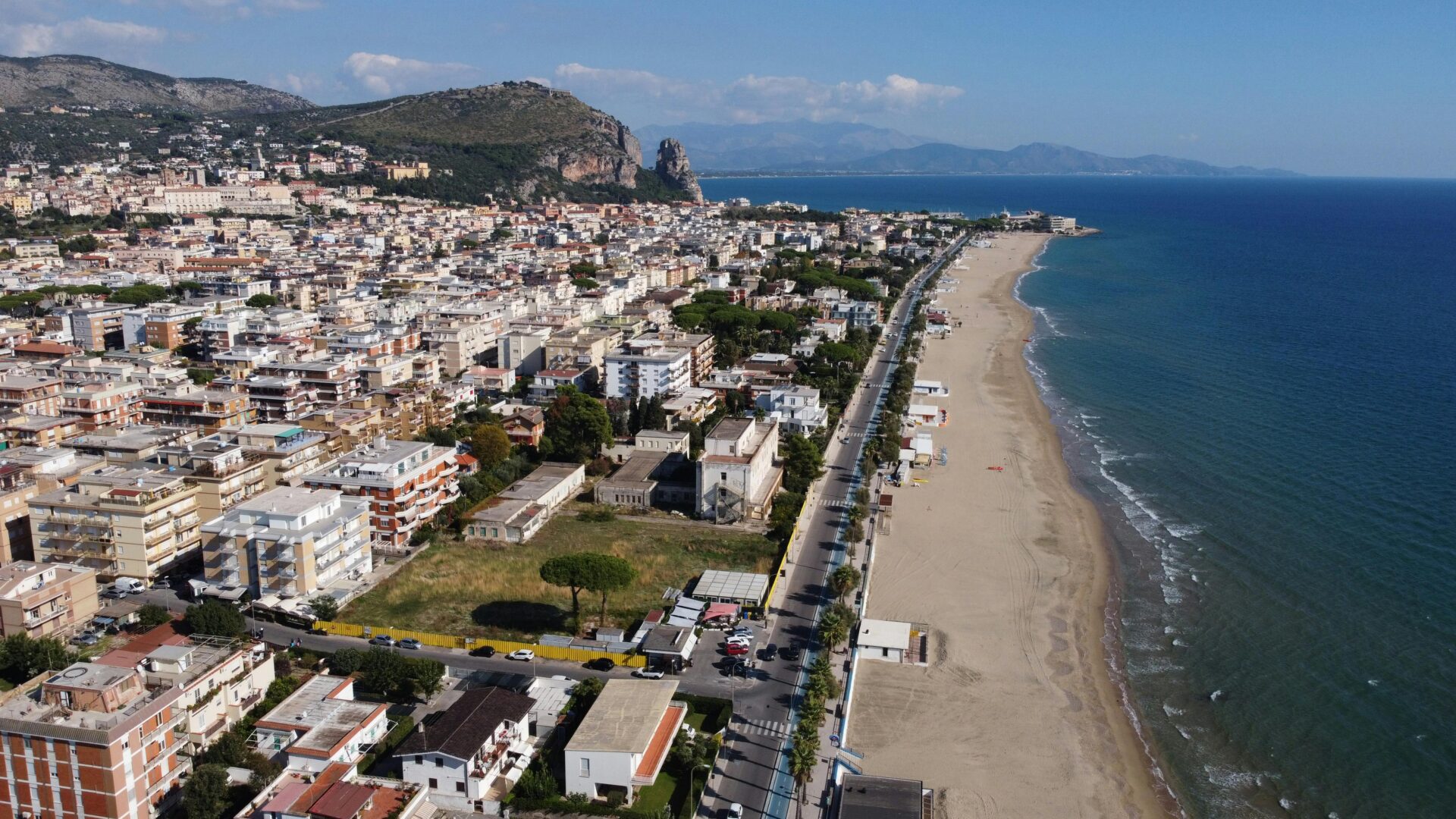
The Foundations of Latina: From Marshes to Modernity
Latina stands as a remarkable example of 20th-century urban planning, emerging from what was once uninhabitable marshland. The transformation of this landscape represents a fascinating chapter in Italian architectural history, blending modernist design principles with fascist ideology.
Draining the Pontine Marshes
The story of Latina begins with an ambitious reclamation project. For centuries, the Pontine Marshes were malaria-infested wetlands that defied countless attempts at cultivation and settlement.
I visited the historical museum in Latina last summer and was amazed by the old photographs showing workers digging massive drainage canals by hand. The scale of the project was incredible!
By the late 1920s, Mussolini’s government launched a comprehensive drainage program using modern engineering techniques. They installed powerful pumping stations and created an extensive network of canals that finally tamed the stubborn marshes.
The reclamation wasn’t just an engineering feat—it was presented as a triumph of fascist will over nature. Workers came from northern Italy, especially from Veneto and Friuli regions, to settle the newly dried lands.
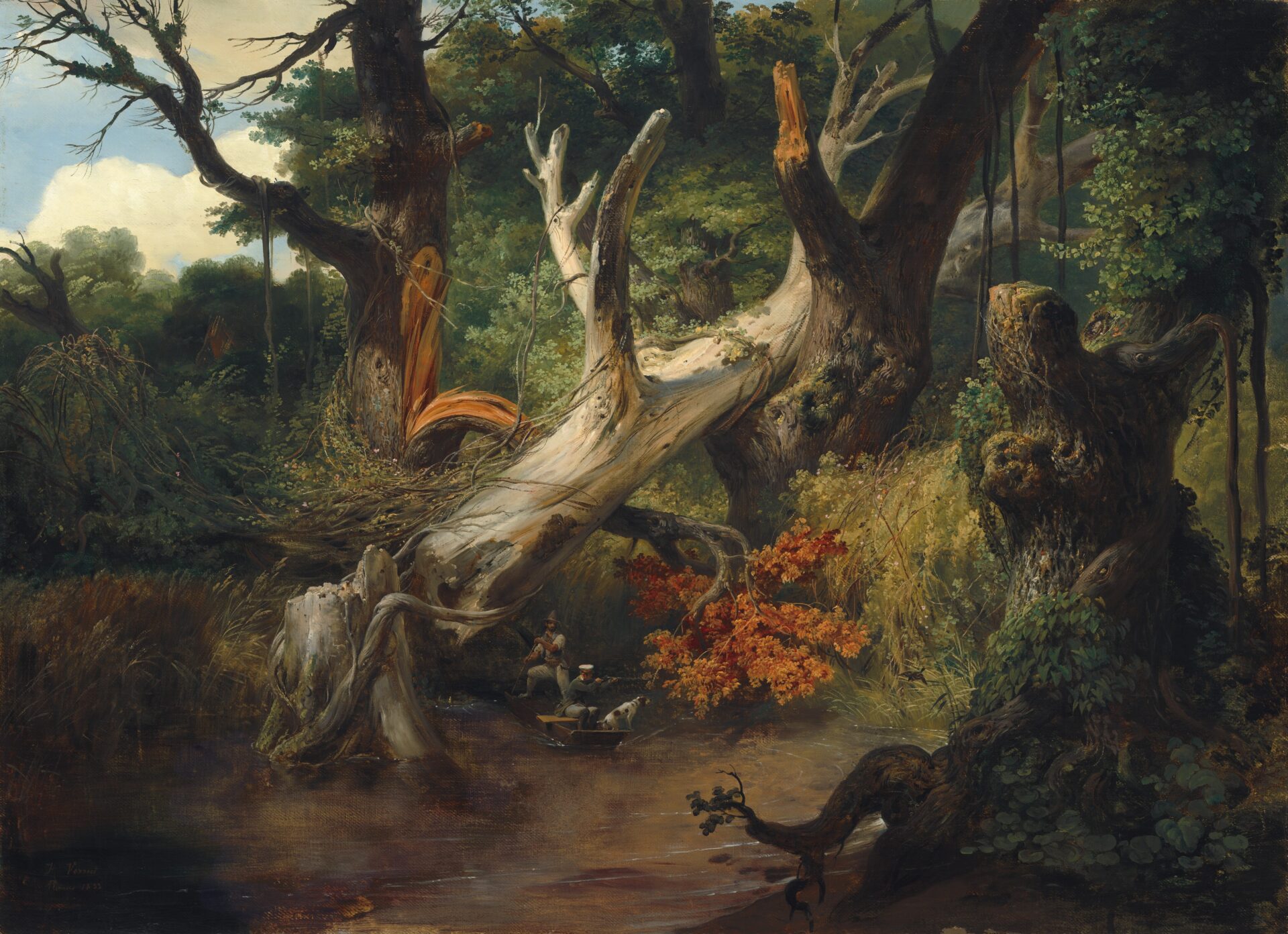
Littoria: A Town is Born
In 1932, the new town of Littoria (later renamed Latina) was formally established on the reclaimed land. The name itself celebrated fascism’s connection to ancient Rome, drawing on imperial symbolism.
The town showcased Rationalist architecture—Italy’s modernist movement that emphasized clean lines, geometric forms, and functional spaces. I was struck by how different Latina looks from traditional Italian towns when I first visited.
Architects like Oriolo Frezzotti designed the city with wide boulevards radiating from central squares. Key buildings included:
- The town hall (Palazzo Comunale)
- Post office with its distinctive tower
- Opera House
- Residential blocks for workers and officials
The overall design reflected fascist urban planning ideals: order, hierarchy, and bold geometric statements.
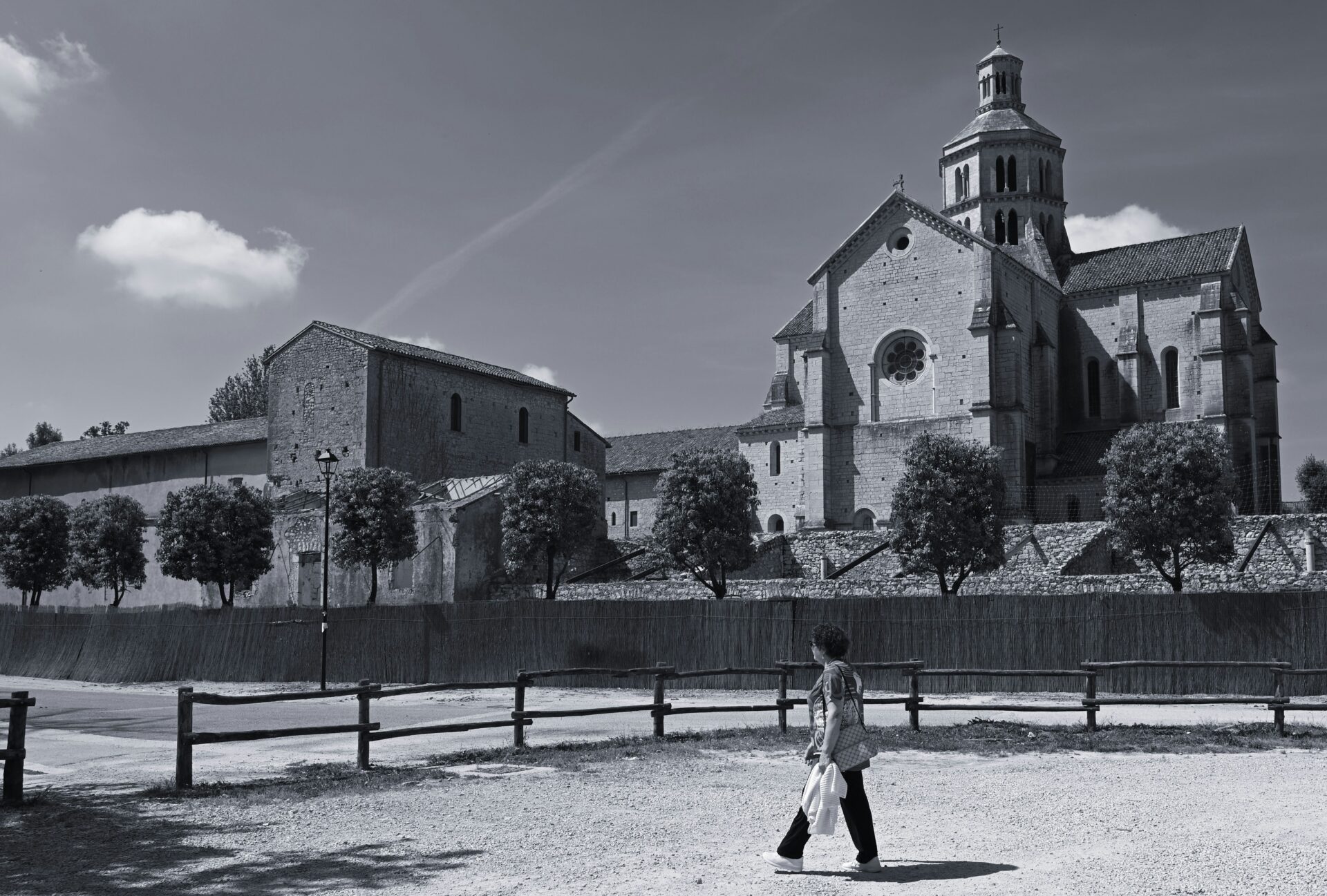
The Influence of Mussolini’s Fascism
Mussolini’s regime viewed Latina as more than just a town—it was a physical manifestation of fascist ideology in concrete and stone. The city was designed to promote the regime’s values.
When walking through Latina’s center today, I can still see how urban spaces were created for mass gatherings and parades. The wide avenues and imposing buildings were meant to inspire awe and reinforce state power.
Propaganda was built into the very fabric of the city, with fascist symbols integrated into architectural elements. The regime celebrated Latina as proof of its modernizing mission and ability to conquer nature.
After WWII, the city was renamed Latina, shedding its fascist origins while preserving its unique architectural heritage. Today, it offers a fascinating window into a complex period of Italian history where politics, architecture and land reclamation converged dramatically.

Exploring Rationalist Architecture in Latina
Latina’s architectural landscape represents one of the most complete expressions of Italian Rationalist design in existence. The geometric forms, functional spaces, and monumental aesthetics create a unique urban environment that tells the story of Italy’s modernist movement.
The Hallmarks of Rationalist Style
Walking through Latina, I’m always struck by the clean lines and geometric precision that define the city’s architecture. Rationalist buildings here feature stark white facades, flat roofs, and rhythmic window patterns that create a sense of order and balance. The style emerged during the early 20th century as Italy’s interpretation of modernism.
These structures emphasize functionality while maintaining a monumental presence. Unlike the ornate buildings of earlier periods, Latina’s architecture showcases minimalist design with occasional symbolic elements.
Most striking is how the buildings work together to create cohesive urban spaces. The architects designed not just individual structures but entire cityscapes with a unified vision.
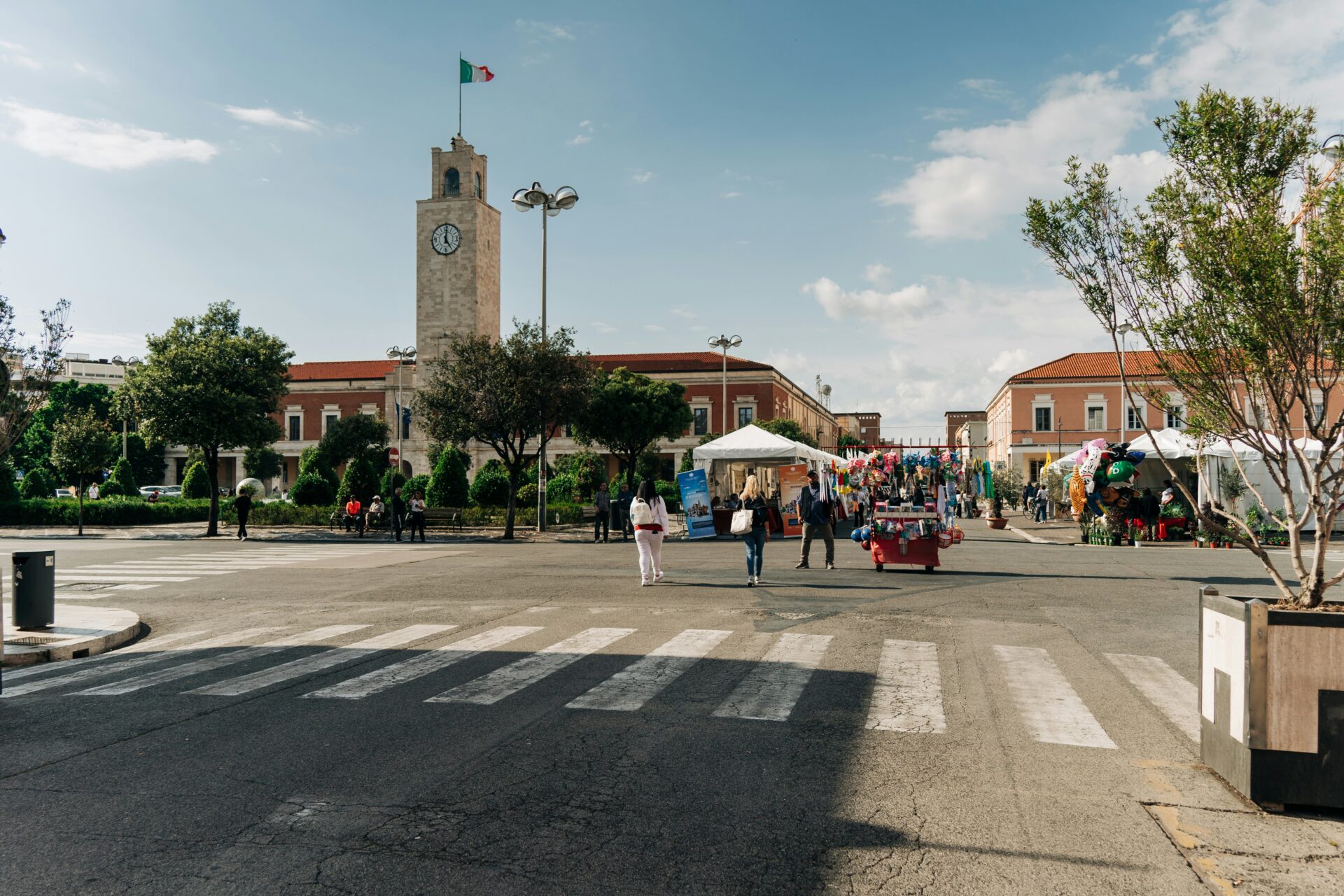
Iconic Buildings and Piazzas
The heart of Latina’s rationalist design is found in its carefully planned public spaces. Piazza del Popolo stands as the city’s central square, surrounded by perfectly proportioned government buildings that demonstrate the style’s principles.
I love exploring the Post Office building with its dramatic portico and clean, geometric forms. The symmetrical layout creates a powerful sense of order that’s typical of rationalist design.
The Financial Buildings complex showcases another rationalist trademark: the creative use of materials like travertine, glass, and reinforced concrete to achieve both function and aesthetic impact.
These spaces weren’t designed merely as beautiful objects but as symbols of a modern Italian identity. The piazzas function as outdoor rooms where the community gathers, framed by buildings that project strength and progress.
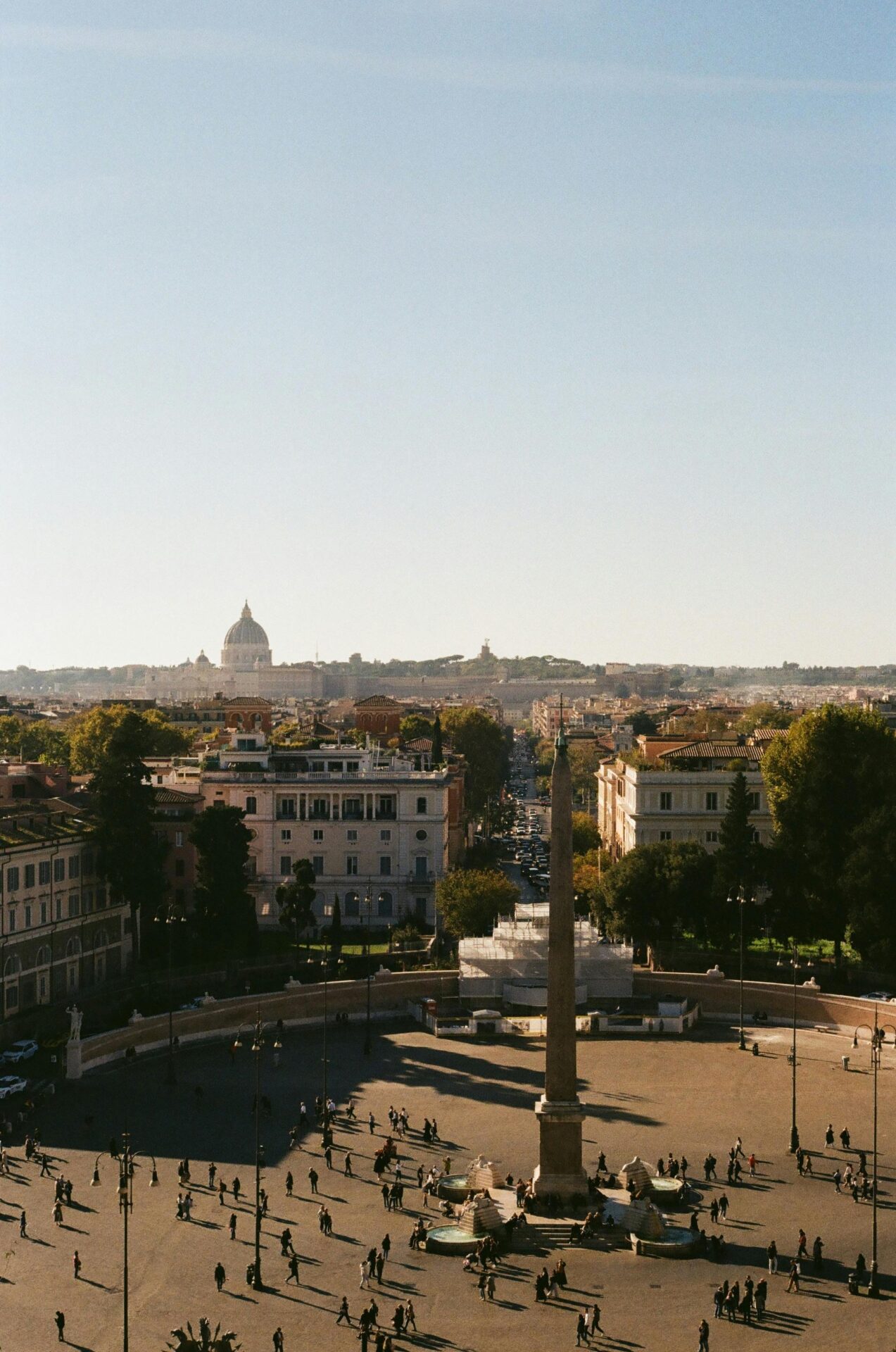
Cattedrale di San Marco and Town Hall
The Cattedrale di San Marco represents one of Latina’s most impressive examples of rationalist sacred architecture. Unlike traditional Italian churches, the cathedral features a stark geometric design with a rectangular bell tower that dominates the skyline.
Inside, I’m always impressed by how natural light floods through strategic openings, creating dramatic effects that change throughout the day. The interior maintains the rationalist commitment to clean lines while incorporating just enough traditional elements to function as a sacred space.
The Town Hall (Palazzo Comunale) exemplifies the civic application of rationalist principles. Its symmetrical facade and rhythmic columns create a sense of authority without relying on ornate decoration.
Both buildings demonstrate how rationalist architects balanced modernist ideals with practical needs, creating spaces that remain functional and impressive nearly a century after their construction.

Latina: A Blend of Nature and Urban Landscape
Latina province offers a stunning mix of natural wonders and modern urban planning. The area balances pristine Mediterranean landscapes with the rational design of its Fascist-era cities.
Circeo National Park: A Natural Haven
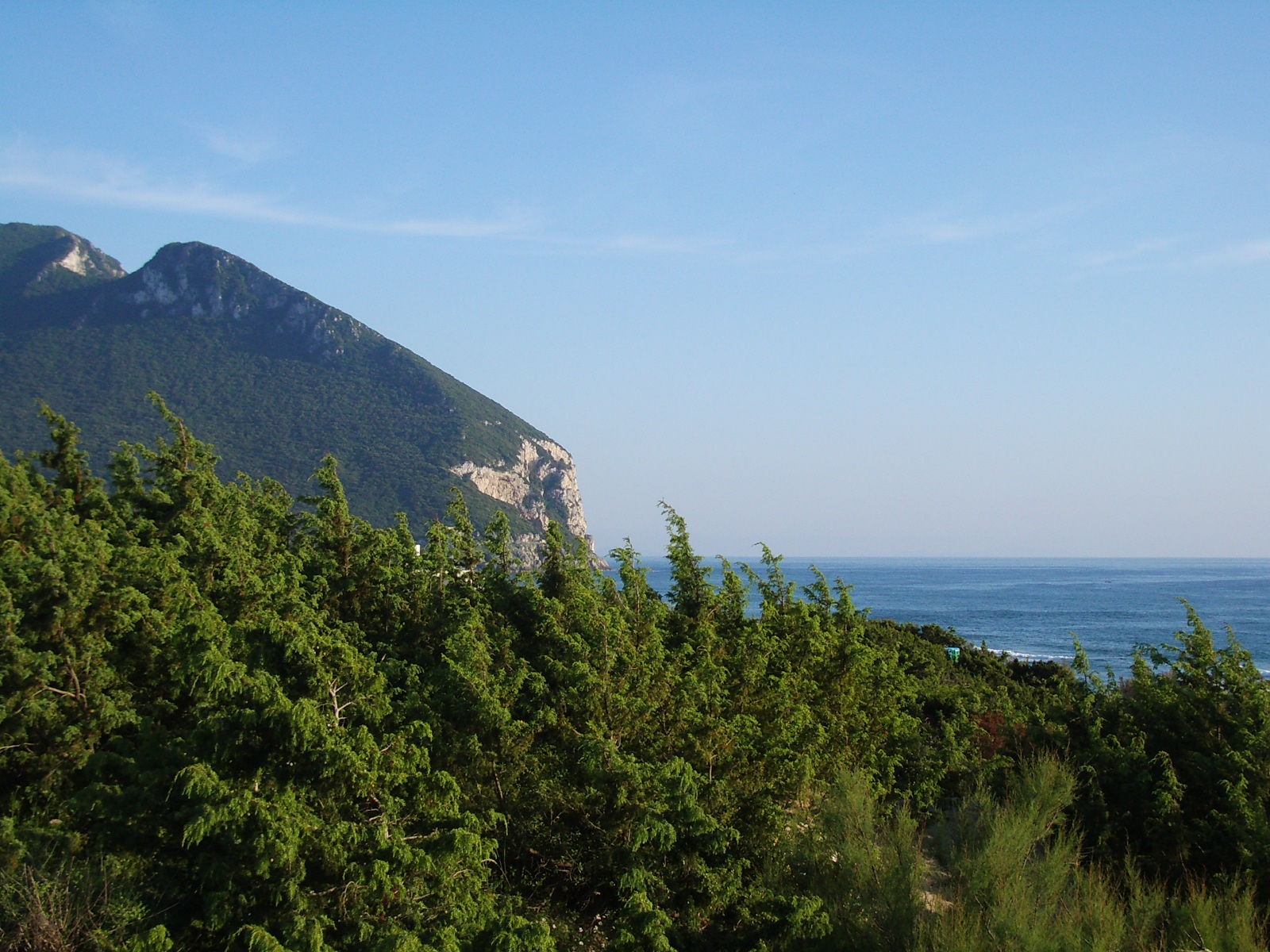
I discovered Circeo National Park during my spring visit to Latina province. This protected area spans about 8,500 hectares along the Tyrrhenian coast, creating a remarkable contrast to the planned cities nearby.
The park features four distinct ecosystems that I explored over several days. The ancient forest reminded me of fairytales with its towering oaks and ferns. Walking through it felt like stepping back in time to when this entire region was wilderness.
The coastal dunes create a magical boundary between land and sea. I spent hours watching birds in the wetlands, where countless migratory species stop during their journeys. Mount Circeo itself rises dramatically from the landscape, creating an iconic silhouette visible from miles away.
The Sandy Beaches of Latina’s Coastline
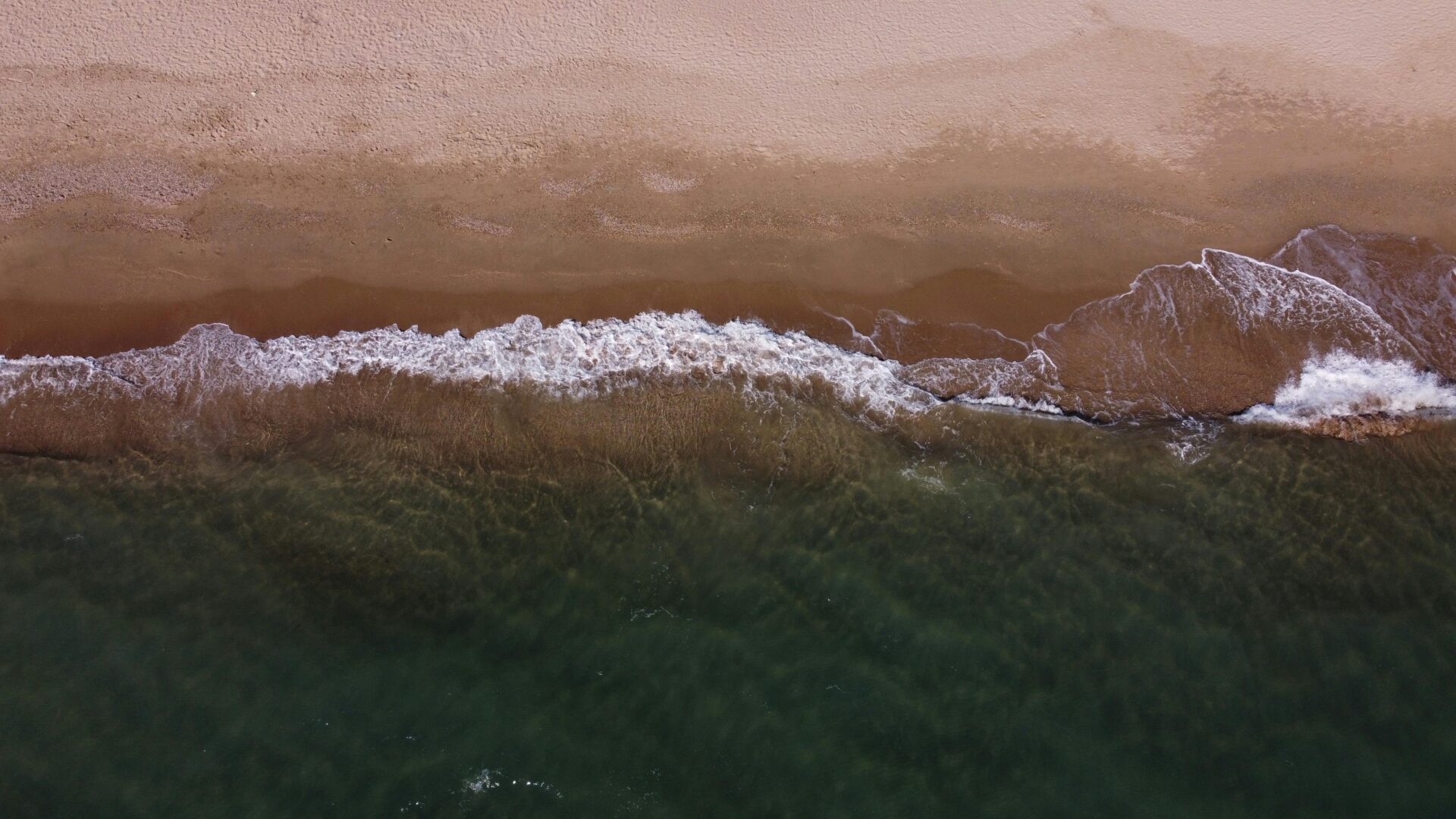
The coastline of Latina province offers some of Italy’s most beautiful beaches. I’ve visited many Mediterranean shores, but the golden sands here have a special quality.
Sperlonga’s beaches stand out with their crystal-clear waters and dramatic white cliffs. The little town perches above the shore, and I loved wandering down to swim in the morning before the crowds arrived.
Further south, Gaeta captured my heart with its split personality—part fishing village, part beach destination. The sandy stretch known as Serapo Beach offers perfect swimming conditions.
San Felice Circeo provides a more intimate beach experience. I found secluded coves by following local advice and venturing beyond the main areas. The water quality throughout Latina’s coast is exceptional, with Blue Flag certifications at multiple beaches.
Hiking Trails and Scenic Views
The hiking options in Latina province combine natural beauty with historical significance. Mount Circeo offers several trails with varying difficulty levels.
I tackled the main summit trail early one morning. The path winds through Mediterranean scrub before opening to panoramic views of the Tyrrhenian Sea. On clear days, you can spot several islands dotting the horizon.
The coastal paths connecting the towns offer gentler hiking experiences. Walking from Sperlonga toward Gaeta, I stopped frequently to photograph the landscape where mountains meet the sea.
Lesser-known inland trails explore the transition between reclaimed marshlands and natural areas. These paths tell the story of how humans transformed this landscape over centuries.
Cultural Insights and Local Experiences
The heart of Latina’s identity lies in its unique blend of cultural traditions and authentic local experiences. From distinctive regional dishes to vibrant seasonal celebrations, the city offers visitors a genuine glimpse into the lifestyle that has evolved in this reclaimed marshland area.
Discovering Latina’s Local Cuisine
I found Latina’s culinary scene to be a delightful surprise during my visit. The city proudly showcases dishes that reflect its unique history as reclaimed marshland and the influence of diverse cultural backgrounds.
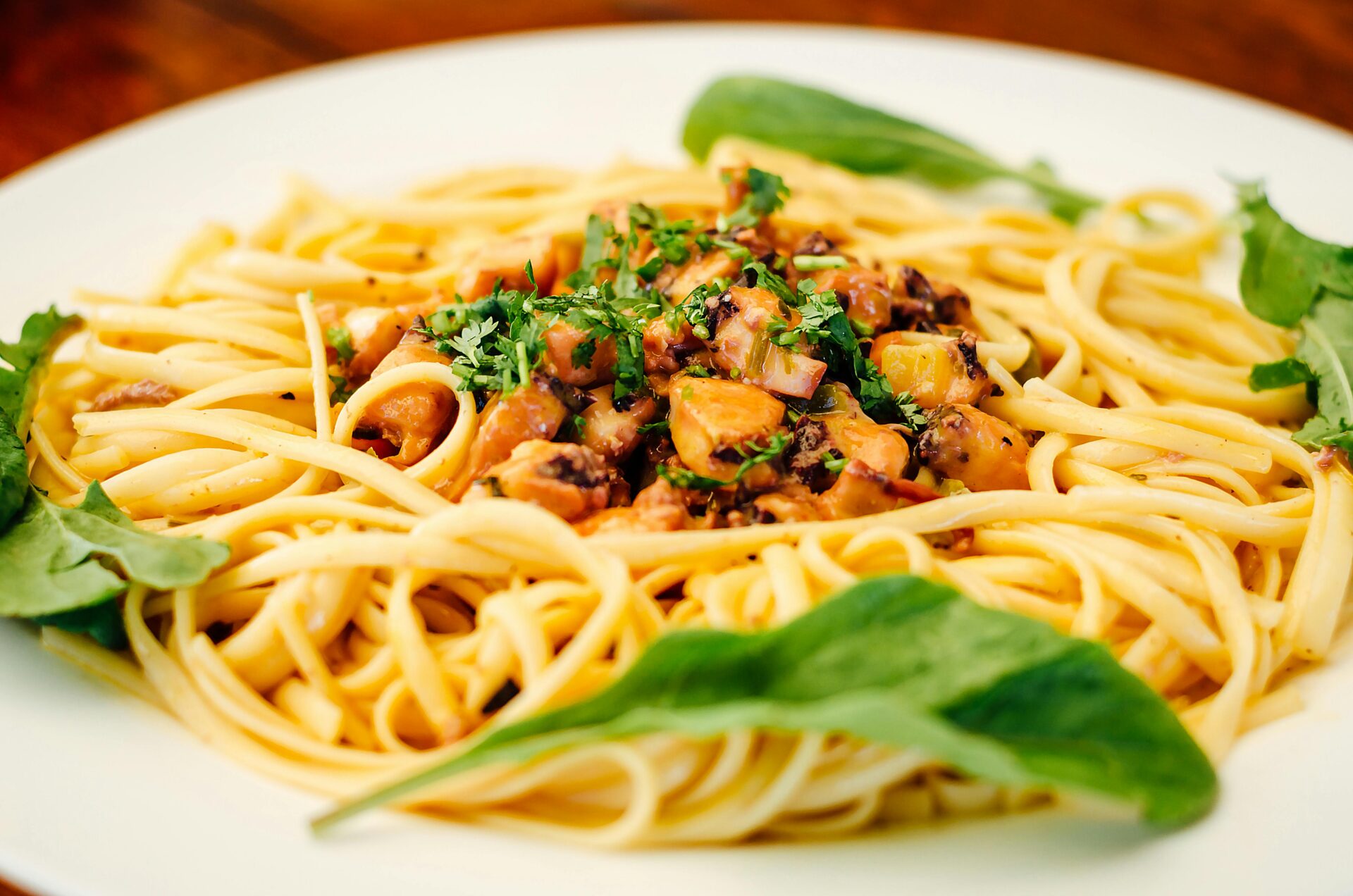
The local specialty spaghetti alla pontina features fresh ingredients from the surrounding farmlands. Many restaurants serve traditional buffalo mozzarella, produced in the nearby countryside using techniques passed down through generations.
For seafood lovers, the coastal area of Latina offers incredible fresh catches. I recommend trying zuppa di pesce at one of the small family-owned restaurants near the shore.
Popular dining spots include:
- Trattoria Del Borgo (traditional dishes)
- Ristorante Mare Chiaro (seafood)
- Osteria Moderna (contemporary takes on local cuisine)
Traditions and Festivities in Latina
The province of Latina, with its population of about 125,000, celebrates several distinctive festivals that highlight its rural heritage and connection to reclaimed marshlands.
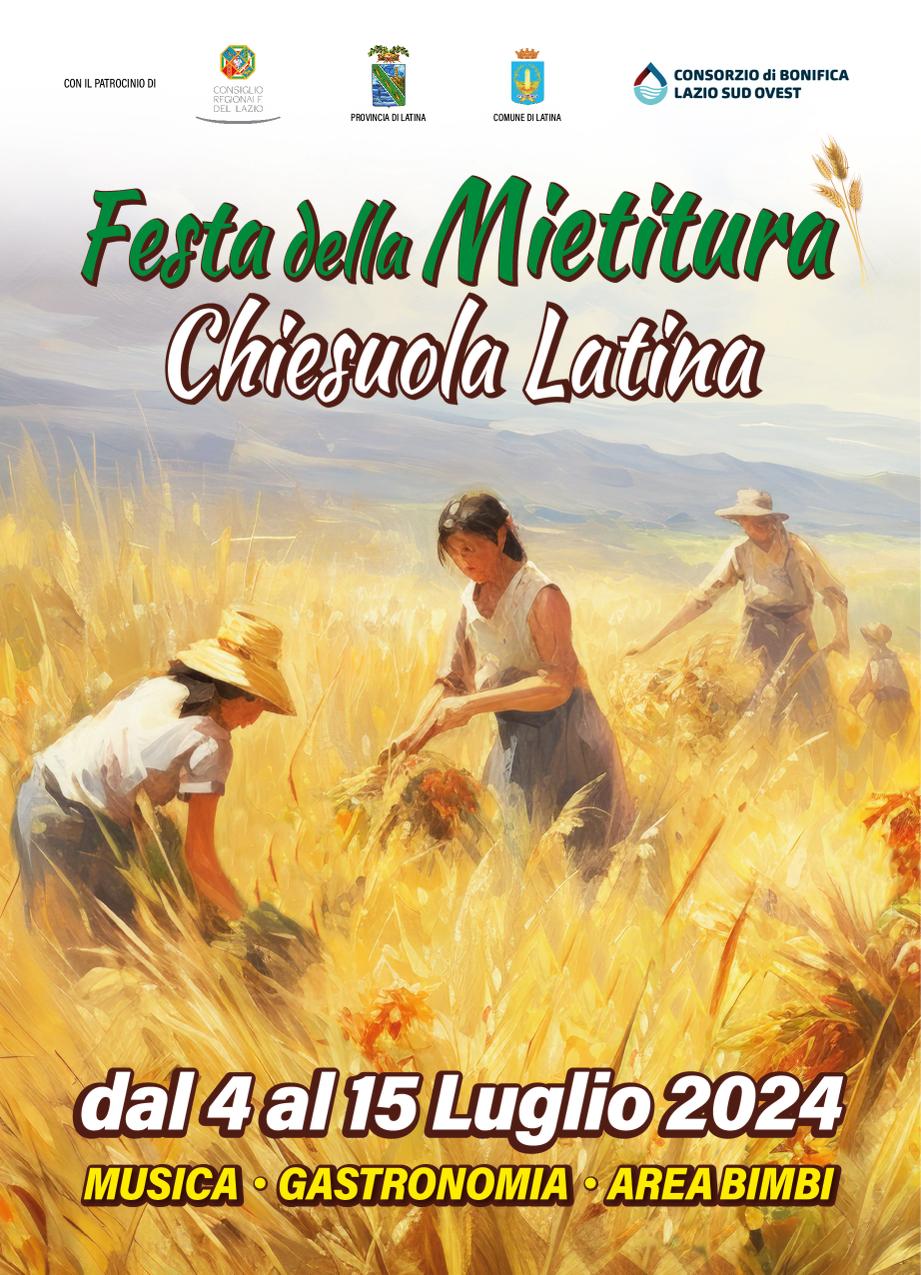
The Festa della Mietitura (Harvest Festival) takes place each July, commemorating the agricultural traditions that shaped the region. I was amazed by the historical reenactments of farming practices and the community spirit on display.
During December, the Christmas markets transform the rationalist-designed central squares. Local artisans sell handcrafted goods while traditional music fills the air.
The Sagra della Bufala celebrates the region’s famous buffalo breeding tradition with food stalls, music, and cultural performances. It’s a perfect opportunity to understand how deeply food connects to identity in this region.
Holy Week processions blend Catholic traditions with unique local customs that reflect the diverse origins of Latina’s population.
Travel Essentials: Accommodation and Transportation
Planning your stay in Latina involves understanding both where to sleep and how to get around. The city offers various accommodation options while providing decent transport connections to explore the surrounding area and nearby cities like Rome.
Staying in Latina: From Hotels to Guesthouses
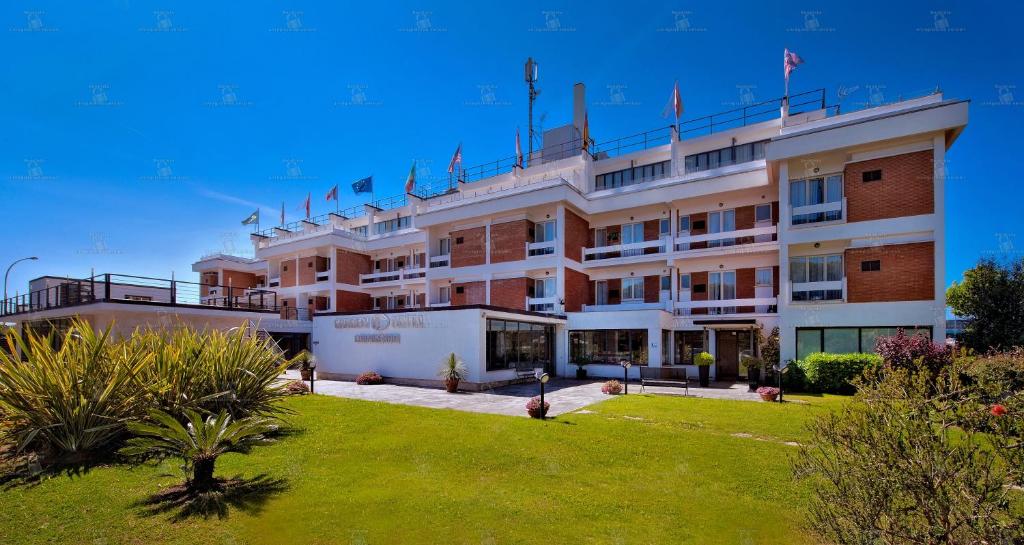
I’ve found Latina offers a surprising range of places to stay despite being off the typical tourist trail. The city center has several mid-range hotels that combine comfort with reasonable prices. Most are clustered near Piazza della Libertà.
For budget travelers, the family-run guesthouses (pensioni) provide authentic experiences with home-cooked breakfasts. My favorite discovery was a converted farmhouse on the outskirts that showcases the agricultural heritage of these reclaimed marshlands.
Latina Scalo, the city’s train district, offers practical accommodation options if you’re relying on public transport. While not as charming as the center, these hotels provide convenient access for day trips.
Accommodation Quick Tips:
- Book in advance during summer months
- City center hotels range from €60-100 per night
- Guesthouses typically cost €40-70 with breakfast included
Navigating the Region: Public Transport and Private Transfers
Getting to Latina is straightforward by train. Regular connections from Rome take about 40 minutes. The Latina train station is actually in Latina Scalo, about 3km from the city center.
Public buses connect Latina Scalo to the city center. However, schedules can be limited on Sundays and holidays. Within the city, I found the local bus network adequate but not extensive.
For exploring the rationalist architecture and surrounding reclaimed marshlands, renting a car gives you the most flexibility. Several agencies operate in the city center and near the train station.
If you prefer not driving, you can arrange private transfers through hotels or local companies. These range from €30 for short trips to over €100 for full-day excursions to places like Sabaudia and the coast.



