
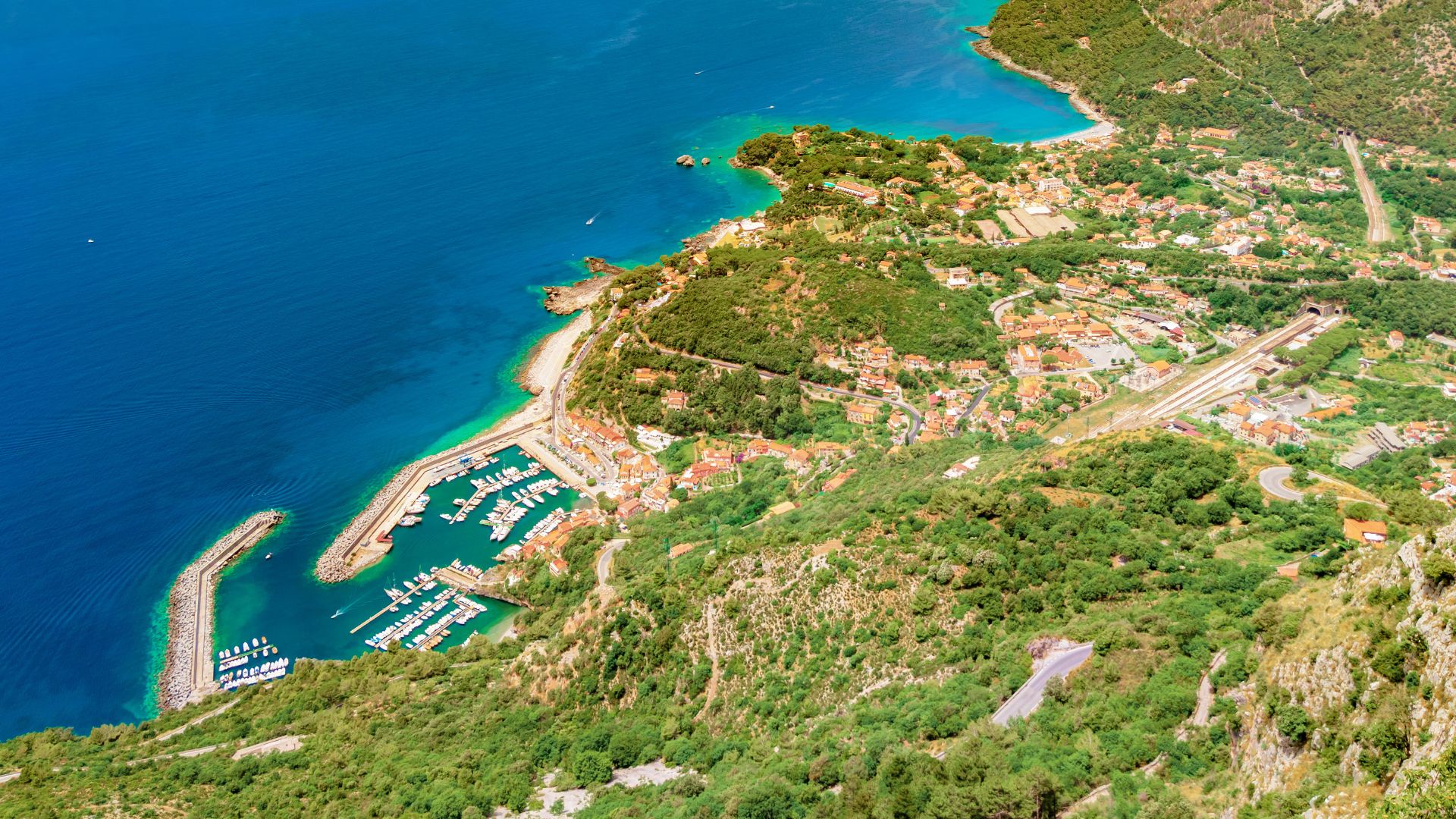
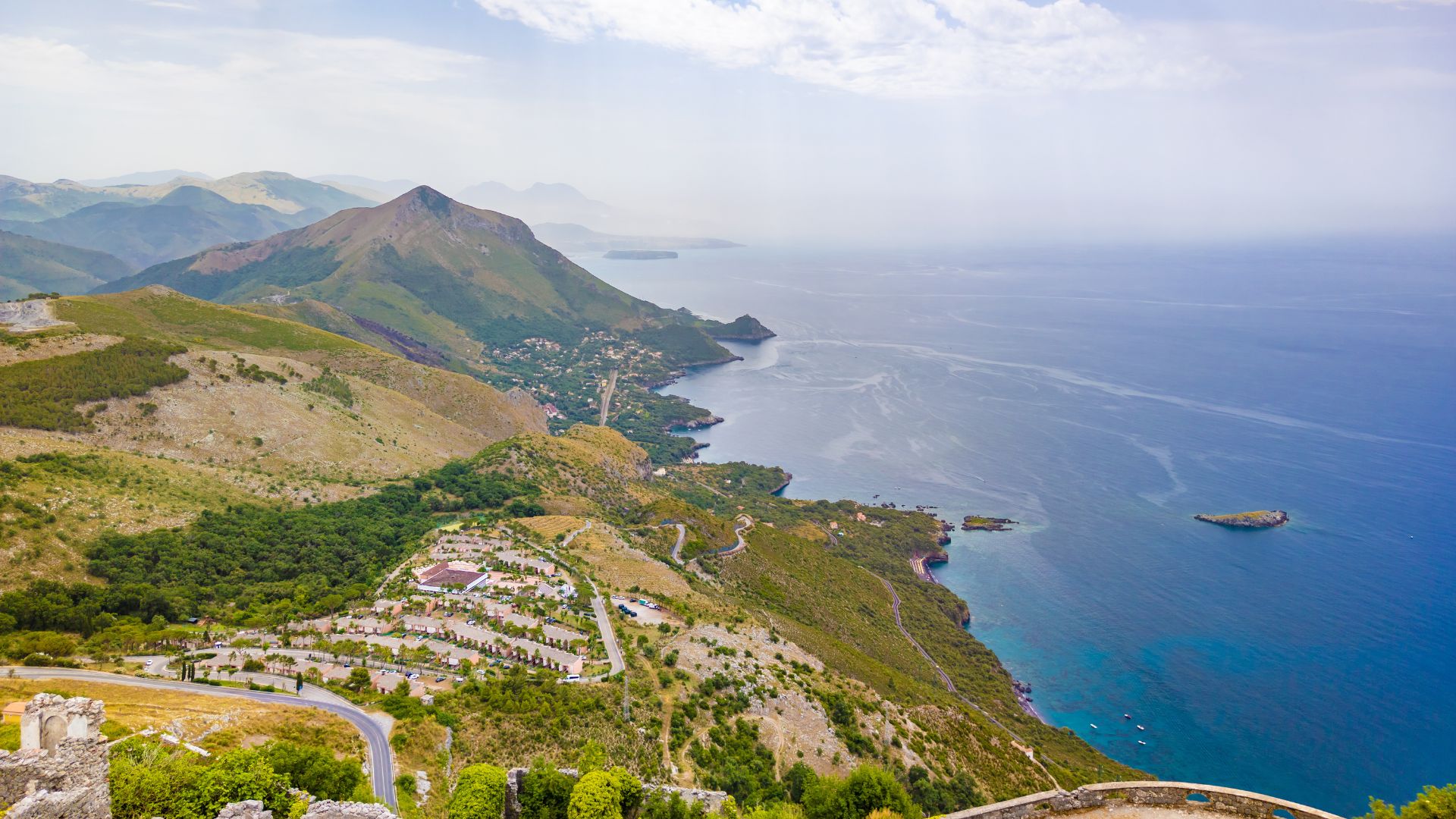
Tucked away on Italy’s southern coastline, there’s a treasure that most travelers just breeze past. Maratea, which locals call the pearl of Basilicata, stretches for about 30 kilometers along the Tyrrhenian Sea. You’ll find more than 20 pristine beaches waiting for you to stumble upon them.
Unlike the jam-packed Amalfi Coast, Maratea gives you that same jaw-dropping beauty—white sand, pebbly coves, and sparkling water—but without the madness.
I found this coastal gem last summer when I was desperate for somewhere less crowded than the usual Italian hotspots. What got me was the variety. One moment you’re on soft sand, the next you’re in a rocky bay you can only reach by kayak.
Sea caves dot the coastline, each one with its own mysterious story. Every beach feels like a mini adventure.
When you travel along Maratea’s shore, you get this feeling that you’re seeing Italy the way it used to be. The town itself just oozes that old-school Italian charm, wrapped in wild natural beauty you hardly see anymore.
If you’re planning a beach trip for summer 2025, think about this hidden paradise. You can join sea cave tours with local guides, snap photos of dramatic cliffs, and relax on beaches that still feel like your own little secret.
Discovering the Secret Beaches of the Maratea Coast
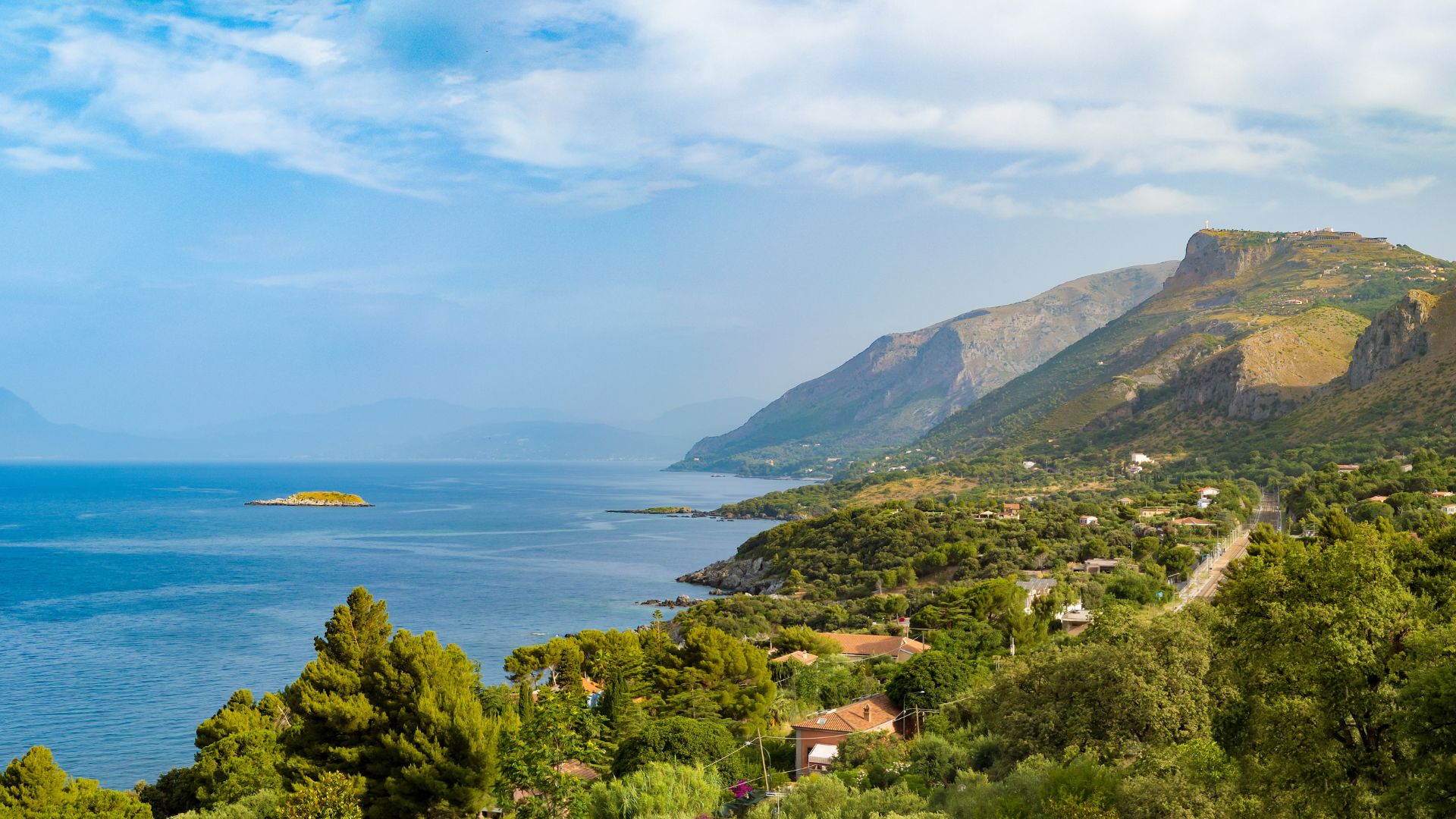
Maratea’s coastline sits quietly along the Tyrrhenian Sea, hiding over 20 pristine beaches and secluded coves. The shoreline runs for about 19 miles, mixing white sand spots with pebbly retreats that somehow stay blissfully uncrowded.
Finding Hidden Coves and Sandy Retreats
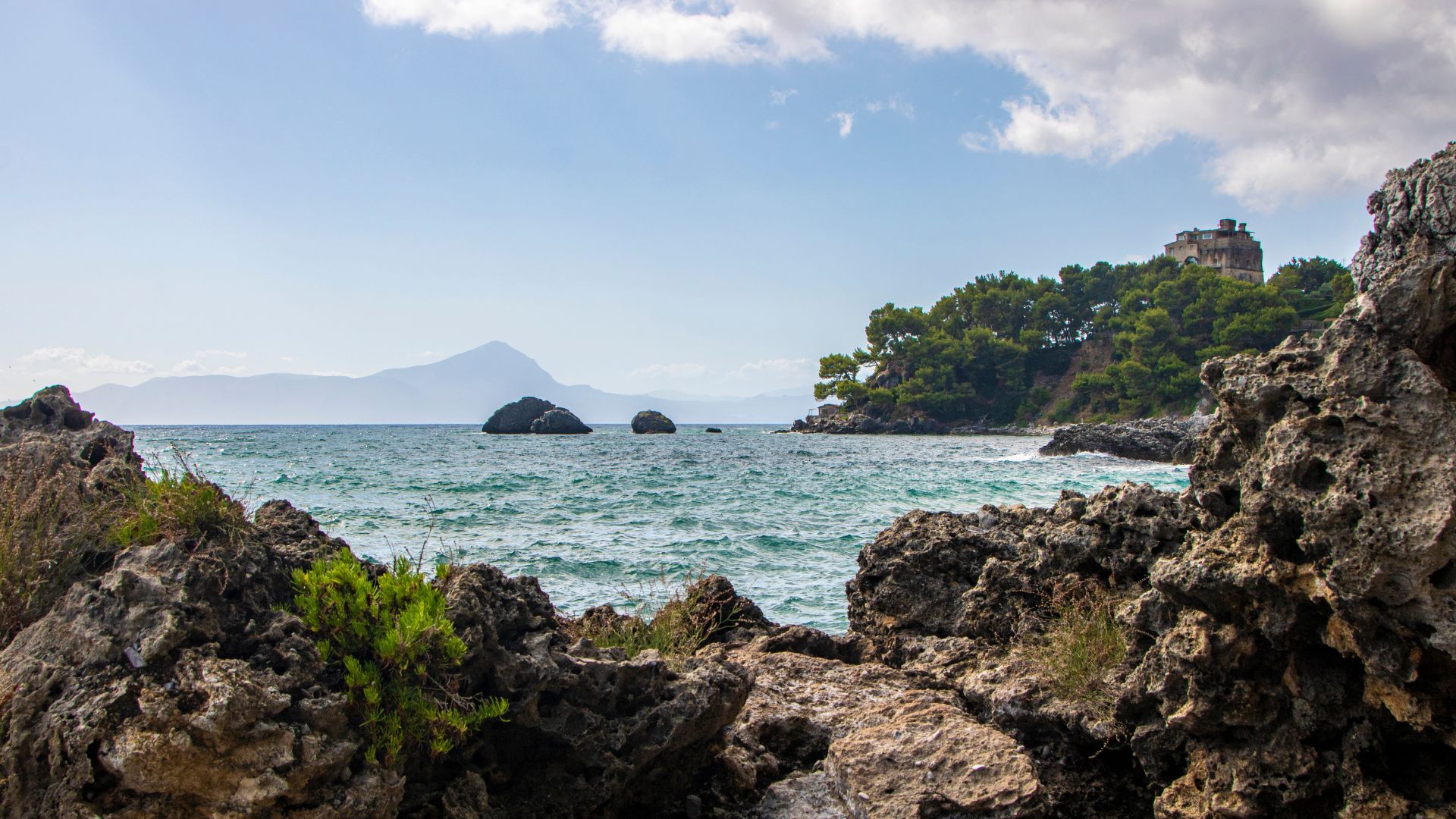
I’ve wandered through plenty of Maratea’s secret beaches, and wow, some of them are just unreal. Cala Tunnara (locals also call it Punta Santavenere Beach) has these clear waters and wild panoramic views that made me stop in my tracks.
The magic of Maratea is that so many beaches are tucked away from the main tourist flow. Some of my favorite spots? You can only get there by kayak, which makes them feel like your own private hideaway.
The scenery flips between soft sand and sharp cliffs, so you’re always finding new photo ops. Beaches near the port usually have darker sand, but if you head north, you’ll spot those lighter, white-sand stretches.
Watch for “spiaggia” signs along the coastal roads. If you’re friendly, locals might even point you to secret paths that aren’t marked on any map.
How to Access Secluded Spots
Getting to Maratea’s most hidden beaches takes a bit of effort, but honestly, it’s so worth it. I’ve found kayaking works best for finding hidden gems along this stretch. You’ll find a few operators down at the port who run guided tours.
Some beaches are walkable, but you’ll have to hike down coastal paths—so wear real shoes and pack some water, especially if you’re here in summer.
For beaches you can reach on foot, start early. A lot of the paths aren’t marked well, so I always download offline maps before heading out.
Public transport doesn’t cut it, so rent a scooter or car if you can. Park in the designated areas, then follow little footpaths—sometimes through olive groves—before the view suddenly opens up to a beach below.
Best Times for Peace and Privacy
Early mornings, before 9 AM, are pure magic on Maratea’s beaches. I’ve had entire coves to myself just by showing up at sunrise. The Tyrrhenian Sea is calm, and the world feels brand new.
Late May, early June, and September are the sweet spots. The water’s still warm for swimming, but most Italian tourists have already left.
If you can, go on weekdays. Weekends get a bit busier with locals from nearby towns. In peak summer (July-August), try for the more remote beaches you can only reach by kayak or a good hike.
Winter on the Maratea coast feels like a different world. Swimming’s out, but the beaches turn into these peaceful places for long walks and dramatic sea views—sometimes you won’t see another person for hours.
Crystal Coves: Swimming, Diving, and Water Adventures
The Maratea coastline spoils you if you love water adventures. The Tyrrhenian Sea here is crystal clear, and the hidden coves are a dream for anyone who likes to explore underwater.
Snorkeling and Diving in Turquoise Waters
I found out pretty quickly that Maratea’s underwater world is something special. On calm days, you can see more than 30 meters down. Schools of colorful Mediterranean fish zip around the rocks, and if you look closely, you’ll spot sea bream, octopus, and starfish hiding in the seagrass.
If you’re new to snorkeling, the coves near Crystal Cove Beach are perfect. The water is shallow and packed with life just a few meters from shore.
More experienced divers should head north, where underwater caves and steep drop-offs are waiting.
Local diving centers rent gear and run tours, usually from April through October. Prices run from €50-100, depending on your experience and how long you want to be out.
Kayaking and Paddleboarding Along the Coast
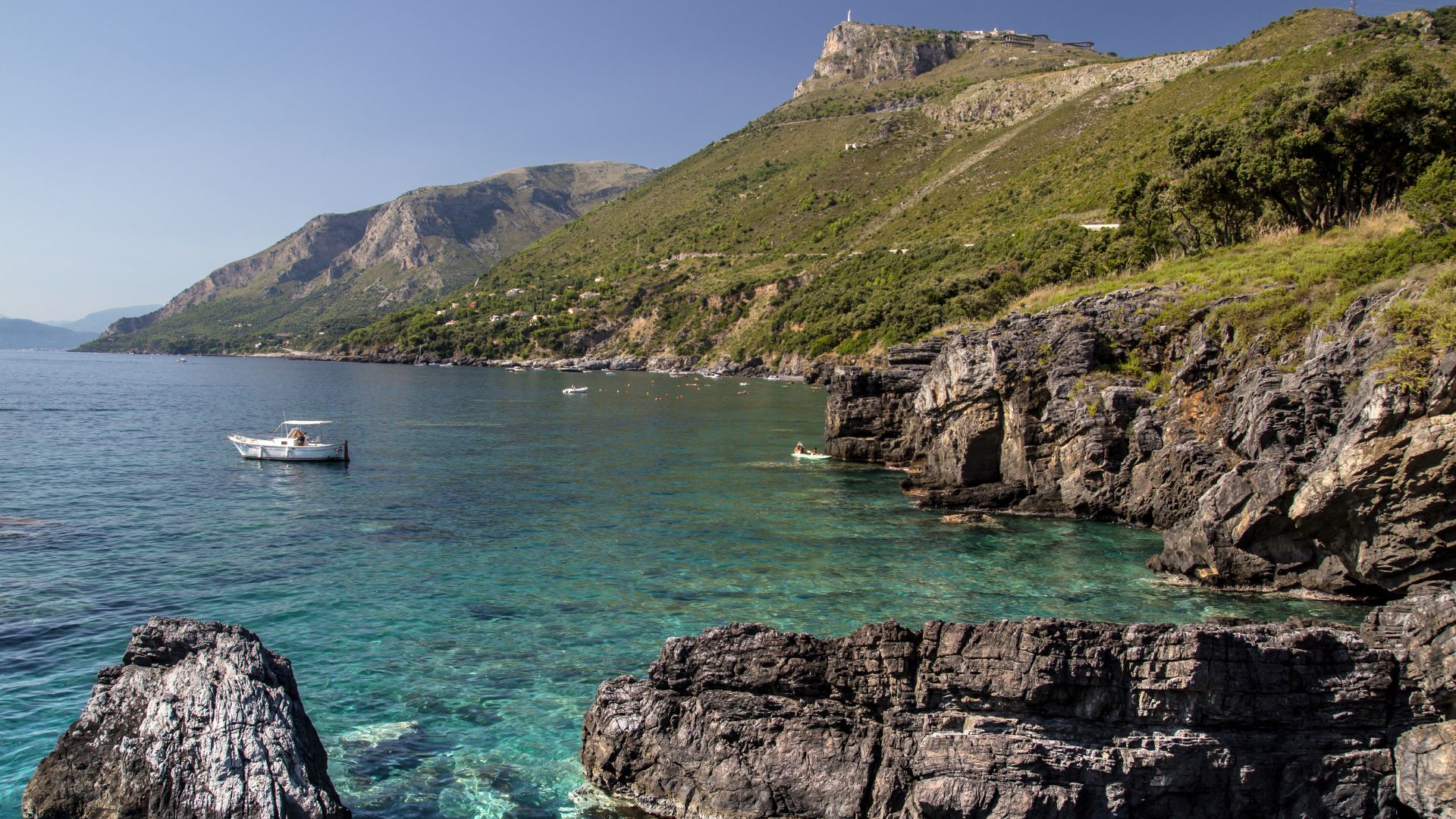
Kayaking or paddleboarding is hands-down my favorite way to explore Maratea’s coastline. The Tyrrhenian is usually gentle enough for beginners, so you don’t need to be an expert.
I started from the main beach and paddled north, hugging the cliffs to find secret coves you can’t reach by land. Along the way, I found wild rock formations and tiny beaches—perfect spots for a swim or a picnic.
Rental shops charge about €15-20 per hour, or €40 for a half-day. Go early in the morning for calm water and gentle sun. Some outfitters offer guided tours that hit all the best spots.
Exploring Sea Caves and Underwater Wonders
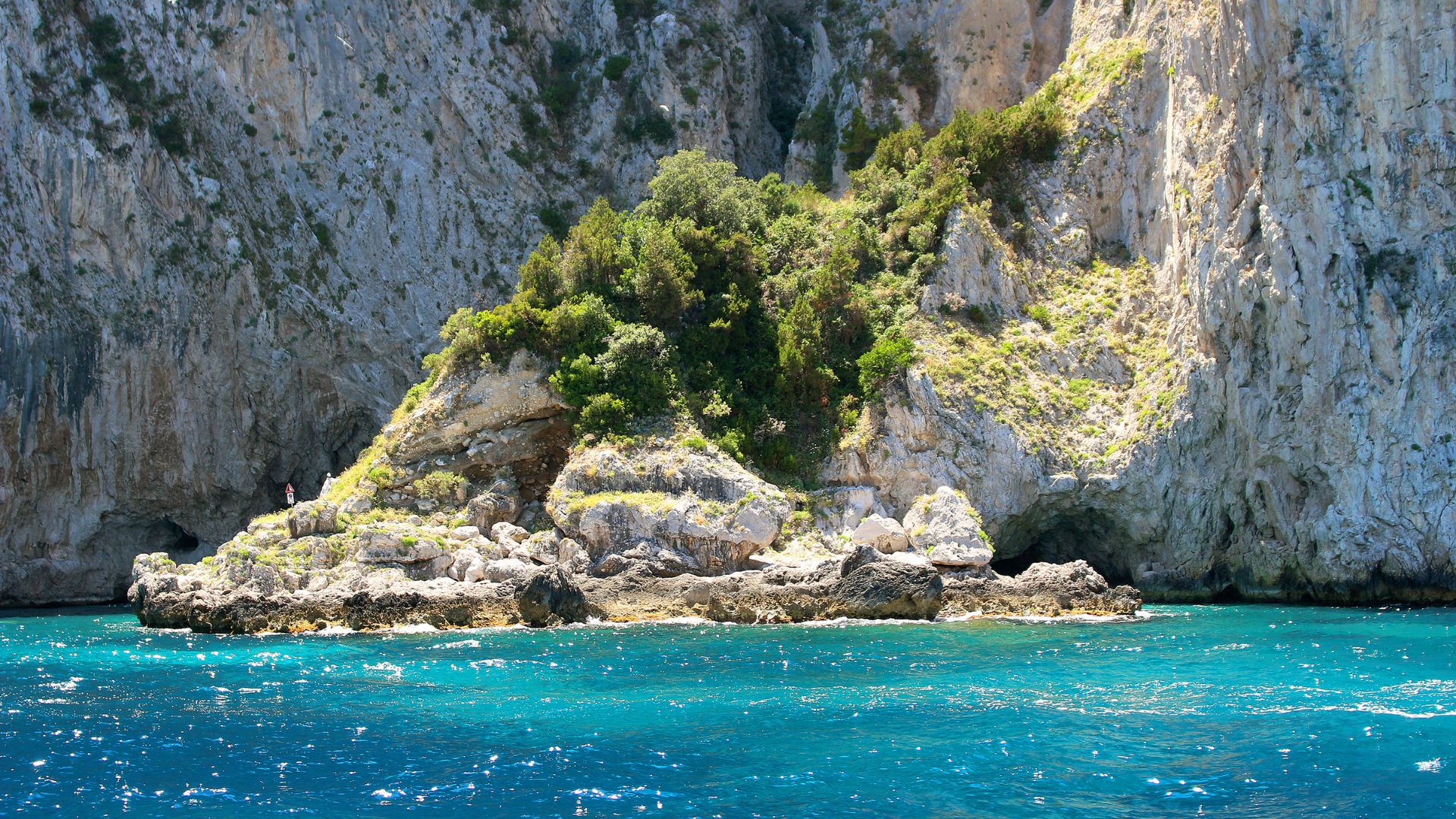
The sea caves around Maratea are honestly some of the most magical places I’ve seen in Italy. Waves have carved these caverns for centuries, and when the sun is right, the blue light bouncing off the walls is almost unreal.
The Blue Grotto near the northern beaches is a must. You can slip in by kayak or small boat—the entrance is just wide enough. Inside, the water glows this sapphire blue that looks like it’s lit from below.
If you want something extra special, book a guided cave snorkeling tour. Local guides know the best times for magical lighting and can point out marine life you’d never spot on your own. Tours usually run €60-80 per person and include all the gear.
Hiking Trails and Panoramic Views
Maratea’s rugged coastline isn’t just for beach days. The area is packed with some of Italy’s most breathtaking hikes. Trails connect charming villages to clifftop lookouts that left me speechless.
Top Coastal Hiking Routes
I discovered an awesome network of coastal paths in Maratea. My favorite is the Porto di Maratea to Acquafredda trail. It winds through Mediterranean scrub, always keeping the sea in view.
What’s cool is how these paths link up with hidden beaches. I’d just throw snacks in a bag and wander, stopping at coves you can only reach on foot.
The Cala Jannita trail is worth a mention. It’s a moderate 5km route that ends at a pristine pebble beach surrounded by limestone cliffs.
If you’re hiking with family, try the gentler path from Marina di Maratea to Fiumicello. It’s well-marked and has plenty of scenic stops.
Iconic Vistas: From Clifftops to Sea
The Skywalk Maratea honestly blew me away. It’s a panoramic terrace that looks like it floats between the sky and sea. I got there just before sunset and watched the water turn orange and pink.
Monte San Biagio is another must for dramatic views. The climb is a bit of a workout, but from the top at 644 meters, you see the whole coastline—cliffs, coves, the works.
If you’re into photography, Punta della Matrella gives you the perfect angle for those rugged coastline shots. The blue water against the rocks is just stunning.
Reaching the Christ the Redeemer Statue
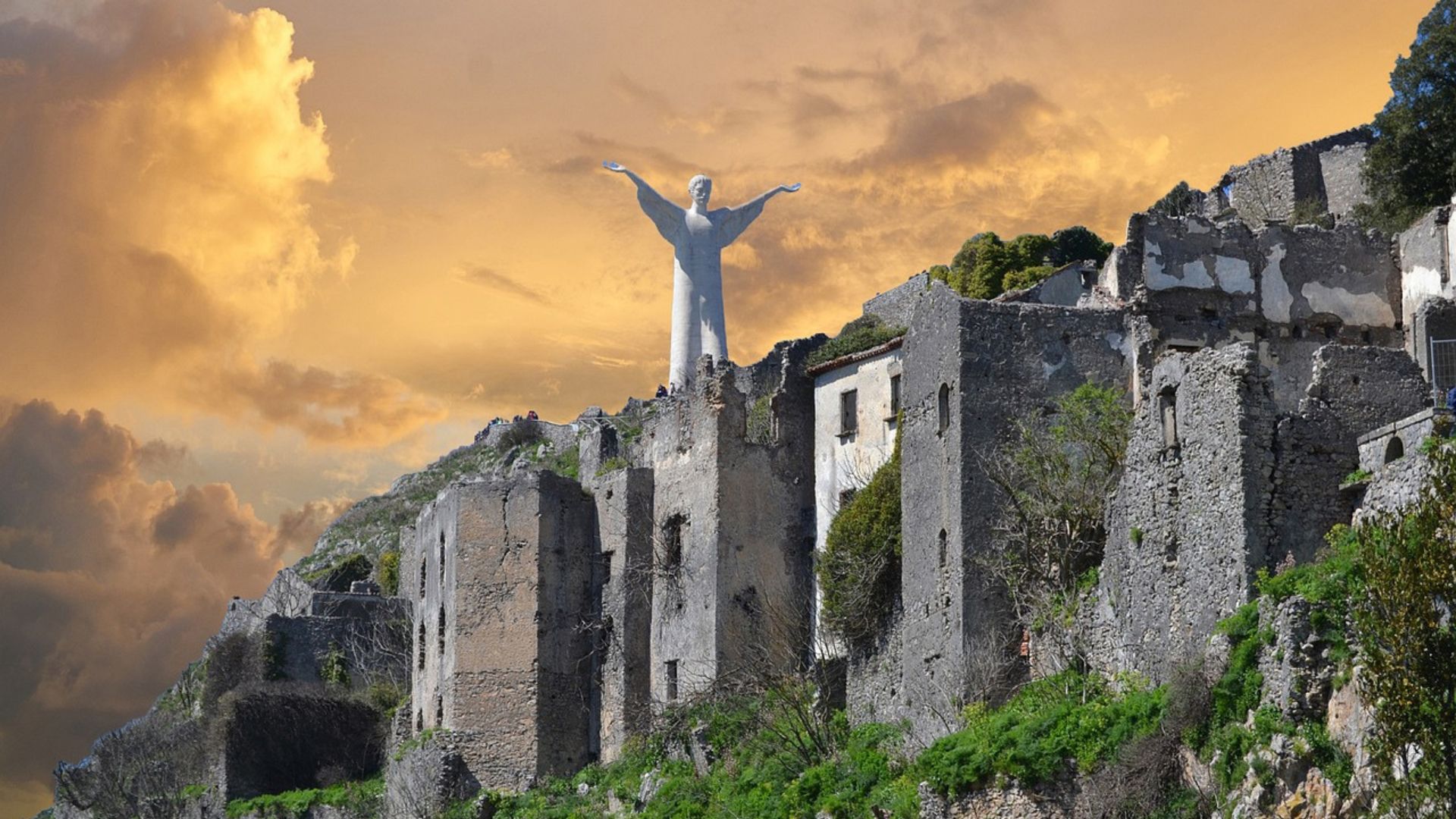
Hiking up to Maratea’s Christ the Redeemer statue was the highlight of my trip. At 21 meters tall, the marble statue is almost as impressive as Rio’s—but way less crowded.
I started from Maratea’s old town and took the scenic mountain path. It climbs through pine forests before opening up to incredible views.
The path can get steep, but it’s well-kept, with stone steps on the tougher parts. Once you reach the statue, the 360° panorama is unreal—Tyrrhenian Sea to the west, Basilicata’s mountains inland.
If you can, go late in the afternoon when the light turns everything golden. For anyone who can’t handle the hike, there’s a winding road that gets you almost to the top with just a short walk left.
Charming Villas and Seaside Accommodation
Finding the right place to stay on the Maratea coast can turn a good trip into an unforgettable one. There’s a mix of options here, from laid-back villas to luxury pads with all the bells and whistles.
Finding the Perfect Villa: Tips and Tricks
I’ve learned that timing matters when booking in Maratea. Four to six months ahead is the sweet spot, especially if you want to come in summer. The best villas with sea views go fast!
If you want to be near restaurants and shops, check out the Porto area. For more privacy, look for villas in the hills above Acquafredda or Cersuta.
When you search online, use filters for “sea view” and “walking distance to beach”—they’re worth every euro.
Here’s my quick checklist for villa hunting:
- Location: How close is it to beaches and towns?
- Size: Make sure the bedrooms fit your group.
- Reviews: Look for comments on cleanliness and host communication.
- Amenities: Double-check what’s included (A/C is a lifesaver in summer!).
A Look Inside: Amenities and Comforts
Most Maratea villas mix old Italian style with modern touches. I’ve stayed in places with cool stone or tile floors that are perfect in the summer heat.
Kitchens are usually set up for you to cook with local ingredients. Many have outdoor dining spaces—dinner with a sunset over the Tyrrhenian is hard to beat.
Bedrooms are comfy, with good linens, and most villas have two to four bedrooms—great for families or small groups.
Wi-Fi is common, but the speed can be hit or miss. Air conditioning is becoming more standard, especially in newer places.
Bathrooms are modern and clean, though sometimes the water pressure in hillside spots isn’t perfect. I’ve found lots of thoughtful extras, like beach towels and toiletries.
Luxury Options: Heated Pools and Panoramic Terraces
If you want to splurge, go for a villa with an infinity pool that melts into the sea view. These luxury properties often have heated pools, so you can swim even in spring or fall.
Villa del Mare stands out for me, with its panoramic terraces and lush outdoor lounges. The best spots have pergolas covered in flowers and cozy seating for soaking up the scenery.
Inside, expect marble bathrooms and designer furniture. Many luxury villas come with perks like:
- Private chef services
- Daily housekeeping
- Concierge help
- Welcome baskets with local treats
Some of the most exclusive places even have private paths down to hidden coves.
Family and Dog-Friendly Stays
Traveling with kids or pets? No worries. I’ve found plenty of family-friendly villas with fenced gardens, shallow pool areas, and games or entertainment for little ones.
Many places allow dogs, but always double-check the pet policy. Some charge a small fee, others throw in beds and bowls.
For families, I’d pick locations within walking distance of gentle beaches. Villas near Fiumicello or Marina di Maratea work best if you’ve got kids.
Look for safety features like pool gates, sturdy balcony railings, and single-level layouts if you have toddlers.
If you want something more affordable, there are lots of charming apartments in Porto that still give you easy beach access and good amenities.
Gastronomy and Local Culture in Maratea
Maratea’s food scene honestly blew me away. Here, seafood meets mountain traditions, and somehow they pull off this unique blend that just works.
Unmissable Local Dishes and Delicacies
Seafood takes the spotlight on most menus. Every day, fishermen bring in the fresh catch, and you can taste it all over town. I have to admit, pasta con la mollica (that’s pasta with breadcrumbs) became my go-to comfort dish.
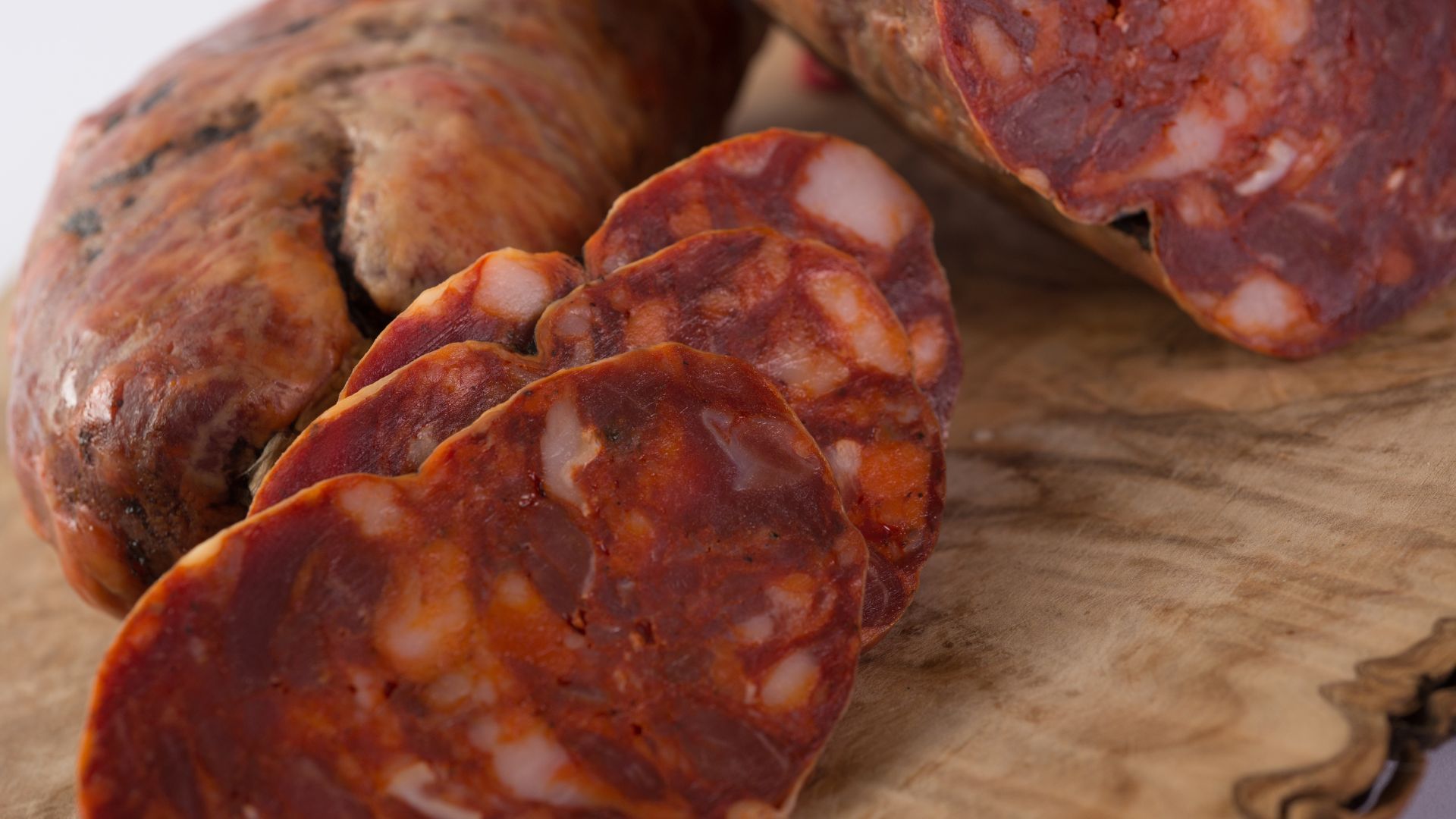
You’ve got to try baccalà alla lucana—it’s salt cod with peppers and local herbs, and people here make it with real pride. I also noticed that locals rave about their salumi di Maratea. The spicy soppressata, especially, pairs so well with the region’s robust red wines.
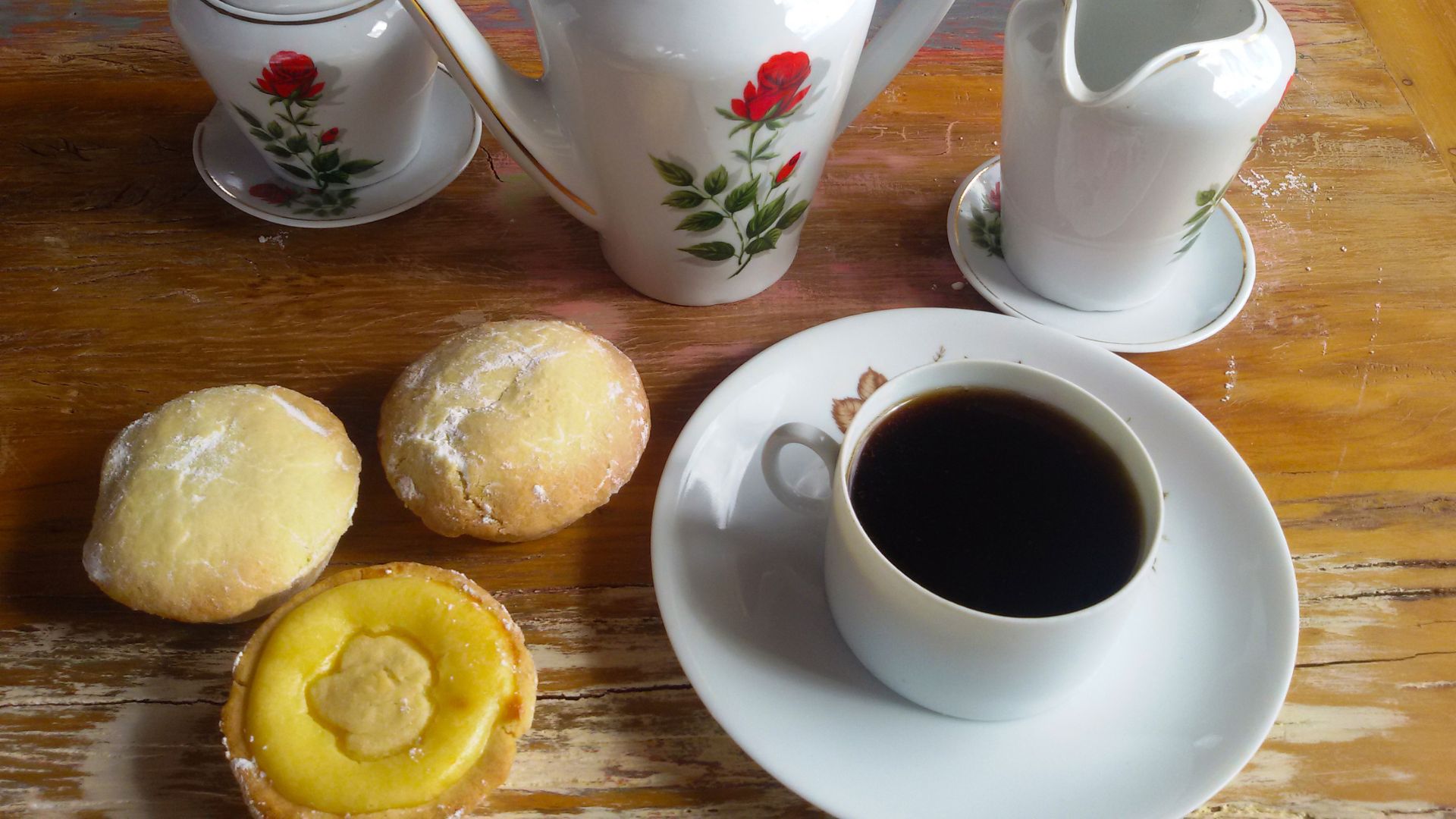
If you’ve got a sweet tooth, hunt down bocconotti—they’re delicate pastries stuffed with chocolate and almonds. And don’t skip the taralli al finocchietto (those fennel bread rings). They’re perfect for snacking while you wander along the coast.
Best Seaside Restaurants and Beach Cafés
If you want a meal you’ll remember, check out Ristorante Al Convento near the old town. Their seafood risotto nails the taste of Maratea’s coast. Plus, the terrace view of the Tyrrhenian Sea is something else.
La Locanda di Nettuno sits right on the sand. I tasted the freshest sea urchin there—seriously, nothing compares. Their grilled fish, just olive oil and salt, sums up the “less is more” vibe here.
For something quick and casual, Bar del Porto does great espresso and focaccia with local toppings. I loved Trattoria da Cesare too. It’s family-run, the prices are fair, and their pasta with clams took me right back to an Italian grandmother’s kitchen.
Market Shopping and Culinary Tours
Every Wednesday, Maratea’s main square turns into a bustling food market. I wandered between stalls of local cheeses, olive oils, and seasonal fruits and veggies. The farmers love to chat about their produce—they’ve worked these fields for generations.
If you’re into cooking, Sapori di Maratea runs guided market tours and hands-on cooking classes. I made pasta dough with a local nonna, and she shared recipes that have been in her family forever.
Local olive oil producers open their doors for tastings. Frantoio Marsicano gives tours and shows you how they still use traditional cold-pressing. Wine fans will want to stop at Cantine del Sirino. I tasted some excellent Aglianico there and learned a bit about the area’s wine traditions.
Day Trips and Destinations Near the Maratea Coast
Maratea sits right in the middle of Italy’s southern coast, so it’s a great jumping-off point if you want to explore more of the region. You can reach some seriously stunning places with just a short drive.
Exploring Amalfi Coast and Positano
The Amalfi Coast is a classic day trip from Maratea, and honestly, it’s worth every minute. It’s only about two hours north, and the coastal views are jaw-dropping.
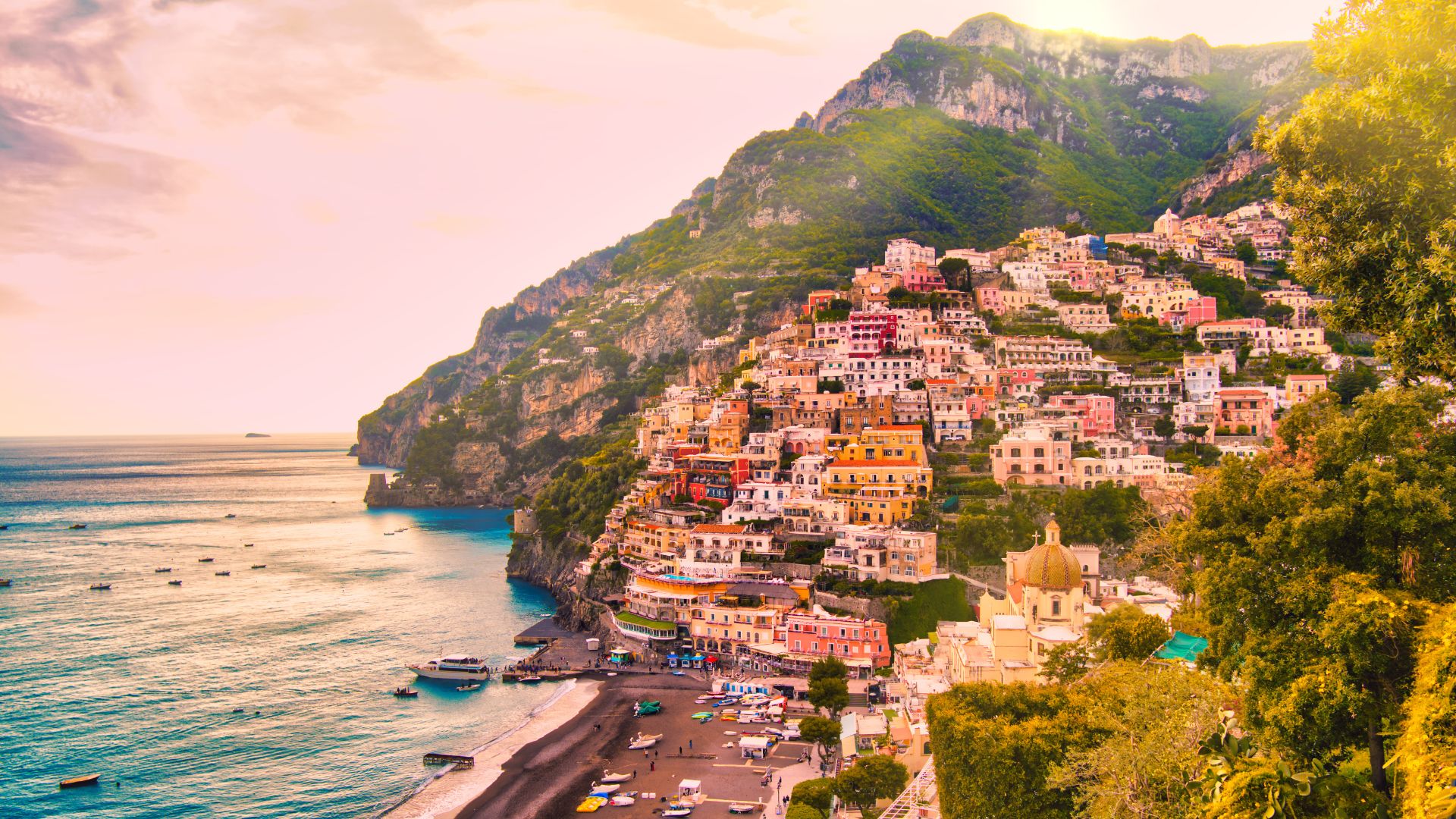
Positano is my top pick—those pastel houses stacked on the cliffs look even better in person. If you go, try to get there early, especially in summer, or you’ll be fighting crowds.
While you’re there, maybe:
- Take a boat tour for those postcard views
- Grab lunch at a cliffside spot (I’m partial to La Sponda)
- Pop into the Church of Santa Maria Assunta and check out the dome
Driving the coastal road feels like an adventure in itself. If you’re not up for the winding curves, several tour companies in Maratea handle everything for you.
Adventure into Calabria, Cilento, and Basilicata
Head south from Maratea and you’ll hit Calabria’s wild landscapes. I’ve lost track of how many days I spent on its quiet beaches and wandering old towns just an hour away.
Cilento National Park is huge and packed with hiking trails. You’ll find ancient Greek ruins tucked into the forests. The temples at Paestum? They’re incredibly well-preserved and worth the trip.
Basilicata, Maratea’s region, hides some real surprises.
- Matera’s ancient cave dwellings (the sassi)
- Castelmezzano, perched dramatically in the mountains
- Pollino National Park, if you’re up for some wilderness exploring
Kayaking along the Maratea coastline with “Maratea Outdoor Experience” stands out as my favorite adventure. I paddled through caves and grottos you just can’t reach by land. It’s wild, a little mysterious, and shows off a side of Italy most people never see.
Getaways to Apulia, Sicily, Sardinia, and Liguria
If you’re up for a longer excursion, Apulia (Puglia) is surprisingly close. I still remember wandering through the trulli houses of Alberobello and getting lost in the white streets of Ostuni—both about three hours away, give or take.
Getting to Sicily means hopping on a ferry. I once made the journey just to see Mt. Etna and wander around Syracuse for a long weekend. The baroque buildings and ridiculously fresh seafood? Worth the trek, if you ask me.
Sardinia is a bit more of a commitment, but those emerald waters are tough to resist. I usually go with local folks like “Dea Maris Tour” because they set up multi-day sailing trips that make the whole thing feel like an adventure.
Liguria sits further north and always feels like a change of pace from Maratea. The Cinque Terre villages, all bright colors and fishing boats, never get old. I usually aim for early spring or late fall—fewer crowds, still great weather.
