
You know, the United States might just have the most wildly varied hiking terrain anywhere. One minute you’re winding through desert canyons, the next you’re scrambling up mountain peaks or following a breezy coastal trail. It doesn’t really matter if you’re a seasoned backpacker or just dipping your toes into hiking—there’s something out there for everyone.
When you’re mapping out your hiking adventures for 2026, it’s all about picking trails that match your vibe. You want scenery that’ll knock your socks off, but you also want a challenge that feels just right. I’ve rounded up a mix of classic favorites and a few personal gems from all over the country.
Some of these hikes are perfect for a quick morning out. Others? Well, you’ll need to pack your sense of adventure (and maybe a few extra snacks) for a multi-day trek.
Let’s dive in—here’s where you’ll want to lace up your boots next year.
1) Angel’s Landing, Zion National Park, Utah
Angel’s Landing is just legendary. This 5-mile round-trip trail climbs up 1,488 feet above the Virgin River, and the views? Unreal.
You start at the Grotto trailhead. The first part is all about steep switchbacks, but you’ll eventually hit the infamous final section.
Here’s where it gets spicy: you’ll grip chain railings as you inch along a narrow rock spine. It’s not for the faint of heart.
Zion National Park runs a lottery system for permits—plan ahead, because those permits disappear fast.
If you’re in decent shape, you can probably handle it. The real test is mental; those drop-offs are no joke.
Start early to beat the crowds and the desert heat. Water and sturdy shoes with solid grip are a must.
When you reach the top, you’ll get 360-degree views of Zion Canyon that’ll make you forget about the climb (well, almost).

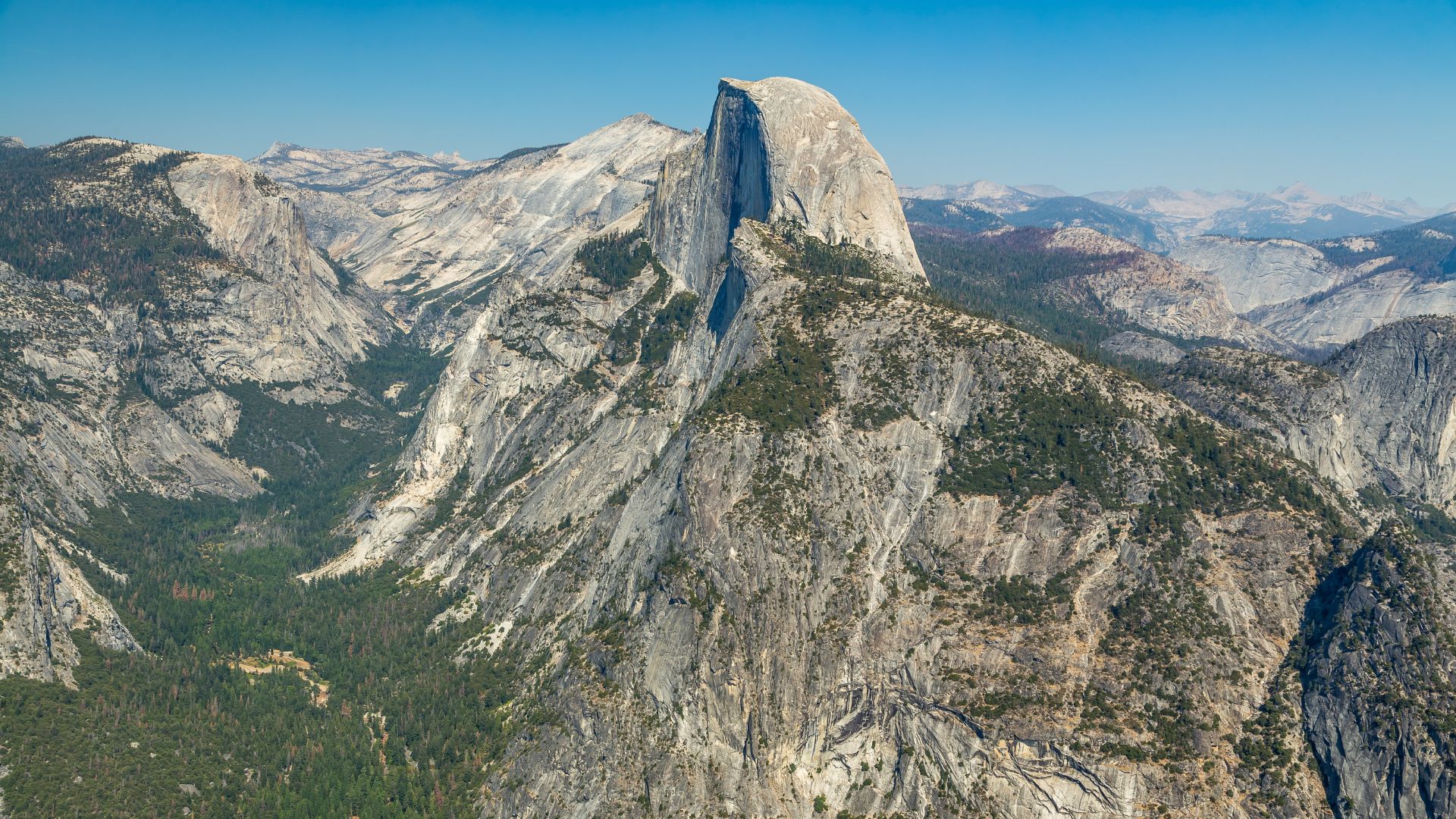
2) Half Dome, Yosemite National Park, California
Half Dome towers 5,000 feet above Yosemite Valley and is probably one of the most iconic sights in the country. The summit sits at 8,846 feet, and the view up there is just massive.
You’ll need a permit for this one, especially during the main hiking season. The trail is around 14 to 16 miles round trip, depending on where you start.
Most folks kick things off at Happy Isles, following either the Mist Trail or the John Muir Trail.
The last bit is wild: you’ll haul yourself up steel cables bolted right into the granite. It’s only about a quarter mile, but you’ll gain 400 feet—straight up.
Along the way, you’ll pass Vernal and Nevada Falls and even wander through sequoia groves before hitting the sub dome.
Give yourself 10 to 14 hours for the whole thing. Starting early is the way to go—afternoon storms sneak up fast in the Sierra.
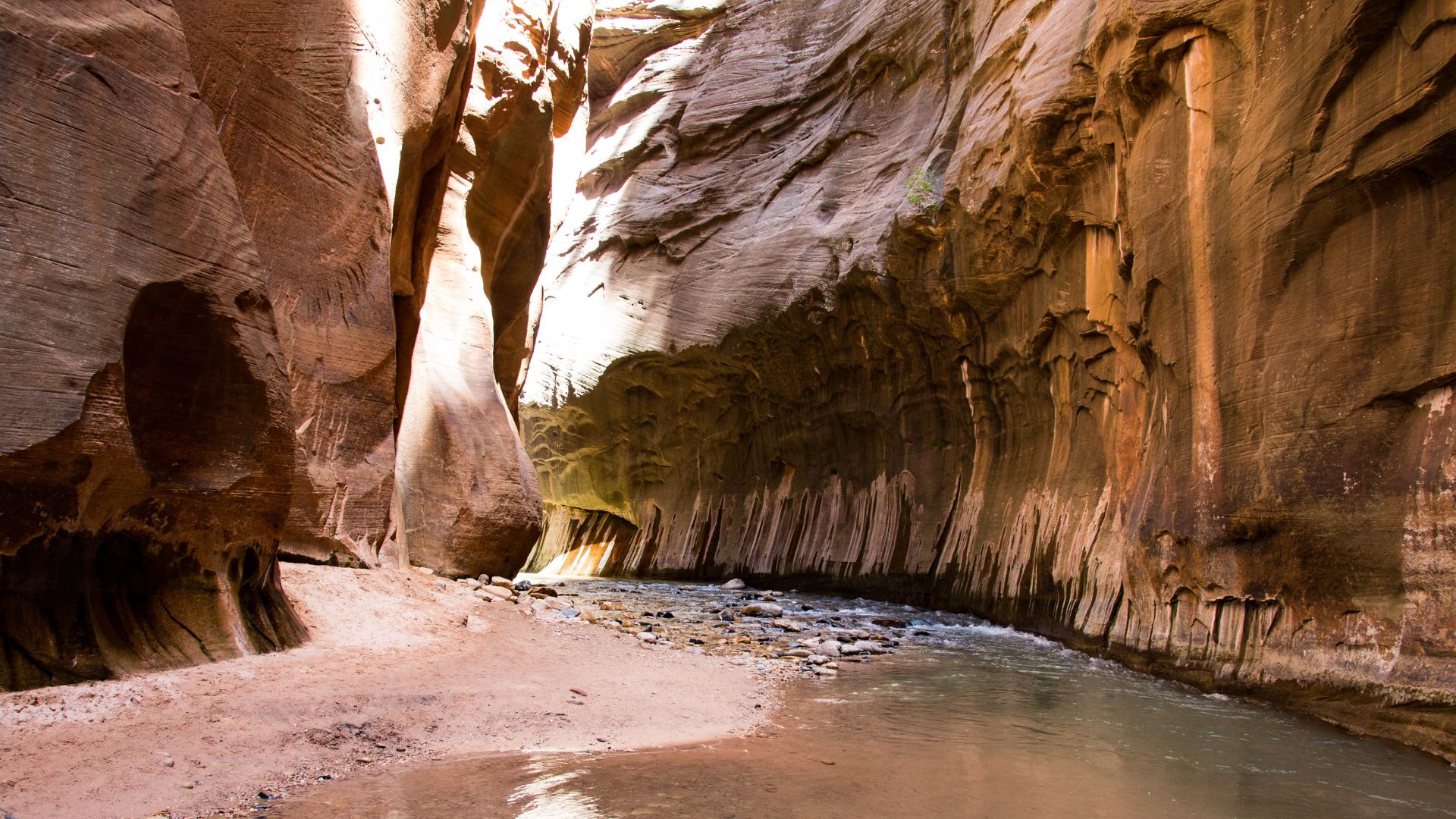
3) The Narrows, Zion National Park, Utah
The Narrows might just be the most unique hiking experience in the States. You’re literally hiking in the Virgin River, sandwiched between canyon walls that shoot up 2,000 feet.
Sometimes, the canyon squeezes down to just 20 or 30 feet wide. It’s a bit surreal.
Be ready to get wet—most of the hike is in the river itself. Sometimes, you may even have to swim if the water’s high.
There’s no typical dirt path here. The river is your trail, so you can go as far as you want before turning back.
Most people start from the Temple of Sinawava and head upstream. The farther you go, the more jaw-dropping the scenery.
You’ll want shoes with killer traction—the rocks can be slippery. And yeah, the water’s cold, even in summer.
Always check the weather. Flash floods are a real danger in this narrow canyon.
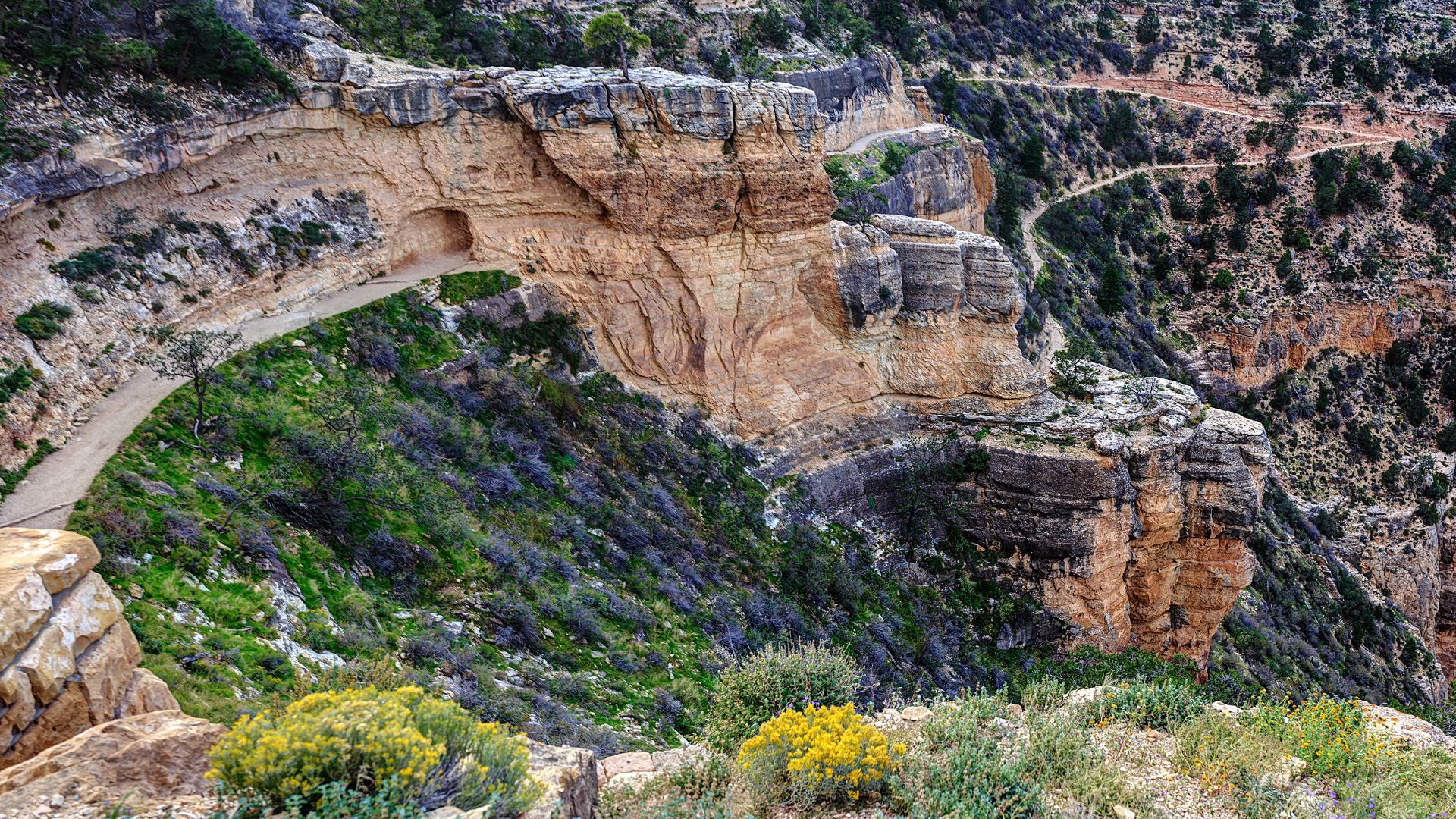
4) Bright Angel Trail, Grand Canyon National Park, Arizona
The Bright Angel Trail is the go-to hike in Grand Canyon National Park. As you descend, you’ll walk through layers of history—both geological and cultural.
You start right at the South Rim near Bright Angel Lodge. There are plenty of options for how far you want to go.
Beginners often turn around at the 1.5 Mile Resthouse, but seasoned hikers push on to the 3 Mile Resthouse or Havasupai Gardens.
If you’re feeling ambitious, the full trail is 15.8 miles round trip all the way to the Colorado River. Along the way, you’ll find resthouses, vault toilets, and even some seasonal water taps.
Shade in the mornings and afternoons helps, but the Arizona sun still packs a punch.
Entry to the park will run you $35 per vehicle. Day hikes don’t need a permit, but if you’re camping overnight below the rim, you’ll need a backcountry permit.
The trail is open year-round, but summer heat at the bottom can be brutal.
No dogs allowed here. And be ready for company—this trail stays busy.
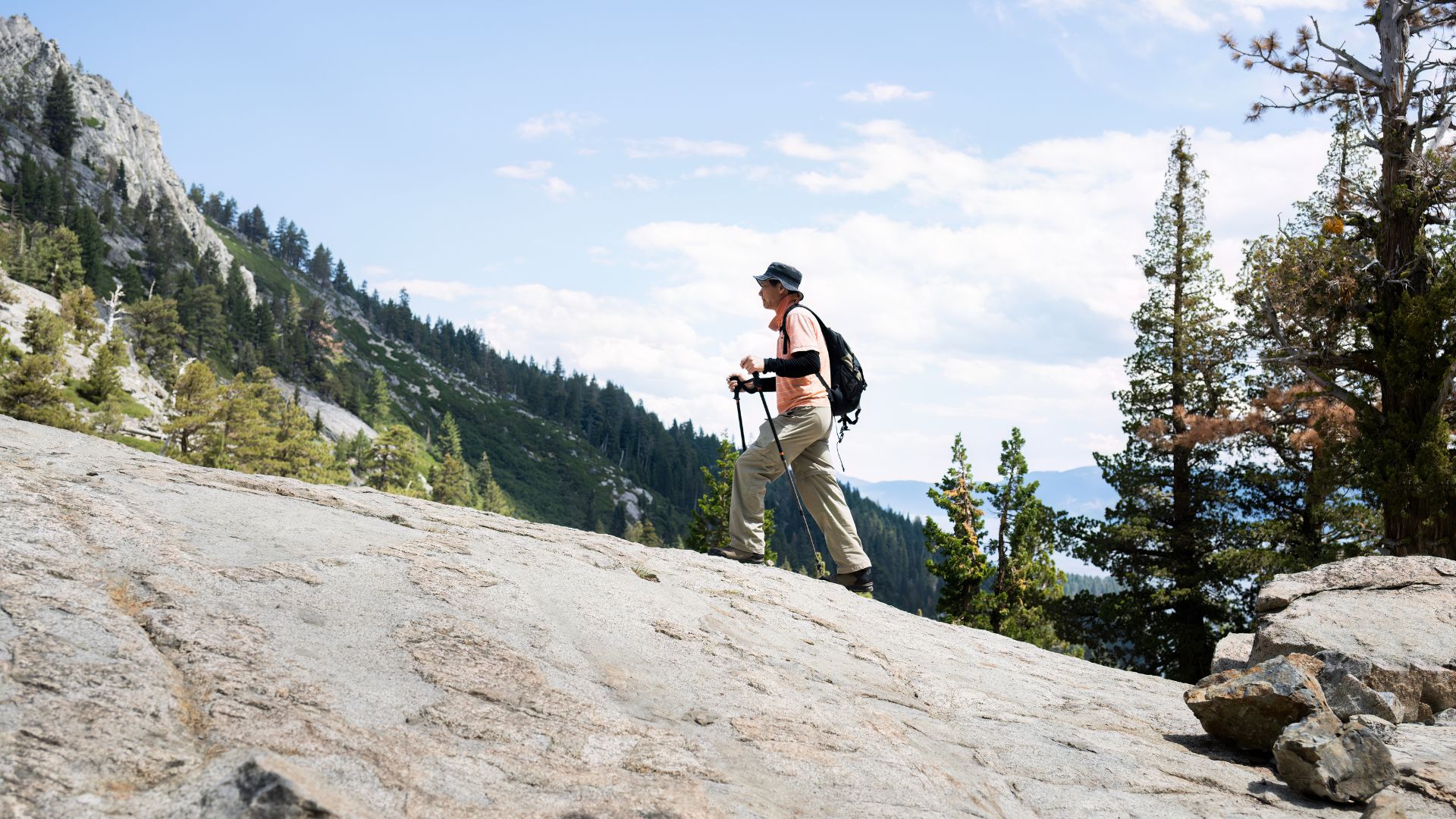
5) Eagle Lake Trail, Lake Tahoe, California
Eagle Lake Trail is one of the best alpine hikes around Lake Tahoe, and it’s super accessible. The round trip is just 2 miles, starting from the Eagle Falls Picnic Area off Highway 89.
You’ll wander through Desolation Wilderness, passing waterfalls and granite peaks along the way. The trail gains some elevation, but it’s totally doable for most people.
Usually, it takes about an hour, maybe a bit more if you’re stopping for photos (and you should).
Eagle Lake is your payoff—a glacial basin surrounded by pines and massive granite. On the way, you’ll catch glimpses of Emerald Bay and Lake Tahoe.
There’s a parking fee at the trailhead, but if you’re lucky, you might snag a spot on the roadside.
It gets crowded in summer, so expect company. The downhill can be rough on the knees, even though it’s short.
This is a great pick for families or anyone wanting High Sierra scenery without a full-day commitment.
6) Appalachian Trail, Eastern US
The Appalachian Trail is the granddaddy of long hikes, stretching 2,190 miles from Georgia to Maine. You’ll hike through 14 states, and the scenery shifts constantly.
You don’t have to do the whole thing—section hikes are a fantastic way to experience its highlights.
Expect a mix of dense forest, rugged ridges, and open meadows. Honestly, every section feels a bit different.
Springer Mountain in Georgia marks the southern start, and Mount Katahdin in Maine is the dramatic northern finish.
You’ll pass through plenty of small towns for a hot meal or supplies, and wildlife is everywhere.
During the busy season, you’ll cross paths with other hikers and sometimes friendly trail stewards.
Whether you’re out for a day or a week, the Appalachian Trail delivers classic views and a real sense of adventure.

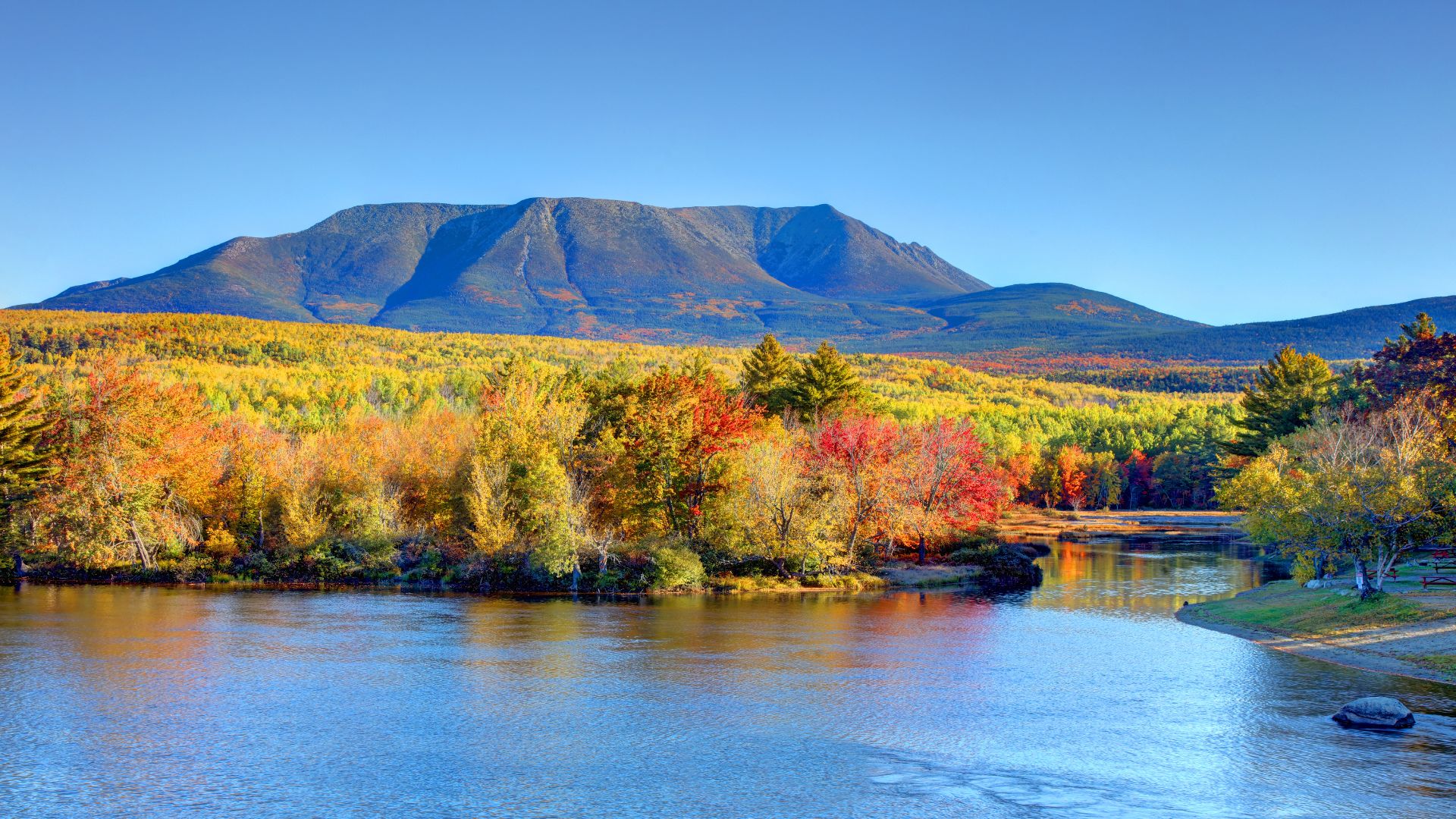
7) Mount Katahdin, Maine
Mount Katahdin is Maine’s tallest peak at 5,267 feet, and it’s the northern end of the Appalachian Trail. Hikers from all over make the pilgrimage here.
You’ve got a few different options to reach the summit. The main trailheads are Roaring Brook, Abol, and Katahdin Stream campgrounds inside Baxter State Park.
Most routes clock in around 10 miles round trip, and you’ll tackle rocky climbs through forest before breaking out above the treeline.
Reservations for trailhead campgrounds fill up fast, especially in summer and early fall. If you want to hike Katahdin, plan ahead.
The trails range from moderate to tough. You’ll need to prepare, but the reward is worth every step.
Standing on top of Maine’s highest point, with the wild north woods all around, is something you won’t forget.
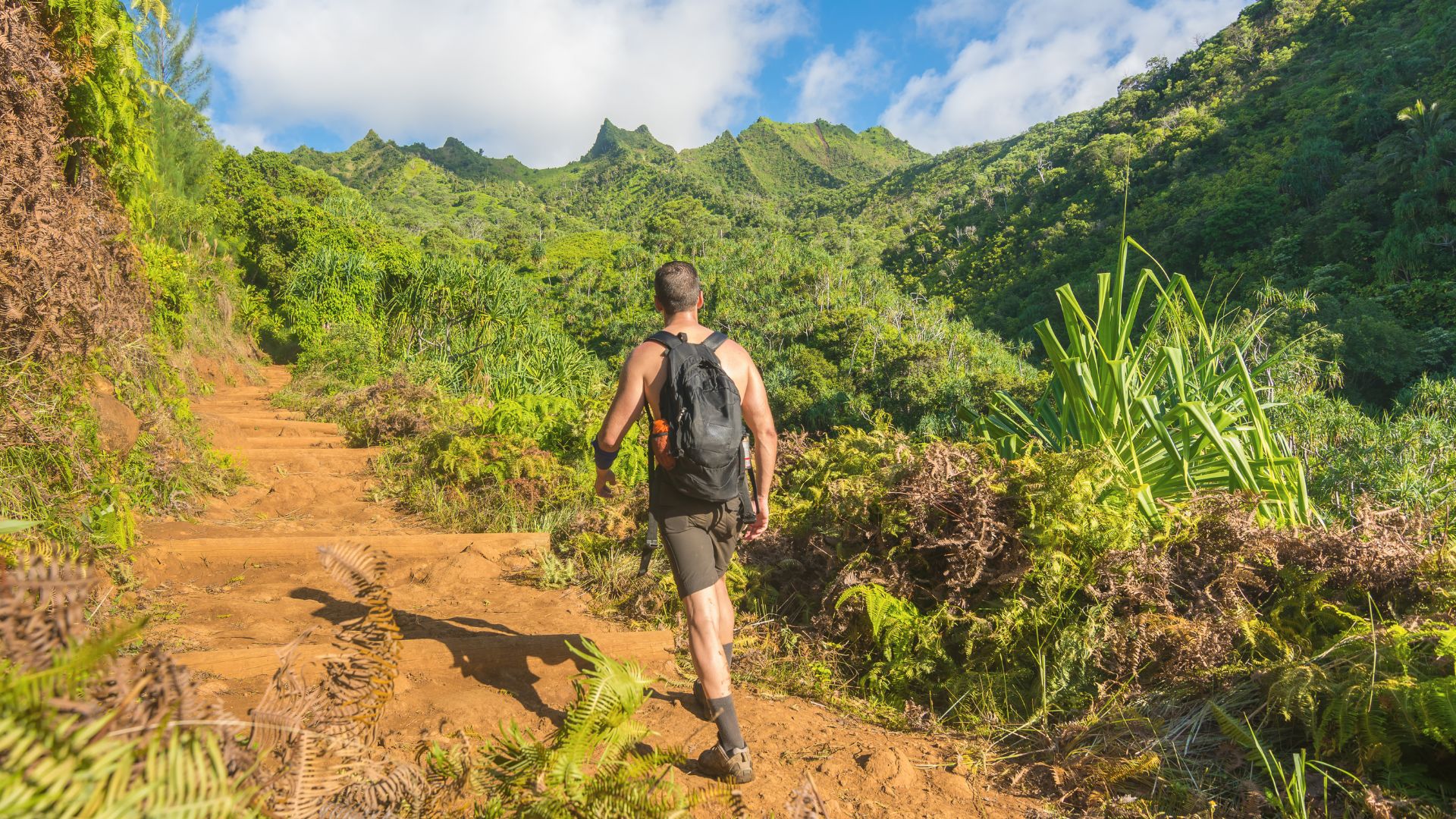
8) Kalalau Trail, Kauai, Hawaii
The Kalalau Trail is a stunner—11 miles along Kauai’s Na Pali Coast, so you’re looking at 22 miles round trip. Five lush valleys, sea cliffs, beaches, and waterfalls—this hike’s got it all.
You’ll need a permit, no way around it. The trail crosses streams and hugs cliff edges, and it can get muddy—especially with a heavy pack.
You can either do a day trip to Hanakapi’ai Beach (just 2 miles in from Ke’e Beach at Haena State Park) or go all-in and trek to Kalalau Beach.
This is the only land route into this part of the Na Pali Coast, and it follows the path ancient Hawaiians used to travel between valleys.
It’s a tough hike, so good fitness is a must. Expect steep climbs, river crossings, and some exposed paths.
But the payoff? Green rainforest, razor-sharp ridges, and unreal coastal views the whole way.
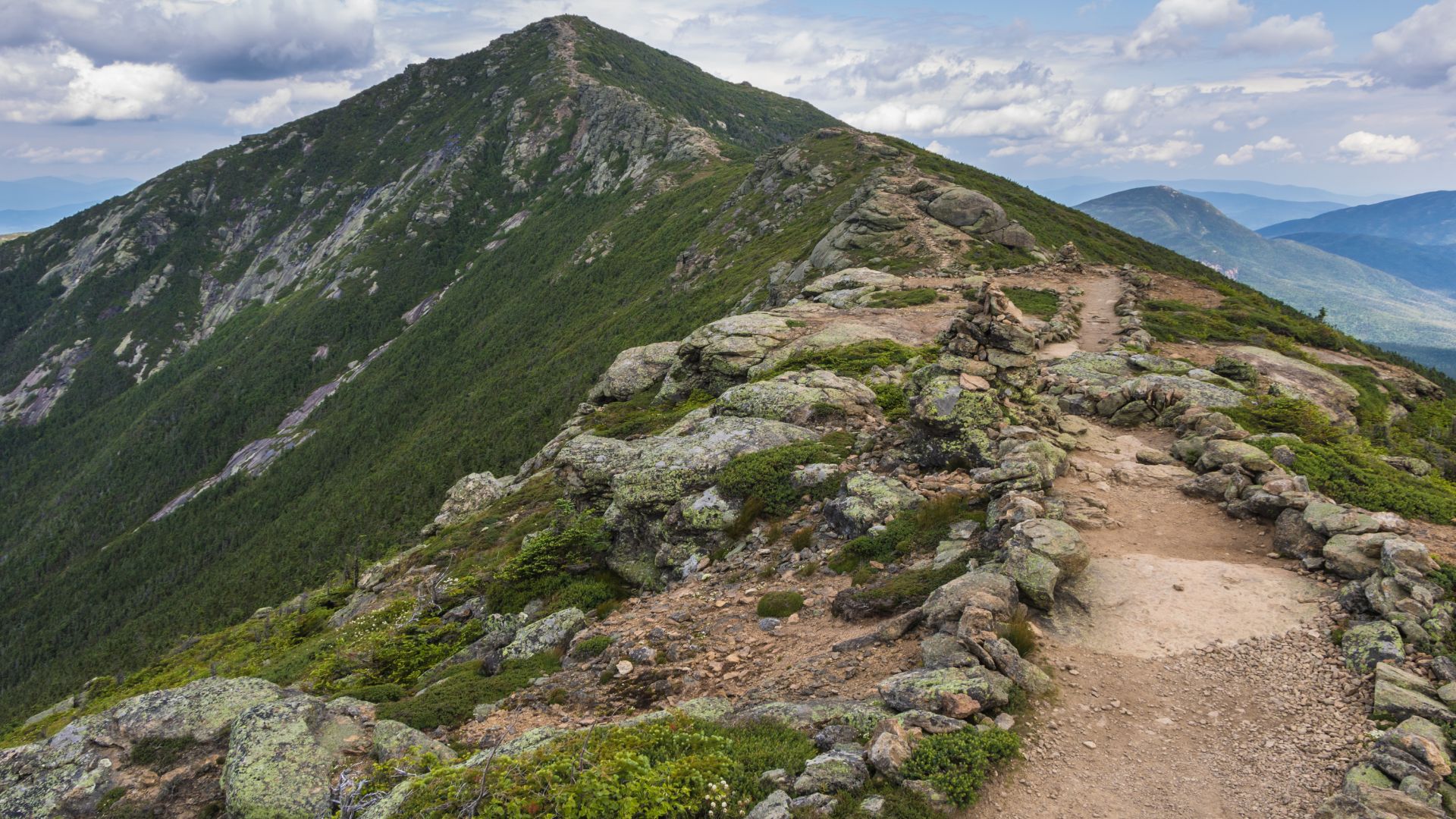
9) Franconia Ridge Loop, New Hampshire
Franconia Ridge Loop in New Hampshire’s White Mountains is easily one of the best day hikes on the East Coast. The trail runs about 8.6 to 8.9 miles and takes you along an exposed ridge with panoramic views in every direction.
You’ll climb about 3,825 feet, so it’s definitely a workout.
The route crosses several 4,000-foot peaks, including Mount Lafayette. What really makes this hike shine is the long stretch above treeline—you’ll feel on top of the world if you catch a clear day.
You can finish the loop in a day if you’re in good shape, but start early for the best weather on the ridge.
Pack layers, since mountain weather changes fast. This trail is popular, so expect some company—especially in peak season.
Stick to Leave No Trace principles to keep this place beautiful for everyone who follows.
10) Glacier National Park Highline Trail, Montana
Let’s talk about the Highline Trail—Glacier National Park’s all-star hike, and honestly, it deserves the hype. You’ll wind high above Going-to-the-Sun Road for nearly 12 miles, and the mountain views just keep coming.
Most folks kick things off at Logan Pass. You can head out for Granite Park Chalet, which is about 7.6 miles one way. If your legs aren’t tired yet, you could tack on the Grinnell Glacier Overlook or keep going to the Loop Trailhead.
Some parts of the trail hug the cliffside, and yes, it gets a bit narrow with those classic Glacier drop-offs. But the reward? Strolling through wildflower-filled alpine meadows and maybe spotting a mountain goat or a few bighorn sheep.
Aim for mid-July through September—by then, the snow usually melts away (here’s why that matters). Bring lots of water, snacks, and bear spray. Oh, and don’t forget: you’ll need a vehicle reservation during peak season, so plan ahead.
You can hike this as an out-and-back or hop on a shuttle for a point-to-point adventure. Either way, Montana’s wild, rugged scenery will stick with you long after the hike.

11) Mount Rainier Wonderland Trail, Washington
If you’re up for a challenge, the Wonderland Trail circles Mount Rainier for 93 miles of jaw-dropping terrain. You’ll climb and descend around 27,000 feet—so, yeah, it’s a serious trek.
The trail winds through ancient forests, wildflower meadows, and valleys carved by glaciers. Most hikers need 10 to 14 days to finish the loop.
Permits are a must and they’re competitive in summer, but it’s all about protecting this special place. You’ll pass through lowland forests with Douglas fir and western red cedar, then climb into rocky alpine zones where mountain goats wander.
Plan for July through September if you want the best weather and snow-free passes. Arrange food drops or resupply points—93 miles is no joke for packing food.
The Wonderland Trail isn’t for beginners. It asks a lot from you, but the glacier views, waterfalls, and that iconic volcanic peak are unforgettable. If you love long-distance backpacking, this trail belongs on your list.
12) Zion Observation Point Trail, Utah
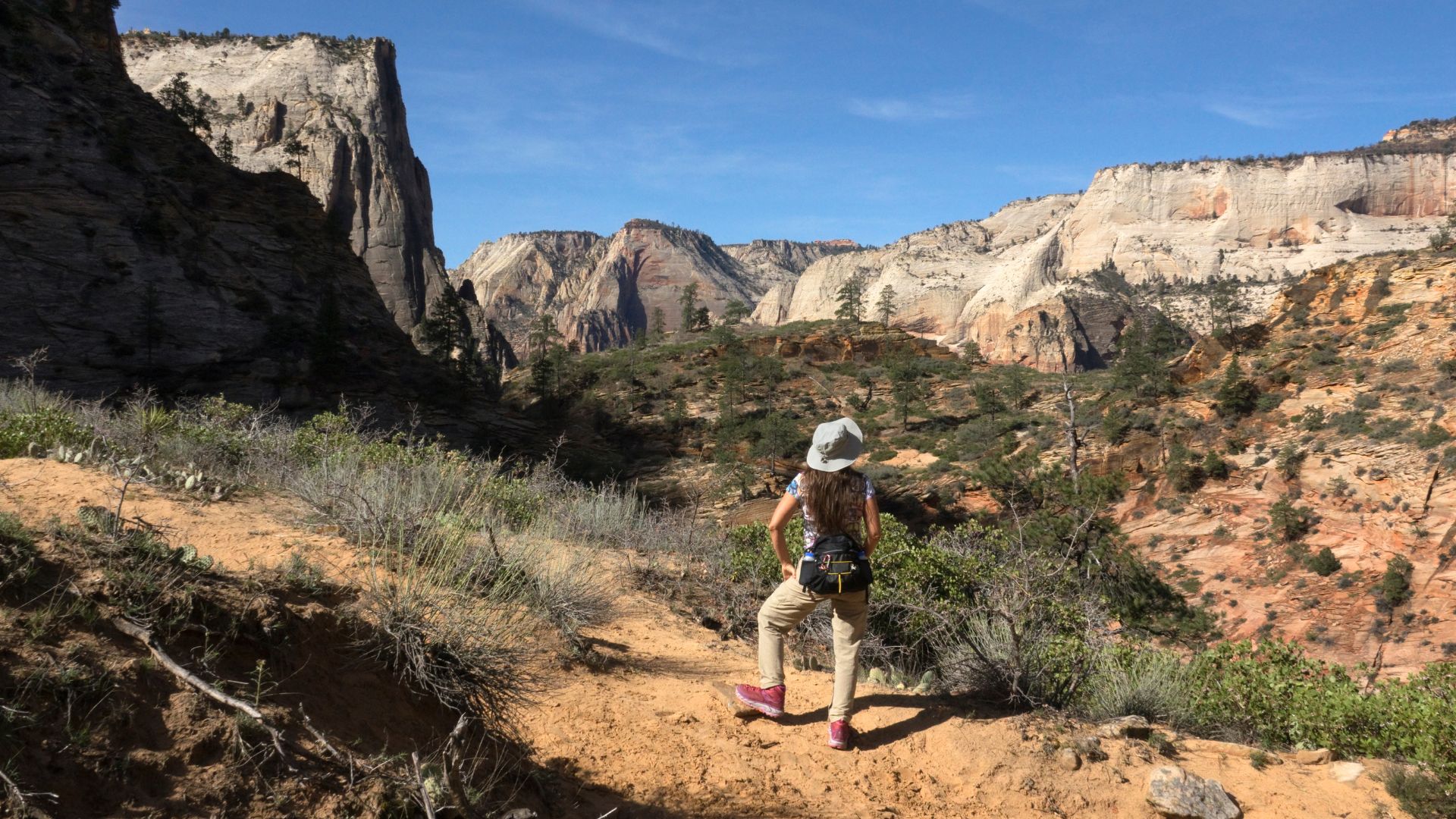
Observation Point serves up one of the most epic views in Zion National Park. You’ll look down on the entire canyon, with Angels Landing looking tiny below.
Right now, the classic route from the canyon floor is closed. But don’t worry—you can still get there via the East Mesa Trail, which is way less intense.
This alternate path is about 6 miles round trip and doesn’t have much elevation gain. You’ll stroll through pine and fir forests before popping out at the viewpoint.
You’ll need to drive to the trailhead since shuttles don’t make it out here. Parking can fill up fast, so getting an early start is a good idea.
Standing at Observation Point, you’ll see Zion’s red cliffs and rock formations stretch out for miles. At 6,521 feet, the perspective is wild.
This trail sees fewer crowds than the main canyon hikes. It’s quieter, and the peaceful forest walk is honestly a bonus.
13) Skyline Trail, Mount Rainier, Washington
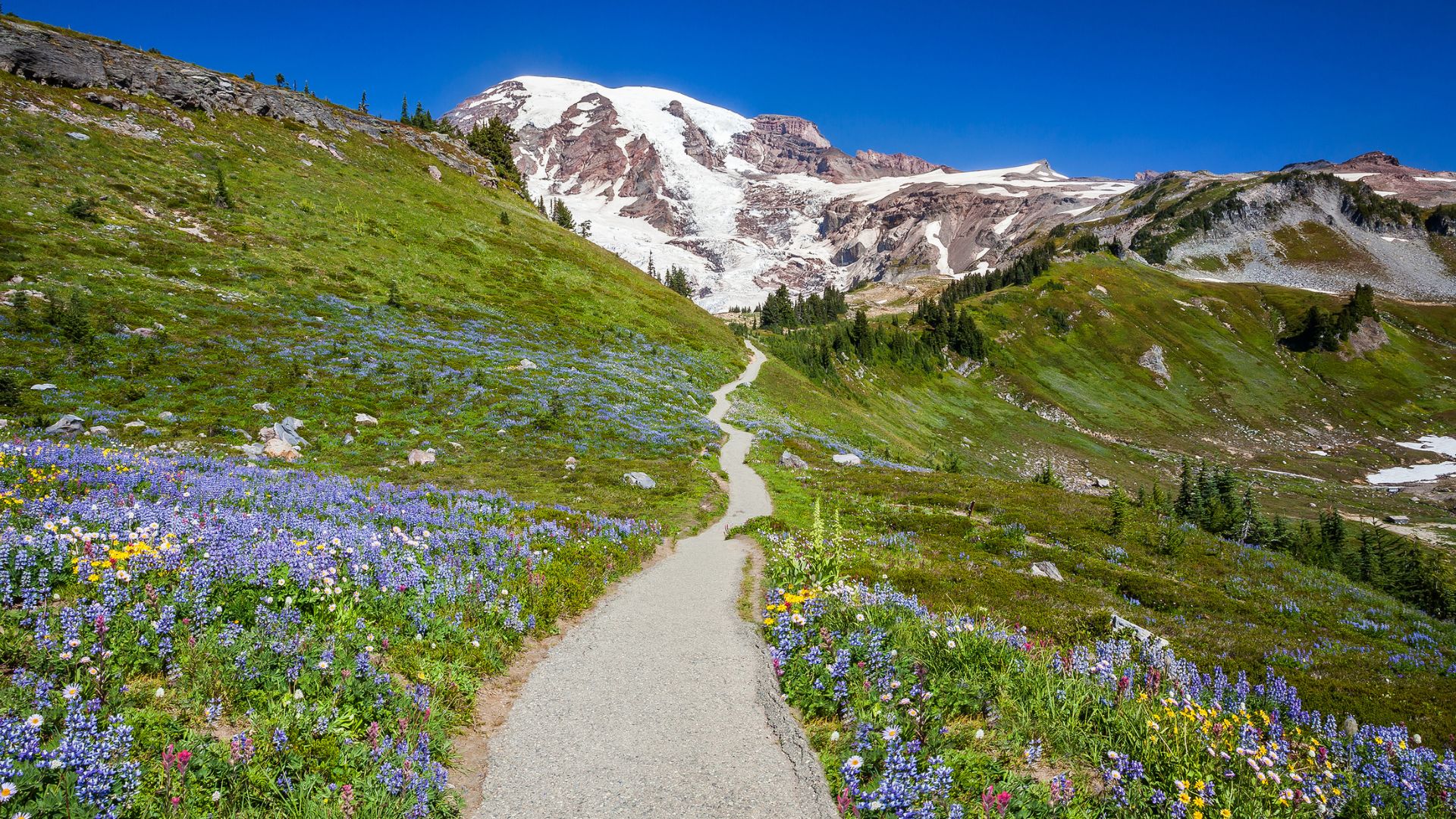
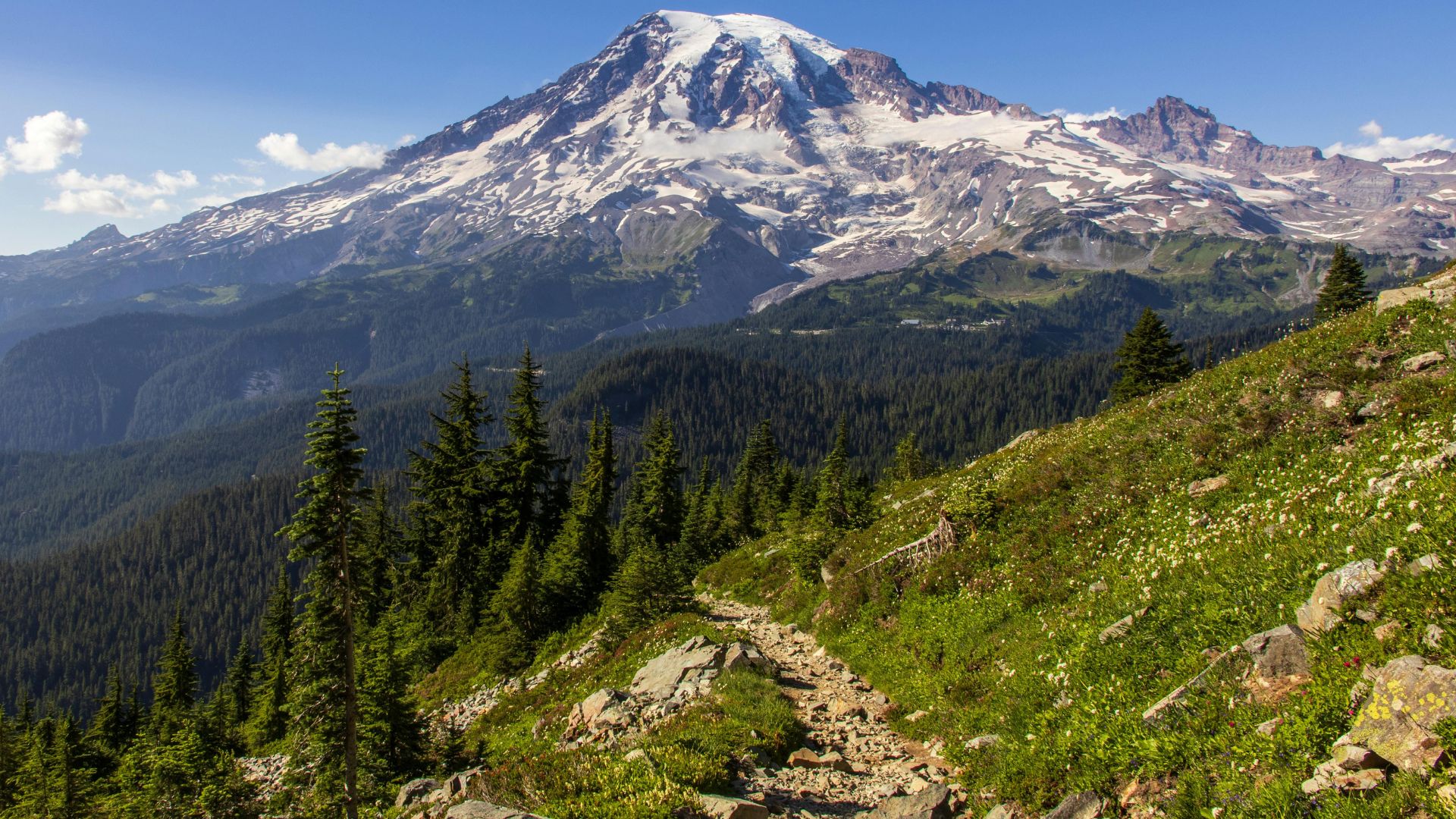
The Skyline Trail Loop is hands-down one of Washington’s best hikes. It’s a 5.5-mile loop starting from Paradise, which is always buzzing with visitors on Mount Rainier’s south side.
You’ll climb about 1,700 feet through alpine meadows bursting with wildflowers in summer. The trail brings you right up close to Mount Rainier and the Nisqually Glacier.
On a clear day, you might spot Mount Hood off in the distance. Wildlife sightings are common—keep your eyes peeled for marmots and deer.
Expect to spend 4-5 hours on the loop. Paradise has restrooms, food, and a visitor center, so you can fuel up before heading out.
If you’re hiking between October and May, you’ll need snowshoes, spikes, and poles. Winter conditions here are no joke, so only go if you’ve got the right gear and experience.
Parking fills up quickly, so arrive early. The payoff? Some of the best mountain views you’ll ever see in the lower 48.
14) Bear Mountain Loop Trail, New York
Need a quick escape from city life? Bear Mountain State Park is just an hour from NYC by train from Grand Central.
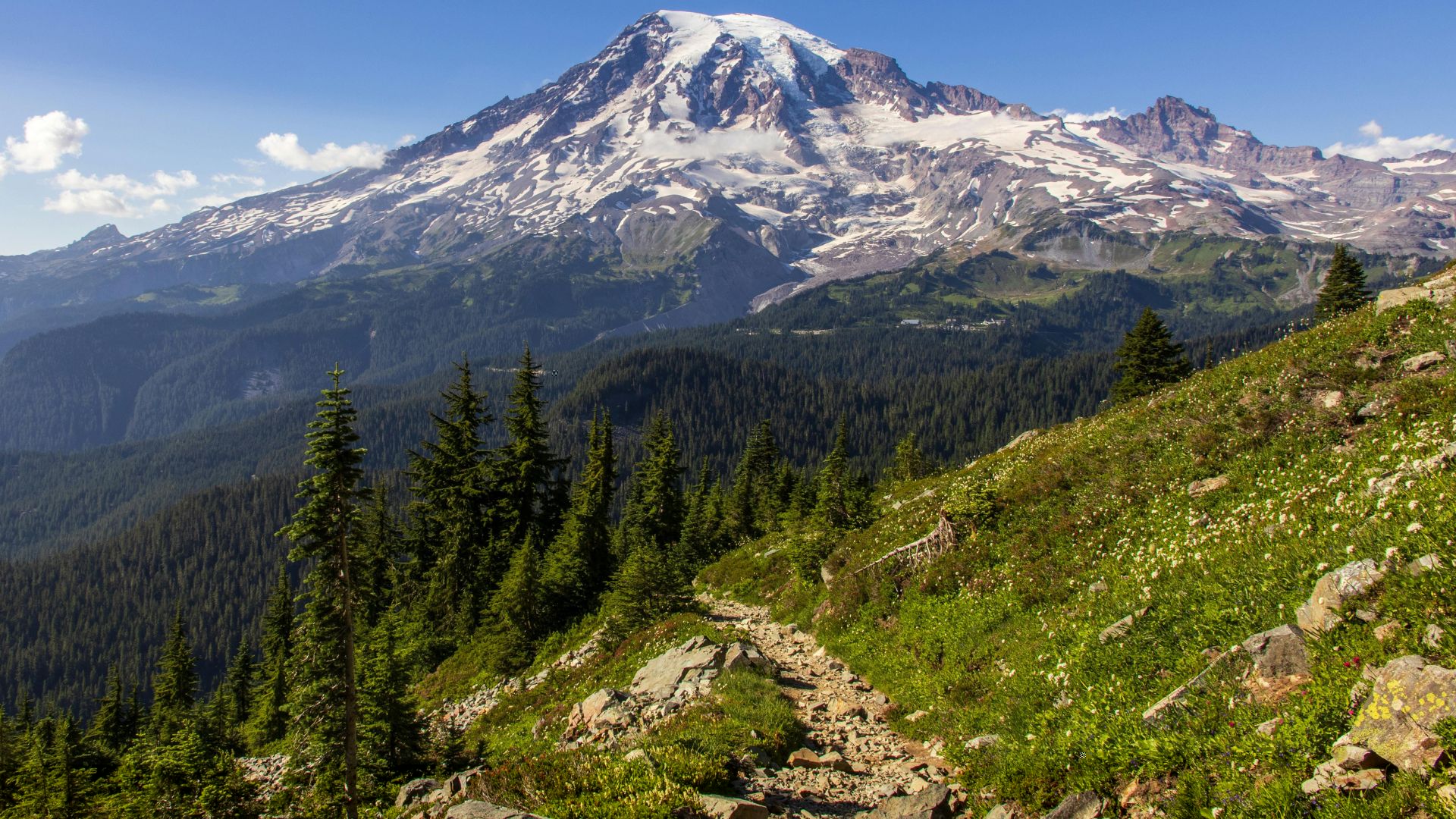
The Bear Mountain Loop Trail is a 3.7-mile circuit that gives you a solid workout and killer views. Start near Hessian Lake, climb up via the Major Welch Trail, and descend on part of the Appalachian Trail.
You’ll pass Fort Stevens and reach Perkins Memorial Tower at the top. The summit view stretches over the Hudson River, Hudson Valley, and Hessian Lake.
The trail mixes rocky climbs with shady forest paths. Weekends get crowded, so try to get there early if you want some peace.
Parking’s easy near the Bear Mountain Inn and Carousel. The trailhead is right there, so you can hit the ground running. It’s challenging but doable for most folks with a bit of hiking experience.
15) Lost Coast Trail, California
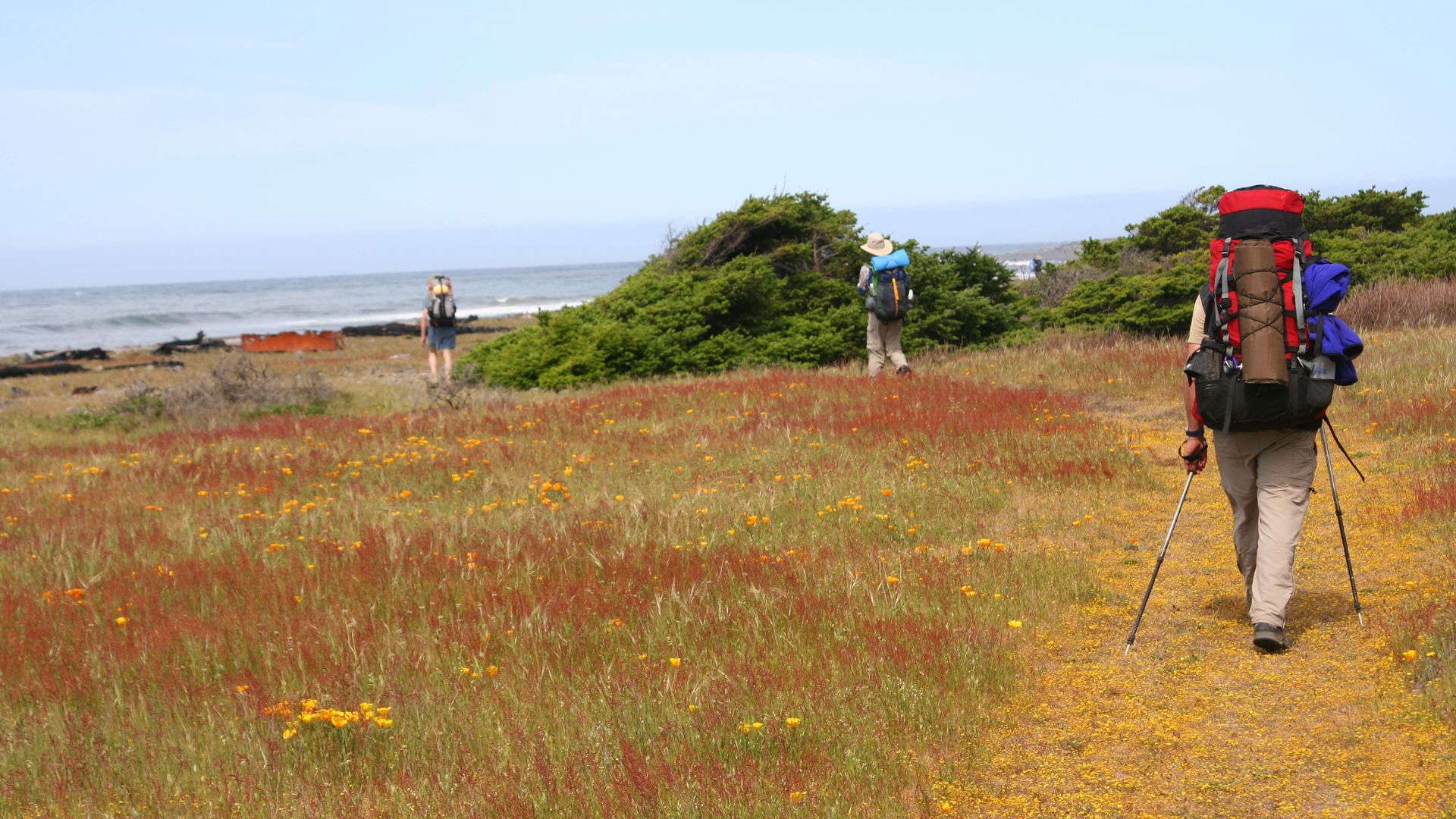
The Lost Coast Trail is 25 miles of pure, wild California coastline. This rugged route runs from Mattole Beach to Black Sands Beach in Humboldt County.
You’ll need to plan every detail. The trail throws steep climbs, slippery rocks, and tidal crossings your way. It’s tough, but the untouched wilderness is worth every step.
Best time to go? May through September. You might spot sea lions, deer, or wildflowers along the way.
They call it the Lost Coast because highway builders gave up on it in the 1930s—the terrain was just too wild. That’s why it feels so remote and unspoiled today.
Permits are required, and there aren’t many services out there. But if you want a real coastal adventure, this trail is as raw and beautiful as it gets.
How to Prepare for US Hiking Destinations
Prepping for a hike means thinking about your gear, your fitness, and the weather you’ll face. All three matter if you want a safe, fun adventure.
Essential Gear Checklist
You’ll want the Ten Essentials: navigation (map, compass, or GPS), sun protection, extra clothing, a headlamp, first-aid kit, fire starter, repair kit, snacks (extra food), lots of water, and emergency shelter.
For day hikes, grab broken-in boots or trail shoes. Wear moisture-wicking layers—cotton just stays soggy. A rain jacket is a must, even if the sky looks clear.
If you’re backpacking, you’ll need a 50-70L pack, a sleeping bag for the temps, and a tent. Bring a water filter or purification tablets—carrying all your water isn’t realistic. Trekking poles help save your knees on the downhills.
Basic Gear by Trip Type:
- Day Hikes: 20-30L pack, 2 liters water, snacks, basic first aid
- Overnight: 50-60L pack, sleeping system, cooking gear, 2+ days food
- Extended Trips: 60-70L pack, full camping setup, bear canister where required

Training and Fitness Tips
Start training 4-6 weeks before your hike. Walk or hike 3-4 times a week, slowly adding more distance and elevation.
Break in your hiking boots during these walks to avoid blisters. Add weight to your pack as you go so your body gets used to it.
Mix in cardio like jogging, cycling, or swimming on off days. Strengthen your legs and core with squats, lunges, and planks twice a week. Better balance means fewer twisted ankles out there.
Seasonal Weather Considerations
Spring trails can be muddy, snowy up high, and have swollen creeks from meltwater. Check trail conditions—some routes don’t open until summer.
Summer means afternoon thunderstorms in the mountains. Start early to avoid exposed ridges when storms roll in. Bring extra water and sun protection.
Fall is awesome for hiking—fewer people, crisp weather—but the days get short fast. Always pack a headlamp just in case. By October, some high trails might already have snow.
Winter hiking is a different beast. You’ll need microspikes, snowshoes, or crampons depending on the trail. Temps drop fast after sunset, and storms can roll in quickly. Only head out if you know what you’re doing and have the right gear.
Responsible Hiking Practices
Keeping America’s trails beautiful means respecting nature and wildlife. A few good habits go a long way.
Leave No Trace Principles
Plan ahead and prepare—check the weather, trail rules, and permits before you go. Download maps and double-check your gear.
Stick to the trail to avoid damaging plants and causing erosion. Don’t cut switchbacks; it’s bad for the hillside and risky for others.
Pack out all trash, even tiny stuff like food scraps and wrappers. Bring a small bag just for your trash. Even orange peels and banana peels need to go out with you.
Handle human waste properly—dig a small cathole at least 200 feet from water, trails, and campsites. Pack out used toilet paper in a sealed bag.
Leave rocks, plants, and artifacts where you find them. Taking stuff messes up the ecosystem and ruins it for future hikers.
Camp at established spots if you’re backpacking. Keep your voice down so everyone, including the animals, can enjoy the peace.
Wildlife Safety Guidelines
Give wildlife space—stay at least 25 yards from most animals and 100 yards from bears and wolves. Use binoculars or a zoom lens for a closer look.
Store food safely in bear canisters or boxes if required. Never feed wildlife—human food is bad news for them.
Make noise in bear country by chatting, clapping, or using bear bells. It helps animals know you’re coming.
Keep dogs leashed where they’re allowed. Unleashed pets can chase wildlife or stir up trouble.
Know how to react to wildlife encounters. Back away slowly from bears—don’t run. Give rattlesnakes plenty of space. If you see aggressive animals, let the rangers know right away.
Frequently Asked Questions
Let’s talk timing—when you plan your hiking trip, you’re really deciding what kind of weather, crowds, and scenery you’ll get. Some trails shine in spring with wildflowers, while others are all about blazing autumn colors or summer’s high-mountain air.
Great Smoky Mountains, Tennessee & North Carolina
I always look forward to mid-October here. Over a hundred tree species light up the hills with every shade of red, orange, and gold. You’ll feel like you’re walking through a living painting.
Acadia National Park, Maine
Acadia’s fall show starts a bit earlier—usually mid-October. You’ll catch the forests turning fiery right up against the Atlantic. There’s something magical about those coastal trails when the leaves are at their brightest.
Vermont’s Green Mountains & New Hampshire’s White Mountains
If you love maple trees that go full-on red and orange, these are your spots. Late September into early October is prime time. The small towns feel extra cozy with all that color around.
Joshua Tree National Park, California
Spring here, from March through May, feels like a secret. Wildflowers pop after the rains, and the air’s just right for long, rambling hikes. I’ve wandered through canyons and felt like I had the place to myself.
Big Bend National Park, Texas
Big Bend comes alive from February to April. You can roam through desert canyons and mountain trails before the heat kicks in. There’s a quiet beauty out there in spring—just you, the rocks, and the open sky.
The Narrows, Zion National Park, Utah
Late spring is when The Narrows really opens up. Water levels finally drop, making that slot canyon hike possible. Definitely check the flow rates before you go—it’s worth the planning.
Glacier National Park, Montana
July to September is Glacier’s sweet spot. Snow lingers on the high trails till mid-July, but once it melts, you get those epic alpine views. I’ve never seen so many wildflowers.
Mount Rainier National Park, Washington
Late July and August bring out the wildflowers in Rainier’s meadows. Paradise and Sunrise areas burst with color, and the mountain just towers over everything. It’s hard not to feel inspired here.
Eagle Lake Trail, Lake Tahoe, California
If you want a mix of cool mountain air and a post-hike swim, this trail hits the mark. It’s usually in great shape from June through October, but July and August are the best for clear skies and water warm enough to jump in.
Grand Canyon National Park, Arizona
October and November bring perfect hiking weather. I love the Bright Angel and South Kaibab Trails—no summer heat, no big crowds, just you and those endless canyon views.
Death Valley National Park, California/Nevada
Late autumn is when Death Valley finally cools down. November through March, the trails open up for real adventure. It’s wild to think these paths hit 120°F in summer, but now you can actually enjoy them.
Big Sur, California
Big Sur’s coastal trails stay open all year, but late autumn is underrated. The skies clear up, tourists thin out, and you get those cliffside paths—like McWay Falls and Ewoldsen Trail—almost to yourself.
Zion National Park, Utah
Put Zion at the top. Angel’s Landing and The Narrows are iconic, but remember you’ll need a permit for Angel’s Landing. The lottery system isn’t as intimidating as it sounds—just plan ahead.
Yosemite National Park, California
Yosemite’s got classics like Half Dome and Mist Trail. If you’re eyeing Half Dome, you’ll have to snag a permit months in advance, especially for peak season.
Grand Canyon National Park, Arizona
Whether you want easy rim walks or a tough trek down Bright Angel Trail, the Grand Canyon delivers. The park stays open all year, so you can pick a season that fits your style.
Rocky Mountain National Park, Colorado
With over 350 miles of trails, Rocky Mountain is a hiker’s dream. High-elevation hikes open up from late June to September. If you love alpine lakes and big views, you’ll want to spend days here.
The Pacific Northwest really shines in September. Dry weather settles in, and you’ll catch those first hints of fall colors. I love wandering the trails at Mount Rainier or North Cascades National Park—both spots feel peaceful without the summer rush.
Colorado’s Rocky Mountains are famous for their golden aspens, especially as September winds down. Trails near Aspen and Telluride pop with color, and Rocky Mountain National Park always surprises me with its crisp air and quiet paths.
Utah’s desert parks—think Zion, Arches, and Canyonlands—finally cool off after the summer heat. Hikers get milder days and way fewer crowds. It’s honestly one of the best times to explore those red rocks without sweating buckets or waiting in line.
