
Venice captivated me from the moment I stepped off the vaporetto. But it wasn’t until I wandered away from St. Mark’s Square that I discovered the city’s true magic.
The six neighborhoods (sestieri) of Venice each offer unique charms that most tourists never experience. From the student energy of Dorsoduro to the authentic local life in Cannaregio and Castello. These lesser-known areas revealed a different Venice to me – one where locals chat across narrow canals and artists work in centuries-old buildings.
Walking through quieter sestieri like San Polo, I found peaceful squares and stunning churches without the crowds. In Dorsoduro, the university atmosphere creates a lively yet authentic vibe that feels worlds away from tourist hotspots.
Small bridges cross hidden canals where gondoliers rest between trips, and tiny cafés serve treats to regulars who’ve been coming for decades.
My favorite discovery was how each neighborhood keeps its own personality while sharing Venice’s timeless beauty. The whispers of history feel stronger in these authentic corners, where you can still see everyday Venetian life unfolding against a backdrop of incredible architecture and art. These hidden gems offer the perfect balance of culture, beauty, and local flavor that makes travel truly meaningful.
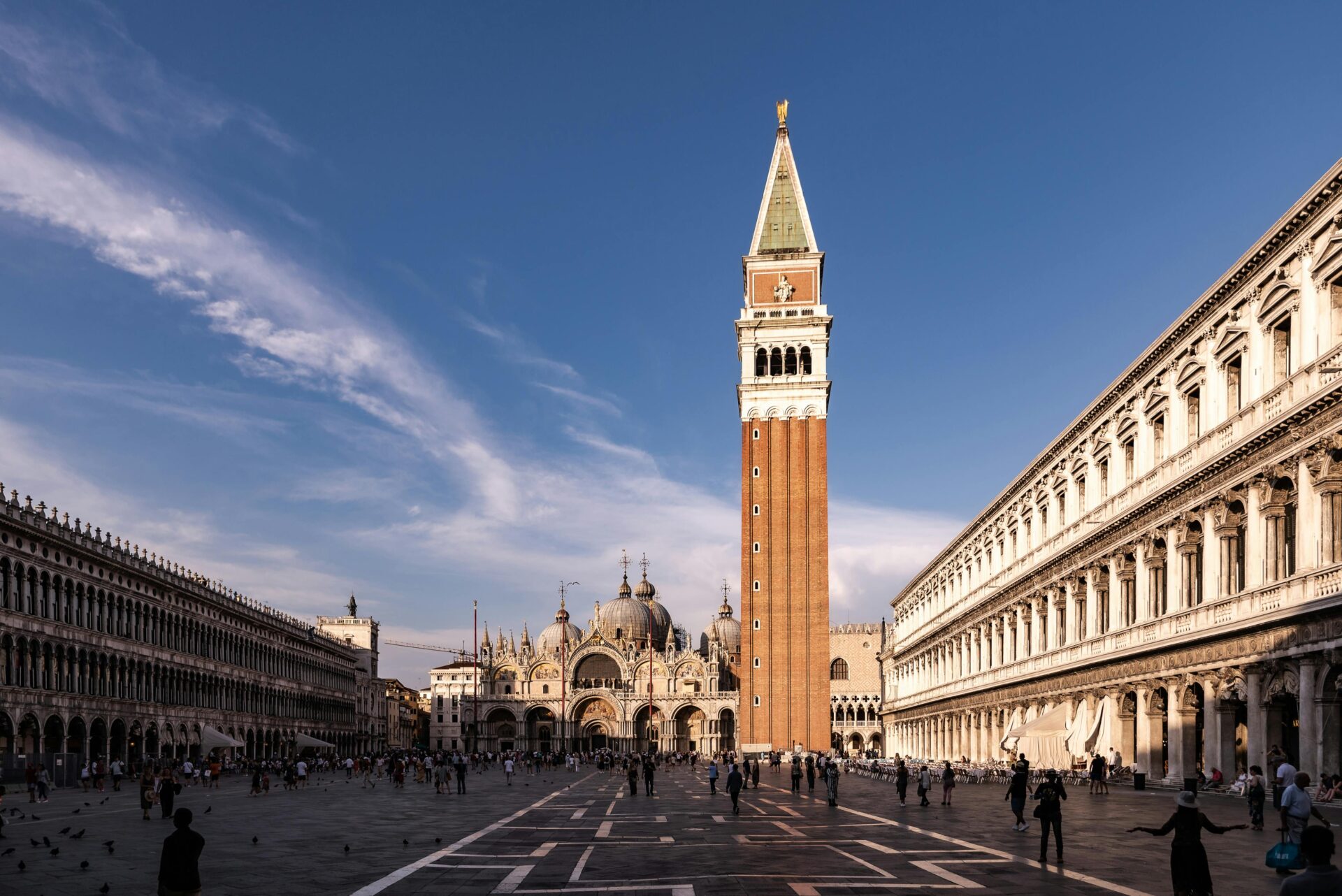
Cannaregio: A Blend of Tradition and Serenity
Tucked away from the tourist crowds, Cannaregio offers a glimpse into authentic Venetian life where locals shop at neighborhood markets and children play in quiet squares. This northern district balances rich history with peaceful canals and everyday Italian charm.
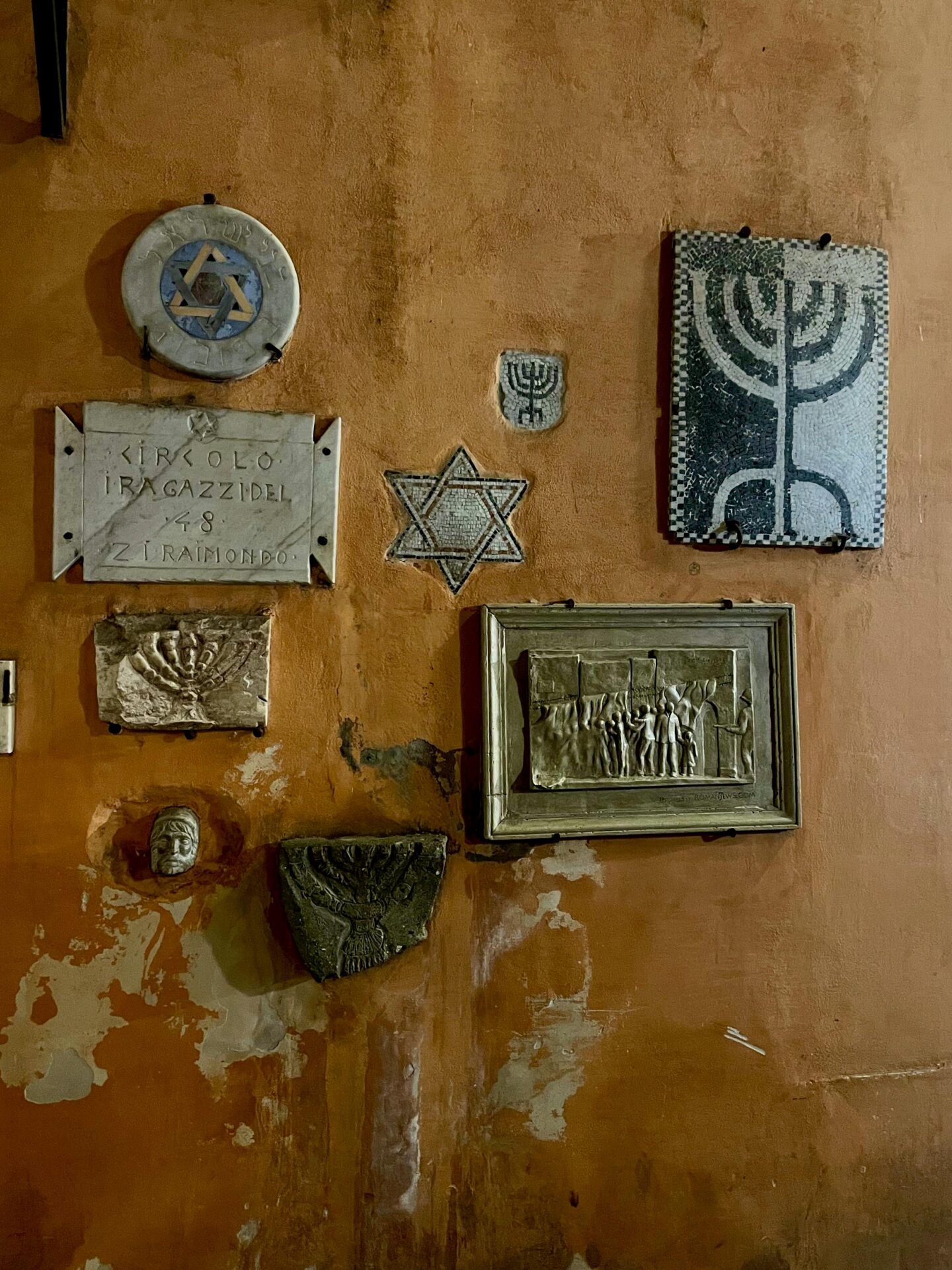
The Jewish Ghetto: A Historical Journey
Walking through the Jewish Ghetto feels like stepping into a different Venice altogether. Established in 1516, it’s actually the world’s first “ghetto” – the very place where this term originated. The neighborhood is characterized by its unusually tall buildings, as residents were forced to build upward due to space restrictions.
I was moved by the five historic synagogues that still stand here, each representing different European Jewish traditions. The Jewish Museum provides fascinating insights into the community’s 500-year history in Venice.
The Campo del Ghetto Nuovo square serves as the heart of this area. Here you’ll find poignant bronze memorial panels by sculptor Arbit Blatas commemorating Holocaust victims, a sobering reminder of darker chapters in Venice’s past.
Strada Nova: A Walk Through Everyday Venetian Life
Strada Nova pulses with local energy that feels worlds away from St. Mark’s tourist crowds. This wide thoroughfare serves as Cannaregio’s main artery, lined with shops where Venetians actually shop for daily necessities.
I love watching locals haggle over fresh produce at small markets or grabbing my morning espresso alongside uniformed workers heading to their jobs.
The street connects the train station area to Rialto, making it busier than other parts of Cannaregio but still authentically Venetian.
Look for small bakeries selling traditional fritole (Venetian doughnuts) and neighborhood wine bars called bacari where you can enjoy cicchetti (Venetian tapas) with locals. The architecture here blends utility with beauty – less showy than central Venice but still unmistakably part of the floating city.
Cannaregio Canal: The Quieter Side of Venice’s Waterways
The Cannaregio Canal offers a peaceful alternative to the busy Grand Canal. Water taxis and delivery boats replace tourist-packed gondolas, giving you a glimpse of working Venice.
I found myself mesmerized by the play of light on these waters at sunset. The canal is lined with authentic restaurants where you can dine waterside without tourist premiums or menus in five languages.
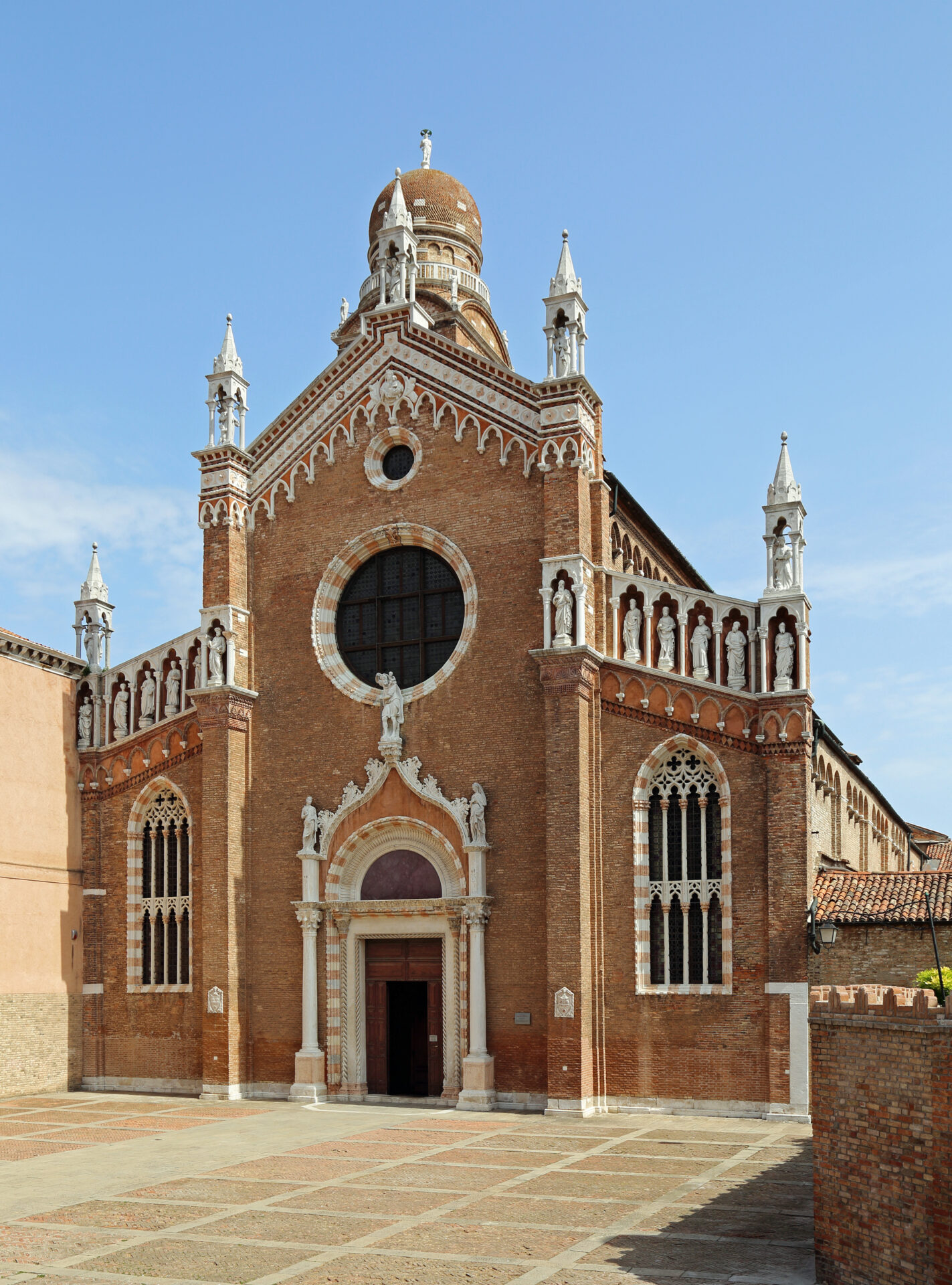
Don’t miss gems like the Church of Madonna dell’Orto with its Tintoretto masterpieces or Ca’ d’Oro palace further south. The wooden Ponte dei Tre Archi (Bridge of Three Arches) makes for stunning photos, especially in early morning light when few people are around.
Waterfront walks along Fondamenta della Misericordia and Fondamenta degli Ormesini reveal Venice at its most charming, with laundry hanging above quiet waters and locals chatting outside neighborhood bars.
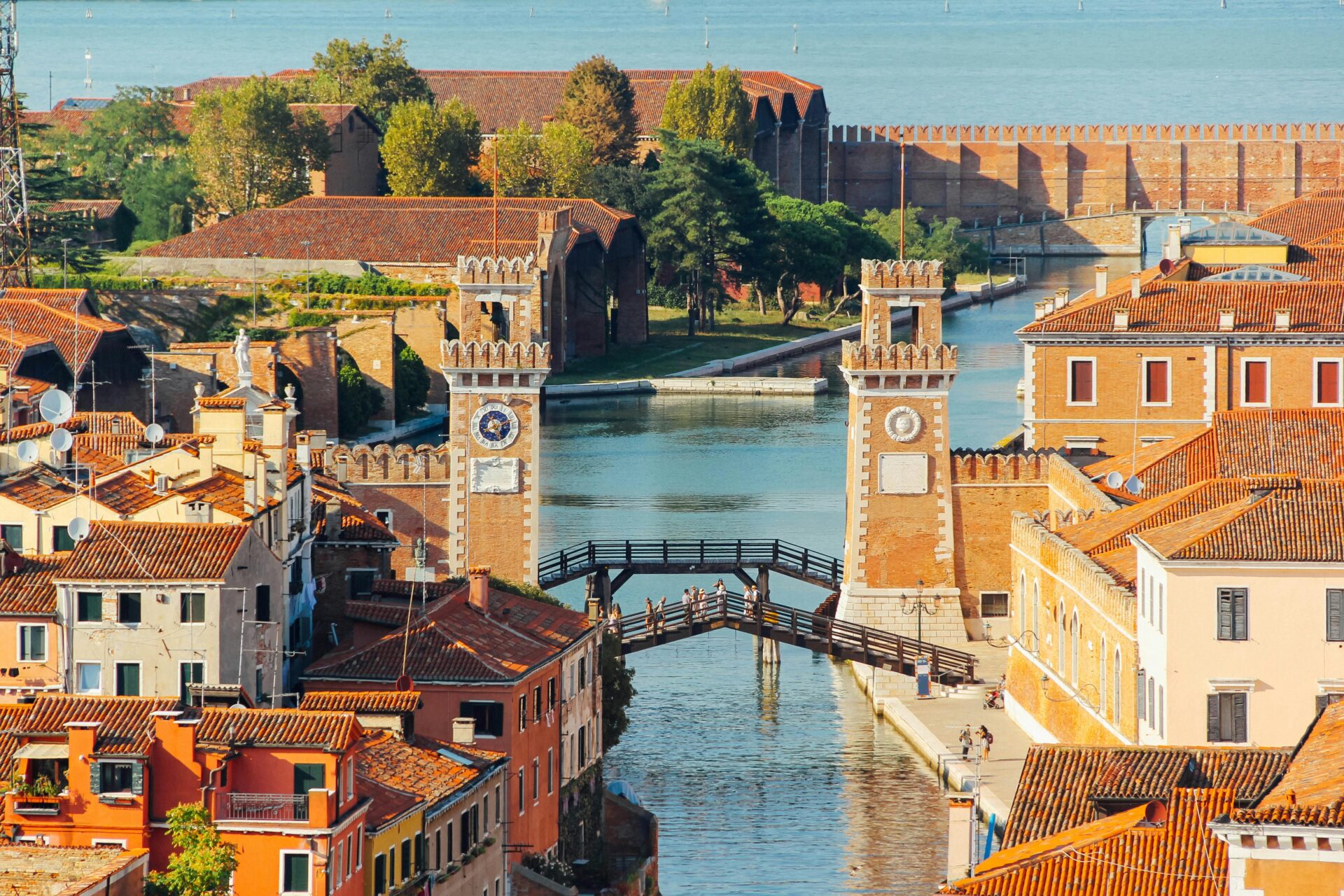
Castello: Exploring Venice’s Maritime Heritage
Castello offers a fascinating window into Venice’s naval past while showcasing authentic local life away from tourist crowds. This eastern district combines historic maritime grandeur with the relaxed rhythm of everyday Venetian life.
Arsenale: A Glimpse into Venice’s Naval Power
The massive Arsenale complex once served as the heart of Venice’s shipbuilding industry and naval power. Walking along its imposing brick walls, I’m always struck by the scale of this medieval industrial complex that employed thousands of workers.
At its peak in the 16th century, the Arsenale could produce a complete warship daily using assembly-line techniques that predated the industrial revolution by centuries. The elaborate entrance gateway, adorned with lions brought from Greece, speaks to Venice’s former maritime dominance.
Today, parts of the Arsenale host Venice Biennale exhibitions, breathing new artistic life into this historic space. I recommend visiting during the Biennale when you can explore both the art and the remarkable architecture simultaneously.
Via Garibaldi: Appreciating Local Lifestyles
Via Garibaldi offers a refreshing glimpse into authentic Venetian life. This wide street (rare in Venice!) was created by filling in a canal during Napoleon’s occupation.
I love strolling here in the early evening when locals gather at neighborhood bacari (wine bars) for spritz and cicchetti (Venetian tapas). The prices here are notably lower than in tourist areas, and the quality is often superior.
Small shops selling everyday necessities rather than souvenirs line the street. You’ll find:
- Family-run bakeries with fresh bread
- Local fruit vendors with seasonal produce
- Traditional butchers serving Venetian specialties
The street buzzes with real Venetian energy, especially during the passegiata when residents take their evening walks.
The Serene Parks: Green Retreats Amidst Urbanity
Castello houses rare treasures in Venice—actual public parks with trees and open spaces. The Giardini Pubblici, created by Napoleon, offers shaded paths and benches perfect for resting tired feet after hours of sightseeing.
I often bring a simple picnic here and watch locals walking their dogs or children playing—scenes seldom witnessed in busy San Marco. The gardens also host the main pavilions for the Venice Biennale of Art.
Sant’Elena, at Castello’s eastern tip, feels almost like a separate island with its residential calm and pine-scented air. This neighborhood features wider streets, 20th-century apartment buildings, and a peaceful atmosphere that contrasts sharply with central Venice.
The small park near the church of Sant’Elena provides stunning lagoon views without the crowds. It’s my favorite spot to watch the sunset with a quiet drink.
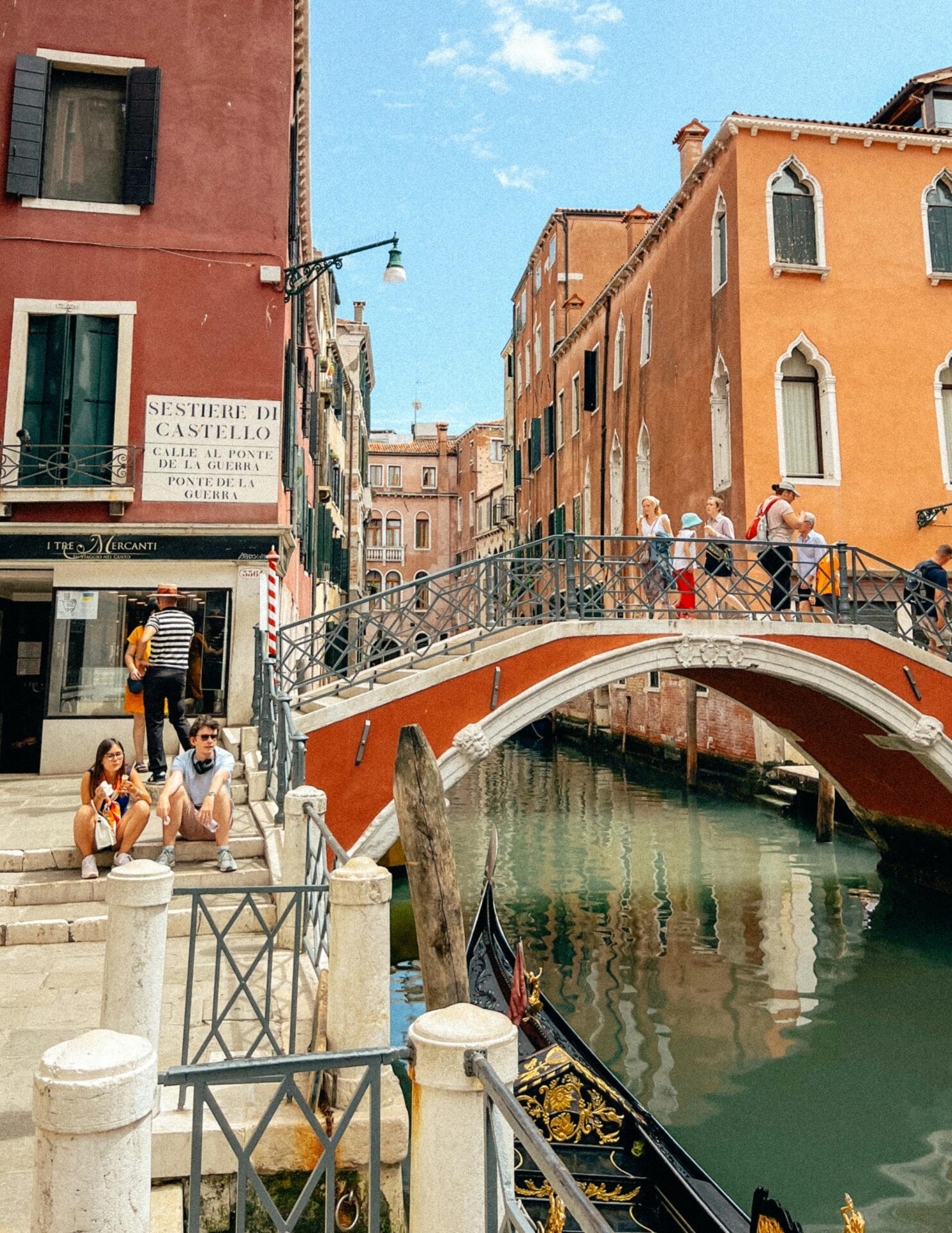
Dorsoduro: The Artistic Heart of Venice
Dorsoduro captivates visitors with its authentic charm and vibrant artistic energy. This sestiere balances student life, artistic heritage, and peaceful canal views away from the crowds.
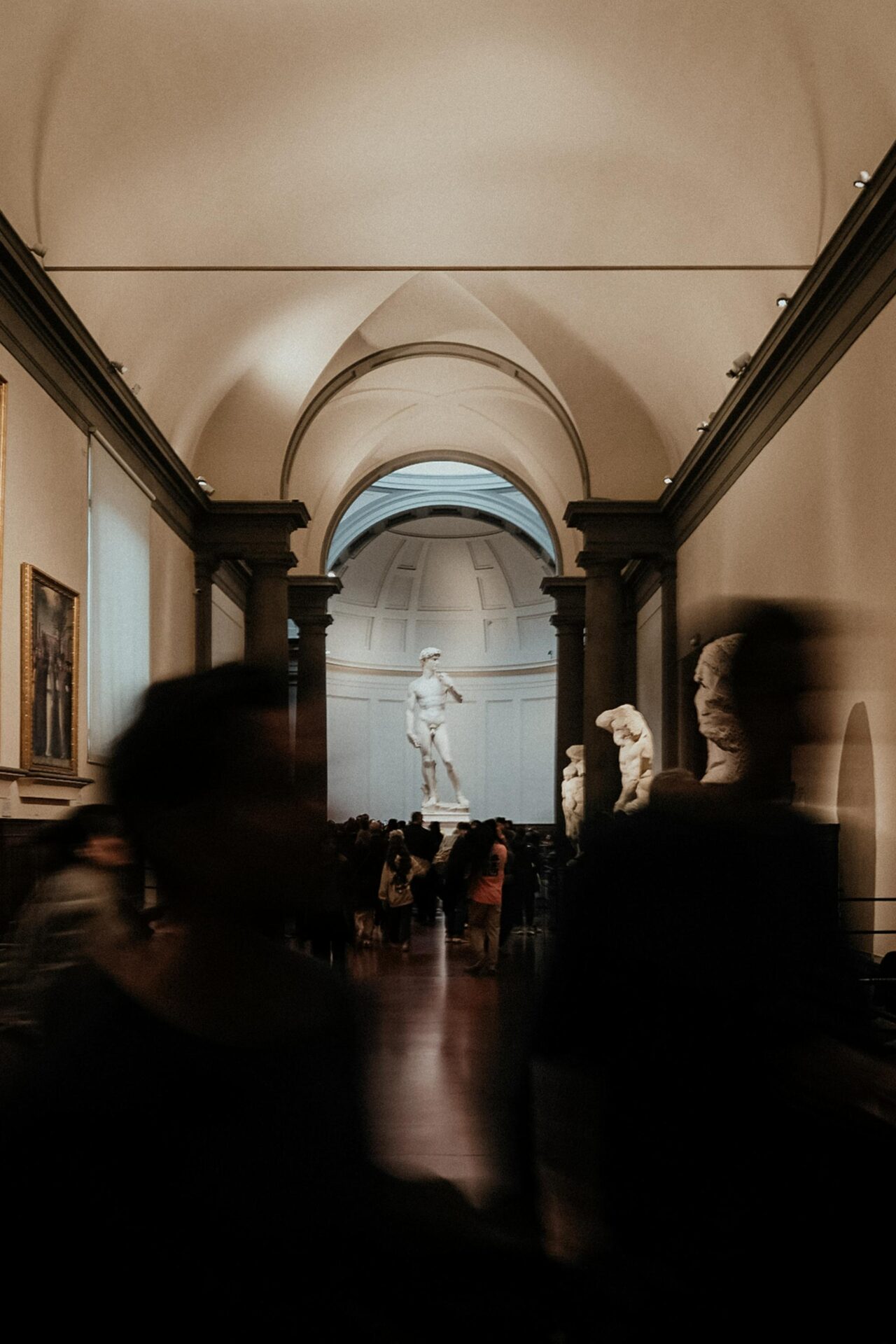
Accademia Gallery: Masterpieces of Venetian Art
The Accademia Gallery houses Venice’s most impressive art collection. I was amazed by the museum’s spectacular works by Venetian masters like Titian, Tintoretto, and Bellini.
What makes the Accademia special is how it traces the evolution of Venetian painting from Byzantine influences to Renaissance masterpieces. The highlight for me was Tintoretto’s dramatic “Miracle of the Slave,” with its bold perspective and lighting.
The gallery occupies the former Santa Maria della Carità complex, adding architectural interest to your visit. I recommend arriving early in the morning to enjoy these treasures without the crowds. Don’t rush through—give yourself at least two hours to appreciate the artistic genius on display.
Campo Santa Margherita: A Social Hub for Families and Students
Campo Santa Margherita pulses with local life unlike any other square in Venice. This lively piazza transforms throughout the day, starting with a morning market of fresh produce and seafood.
By afternoon, families gather as children play freely in the car-free space. The surrounding cafés fill with students from nearby Ca’ Foscari University, creating a youthful energy rarely found elsewhere in Venice.
I love visiting in the early evening when the campo comes alive with aperitivo culture. Bars like Caffè Rosso and Duchamp serve spritz cocktails to a mix of locals and visitors.
The square offers authentic Venetian experiences at reasonable prices. It’s perfect for people-watching and experiencing everyday Venetian life away from tourist crowds.
The Zattere Promenade: Picturesque Views of the Giudecca Canal
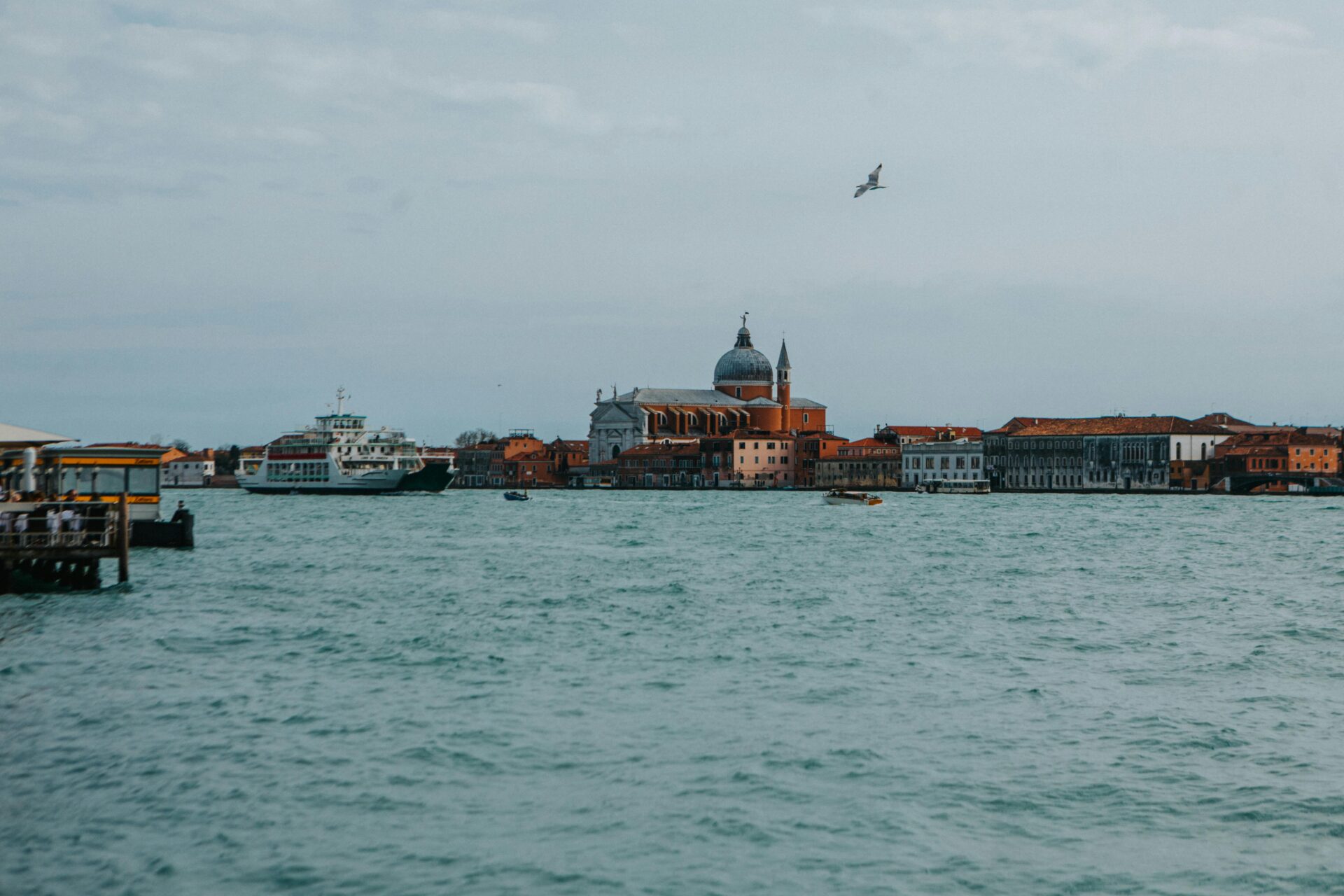
The Zattere promenade stretches along Dorsoduro’s southern edge, offering breathtaking views across the Giudecca Canal. This sunny waterfront walkway provides a peaceful escape from Venice’s narrow streets.
I discovered that “zattere” means “rafts” in Italian, referring to the wooden platforms once used here for unloading timber. Today, it’s my favorite spot for a leisurely stroll, especially at sunset when the light transforms the water and distant buildings.
Gelateria Nico serves some of Venice’s best ice cream—their gianduiotto is legendary. The promenade is dotted with restaurants where you can dine waterside watching boats pass by.
The western end reveals panoramic views toward the lagoon and Giudecca island. For photography enthusiasts, morning light creates gorgeous reflections on the canal’s surface.
San Polo: Savoring the Flavors of Venice
San Polo offers some of Venice’s most authentic culinary experiences, from bustling markets to intimate wine bars. When I explored this historic district, I discovered that food here tells the story of Venetian culture better than any guidebook.
Rialto Market: The Heart of Venetian Cuisine
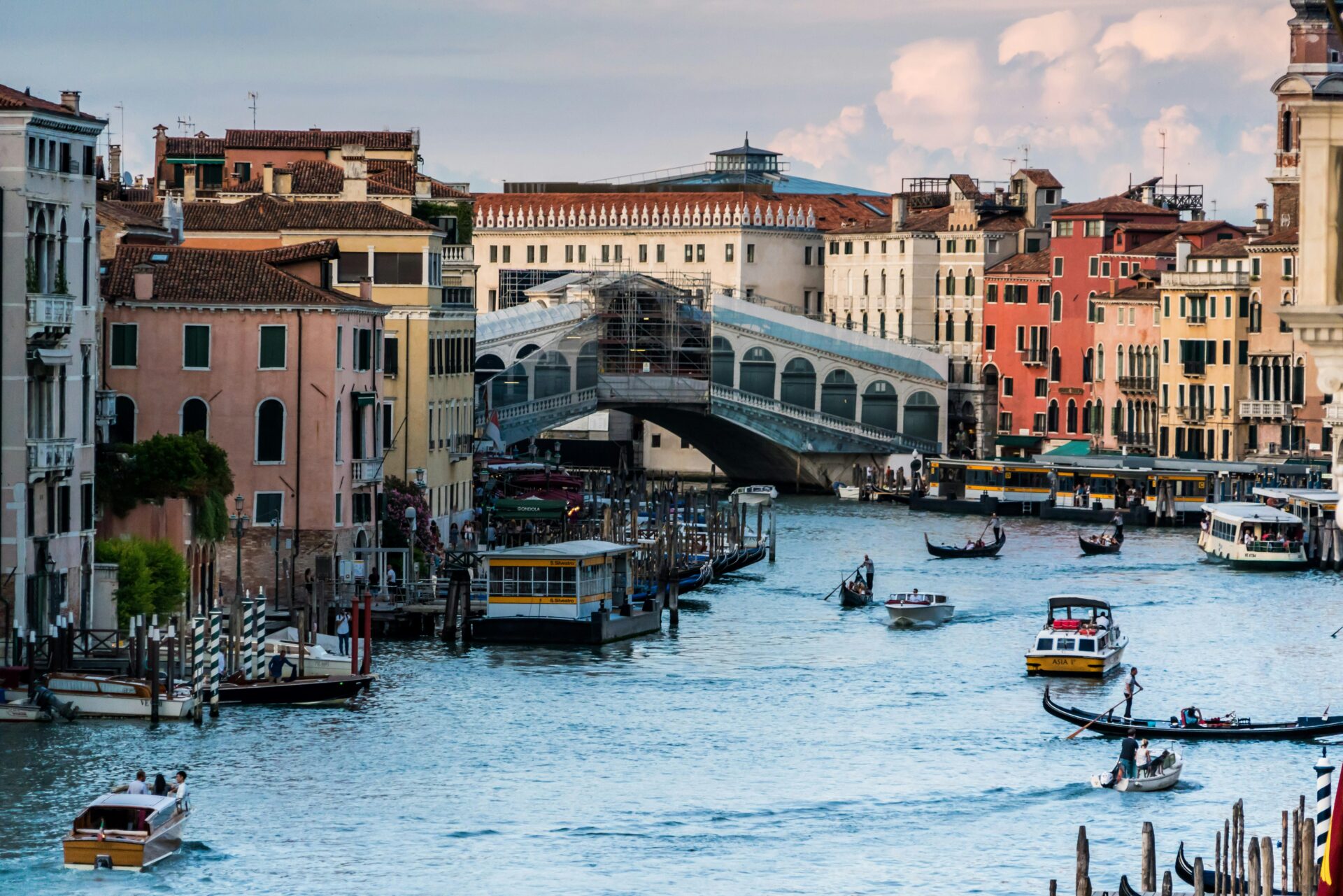
Walking through Rialto Market in the early morning is a feast for the senses. The market has been Venice’s culinary epicenter since 1097, serving both locals and top chefs daily.
Fresh seafood dominates the displays—glistening sardines, massive sea bass, and tiny moleche (soft-shell crabs) that are a springtime delicacy. I watched fishmongers skillfully fillet catch-of-the-day selections while calling out to passersby.
The fruit and vegetable section showcases seasonal specialties from the lagoon islands and mainland farms. Don’t miss trying radicchio di Treviso in winter or Sant’Erasmo artichokes in spring.
For the best experience, visit before 9 AM when the selection is freshest and vendors are most energetic.
Bacari Tour: Experiencing Venice One Cicchetto at a Time
Venice’s answer to pub crawling is the bacari tour—visiting small, traditional wine bars that serve cicchetti, Venice’s delicious small bites. San Polo houses some of the city’s most authentic bacari.
My favorite cicchetti include:
- Baccalà mantecato (whipped salt cod on polenta)
- Sardines in saor (sweet-sour marinade)
- Mini sandwiches with prosciutto and artichokes
- Fried seafood morsels
Most bacari serve small glasses of wine called ombra for €1-3. I found the most authentic spots along quiet canals away from tourist routes.
Cantina Do Mori and All’Arco are must-visit bacari in San Polo, each over 500 years old and still serving incredible small plates to locals and visitors alike.
San Giacomo di Rialto: Tradition in the Shadow of Commerce
The ancient church of San Giacomo di Rialto (known locally as San Giacometo) stands as a quiet sentinel amid bustling commerce. Dating from the 1070s, it’s considered one of Venice’s oldest churches.
What makes this spot special is how it combines culinary and cultural heritage. The small square outside hosts cooking demonstrations during market days, where I learned traditional Venetian pasta techniques from local chefs.
Several tiny restaurants nearby serve recipes unchanged for generations. I recommend trying bigoli in salsa (thick pasta with anchovy sauce) or fegato alla veneziana (liver with onions)—both exemplify authentic Venetian cooking.
The area comes alive at lunchtime when market workers and shopkeepers gather at standing-room-only bars, creating an atmosphere that feels delightfully unchanged by time or tourism.
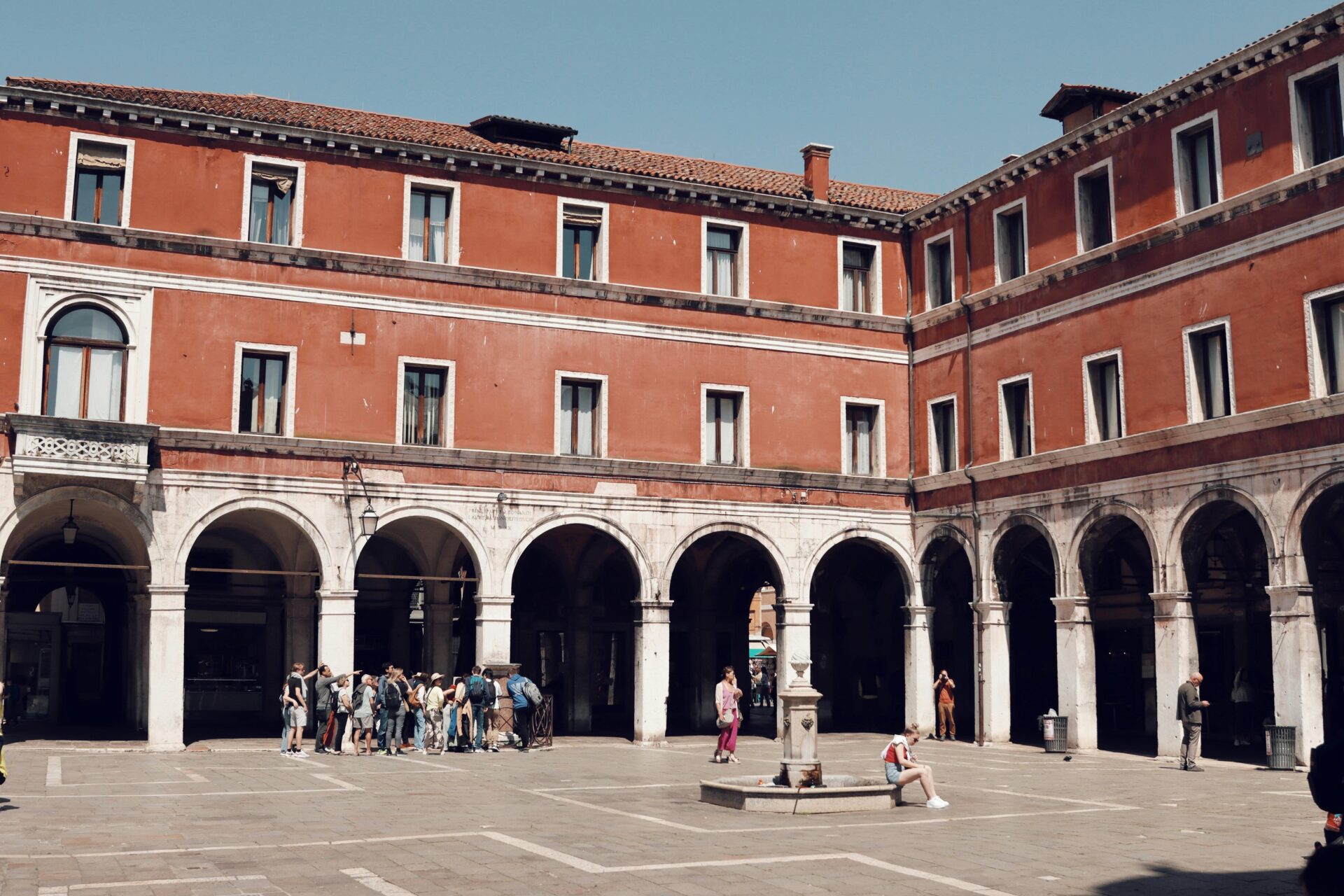
Santa Croce: Venice’s Gateway and the Blend of Old and New
Santa Croce offers a fascinating mix of modern convenience and historical charm as Venice’s western gateway. This lesser-known sestiere shows a different side of the city where contemporary life meets centuries-old Venetian culture.
Piazzale Roma: The Interface of Land and Water Transit
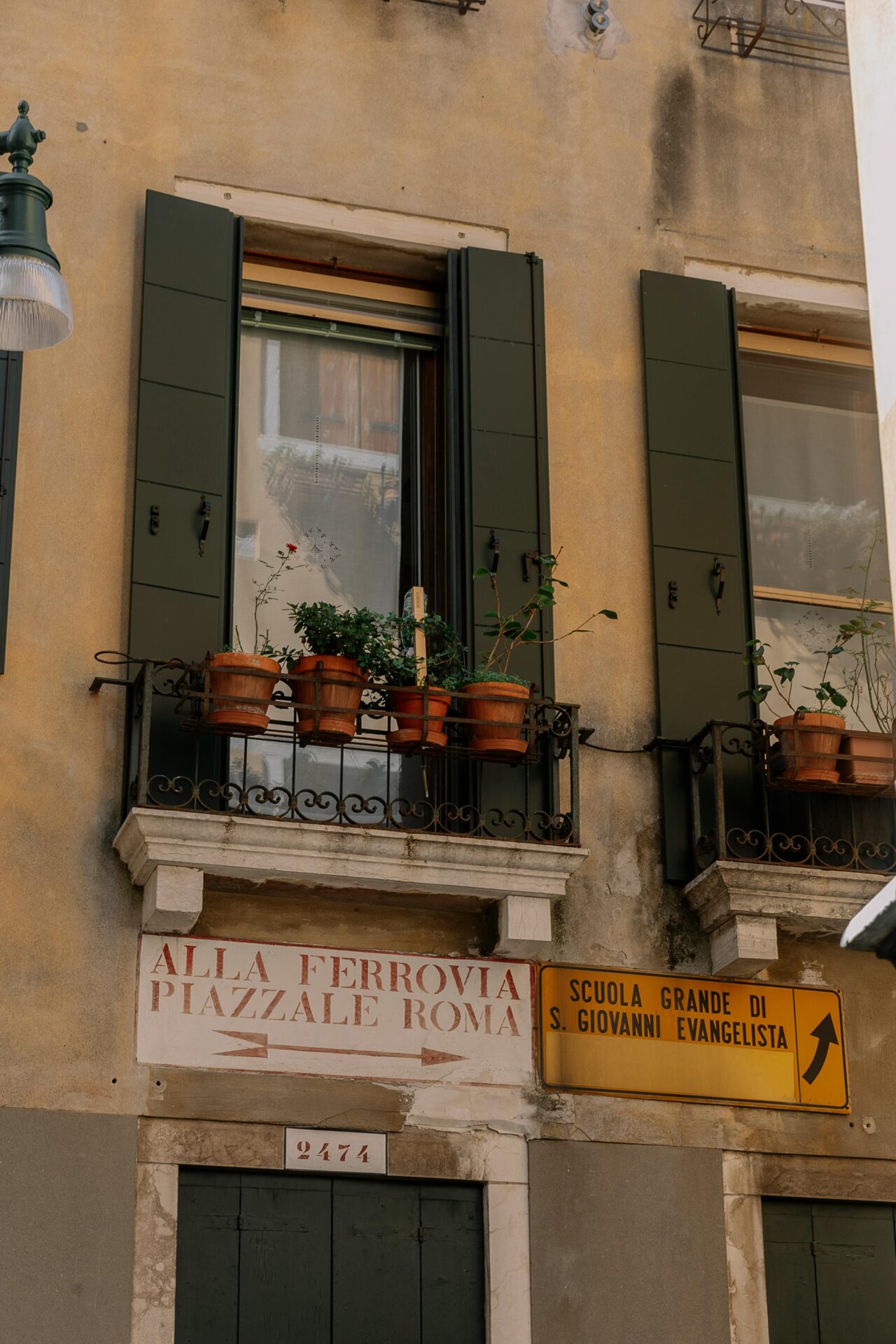
When I first arrived in Venice, Piazzale Roma served as my introduction to the city. This bustling square is where the modern world meets Venice’s timeless character.
It’s the only area in Venice accessible by car, making it a crucial transport hub.
Buses from Mestre and the mainland terminate here. Water taxis and vaporetti (water buses) connect visitors to other parts of the city. The square houses the city’s main bus station, a multi-story parking garage, and the People Mover monorail that links to the cruise terminal.
Piazzale Roma has its own charm. I love watching travelers transition from land to water transport, their faces lighting up as they realize they’re truly in Venice now!
San Simeon Piccolo: An Architectural Marvel Facing the Grand Canal
Standing proudly across from the train station, San Simeon Piccolo caught my eye with its striking green copper dome and neoclassical façade. This 18th-century church is one of the first landmarks visible to travelers arriving by train.
The church’s impressive dome dominates the skyline along this stretch of the Grand Canal. What makes it special is how it combines elements of ancient Roman temple design with more modern Neoclassical features.
Inside, the circular interior creates a sense of harmony and balance. Though smaller than many Venetian churches, San Simeon’s unique design makes it worth a visit when exploring Santa Croce.
I often recommend this area to business travelers too. It offers convenient access to both traditional Venetian experiences and modern amenities needed for productive stays.
