
The United Kingdom packs so much diversity into one relatively small island. On my recent trip across England, Scotland, and Wales, I realized just how much each region stands out. There’s something about wandering from honey-colored Cotswold villages to the wild Scottish Highlands or the old Welsh valleys—it’s like flipping through different chapters of a really good book.
This UK adventure swept me through centuries of history, jaw-dropping landscapes, and traditions that seem to pulse from every village and city. Honestly, the best moments happened when I skipped the big-name sights and just wandered quiet countryside villages, followed old trails, and chatted with locals who made these places feel alive.
I explored everything from royal palaces and literary landmarks to remote mountain lochs and old mining towns. Each spot brought its own flavor, but together, they wove a tapestry of British history and culture that I found totally irresistible.
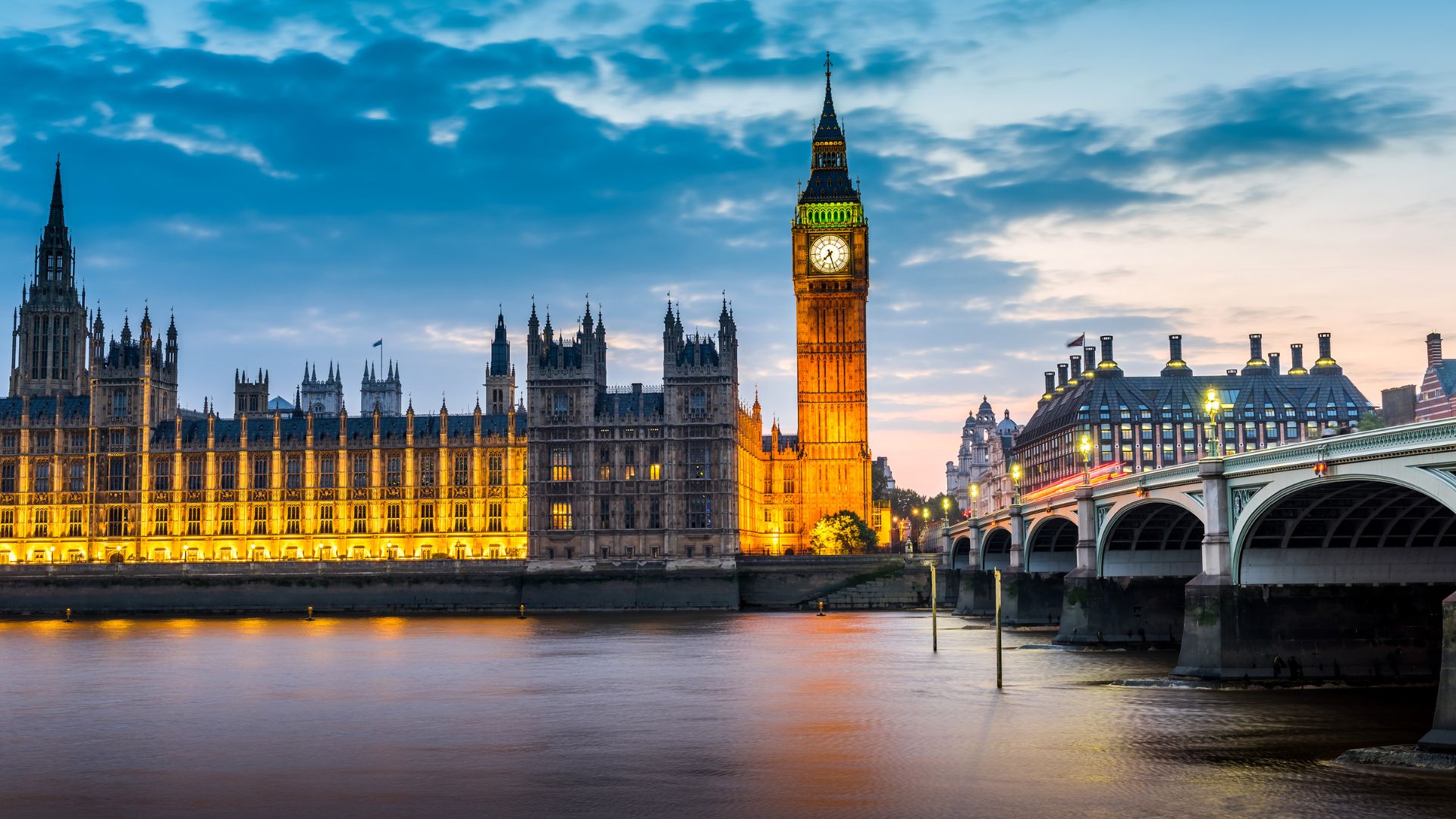
Exploring England’s Iconic Villages and Countryside
England’s countryside? It’s got some of the most charming villages I’ve ever seen. The Cotswolds, in particular, just blew me away. You’ll find centuries-old churches, Tudor cottages, and grand Georgian houses that make you wonder who lived there all those years ago.
The Allure of the Cotswolds
The Cotswolds stretches across several counties and gets called an Area of Outstanding Natural Beauty for good reason. If you want to feel the heart of rural England, this is it.
Rolling hills go on and on. Ancient stone walls crisscross the fields. Medieval villages pop up like scenes from a postcard.
What really ties it all together? The local limestone. That golden stone makes every village glow, especially when the sun’s out. There’s just something cozy about it.
Many Cotswold villages have roots in medieval times. Some even show up in the Domesday Book. Over the centuries, they’ve blended different architectural styles into something uniquely Cotswold.
The National Trust steps in to protect key spots. Thanks to them, these villages keep their character while still feeling lived-in and real.
Cheltenham acts as the gateway to the North Cotswold area. From there, it’s easy to hop from one famous village to the next. The town itself has great transport and plenty of places to stay.
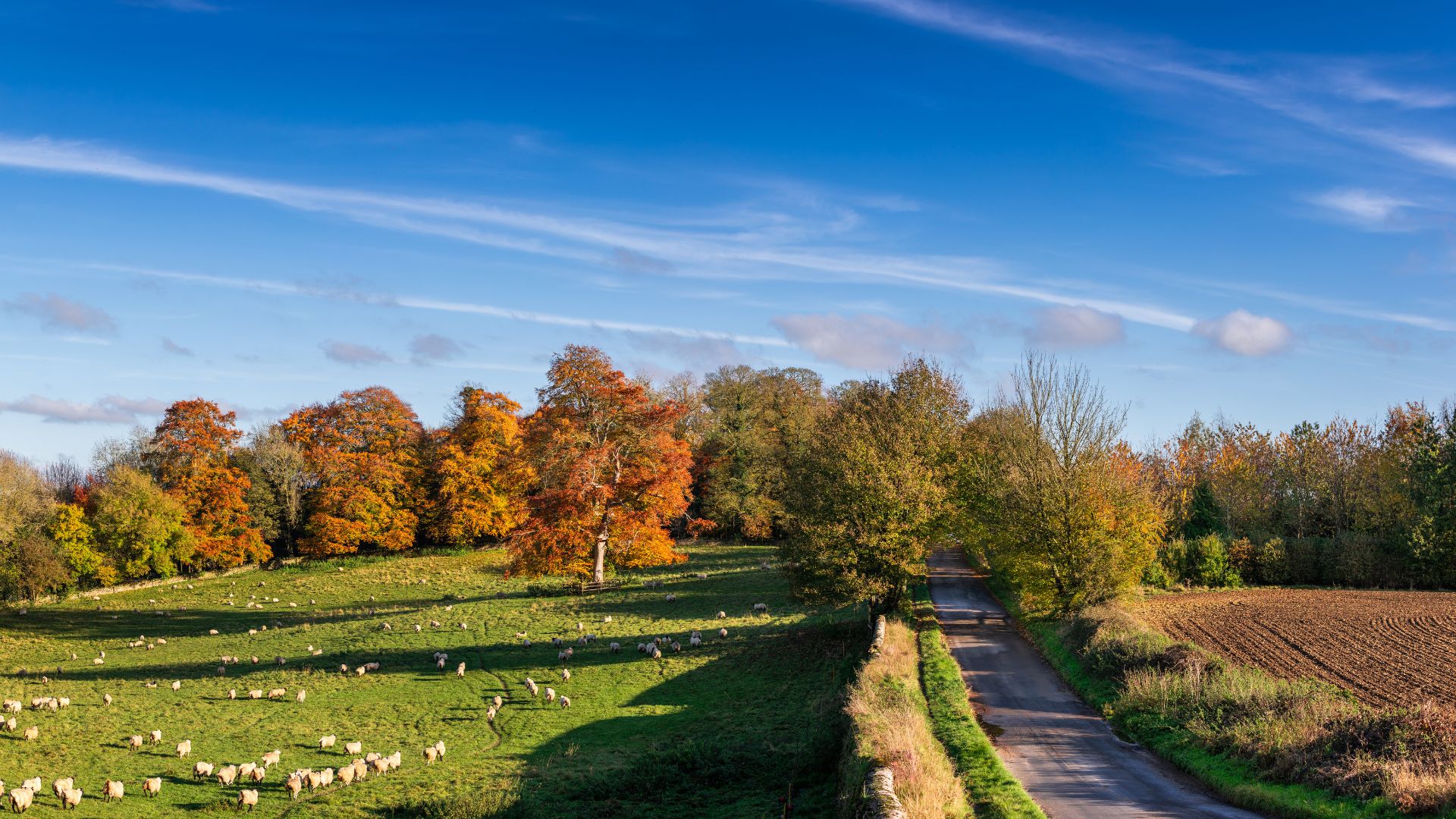
Strolling Through Honey-Coloured Villages
Walking around these villages feels like stepping back in time. The honey-colored limestone lights up the streets. Each cottage looks like it has a story to tell.
Every village has its own vibe. Castle Combe, for example, keeps its medieval layout. Narrow streets twist between 14th-century stone cottages.
Bibury is famous for Arlington Row, a cluster of 14th-century weavers’ cottages. Those sloping roofs and old stone walls? They’re straight out of a fairy tale.
Some things you’ll spot everywhere:
- Thatched or stone slate roofs
- Mullioned windows
- Church spires poking above the rooftops
- Old pubs with creaky floors
If you catch the villages in the morning, the limestone glows gold. Later in the day, shadows stretch across the ancient walls.
Chipping Campden feels like a snapshot of medieval prosperity. The High Street runs between historic buildings, and the 1627 Market Hall still stands right in the center.
Market squares anchor each village. They’ve buzzed with life for centuries—now you’ll find farmer’s markets and local events filling the space.
Highlights of Bourton-on-the-Water and Chipping Campden
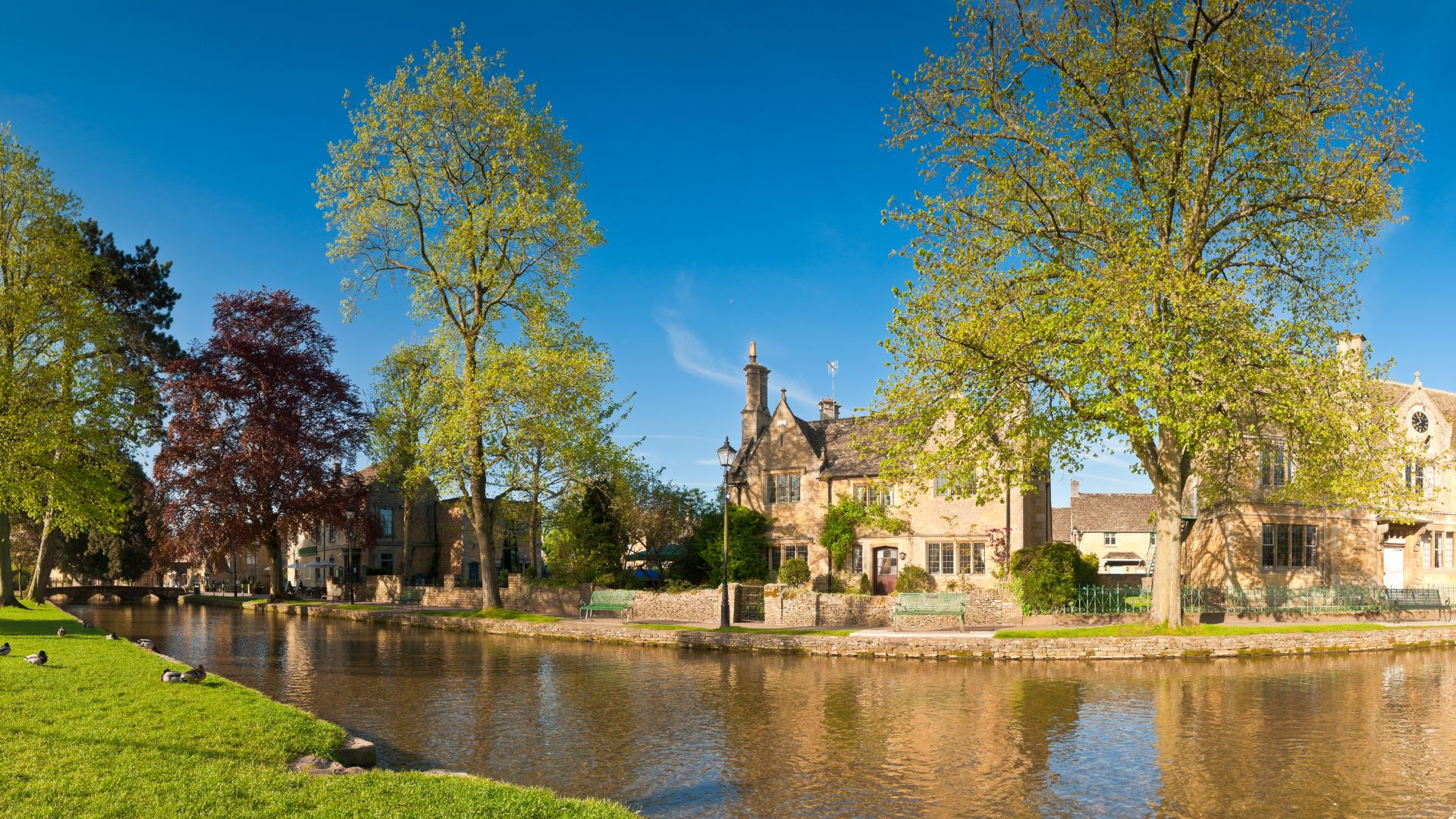
Bourton-on-the-Water gets called the “Venice of the Cotswolds.” The River Windrush cuts right through the village, and six stone bridges arch over the water.
I wandered along the river for ages. Ducks paddled by. Kids splashed in the shallow water, especially in summer.
The village is packed with cozy pubs, inviting tea rooms, and little shops selling local crafts. You could spend a whole afternoon just browsing.
Chipping Campden stands out for its medieval wealth. Wool merchants built grand homes along the main street, and the 15th-century church towers over everything.
St. James’ Church is a highlight. Its soaring tower and detailed stonework are impressive, and inside, medieval brasses tell stories of the town’s wool trade.
The Cotswold Way trail kicks off here. It’s a 102-mile walk to Bath, though I only managed the first few miles—enough for some spectacular countryside views.
Here’s a quick comparison:
| Bourton-on-the-Water | Chipping Campden |
|---|---|
| River setting | Historic market town |
| Family-friendly | Walking trail hub |
| Many attractions | Authentic atmosphere |
| Busy tourism | Quieter streets |
Cotswold Castles and Historic Landmarks
Sudeley Castle near Winchcombe packs in royal history. Catherine Parr, Henry VIII’s last wife, lived here after his death.
The gardens explode with color in spring and summer. I wandered through ten themed areas, and the Queen’s Garden, filled with Tudor-era plants, felt like a step back in time.
Broadway Tower marks the Cotswolds’ highest point. This quirky 18th-century tower gives you sweeping views—on a clear day, you can even spot Wales.
Broadway Tower Country Park surrounds the tower. Trails snake through old woods, and if you’re lucky, you’ll see red deer grazing nearby.
At Snowshill Manor, another National Trust site, I found a Tudor manor stuffed with odd collections. Charles Paget Wade filled 22 rooms with all sorts of curiosities.
The manor’s gardens spill down the hillside in terraces. Each level has its own plants and views, all designed with Arts and Crafts flair.
Winchcombe itself is worth a stroll. The town holds Sudeley Castle and some beautiful abbey ruins, plus a medieval street plan that’s easy to get lost in.
These landmarks add layers to any Cotswolds trip. Each one shares a different piece of England’s story, and together, they create a patchwork of heritage that’s hard to beat.
London’s Royal Heritage and Historic Sights
London has a way of putting you right in the middle of history. I wandered through Buckingham Palace, explored the Tower of London, and checked out UNESCO World Heritage sites that shaped the country.
Buckingham Palace and Its Significance
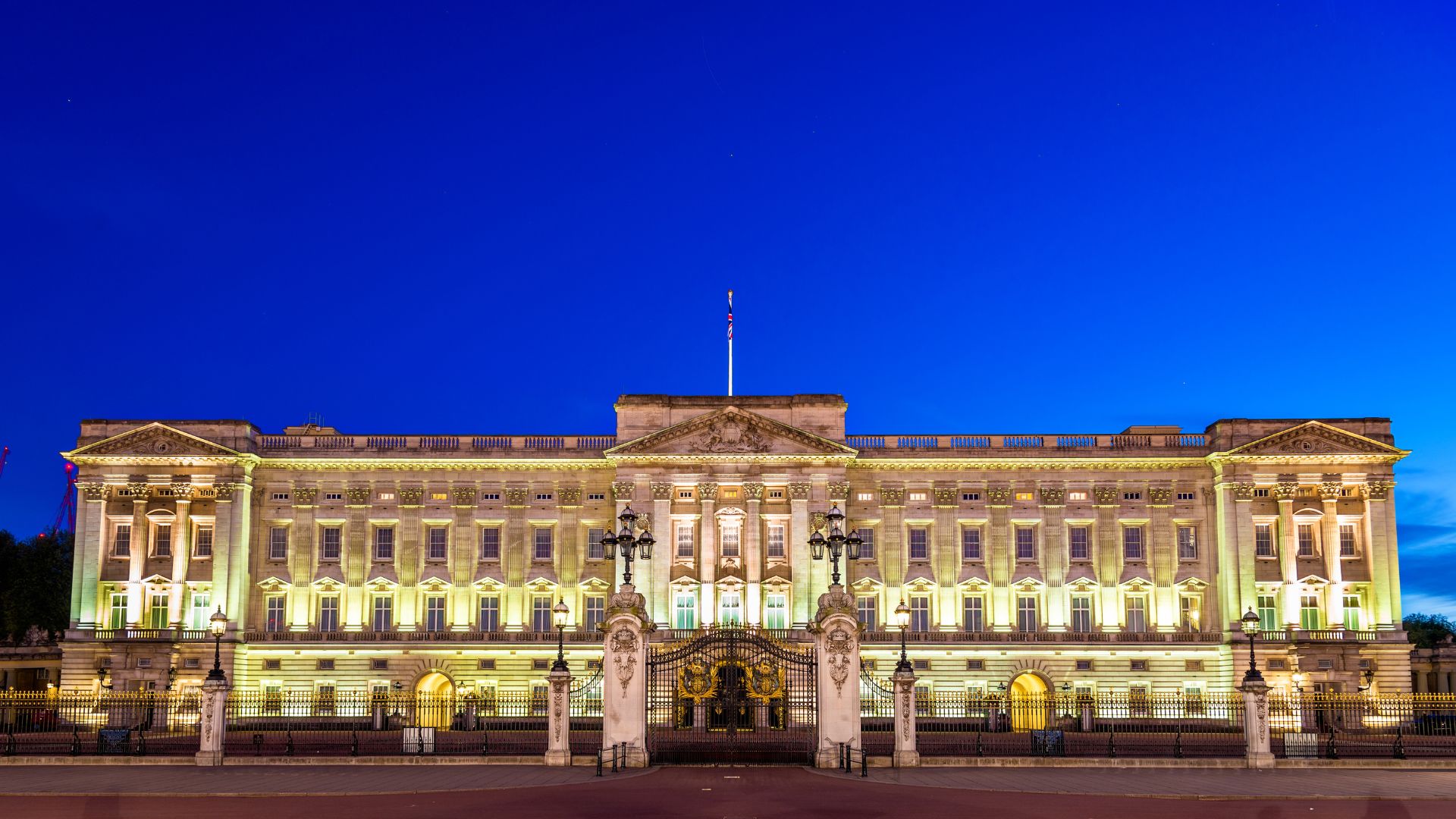
Buckingham Palace stands as the official home of the British monarch. It’s easily one of London’s most-visited spots. I made sure to catch the Changing of the Guard—a spectacle that draws crowds every summer day and on select dates the rest of the year.
The palace has 775 rooms and sits right at the heart of royal London. I explored the area around it, including St. James’s Park and nearby royal monuments.
Here’s what stood out to me:
- State rooms open for visits in summer
- The famous balcony for royal appearances
- Wellington Arch and other monuments close by
- Royal Parks wrapping around the palace
The palace is still the working center of the monarchy. I scouted out the best spots for the guard ceremony and picked up stories about the palace’s role in royal life.
The Tower of London: Fortress and Legend
The Tower of London looms large in British history. I walked through nearly 1,000 years of stories, from William the Conqueror’s original fortress to its darker days as a royal prison.
This place wore many hats over the centuries. It served as a royal home, a treasury, and, yes, a prison where some famous figures met their end.
Highlights I came across:
- The Crown Jewels
- Medieval fortress walls and towers
- Tales of prisoners and dramatic executions
- The Beefeaters and their storytelling
Ghost stories and royal secrets fill the air here. I found myself wrapped up in the drama of monarchs and prisoners whose lives played out inside these walls.
Stonehenge and Windsor Castle
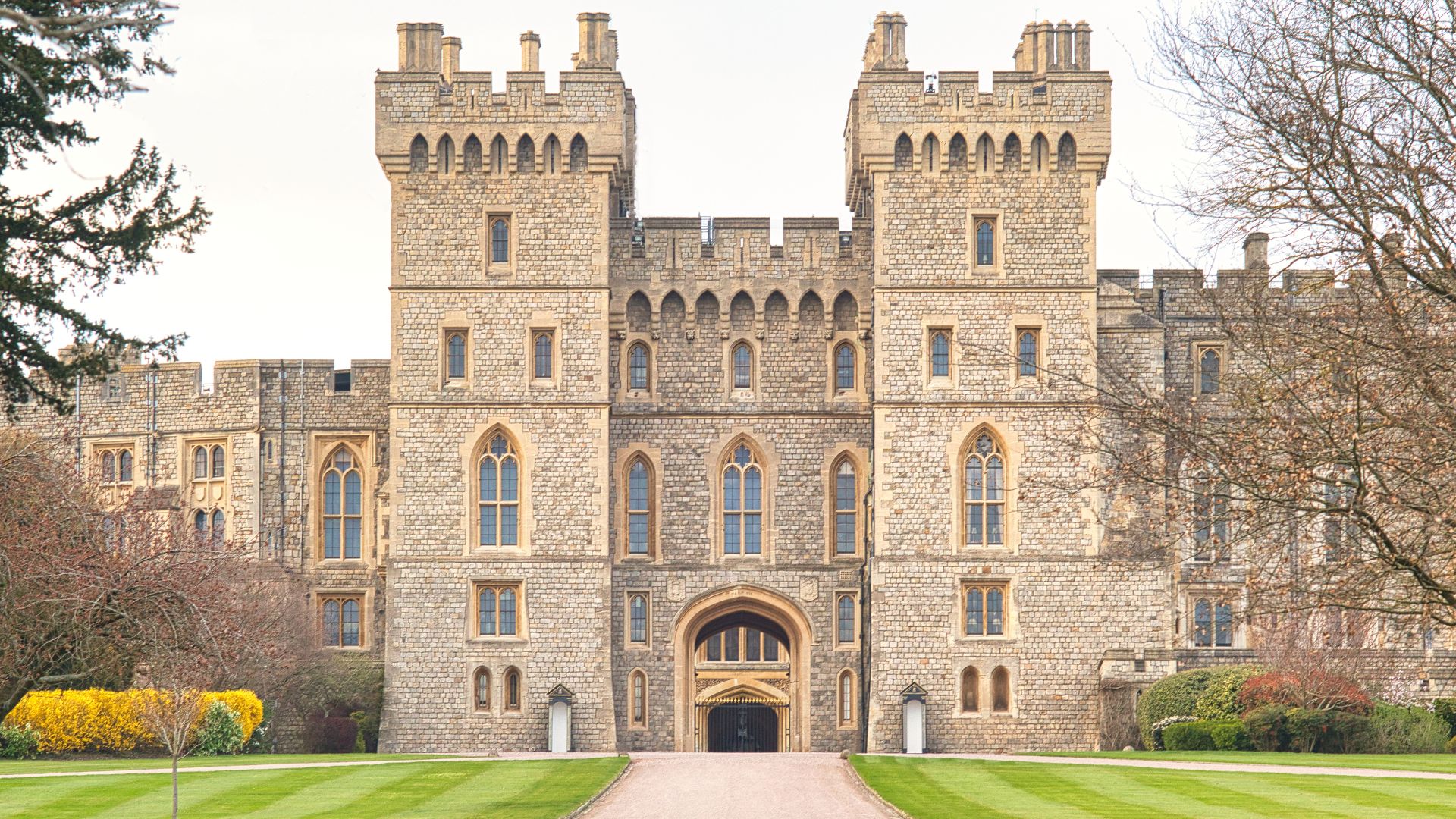
Windsor Castle claims the title of the world’s oldest occupied castle. It’s still an official royal residence. I visited to get a sense of 900 years of royal history, and the mix of architectural styles really shows how the place evolved.
The monarch still spends weekends here. I toured the State Apartments, admired St. George’s Chapel, and wandered grounds that have seen centuries of royal life.
Stonehenge sits outside London, but it’s a must for anyone curious about ancient Britain. This prehistoric monument predates the palaces by thousands of years and feels like a link to the island’s oldest stories.
What’s special at Windsor:
- Lavish State Apartments
- St. George’s Chapel for royal events
- Queen Mary’s Dolls’ House
- Changing of the Guard with all the pomp
These sites give you a glimpse of Britain’s past, from ancient mysteries to living royal traditions.
Literary and Lakeside Wonders of England
England’s literary roots run deep, especially from the dramatic Lake District to the historic lanes of Stratford-upon-Avon. I found landscapes that sparked Wordsworth’s poetry, Beatrix Potter’s stories, and Shakespeare’s plays.
The Lake District’s Natural and Literary Legacy
The Lake District enchanted me with its wild beauty and literary heritage. This UNESCO World Heritage site shaped some of England’s greatest writers.
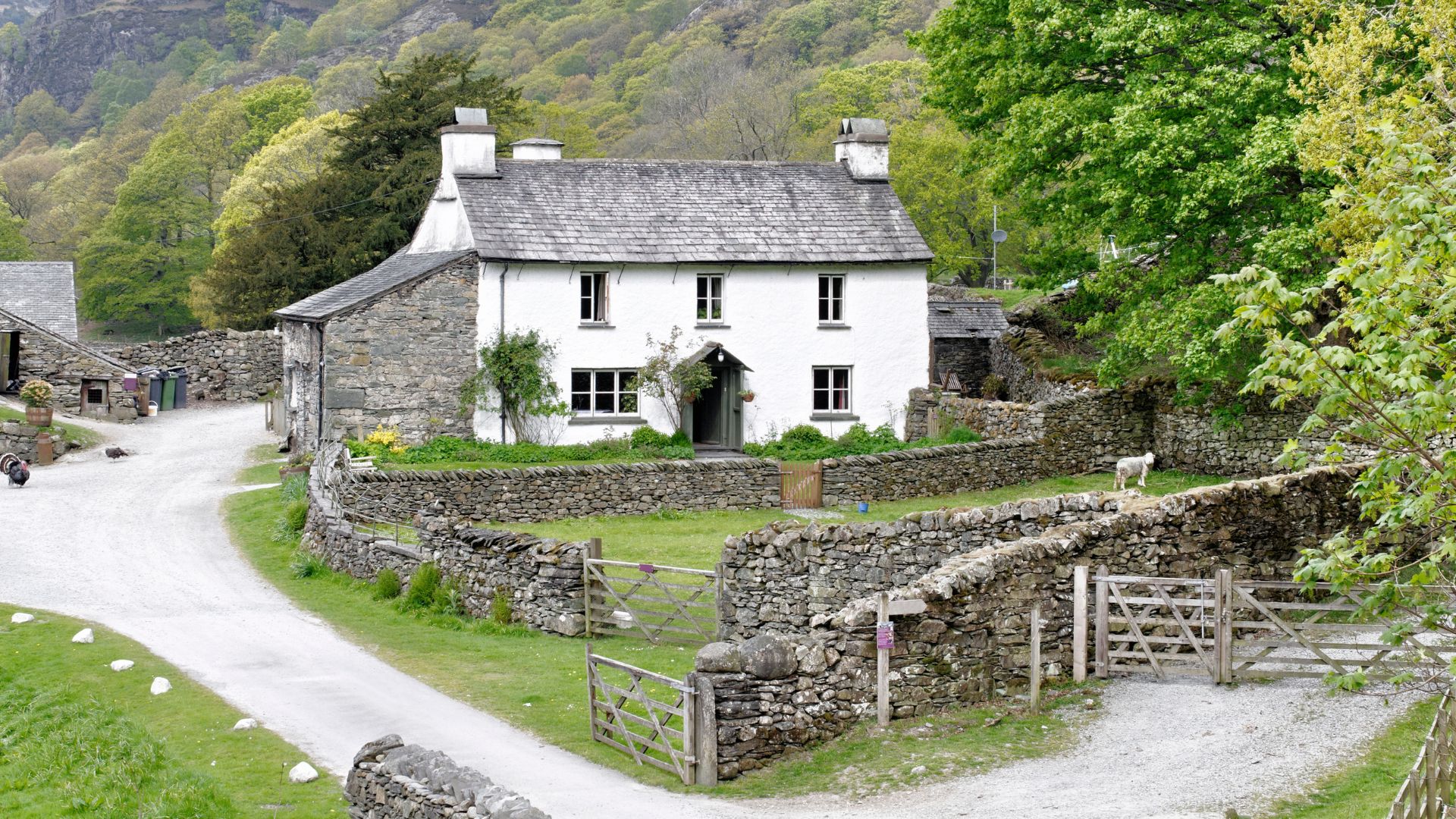
William Wordsworth lived here for most of his life. I visited his childhood home in Cockermouth—a Georgian house that still feels like a family home.
In Grasmere, I toured Dove Cottage where he lived with his sister Dorothy. The rooms are tiny and cozy. Rydal Mount, his later home, looks out over the fells he loved to walk.
Dora’s Field, near Rydal Mount, bursts with daffodils every spring. Wordsworth planted these for his daughter, and I sat among the blooms, thinking of his poem “I Wandered Lonely as a Cloud.”
Samuel Taylor Coleridge spent time here too, walking with Wordsworth and helping launch the Romantic movement.
The landscape itself tells a story. Hills, glassy lakes, and stone cottages make up the same views these poets saw every day.
Windermere and the Poetic Influence
Lake Windermere stretches for over 10 miles, making it England’s largest natural lake. I hopped on a steamboat and drifted along routes that inspired poets and storytellers alike.
The lake’s moods fascinated the Romantics. On calm days, the water mirrors the fells. When storms roll in, waves crash along the shore.
From Windermere’s banks, I could spot the peaks Wordsworth climbed. He’d compose verses in his head while hiking, then hurry home to write them down.
Wray Castle sits on the west shore. Beatrix Potter spent childhood holidays here and fell in love with the Lake District. The castle now welcomes visitors to explore its quirky rooms and grounds.
Bowness-on-Windermere hosts the World of Beatrix Potter. I watched her stories spring to life in playful exhibits that charm both kids and grownups.
The lake ties all these literary spots together. Writers used its waters for both inspiration and travel between scattered villages.
Beatrix Potter’s Countryside
Beatrix Potter turned the Lake District into the backdrop for her famous animal tales. I traced her footsteps through the places that appear in her stories.
Hill Top Farm in Near Sawrey was her first home here. She bought it in 1905 using profits from The Tale of Peter Rabbit. The house looks just as she left it.
I recognized rooms from her illustrations—the kitchen from The Tale of Samuel Whiskers, the garden gate from several rabbit adventures.
The Beatrix Potter Gallery in Hawkshead displays her original artwork. The building once served as her husband’s law office. I spent ages admiring her detailed watercolors and botanical sketches.
Tarn Hows was one of Potter’s favorite places. She bought and protected it, then gave it to the National Trust. The circular walk around the tarn offers unbeatable views of the distant fells.
Potter wrote many stories at Hill Top, watching the local wildlife and turning mice, rabbits, and ducks into the beloved characters we still read about today.
Stratford-upon-Avon: Shakespeare’s England
Stratford-upon-Avon brims with echoes of Shakespeare. You can really feel his presence in the air as you wander the old streets.
I stepped inside Shakespeare’s Birthplace on Henley Street, where he spent his first 24 years. The half-timbered Tudor house still displays period furnishings and even his father’s glove-making workshop.
A little outside town, I found Anne Hathaway’s Cottage in Shottery. Shakespeare’s wife grew up here, and the thatched farmhouse sits surrounded by lush English gardens bursting with herbs and flowers.
At Shakespeare’s New Place, I walked the grounds where his family home once stood from 1597 until his death. The original house is gone, but the modern exhibits and interactive displays dig into his life and works in creative ways.
The Royal Shakespeare Company keeps his plays alive in three theaters. I caught a performance of Hamlet in the main theater—what a thrill to see it staged in Shakespeare’s own hometown.
Down by the River Avon, Holy Trinity Church holds Shakespeare’s grave. His famous curse warns against disturbing his bones, and visitors still honor that request.
Scottish Highlands: Mystical Landscapes and History
The Scottish Highlands—where do I even start? The scenery is wild and legendary, stretching from Loch Ness’s mysterious waters to the haunting slopes of Glencoe.
This ancient landscape carries centuries of history, from the Battle of Culloden to Inverness’s role as the Highland capital.
Highlights of the Scottish Highlands
Northern Scotland’s Highlands sprawl across nearly 10,000 square miles. I found the region’s mix of mountains, lochs, and glens truly unmatched.
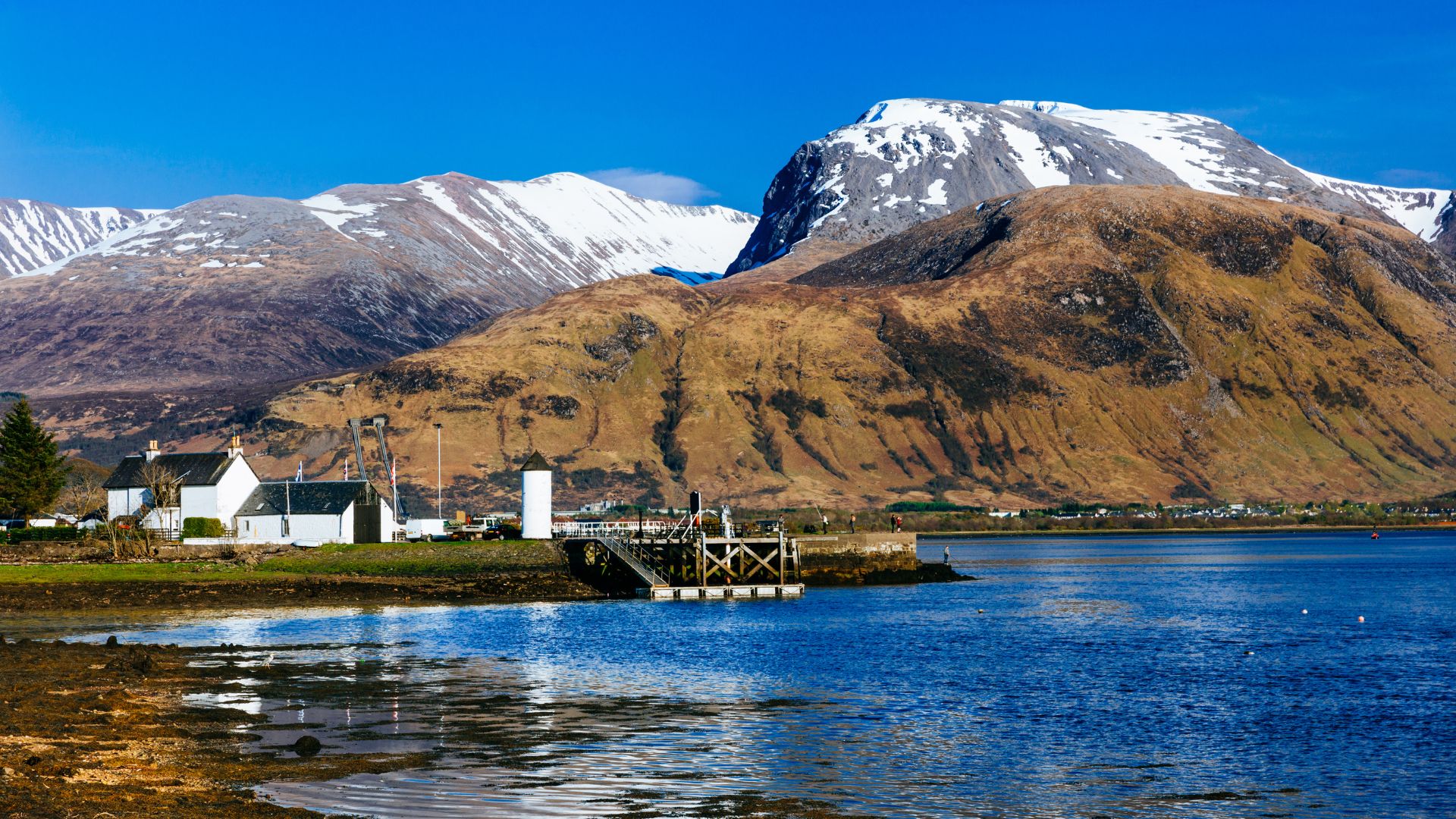
Ben Nevis stands tall at 4,413 feet—the UK’s highest peak. Thousands make the climb every year. I made the trek myself, and the views across the Highlands absolutely took my breath away.
The Caledonian Canal slices through the Great Glen, linking the Atlantic and North Sea. This 60-mile waterway, finished in 1822, winds through four major lochs and features 29 locks.
Fort Augustus marks the canal’s midpoint, perched on Loch Ness’s southern shore. I watched boats rise and fall through the locks, which lift vessels nearly 40 feet—pretty fascinating to see up close.
Wildlife thrives in the Highlands. Red deer roam the hills, and if you’re lucky, you’ll spot golden eagles soaring above. Ancient pine forests survive in a handful of protected pockets.
Discovering Loch Ness and Its Legends
Loch Ness stretches for 23 miles, plunging to depths of 755 feet. It actually holds more water than all the lakes in England and Wales combined. I spent a day exploring both shores, soaking up the atmosphere.
Of course, there’s Nessie, the Loch Ness Monster. Locals have whispered about her since 565 AD, but things really took off in 1933 after a newspaper ran some wild eyewitness accounts.
Visitor centers like the Loch Ness Centre in Drumnadrochit dig into the legend with a blend of science and folklore. I learned about expeditions that have scoured the loch’s dark waters—no definitive monster yet, but the mystery lingers.
Cycling routes skirt the loch’s edge for 36 miles, winding past viewpoints and historic sites. I tackled a few sections and loved the dramatic scenery.
The ruins of Urquhart Castle stand on the western shore, offering some of the best views of Loch Ness. This 13th-century fortress saw its share of Scottish independence drama.
Glencoe and the Great Glen
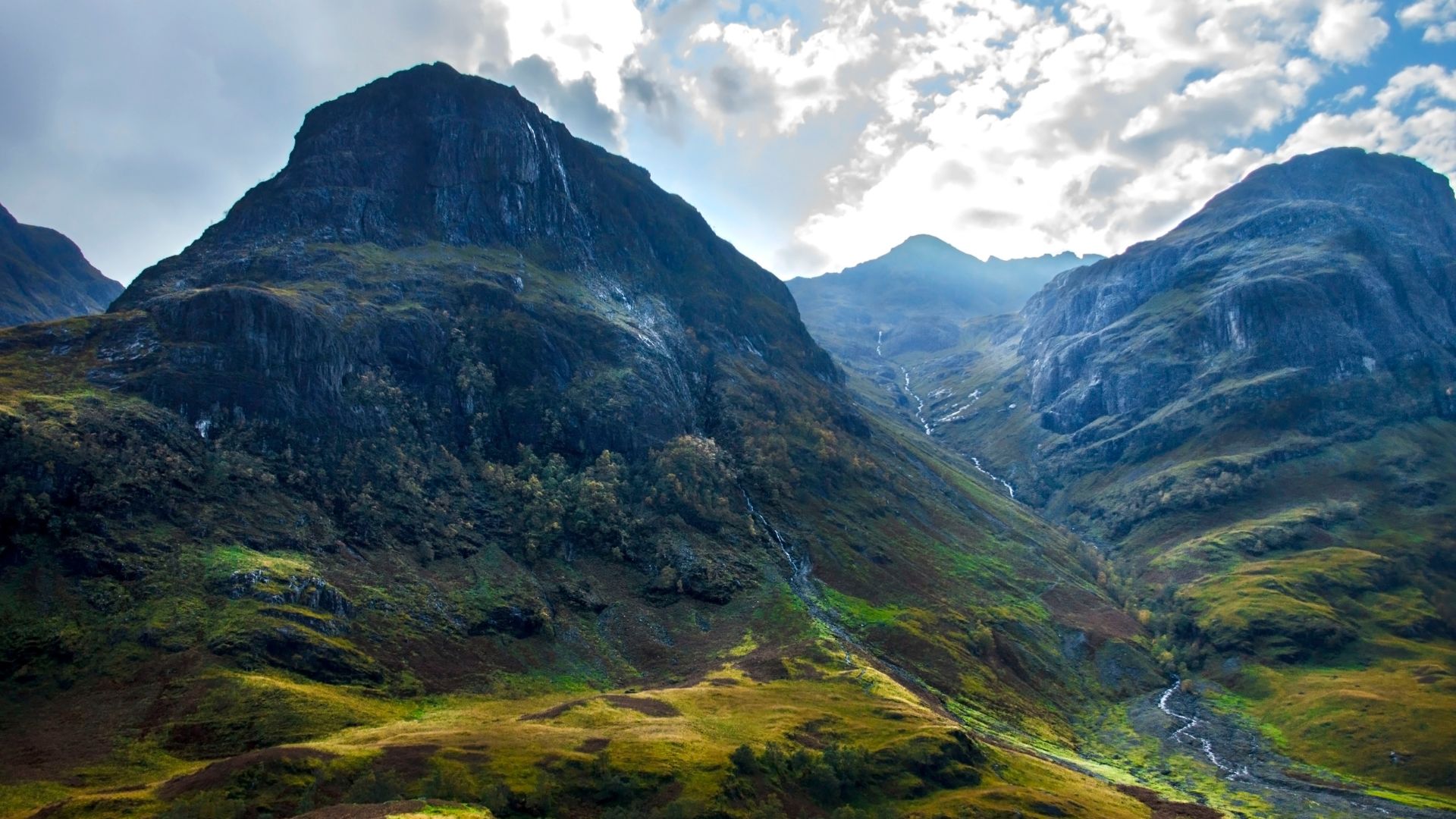
Glencoe—what a place. The valley carves through some of Scotland’s most dramatic mountains, with peaks shooting up more than 3,000 feet. I drove the A82 through this landscape, and honestly, I had to stop just to take it all in.
The Great Glen runs as a natural fault line, creating a chain of lochs: Ness, Oich, and Lochy. It’s the main route through the Highlands and feels ancient, almost otherworldly.
Glencoe witnessed the infamous 1692 massacre, where government troops killed 38 members of Clan MacDonald. That dark history still shadows the glen.
Hiking and climbing here are world-class. The Three Sisters peaks dominate the southern side. I hiked a few trails—challenging, but the close-up mountain views were worth every step.
Much of Glencoe is under the care of the National Trust for Scotland. The visitor center shares stories about the region’s geology, wildlife, and past. In summer, rangers lead guided walks for those who want a deeper dive.
Inverness and Historic Culloden
Inverness stands as the Highland capital, right at the northeastern end of the Great Glen. With a population of 47,000, it buzzes as the region’s commercial center. I made Inverness my base for exploring the wider area.
The River Ness flows through the heart of the city on its way to the Moray Firth. Inverness Castle sits on a central hilltop, overlooking the river. The current castle dates to 1836 and now houses the sheriff court.
Culloden battlefield, just six miles east, marks the end of the Jacobite uprising. On April 16, 1746, Bonnie Prince Charlie’s army suffered a crushing defeat in under an hour.
I walked the battlefield, passing the memorial cairn and clan markers. The visitor center’s interactive displays and artifacts really brought this pivotal moment in Scottish history to life.
Cawdor Castle lies 12 miles from Inverness and has ties to Shakespeare’s Macbeth. The 14th-century castle is still in the same family after 600 years, and its gardens are about as fairy-tale as it gets.
Fort George juts into the Moray Firth on a peninsula. Built after Culloden, it remains one of Europe’s best-preserved artillery forts—and it’s still an active military base.
Welsh Valleys, Mountains, and Heritage Routes
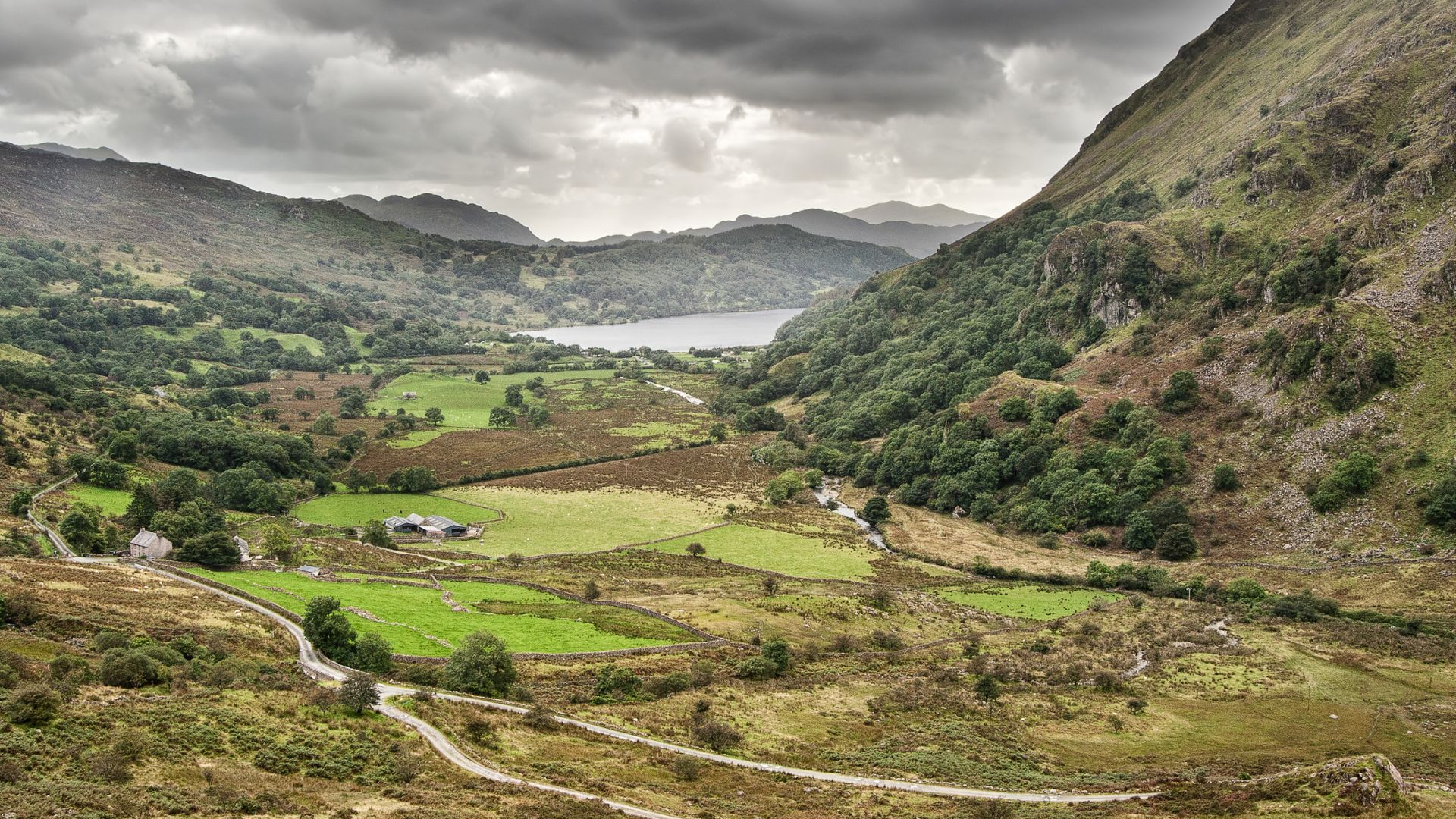
Wales is full of surprises. Its mountains are wild, its valleys deep, and its industrial history runs just as strong as its natural beauty.
My journey took me through Snowdonia’s rugged peaks, along heritage trails in northeast Wales, and across the jaw-dropping Pontcysyllte Aqueduct. Nature and human ingenuity blend here in the most unexpected ways.
Snowdonia National Park and Mount Snowdon
Snowdonia National Park swept me up with its dramatic mountain scenery. Mount Snowdon, at 3,560 feet, towers over everything as Wales’s highest peak.
Climbing Snowdon is an adventure in itself. The Llanberis Path is the easiest way up, winding gently for five miles. If you want something steeper, the Pyg Track is shorter but packs more of a punch.
Not up for a hike? The Snowdon Mountain Railway has been chugging people to the summit since 1896. I hopped on a steam train from Llanberis—definitely a classic experience.
From the top, I gazed out across the Irish Sea, with Anglesey and the Menai Strait in the distance. On a clear day, the views are just unreal.
Key Features:
- Summit visitor center with café and gift shop
- Five walking paths to the top
- Railway runs March to October
- Year-round mountain rescue services
Adventures Along the North East Wales Heritage Trail
The North East Wales Heritage Trail led me through centuries of history. This route winds across the Clwydian Range and the Vale of Clwyd.
I explored medieval castles, ancient hill forts, and Victorian industrial relics. Ruthin’s courthouse and Denbigh Castle each revealed a different layer of Welsh history.
Villages along the trail still buzz with the Welsh language. Local pubs serve up warming cawl soup and hearty lamb dishes—don’t skip them.
Historic Sites Include:
- Castell Dinas Bran ruins near Llangollen
- St. Asaph Cathedral, Britain’s smallest cathedral city
- Bodelwyddan Castle and sculpture park
- Rhuddlan Castle’s 13th-century remains
Hiking in the Clwydian Range is a treat. The hills aren’t as fierce as Snowdonia’s, but the views over North Wales are just as rewarding.
Pontcysyllte Aqueduct and the River Dee
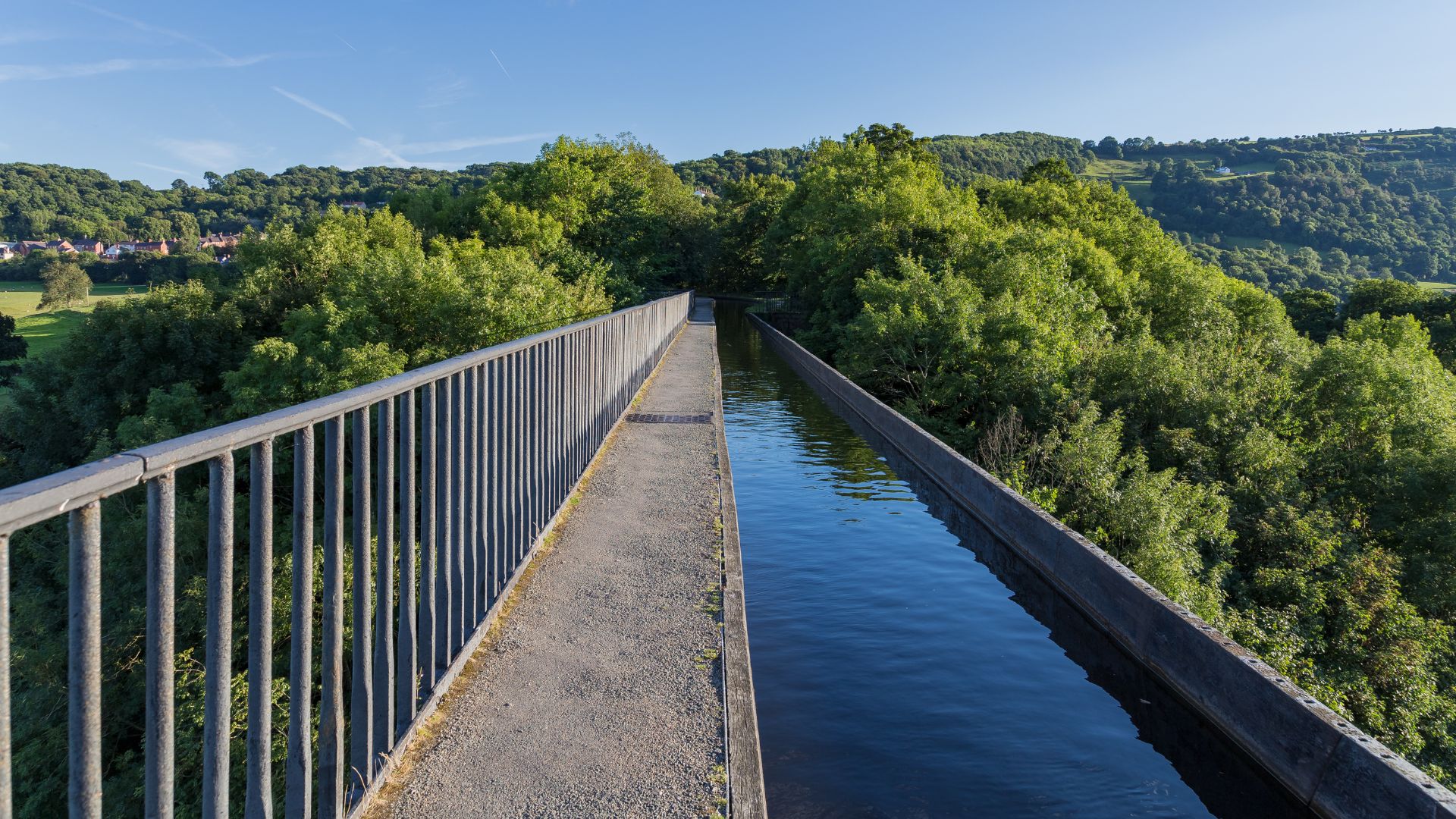
Pontcysyllte Aqueduct blew my mind. This UNESCO World Heritage Site carries the Llangollen Canal a dizzying 126 feet over the River Dee.
Thomas Telford completed this engineering marvel in 1805. The aqueduct stretches 1,007 feet across the valley, supported by 19 stone arches.
I walked the narrow towpath, with canal boats gliding past just inches away. There’s no barrier on the water side, so the drop to the Dee below feels thrilling—and a little nerve-wracking.
Visitor Activities:
- Canal boat trips from Llangollen
- Walk the full aqueduct span
- Interactive exhibits at the visitor center
- Fishing and kayaking on the River Dee
At the aqueduct’s eastern end, Llangollen bustles with life. Each July, the town hosts the International Musical Eisteddfod, drawing performers from all over the globe.
The Berwyns and Glyndyfrdwy
Looking for quieter trails? The Berwyn Mountains delivered. These rounded peaks top out at 2,713 feet at Aran Fawddwy, making them Wales’s second-highest range.
I set up base in Glyndyfrdwy, a tiny village tucked in the Dee Valley and ringed by the Berwyn foothills.
This region ties closely to Owain Glyndŵr, the last native Prince of Wales. He launched his revolt against English rule right from these valleys in 1400.
I tackled the Berwyn Ridge Walk, which links several peaks in one demanding day. Navigation isn’t always easy—don’t expect clear waymarks.
Wildlife Spotting:
- Red kites wheeling over the valleys
- Wild ponies grazing on the slopes
- Curlews calling across the moor
- Rare mountain plants in the meadows
Down in the valleys, traditional Welsh farming still thrives. Stone farmhouses and dry-stone walls speak of centuries of life in these remote hills.
Frequently Asked Questions
Traveling the UK takes a bit of planning—timing, transport, and knowing what to see all play a part. Honestly, the best trips come from understanding the changing weather, picking the right tours, and zeroing in on must-see spots in England, Scotland, and Wales.
What are the recommended destinations for senior travelers touring England, Scotland, and Wales?
If you want easy access and good transport, I’d start with the Cotswolds. The gentle walks through villages like Chipping Campden and Winchcombe are lovely.
Edinburgh is another great pick—museums, culture, and attractions all close together, plus solid public transport.
Snowdonia National Park in Wales offers beautiful views and manageable trails for seniors. The scenery is top-notch without being too demanding.
Bath, with its Roman Baths and Georgian streets, is compact and easy to get around.
For seniors, I’d skip the wilder Highland hikes and focus on cities or well-developed tourist areas. You’ll have better facilities and less hassle.
How can one find the best all-inclusive packages for England, Scotland, and Wales tours?
Major tour operators like Trafalgar and Europamundo offer solid, comprehensive packages. They’ll handle the guides, hotels, meals, and getting around.
G Adventures is another good option, especially for smaller groups and local guides.
Always check what’s included—some tours cover entrance fees, others don’t. Booking early usually means better prices, especially for trains and hotels.
Look out for tipping policies. In the UK, a 10% tip is standard for guides and restaurant staff, but sometimes it’s already included.
What is an ideal itinerary for a 7-day tour of England and Scotland?
Three days in London gives you time for top attractions like Buckingham Palace, Westminster Abbey, and the British Museum (which is free, by the way).
Spend two days in Edinburgh for the castle, Royal Mile, and a deep dive into Scottish culture.
Set aside one day for the train journey between England and Scotland. The ride is scenic and efficient.
Use your final day for a side trip—maybe Windsor Castle or Stratford-upon-Avon from London, or a Highland day tour from Edinburgh.
This pace lets you enjoy each spot without rushing and builds in time for travel.
During which months is the weather most favorable for touring England and Scotland?
Late spring, from April to June, usually brings the best weather—longer days, mild temps, and less rain.
September and October are another sweet spot. The weather stays pleasant and the crowds thin out.
Summer means more tourists but the longest daylight hours—perfect for squeezing in more sightseeing.
I’d avoid January and February if you can—lots of places close, and it’s cold and wet. On the upside, you’ll find the lowest prices then.
No matter when you go, pack layers. British weather can change in a flash, and temperatures swing between regions.
What are the must-visit attractions when traveling through the English villages, the Scottish Highlands, and the Welsh Valleys?
When I wander through English villages, I always find myself drawn to the Cotswolds region. Those honey-colored stone cottages tucked into rolling hills feel like something out of a storybook.
If you like gentle countryside walks, the South Downs never disappoint. The chalk hills seem to glow in the afternoon sun, and the trails wind through wildflowers and quiet farmland.
The Lake District? Absolutely breathtaking. There’s a reason poets and painters keep coming back. I’ve spent hours hiking those rugged paths, sometimes just stopping to soak in the mountain views or the reflection of clouds on the lakes.
Don’t skip the traditional markets in places like Norwich or Oxford. You can really get a sense of local life—plus, you might stumble upon the best cheese you’ve ever tasted or find quirky antiques with a story.
Heading north, the Scottish Highlands sweep you straight into dramatic landscapes. Jagged peaks and deep, clear lochs create a wild beauty that’s hard to capture in photos.
Loch Lomond, in particular, calls out to walkers and cyclists. I’ve pedaled along its shores, and every bend in the path seems to reveal a new view.
Now, if you crave a bit of adventure, the Welsh Valleys deliver. Snowdonia National Park stands out with its soaring mountains and ancient castles perched on misty hillsides.
The hiking here feels endless, with trails for every level. I’ve met locals who know secret spots—ask around, and you might find a hidden waterfall or a quiet ridge with panoramic views.
Honestly, every region brings its own flavor. If you can, give yourself time to wander off the beaten path. That’s where the real magic tends to happen.

What are the options for small group guided tours in England, Scotland, and Wales?
Small group tours usually bring together about 12-20 travelers. With fewer people, you get a more personal vibe—think easier chats with your guide and more room to ask questions.
Some local companies really know their stuff, especially when it comes to regions like the Scottish Highlands or the valleys of Wales. They tend to dive deep into local history and culture, which honestly makes the trip feel richer.
If you’re into exploring on foot, you’ll find walking tours focused on all sorts of themes. Maybe you’ll follow in Shakespeare’s footsteps in Stratford-upon-Avon, or wander through royal spots in London.
These walking tours can last anywhere from a few hours to a full day. It’s a great way to see a city up close without rushing.
Private guided tours crank up the flexibility, letting you shape the itinerary to match your interests. They do cost more than group tours, but sometimes it’s worth the splurge for that extra freedom.
I always recommend booking with reputable operators. Make sure they include insurance and have proper local licensing.
And before you commit, check those reviews. It’s smart to double-check what’s actually covered in the tour price, so you don’t get caught out later.
