Stepping into Akrotiri on the island of Santorini felt like unlocking a secret from deep within history.
The ancient city, buried under volcanic ash for over 3,500 years, is often called the “Greek Pompeii”—but honestly, it has a magic all its own.
Walking among the remarkably preserved streets and walls, I felt echoes of past lives in every ruin and colorful fresco.
As a traveler who’s always been fascinated by archaeological sites, Akrotiri gave me an experience I never saw coming.
The site tells the story of the Minoan civilization—a thriving community frozen in time by a massive eruption.
It’s one of Santorini’s most important historical destinations, and somehow, it really did feel like I’d traveled back thousands of years.
If you’re planning a trip to Greece or just looking for something truly unique, Akrotiri stands out as a real-life time capsule.
Wandering these ancient ruins brought history to life right in front of me and gave me a deeper sense of the wonders hiding across Santorini.
Discovering Akrotiri: A Lost Bronze Age City
Walking into Akrotiri felt like stumbling into another world—one hidden beneath volcanic ash for millennia.
The city’s preserved ruins, painted walls, and stone streets revealed how people of ancient Santorini once lived, thrived, and then disappeared so suddenly.
The History Beneath Santorini
Akrotiri sits on the southern side of Santorini, buried deep by a catastrophic volcanic eruption around 1600 BC.
When I first approached the site, the feeling was surreal.
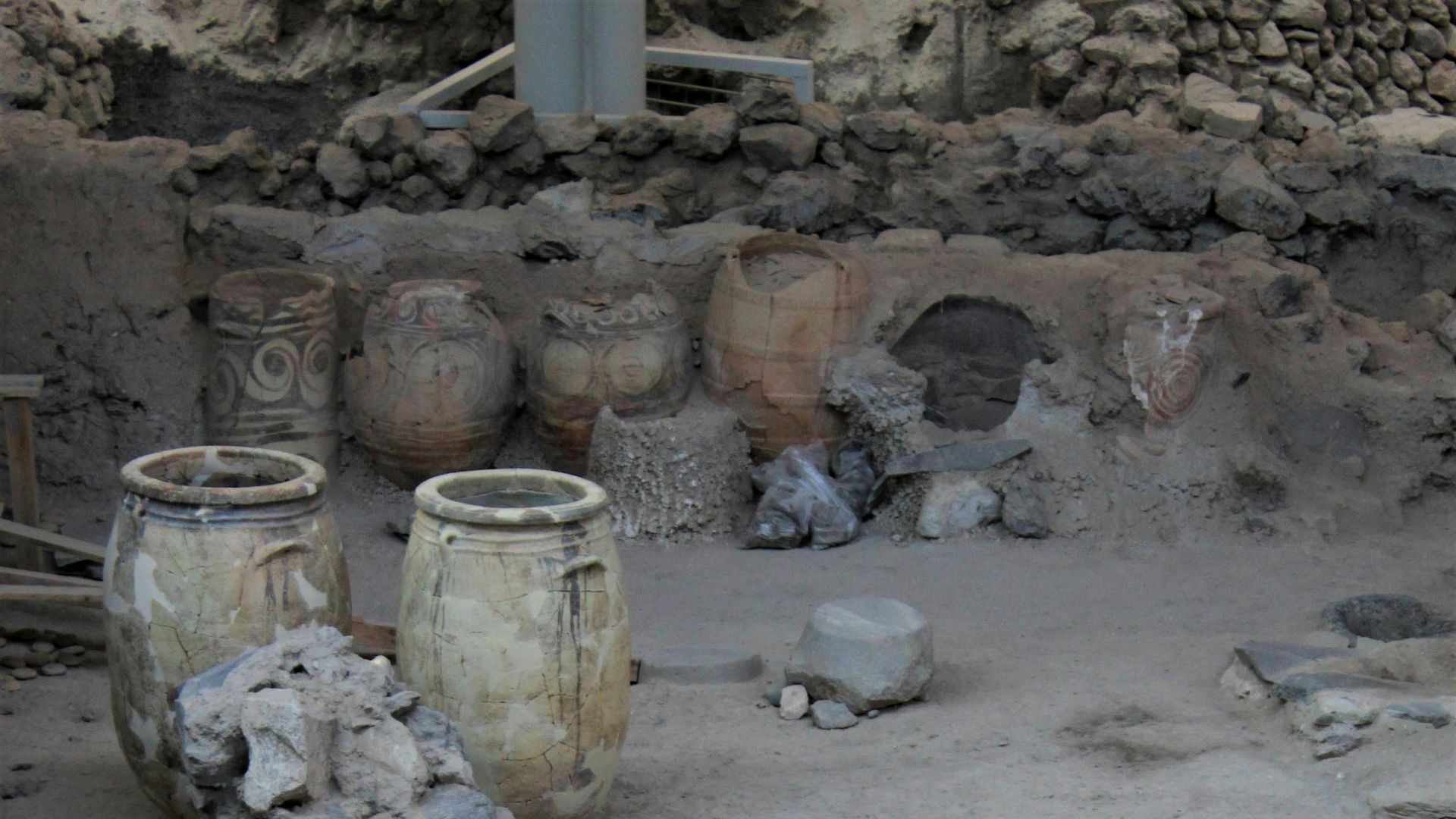
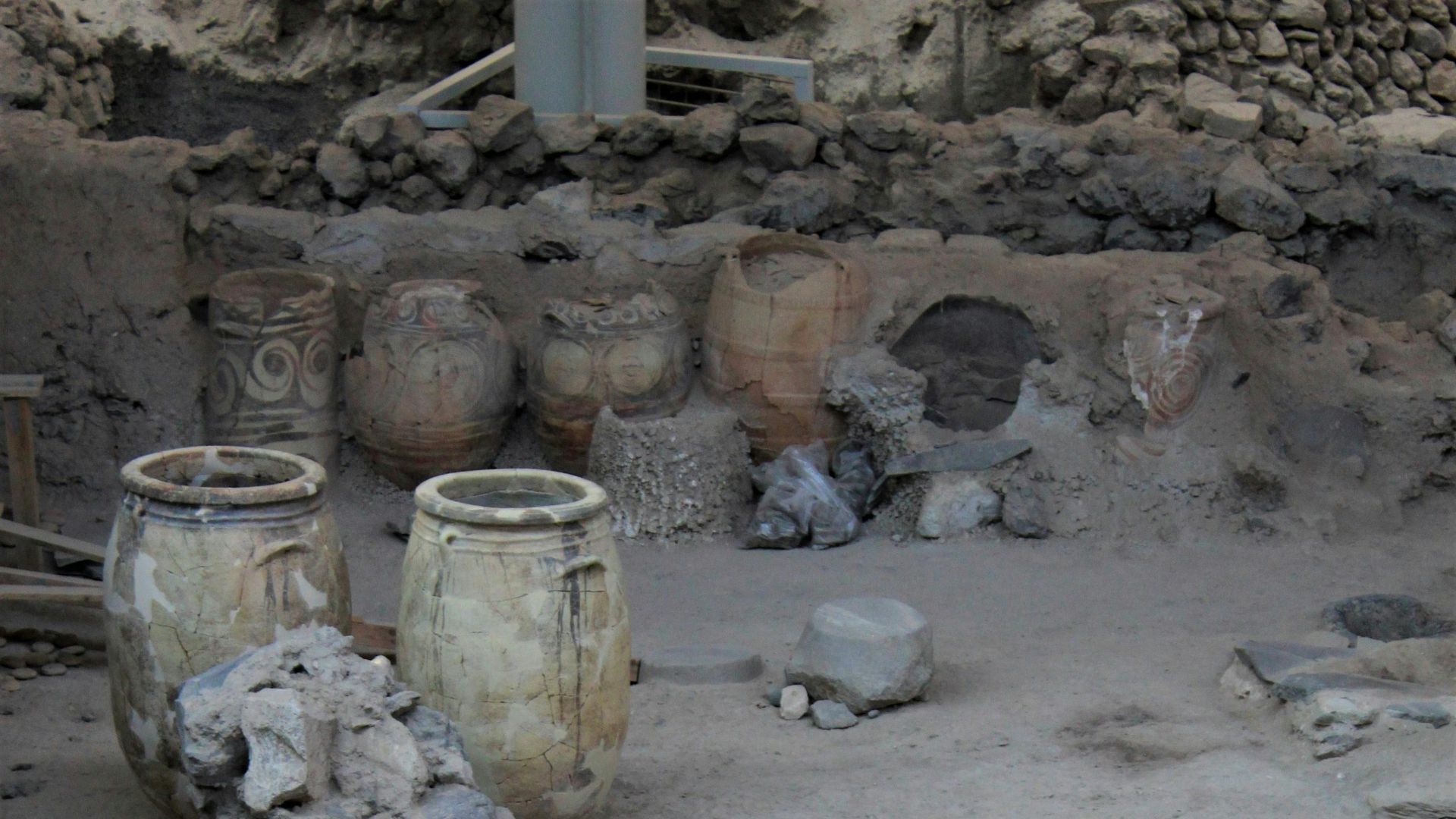
Everywhere I looked, reminders of a Bronze Age society surrounded me—roads, houses, even storage jars still standing where families left them.
The eruption’s ash acted like a time capsule.
It preserved wooden beams, furniture, and even some food remains.
No wonder archaeologists compare Akrotiri to Pompeii, though its story unfolded about a thousand years earlier.
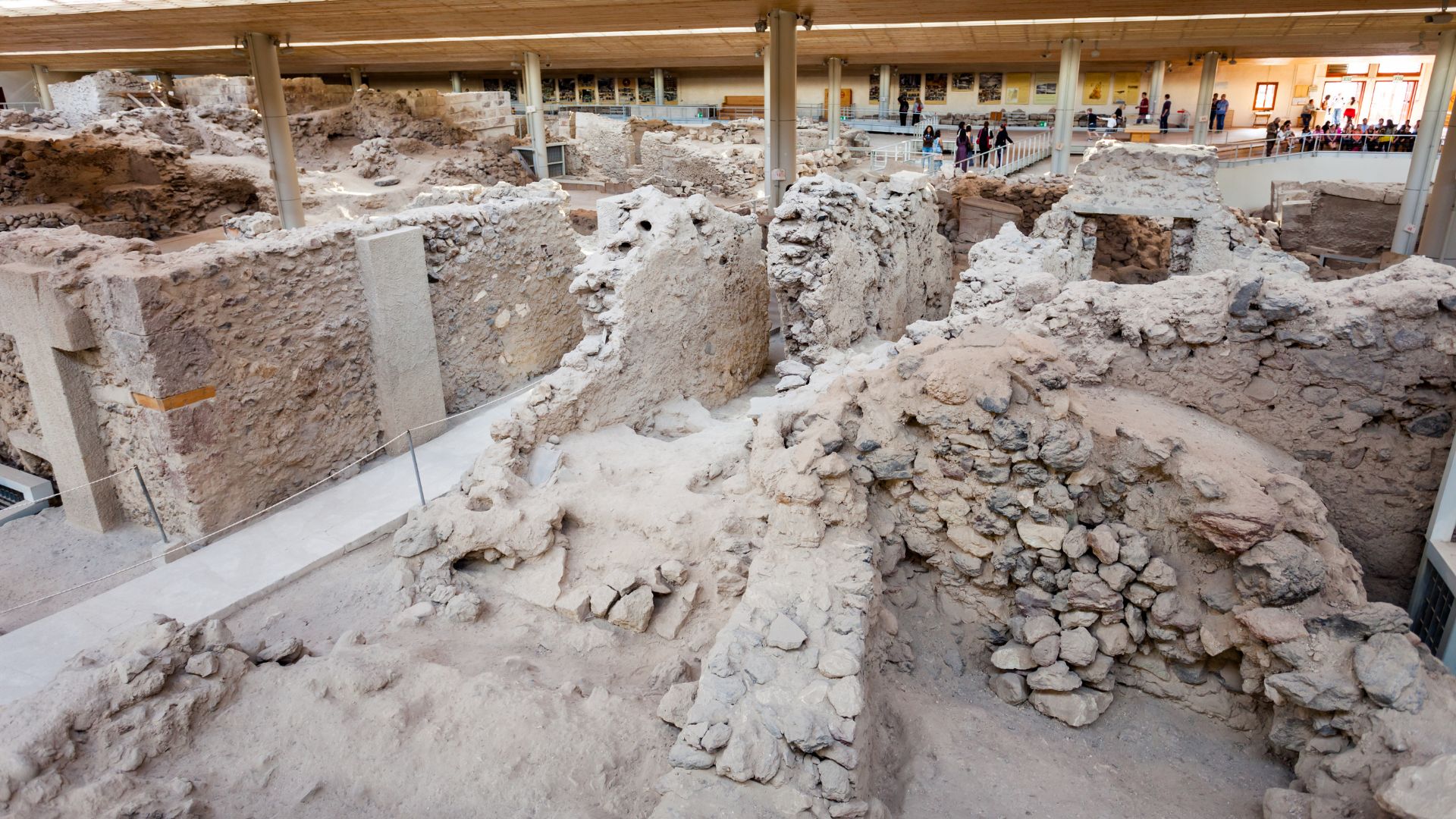
Seeing the tall stone buildings layered with volcanic dust, I could almost picture the people who called this place home.
The ruins tell a story of life interrupted, yet somehow preserved through the ages.
A Brief Timeline of Akrotiri’s Civilization
Akrotiri’s earliest settlement dates back to nearly 4000 BC.
Over centuries, this community slowly evolved, becoming one of the Bronze Age Aegean’s most important ports by 2000 BC.
Traders from the Mediterranean—Egypt, Crete, the Greek mainland—visited the bustling harbor.
By the mid-second millennium BC, Akrotiri had stone-built homes, advanced drainage, and multi-story buildings painted with impressive frescoes.
This level of design honestly amazed me.
I traced Akrotiri’s growth on maps at the site, realizing just how innovative this ancient civilization was.
The city reached its peak just before the volcanic disaster wiped it away.
Excavations that started in the 1960s have only uncovered a fraction of this Bronze Age city so far.
Each new discovery adds another piece to the puzzle.
Life Before the Eruption
As I wandered through Akrotiri, I tried to picture daily life from 3,500 years ago.
Families lived in sturdy, multi-floor houses decorated with colorful art.
People worked as potters, traders, builders, and farmers.
The local economy thrived thanks to the busy port and trade in olive oil, pottery, and metal tools.
Market days and neighborhood gatherings must have filled the streets.
Archaeologists have found storage jars, pottery, and tools that reveal so much about the culture and society here.
The houses even had toilets and an early sewer system.
Seeing all this up close, I realized Akrotiri wasn’t just another pile of ancient ruins—it was a window into how advanced a Bronze Age civilization could really be before nature’s power changed everything.
The Eruption That Changed Everything
Walking among the ruins of Akrotiri, I couldn’t help but feel the weight of the ancient disaster that rewrote both the land and its history.
The eruption that destroyed the city left lasting marks on the people, the island’s landscape, and even the myths of later civilizations.
Volcanic Activity and Destruction
The volcano at Santorini—Thera, as the ancients called it—was one of the most active in the eastern Mediterranean.
Around 1600 BCE, it erupted violently, sending rock, ash, and gases high into the sky.
Scientists and archaeologists have linked this event to the sudden decline of the powerful Minoan civilization, which once thrived on Crete and the surrounding islands.
As I walked over hardened pumice and layers of ash, I tried to imagine the explosion itself.
Huge columns of smoke must have blocked the sun and rained down debris for miles.
Coastal villages likely faced giant waves—tsunamis—that swept away buildings and fields.
Archaeological evidence suggests some people escaped Akrotiri before the volcano erupted, but their city’s fate was sealed the moment Thera exploded.
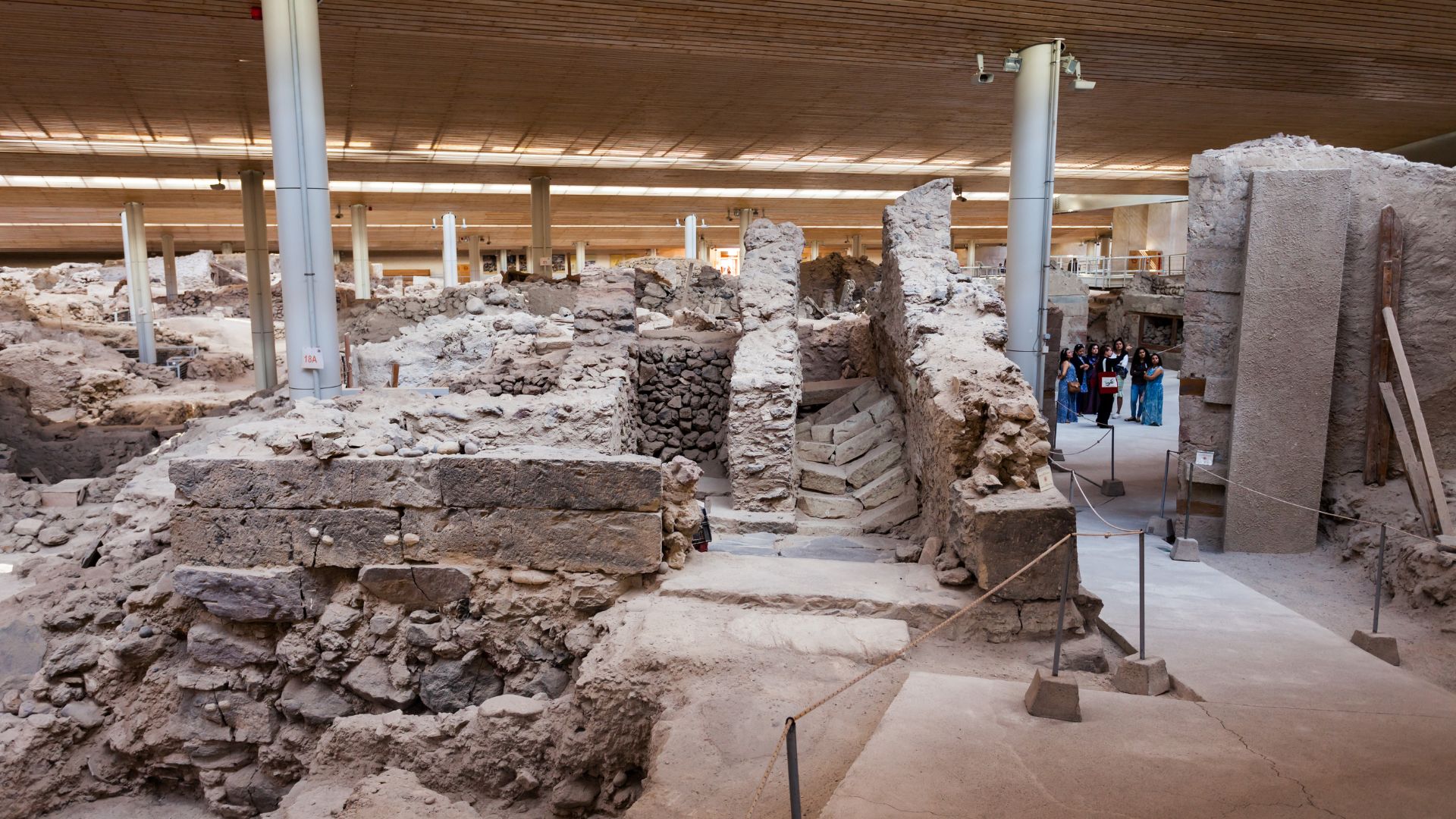
Debris Flows and Preservation of Akrotiri
What surprised me most about Akrotiri was how well it survived.
After the eruption, tons of volcanic ash covered the city, sealing homes, frescoes, tools, and even storage jars in an airtight blanket.
This natural disaster worked like a time capsule, preserving everyday objects just as they were left.
I saw traces left by those who once lived there: footprints in the fine ash, bright murals on the walls, and even organized streets.
Archaeologists use radiocarbon dating of burned wood and plant remains to help fix the date of the eruption.
Because the volcanic debris hardened so quickly, it protected the ancient remains from later damage by water, weather, or people—a rare gift for science.
Comparisons with Pompeii and Atlantis
Akrotiri’s story reminds many travelers of Pompeii in Italy.
Both cities vanished in sudden volcanic disasters and stayed hidden for centuries before excavations began.
Unlike Pompeii, though, no bodies turned up here.
Some people believe the people of Akrotiri got enough warning to escape before the volcano’s peak destruction.
Visiting Akrotiri also made me think about Atlantis.
Some scholars and writers have tied the destruction of Akrotiri to Plato’s legend of a grand city lost beneath the sea.
The real story is archaeological, not mythical, but it’s easy to see how the ruined city, buried under meters of ash, could inspire stories about lost civilizations in ancient Greece.
Walking Through the Buried City: My Experience
Akrotiri gave me a rare chance to walk through the remains of a city lost for over 3,500 years.
I explored ancient streets, admired detailed art, and listened to haunting stories that connect today’s travelers with Greek history.
Uncovering Ancient Streets and Buildings
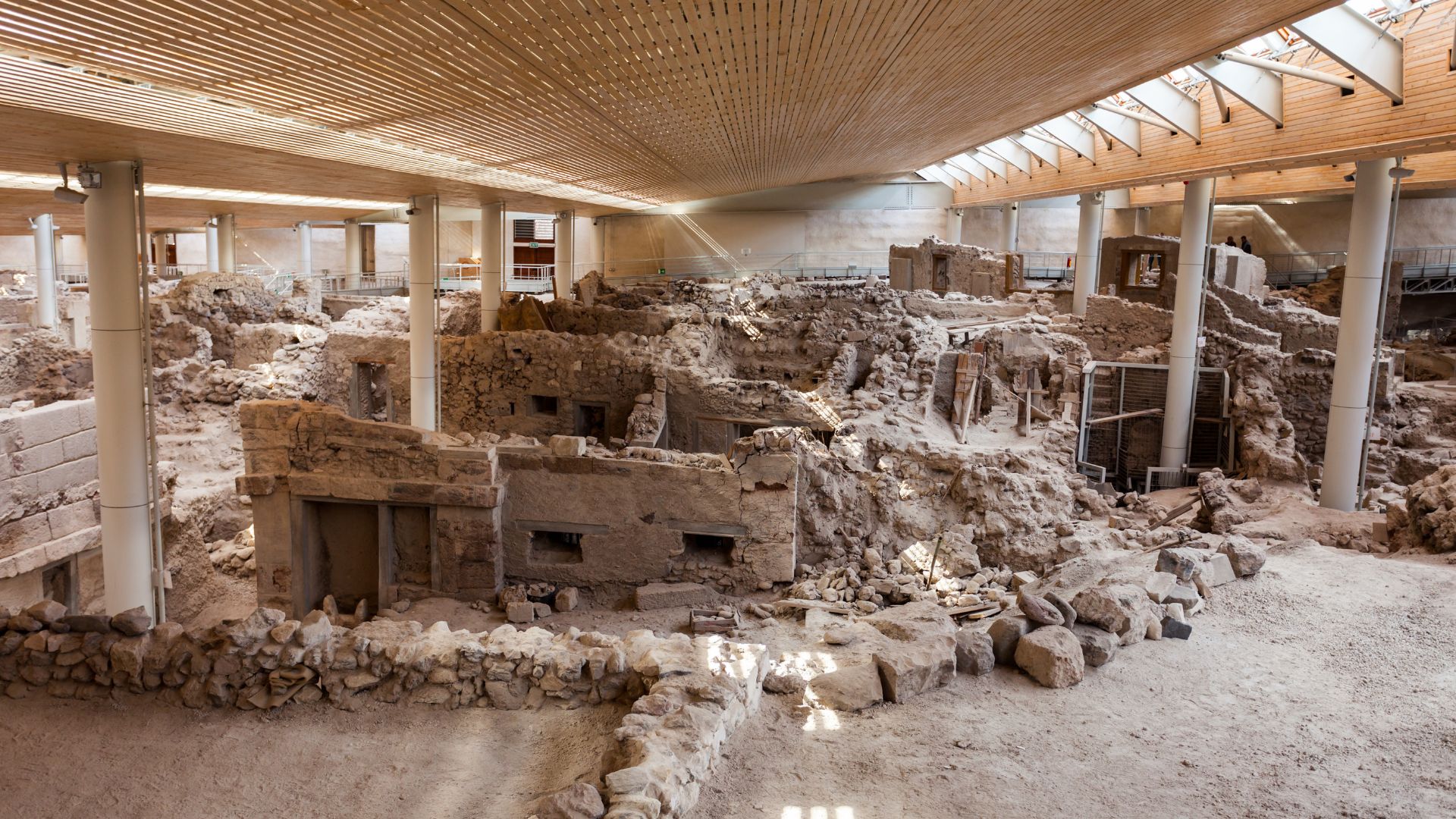
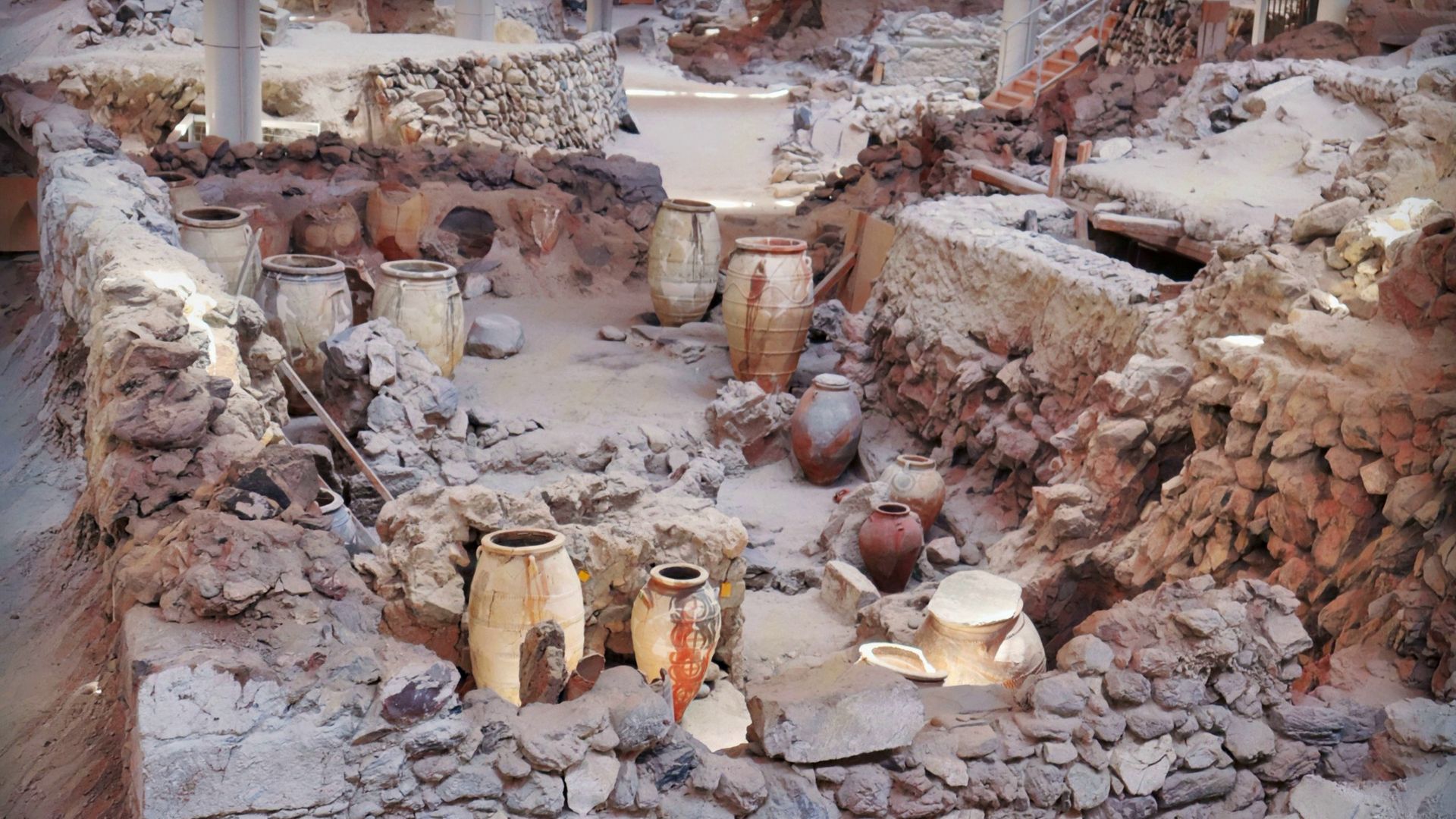
As I entered Akrotiri’s covered site, carefully laid out streets stretched before me.
Paved lanes bordered by stone walls marked the spots where multi-story houses once stood.
Some homes even had indoor plumbing—pretty wild for the Bronze Age.
The cityscape felt surprisingly organized.
I could see the grid-like pattern of neighborhoods and open squares where daily life must have bustled.
Walking along wooden pathways, I paused by public spaces and peeked into doorways, imagining merchants, artisans, and families living their routines beneath the volcano’s shadow.
Finding clay pots, ancient tools, and storage jars left behind made everything feel more real.
The ruins showed a society skilled in trade, architecture, and city design.
Each step brought me closer to understanding how the Minoans shaped the cultural heritage of Greece.
Art and Frescoes: The Soul of Akrotiri
Akrotiri’s frescoes instantly drew my eye.
Bold reds, gentle blues, and lively yellows brightened the old walls.
These pictures did more than decorate—they told stories.
Scenes of fishing, gatherings, and nature reflected both daily life and the hopes of people who once called Akrotiri home.
I stood in front of a room where artists had painted blooming lilies and playful dolphins.
It struck me how close these images felt to modern art or literature—expressing feeling, beauty, and society’s dreams.
Many of the frescoes now sit protected in museums, but seeing their original places inspired a deep respect for Minoan talent.
Each design offered a peek into drama and rituals valued thousands of years ago.
The careful details reminded me that art has always been central to telling humanity’s story.
Feeling the Chill: Stories from the Past
A sense of wonder followed me through the ruins, but so did a quiet chill.
Akrotiri’s houses stood frozen in time, buried by volcanic ash from the Theran eruption.
Unlike Pompeii, no bodies have been found, leaving a mystery—did everyone escape, or were the stories simply lost to history?
Listening to guides, I learned that this eruption changed not just Santorini but the course of Greek history.
It may even have inspired later myths and literature, stories about lost advanced societies.
Standing beside blackened walls and crumbled foundations, I realized how the drama of Akrotiri lives on.
The city’s sudden end is a powerful reminder of nature’s strength and the fragile threads that connect past and present.
For anyone curious about archaeology or travel, Akrotiri makes ancient society feel close and real.
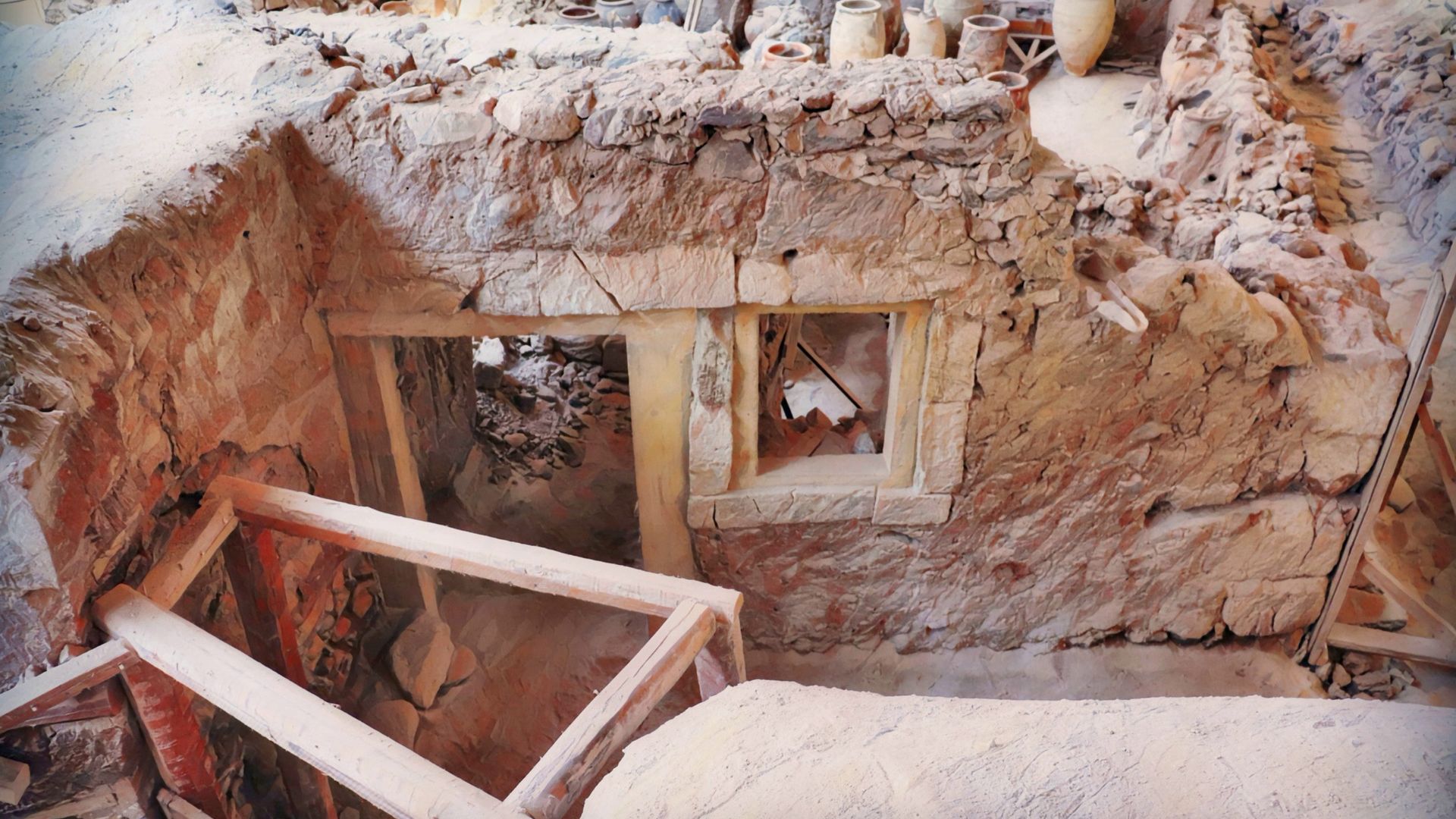
Akrotiri in the World of Ancient Civilizations
Exploring Akrotiri made me realize just how closely the city was linked to other powerful ancient civilizations.
As I wandered its pathways, I could almost feel the influence of Minoan Crete, the echoes of Greek myth, and the far-reaching connections to places like Egypt, Mesopotamia, and Rome.
Connections to Ancient Greece and Minoan Culture
Walking through Akrotiri, it felt obvious that this site belonged to the world of the great Minoan civilization.
The Minoans, who lived mainly on Crete, built complex cities and left behind colorful art.
Akrotiri’s buildings used the same advanced technology I recognized from my visit to Knossos—multi-story homes, drainage systems, and wall paintings.
The preserved frescoes showed life similar to what archaeologists found in Minoan sites: women in flowing robes, dolphins, boats, and lively scenes.
Some believe the people here were early Greeks, linked to Cycladic and Minoan groups.
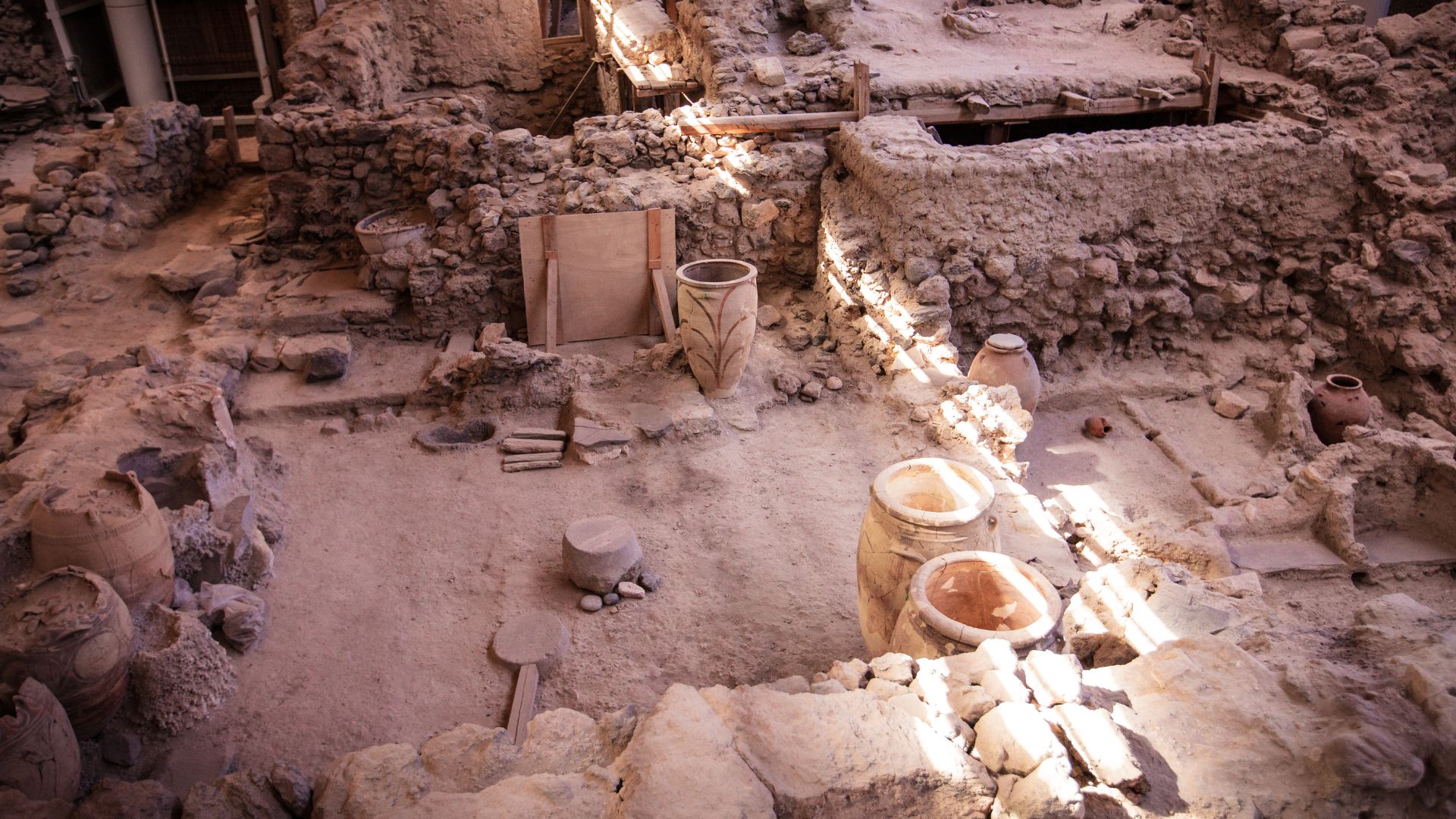
The goods I saw in displays—like pottery and tools—proved Akrotiri traded with other Aegean islands.
Lists of finds from the site include saffron, bronze, and tiny pottery jars called pithoi.
It tied Santorini right into the vibrant network of early Greek civilization.
Akrotiri and the Myths: Links to Atlantis and More
One story that kept coming up on my tour was the myth of Atlantis.
Plato once wrote about a lost city destroyed in a single day by disaster.
People sometimes say Akrotiri and the eruption that buried it inspired this legend.
The sheer scale of the volcanic destruction at Santorini fits some parts of Plato’s account.
Greek mythology often connects real places with legendary stories.
I imagined what it would be like to watch the volcano explode and erase an entire culture.
The site made me think about other lost cities—like Troy, only “discovered” after centuries of myth.
Even though there’s no hard evidence linking Akrotiri to Atlantis, the possibility is exciting.
The mix of fact and fantasy adds another layer to exploring the ruins.
Comparative Civilizations: Egypt, Mesopotamia, Rome
Akrotiri didn’t stand alone in the ancient world.
It flourished at the same time as big civilizations like ancient Egypt and Mesopotamia.
Trade routes linked all these societies, with goods and ideas moving from the Nile to the Aegean to the Fertile Crescent.
On a map in the visitor center, I traced paths from Akrotiri to cities like Ur and Thebes.
Contacts with Egypt brought in new art styles, while Mesopotamian stories like those of Gilgamesh spread everywhere.
Akrotiri’s rich finds—even tiny fragments of Egyptian luxury goods—hinted at these connections.
Centuries later, Rome would dominate the Mediterranean, but Akrotiri’s story shows how older cultures laid the groundwork.
As I explored, I realized how Akrotiri fit into the web of first Greeks, sharing ideas with legendary places like Troy and seeing the rise and fall of kings, pharaohs, and even Tutankhamun (King Tut), far beyond its shores.
Modern Archaeology and Ongoing Discoveries
The ancient city of Akrotiri has kept archaeologists busy for decades.
High-tech tools and preservation projects are shaping what visitors can see today and what future generations will discover.
Excavations and Preservation Efforts
When I wandered through Akrotiri, I couldn’t help but notice the care that goes into maintaining the site. Spyridon Marinatos kicked off the excavations in the late 1960s, and Christos Doumas later took over.
They dug up entire streets, with houses, shops, and storerooms popping up from the ash. There’s a suspected temple, a bath house, and public gathering spaces, though some areas still hide beneath the surface.
Preserving Akrotiri isn’t easy. Rain, humidity, and the steady stream of visitors can really threaten those delicate murals and walls.
Modern shelters now shield the ruins from the elements. Archaeologists use reversible materials for repairs, so future experts can undo or improve them if needed.
Large sections remain hidden, waiting for better techniques or more funding someday. That’s both exciting and a little frustrating, honestly.
Watching the archaeologists at work is inspiring. I saw them carefully sweep away layers of earth, always hoping to spot something lost to time.
Technologies: Radiocarbon Dating and Submarines
Technology really changed how we understand Akrotiri. Radiocarbon dating lets experts figure out when buildings went up or when the big Theran eruption hit.
This method uses tiny bits of plant or burnt seeds to get accurate dates, pinning the disaster to around 1600 BC. It’s kind of amazing how much you can learn from a simple seed.
Submarines and underwater robots have explored the sea near Santorini. They’ve mapped out sunken land, showing just how much of ancient Thera disappeared beneath the waves.
Sometimes this even helps track down trade routes or old shipwrecks tied to Akrotiri. There’s always a bit of mystery in the deep.
Main tools used in Akrotiri research:
| Technology | Purpose |
|---|---|
| Radiocarbon dating | Dating ruins/organic material |
| Submarines/Robots | Seafloor mapping, finding wrecks/ruins |
| 3D imaging | Digital reconstructions of ancient sites |
I’ve seen a few digital reconstructions, and honestly, they make the ancient city feel real in a way I never expected.
Akrotiri’s Place Among Great Archaeological Sites
Akrotiri stands out in Europe for its size, beauty, and how well it’s preserved. Unlike Pompeii or Herculaneum, the Theran ash kept walls, streets, and frescoes almost untouched for thousands of years.
The bath house mosaics and those second-story staircases really stuck with me. It felt like I was walking through a scene frozen from the Bronze Age.
You won’t find grand temples or gymnasiums here like in other Greek ruins, but Akrotiri shows off daily life better than anywhere else I’ve seen. Pots, furniture, even ancient toilets survived the eruption.
Every year, new discoveries—storerooms, painted pottery, you name it—help us see more of Minoan civilization. It’s like the city keeps whispering secrets.
If you’re a history lover, Akrotiri deserves a spot on your must-see list, right up there with Knossos, Mycenae, and Troy. The ongoing discoveries mean every visit could reveal something new.
Essential Tips for Travelers Exploring Akrotiri
Walking through Akrotiri felt like stepping right into another era. Planning ahead made my visit smoother, helped me dodge crowds, and gave me time to explore more of Santorini’s history.
When to Visit and What to Expect
The Akrotiri site stays open most of the year, but I found spring and autumn the most comfortable for wandering around. Early mornings, just after opening, are the quietest—fewer tour groups and cooler air.
You can buy tickets at the entrance, and since most of the site is covered, I didn’t worry much about the weather. I’d suggest sturdy shoes; the walkways are safe, but there’s a lot of ground to cover.
Bringing a water bottle is smart, though you’ll find some vendors nearby. Inside, English signs explain the main ruins and frescoes.
Guided tours last about 90 minutes and are available in English, Spanish, and French. I picked a guide and learned all sorts of extra details about Minoan life, the eruption, and how Akrotiri stacks up against places like Pompeii.
Travel Routes: Spain, France, United States and Beyond
Getting to Santorini isn’t too tricky once you know your options. I’ve flown in from Spain and France, since both have direct flights to Athens.
From the United States, I booked a flight to Athens first, then hopped on a quick connecting flight—about 45 minutes—or took a ferry from Piraeus.
Here’s a quick table with typical travel routes:
| Departure | Main Route | Duration |
|---|---|---|
| Spain | Madrid/Barcelona > Athens > Santorini | ~5-7 hours (air) |
| France | Paris > Athens > Santorini | ~5-7 hours (air) |
| United States | NYC/Chicago/L.A. > Athens > Santorini | ~11-15 hours (air) |
| Ecuador, Uganda, Central America | Via major European hub > Athens > Santorini | 14+ hours |
Ferries take longer but offer amazing views of the Greek islands. Public buses and taxis connect Santorini’s main towns with Akrotiri.
Renting a car or ATV is another good choice, especially if you want to see more than just the ruins.
Nearby Ancient Sites to Add to Your Itinerary
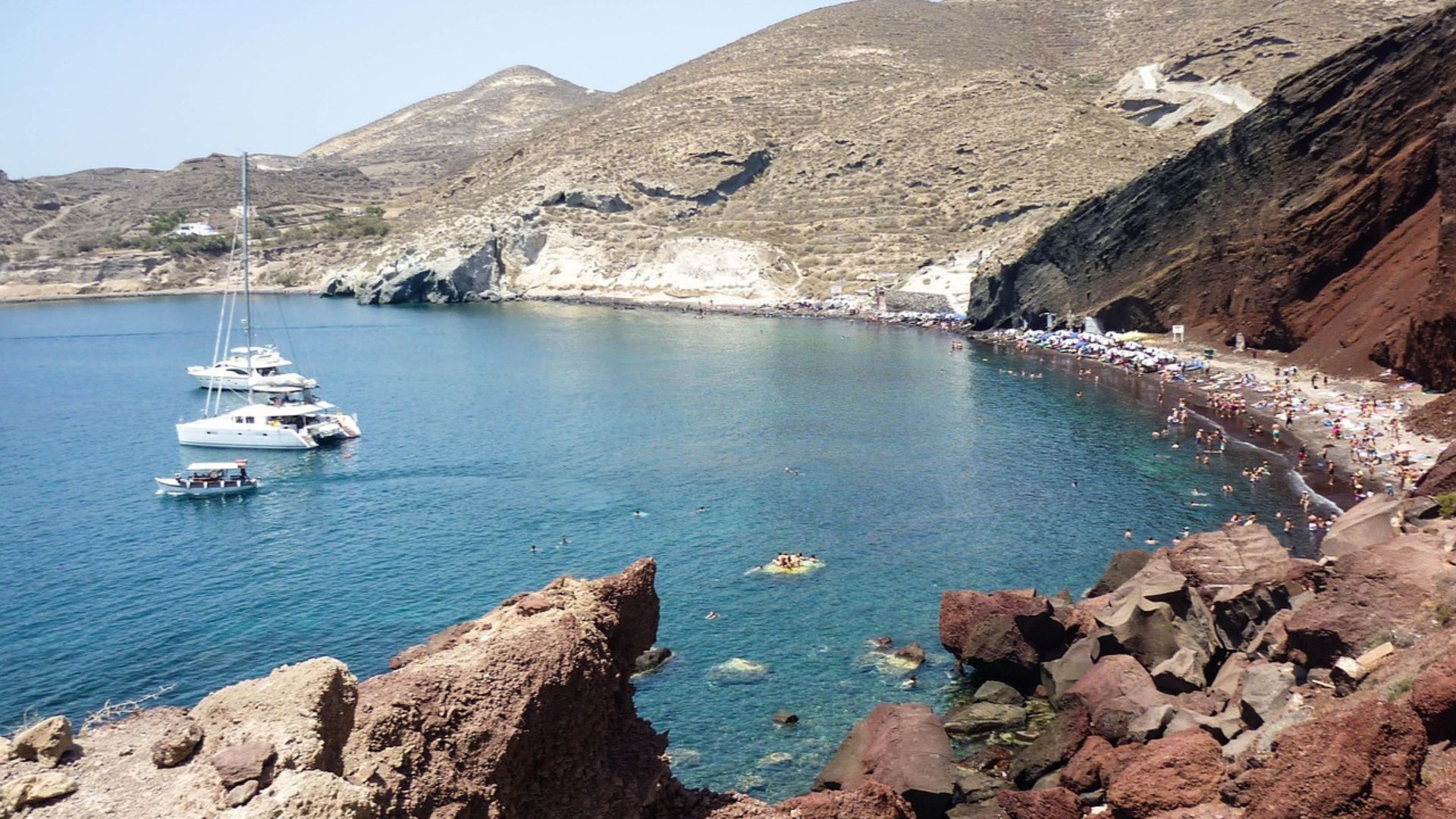
After I finished my walk through Akrotiri, I wanted more context for the island’s history. So, I wandered over to the Red Beach, which is just a short walk away.
The view there is honestly striking. Still, I couldn’t help but venture further.
Santorini’s ancient Thera sits high above Kamari on a rocky ridge. Here, you’ll find ruins from the Hellenistic, Roman, and Byzantine periods.
I stood among Roman Forum columns and crumbling Greek temples. It’s wild—sometimes I catch myself thinking about ancient empires like Illyria, or even those distant Olmec heads in Central America, even if the cultures don’t really connect.
I’ve met travelers who came here chasing literary inspiration. They brought up Byron, Keats, or even Bible stories.
Some folks even linked Akrotiri’s destruction to events in the Holy Land or Masada. Comparing Akrotiri with sites from the Ottoman Empire, or ancient places across France and Spain, just made me appreciate world history even more.