
America turns 250 on July 4, 2026. This milestone feels way too big for just a backyard barbecue.
I’ve mapped out a road trip that’ll take you right through the heart of America’s history—landmarks, battlefields, and the kind of celebrations you’ll probably never see again.
This route connects you with the places where American history really happened, from granite monuments to fields where independence was fought for.
The 250th birthday celebrations will feature rare events—think fireworks at Mount Rushmore, special ceremonies at Independence Hall, and commemorations from Boston to Rapid City.
I’ve pulled together essential stops, timing tips, and practical advice so you can experience America’s semiquartercentennial in a way that actually means something.
This isn’t just about checking off a list. It’s about standing where the founders stood and feeling the weight of what freedom cost.
You don’t need months of planning or a huge budget to make this trip happen. I’ll show you the route that packs in the most history, the events worth planning around, and some lesser-known stops that really bring America’s story to life.
Whether you’ve got a week or a whole month, this guide helps you celebrate 250 years of America out on the road.
Key Takeaways
- America’s 250th birthday on July 4, 2026, brings one-of-a-kind events—fireworks at Mount Rushmore, celebrations at founding sites, and more.
- A patriotic road trip ties together historic landmarks, museums, monuments, and battlefields from the original colonies through the Black Hills.
- Planning around celebration dates and booking early means you’ll catch the biggest 250th anniversary events.
Essential Facts About America’s 250th Birthday
America’s 250th birthday marks the anniversary of the Declaration of Independence on July 4, 2026.
The America250 initiative is pulling together celebrations all over the country for this huge moment.
Meaning and Significance of the Semiquincentennial
The semiquincentennial celebrates 250 years since the United States was born. It marks the day thirteen colonies declared independence from British rule on July 4, 1776.
The word “semiquincentennial” just mashes together Latin for half (semi) and 250 (quincentennial). I think this anniversary is a rare chance to pause and reflect on the nation’s journey and ideals.
It’s a quarter-millennium of American independence. That’s pretty wild if you think about it.
This celebration brings together communities in every state to honor the principles behind America’s founding documents.
Role of the Declaration of Independence in the Celebration
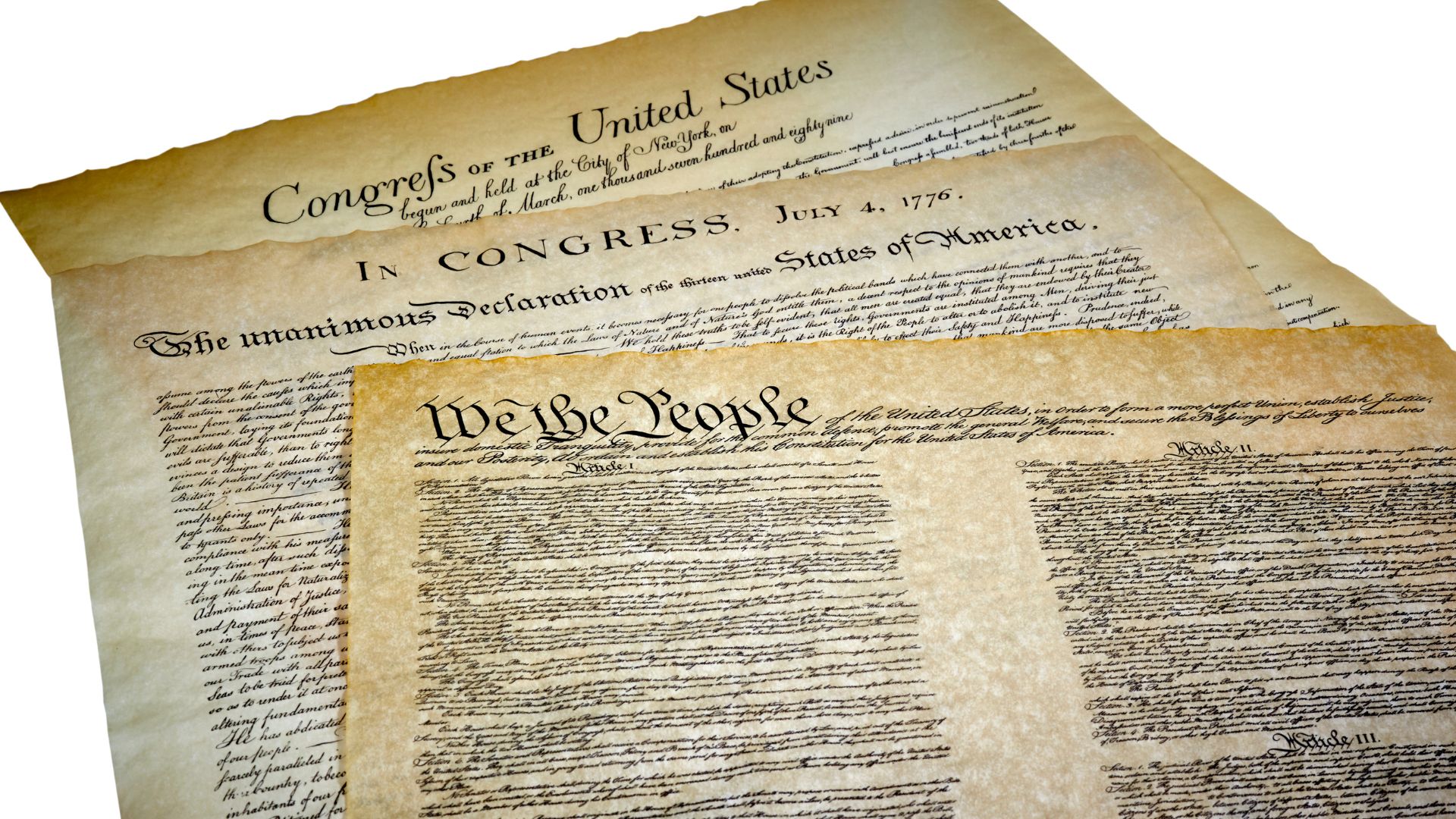
The Declaration of Independence sits at the heart of the 250th birthday. This document, adopted July 4, 1776, announced the thirteen colonies’ break from Britain.
To me, the Declaration is the original statement of American independence. It laid out big ideas—equality, unalienable rights.
Philadelphia, where they signed it, becomes the place to be for the 2026 celebrations.
The 250th anniversary doesn’t just honor the document—it honors what it stands for. The declaration set the foundation for American democracy.
Events will include readings, educational programs, and historical reenactments, all focused on this pivotal moment.
America250 Initiative and National Planning
The America250 initiative is the official planner for the 250th birthday bash. They kicked off the countdown at the Iowa State Fairgrounds with remarks from the President.
They’re coordinating events across the country throughout 2026. I’ve seen that celebrations will include parades, patriotic entertainment, fireworks, and military tributes.
Federal, state, and local organizations are all working together.
The celebration runs all year, not just on July 4th. Special events will honor service members and historic milestones.
The goal? Get everyone involved in commemorating this anniversary with accessible, meaningful events.
Planning Your Patriotic Road Trip
If you want to experience America’s 250th birthday in person, you’ll want to start planning and booking early. I’d focus on the first two weeks of July 2026, when most of the big events happen.
Choose routes that link up Revolutionary War sites, and try to book accommodations at least six months out.
Best Dates and Timeline for July 2026
July 4, 2026, lands on a Saturday—ideal for a long road trip. I’d aim for June 29 to July 11, 2026.
That way, you catch the main events but might dodge the worst crowds.
The biggest celebrations run from July 2–5, 2026. Most cities will pack their 250th birthday events into this window.
Philadelphia expects huge crowds for Independence Day activities at Independence Hall and the Liberty Bell.
Book hotels by January 2026 at the latest. Historic hot spots like Boston, Philly, and Williamsburg will fill up fast.
If you can, lock in reservations by December 2025.
Give yourself at least 7–10 days to see several historic sites without rushing. Two weeks lets you dive deeper into the original colonies and catch more of the 250th celebrations.
Top Routes Connecting Historic Sites
The Northeast Corridor packs in the most Revolutionary War sites with the least driving. Start in Boston, swing through Lexington and Concord, then New York City, Philadelphia, and finish in Williamsburg.
This 500-mile route can be done in 5–7 days.
The Mid-Atlantic loop takes you from Philadelphia to Valley Forge, Gettysburg, and Baltimore, then back. It’s perfect for a long weekend—about 300 miles in 3–4 days.
If you’ve got two weeks, try the Full Colonial route. Start in Boston, hit all 13 original colony capitals, and end in Savannah, Georgia.
That’s 1,500 miles and about 250 Revolutionary War sites.
Consider flying into Boston and out of Charleston or Savannah for a one-way trip. It saves time and lets you see more.
One-way car rentals cost a bit more, but for a longer trip, it’s worth it.
Tips for Itinerary Building and Booking
I like to group sites by area instead of trying to see everything in the order it happened. That saves time and keeps you from burning out.
For example, hit all the Boston sites (Freedom Trail, Bunker Hill, USS Constitution) in two days.
Plan 2–3 hours per major site. Battlefields like Yorktown or Saratoga need more time. Smaller spots—old taverns, cemeteries—maybe an hour tops.
Book guided tours ahead for popular places like Independence Hall and Colonial Williamsburg. Many require timed tickets during the 250th birthday rush.
Buy tickets online 2–3 months in advance.
Stay in historic districts if you can. Walking to sites beats parking headaches and lets you explore after dark.
Pick hotels close to several attractions to cut down on daily driving.
Budget $150–$200 per day for two people—covering lodging, food, gas, and entrance fees. Historic inns cost more but add to the experience.
If you’re watching your wallet, chain hotels outside the city center are usually cheaper.

Travel Resources and Safety Considerations
Download apps like NPS (National Park Service) and Revolutionary War Tour Guide before you go. They’ve got info on sites, walking tours, and 250th birthday events along your route.
Check each state’s official America 250 website for special events, reenactments, and ceremonies. Some need advance registration or tickets.
Bring comfy walking shoes—most historic sites mean lots of walking, and sometimes the ground is uneven.
Pack for July heat and sudden Northeast storms. Weather can be a wild card.
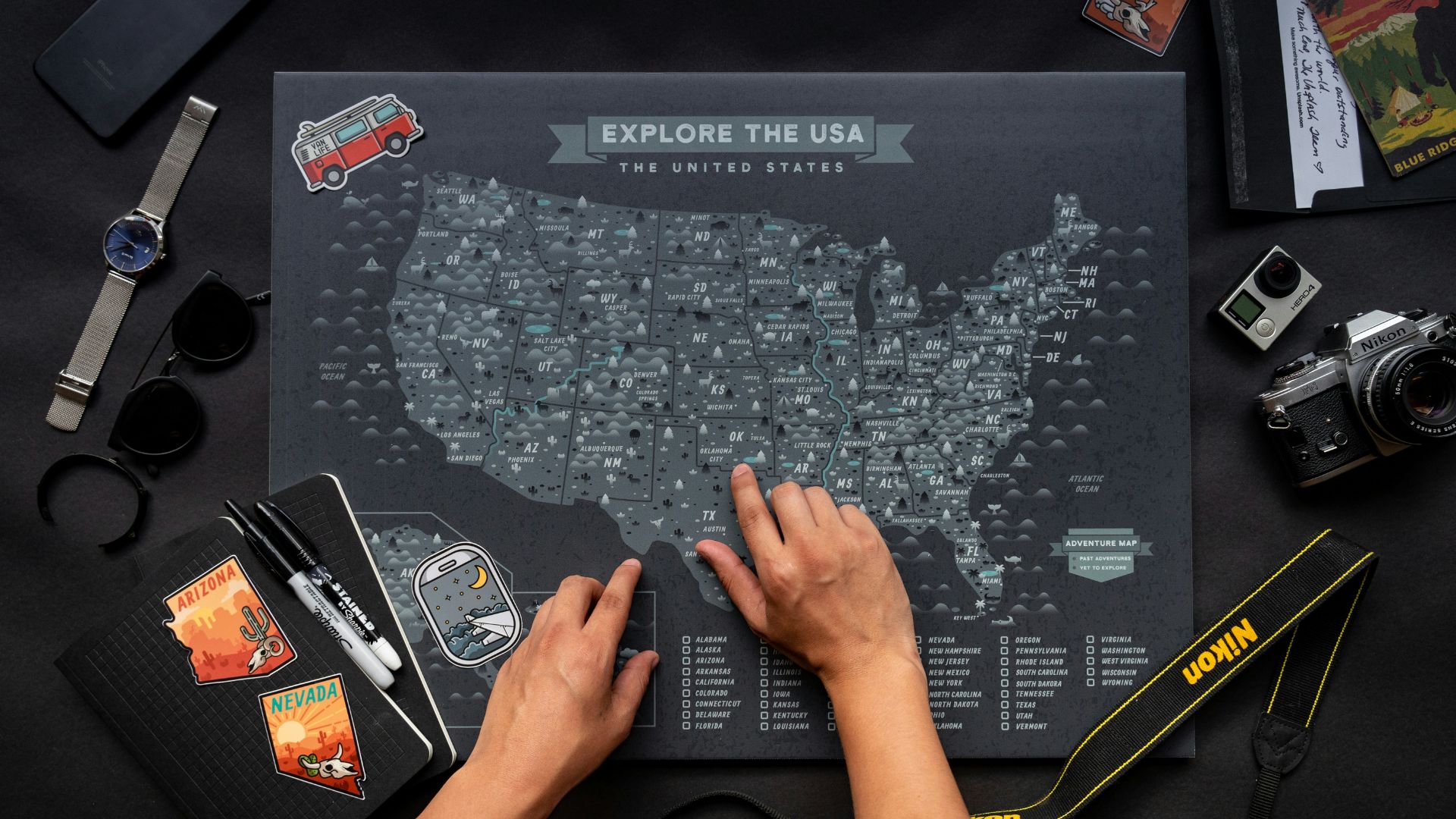
I always keep a paper map handy, just in case. GPS is great, but cell service can drop in rural areas.
Mark your stops on both digital and paper maps.
Get travel insurance that covers cancellations and emergencies. Big crowds at 250th birthday events mean more health and safety risks.
Keep emergency contacts and important docs both on paper and digitally.
Fill up your gas tank when it gets below half. Some stretches between sites have few services.
Plan meal stops ahead—restaurants near major sites will be packed during July 2026.

Must-See Historic Landmarks Along the Route
A real 250th birthday road trip needs stops where America’s story unfolded.
The path from Boston to Philadelphia takes you through battlefields where independence was won and halls where freedom was declared.
Key Revolutionary War Sites
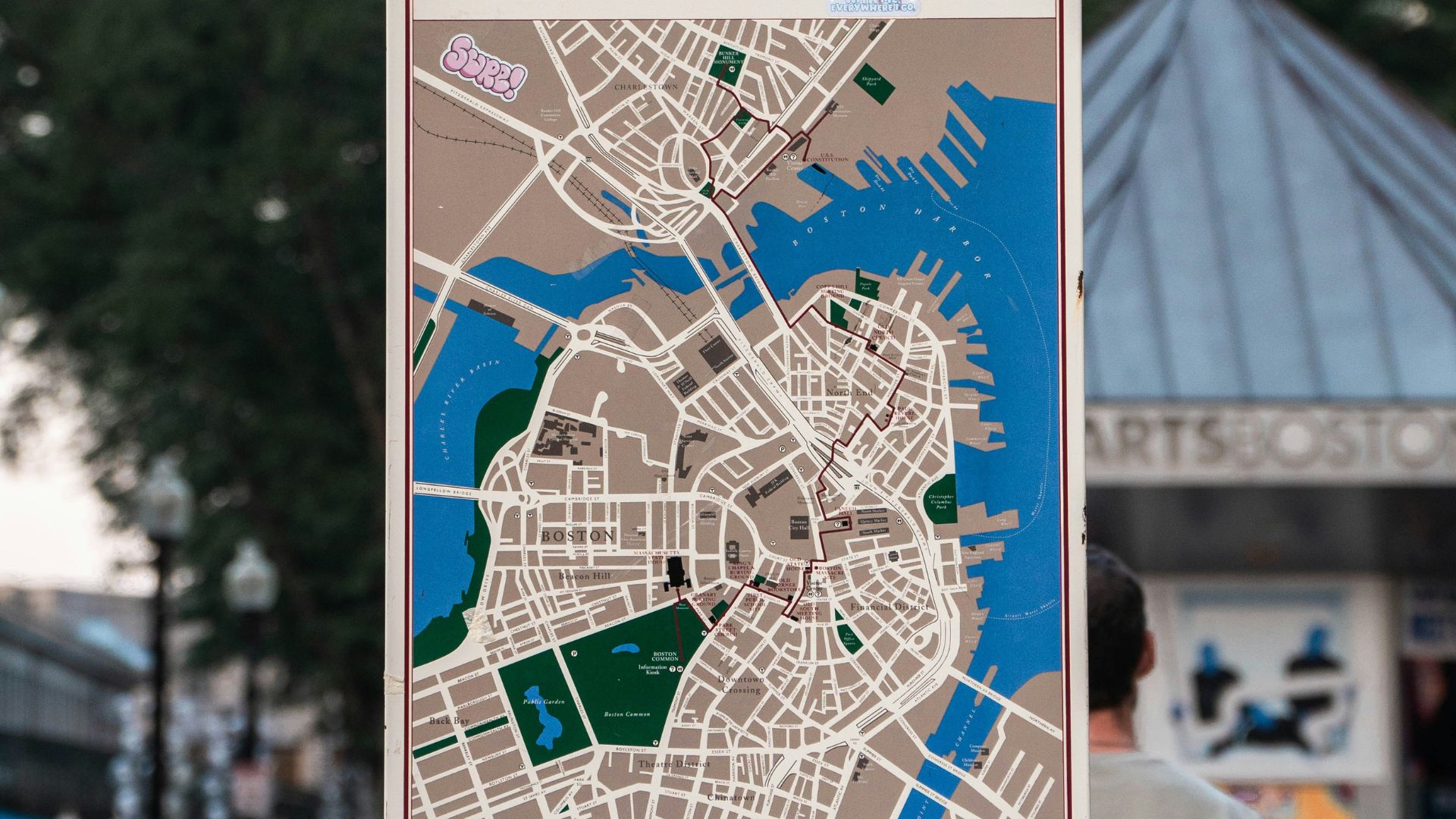
Kick off in Boston on the Freedom Trail—a 2.5-mile walk linking 16 historic sites.
You’ll pass the Old North Church, where lanterns signaled Paul Revere’s ride, and the site of the Boston Massacre.
Lexington and Concord are just outside Boston. These towns saw the first shots of the Revolution on April 19, 1775.
Minute Man National Historical Park really brings that day to life, preserving the Battle Road Trail where colonial militia faced British troops.
Valley Forge in Pennsylvania tells a different side of the revolution. Washington’s Continental Army survived a brutal winter here in 1777–1778.
You can tour reconstructed soldier huts and Washington’s headquarters.
Independence Hall and Iconic Locations
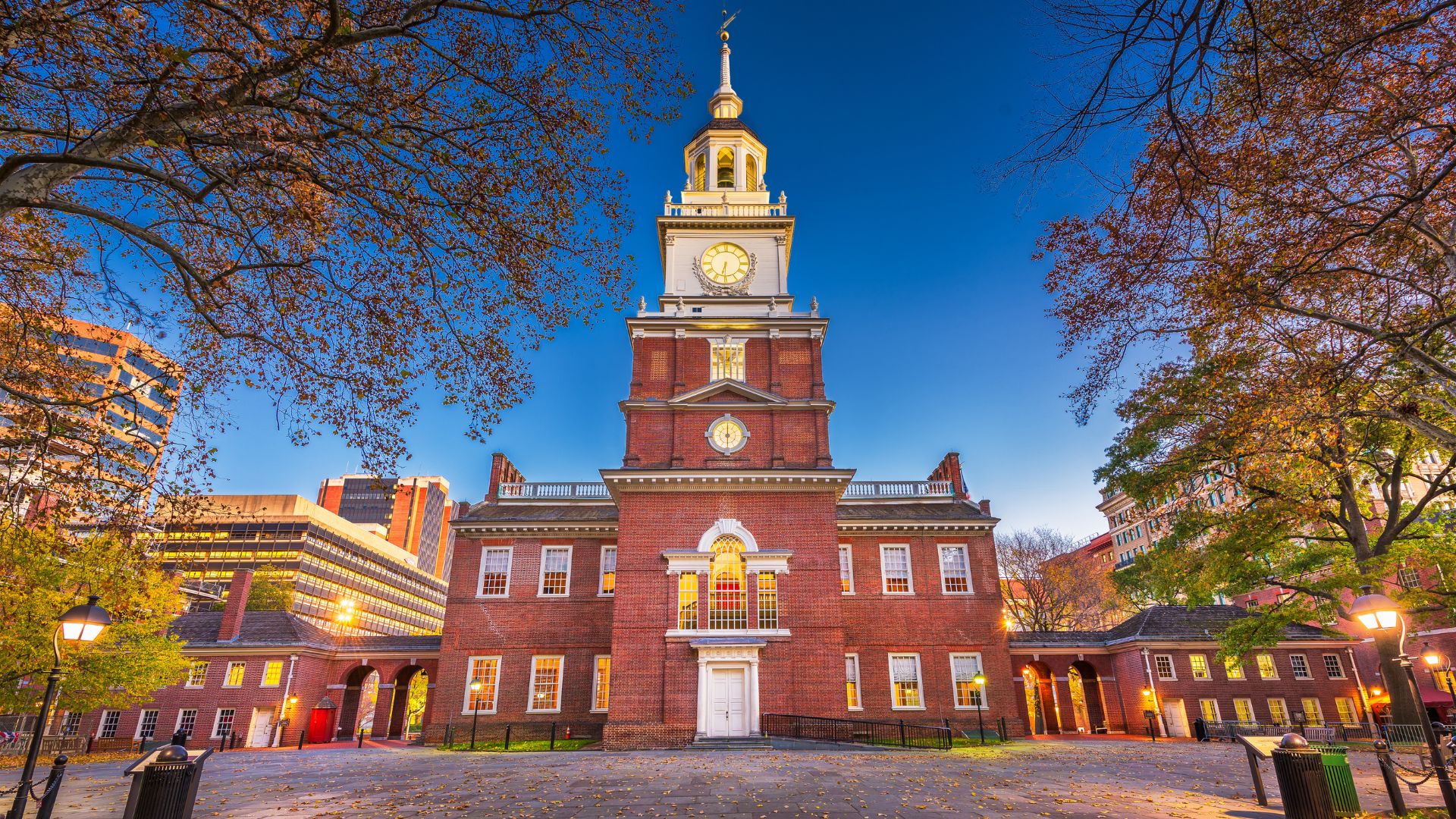
Philadelphia’s Independence Hall is the birthplace of American freedom.
Inside, the Declaration of Independence was debated and signed in 1776. The same room later hosted the writing of the U.S. Constitution in 1787.
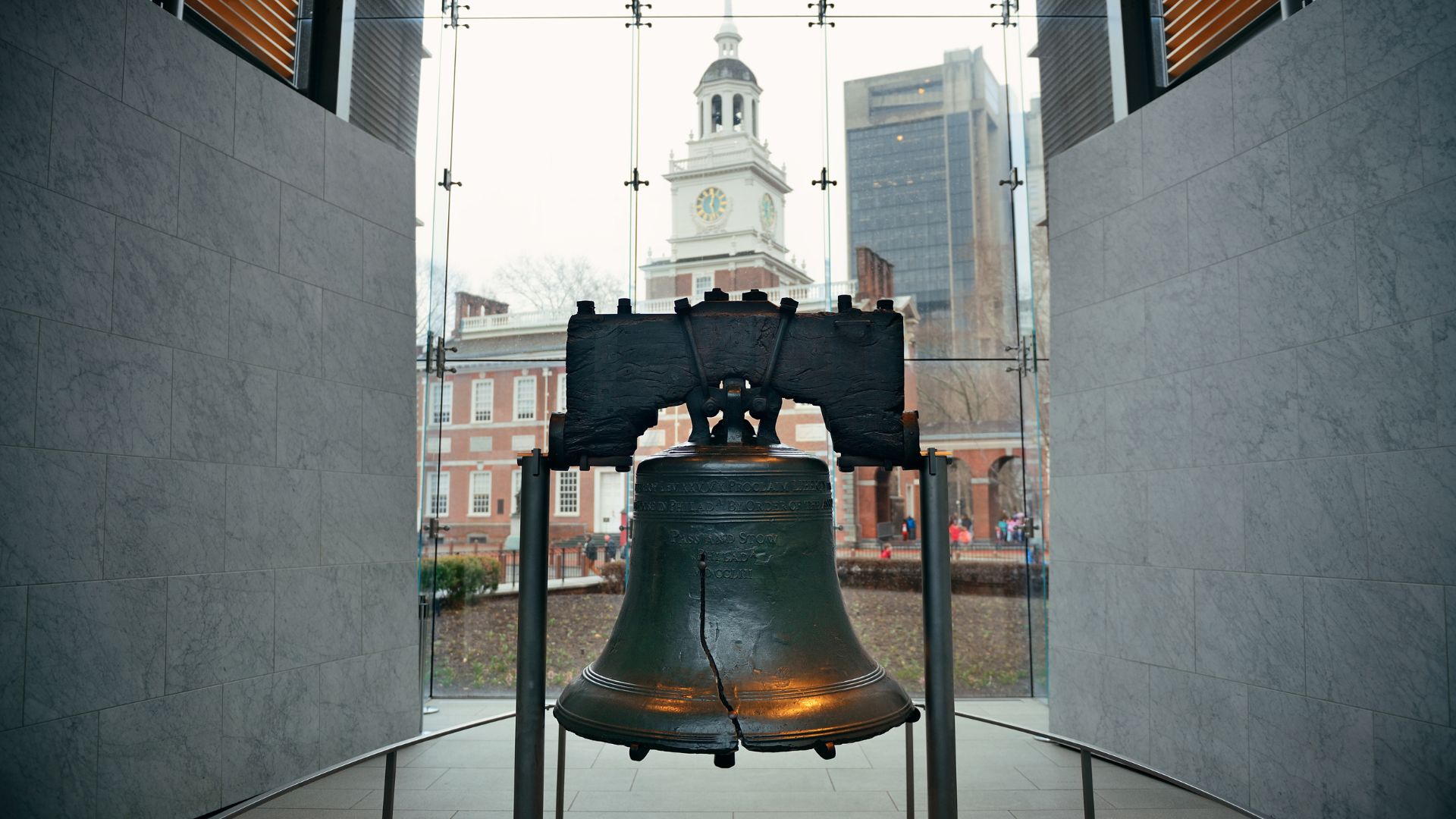
The Liberty Bell sits nearby in its own pavilion. Its crack and inscription—“Proclaim Liberty Throughout All the Land”—make it one of America’s most iconic symbols.
The National Constitution Center is just around the corner. The museum’s interactive exhibits break down how the founding documents shaped today’s America.
I always recommend the “Freedom Rising” multimedia show—it’s surprisingly moving.
Congress Hall, next to Independence Hall, served as the U.S. Capitol from 1790 to 1800. Both Washington and Adams took their presidential oaths here.
Hidden Gems and Off-the-Beaten-Path Stops
The Betsy Ross House in Philadelphia feels quieter than the main tourist sites. Here, seamstress Betsy Ross reportedly sewed the first American flag in 1776.
Princeton Battlefield State Park in New Jersey marks Washington’s first big win after crossing the Delaware. You’ll find colonial-era buildings and walking trails through the battlefield.
Don’t skip the African American Museum in Philadelphia. It highlights the crucial contributions of Black Americans to the revolution and the fight for freedom.
Their exhibits on early abolition movements connect right back to the Declaration’s promise that “all men are created equal.”
Fort Ticonderoga in upstate New York isn’t on every itinerary, but it’s worth the detour. Colonial forces captured this British fort in 1775, grabbing artillery that helped end the Siege of Boston.
Major 250th Birthday Celebrations and Events
America’s 250th on July 4, 2026, is set to explode with national parades, fireworks displays in every major city, and special presidential events.
National Parades and Patriotic Ceremonies
Communities across the country are setting up parades and patriotic ceremonies all through 2026.
The big kickoff happened at the Iowa State Fairgrounds with a Salute to America event for the one-year countdown.
Major cities are planning classic parades—military units, marching bands, historical reenactors.
On June 14th, a celebration honored American soldiers with military vehicles, flyovers, and living history demos.
These ceremonies shine a light on heritage and military service. Local communities are mixing old-school commemorations with fresh takes on America’s story.
Check with each city for specific parade times and routes—everyone’s doing their own thing in July 2026.

Spectacular Fireworks Displays
Fireworks will light up the sky coast to coast on July 4, 2026. Cities are planning bigger shows than usual for this milestone.
The America250 kickoff even featured fireworks as a sneak peek.
Expect Washington D.C., New York City, Philadelphia, and Boston to go all out—history demands it.
Smaller towns will have their own community fireworks, too. Many places will pair the shows with live music and patriotic entertainment.
Special Presidential Initiatives and Appearances
President Donald J. Trump showed up for the June 14th celebration, honoring military service members in a big way.
The America250 initiative brings presidential appearances to key events all year long.
At the Iowa State Fairgrounds, the kickoff event set the stage for a year of celebrations. The President delivered remarks that really got the crowd buzzing.
These initiatives shine a spotlight on military history, constitutional values, and the wild ride of American achievements over the last 250 years.
I’ve noticed the celebrations always carve out time for tributes to soldiers who defended the country and kept the Constitution alive.
Officials have planned more presidential appearances at different locations, but they’re still keeping some dates and venues under wraps.

Ways to Embrace Freedom and Patriotism on the Road
Road trips are honestly one of my favorite ways to connect with America and its people. There’s just something about rolling into a new town, chatting with locals, and supporting small businesses that makes the whole journey feel real.
Celebrating with locals, honoring those who’ve served, and investing in small-town shops always gives me experiences I can’t get from just sightseeing.
Participating in Local Celebrations
All along your route, small towns and cities will throw special events for America’s 250th birthday in July 2026.
I always check local event calendars before I arrive. You never know when you’ll stumble on a parade, fireworks show, or community festival worth sticking around for.
Historic reenactments are a highlight for me. Actors in period costumes act out key moments from the founding era, and sometimes you can even join in on colonial crafts or candle making.
Outdoor concerts fill the air with patriotic music, and regional performers keep things lively. Food vendors serve up classic American dishes and local specialties—I’ve tasted things I never knew existed.
Free activities I look for:
- Town square ceremonies
- Historical walking tours
- Open-air markets
- Public readings of the Declaration of Independence
Honoring Veterans and Service Members
Nearly every state has veterans memorials and military museums along major routes. I make a point to stop, pay my respects, and learn a little more about the sacrifices behind our freedom.
You’ll find Vietnam, Korean War, and World War memorials listing local service members’ names. Reading the plaques always reminds me of the real cost of protecting our nation.
National cemeteries like Arlington, or even smaller veteran burial grounds, offer quiet places for reflection. Some sites even have flags you can place at gravesites on patriotic holidays.
Organizations sometimes need volunteers at VA hospitals or veteran centers, especially around big events. If you want to help, reach out to local chapters before your trip.

Supporting Community Projects and Local Businesses
Independent shops and family-run restaurants are what make American small towns so special. I skip the chains and grab meals at local diners, or pick up supplies from mom-and-pop stores whenever I can.
Communities often organize beautification projects or historical preservation efforts for the 250th anniversary. Sometimes I pitch in—maybe paint a fence at a historic site or help clean up a park.
Ways I support local economies:
- Shop at farmers markets for fresh produce
- Buy handmade crafts and souvenirs from artisans
- Book locally-owned hotels or bed and breakfasts
- Choose local tour guides instead of national chains
Small donations to historical societies go a long way. These groups usually run on tight budgets, so even a little bit helps preserve important landmarks.
Frequently Asked Questions
America’s 250th birthday in 2026 is a huge deal—it’s the semiquartcentennial, and the whole country is planning events from July 4th parties to year-long celebrations at historic sites in the original 13 colonies.
I’ve pulled together answers to common questions about the celebrations, tickets, travel routes, and why this milestone matters.
The main celebration lands on July 4, 2026, with events happening everywhere. The countdown already started at the Iowa State Fairgrounds, where the President spoke.
Big cities like Philadelphia, Boston, New York, and Washington, DC always go all out with parades and patriotic entertainment. Expect fireworks to light up the sky from coast to coast.
Communities are planning year-long events before and after July 4th, mixing the classic traditions with new takes on American history.
Tickets depend on where you’re going and what you want to see. Most local celebrations are free, which is always a bonus.
Check with venues or cities for their ticketing details. Major events in historic cities sometimes need advance registration or tickets.
State tourism boards and the America250 website will post ticket updates as July 2026 gets closer. Following local organizers on social media helps you catch ticket releases early.
If you’re up for an epic trip, plan a route through the 13 original colonies and hit Revolutionary War sites. You’ll see key locations where the nation took shape.
Boston, New York City, Philadelphia, and Washington, DC are must-stops. Each one played a huge part in America’s founding and has tons of historic sites.
You can walk battlefields like Valley Forge and Yorktown, or check out Independence Hall, Colonial Williamsburg, and the City of Presidents in Rapid City.
I like organizing my trip by state or region. It makes planning easier and lets you mix famous landmarks with hidden gems—think old taverns, churches, and quirky meeting houses.
I haven’t come across any major controversies about America 250 in my research. The focus seems to be on commemorating the nation’s history from a bunch of different perspectives.
Organizers want to blend traditional celebrations with new viewpoints. Maybe that’ll help everyone feel included, even if opinions on history sometimes clash.
2026 marks 250 years since the Declaration of Independence got signed on July 4, 1776. That document officially kicked off America’s break from British rule.
It’s a quarter of a millennium since the nation’s founding—kind of mind-blowing, honestly. This anniversary is shaping up to be one of the biggest patriotic celebrations in recent memory.
The milestone gives us all a chance to reflect on America’s journey so far. It honors the choices and courage that shaped the country.
They’re calling it America250, or sometimes just America’s 250th birthday. You might also spot the term “semiquartcentennial” floating around—yeah, it’s a mouthful, but it means 250 years.
You’ll see America250 pop up in official planning documents and on banners in cities all over the country. That name really brings everyone together, no matter which state you’re in.
