
The 2026 FIFA World Cup is shaping up to be the biggest soccer event ever. With 48 teams playing across 16 cities in three countries, the US alone will host 11 of those cities and a whopping 78 out of 104 matches.
But here’s the thing—not every host city delivers the same experience. Some cities boast world-class stadiums and easy access, while others? They throw you curveballs with their distance from downtown, wild weather, or, honestly, a lack of soccer buzz that might leave you underwhelmed.
I’ve spent a lot of time digging into each location—stadium quality, transportation, local vibes, and all the little details that matter when it’s your money and vacation days on the line.
If you know which cities to chase and which to skip, you’ll save a bundle and dodge the headaches. The tournament runs June 11 to July 19, 2026, so if you’re even thinking about going, now’s the time to start plotting. Trust me, the best spots will sell out fast.
Key Takeaways
- Each US host city is a different animal: stadiums, transport, and the fan scene all vary wildly.
- Book early. The best cities for soccer culture and getting around will disappear from the map months ahead.
- Mix it up—combine big-name cities with smaller venues, and maybe even hop the border to Canada or Mexico for extra adventure.
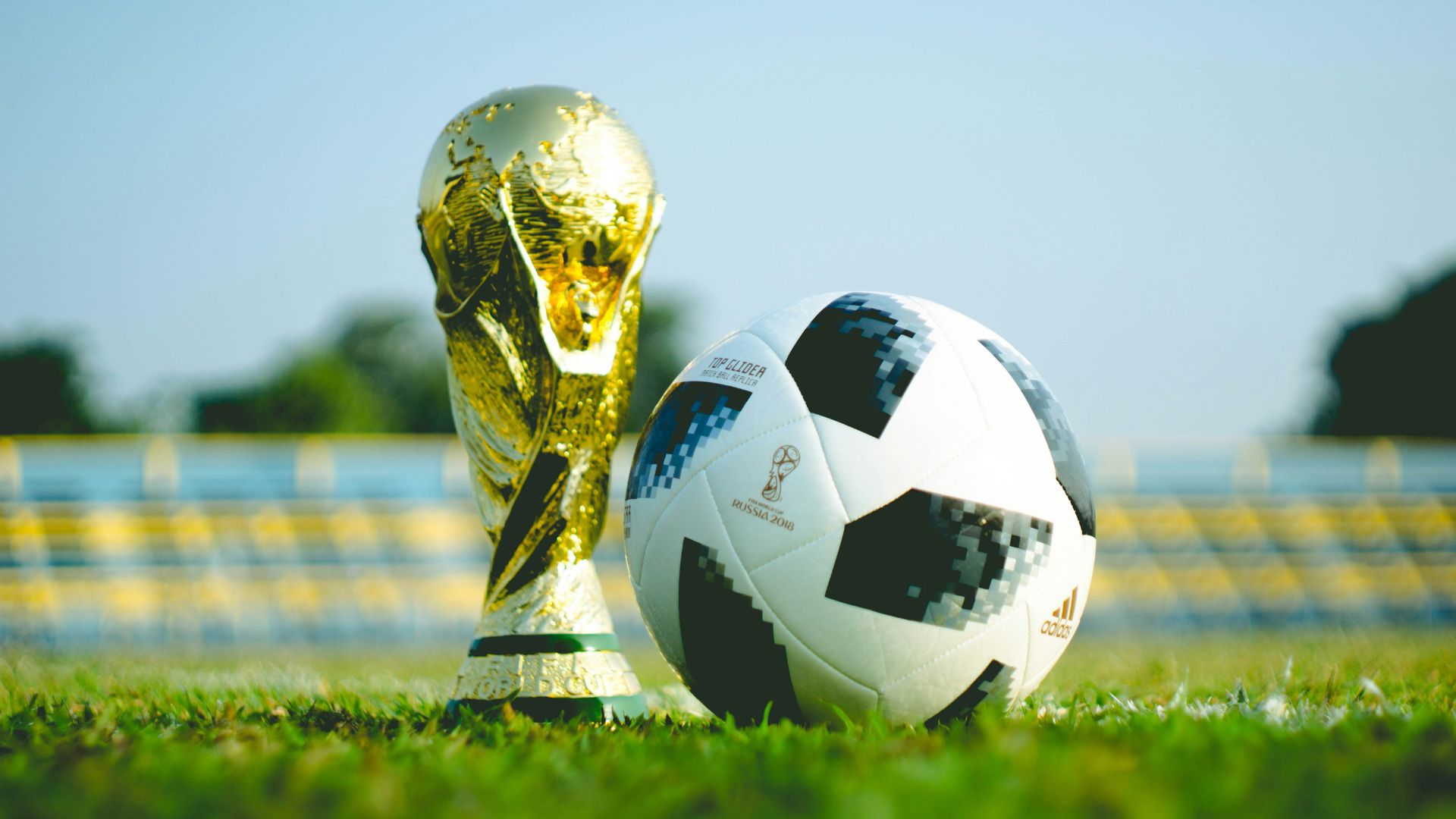
Quick Facts: World Cup 2026 in the United States
This World Cup is a North American first, with 48 teams and 11 US cities in the spotlight. The action stretches over 39 days and 16 venues, but the US hosts most of the games—including the final.
Overview of the 2026 FIFA World Cup Format
For the first time ever, the World Cup expands to 48 teams. That’s a big leap from the old 32-team setup.
Teams will compete in 12 groups of 4. The top two from each group and the best eight third-place teams move on to a brand-new Round of 32.
You’ll get 104 matches in total. The US hosts 78, while Canada and Mexico split the rest. Every game from the quarterfinals on happens in the US.
List of US Host Cities
The United States picked 11 cities for matches, stretching from coast to coast and covering several time zones.
US Host Cities:
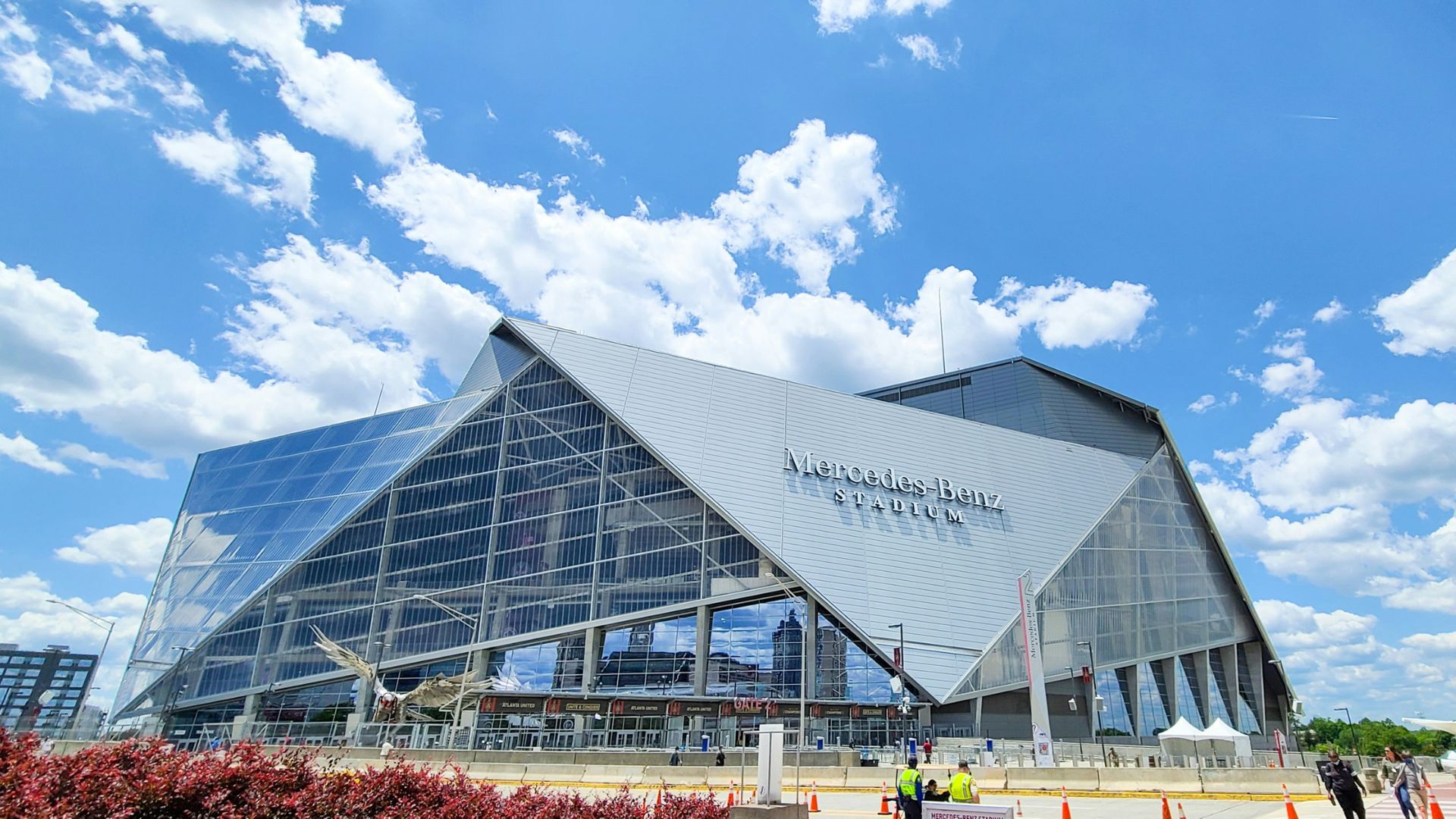
- Atlanta, Georgia – Mercedes-Benz Stadium (75,000 capacity)
- Boston, Massachusetts – Gillette Stadium in Foxborough (65,878 capacity)
- Dallas, Texas – AT&T Stadium in Arlington (94,000 capacity)
- Houston, Texas – NRG Stadium (72,220 capacity)
- Kansas City, Missouri – GEHA Field at Arrowhead Stadium (76,416 capacity)
- Los Angeles, California – SoFi Stadium in Inglewood (70,240 capacity)
- Miami, Florida – Hard Rock Stadium in Miami Gardens (64,767 capacity)
- New York/New Jersey – MetLife Stadium in East Rutherford (82,500 capacity)
- Philadelphia, Pennsylvania – Lincoln Financial Field (69,796 capacity)
- San Francisco Bay Area, California – Levi’s Stadium in Santa Clara (71,000 capacity)
- Seattle, Washington – Lumen Field (69,000 capacity)
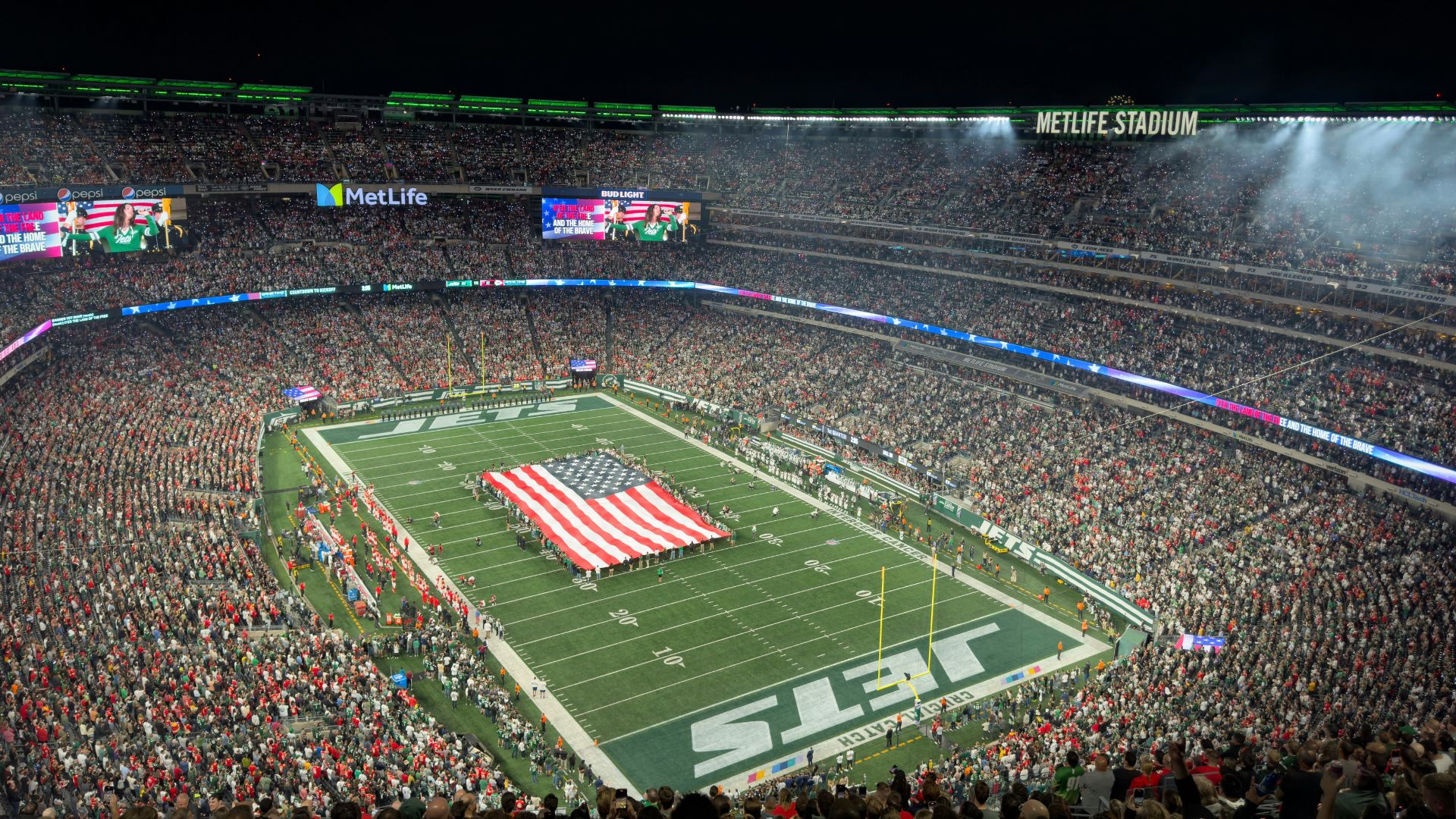
MetLife Stadium in New Jersey gets to host the final match on July 19, 2026.
Key Tournament Dates
The tournament kicks off on June 11, 2026 and wraps up July 19, 2026. That’s 39 days—the longest World Cup ever, thanks to the new format.
The first US match happens on June 12, 2026 at SoFi Stadium in Los Angeles. Mexico’s Estadio Azteca opens the whole thing a day earlier.
Semifinals play out at AT&T Stadium in Dallas and Mercedes-Benz Stadium in Atlanta. Miami’s Hard Rock Stadium hosts the third-place playoff, and the final lands in New Jersey. FIFA will announce kickoff times closer to the start, so fans across time zones can tune in.
The 5 US Host Cities to Avoid or Book Immediately
After combing through stadium capacities, match counts, food and hotel prices, and that all-important fan energy, I landed on five US cities you’ll want to either book ASAP or approach with caution.
Selection Criteria for This List
I looked at the stuff that really matters to traveling fans. Stadium size and number of matches tell you where you’ll have the best shot at tickets. Food and drink prices—think beer, burgers, pizza—reveal how much you’ll shell out each day.
Hotel availability per 100,000 residents and hotel quality ratings flag the tough places to find a bed. If a city has fewer than 10 hotels per 100,000 people, expect to fight for a room.
Stadium location and ease of access are huge, too. Cities hosting eight or more matches offer more chances to snag tickets, especially if you’re playing the lottery system.
Detailed Profiles: The 5 Key Host Cities
Dallas absolutely dominates here. With nine matches at the giant 94,000-seat AT&T Stadium, you’re looking at the most games and the biggest crowd. Beer averages $10.66 and burgers are $4.86—a bargain compared to the coasts.
New York/New Jersey hosts eight matches at MetLife Stadium, which also gets the final. But hotel options are tight: just 3.78 per 100,000 residents, second-worst of all. Food isn’t cheap either—$11.19 for a beer and $13.57 for pizza.
Los Angeles lines up eight matches at SoFi Stadium. But pizza? $14.55 a pie. Hotels are limited too, at 7.38 per 100,000 residents.
Miami serves up seven matches at Hard Rock Stadium. It’s got the best hotel availability—42.55 per 100,000 people. But pizza is $15 and beer is $11.17, so bring your wallet.
Seattle gets six matches at Lumen Field. Pizza reaches $16.27, almost the priciest in the country. Hotel supply is better than LA or NY at 16.55 per 100,000, and beer is $10.93.
Pros and Cons for Each City
| City | Book Immediately | Avoid/Proceed With Caution |
|---|---|---|
| Dallas | Most matches, biggest stadium, cheap burgers ($4.86) | Moderate hotel supply (12.36 per 100k) |
| New York/New Jersey | Final match, great hotel quality (8.00/10) | Scarce hotels (3.78 per 100k), pricey food |
| Los Angeles | Eight matches, top hotel quality (8.08/10) | Pizza is $14.55, limited hotels (7.38 per 100k) |
| Miami | Loads of hotels (42.55 per 100k), seven matches | Pizza is $15, costs add up fast |
| Seattle | Decent hotel supply (16.55 per 100k) | Pizza is $16.27, only six matches |
If you want variety and value, Dallas is your best bet. For New York/New Jersey, book early—it’s worth it for the final, but hotel hunting will be a pain. Miami’s perfect if you care more about finding a room than saving cash.
Stadiums, Venues, and Fan Experience
US host cities give you everything from ultra-modern stadiums to classic venues with serious history. Picking the right spot can mean the difference between an unforgettable match day and a logistical headache.
Top Stadiums Hosting Major Matches
MetLife Stadium in New Jersey gets the final on July 19, 2026. With 82,500 seats, it’s massive. Right now, crews are renovating to fit FIFA’s field size, even removing 1,740 seats for modular seating.
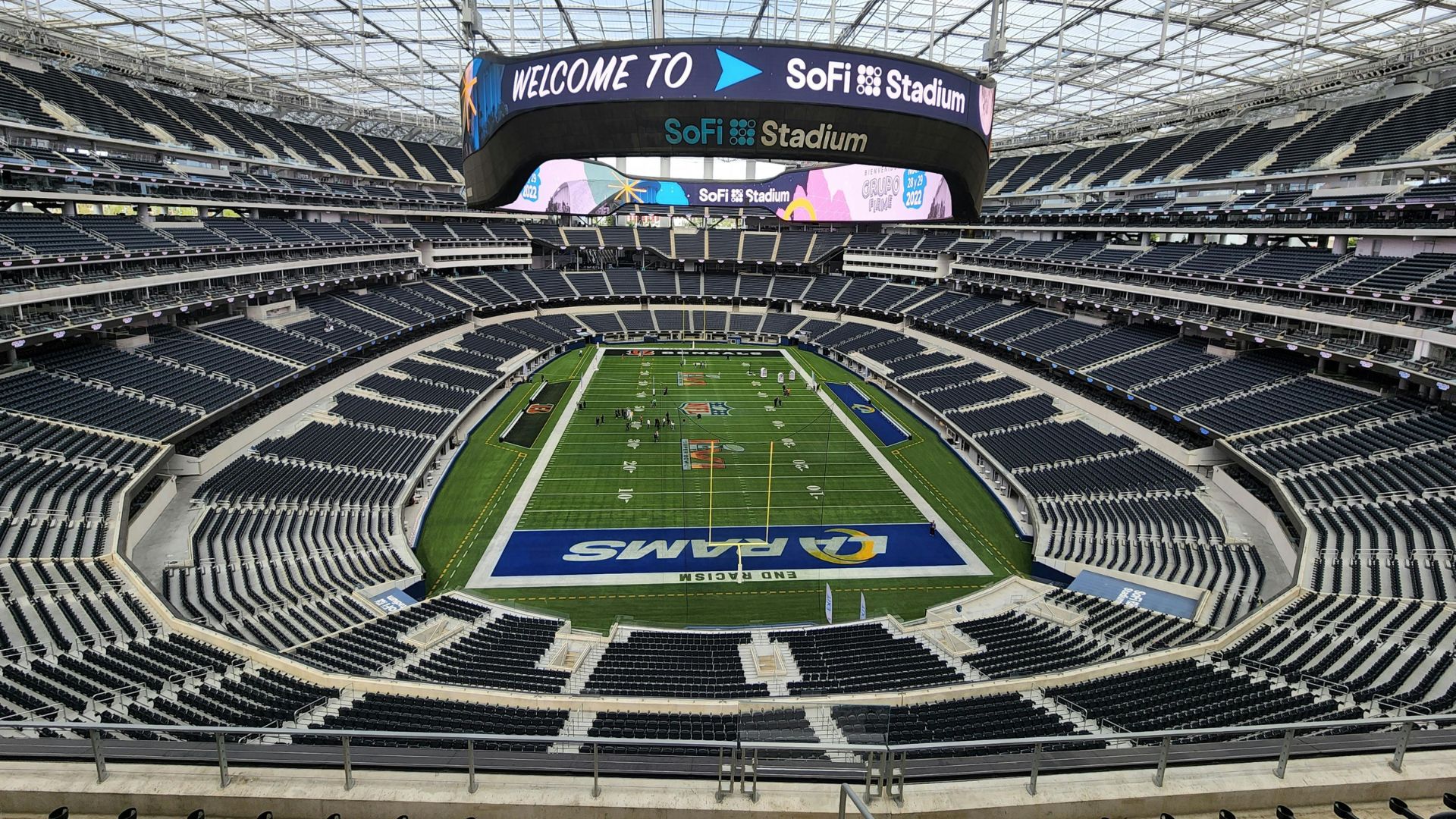
SoFi Stadium in LA will launch the US’s World Cup with the opening game on June 12. At $5.5 billion, it’s the most expensive stadium anywhere. The translucent roof blurs the line between inside and out, and the video board is so big you almost can’t look away.
Mercedes-Benz Stadium in Atlanta hosts a semi-final on July 15. Its eight-panel retractable roof opens like a camera shutter, and a 360-degree LED scoreboard wraps the field.
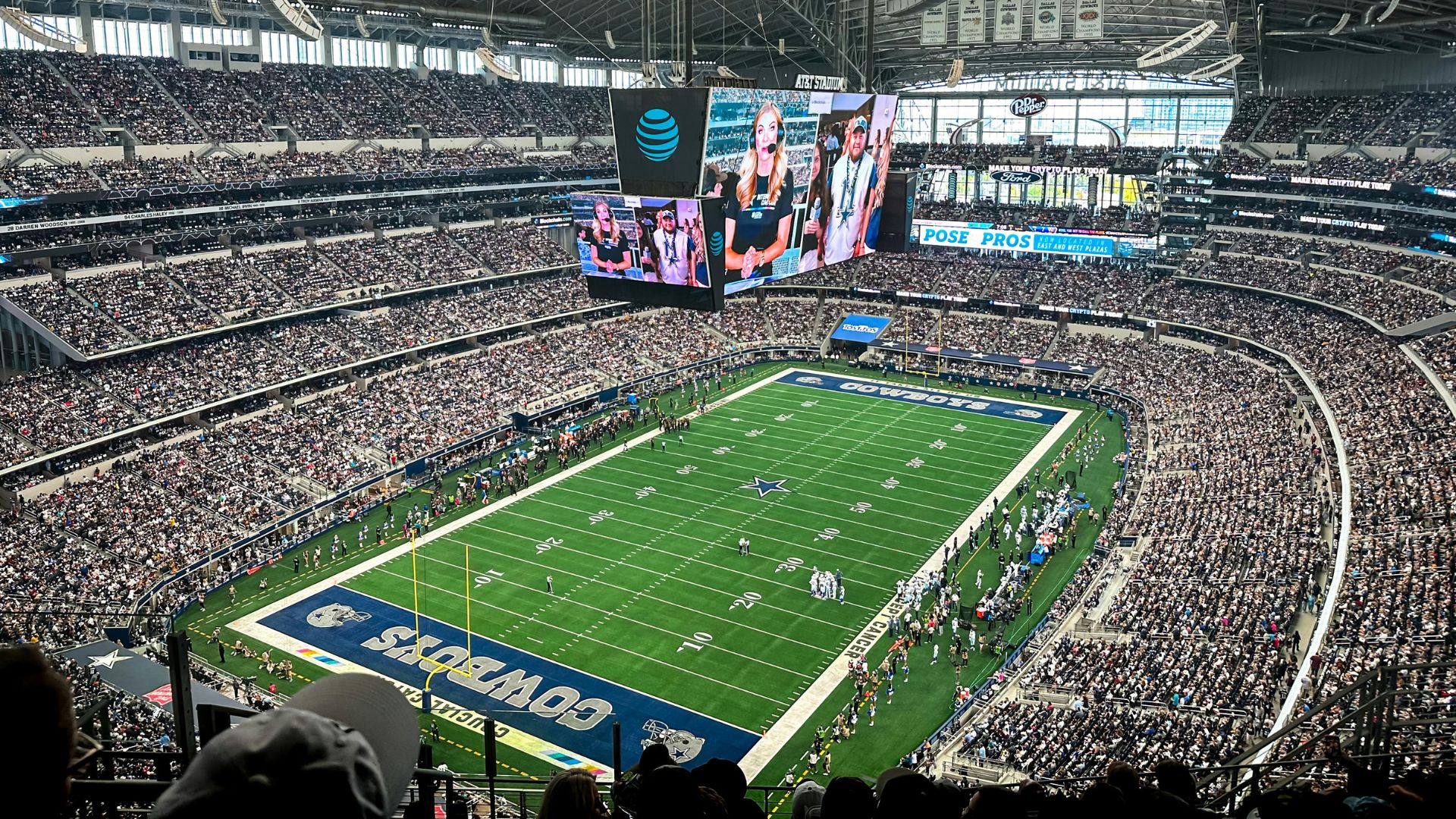
AT&T Stadium in Arlington, Texas, gets more matches than any other stadium—nine in total. It’ll host a semi-final on July 14 and can stretch to 94,000 seats.
Fan Zones and Local Attractions
Every host city will set up official fan zones near their stadiums. Expect giant screens, food trucks, and a party vibe.
Lumen Field in Seattle gives you killer views of Puget Sound and the city skyline. Pike Place Market and the waterfront are just a stroll away.
Hard Rock Stadium in Miami hosts the third-place playoff on July 18. It’s close to beaches and nightlife, and the stadium’s already proven itself with Formula 1 and big concerts.
If you don’t have tickets, show up at fan zones 2-3 hours before kickoff. You’ll beat the crowds and find a good spot to watch.
Access and Transportation Insights
MetLife Stadium sits in East Rutherford, about 30 miles from Manhattan. NJ Transit trains run straight to the stadium for events, but expect a crush of fans on the way back.
SoFi Stadium is new and has solid public transit connections. The Metro K Line drops you nearby, though most LA locals still drive.
Most stadiums offer parking, but honestly, public transit will save you time and stress during the World Cup. Traffic can easily add an hour or two to your trip on game day.
Always check the stadium’s official World Cup page for up-to-date transportation info. Some cities will roll out special shuttles just for the tournament.
US Host Cities Overview: Travel, Safety, and Climate
The 11 US host cities cover six time zones and stretch more than 2,700 miles. You’ll deal with long distances, summer heat, and local quirks that can make or break your trip.
Travel Tips Between Host Cities
Flying is your best move for getting between cities. The distances are huge—Atlanta to LA is 2,182 miles, which is 31 hours by car or just 5 by plane.
Book flights as early as you can. Prices will skyrocket closer to the tournament. Major hubs like Atlanta, Dallas, and Houston offer direct flights to most other host cities. Give yourself at least 3-4 hours for airport security and connections during the World Cup.
If you’re sticking to nearby cities, driving works. Boston to Philadelphia is 308 miles (about 5 hours). Dallas to Houston is 239 miles (3.5 hours). These drives let you skip the airport hassle.
Trains can be scenic, but they’re slow. Boston to New York is a quick 3.5 hours and not a bad option. But cross-country routes like Atlanta to Seattle? That’s 87 hours—unless you want a train adventure, skip it.
Safety and Local Customs
Safety varies by city and neighborhood. Tourist areas near stadiums are usually safe during the day, but always check out a neighborhood before booking.
Tipping is standard in the US. Expect to add 15-20% at restaurants, $1-2 per drink at bars, and $2-5 per bag for hotel staff. Not tipping isn’t just frowned upon—it’s considered rude.
Call 911 for emergencies. That number works everywhere for police, fire, or medical help. Keep your passport safe and make a digital copy. Some cities check ID for alcohol even if you look well over 21.
Public transportation is a mixed bag. Boston, Philly, and San Francisco’s Bay Area have solid systems. Atlanta, Houston, and Kansas City? You’ll probably need a car. Download ride-share apps before you land, just in case.
Weather and Temperature in June–July
If you’re heading to any of the 11 US host cities, brace yourself for hot summer conditions. In June and July, temperatures often climb to 86°F (30°C), and some cities don’t hesitate to hit 95°F or more. It’s classic peak summer across the States.
Temperature ranges by region:
- Southern cities (Atlanta, Houston, Dallas): 85-95°F with high humidity
- Eastern cities (Boston, Philadelphia, New York/New Jersey): 75-85°F with humidity that comes and goes
- Midwest (Kansas City): 85-90°F, humidity can surprise you
- West Coast (Los Angeles, San Francisco Bay Area, Seattle): 70-85°F, usually dry and pleasant
Houston and Atlanta crank up the humidity, making it feel even hotter—sometimes by 10 degrees. The San Francisco Bay Area stays closer to 70°F, but just a few miles inland, it can get toasty. Seattle’s the cool kid, with mild temps around 70-75°F and barely any humidity.
You’ll want light, breathable clothes and a solid sunscreen. Trust me, you’ll need more water than you think. Venues blast the AC, but you’ll still spend plenty of time outside, shuttling between spots. Afternoon thunderstorms love to pop up in Houston, Atlanta, and Kansas City, so keep an eye on the sky.
Entry and Visa Requirements for US Visitors
If you’re coming from abroad for the World Cup 2026, you’ll need to sort out your documents before anything else. Make sure your passport checks the right boxes, and depending on your country, you’ll either fill out ESTA or apply for a B1/B2 visitor visa.
Passport Validity and Application Tips
Your passport needs to stay valid for six months past your planned departure from the US. Some countries don’t have to follow this rule, so it’s smart to check the U.S. Customs and Border Protection website for your country’s details.
If your passport expires before December 2026, go ahead and renew it now. It usually takes 6-12 weeks, but that can change depending on where you live.
Canadian and Bermudan passport holders get a break—no extra paperwork for tourist visits. That definitely makes planning easier for fans from those countries.
ESTA and the Visa Waiver Program
If you’re from one of 42 countries, you can enter the US through the Visa Waiver Program using ESTA (Electronic System for Travel Authorization). The application costs $21 and takes just a few minutes online.
While ESTA approval often comes instantly, I’d still apply at least 72 hours before your flight. ESTA lasts two years or until your passport expires, whichever comes first.
Visa Waiver Program countries include:
- Most European Union nations
- Australia, New Zealand, Japan, South Korea
- Singapore, Taiwan, Chile, and a handful of others
You can find the full list on the U.S. Department of State website.
Additional Requirements for International Travelers
If your country isn’t on the Visa Waiver Program, you’ll need a B1/B2 visitor visa. The Department of State plans to launch FIFA PASS in early 2026, letting World Cup ticket holders book priority appointments.
If your current visa appointment falls after your match, wait for FIFA PASS to open up. The State Department’s website shows up-to-date wait times by country.
If you already have a visa appointment scheduled before your match, just stick with it. B1/B2 visa processing usually takes a few weeks after your interview, so start early.
Neighboring Nations: Cross-Border Travel Insights
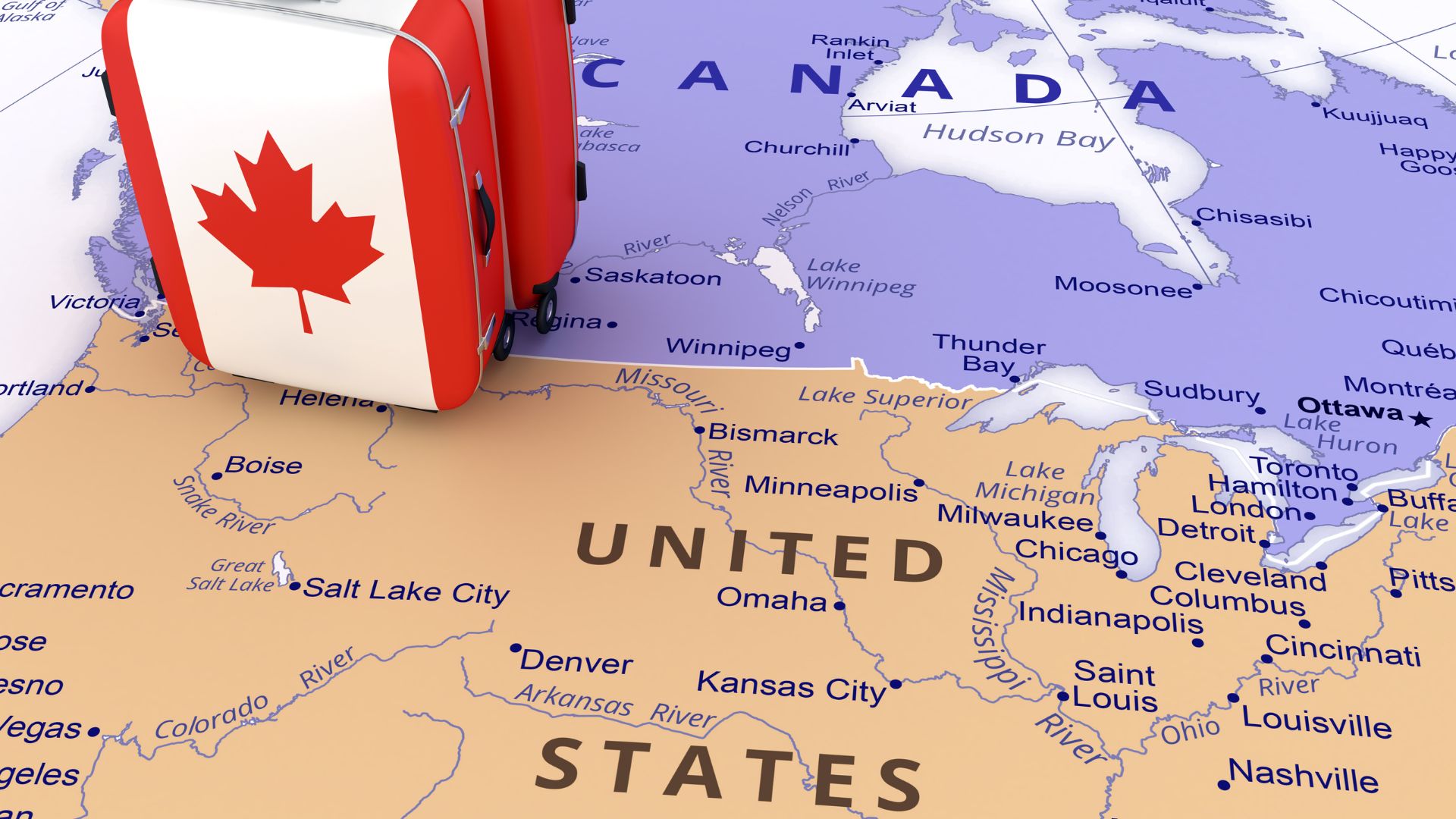
The 2026 World Cup stretches across three countries. Canada will host matches in Toronto and Vancouver, while Mexico gets games in Guadalajara, Mexico City, and Monterrey. Knowing border requirements and travel logistics can make or break your multi-country adventure.
Key Canadian and Mexican Host Cities
Toronto’s BMO Field packs in 45,000 fans and sits just 90 minutes from the US border. Flights from major American airports make getting there a breeze.
Vancouver’s BC Place stadium holds 54,000. It’s the farthest west of all the host cities. If you’re coming from Seattle, expect about a three-hour drive.
Mexico City’s Estadio Azteca is legendary. It’s hosted two World Cup finals and fits 87,000 people.
Guadalajara’s Estadio Akron has room for 46,000, and Monterrey’s Estadio BBVA holds 53,500. Both cities offer international flights connecting to major US hubs.
Travel Logistics to Canada and Mexico from the US
Honestly, flying between countries saves you time and stress. The distances between US and international host cities are just too big for most road trips.
Direct flights link most US host cities to Toronto and Vancouver. Depending on where you’re leaving from, flights take two to six hours. Mexico City has the most US connections, with daily flights from all the big cities.
Crossing into Canada by land can eat up two to four hours in the summer. If you’ll be hopping the border more than once, look into the NEXUS trusted traveler program.
For Mexico, flying skips the long border waits. Driving from Texas to Monterrey takes six to eight hours, plus whatever time you spend at the border.
Visa and Border Crossing Essentials
US citizens need a valid passport to enter Canada and Mexico. No visa is needed for trips under 180 days in Mexico or six months in Canada.
You don’t need a Canadian Electronic Travel Authorization (eTA) if you’re a US citizen entering by land or air. I still like to carry my passport card, just in case.
Mexico asks for a tourist card (FMM). Airlines usually hand these out on flights. Don’t lose it—you’ll need it to leave the country.
Double-check your passport’s expiration date now. Both Canada and Mexico require your passport to be valid for your entire stay. While some sources suggest six months’ validity, officially it just has to be valid the whole trip.
Frequently Asked Questions
Let’s face it: planning a World Cup trip means sorting out where to stay, how to get around, and what paperwork you’ll need. Here are some answers to the stuff that actually matters when you’re booking flights and hotels.
Book your hotel as soon as you know your match schedule. Hotel prices in US host cities can triple or quadruple during big events.
Focus on staying near public transit, not necessarily the stadium. Cities like Atlanta and Seattle have solid transit systems that connect downtown hotels to stadiums. You’ll save money by staying near a metro or light rail station rather than right next to the venue.
Look at hotels in nearby suburbs if downtown prices get out of hand. In Boston, staying along the commuter rail line to Foxborough costs less than downtown. Dallas works the same way—Arlington hotels near AT&T Stadium often offer better value than downtown Dallas.
If you’re into vacation rentals like Airbnb or VRBO, start your search early. These places get snapped up six to twelve months ahead of time. Read the latest reviews and double-check the cancellation policy before you book.
Generally, US host cities are pretty safe, especially near stadiums and tourist spots. Stick to well-lit, busy areas when heading to and from games.
Keep your stuff close in crowded places like train stations and fan zones. A crossbody bag is more secure than a backpack, and it’s best not to show off expensive gear. Most stadiums have clear bag policies, so check before you go.
Download offline maps for each city. They come in handy if you lose service or want to avoid roaming fees. Save emergency numbers in your phone, including 911 and your embassy’s contact info.
If your country offers an embassy travel program, register for it. You’ll get alerts about safety concerns in specific areas. Stay aware of your surroundings, especially late at night after matches.
Public transit varies a lot from city to city. Atlanta, Seattle, Philadelphia, and New York have reliable trains that go straight to their stadiums. I always take these when I can—parking is expensive and traffic after games is a nightmare.
In Dallas, Kansas City, and Houston, you’ll probably need rideshares or a rental car. Uber and Lyft are everywhere, but surge pricing during matches can make fares jump three or four times higher than normal. Plan for that in your budget.
If you’re traveling between nearby cities, Amtrak’s Northeast Corridor connects Boston, New York, and Philadelphia. Book those train tickets early for better deals. For longer hauls like Dallas to Houston or LA to San Francisco, flying usually wins out, even with airport hassles.
Rental cars work if you’re visiting multiple cities in one region. Gas prices range from $3-5 per gallon, and hotels in big cities often charge $30-50 per night for parking.
FIFA always sets up official fan zones in each host city, with big screens, food, and entertainment. Locations aren’t announced yet, but they usually pop up in central parks or downtown plazas. I’m guessing we’ll hear more by late 2025 or early 2026.
Cities like Atlanta, Miami, and Los Angeles have strong soccer scenes and love to throw watch parties and festivals. Check each city’s tourism website as the tournament gets closer.
Restaurants and bars near stadiums often roll out special menus and viewing areas. In Philadelphia, South Street draws big crowds for international games. Seattle’s Capitol Hill does the same.
If you’re into spontaneous fun, keep an eye out for street festivals and parades—especially when teams make it to the knockout rounds.
Visa requirements depend on your nationality. If you’re from a Visa Waiver Program country—think most of Europe, Japan, South Korea, Australia—you can use ESTA instead of a visa. Apply for ESTA at least 72 hours before your trip, but honestly, earlier is better.
If you need a B-2 tourist visa, start three to six months before you travel. US embassy interview wait times can stretch for months, especially during peak travel.
Bring proof of your World Cup tickets and hotel bookings to your interview. Show you have ties to your home country, like a job or property. This shows you plan to return after the tournament.
The visa fee is $185 and doesn’t get refunded if you’re denied. ESTA costs $21 and is good for two years. Keep your confirmation numbers handy—both digital and printed copies are smart.
Let’s be real—healthcare in the US isn’t universal, and the costs can be jaw-dropping if you don’t have insurance. Even a quick stop at the emergency room could set you back anywhere from $500 to $3,000, and that’s just for minor stuff.
Honestly, I can’t stress this enough: buy travel medical insurance before you arrive. It’s worth every penny for your peace of mind.
When you shop for a policy, aim for at least $100,000 in medical coverage and make sure it includes emergency evacuation. Some companies, like World Nomads, Allianz, and IMG, specifically mention sports event coverage. Definitely skim through the details—especially if you have pre-existing conditions or plan on joining any wild activities.
If you take prescription meds, pack enough for your whole trip and toss in a few extras, just in case. Keep everything in the original containers, with your name on the label.
A copy of your prescription or a quick doctor’s note explaining what the medication treats can save you a headache at customs.
For minor mishaps, urgent care clinics are a lifesaver compared to emergency rooms. These walk-in clinics handle things like small injuries or infections for about $100 to $300 if you’re uninsured.
I’ve found apps like Zocdoc and Solv super helpful for tracking down nearby clinics on the fly. Pharmacies such as CVS and Walgreens stock most basic over-the-counter meds, but heads up—prices can feel steep compared to what you might pay back home.
