
Let’s be honest—summer heat can get pretty brutal, especially when the mercury soars past 90°F. While most folks flock to packed beaches, I’ve discovered a much better way to stay cool.
Mountain towns usually offer temperatures 15-30 degrees cooler than beach getaways. You get crisp air, fewer crowds, and a whole menu of outdoor adventures you just won’t find at the coast.
After years of chasing mountain breezes during the hottest months, I’ve realized these spots are the real summer jackpot. At higher elevations, the air stays fresh and comfortable even in July and August.
You can expect temps to hover between 60-75°F, so you don’t have to worry about melting into your clothes.
The real magic of a mountain cool-cation isn’t just the weather. Think pristine hikes, clear alpine lakes, and small-town charm in the form of local shops and cozy restaurants.
Forget about sand stuck in your car or fighting for a parking spot near the water. Sunburns? Not really a thing up here.
Key Takeaways
- Mountain towns run 15-30 degrees cooler than beaches and typical summer spots.
- High-elevation getaways mean hiking, biking, and swimming minus the scorching heat.
- You’ll dodge the crowds and often find better prices compared to beach resorts in peak season.
What Is a Cool-cation and Why Do Mountain Towns Nail It?
Mountain towns bring mild summer weather and outdoor fun you just can’t get at the beach. But what exactly is a cool-cation, and why does elevation matter so much now?
Defining the Cool-cation Trend
A cool-cation is basically a trip designed to escape the heat. People skip the crowded, steamy beaches (where it’s often 90°F or worse) and seek out places with comfortable temps between 60-75°F.
This trend really took off as global temps and heat waves started breaking records. Some traditional vacation spots just aren’t fun—or safe—during peak summer anymore.
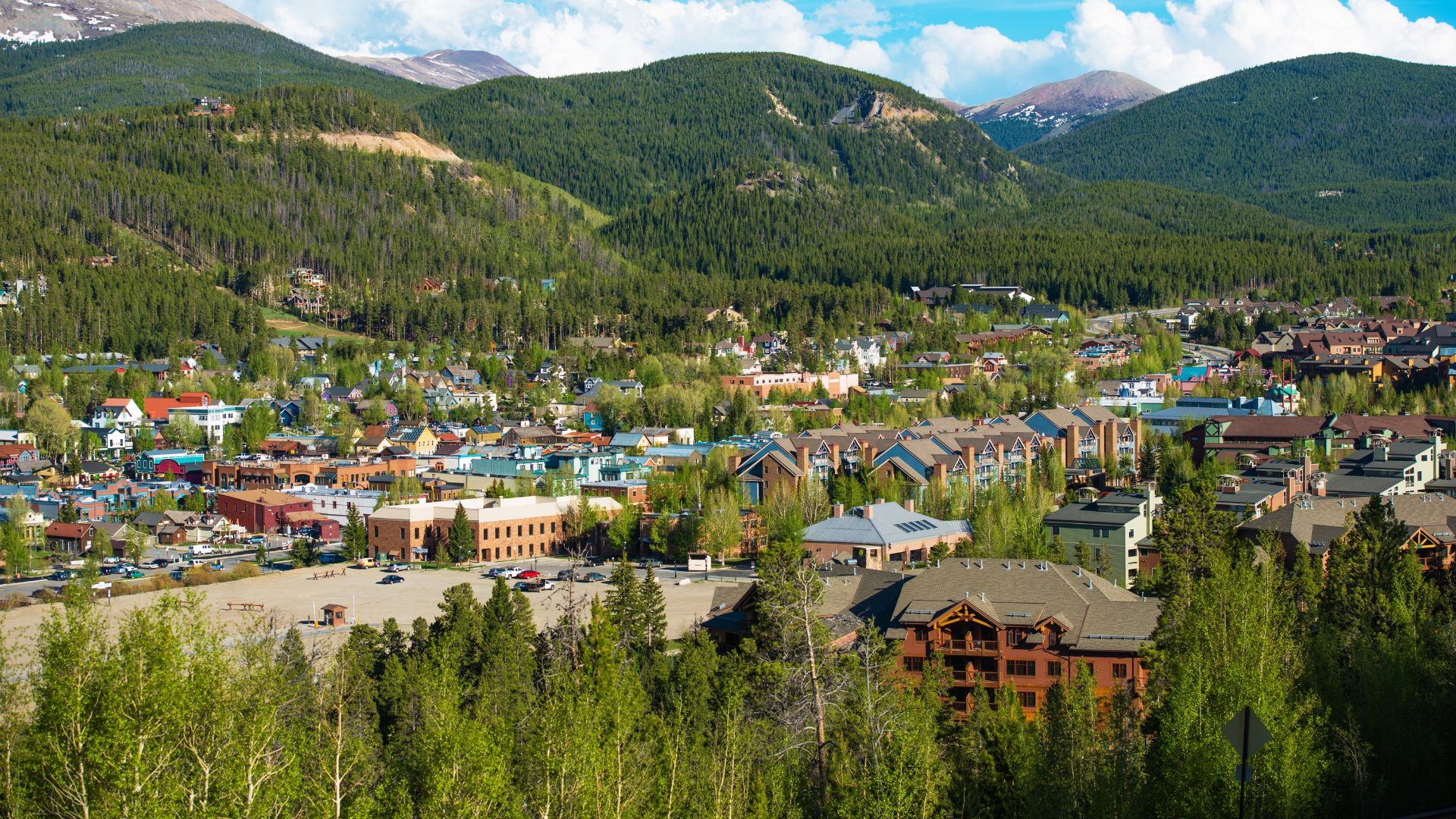
Mountain towns have a natural edge. The higher you go, the cooler it gets—usually 3-5°F for every 1,000 feet of elevation. So a town at 8,000 feet? It can be 20-30 degrees cooler than the city down below.
Why Cooler Climates Win in Summer
In my experience, outdoor activities just feel better—and safer—in cool weather. You can hike, bike, and explore all day without getting wiped out by the heat.
Mountain destinations also tend to have smaller crowds. Hotels and restaurants are easier to get into, and you won’t spend half your trip waiting in line. Bonus: prices often stay lower, since the big tourist rush hits the beaches instead.
The air feels lighter and cleaner up here, with less humidity and pollution. That’s a game changer if you have breathing issues or just hate muggy weather.
And honestly, I always sleep better in cool temps. Waking up rested on vacation? Yes, please.
Mountain vs. Beach: What’s the Real Difference?
Mountains and beaches give you totally different vibes. Here’s how they stack up:
Temperature: Mountains stay in the comfy 60-70°F zone, while beaches often roast at 85-95°F and humid.
Activities: Mountains offer hiking, rock climbing, biking, and wildlife spotting. Beaches focus on swimming and sunbathing.
Crowds: Beaches get mobbed in summer. Mountain towns handle visitors without the chaos.
Cost: Beach hotels and rentals skyrocket in summer. Mountain lodging is usually cheaper, since the winter ski crowd is gone.
Pace: Beach trips lean into lounging, while mountain getaways are all about exploring—though you can find quiet retreats in both.
Top Cool-cation Mountain Towns to Escape the Heat
Here are my favorite mountain towns where summer temps hover between 50-70°F. Each spot has its own personality, so you get natural beauty and unique local flavor—no cookie-cutter resorts here.
Banff: Canadian Rockies Adventure
Banff is hands-down one of my top cool-cation picks in North America. Nestled in Banff National Park at 4,537 feet, this Canadian Rockies town just feels refreshing.
Daytime highs in Banff usually hit around 70°F and drop to 45°F at night. Even in July or August, you’ll want a jacket after sunset.
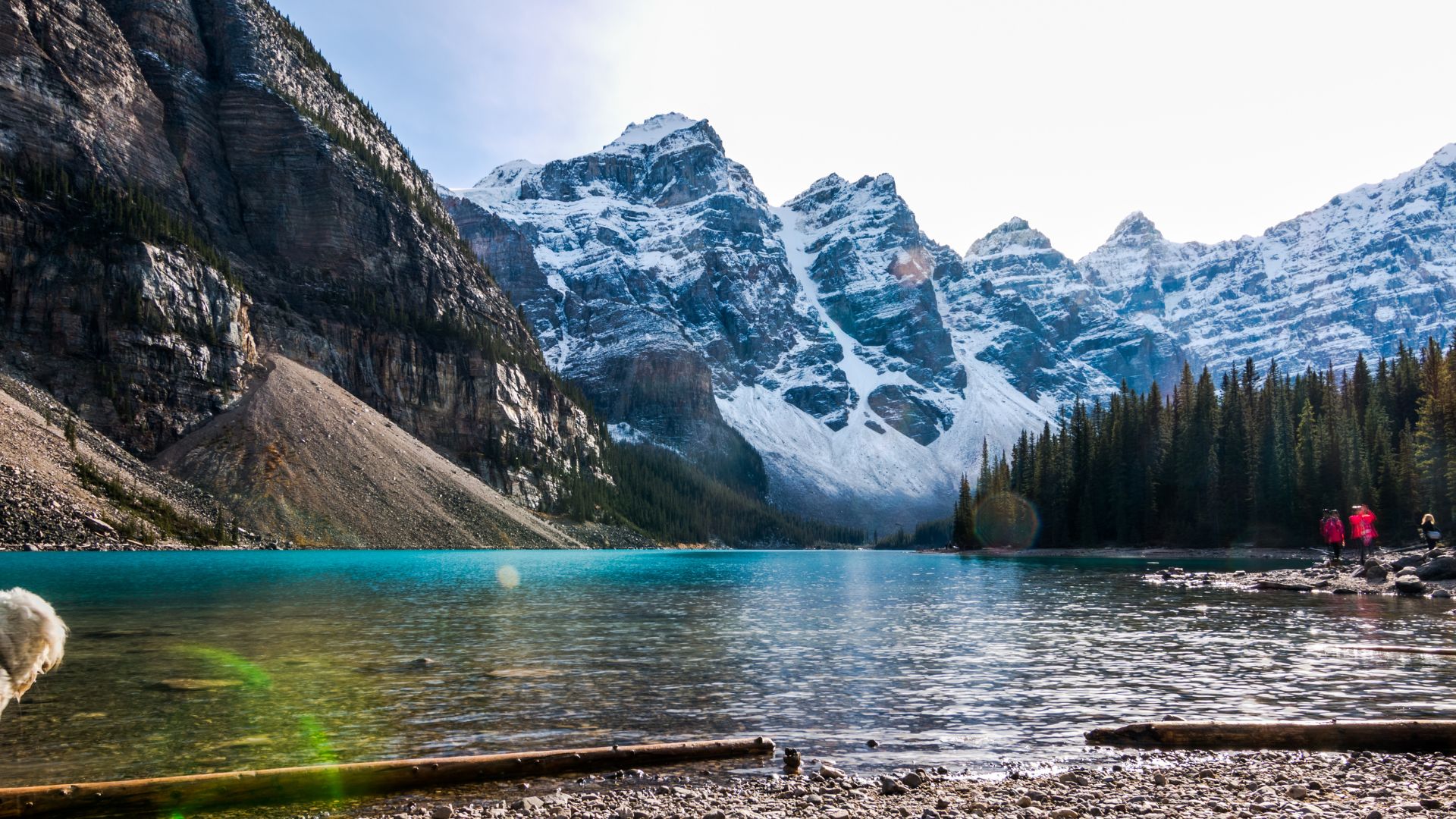
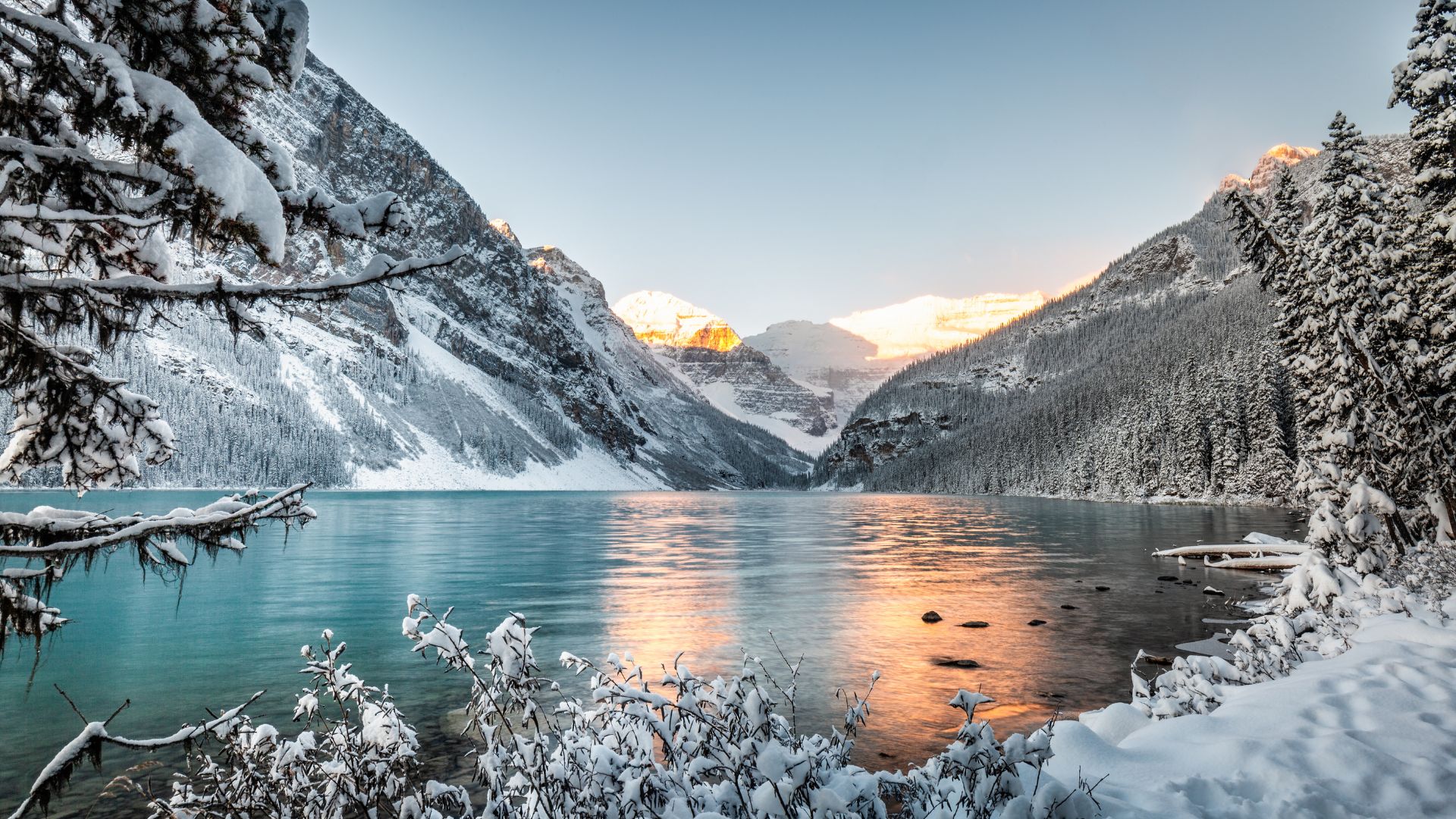
You can reach Lake Louise and Moraine Lake easily from town. Both are glacier-fed, so the water stays icy cold all summer long.
I love the hiking trails around these lakes—amazing views, way fewer crowds than the beach, and no sunscreen panic every hour.
Downtown Banff has everything within walking distance—shops, restaurants, and laid-back cafes. The Banff Gondola whisks you up Sulphur Mountain for killer views.
After a day on the trails, you can soak your tired legs in the Banff Upper Hot Springs.
Wildlife is part of daily life here. Elk often wander right through town, and if you’re lucky, you might spot bears, bighorn sheep, or mountain goats out on the trails.
Reykjavik: Iceland’s Breezy Capital
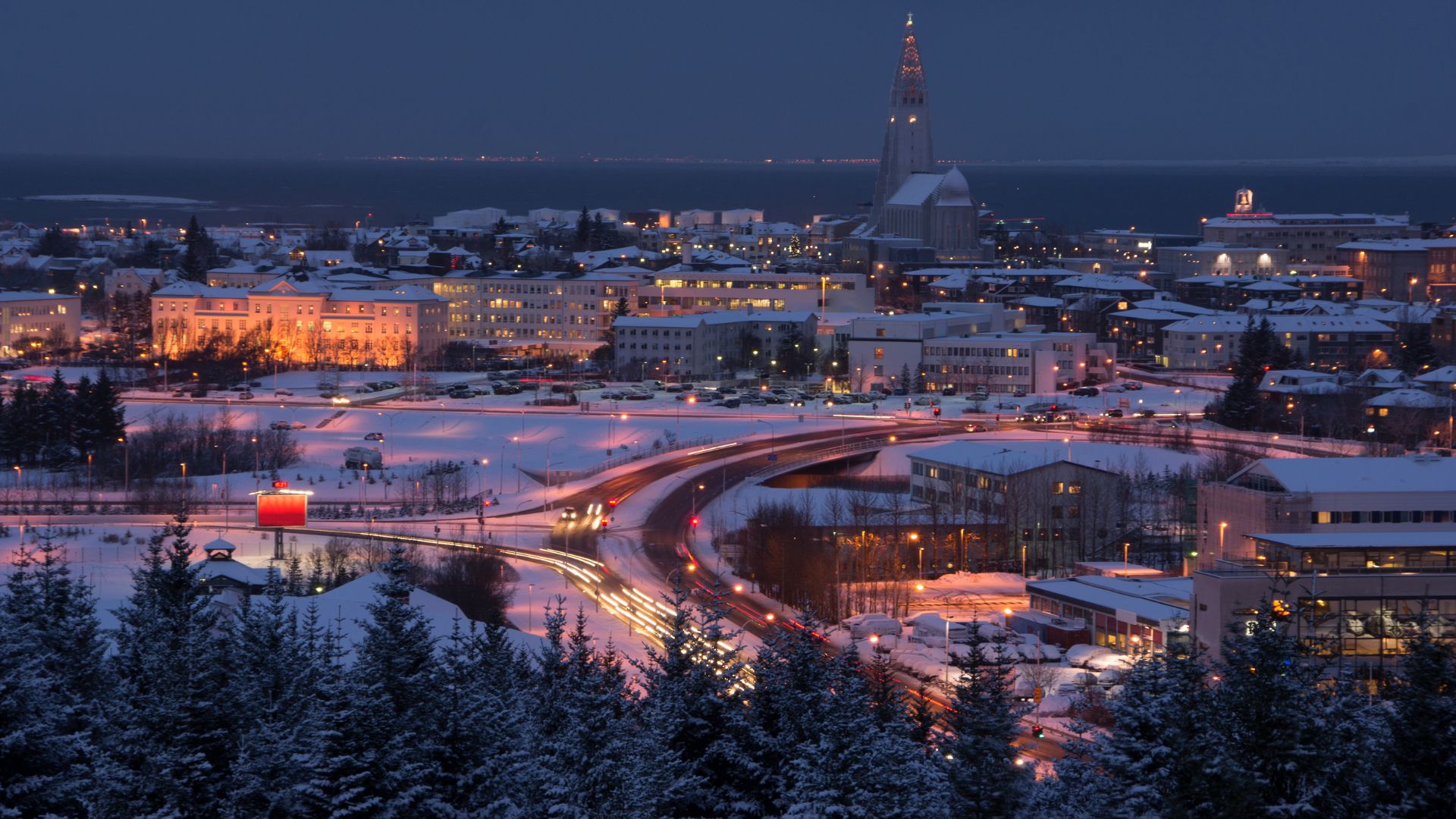
Reykjavik stays cool all summer, with average temps between 50-60°F. The city almost never gets hot.
Because Iceland sits near the Arctic Circle, you’ll get nearly 24 hours of daylight in June and July. That means more time to explore and less worry about overheating.
Reykjavik is made for walking. The colorful houses and Hallgrímskirkja church make a perfect backdrop for photos.
Harpa Concert Hall hosts concerts and shows throughout summer, adding a dash of culture to your trip.
Day trips from Reykjavik are easy. You can check out waterfalls, geysers, and black sand beaches in one go.
The Golden Circle tour hits Thingvellir National Park, Geysir, and Gullfoss waterfall. Most tours run about 6-8 hours.
Locals swim in geothermal pools year-round, and the naturally warm water feels amazing when the air is chilly.
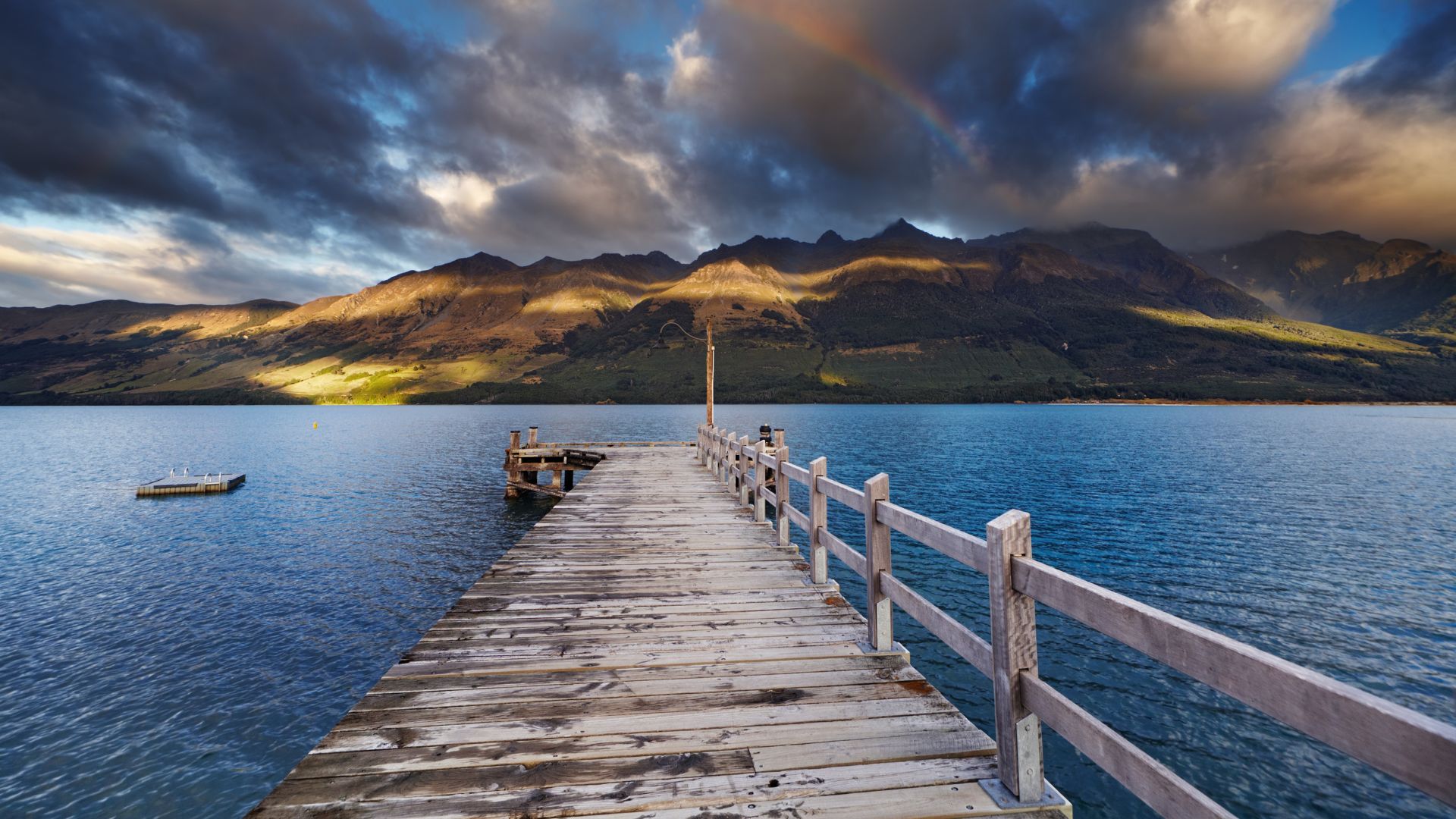
Queenstown: New Zealand’s Adventure Hub
Queenstown sits on Lake Wakatipu, surrounded by the Southern Alps. If you’re visiting during the Northern Hemisphere’s summer, it’s actually winter here.
I always suggest heading to Queenstown between June and August for snow adventures. Temps range from 30-50°F at this time.
The Remarkables and Coronet Peak ski fields are just a quick drive from town.
But Queenstown isn’t just about skiing. You can hop on a gondola for epic views, try bungee jumping, or take a cruise on Lake Wakatipu.
The TSS Earnslaw steamship has been chugging along since 1912—history buffs, take note.
Queenstown’s food scene is fantastic. Central Otago wines, especially Pinot Noir, are a must-try, and plenty of vineyards offer tastings close by.
Edinburgh: Scotland’s Festival Playground
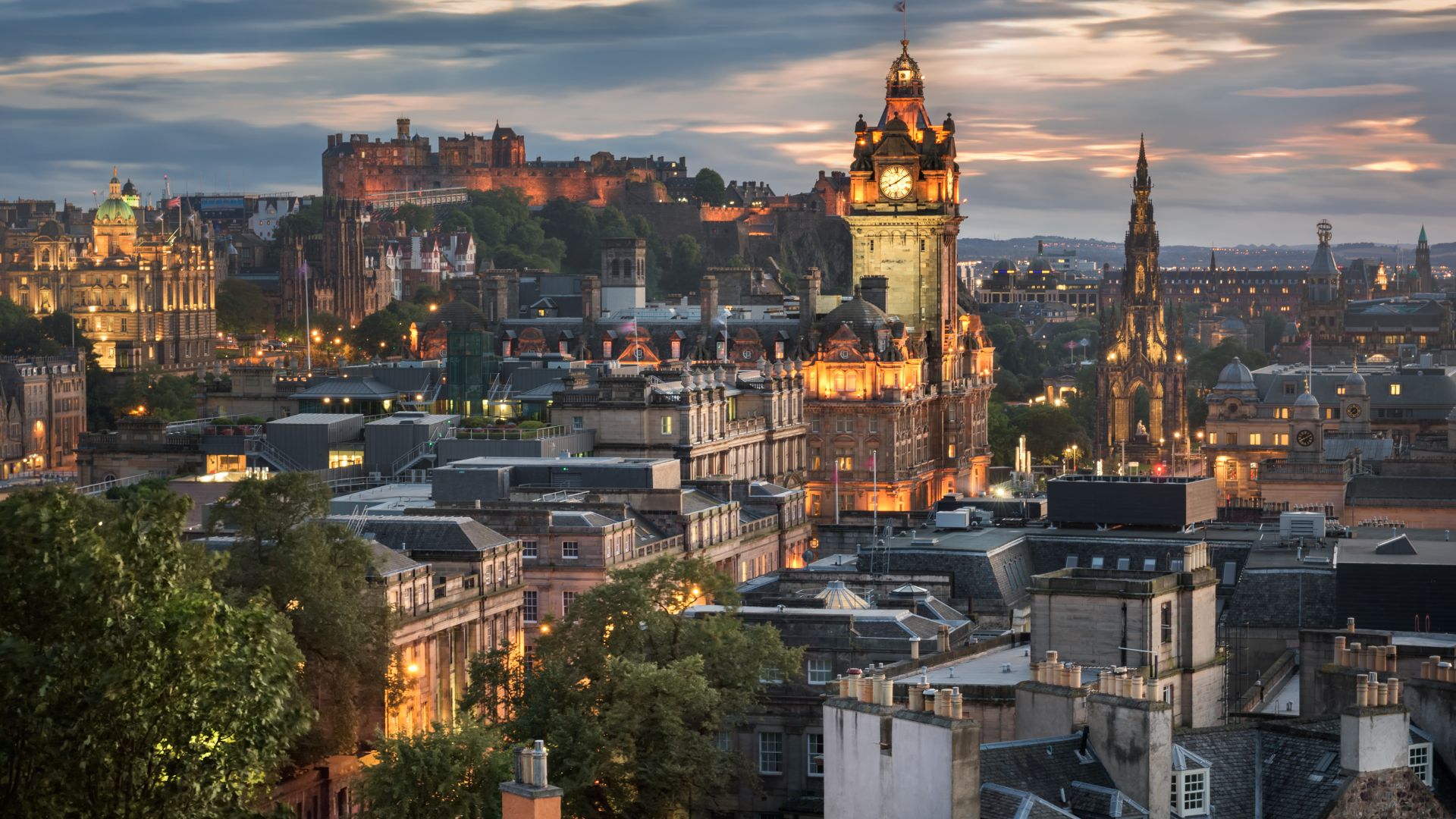
Edinburgh is a cool-weather dream with layers of history and culture. Summer temps usually stay between 60-65°F, which makes walking the city a breeze.
August is festival season here. The Edinburgh Festival Fringe takes over the city with thousands of comedy, theater, and music performances.
I always start with Edinburgh Castle, perched on volcanic rock with sweeping city views.
The Royal Mile stretches from the castle to Holyrood Palace, lined with shops and street performers.
If you’re up for a short hike, Arthur’s Seat is an extinct volcano with a 45-minute trail to the top. The views cover all of Edinburgh and the Firth of Forth.
Scottish weather can be moody, so I always pack layers and a waterproof jacket—even in summer. The cool temps make exploring the city way more pleasant than baking in the sun.
More Hidden Gem Cool-cation Destinations
Beyond the famous names, plenty of lesser-known mountain towns offer epic scenery and refreshing weather. These places combine cool air, fewer tourists, and a genuine sense of discovery.
Patagonia: Argentina’s Wild Frontier
Patagonia blew me away with its jaw-dropping scenery. The region stretches across Argentina and Chile, and summer (December to February) brings temps between 50-65°F.
El Chaltén is Argentina’s trekking HQ, sitting right at the foot of Mount Fitz Roy. The hiking here is legendary—glaciers, turquoise lakes, and granite spires, all without sweltering heat.
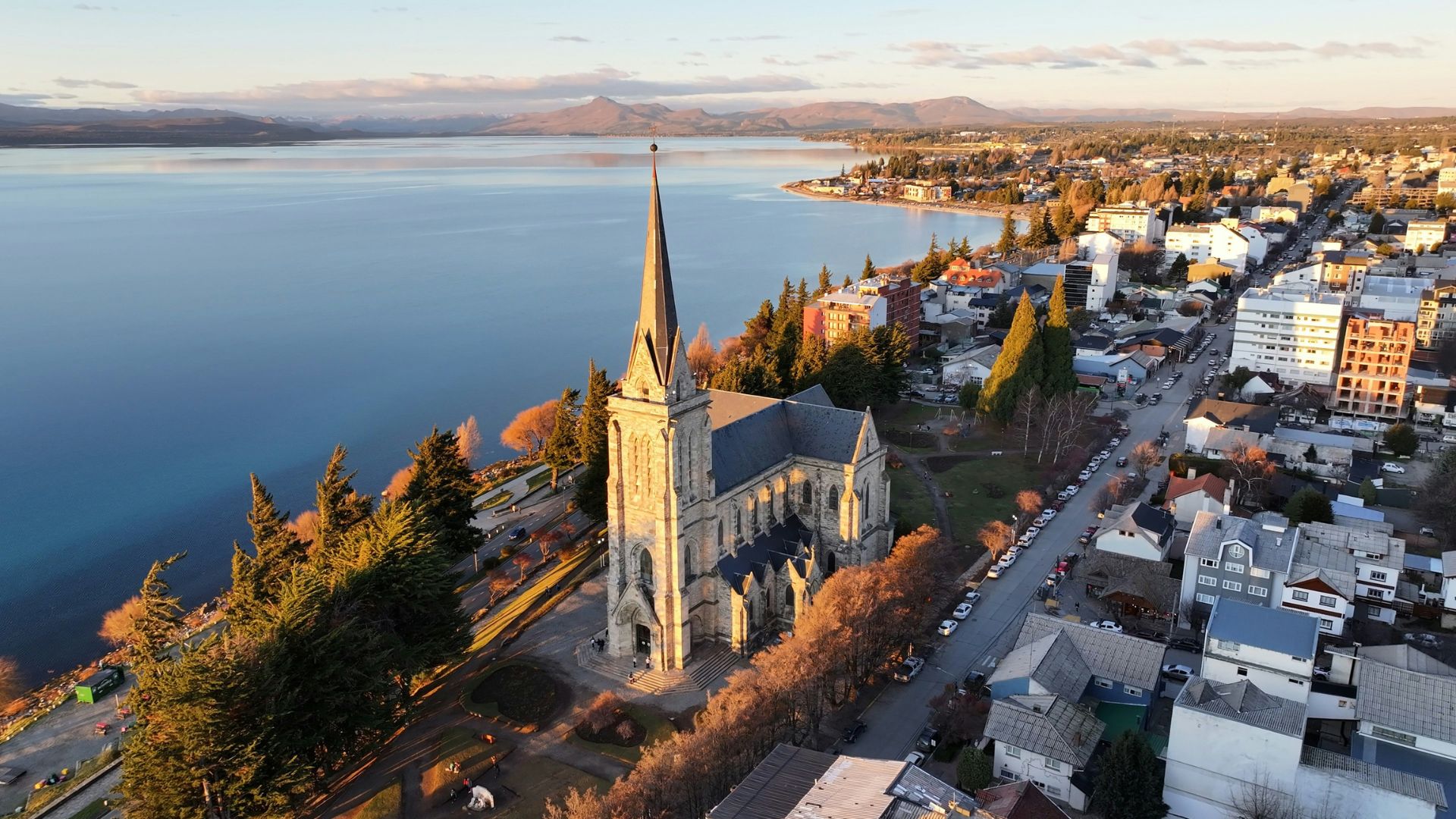
Bariloche gives you a different vibe, with Swiss-style buildings and chocolate shops. It’s perched on Lake Nahuel Huapi and stays cool year-round.
If you go in January or February, you’ll hit perfect weather for outdoor adventures.
Don’t miss:
- Glacier trekking at Perito Moreno
- Hiking in Los Glaciares National Park
- Spotting guanacos and condors
Swiss Alps: Switzerland’s Summer Playground
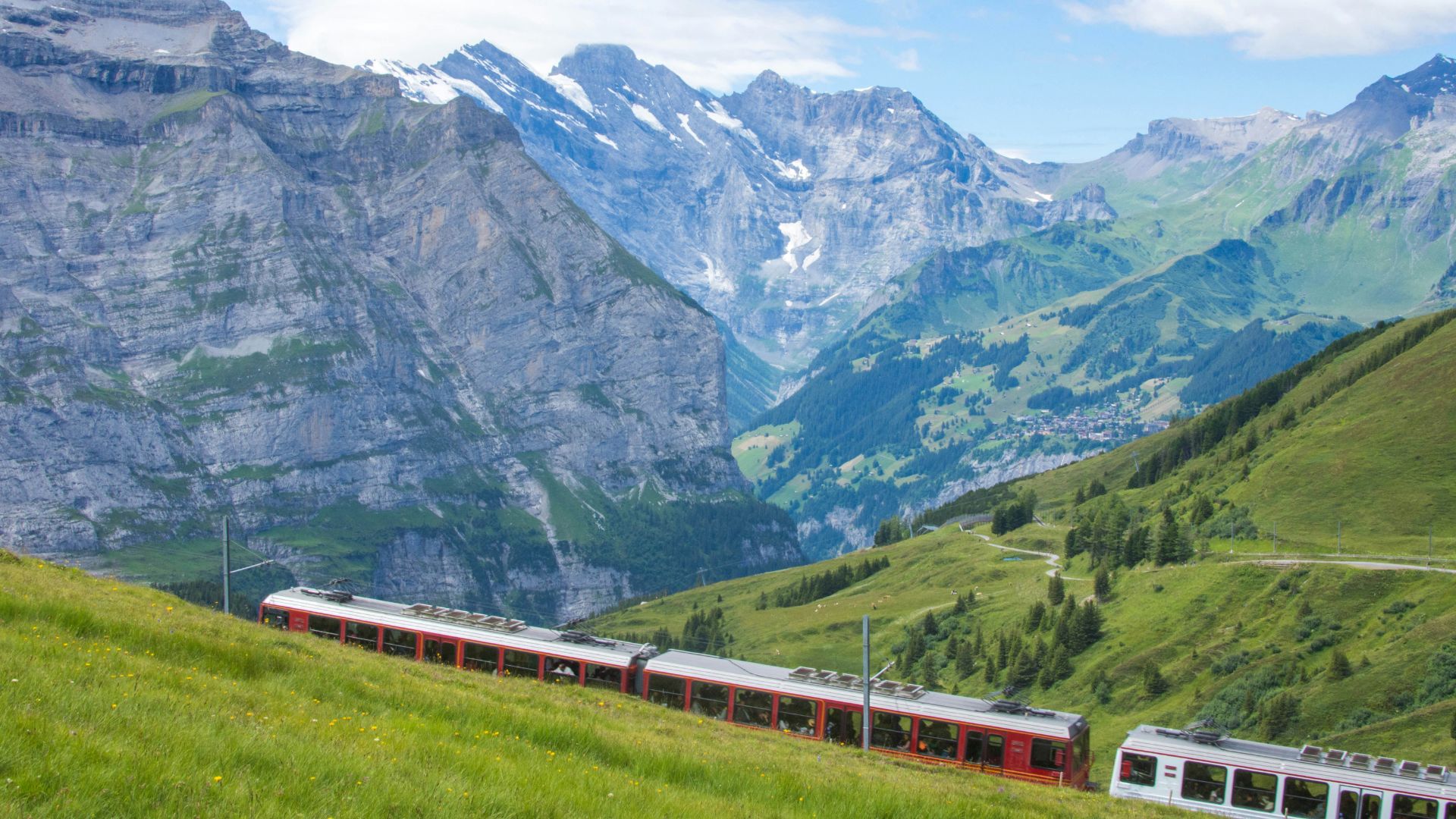
The Swiss Alps turn lush and green in summer. Towns like St. Moritz and Zermatt keep things comfortable at 60-70°F, even when the valleys below are baking.
St. Moritz mixes luxury with mountain air at 6,000 feet. You get posh hotels and restaurants, but also hiking trails and sparkling lakes.
Zermatt is car-free and frames the iconic Matterhorn. Over 250 miles of hiking trails crisscross alpine meadows bursting with wildflowers.
Cable cars make it a breeze to reach higher elevations, where the air gets even cooler.
Mountain weather changes fast, so I always bring layers. Mornings often start in the 50s, but warm up by midday.
Tasmania: Australia’s Cool Southern Outpost
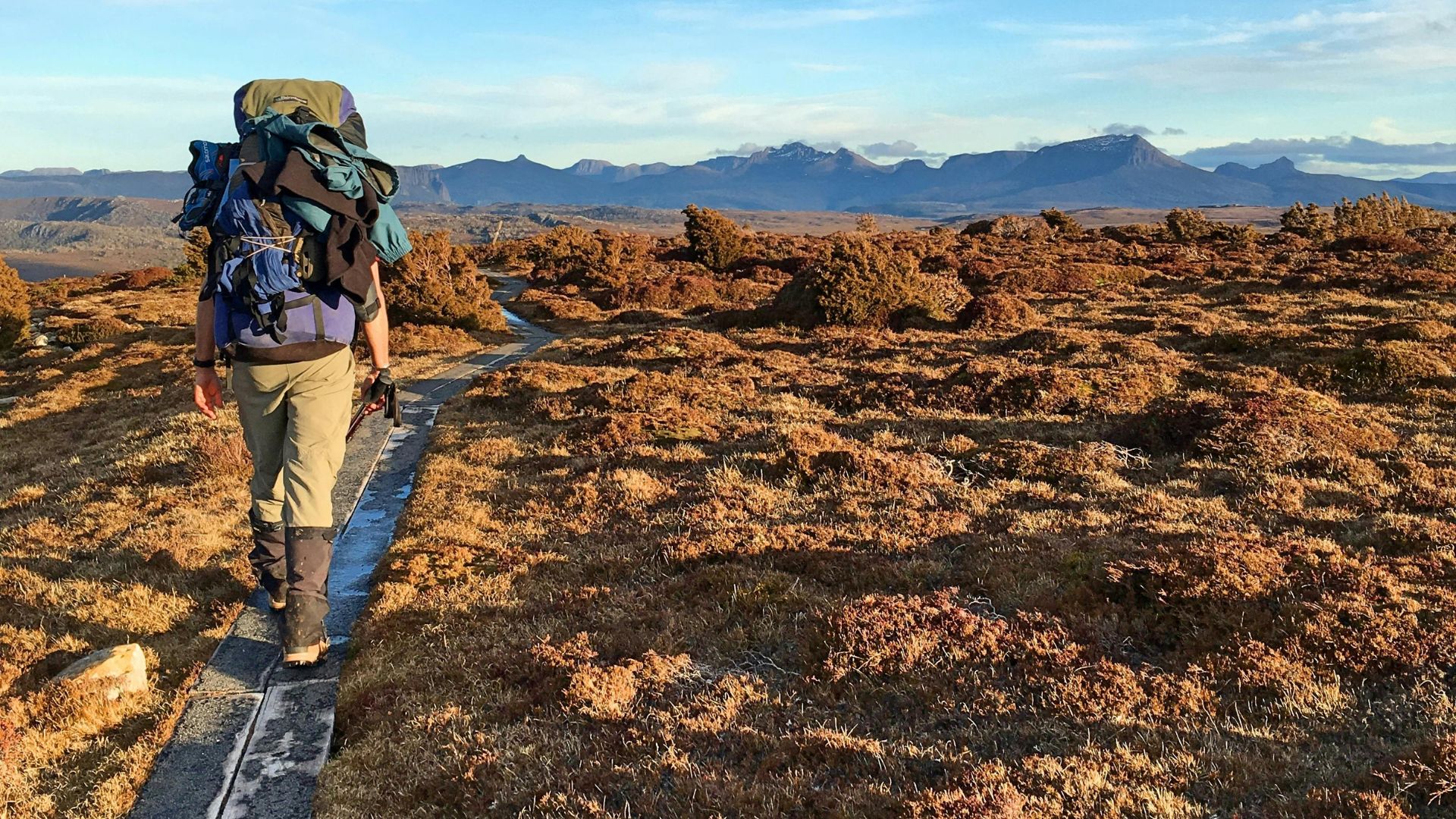
Tasmania flips the script on Aussie summers. While the mainland sizzles at 95°F or more, Hobart chills at 65°F from December to February.
The island packs a ton of variety into a small space. You can hike Cradle Mountain’s peaks in the morning, then hit Freycinet National Park’s beaches by afternoon.
Hiking here beats the mainland—cooler temps, less sweat, and more wildlife.
Tasmania highlights:
- Wineries: Sip cool-climate wines in the Tamar Valley
- Wildlife: Spot Tasmanian devils at conservation parks
- Trails: The Overland Track is a classic multi-day trek
Hobart mixes colonial history with a modern food scene. The waterfront buzzes every Saturday with markets—perfect for sampling local produce and seafood.
Slovenia: Secret Alpine Escape
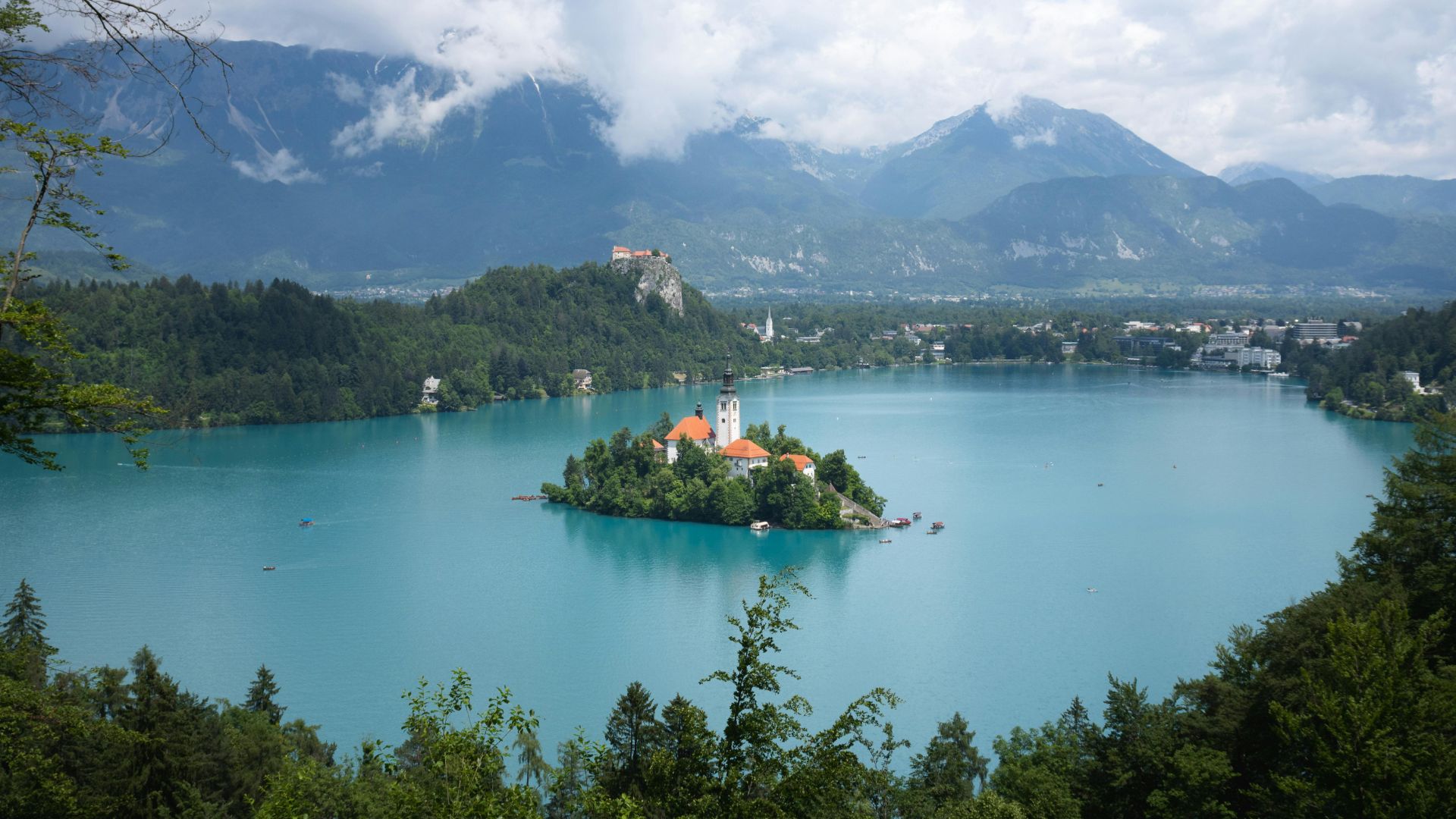
Slovenia still flies under the radar compared to the Alps in Switzerland or Austria. Lake Bled and the Julian Alps serve up gorgeous views and summer temps around 70°F.
Lake Bled feels like a fairy tale, with its island church and cliff-top castle. I love that it’s not overrun like some other famous lakes.
Rent a boat, swim, or hike up to viewpoints for epic photos.
The Julian Alps offer rugged mountain terrain, but without the Swiss price tag. Triglav National Park has Slovenia’s highest peak and miles of trails.
The Soča River valley adds electric blue water to the green mountains.
Ljubljana, the capital, makes a great base. It’s walkable, affordable, and you can reach the mountains in about an hour.
Refreshing Mountain Activities for Summer Travelers
Mountain towns aren’t just about cool air—they’re jam-packed with outdoor fun that keeps you moving and comfortable.
Think alpine trails, cold lakes, and a natural kind of air conditioning that you just can’t fake at sea level.
Hiking Trails and High-Altitude Wellness
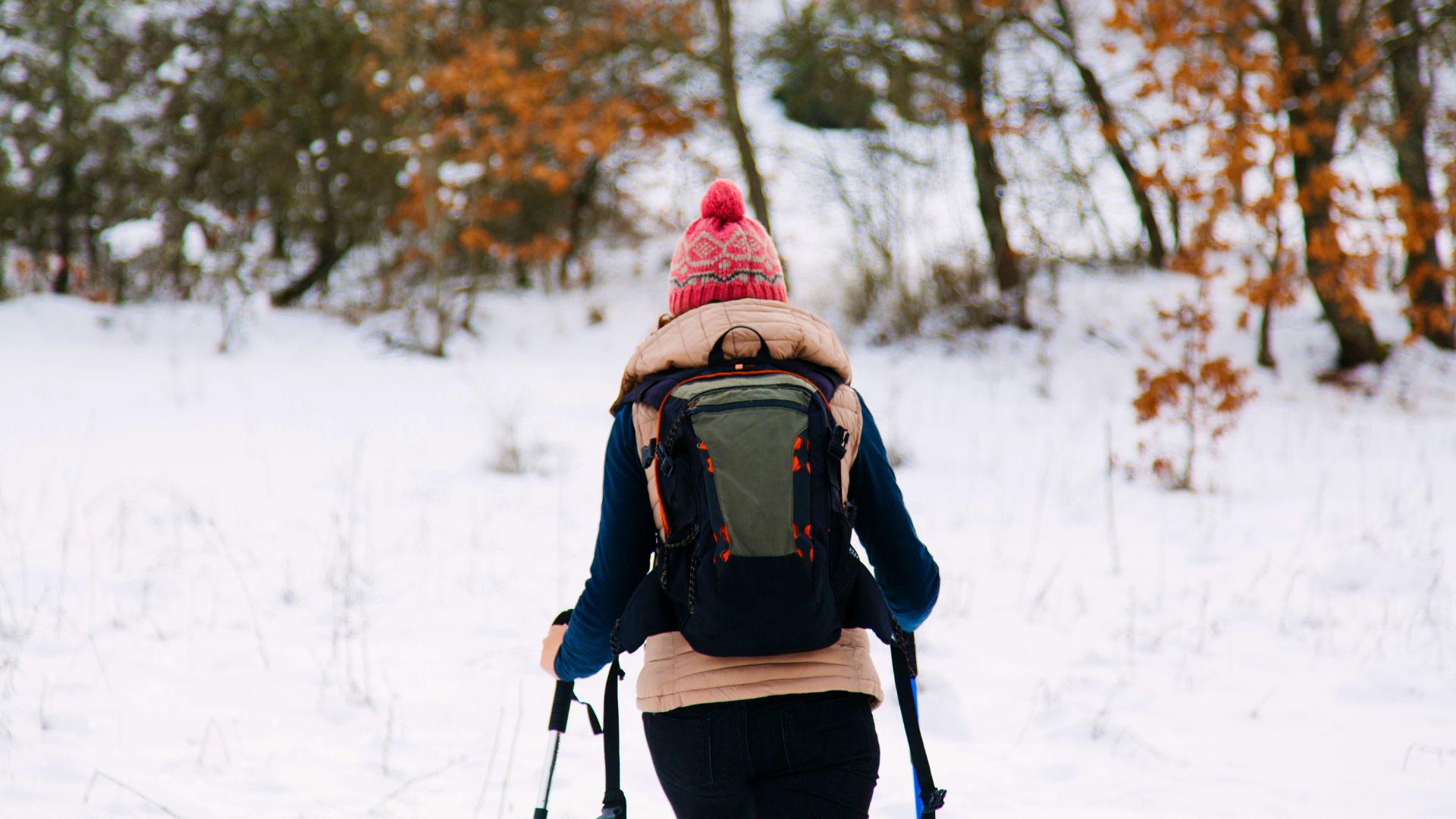
For me, high-altitude hiking is the ultimate summer fix. Most mountain trails wind between 8,000 and 12,000 feet, where it rarely gets above 75°F—even in the dog days of summer.
I like to start hikes early to dodge those afternoon thunderstorms that often roll in between July and August.
Packing extra layers is a must. Temps can drop fast as you climb, and weather changes on a dime.
The air up here feels crisp and pure. Sometimes, you’ll even find snow patches lingering well into midsummer on the shadier slopes.
Mountain streams and waterfalls, fed by snowmelt, make perfect cool-down stops along the way.
I always notice how much better I feel at altitude. Cooler temps mean I can stay active longer without getting drained.
Breathing is easier, the air is cleaner, and humidity is low. Honestly, it’s the kind of summer wellness you can’t buy in a bottle.
Kayaking, Boating, and Fjord Exploration
Nothing beats the instant chill of mountain water activities on a hot summer afternoon. I love paddling across alpine lakes—those icy blue waters stay cold all year, thanks to glacial melt and lingering snow runoff.
Stand-up paddleboarding? Honestly, it’s perfect for beginners, especially on calm lakes tucked into the mountains. You can usually rent boards right at the resort, no need to stress about booking ahead. The glassy water mirrors the peaks, and it just feels like the right place to learn.
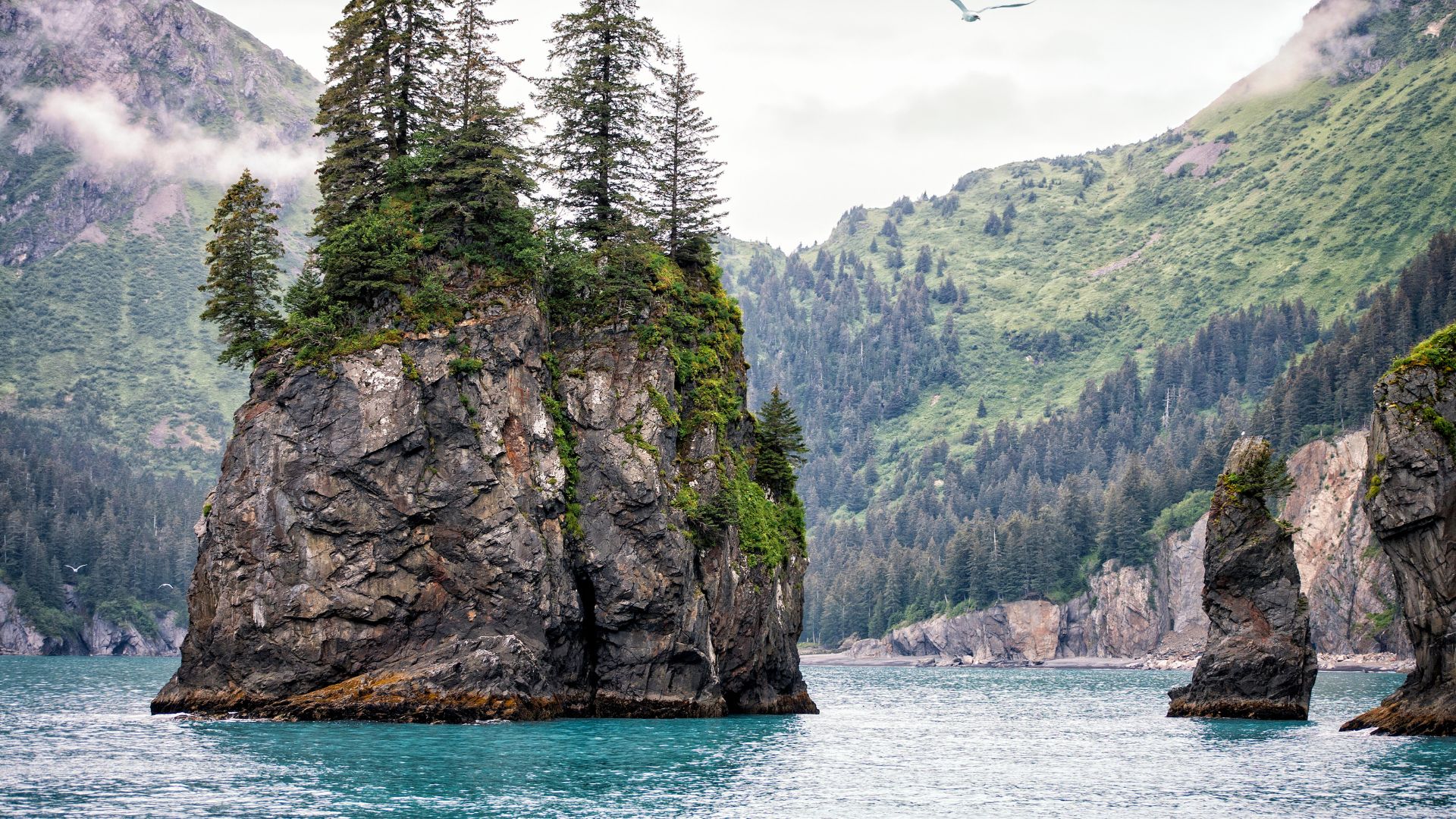
Sometimes, I crave more adventure and head to mountain towns perched by the sea. If you haven’t tried kayaking through fjords, you’re missing out. These deep, glacial valleys fill with seawater and stay refreshingly cool, even in July. Gliding between those epic cliffs—where the temperature rarely climbs above 70 degrees—feels almost surreal.
Whitewater rafting on a mountain river? That’s a wild ride. The river’s icy rush keeps me cool, and the rapids bring a jolt of excitement you just can’t get anywhere else.
Wildlife and Nature Encounters
Mountain ecosystems are bursting with life that loves the chill. I often spot elk, mountain goats, and marmots while hiking through alpine meadows. These animals stay active all day, probably because the cool air lets them roam and graze without overheating.
For the best wildlife viewing, I always head out early or just before dusk. Moose usually hang out near ponds and streams, munching on water plants. If I’m lucky, I’ll catch bears snacking in berry patches as summer winds down.
Wildflower season in the mountains? Pure magic. July and August bring meadows bursting with lupine, columbine, and Indian paintbrush. These blooms only show up where snowmelt and cool temps create the perfect growing mix.
Travel Tips for Your Cool-cation Adventure
Mountain trips aren’t like beach getaways. I’ve learned that packing smart, booking early, and checking out local happenings can turn a good trip into something unforgettable.
Packing Appropriately for Summer Mountains
Layering is my go-to strategy for mountain towns. Seriously, temperatures can swing 20–30 degrees between sunrise and late afternoon. Even in July, places like Jasper might dip to 40°F at night but hit 70°F during the day.
Here’s what I always toss in my bag:
- Base layers: Lightweight long sleeves and leggings
- Mid layers: Fleece or a cozy wool sweater
- Outer layer: Waterproof jacket with a hood
- Bottoms: Both shorts and pants come in handy
- Footwear: Hiking boots and comfy walking shoes
- Accessories: Sunglasses, a hat, and sunscreen (the sun’s no joke at altitude)
A small backpack is a must for day trips. Weather changes fast, so I keep extra layers close. I skip cotton and go for moisture-wicking fabrics that dry quickly and keep me warm.

Booking and Planning Ahead
Cool-cation spots are getting popular—fast. I’ve noticed that mountain town hotels, especially those cute boutique lodges, fill up two or three months ahead during summer.
I try to book flights and hotels by April or May for the best options. Sometimes I’ll hunt for package deals that bundle lodging and activities. Properties with fireplaces or heating are a bonus, since evenings get chilly, even in July.
I always reserve guided hikes, kayaking tours, and scenic railways early. A lot of mountain attractions limit daily visitors to protect the landscape, so it pays to plan. Rental cars can be tricky to snag last minute, so I book those as soon as my dates are set.
Local Culture and Seasonal Events
Mountain towns know how to celebrate summer. Think festivals, farmers’ markets, and outdoor concerts—there’s always something happening. Scotland’s Highlands, for example, go all out with Highland Games, where you’ll catch traditional music and wild athletic contests.
Before I lock in my dates, I check local event calendars. Some towns throw summer solstice parties or host weekly markets packed with handmade crafts and tasty treats. These local gatherings offer a slice of real mountain life that most tourists miss.
Respect matters up here. I always stick to marked trails, pack out my trash, and give wildlife plenty of room. Locals are the best source for restaurant tips and hidden viewpoints. Supporting small businesses helps these mountain communities thrive, long after the tourists head home.
Frequently Asked Questions
Mountain towns and other cool destinations usually hang out between 60–75°F in summer. Some of my favorites are Banff in Canada, Alaska’s glacier country, and those high-elevation gems scattered across the western U.S.
If you’re chasing cooler air, aim high or head north. Iceland and Reykjavik keep things mild all summer, and Norway’s fjords serve up fresh air with jaw-dropping scenery.
On the flip side, Tasmania and New Zealand are in the middle of winter during our summer, so you’ll find crisp, perfect weather for exploring. Italy’s Dolomites combine charming Alpine villages with cool mountain breezes. Scandinavia’s wild spaces stay comfortable and look downright magical, too.
High-altitude towns are the real MVPs for beating the heat. The Rocky Mountains often run 20–30 degrees cooler than the valleys below. The Alps? Same story, just with a European twist.
Colorado’s mountain towns, perched above 8,000 feet, rarely get hot. Vermont and New Hampshire have smaller, laid-back communities where summer rarely tops 75°F. California’s Sierra Nevada range hides a few high-elevation spots that are perfect for August escapes.
Alaska easily tops the list for cool July weather—think 55–65°F most days. Coastal parts of Washington and Oregon stay mild, thanks to the ocean. Northern Minnesota and Michigan’s Upper Peninsula are also great bets for a break from the heat.
Wyoming and Montana’s higher elevations offer comfortable days and chilly nights. Colorado’s mountain towns above 9,000 feet barely break 70°F in July. Maine’s coast, with its breezy harbors, keeps things refreshingly cool.
San Francisco is famous for its summer fog—temps usually hover in the 60s, and you might need a jacket in July. Seattle averages a pleasant 75°F, and the humidity stays low. Anchorage, Alaska rarely leaves the 50s and 60s, even in peak summer.
Portland, Maine brings mild coastal weather, and it’s rare to see the thermometer climb past 80°F. Duluth, Minnesota gets a cooling boost from Lake Superior. Even Boise, Idaho, at 2,700 feet, offers a break from extreme heat while staying easy to reach.
Banff, Alberta is a dream in August—lakes like turquoise jewels, mountain trails, and temps that rarely leave the 60s. Jackson Hole, Wyoming mixes high elevation with knockout Teton views. Glacier National Park, with its snow-dusted peaks, stays cool all month.
Vermont’s Green Mountains are mild and dotted with friendly small towns. New Hampshire’s White Mountains are perfect for hiking without breaking a sweat. Northern Wisconsin’s lakes offer pleasant weather and plenty of ways to get out on the water.
If you’re hunting for a summer escape where the heat doesn’t overwhelm, Iceland should top your list. From June through August, temperatures rarely climb above 60°F. Locals and travelers both appreciate the steady, gentle chill—perfect for soaking in natural hot springs or wandering under endless daylight.
Coastal Norway feels almost like a secret. The air stays crisp, especially near the fjords, and even in July, you’ll want a light jacket. Those dramatic cliffs and mirror-like waters? They look even better when you’re not sweating buckets.
Scotland’s Highlands are another winner. The weather stays refreshingly mild, and the scenery—well, it’s honestly breathtaking. One minute you’re under moody clouds, the next, sunlight breaks through and transforms the entire landscape.
I always find myself drawn to Canada’s mountain regions in British Columbia and Alberta. Summer here feels just right: cool mornings, warm afternoons, and that unbeatable fresh mountain air. It’s a dream for hikers and anyone who loves the outdoors.
Tasmania flips the script with its winter season during our summer months. If you’re craving something offbeat, this is it. The weather stays mild and the crowds thin out, making it ideal for exploring the island’s wild beauty.
Switzerland’s Alpine regions round out the list. Higher elevations keep things cool, even when the rest of Europe heats up. You can hike, picnic, or just relax and stare at the mountains—there’s no rush when the weather’s this pleasant.
