
Walking through the ancient olive groves of Venafro, I felt like I was stepping back in time. This small town sits tucked away in Italy’s lesser-known Molise region, and locals are genuinely proud of their Parco Regionale dell’Olivo—a park where some olive trees might just be the oldest on the planet.
These olive trees are something else. Many of them have stood for centuries, and, if you believe Roman poet Orazio, they once gave the world its finest olive oil.
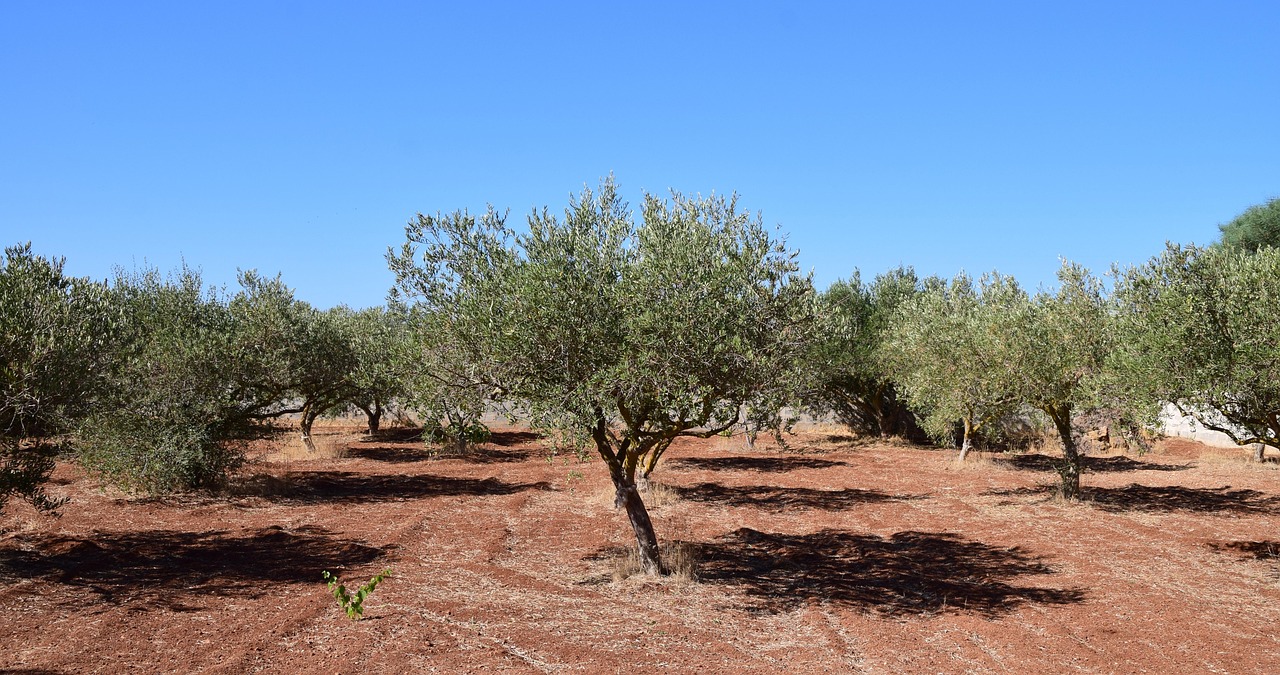
I spent a dreamy spring morning wandering among these groves, letting my fingers graze the deeply furrowed bark. These trees have seen more history than I can wrap my head around.
Their twisted trunks almost seem to whisper stories about generations of harvesters, all using methods handed down over the years.
The real highlight? The tasting. I sampled oils pressed from these ancient trees, each one with a flavor that danced somewhere between peppery, grassy, and just a little sweet.
If you’re thinking about a trip to Italy and want something off the beaten path, this olive grove is a rare treat—historically rich and a feast for the senses.
Discovering Venafro’s Ancient Olive Trees
Strolling through Venafro’s olive groves, I kept thinking, “Wow, this really does feel like another era.” Some trees here are over a thousand years old. They practically breathe stories of Roman emperors and old farming tricks that shaped Italian history.
Historical Significance of Venafro’s Olive Groves
Venafro’s olive groves have a special place in Italy’s past. Roman poet Horace didn’t just romanticize Venafro’s oil—he insisted it was the best in the ancient world.
Turns out, he wasn’t exaggerating. Historical records back him up: Venafro oil was a prized commodity across the Roman Empire.

I found out that people here have been refining olive cultivation since the 6th century BCE. King Tarquinius Priscus set up farming methods that ended up spreading all over the Mediterranean.
Today, the Regional Agricultural Historical Olive Tree Park of Venafro protects these ancient trees. As I wandered beneath their gnarled branches, a local guide told me how these groves once fueled the entire Molise region’s economy.
The Oldest Olive Trees: Legends and Facts
Venafro’s “Patriarch” is a standout—one of the oldest olive trees in Molise. I ran my hand along its rough bark, feeling the weight of centuries.
Experts still argue about the exact ages, but many trees here are between 600 and 900 years old. Some locals swear a few are even older, maybe dating back to Roman times.
What really struck me was how tough these trees are. They’ve survived wars, wild weather, and all sorts of changes, yet they still push out olives like it’s nothing.
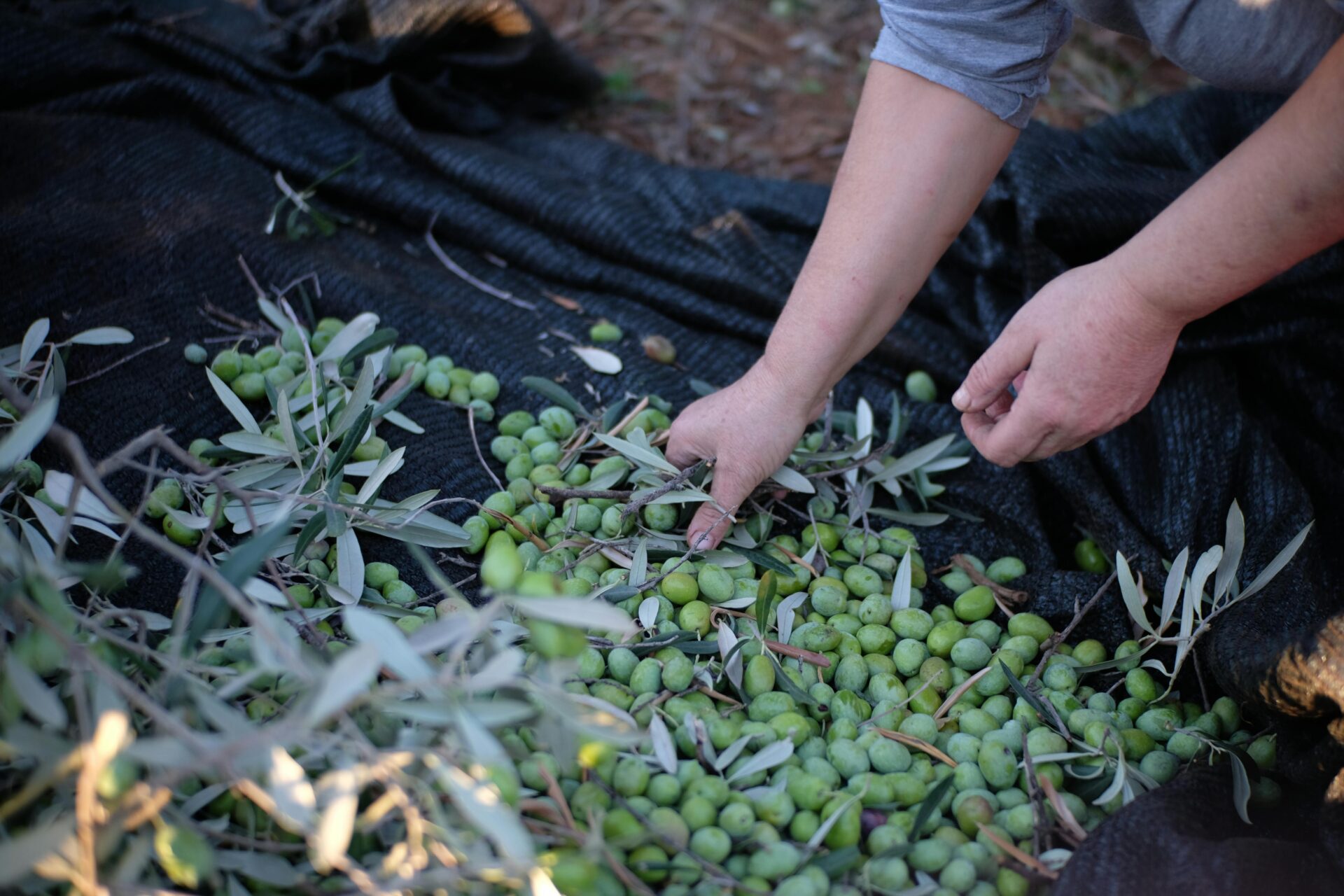
The hollowed trunks and twisted limbs are classic signs of their age. These trees have adapted to survive drought and poor soil, which is pretty impressive in this corner of Italy.
Biodiversity in the Olive Groves
This park isn’t just about olives—it’s a little sanctuary for all sorts of plants and creatures. Between the ancient trees, I spotted wildflowers, herbs, and native grasses thriving.
Farmers here stick with traditional methods that support biodiversity. Unlike modern, uniform plantations, Venafro’s groves are alive with birds nesting in tree hollows and feeding on insects.
The olive varieties themselves are diverse. During my walk, I counted at least five different cultivars, some unique to this region.
There’s a whole hidden world underfoot too. A soil scientist explained to me how the microbiome here has evolved alongside the olive trees for centuries, creating a one-of-a-kind ecosystem.
Because the park preserves these old-school farming ways, this biodiversity should stick around for future generations.
A Guided Olive Oil Tasting Experience
Venafro’s groves aren’t just historical—they produce some of Italy’s most interesting olive oils. I joined a tasting and, honestly, it opened my eyes to flavors I didn’t expect.
Touring Local Olive Mills
My tour started at a small, family-run olive mill tucked among ancient trees. The owner, who comes from a long line of olive producers, showed me how they still use traditional stone grinding alongside modern machines.
“Our methods keep the flavors intact,” he told me, guiding me past massive granite wheels.
Harvest season runs from October to early December. I watched as workers turned fresh olives into golden oil within just a few hours.

The coolest part? They separate the oil naturally, skipping high heat so the delicate flavors survive. This cold pressing makes for some top-notch extra virgin olive oil.
Many of Venafro’s mills support the Parco Regionale dell’Olivo, keeping old traditions alive.
Tasting Techniques and Flavor Profiles
Learning to taste olive oil properly was a trip. Our guide handed out special blue glasses and showed us how to warm the oil in our hands.
“Cup the glass to release the aromas,” she said. “Then take a small sip and draw in air through your lips.”
The flavors ranged wildly:
- Mild oils: Buttery, a hint of fruit
- Medium-bodied: Grassy, pepper at the end
- Robust: Bitter, with a real punch
I started picking up on good traits like fruitiness and bitterness, and learned how to spot defects like musty or rancid notes.

Venafro’s local varieties stand out—they’re a bit nutty, with a peppery kick that sneaks up on you. That signature throat burn? It’s a sign of healthy polyphenols.
Breakfast with Local Olive Oil
The next morning, I tried the classic Italian breakfast—this time with Venafro’s oil. At a café overlooking the groves, the owner served me warm, crusty bread to dip in oil fresh from the press.
“This is how we do breakfast,” she said with a smile. “Simple, but it works.”
That oil turned plain toast into something special—grassy, peppery, and just a little buttery.
I also tried bruschetta with tomatoes, basil, and a heavy pour of extra virgin olive oil.
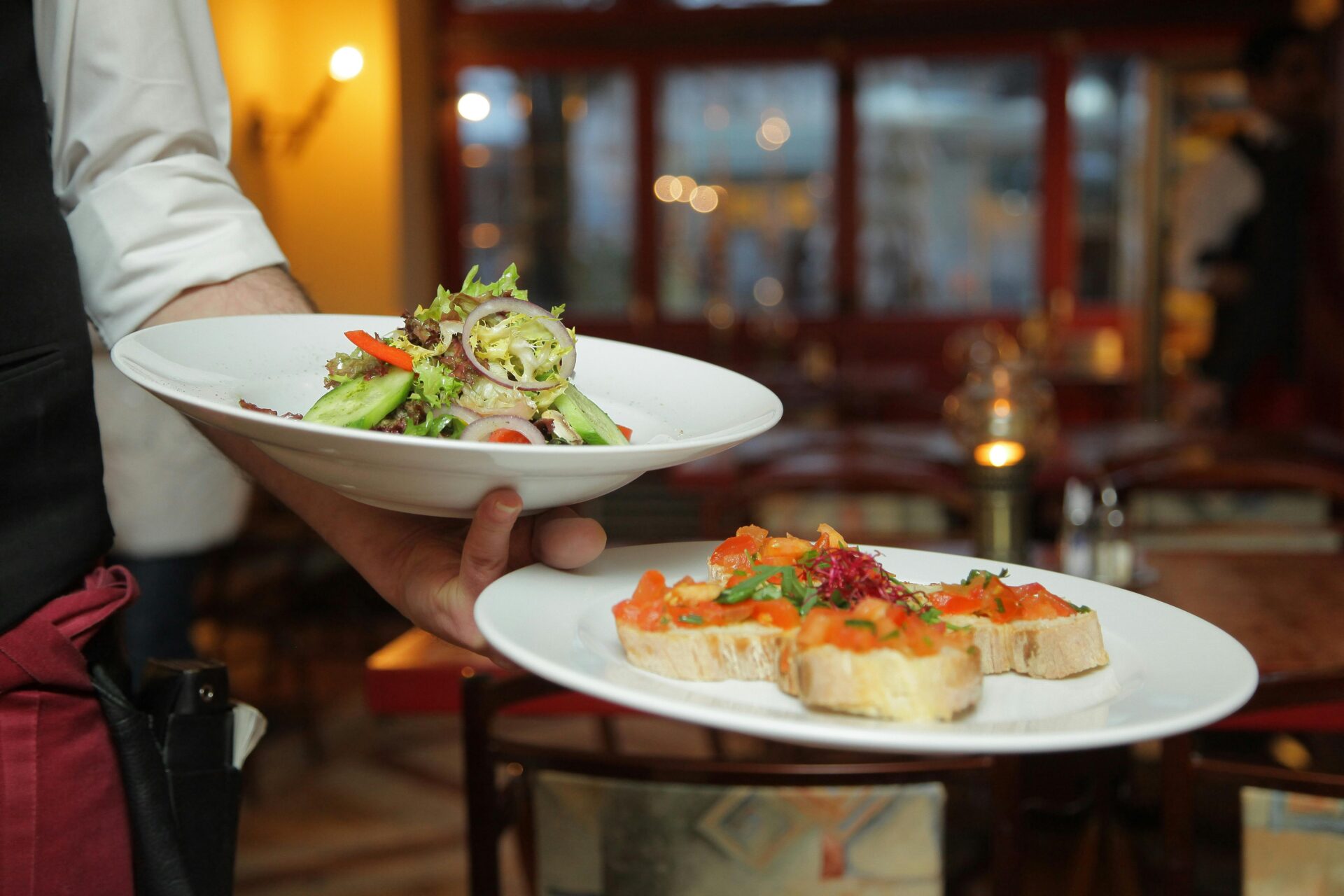
The surprise hit? Rustic bread with olive oil and honey. The sweet and peppery combo was unexpectedly delicious with my cappuccino.
Before I left, I picked up a couple of small bottles to take home—a little piece of Venafro’s olive tradition in my suitcase.
Exploring Venafro and Its Surroundings
Venafro isn’t just about olives. The town sits right at the base of the Apennines, making it a great starting point for exploring Molise’s hidden corners.
Cultural Highlights of Venafro
Venafro’s old town grabbed my attention straight away. The narrow medieval streets and striking architecture drew me in.
Castello Pandone towers over the place, filled with Renaissance frescoes of horses. I spent a morning wandering its halls and soaking up views of the olive groves below.
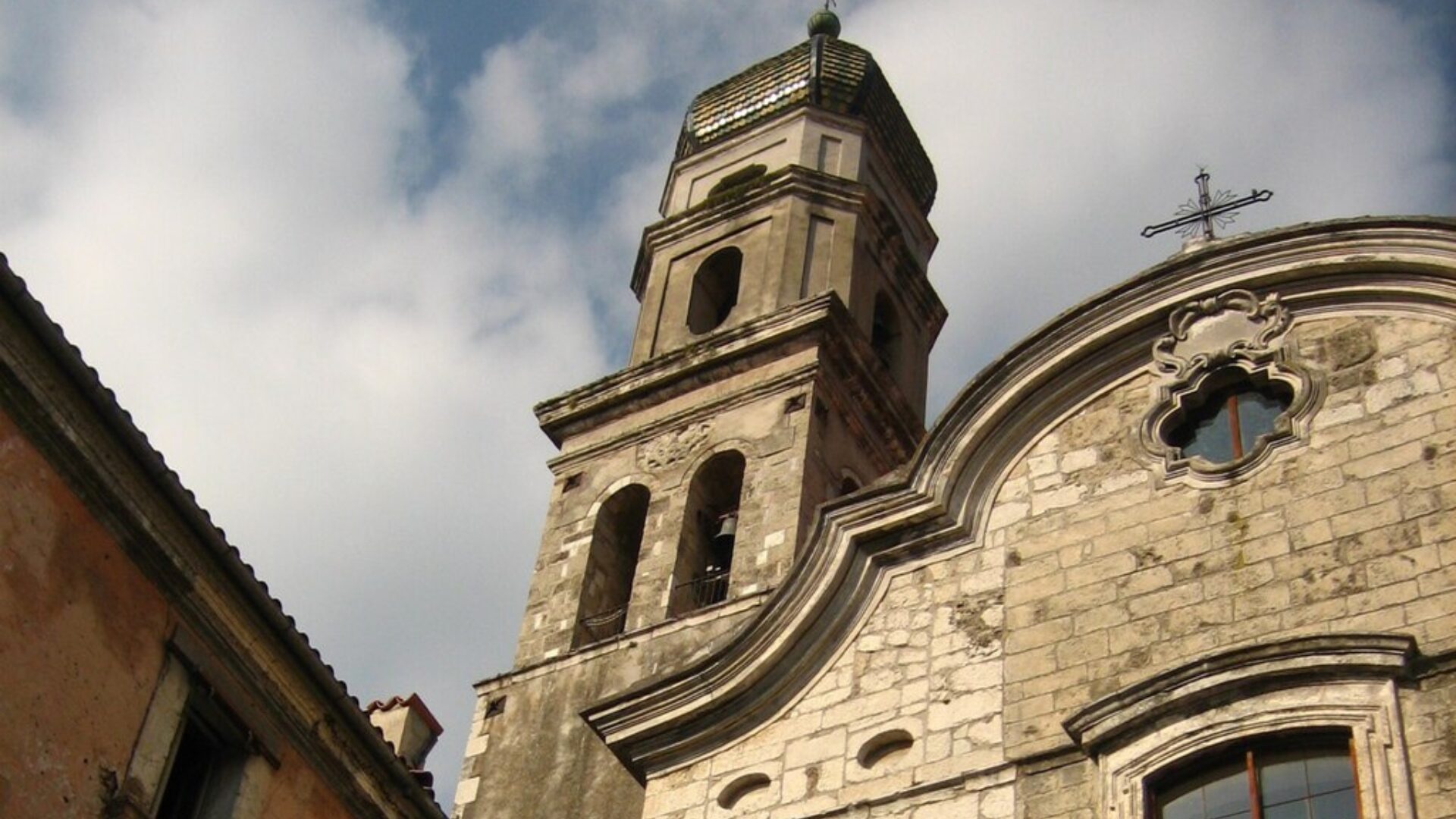
The Cathedral of Venafro (Annunziata) caught me off guard with its mix of styles. Inside, I found ancient Roman artifacts built right into the church—a quirky local tradition.
The Archaeological Museum is packed with finds from thousands of years ago. Many pieces came from the nearby Roman theater, which is worth a visit if you have time.
Venafro hosts festivals year-round, but the olive harvest in late autumn is something special.
Nearby Towns: Agnone and Regional Connections
Agnone, just an hour from Venafro, turned out to be one of my favorite side trips. The town’s bell foundry—Pontificia Fonderia Marinelli—has been casting bells since the Middle Ages. I took a tour and watched artisans at work, following age-old techniques.
Agnone’s also known for caciocavallo cheese. I swung by a small producer who showed me how they hang the cheese to age.
Other spots worth checking out:

- Isernia (20 minutes away) with its prehistoric museum
- Castel San Vincenzo, home to a lovely lake and abbey
- Pietrabbondante’s ancient Samnite ruins
Molise might be Italy’s least-known region, but that’s part of the charm—no crowds, just real connections with locals.
Beaches and Apennine Adventures
Venafro sits inland, but the Adriatic Sea is only about a 90-minute drive. I spent a day at Termoli’s sandy beaches, grabbing seafood at a small spot right on the water. The sea was clear, and there were hardly any crowds compared to other Italian beaches.
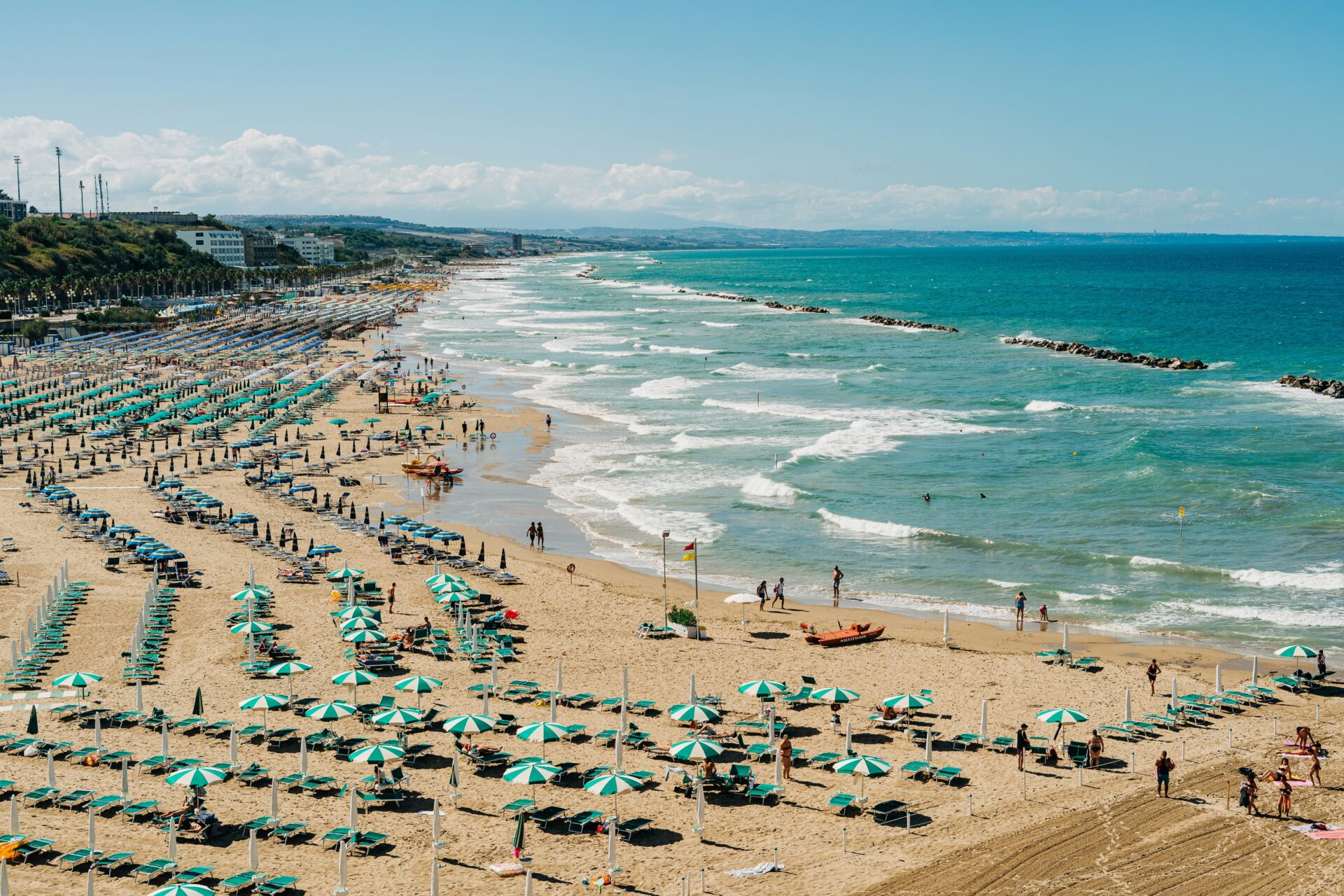
If you’re into the outdoors, the nearby Apennines have great hiking trails. I hiked around Monte Miletto in Molise National Park, where the landscape changes fast—from olive groves to beech forests and even alpine meadows.
In winter, you can ski at Campitello Matese, about an hour away. It’s not huge, but the slopes are good for all levels.
Mountain biking is big here too. Local shops rent bikes and hand out trail maps.
Italy’s Olive Heritage Across Regions
Italy’s love affair with olive trees runs deep, with each region adding its own twist to the story. From Puglia’s ancient groves to Tuscany’s Medici-shaped landscapes, every area has its own olive tale to tell.
Olive Cultivation from Lazio to Puglia
Lazio’s hills are dotted with olive groves, some trees still bearing fruit after centuries. These old-timers have seen a lot, and they keep producing that signature peppery oil.
Heading east to Abruzzo and Molise, I found a wilder olive landscape. In Venafro, Molise’s olive jewel, some trees are said to be over 500 years old. The Parco Regionale dell’Olivo works hard to protect these living pieces of history.
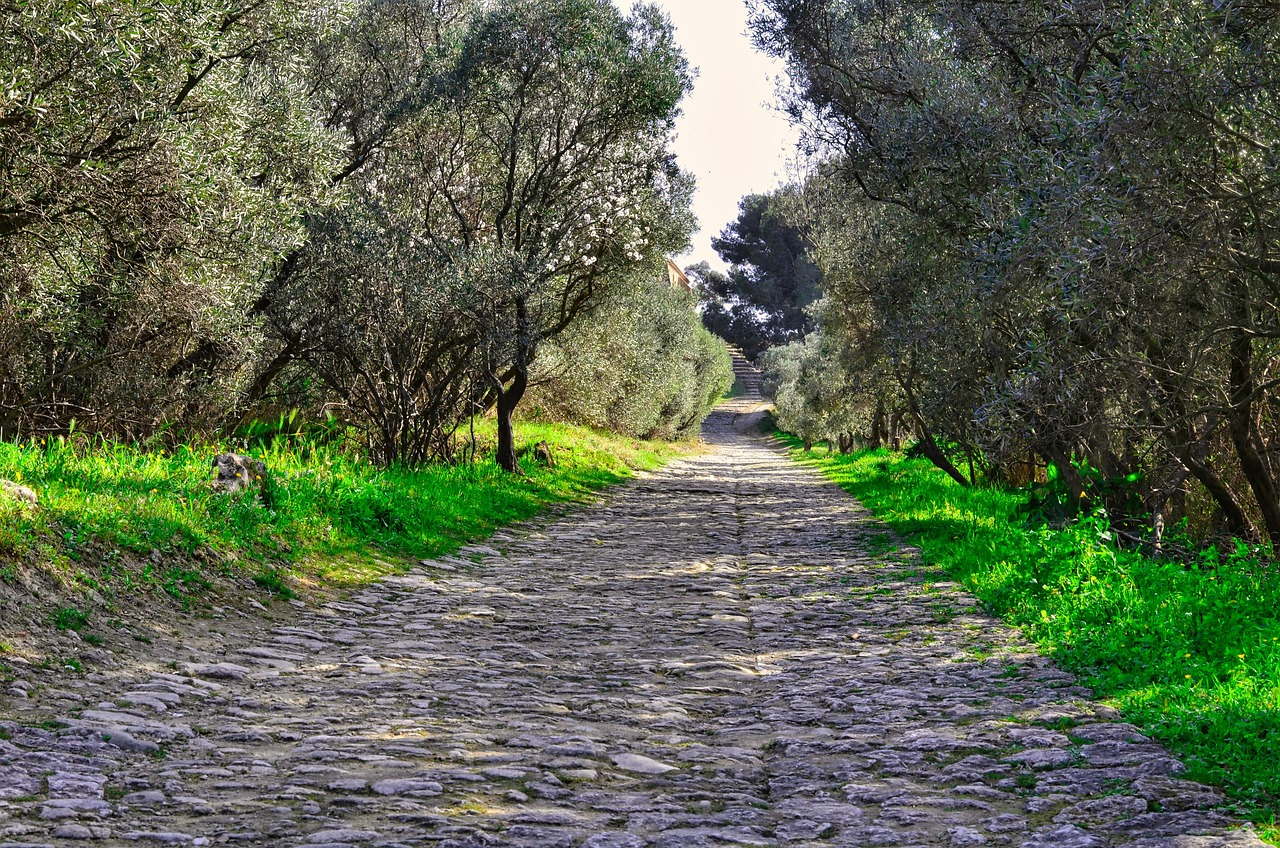
Puglia is Italy’s olive heart—home to about 60 million trees. Walking through its groves, I saw gnarled trunks as wide as cars. Some of these giants are thought to be 2,000 or even 3,000 years old, making them some of the oldest living things in Europe.
Florence, Medici, and the Chianti Connection
The Medici family changed the game for Florence and olives in the 15th century. They saw olives as more than just food—they were status symbols.
In Chianti, I noticed olive trees growing right alongside grapevines. This mix, called “coltura promiscua,” makes the postcard-perfect Tuscan landscape and helps the vines by shielding them from harsh weather.
The Medicis poured resources into olive oil production, building presses and setting up trade routes. Their influence is still obvious in Tuscany’s terraced groves and the region’s focus on quality oil. You can still find olive trees planted during their reign.
Comparing Olive Cultures: Algeria, England, and Beyond
Algeria has a similar climate to Italy, but its olive culture took a different path. When I visited both countries, I noticed Algerian groves are less orderly, shaped by unique farming traditions.
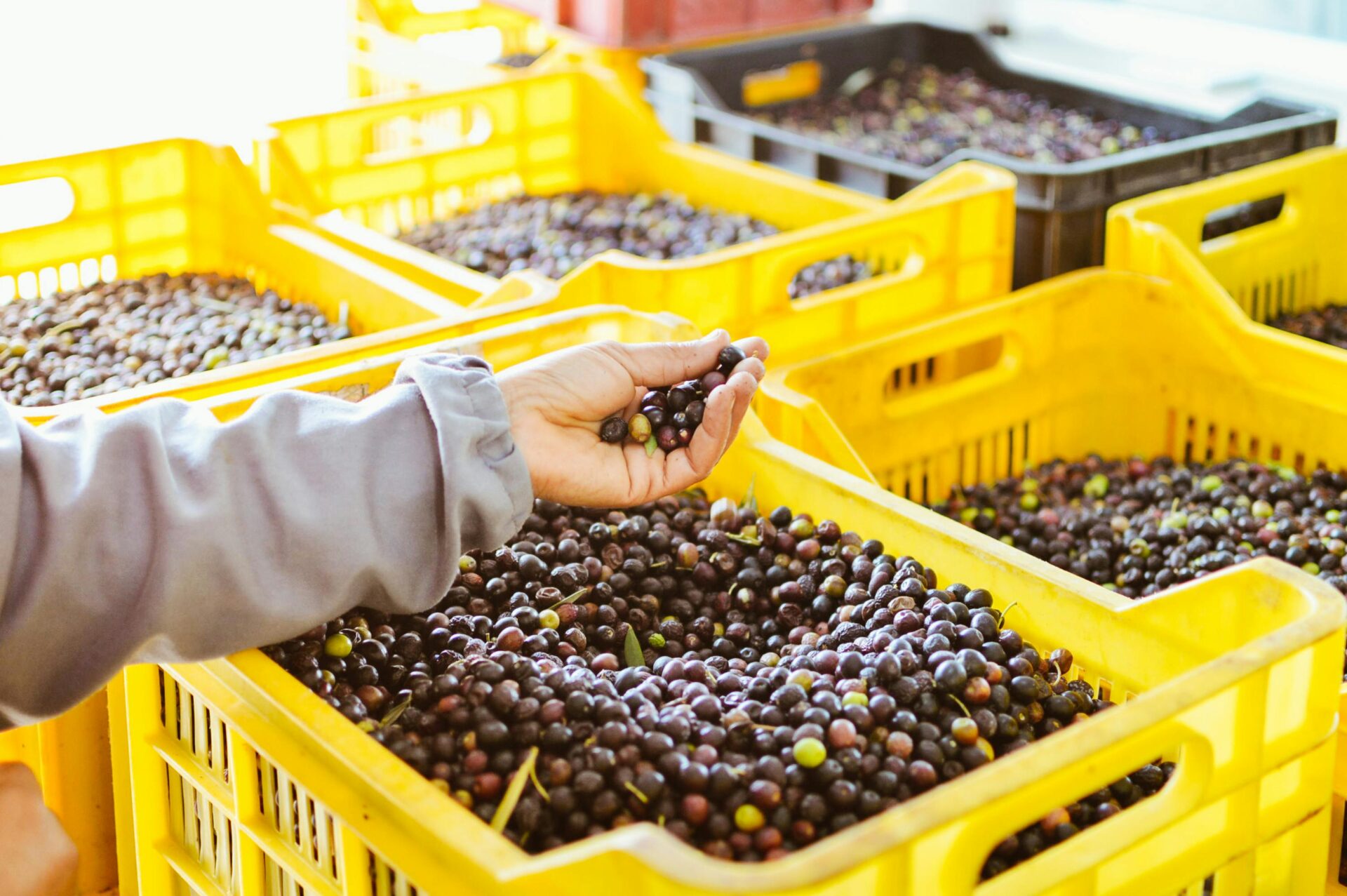
England, on the other hand, doesn’t have the right climate for olives. Instead, the British became major importers. It’s a totally different relationship—Italians have ancient trees as family heirlooms, while Brits know olives mostly from store shelves and restaurant menus.
Campania’s olive traditions fall somewhere between Puglia’s ancient giants and Tuscany’s manicured groves. The volcanic soil here gives the oil a special mineral kick that I haven’t found anywhere else.

