
When I first arrived in Verona, I was like thousands of other tourists—eager to see Juliet’s famous balcony from Shakespeare’s Romeo and Juliet. I quickly learned that the balcony is actually a 20th-century addition to a medieval house with no real connection to Shakespeare’s fictional characters. This tourist attraction was created long after Shakespeare wrote his play. Yet, it draws countless visitors who leave love notes and touch the statue of Juliet for luck.
Walking through the small courtyard, I watched as couples posed for photos and singles touched the bronze statue’s right breast, hoping for good fortune in love. Despite knowing the balcony’s lack of historical authenticity, there’s something undeniably charming about how this spot has become a symbol of romance.
The small museum inside Casa di Giulietta contains period furniture and costumes from Franco Zeffirelli’s film adaptation.
What I found most fascinating about Verona, though, is everything beyond this famous spot. The city itself is a UNESCO World Heritage site with ancient Roman ruins, medieval architecture, and beautiful piazzas like Piazza delle Erbe. While Shakespeare put Verona on the map for many travelers, the city’s real history spans over 2,000 years and offers so much more than just a fictional love story.
The Romance of Verona
Verona captivates visitors with its unique blend of authentic Italian charm and literary romance. The city’s cobblestone streets and medieval architecture create the perfect backdrop for one of history’s most enduring love stories.
City of Love: Verona’s Allure
When I first wandered through Verona’s narrow streets, I understood why it’s called the City of Love. The romantic atmosphere is undeniable. Ancient buildings with faded frescoes and flowering balconies create a dreamy setting at every turn.
Couples from around the world flock here for weddings and proposals, especially around Valentine’s Day. I’ve seen many slip love notes into the cracks of ancient walls or lock padlocks on bridges.
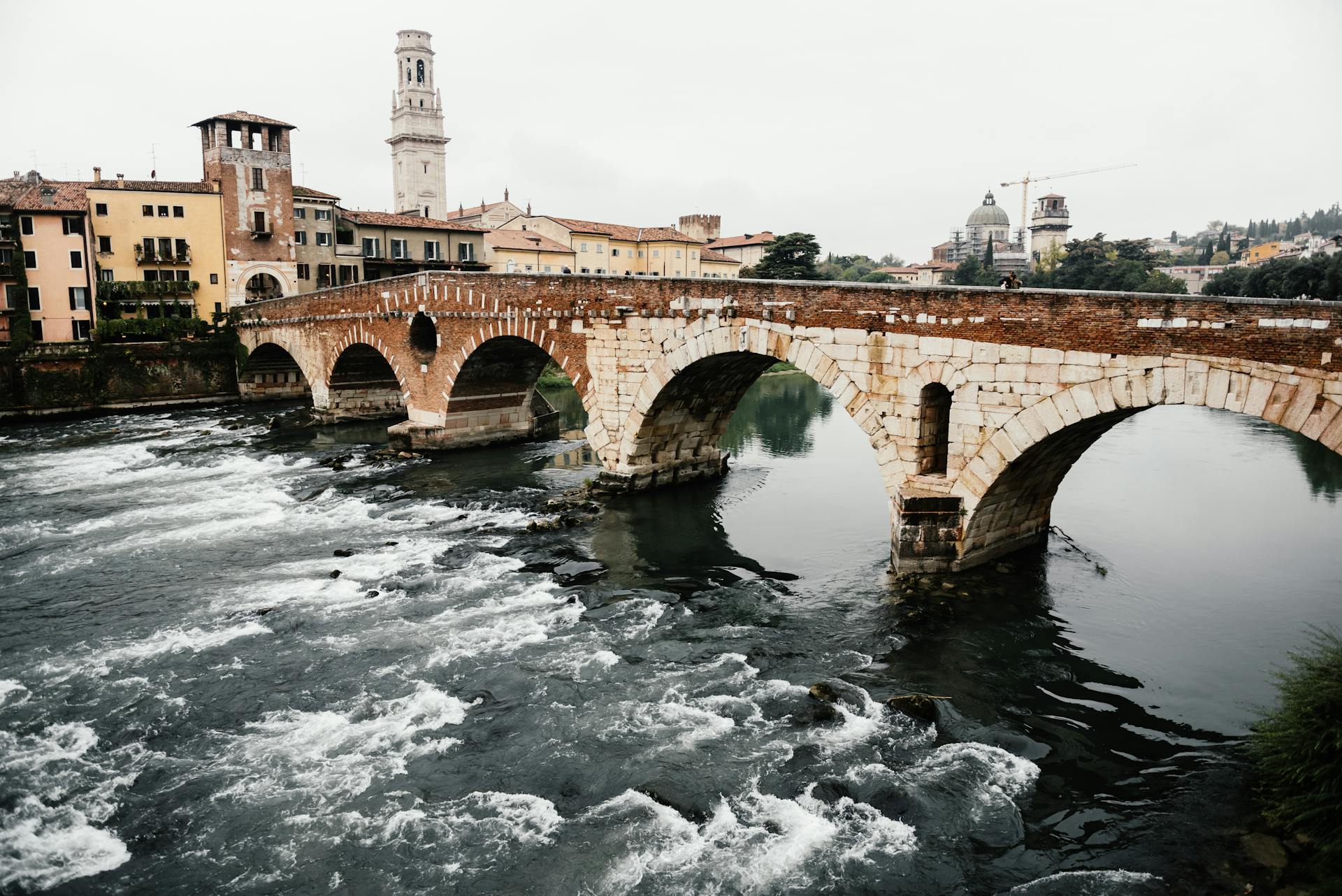
Beyond the Romeo and Juliet connection, Verona’s piazzas invite lingering over espresso while people-watching. The Adige River curves through the city, offering romantic walks along its banks at sunset.
The city’s Old Town pulses with a timeless energy that makes falling in love—with the city or with someone special—feel inevitable.
Shakespeare’s Influence on Verona
Shakespeare never actually visited Verona, yet his words transformed this Italian city forever. His play Romeo and Juliet cemented Verona’s reputation as a romantic destination centuries ago.
The famous balcony scene inspired Verona to create tangible connections to the fictional star-crossed lovers. Though Shakespeare’s story is fictional, the city embraced its role enthusiastically.
Dante also mentioned Verona in his Divine Comedy, but Shakespeare’s influence far outshines other literary connections.
What fascinates me most is how a single play created such a powerful tourism draw. Visitors touch the bronze statue of Juliet for luck in love and leave passionate letters addressed to the fictional character.
The city cleverly balances its Shakespeare connection with its authentic Italian heritage. This way, visitors get both literary pilgrimage sites and genuine cultural experiences.
Juliet’s House Unveiled
Visiting Juliet’s House in Verona takes you through layers of history, myth, and creative invention. The famous balcony and courtyard attract thousands of tourists seeking a connection to Shakespeare’s timeless love story.
Casa di Giulietta: A Historical Perspective
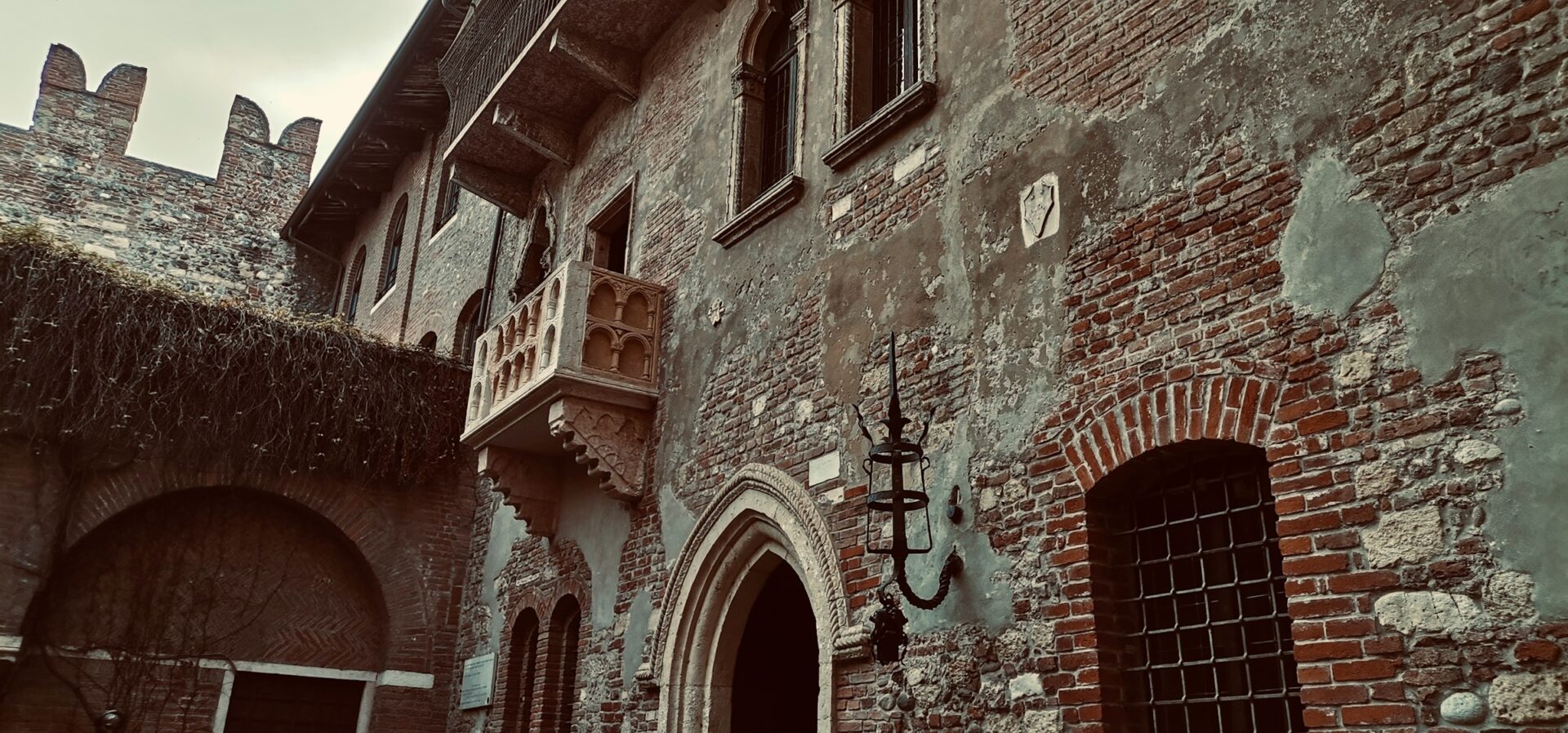
When I first visited Casa di Giulietta in Verona’s Old Town, I was surprised to learn it’s primarily a romantic fantasy rather than authentic history. Located at Via Cappello 23, this medieval building dates back to the 13th century, but wasn’t always associated with Romeo and Juliet.
The truth? Shakespeare’s star-crossed lovers never actually lived in Verona. They were fictional characters created by the playwright who likely never visited Italy himself.
The house became a tourist attraction in the 20th century when the city of Verona decided to capitalize on the connection between the Cappello family name and Shakespeare’s Capulets.
Nereo Costantini: The Creator Behind the Balcony
The iconic balcony that draws crowds wasn’t even part of the original medieval structure. During my research, I discovered it was architect Nereo Costantini who added the balcony in the 1930s during renovations.
Costantini used an authentic sarcophagus from the medieval period to create the balcony that now symbolizes forbidden love worldwide. This 20th-century addition transformed a regular building into one of Italy’s most visited landmarks.
The city authorities brilliantly understood tourism potential and created a physical space for visitors to connect with Shakespeare’s story. It’s a perfect example of how cultural tourism shapes historical sites.
The Cappello Family Connection
Walking through the house, I noticed how the Cappello family history provides the only real link to Shakespeare’s tale. This wealthy merchant family owned the property during the medieval period, and their name resembles “Capulet” from the play.
The Cappellos were indeed prominent in Verona, though they had no documented feud with any Montague-like family. Their medieval home has since been transformed into a museum celebrating fictional characters.

Image Source: Backpackers’ Notebooks
Inside, you’ll find Renaissance-era furnishings and costumes from Franco Zeffirelli’s film adaptation. There’s also the famous bronze statue of Juliet in the courtyard, with a well-polished right breast from visitors seeking love luck through this peculiar tradition.
The Balcony: Fact Versus Fiction
Verona’s famous balcony attracts thousands of visitors each year, but the reality behind this iconic spot might surprise you. The truth involves a blend of literary imagination, creative tourism development, and our human desire to connect with legendary love stories.
Unraveling the Myth of the Famous Balcony
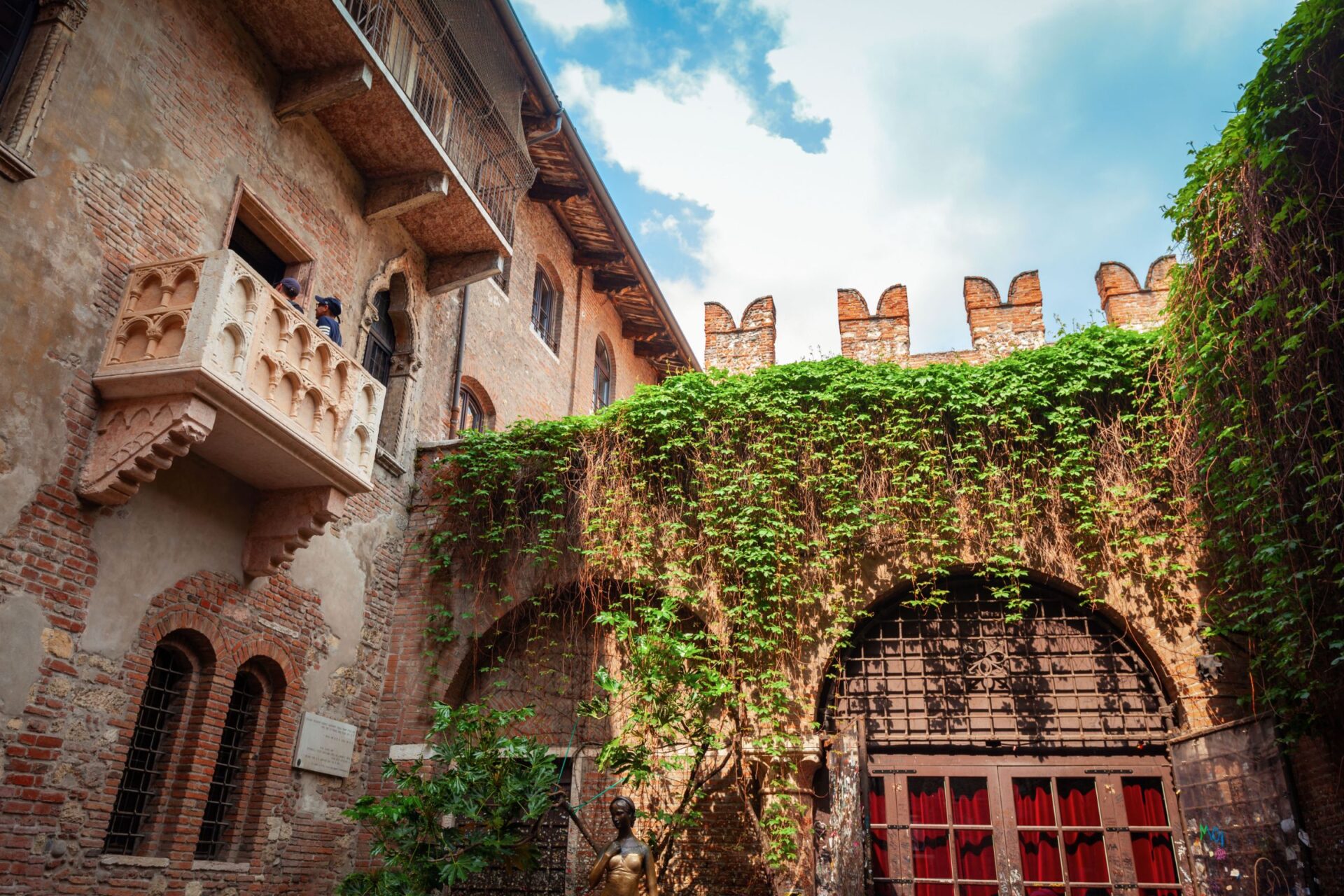
When I first visited Juliet’s balcony in Verona, I was struck by the crowds eagerly taking photos. What many don’t realize is that this balcony has little connection to Shakespeare’s Romeo and Juliet.
The balcony was actually added to the house in the early 20th century, long after Shakespeare wrote his famous play. In fact, Shakespeare himself never even visited Verona.
The characters of Romeo and Juliet are entirely fictional, created by the playwright’s imagination. The house now known as “Casa di Giulietta” was chosen because it once belonged to the dell Capello family – which sounds somewhat similar to Capulet.
Despite being a tourist invention, the emotions the balcony evokes are genuine. Visitors leave love notes, touch the bronze statue of Juliet, and stand on the balcony to capture a piece of romantic fantasy.
Restoration and Preservation Efforts
The balcony and courtyard have undergone several restoration efforts to maintain their appeal while handling massive tourist traffic. The most significant renovation happened in 2012, focusing on preserving the structural integrity of the 14th-century building.
Museum curators work diligently to balance historical authenticity with the site’s romantic appeal. The balcony itself requires regular maintenance due to environmental factors and the thousands of hands that touch the stonework daily.
Director Franco Zeffirelli’s famous 1968 film adaptation of Romeo and Juliet further cemented the balcony in popular imagination. His visual interpretation helped shape what visitors expect to see when they visit Verona.
Conservation specialists face unique challenges here. They must preserve a site that’s technically inauthentic but culturally significant. The museum now limits the number of visitors allowed in the courtyard at one time to reduce wear and tear on this beloved landmark.
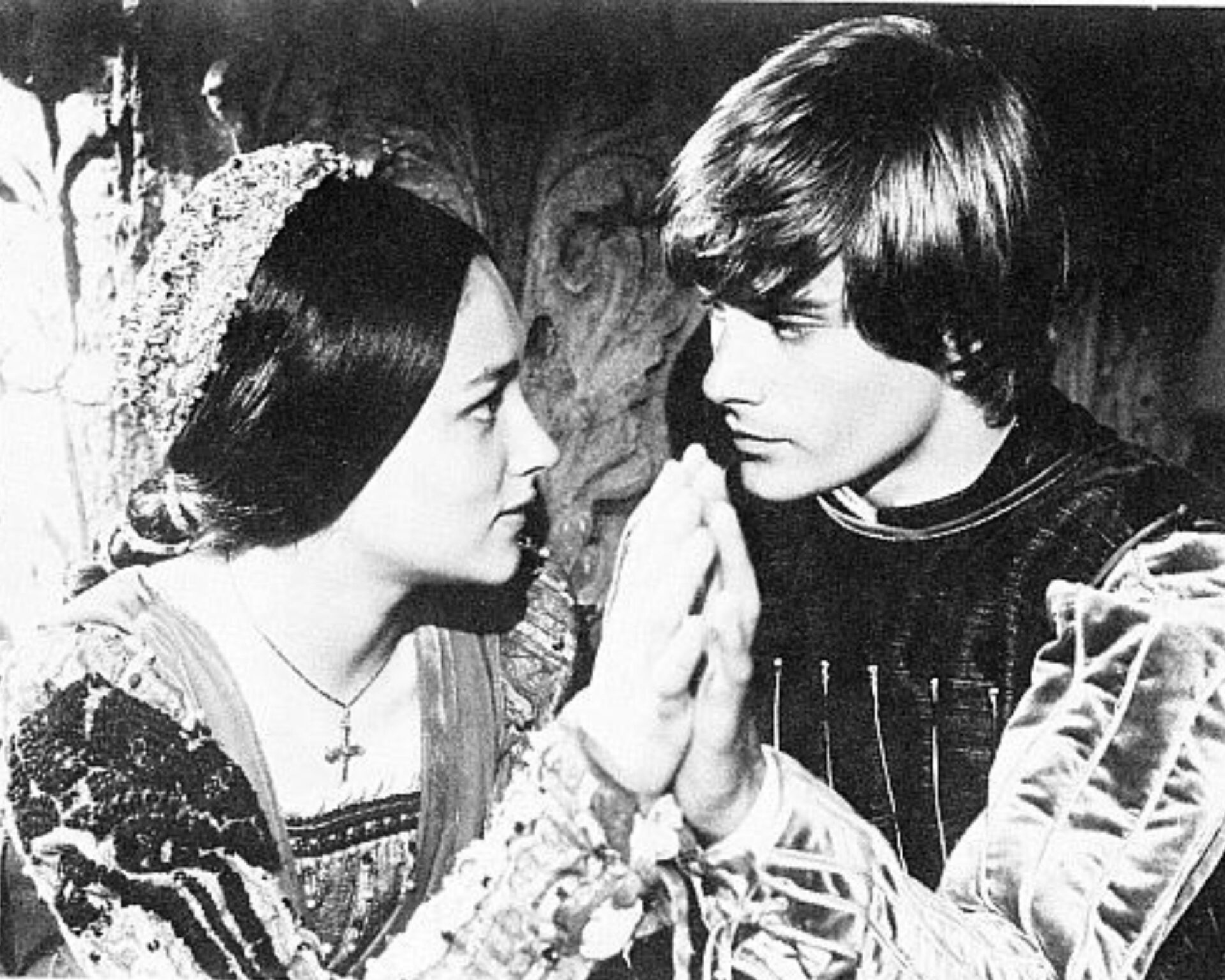
Image Source: Flickr
Artifacts and Traditions
Verona’s Juliet attractions feature fascinating items and customs that have evolved over generations. Visitors encounter these treasures through physical art, written expressions, and historical displays that bring the romance to life.
The Bronze Statue of Juliet
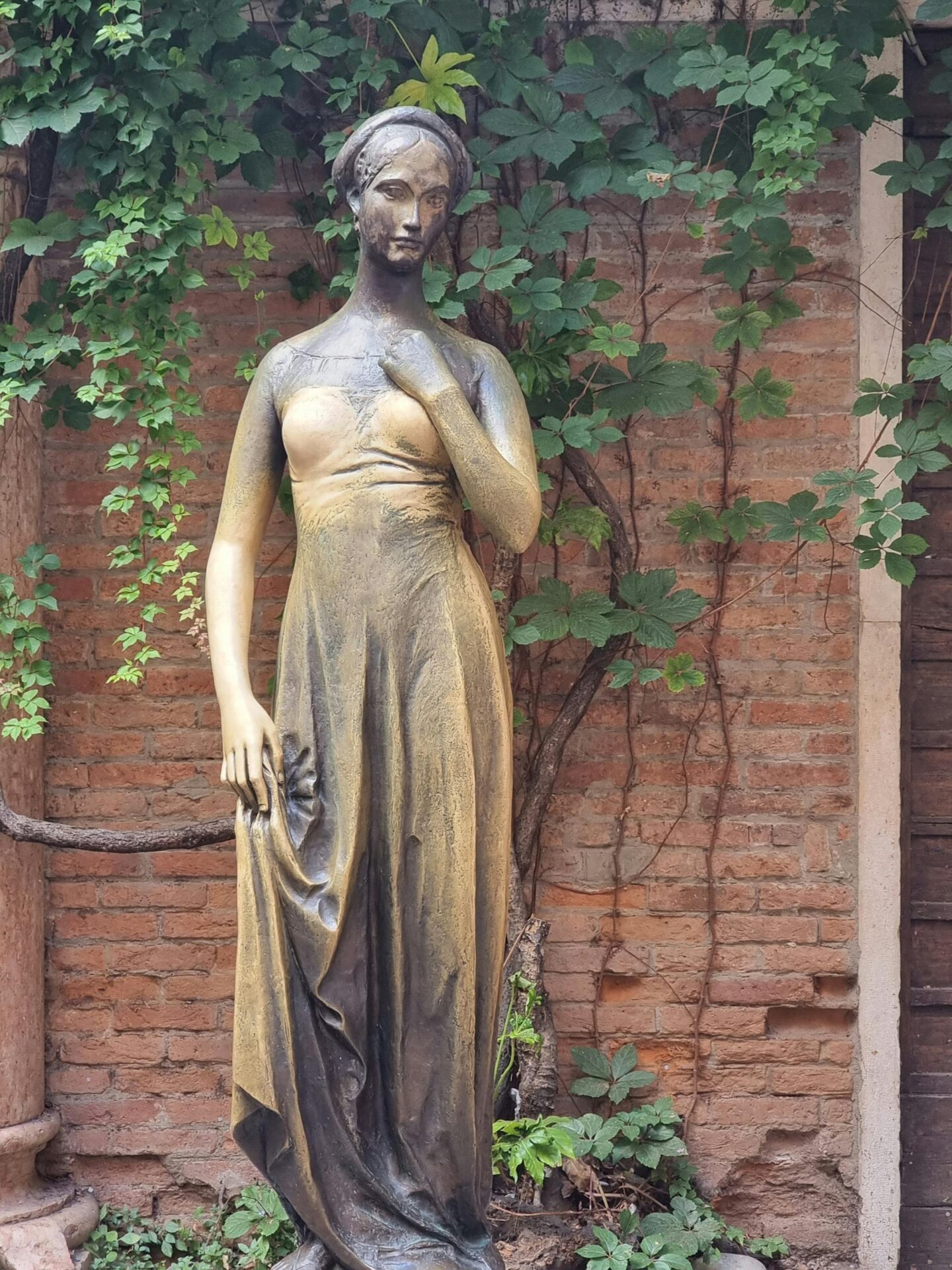
Walking through Casa di Giulietta’s courtyard, I immediately noticed the gleaming bronze statue of Juliet. Created by sculptor Nereo Costantini in 1972, this figure stands as the centerpiece of the courtyard experience.
The statue has developed its own unique tradition over time. Tourists line up to rub Juliet’s right breast for good luck in love affairs. This practice has polished that specific area to a bright shine, creating a visible contrast with the rest of the bronze patina.
I watched as visitors posed beside her, following a ritual that isn’t actually based in literary history but has become an essential Verona experience. The statue represents the idealized version of Shakespeare’s character rather than historical reality.
Love Notes and Graffiti: Expressions of Affection
The walls leading to Juliet’s balcony tell their own love stories through countless notes and graffiti. Visitors from around the world leave messages expressing romantic hopes, heartbreaks, and declarations.
For years, people wrote directly on the walls with markers and pens. This practice became so widespread that authorities had to take action. Today, designated panels exist for these messages, though some still attempt to leave marks on the historic walls.
Another tradition involves leaving love letters addressed to Juliet. The “Juliet Club” (Club di Giulietta) actually responds to thousands of these letters annually. Volunteers known as “Juliet’s Secretaries” thoughtfully answer correspondence from lovelorn visitors seeking romantic advice.
Renaissance-Era Costumes and Frescoes
Inside Casa di Giulietta, I discovered a small but impressive collection of Renaissance-era costumes. These garments represent what Verona’s upper-class residents might have worn during Shakespeare’s imagined timeline.
Several rooms contain beautiful frescoes that, while not original to Shakespeare’s era, demonstrate the artistic traditions of Verona. Some of these paintings depict scenes from the Romeo and Juliet story, created to enhance the visitor experience.
The costume collection includes replicas of garments worn in Franco Zeffirelli’s famous 1968 film adaptation. I found these particularly fascinating as they blend historical accuracy with theatrical interpretation.
A highlight is the bed used in the same film adaptation, which serves as a reminder of the story’s tragic ending. Though not authentic to medieval Verona, these artifacts help visitors connect with the emotional core of Shakespeare’s tale.
Visiting Verona
Verona captured my heart with its blend of romance and history. The city offers much more than just Juliet’s famous balcony, with UNESCO-protected architecture and ancient Roman ruins that tell stories from centuries past.
Pilgrimage for Couples: Romantic Experiences
When I visited Verona with my partner, we joined countless couples making the pilgrimage to Casa di Giulietta. Despite being a tourist hotspot, there’s something magical about standing in that courtyard.
The tradition of touching the right breast of Juliet’s bronze statue supposedly brings luck in love. I watched couples take turns posing on the balcony, their faces glowing with romance.
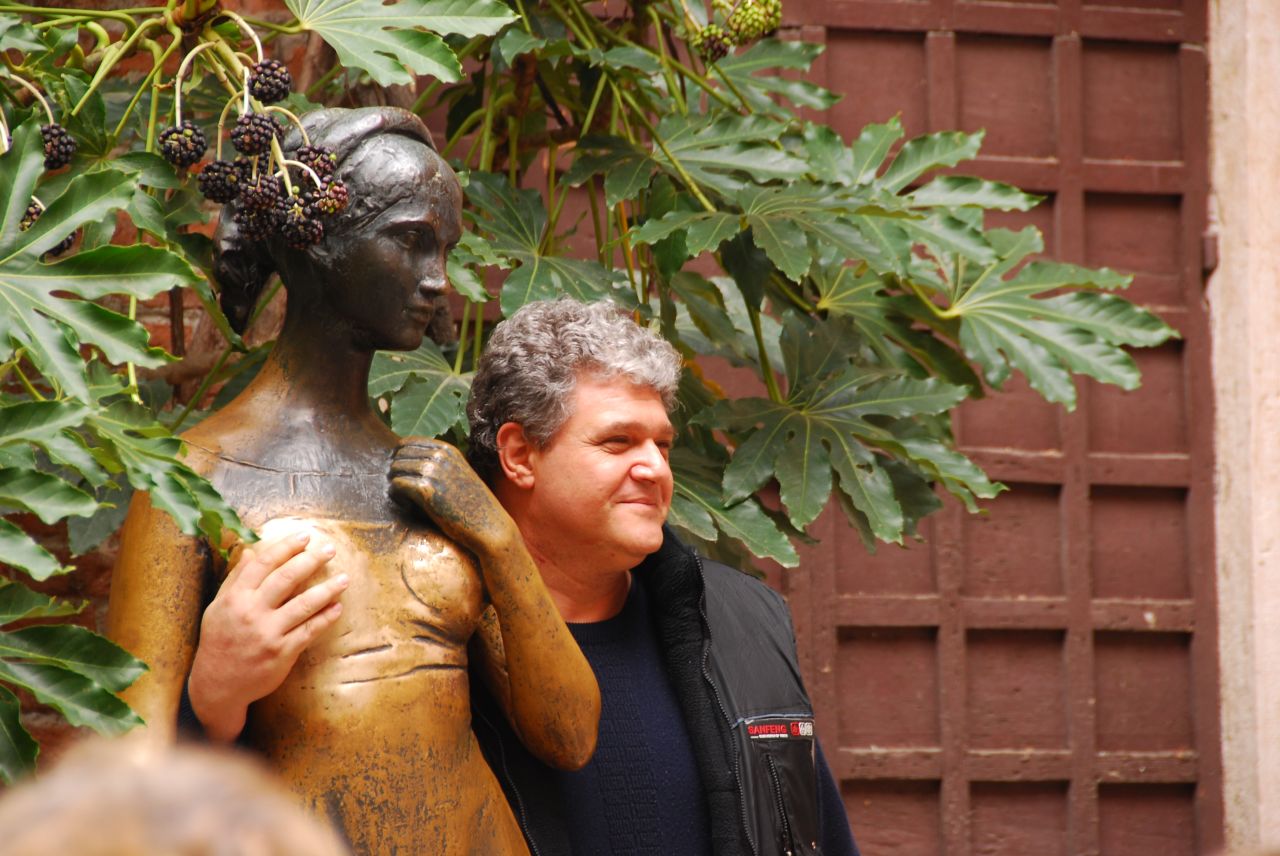
Image Source: Flickr
For a more authentic experience, I recommend visiting early morning or late evening when crowds thin out. The tiny courtyard gets packed quickly!
Beyond Juliet’s house, I found Verona’s riverside walks along the Adige particularly romantic at sunset. Many local couples stroll hand-in-hand across the Ponte Nuovo, pausing to admire the view of the Old Town.
Beyond the Balcony: Other Must-See Attractions
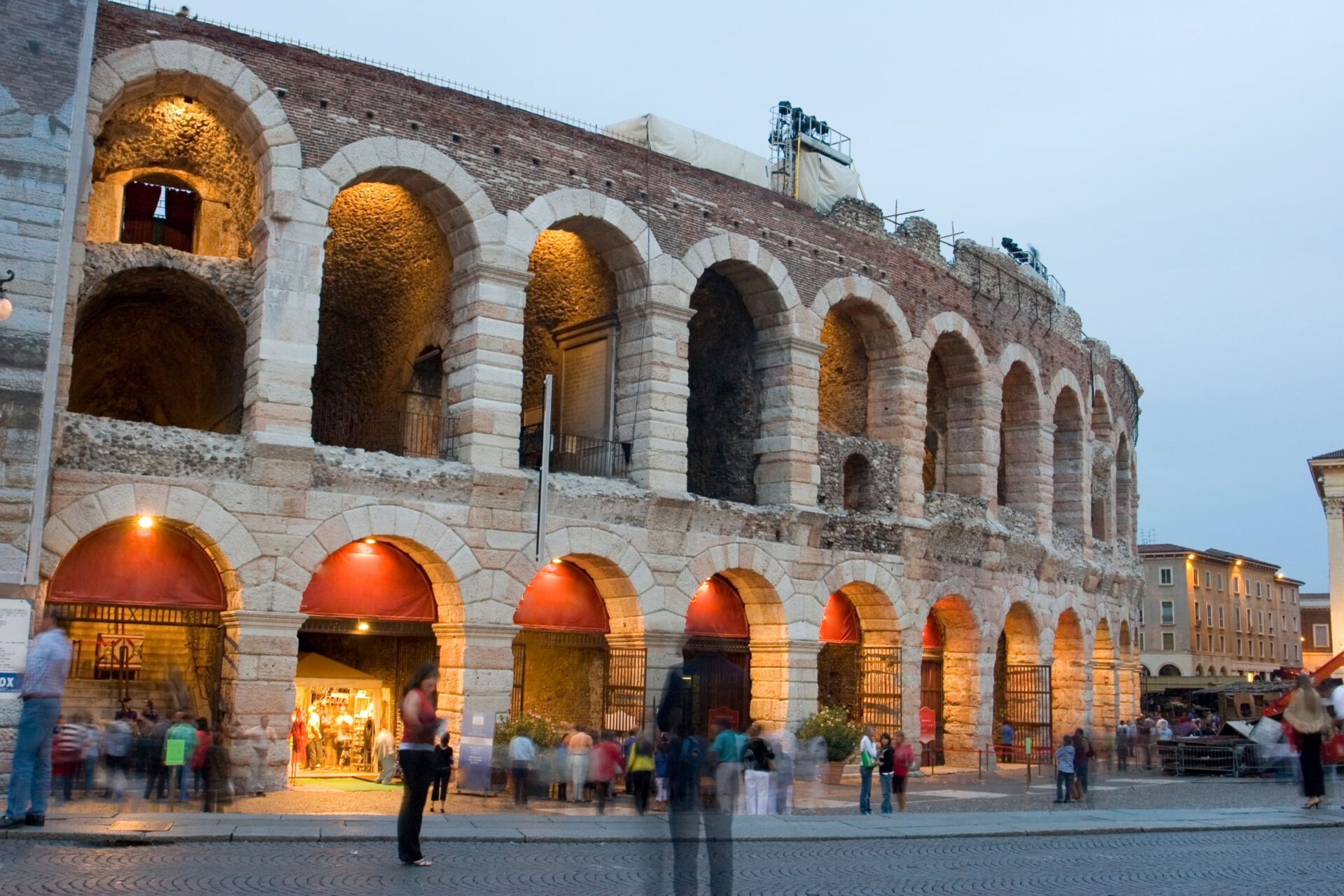
The magnificent Verona Arena impressed me more than Juliet’s balcony. This ancient Roman amphitheater hosts spectacular opera performances in summer. I felt transported through time sitting on those ancient stones.
The UNESCO World Heritage designation covers Verona’s entire historic center for good reason. When I wandered through Piazza delle Erbe, the city’s vibrant market square, I discovered colorful buildings with frescoed façades and a lively atmosphere.
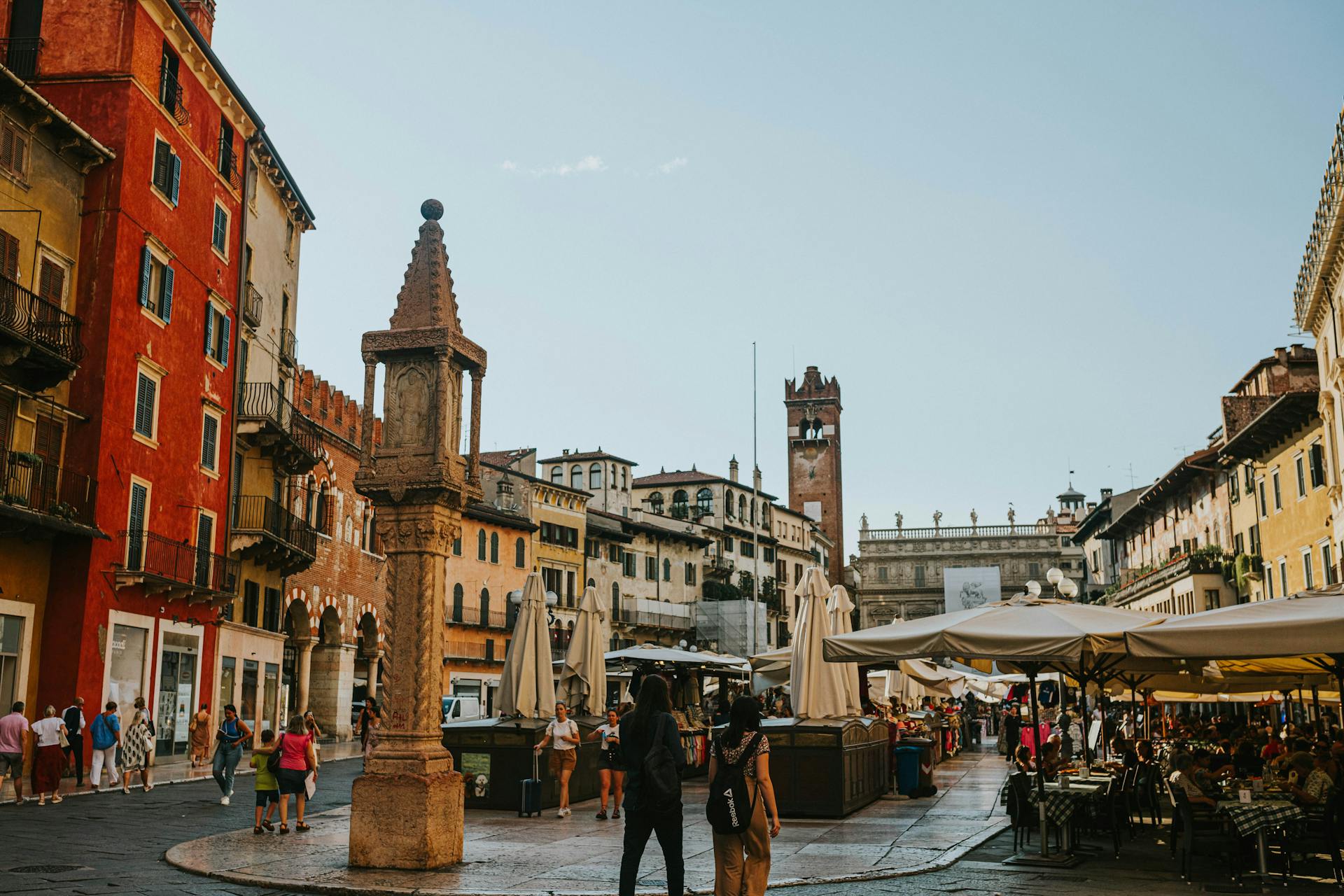
Nearby stands the Torre dei Lamberti, offering breathtaking city views if you climb its steps. The Castelvecchio Museum houses impressive art collections in a medieval fortress.
Don’t miss Verona’s churches either. I found the San Zeno Basilica particularly striking with its Romanesque architecture and stunning rose window.
