
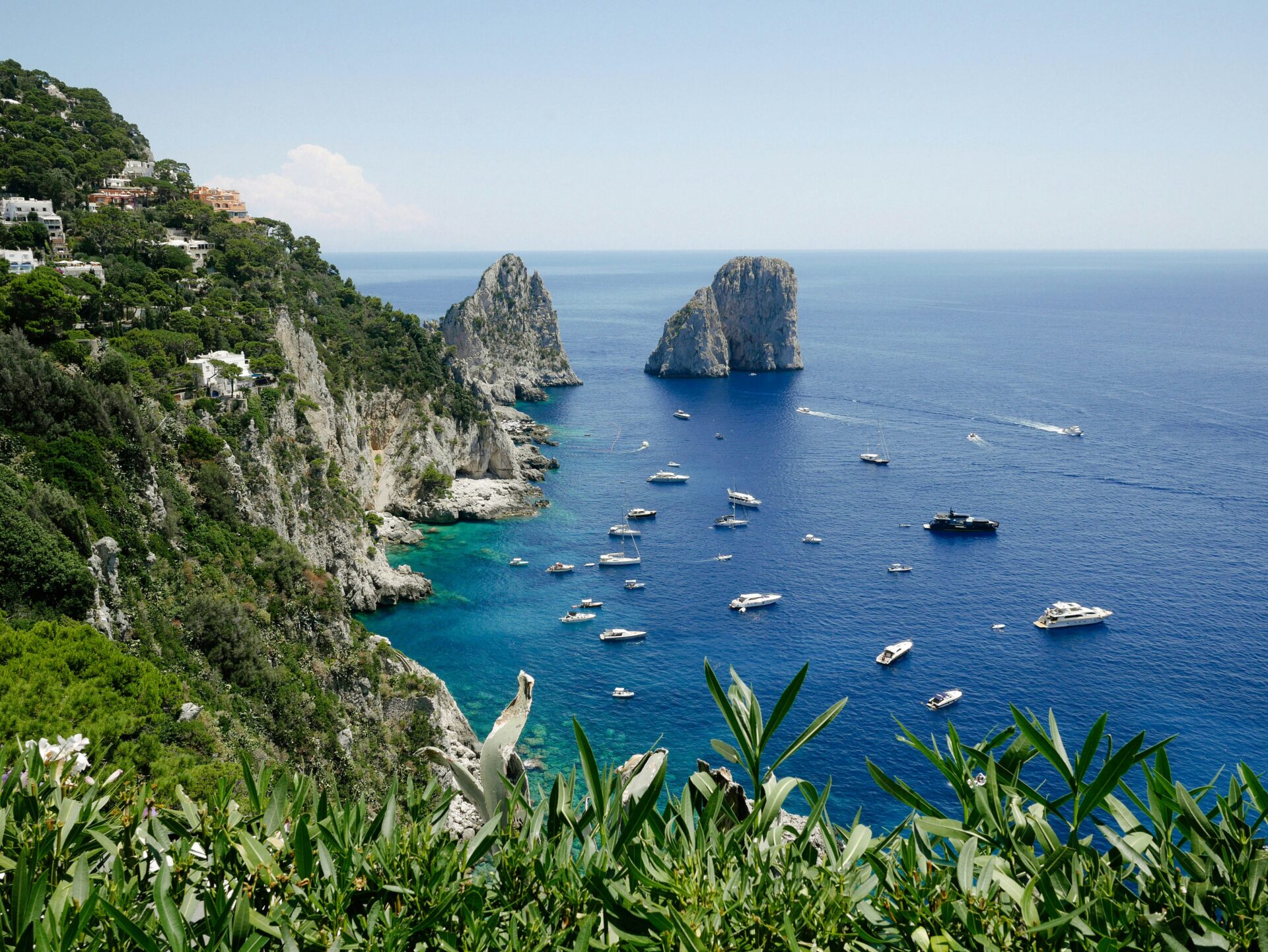
Capri’s Blue Grotto always draws crowds, but honestly, there’s so much more to this Italian island than that famous sea cave. When I visited recently, I wandered away from the big-name sights and ended up in peaceful corners where Capri’s real spirit still lingers. I think the true magic of Capri reveals itself when you climb the Phoenician Steps from Marina Grande or follow the quieter trails along Mount Solaro. Up there, the crowds disappear and those panoramic views feel like they’re just for you.
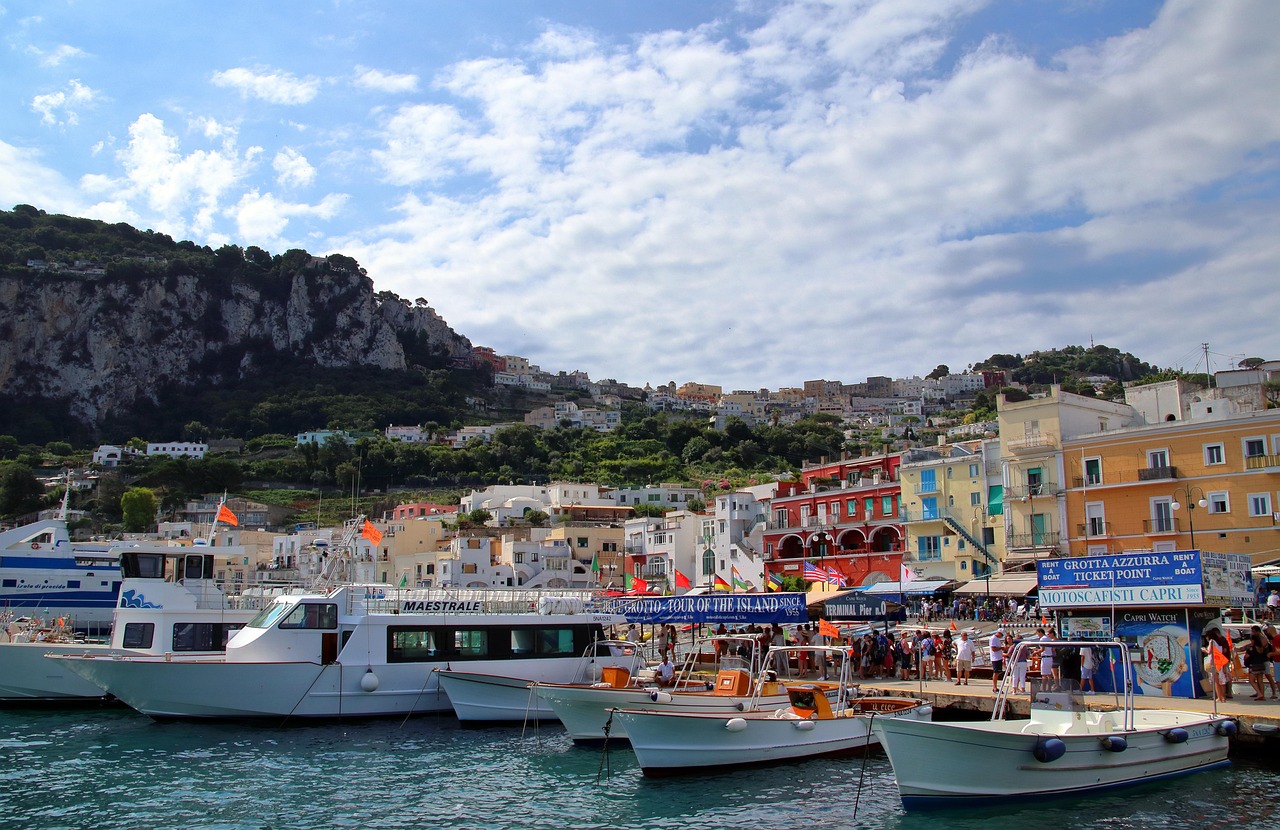
The island shifts in the late afternoon as day-trippers leave for the mainland. I’ve wandered the quiet lanes of Anacapri in the evenings, far from the glitzy boutiques of the main town. Sure, JK Place Capri sits in imperial luxury above Marina Grande, but honestly, my best memories are from silent moments on hidden terraces overlooking the blue Mediterranean.
You don’t have to make your Capri trip all about elbowing through crowds or blowing your budget. When I explored beyond the obvious, I found the island’s real character—like in family-run trattorias serving up local dishes, on secluded beaches you can only reach by foot, and along ancient paths carved into the limestone. These quieter moments connect you to Capri in a way the Blue Grotto’s rush never will.
Escaping the Crowds at the Blue Grotto
The Blue Grotto stands out as Capri’s natural showstopper, but wow, the crowds can be intense. Over time, I’ve figured out some tricks to experience this magical cave without getting swept up by the masses.
Why the Blue Grotto Captivates the World
The Blue Grotto just glows with this unreal azure light. When sunlight slips through an underwater opening, it lights up the water from below, turning the whole cave into a glowing sapphire. I couldn’t stop staring at that color.
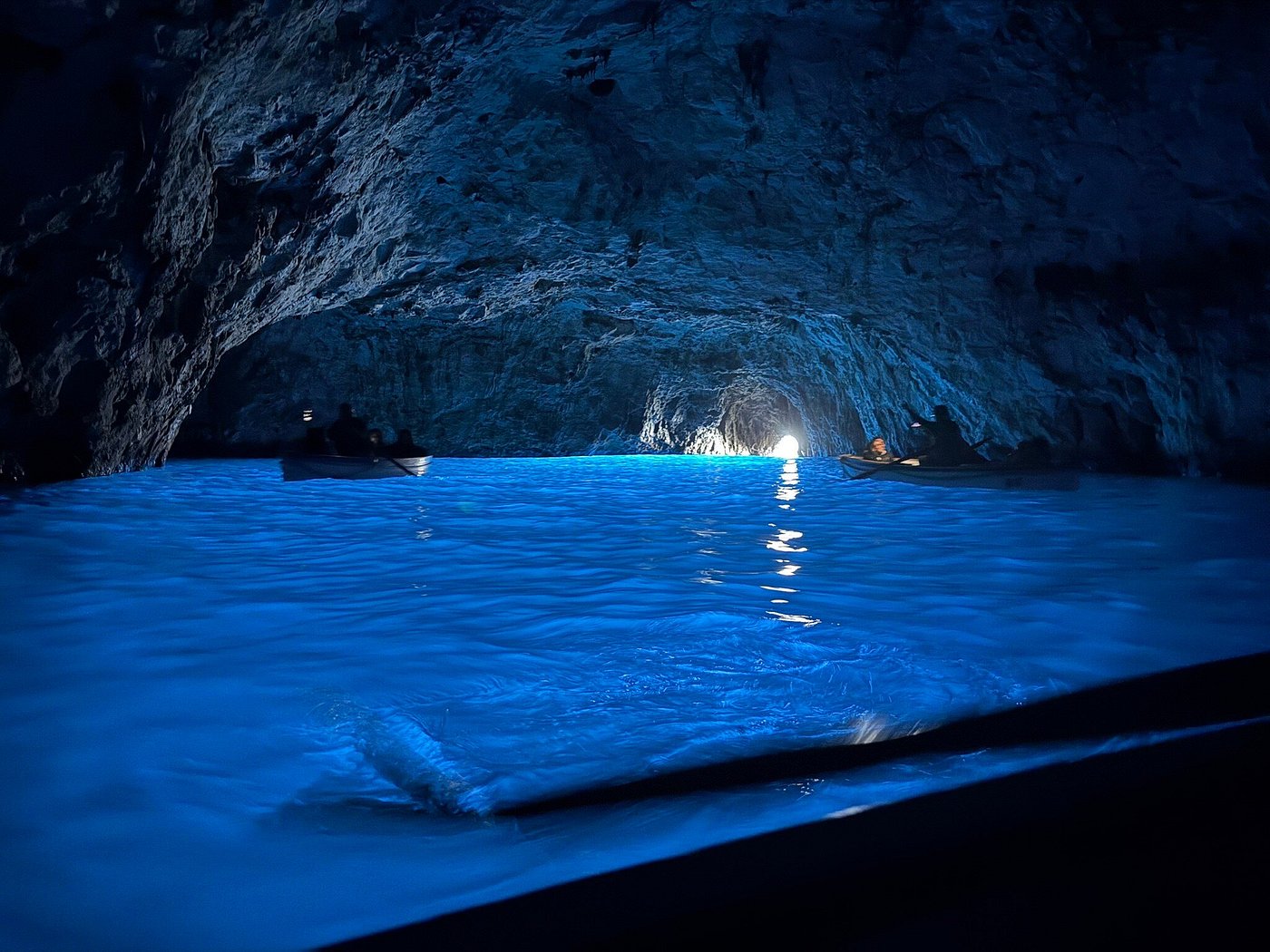
Image Source: Tripadvisor
Roman Emperor Tiberius reportedly used the grotto as his private swimming pool. For ages, not many people knew about it, until German poet August Kopisch rediscovered it in 1826 and spread the word.
Now, the grotto ranks among Italy’s top natural attractions. Its unique light, mixed with Capri’s reputation, makes it a must-see for nearly every visitor. It’s no wonder people flock here.
Timing Your Visit for Tranquility
I’ve learned that early morning is the best time to catch the Blue Grotto. If you show up at Marina Grande before 9:00 AM, you’ll beat most of the crowds.
Another trick? Visit during the shoulder seasons. May and September bring lovely weather and way fewer tourists than peak summer. I once went in late April and had the grotto almost to myself.
Always check the weather before you go. Rough seas mean the grotto closes, so keep an eye on forecasts.
Tip: Take the public bus (€3) straight to the grotto. It’s way cheaper than the boat tours, and most operators won’t tell you about this option.
You need:
- Calm seas
- Low tide
- A sunny day (for that blue glow)
Personal Encounters with Solitude
My best Blue Grotto memory happened during an off-season trip. After checking the marine forecast, I got to Marina Grande at sunrise. The turquoise water barely moved.
A local rower looked surprised to see me so early. “Most tourists sleep late,” he said, guiding his wooden boat toward the tiny entrance. We only waited a few minutes—nothing like the hour-long lines in summer.
Inside, the silence made the blue light even more magical. The only sounds came from the oar gently splashing. For ten minutes, we floated alone before other boats showed up.
“This is how it should be experienced,” my guide whispered. I just nodded. That peaceful morning turned a tourist attraction into something spiritual.
Unveiling Capri’s Hidden Sanctuaries
Most visitors rush to the Blue Grotto, but Capri hides quiet places for anyone willing to wander off the main path. These hidden retreats show off the island’s real personality.
Strolling the Quiet Paths of Anacapri
I stumbled onto Anacapri’s charm one spring morning, just as the village square started waking up. This hillside spot feels far away from the busy Capri Town below.
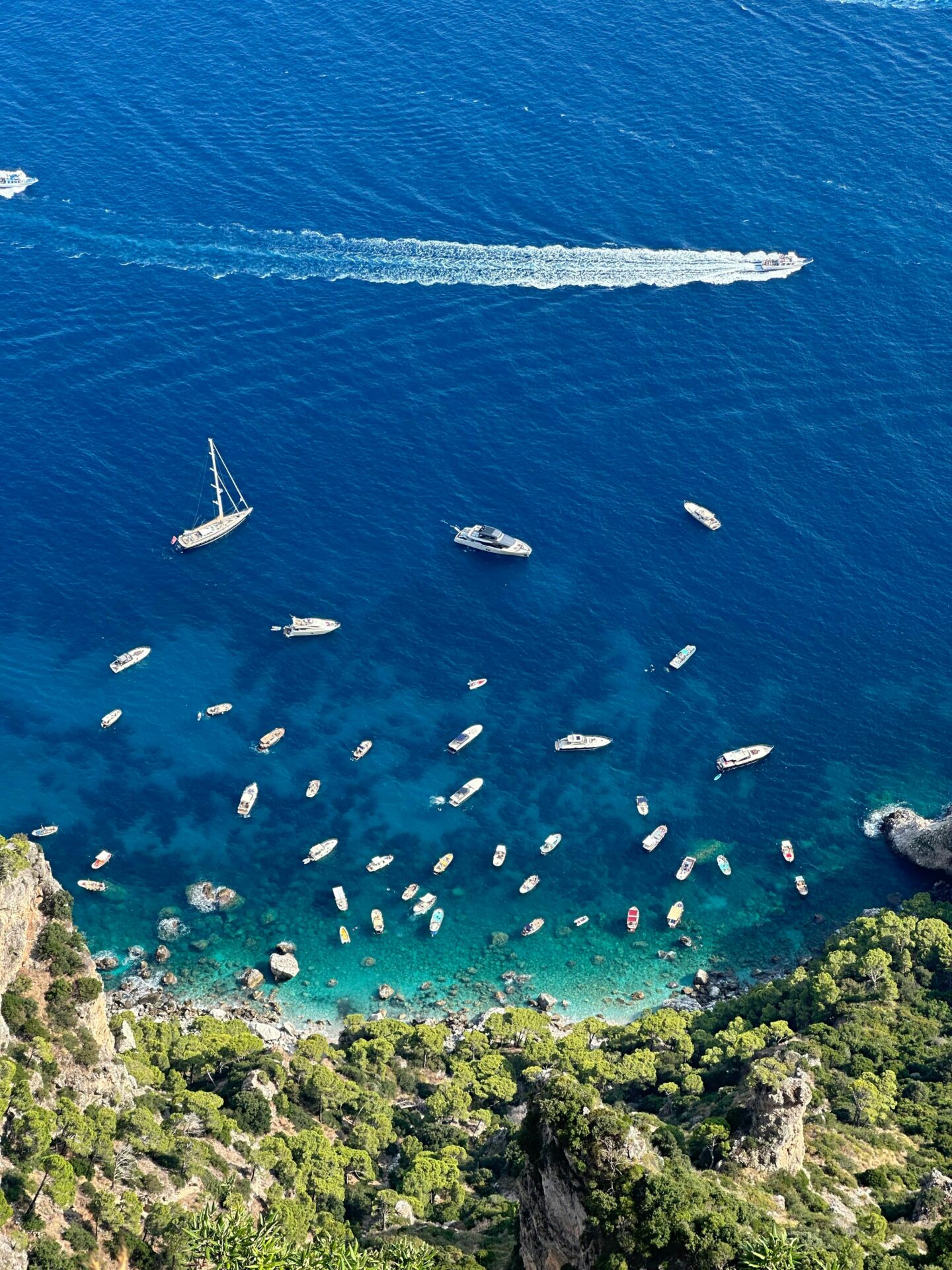
Narrow lanes twist between whitewashed houses covered in bougainvillea. I followed Via Axel Munthe toward Villa San Michele, noticing how the crowds faded with each step.
Local shopkeepers greeted me with genuine smiles, a big change from the rushed exchanges in touristy areas. Life here moves with the breeze—slow and easy.
My favorite walk starts behind the Church of San Michele. Stone steps wind through gardens and give peeks into island life. The smell of lemons and fresh laundry fills the air along these hidden paths.
Secret Gardens and Breathtaking Views
The Gardens of Augustus are famous for their views, but I prefer the peace of Villa San Michele’s terraced gardens. Swedish doctor Axel Munthe built them in the late 1800s, mixing ancient statues with Mediterranean plants.
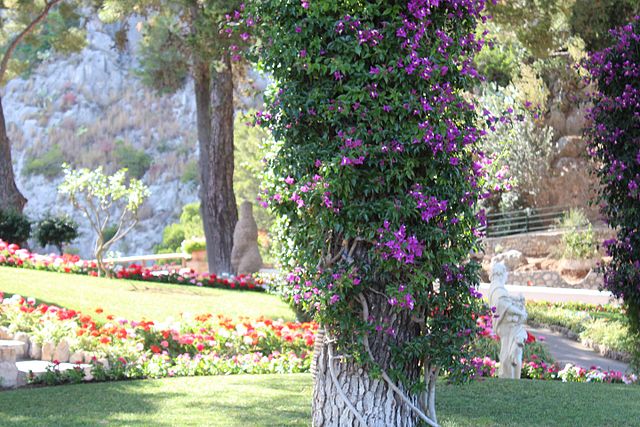
Image Source: Wikimedia Commons
From the garden’s edge, I looked out over endless blue sea—no one else around. The whole perspective changes from up there.
Hidden Gems to Seek Out:
- Monte Solaro Chairlift: A gentle 12-minute ride to Capri’s highest spot
- Parco Filosofico: A quiet path with philosophical quotes carved in stone
- Cetrella Valley: A meadow full of wildflowers beneath Monte Solaro
The Belvedere of Tragara gives another quiet view, especially at sunset when the crowds have gone. I found myself on a weathered stone bench as the Faraglioni rocks cast long shadows over the sea.
Discovering Ancient Petroglyphs
Most people don’t know about Capri’s ancient cave drawings, hidden in the cliffs near Damecuta. These petroglyphs go back thousands of years and tell stories of the island’s first inhabitants.
I booked a local guide through the Capri Historical Society to find them. Our small group climbed along narrow trails that tourists rarely use.
The carvings show fishing boats, sea creatures, and people. My guide explained how these images reveal Capri’s deep connection to the sea.
What struck me most was how those ancient artists picked spots with natural shelters and stunning views. Even back then, people knew Capri was special.
Hiking Trails Beyond the Tourist Route
The Pizzolungo trail became my escape during busy summer days. This coastal path starts near the Natural Arch and follows the eastern shore, far from the crowds.
The 2-hour walk gives you constant sea views and blissful silence. I passed ancient rocks and Mediterranean plants clinging to the cliffs.
My Favorite Hidden Trails:
- Path of the Little Forts (3 hours)
- Valley of Cetrella Loop (2 hours)
- Monte Solaro Descent (1.5 hours)
I found a tiny beach at the bottom of steep stone steps. Even in peak season, the pebble cove was empty—perfect for a swim.
Bring plenty of water, since these remote paths have no services. The reward? Total peace and landscapes that haven’t changed in centuries.
Savoring Local Flavors in Peaceful Settings
Capri’s food scene isn’t just about looks; the flavors shine brightest away from the crowds, in places locals actually love.
Sampling Authentic Gelato Away from the Masses
The best gelato on Capri isn’t in the busy Piazzetta. I wandered down side streets and found tiny family-run shops making flavors from seasonal ingredients.
My favorite spot hides on Via Camerelle, where the lemon gelato bursts with zest from Capri’s own citrus. Maria, the owner, has been perfecting her recipes for decades.
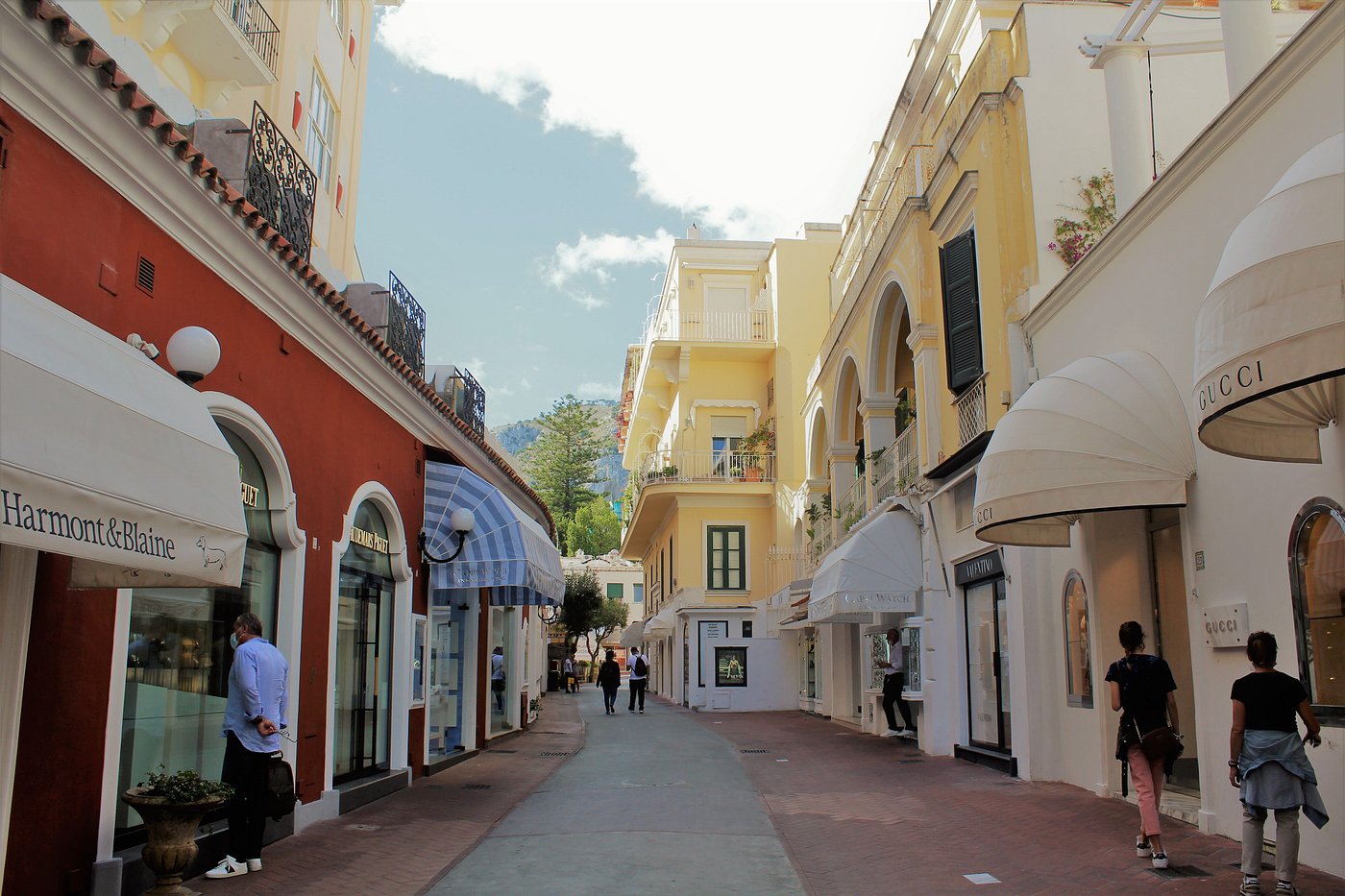
Image Source: Tripadvisor
For a peaceful gelato break, go during siesta (2-4pm) when most tourists are at the beach. Usually, you’ll have the place to yourself and can chat with the gelato makers.
Try these:
- Lemon (with real Capri lemons)
- Fig and honey (autumn specialty)
- Basil and olive oil (surprisingly good)
Enjoying Farm-Fresh Mozzarella and Olive Oil
Up in the hills above Anacapri, small farms still make fantastic cheese and oil. I spent a morning at Famiglia Aprea’s farmhouse, where three generations shape buffalo mozzarella by hand.
Their creamy cheese and spicy olive oil, pressed from ancient trees, tasted incredible on the terrace overlooking the sea.
Many farms welcome visitors if you call ahead. I learned to drizzle olive oil on warm mozzarella and sprinkle wild oregano picked from the hills.
Top farm experiences:
- Cheese-making demos
- Olive grove walks
- Bread-dipping with different oils
Indulging in Local Wine with a View
Capri’s vineyards produce tiny amounts of wine that rarely leave the island. I found a little family vineyard near Monte Solaro that invites guests for tastings.
Their Falanghina white tastes of herbs and sea salt. The terrace out back has amazing views, without the crowds.
For sunset, I like to bring a bottle of local wine to the quiet western side. The coves near Lighthouse Punta Carena make perfect picnic spots.
Capri’s signature wines:
- Capri Bianco DOC (crisp white)
- Per’ e Palummo (rare local red)
- Limoncello (technically a liqueur, but you have to try it)
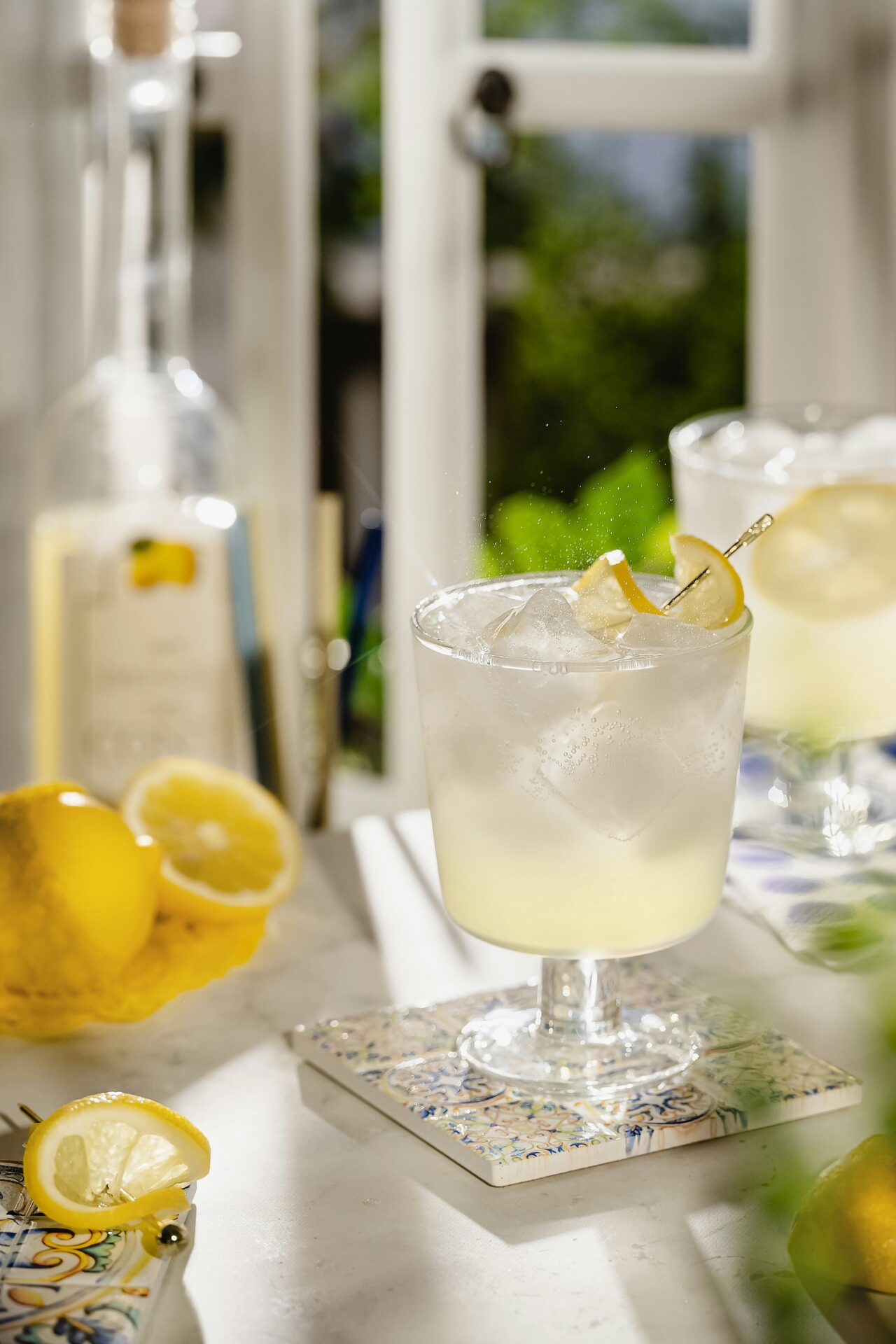
These small-batch wines pair perfectly with island seafood and give you a taste of Capri you won’t find in guidebooks.
Island Inspirations: Capri’s Literary and Artistic Legacy
Capri’s dramatic scenery and calm vibe have attracted creative souls for ages. The island has become a refuge for artistic expression and literary achievement.
Oscar Wilde and the Allure of Capri
Oscar Wilde visited Capri in the late 1800s, hoping to escape scandal and find inspiration. He came here after prison, searching for peace and a creative spark.
Wilde fell for Capri’s wild beauty and Mediterranean light. The clash of rugged cliffs and gentle sea seemed to mirror his own complicated spirit.
Walking those same paths, I felt a strange connection to his artistic energy. Wilde’s letters from Capri show how much he appreciated the island—a place to reflect and heal.
Tracing the Footsteps of Axel Munthe
Swedish doctor and writer Axel Munthe left a lasting literary mark on Capri with his autobiography, “The Story of San Michele.” When I visited his old home, now a museum, I felt how his words bring the island to life.
Munthe built Villa San Michele in Anacapri, filling it with Roman relics he found here. His writing captures Capri’s magic and the quirky people he met.
“The Story of San Michele” became a global bestseller, drawing readers to Capri’s charms. The book mixes personal stories with island history, and it still resonates with visitors.
Literary Reflections and Personal Narratives
Capri has inspired tons of writers, from memoirists to poets. I caught echoes of Norman Douglas’ “South Wind” in the island’s winding paths and secret grottos.
Modern writers still come here, especially off-season, to find solitude among lemon groves and quiet coves. Many say these peaceful spots help them tap into the island’s creative energy.
Capri’s literary tradition isn’t just history—it’s alive. Local bookshops feature island-inspired works, and literary walks highlight places where authors found their muse.
Moments of Reflection and Freedom
Capri gives you rare moments to step away from the crowds and reconnect with yourself. These quiet pauses reveal the real island, far from the tourist hotspots.
Listening to the Island at Sunset
Capri changes as the sun sets. The crowds thin, and suddenly, there are pockets of quiet perfect for reflection.
I usually head to the path near Tragara and sit on a west-facing stone bench. The last light turns the cliffs gold and amber. It’s honestly breathtaking.
Sometimes I bring a journal to jot down thoughts. The breeze carries bits of music and laughter from hillside restaurants.
These sunset moments stir up old memories and help me put things in perspective. Watching the sun drop into the sea just makes everything feel right.
Swimming Pools with Panoramic Vistas
Few realize that some of Capri’s fanciest hotels let you buy a day pass to their infinity pools. It’s a little luxury and a lot of peace.
Capri Palace in Anacapri is my top pick. The pool blends right into the sky, and for about €100 you get a full day plus a light lunch. The staff gives you space, so it stays quiet.
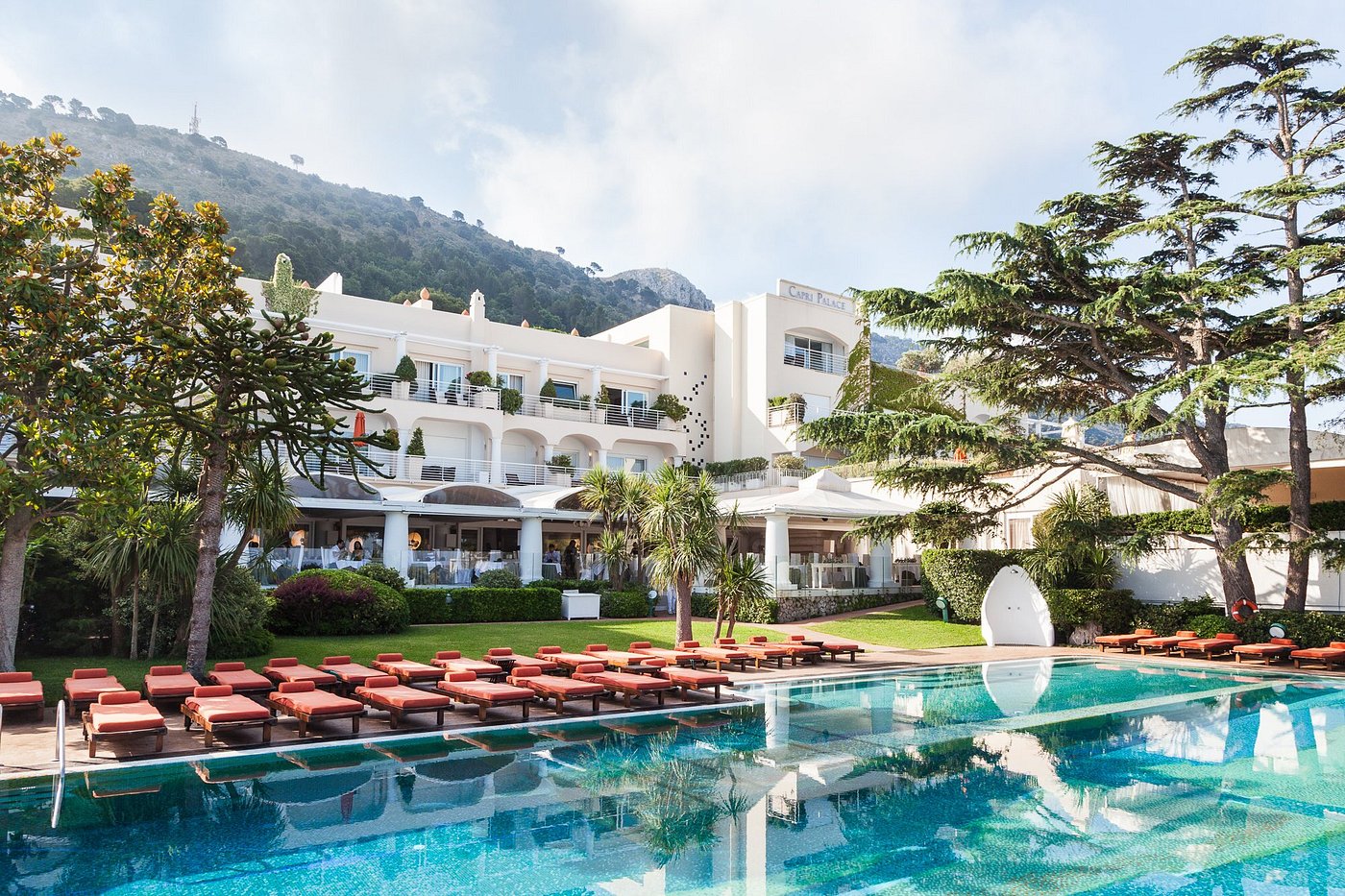
Image Source: Tripadvisor
Hotel Punta Tragara’s twin pools are another great choice. They’re carved into the rock and look out over the Faraglioni.
I always go early in the morning for the best chance at a private spot. Floating in turquoise water with the horizon stretching out—it’s meditative, honestly.
Meditative Moments and Private Observations
The Gardens of Augustus hide quiet corners for contemplation, especially if you show up before 10 AM or after 4 PM.
I like to find a bench among the flowers and just watch. Swallows dive over the cliffs, the sea changes color, and sunlight filters through the cypress.
These moments of stillness help me process thoughts and feelings that get buried in daily life.
I’ve made it a habit to spend at least half an hour each day alone during my Capri trips. This little ritual has changed how I experience the island.
Sometimes, the most powerful moments come not from seeing the famous sights, but from really noticing what’s right in front of you.
Exploring the Wider Gulf: Day Trips and Neighboring Treasures
Capri dazzles, but the Bay of Naples hides other gems that see fewer tourists. These nearby spots make perfect escapes when Capri feels too crowded.
Venturing to Ischia for Contrast and Calm
I took a day trip to Ischia from Capri and immediately noticed how different it feels. The island seems more down-to-earth and less polished than Capri. Ferries run often, and the ride takes about 50 minutes.
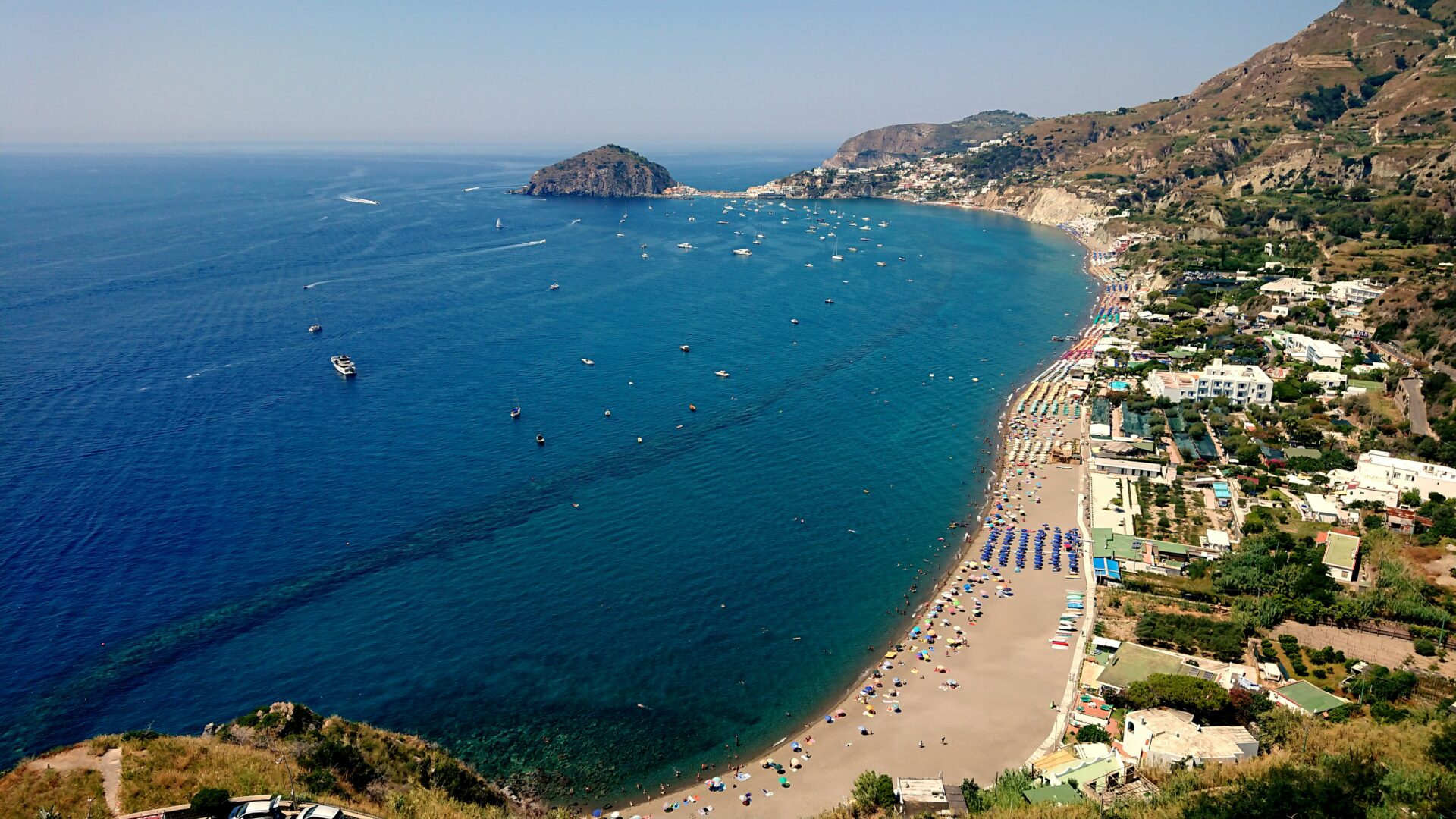
Ischia’s natural thermal springs blew me away. The Negombo Thermal Gardens became my personal paradise—warm pools surrounded by green, with way fewer people than at the Blue Grotto.
Villages like Sant’Angelo offer peaceful walks through narrow streets where locals go about their lives. If you go, try the rabbit stew—it’s a local favorite and says a lot about Ischia’s earthy vibe.
Hidden Corners Along the Amalfi Coast
The Amalfi Coast has its own quiet corners, perfect for day trips. I suggest catching an early ferry to Positano, then hiring a driver to reach places like Furore Beach—a tiny cove wedged between cliffs.
Conca dei Marini is home to the Emerald Grotto (Grotta dello Smeraldo), which feels a bit like the Blue Grotto but glows emerald green and has almost no line.
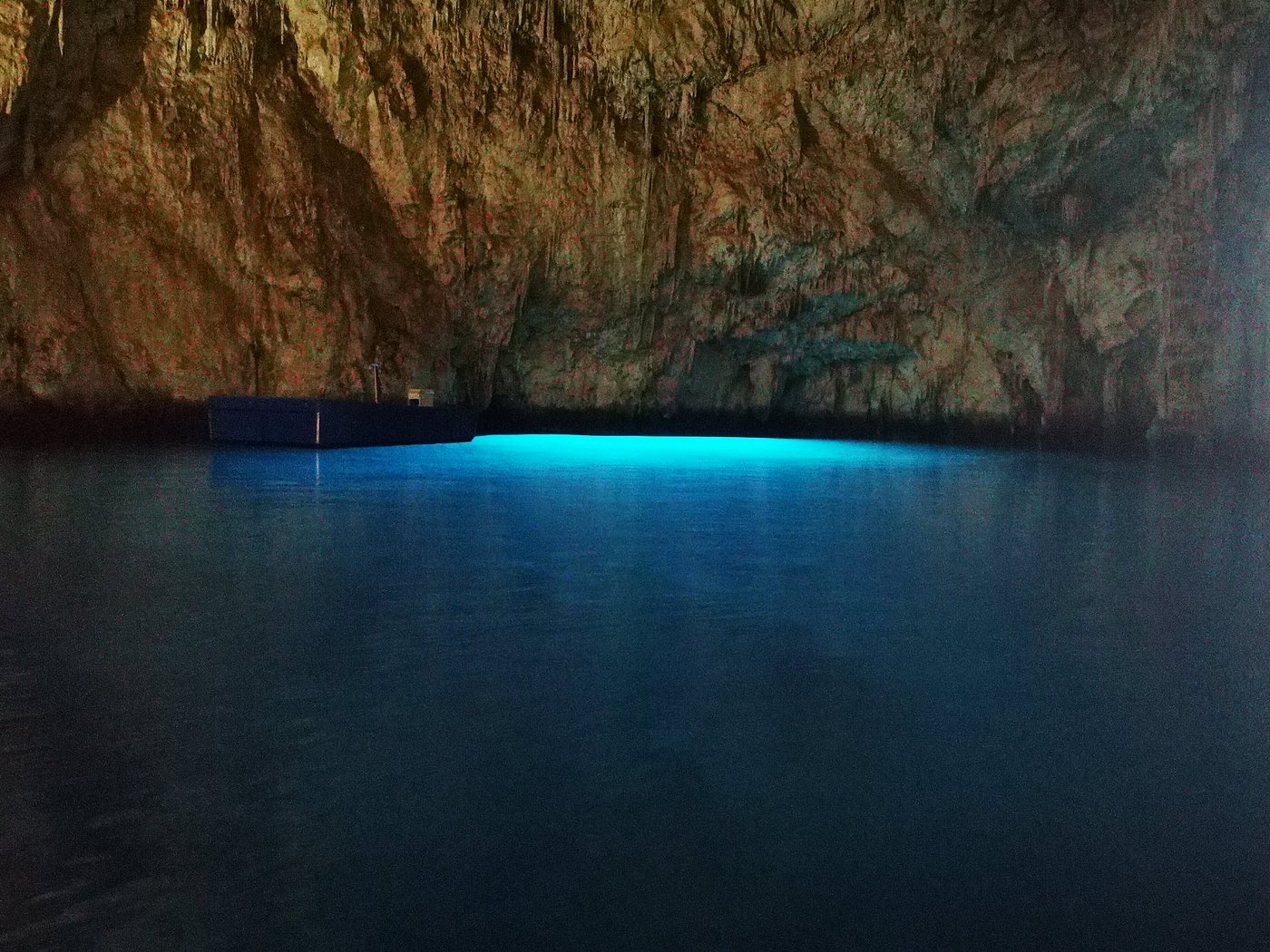
Image Source: Tripadvisor
When I want local food, I skip the big towns and head to Praiano. Family-run restaurants serve super fresh seafood, and the terrace views rival Positano’s—without the crazy prices.
Curating a Solitary Mediterranean Itinerary
Timing really changes everything when you’re exploring the Bay of Naples. If you hit places like Pompeii early or late, you can have the ruins almost to yourself.
My perfect day for solitude looks like this:
- Early ferry to Naples
- Quick train to Herculaneum (smaller and better preserved than Pompeii)
- Lunch in Bacoli, a fishing village
- Afternoon exploring the quiet archaeological park at Baia
The west side of the bay hides ancient ruins that the tourist crowds ignore. The underwater park at Baia reveals Roman villas now beneath crystal-clear water.
Booking a private boat with a local fisherman instead of a big tour company lets you find secret swimming spots. More than once, I’ve had these places all to myself.
