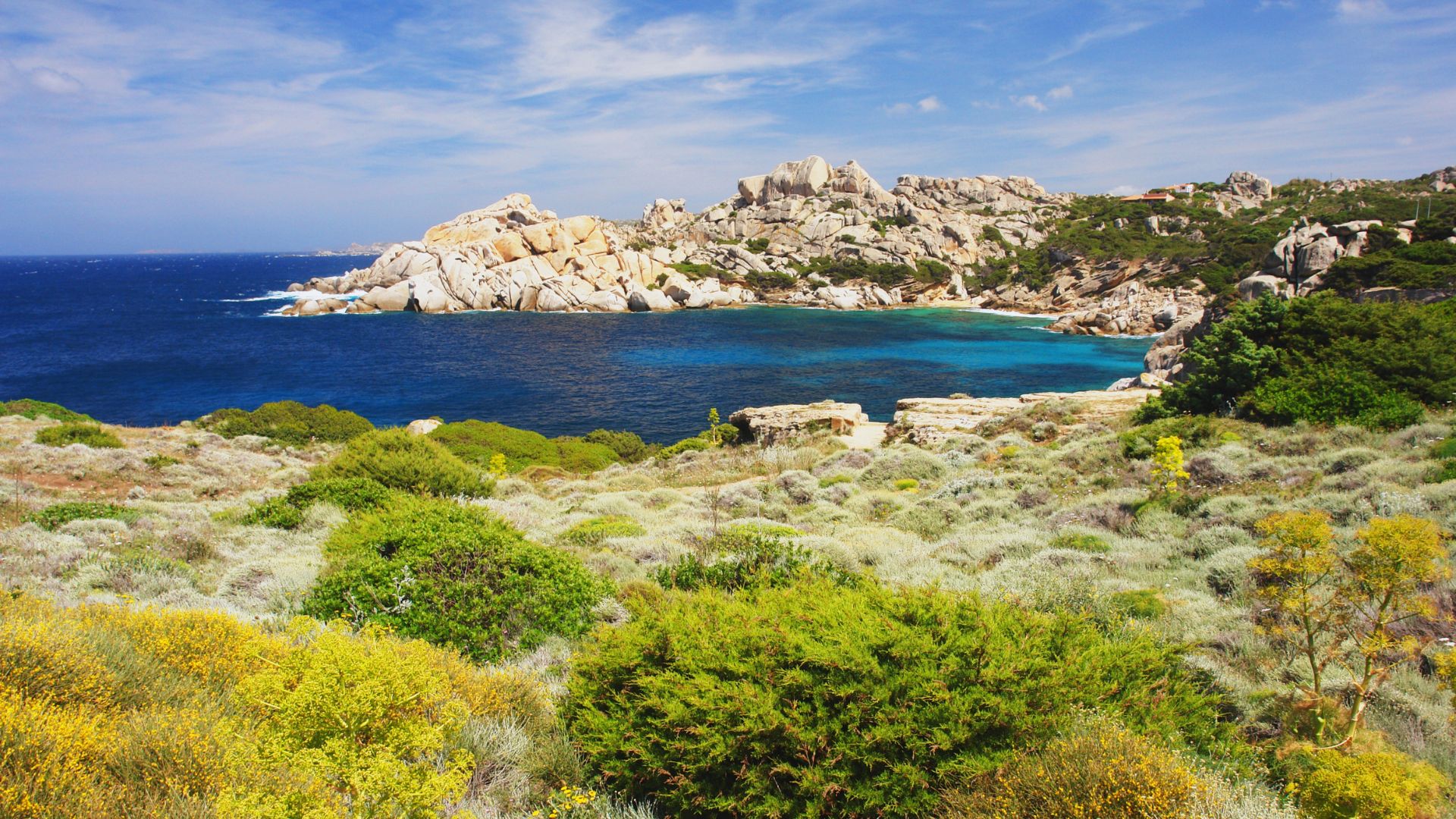
Picture yourself standing among massive granite boulders, their shapes twisted by wind and sea, while crystal-clear water splashes on both sides of a narrow peninsula. That’s Capo Testa. It’s honestly one of Sardinia’s most captivating natural wonders. This striking peninsula at Sardinia’s northern tip shows off a wild landscape of labyrinthine rock formations. Sometimes it feels like giants carved these rocks, not just nature’s slow hand.
Last spring, I wandered for hours along winding paths between towering granite sculptures. The peninsula juts right into the Strait of Bonifacio, and the whole place blurs the line between reality and fantasy. Around every corner, new shapes appear—some rocks look like animals, others remind me of ancient monuments frozen in time.
Capo Testa feels special because it combines wild beauty with easy access. You can hike the rugged granite coastline, swim in secluded bays with soft white sand, or just settle among the rocks and watch the sunset turn everything gold. The warm-toned granite against the turquoise Mediterranean—no photo ever does it justice, no matter how hard I try.
The Unique Landscape of Capo Testa
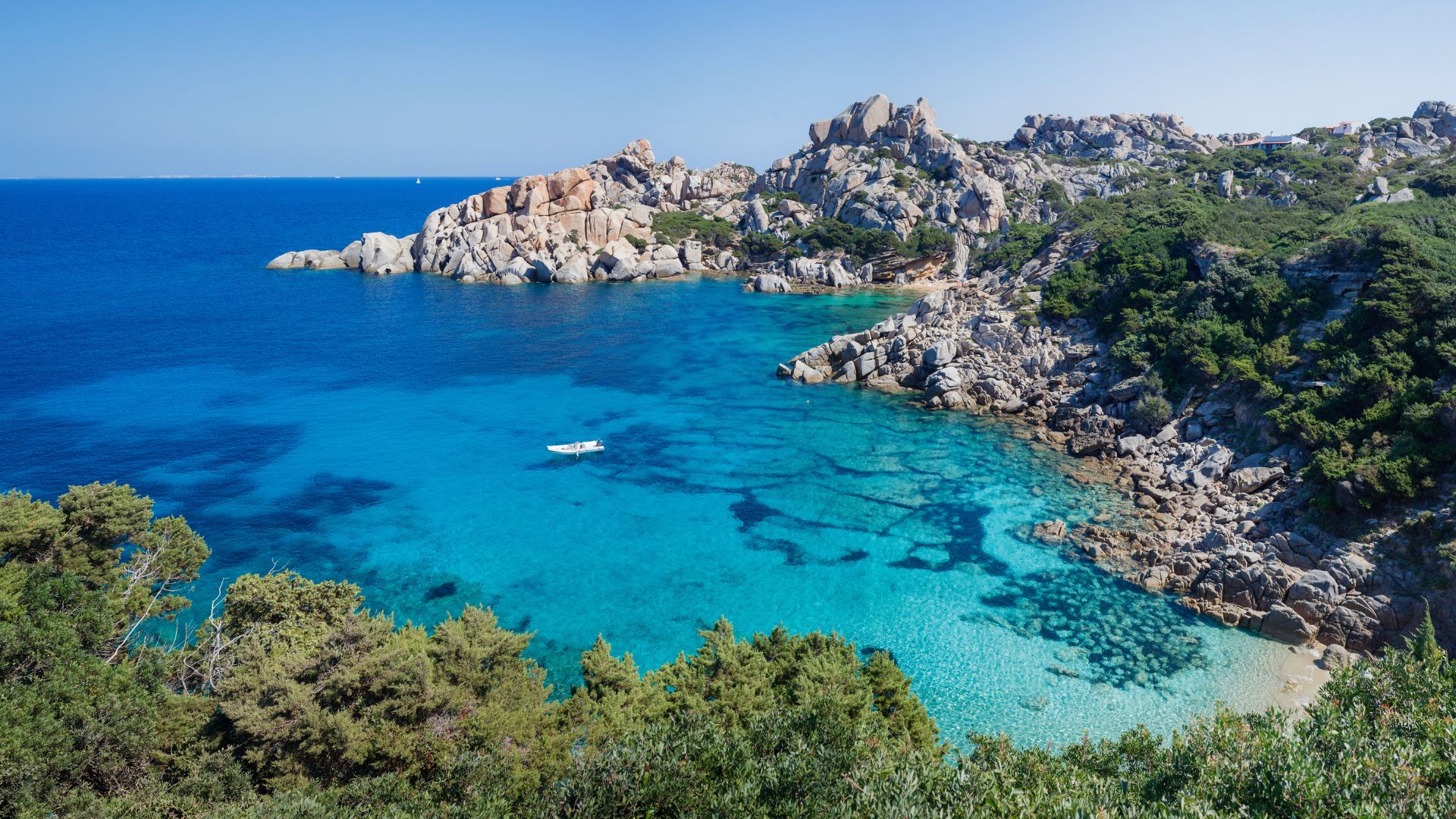
Capo Testa’s landscape isn’t like anything else I’ve seen. This granite peninsula sticks out into the Strait of Bonifacio and blends sculptural rock formations, dramatic coastal views, and a surprisingly wide mix of plant life.
Granite Formations and Rock Sculptures
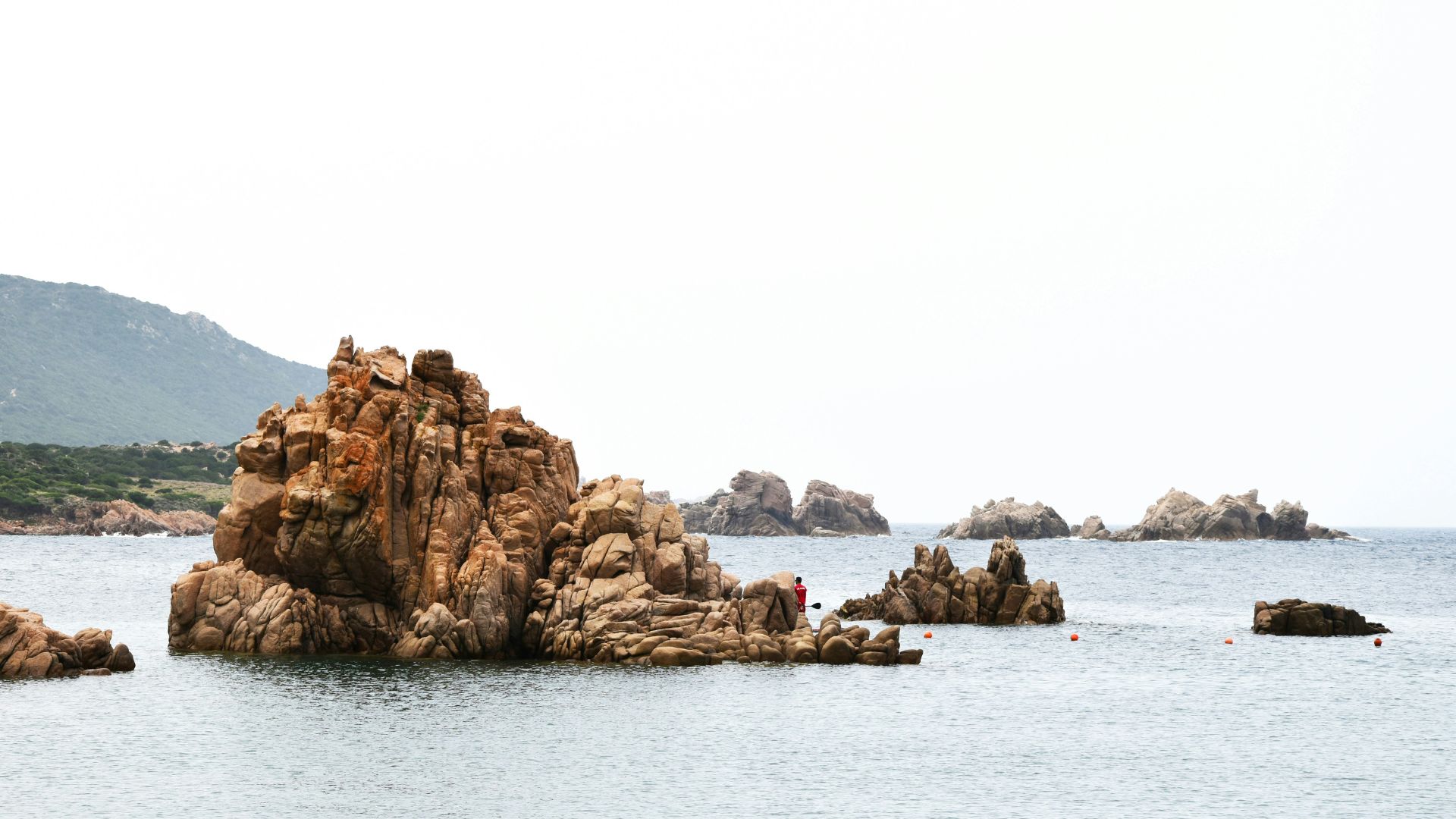
When I first arrived at Capo Testa, the granite formations blew me away. These rocks aren’t just stones—they’re sculptures, shaped by thousands of years of wind and sea. Walking among them feels almost like exploring a natural art museum.
Locals call the wind-whipped area “Valle della Luna” (Moon Valley). The rocks take on these otherworldly shapes, and I keep finding new angles and forms every time I visit. It’s a maze, honestly.
In summer, the granite shines against the bright blue sea. When autumn rolls around, the lower sun throws long shadows that make the dramatic contours even more striking. The pale rocks against that deep blue water—photographers can’t get enough.
Panoramic Cliffs and Mountain Peaks
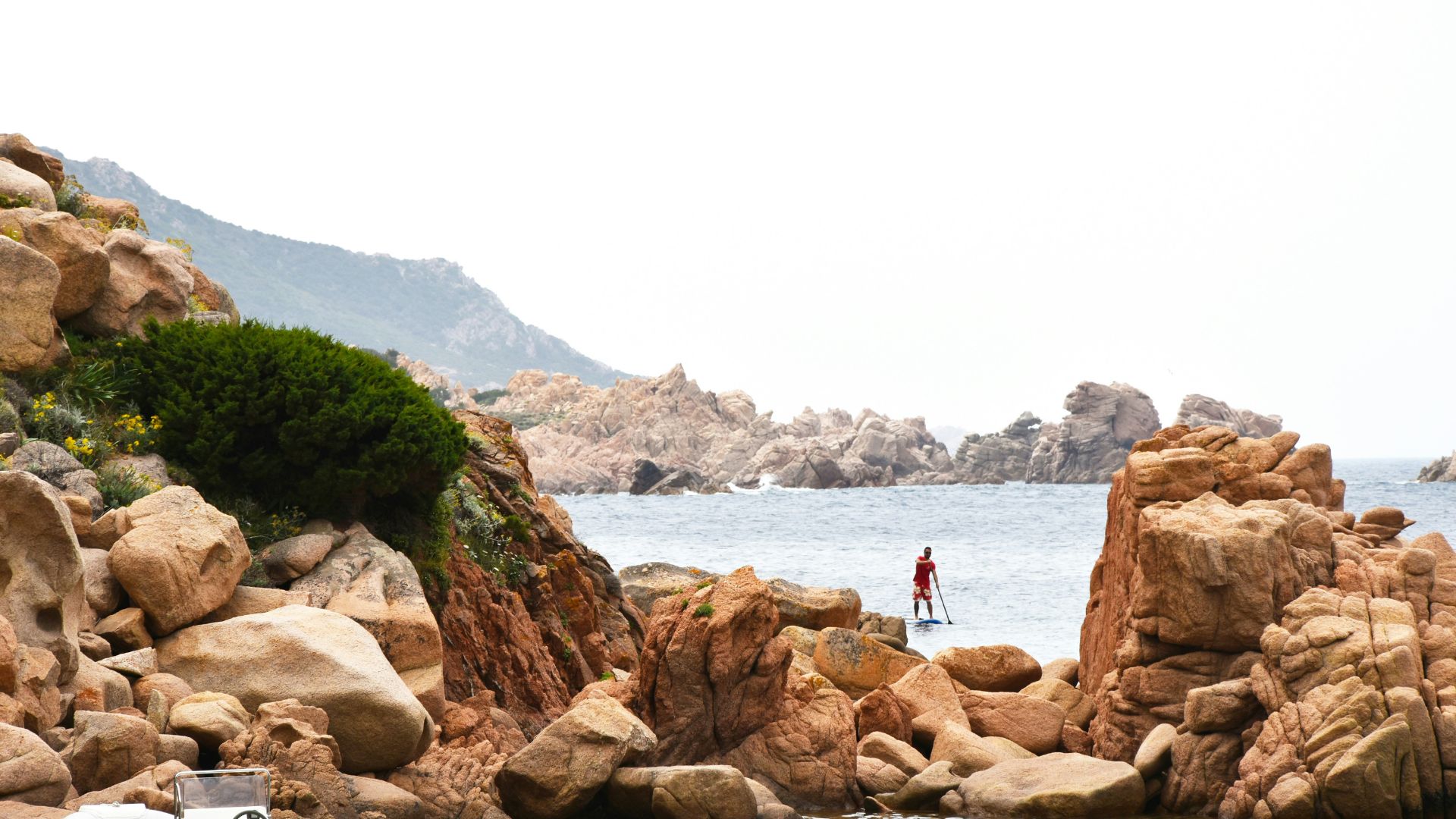
Capo Testa’s coastline drops off in breathtaking cliffs right into the sea. The views from up there are some of the best I’ve found in Sardinia. On clear days, I can spot Corsica across the strait, which always feels a little surreal.
At the highest points, you get these 360-degree views that really show off how the peninsula sits where two seas meet. I’ve watched countless sunsets from up here, and the sky just explodes with color over the granite.
Several hiking trails crisscross these higher spots. Some are easy walks, others a bit more challenging. My favorite trail follows the coastal ridge, with constant views of waves crashing against the granite below. The rocks form natural terraces, perfect for a quick rest.
Flora, Forests, and Natural Beauty
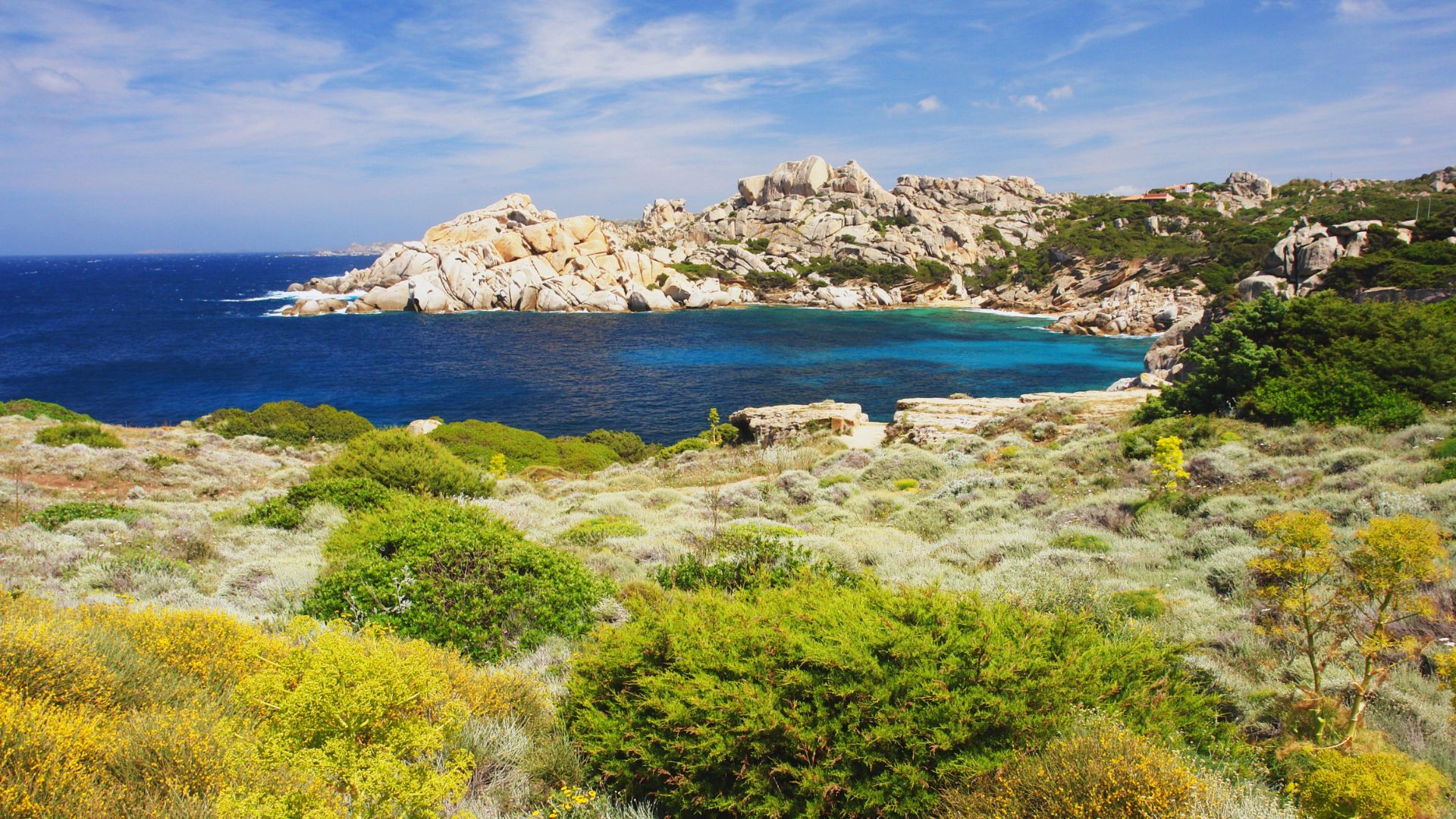
Even though the terrain looks harsh and rocky, Capo Testa supports surprising botanical diversity. Mediterranean maquis shrubland grows everywhere, with juniper, myrtle, and rosemary filling the air with scent whenever the sea breeze picks up.
In spring, wildflowers pop up from cracks in the granite. The mix of delicate blooms and giant stones just sums up Sardinia’s tough but beautiful character.
Sheltered inland spots hold small forests of wind-bent trees. These trees twist and lean, shaped by constant coastal winds, and they give the landscape even more personality. On hot days, these little forests are a lifesaver for shade-seeking hikers.
Top Beaches and Seaside Adventures
Capo Testa has some of the most stunning coastal experiences I’ve found anywhere in Sardinia. The granite peninsula creates all sorts of beaches—from soft sand to rocky coves with water so clear you almost can’t believe it.
Secret Coves and Swimming Spots
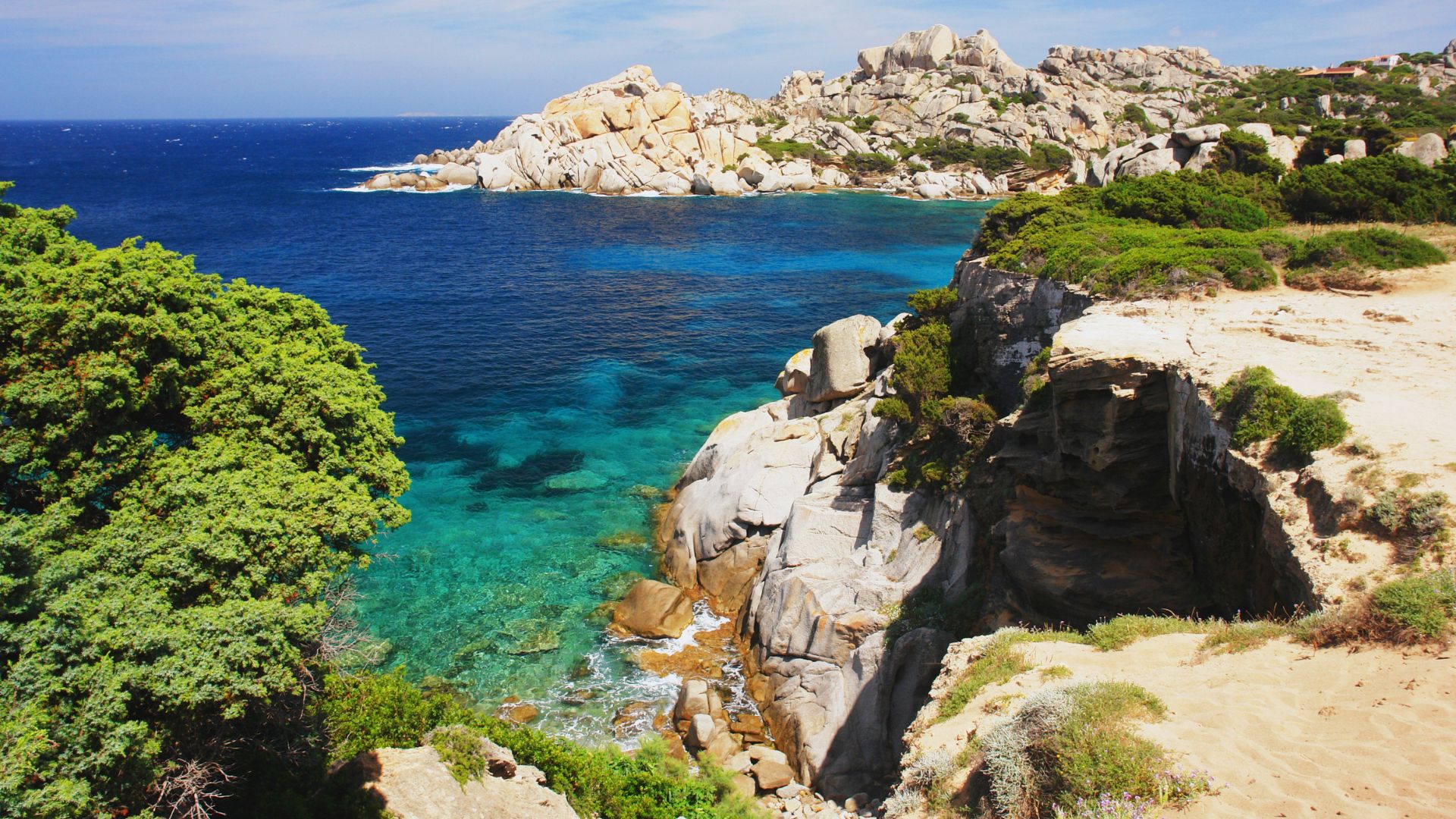
The natural pools here feel like a hidden paradise. As I explored the northern tip, I stumbled on several secluded spots you can only reach by hiking through the granite. Spiaggia Ponente quickly became my favorite—its soft, pale sand is just perfect.
The huge granite boulders shelter these pools, making the water remarkably clear and calm. The white sand, turquoise water, and pinkish rocks create a swimming experience that’s almost unreal.
If you want the best swimming, check out Cala Grande and “Valle della Luna” (Moon Valley). The scenery is breathtaking, with granite shapes that look like they belong on another planet.
Adventure Activities: Hiking and Climbing
Capo Testa’s wild landscape is a dream for adventure lovers. I spent hours hiking along coastal trails winding through the granite, with the Mediterranean always in view.
The main hiking path circles the whole peninsula and takes about 2-3 hours. Wear good shoes—the granite can get slippery! Along the way, you’ll see:
- Remains of an ancient Roman quarry
- Amazing viewpoints for photos
- Rock formations shaped like animals (or maybe that’s just my imagination)
- Hidden beaches you can’t reach by car
If you’re into climbing, the granite offers great bouldering. I watched some experienced climbers tackle the smooth rock faces while I was there. Bring your gear or join a local tour if you want to give it a try.
Photography at Capo Testa: Capturing the Granite Wonderland
Capo Testa’s granite formations give photographers endless creative options. I honestly think this is one of the most unique places to shoot landscapes in Sardinia.
Best Photo Spots and Breathtaking Views
The maze of rocks near the lighthouse is perfect for compositions, especially at sunset when everything glows orange. Some of my best shots come from Valle della Luna, where the strange shapes and turquoise sea make every photo look otherworldly.
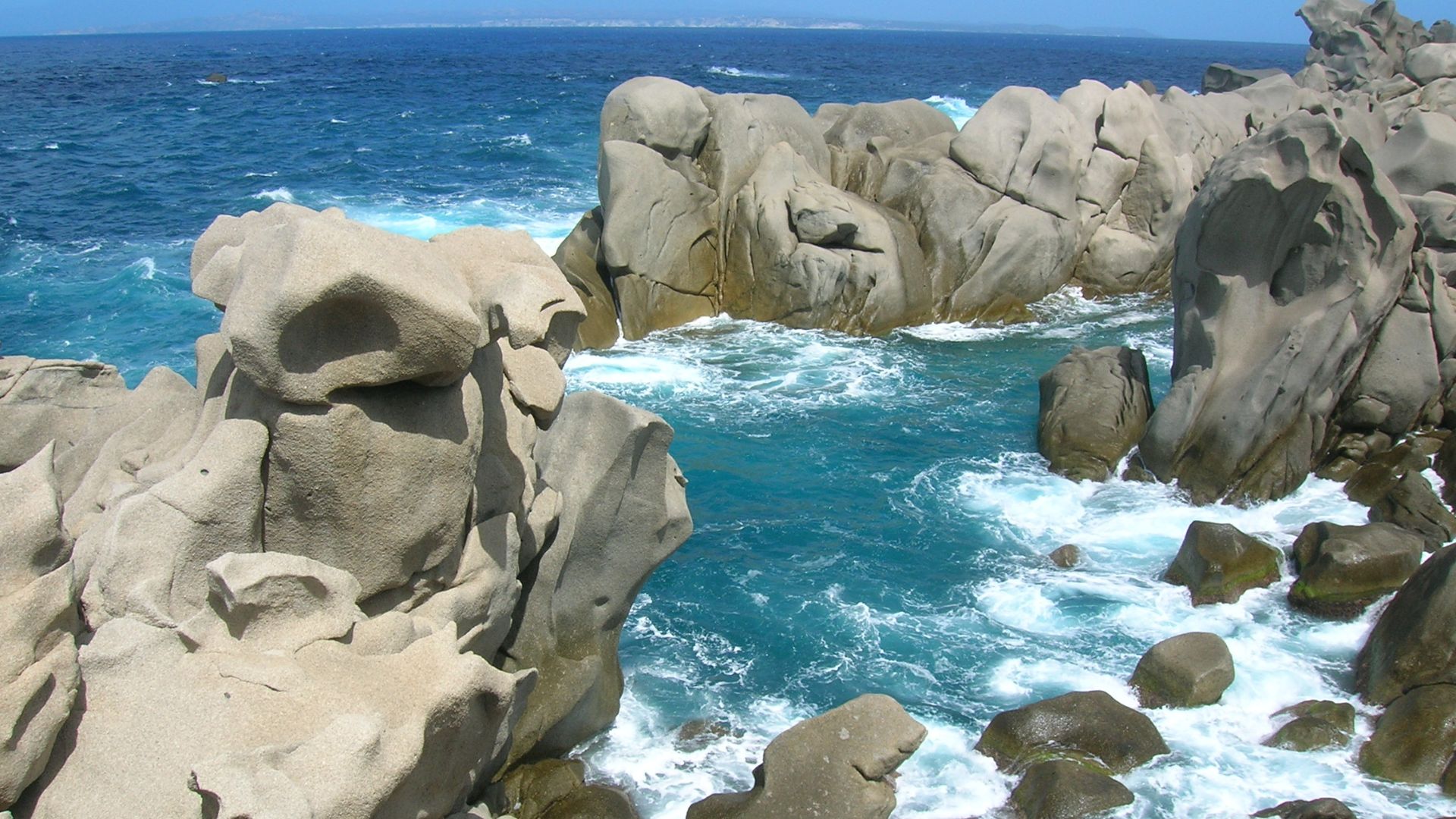
For dramatic seascapes, I head to the west side when the sea is rough. The contrast between smooth granite and crashing waves always makes for dynamic images.
The natural pools near Santa Teresa are ideal for reflections, especially early in the morning when the water’s still. I like to explore the hidden coves along the coast—each one has its own angle on this granite wonderland.
Tips for Portrait, Square, and Panorama Shots
If you’re shooting portraits, the rocks make great natural frames. Try putting your subject in a small opening between boulders—it draws the eye right to them.
For square shots (think Instagram), I’ve noticed a few things help:
- Mix rocks and sea for balance
- Shoot in the morning to avoid harsh shadows
- Use a polarizer to make the sky and water pop
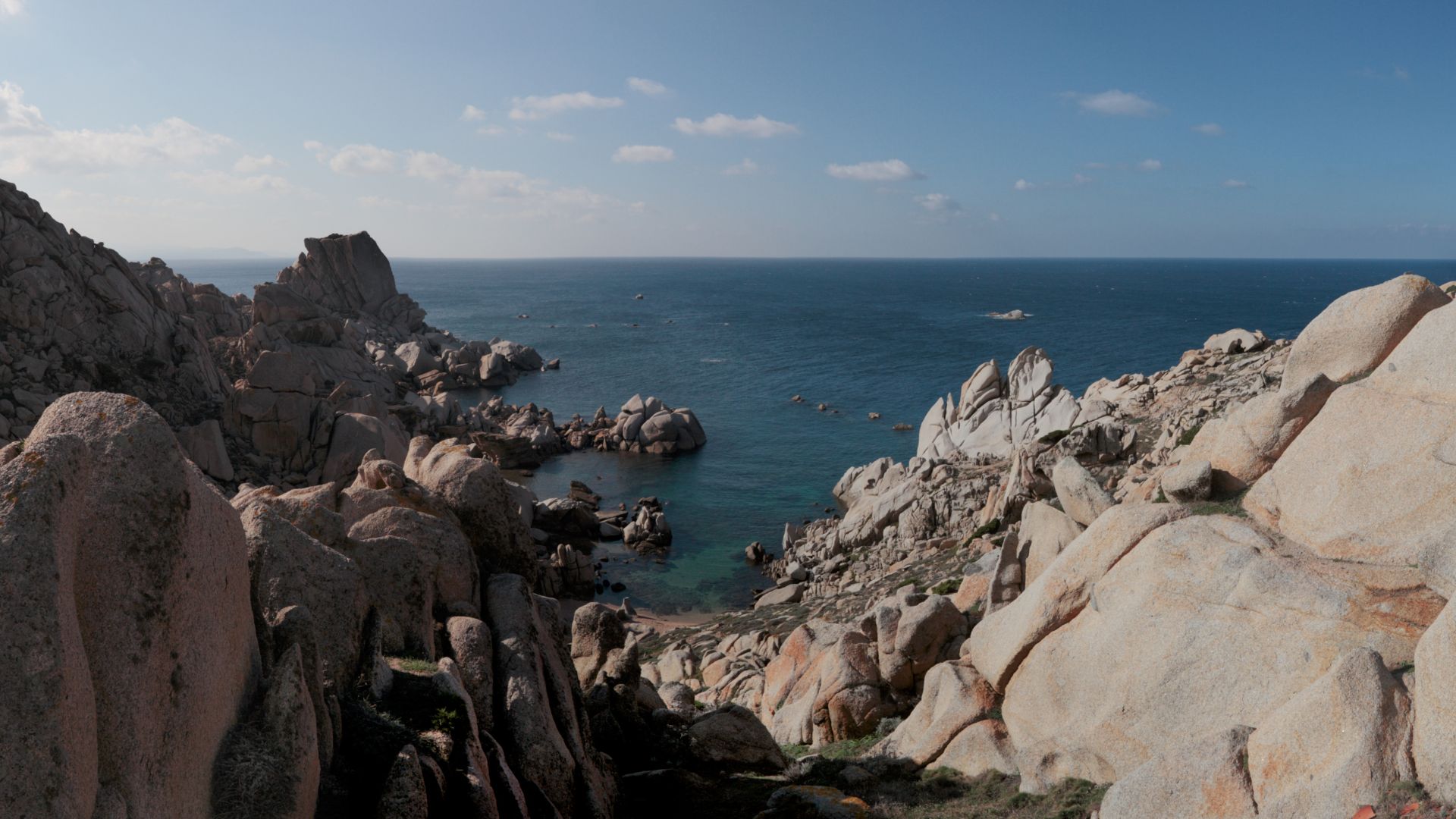
Panoramas work best from higher up. I climb the bigger rocks early, before the crowds arrive. Capturing the wide view where land and sea meet really tells the story of Capo Testa.
For color, nothing beats golden hour. The warm light brings out pinks and oranges in the granite you won’t see at midday.
Stock Photos, Editorial Usage, and Royalty-Free Options
Capo Testa photos are popular as stock images. Getty Images alone has nearly 700 high-res shots of the area. My own granite formation photos seem to sell well for travel sites and magazines.
When I upload to stock platforms, I use keywords like “Sardinia granite,” “Mediterranean landscape,” and “Capo Testa formations” to help people find them.
For editorial use, shots showing the contrast between smooth rocks and blue sea tend to get picked up the most. Tourism boards love these for their brochures and ads.
If you’d rather buy than shoot, plenty of stock sites offer royalty-free options with commercial licenses. I’ve noticed that unusual perspectives—not just the classic postcard shots—are more valuable.
Planning Your Visit to Capo Testa
If you want to visit this granite wonderland, a little planning goes a long way. I’ve pulled together the essentials on getting there and when to go, just to help you make the most of your trip.
How to Get There From Sardinia’s Main Cities
Getting to Capo Testa from Sardinia’s main cities is pretty straightforward, but you’ll need to plan ahead. From Olbia, the closest big city, you can drive northwest for about an hour (55 km) along scenic roads.
Coming from Cagliari down south? That’s a longer haul—about 4 hours by car (280 km). I’d break up the trip with stops in some of the charming villages along the way.
Public transport isn’t great out here, so renting a car is your best bet. In summer, some tour companies run day trips from the big resorts.
If you’re already in Santa Teresa Gallura, you’re in luck. It’s just a 3 km drive or a relaxed 30-minute walk to the peninsula. The road is well-marked, so even first-timers won’t get lost.
Best Times to Experience Capo Testa’s Nature
Honestly, I think July through September feels just right for wandering around Capo Testa’s rocky terrain. The weather stays warm, so you can swim in the natural pools or snorkel off the peninsula without freezing.
Early autumn—let’s say September to October—brings a quieter vibe. Fewer tourists show up, but the temperatures still feel comfortable. If you catch the granite formations at sunset, you’ll notice they glow gold. It’s almost unreal.
Spring, especially April and May, works well for hiking. Wildflowers start popping up everywhere. The water, though, usually stays too cold for a dip.
You can visit in winter too. Expect strong winds that whip up some seriously dramatic seascapes. The mistral winds hit hard, making it tough to explore sometimes, but honestly, it gives the coastline a wild, untamed feel.