
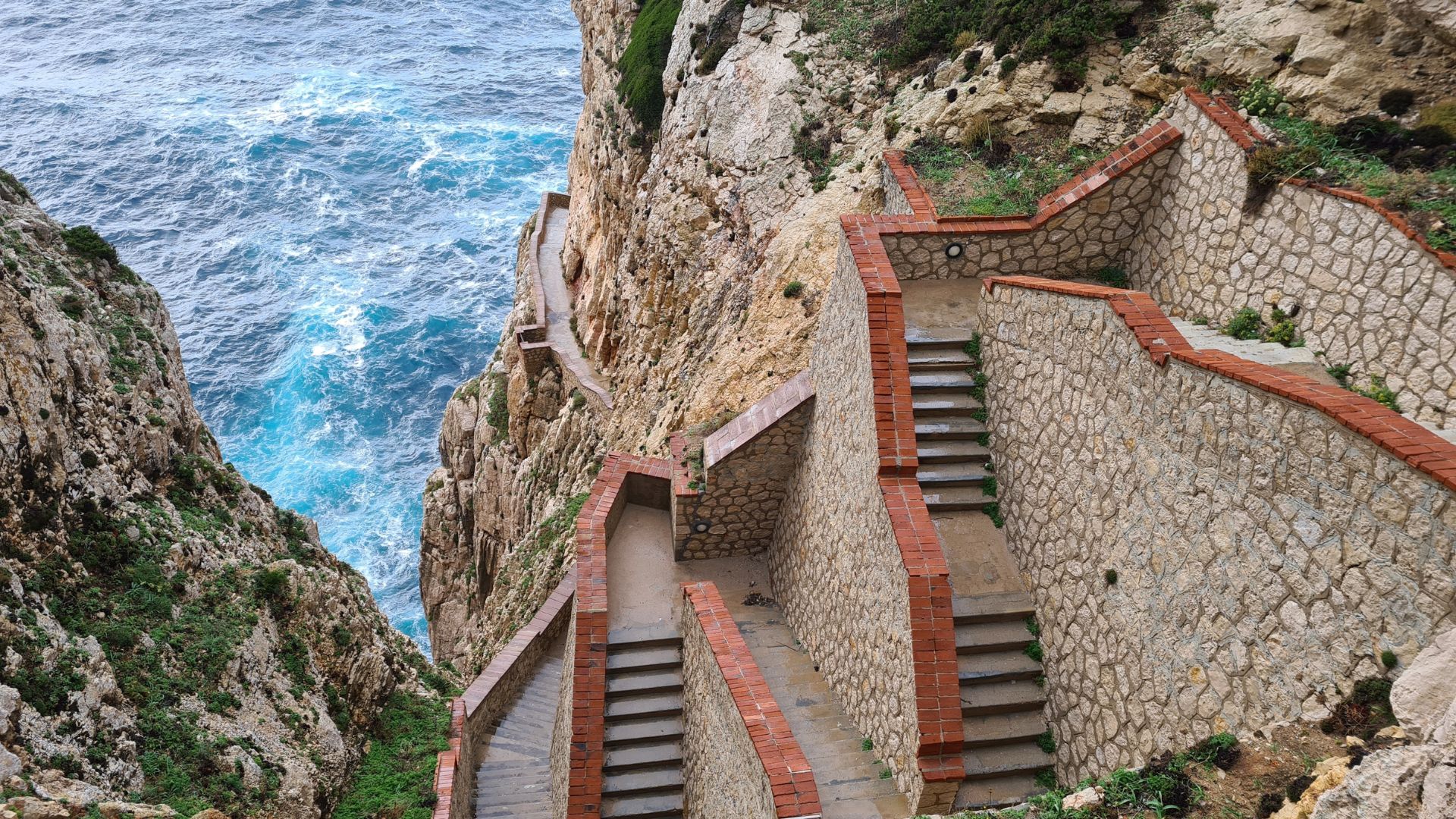
Neptune’s Grotto sits perched on Sardinia’s northwestern coast, and exploring it takes a bit of nerve—and, honestly, some decent shoes. The adventure starts up on Capo Caccia’s cliffs, where 656 steps—locals call them the “Escala del Cabirol” or Goat’s Stairs—zigzag down the limestone wall.
The descent throws out these wild Mediterranean views as you go, and then suddenly, the cave’s massive entrance looms into view. Every step feels like work, but man, it’s worth it.
I made the trip in May. That turned out to be a great choice—the crowds weren’t bad, and the weather felt just right for both the climb and checking out the cave. Sure, you can take a boat from Alghero in the summer, but honestly, the stairs give you a way better adventure (and photos you just won’t get from the water).
People have been walking these steps since 1954, but the cave itself feels ancient. As I headed down, I kept thinking about the climb back up—those same 656 steps waiting for me. Still, the wild stalactites, stalagmites, and that underground lake inside Neptune’s world made every step back up feel worth it.

The Legendary Descent: Escala del Cabirol’s 656 Steps
The journey to Neptune’s Grotto kicks off with one of the most dramatic staircases in the Mediterranean. The Escala del Cabirol (Goat’s Steps) is built right into the limestone cliffs of Capo Caccia.
It’s a bit of a workout, but the views make you forget your legs are burning.
Architectural Marvels of the Stairway
When I first saw the Escala del Cabirol zigzagging down the cliff, I just stood there, honestly impressed. Workers built these 656 steps (or 654, depending who you ask) into the tough limestone back in 1954.
The stairway hugs the cliff, winding down from the car park at the top all the way to sea level, where the grotto entrance waits. Each section seems to fit the rock perfectly.
What really got me was how the steps, even though they’re man-made, actually add to the coastline’s beauty. Over the years, the stone has weathered and picked up the colors and textures of the cliffs.
Breathtaking Views of the Mediterranean and Capo Caccia
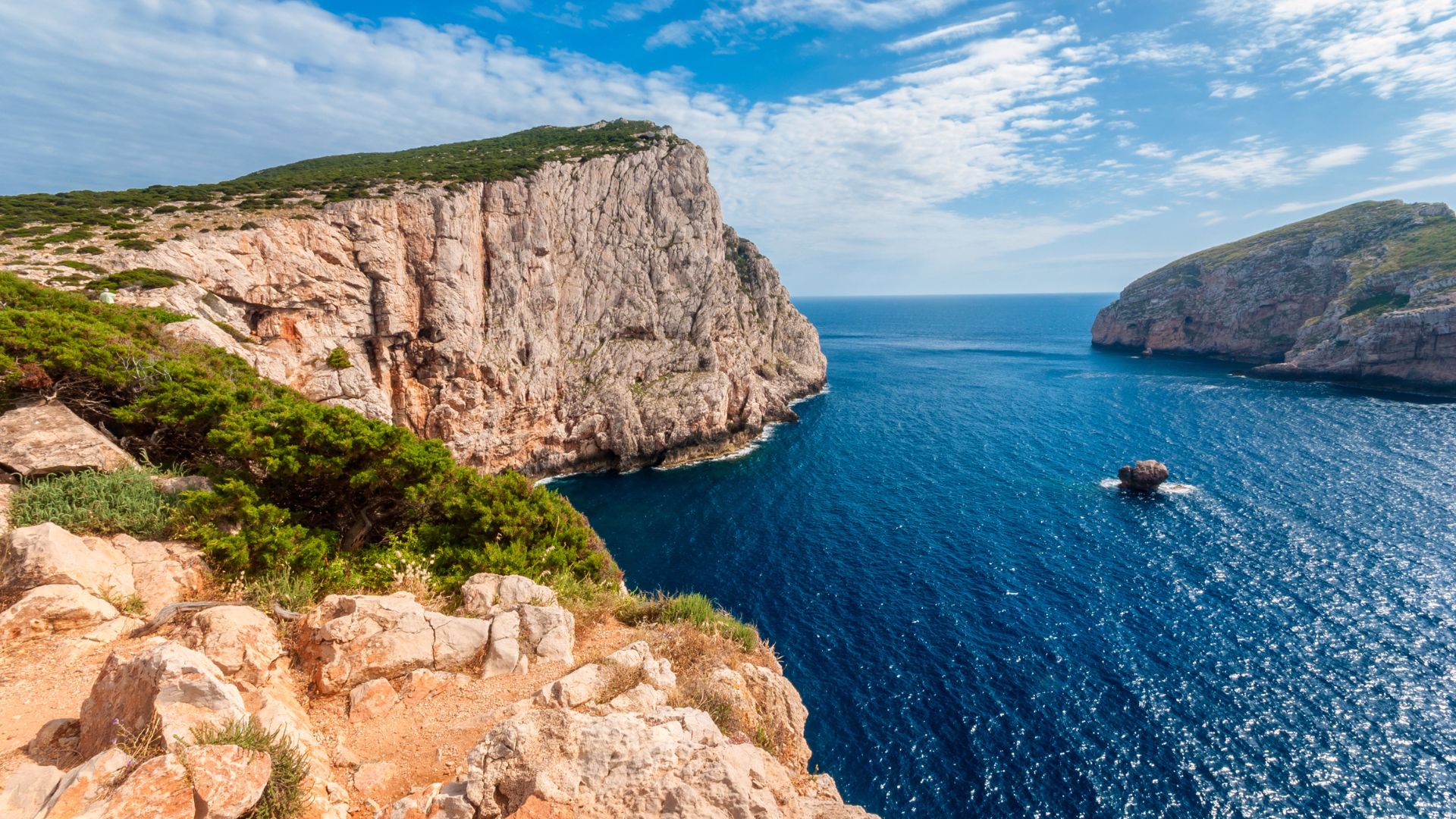
As I descended, I kept stopping every few minutes, just soaking in the view. The deep blue Mediterranean goes on forever.
From the top, you get this sweeping look at Porto Conte bay and the wild coastline of Capo Caccia. As you get lower, the limestone formations start to stand out, showing off layers that are millions of years old.
I found some great photo spots, especially where the stairs curve around the cliff. The white limestone against the blue sea just pops—no filter needed.
The light changes through the day, but late afternoon, when the cliffs glow gold, felt especially magical.
Preparing for the Descent: Practical Tips
Before you take on these steps, wear comfy shoes with good grip. The limestone gets slippery if it rains or if sea spray hits near the bottom.
Bring these essentials:
- Water bottle (at least 1 liter)
- Sun protection (hat, sunscreen, sunglasses)
- Camera
- Small backpack to keep your hands free
- €14 for the grotto entrance fee
The round trip (down and back up) takes about 90 minutes, not counting time inside the cave. If you’re not a regular hiker or want to stop for photos, give yourself extra time.
Going down is pretty easy, but don’t forget—you have to climb all 656 steps back up. There’s no other way back to the car park right now, so pace yourself.
Exploring Neptune’s Cave: Wonders Beneath the Surface
Once you finish the descent, Neptune’s Cave opens up this hidden world of natural beauty. Inside, you’ll find incredible formations that have taken thousands of years to form beneath Sardinia’s rugged coast.
Stunning Stalactites and Stalagmites
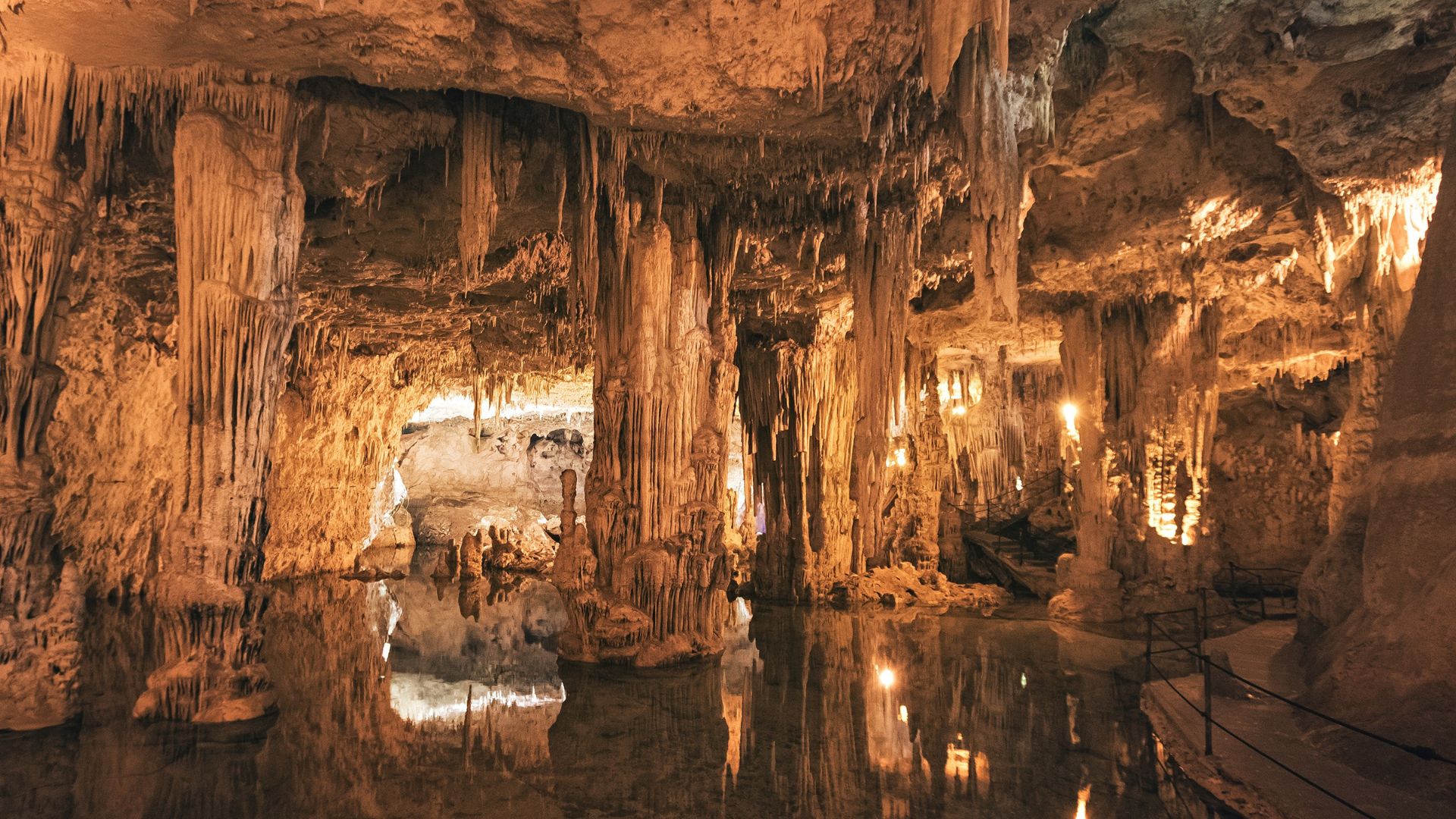
Stepping into Neptune’s Cave, I just stopped and stared. The limestone shapes make it feel like you’ve landed on another planet. Massive stalactites hang down like stone icicles, some stretching several meters.
I loved the spots where stalactites and stalagmites finally met to create columns—thousands of years in the making. The cave lighting really shows them off, casting dramatic shadows and reflections on the underground lakes.
The main chamber, the Great Hall, has the wildest formations. Some have weird shapes that locals have named, like the one that looks like Neptune’s trident. Pretty fitting, right?
The Marine Protected Area and Unique Wildlife
Neptune’s Cave sits inside a marine protected area that covers Foradada Island and Capo Caccia. This protection keeps the ecosystem inside and outside the cave healthy.
In the crystal pools, I spotted tiny crustaceans that only live here. These little guys have adapted to the darkness in ways you don’t see anywhere else.
The cave’s entrance connects straight to the Mediterranean. I watched schools of fish swimming near the mouth where sunlight still hits the water. The spot where cave and sea meet glows an unreal blue—photographers go nuts for it.
Echoes of History: Inscriptions and Legends
Neptune’s Cave walls are covered with stories from the past. I found old inscriptions from explorers who came here long before there were stairs or lights.
Local legends say pirates used the cave as a hideout, sheltering their ships in the calm water. One inscription from 1795 shows sailors took refuge here during storms.
The cave’s name ties back to mythology—locals thought it was Neptune’s home. When storms hit and waves crash against the outer walls, the echoes supposedly meant Neptune was angry. Standing there, listening to the distant sea, I could see why people believed it.
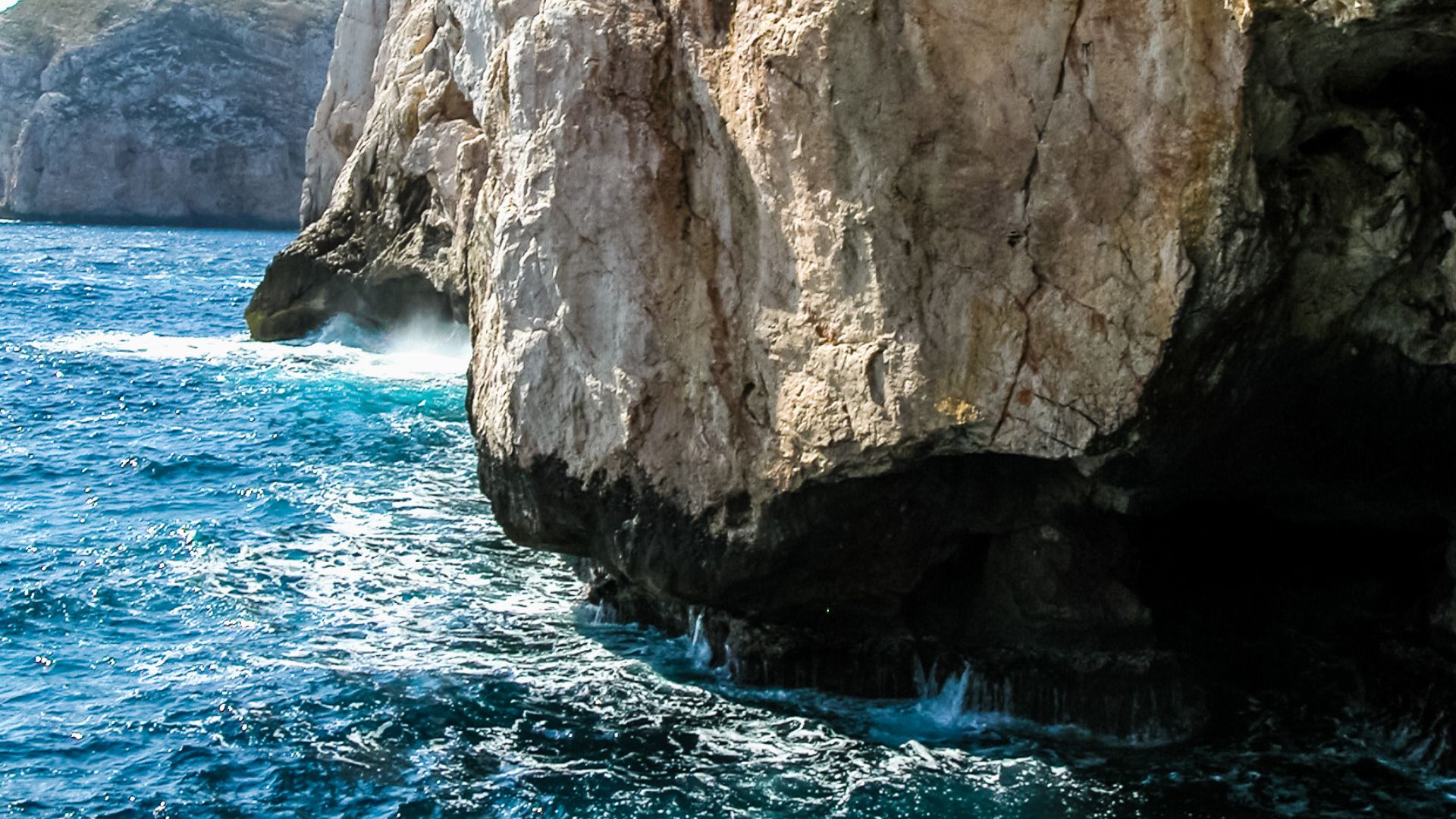
Neptune’s Cave in Myth and Memory
The towering formations inside Neptune’s Cave have fueled myths and stories for centuries. I felt surrounded by history and imagination as I wandered through its depths.
Tales of Gods, Fate, and the Sea
Neptune, the Roman sea god (or Poseidon, if you’re more into Greek myths), seems right at home in this epic grotto. I could almost picture him with his trident among the stalactites. The fishermen who found the cave back in the 1700s must have been awestruck.
Sardinians once believed sea caves were gateways between worlds—places where fate could shift. Seven formations inside the grotto supposedly grant wishes if you touch them in the right order.
I stumbled across an old Sardinian saying: “The lord of the waters speaks through the stone.” There’s a one-eyed rock formation that inspired cyclops legends among sailors.
References in Ancient Literature
Neptune’s Grotto doesn’t show up by name in Homer’s Iliad or Odyssey, but ancient Mediterranean stories often mention sea caves. Virgil wrote about sacred grottos where heroes sought advice from the gods.
Ennius, an early Roman poet, mentioned Sardinia’s “stone-tooth caverns” where “gods whisper secrets to those who listen.” That description really matches Neptune’s Grotto.
Roman writer Josephus said Emperor Augustus visited a “divine sea chamber” in Sardinia—most scholars think he meant Neptune’s Cave. The “chariots of Manus” in Roman texts probably refer to the cave’s wild stalactites.
Christian Symbols and Roman Remains
During Roman times, people probably used the cave as both a temple and a safe harbor. I spotted some small Roman carvings near the entrance—maybe sailors left them before setting out.
When Christianity spread in the fourth century, the cave’s meaning shifted. Early Christians often repurposed old pagan sites, and Neptune’s Grotto became linked to biblical flood stories.
Fishermen prayed in the cave during storms, or so the stories go. Some formations picked up Christian names—the main chamber was called “Noah’s Ark” for a long time.
Archaeologists have found Roman pottery and coins near the entrance, dating back to Nero’s time. That proves the cave was important both as a refuge and a spiritual place during the empire.
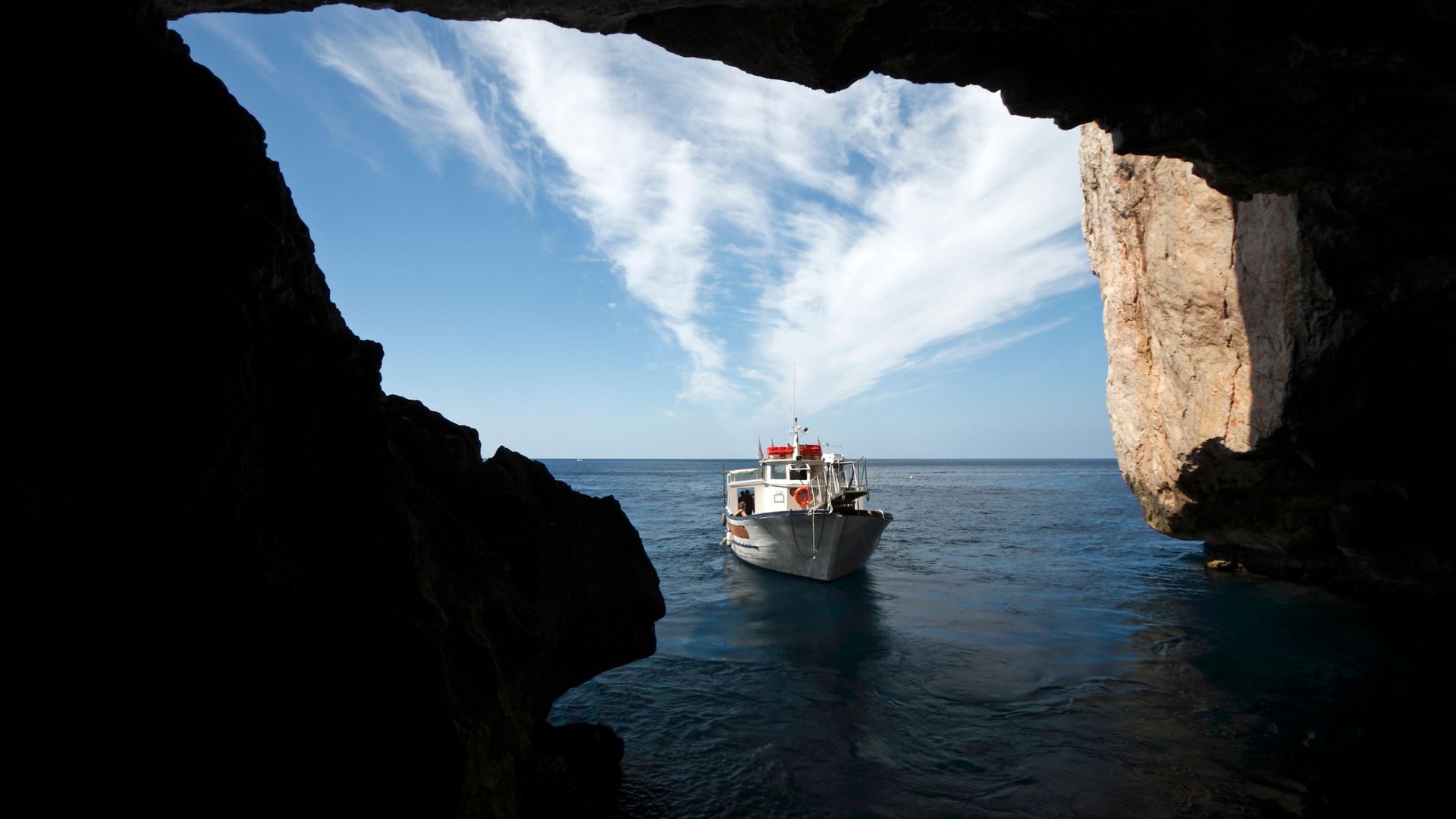
Sardinia’s Rich Coast: Beyond the Cave
Neptune’s Grotto is just one highlight along Sardinia’s incredible coast. The area around it is packed with culture, natural beauty, and surprises for anyone willing to explore.
Alghero and the Coral Riviera
I kind of stumbled into Alghero during my trip, and it instantly became my favorite coastal town. This walled medieval city mixes Catalan and Italian vibes in its tight cobblestone streets and warm-colored buildings.
Walking the old sea walls at sunset, I watched fishing boats drift in as locals took their evening stroll. The Catalan dialect still rings out in the streets, a reminder of the town’s unique past.
They call it the Coral Riviera because of the red coral that’s been harvested here for centuries. Local jewelers turn it into gorgeous pieces you’ll see in shop windows all over the old town. If you can, try the aragosta alla catalana (Catalan-style lobster) at a waterfront spot.
Porto Conte and Barceloneta: Vibrant Locality
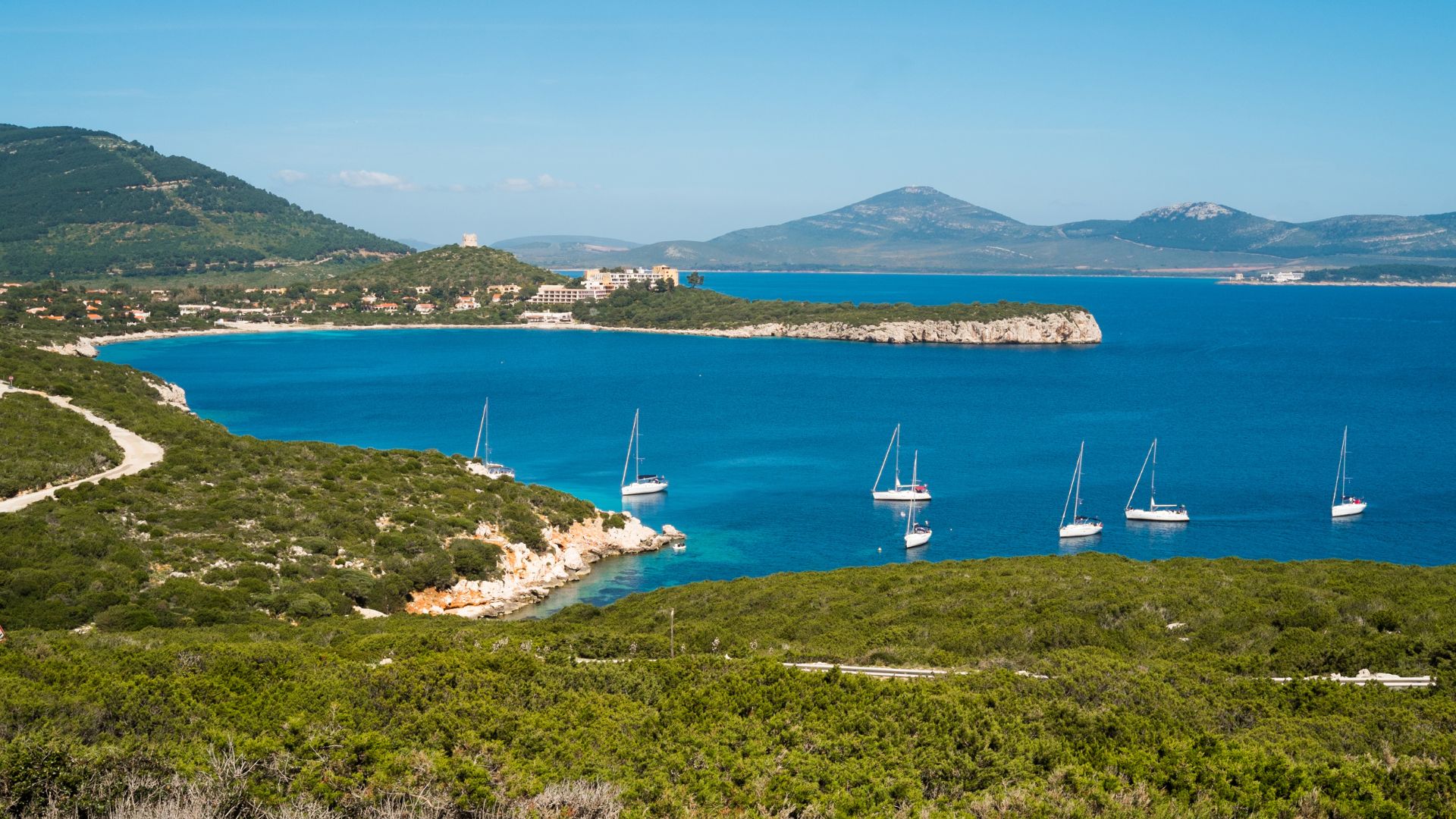
Just a quick drive from Neptune’s Grotto, Porto Conte sits in a beautiful natural bay, surrounded by a protected park. The horseshoe-shaped harbor shelters both boats and wildlife.
People sometimes call the area “Little Barcelona” or Barceloneta, with Spanish-style buildings mixing with Italian cafés—a cultural mashup you won’t find anywhere else in Italy.
I hiked through the Mediterranean scrub to reach some epic viewpoints over the bay. The park has trails for all levels. For beach fans, Porto Conte hides secluded coves with crystal-clear water that’s perfect for swimming and snorkeling. The seafood here is as fresh as it gets—I still dream about the sea urchin pasta I had!
Red Coral, Flora, and Fauna
Capo Caccia’s waters host one of the Mediterranean’s most diverse ecosystems. Red coral colonies thrive in the deep, cool waters here. Strict protections now limit harvesting, which helps preserve this precious resource.
On land, those limestone cliffs support unique plant communities that have adapted to the harsh, windy conditions. In spring, wild rosemary, juniper, and rare orchid species carpet the landscape. I actually spotted Eleonora’s falcons nesting on the vertical cliffs during my last visit—these magnificent birds make the journey from Madagascar every year.
The protected marine area bursts with colorful fish, dolphins, and sometimes even a monk seal if you’re lucky. Snorkelers and divers can explore underwater caves and rocky formations that are just teeming with life.
You’ll also find plenty of butterflies and the elusive Sardinian fox wandering the land. This place feels delicate, and honestly, it’s a good thing conservation efforts now protect this extraordinary corner of the Mediterranean.
Layers of Time: From Nuragic Past to Present
Sardinia’s cliffs hide more than Neptune’s watery realm. They cradle thousands of years of human history, and sometimes you can almost hear those ancient voices in the stones and scattered ruins across Capo Caccia.
Nuragic Complex and Ancient Fortifications
The area around Neptune’s Grotto ties right back to Sardinia’s mysterious Nuragic civilization, which dates to the Bronze Age. I found it fascinating that these ancient people built stone fortifications along the coastline, using the same limestone that shapes the cave below.
As I walked down those 656 steps, my hand brushed the cool stone walls. I couldn’t help but imagine the ancient hands that once stacked these rocks. The nuragic complex near Capo Caccia really shows how early Sardinians understood the strategic importance of this dramatic coastline.
Natural caves like Neptune’s Grotto probably held sacred meaning for the island’s earliest inhabitants. According to local guides, people might have gathered here for rituals, where firelight and shadows turned the space into something almost mystical.
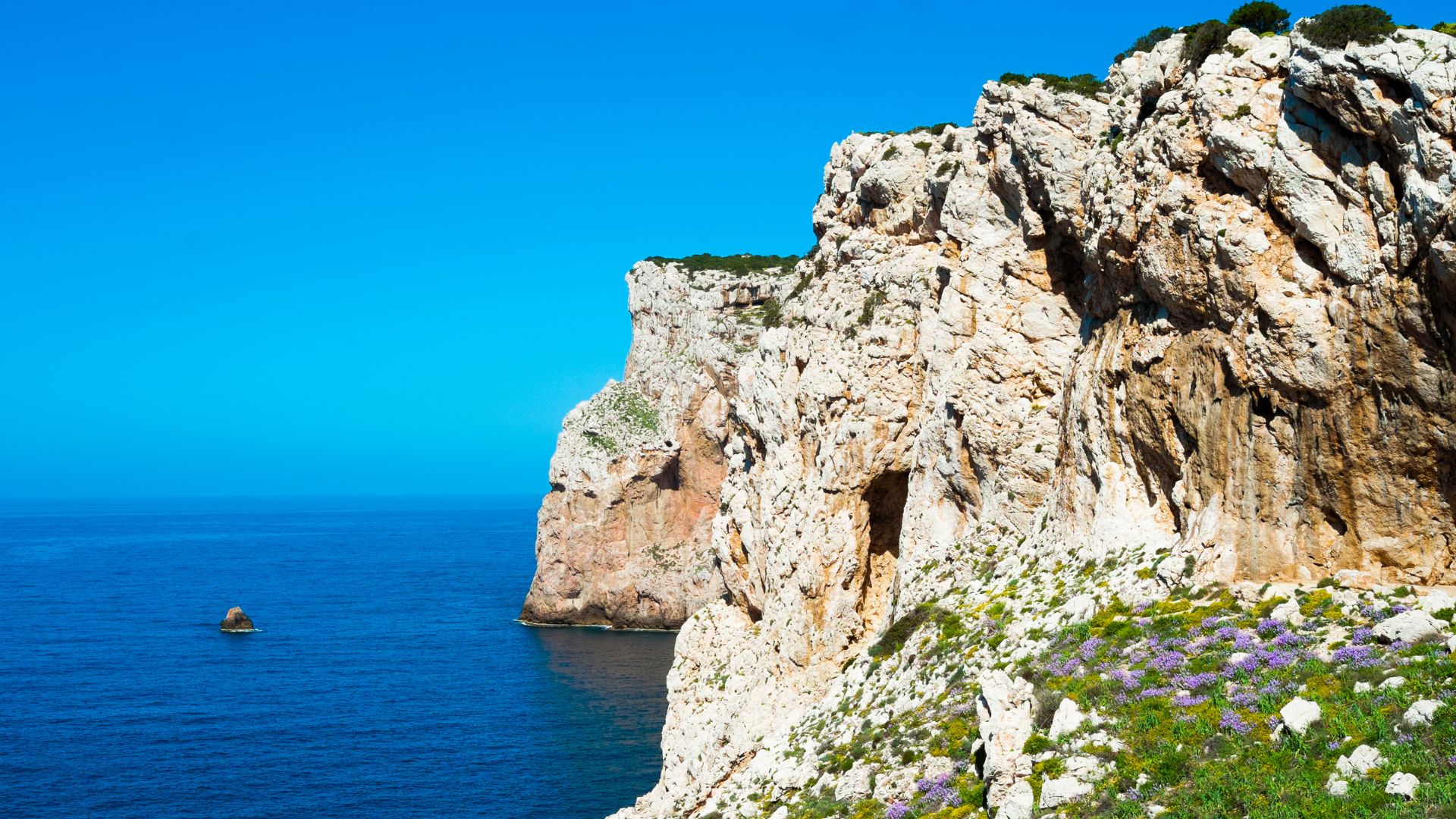
Lighthouse Watchers and Modern Life
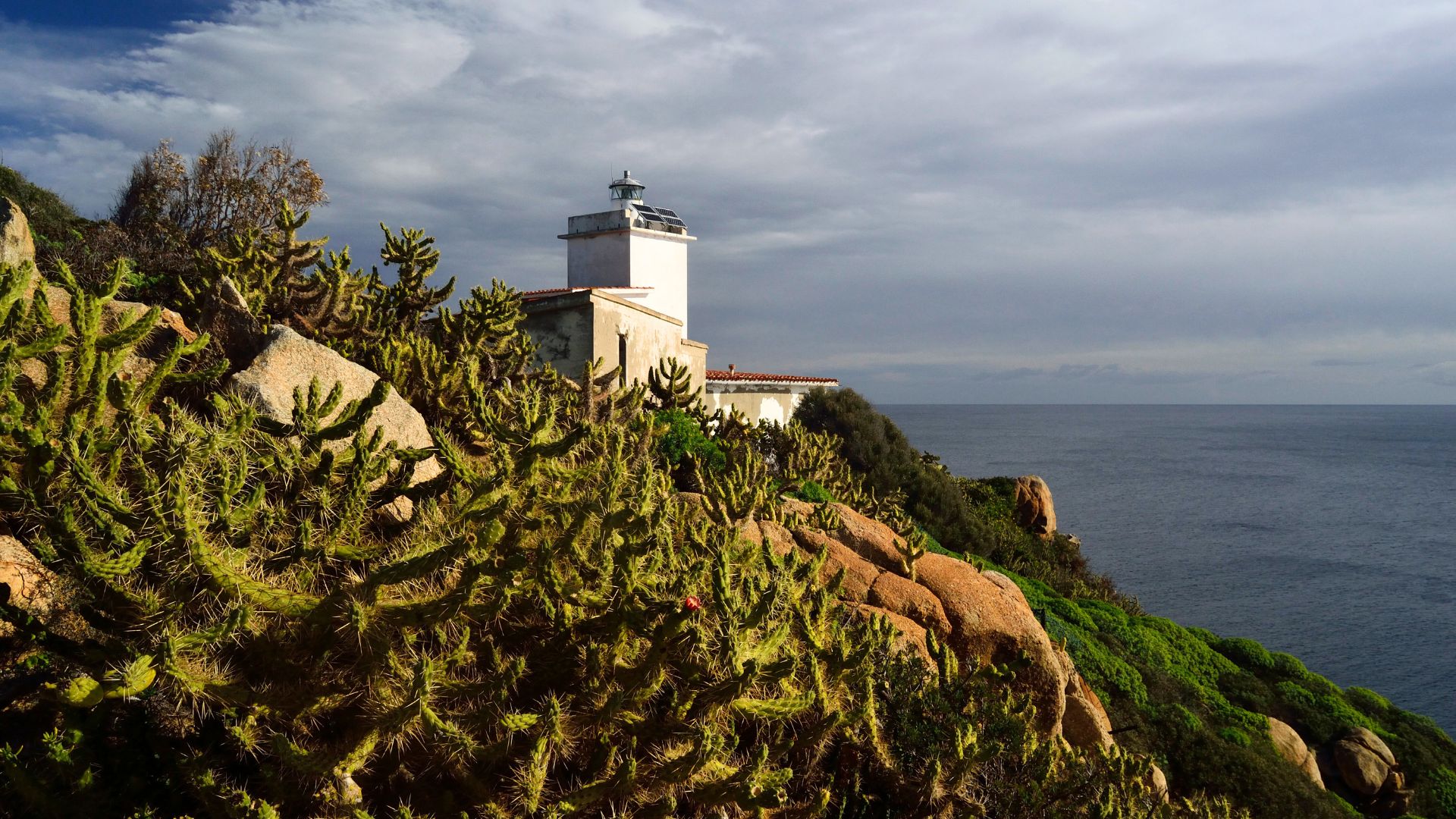
The lighthouse at Capo Caccia tells a newer, but just as compelling, part of this landscape’s story. Builders finished it in the 19th century, and it still guides ships safely around the headland.
I chatted with Paolo, whose grandfather worked as a lighthouse keeper. “Life was hard but beautiful,” he told me. “The keepers became one with the rhythm of the earth and sea.”
These days, the lighthouse runs automatically, but the old keeper’s quarters remain. There’s something striking about how the modern world still holds on to its connection with this ancient place.
Tourism has brought new energy to these cliffs. The same path lighthouse keepers once walked now carries curious visitors like me, each footstep adding another layer to this remarkable story.
Journey Logistics: How to Reach and Experience the Descent
Getting to Neptune’s Grotto takes a little planning, but honestly, that’s part of the adventure. You’ve got two main options—by land or by sea—and both give you a unique look at Sardinia’s wild coastline.
Travel Routes: Porto Torres and Beyond
If you’re flying into Sardinia, Alghero Airport is your closest gateway to Neptune’s Grotto. From Porto Torres, a major ferry port in northern Sardinia, you can drive to Capo Caccia (where the grotto is) in about 45 minutes. I’d suggest renting a car for flexibility. The coastal roads offer some truly breathtaking views—you really won’t want to miss them.
By land, you’ll park at the top of the cliff and get ready for the famous 656-step descent on the Cabirols stairs. The stairs cling right to the 110-meter cliff face, and if you’re brave enough, you’ll get some spectacular Mediterranean vistas.
Wear comfortable shoes! The descent is manageable, but just remember—you’ll have to climb those same stairs on your way back up.
Guided Tours Versus Independent Travel
I’ve tried both options, and honestly, each one has its perks. Boat tours leave pretty often from Alghero’s port, and you’ll usually pay around €15-25 per person.
These trips last about 2-3 hours. Guides talk you through the cave’s history, which is actually more interesting than you’d expect.
You don’t have to deal with those 656 steps, which is a relief if you just want to relax. Plus, seeing the Capo Caccia cliffs from the water? It’s a view you really shouldn’t miss.
If you like doing your own thing, you can just drive to the site and pay the €13 entrance fee. That way, you get to wander around at your own pace.
Take all the photos you want—nobody’s rushing you. If you show up early in the morning or later in the afternoon, you’ll probably dodge the biggest crowds.
You can even tack on a hike along the clifftop if you’re feeling adventurous.
The boat’s definitely easier on your legs, but honestly, climbing those stairs gives you a much better view and this weird sense of accomplishment. Is it worth it? Depends on your mood, I guess.
