
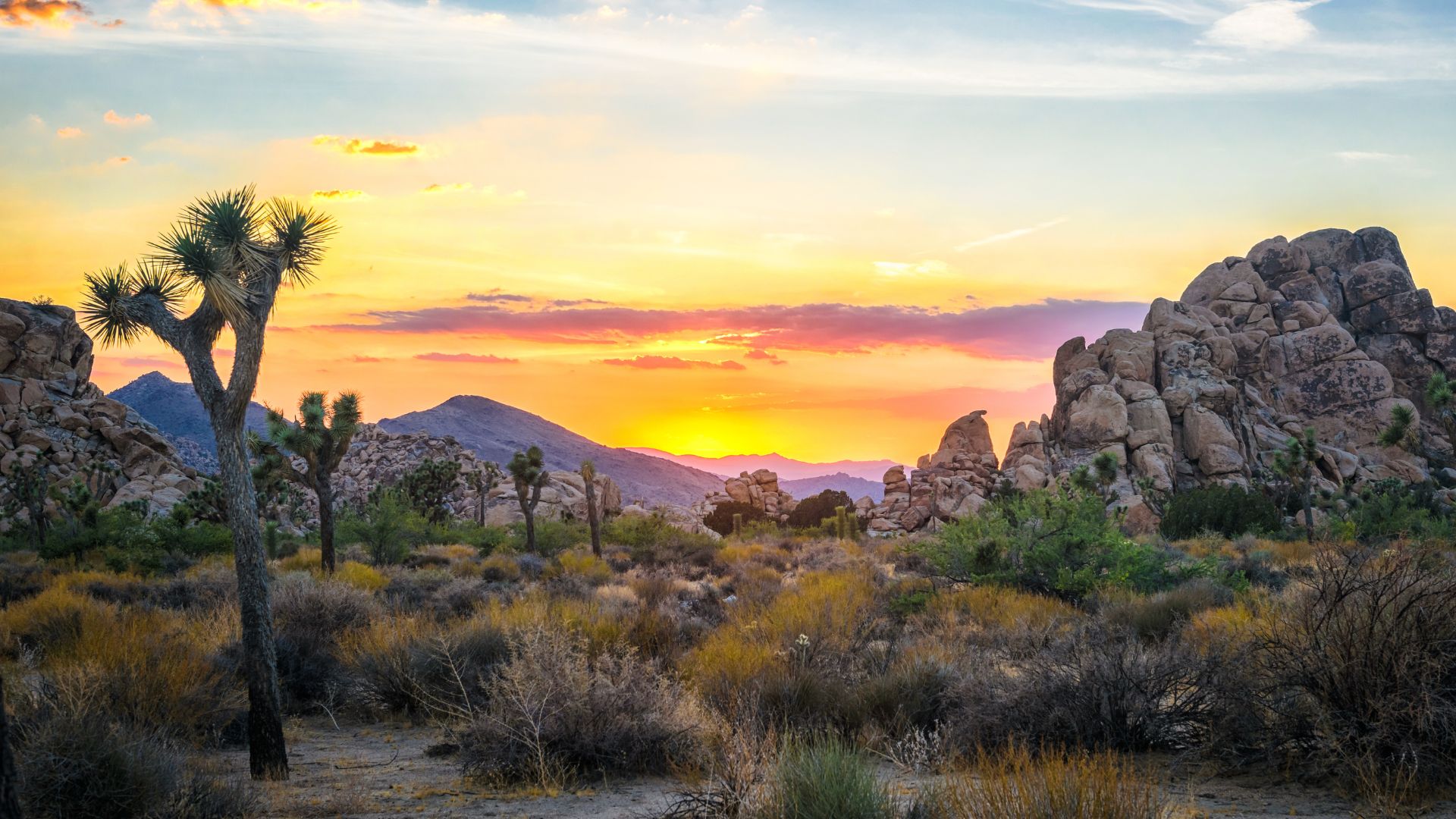
March rolls in and suddenly, Joshua Tree National Park becomes one of California’s most irresistible desert destinations. The park sits right where the Mojave and Colorado deserts meet, and that mix creates wild, otherworldly landscapes—think twisted Joshua trees and massive rock piles that seem to defy gravity.
Sure, people visit all year, but March has a special magic. The weather feels just right—not too hot, not too cold—and the desert puts on a show you just don’t get in other months.
Daytime temps hover in the mid-60s to low 70s Fahrenheit. That’s prime time for hiking, climbing, or camping without melting in the summer or freezing at night.
After winter rains, wildflowers bloom everywhere. Suddenly, the sand explodes with color—poppies, lupines, and desert dandelions brighten up the whole place.
Wildlife gets in on the action too. Animals emerge, enjoying the cooler air. The sky at night? It’s ridiculously clear and dark—one of the best stargazing spots you’ll find, hands down.
Crowds tend to be lighter in March. You get the trails mostly to yourself, and the peaceful vibe is tough to beat.
Key Takeaways
- March means ideal weather for hiking and camping—mid-60s to low 70s during the day.
- Wildflowers put on a colorful show, though it depends on how much rain fell over winter.
- Fewer crowds, more wildlife, and epic stargazing await if you visit in March.
Why March Is the Ideal Time to Visit Joshua Tree
March just feels different here. The weather, the flowers, the vibe—everything lines up to make it the best time to explore Joshua Tree.
Comfortable Weather and Mild Temperatures
Honestly, I think March serves up the most pleasant weather for desert adventures. Days usually sit in the mid-60s to low 70s (15-22°C), which means you can hike all afternoon without worrying about the heat.
Nights stay cool, but not freezing. I’ve spent evenings outside my tent, just soaking in the quiet. You don’t need a ton of winter gear, and you won’t get scorched by the sun.
Camping feels way easier. I never have to pack for wild temperature swings or hide from the heat in the middle of the day.
Desert Bloom and Wildflower Displays
When winter rains show up, March transforms the park. Wildflowers pop up everywhere, and the scenery gets this surreal, colorful makeover.
Some of my favorite flowers to spot in March:
- Poppies (fiery orange)
- Desert dandelion (sunny yellow)
- Desert globemallow (soft orange-pink)
- Flowering brittlebush (cheerful yellow)
- Indian paintbrush (vivid red)
- Arizona lupine (purple spikes)
- Pincushions (pink clusters)
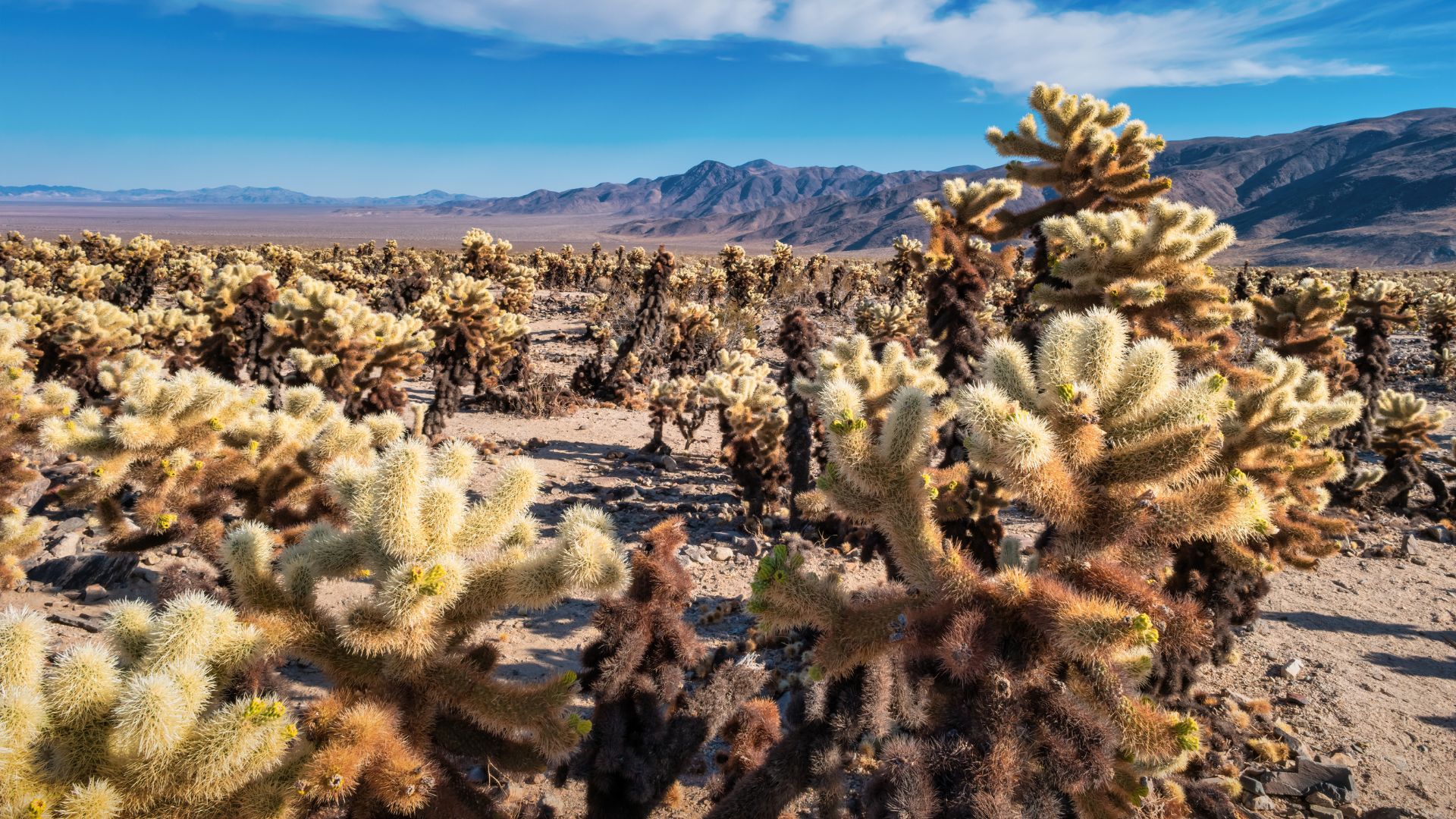
Even the Joshua trees themselves bloom, and you’ll see all sorts of cacti showing off. The intensity changes every year, depending on the rain, but March is usually your best bet. I always check wildflower reports before heading out—no point in guessing.
Enjoyable Outdoor Activities
March might be my favorite time to hit Joshua Tree’s trails. You won’t have to wake up at dawn to beat the heat—just pick a route and go.
Hikes like Ryan Mountain, Barker Dam, and Hidden Valley feel especially doable now. The weather makes climbing and bouldering way more comfortable, too. The rocks stay cool, so you can actually touch them without burning your hands.
Wildlife watching gets better as animals come out in the milder weather. I’ve spotted lizards, birds, coyotes, and even the occasional desert tortoise around Pinto Basin. Barker Dam and Cottonwood Spring Oasis seem to attract all sorts of creatures.
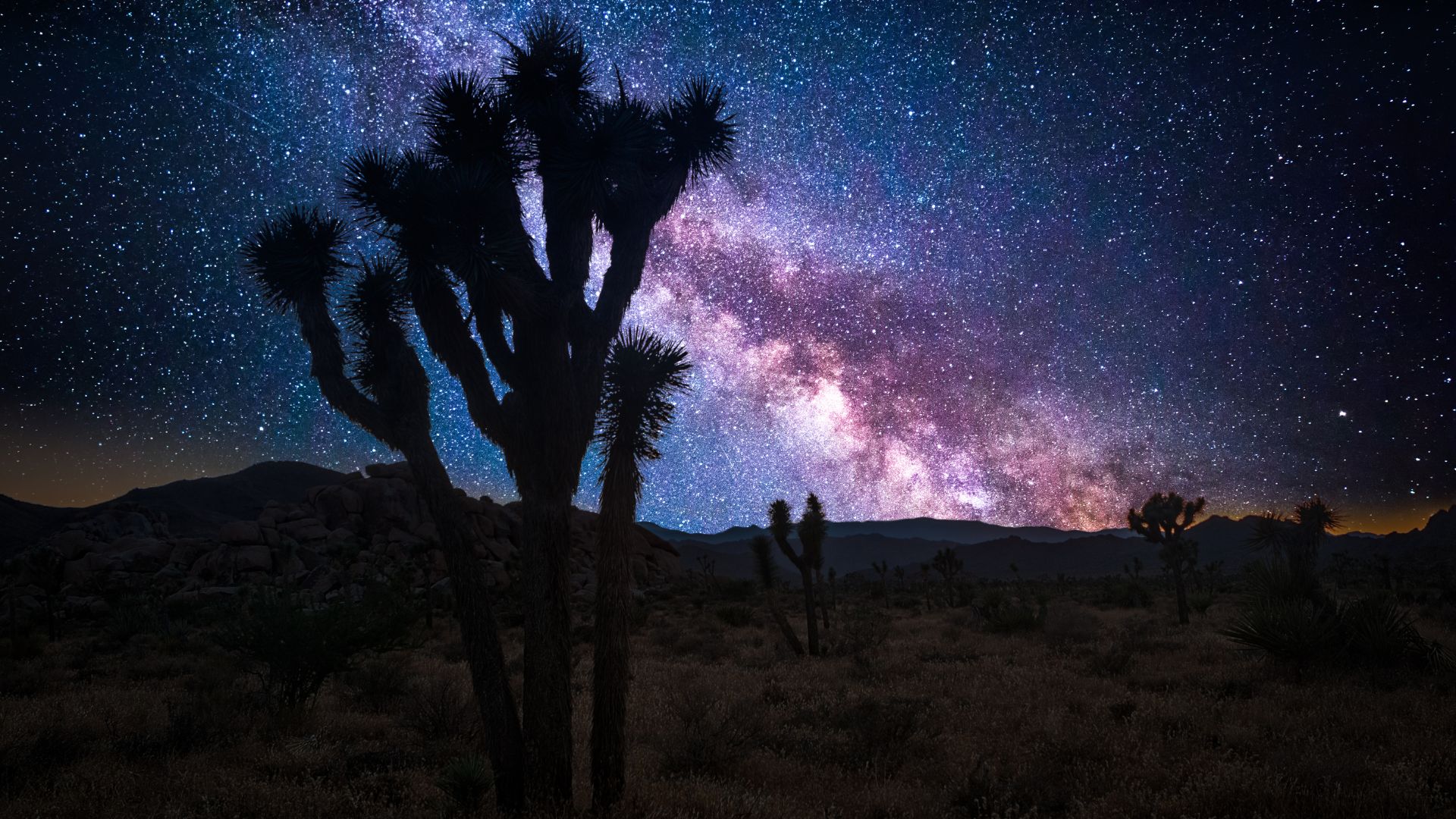
Stargazing? March is a dream. Clear skies, mild nights, and no need for heavy jackets. I’ve spent hours outside just watching the Milky Way drift overhead.
Moderate Crowds and Visitor Experience
March lands in that sweet spot before the big spring rush. Campgrounds are easier to snag, and the trails don’t feel packed.
I love having space to myself—just me, the rocks, and the wind. Even the most popular trailheads usually have parking available.
Reservations are still smart, though. March isn’t a secret, so plenty of folks come for the same reasons. Still, it’s nothing like the packed crowds of late spring or winter holidays.
Iconic Sights and Must-Do Experiences
In March, Joshua Tree’s famous boulders, wild plants, and winding trails really shine. The weather lets you explore everything from big-name landmarks to quiet corners where you might stumble upon wildlife.
Famous Rock Formations and Geological Wonders
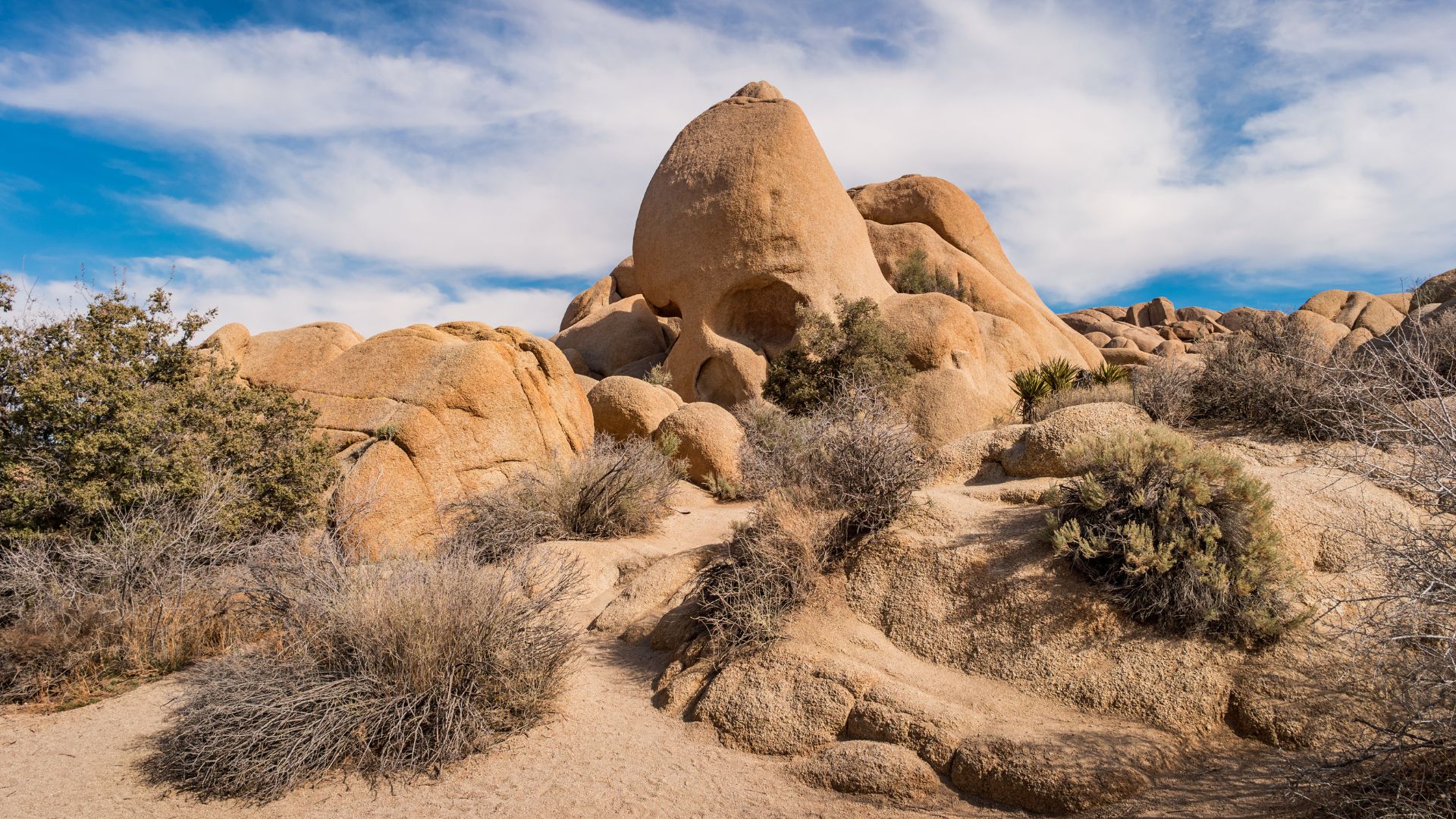
Those granite boulders? They’re the real stars. Skull Rock is a must-see—nature carved it into a giant skull, complete with eye sockets. It’s right off Park Boulevard, so you can hop out, snap a photo, and be back on your way in minutes.
Arch Rock is another favorite. Near White Tank Campground, it frames the sky perfectly for photos, especially in March’s soft light. The walk is easy—about a mile roundtrip.
Cap Rock looks like something from another planet. A short, paved loop lets anyone get up close. The shapes here remind me how water and wind have shaped this place over ages.
Jumbo Rocks? The name says it all. Climbers flock here, and in March, the temps are perfect for scrambling up the granite.
Unique Desert Flora and Fauna
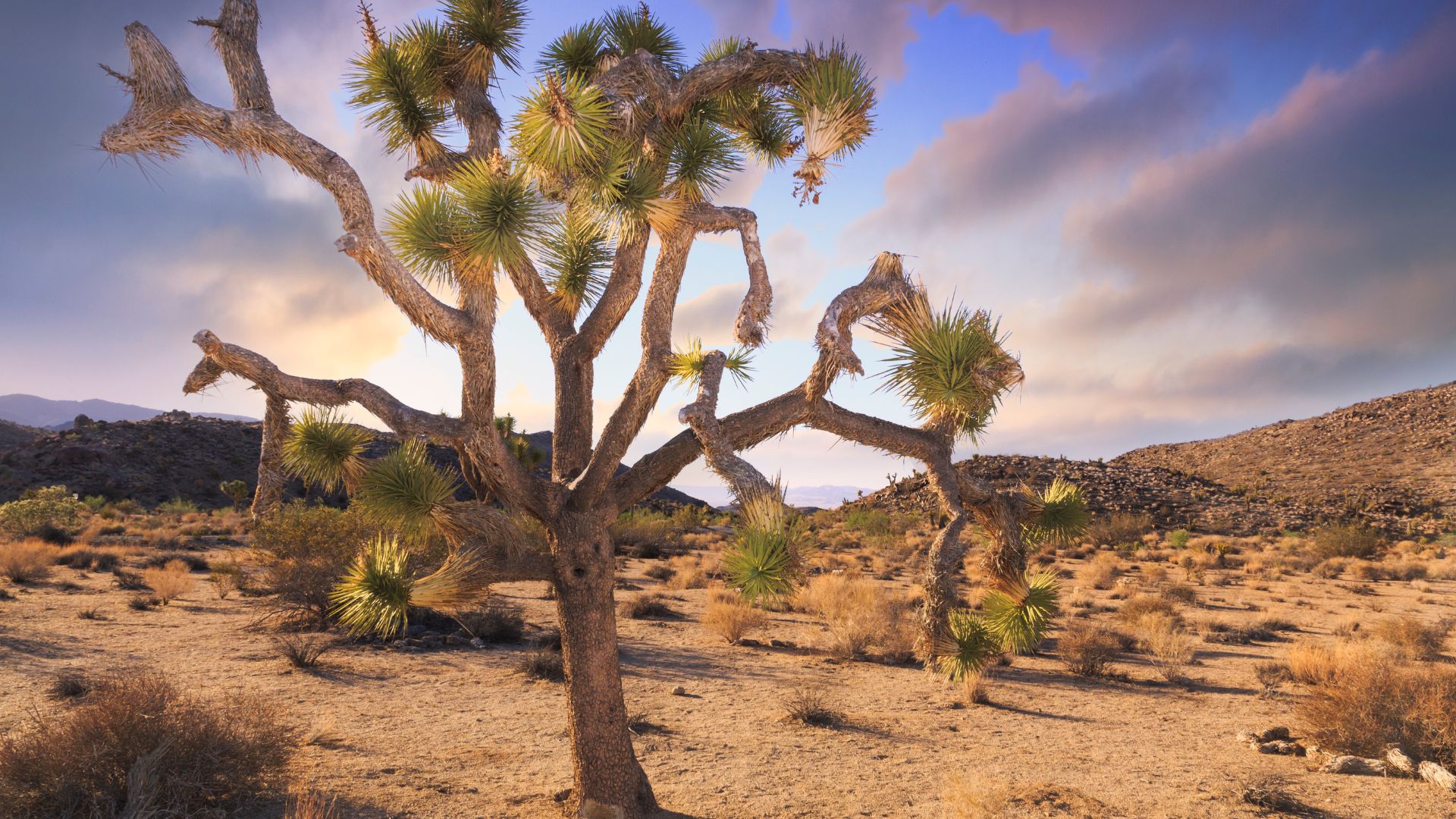
Joshua trees rule the higher elevations. These spiky, Dr. Seuss-looking plants can live for centuries. If you’re lucky, you’ll catch them blooming with creamy white flowers in March. Nowhere else really does Joshua trees like this park.
The Cholla Cactus Garden in Pinto Basin is wild—thousands of teddy bear cholla glow in the sun. Seriously, don’t touch. The spines will stick to anything.
March draws bighorn sheep down from the hills. I’ve spotted them early in the morning near Barker Dam, blending right into the rocks.
Coyotes wander more in the cooler months. You might catch one trotting across an open plain at dawn or dusk. They keep the rodents in check and usually keep their distance from people.
Best Trails for March Exploration
Hidden Valley Nature Trail is a quick, one-mile loop through a natural rock fortress. It’s mostly flat, takes about half an hour, and wildflowers often dot the trail in March.
Barker Dam Trail is a 1.3-mile roundtrip to a little reservoir. Birds love it, and sometimes bighorn sheep drop by. Keep an eye out for petroglyphs on the rocks, though some got painted over by a film crew ages ago.
Pinto Basin sits lower in the park and shows off plants that handle hotter, drier conditions. The Bajada Nature Trail is just a quarter mile, but March is the only time I’d want to walk it—summer heat here is no joke.
Ryan Mountain Trail is a tougher one—about 1,000 feet up over three miles roundtrip. The view at the top makes it all worth it; you can see both the high and low desert stretching out forever.

Stargazing and the Night Sky in Joshua Tree
Joshua Tree has earned its International Dark Sky Park badge, and for good reason. The night sky here in March is unreal—clear, dark, and full of stars.
International Dark Sky Park Status
The International Dark-Sky Association gave Joshua Tree National Park its official Dark Sky Park status. I can vouch for it—there’s almost no light pollution out here.
The park sits high, between 3,000 and 6,000 feet, and it’s far from any big city lights. On a clear night, the Milky Way just blazes overhead. I’ve seen people gasp when they spot it for the first time.
Park rules keep the skies dark. Bright lights aren’t allowed in viewing areas, and some zones close at dusk to protect both the darkness and the wildlife.
Top Night Sky Viewing Locations
I’ve got a few favorite stargazing spots: Quail Springs, Hidden Valley, Cap Rock, and Ryan Mountain. Each has parking and lets you stay overnight if you’re within 20 feet of your car.
Cottonwood Campground is the darkest of the bunch. For roadside viewing, the stretch between Cholla Cactus Garden and Cottonwood along Pinto Basin Road can’t be beat—barely any cars, barely any light.
I’ll pull over, set up a chair, and just watch the sky. You can’t camp at the pullouts, but you can stargaze as long as you stay near your vehicle.

Tips for March Stargazing
In March, day and night are about the same length, and it gets dark around 7 PM. I always check the moon phase before heading out—too much moonlight drowns out the stars.
What I always bring:
- Red flashlight or headlamp (white light ruins your night vision)
- Warm layers (temps drop fast after sunset)
- Folding chair
- Water and some snacks
- Binoculars or a telescope, if I’m feeling ambitious
Give your eyes 20-30 minutes to adjust. One flash of white light, and you’re back to square one. I usually cover my flashlight with red cellophane.
March skies feature Arcturus rising in the east after sunset. Follow the Big Dipper’s handle and you’ll spot it. Leo the Lion hangs high in the south, with Regulus shining bright.
Local Events, Arts, and Culture in March
March brings out Joshua Tree’s creative side. The big music festival happens later in spring, but the desert community buzzes with workshops, pop-up gatherings, and artsy happenings.
Joshua Tree Music Festival
Heads up—the Joshua Tree Music Festival takes place in May, not March. If you’re hoping to catch it, you’ll need to shift your plans a bit.
The festival itself is a wild, colorful celebration—live music, art, yoga, camping, the works. Even if you miss it, the town’s creative energy sticks around all year. Local galleries and impromptu performances pop up everywhere.
Springtime Activities in the Community
March is prime time for learning something new. The Joshua Tree National Park Association runs botany classes, where you can get hands-on with desert plants from both the Mojave and Colorado sections.
With wildflowers blooming, you’ll find guided walks and photography workshops popping up. Local artists open their studios, and there’s always something happening—farmer’s markets, star parties, you name it. I always check the town bulletin boards to see what’s on. Sometimes, the best experiences are the ones you stumble into by accident.
Exploring Pioneertown and Surroundings
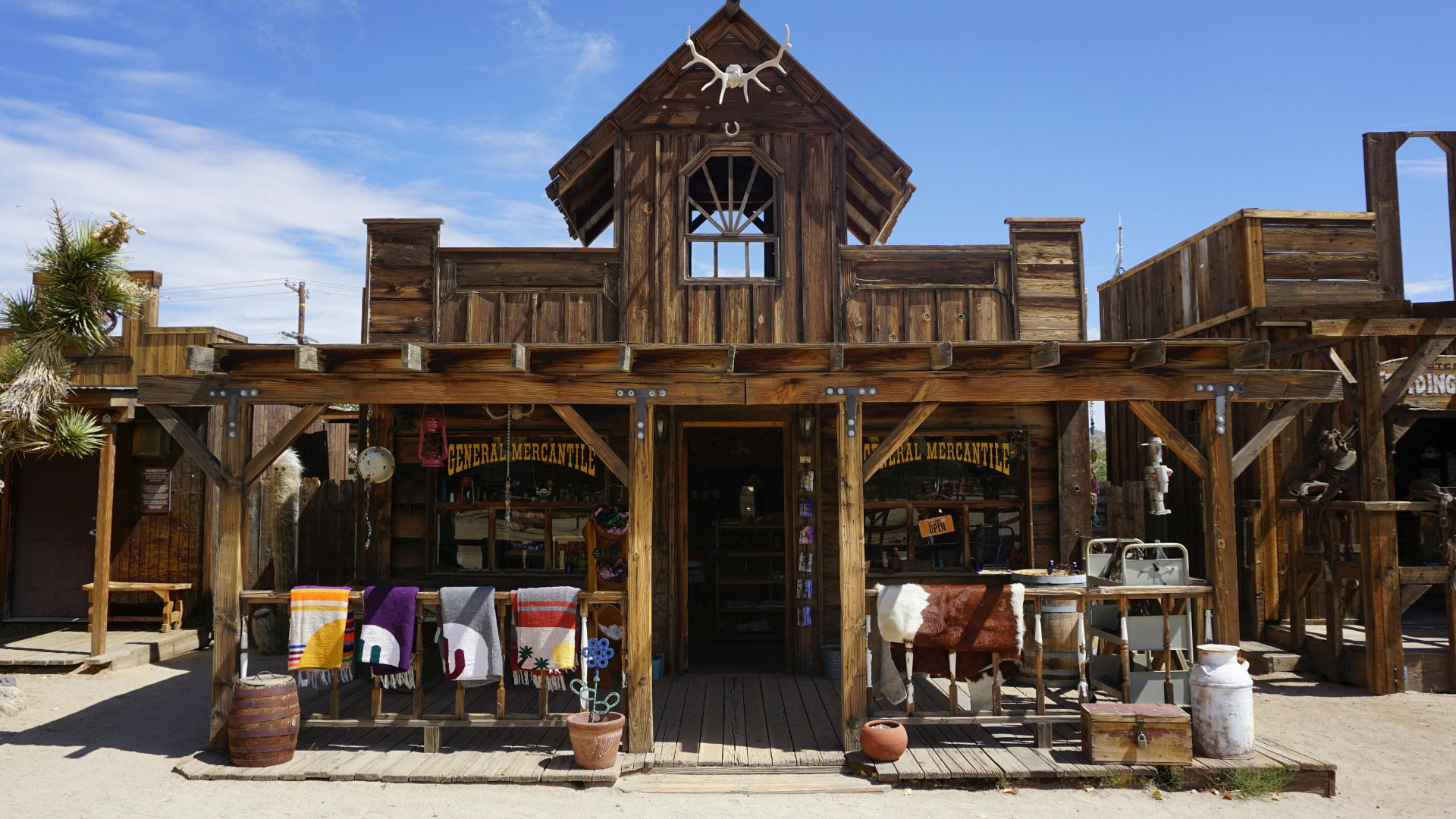
Pioneertown sits just 20 minutes from Joshua Tree. Honestly, it feels like you’ve wandered onto an Old West movie set.
Back in the 1940s, Hollywood built this place for filming. Today, those Western facades still line Mane Street, and you can stroll the creaky boardwalks or peek inside old buildings that once buzzed with film crews.
One spot you can’t miss? Pappy & Harriet’s. This legendary venue and restaurant hosts live music most weekends. The vibe is intimate, the food’s hearty, and you never know if you’ll catch a rising star or a famous musician soaking up the desert creativity.
If you’re hoping to catch a show, check their schedule early—March weekends can sell out fast.
Tips for Planning Your March Trip
March is prime time for Joshua Tree. Trust me, a little planning goes a long way out here.
Let’s talk logistics, getting around, packing smart, and where to stay.
Getting to Joshua Tree from Major Cities
Los Angeles is about 140 miles west, so you’re looking at a 2.5 to 3-hour drive on I-10 East. I always leave early to dodge LA traffic and make the most of daylight.
Flying in? Palm Springs is the closest major airport—just 45 minutes from Joshua Tree’s west entrance. This route takes you through the town of Joshua Tree on Highway 62, so it’s an easy stop for snacks or supplies.
Coming from San Diego? It’s a longer haul—about three hours via I-15 North and I-10 East. If you’re driving from Phoenix, plan for around four hours on I-10.
The park has three main entrances. The West Entrance near Joshua Tree town gets you to Hidden Valley and other hot spots fast. The North Entrance at Twentynine Palms leads straight to the Visitor Center. If you’re arriving from I-10, the South Entrance at Cottonwood Spring is your best bet.

Visitor Centers and Park Logistics
I always swing by the Joshua Tree Visitor Center in Twentynine Palms first. You can grab maps, ask about wildflowers, and get trail updates from rangers who know their stuff.
The Oasis Visitor Center at the north entrance has similar info, plus some cool exhibits on desert life. If you’re coming in from the south, Cottonwood Spring Visitor Center has what you need—just check their hours since they’re not always open.
Cell service? Pretty much nonexistent in the park. I download offline maps ahead of time and always bring a paper backup.
There’s no gas or food inside the park, so fuel up and stock up before you go. Entry fees run $30 per car for a 7-day pass or $55 for an annual. If you’re hitting more national parks, the America the Beautiful pass ($80) is totally worth it.
Packing Essentials for Spring Visits
Water is non-negotiable. I always carry at least a gallon per person per day—even for short hikes. The desert air dries you out way faster than you’d think.
Layered clothing is a must. March swings from chilly 40°F nights to sunny 70°F days. Here’s what I usually pack:
- Long pants and a light jacket for early mornings
- Short sleeves for midday
- A cozy fleece for when the sun goes down
- Sturdy boots with ankle support
Sun protection is huge out here. I never skip sunscreen (SPF 30+), sunglasses, and a wide-brimmed hat. The sun feels relentless, even when it’s cool.
Navigation and safety—I throw in a headlamp, first aid kit, and a real map. A portable phone charger comes in handy for all those photos, too.

Reservations and Accommodations
Campground reservations open six months out at recreation.gov. March fills up fast, so I book the moment I can. Jumbo Rocks and Hidden Valley campgrounds put you close to the action.
If you’d rather sleep indoors, Joshua Tree, Yucca Valley, and Twentynine Palms all have motels, vacation rentals, and quirky desert lodges. I’ve found better deals in Yucca Valley, but Joshua Tree’s got the food scene.
Feeling adventurous? Backcountry camping is free, but you have to register at one of 13 boards around the park. It’s peaceful but you’ll need to carry all your water and gear in.
If the campgrounds are packed, look north of the park along Highway 62—BLM land allows dispersed camping for a more rugged experience.
Frequently Asked Questions
March is honestly one of the best months for Joshua Tree. Daytime temps hover in the mid-60s to low 70s, which feels just about perfect.
Here are some answers to questions I get all the time about planning a March adventure to this desert park.
Expect daytime highs in the mid-60s to low 70s Fahrenheit. Nights drop off, but it’s still warmer than winter’s chill.
I always pack layers because the temp swing can catch you off guard. March is ideal for hiking and climbing—none of that scorching summer heat.
Jumbo Rocks Campground is a favorite—it’s surrounded by those iconic boulders. Hidden Valley Campground is another classic, close to trails and climbing spots.
Black Rock Canyon gives you a quieter experience on the park’s west side. Belle and White Tank campgrounds work well for groups or RVs.
Ryan Campground sits up higher and is great for backcountry access. If you’re aiming for March, book early—it’s a busy season.
March brings wildflowers—sometimes whole hillsides burst into color after good winter rains. The temps are mild, so you can hike longer and not worry about overheating.
Wildlife is more active, so you might spot critters you’d miss in hotter months. Crowds are lighter than in late spring and summer, which is always a plus.
Clear desert skies mean stargazing is unreal. And if you’re into climbing, the cooler weather is perfect—no sweaty palms slipping off the rocks.
Nights get cold—bring a sleeping bag rated for 30-40°F if you want to stay cozy. It’s usually dry, but the wind can whip up dust, so keep that in mind.
Sites fill up fast, especially on weekends. I try to arrive early or lock in a reservation.
Water is scarce, so I always bring more than I think I’ll need. Most campgrounds don’t have showers or RV hookups, so be ready for a rustic experience.
March nails that sweet spot between comfortable temps and fun things to do. Summer is just too hot—triple digits are no joke.
Winter can be freezing at night, which isn’t great for camping. After March, crowds pick up as temps climb.
Wildflowers really shine in March if it’s been a wet winter. Fall (October and November) has similar weather, but you’ll miss the blooms.
You’ll find plenty of glamping spots just outside Joshua Tree’s boundaries, and honestly, some of them are pretty dreamy. Picture this: you step into a fully furnished tent, real bed and all, no sleeping bag wrestling required.
AutoCamp Joshua Tree stands out with its sleek Airstreams. They’ve packed in all the modern comforts—think boutique hotel, but surrounded by desert skies.
Sacred Sands goes for a different vibe. They’ve got geodesic domes and plush tents, each with a private bathroom. It’s a little bit boho, a little bit luxe.
If you want something cozier, Mojave Sands rents out safari-style tents. They’re climate-controlled, so you won’t freeze at night or melt during the day.
Most of these places throw in outdoor fire pits and premium bedding. Some even have private hot tubs, which honestly feels like the best way to stargaze.
Sure, you’ll pay a lot more than you would for a regular campsite. But if you’re after comfort and a touch of desert magic, it’s totally worth it.
