
The endless buzz of notifications, the digital treadmill—honestly, it just wore me down. I’d slipped into that all-too-familiar loop of always being “on,” rarely pausing to actually be present in my own life.
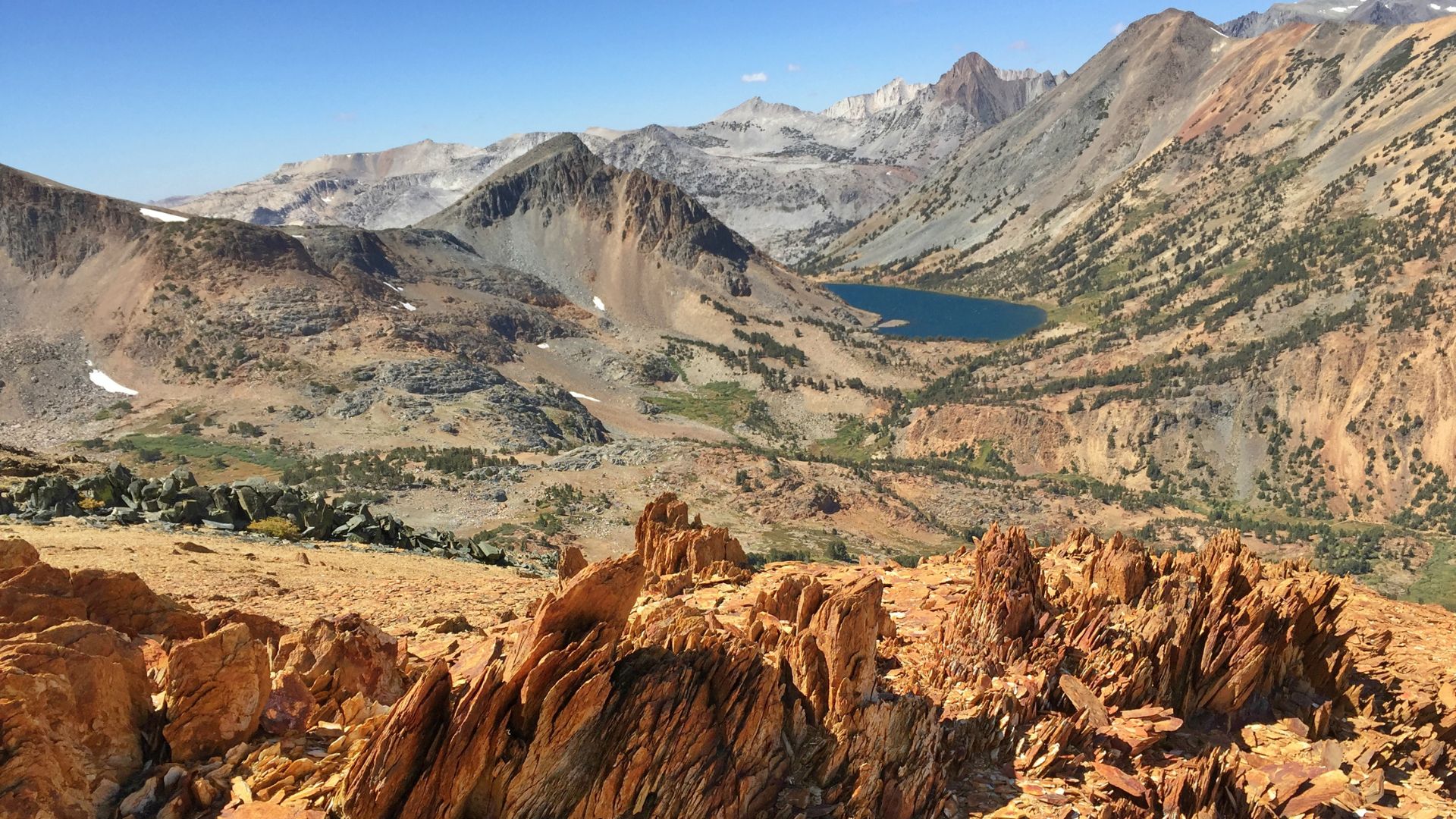
So, I finally did it. I unplugged from technology and headed solo into the High Sierra mountains. There, I stumbled onto something that felt almost radical: solitude in nature really can restore your mind and balance your emotions in a way nothing else does.
Those granite peaks and shimmering alpine lakes became my teachers. I realized that being alone isn’t the same as being lonely—far from it.
Solitude gave me room to reflect, to actually grow. It’s a kind of personal development that just doesn’t happen when you’re glued to your phone.
I picked up some practical habits in the mountains—ways to use digital detox and intentional solitude as real tools for self-care. These lessons stuck with me, and honestly, they’re just as useful back in the chaos of daily life.
By carving out moments for quiet and using some mindful techniques, I started to rediscover the person I am beneath all that digital noise.
The Meaning of Disconnecting to Reconnect
What does it really mean to “disconnect to reconnect”? For me, it’s about stepping away from all the digital static and rediscovering a real connection—with yourself, with the world, with what matters.
True disconnection creates space for meaningful solitude. That’s where you find genuine reconnection with what actually counts.
Defining Disconnection in the Digital Age
Disconnection isn’t just about switching your phone off. It’s really about taking purposeful breaks from all that digital input and constant connectivity.
I realized that real disconnection means stepping away from:
- Social media and those relentless notifications
- Emails and work pings
- Streaming and digital entertainment
- News feeds and information overload
Physically putting your device away is just the start. The tougher part? Letting go of the urge to check, scroll, or mindlessly consume.
You don’t have to become a Luddite. It’s about drawing boundaries so you can actually experience life without digital interference.
When you do this, your mind finally gets a chance to settle. Suddenly, you can hear your own thoughts—maybe for the first time in ages.
Why True Solitude Matters
Solitude isn’t loneliness—it’s choosing to be alone, on purpose. That’s a huge distinction.
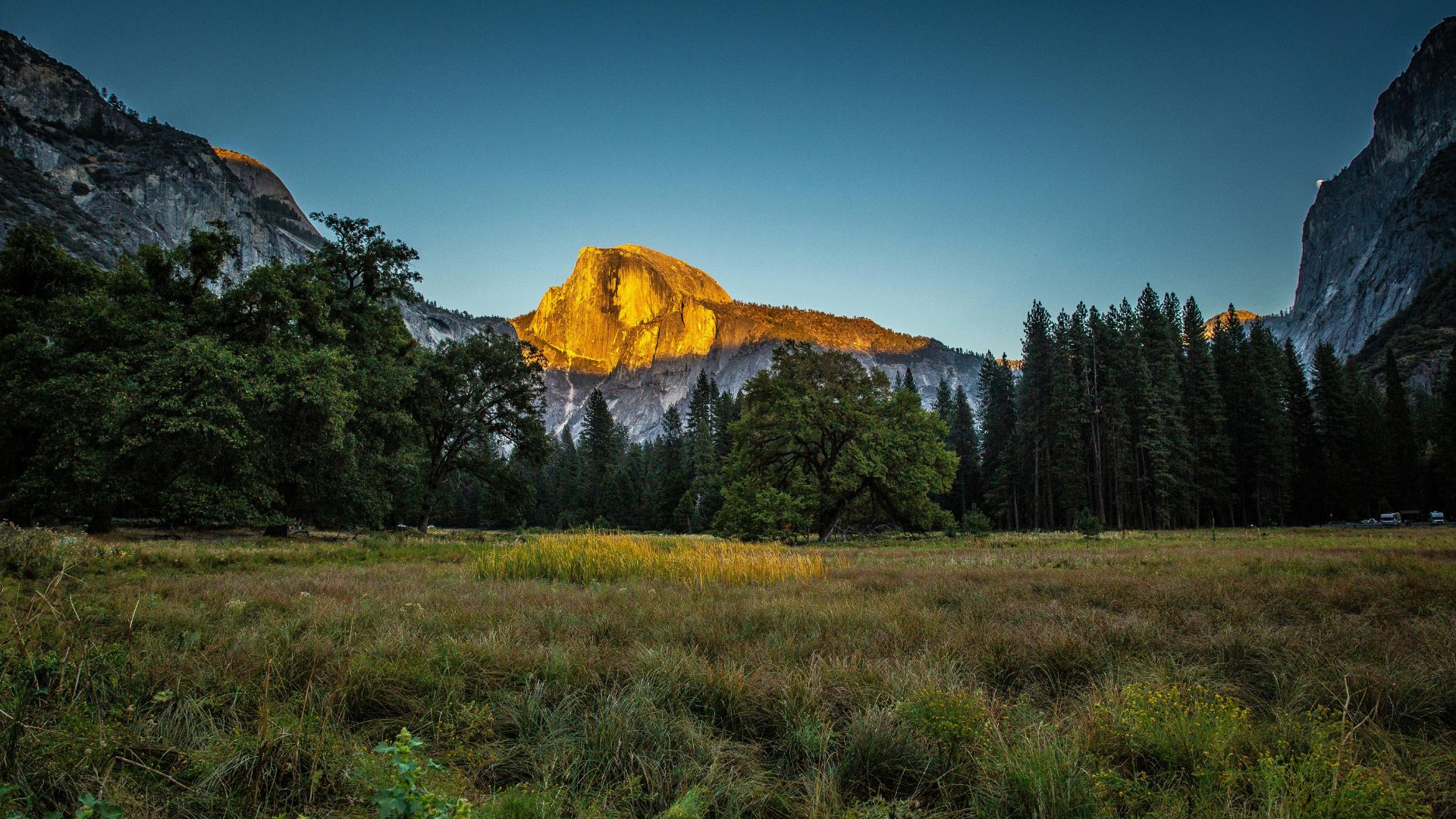
When you step away from the noise, your brain shifts gears. You start noticing little things: the sound of wind, the feel of sun on your skin, the way your breath slows.
Solitude gives you three big things:
- Mental clarity
- Space to process emotions
- Room for creativity
Honestly, my best ideas bubbled up during those quiet moments. No buzzing phone, no glowing screen—just me and the mountains.
Solitude also helps you figure out what actually brings you peace, not just what you think should.
Shifting from Disconnection to Reconnection
It’s a process, this whole disconnect-to-reconnect thing. First, you get rid of external distractions. Then, you slowly start reconnecting with what matters.
Reconnection happens on different levels:
- Physical: You notice your body and your surroundings
- Emotional: You get in touch with real feelings
- Mental: You find clarity about your priorities
- Spiritual: You feel part of something bigger
Reconnection doesn’t show up right away. Your nervous system needs time to chill out, and your mind needs to stop craving stimulation.
That shift? It’s like waking up. Colors feel brighter, sounds sharper, thoughts more honest.
You start to see the difference between surface-level connections and the real thing. Suddenly, quality trumps quantity.

The Transformative Power of Solitude in the High Sierra
The wild expanse of the High Sierra is tailor-made for personal transformation. Out there, distractions vanish and you’re left with yourself—no hiding.
Embracing Alone Time Amidst Nature
Solitude in the High Sierra isn’t just about being physically alone. It’s stepping away from the nonstop noise and letting silence become your companion.
The alpine lakes and granite peaks form natural walls between you and the outside world. My phone? Zero signal.
No notifications, no demands. At first, I kept reaching for my phone out of habit. It felt weird, honestly.
But as the hours ticked by and I didn’t see another soul, I started to settle into the rhythm of wilderness solitude.
The silence wasn’t empty. It was alive—with the wind in the pines, the rush of water, the sound of my own breath.
Those natural sounds turned into a kind of meditation.
I moved slower. My thoughts got clearer. Without the need to reply or keep up a conversation, my mind finally had space to wander.
Cultivating Mindfulness and Presence
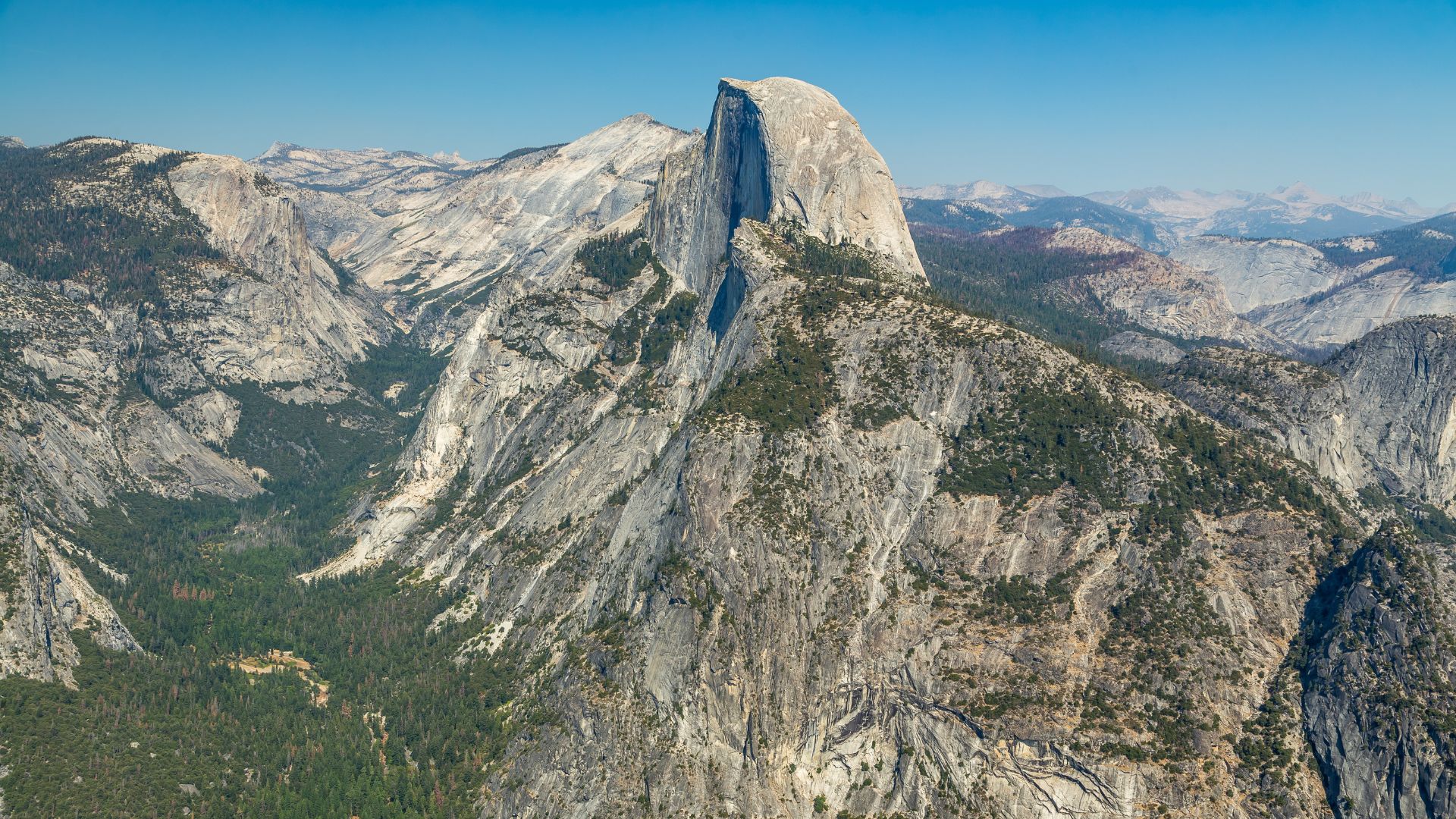
The High Sierra pulled me into the present whether I wanted it or not. Every step demanded focus. At 10,000 feet, every breath reminded me I was alive.
I didn’t set out to practice mindfulness—it just happened. The granite walls, the meadows, the shifting light—they all forced me to pay attention.
I started noticing small things. The way the sun hit the peaks in the morning, the cool breeze right before a storm.
That awareness turned into a kind of moving meditation. Each footstep grounded me, each vista made me feel tiny in the best way.
Mindfulness wasn’t optional. I had to stay present to read the trail, ration water, make smart choices. That necessity trained my brain to focus in a way that sitting meditation never had.
Reflecting on Inner Growth
Solitude gave me the room to look at my thoughts without judgment. With nobody else around, I noticed patterns I’d always missed.
I’d walk for hours in silence, letting my mind untangle itself. Problems that felt huge at home shrank against the backdrop of those ancient mountains.
Worries about social media, work, or small disagreements? They just didn’t seem as urgent out there.
I’d write in my journal by headlamp each night. The words came easier than they had in months.
Without distractions, I could finally hear myself think. Even the physical challenge of hiking reminded me I’m stronger than I remembered.
Each pass I crossed, every tough mile, built a confidence that stuck with me long after I left the wilderness.
Digital Detox: Unplugging for Self-Care
Taking a break from screens and devices makes room for real self-care and mental restoration. The constant pull of notifications? It’s exhausting.
Escaping Social Media and Constant Connectivity
On my Sierra trip, I noticed my phone had practically fused to my hand. The urge to check messages, even when there was no signal, was honestly a bit embarrassing.
Social media apps are designed to keep us hooked—bright colors, pings, infinite scroll. No wonder we check them without even thinking.
Some signs of digital overload:
- Grabbing your phone first thing in the morning
- Feeling panicky if you can’t find it
- Scrolling with no real reason
- Comparing your life to what you see online
The mountains made it obvious: our brains aren’t built for this much digital noise. We need quiet time to recharge.
I started by turning off most notifications. Then I put my phone in airplane mode for big chunks of the day. That simple change broke the cycle.
Benefits for Mental Health and Well-Being
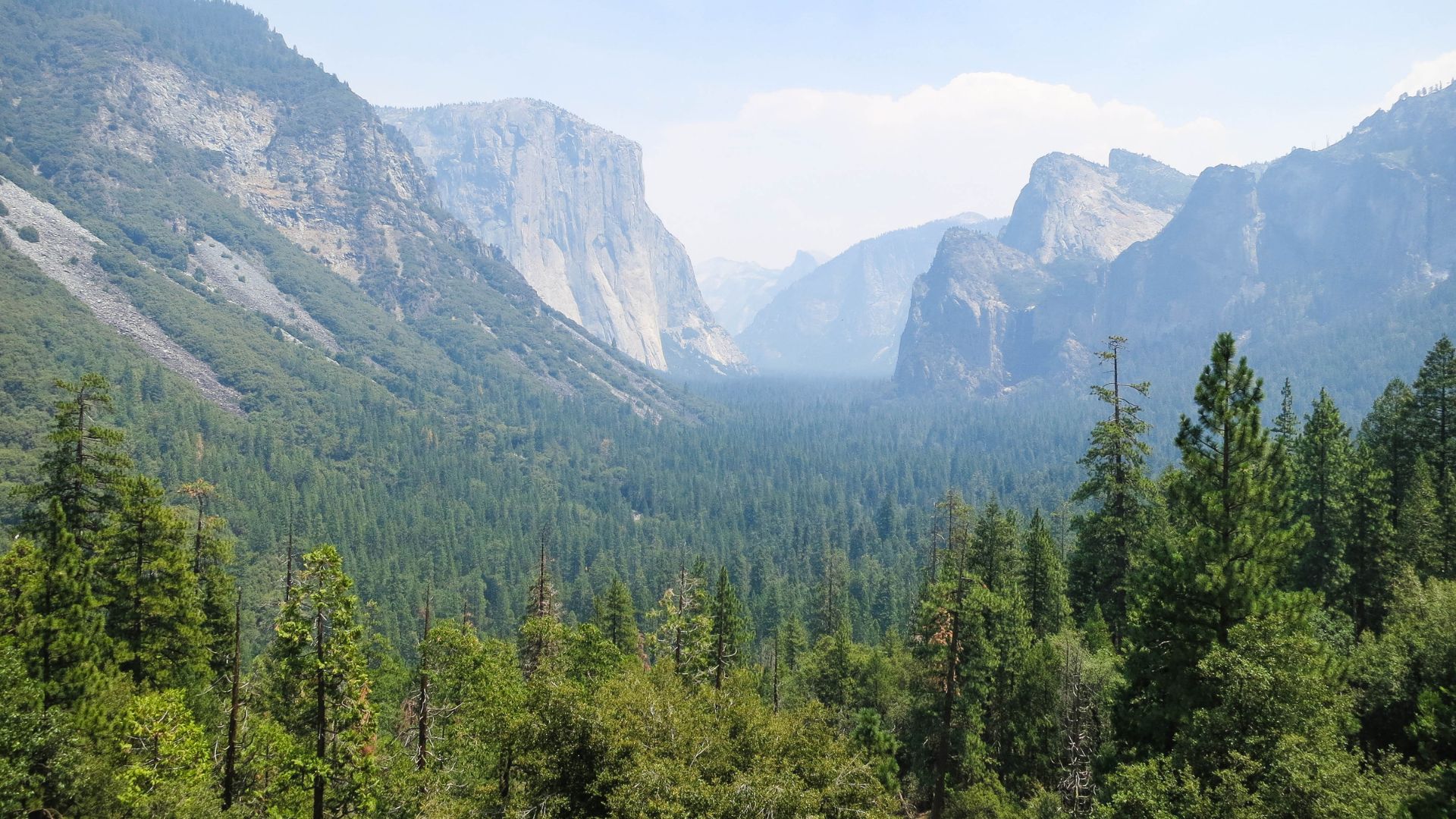
After just a couple days of less screen time, I felt lighter. My brain stopped buzzing.
Turns out, too much screen time spikes stress hormones and messes with your sleep. It also makes real conversations harder.
Mental health wins I noticed:
- Deeper, more restful sleep
- Less anxiety
- Better focus
- Actually living in the moment
My attention span grew. I could read for longer, and the urge to check my phone faded.
With the digital noise gone, the mountains felt even quieter. My thoughts got more organized, less chaotic.
Establishing Boundaries with Technology
Setting tech boundaries takes a little planning. Willpower alone? Not enough, at least for me.
Here’s what worked:
| Boundary Type | Example |
|---|---|
| Time-based | No phones after 9 PM |
| Location-based | Bedroom stays device-free |
| Activity-based | No phones at meals |
| App-specific | Social media only on weekends |
I started with a phone-free bedroom. That one change helped me sleep better almost immediately.
A digital detox isn’t about ditching tech for good. It’s about using it on your terms, not letting it run your life.
Now, I schedule time for email and social media instead of checking constantly. It feels less scattered, more intentional.
The trick is to treat technology as a tool—not a distraction.
Practices for Reconnection and Renewal
Wilderness has this uncanny way of quieting the mind and helping you reconnect with yourself. With meditation, journaling, and just soaking up your surroundings, you can tap into the restorative power of natural spaces.
Meditation Techniques in the Wilderness
The High Sierra is basically a meditation retreat—no fancy app required. The silence out there makes it way easier to focus.
Morning sit meditation on a flat rock, facing the sunrise, quickly became my favorite ritual. I just needed a stable spot to settle in.
Walking meditation worked wonders on mountain trails. I paid attention to each step, each shift in the landscape.
Breathing meditation felt different at altitude. The thin air forced every breath to matter. I’d count each inhale and exhale, starting over when my mind wandered.
Nature’s soundtrack—wind, water, birds—made it easier to drop in. I’d spend 15-20 minutes sitting quietly in the morning, then slip into walking meditation as I hiked.
Journaling and Self-Reflection
Writing while surrounded by wilderness feels different. I kept a tiny notebook and waterproof pen with me everywhere.
Daily prompts kept me honest:
- What stood out about today?
- How did being in nature shift my mood?
- What thoughts kept resurfacing?
Stream-of-consciousness writing by a lake or river felt freeing. I’d scribble whatever popped into my head for 10 or 15 minutes—no editing.
Gratitude lists felt especially powerful out there. Each evening, I’d jot down three things I was thankful for. It helped me focus on what was good, right now.
And in those quiet moments, I got clear about my goals. Big life decisions—career, relationships—felt easier to untangle when I was far from distractions. I’d write down whatever insights surfaced during those solo reflection times.

Engaging the Senses in Natural Surroundings
When you really pay attention, the wilderness wakes up all five senses in ways you might not expect.
I tried out mindfulness by tuning into one sense at a time. That made everything feel a bit more vivid.
For visual engagement, I actually took time to notice the little things. I’d stare at rock formations, watch clouds drift, and see how sunlight changed the whole mood of the landscape. Focusing on these details slowed down my racing thoughts.
Listening closely, I picked up layers of natural sound I’d usually miss. Sitting still, I could pick out the rush of wind, the gurgle of water, and the constant background of insects. Zeroing in on these sounds kept me anchored in the present.
Touch became a grounding force. I ran my fingers over rough tree bark, felt the coolness of stream water, and picked up smooth stones. These simple, tactile moments made me feel rooted in the world—something city life rarely offers.
Breathing in deeply, I paid attention to the scents around me. The sharpness of pine, bursts of wildflowers, and that unmistakable clean mountain air all left their mark. Each scent stirred up its own feeling, and I used these moments to anchor myself throughout the day.
Integrating Lessons Learned into Everyday Life
The real test comes after you leave the mountains, doesn’t it? It’s one thing to find clarity out there, but bringing that peace home—now that takes some effort.
I realized I had to create my own little wilderness moments each day if I wanted to keep that sense of calm alive.
Every morning, before I even glance at my phone, I sit in silence for ten minutes. I just breathe and look out the window, trying to recreate those quiet dawns from the mountains. It’s not quite the same as watching sunrise over granite, but it helps.
Setting technology boundaries became non-negotiable for me:
- No phones during meals.
- One hour of total digital silence every night.
- Weekend morning walks, phone-free.
- Certain spots at home where devices just aren’t allowed.
Little reminders keep me tied to those lessons. I keep a chunk of granite on my desk, and my computer wallpaper is a photo from the trail. Just glancing at them brings back that peaceful feeling in an instant.
When stress creeps in, I take what I call “micro-disconnections.” I’ll step outside for five minutes, shut my eyes, and picture myself back on the trail. Even that short break can reset my mood.
Setting Priorities for Mental Health
Those mountains taught me something big—mental health isn’t optional. It’s as important as any deadline or family plan.
So, I built a weekly mental health schedule for myself:
| Day | Activity | Duration |
|---|---|---|
| Monday | Morning meditation | 15 minutes |
| Wednesday | Nature walk | 30 minutes |
| Friday | Journal writing | 20 minutes |
| Sunday | Complete digital detox | 2 hours |
Learning to say no changed everything. I started turning down things that drained me or didn’t match my values.
Every Sunday night, I check in with myself. I ask: What filled me up this week? What wore me out? What do I want more of next week?
This little ritual keeps me honest about what I need, instead of letting life just sweep me along.
Continuing Self-Care Through Disconnection
Regularly stepping away from screens turned into my go-to way of holding onto the peace I found in the Sierra. I started to notice that small, steady breaks from tech worked way better for me than waiting for another big retreat.
I set up some daily disconnection rituals:
Every evening by 8 PM, I tuck my phone away in a drawer. Then I switch gears—maybe I’ll flip through a real book, scribble in my journal, or roll out my yoga mat. It’s not fancy, but it gives my brain a chance to wind down before bed.
Weekend mornings, especially Saturdays, are sacred. For those first two hours, I stay completely offline. I’ll make coffee slowly, step outside, and just let my mind drift—no notifications, no scrolling, just quiet.
Once a month, I plan a mini-retreat. I pick a day, leave my phone behind, and head out into nature. Sometimes I wander a local park, other times I’ll hit a hiking trail. The spot doesn’t matter as much as the promise I make to unplug.
I’m not trying to ditch technology for good. I just carve out moments where my mind can breathe and I can tune back into what feels real. The mountains taught me I could do this—and honestly, it’s become non-negotiable.
