
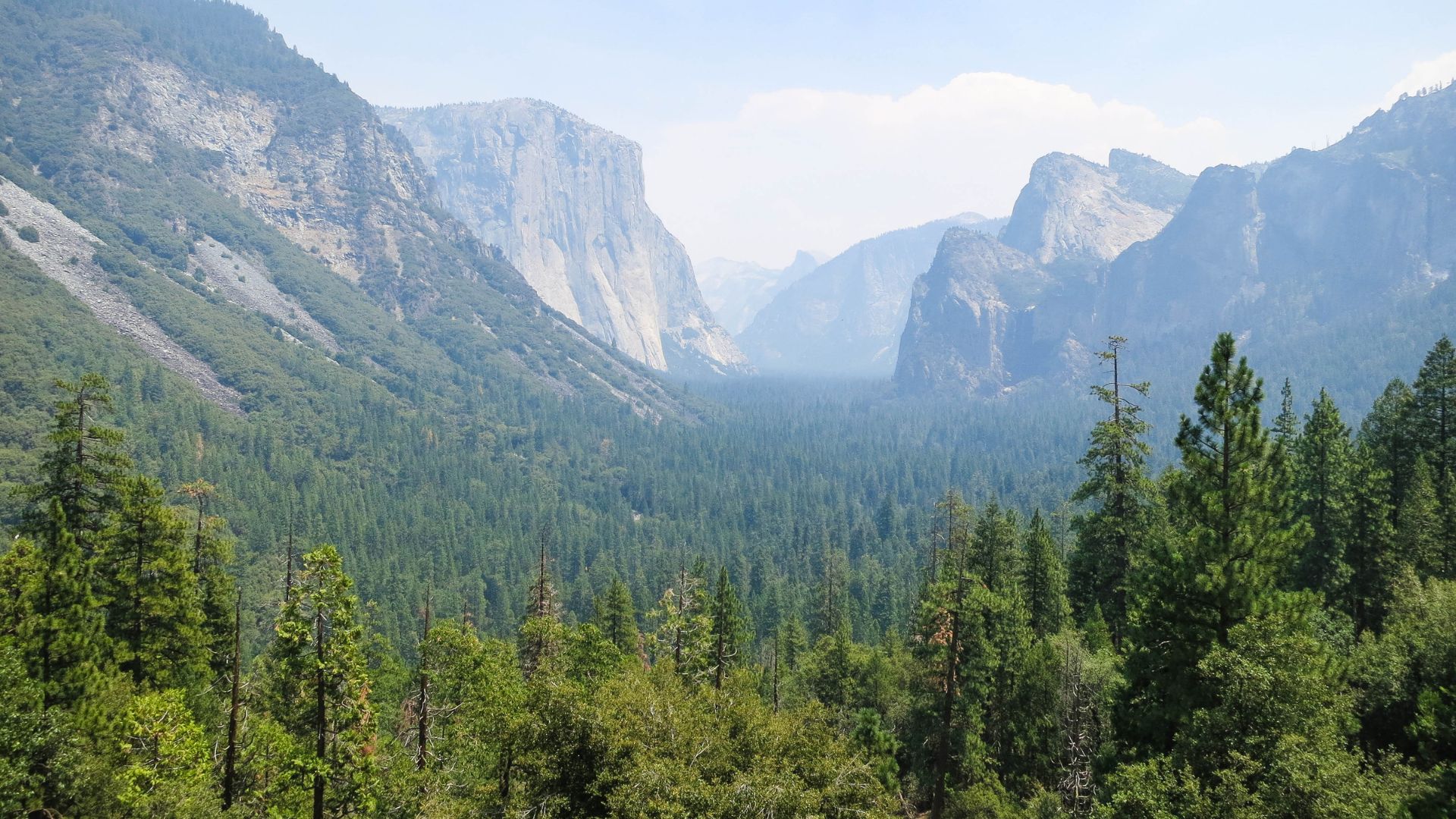
Standing at the edge of Yosemite Valley for the first time, I just stared, honestly floored by those massive granite cliffs. Nothing in the brochures or on Instagram quite prepared me for seeing El Capitan and Half Dome up close.
The park sprawls over 1,200 square miles in California’s Sierra Nevada, but it’s those first few moments—when you see the scale of it all—that really hit you. Yosemite National Park earned its UNESCO World Heritage Site status for good reason. I mean, where else can you find giant sequoias older than most civilizations and waterfalls that just plummet for thousands of feet?
My adventure here took me from the famous Yosemite Valley to quieter trails where wildlife darted out and the crowds faded away. I wandered through meadows, scrambled up granite domes, and stumbled onto old sites that tell the story of both nature and the people who’ve called this place home.
If you’re thinking about your own Yosemite trip—or just daydreaming about it—let me share what made it so unforgettable for me. Chasing waterfalls, standing under ancient sequoias, and just soaking in that wild beauty… it’s no wonder this park is such an American icon.
Experiencing the Majestic Beauty of Yosemite
My first visit to Yosemite National Park in California’s Sierra Nevada mountains left me speechless. Those granite cliffs and thundering waterfalls felt almost unreal.
The UNESCO World Heritage title makes total sense once you see these landscapes for yourself. It’s like nature went all out here.
Awe-Inspiring First Impressions
When I entered Yosemite Valley, I finally understood why millions of people flock here every year. The granite cliffs shot up like ancient stone fortresses.
El Capitan loomed over me, this colossal slab of granite that rises 3,000 feet straight from the valley floor. It’s hard to wrap your head around the scale until you’re standing right there.
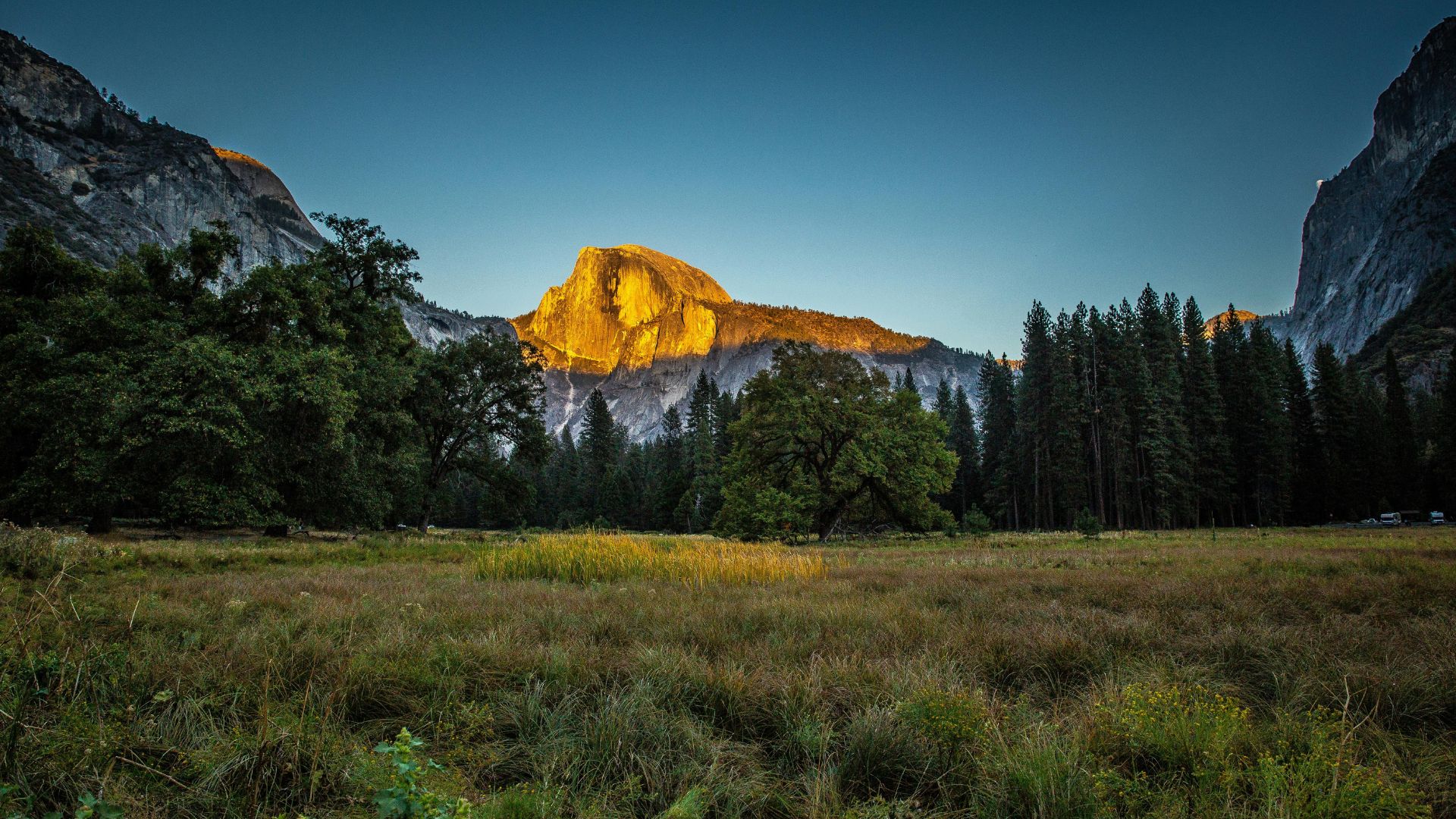
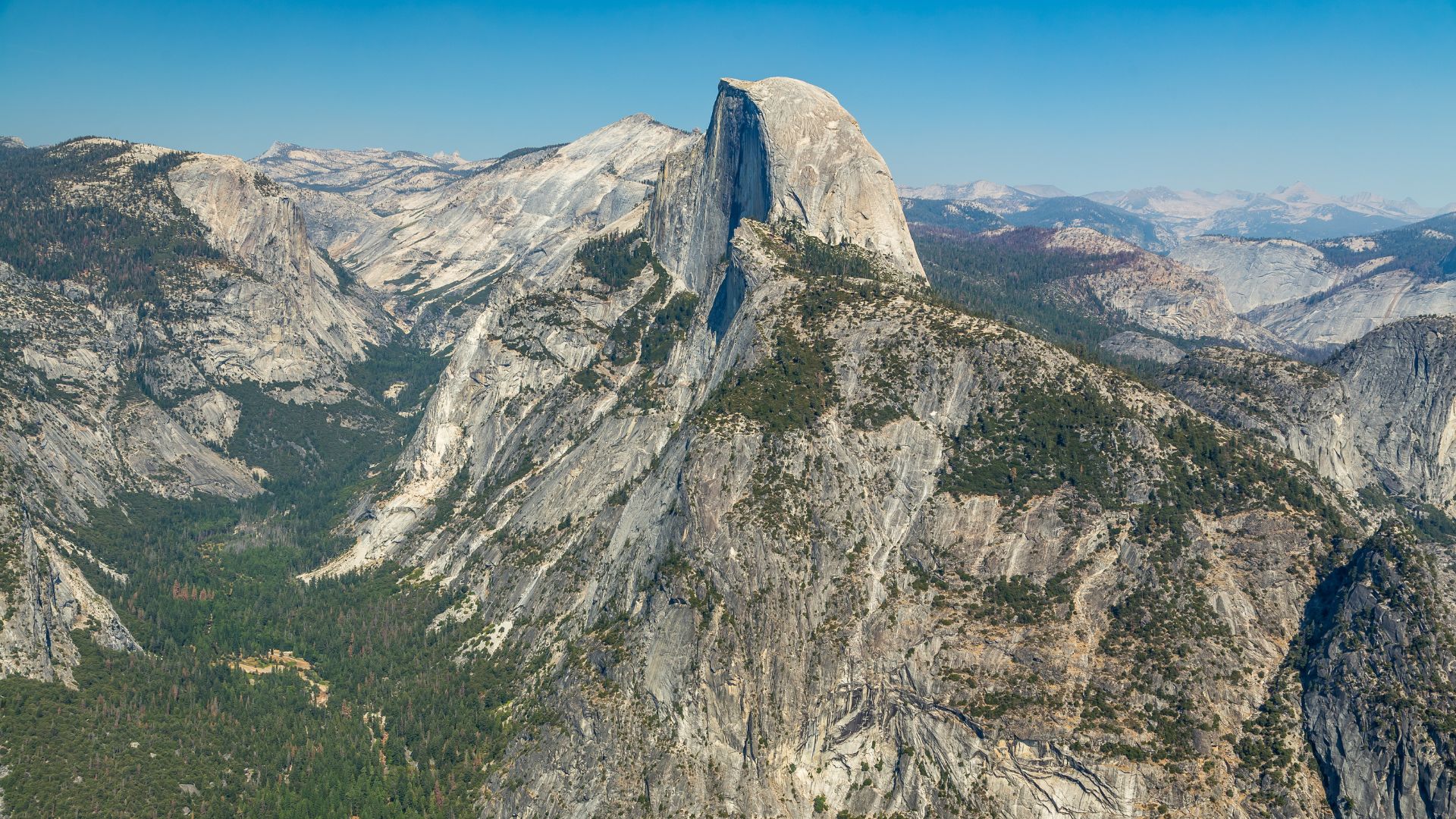
Half Dome grabbed my attention next. Its iconic shape looks as if a giant took a knife and sliced the mountain clean in half.
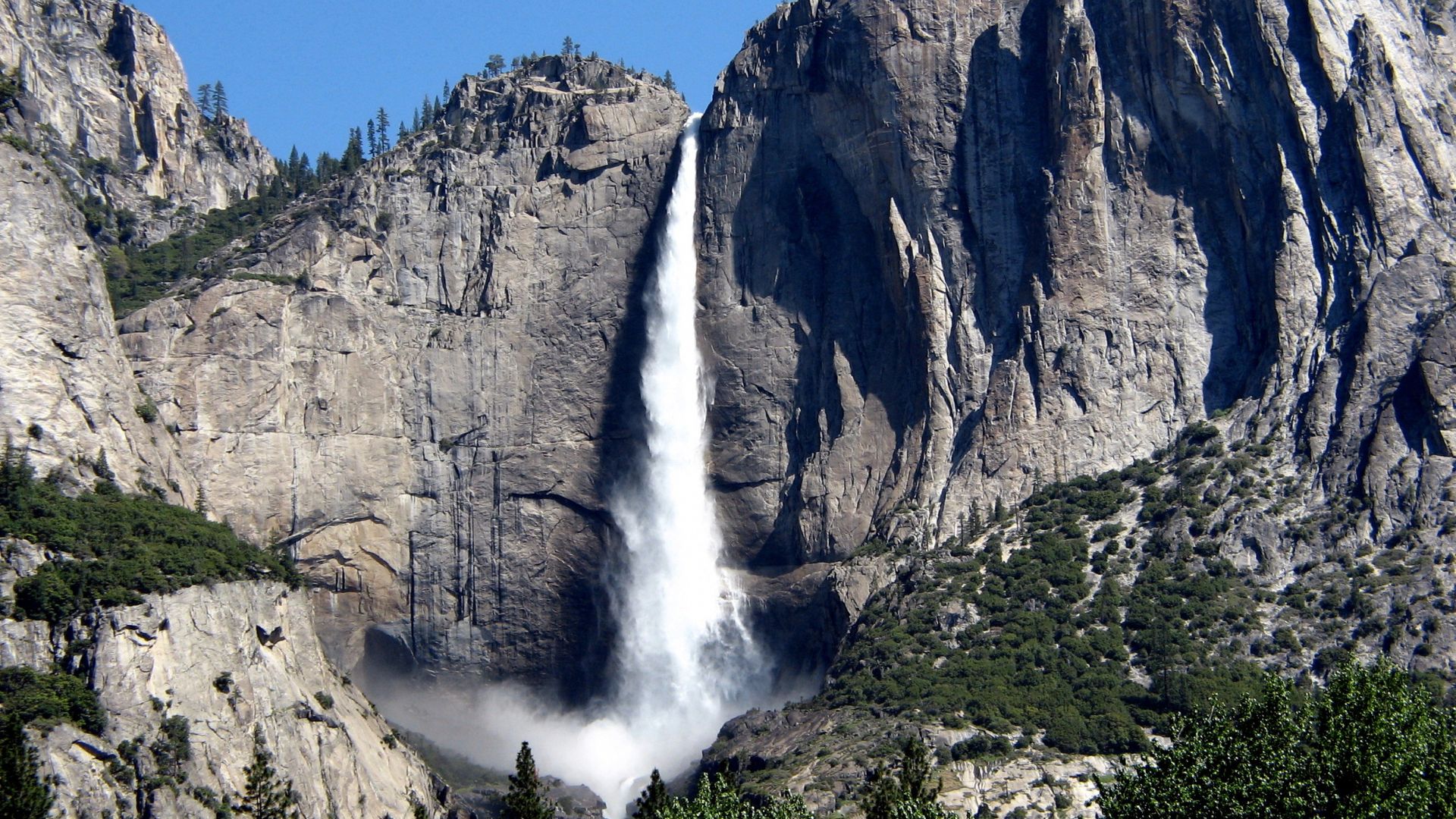
Yosemite Falls crashed down the cliffs, sending up mist you could see and hear from way off. At 2,425 feet, it’s the tallest waterfall in North America.
And then there are the sequoias—some over 3,000 years old. They tower above everything, making you feel like you’ve wandered into another era.
The Iconic UNESCO World Heritage Status
Back in 1984, UNESCO named Yosemite a World Heritage Site. They look for places with outstanding value to humanity, and Yosemite just nails it.
The park covers over 750,000 acres, most of it untouched wilderness. That means future generations can have the same jaw-dropping experience I did.
Yosemite’s granite formations and wild ecosystems set it apart. I noticed how you can walk from dry, almost desert-like areas into lush alpine meadows in a single afternoon.
But it’s not just about rocks and trees. Native American tribes lived here for thousands of years, and their stories are woven into the land. That history adds another layer to the park’s magic.
Yosemite Valley and Its Famous Landmarks
Yosemite Valley packs in the park’s most iconic sights—El Capitan, Half Dome, and viewpoints like Tunnel View and Glacier Point. You’ll also find tranquil spots along the Merced River and Mirror Lake.
Granite Cliffs: El Capitan and Half Dome
When I rolled into Yosemite Valley, the granite cliffs made me stop in my tracks. No photo does them justice.
El Capitan stands as a sheer wall of granite, rising 3,500 feet. I watched climbers through a telescope at El Capitan Meadow—just tiny specks inching up what looks impossible from the ground. Up close, you see all the cracks and ledges that make it a legend among climbers.
Half Dome sits at the valley’s eastern end, unmistakable with its curved face. I spotted it from Stoneman’s Meadow and Cook’s Meadow, and it always looked a little different depending on where I stood.
Glaciers carved these granite walls over millions of years. The result? A landscape that feels more like a cathedral than a valley. When you see people hiking below, they look like ants against the stone.
Immersive Views: Tunnel View and Glacier Point
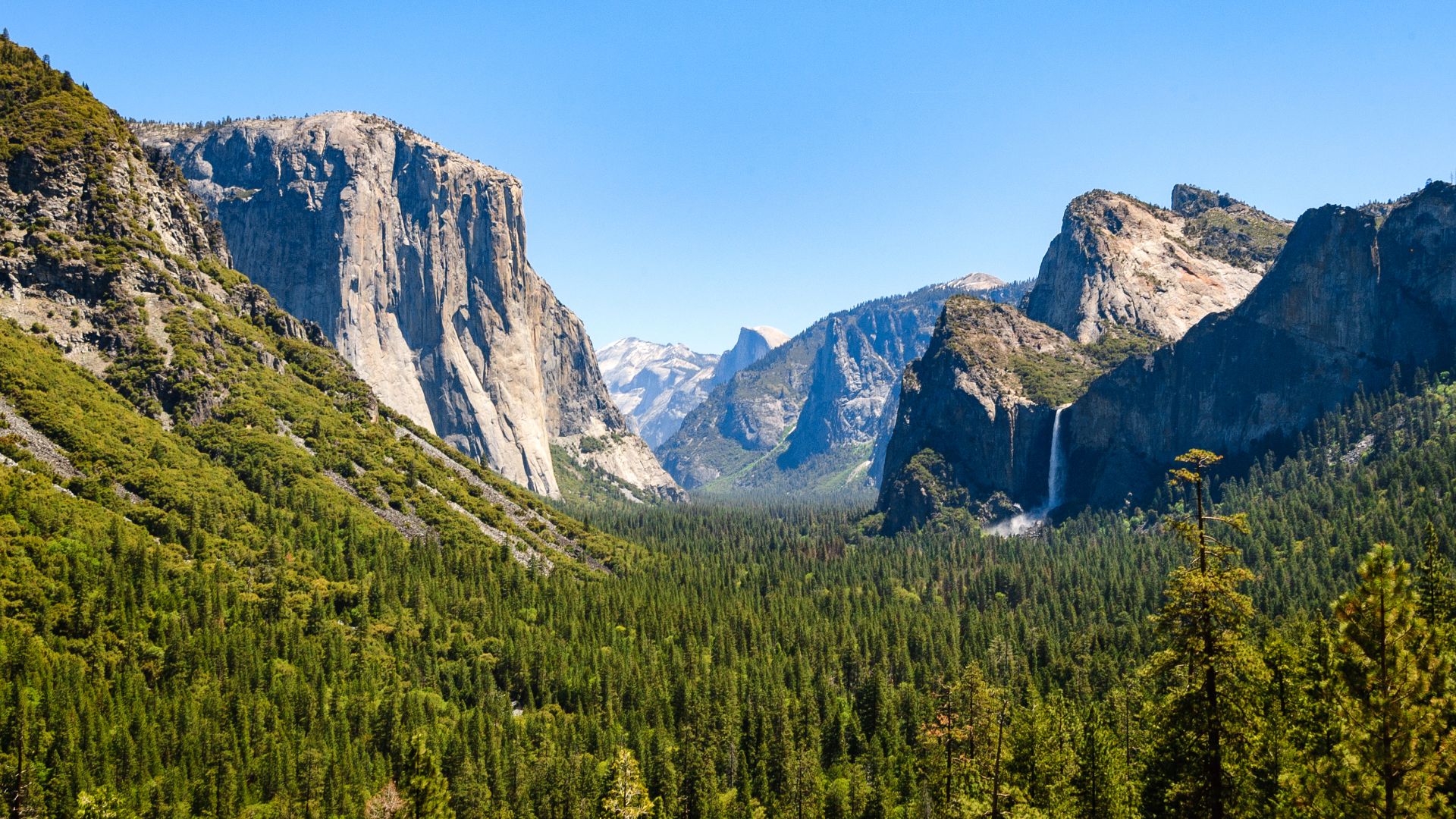
Want the classic Yosemite Valley shot? Head to Tunnel View. After driving through the Wawona Tunnel, I pulled over and just stared—El Capitan on the left, Bridalveil Fall on the right, and Half Dome in the distance. You’ve seen it in photos, but in person, it’s a whole other thing.
Glacier Point sits 7,000 feet up and gives you a sweeping look at Half Dome, Yosemite Falls, and the valley below. You can drive there in summer, and the view honestly made me feel like I was flying.
From both spots, you see how glaciers shaped the land. The granite looks different with every shift in light or angle.
Water Features: Merced River and Mirror Lake
Water brings Yosemite Valley to life in the most beautiful ways.
The Merced River winds through the valley, carving meadows and attracting wildlife. I followed its banks on foot and found quiet spots to just sit and watch the world drift by.
Mirror Lake nestles right beneath Half Dome’s north face. In spring, the water reflects the dome perfectly—almost surreal. I took the easy 2-mile trail out there, and by late summer, the “lake” turns more into a meadow.
Early mornings are best for those glassy reflections. The 5-mile loop around the area gives you tons of angles to see the granite walls towering above.
Both the river and lake show how water keeps shaping Yosemite, creating all sorts of habitats in the valley.
Chasing Waterfalls and Natural Wonders
Yosemite’s waterfalls are out of this world. Some crash down more than 2,400 feet, and each one feels a little different—sometimes you get rainbows, sometimes just pure, thundering power.
Yosemite Falls: The Highest Cascade
Standing at the base of Yosemite Falls, I had to crane my neck just to see the top. At 2,425 feet, it’s the tallest waterfall in North America.
Yosemite Falls actually splits into three sections:
| Section | Height |
|---|---|
| Upper Yosemite Fall | 1,430 feet |
| Middle Cascades | 675 feet |
| Lower Yosemite Fall | 320 feet |
I visited in late spring, when snowmelt sent torrents over the edge. The mist drifted across the valley, and you could hear the roar from far away.
Swinging Bridge and the Valley View area turned out to be the best spots to soak it all in. Watching the water drop in slow motion from a distance was mesmerizing.
By late summer, the falls can dry up completely. It’s wild how much they change with the seasons.

Bridalveil Fall: Mist and Rainbows
Bridalveil Fall quickly became my favorite. Sunlight hits the mist just right in the afternoon, and suddenly—rainbows everywhere.
The waterfall drops 620 feet and never really dries up, which is rare around here.
I took the short, mostly flat 1.2-mile trail to the base. The wind whipped the water sideways, making that “bridal veil” effect. I got soaked, but honestly, it was worth it for the rainbow show.
Local tribes called it “Pohono,” or “spirit of the puffing wind.” The name fits—sometimes the water just floats in the air.
Exploring the Mist Trail
The Mist Trail lived up to its name. Steep granite steps, constant spray, and two epic waterfalls—what’s not to love (or dread a little)?
I started early to dodge the crowds and heat. The trail kicks off at Happy Isles and climbs about 2,000 feet. Vernal Fall comes first, dropping 317 feet, and the spray soaks everyone on the steps.
Those granite steps get slippery, so I wore sturdy boots and took my time. Most people turn back after Vernal Fall, but I kept going to Nevada Fall.
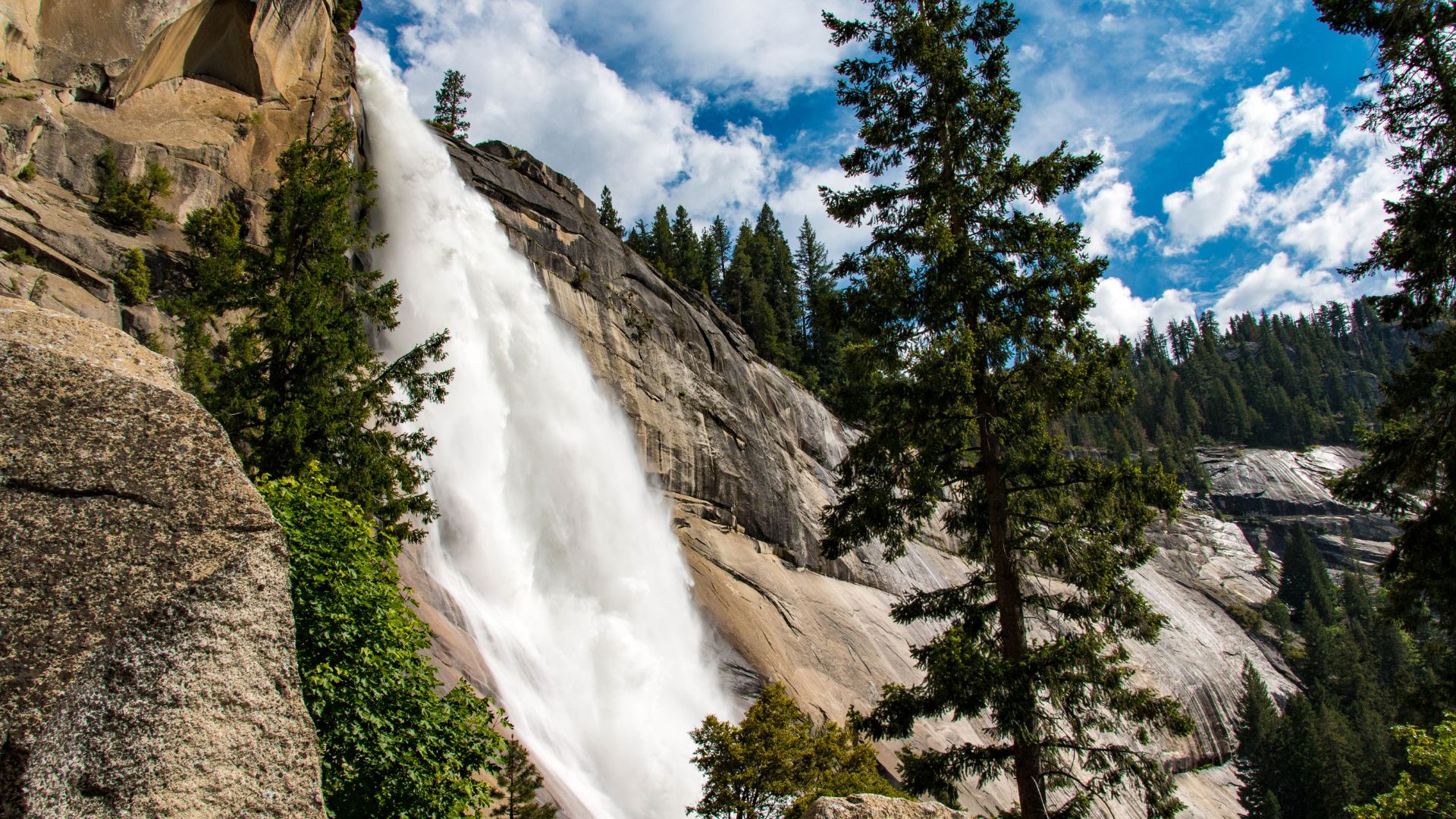
Nevada Fall is bigger—594 feet—and less misty, so you get clearer views. The last part means scrambling over granite, so bring snacks and plenty of water.
The payoff? Looking down from the top, seeing where the water starts its wild plunge. It’s a view you don’t forget.
Adventure and Outdoor Activities
Yosemite’s not just for sightseeing—it’s an adventurer’s playground. I tackled hikes with serious elevation, watched climbers hang off sheer walls, and pedaled through forests on quiet mornings.
Epic Hiking Routes
The Mist Trail quickly became my go-to for a challenge. It takes you to Vernal Fall first, then up to Nevada Fall. The hike to Vernal Fall is 3 miles round trip with 1,000 feet of elevation gain.
As you climb, the spray from the falls makes the granite steps slick. I kept my camera wrapped up to protect it from all the moisture. If you’re up for more, continuing to Nevada Fall adds another 1,000 feet of climbing, making it a 5.4-mile round trip.
The Half Dome hike is the Holy Grail for hikers here. The 8-mile trek gains 4,800 feet, and the last stretch means hauling yourself up cables. Not for the faint of heart, but wow, what a view.
For something more mellow, I liked the Valley Loop Trail. It’s a 13-mile loop along the Merced River, with mountain views the whole way. You can do shorter sections too.
World-Class Rock Climbing
El Capitan is legendary for climbers. This granite giant rises 3,000 feet, drawing people from all over the world. I watched some folks spend days on the wall, sleeping in tiny tents dangling above the ground. It’s wild.
The cracks and faces here make for some of the best climbing routes anywhere. “The Nose” and “Freerider” are famous, even outside the climbing community.
Half Dome’s cables offer a different kind of thrill. It’s not technical climbing, but that final 400-foot ascent gets your heart racing. You need a permit and a good head for heights.
For beginners, Sentinel Dome is more approachable. The climbs are shorter, and you still get those classic Yosemite views.
Biking Amidst Wilderness
The Valley Loop Road became my favorite way to explore. This 12-mile paved loop links up all the main sights and keeps you close to waterfalls and cliffs. The terrain’s mostly flat, so it’s doable for just about anyone.
Biking let me cover more ground than walking, but I still felt immersed in the landscape. Early mornings were best—peaceful and great for spotting wildlife.
If you’re up for a challenge, Glacier Point Road is a serious climb. It’s 16 miles with a lot of elevation, but the views up top are unbeatable. Just watch for cars on the winding road.
You can rent bikes in Yosemite Valley during the busy season. I’d say start early to beat the crowds and the heat.
Giant Sequoias and Historic Yosemite Sites
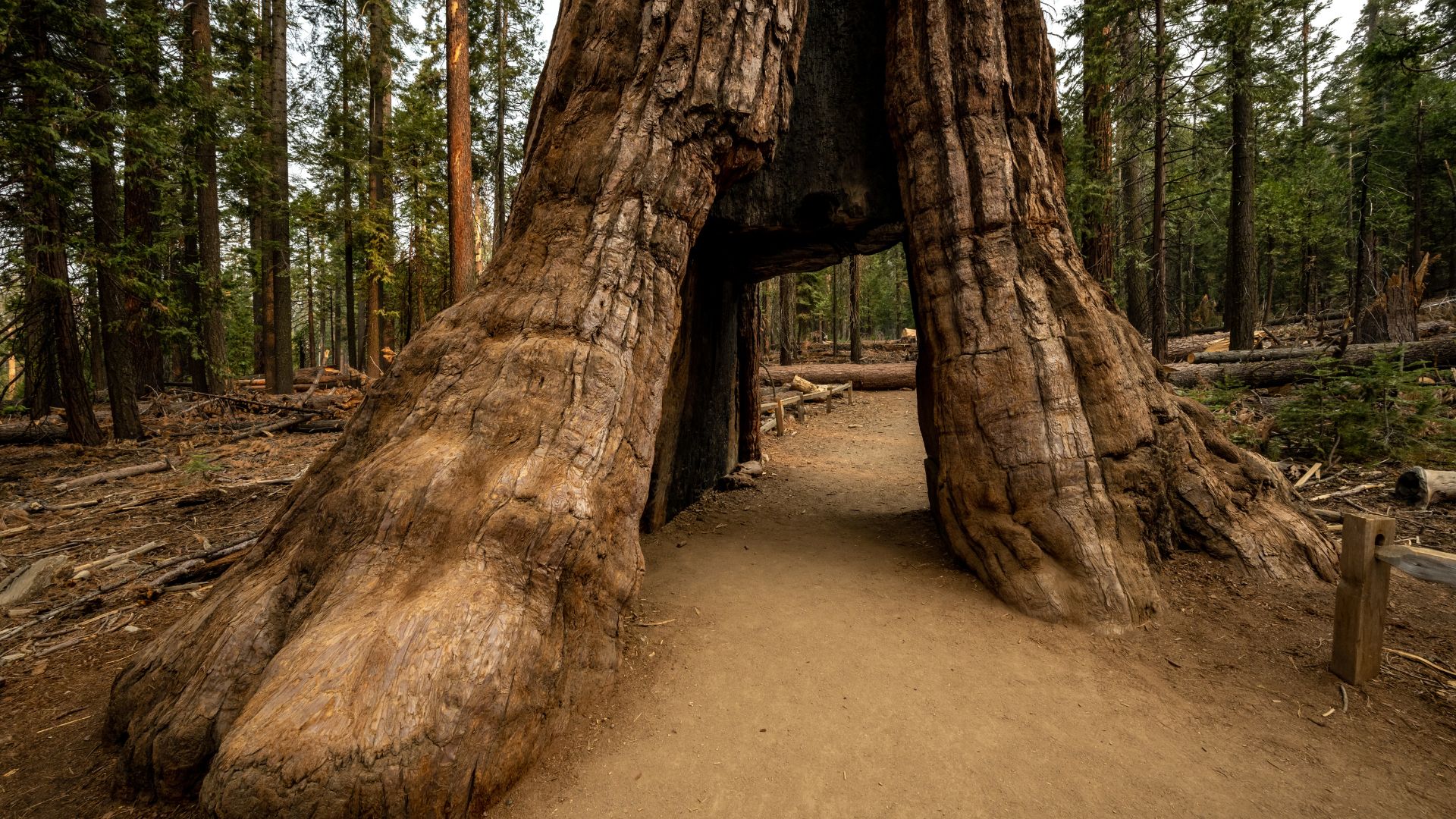
Yosemite’s ancient sequoias are living legends. You’ll find them in three main groves, with the Mariposa Grove boasting over 500 mature giants.
Nearby, the Wawona area preserves a slice of the park’s pioneer past. The historic Wawona Hotel has welcomed guests since 1876, and stepping inside feels like traveling back in time.
Mariposa Grove of Giant Sequoias
Mariposa Grove was my first stop when I set out to see Yosemite’s legendary trees. You’ll find this grove right near the South Entrance, and honestly, it’s home to the park’s largest collection of giant sequoias.
More than 500 mature giant sequoias tower over the forest here. These trees can live for thousands of years—imagine that—and their height is just jaw-dropping.
For most of the year, you’ll need to hop on a free shuttle to get to the grove. I left my car at the Mariposa Grove Welcome Plaza and caught the shuttle, which made things pretty easy.
Trail Options:
- Easy walking paths perfect for families
- Accessible trails for wheelchairs
- Tougher hikes for those who want a challenge
Restrooms are available at both the welcome plaza and inside the grove. Drinking water’s only at the welcome plaza year-round, so I always pack extra water bottles before heading in.
Driving from Yosemite Valley took me about 1 hour and 15 minutes. I’d suggest visiting between spring and fall when it’s a breeze to access the grove. Here’s a link to another great adventure.
Wawona and the Historic Wawona Hotel
Wawona gave me a real glimpse into Yosemite’s human history. It sits just outside Mariposa Grove and preserves stories from the park’s early days.
The Wawona Hotel, which first opened in 1876, still welcomes guests. Wandering through this white Victorian building, I could almost hear the echoes of travelers from the last 150 years.
The hotel’s wide porches and classic style really take you back to the late 1800s. Wealthy tourists once arrived here by stagecoach, eager to see the giant trees for themselves.
Historic Features:
- True Victorian architecture
- Old-school dining room
- A golf course from the early 1900s
- Pioneer-era cabins and outbuildings
Wawona’s historic cabins and structures show how early settlers carved out a life here. I poked around and learned about people like Galen Clark, who played a big part in protecting the sequoias.
You can easily walk from Wawona to Mariposa Grove, so it’s simple to see both the trees and the historic sites in one trip.
Wildlife Encounters and Park Exploration Tips
Yosemite’s home to over 400 wildlife species, from black bears to bighorn sheep, and more than 260 kinds of birds. If you want to spot animals and travel responsibly, you’ll need to plan ahead and respect their space.
Observing Yosemite’s Diverse Wildlife
Wildlife in Yosemite pops up everywhere, not just in the backcountry. I’ve watched black bear moms and their cubs foraging in meadows right near the road. Sometimes, a red fox will dart across a trail if you’re up early enough.
Best Wildlife Viewing Times:
- Dawn (5:30-7:00 AM): Bears and deer are out and about
- Dusk (7:00-8:30 PM): Good chance to see foxes and coyotes
- Midday: Birds and squirrels keep things lively
Yosemite’s meadows and wetlands are hotspots for all sorts of creatures. Staying quiet really ups your odds of catching a glimpse of wildlife.
Safety matters—a lot. Oddly enough, squirrels and deer injure more people here than bears or mountain lions do. I always keep at least 25 yards away from larger animals, and I never, ever feed them. That’s the best way to keep everyone—people and animals—safe.
Sustainable Travel and YARTS Transit
Ever tried ditching your car for a trip to Yosemite? YARTS (Yosemite Area Regional Transportation System) makes it surprisingly easy and a lot more sustainable. I started using YARTS a while back, mainly because I wanted to avoid the headache of traffic and do my part for the environment.
YARTS Benefits:
- No more circling for parking in Yosemite Valley
- Forget about scrambling for vehicle reservations
- It links up several gateway towns right to the park’s doorstep
YARTS runs all year, though the schedule shifts with the seasons. During summer, I always grab tickets ahead of time—those buses fill up fast. If you’re coming from Merced, Fresno, or Mammoth Lakes, YARTS has direct routes straight into Yosemite.
Once I’m inside the park, I hop on the free Yosemite Valley shuttles. These buses help cut down on wildlife getting hit by cars—something I didn’t realize was so common until I saw it firsthand. During the busy months, you’ll see a shuttle every 10 to 20 minutes, so there’s barely any waiting around.
