
Just an hour from Athens, I landed in Elefsina, a place where ancient mysteries and industrial grit kind of crash together in the best way. This overlooked spot once hosted the Eleusinian Mysteries—sacred annual rituals for Demeter and Persephone that stayed secret for centuries.
What really sets Elefsina apart is how it mixes profound ancient religious history with Greece’s modern industrial side. You get a perspective here you just won’t find at the more polished archaeological sites.
As I wandered through the archaeological site, I kept thinking about the initiates who once gathered here, wrapped up in ceremonies so secret that even now, we’re all just guessing what actually went on. My guide talked about how these mysteries ranked among the most important religious rites in ancient Greece and drew people from all over the Mediterranean.
The remains of the Telesterion (initiation hall) don’t look as impressive as the Parthenon, but standing there, I felt something haunting. Thousands experienced spiritual transformation right where I stood.
What hit me most was the town’s double life—from sacred ancient center to gritty industrial port in the 19th and 20th centuries. Elefsina doesn’t try to hide its lived-in feel. Exploring both the ruins and the town, I got a rare peek into both ancient ritual and modern Greek life—something most Athens day-trippers just miss.
Stepping Into the Heart of Elefsina’s Mysteries
I stepped onto the sacred grounds of Elefsina, and instantly felt the weight of centuries. This place guards secrets that once carried the death penalty if revealed—a spiritual center that changed countless ancient Greeks through mysterious rituals.
The Legacy of the Eleusinian Mysteries
The Eleusinian Mysteries stood as some of ancient Greece’s most revered religious ceremonies. For nearly 2,000 years, people traveled here to take part in secret rituals for Demeter and Persephone.
What really surprised me was how open these ceremonies were for their time. Women and even slaves could join in—a rarity in ancient Greek religion.
Initiates hoped for a special bond with the goddesses and a blessed afterlife. Walking here, I felt oddly connected to people who also searched for meaning in these same spaces.
Nobody wrote down exactly what happened during the ceremonies. The threat of death for talking kept the secrets, and that’s why we still know so little.
Walking Among Ancient Ruins
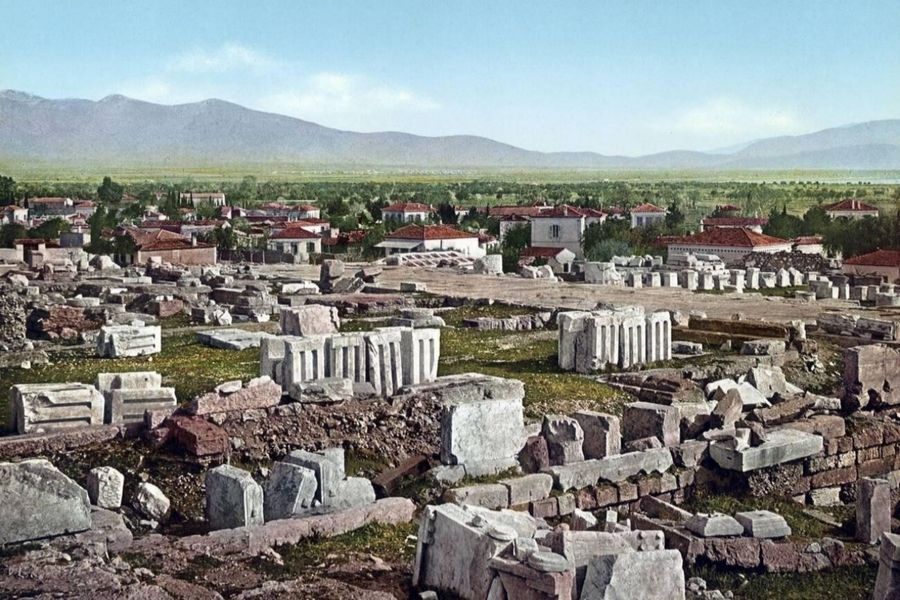
Visitors see the archaeological site spread out like a puzzle that’s missing most of its pieces. Still, what’s left tells a powerful story.
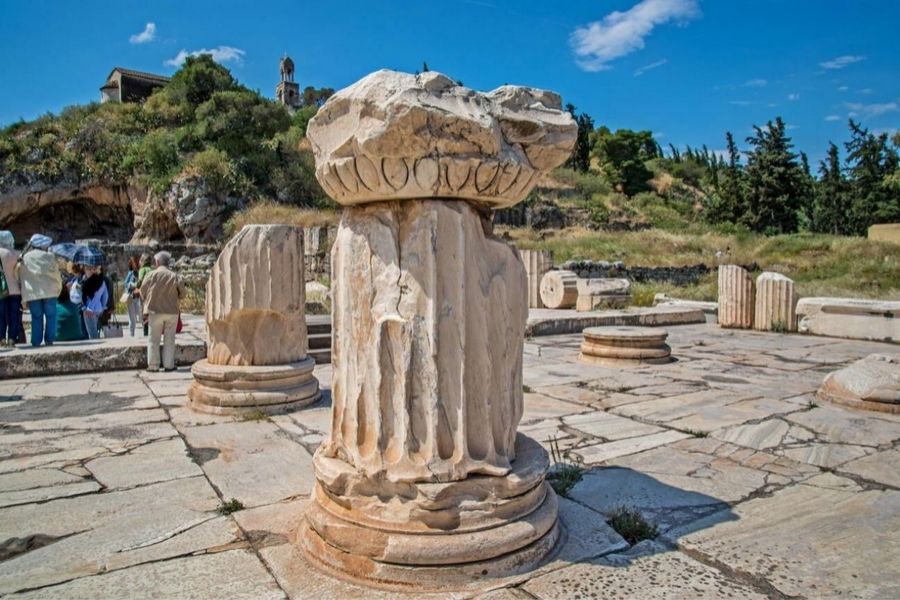
I ran my fingers along the old stone walls of the Telesterion—the massive initiation hall where the most sacred rituals happened. Standing on its foundations, I tried to picture thousands of torch-lit initiates standing in silence.
The site includes:
- The Sacred Court where rituals started
- The Plutonion, a cave once believed to be an entrance to the underworld
- The Kallichoron Well where Demeter supposedly rested
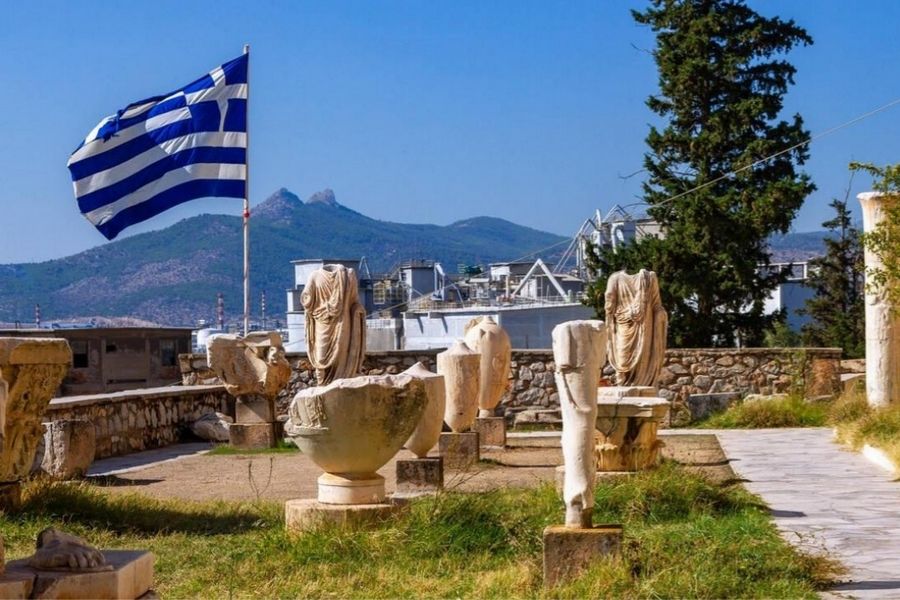
Nearby, museum displays hold artifacts that hint at the ceremonies—clay vessels, sculptures, and ritual items that somehow survived.
Wandering these ruins, I kept thinking about how places can hold onto spiritual meaning long after their original use fades away.
The Sacred Road: Myth and Pilgrimage
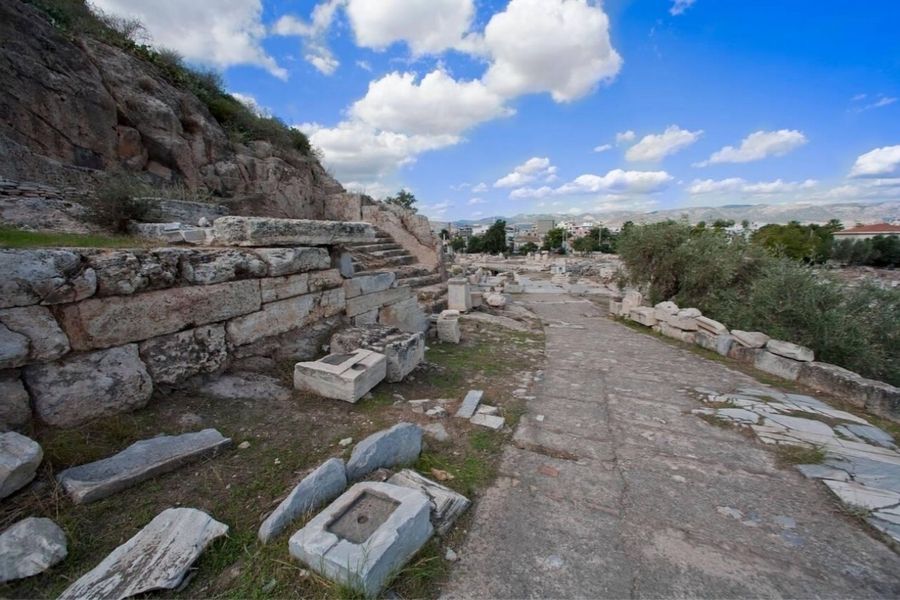
The journey to Elefsina mattered just as much as the destination for ancient Greeks. Initiates walked the Sacred Road from Athens to Elefsina, about 14 miles.
This pilgrimage followed Demeter’s mythical search for Persephone, who Hades had abducted. Along the way, participants stopped at shrines, performed rituals, and prepared their minds for the mysteries.
I walked a stretch of this ancient path, thinking about all the footsteps before mine. The road was lined with funeral monuments and altars, always reminding travelers of the cycle of life and death that was central to the mysteries.
The main procession happened in autumn, when Persephone returned to the underworld. This timing tied the mysteries to the farming cycle and humanity’s dependence on the earth.
Between Past and Present: Elefsina’s Unique Duality
Walking through Elefsina, I felt like I was crossing a timeline where ancient mysteries and industrial history just crash together. The city holds onto both its sacred past and gritty modern identity, and that mix is something special.
Industrial Charm and Gritty Beauty
The second I got off the bus in Elefsina, the city’s industrial vibe hit me. Massive factories and port buildings rise right next to ancient ruins, creating a visual clash that’s somehow beautiful.
Unlike the polished tourist spots in Athens, Elefsina wears its industrial past with pride. The port, which turned the city into a major industrial hub in the 19th and early 20th centuries, still shapes the place.
Old cement factories and processing plants give the city an almost post-apocalyptic look. Rusty structures, worn warehouses, and smokestacks set the scene for daily life.
What really caught me off guard? The industrial backdrop actually makes the ancient stones feel even more eternal.
Creative Rebirth as a European Capital of Culture
Elefsina is in the middle of a transformation as a European Capital of Culture. Artists and creatives now fill abandoned industrial spaces with galleries and performances.
I wandered into what looked like an old warehouse and found an exhibition reimagining Elefsina’s myths through modern art. The screening series “Mysteries of Transition” captured how the city is reinventing its story.
Local projects have embraced both the ancient mysteries and the town’s working-class roots. Street art covers factory walls, telling stories that bridge millennia.
This cultural revival hasn’t polished away Elefsina’s gritty side. Instead, it celebrates the strange mix of ancient ritual sites and factory ruins—a landscape you just don’t see anywhere else in Greece.
A Day Trip Itinerary: Unlocking Elefsina’s Layers
Planning a trip to Elefsina takes a bit of thought if you want to catch both its ancient mysteries and its modern energy. From sacred ruins to hidden art spaces and local food, this itinerary will help you get the most out of the city’s layers.
Morning Among Monuments
I got to Elefsina early, around 9 AM, just as the archaeological site opened and before the heat kicked in. The drive from Athens took about 45 minutes, but you can also take the regular bus from Terminal A on Athinon Avenue.
The Eleusinian Archaeological Site makes a perfect first stop. I spent a couple of hours exploring the Temple of Demeter, the Greater Propylaea, and the Telesterion where the famous mysteries happened. The small museum nearby is worth a look for artifacts from the cult of Demeter.
The Plutonion cave stood out to me—a dark passage once believed to be the entrance to the underworld. The sanctuary’s layout shows just how carefully ancient Greeks designed spaces for sacred rituals.
I’d suggest hiring a local guide (€50-70). They can explain the significance of these mysterious rites that shaped Greek spirituality for over 2,000 years.
Hidden Art Spaces and Modern Vibes
After lunch, I dove into Elefsina’s modern side. The city became a 2023 European Capital of Culture, and that sparked a creative revival across its industrial landscape.
The Old Soap Factory now serves as a cultural center with exhibitions and performances. Wandering the narrow streets between the ruins and the waterfront, I stumbled across street art everywhere.
X-Bowling Art Center really surprised me with its blend of industrial architecture and contemporary art. What once served the city’s factories now showcases new Greek artists.
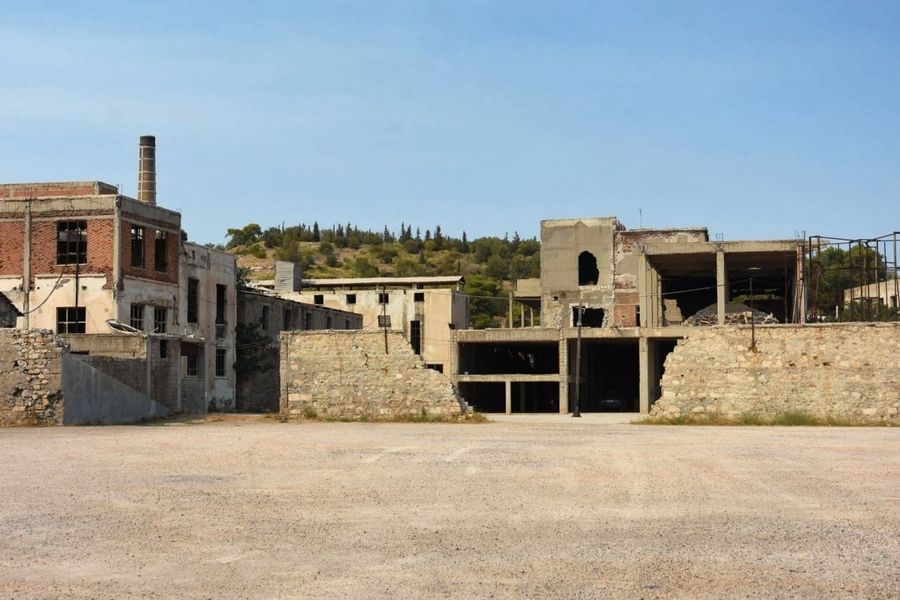
The tension between ancient sacred spaces and repurposed industrial buildings is fascinating. Elefsina doesn’t hide its working-class roots—it embraces this gritty authenticity right alongside its ancient heritage.
Local Flavors and Where To Eat
For lunch, I grabbed a table at To Steki tou Thodorou near the waterfront. Their grilled octopus and eggplant salad hit the spot. Most mains run €8-15.
Elefsina Kafeneio serves up traditional Greek coffee and homemade desserts in a charming spot with views of both the ruins and the sea. I took a break here for half an hour, just soaking in everything I’d seen.
Before heading back to Athens, I stopped at Mousiko Kafeneio for dinner. They offer authentic mezedes and live rebetiko music on weekend nights. The house wine comes from local vineyards.
Seafood here is super fresh, thanks to the town’s fishing tradition. If you see fried small fish (marides) or fish soup (kakavia) on the menu, try them—they’re delicious and way more affordable than in Athens.
Personal Reflections and Thoughtful Encounters
Walking through Elefsina led to unexpected connections that turned a simple day trip into something much deeper. The clash between ancient mysteries and industrial reality opened up space for reflection I didn’t see coming.
Moments of Awe and Wonder
Standing by the ruins of the Telesterion, where initiates once gathered for secret ceremonies, I felt a weird sense of timelessness. The ancient stones seemed to hold whispers from thousands of years ago.
“Some places make you feel small in the best possible way,” an elderly local said to me as we both looked out over the ruins.
I watched sunlight play across the marble fragments, casting shadows that seemed to move with purpose. Unlike the crowded sites in Athens, I could sit quietly on a stone bench for half an hour, letting my mind drift between centuries.
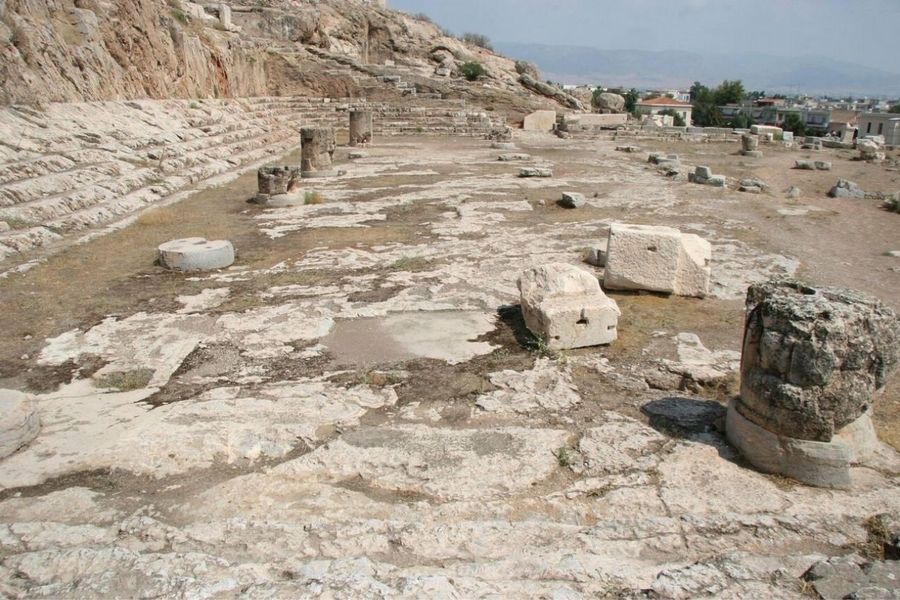
A butterfly landed on an ancient column base—nature slowly reclaiming what was once sacred. Those quiet moments made the mysteries feel closer than any guidebook ever could.
Connecting with Local Stories
The coffee shop owner near the ruins told me he’d lived in Elefsina his whole life. “My grandfather worked in the refinery, but he always said the real power was in the old stones,” he said as he made me a strong Greek coffee.
His stories mixed industrial history with bits of local folklore that never show up in official histories. The community’s connection to their ancient past felt complicated but close.
A group of art students sat sketching the contrast between smokestacks and temple columns. They told me the European Capital of Culture title sparked new conversations about identity among locals.
“We live with one foot in mythology and one in industry,” a young woman at the cultural center told me. Her view helped me see the town not as two separate worlds—ancient and modern—but as one story that keeps evolving.
Practical Advice for an Enriching Visit
If you’re planning a trip to Elefsina, a little know-how goes a long way. You can experience both its ancient religious history and its modern industrial character without much hassle.
Getting to Elefsina from Athens
Getting to Elefsina from Athens is easy and budget-friendly. I hopped on the KTEL bus from Aghia Marina metro station (Line 3), and it cost about €3.50 one-way. Buses run every 30 minutes on weekdays and hourly on weekends.
If you want more flexibility, a taxi will set you back about €25-35, depending on traffic. The ride takes 30-40 minutes by car, or 45-60 minutes by bus.
If you’re renting a car, just follow the E94/Athinon Avenue westbound. There’s free parking near the ruins, but it fills up fast during busy seasons.

I found the bus reliable and comfortable, and it gave me a good look at the changing landscape—from urban Athens to the more industrial edge of Elefsina.
Best Times to Visit and What to Bring
I’ve found that early mornings—say, between 8 and 10 AM—or late afternoons after 3 PM really give you the best experience. You’ll dodge the biggest crowds and the heat isn’t as harsh.
Weekends and Greek holidays? They draw a lot more people, so I usually try to steer clear then.
If you’re coming in summer, don’t forget:
- Sunscreen (SPF 30 or higher)
- A hat and sunglasses
- A water bottle (you can refill near the entrance)
- Comfortable shoes for walking
Winter feels different. The coastal breeze can get surprisingly chilly, so I always bring a light jacket. The museum shuts its doors at 3 PM in winter, which is earlier than the 5 PM closing time in summer.
Spring, especially April and May, just hits differently. The weather’s mild, wildflowers pop up all over the ruins, and everything feels alive.
I usually spend about two or three hours wandering through the archaeological site and the museum. That seems like the sweet spot—enough time to soak it all in without feeling rushed.