
Kent, known as the “Garden of England,” has always been famous for its green fields, vibrant orchards, classic oast houses, and beautiful coastline. As I wandered through hop fields and apple orchards, the nickname made perfect sense. The countryside radiated a peaceful energy, with each field and village telling its own story about Kent’s heritage.
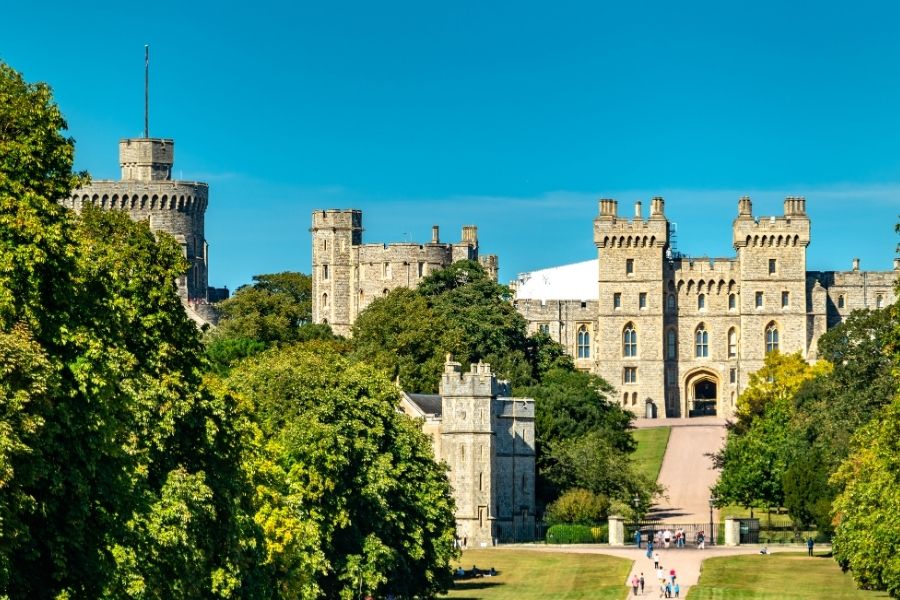
My travels took me down quiet country lanes and then out to salty coastal paths. I loved spotting old oast houses tucked beside newer farms, and every traditional market or seaside town felt unique in its own way. Kent kept surprising me—nature lovers, history buffs, and anyone craving authentic English scenery would feel right at home here.
Discovering Kent’s Rich Landscapes
Kent really is a patchwork of green fields, rolling hills, and ancient woodland. I’ve explored hop gardens and clifftop trails, and each corner of the county has its own personality.
The Kent Countryside and Its Distinct Charm
The countryside here brims with peaceful lanes and historic market towns. Fields of hops and endless apple orchards splash color across the land, and I get why they call it the “Garden of England.”
Picturesque villages like Edenbridge and Lenham caught my eye with their old Kentish Weald houses and inviting pubs. Small rivers like the Eden and Medway meander quietly through farmland, creating perfect backdrops for walks or cycling.
I’d spot classic oast houses—those round, brick buildings with quirky pointed roofs—standing as reminders of Kent’s farming past. Walking here, wildflowers perfumed the air, and rows of orchards stretched out as far as I could see. Hedgerows and ancient trees lined the paths, making every stroll feel peaceful and a bit timeless.
Kent Downs: An Area of Outstanding Natural Beauty
When I finally reached the Kent Downs, I saw firsthand why they call this an Area of Outstanding Natural Beauty (AONB). Chalk hills, wide valleys, and wild grassland create a landscape that feels both dramatic and soothing.
I followed the North Downs Way, a long-distance path weaving through National Trust woodlands, lush meadows, and historic sites. Some sections offer sweeping views all the way to the English Channel.
The Greensand Way gave me a different angle on Kent, tracing the Greensand Ridge past old manor houses and through thick woods. Each bend in the trail brought a new village or farm into view. The Sussex border isn’t far, and the scenery shifts noticeably as you walk along.
Ancient Woodlands and Panoramic Views
Kent’s ancient woodlands often feel cool and hushed, even when the sun blazes overhead. These woods are packed with old oak, beech, and hornbeam trees, and in spring, bluebells cover the ground. Ide Hill became a favorite—its views over the Eden Valley are hard to beat.
Some woods are managed by the National Trust, with paths that are easy to follow. I’d spot deer now and then, or catch birdsong drifting down from the canopy. The air always seemed fresher here, sunlight flickering through the leaves.
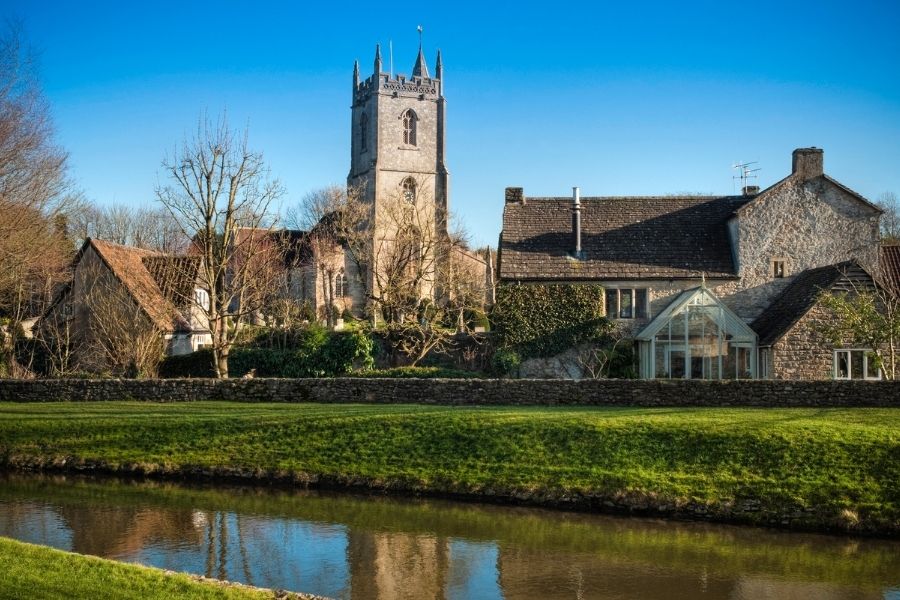
From ridge-top viewpoints, I could see a patchwork of fields, rivers winding in the distance, and church spires poking up from nearby villages. That mix of thick woodland and wide, open hills means there’s always something new around the corner.
Exploring Hop Fields, Orchards, and Oast Houses
Kent’s gentle hills are dotted with hop fields, orchards, and those unmistakable oast houses. The air often smells of apples and fresh hops, and many villages still celebrate these traditions.
Traditional Hop Growing and the Role of Oast Houses
Walking through rows of hops—tall, bright green in the June sunlight—near the Kentish Weald, I felt connected to centuries of local farming. Hops matter here, especially for beer making, and Kent’s been growing them for ages.
Oast houses pop up everywhere, their brick walls and white cowls unmistakable. They were built for drying hops, and around places like The Hop Farm, the scent of dried hops lingers in the breeze.
I learned that families used to travel from London each summer just to help pick hops. That tradition shaped village life. Many oast houses have become cottages, museums, or tearooms, but they always remind me of Kent’s unique farming story.
Orchards: Apples, Cherries, and Kent’s Signature Produce
Orchards seem to stretch forever in Kent. In spring, apple and cherry trees explode with pink and white blossoms. Later, branches droop under the weight of ripe fruit.
Cox apples and Kentish cherries are local stars. I tried apple juice pressed just outside Penshurst, and markets overflowed with baskets of cherries, pears, and plums—plus homemade jams and juices.
Small farms and producers invite visitors to sample cider, perry, and cherry desserts. These orchards really do give Kent its “Garden of England” reputation. The fruit here stands out for its flavor and variety.
Some Kentish Orchard Delicacies:
| Fruit | Local Product |
|---|---|
| Apples | Cider, Juice, Pie |
| Cherries | Jam, Cakes, Liqueurs |
| Pears | Perry (Pear Cider) |
| Plums | Crumbles, Preserves |
Visiting Quintessential Villages and Countryside Estates
Villages like Penshurst, Hever, and Chiddingstone look like they’ve barely changed in centuries. Winding lanes pass by red brick cottages, oast houses, and lush fields.
At Penshurst Place, I wandered historic gardens and sampled fresh estate produce. Sissinghurst Castle Garden, once home to Vita Sackville-West, is legendary for its flower beds and orchard walks.
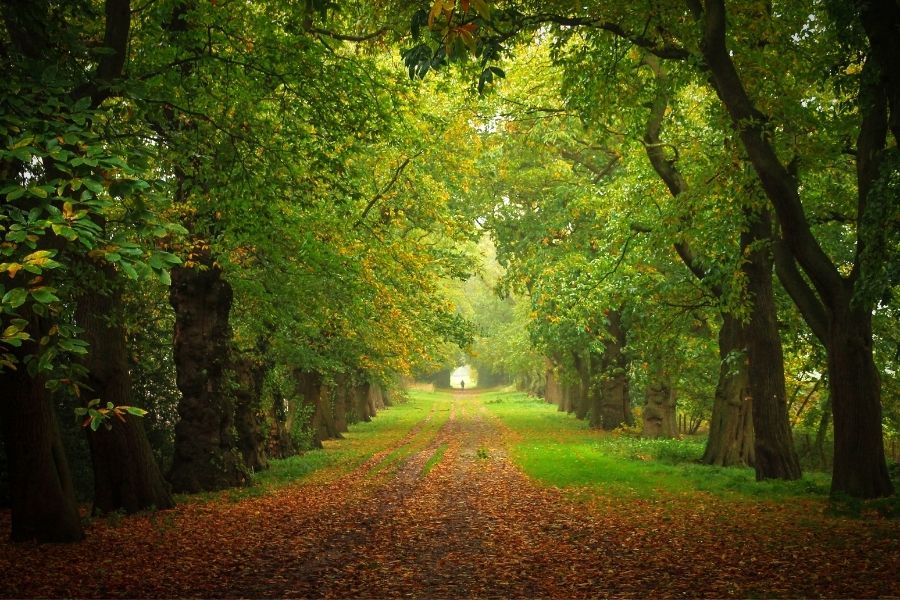
Hever Castle offered a peek into Tudor history as Anne Boleyn’s childhood home. Orchards and hop gardens around places like Ightham Mote show how these traditions have shaped Kent’s landscape. Village farm shops and tearooms serve up seasonal, local food, making every stop feel like a treat.
Kent’s Coastal Destinations and Seaside Towns
Kent’s coastline surprised me with dramatic cliffs, lively seaside towns, and some of England’s best walking and cycling trails. The coast blends natural beauty, iconic views, and a quirky mix of local history.
The White Cliffs of Dover and Coastal Iconography
The White Cliffs of Dover are probably Kent’s most famous landmark. When I first saw their bright chalk faces rising above the Channel, I felt a little awestruck. The cliffs run along the coast near Dover, marking England’s edge in the boldest way.
From the top, you can see France on a clear day. Dover isn’t just a busy port—it’s a place where countless journeys began or ended over the centuries. The South Foreland Lighthouse completes the classic scene, and walking trails let you explore the cliff tops safely.
If you’re into landscapes or history, you can’t skip the cliffs. They’re iconic for a reason, and walking here connects you to centuries of adventure and stories.
Charming Beach Towns: Whitstable, Margate, and Broadstairs
Whitstable, Margate, and Broadstairs each bring something different to the table. Whitstable’s working harbor buzzes with life, and the local oysters are legendary. I happened to visit during the Oyster Festival—what a treat.
In Margate, sandy beaches meet a revived art scene at Turner Contemporary, plus classic amusements along the seafront. Watching families enjoy fish and chips by the sea or poking around in the Old Town’s retro shops just felt right.
Broadstairs charmed me with its ties to Charles Dickens and its old-fashioned vibe. Viking Bay sits at the town’s heart, with soft sand and nostalgic ice cream parlors. I strolled from the beach up to Bleak House, where Dickens once stayed, and ended the day with fresh seafood in a cozy café.
Table: Highlights of Seaside Towns
| Town | Best For | Notable Feature |
|---|---|---|
| Whitstable | Oysters, Harbor | Oyster Festival |
| Margate | Art, Family Fun | Turner Contemporary |
| Broadstairs | Classic Beach, Dickens | Viking Bay |
Scenic Trails: Viking Coastal Trail and Thanet Coastal Path
Kent’s coastline is laced with fantastic trails. I tackled the Viking Coastal Trail, a 32-mile loop linking Ramsgate, Margate, and Broadstairs. It’s paved and easygoing—great for cycling or walking.
Along the way, you’ll pass wildflower meadows, old forts, and lively promenades. Stopping at cafés in Herne Bay or admiring the coastline at Minnis Bay made the journey even better.
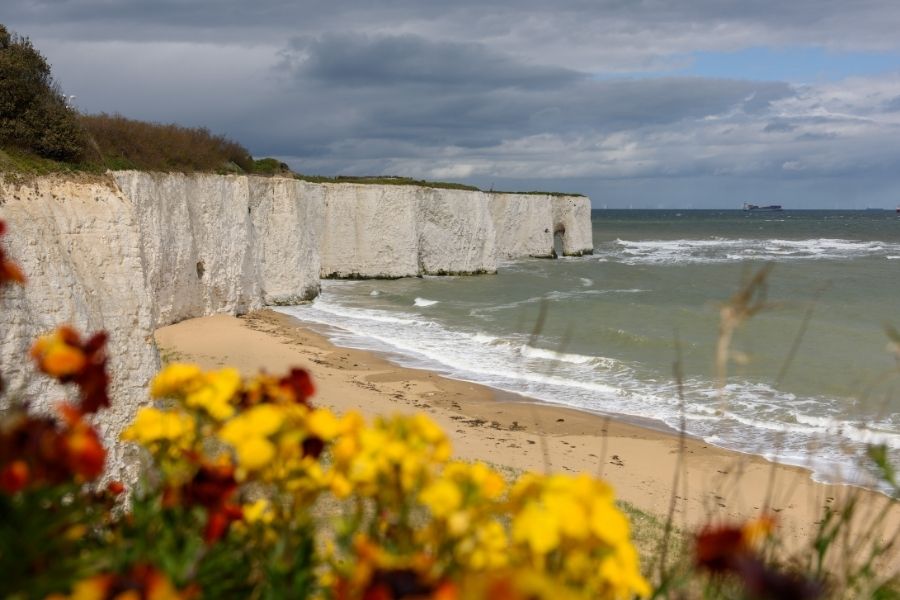
The Thanet Coastal Path offered longer walks and hugged the coast near landmarks like Botany Bay’s chalk stacks. It’s quieter here, with easy access to sandy beaches and hidden coves, yet you’re never far from a bustling town.
Both trails let me explore at my own pace—sometimes I craved a peaceful nature walk, other times an active adventure.
Sandy Beaches and Outdoor Activities
Kent’s sandy beaches are perfect for unwinding or playing. At Dymchurch and Folkestone, I found long stretches of sand ideal for sunbathing, kite flying, or building sandcastles with family. Deal and Herne Bay have classic piers and gentle waves.
Many beaches boast Blue Flag status, so they’re clean and safe. Romney Marsh and Minnis Bay offer wide open spaces, perfect for walking or birdwatching.
Outdoor fun doesn’t stop at the water’s edge. Sailing, kayaking, and windsurfing are popular along busier stretches. I loved cycling between towns and sampling local treats—Faversham’s seafood and Whitstable’s oysters were real highlights.
Kent’s beaches and active coastline gave me a sense of freedom and a chance to soak up the county’s best coastal vibes.
Historic Towns, Castles, and Cultural Landmarks
Kent’s landscape is shaped by a deep, fascinating history. Historic towns, grand castles, and connections to famous writers and leaders are everywhere. Each spot felt unique, whether I was exploring ancient cathedrals or wandering through royal gardens.
Canterbury and the UNESCO World Heritage Site
Canterbury’s layers of history hit me the moment I arrived. The city’s famous for Canterbury Cathedral, which stands as a centerpiece of English Christianity and a UNESCO World Heritage Site. Its soaring Gothic spires and stained glass windows draw people from all over.
St. Augustine’s Abbey and St. Martin’s Church are also part of the UNESCO listing. I loved wandering old streets lined with timber-framed buildings, ducking into cafés and boutiques tucked between medieval landmarks. The city’s importance, especially for those curious about religion or English history, is hard to miss.
Medieval Castles: Dover, Leeds, and Hever
Kent’s castles show off its military past and royal connections. Dover Castle stands high above the cliffs, known as the “Key to England.” Its tunnels played a vital role during World War II, and the Channel views are just incredible.
Leeds Castle, surrounded by moats and rolling parkland, looks straight out of a storybook. It was once a royal palace, then a private home. Hever Castle grabbed my attention with its Tudor history as Anne Boleyn’s childhood home. Each castle had guided tours, family-friendly events, and gardens that begged for a stroll.
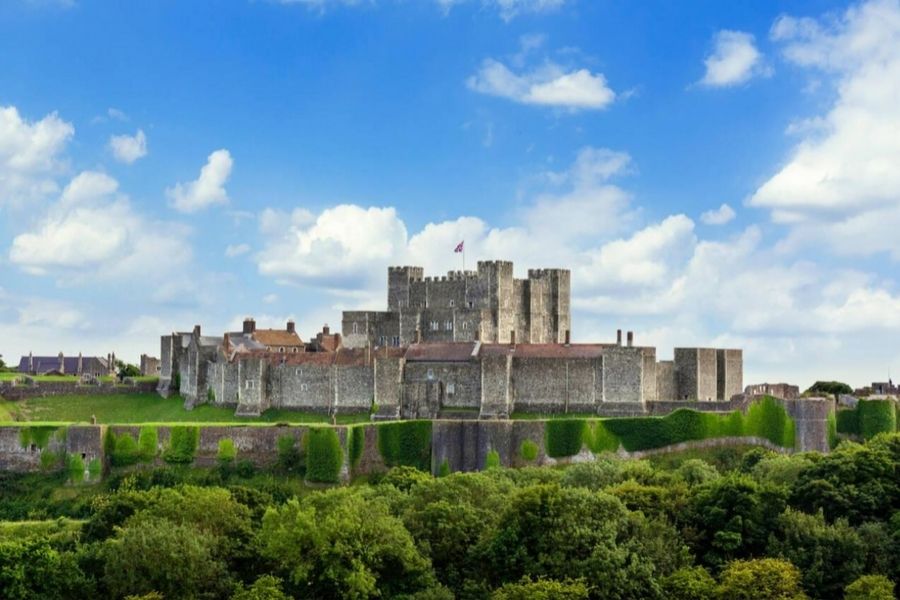
Rochester and other towns have their own impressive castles and ancient buildings. Rochester Cathedral, one of England’s oldest, brings even more medieval atmosphere—especially when festivals and markets fill the streets.
Royal Estates and Kent’s Literary Heritage
I wandered through Chartwell, the country home of Sir Winston Churchill, hoping to get a sense of where some of Britain’s biggest decisions actually happened. The place felt alive with history—Churchill’s painting studio stood open for anyone curious, and the gardens? Absolutely worth a slow stroll.
Kent’s literary side surprised me. Charles Dickens spent years in Rochester, weaving its streets and characters into his novels. Walking around, I stumbled onto plaques, his quirky Swiss chalet study, and even a few local festivals. It’s easy to see how these landscapes got under his skin.
Eynsford popped up next, a tiny village packed with charm and old buildings that whispered stories from every corner. Everywhere I turned in Kent, I found another layer of culture or history, making the place feel both grand and comfortably inviting.
Unique Experiences and Local Adventures
Kent’s not just about pretty views or old towns. I found everything from scenic train rides to outdoor adventures—and yes, the food’s way better than you’d expect.
Heritage Railways and Scenic Journeys
One morning, I hopped aboard the Kent and East Sussex Railway. This old-school steam train chugs through the countryside between Tenterden and Bodiam. Sitting in the vintage carriages, I watched fields, hop gardens, and sleepy villages roll by.
Down south, I checked out the Romney, Hythe and Dymchurch Railway. It’s a quirky little narrow-gauge line with compact trains and stations that look straight out of a storybook. The route winds across open marshes and eventually drops you off at the coast.
Both trips gave me a real taste of Kent’s past. There’s something about the hiss of steam and the clack of old tracks that makes you wonder how travel used to feel before everything sped up.
Outdoor Activities Across the Kentish Countryside
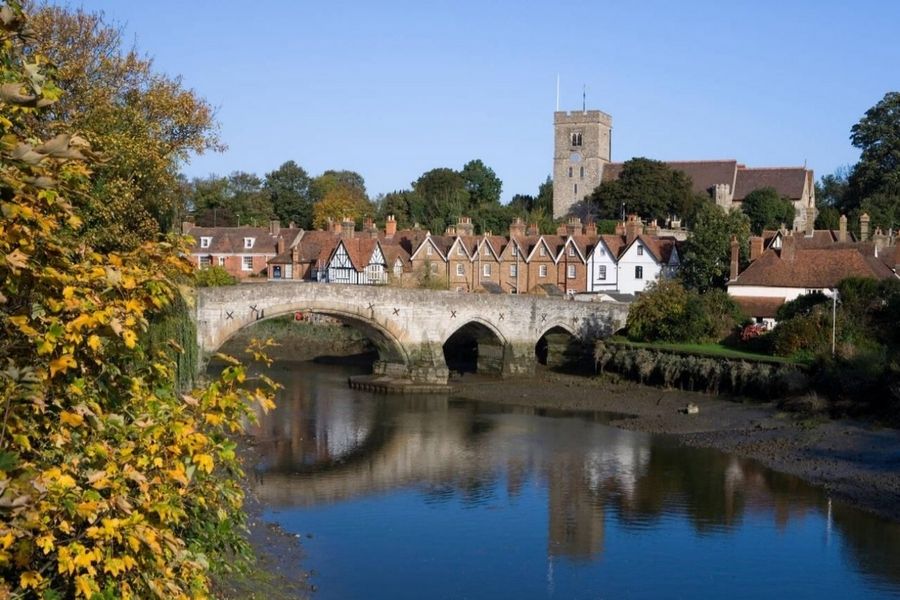
I spent hours rambling along footpaths beside the River Medway and River Darent. The Medway winds through spots like Maidstone and Aylesford, where I caught glimpses of swans, ducks, and quiet riverside meadows.
Near Tonbridge, I found nature reserves buzzing with birdlife. I even joined a guided hike through ancient woods—spring bluebells made the whole place look like something out of a painting.
It’s honestly easy to get outside in Kent. Whether you’re cycling country lanes, kayaking on gentle rivers, or wandering through orchards and hop fields, there’s always something new to try.
Sampling Kent’s Local Cuisine and Delicacies
I made it a mission to hunt down Kent’s local produce at farm shops and markets. This region bursts with apples, cherries, and vegetables—so many grown right in nearby orchards.
In Maidstone and the villages close by, I stumbled across stands with locally pressed apple juice and ciders. Some days, the smell of fresh fruit practically pulled me over.
Lunch in Tenterden turned into a mini feast of Kentish cheeses and a slice of gypsy tart. That tart? Sweet, creamy, and totally unique—a real local classic.
Plenty of pubs dished up fish caught off the coast or roast meats from farms just down the road. There’s something special about knowing where your food came from, right?
Bread baked with local grains, jams bubbling with orchard fruit—everything tasted fresh, honest, and full of character. Every meal felt like another little piece of Kent’s countryside charm.
