
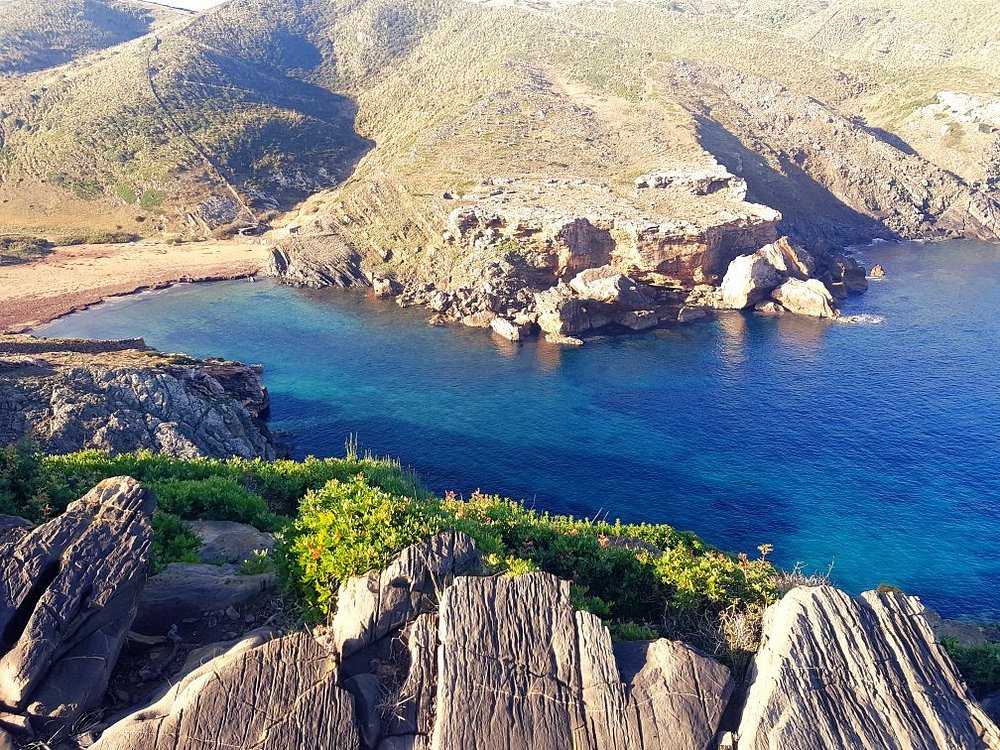
Walking the Camí de Cavalls along Menorca’s coast felt like I was discovering a new world with every step. This historic 185-kilometer trail wraps around the entire island, showing off Menorca’s best beaches, forests, cliffs, and quiet coves in a way you just can’t see from the main roads.
Each section brings different views and surprises, so every day on the trail feels like a little adventure.
I broke my journey into smaller stretches and uncovered places most visitors miss. Sometimes the sea glowed turquoise beside rocky paths; other times, I wandered through shady pine woods or passed by old watchtowers.
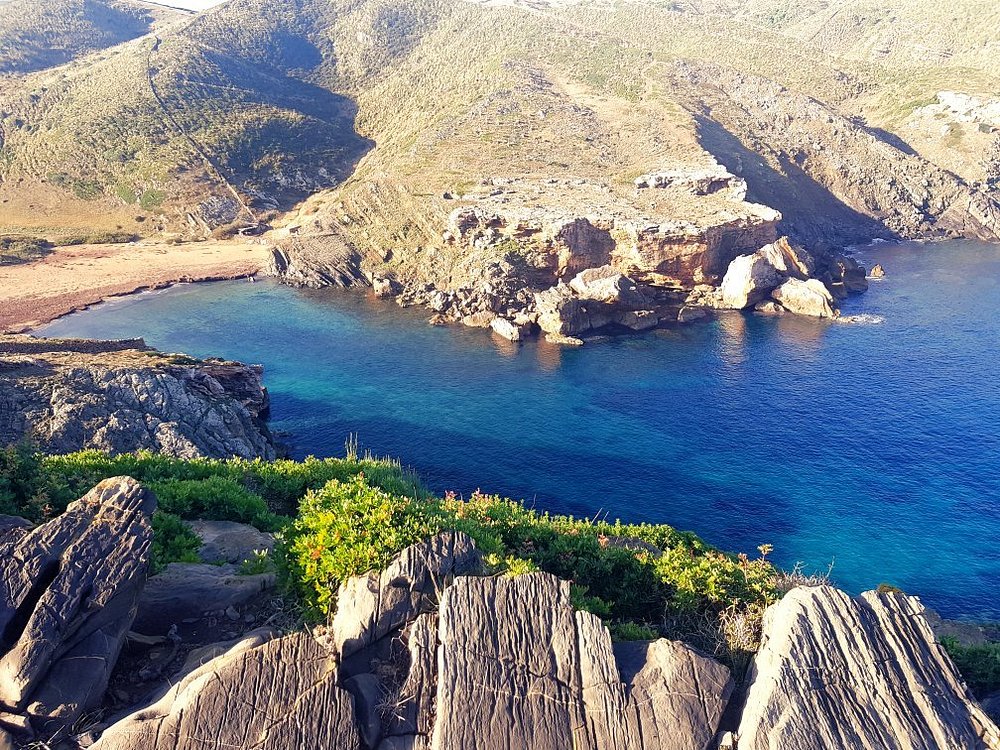
Image Source: Tripadvisor
Every section brought its own challenges and rewards. Sometimes it was a steep climb, or a sandy beach break, or a sweeping coastal view that felt almost too beautiful to leave behind.
If you’re thinking about hiking parts of the Camí de Cavalls, or just curious about what it’s like to see Menorca through a hiker’s eyes, maybe my trip will help you plan your own adventure.
Let me show you what I found, one stunning view at a time.
Planning My Adventure on the Camí de Cavalls
Before I set out on the Camí de Cavalls, I had to make some choices about my route and pack the right gear. I also paid attention to the seasons.
A bit of planning made the journey around Menorca’s dramatic coastline much smoother and, honestly, more enjoyable.
Choosing the Right Route Around Menorca
The Camí de Cavalls is a 185-kilometer loop that hugs Menorca’s entire coast. It’s part of Spain’s Balearic Islands and divided into 20 official sections.
Each stretch has its own character—some cross wild beaches, rural farmland, or pine forests, while others wind beside tall, rugged cliffs.
I had to decide whether I’d hike the whole circuit or just pick a few segments. That choice made a big difference.
I looked at daily distances, public transport access, and what kind of scenery I wanted most. The north coast sections are wilder and more remote, with hidden coves and fewer tourists.
The south has calmer waters and white sand beaches, but it can feel busier in summer.
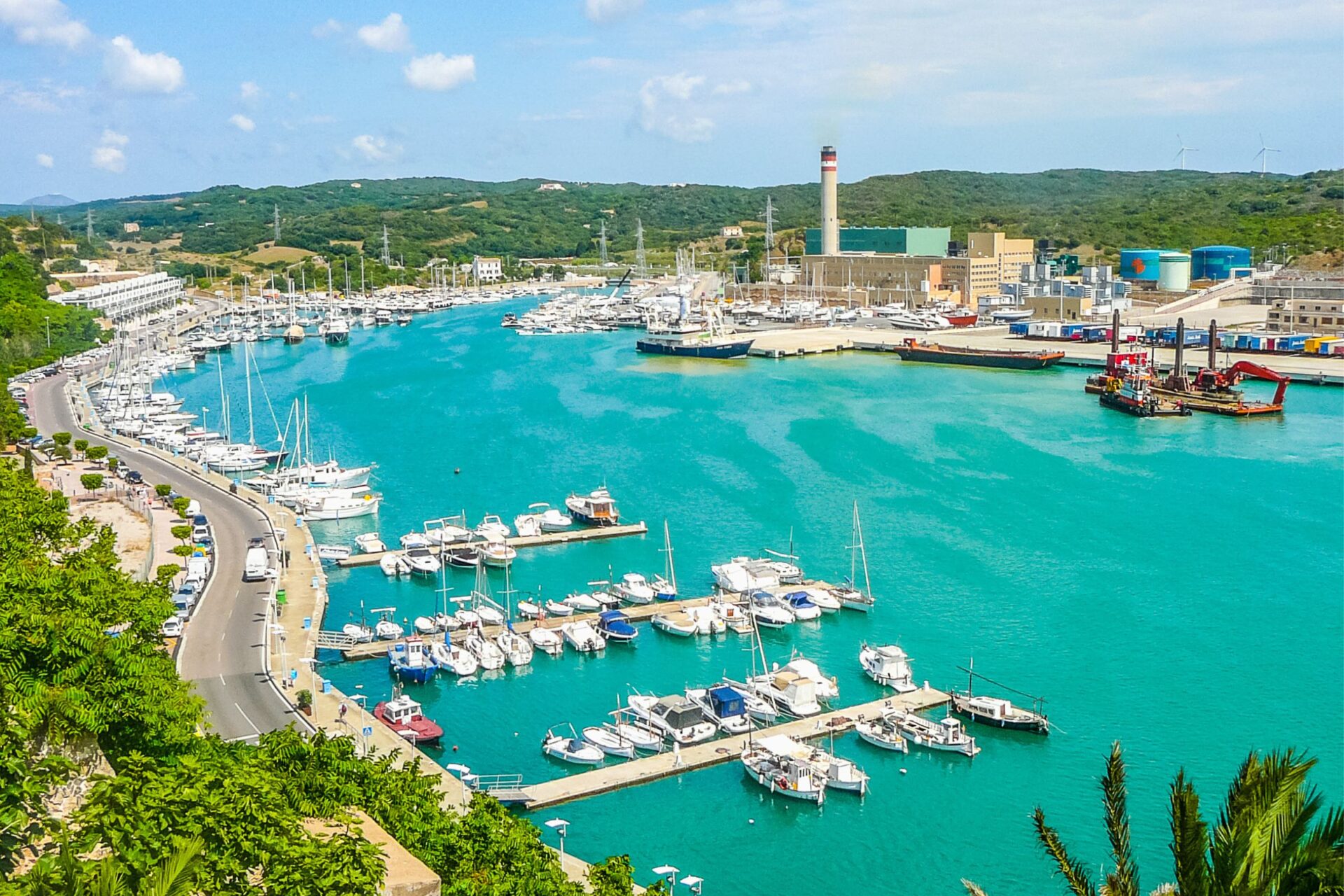
Starting in Ciutadella or Mahón worked best for me. Both towns are well-connected and have plenty of places to stay.
No matter where I started, I was never far from authentic Menorcan villages, ancient watchtowers, or hidden, UNESCO biosphere reserve landscapes.
Packing Essentials for Coastal Hiking
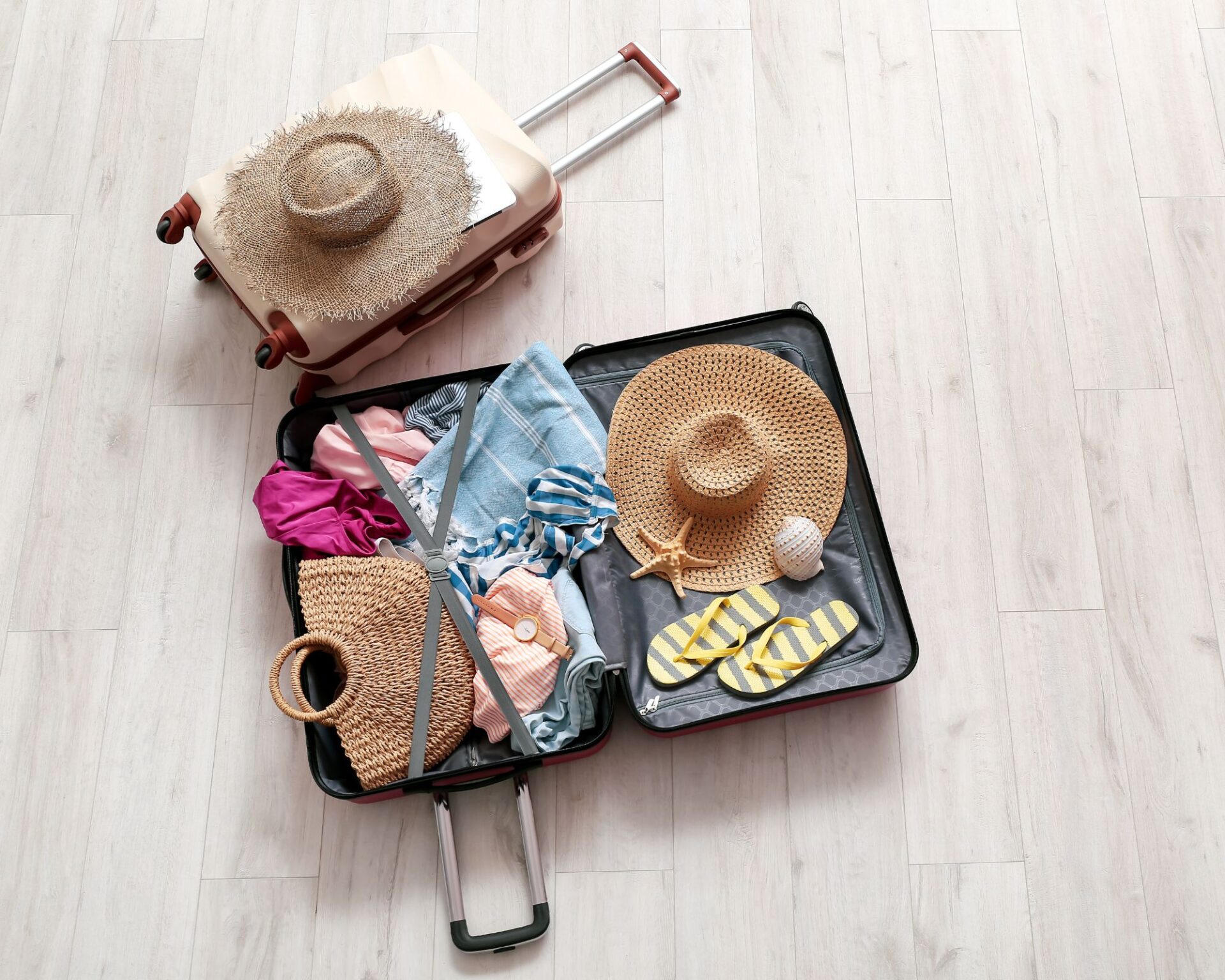
Packing light but smart really mattered on this trail. Menorca’s coastal weather can change quickly, so I brought a lightweight, waterproof jacket and sun protection—a hat, sunglasses, and sunscreen.
Hiking boots with good grip saved me, especially on rocky northern stretches.
I always made sure I had plenty of water in a refillable bottle, plus snacks like fruit, nuts, and energy bars. Some parts of the trail go for long stretches without shops or villages, especially in rural zones and on the north coast.
A small first-aid kit, a map or GPS app, and a portable charger for my phone kept me ready for anything.
For multi-day walks, I packed a compact sleeping bag liner and a change of clothes. Many sections end near small hotels, hostels, or agrotourism stays, so I didn’t bother with camping gear.
Booking ahead felt safest during busy months.
Best Times of Year to Walk the Camí de Cavalls
Menorca’s Mediterranean climate means hot summers, mild winters, and lots of sunshine. I learned that spring (April to early June) and autumn (September to October) are the best times for walking the Camí de Cavalls.
The weather is warm but not scorching, and the wildflowers or autumn light make the UNESCO biosphere reserve landscapes even more beautiful.
Summer gets very hot and crowded, especially on the southern beaches. Some stretches barely have any shade, so midday walks can be tough.
Winter is quieter and cooler, with a chance of rain and some services closed, but the trail feels peaceful and green.
I always checked the local weather and trail updates before heading out. Walking early in the morning or late afternoon helped me beat the heat and enjoy the trail at its best.
Iconic Hiking Sections and My Personal Highlights
The Camí de Cavalls stretches along Menorca’s entire coastline, offering unique scenery, ancient landmarks, and peaceful beaches. Each section reveals something different—from quiet harbors to wild cliffside views and turquoise water.
Exploring Ciutadella to Son Xoriguer
Starting in Ciutadella’s historic streets, the trail leads through bustling plazas and then follows the coast. The path soon opens to rocky coves and hidden inlets, flanked by stone walls and low pines.
One highlight for me was watching the sunset near Son Xoriguer. The sky turned gold and orange, lighting up the sea and making the ancient watchtowers look almost magical.
If you plan this section for late afternoon, you’ll catch the best light for photos and enjoy a cool breeze. It’s easy to find water and snacks near Ciutadella, but options get scarce as you approach Son Xoriguer.
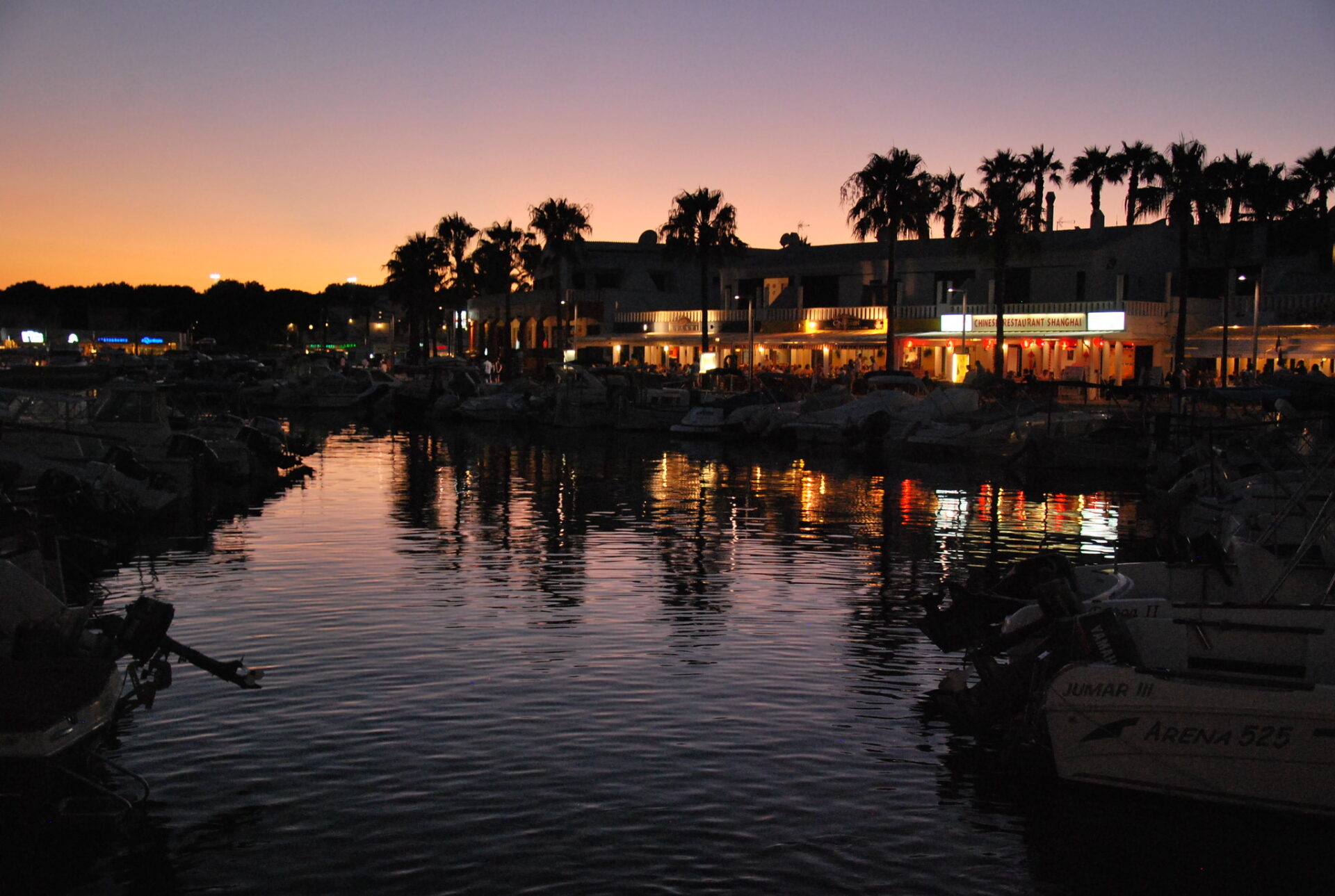
Image Source: Flickr
Scenic Trails from Cala Galdana to Cala en Turqueta
This stretch is famous for its lush forests and some of Menorca’s best coves. The walking is easy, but the views change constantly.
I loved how the path twisted through pine woods before opening onto bright blue beaches. Cala en Turqueta really stands out with its clear turquoise water and peaceful setting.
Midway, shady spots have simple benches—perfect for resting beneath the trees. Swimming at Cala en Turqueta felt so good after a warm hike.
Quick facts:
- Distance: About 7 km
- Must-see: Dramatic cliffs between the coves
- Tip: Carry extra water, as services are limited
Natural Wonders from Mahón to Albufera des Grau
Leaving Mahón, Menorca’s natural harbour makes a big impression. Yachts, old fortresses, and local fishermen share the busy coastline.
As I walked out of the city, the trail turned wild and ran along the edge of Albufera des Grau Natural Park.
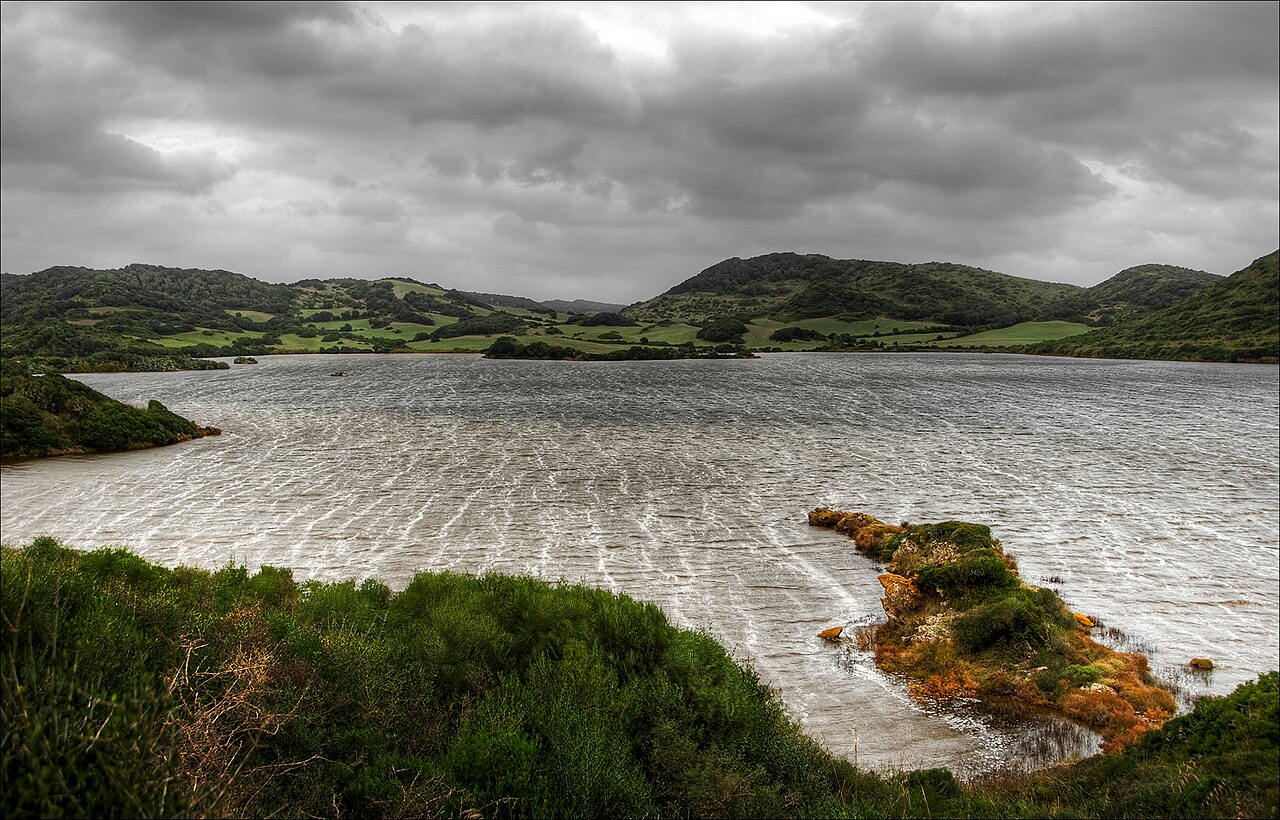
Image Source: Wikimedia Commons
This was one of the most peaceful hikes I found. The landscape shifts to wetlands, lakes, and open grasslands full of birds.
Early mornings here felt silent except for the calls of herons and ducks.
The park has several marked viewpoints. I took frequent breaks just to enjoy the wide panorama or spot wildlife.
The ground can be uneven, so sturdy shoes are a must.
Fornells to Es Mercadal: Panoramic Coastal Wonders
The walk from Fornells to Es Mercadal mixes coastal paths and open countryside. Fornells, with its calm bay, offers panoramic views that are hard to beat, especially in the morning.
Heading inland, the trail climbs gently and gives clear views back over the sea. The green hills around Es Mercadal made this part of the hike feel especially peaceful.
I loved the cool breeze along the cliffs and the wildflowers in late spring. Local cafes in Fornells or Es Mercadal became my favorite rest stops—the cheese and pastries were a perfect reward after a long day.
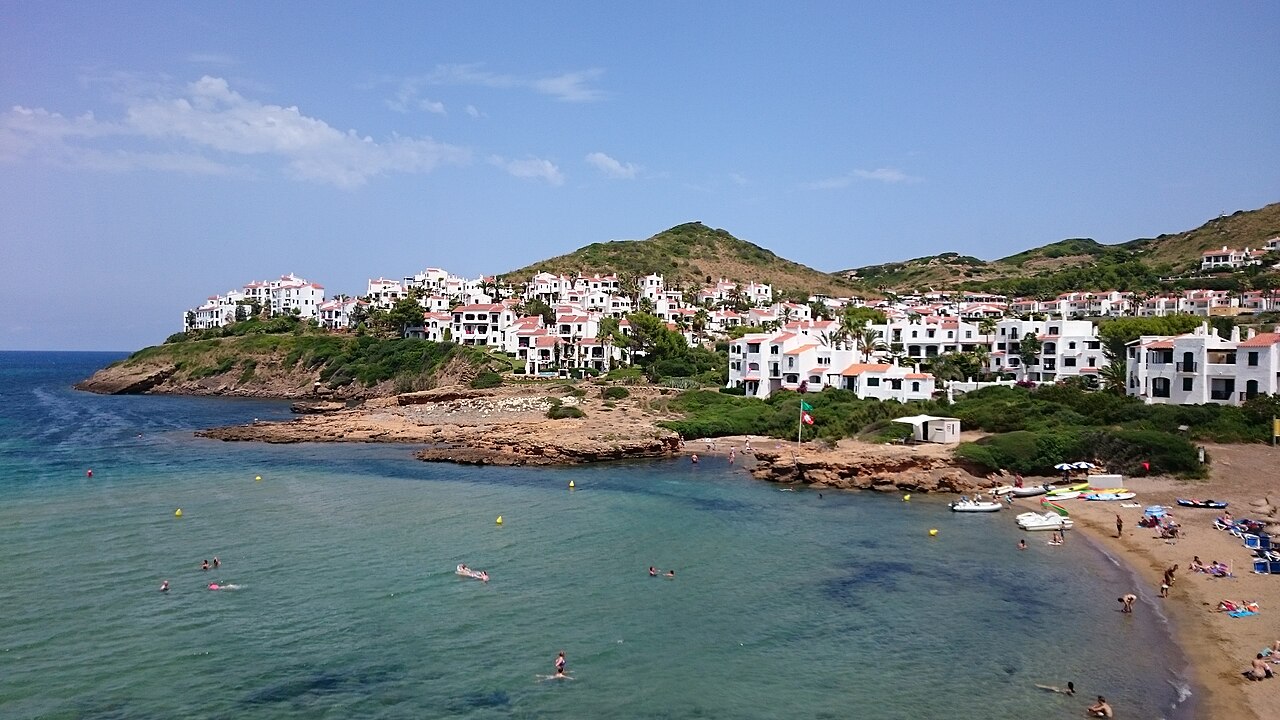
Image Source: Wikimedia Commons
Immersing in Menorca’s Nature and Culture
Menorca surprised me at every turn with bursts of wildlife, echoes of its prehistoric past, and food fresh from the island or sea.
I found myself just as fascinated by local heritage and flavor as by the rugged coastal scenery.
Wildlife Encounters and Bird Watching
Walking the Camí de Cavalls, I often felt like a guest in one of nature’s best-kept secrets. Albufera des Grau Natural Park became a highlight of my trip and stands as Menorca’s largest nature reserve.
Early mornings there were full of birdsong.
I brought binoculars and managed to spot herons, booted eagles, and colorful bee-eaters. The wetlands and lagoons create perfect conditions for seeing many migratory birds, especially during spring and fall.
Some stretches even offered glimpses of wild tortoises moving through the grass or hiding under bushes.
If you slow down, bring a camera, and keep a respectful distance, you’ll get the best wildlife sightings. Patience really pays off.
Ancient Talayots and Menorcan Heritage
Along the path, I kept stumbling onto prehistoric stone towers called talayots. These ancient structures, some over 3,000 years old, look like small, rounded castles built from stacked limestone.
They’re part of Menorca’s unique Talayotic culture, which shaped much of the local landscape.
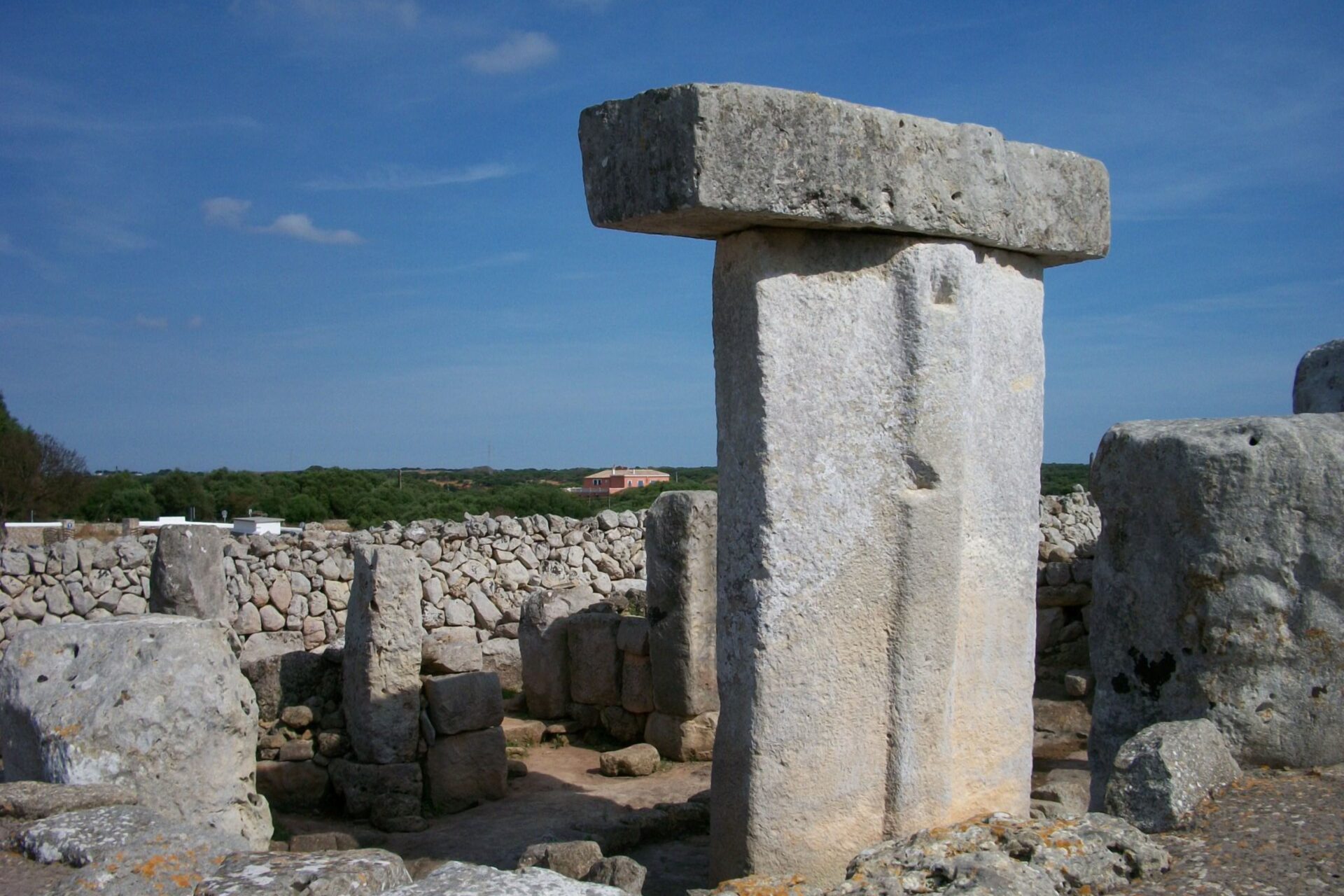
Several talayots sit near the route, especially around places like Torre d’en Galmés and Trepucó.
Information boards made it easier to understand what I was looking at, and sometimes I climbed nearby viewpoints for a better look over these mysterious ruins.
Walking past centuries-old walls added a sense of depth to every step, tying the land’s wild beauty to its long history.
Gastronomy: Paella, Mediterranean Flavours, and Local Food
Hiking worked up a big appetite, and Menorca more than delivered. Traditional paella—often cooked with fresh seafood or local black rice—showed up on almost every menu near coastal villages.
Every meal seemed tied to the island’s sea or countryside.
The Mediterranean influence is everywhere. Lunches often featured olives, tomato bread (pa amb oli), and local Mahon cheese.
I also enjoyed caldereta de langosta, a rich lobster stew, especially after a long day outside.
For a quick break, I’d grab ensaimada pastries from a café—sweet, light, and perfect for recharging. Stopping to eat became a way to connect with Menorca’s traditions as much as the landscapes.
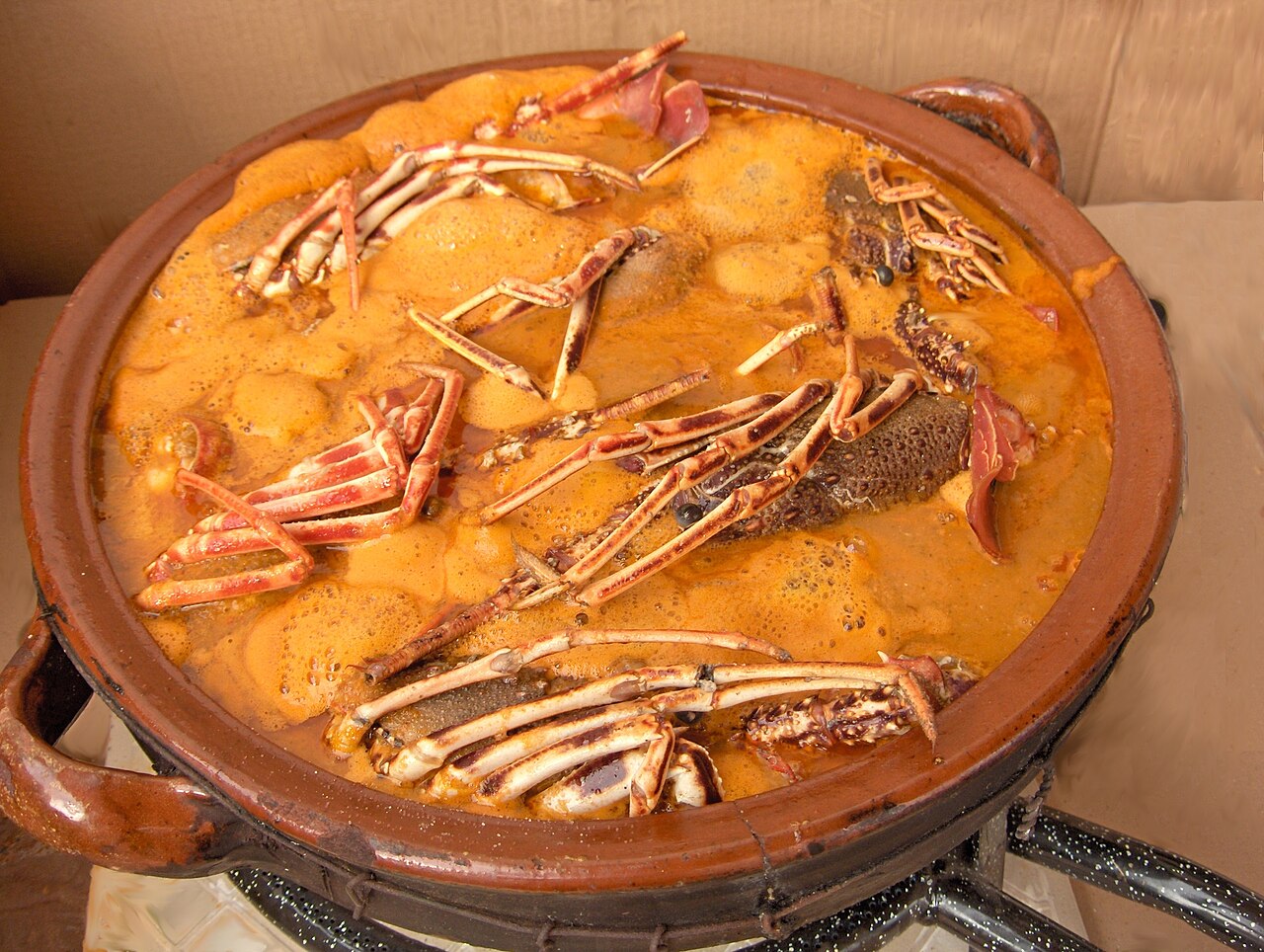
Image Source: Wikimedia Commons
Unforgettable Activities Along the Trail
With every step on the Camí de Cavalls, I found more than just beautiful paths. The route leads to pristine swimming spots, thrilling cycling, and some of the best sunset views I’ve ever seen.
Swimming in Secluded Coves and Turquoise Seas
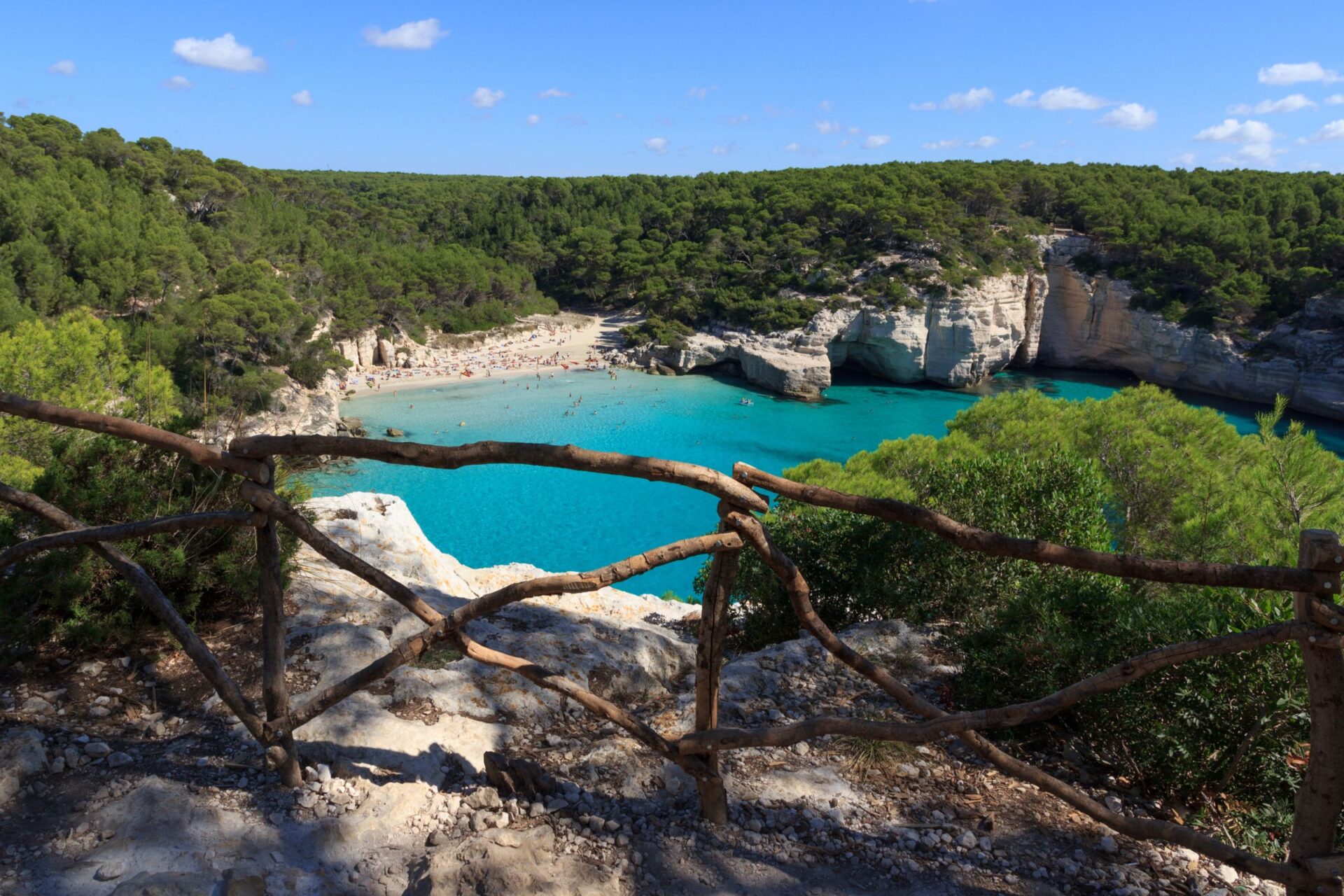
I still remember wading into the crystal-clear water at Cala Macarella. The sea shines a bright turquoise here, framed by rugged cliffs and pine trees.
Many of these small coves, like Cala Mitjana and Cala en Turqueta, are only reachable by foot or bike, which makes each swim feel extra special.
Early mornings are peaceful, with hardly anyone else around. I usually carried a small towel and my swimsuit in my pack.
The gentle waves, soft sand, and warm sun created an ideal break after a few hours on the trail. I always checked the route for nearby beaches to plan a quick dip—it made the trail even more rewarding.
Popular swimming spots along the Camí de Cavalls:
- Cala Macarella
- Cala Galdana
- Cala Turqueta
The water was so clear I could see fish swimming past my toes. Sometimes, I just floated and soaked in the silence.
These quiet moments, surrounded by nature, made me appreciate Menorca’s coastline even more.
Mountain Biking Adventures on the Camí de Cavalls
I noticed that many sections of the Camí de Cavalls work perfectly for mountain biking. The trail winds along dirt paths, up rocky hills, and through shady forests.
With 185 kilometers of trails, there are segments for all experience levels. Mountain biking lets you explore more in less time—I covered two or three hiking stages in a single day.
I rented a mountain bike from a local shop in Ciutadella. Some parts challenged me with steep climbs and rocky ground, but other sections felt like smooth, quick rides through the woods.
My favorite stretch was from Santo Tomás to Cala Galdana, which offered gentle hills and amazing sea views.
Pro tip: Bring enough water and double-check your tires before you begin, since the remote stretches don’t always have shops or repair stations.
Riding along the coast with the salty wind in my face made each kilometer memorable.
Catching Epic Sunsets on the Coast
You really can’t skip watching the sunset if you’re hiking the Camí de Cavalls. I always tried to finish my hikes near the west coast, hoping to catch the sun melting into the Mediterranean. The sky would suddenly explode with oranges, pinks, and purples, and the sea would glow in that last bit of light.
Cap d’Artrutx became my go-to spot for sunsets. I’d toss a snack in my bag and settle on a rocky bluff, listening to the waves and soaking in the changing colors. Sometimes, a few other hikers showed up, but lots of evenings I had the whole view to myself.
Sunset times shift with the seasons, so I got in the habit of checking my map and planning ahead. Here’s a quick list of sunset viewpoints I loved:
- Cap d’Artrutx
- Punta Nati
- Cala Morell
Ending a long day with a sunset just felt right. Those evenings along the coast still pop into my mind all the time.
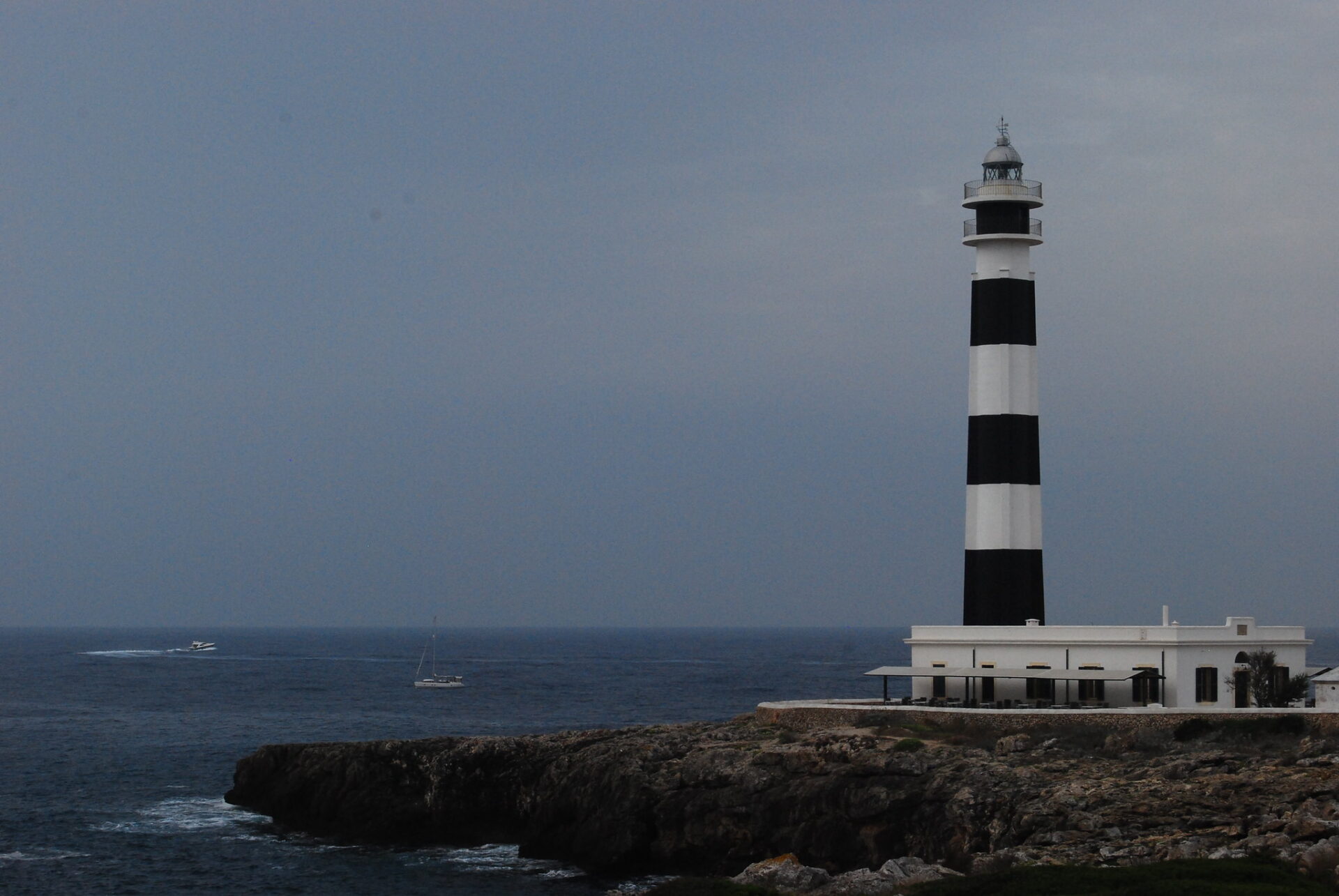
Image Source: Flickr
Essential Information for the First-Time Explorer
When I planned my Camí de Cavalls hike, sorting out travel logistics mattered just as much as picking out decent boots. Figuring out how to get to Menorca, move between its main towns, and reach key spots really made each day easier.
Getting to Menorca: Flights from Mallorca and Ibiza
Getting to Menorca from other Balearic Islands turned out to be way simpler than I expected. I found several daily flights connecting Mallorca and Ibiza to Menorca’s airport near Maó. Most flights lasted about 45 minutes, and prices weren’t bad if I booked early enough.
Here’s what I figured out:
| Route | Flight Duration | Airlines (Common) | Tips |
|---|---|---|---|
| Mallorca → Menorca | ~45 minutes | Air Europa, Vueling | Check morning flights for best prices |
| Ibiza → Menorca | ~50 minutes | Vueling | Fewer options, book early |
I booked online without any hassle, but flights filled up fast in summer. Ferries exist too, but they take hours; honestly, I just wanted to get there quickly and start hiking, so I chose the plane.
Navigating Between Maó and Mahón
Maó and Mahón are actually the same place—just two names thanks to history and language quirks. I kept spotting both on maps and bus schedules, which threw me off at first.
Public buses run from Menorca’s airport to Maó/Mahón’s center every 30 minutes during the day. The ride’s only about 15 minutes. Taxis were around but cost more. I usually took the bus; it was cheap, on time, and gave me a quick look at local life.
Getting around Mahón itself is easy on foot. Most restaurants, shops, and even trail access points are within walking distance. When I needed to reach farther trailheads, I hopped on local buses or called a taxi. Having a translation app on my phone helped, since some schedules only appeared in Catalan or Spanish.

Image Source: Tripadvisor
Tips for Visiting Mahón Harbour and Fort Marlborough
Mahón Harbour really blew me away. The way natural beauty mixes with historic buildings feels almost unreal sometimes.
The waterfront buzzes with life. Cafés, seafood spots, and little shops line the edge, making it a perfect place to catch your breath after a hike.
I couldn’t resist trying caldereta de langosta, the local lobster stew. It’s a must if you’re in town, honestly.
I hopped on a short bus ride south to Fort Marlborough. The fort sits right above the sea, giving you a peek into Menorca’s British past.

Image Source: Tripadvisor
Entry only cost about €3-4, which seemed fair since it included access to the underground tunnels. Those tunnels offered some welcome coolness on a hot afternoon.
Guided tours ran a few times a day, in both English and Spanish. The guides really brought the area’s military history to life.
Don’t forget your camera. The views from Fort Marlborough’s ramparts—wow, they might be my favorite on the whole island.
Walking along the harbor at sunset? It almost felt like stepping into a painting, with that soft light and the sea breeze drifting by.



