
When I’ve had enough of city noise and crowds, I escape to one of South East England’s Areas of Outstanding Natural Beauty. These places draw me in with their dramatic landscapes, quiet trails, and the kind of wildlife you just don’t see in town. Every time I’m out there, I feel my shoulders drop and my pace slow down.
Each AONB in the region has its own vibe. Some are all rolling hills and wide fields, others hide dense woodlands or stretch along the coast. I’ve wandered through quite a few, and honestly, these are the spots I keep coming back to when I need to recharge.
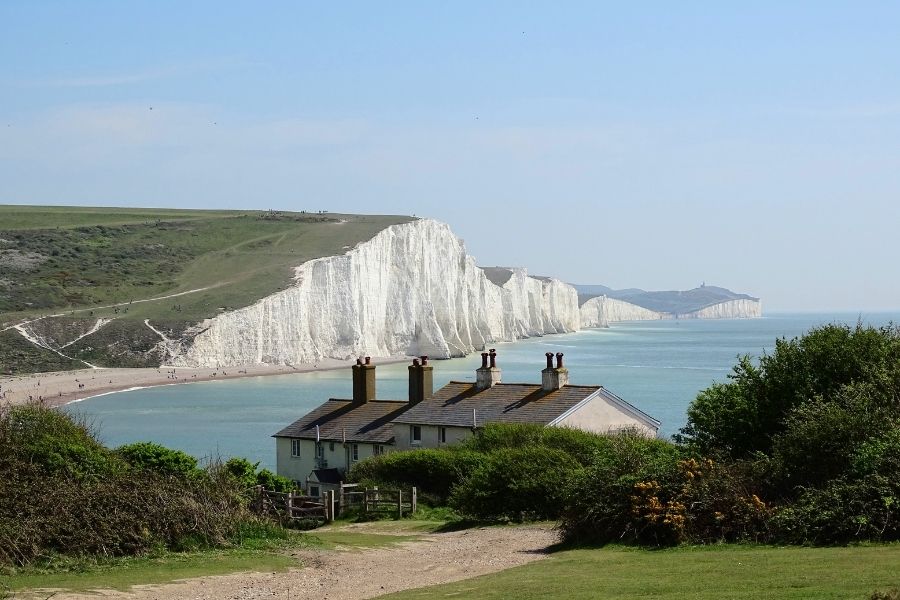
If you’re craving a break from the daily grind, these AONBs are a lifesaver—plus, they’re just a short drive away.
Understanding Areas of Outstanding Natural Beauty in South East England
Areas of Outstanding Natural Beauty (AONBs) are special corners of England set aside for their landscapes, rare wildlife, and cultural stories. In South East England, these places blend breathtaking scenery with a real focus on conservation. You get to enjoy nature, but there’s always a sense that people are looking after it.
History and Purpose of AONB Designation
Back in 1949, the National Parks and Access to the Countryside Act kicked off the AONB idea. The aim? Protect beautiful places that didn’t quite fit the National Park label. I’ve come to appreciate how these areas keep the countryside green and peaceful, away from the sprawl of development.
The Kent Downs and South Downs picked up AONB status to guard their natural character. Natural England decides which places make the cut, checking for standout scenery and wildlife. Local authorities and AONB partnerships also play a role in the process.
AONBs aren’t just about plants and animals. They help local communities hold onto their traditions and history. If an area meets the natural beauty standard, the Secretary of State can give it AONB status.
Key Criteria: Natural Beauty, Landscape, and Cultural Heritage
To become an AONB, a place has to meet some pretty strict standards. The main thing is natural beauty, but it’s not just about looks. They also check landscape quality—think rivers, woods, hills, and how well these features stand out.
Scenic quality is a big deal. Some AONBs feel wild and quiet, even if you’re not far from the city. That sense of wildness and tranquillity is something I really notice when I visit.
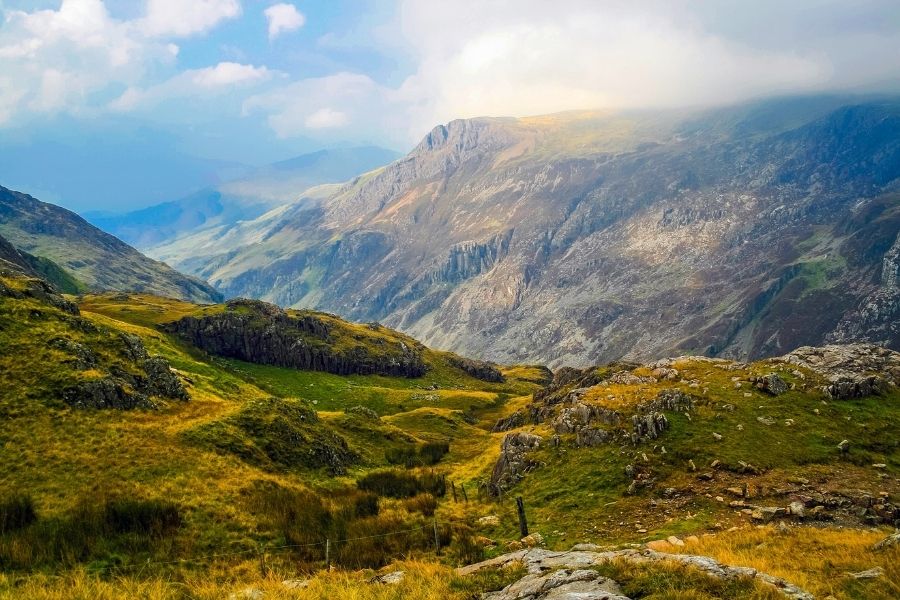
Cultural heritage matters too. You’ll find old villages, ancient monuments, and working farms in these places. They help keep the region’s story alive. All these things come into play when someone wants to build or change the land.
Conservation and Management Practices
People manage AONBs in South East England with a clear plan. Local authorities, Natural England, and AONB partnerships agree on these plans. The main goal is to conserve and enhance both the landscape and wildlife.
Teams regularly check the health of plants and animals. Biodiversity Action Plans help protect rare species and bring back lost habitats. Locals often pitch in, looking after trails or running cultural events.
Whenever someone suggests new development, people look at it closely. The aim isn’t to freeze everything, but to make sure what’s special sticks around. Conservation work here is always a balancing act—people and nature need to thrive together.
Exploring My Favorite AONBs for Peace and Tranquillity
In South East England, I’ve stumbled on places where hills, woods, and beaches come together to create real calm. These spots make it easy to get outside, find quiet trails, and just breathe. The scenery never disappoints.
Kent Downs: Rolling Hills and Chalk Escarpments
The Kent Downs stretch from the White Cliffs of Dover almost all the way to London. Chalk ridges, tiny villages, and big open views shape this landscape. I love the North Downs Way for a walk or cycle—those sweeping countryside views are hard to beat.
Nature reserves here protect rare chalk grassland plants and birds like skylarks and kestrels. Villages such as Wye and Otford feel frozen in time, with classic pubs and small shops.
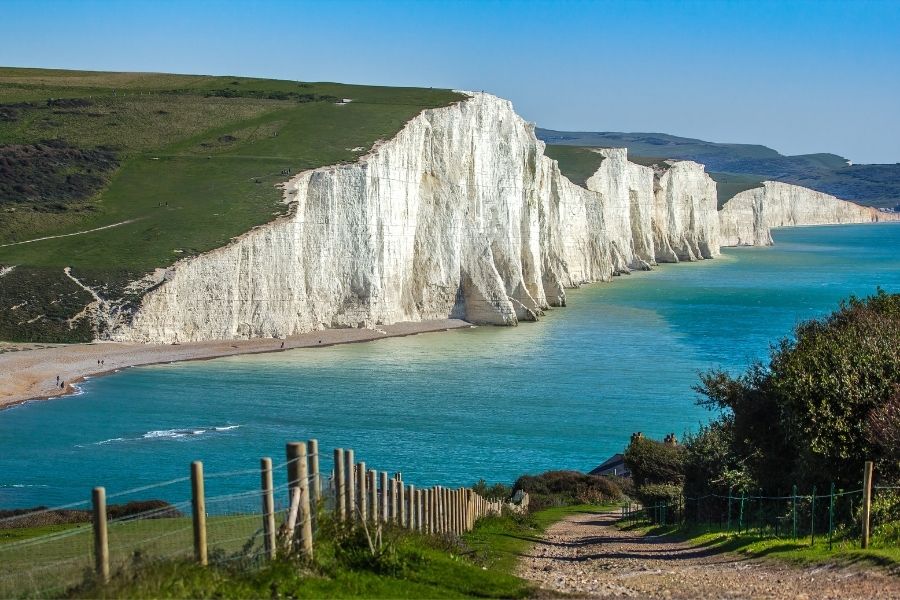
Footpaths and bridleways crisscross the area, so exploring is a breeze. Even on busy weekends, I can duck off the main trail and find my own quiet patch. There’s something about the patchwork fields and woods that makes me slow down and really take it in.
Surrey Hills: Forests, Heathland, and Historic Villages
The Surrey Hills blend thick forests, rolling heathland, and old villages like Shere and Abinger Hammer. Leith Hill and Box Hill offer shady woodland walks and fresh air—a welcome change from the city. Leith Hill is the highest spot around, and on a clear day you can see all the way to London.
Open heathland hides rare birds and butterflies. The mix of pine, oak, and birch woods, fields, and winding lanes gives the place a patchwork feel.
Cycling is big here, especially on the quieter roads. The hush of the woods and trickling streams always helps me unwind. Public access is well managed, so you can enjoy nature without too many crowds.
High Weald: Ancient Woodlands and Hedgerows
High Weald stands out for its ancient woodlands, twisty footpaths, and thick hedgerows full of life. Centuries of farming have shaped the land, so you’ll spot small, uneven fields lined with dense hedges and woods.
Ashdown Forest is perfect for long, aimless wanders. Grazing ponies and open heathland give you space to think. Trails cross streams and meadows, and in the hidden valleys, I sometimes spot deer or hear woodpeckers in the trees.
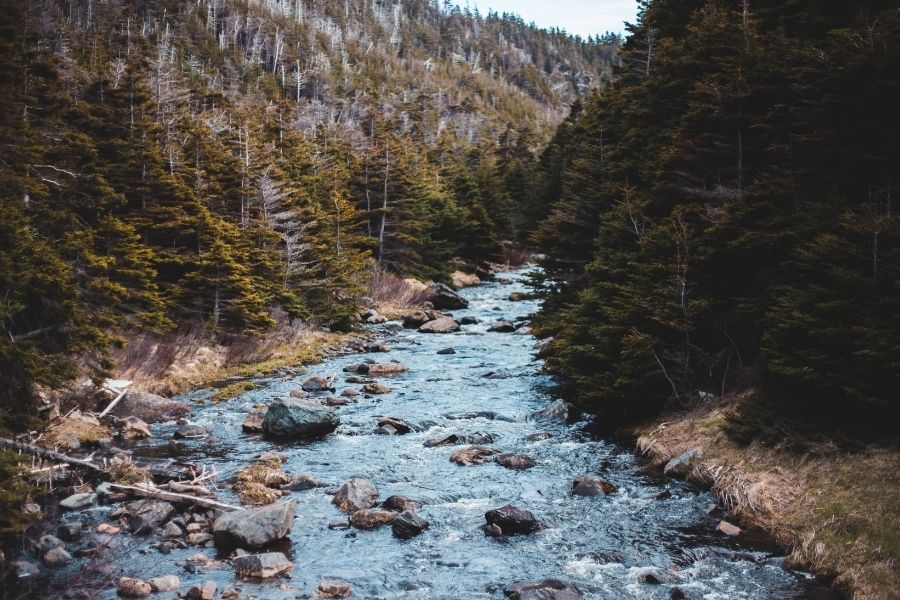
Small villages, nature reserves, and gentle hills make it great for both walking and cycling. Even in summer, I usually find a quiet corner with hardly anyone around.
Suffolk Coast and Heaths: Shingle Beaches and Estuaries
The Suffolk Coast and Heaths AONB follows the River Alde and Orford Ness, stretching from Felixstowe to Lowestoft. Long shingle beaches near Aldeburgh, Dunwich, and Sizewell offer a different kind of peace—it’s mostly just waves and seabirds out there.
Estuaries like the Deben and Ore attract wading birds and the occasional seal. I love wandering the riverbank trails, passing mudflats, salt marshes, and reed beds that change with the tides. Nature reserves like Minsmere are famous for rare birds and quiet spots for watching wildlife.
Footpaths lead through heathland covered in wildflowers in spring and summer. Even when Aldeburgh gets busy, I can always find a pocket of solitude on the beach or in nearby woods. The mix of coast, heath, and wildlife keeps things interesting every time I visit.
Unique Features of South East England’s AONBs
South East England’s AONBs stand out for their variety, deep culture, and protected habitats. Each one offers memorable views, important wildlife, and glimpses of England’s long history.
Nature, Wildlife, and Biodiversity
Every time I visit these AONBs, I’m struck by the range of landscapes—chalk hills in the Chilterns, heathlands in Surrey, lush woods in High Weald. These places shelter all sorts of animals and plants. In summer, I’ve spotted Adonis blue butterflies, and in the heathlands, rare birds like nightjars nest quietly.
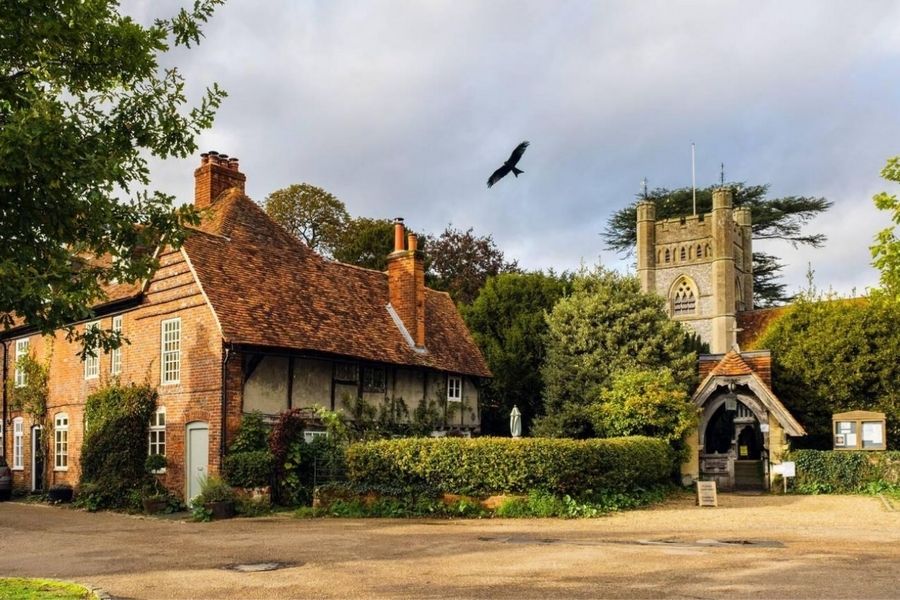
Nature reserves protect habitats for deer, badgers, woodpeckers, and wildflowers. Biodiversity action plans help restore meadows, plant trees, and keep an eye on key species. These efforts make sure the landscapes stay healthy and wild.
Cultural Heritage and Scenic Landscapes
The cultural history in these places always surprises me. Many AONBs have ancient flint churches, thatched cottages, and villages that feel like they’re from another era. In the Chilterns, old beech woods shaped local crafts and traditions.
The scenery changes with the seasons, but it’s always striking. Rolling hills, open fields, and winding lanes give each area its own rhythm. In the South Downs, chalk escarpments and valleys create those classic English views. Historic trails and stone bridges add to the sense of stepping back in time.
Sites of Special Scientific Interest
Several AONBs in South East England include Sites of Special Scientific Interest (SSSIs) that protect rare habitats. These sites often hold chalk grasslands, ancient woods, or wetlands with unique plants and animals. I’ve found orchids in Kent Downs SSSIs and spotted rare fungi in the South Downs.
Researchers and conservationists focus on these sites, managing and monitoring them to prevent damage from development or invasive species. Many SSSIs welcome visitors, so you can see rare wildlife and learn about conservation up close.
Reconnecting With Nature: Activities and Access in AONBs
South East England’s AONBs give you loads of ways to get outside. Thanks to the Countryside and Rights of Way Act 2000 (CROW Act), public access is protected. I find it easy to walk, cycle, or just sit by the water and unwind.
Walking and Hiking Trails
Walking is hands-down the best way to soak up an AONB. Well-marked trails wind through woods, chalk hills, and open fields.
The Ridgeway National Trail in the Chilterns AONB is a favorite of mine. Some paths wander through quiet villages with cozy pubs, while others take you right into wildlife-rich areas.
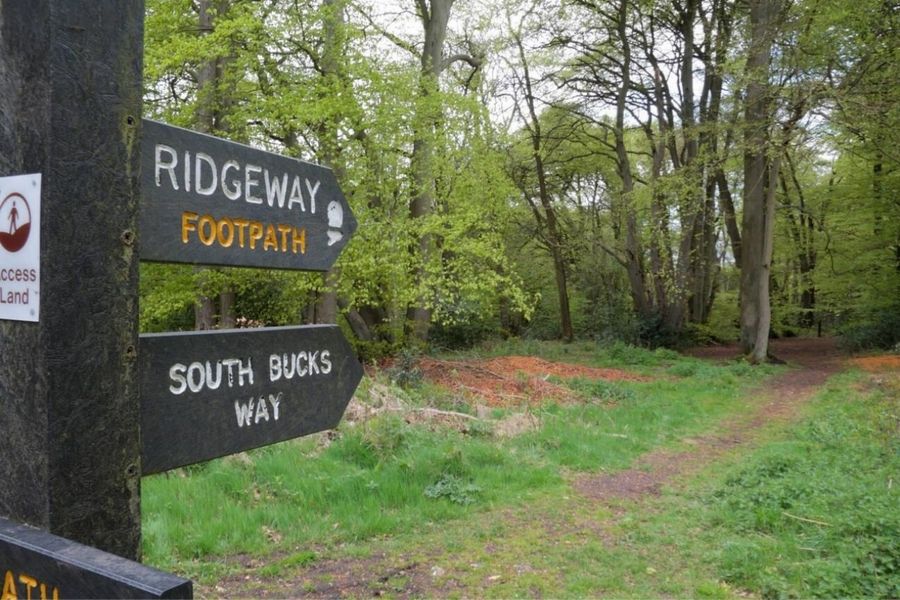
Most routes are clearly signposted. I see walkers of all ages out there. Many paths stay open year-round, though some get muddy—so sturdy boots are a good idea. Local maps and info boards help me pick anything from a quick stroll to a full-day hike.
Cycling Routes Through Peaceful Landscapes
Cycling in an AONB feels safe and scenic. Quiet lanes snake through hills and farmland, far from city traffic. Surrey Hills and Kent Downs have some of the best cycling I’ve found.
Popular cycling spots:
- Surrey Hills AONB: Box Hill loop, Leith Hill climbs
- Kent Downs AONB: Pilgrims Cycle Trail, Canterbury to Dover
Hard-surfaced bridleways and gentle gravel paths work for most bikes. I often see families and solo cyclists out enjoying the countryside. Cycle tracks connect villages, so it’s easy to plan a ride with stops for coffee or a snack.
I always check if a route is shared with walkers or horses. Maps and apps help me find official cycle paths and steer clear of steep hills or busy roads.
Beaches, Estuaries, and Outdoor Adventure
South East AONBs have dramatic coastlines, wide estuaries, and quiet coves. I love exploring the chalk cliffs and shingle beaches in East Sussex’s High Weald, or the hidden shores near Seaford in the South Downs.
Estuaries like Chichester Harbour AONB are great for birdwatching, kayaking, or a gentle boat ride. I sometimes hunt for fossils or poke around tidal pools on quieter stretches.
Access is usually easy, with clear signs, parking, and paths to the water. Some places have guided activities like paddleboarding or sailing lessons. Local visitor centers often rent out gear or give tips on tide times and safety.
Ongoing Conservation, Enhancement, and Future of AONBs
AONBs in South East England stay beautiful thanks to careful management and a focus on both nature and people. Local authorities, partnerships, and national groups all pitch in to keep these places thriving.
Management and Community Partnerships
AONB partnerships really drive the protection of these landscapes. Local councils, landowners, and Natural England work together to set up management plans that last five years. These plans guide how to care for the land, wildlife, and public access.
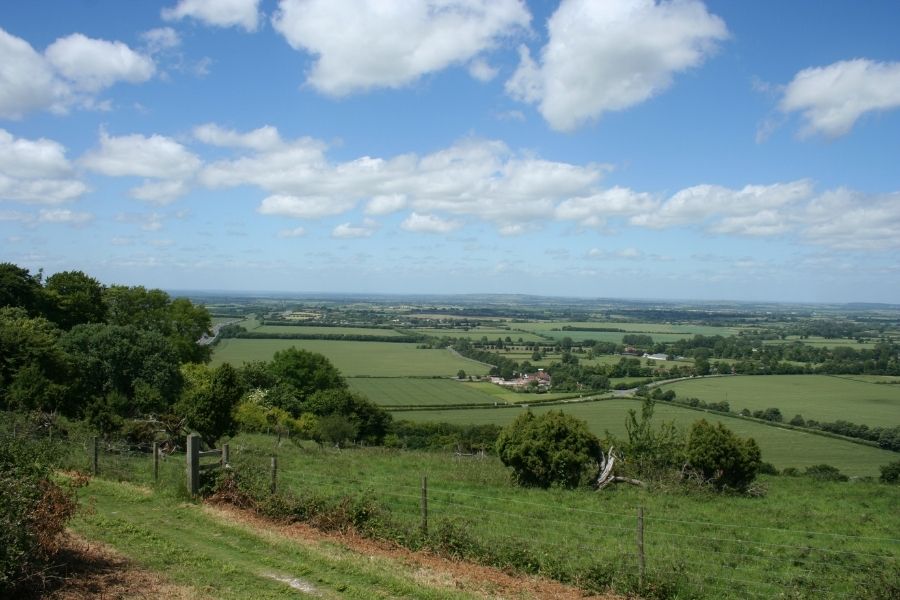
Partnerships involve local communities through education, volunteering, and open meetings. Farmers and small businesses often join projects to restore habitats or support green tourism. Community opinions matter before any big changes happen. I like how this shared approach keeps decisions rooted in what locals want and what nature needs.
Balancing Conservation With Responsible Tourism
Tourism in AONBs matters a lot, but honestly, it needs some thoughtful planning. When too many folks show up, plants get trampled, litter piles up, and wildlife just wants some peace.
Conservation groups and local authorities step in and set some ground rules to protect these landscapes. You’ll spot signs, dedicated walking paths, and those information boards nudging you to stick to the marked trails and respect the wild.
I’ve seen some places get creative—like placing car parks farther from delicate areas to keep traffic and noise down. At the visitor centers, friendly staff usually share tips on low-impact walking or cycling, which I always appreciate.
You’ll even find handy lists about what’s cool and what’s not, such as:
- Do respect fences and gates
- Do not light fires or leave rubbish
- Stay on marked paths
Little things like these really do help everyone enjoy AONBs without leaving a mess behind. It’s all about keeping the land healthy, not just for us, but for the next bunch of curious wanderers too.
Emerging Proposals and Monitoring
Every so often, new designation proposals pop up to expand or create fresh AONBs. Natural England takes a close look, checking if these areas hit the right marks. They actually talk to the public, landowners, and local authority groups to gather opinions.
Any change here goes through a pretty lengthy review and feedback process. It’s not quick, but I guess that’s what helps keep things fair and thorough.
To figure out if conservation goals are working, folks usually set up a monitoring plan. They track wildlife numbers, keep an eye on plant growth, and look at how development proposals might shake things up.
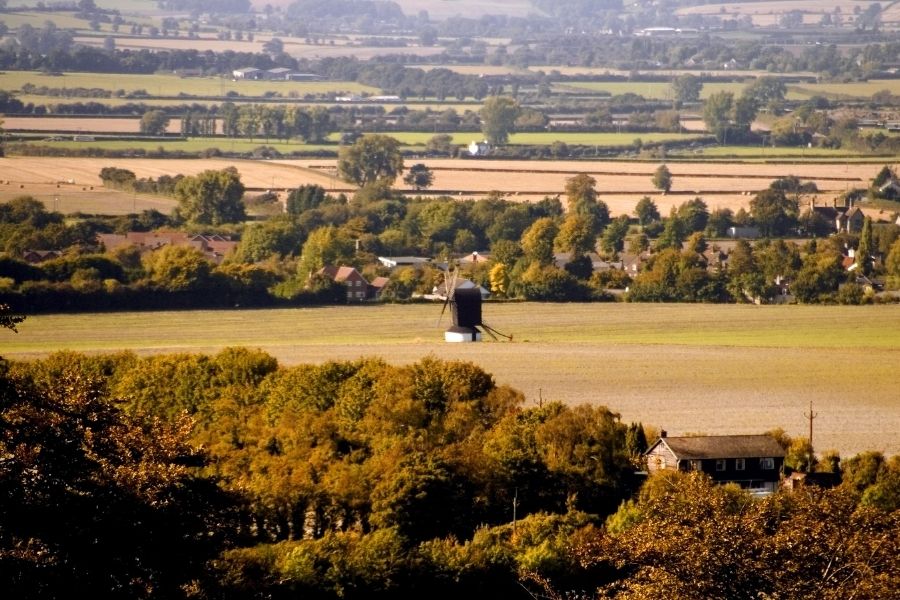
Everyone involved gets the reports. If something’s off, they tweak the management plans.
This whole system of proposals and constant check-ins helps AONBs roll with whatever comes their way. I find it reassuring—these landscapes aren’t just left to chance. There’s a real effort to keep them protected and thriving, even as times change.
