
A new year always feels like the right moment to escape the noise and heat. More folks are skipping the crowded beach scene for cool-cations—trips where the weather stays refreshingly cool, the crowds thin out, and the vibe is all about calm.
Cool-cations really do let you break away from those record-high temps and packed tourist spots. You get space to breathe, relax, and explore at your own speed.
I’ve noticed more and more travelers craving real experiences in places where they can actually hear the wind in the trees or the splash of a waterfall. Honestly, after a few summers battling the heat and crowds in Europe or North America, who wouldn’t want something different?
Kicking off 2026 somewhere peaceful and cool can totally reset your mind and body. Whether you’re after mountain hikes, quiet seaside towns, or off-season city adventures, these destinations offer what busy vacation spots just can’t.
Let’s dive into seven places where you’ll find cool weather and the peace you’ve been craving.
Key Takeaways
- Cool-cations mix comfy temps and fewer crowds for a way more relaxing trip.
- Going during shoulder seasons or winter brings better local connections and cheaper prices.
- Cooler climates open up hiking, wildlife, and cultural experiences—without melting in the heat.
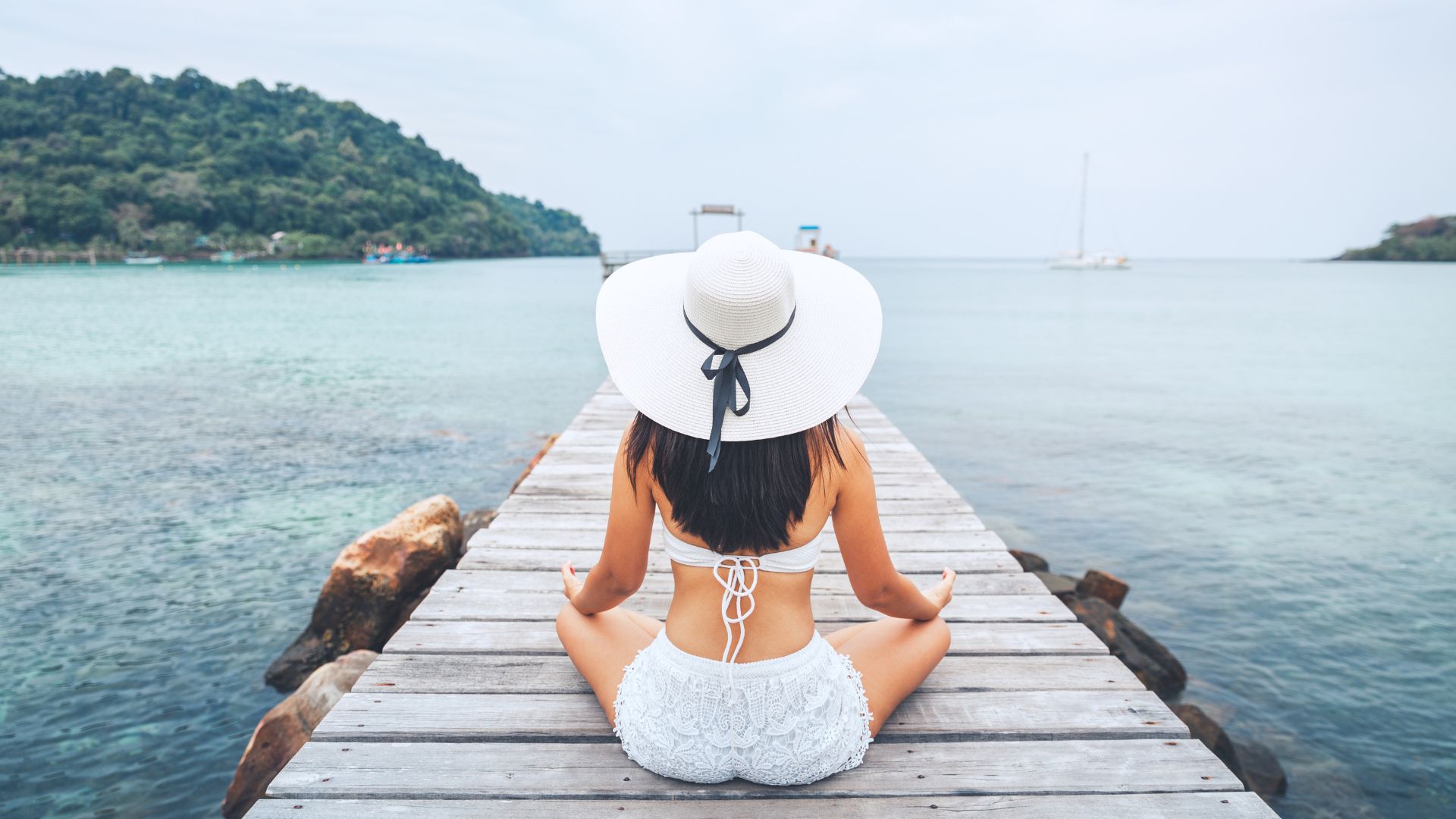
Why Choose a Cool-cation for 2026?
More travelers are ditching hot, crowded beaches for comfort and a bit of breathing room. Cool-cations offer space and unique experiences in places where the weather actually feels good.
The Rise of Cool-cations
Cool-cations started as a small trend, but now they’re changing how people travel. I’ve seen more travelers picking Norway’s fjords or Scotland’s highlands over the usual beach resorts.
This shift really took off after a few brutal heat waves made summer vacations unbearable in the usual hotspots. Switzerland and Canada now see way more visitors during their old “off” seasons. Iceland attracts tourists year-round, not just in summer.
People want to hike, sightsee, and explore without sweating through their clothes or elbowing through crowds.
Escaping Fewer Crowds and High Temperatures
Beach towns get slammed in peak season. Cooler destinations? It’s a whole different story.
I’ve booked last-minute stays, skipped lines at popular sites, and just enjoyed a slower pace. It feels like a secret.
As global temps keep rising, those classic summer spots just seem less and less appealing. Heat waves have made a lot of travelers rethink their plans.
Cool-cation spots stay pleasant, even in summer—think mid-70s or cooler.
Why cool-cations win:
- Way fewer tourists
- Weather that’s actually comfortable
- Cheaper flights and hotels
- Real local experiences, not tourist traps
Benefits of Cool-weather Destinations
Cooler climates mean you can do stuff that would be miserable in the heat. Glacier walks, hot springs, cozy cabins, and trails that would be torture in August suddenly sound amazing.
The food is different too—think hearty, warming meals. And hey, off-season prices mean you can splurge on a nicer place or stay a bit longer.
Traveling to less-popular spots helps with sustainability, too. You’re not just another face in the crowd. You’re actually helping local economies during their quieter months.
Planning Your Peaceful Escape: Key Considerations
Planning a cool-cation isn’t quite like booking a typical summer trip. I pay close attention to timing, pack plenty of layers, and scout out places that naturally avoid big crowds.
Best Time to Visit Cool Destinations
For me, January through March is prime cool-cation season. Most tourists stay away, so I get the best spots to myself.
In Norway and Iceland, January and February bring the fewest visitors. Temps hover between 25-35°F, which scares off the casual crowd.
I love exploring fjords and waterfalls without fighting for parking or that perfect photo.
Scotland’s off-season runs from November to March. Edinburgh and the Highlands become way more affordable—hotels drop by 30-40%. Weather usually sits around 35-45°F, with a bit of rain.
Canada’s mountains pull in the ski crowd, but I skip the resorts. Cities like Vancouver or the coast of British Columbia stay around 40°F, and things quiet down after New Year’s.
Packing for Comfort in Cool Climates
Layers are everything. Cool destinations love to throw you a weather curveball.
I start with thermal underwear and moisture-wicking shirts, then add a fleece or wool mid-layer.
Here’s what I always bring:
- Waterproof jacket with a hood
- Insulated boots with solid grip
- Wool socks (at least three pairs)
- Warm gloves and a thermal hat
- Scarf or neck gaiter
- Rain pants for soggy days
A small daypack fits my extra layers. Temps can swing twenty degrees in a day, so flexibility matters. I go for quick-dry fabrics since laundry can be a pain in remote spots.

Selecting Tranquil Locations
I check population density and how easy it is to get there before I book. Remote doesn’t always mean impossible to reach, but you want a balance.
Finnish Lapland is about as quiet as it gets—sometimes just two people per square kilometer. I stay in tiny villages, not big tourist towns.
Iceland’s Westfjords see 95% fewer visitors than the Golden Circle. That’s my kind of place.
I avoid anywhere near big cruise ports or during major festivals. Local event calendars and school holidays are worth a look. Small towns under 5,000 people usually give you the peaceful vibe without sacrificing basics like groceries or medical care.
Top 7 Quiet Cool-cations for a Calm 2026 Getaway
Looking for cool temps and peaceful scenery? These seven spots deliver. Each one brings natural beauty and outdoor adventures—minus the crowds.
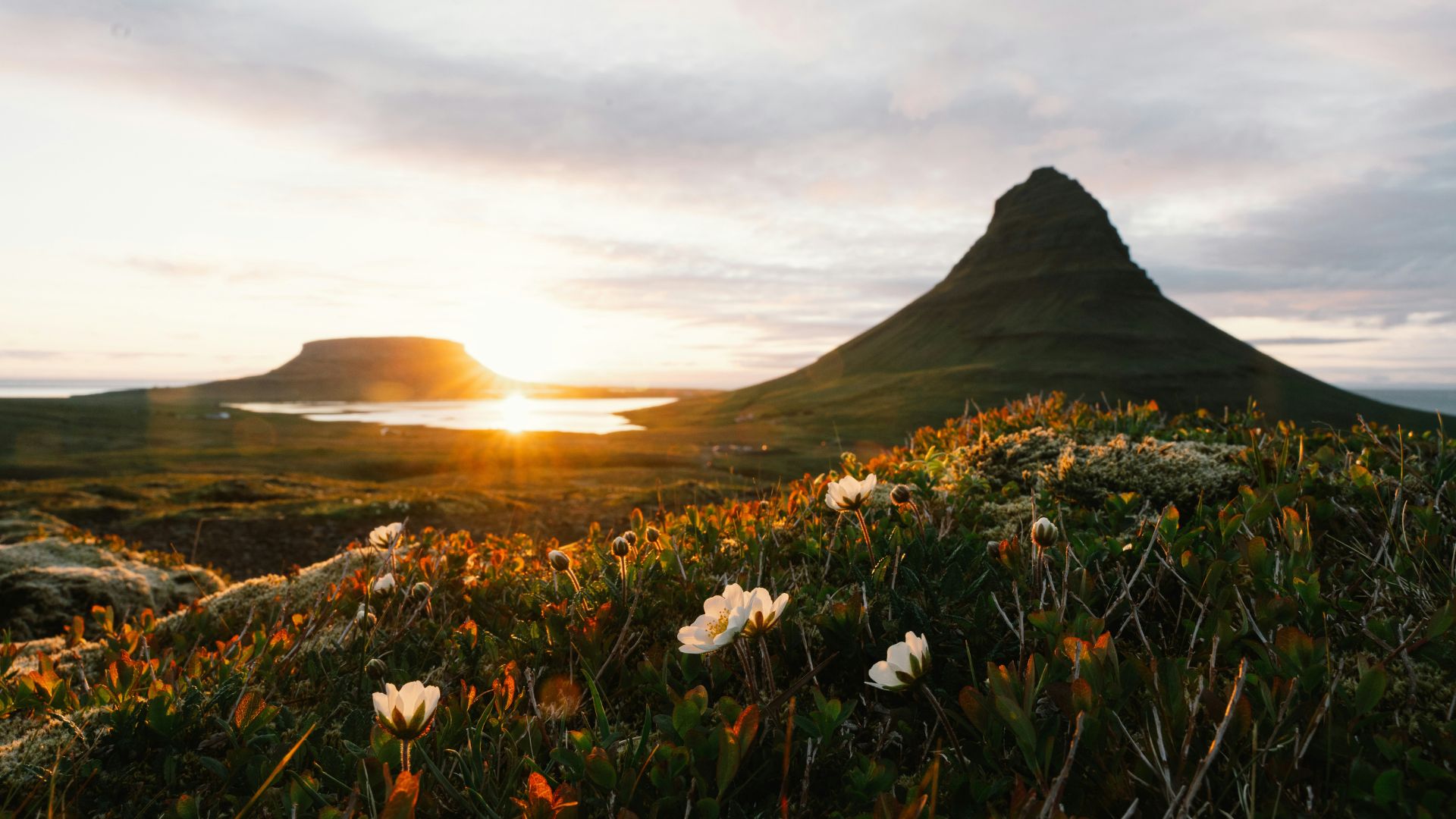
Iceland: Midnight Sun and Waterfalls
Iceland’s summer brings the midnight sun—nearly 24 hours of daylight. You can explore for ages and never feel rushed.
The country’s packed with waterfalls. Sure, Seljalandsfoss and Skógafoss are famous, but Gljúfrabúi is a quieter gem. Glacial melt keeps the water cold year-round.
Summer temperatures hover between 50 and 60°F. You’ll want a light jacket, even in July. The cooler weather means smaller crowds, and you can hike volcanic trails or soak in geothermal pools without waiting in line.
Norway: Fjords and Majestic Landscapes
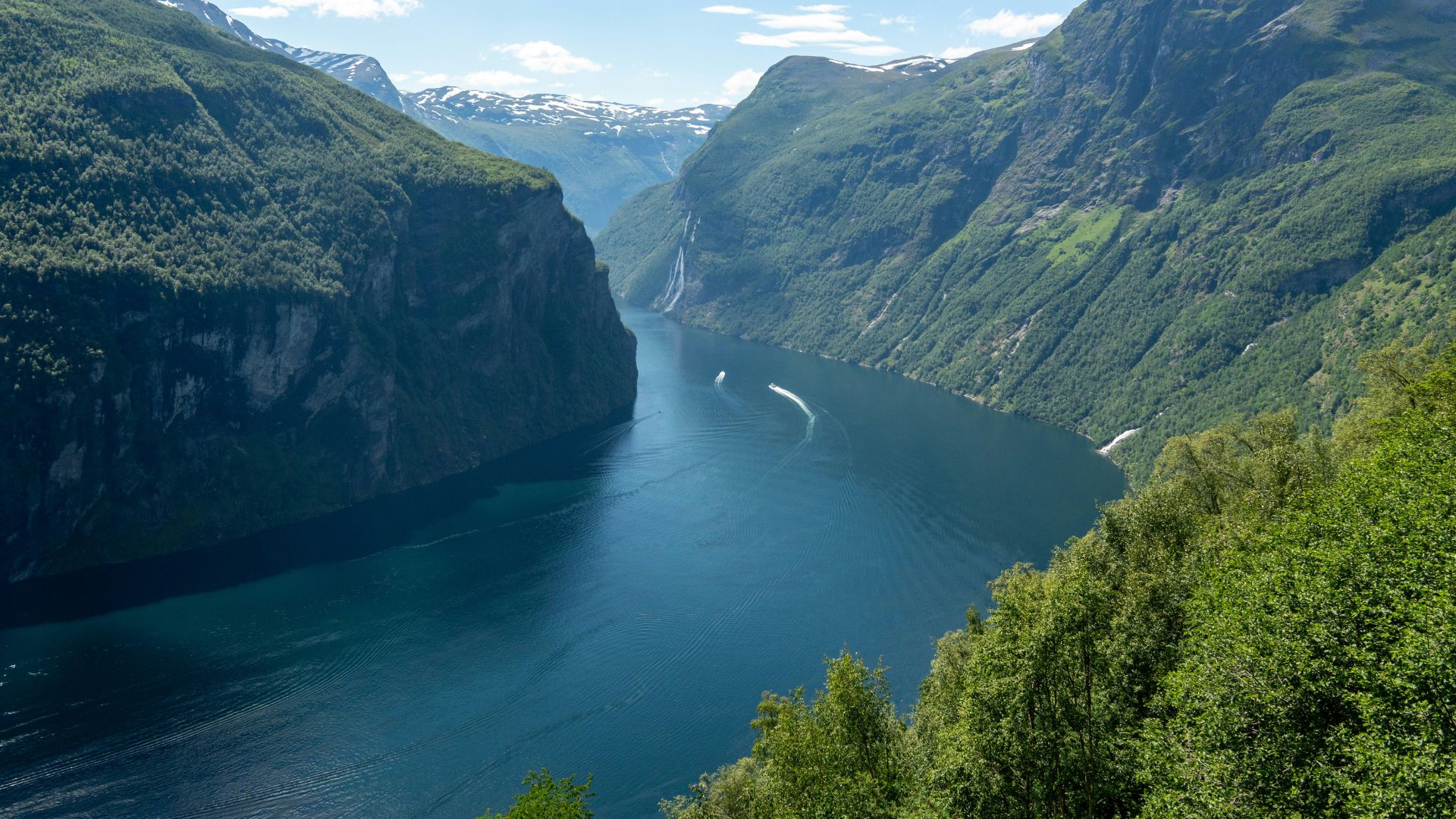
Norway’s fjords are these deep, glacier-carved valleys that run from the coast into the mountains. The cliffs shoot up straight from the water—pretty jaw-dropping.
Geirangerfjord and Nærøyfjord are both UNESCO sites. I’ve found May through September is the sweet spot for mild weather and easy access.
Water stays chilly, but air temps hit the 60s in summer. You can cruise the fjords or hike up above for a different view. Small villages along the way serve up local food and cozy places to stay.
Some mountains still have glaciers, and you can actually go for a guided walk on the ice.
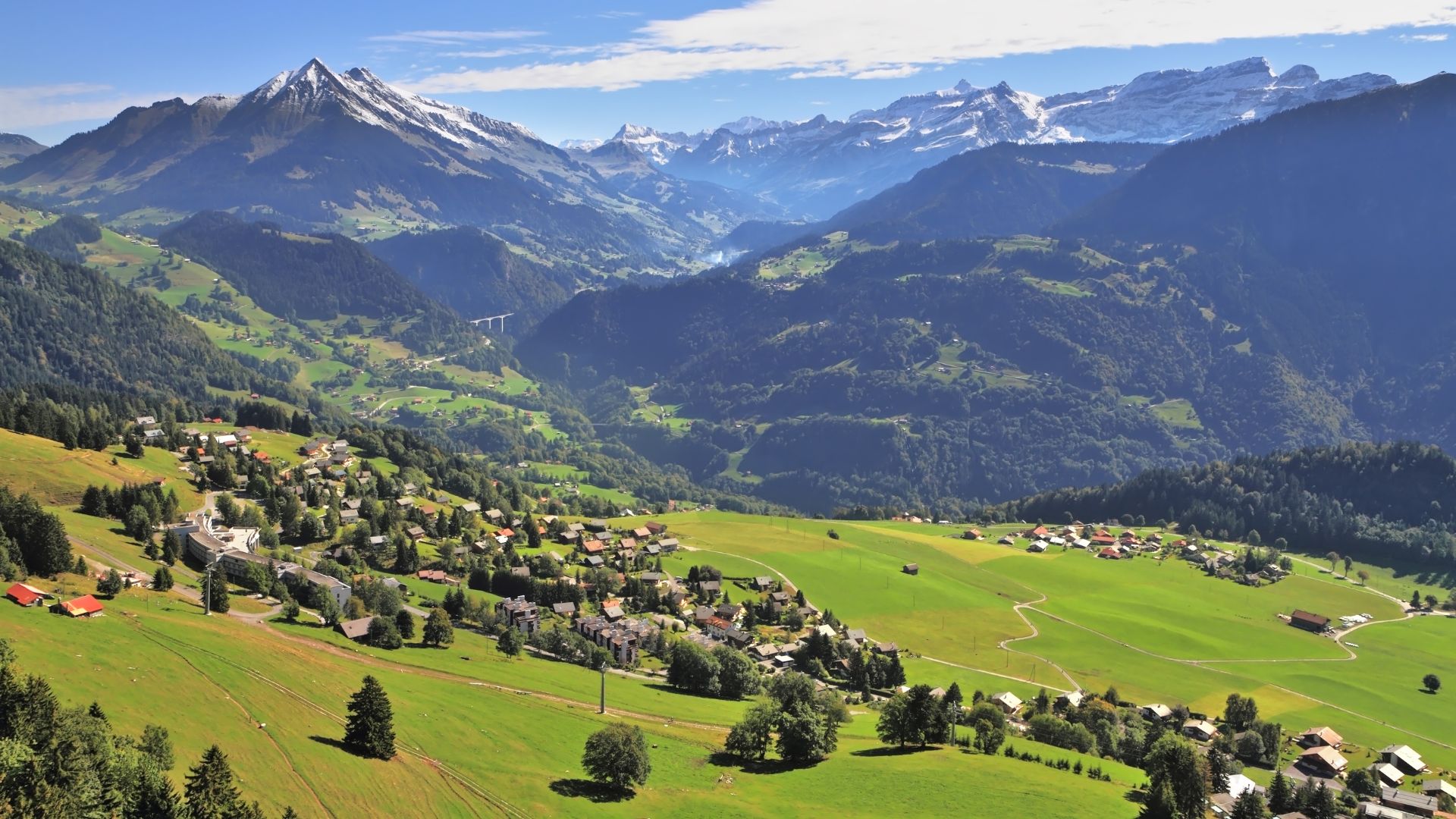
Switzerland: Scenic Trains and Swiss Alps
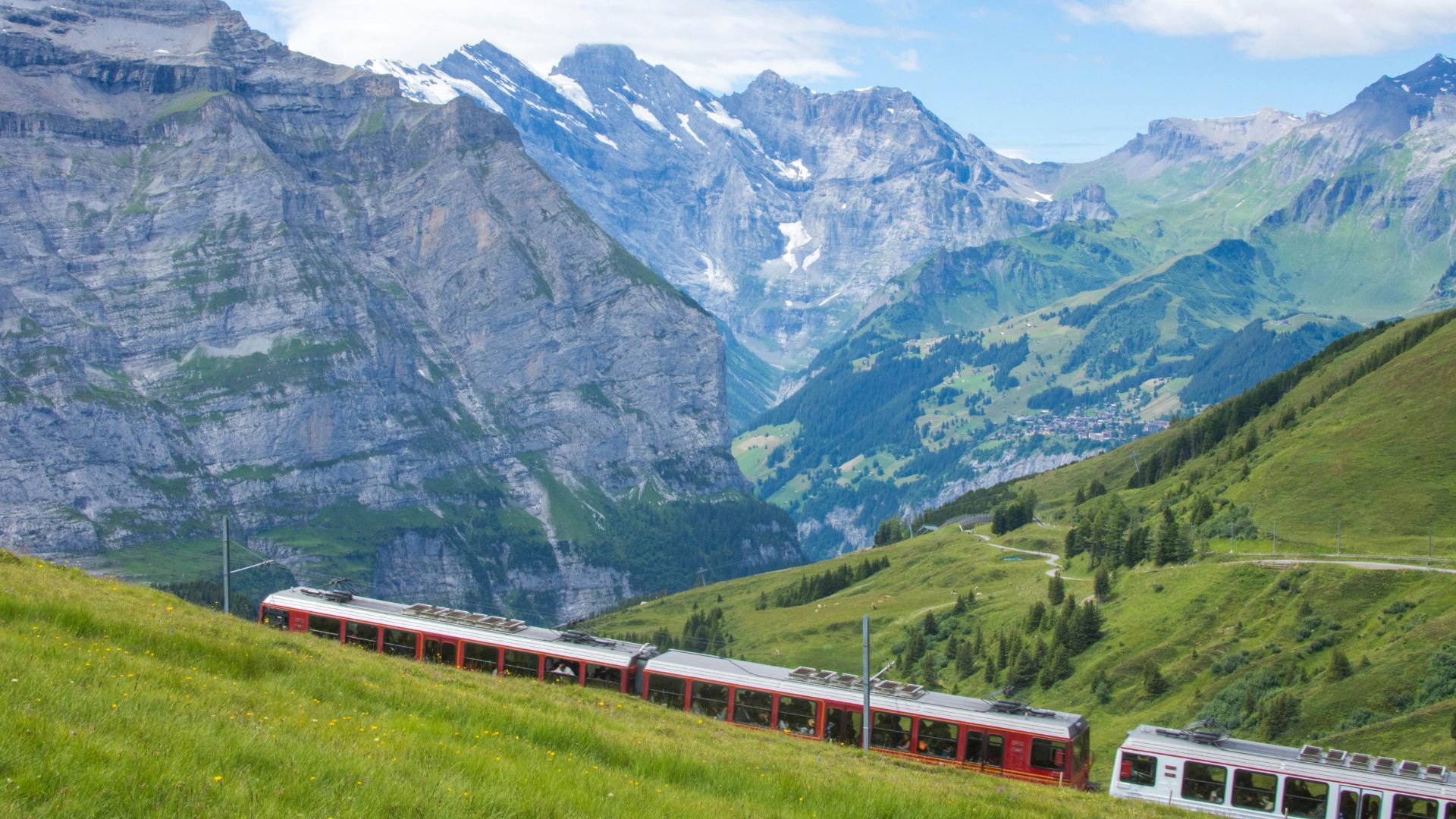
Switzerland’s trains connect mountain villages and cities on some of the most scenic routes I’ve ever seen.
The Glacier Express and Bernina Express wind through alpine meadows, past lakes and peaks. Summer brings temps between 60 and 70°F in the valleys, cooler up in the hills.
Switzerland works for families and couples who want a mix of nature and culture. Mornings might mean a hike around a crystal lake, afternoons wandering a small city.
You can even sign up for chocolate or cheese-making classes. Cable cars take you up to easy trails with massive views.
Canada: Lakes and the Great Bear Rainforest
Banff and Lake Louise are classic, but those turquoise lakes never get old. Glacial flour gives the water that unreal color.
The Great Bear Rainforest in British Columbia is one of the last big coastal rainforests left. You might spot bears, wolves, or even whales if you’re lucky.
Summer temps stay between 55 and 70°F. June or early September are my pick—fewer people but still good weather.
Kayak the lakes, hike forest trails, or take a boat tour to see marine life. The cool air means you can stay out all day without overheating.
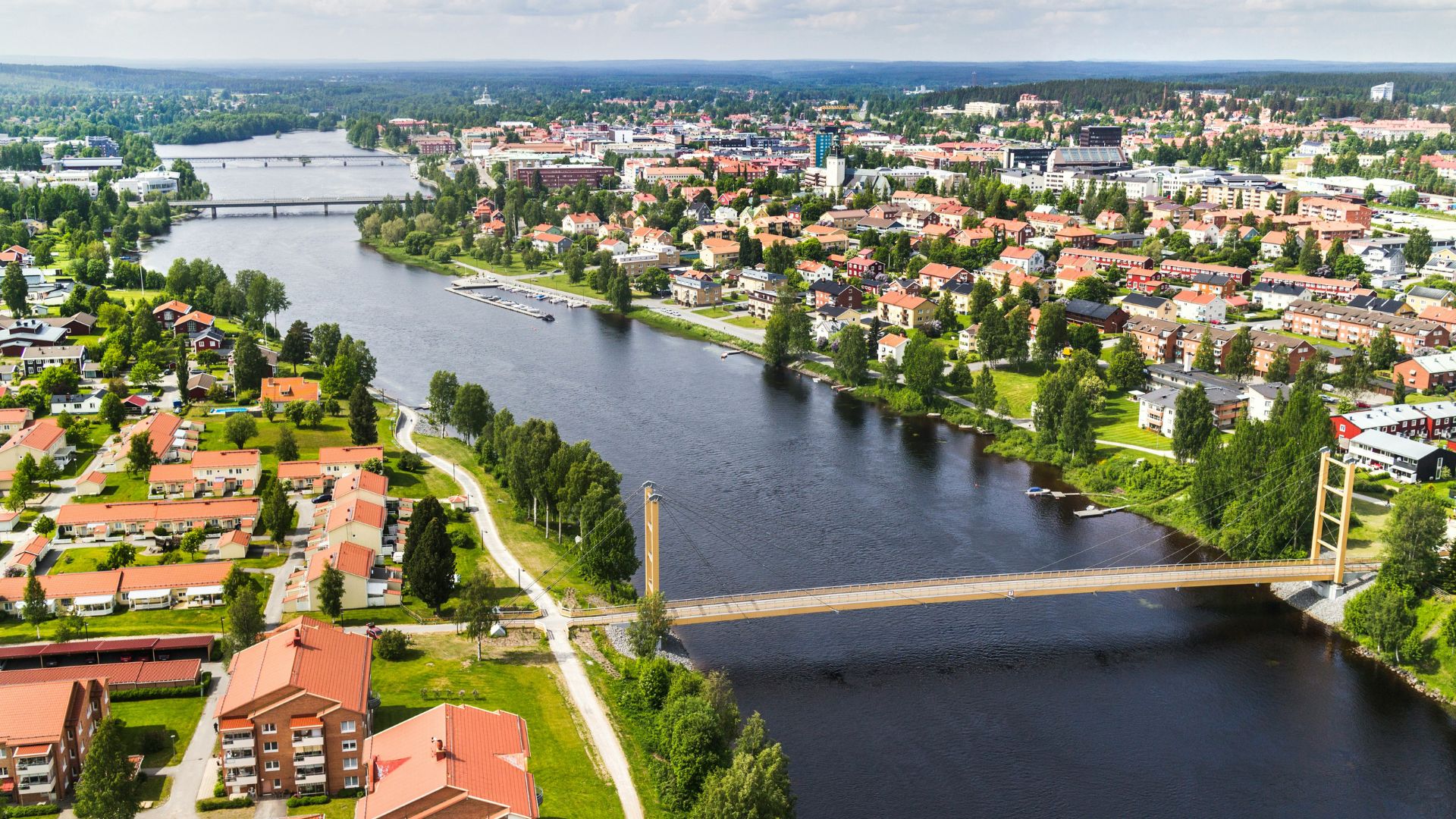
Swedish Lapland: Arctic Circle Silence
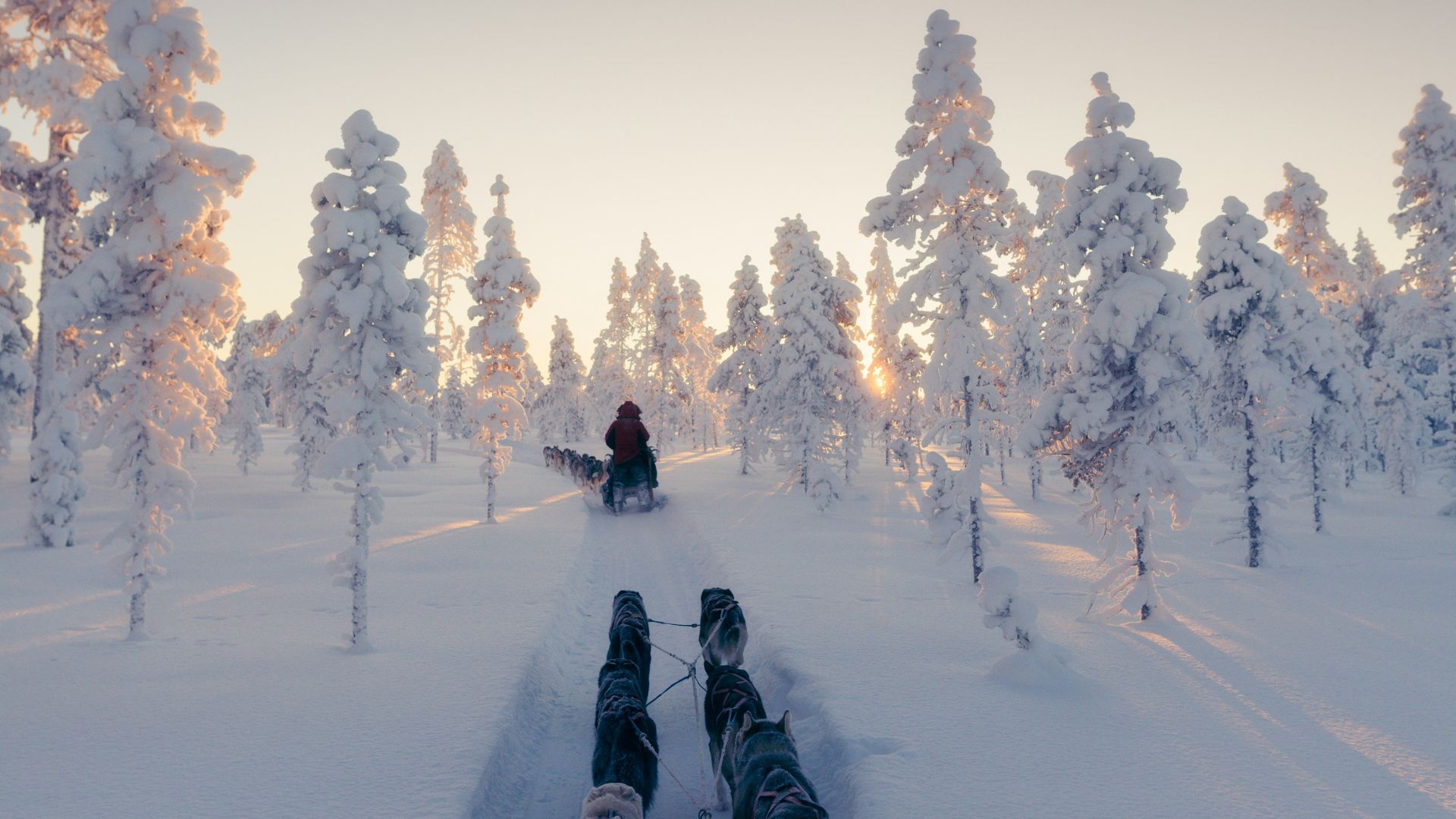
Swedish Lapland sits way up above the Arctic Circle. Summer brings the midnight sun; winter is all about the northern lights.
This place is wild and empty—you might see more reindeer than people. Summer temps average 50 to 60°F, just right for hiking or fishing.
I suggest staying in a Sami camp or an eco-lodge. Try dogsledding in winter or canoeing in summer. The silence here is deep—no cars, no city noise, just nature.
Scotland: Highland Serenity
The Scottish Highlands spread across the north, filled with mountains, lochs, and moors. Summer temps stay between 55 and 65°F, with a good chance of rain.
May and September are my favorite times to visit. The weather’s a bit kinder and the crowds thin out.
The Isle of Skye has dramatic cliffs and fairy pools—perfect for a chilly swim. Highland trails wind past ancient castles and through valleys where you might spot deer or eagles.
Villages serve up local whisky and fresh seafood. The land feels wild, but roads make it easy to get around.
Italy: Hidden Lakes and the Dolomites
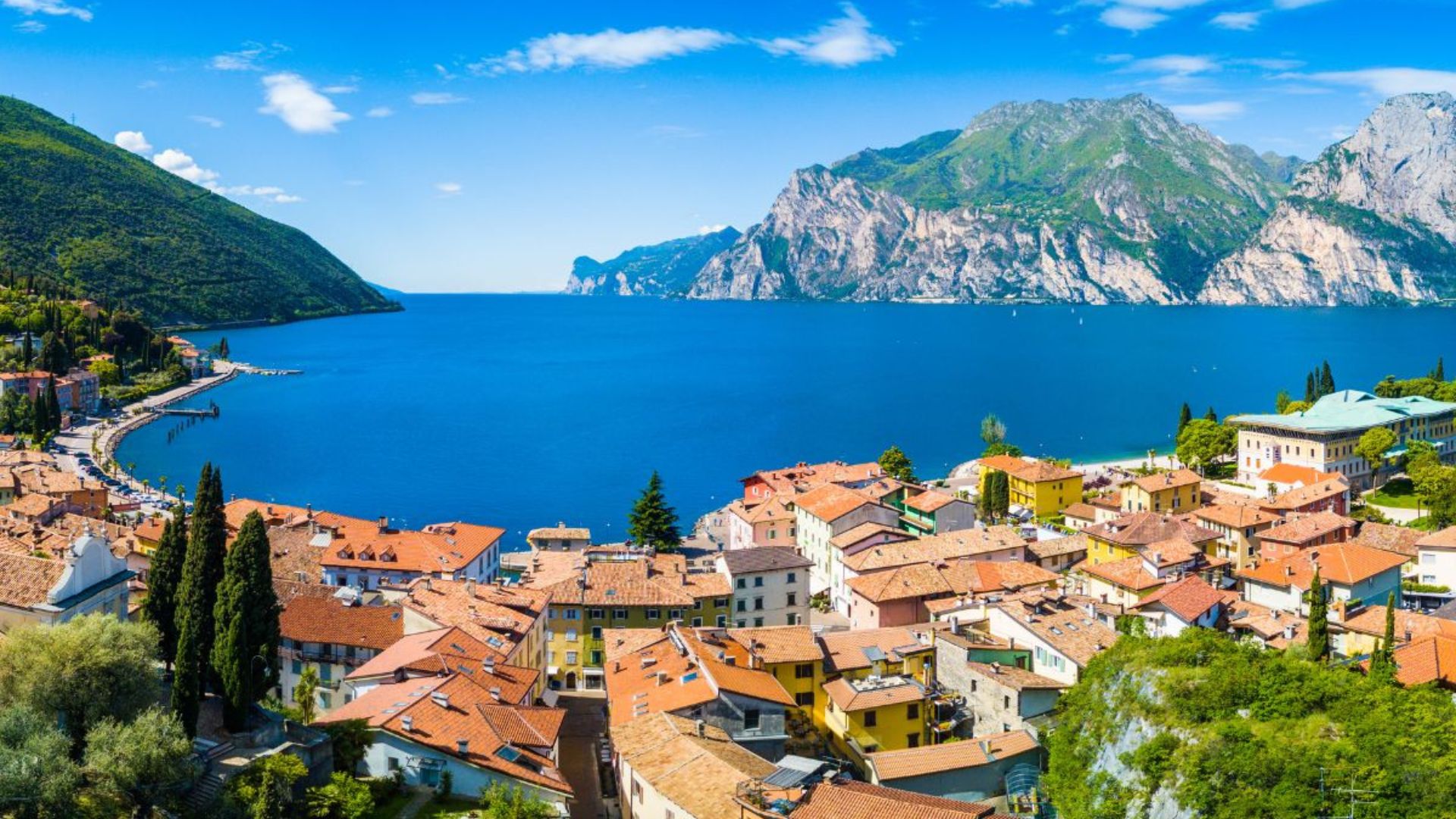
Lake Garda sits in northern Italy and keeps a lower profile than Lake Como. The water’s clean, and little towns dot the shore with great spots to eat and shop.
The Dolomites are all jagged limestone peaks and scenic trails. Summer temps range from 65 to 75°F in the valleys.
I love staying in mountain huts—rifugios—for that real alpine feel. You can hike between them, eat home-cooked Italian meals, and skip the crowds you’d find on the coast.
Via ferratas let you climb higher using fixed cables and ladders. It’s safe and the views are wild.
Peaceful Outdoor Activities to Embrace
Cool-cation spots open up a world of outdoor activities where calm comes first. Whether you’re wandering a quiet trail or gliding across glassy water, these experiences help you connect with nature—on your own terms.
Hiking Quiet Trails
Cooler places offer some of the most peaceful hikes I’ve ever done. Scotland’s coastal paths around Ayrshire wind through forests and along cliffs—no crowds, just you and the view.
In Swedish Lapland, the trails cut through birch forests. Sometimes, I walk for hours without seeing another soul.
The Great Bear Rainforest in British Columbia has miles of pristine trails. You’ll pass waterfalls and ancient trees, with temps staying comfortable even in summer.
If you start early, you’ll get the quietest experience. Most trails here are pretty gentle, so you don’t need to be a hardcore hiker.
Kayaking in Tranquil Waters
There’s something about paddling through calm waters that just resets your brain. Lakes and sheltered coasts in these regions are especially peaceful, especially in the morning.
Swedish Lapland’s rivers offer glassy, beginner-friendly paddling. The Lule River drifts through quiet forests where you can go at your own pace.
Scotland’s sea lochs give you views of castles and wildlife from the water. Lake Constance in Germany is another favorite, with its alpine backdrop.
The water stays cool and clear all summer. Don’t forget a waterproof jacket—weather can change fast out there.
Wildlife Watching and Natural Wonders
Cooler regions just seem to attract wildlife that prefers to avoid the usual tourist chaos. I’ve had some of the most genuine animal encounters in places where crowds rarely gather at the same lookout.
British Columbia’s coast? It’s wild. Bears, eagles, and whales often appear if you’re patient—especially during the salmon runs, when bears wade right into the rivers to fish. In Scotland’s Hebrides, seals and seabirds rule the coastline, and you can watch them from a boat or quiet coastal path.
Glaciers in these cool spots always blow me away. Iceland’s ice formations are surprisingly accessible—no need to be a pro climber. If you’re lucky enough to make it to the Arctic, you might spot polar bears, but you’ll want a guide for that one. Safety first, right?
Snowshoeing and Winter Sports
Winter doesn’t have to mean staying inside. Snowshoeing is my go-to for exploring snowy landscapes without dealing with packed ski resorts.
Swedish Lapland’s flat terrain makes it a dream for beginners. Renting gear is easy, and there are plenty of marked trails. It’s a solid workout and gives you access to frozen waterfalls and forests blanketed in snow.
Canada takes it up a notch—some lodges offer nighttime snowshoe walks under clear skies. The effort keeps you warm, and everything feels so still and meditative when the snow muffles all sound.
Experiencing Local Culture in Quiet Destinations
Visiting cooler places in the off-season opens doors to local traditions and regional food. There’s just more space to connect—no crowds getting in the way.
Sustainable Stays and Responsible Travel
Cool-cations and sustainable travel go hand in hand, at least in my experience. Smaller crowds mean less strain on the environment, and many regions make eco-friendly choices a priority.
In Swedish Lapland, I’ve stayed at eco-lodges powered by renewables and run in partnership with Indigenous Sami communities. These places often include smoke saunas and meals made from local ingredients. You’ll learn about reindeer herding and Arctic conservation right from the people living it.
Switzerland’s mountain villages take sustainability seriously. Family-run hotels often use geothermal heating and solar panels. Visiting in the shoulder season also helps keep your impact low, since you’re not adding stress to local resources.
Sustainable travel tips I actually use:
- Book locally owned lodges or B&Bs
- Use trains or buses where possible
- Look for community-based tours
- Eat what’s in season and local
Unique Regional Traditions
Quiet destinations let you witness real life, not just tourist shows. Locals seem more open to sharing their stories when you’re not just another face in a crowd.
In Norwegian fjord towns, I’ve visited family farms and learned about traditional fish preservation. Small groups mean you get to chat with artisans, not just watch from a distance.
Scotland and Ireland in May or September? Perfect for music in village pubs, sheep farm visits, and even trying your hand at wool dyeing. It all feels authentic—nothing staged.
Cuisine and Local Wellness
Comfort food just tastes better when it’s chilly outside. Cooler regions serve up hearty, warming dishes that stick with you.
Switzerland’s cheese-making classes with Alpine farmers are a highlight. Fondue and raclette hit differently in the cool air.
Nordic countries have this wild tradition: ice swimming followed by sauna. Sounds intense, but it’s a wellness staple up there. You’ll also find fresh berries and fish caught by local hands.
In France’s Loire Valley, spring means wine tastings in tiny family vineyards. The cool weather makes biking between wineries a breeze, and you get to soak in the region’s farming traditions without the summer rush.
Frequently Asked Questions
Planning a cool-cation isn’t quite like booking a beach trip. Here are a few things I’ve learned that might help you find your own peaceful escape.
Scotland’s Ayrshire region is a hidden gem, especially near the coast. The weather stays mild, and hardly anyone else seems to know about it.
Swedish Lapland, especially around Harads, offers floating cabins on quiet rivers. There’s hardly any tourist traffic, and the long daylight hours make it feel endless.
British Columbia’s Great Bear Rainforest only lets you in by floatplane or helicopter, so it stays quiet by default. I’d go for lodges with fewer than ten cabins for the ultimate peace.
Cornwall’s Roseland Peninsula in England is another favorite. Family-run country house hotels nestled in Areas of Outstanding Natural Beauty offer a slower pace and classic service.
I usually start by looking for places with natural barriers—spots you can only reach by private boat, floatplane, or a long drive from the nearest airport. That alone filters out most crowds.
Small hotels or lodges are key. I aim for places with fewer than 25 rooms, since they just can’t host big groups.
I also check booking stats for regions with a noticeable drop in visitors. You’d be surprised how many gorgeous places are overlooked.
Traveling in the shoulder season or early winter is a game-changer. January to March is usually the quietest for most cool destinations.
I always book directly with small properties. That way, I can ask about guest numbers and request the quietest rooms.
Flying into regional airports helps avoid the big-city hassle. I usually add an extra day to my itinerary, just in case weather delays pop up at remote spots.
Skipping school holidays and big festivals is a must. I double-check both local and departure calendars before setting my dates.
Staying put for three nights or more in one place lets me actually unwind. Short trips to remote areas often end up feeling rushed.
Lake Constance in Germany offers stunning Alpine views and mild temps in early 2026. Wellness hotels here keep guest lists small and vibes peaceful.
Iceland in January or February is a personal favorite. It’s cold, sure, but the darkness makes it feel extra calm, and the northern lights are a bonus.
Scotland’s western isles hold steady at 40-50°F in early spring. Private boat trips to monasteries and distilleries mean you can explore at your own pace.
Norwegian fjord villages stay quiet in winter, and boutique hotels in fishing communities make it feel like you’ve stepped back in time.
I start planning six to nine months out if I want the quietest rooms. Small lodges with under 20 rooms fill up fast, even if the area isn’t busy overall.
Properties that require longer stays tend to attract guests who want to relax, not just check off sights. I look for places with a three-night minimum or more.
I pay attention to the location—if a hotel is right on a popular day-trip route, it might get busy midday. I prefer spots that require an overnight to reach.
Reading recent guest reviews is a must. If I see multiple complaints about noise or big groups, I move on. Even the prettiest retreat isn’t worth it if you can’t get some peace.
Castle estates with fewer than 25 rooms? Those are a dream for anyone craving peace. You get all the amenities, but the real magic is in the privacy—private gardens and deep forests keep the outside world at bay.
Floating cabin hotels on rivers are another gem. Since they’re built right on the water, there’s only so much space—so you’ll never find crowds here, no matter the season.
Wilderness lodges that you can only reach by chartered aircraft? Now that’s true escape. I always hunt for places with strict guest limits and rules against day visitors. It’s just you, the wild, and maybe a handful of fellow adventurers.
Family-owned country house hotels have a special charm. They usually say no to big group bookings, which means it’s quieter and feels more personal—way better than the big chains, in my opinion.
If you want real privacy for an extended stay, medical resorts with residential-style suites might surprise you. They keep guest numbers low and design everything so you barely cross paths with anyone else.
