
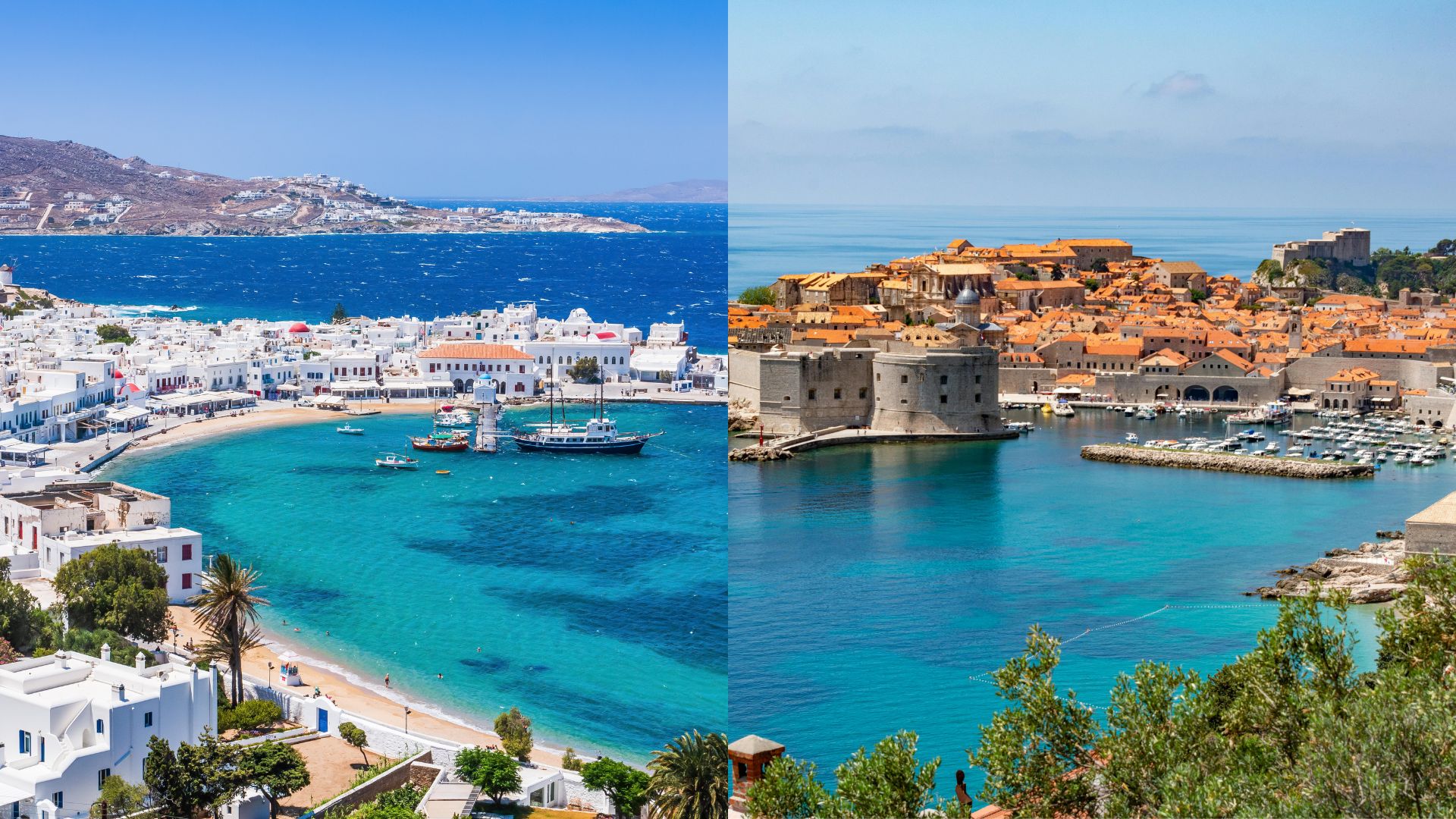
Greece and Croatia pop up constantly on lists of top Mediterranean summer escapes. Both promise gorgeous coastlines, fascinating history, and food that’ll have you reaching for seconds. But honestly, they feel pretty different once you’re there.
So, how do you pick? Is it ancient ruins and world-famous islands that call your name, or do you crave quieter coastal towns and a bit more value for your money? Let’s break down the big differences—beaches, history, costs, crowds, food, and a few other essentials—so you can figure out which spot fits your summer vibe.
1) Historic Sites: Greece’s ancient ruins or Croatia’s UNESCO coastal towns?
Greece and Croatia both overflow with history, but the flavor is totally different.
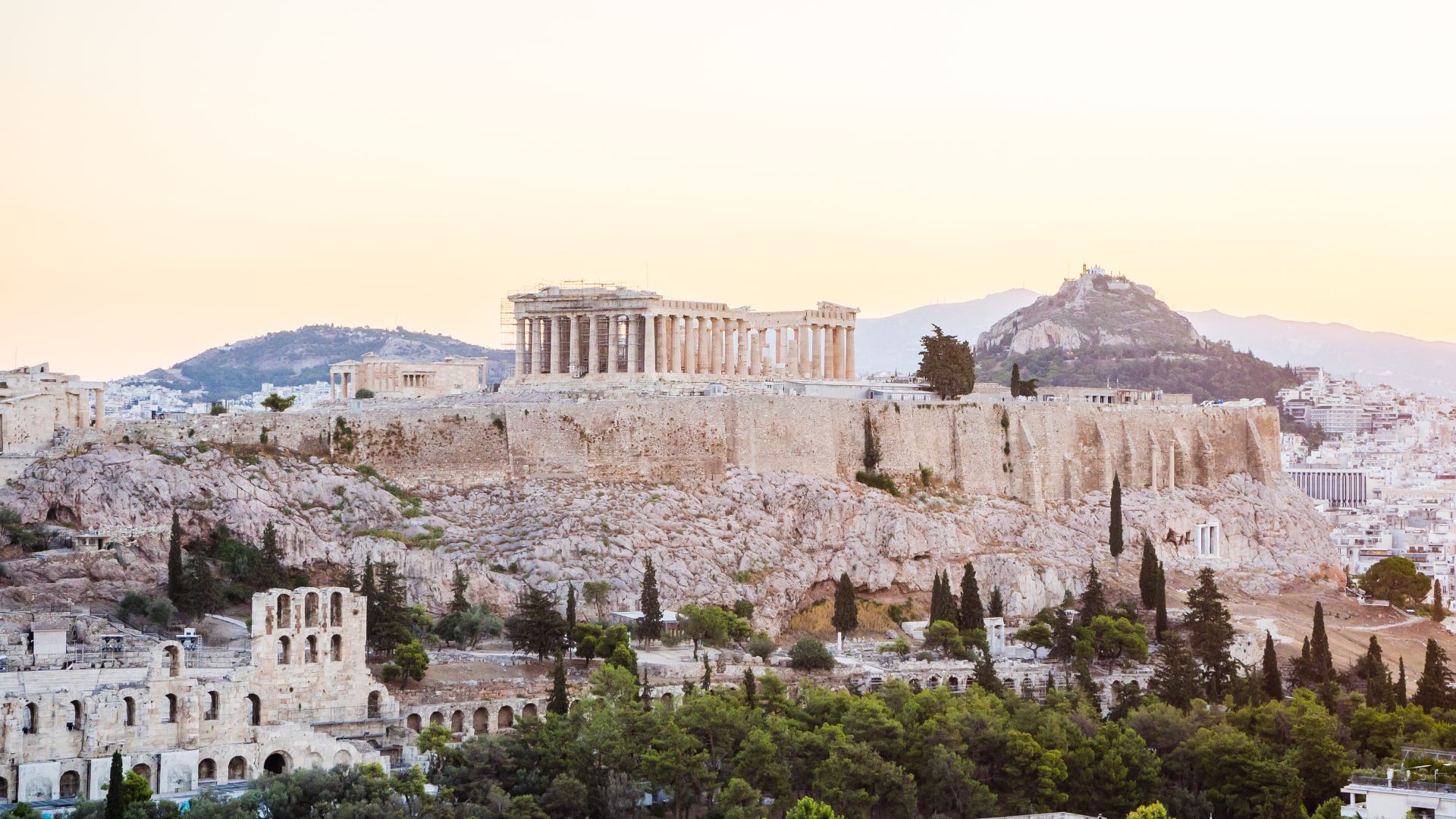
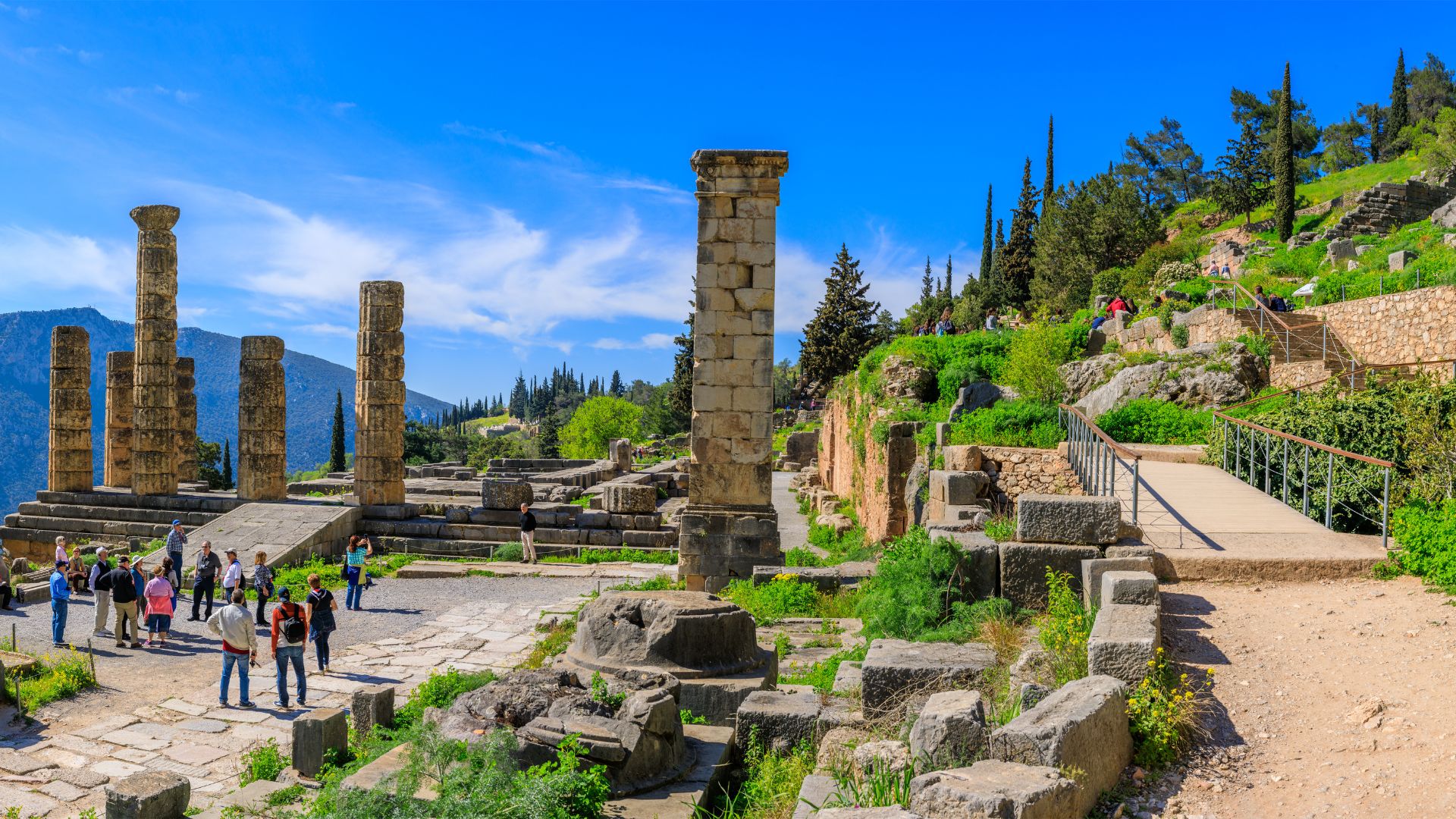
Greece packs in 18 to 20 UNESCO World Heritage Sites. You can wander through the Acropolis in Athens, stare up at the Parthenon, or get lost among the ruins of Delphi and Olympia. These places go back thousands of years and really show off the roots of Western civilization.
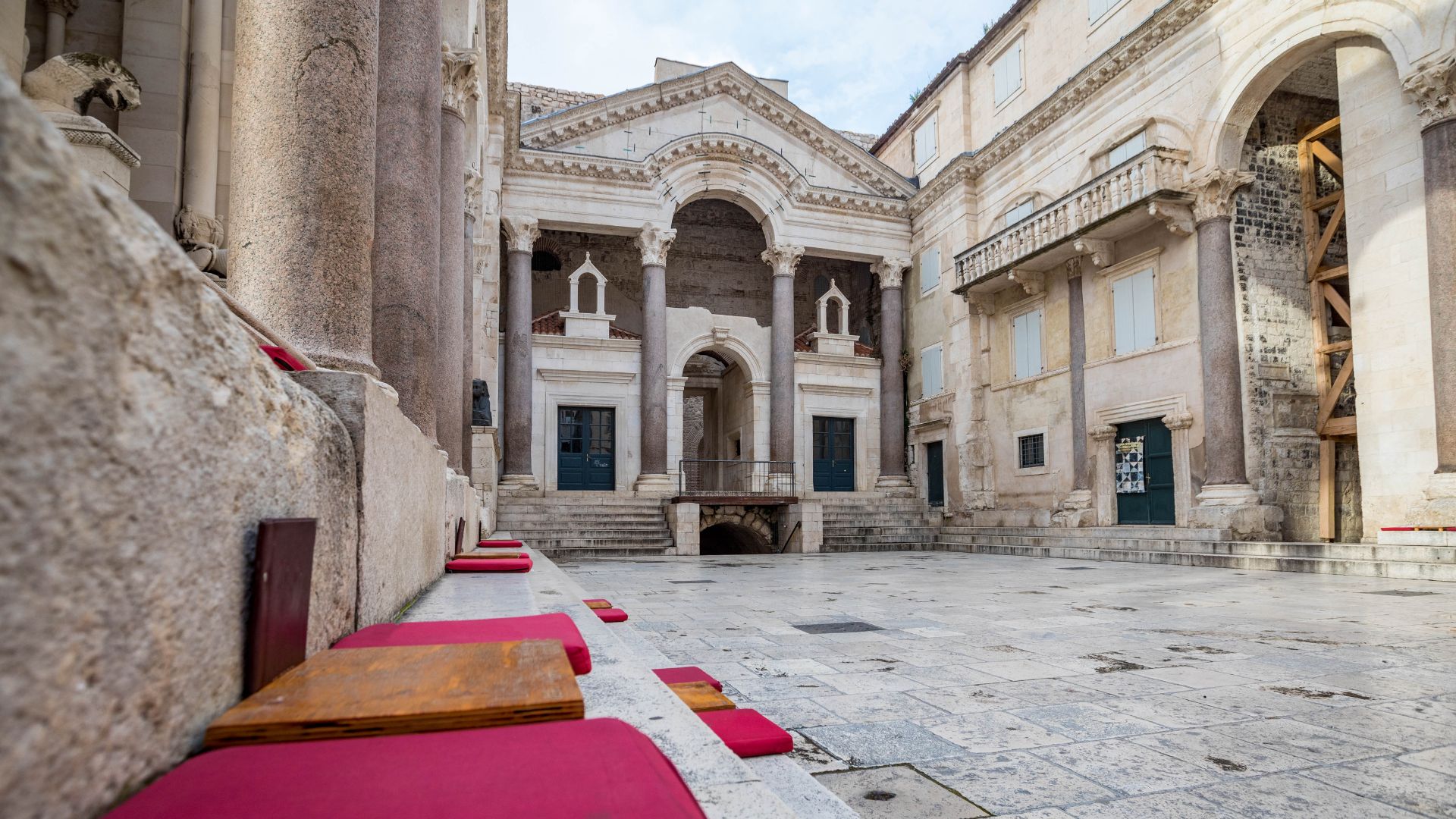
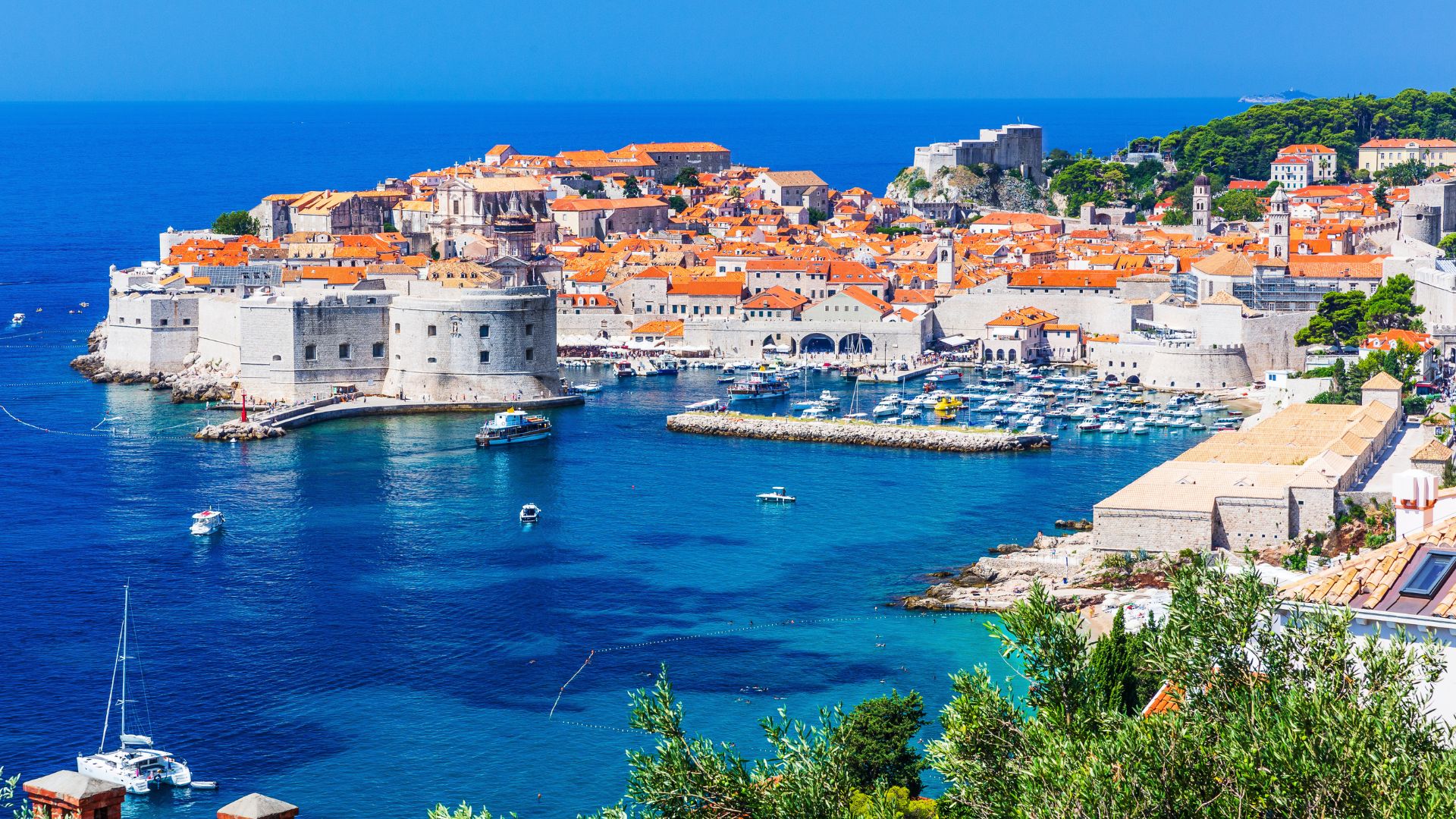
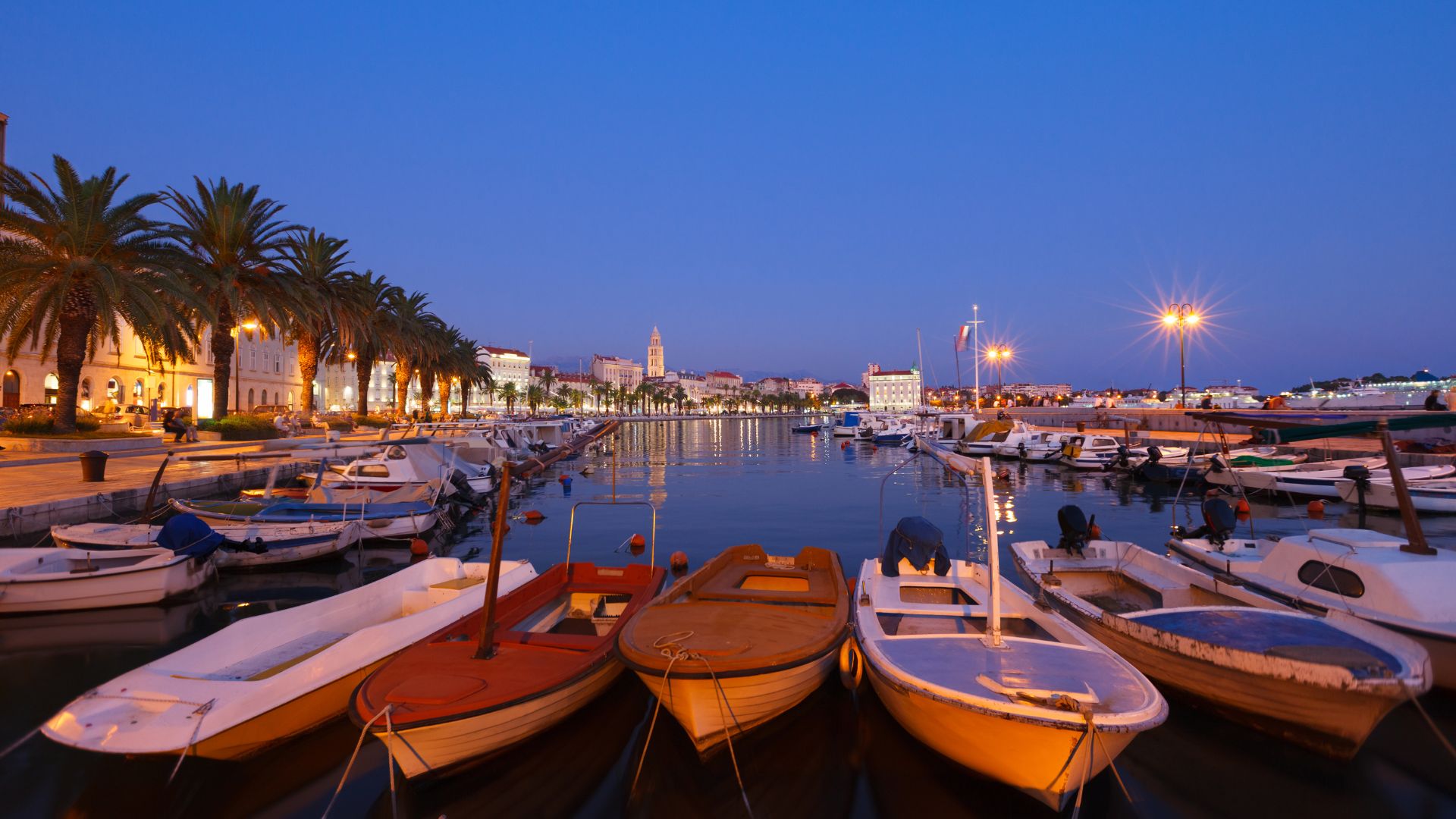
Croatia, on the other hand, leans medieval. Think walled cities like Dubrovnik, perched right above the Adriatic. Split gives you Diocletian’s Palace, a Roman monument from the 4th century.
Greece pulls you into the world of ancient temples and gods. Croatia surrounds you with stone streets, fortresses, and Renaissance-era charm.
If you’re into classical antiquity, Greece will blow your mind. But if you like wandering medieval towns and imagining pirate ships offshore, Croatia might win you over.
2) Beaches: Croatia’s clear Adriatic or Greece’s iconic island sands?
Both countries deliver on beaches, but the experiences feel pretty distinct.
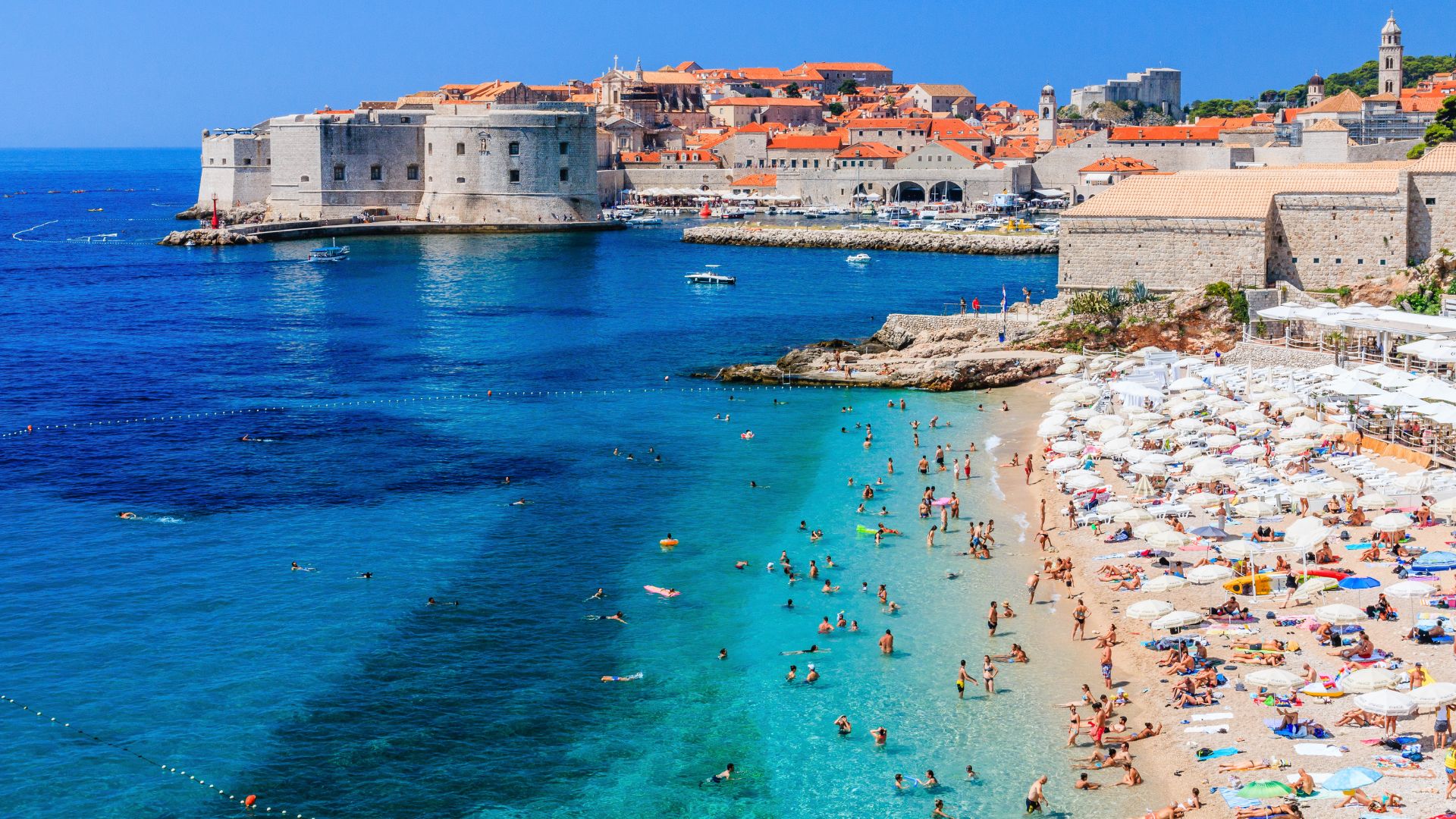
Croatia’s coastline stretches for over 2,500 miles along the Adriatic. The water is so clear, you’ll catch yourself just staring at your toes through the turquoise. Most beaches here are pebbled, not sandy—so bring water shoes if you’re picky. Over 1,000 islands dot the coast, many hiding coves that somehow stay under the radar, even in July.
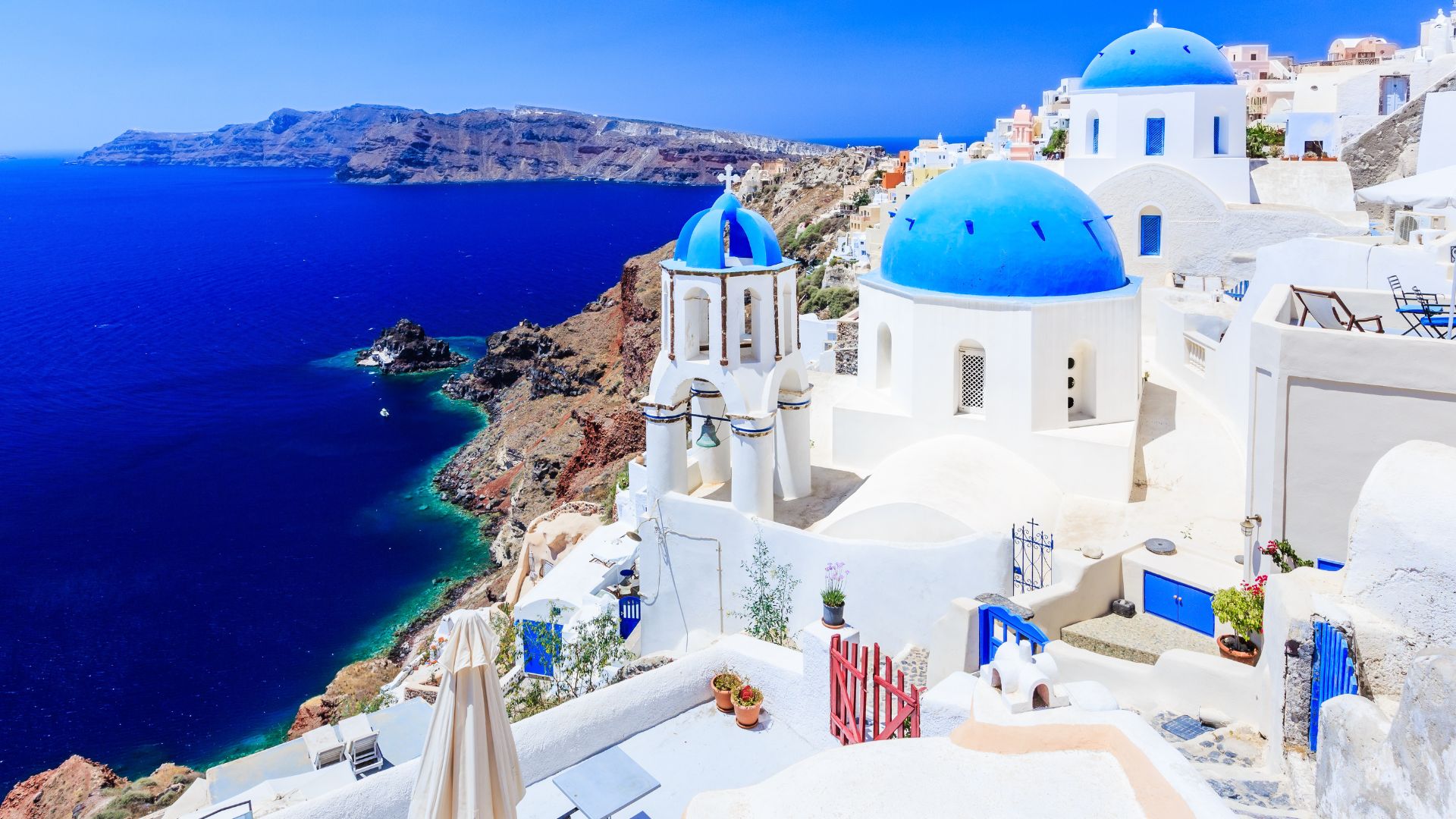
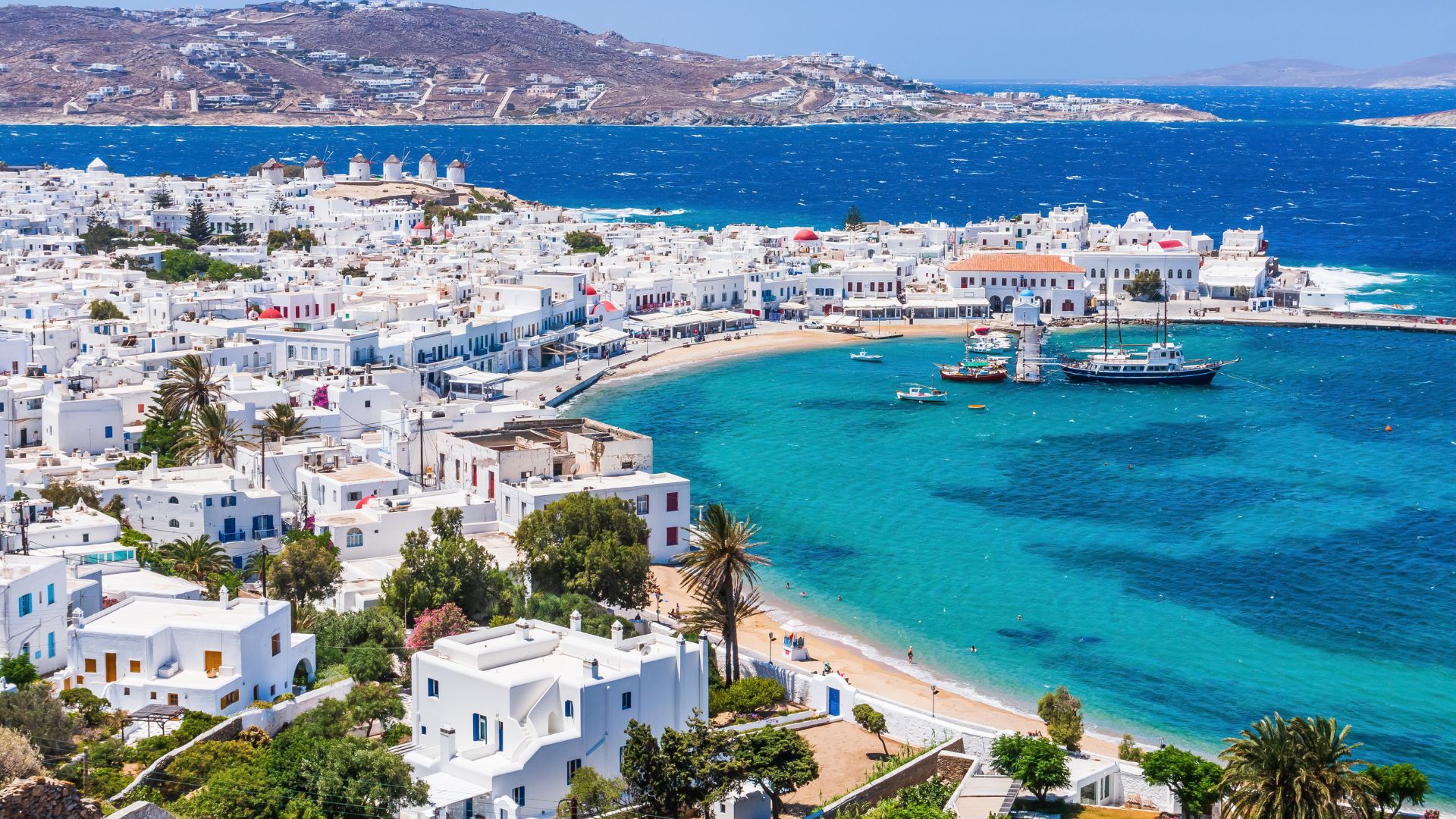
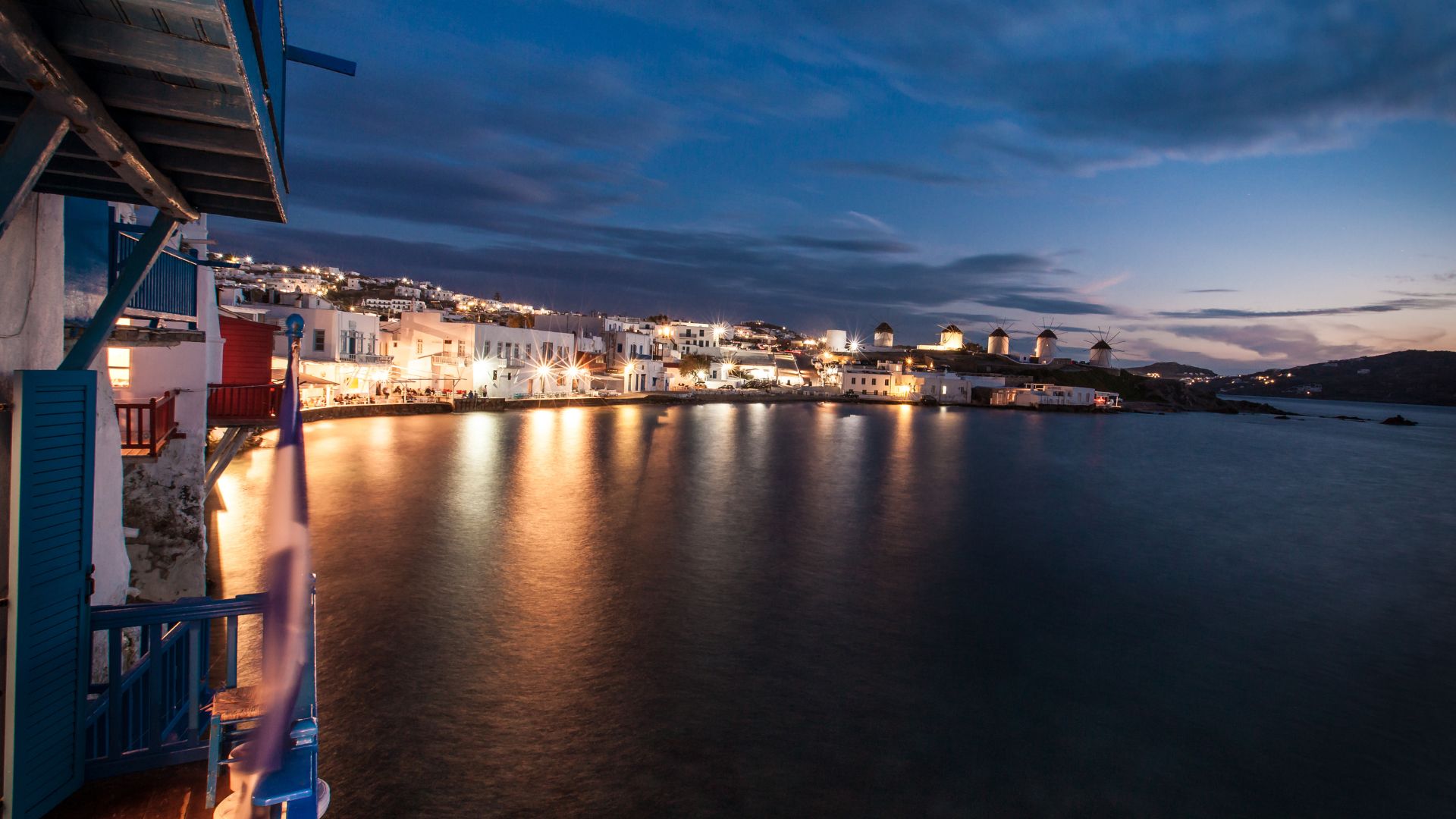
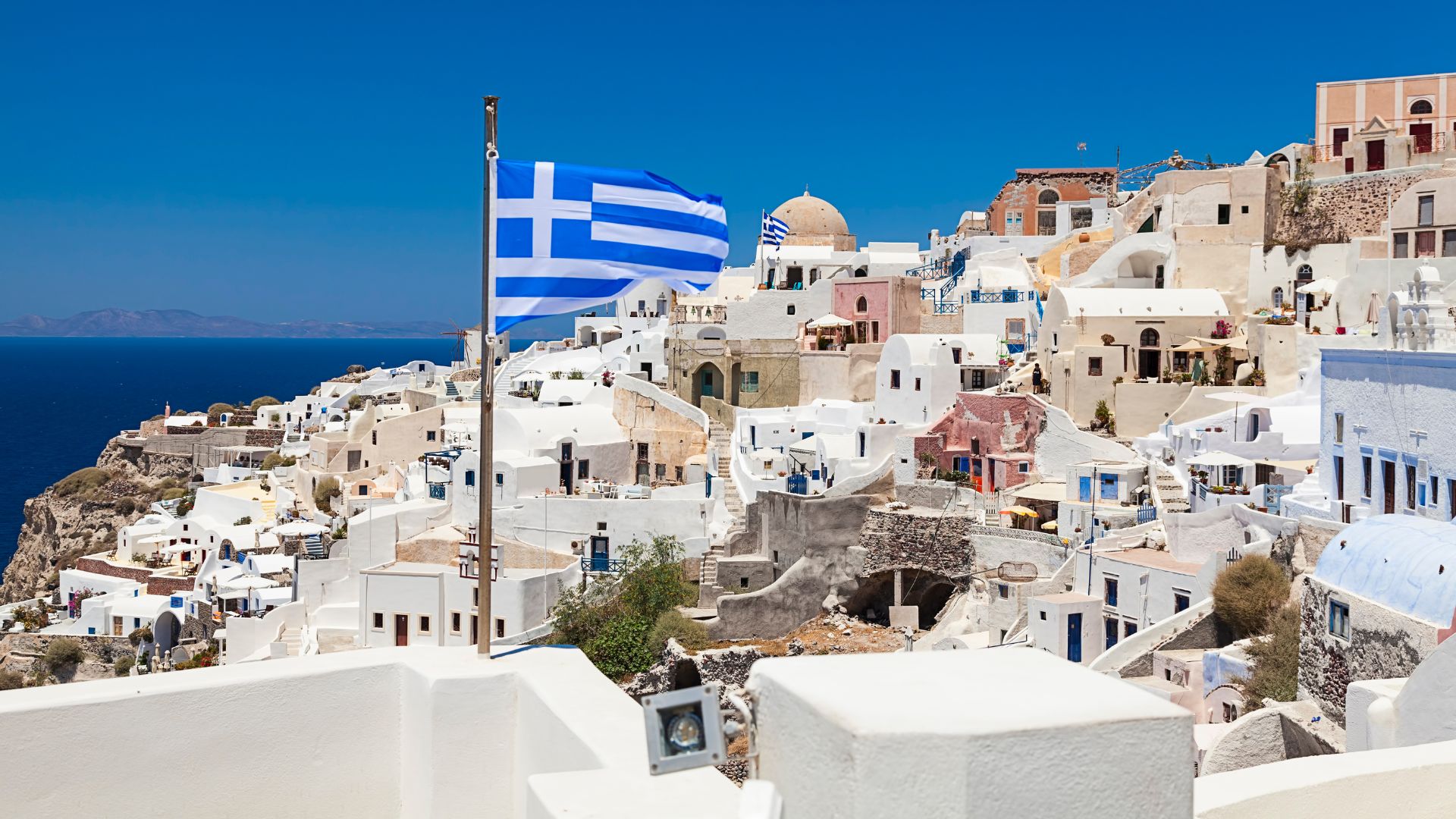
Greece, though, is all about those famous island beaches—Mykonos, Santorini, and their blue-domed churches perched above the sea. You’ll get more variety in beach texture, with both sandy and pebbled stretches. There are about 6,000 Greek islands, but only 200 or so are inhabited, so you’ve got options for days.
If you crave crystal-clear water and a little peace, Croatia’s your spot. If you want those postcard views and a bit more sand between your toes, Greece wins.
3) Cost: Croatia usually gives you more for your money
Prices in Croatia and Greece have gotten closer since Croatia switched to the Euro in 2023. Still, you’ll usually get better value for your money in Croatia, especially when it comes to hotels and food.
Restaurants and hotels in Croatia tend to cost less than in Greece, unless you’re aiming for Dubrovnik or Hvar—those can get as pricey as Athens or Santorini.
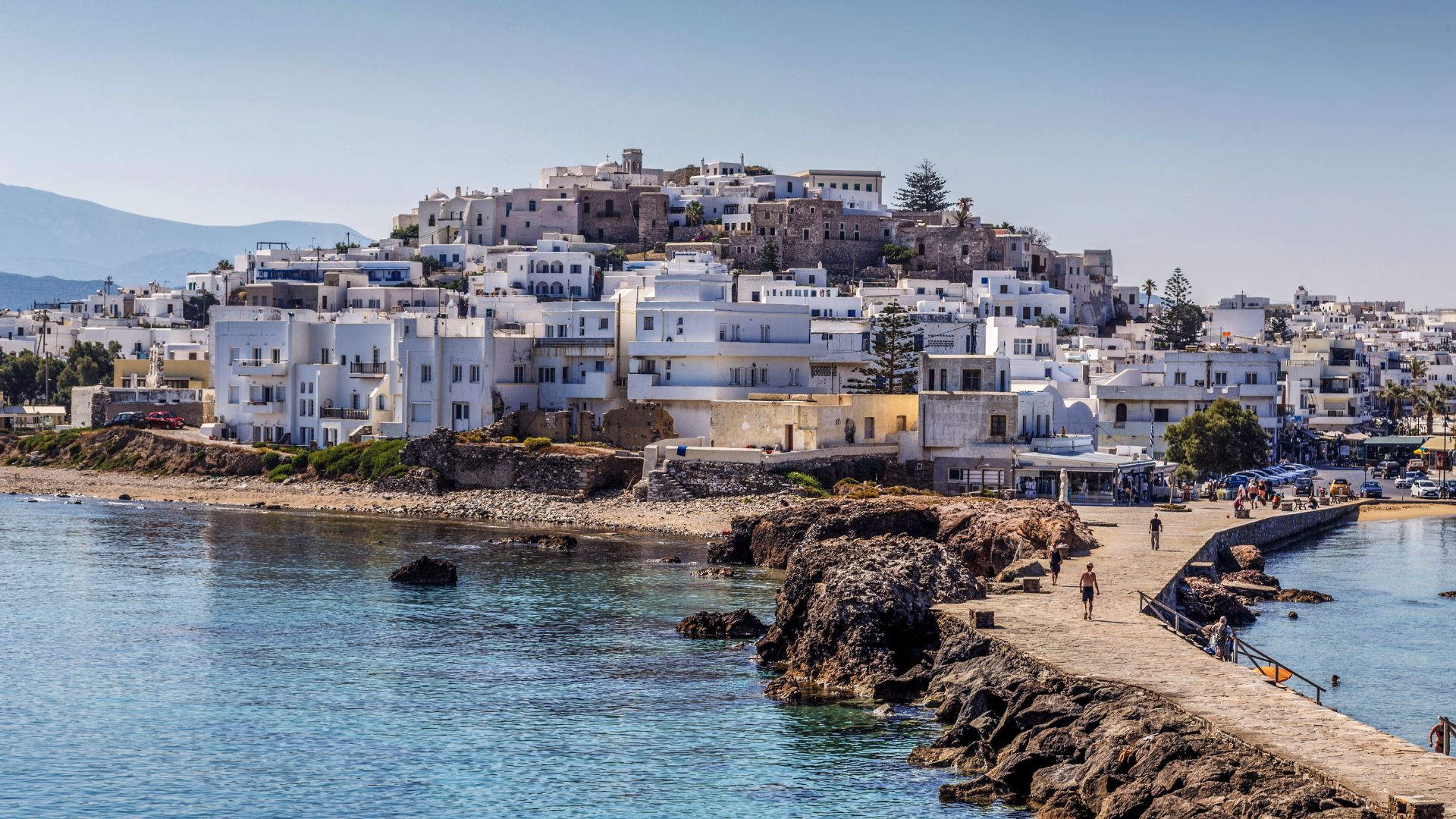
Greece, though, gives you more budget options overall. Skip the famous islands and you’ll find places like Naxos or Paros, where your euros stretch further.
If you avoid the most touristy spots, both countries reward you with great value, but Croatia edges ahead for affordable luxury.

4) Crowds: Greece gets packed, Croatia feels roomier
Greece draws huge crowds in summer. June through August, you’ll see Santorini, Mykonos, and Athens overflowing with travelers. It’s not unusual to wait in line for a sunset photo or squeeze onto a ferry.
The Greek islands get especially packed. Ferries sell out early, and you might need to book a room months in advance if you want a good deal.
Croatia’s coast does get busy, but it rarely hits the same frantic level. Even in July and August, you can find quiet corners on the islands or in less-famous towns.
If you want to dodge the crowds, go to Greece in April, May, or October, or try Croatia’s shoulder seasons. Both countries chill out a lot once summer ends.
5) Cuisine: Greek classics vs. Croatia’s regional surprises
Greek food is all about wheat, olive oil, and wine. You’ll taste olives, feta, and seafood everywhere you go. The approach is simple: let the ingredients do the talking.
Some favorites? Moussaka, souvlaki, and spanakopita. Herbs like oregano and mint pop up all the time, and lemon and garlic give everything a kick.
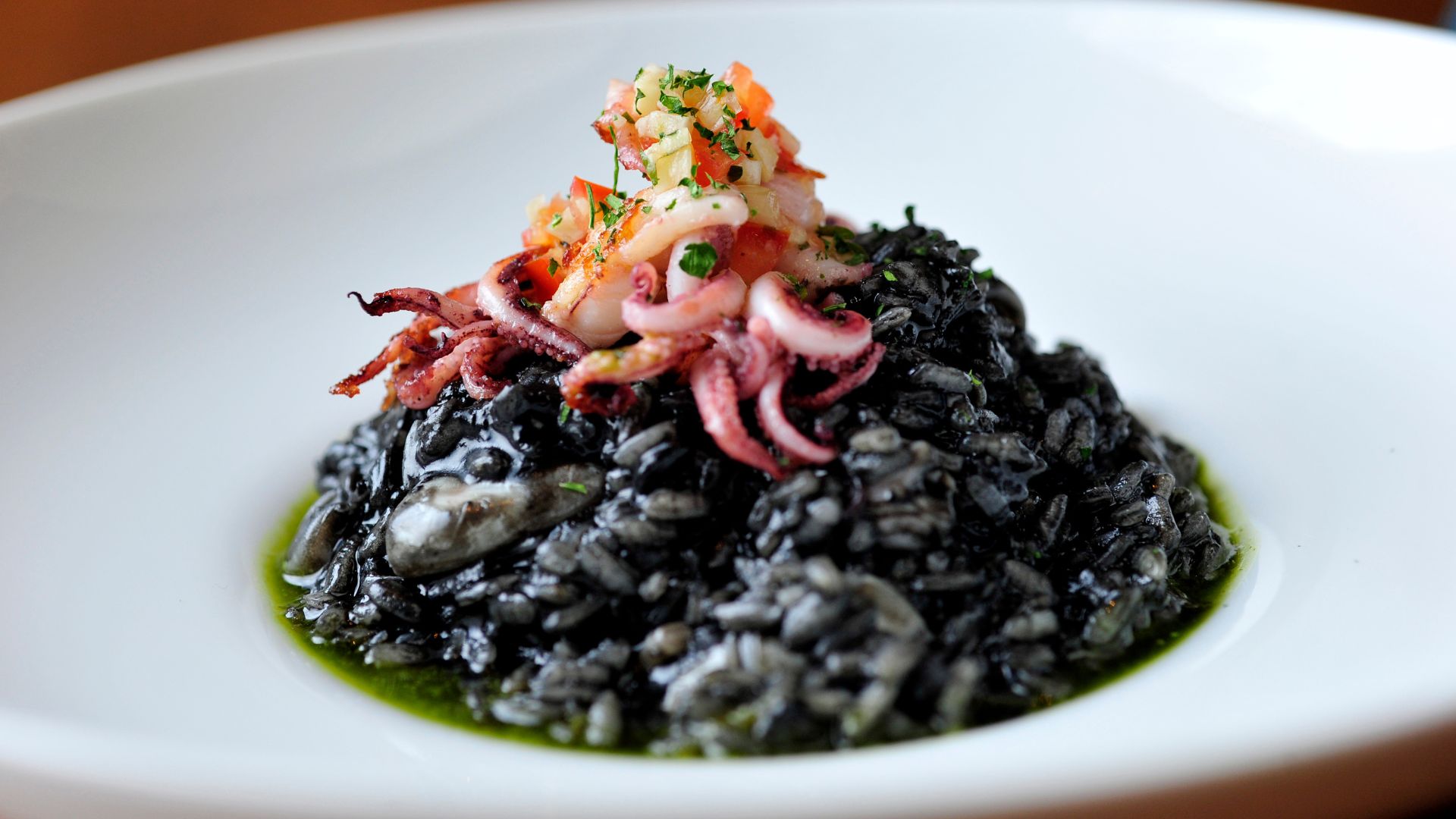
Croatia’s food changes a lot by region. Along the coast, you’ll find Mediterranean flavors—grilled fish, seafood risotto, and olive oil. Head inland and the food gets heartier: goulash, sausages, and slow-cooked stews.
You really get two culinary adventures in Croatia. Greek food is more predictable but always delicious, while Croatian cuisine keeps you guessing (in a good way).

6) Nightlife: Greece goes wild, Croatia keeps it chill
Greece owns the party scene, especially in summer. Islands like Mykonos, Corfu, and Zakynthos bring in DJs, beach bars, and all-night ragers. The energy is contagious—if you want to dance until sunrise, you’ll fit right in.
Even Athens and Thessaloniki stay up late. Greeks love a good night out, and it shows.
Croatia’s nightlife is lively but more relaxed. Split and the Dalmatian Coast have beach clubs and bars, but the vibe is less intense. You can actually hear your friends talk, which is sometimes underrated.
If you want wild parties, Greece is your spot. But if you’re after a fun night out without the chaos, Croatia wins.
7) Cultural Experience: Greece’s ancient myths or Croatia’s coastal mix?
Greece lets you walk straight into history. You can climb the Acropolis, wander through Delphi, and stumble upon temples to gods you’ve only read about in books.
But Greek culture isn’t just about ruins. Local festivals, Orthodox churches, and family-run tavernas keep old traditions alive.
Croatia offers a different cultural blend. You’ll see Venetian architecture in Dubrovnik, Roman remains in Split, and even a bit of Austrian flair in some palaces.
The coastal towns tell stories of trade, pirates, and shifting empires. Each region feels distinct, shaped by a mix of influences over the centuries.
Are you drawn to ancient myths and stories? Greece will fascinate you. If you love a cultural mashup with layers of history, Croatia delivers.

8) Weather: Croatia’s milder heat or Greece’s blazing sun?
Summer weather isn’t the same everywhere in the Med.
Croatia’s coast hits around 30°C in peak summer, sometimes warmer inland but with less humidity. It’s hot, but usually still comfortable.
Greece? It gets hotter. July and August often bring temps well above 30°C. The sun is relentless, and there’s barely a cloud in sight.
Croatia brings the occasional afternoon thunderstorm, especially in late spring and summer. You might get a quick rain shower, but it usually passes fast.
Greece stays mostly dry and sunny all summer. The heat can feel intense, especially with so little shade.
Both places are great for swimming and beach days. If you want slightly cooler weather, Croatia’s a bit gentler. Sun worshippers will love Greece.
9) Transportation: Greece’s endless island hopping or Croatia’s easy ferry links?
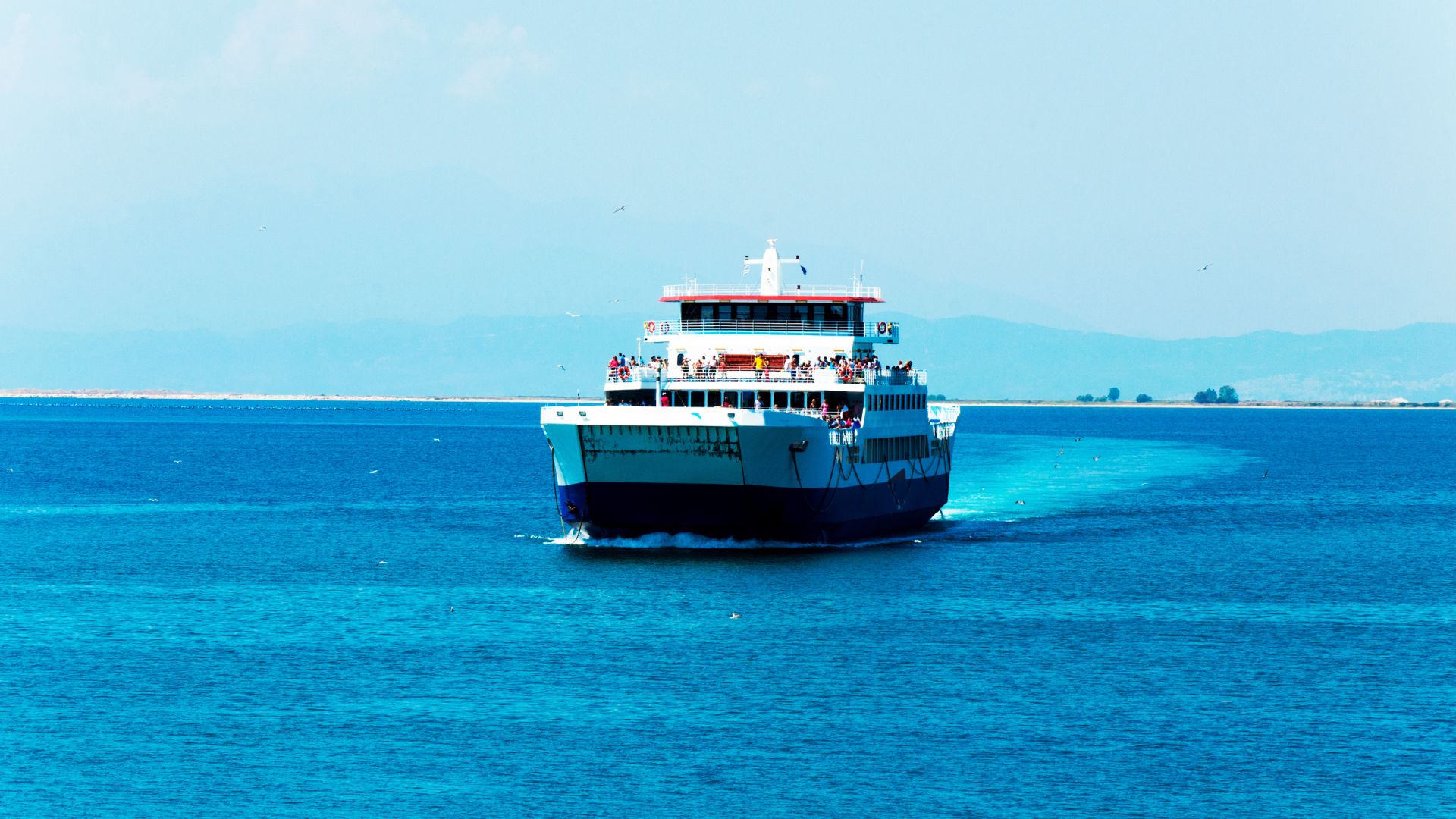
Greece has built one of the world’s most impressive ferry networks. From Athens, you can reach the Saronic Gulf, Cyclades, Dodecanese, Sporades, and Ionian islands. Three big ports send boats out daily, especially in summer.
You can hop between hundreds of islands, with ferries running often. This makes it easy to create custom itineraries—spend a week or two bouncing from island to island.
Croatia focuses on its Adriatic coast. With over 1,200 islands, ferries mainly hit the most popular ones. Routes connect mainland ports to major islands, and schedules are reliable, though they change with the seasons.
In summer, ferries run more often, but you’ll need to plan around the timetables. Croatia’s network isn’t as big as Greece’s, but it’s easy to use.
Both countries let you mix islands and mainland. Greece is perfect if you want to see lots of islands. Croatia works well if you’d rather slow down and really get to know a few.

10) Scenery: Greece combines iconic white-washed buildings with volcanic landscapes; Croatia offers dramatic cliffs and pine forests.
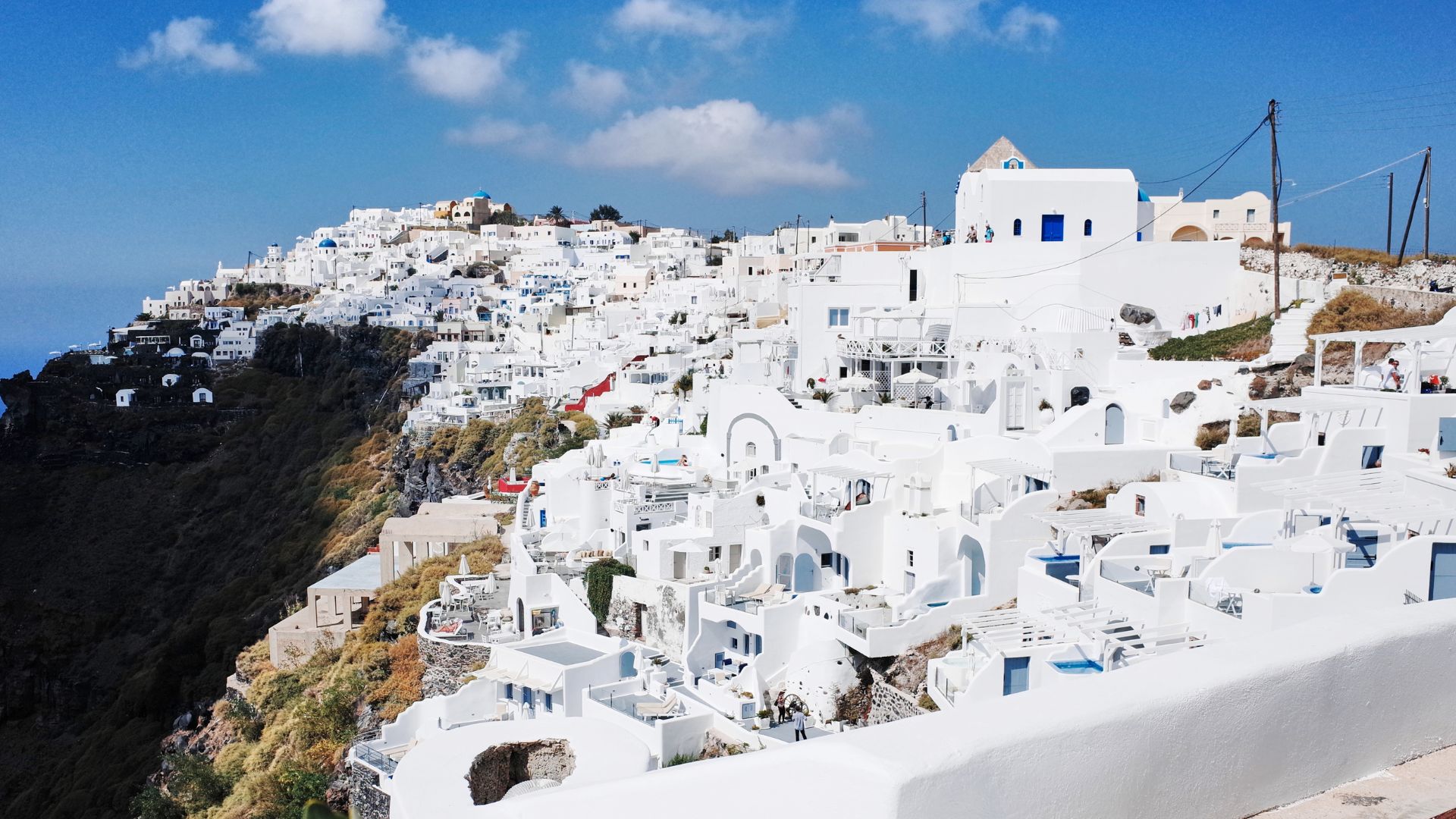
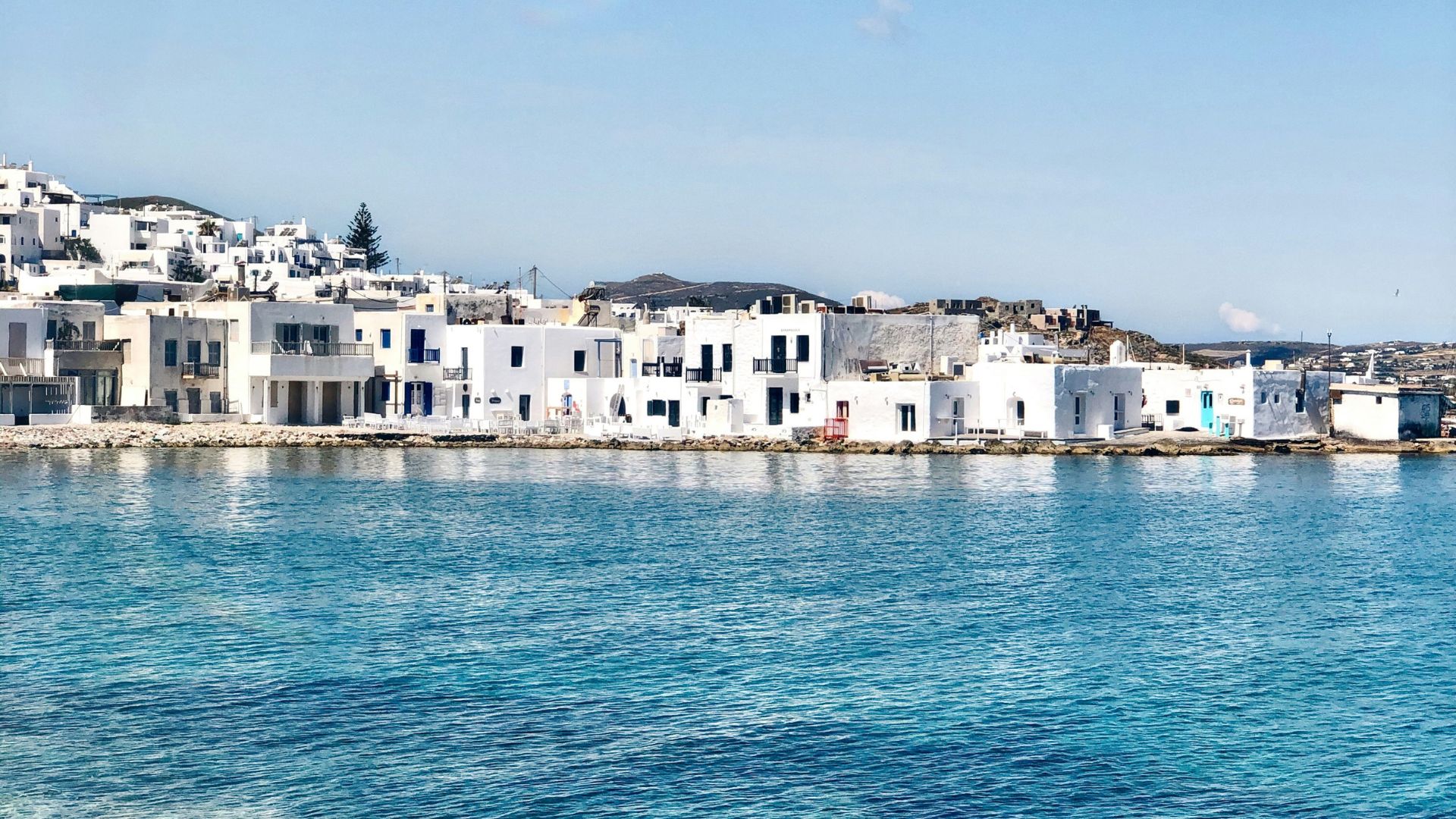
Let’s talk about those jaw-dropping Mediterranean views. Greece? You can’t mistake it for anywhere else. The white-washed buildings on islands like Santorini practically glow against that endless blue sky and sea.
These houses cling to volcanic cliffs, leftovers from eruptions long ago. That dark volcanic rock, set beside all that white and blue, is something you just have to see in person.
Cobbled lanes wind past blue-domed churches—yeah, the ones you see on every postcard. The vibe is crisp, sun-bleached, and honestly, kind of magical.
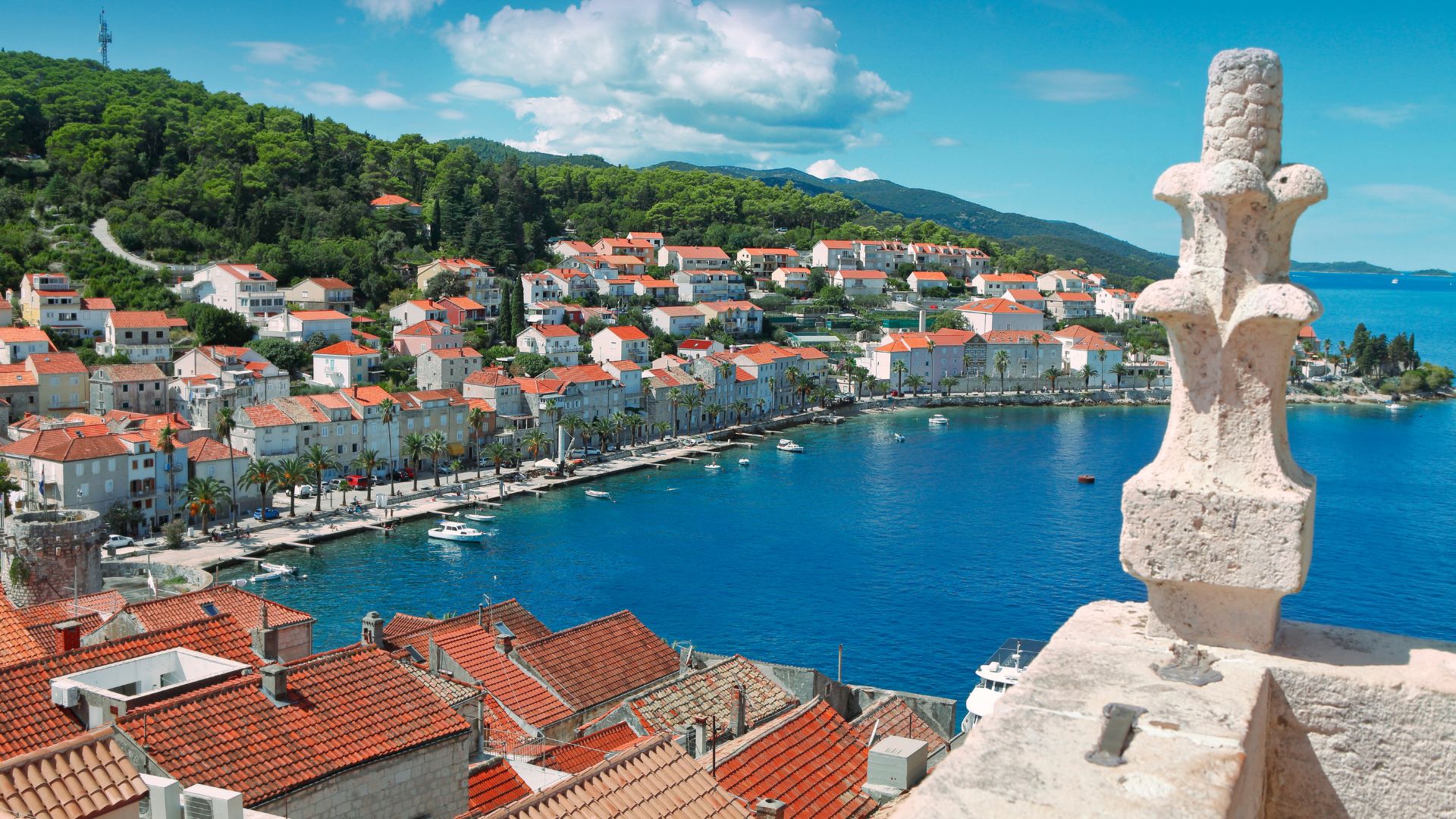
Croatia, though, plays a different hand. The Adriatic coast stuns with sheer limestone cliffs tumbling into clear turquoise water. Pine forests reach right up to the shore, so you get this wild mix of green and blue.
Old stone towns seem to grow out of the landscape, especially along the Dalmatian coast. There’s a ruggedness here, with hidden coves and dense forests that feel a world away from Greece’s open, sun-drenched islands.
Both places serve up scenery you’ll remember forever, but the mood is totally different. Do you crave those iconic, polished vistas—or are you more about wild, untamed coastlines?

Comparing Culture and Atmosphere
Greece’s roots go way, way back. Croatia? It’s got a blend you won’t find elsewhere—Mediterranean meets Central Europe. Each country brings its own flavor to the table when it comes to daily life and social energy.
Local Traditions
In Greece, family comes first. You’ll notice big gatherings, religious holidays, and a pace of life that just feels… slower. Locals love their afternoon siestas and don’t even think about dinner until after 9 PM.
Easter is a huge deal here, even more than Christmas. The celebrations stretch for a week, with candlelit processions and traditional foods.
Croatian traditions feel different, thanks to Italian, Austrian, and Slavic influences. You’ll hear it in the music, see it in the dances, and taste it at festivals.
They celebrate both Catholic holidays and regional events, like the Dubrovnik Summer Festival. On the coast, life moves at a Mediterranean pace, but inland, it’s more Central European—think earlier dinners and a slightly brisker vibe.
A few quirky differences:
- Greeks talk with their hands and don’t mind raising their voices—it’s all part of the fun.
- Croatians keep things a bit more reserved.
- In Greece, name days matter more than birthdays.
- Croatian folk music features tamburitza instruments you won’t hear elsewhere.
Social Scene
Greek nightlife? It’s a marathon, not a sprint. In Athens or Mykonos, bars and clubs stay open until sunrise. Tavernas serve as the heart of social life—locals linger for hours over food, drinks, and conversation.
You’ll see people of all ages hanging out in public squares or along the waterfront. There’s always a buzz, no matter what time it is.
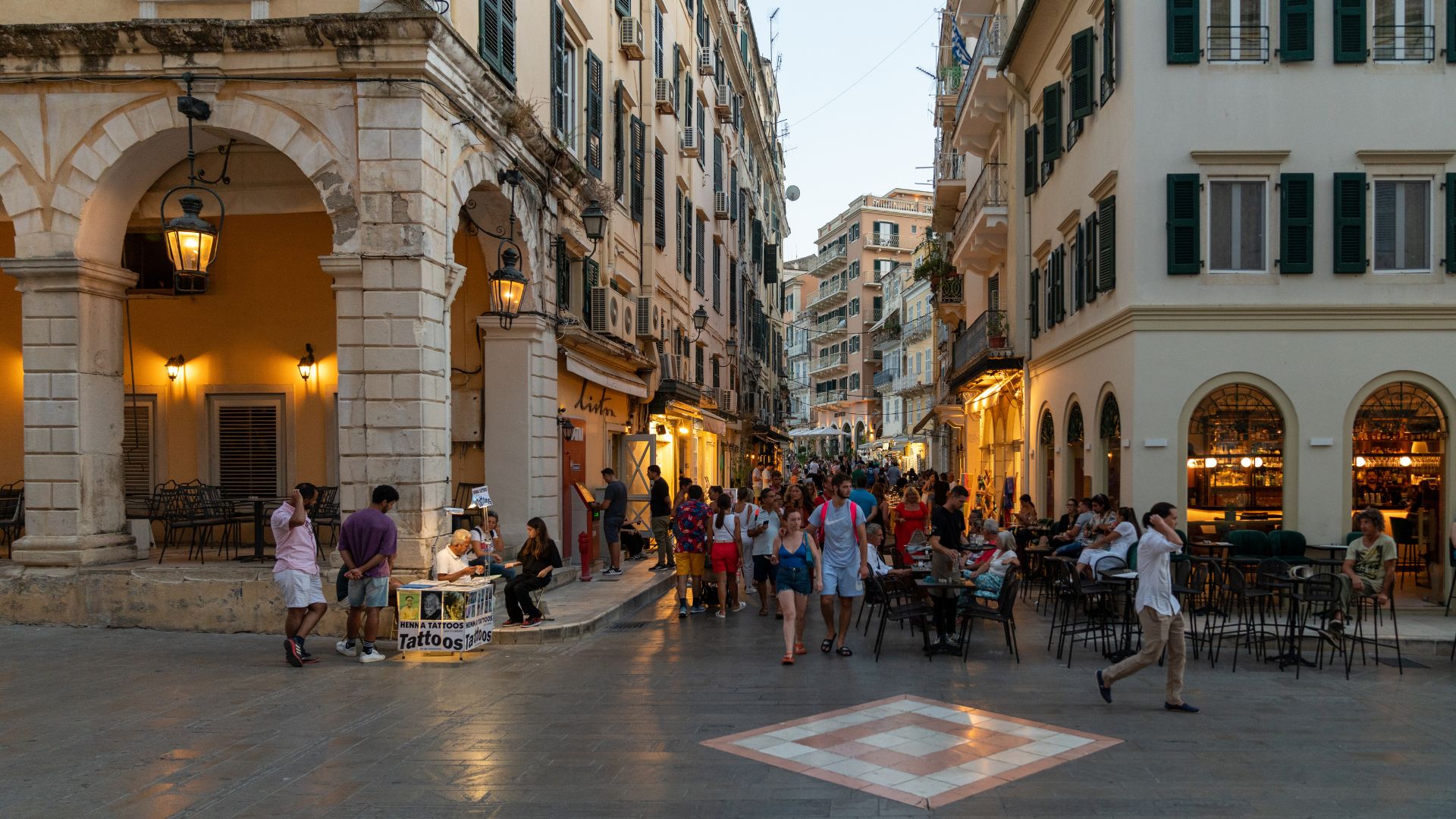
Croatia’s social energy shifts depending on where you are. Split and Hvar light up with beach clubs and summer festivals. Zagreb, on the other hand, is all about cafe culture. People sip coffee for hours on outdoor terraces, watching the world go by.
The nightlife feels a bit more mellow here—most places wrap up by 2 AM, so don’t expect sunrise parties everywhere.
Authenticity of Experience
If you hit Santorini or Mykonos in peak season, brace yourself for crowds and high prices. The local vibe gets a bit lost under all those tourists. But head to smaller islands or mainland villages, and you’ll find authentic experiences—think family-run tavernas and traditions that haven’t changed in generations.
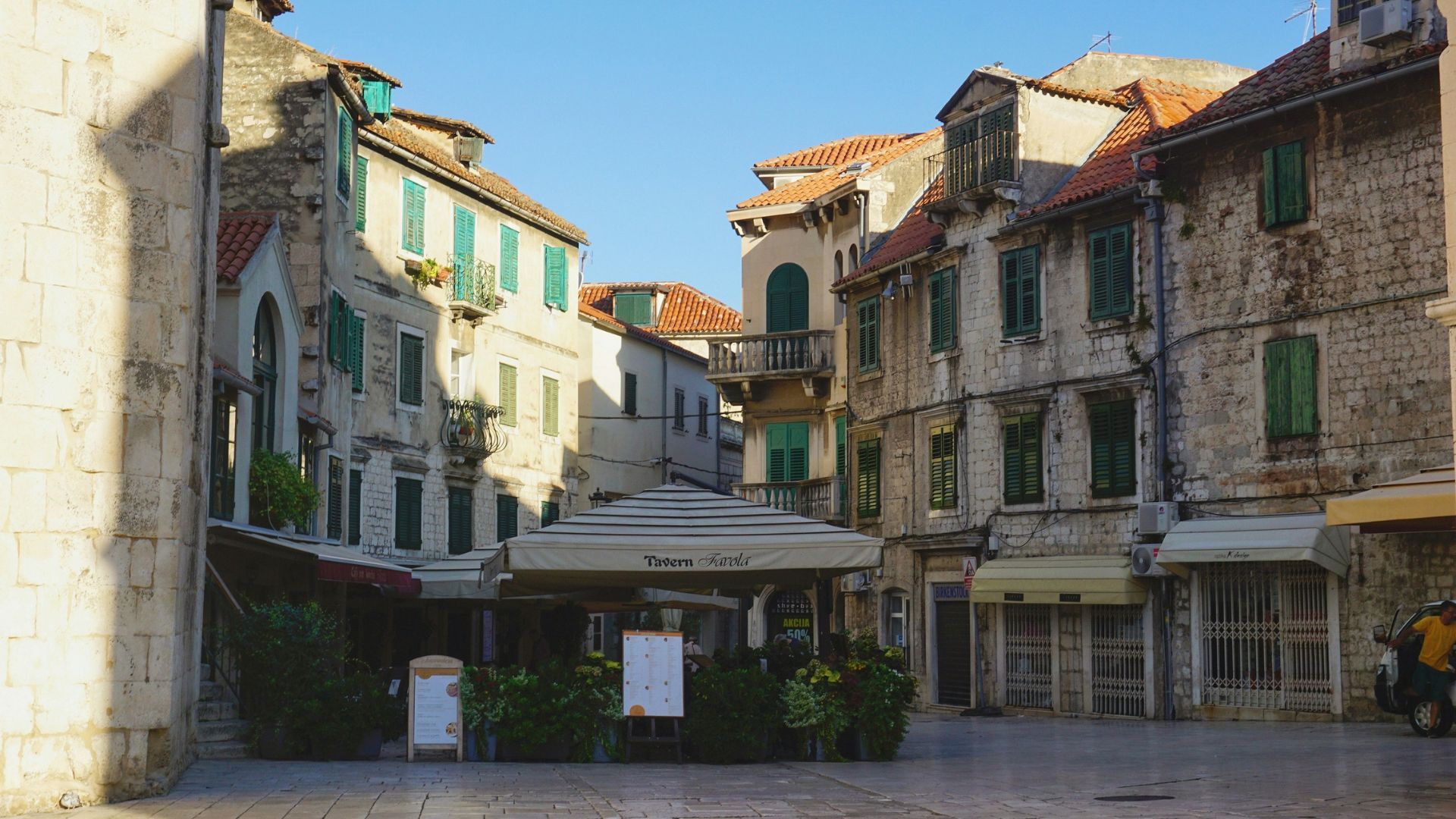
Croatia’s tourism boom is more recent. Dubrovnik’s old town draws cruise crowds, but just outside, you’ll stumble upon towns that still feel genuinely local. Istrian villages and lesser-known Dalmatian islands let you taste real Croatian life, especially in cozy konobas serving home-cooked meals.
Cost and Accessibility
If you’re watching your wallet, Croatia usually comes out ahead—especially in summer. Both countries have budget options, but you’ve got to know where to look. Getting around is pretty easy, though each place has its own quirks.
Travel Expenses
Accommodation and meals cost less in Croatia, especially outside the tourist hotspots. Hotel rooms and restaurants in Croatian cities are often more affordable than what you’ll find on Greek islands like Santorini.
That said, Dubrovnik’s prices can rival or even top Greece’s most popular destinations during peak season. Some coastal towns in Croatia have seen big price jumps—it’s not the secret bargain it once was.
Greece offers a wider range of price points. Athens and the famous islands are pricey, but islands like Naxos or Paros can be much kinder on your budget. You’ll always find a cheap taverna or guesthouse somewhere on the mainland.
Rough daily budget:
- Croatia: $80-120 for mid-range travel
- Greece: $90-130 for mid-range travel
Ease of Getting Around
Getting between Greek islands is a breeze with their ferry system. You can hop from one to the next without much hassle. Domestic flights connect the big cities and islands, while public buses cover the mainland. On smaller islands, bus schedules can be a bit spotty, so plan ahead.
Croatia’s coast is connected by a gorgeous highway. Buses run regularly between cities like Split, Dubrovnik, and Zagreb. Ferries link the islands, but there aren’t as many options as in Greece.
Renting a car is easy in both countries. It’s the best way to reach those remote beaches or sleepy mountain villages you’ll want to brag about later.
Value for Money
If you visit Greece outside peak season, you’ll get more bang for your buck. Spring and fall bring better prices, fewer crowds, and all that ancient history and world-class food.
Croatia shines when it comes to natural beauty and medieval towns. Your money goes further for hotels and meals in most places, except maybe Dubrovnik’s Old Town.
Free stuff? Both places deliver. The beaches don’t cost a thing, and wandering through historic neighborhoods is always on the house.

Frequently Asked Questions
Greece and Croatia both have their perks—think cost, romance, weather, food, history, and those perfect summer days by the sea. Which one wins? That’s up to you.
Croatia usually gives you more value for your money. Hotels, apartments, and restaurants in coastal towns tend to be cheaper than their Greek counterparts.
Greece gets expensive in high season, especially on islands like Mykonos and Santorini. Accommodation prices can skyrocket in July and August.
Dining out in Croatia costs about 15-20% less than in Greece. Both countries have affordable street food and local tavernas, but overall, Croatia keeps things more budget-friendly.
Greece is the classic choice for romance. Think Santorini sunsets, luxury resorts, and those iconic white buildings overlooking the sea.
Croatia brings a quieter, more intimate vibe. Dubrovnik’s historic walls and Hvar’s secret coves are perfect if you want privacy and fewer crowds.
So, do you want the famous Greek honeymoon, or are you after a hidden gem? Greece is for couples who dream of that postcard-perfect backdrop. Croatia is for those who crave peaceful moments and a touch of adventure.
Both countries get plenty of sun, but Greece runs hotter. In July and August, temperatures often soar past 90°F (32°C), especially in Athens and the southern islands.
Croatia’s coast feels a bit cooler, thanks to the Adriatic breeze. Expect summer temps between 80-88°F (27-31°C). The north coast is a little milder than the south.
Rain? Greece barely gets any in summer, so you can count on sunny days. Croatia might get a quick shower now and then, but they’re usually short and sweet.
Greek food is all about Mediterranean flavors—olives, feta, seafood, and olive oil. You’ll find moussaka, souvlaki, and Greek salads everywhere.
Croatian cuisine mixes Mediterranean and Central European styles. On the coast, it’s all about fresh seafood. Inland, you get hearty meat dishes and stews inspired by Austria and Hungary.
Both countries love fresh, local ingredients. Greek menus feel familiar across the regions, while Croatian food changes a lot from coast to countryside.
If ancient history is your thing, Greece wins hands down. The Acropolis, Delphi, and countless ruins take you back thousands of years.
Croatia stands out for its medieval towns and Roman architecture. Dubrovnik’s walls and Split’s Diocletian’s Palace are must-sees. The country’s history weaves together Venetian, Austrian, and Ottoman influences.
Greece offers deeper ancient roots. Croatia delivers beautifully preserved medieval and Renaissance gems you can actually walk through.
Croatia’s Adriatic coastline? It’s honestly a dream for swimmers and snorkelers. I still remember how the water looked almost glassy—crystal-clear with visibility that’s hard to beat.
You’ll notice most beaches here have pebbles instead of soft sand. That might not be everyone’s favorite, but the water stays refreshingly cool, and you rarely have to fight for space.
Greece, on the other hand, just explodes with variety. Think of the sandy stretches on Mykonos, Santorini, or Crete—each island feels like its own little world.
Some Greek beaches come fully loaded with resorts and plenty of amenities. Others? They’re tucked away in hidden coves, only reachable by boat, which honestly feels like an adventure in itself.
If you’re after sparkling, clear water and beaches that aren’t jam-packed, Croatia might be your spot. But if you dream of those classic island scenes, with lots of choices and easy access to beach bars or sunbeds, Greece probably wins out.
Honestly, it depends on your vibe—do you want quiet, pebbly shores or iconic, sandy escapes? Both countries have their magic.
