
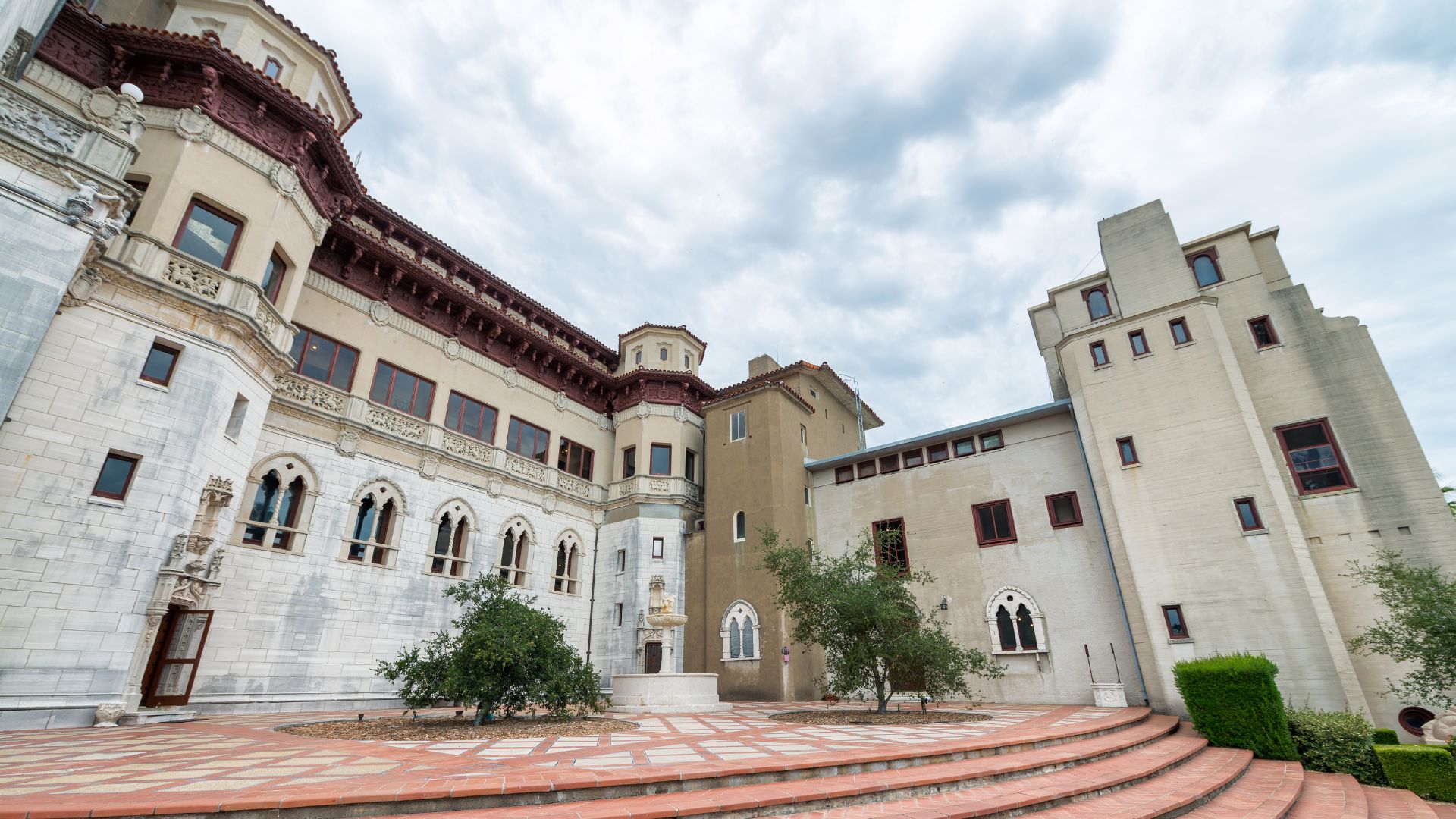
When I first glimpsed Hearst Castle, perched high above San Simeon’s rugged coastline, I finally got why folks call it “The Enchanted Hill.” This isn’t your average mansion tour. It’s more like wandering through the pages of American history—one built by William Randolph Hearst, the legendary newspaper tycoon, between 1919 and 1947.
Imagine: 165 rooms, 90,000 square feet, 56 bedrooms, 61 bathrooms, and 41 fireplaces. That’s not a typo. Hearst, with architect Julia Morgan, dreamed up a Mediterranean Revival wonderland that doubled as his private playground and a hangout for Hollywood’s glitterati.
As I wandered the estate, the castle’s story unfolded—architecture that made my jaw drop, art collections that belong in world-class museums, and tales of the famous guests who once roamed these halls. The pools, gardens, and even a few animals from the old private zoo still spark the imagination. You really get a peek into the extravagant life of one of America’s most powerful media moguls.
Essential Facts About Hearst Castle
Hearst Castle rises above San Simeon, California, tucked into 250,000 acres of rolling coastal land. William Randolph Hearst started this massive estate in 1919 with Julia Morgan at his side. Together, they shaped a property that still leaves its mark on California’s cultural history.
Where Is Hearst Castle Located?
You’ll find Hearst Castle sitting atop a hill in San Simeon, looking out over the Central Coast. It’s about a 45-minute drive from Paso Robles.
Locals and guides call the estate La Cuesta Encantada—Spanish for “The Enchanted Hill.” Hearst picked this spot for its sweeping ocean views and, let’s be honest, the privacy.
San Simeon sits in San Luis Obispo County, right between Los Angeles and San Francisco. That made it a quick trip for Hearst and his famous friends.
The property covers a wild 250,000 acres. Coastal bluffs, hills, valleys—you name it. The main castle itself is surrounded by 123 acres of lush gardens and terraces.
The Vision of William Randolph Hearst
William Randolph Hearst inherited San Simeon in 1919 after his mother, Phoebe Apperson Hearst, passed away. She had whisked young William off on a grand European tour when he was just 10.
That trip left a mark. Hearst wanted a home that could rival the grand estates he’d seen abroad. So, he teamed up with Julia Morgan, and the two began sketching dreams into reality.
The castle bursts with 165 rooms packed with art and antiques. Hearst hunted down treasures from Egypt, Greece, and Rome. He even shipped over Renaissance ceilings from Italy and Spain.
Building lasted 28 years, from 1919 to 1947. Hearst never got to finish it—his health forced him to leave. Still, even unfinished, the place stands as one of America’s most jaw-dropping private homes.

San Simeon’s Role in California History
The story really kicked off in 1865, when George Hearst, William’s father, bought 40,000 acres of ranchland. That’s how the Hearst family first put down roots in San Simeon.
Over time, the estate became a symbol of California’s Golden Age. It showed off the wealth and influence of early 20th-century America. The guest list? Basically a who’s who of the era.
These days, Hearst Castle operates as a California State Park and historic house museum. The state works hard to keep the buildings and artwork preserved for generations.
Travelers from around the globe flock here. The estate lets you step into the world of America’s wealthy elite. Honestly, it’s one of California’s most unforgettable places to visit.
Architectural Marvels and Interior Grandeur
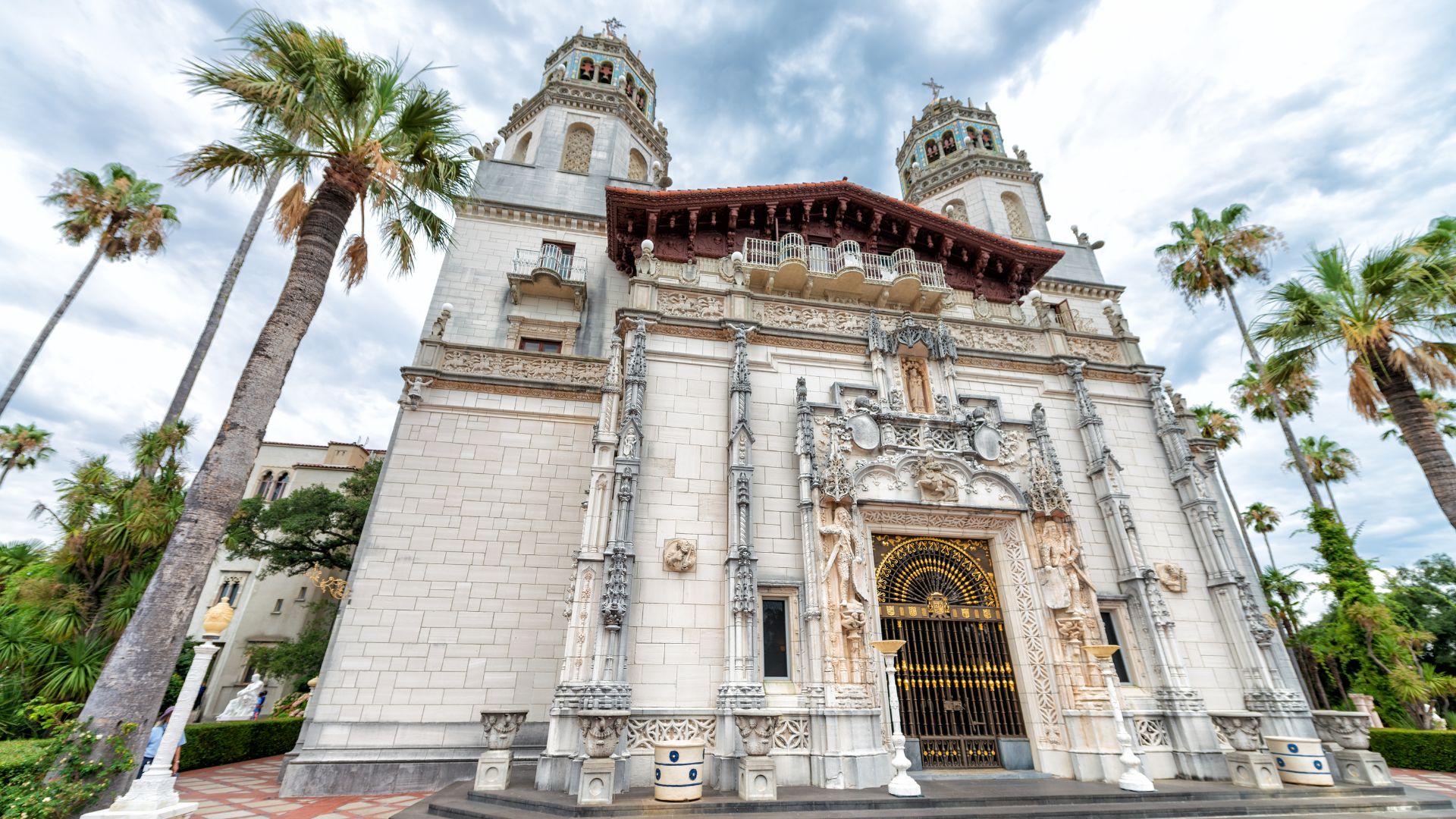
Hearst Castle beams with Julia Morgan’s genius—Mediterranean Revival outside, Spanish Colonial Revival inside, and centuries-old European art everywhere you look. The result? A place that oozes luxury and personality at every turn.
Julia Morgan’s Enduring Architectural Legacy
Julia Morgan broke barriers as California’s first licensed female architect. For over 30 years, she worked side-by-side with Hearst, breathing life into his wildest dreams.
She designed every inch of the 68,500-square-foot main building. From grand facades to intricate ceilings, Morgan left her mark everywhere.
With Hearst, she blended European styles into a seamless whole. They even salvaged treasures from crumbling Renaissance castles, shipping them all the way to San Simeon.
Morgan’s process was intense. She cataloged each artifact, then wove it into her designs back in California.
Construction stretched on for more than three decades. The castle never really reached “finished,” which let Morgan keep refining her vision as they went.
Spanish Ceilings and Artistic Details
The Spanish-inspired ceilings at Hearst Castle? Absolutely stunning. These ornate designs anchor the Mediterranean Revival vibe that defines the estate.
Morgan scattered authentic Spanish and European ceiling pieces throughout the castle. Hearst brought many of these back from his travels.
The Assembly Room, where guests mingled, boasts a ceiling that’s a true work of art—intricate, colorful, and full of character.
No two rooms look the same overhead. Some ceilings show off simple wooden beams, while others flaunt elaborate painted or carved details.
These ceilings tie each room together, working with the bold walls and plush furnishings. You’ll spot the Spanish influence everywhere you turn.
Historic Art Collections and Furnishings
Every room in the castle drips with museum-worthy art—paintings, tapestries, sculptures, and ancient treasures.
Many original fabrics still cover the sofas and chairs, their rich textures whispering stories of old Hollywood parties.
Hearst scoured Europe for the best craftsmanship. Each piece of furniture and art found its way here thanks to his relentless collecting.
Key Collection Categories:
- Renaissance paintings and artwork
- Ancient sculptures and antiquities
- Luxurious tapestries and textiles
- Ornate furniture and decorative objects
They cataloged every treasure before shipping it to California. That attention to detail preserved the story behind each piece.
Today, visitors still find inspiration in these collections. Some of the fabric patterns even get reproduced for modern interiors.
Unforgettable Tours and Experiences
Hearst Castle offers eight different tours, but honestly, three stand out above the rest. The Grand Rooms Tour introduces you to the castle’s main showstoppers, while the Upstairs Suites Tour peeks behind the velvet ropes into private living spaces where legends once stayed.
Grand Rooms Tour: Stepping Into Opulence
The Grand Rooms Tour is the go-to for first-timers. I always suggest starting here—it covers all the main highlights in about an hour.
This tour sweeps you through the castle’s most jaw-dropping public rooms. The Assembly Room dazzles with its ceiling and rare antiques. In the Refectory, you can almost picture Clark Gable and Winston Churchill dining at those long tables.
Can’t-miss highlights:
- The ornate Assembly Room with European tapestries
- The medieval Refectory with Italian silk banners
- The private movie theater with 50 red velvet seats
- The iconic Neptune Pool with its Roman temple backdrop
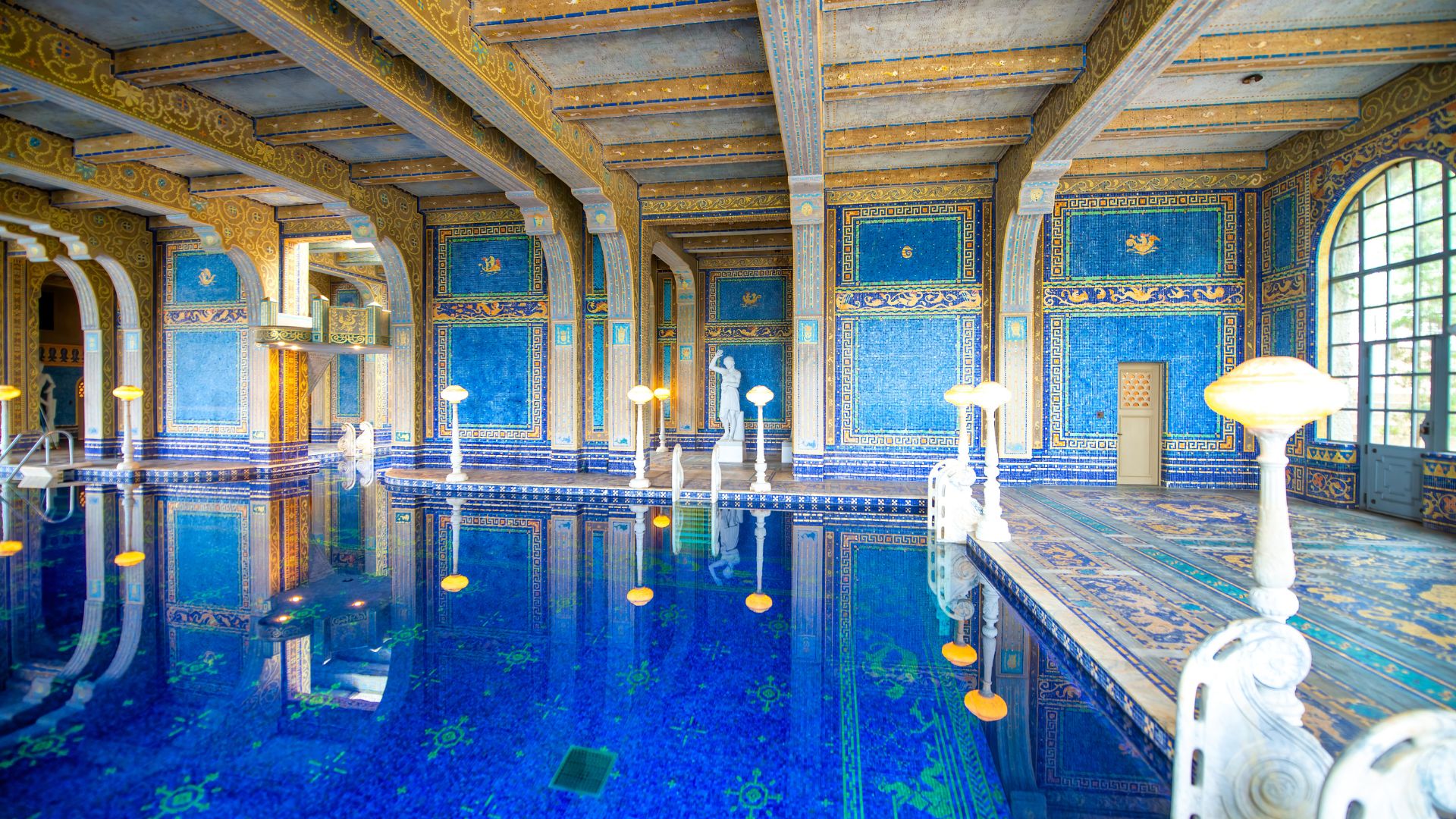
You’ll also get time at the Roman Pool. It’s an indoor wonder, glittering with blue and gold tiles from top to bottom. Marble statues of Greek and Roman gods keep watch around the water.
The outdoor gardens? Just as breathtaking. Hearst actually had the Neptune Pool redesigned several times—he was a perfectionist if there ever was one.
Upstairs Suites Tour: Behind the Velvet Ropes
The Upstairs Suites Tour lets you explore areas most folks never see. It focuses on the private guest rooms and Hearst’s own living quarters.
You’ll step into the Doge’s Suite, which boasts a 15th-century Italian ceiling and antiques that’ll make your jaw drop. The Cloister rooms overflow with Spanish and Italian architectural gems.
Notable features:
- Hearst’s private Gothic Study, crammed with over 4,000 books
- Guest bedrooms filled with European antiques and art
- A library stacked with first-edition books signed by Charles Dickens
- Ancient Greek vases older than most countries
This tour shows how Hearst actually lived at the castle. His own bedroom? Pretty modest, especially compared to the suites for his guests. He wanted them to feel like royalty.
The attention to detail blew me away. Every object, every painting, seemed chosen with care to fit the room’s vibe.

Evening Tour: Immersed in 1930s Elegance
The Evening Tour brings back the magic of Hearst’s legendary weekend parties. It’s seasonal—spring and fall are the best times, with perfect weather and golden light.
As the sun sets, the castle glows under period lighting. Docents in 1930s costumes play the roles of Hearst’s staff, sharing juicy stories about the famous guests who once partied here.
Evening highlights:
- The castle bathed in warm, romantic light
- Actors bring the 1930s vibe to life
- Access to rooms not included in daytime tours
- Tales of Hollywood stars and political movers and shakers
You’ll see the same main rooms as the Grand Rooms Tour, but at night, everything feels more intimate. The Assembly Room, in particular, takes on a cozy, almost secretive atmosphere.
I loved hearing about the castle’s golden age. You can almost picture Charlie Chaplin or Greta Garbo slipping through the halls as laughter echoes off the walls.

Iconic Pools and Outdoor Splendor
Hearst Castle’s two pools are, frankly, showstoppers. The Neptune Pool channels ancient Greek and Roman temples, while the Roman Pool glitters with jaw-dropping mosaics and marble statues.
Neptune Pool: A California Masterpiece
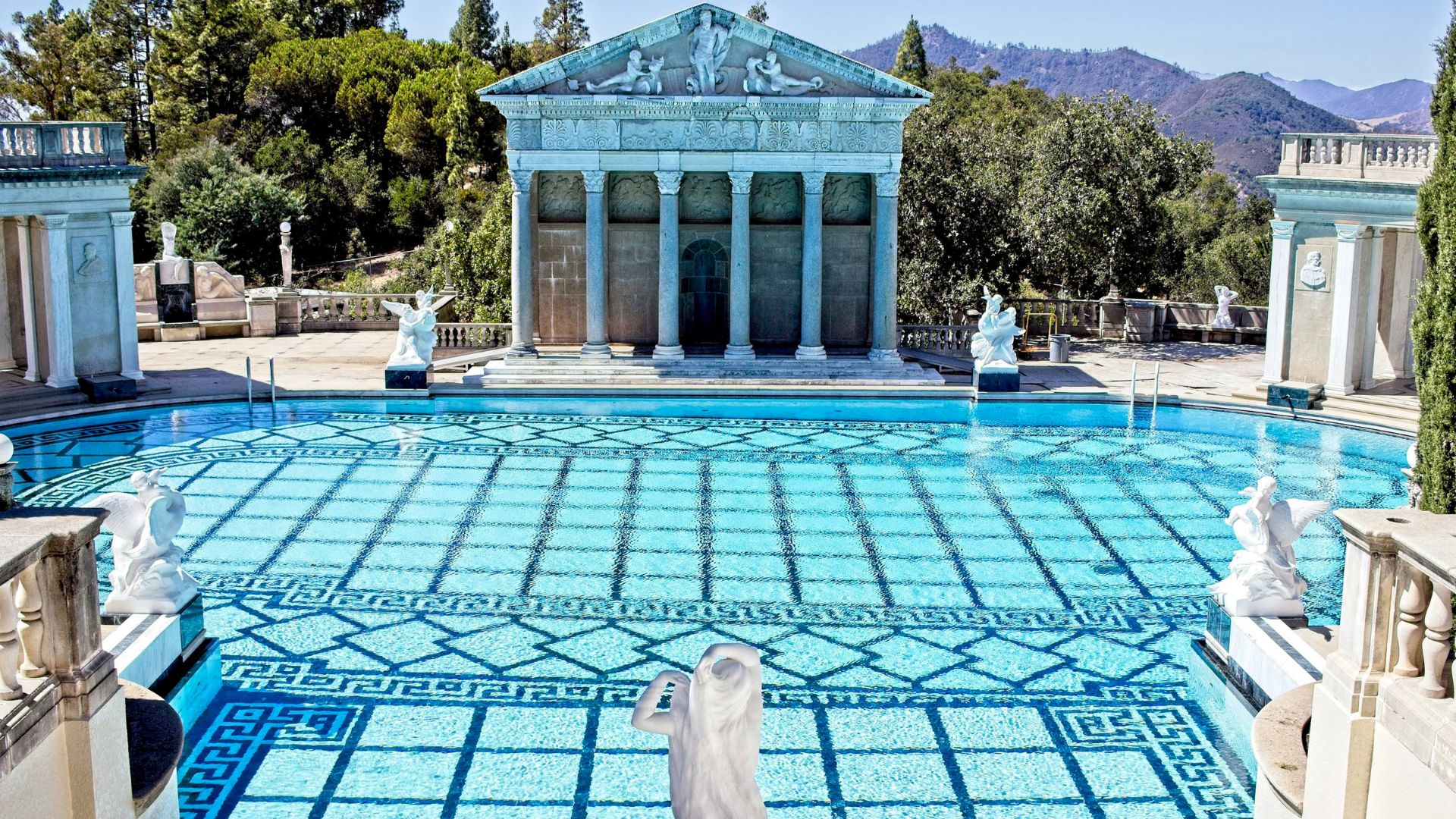
The Neptune Pool didn’t happen overnight. Hearst had three different versions built on this site between 1924 and 1936. Talk about chasing perfection.
Today’s pool stretches 104 feet long and 58 feet wide, plunging 10 feet deep at one end and holding a staggering 345,000 gallons of water. It sits high on the hillside, with views that go on forever.
What stands out:
- Vermont marble lining every inch
- An oil-burning heating system (fancy for its time)
- Four Italian relief sculptures along the colonnades
- A design straight out of a Greek or Roman myth
The temple structure at one end frames marble sculptures of Neptune and two sea nymphs. These figures originally topped a waterfall feature called the Cascade.
Julia Morgan designed the colonnades and left spaces for even more statues that never made it here. The pool, in all its grandeur, finally matched Hearst’s vision.
Roman Pool: Indoor Luxury and Glamour
Step inside the Roman Pool and you’re instantly transported to ancient Rome. Built from 1927 to 1934, this indoor pool mimics the style of the legendary Baths of Caracalla.
Every inch is covered in one-inch mosaic tiles—smalti, as they’re called—shimmering in blue, orange, and gold. The effect is pure magic, especially when the sunlight filters in.
Pool details:
- Eight marble statues of Roman gods and heroes
- Heated water, just like a Roman tepidarium
- Mosaic patterns inspired by 5th-century Italian designs
- A bold gold-and-blue color palette
Italian sculptor Carlo Freter carved the statues starting in 1930. One standout is “Apoxyomenos” (The Scraper), an athlete cleaning up after a workout.
The original blueprints included an exercise room, sweat baths, and a handball court. The mosaics? Directly inspired by the Mausoleum of Galla Placidia in Ravenna, Italy. It’s a hidden gem within a palace of wonders.
Roman Gardens and Landscaped Grounds
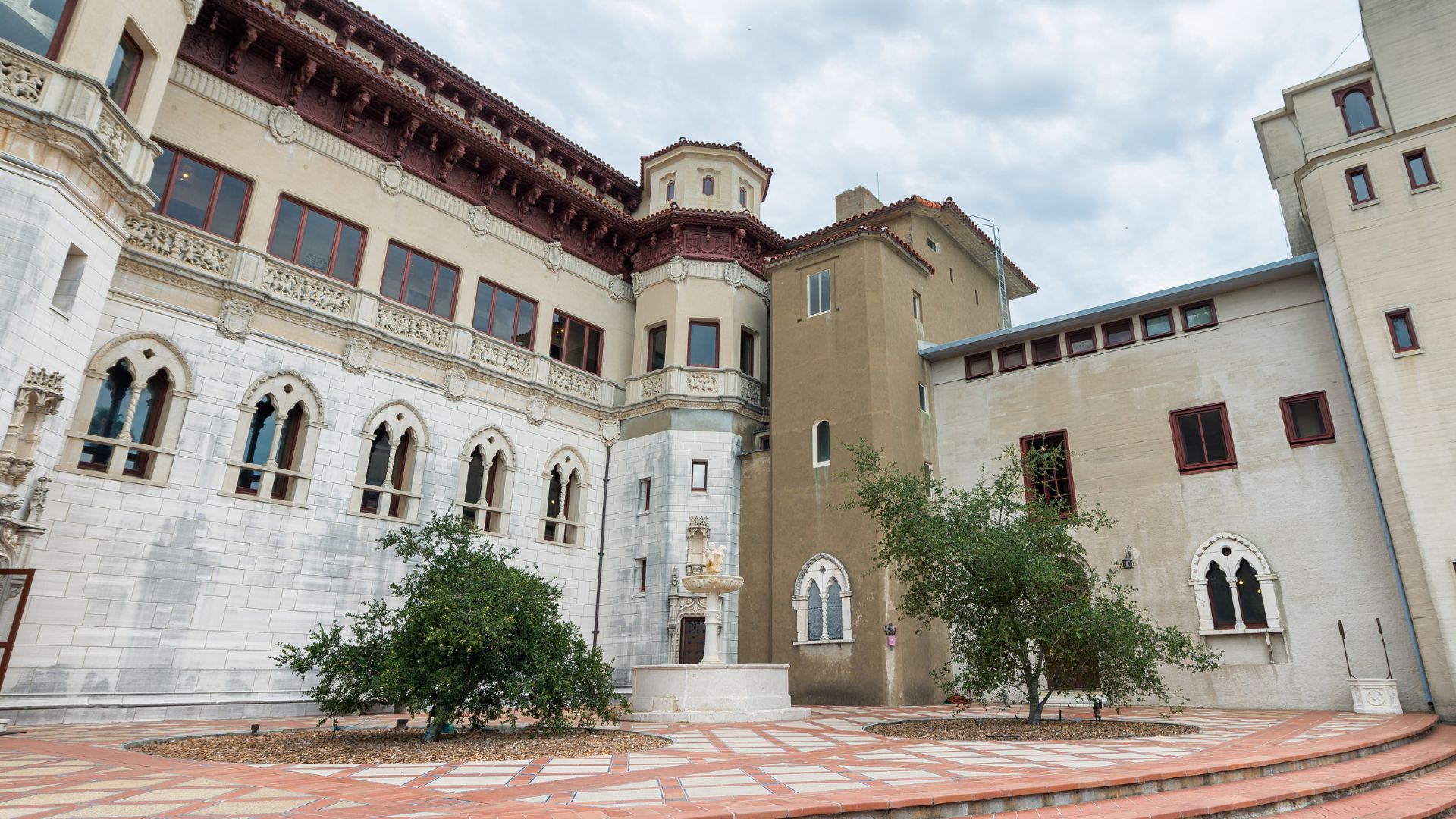
Hearst Castle’s gardens spill down the hillside, mixing Mediterranean flair with California’s native plants. You’ll wander along formal terraces that link the main buildings, with winding walkways and little spots to stop and take in the view.
Scattered between the castle’s wings, ancient statues and fountains catch your eye. Hearst loved to blend European architectural treasures with the wild charm of California, and it shows in every corner of these gardens.
Palm trees stand tall, and cypress groves wrap around the pools and outdoor lounges. The landscaping doesn’t just look pretty—it shapes outdoor rooms that echo the castle’s luxurious vibe inside.
Celebrities, Guests, and Everyday Life
William Randolph Hearst turned San Simeon into a magnet for Hollywood’s elite. Movie stars, politicians, and all sorts of influential folks mingled here, with Marion Davies always ready to play hostess.
Life at the castle felt like a strange mix of strict routines and nonstop fun. Imagine waking up to a day packed with both structure and surprises.
Marion Davies: The Lady of the Castle
Marion Davies wasn’t just Hearst’s companion—she truly became the heart of castle life. Her warmth and wit seemed to light up every gathering.
She threw elaborate dinner parties in the grand dining hall, making guests feel at home. Her bubbly spirit balanced Hearst’s more serious side, and you could tell she genuinely cared about everyone’s comfort.
Her Daily Role:
- Planned entertainment and activities
- Coordinated with staff for guest needs
- Organized games and movie screenings
- Supervised meals and social events
Marion loved leading guests on horseback rides around the sprawling grounds. She seemed to know every hidden nook and had a story for each one.
Even while living at the castle, she kept up her own film career. Sometimes she’d dash off to Los Angeles for work, then hurry back to welcome the next wave of visitors.
Hollywood’s Golden Age Visitors
The guest list at Hearst Castle? Basically a roll call of 1920s and 1930s Hollywood royalty. Movie stars would brave the four-hour drive from Los Angeles just to make it to one of Hearst’s legendary parties.
Notable Guests Included:
- Charlie Chaplin and other silent film stars
- Politicians and government officials
- Famous writers and journalists
- Athletes and sports figures
- International celebrities
Some guests stayed for days, others for weeks. They lounged by the castle’s two pools, played tennis, or wandered through the private zoo.
Evenings buzzed with movie screenings in Hearst’s private theater. After dinner, everyone drifted into the ornate assembly room for conversation or a round of games.
Those parties became the stuff of legend. If you landed an invitation to San Simeon, you’d pretty much made it in Hollywood.

Life at Hearst Castle Through the Decades
Living at Hearst Castle? It felt like stepping into a world with its own rules and rituals. Hearst set the schedule, and everyone followed it—no exceptions.
Every evening, guests slipped into formalwear for dinner at 8:30 PM sharp. The atmosphere buzzed with anticipation, and honestly, the sense of occasion made every meal feel special.
Daily Schedule:
- Morning: Breakfast lingered until 10 AM.
- Afternoon: People drifted to the pool, played tennis, or wandered over to visit the zoo.
- Evening: Cocktails got rolling at 7:30 PM.
- Night: Dinner, then whatever entertainment the night had in store.
During Prohibition, Hearst officially banned alcohol. Did that stop the party? Not really. Guests often got a little creative, and if you were lucky, Hearst might pour you a glass of something rare from his private stash.
The staff kept the whole place running smoothly. They took care of everything—serving meals, tending the gardens, and even looking after the wild animals in Hearst’s personal zoo.
Over the years, the guest list changed. By the 1940s, politicians and public figures showed up more often, adding a new flavor to the crowd.
Eventually, Hearst’s health started to fade. He began spending more time in Beverly Hills, and the castle’s lively days slowly quieted down.
