
Whenever I look at Miami’s skyline, I see more than just towers scraping the clouds. The blend of modern high-rises, Art Deco classics, and luxury condos really shows how Miami’s skyline mirrors the city’s wild creativity, rapid growth, and colorful cultural mix. Every gleaming facade and splash of color along the water seems to pulse with Miami’s spirit.
This skyline isn’t just a collection of buildings. It’s alive—a visual diary of Miami’s past and where it’s headed next.
You can spot shining waterfront towers and quirky tropical styles, each telling its own story. As I wander the city, I notice how the skyline connects the old with the new, mixing ambition, flair, and that ever-present link to the ocean and sun.
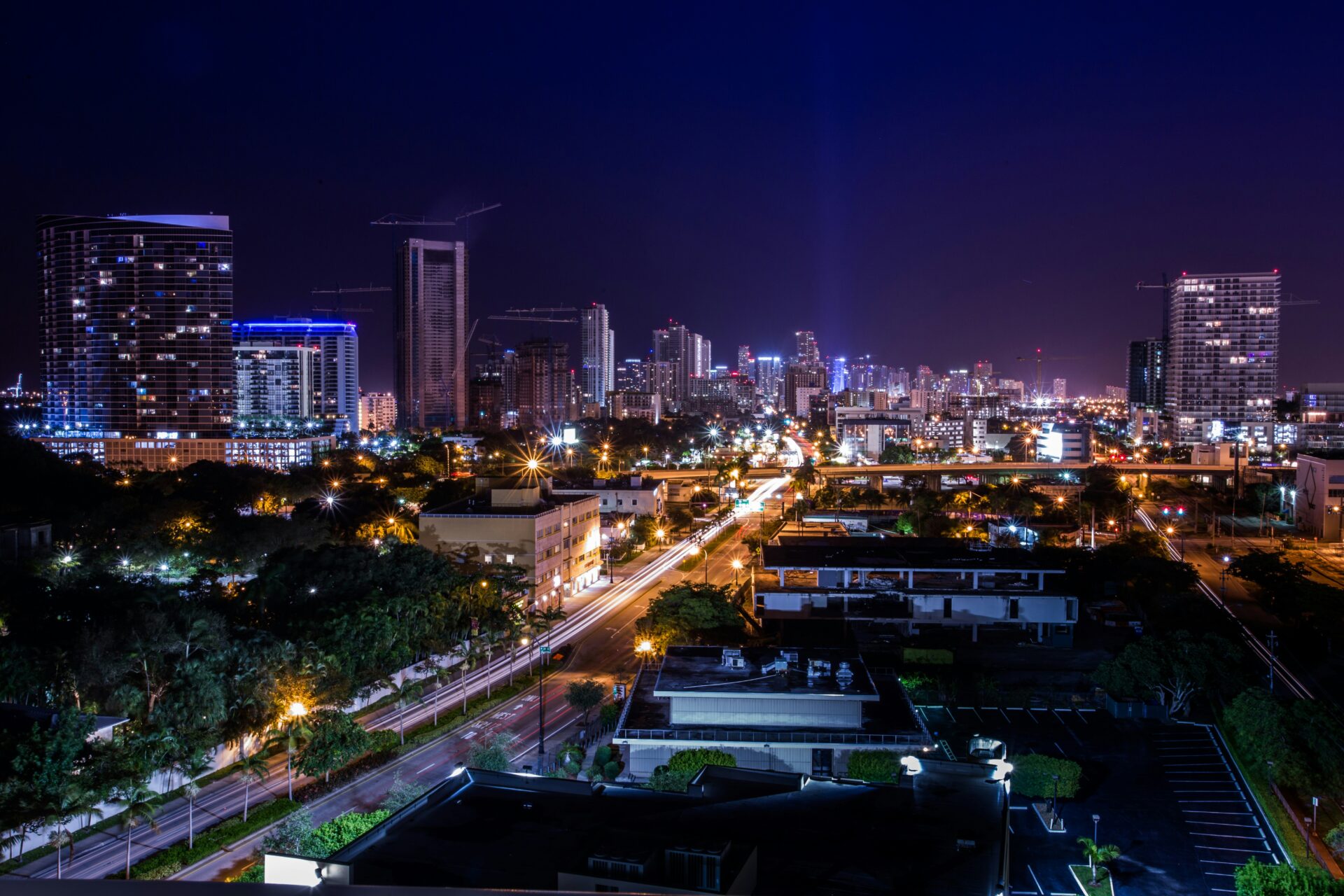
The Essence of Miami’s Skyline
Miami’s skyline feels like a living, breathing showcase of the city’s energy and waterfront roots. It stands out with its tall, modern shapes, sweeping water views, and a mashup of history and innovation from Miami Beach to South Beach.
Iconic Skyscrapers and Their Impact
When I gaze at Miami’s skyline, those glassy towers and wild shapes always grab my attention. Take the One Thousand Museum—Zaha Hadid’s creation—its futuristic exoskeleton almost looks like it’s from another planet.
These skyscrapers don’t just reach for the sky. They push boundaries in design, materials, and tech.
Downtown and Brickell have become home to most of these modern towers. Glass and steel dominate, giving everything a crisp, almost icy look that just glows at sunset. Some buildings use smart technology and sustainable features, which makes sense given Miami’s weather challenges.
Older touches, like the Art Deco influences, break up the glassy lines and bring a sense of history. These details remind me that Miami honors its past while charging into the future.
Key Features Table:
| Notable Tower | Architect | Unique Feature |
|---|---|---|
| One Thousand Museum | Zaha Hadid | Futuristic exoskeleton |
| Aston Martin Residences | Bodas-Miani-Anger | Iconic curved glass facade |
| Freedom Tower | Schultze & Weaver | Historic landmark |
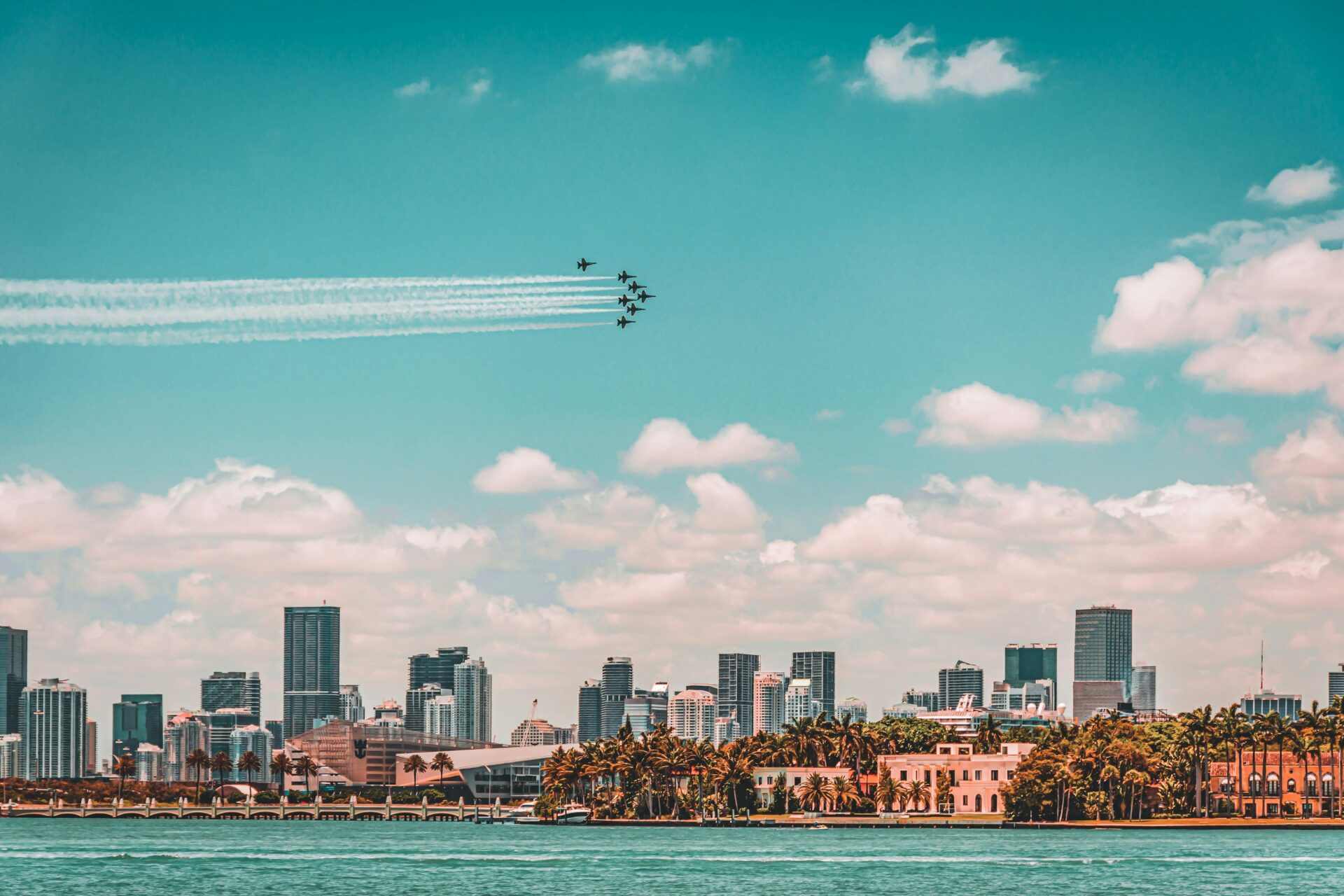
Biscayne Bay Panoramas
Biscayne Bay totally shapes how Miami’s skyline feels to me. From the water, the view is just rows of high-rises climbing above palm-lined streets.
Sunlight bounces off blue-green waves and onto the towers, making the city look even more alive.
Many skyscrapers face the bay, offering sweeping views of the Atlantic and the Miami Beach strip. Waterfront parks like Bayfront Park give you a spot to soak up both nature and that dramatic cityscape.
This bayfront setting isn’t just for looks. It’s a reminder that Miami’s skyline and its environment are tightly linked, and it’s why climate-resilient buildings matter so much here.
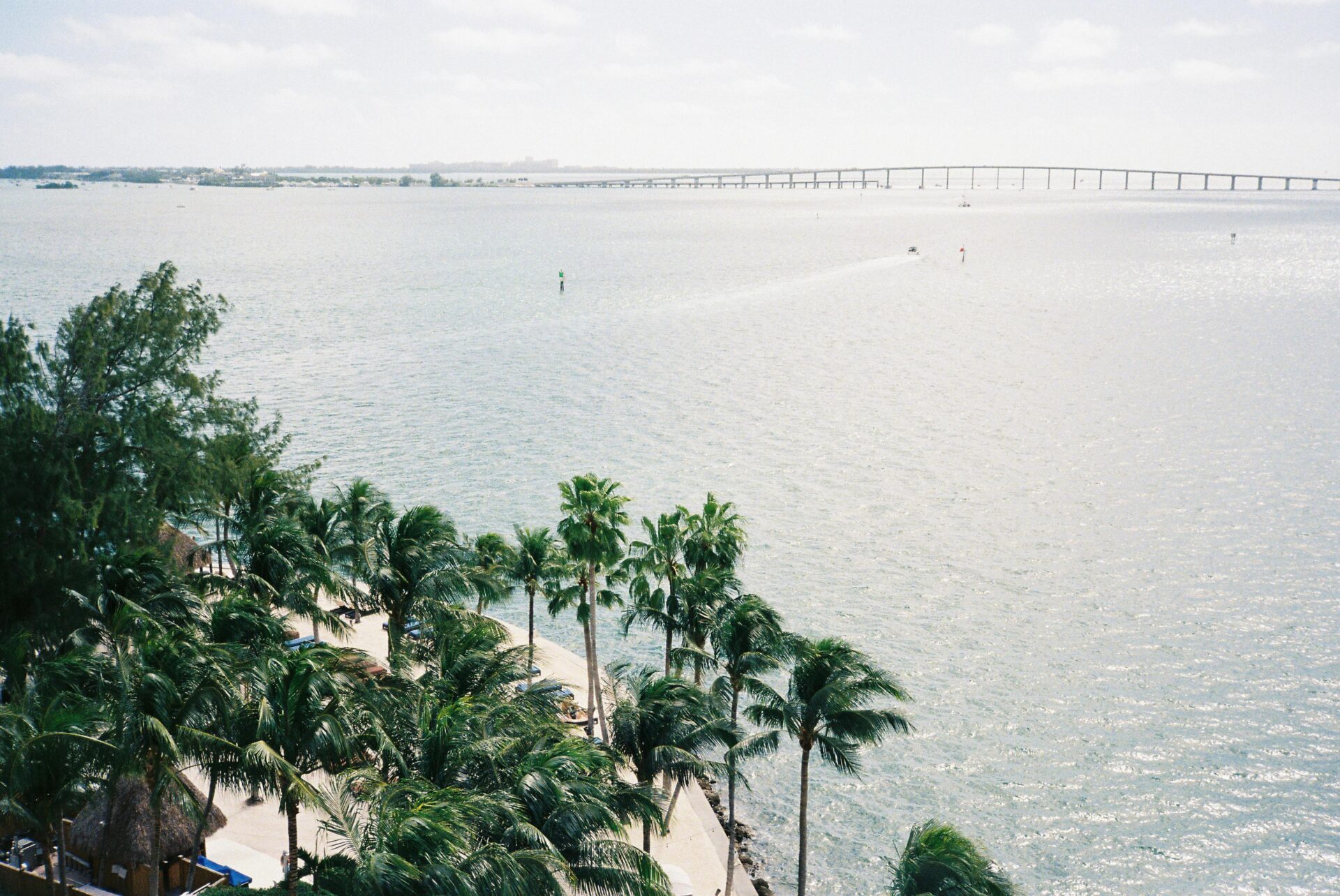
Miami Beach and South Beach Vistas
The stretch of Miami Beach and South Beach feels like a different side of the city’s soul. Here, pastel Art Deco buildings line Ocean Drive in soft blues, pinks, and yellows.
These low-rise gems ooze nostalgia and give Miami its unmistakable style.
Head north and the vibe shifts—sleek condos and luxury hotels rise above the sand, their modern lines cutting a sharp silhouette. Miami Beach stands apart from the glass-heavy downtown.
Strolling along the shore, I sense how the skyline merges city energy with chilled-out beach vibes. The mashup of color, shape, and sea views is a huge part of what makes Miami, well, Miami.
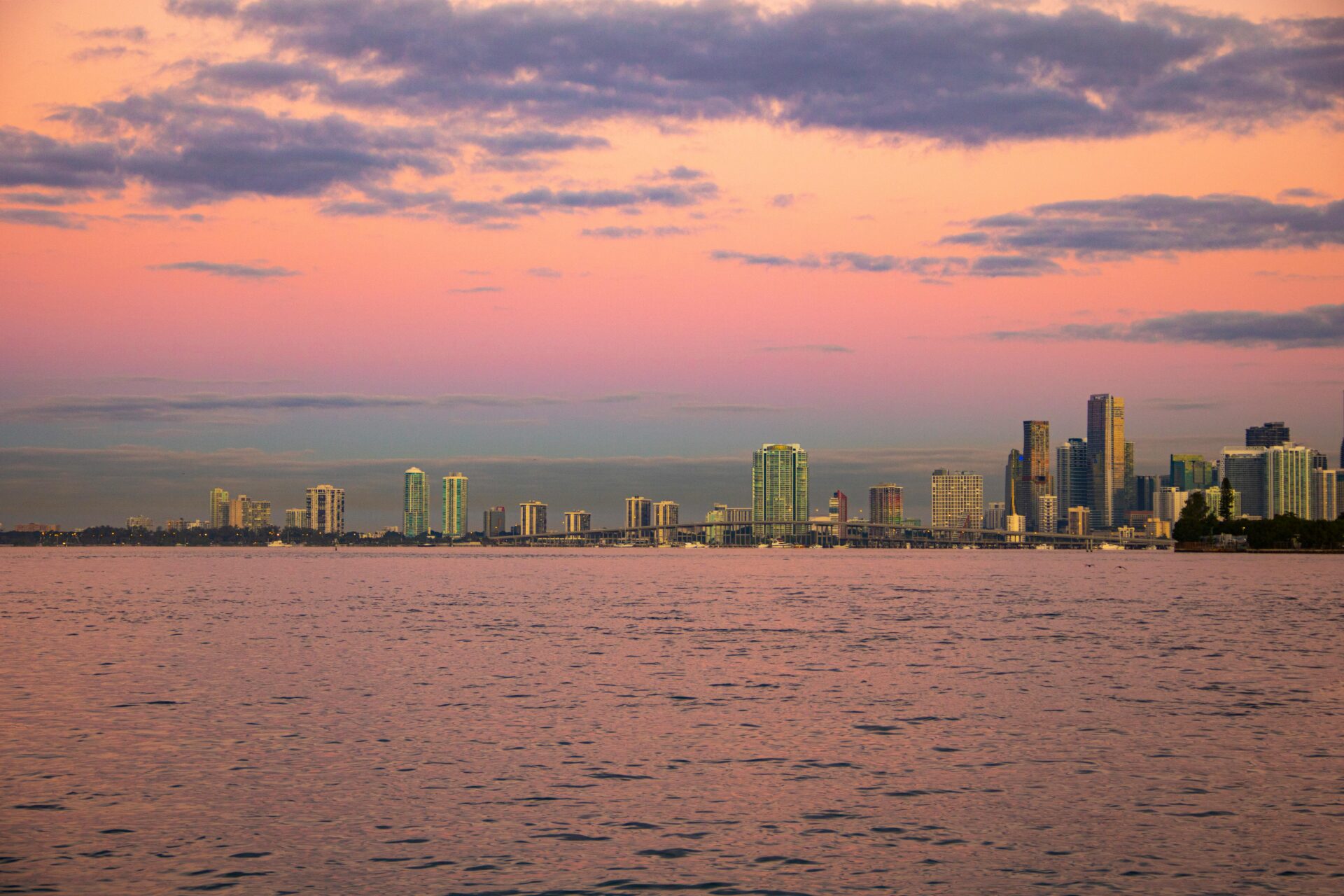
Architectural Identity: Shaping the City’s Spirit
Miami’s architecture is a bold mix—new construction with a splash of reverence for the past. Each style plays its part, showing off Miami’s creative drive and unique roots.
Modern and Innovative Structures
In Brickell, those sleek towers keep reshaping the skyline. Glass, steel, and sharp lines give these buildings a crisp, standout look.
Projects like Brickell City Centre introduced features such as the “climate ribbon,” which helps cool the space and keeps things energy-efficient.
Zaha Hadid left a mark with One Thousand Museum—its exoskeleton and futuristic feel scream innovation. International architects keep bringing fresh ideas, blending global trends with Miami’s tropical vibe.
A lot of these new high-rises aren’t just flashy. They include hurricane-resistant glass and eco-friendly touches to handle Miami’s wild weather.
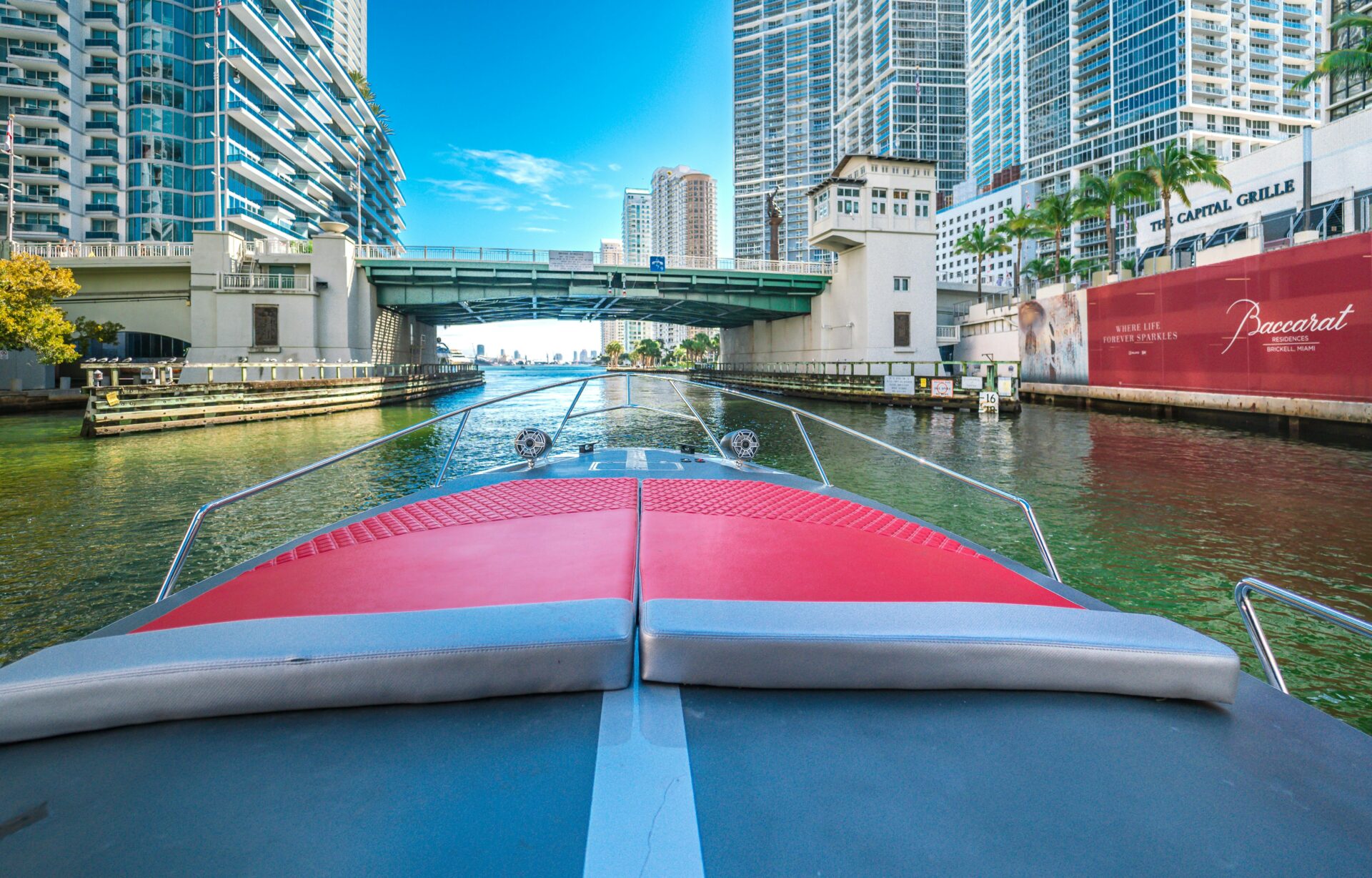
Preserving Historic Architecture
Older neighborhoods like South Beach offer a window into Miami’s past. The Art Deco District, with its pastel hotels and geometric shapes, takes you back to the early 1900s through the ’40s.
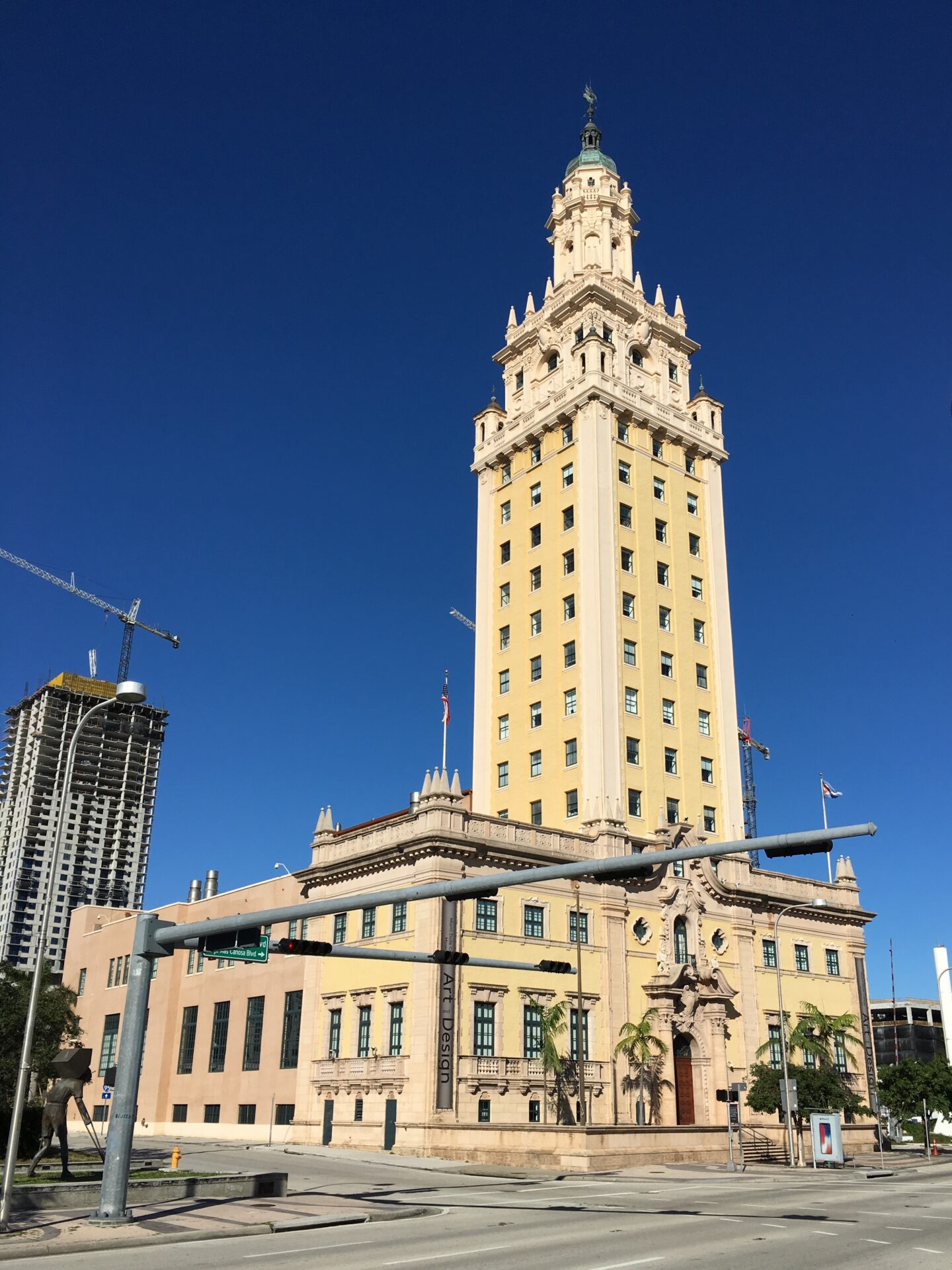
Villa Vizcaya and the Freedom Tower are two of the city’s most iconic historic spots. Villa Vizcaya’s Mediterranean Revival style and lush gardens ooze old-school luxury, while the Freedom Tower stands as a powerful symbol for Cuban immigrants.
Local groups and city planners work hard to protect these landmarks. Grants and preservation laws keep their original charm alive, letting Miami’s history shine even as the city evolves.
Influential Miami Architects
A handful of architects have left their fingerprints all over Miami’s skyline. Morris Lapidus brought drama and glamour with hotels like the Fontainebleau and Eden Roc.
Arquitectonica, the local firm, changed the game with modernism. Their Atlantis building on Brickell—with its sky patio and bold look—set a new bar for Miami high-rises.
Here’s a quick snapshot of other noteworthy architects:
| Architect/Firm | Signature Work | Style |
|---|---|---|
| Zaha Hadid | One Thousand Museum | Futuristic, Modern |
| Morris Lapidus | Fontainebleau, Eden Roc | Dramatic, Glamorous |
| Arquitectonica | Atlantis, Brickell City Centre | Modernist, Innovative |
Each architect helped shape Miami’s identity by taking creative risks and blending local needs with global inspiration. Their work is dramatic, sometimes flashy, but always uniquely Miami.
Neighborhoods That Define the Skyline
Every direction you look, Miami’s skyline shifts—each neighborhood reveals a new piece of the city’s story.
Some areas flaunt new skyscrapers, while others keep Miami’s deep roots and culture alive.
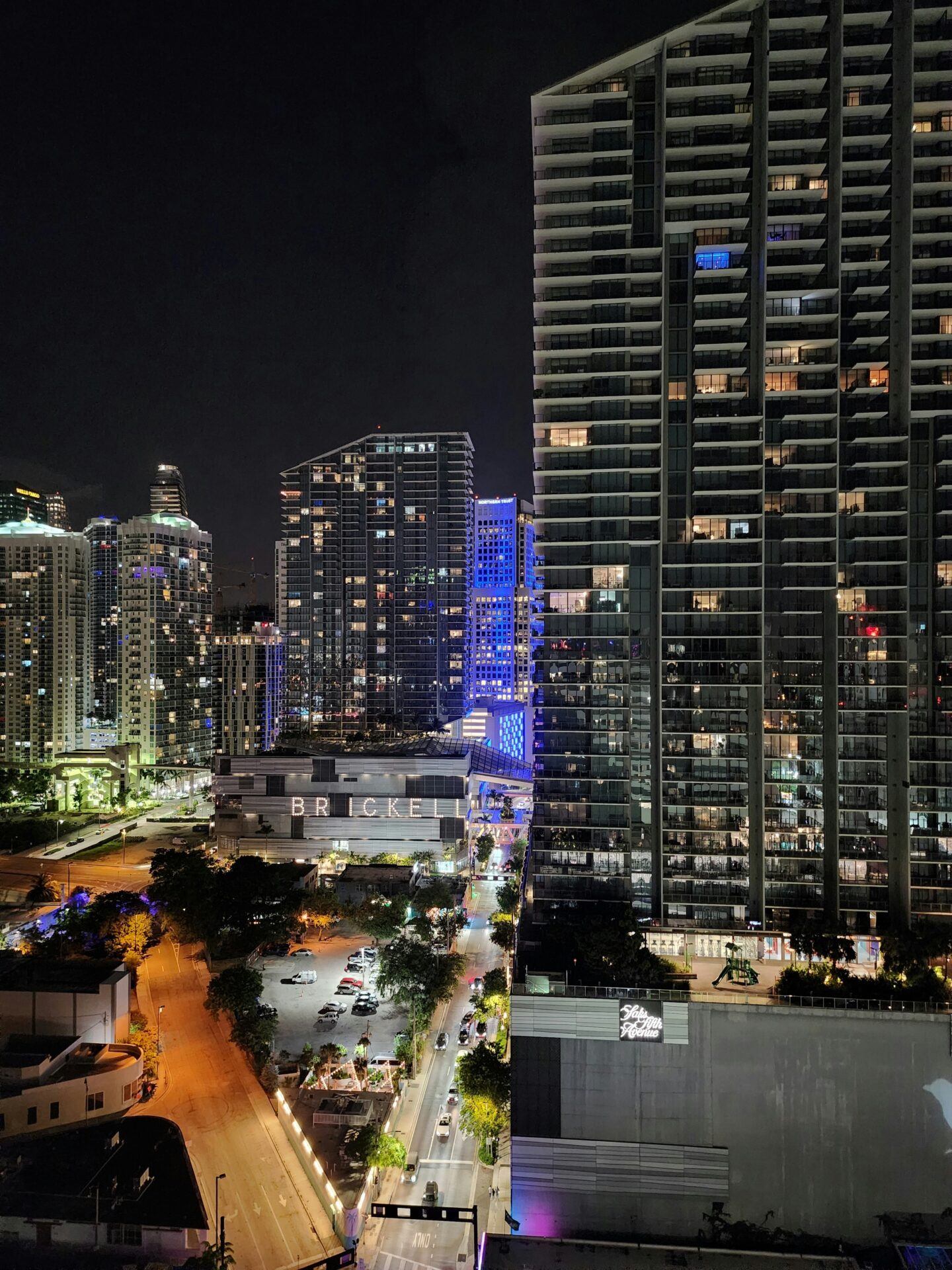
Brickell and the Rise of Urban Development
Brickell jumps out as Miami’s modern heart—a hub for business and high-rise living.
Glass and steel dominate, giving the area its signature sleek vibe.
Brickell City Centre changed the game, bringing apartments, offices, shops, and restaurants together. It’s no wonder more people want to live here; the place buzzes day and night.
Brickell’s focus on walkability stands out. Wide sidewalks, easy transit, and upscale amenities attract everyone from young professionals to families.
The recent building boom turned Brickell into a true 24/7 neighborhood. It’s setting the pace for Miami’s future, showing how the city balances flexible spaces and that signature tropical flair.
Coconut Grove Heritage
Coconut Grove feels like a breath of fresh air compared to Miami’s busier districts. It’s one of the oldest neighborhoods, but you won’t find rows of high-rises here.
Instead, the area is filled with lush trees, parks, and charming old homes.
Some buildings use tropical modernism—natural materials and open-air layouts that blend right into the waterfront. The Grove at Grand Bay stands out with its twisting towers and eco-friendly focus.
Coconut Grove mixes history and innovation in a way that feels effortless. The neighborhood protects its older buildings while welcoming green, modern designs.
Walking these leafy streets, I get a sense of Miami’s slower, community-focused side. It’s a reminder that the city isn’t all about the hustle.

Downtown’s Vibrant Energy
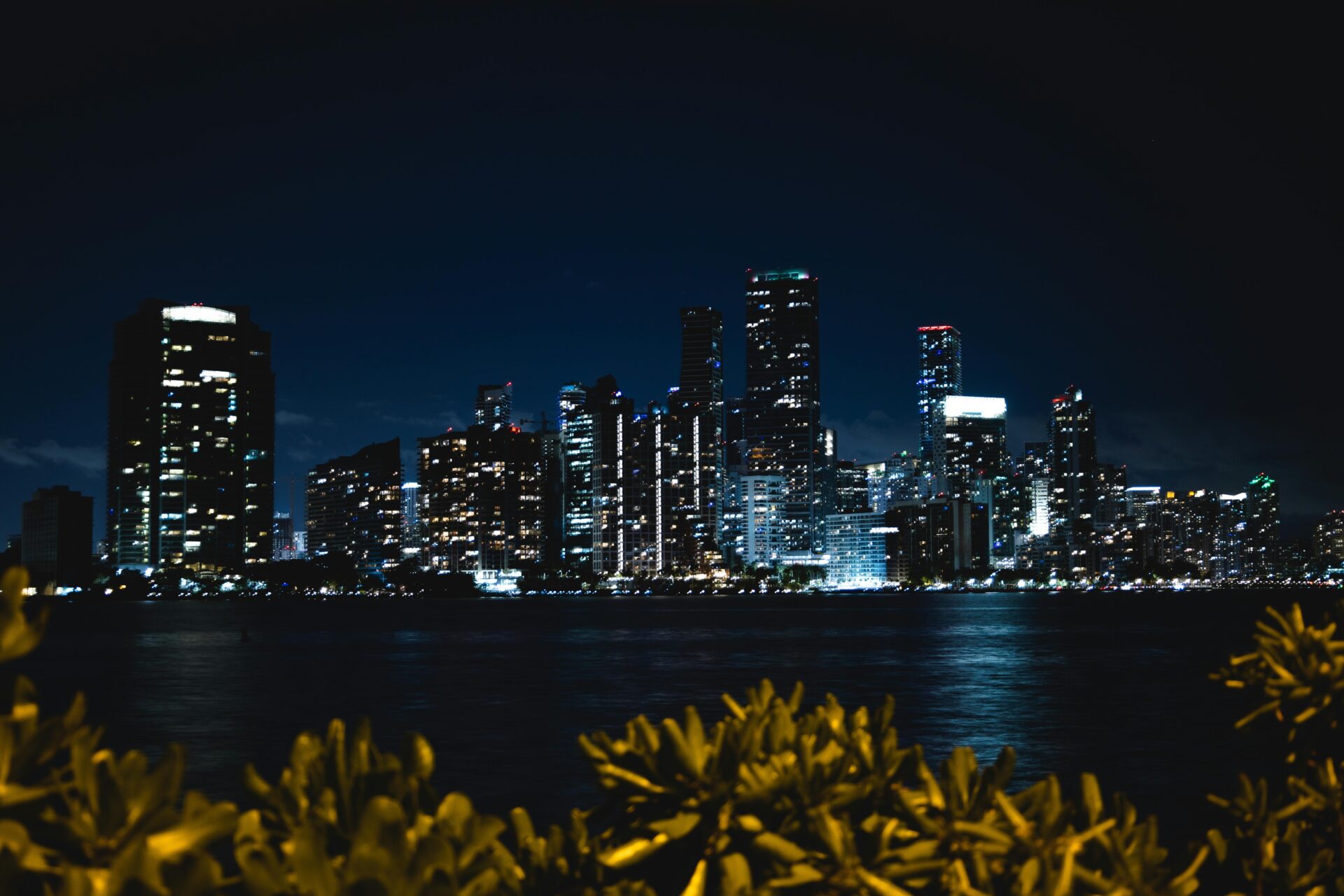
Downtown Miami pulses at the city’s core, and its skyline always seems to be changing.
You’ll see historic structures rubbing shoulders with gleaming new towers. The energy here is contagious, with locals and visitors mingling day and night.
Cultural landmarks like the Pérez Art Museum Miami give downtown its creative edge. Waterfront condos and business towers offer killer views of Biscayne Bay.
After dark, the area glows with lights from theaters, restaurants, and hotels.
Downtown is built for action—public art, transit, and gathering spots line the streets. This neighborhood really captures Miami’s spirit of growth and diversity.
The Art Deco Influence and Cultural Landmarks
Miami’s skyline owes a lot to its bold architectural styles and buzzing cultural centers. Art Deco buildings, iconic streets, and top-notch performing arts venues each play a part in shaping the city’s look and vibe.
Art Deco Historic District
The Art Deco Historic District stands at the heart of Miami Beach’s architectural story. With over 800 preserved buildings, the area feels like a living museum of 1920s–1940s design.
Pastels, geometric shapes, and quirky details pop out at every turn.
This district blends tropical themes with smooth lines and curves. Glass blocks, porthole windows, and rounded corners give the buildings a playful energy that fits Miami’s climate perfectly.
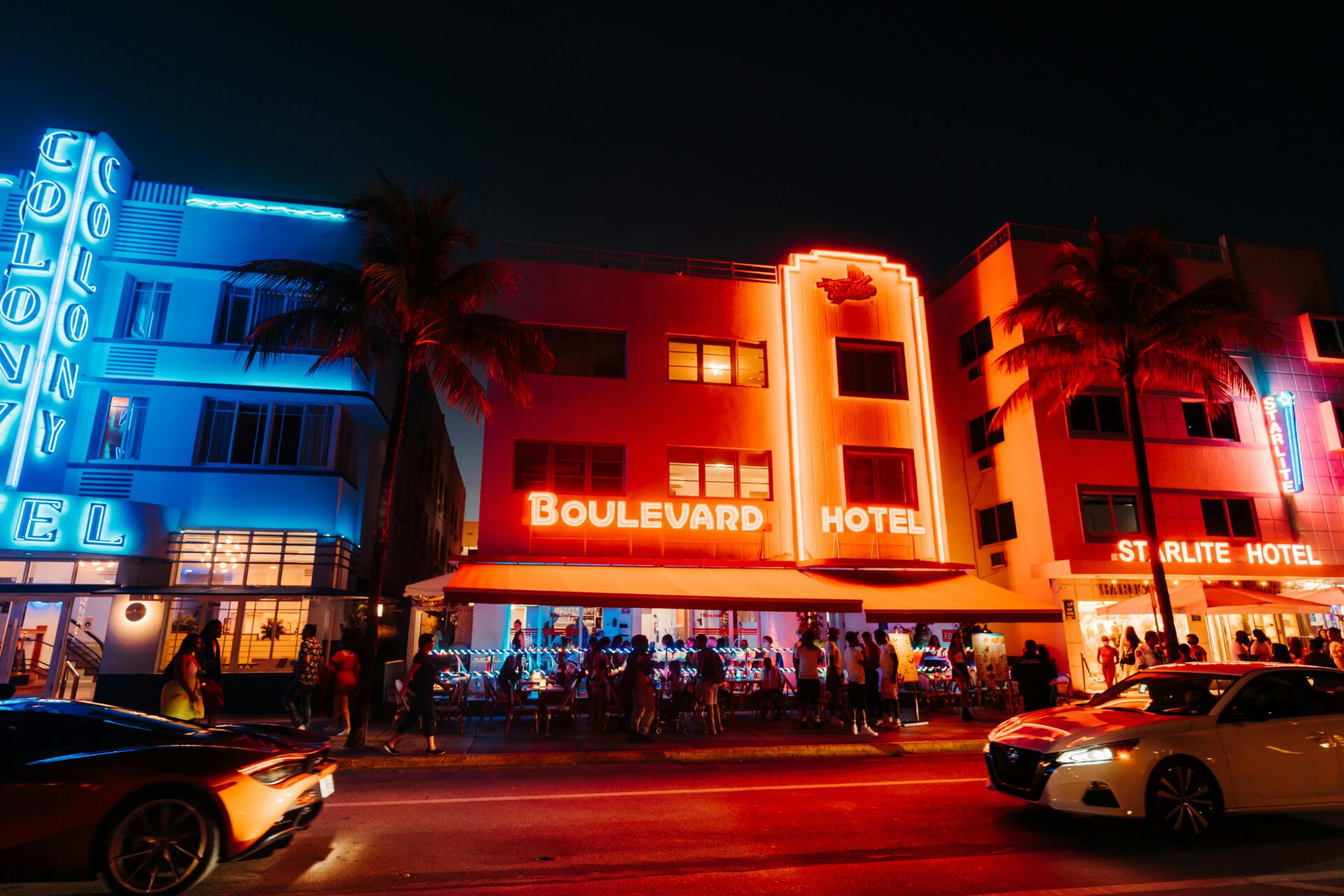
Spots like the Colony Hotel help keep early Miami’s spirit alive. Both tourists and locals stroll these blocks, soaking up the historic facades. Groups like the Miami Design Preservation League work hard to make sure these buildings stick around for the next generation.
Ocean Drive Architecture
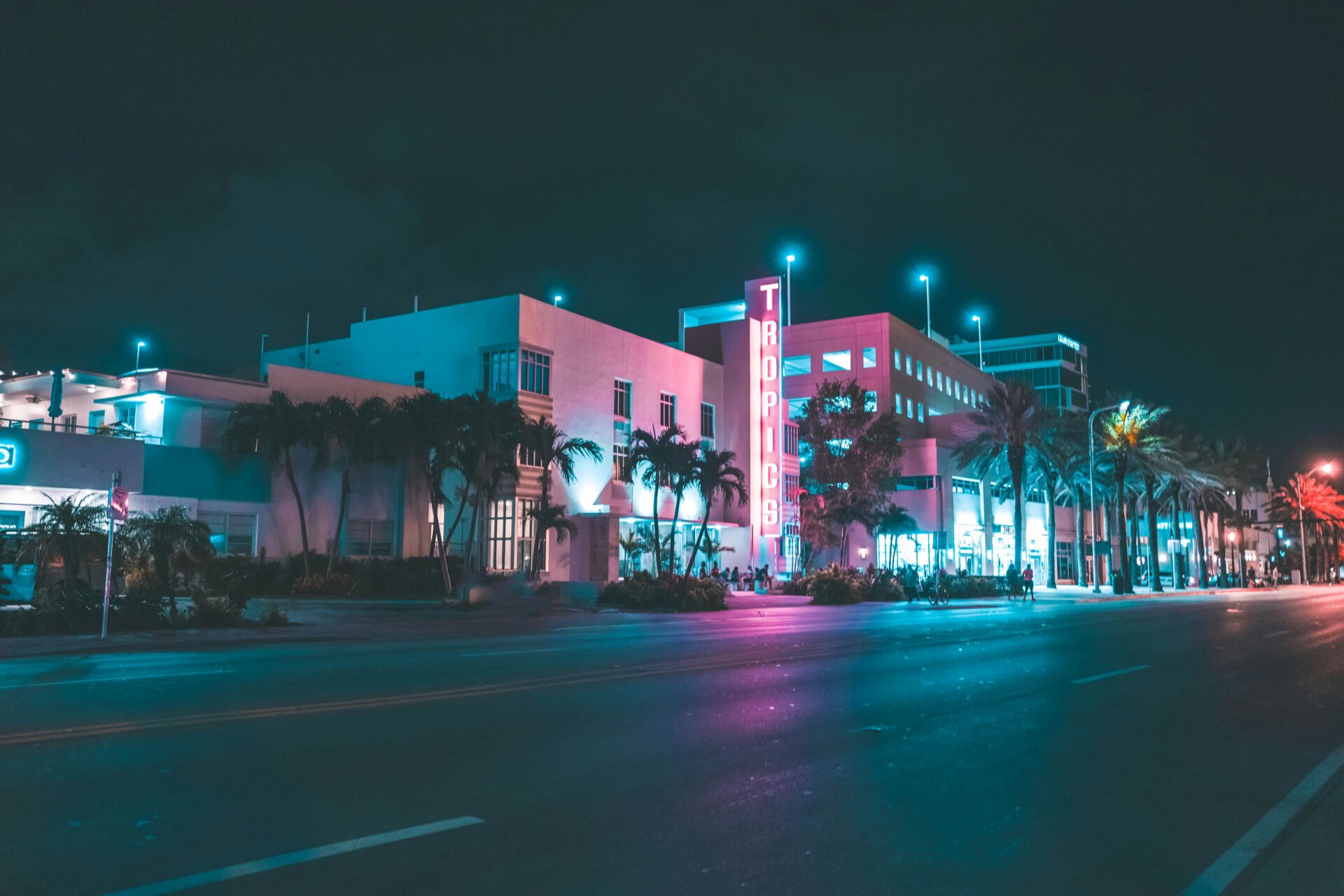
Walking along Ocean Drive, I can’t help but get swept up in its vibrant style. Art Deco buildings sport smooth pastel fronts and neon accents that light up the night.
You’ll spot horizontal lines, bold curves, and fancy railings everywhere.
Ocean Drive is more than a photo op—it’s a symbol of Miami’s creative flair. Rooftop terraces and big windows invite in the sea breeze, while hotels and restaurants use vintage touches to lure you in with nostalgia and comfort.
A walk here feels like stepping into a retro postcard. Each building shares a bit of Miami’s story, especially as the city became a magnet for art, music, and film.
Artistic Touches: Adrienne Arsht Center & Miami City Ballet
The Adrienne Arsht Center for the Performing Arts stands out with its bold, modern look. It’s different from Art Deco, but somehow it fits right in with Miami’s ever-changing skyline.
The center brings music, opera, and theater from around the world to local crowds.
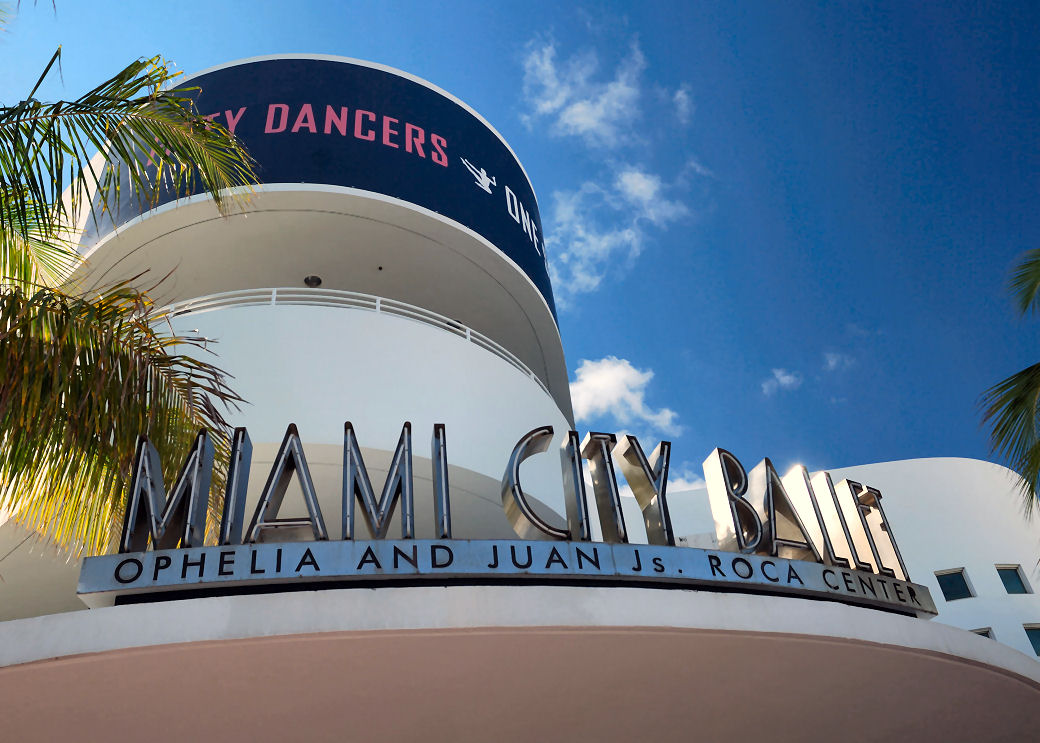
The Miami City Ballet adds another layer to the city’s arts scene. Its home features open, airy spaces and contemporary design—a perfect match for dance.
Both the Arsht Center and Miami City Ballet show how Miami’s architecture and culture go hand in hand. Their designs break from tradition but have already become landmarks in their own right.
Living the Skyline: Lifestyle and Urban Experience
Miami’s skyline isn’t just a backdrop—it’s where life happens.
These towers and parks shape how I experience the city, from where I live to where I unwind, always with the waterfront close by.
Luxury Condominiums and Residences
Miami’s packed with luxury condos that really set the bar for upscale city living. You’ll spot most of these high-rises in places like Brickell and Downtown.
Take One Thousand Museum or UNA Residences, for example. They both flaunt sleek, modern looks—think floor-to-ceiling windows and those sprawling balconies that make you want to linger.
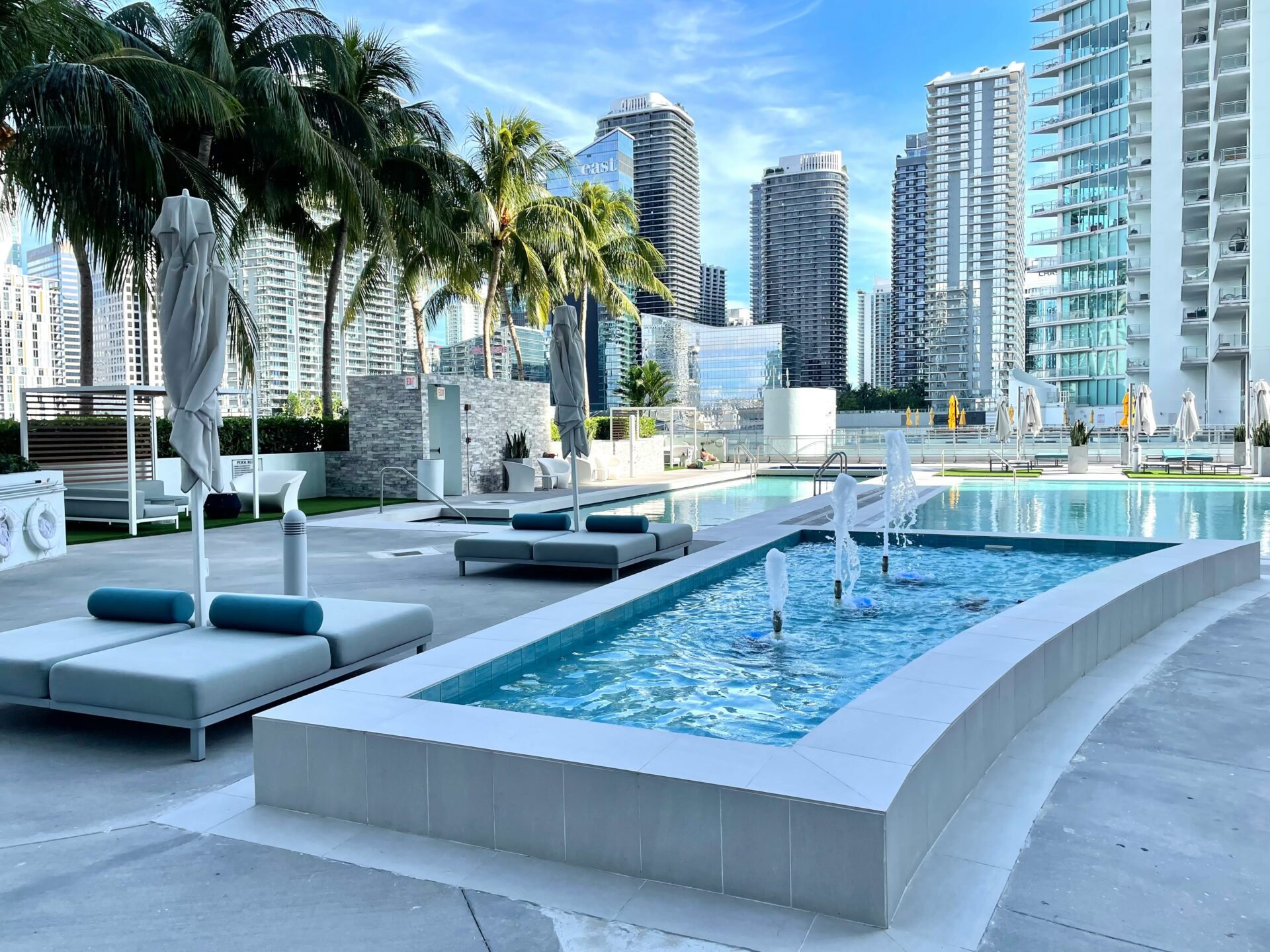
When I lived in one of these buildings, I could use rooftop pools, gyms, and even concierge services. Some buildings add co-working spaces and private lounges, which honestly made it easier to balance work and downtime.
Most of these places put a big emphasis on the view. Panoramic shots of Biscayne Bay or the Atlantic seem to fill up every room with light and that endless blue.
Here’s a quick list of common amenities:
| Amenity | Description |
|---|---|
| Rooftop Pools | Views of skyline and ocean |
| Fitness Centers | Modern, fully equipped gyms |
| Co-working Spaces | Quiet areas to work |
| Concierge | 24/7 service for residents |
| Large Balconies | Outdoor space with city views |
Living in these towers puts you right in the middle of Miami’s best spots for dining, shopping, and entertainment.
Bayfront Park and Waterfront Spaces
Bayfront Park hugs the edge of Downtown Miami, right up against Biscayne Bay. Every time I visit, I realize it’s more than just a patch of grass.
You can catch festivals, concerts, or even join a morning yoga class if you’re feeling ambitious. The park’s got walking paths, sculptures, and a breezy open-air amphitheater.
From here, I usually wander over to nearby shops or just watch the boats drift by. It’s all free, which is honestly pretty rare in a city like this.
Parks like Bayfront make the urban rush feel a bit more grounded. Sometimes I meet friends here, other times I just find a quiet spot and let the city fade out while I watch the water.
South Pointe Park Perspectives
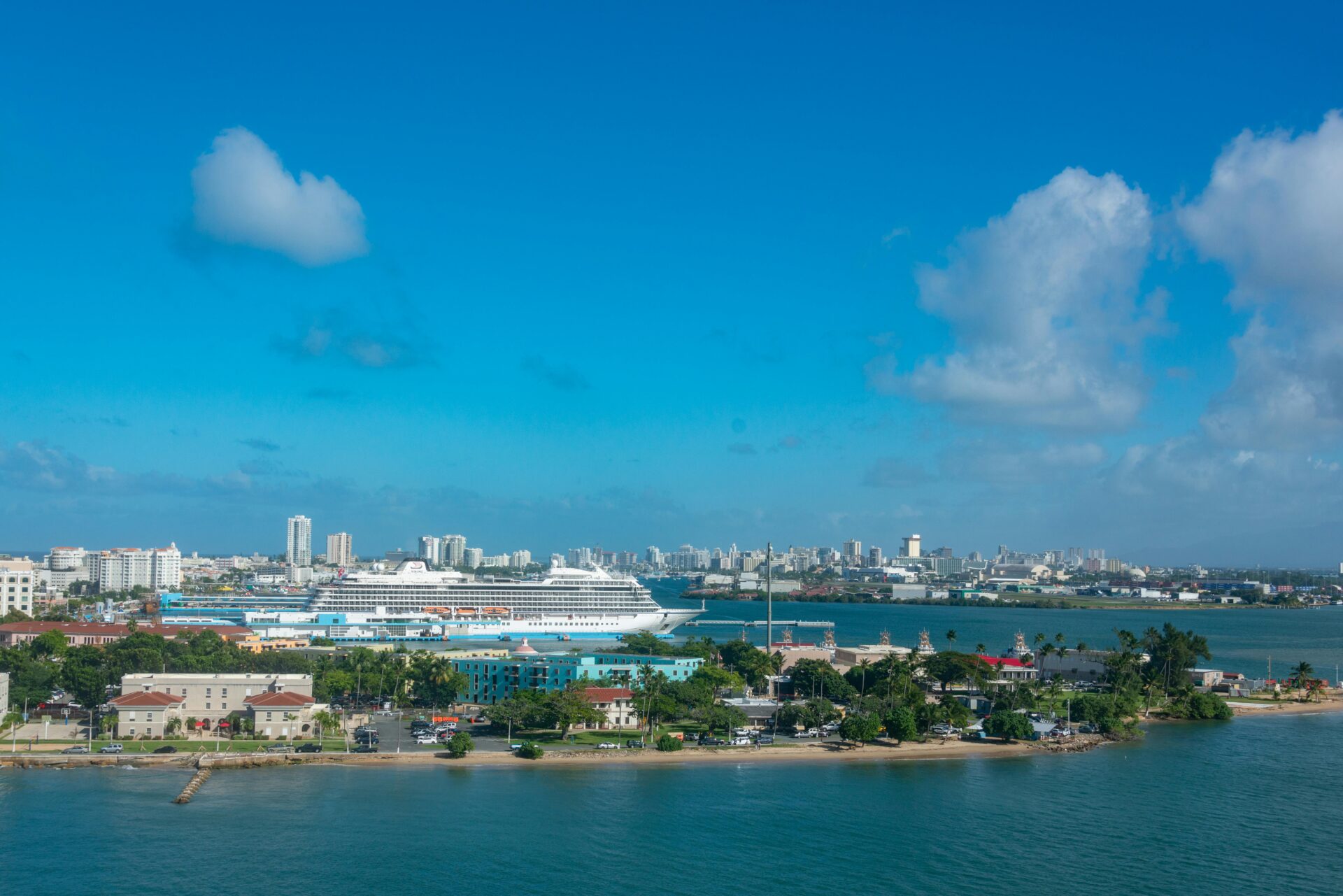
At the southern tip of Miami Beach, South Pointe Park always catches my attention. It’s honestly one of the best spots to take in the skyline, watch the ocean roll in, and maybe sneak a peek at Fisher Island across the water.
Wide walking trails wind through the park, and there’s a pier that’s almost always buzzing with people fishing or just soaking up the breeze. Sometimes, I just wander around with no real plan, letting the salty air do its thing.
You’ll find big green lawns here, plus playgrounds where kids burn off energy. The direct access to the sand makes it easy to kick off your shoes and wander down to the water.
I’ve seen families spread out picnic blankets, and locals snapping photos as massive cruise ships glide out of PortMiami. It’s a little surreal, honestly.
There are art installations scattered around, and the skyline views shift depending on the time of day. When the city lights flicker on at sunset, it feels almost cinematic.
From South Pointe, I can’t help but notice how Miami’s architecture and wild spaces practically bump shoulders. It’s a weirdly perfect blend—seeing the skyline as more than just buildings, but as part of the everyday rhythm by the water.

#/media/File:Freedom_Tower_Downtown_Miami_(38075844515).jpg)
