
I stood at the edge of Vikos Gorge in northern Greece, my heart pounding with excitement and nerves. Guinness World Records actually named Vikos Gorge the deepest canyon in the world, if you compare its width to its depth.
The rugged cliffs soared more than 1,000 meters high all around me. The path ahead looked both beautiful and a bit intimidating—I had no idea just how much this place would stick with me.
Hiking through Vikos felt a bit like sneaking into a secret world. Every twist in the narrow trail opened up new, jaw-dropping views.
The air smelled of pine and wildflowers. My legs shook, partly from the climb, but mostly from the overwhelming scale of it all.
If you’ve ever daydreamed about taking on a world-famous hiking route that truly lives up to the hype, Vikos Gorge should be on your list. I want to share what made this adventure so memorable, plus a few tips for anyone ready to tackle Greece’s record-setting canyon.
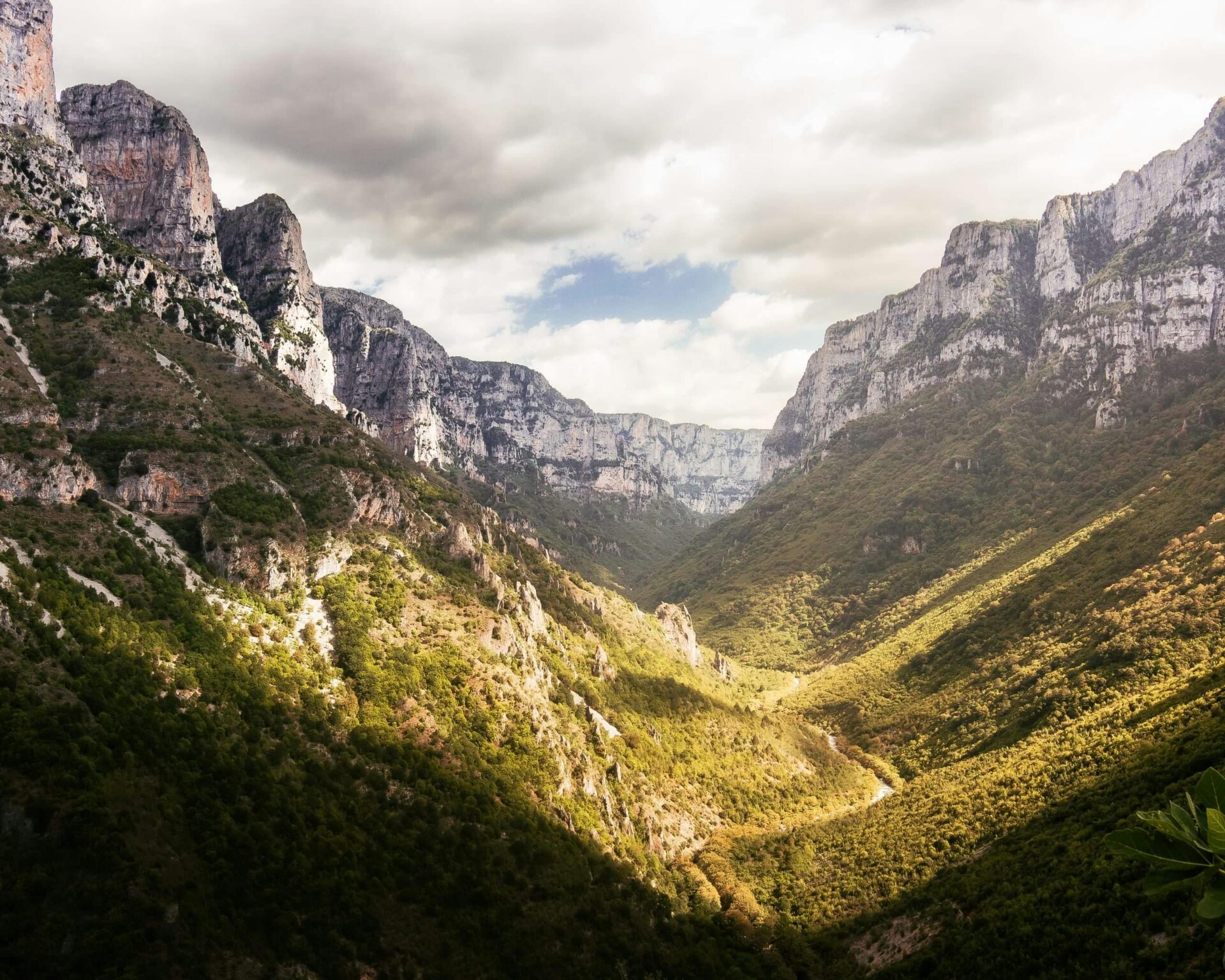
What Makes Vikos Gorge the World’s Deepest Canyon?
As I hiked along Vikos Gorge, steep stone walls, dizzying heights, and tight passageways surrounded me. The gorge stands out not just for its depth, but for its wild width-to-depth ratio, international fame, and the mind-blowing scenery at every turn.
Vikos Gorge’s Unique Geological Features
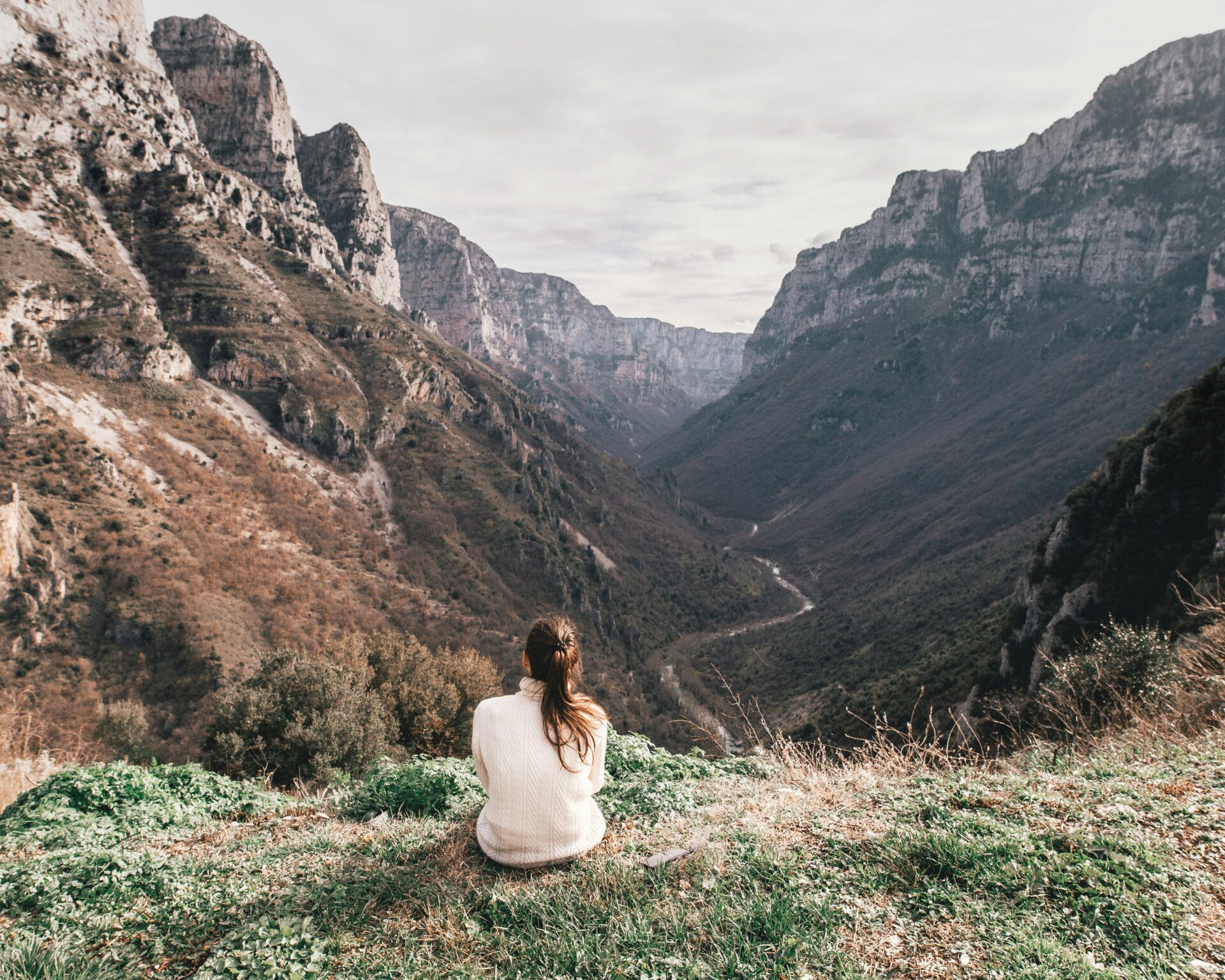
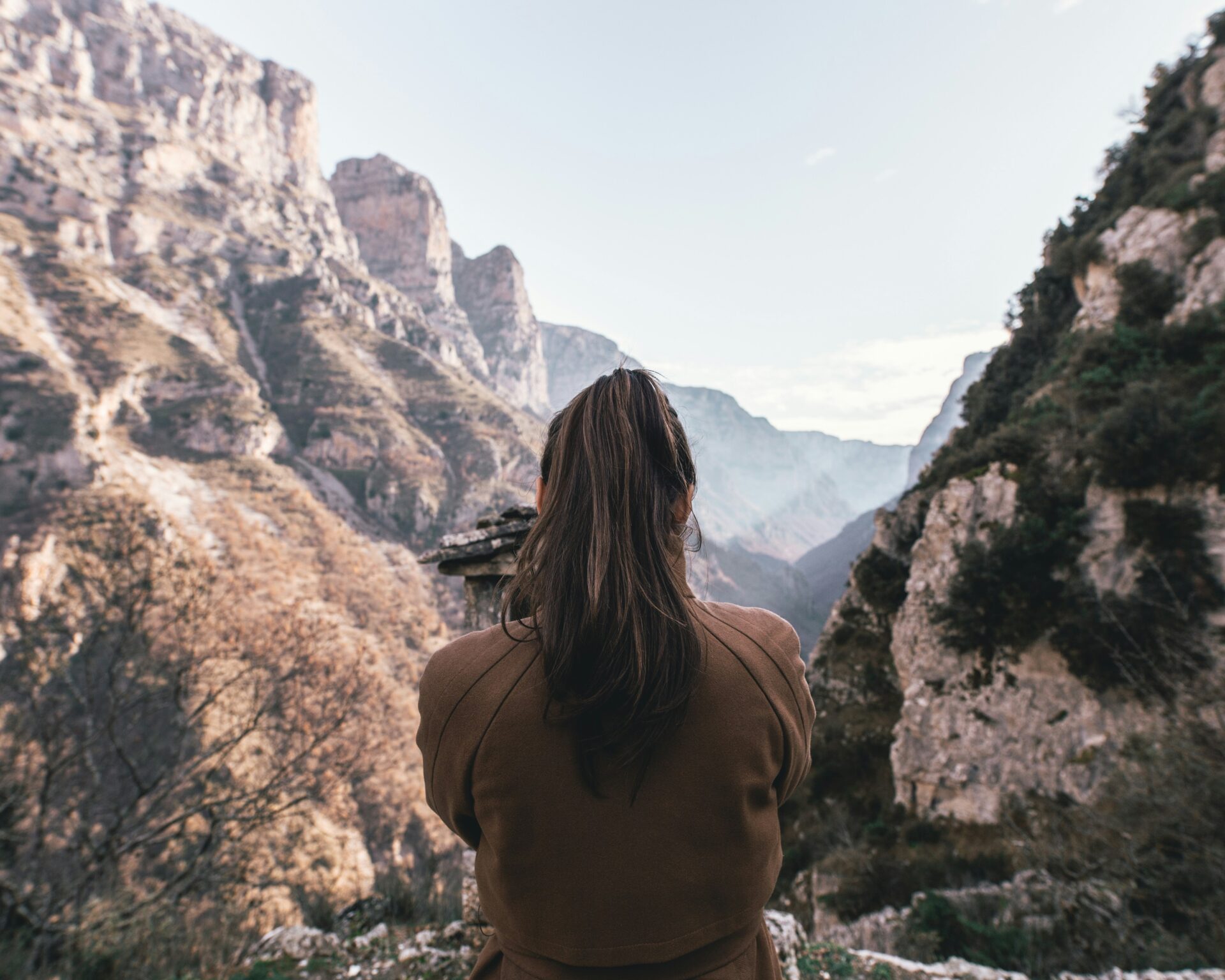
Vikos Gorge cuts through the rugged Pindus Mountains in northwestern Greece. Its limestone cliffs shoot up to 1,350 meters, creating tight gaps that feel like nature’s own secret passage.
This isn’t the widest or the longest canyon out there. But the way its width and depth compare makes it truly unique.
In many spots, the gorge squeezes down to just a few dozen meters wide, while the rock faces tower hundreds of meters overhead.
I spotted layers of rock that told stories millions of years old. Fossils peeked out from the stones, and I could see where rivers had shaped the gorge over ages.
The geology here carved out habitats for rare plants and animals. Every step felt like wandering through a living natural museum.
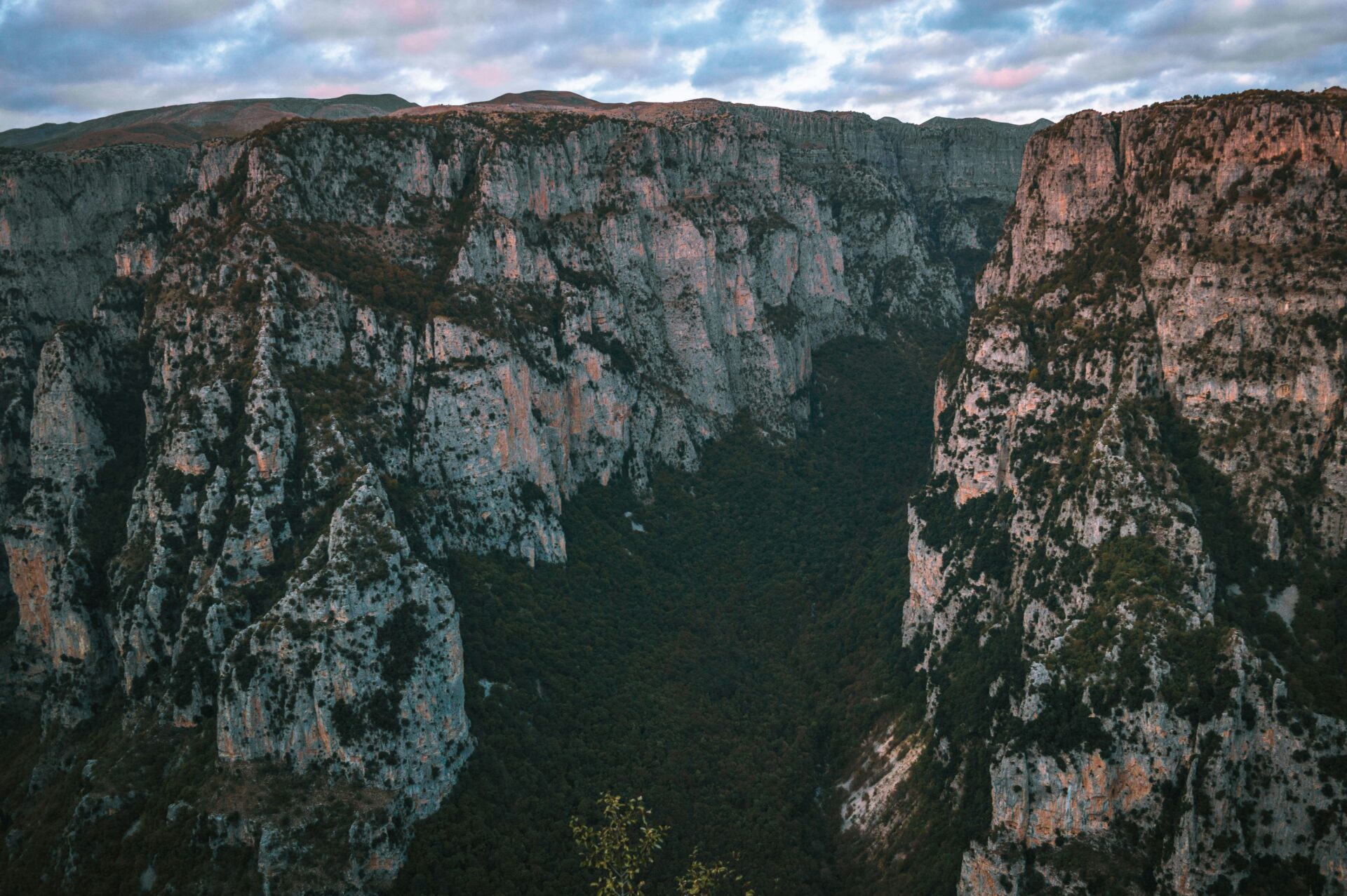
Guinness World Records and Global Recognition
Guinness World Records gave Vikos Gorge the title of the world’s deepest canyon in proportion to its width. That’s not just local hype—it’s official, and it draws travelers from all over who want to say they’ve hiked a “record-holder.”
Standing below those steep cliffs and the narrow base, I finally got why Guinness made it official. The scale hits you hard.
Even reading the stats—up to 1,350 meters deep, sometimes just a handful of meters wide—didn’t really prepare me for standing there in person.
I felt tiny and, honestly, a little thrilled to be somewhere so unique and respected. That international recognition adds a bit of extra buzz to every step.
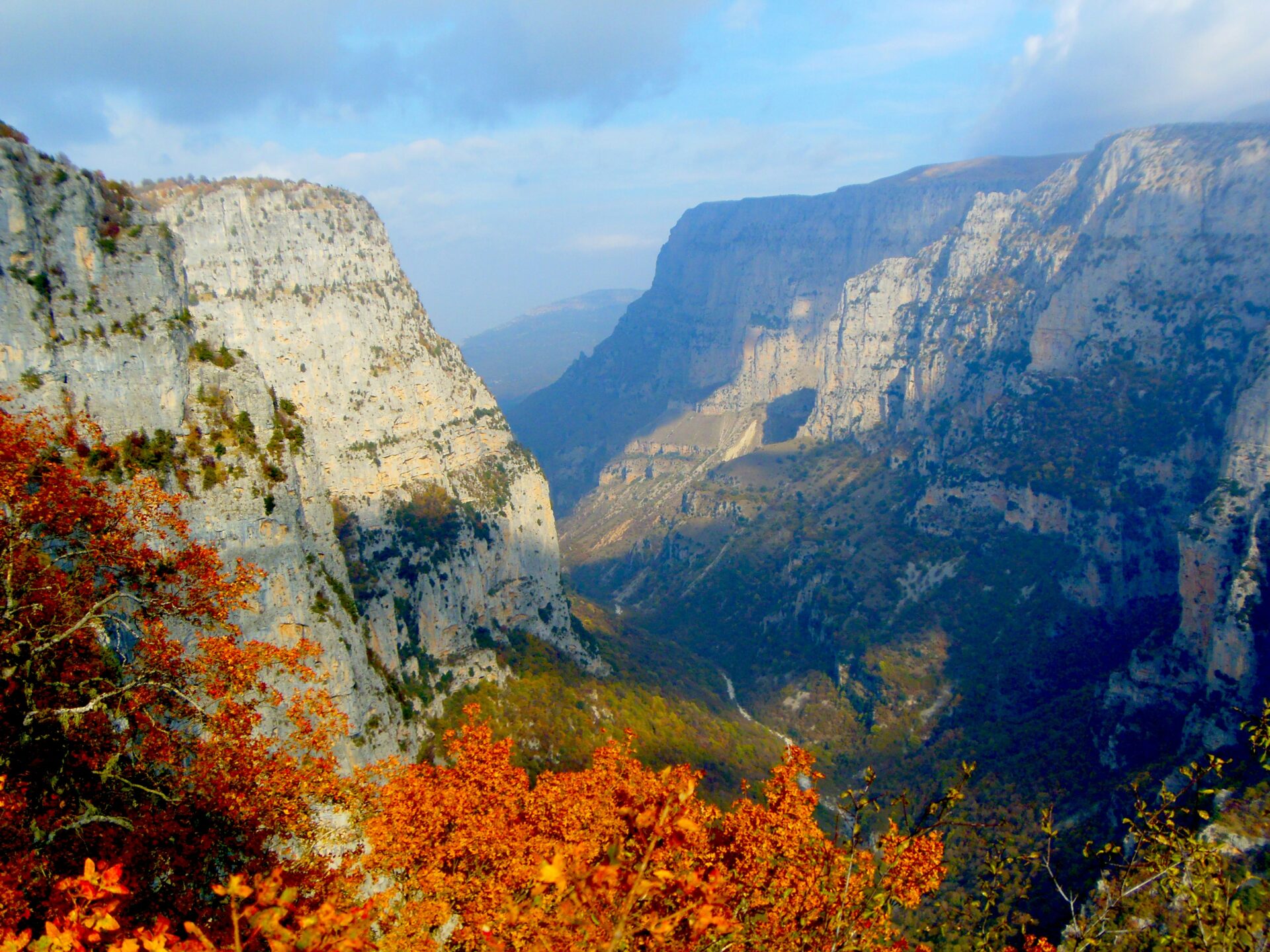
Landscape Highlights and Scenic Surprises
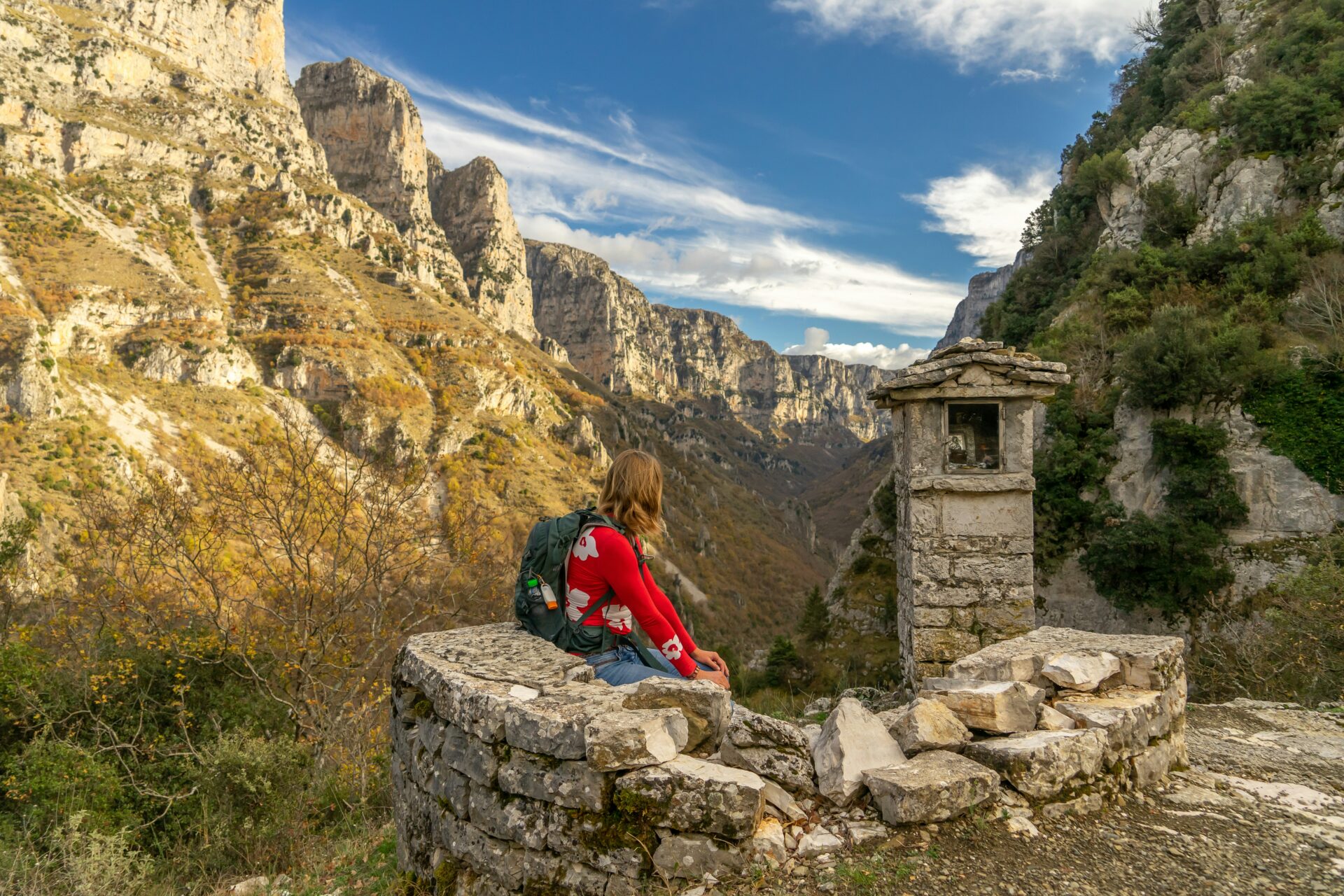
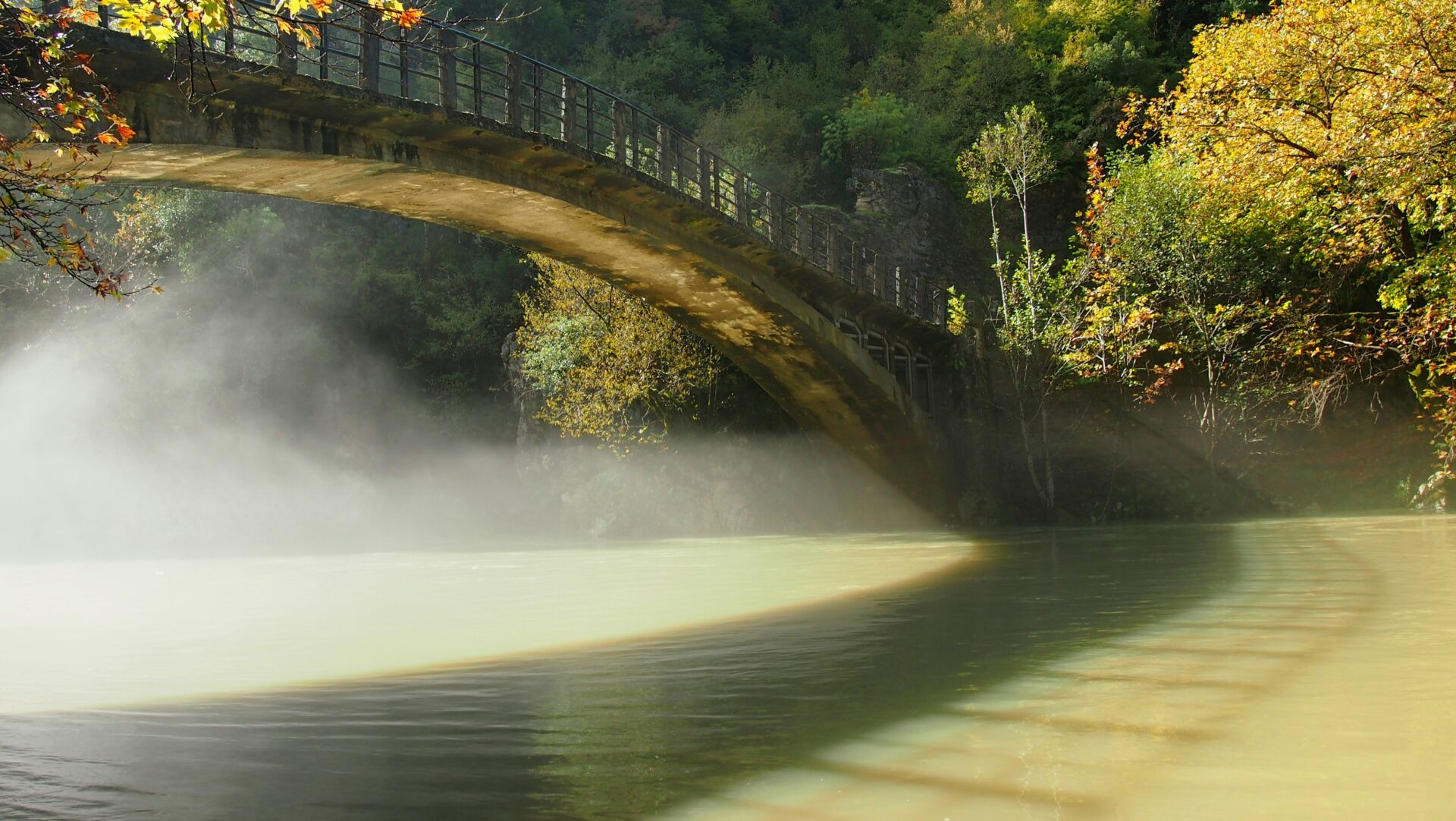
Vikos Gorge is packed with sights that keep you on your toes. One minute I crossed a weathered stone bridge, the next I ducked beneath limestone cliffs that almost touched overhead.
Table: Landscape Highlights
| Highlight | Description |
|---|---|
| Stone Bridges | Historic arches over deep ravines |
| Towering Cliffs | Up to 1,350 meters above the riverbed |
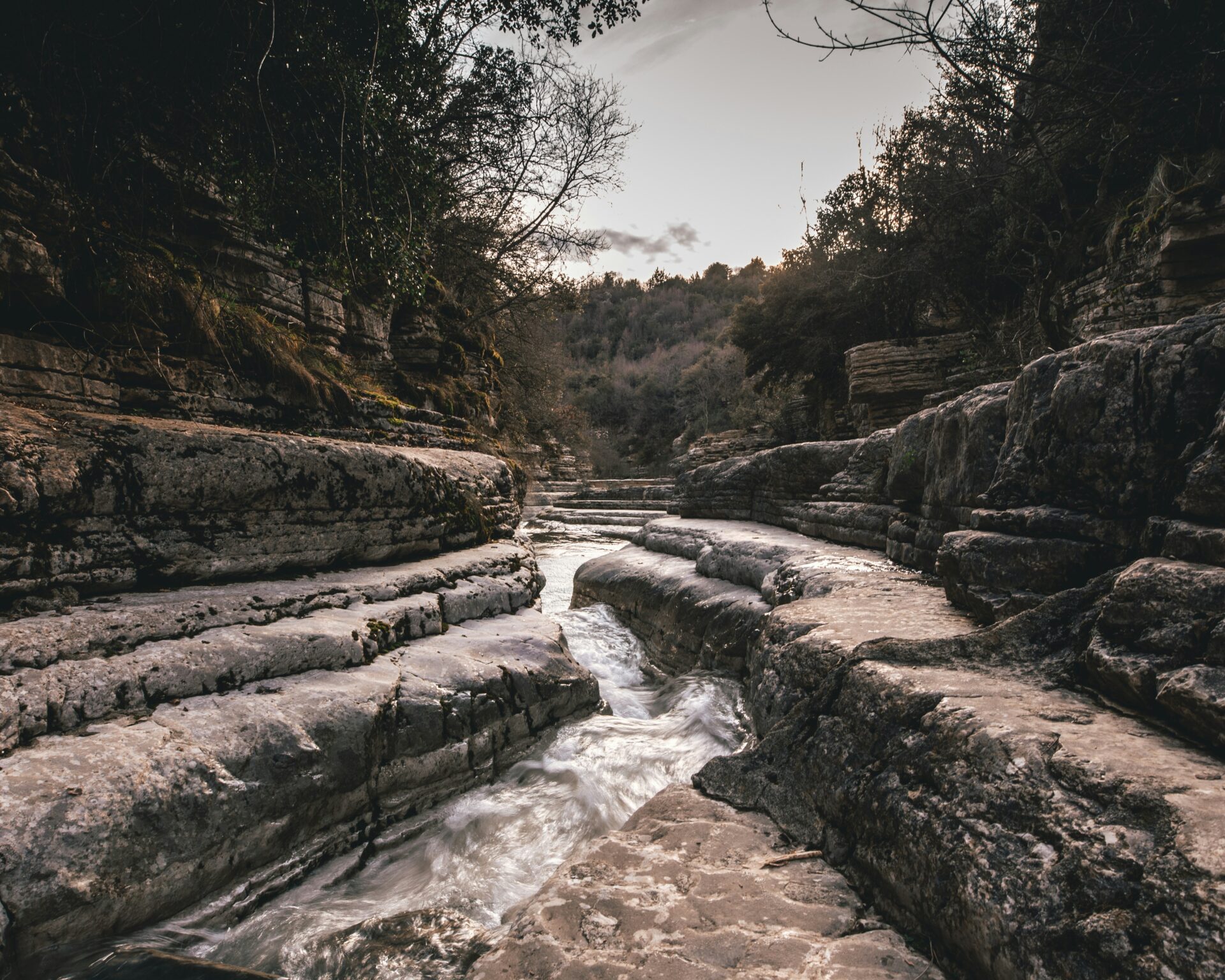
| Crystal Streams | Clear water flowing through the canyon |
| Forested Slopes | Rich with wildflowers and rare plants |
The trail never stopped surprising me. Quiet springs popped up when I needed a break. Out of nowhere, a viewpoint would open up, giving me a dramatic look down a sheer drop.
Wildlife was everywhere—birds soaring, goats picking their way across rocky ledges, and the distant sound of rushing water echoing between the cliffs.
Every twist in the path brought something new. The mix of raw nature and peaceful moments made the whole hike unforgettable.
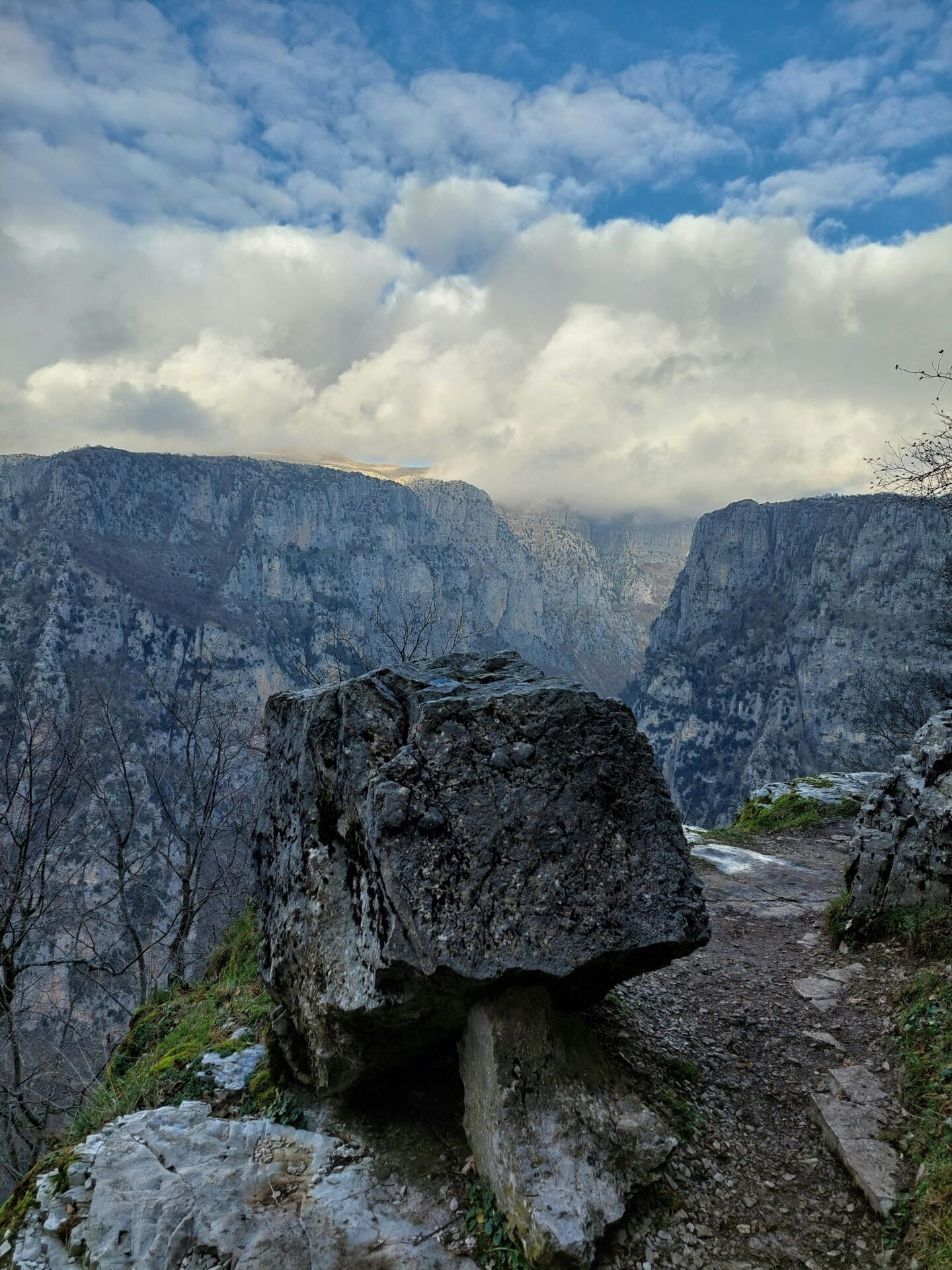
Preparing for the Trek: Planning and Practical Tips
You shouldn’t just show up and hike Vikos Gorge. Good planning, solid gear, and a sense of direction can make the difference between a great day and a tough scramble.
Best Time of Year to Hike Vikos Gorge
Timing really matters here. The best months are May through October, when the weather stays mild and trails are clear.
Summer brings lush greenery, but midday can get hot, especially down in the gorge. Spring covers the path with wildflowers and higher river levels, which is just gorgeous.
I liked autumn best—fewer people, beautiful fall colors, and a quieter vibe. I wouldn’t recommend winter hiking; rain makes the trails slippery and snow can block higher routes. Before I set out, I always checked the weather and trail conditions. Some villages nearly shut down in winter, so places to stay might be tricky to find.
Essential Gear and Packing List
Packing right made Vikos Gorge way less intimidating. I wore sturdy hiking boots because the ground is rocky and uneven.
A lightweight backpack with at least 2 liters of water was crucial, since you can’t refill much on the trail. Snacks, a hat, and sunscreen kept me going.
Layers were a must—temperatures change fast, especially in the shade or early morning. I tossed in a rain jacket just in case. My first aid kit, some blister plasters, both a map and a fully charged phone rounded out my bag. Trekking poles saved my knees on the steep descents.
Quick Gear Checklist:
| Item | Reason |
|---|---|
| Hiking boots | Rocky terrain |
| Water (2L+) | No refill spots |
| Snacks | Energy boost |
| Hat/Sunscreen | Sun protection |
| Layers | Temps vary |
| Map/Phone | Navigation |
| First Aid Kit | Safety |
| Rain Jacket | Weather changes |
Guided Tours vs. Solo Hiking
I debated between joining a group or going solo. In the end, I chose to hike alone since I felt confident and liked setting my own pace.
The trail is mostly clear, but not always well-marked at river crossings.
If you’re new to Greek mountains or want to learn more about the area, a guide is a great idea. Guides share history, point out rare plants and animals, and handle logistics like transport and sometimes meals. Plus, hiking with a group is a good way to meet fellow adventurers.
Trail Maps and Starting Points
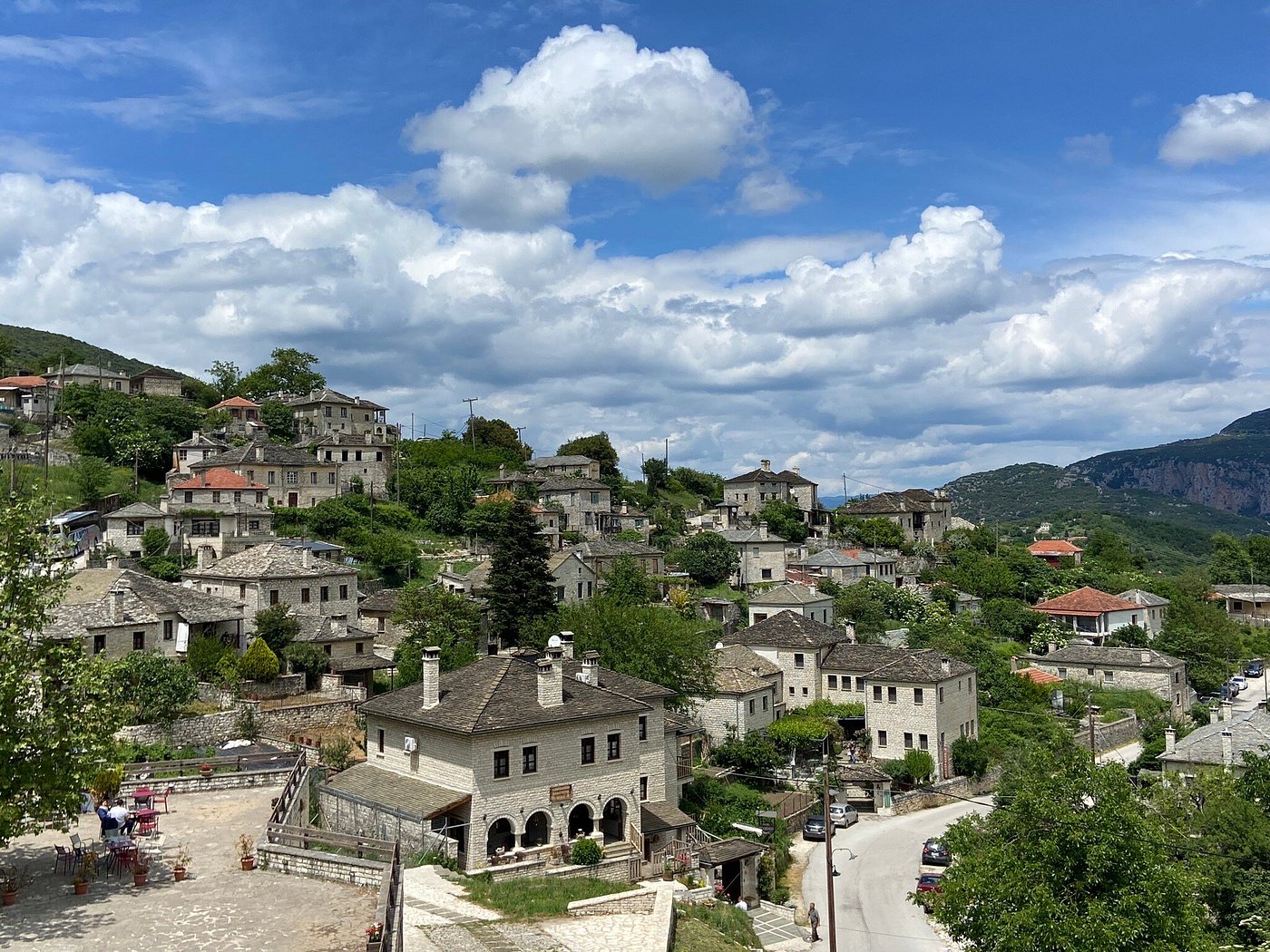
The main Vikos Gorge trail runs from Monodendri to Vikos village, about 12-14 kilometers depending on your route. I started in Monodendri, with its stone houses, and followed a steep 300-meter path right into the gorge.
From there, the trail follows the river, with side paths heading to villages like Mikro and Megalo Papingo.
You can grab maps at guesthouses, tourist offices, or online. I kept both a paper map and GPS on my phone—cell signal dropped out inside the gorge. Knowing the estimated hiking times helped me plan breaks and water stops. Picking the right starting point set me up for a smooth day.
Setting Foot at the Trailhead: First Impressions
As I stepped into northern Greece, stone villages and crisp mountain air surrounded me. Early mornings here buzzed with quiet excitement, hikers gathering at the edge of one of the world’s wildest wonders.
Arriving in Zagori Villages
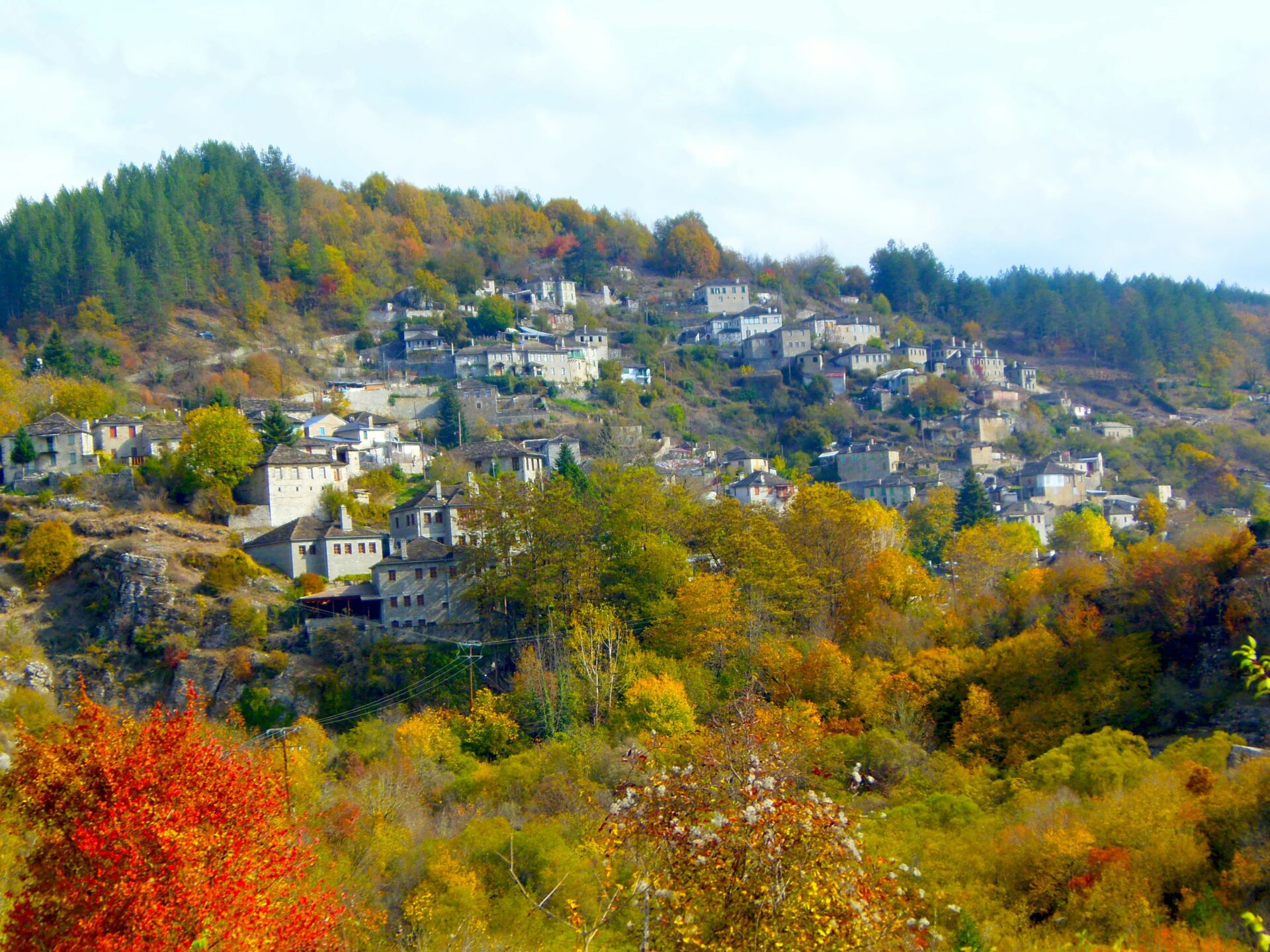
Winding roads brought me into the historic Zagori region, where villages like Monodendri and Vikos perch above the gorge. Stone houses, cobbled lanes, and old bridges gave the place an old-world feel.
Locals moved through their routines, and the village felt both lived-in and timeless.
Friendly shopkeepers greeted early visitors with strong Greek coffee and simple pastries. I stocked up on snacks and water, grateful for the tiny stores that cater to trekkers.
Signs pointed the way, and a big map of the gorge hung near the main square—super handy for checking my route.
The peace here really struck me. Mist curled around slate rooftops, and the only sounds were birds and the shuffle of boots. It was a calm spot to collect myself before the long hike ahead.
Morning Atmosphere and Trailhead Energy
At the trailhead, I felt both nervous and excited. Groups gathered, laced up their boots, fiddled with backpacks, and sipped hot tea. Some people snapped photos, trying to capture the epic drop into the gorge.
The path zigzagged down through dense forest. The temperature felt just right, but the cliffs and deep shadows made it seem even cooler.
My heart thudded—not from climbing, but from the anticipation.
A posted trail map showed the route’s distance and elevation: about 12 kilometers one way, with a steady initial descent.
Hikers swapped tips about where to refill water and which sections had loose stones. For many, this was their first time seeing Vikos Gorge, and the sense of anticipation was almost electric.

Traversing the Depths: My Vikos Gorge Experience
From sudden drops to shady groves, hiking Vikos Gorge mixes physical challenge with jaw-dropping beauty. The route led me through steep paths, rare wildlife, and more than a few moments that made me stop in my tracks.
Steep Descents and Heart-Racing Moments
The hike started with a sharp descent that made my legs wobble almost immediately. The trail snaked down into the heart of Vikos, and I had to watch my footing, especially on loose gravel.
Some sections felt nearly vertical. My knees took a beating as I picked my way down. Trekking poles made a huge difference here—I’d recommend them to anyone.
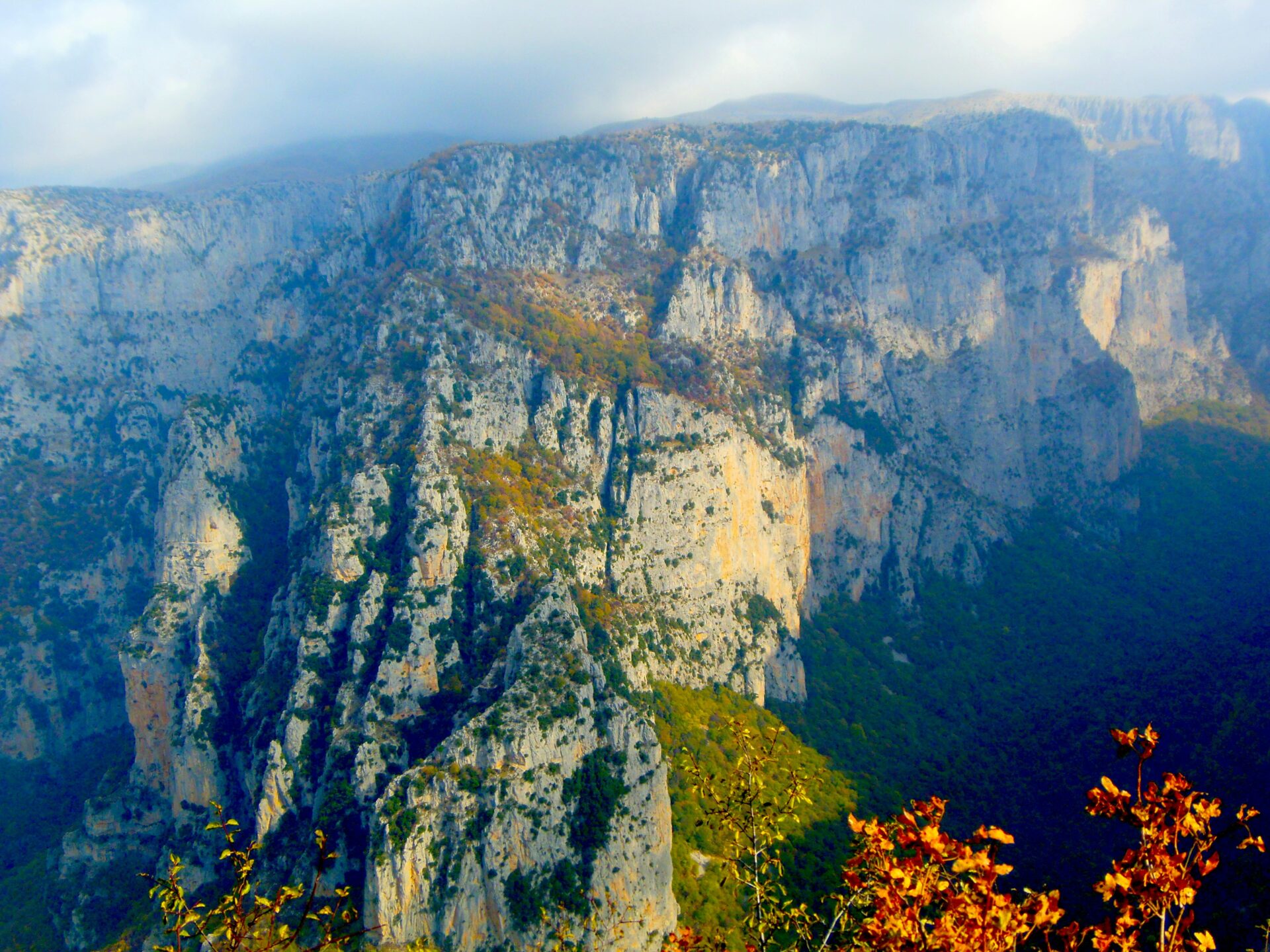
There were narrow stretches where the cliff edge felt a bit too close for comfort. When I looked up, the gorge walls rose sharply, making me feel tiny.
Short switchbacks added intensity, and my heart raced as fast as my feet.
Sometimes I stopped for a breather and got rewarded with cool air and shade from overhanging trees. Each step down pulled me deeper—physically and mentally—into the canyon’s wild embrace.
Encounters With Nature and Wildlife
Plants and animals thrive here. I often heard distant bird calls bouncing off the stone as I hiked.
Bright-green moss blanketed chunks of rock, and wildflowers lined the trail. Spring brought clusters of orchids I never expected.
I kept an eye out for wildlife, spotting mountain goats picking their way across impossible ledges. On quiet stretches, butterflies flitted between purple and yellow blooms.
Sometimes a rustle in the underbrush reminded me to tread carefully. Once, a lizard dashed across my shoe and vanished into the leaves, making me jump.
Shady parts of the trail buzzed with insects, while sunny rocks drew sunbathing reptiles. Pausing during the hike always gave me a little peek into the gorge’s daily life.
Notable Landmarks Along the Route
A few key spots broke up the hike and gave me reasons to stop and soak it all in. The stone bridges came first—their age and design made them both practical and beautiful, linking the trail across narrow rivers.
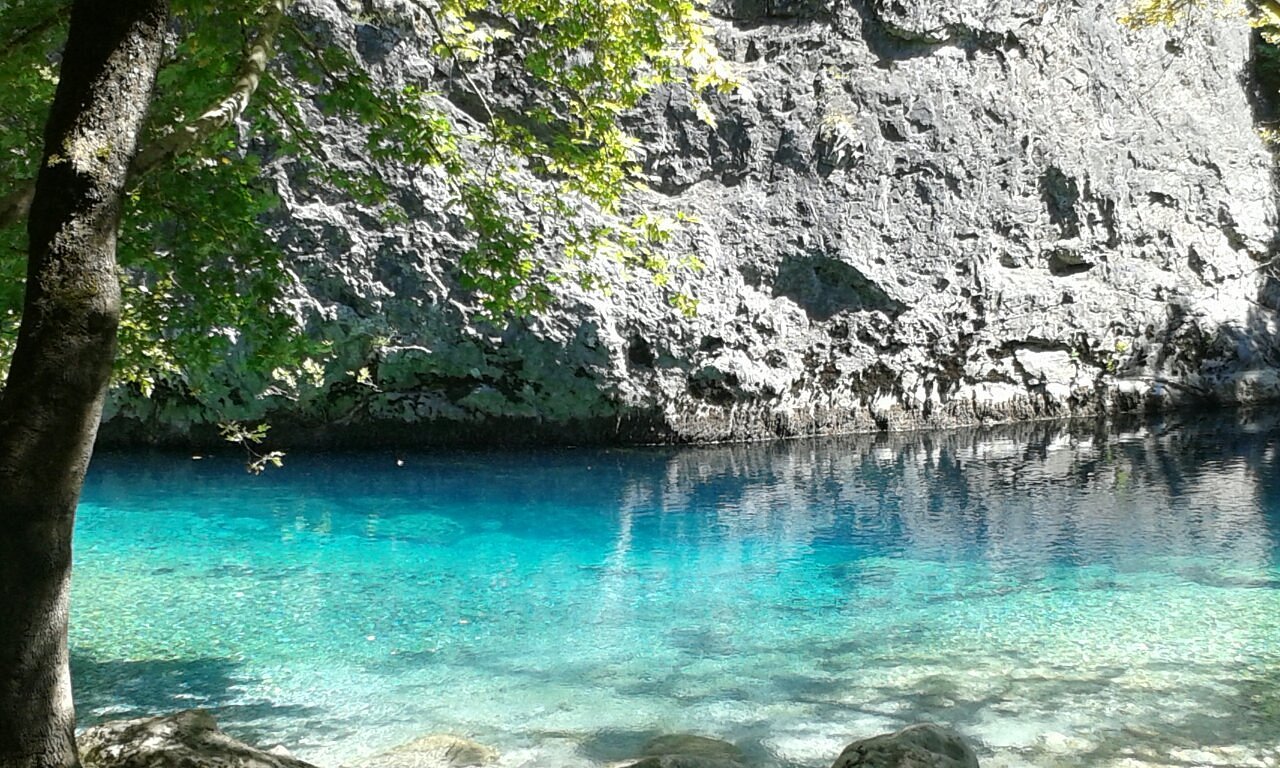
About halfway, a natural spring offered cold, refreshing water. I filled my bottle here and just enjoyed the moment.
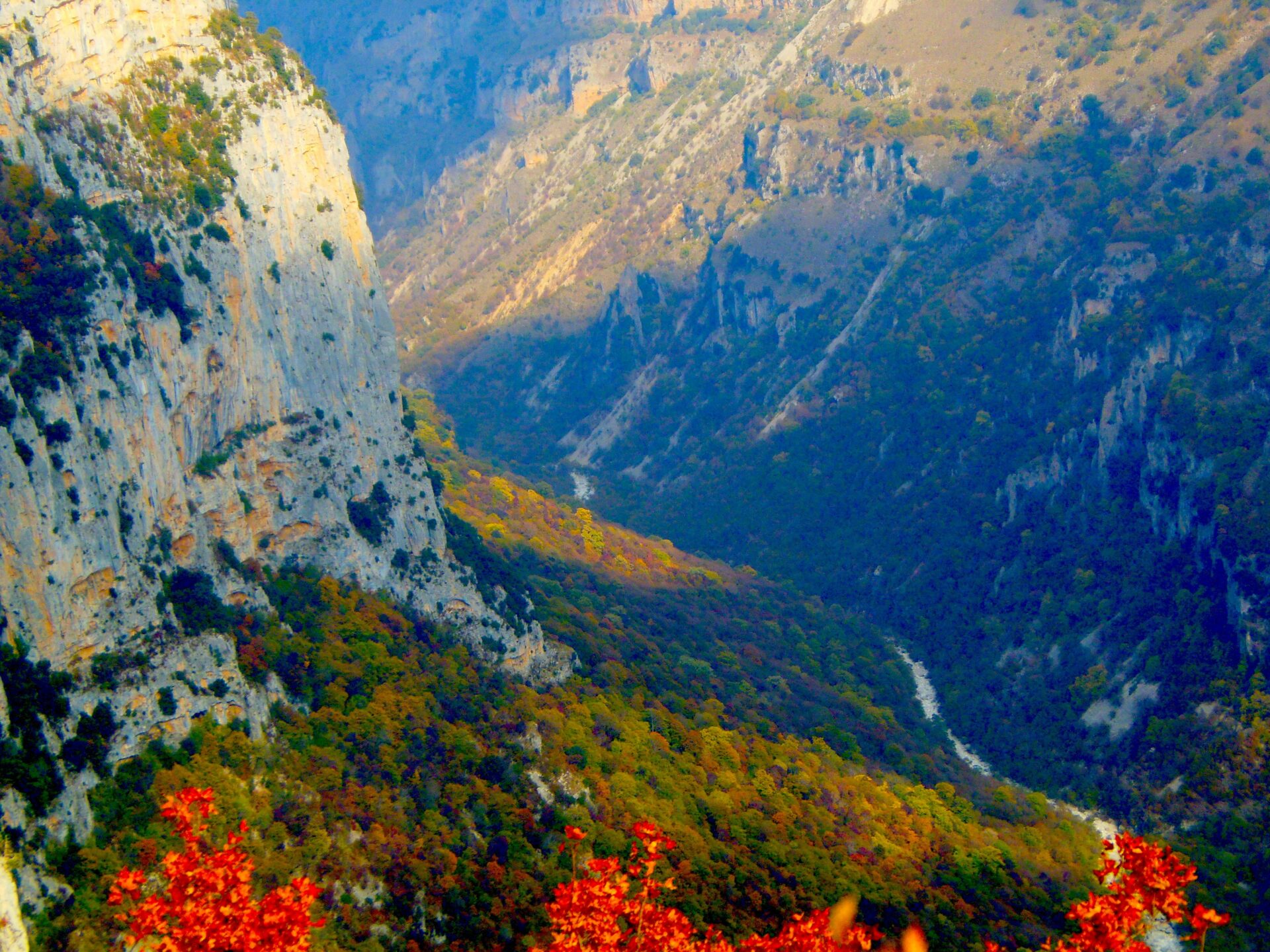
The narrowest part of Vikos, where the walls almost touch, felt especially awe-inspiring. The gorge seemed even deeper, with dramatic shadows and swirling cool air.
Old shepherd’s huts, built from rough stone, reminded me of the people who once lived and worked here. These quiet ruins added a bit of local history to the wild scenery.
Rest Stops, Reflections, and Unexpected Challenges
I kept looking for good spots to rest as I paced myself through the hike. Fallen logs and flat boulders worked well as makeshift benches.
Whenever I sat down, I’d grab a snack, sip some water, and just stare at the scenery for a bit. Sometimes, I just needed a moment to breathe.
Fatigue started sneaking up on me in the afternoon. The sun moved, the air got warmer, and suddenly my energy just dropped.
Blisters showed up, too—of course they did. Thank goodness I packed extra bandages.
Earlier in the week, a sudden rain had left the path muddy in places. My shoes slid around, so I slowed down and took careful steps until the ground felt solid again.
Sometimes the trail signs didn’t make much sense, so I’d end up doubling back or pulling out my phone to check the route. These little detours definitely tested my patience.
But honestly, reaching each checkpoint felt even better after those moments. Every rest stop wasn’t just about catching my breath—it was a chance to regroup and get ready for whatever came next.
Finishing the Hike: The Final Stretch and Afterglow
That last part of the Vikos Gorge trail brought out a weird mix of relief and excitement. Each step took me past cliffs and greenery I’ll probably remember for a long time, even when my legs were screaming at me.
Reaching Vikos Village and Gorge Views
As I neared Vikos village, the path started climbing a lot more. Every uphill step made me realize just how much my legs had already gone through.
The trees thinned out, and honestly, I wanted to stop every few minutes to snap another photo.
Right outside the village, the famous Vikos Gorge viewpoint appears. The canyon drops almost 2,950 feet below, with stone walls showing off all their layers and colors.
I stood there for a while, feeling the wind and listening for the distant sound of water. Standing above one of the world’s deepest gorges felt surreal.
Other hikers gathered, snapping photos, sharing snacks, or just sitting in silence. There was this quiet sense of accomplishment—nobody was cheering, but you could see the tired, happy faces, and everyone seemed content.
Post-Hike Food and Recovery
Just a few meters from the end of the trail, I stumbled into a tiny taverna in Vikos village. Honestly, I craved a real meal, and wow, the local food hit the spot.
Greek salad, grilled lamb, and a cold drink—suddenly it all felt like an absolute feast.
Here’s what got me back on my feet after the hike:
- Stretching: I spent about fifteen minutes stretching outside the taverna.
- Hydrating: I downed two bottles of water almost instantly.
- Eating salty snacks: The local olives and feta really helped me get some salt back.
- Changing shoes: Kicking off my hiking boots for sandals was such a relief.
The hours after the hike crawled by. I just sat with my food, thinking about everything I’d seen.
The trail ended, but honestly, the experience stuck with me. Those memories and a weird burst of new energy followed me long after I left Vikos village.
