
Hamburg just might be Germany’s coolest—and most underrated—city. It blends classic charm with modern style in a way I haven’t really seen anywhere else.
When I visited, I found open spaces, lively waterfronts, and neighborhoods full of culture, parks, and architecture. The whole city felt fresh and a bit unexpected.
Berlin and Munich usually hog the spotlight, but Hamburg quietly impresses with its history and laid-back vibe. I spent days walking along the lakeside, exploring tucked-away districts, and stumbling on creative local hangouts.
Honestly, Hamburg changed my mind about what makes a city truly special.
Why Hamburg Deserves More Recognition
Hamburg’s a vibrant port city with a cosmopolitan feel and a high quality of life. People often overlook it in favor of bigger, flashier places, but it has its own distinct charm.
Hamburg Versus Berlin, London, and Paris
When I think of big European cities, Berlin, London, and Paris usually pop up first. They’re famous for history, culture, and nightlife. But Hamburg? It’s not usually part of that conversation, even though it totally could be.
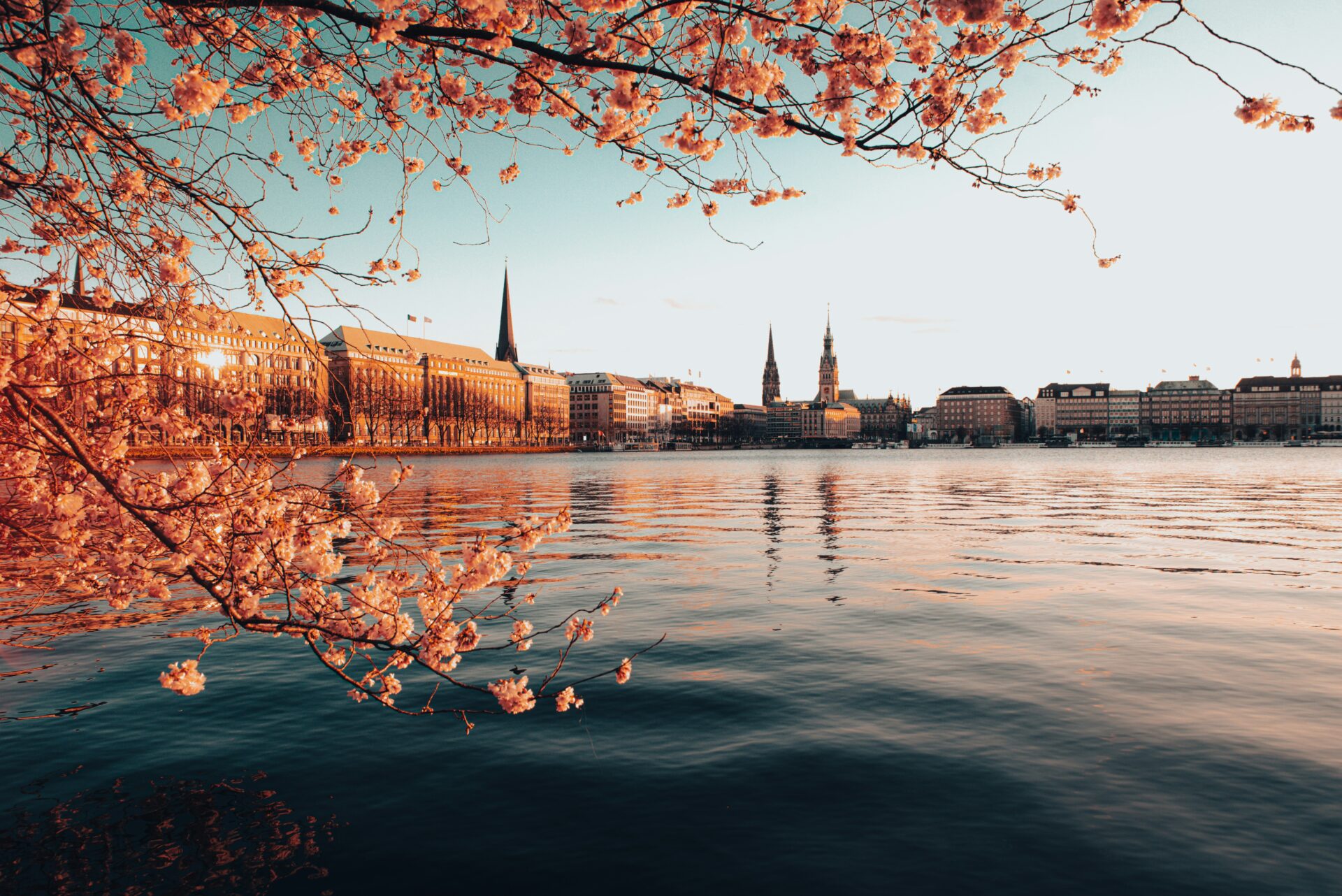
Unlike Berlin or London, Hamburg feels more spacious and less crowded. The neighborhoods stretch out, with canals and lakes weaving through the city. Alster Lake brings a sense of calm right into the heart of things, and the waterfront cafes are perfect for people-watching—Paris can’t quite top that.
Hamburg often lands high on global liveability lists. The public transport is spotless and efficient, so you don’t need a car to get around. While it’s not as famous as its neighbors, Hamburg’s cosmopolitan vibe, green spaces, and innovative districts really make it worth a visit.
Hidden Gems and Underrated Attractions
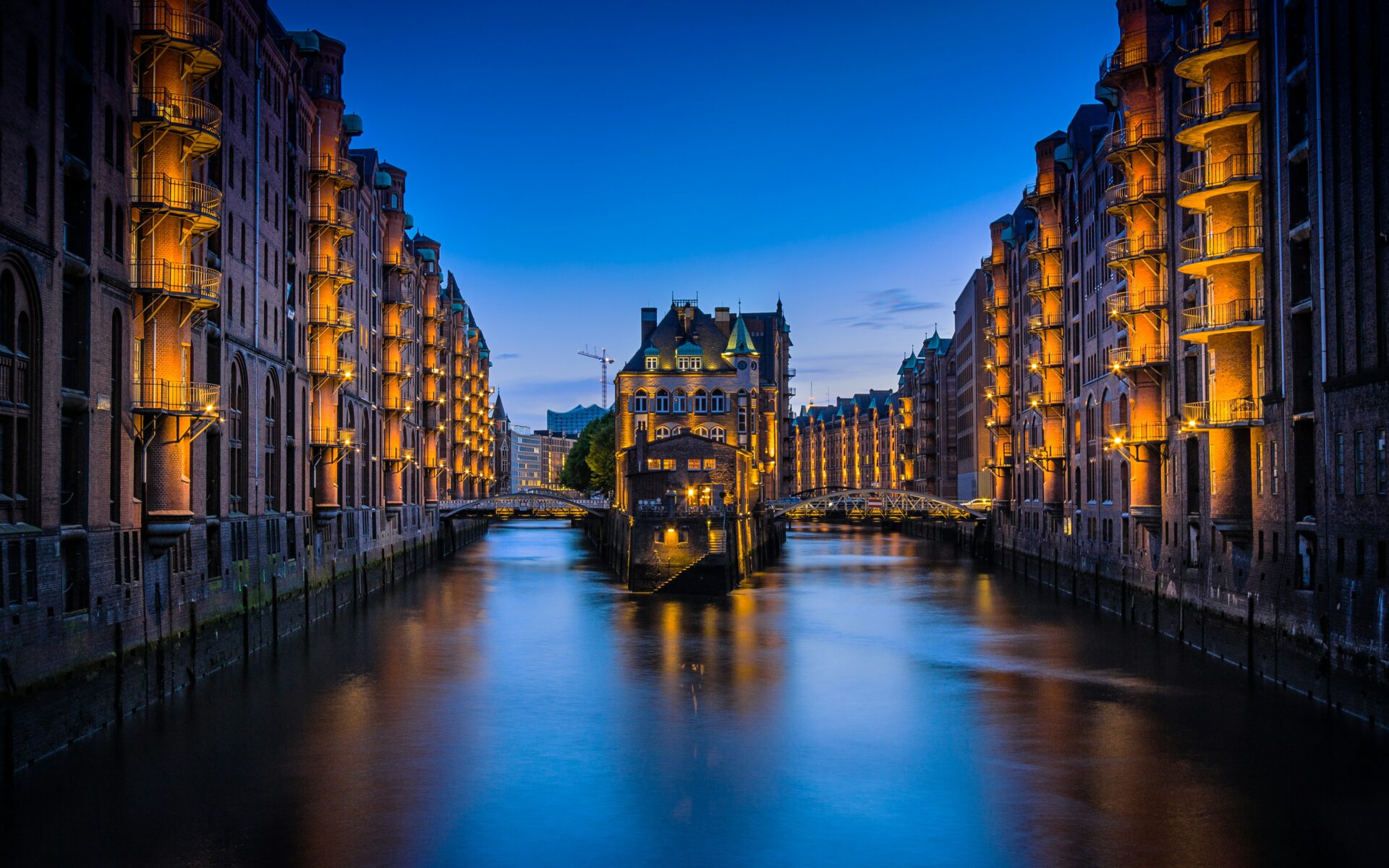
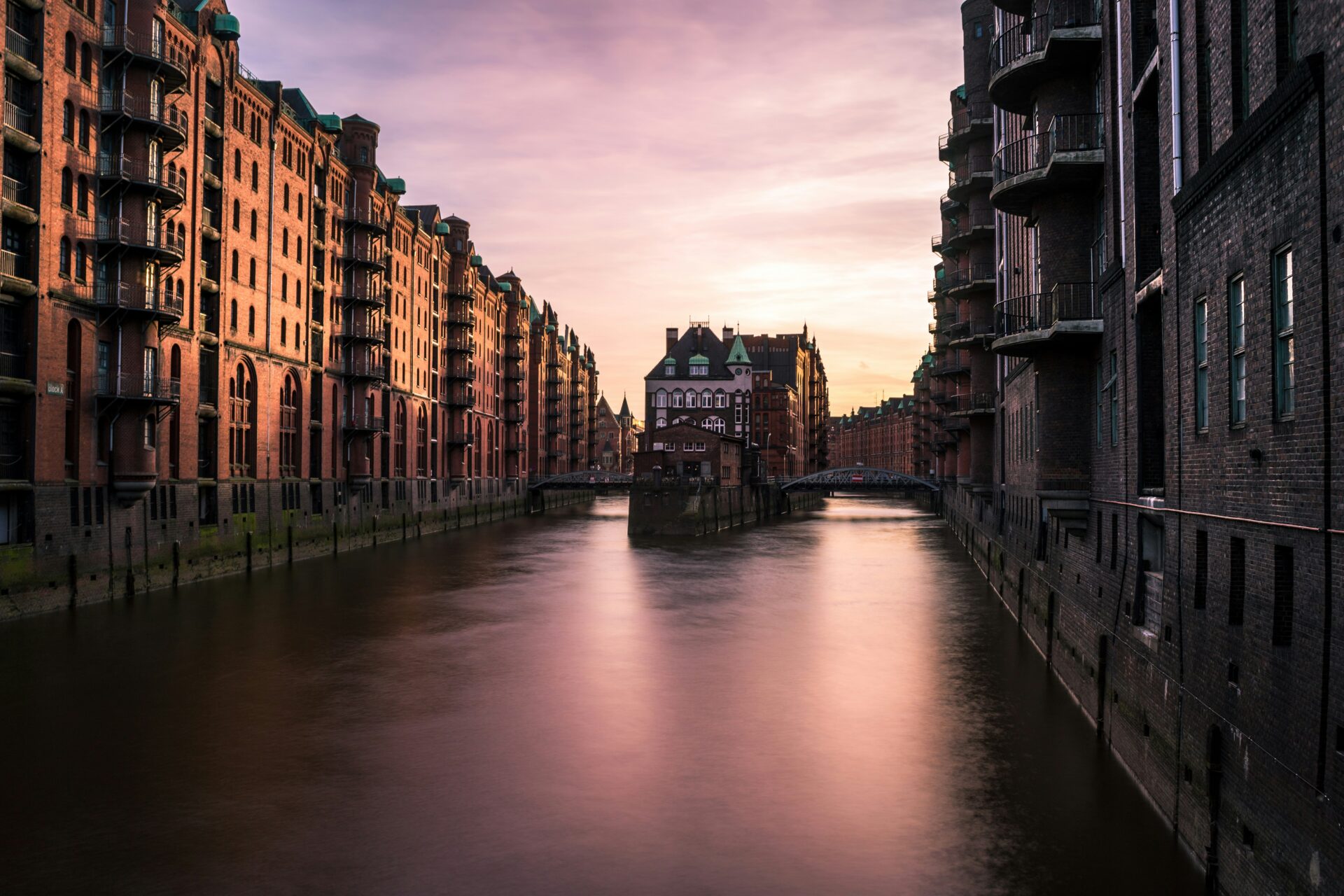
Hamburg surprised me with its hidden corners. The Speicherstadt—the world’s largest warehouse district and a UNESCO site—felt like a walk through history, with its brick buildings lining the water.
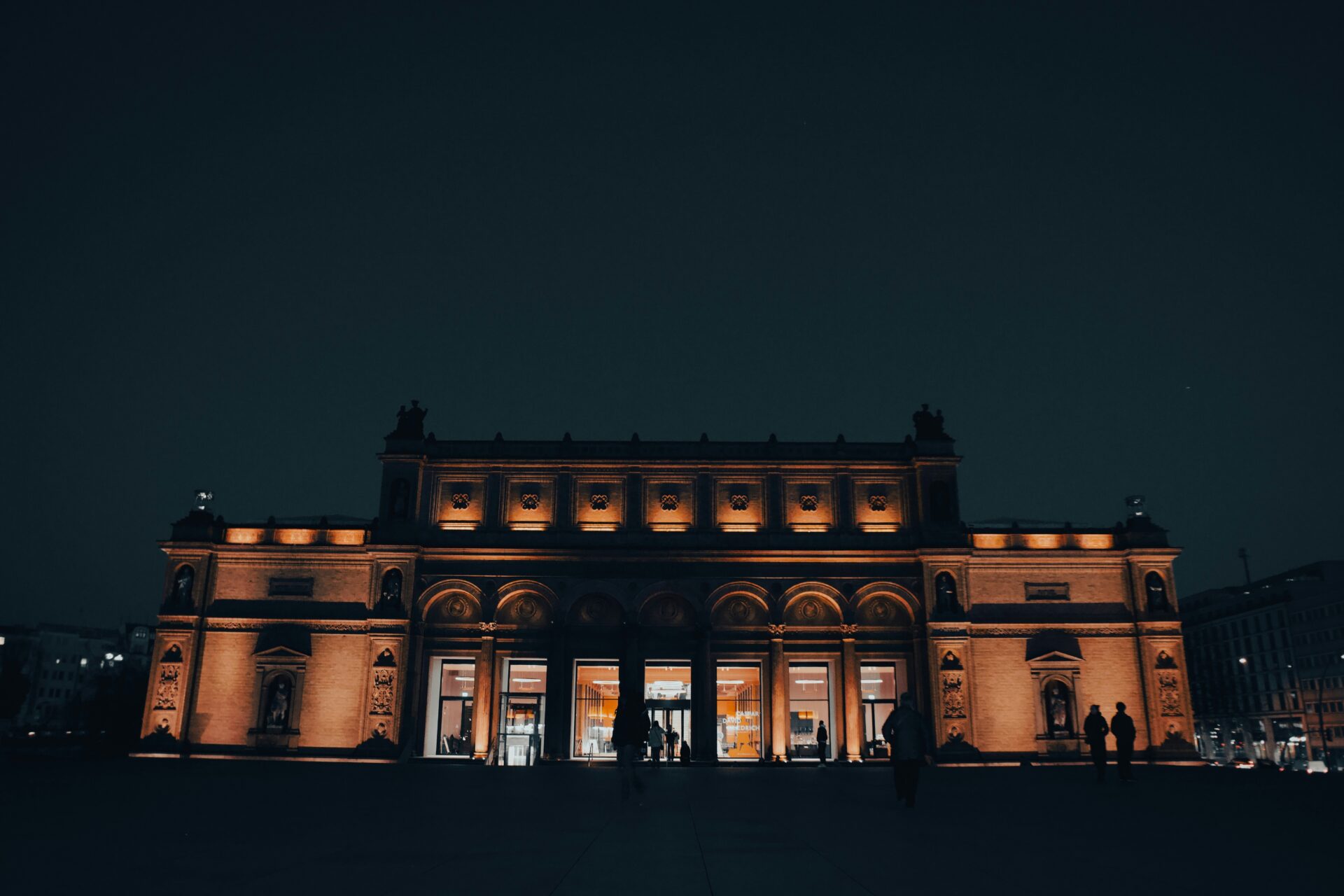
Art lovers should check out the Kunsthalle, which covers everything from Old Masters to modern art. I loved ducking into small coffee shops in Schanzenviertel and browsing the quirky boutiques in Karolinenviertel.
These aren’t the big tourist spots, but they’re packed with local character. And if you’re into food, don’t skip the Fischmarkt—vendors start selling fresh seafood before most people are awake.
Here’s a quick list of spots I’d recommend in Hamburg:
| Attraction | What Makes It Special |
|---|---|
| Miniatur Wunderland | Largest model railway in the world |
| Planten un Blomen | Central park with gardens and ponds |
| Elbphilharmonie | Concert hall with skyline views |
| HafenCity | Modern waterside neighborhood |
Hamburg’s Reputation and International Perception
I’ve noticed that Hamburg gets overshadowed by cities like Berlin and Paris. Many travelers don’t even realize it’s Germany’s second-largest city—or that it ranks among the happiest, according to recent studies.
The working port, maritime roots, and cultural diversity just don’t get enough attention outside Germany. People imagine Berlin as edgy or Paris as romantic, but Hamburg mixes old-world charm with a progressive, open attitude.
Businesses and artists thrive here, which draws a pretty international crowd. From festivals to theater shows, I found a cultural scene that’s alive and buzzing.
Hamburg doesn’t shout about itself, but the high quality of life and friendly locals make it a real contender among Europe’s best cities.
Unique Culture and History of Hamburg
Hamburg’s story is shaped by global trade, unique architecture, and a vibrant arts scene. When I visited, I got a real sense of how the city’s past and creative spirit blend into everyday life.
Maritime Heritage and the Hanseatic League
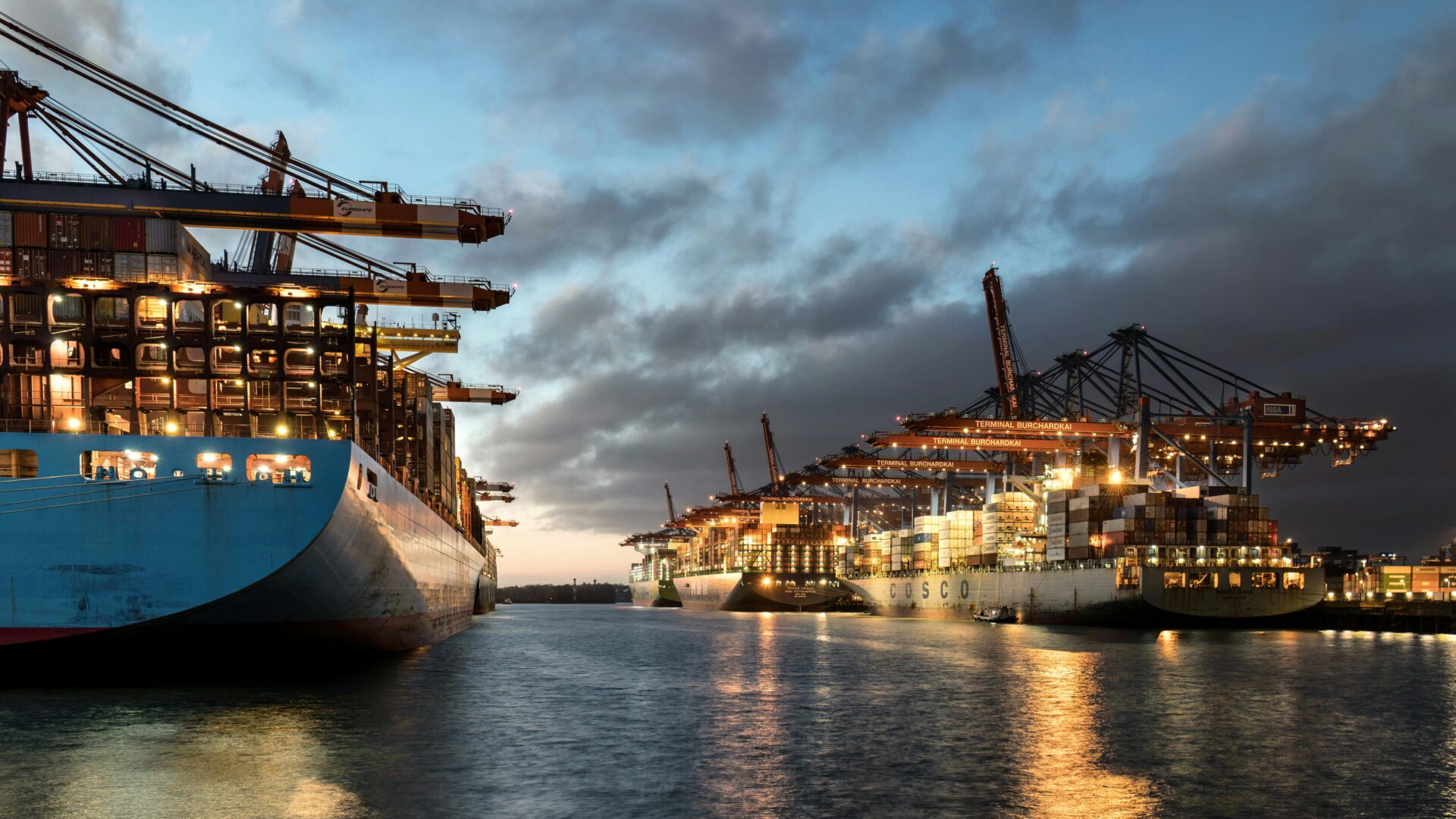
Hamburg sits on the Elbe River, and that’s shaped everything. It became one of Europe’s most important port cities and joined the Hanseatic League in the Middle Ages. Trade and shipping have always been at the heart of Hamburg.
The nickname “Gateway to the World” fits perfectly. Modern ships, old warehouses, and busy docks fill the city with a maritime energy that’s hard to miss.
The maritime museums and harbor tours make it clear—ships, sailors, and commerce still shape daily life and local traditions.
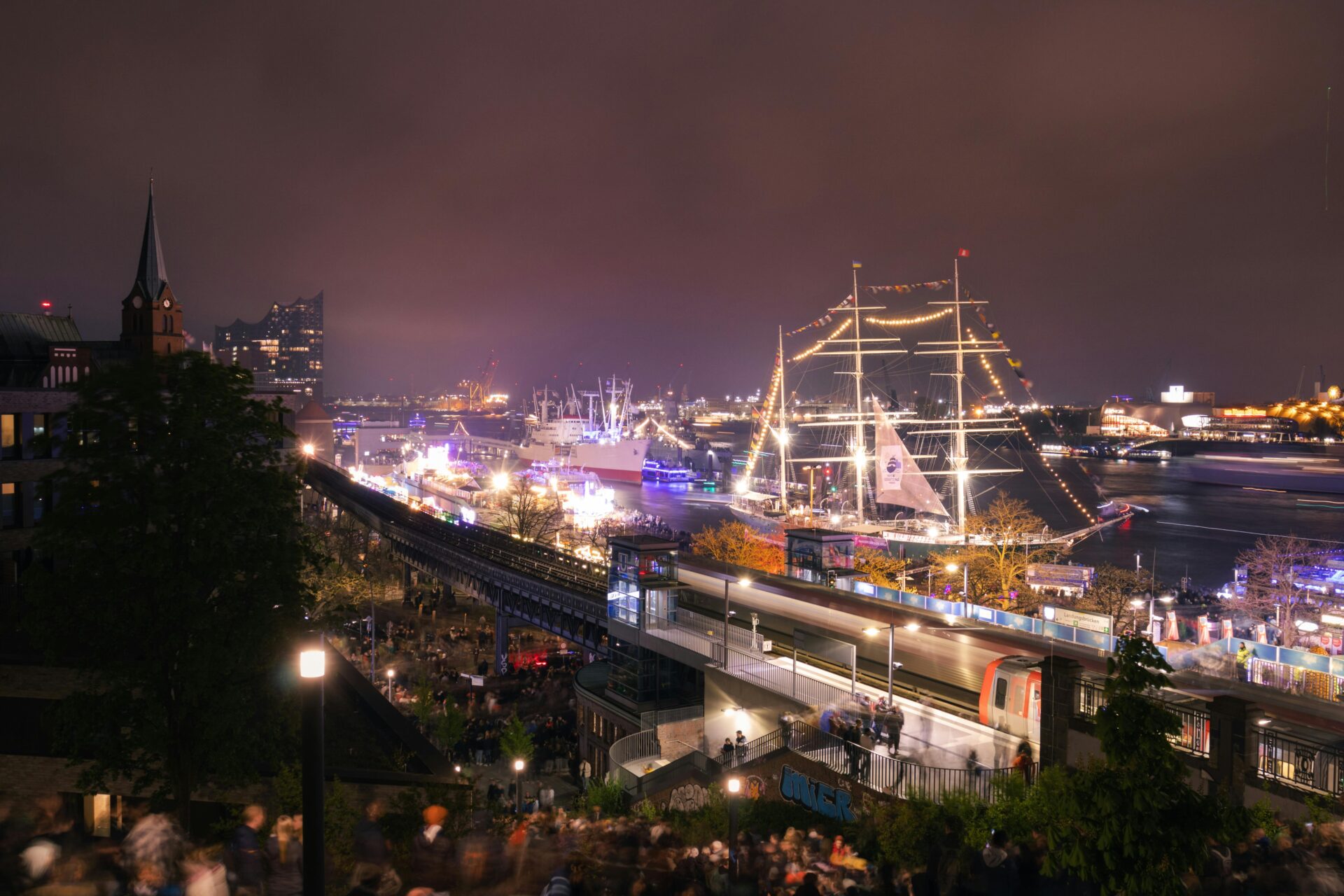
Even now, the port area buzzes with activity day and night. The cranes, bridges, and boats remind me that Hamburg’s connection to the sea is always present.
Red Brick Architecture and UNESCO Landmarks
One thing I couldn’t miss was the city’s red brick buildings. The Speicherstadt—a cluster of huge warehouses from the 1800s—really stands out.
These buildings form the heart of Hamburg’s historic warehouse district, showing off a style called “red brick Gothic.” Speicherstadt earned its spot as a UNESCO World Heritage Site.
Walking through, I loved the neat canals and the rows of warehouses. The architecture isn’t just pretty; it shows how the city was built for trade.
St. Nikolai Church is another landmark with a story—once the world’s tallest building, now a memorial that offers a quiet place to reflect.
Rich Musical and Artistic Traditions
Hamburg’s arts scene is everywhere, from grand concert halls to music clubs in St. Pauli. The Beatles got their start here, playing in local clubs before anyone knew their names.
Museums play a big role in city life. The Hamburger Kunsthalle is a must for art fans, with collections that cover European paintings, sculptures, and modern works.
There are also small galleries and new art spaces that keep things fresh. Street performers, local theaters, and music festivals add to the city’s creative buzz.
Hamburg’s culture is open and varied, with something for just about anyone.
Vibrant Neighborhoods and Local Experiences
Hamburg’s neighborhoods each have their own vibe—some lively, some peaceful, all full of character. It’s the kind of city where every district feels like a new discovery.
Exploring St. Pauli and its Nightlife Scene
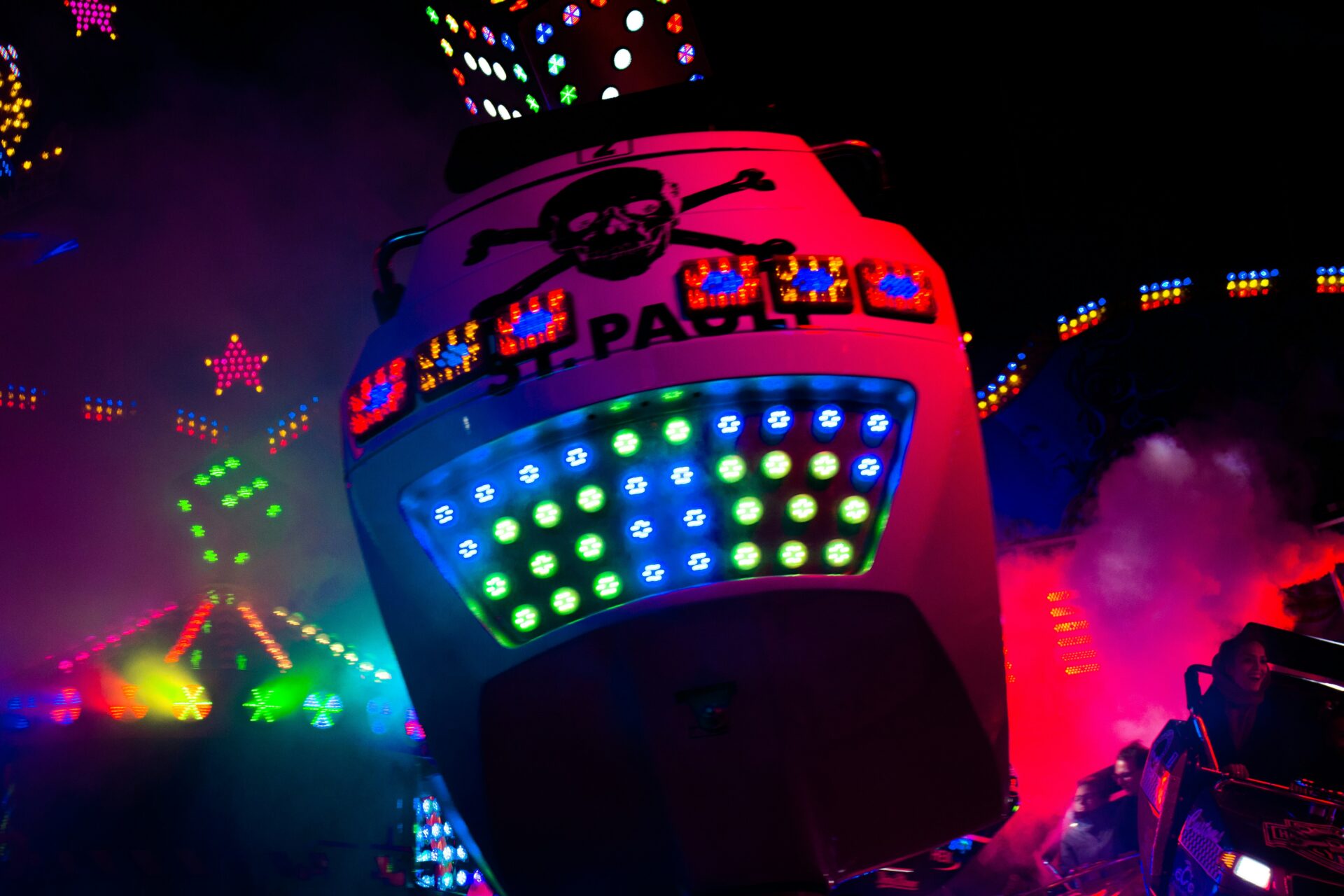
St. Pauli is legendary for nightlife and the Reeperbahn—the “Most Sinful Mile.” Bars, clubs, music venues, and restaurants keep the area buzzing late into the night.
Walking down the Reeperbahn, I saw neon lights and heard music everywhere. The side streets are packed with indie pubs, rock clubs, and live bands.
If you’re after something different, St. Pauli has pop-up art galleries and all sorts of entertainment. It’s a great place for an evening stroll if you want to feel the city’s energy.
Things to Do:
- Visit the Beatles-Platz
- Try a local brew at a historic pub
- Catch a live show at a club
Trendy Schanzenviertel and Altona
Schanzenviertel, or Sternschanze, has a creative, youthful energy. Buildings are covered in street art, and independent shops are everywhere.
There are vintage stores, used bookstores, and unique boutiques. The area is perfect if you love artsy cafés or want to sample foods from around the world.
Outdoor events, flea markets, or small music festivals often pop up here. Altona, right next door, brings its own charm with old-town corners, arcades, and riverside parks.
Shopping in Altona’s markets felt different from the city malls, and I enjoyed relaxing in outdoor cafés by the water.
Highlights:
| Schanzenviertel | Altona |
|---|---|
| Street art | Riverside parks |
| Vintage shops | Outdoor markets |
| Cafés & bars | Historic squares |

Historic Blankenese and the Waterfronts
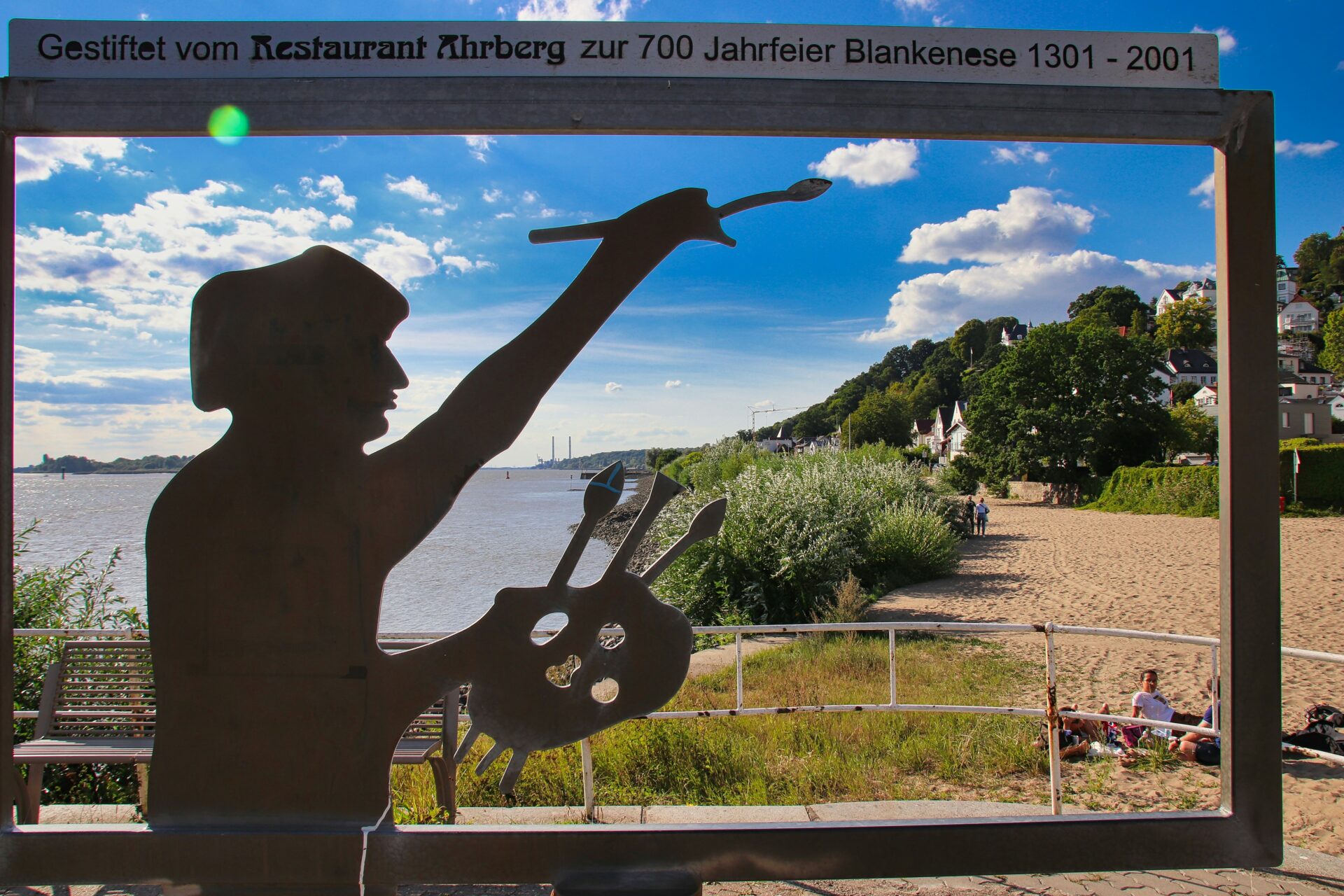
Blankenese sits on the banks of the River Elbe, southwest of the city center. It’s famous for hillside homes, winding stairways, and a peaceful vibe.
I wandered along steep paths lined with charming houses, many with gardens that overlook the water. The waterfront is perfect for cycling or just sitting by the river.
The beaches below Blankenese are great for a picnic or a quiet walk, especially at sunset. It’s easy to see why locals escape here when they need a break from city life.
Historic hillsides, tiny shops, and those water views make Blankenese a real highlight.
Architectural Marvels and Modern Attractions
Hamburg really shines when it comes to architecture. Creative buildings, unique districts, and hands-on attractions are everywhere.
From modern glass landmarks to historic brick warehouses, there’s a lot to take in.
Elbphilharmonie and HafenCity
The Elbphilharmonie is probably Hamburg’s most famous modern building and concert hall. Its glass structure rises above an old warehouse, with a wave-shaped roof that reflects the river and the city’s shipping past.
Inside, you’ll find concert halls with incredible acoustics and a public plaza that offers stunning harbor views.
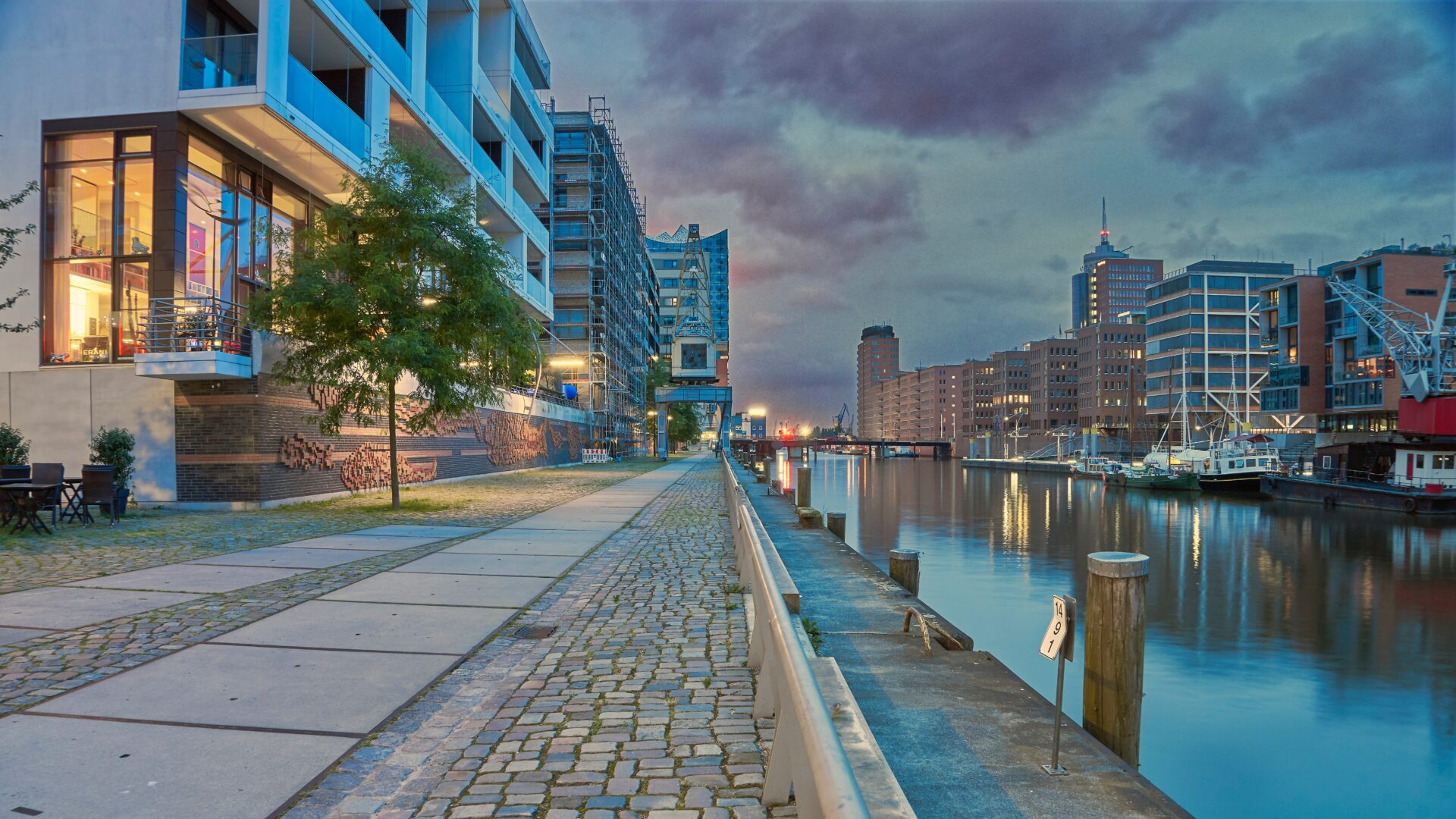
HafenCity, the district around the Elbphilharmonie, is one of Europe’s biggest urban projects. The area mixes new offices, apartments, and green spaces with old port buildings.
Modern glass facades stand next to old brick walls. I loved wandering the wide, car-free promenades and checking out the public art.
Notable sites:
- Elbphilharmonie Plaza (free entry, panoramic views)
- Modern walkways and bridges connecting old and new architecture
- Lots of cafes, restaurants, and art installations

Speicherstadt and Kontorhaus District
Speicherstadt is the world’s largest warehouse district, built in red brick and crisscrossed by canals. The warehouses once stored coffee, spices, and carpets.
Walking through, I felt like I’d stepped back in time. Narrow bridges and Gothic details give the area a special flair.
The warehouses now house museums and cozy cafes. Right next door, the Kontorhaus District stands tall with office buildings from the early 1900s.
The Chilehaus, with its sharp corner and curved brickwork, is a real standout. Both Speicherstadt and Kontorhaus have earned UNESCO World Heritage status.
Features:
- Brick Gothic and Expressionist styles
- World Heritage recognition
- Museums like the Speicherstadt Museum
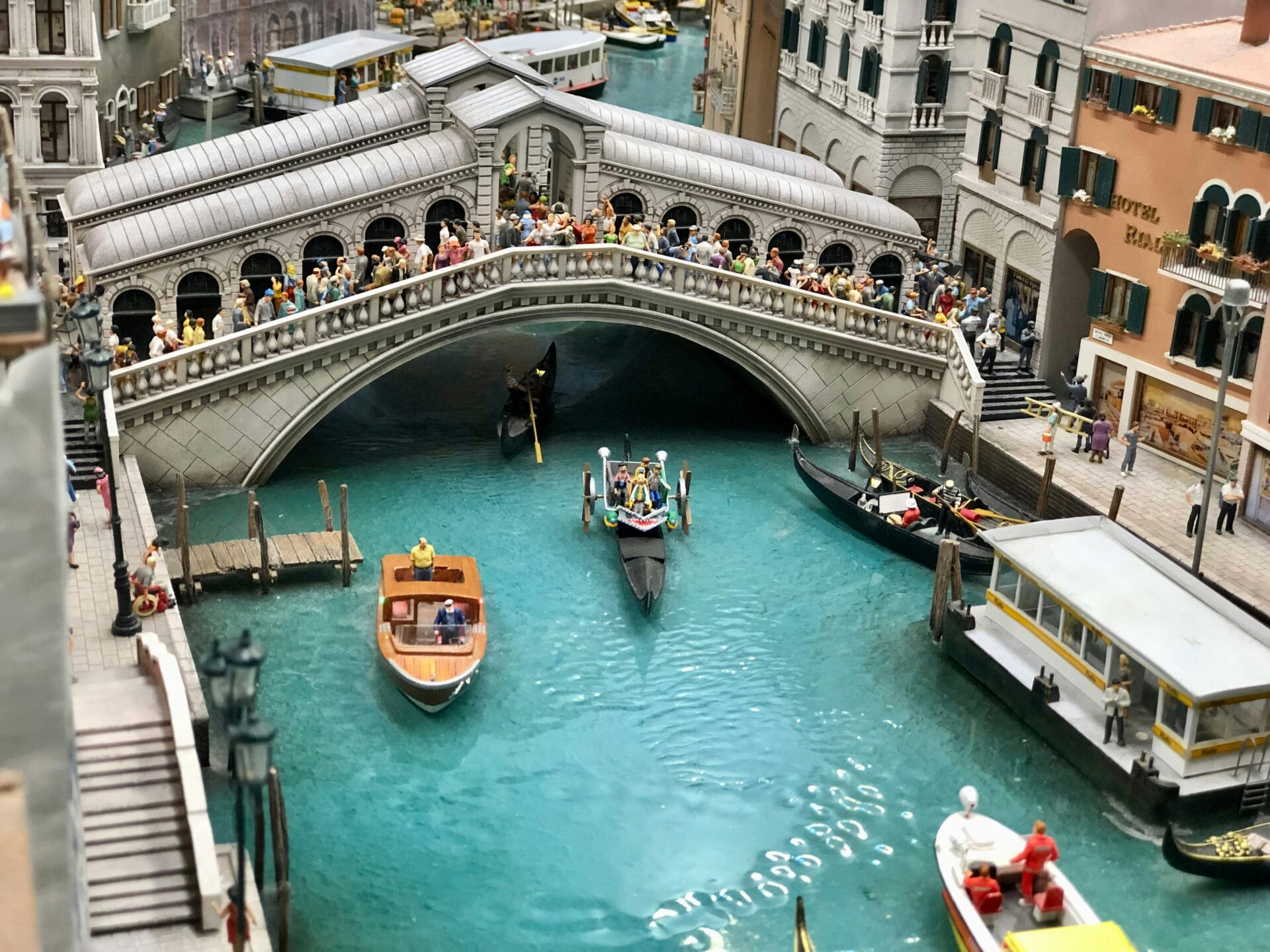
Miniatur Wunderland and Model Railways
Miniatur Wunderland is Hamburg’s most popular indoor attraction. The massive model railway holds the world record for size, and it’s honestly jaw-dropping.
Detailed landscapes cover different countries, cities, and even an airport with moving planes. Thousands of tiny trains, cars, and people create scenes that shift as the lights change from day to night.
There are special sections for Germany, Switzerland, Italy, and more. If you look closely, you’ll spot some hilarious and unexpected little figures tucked into the displays.
Highlights:
- Over 1,000 trains and 15,000 meters of track
- Interactive buttons that let you trigger fun scenes
- Perfect for all ages, whether you’re a kid or just a kid at heart
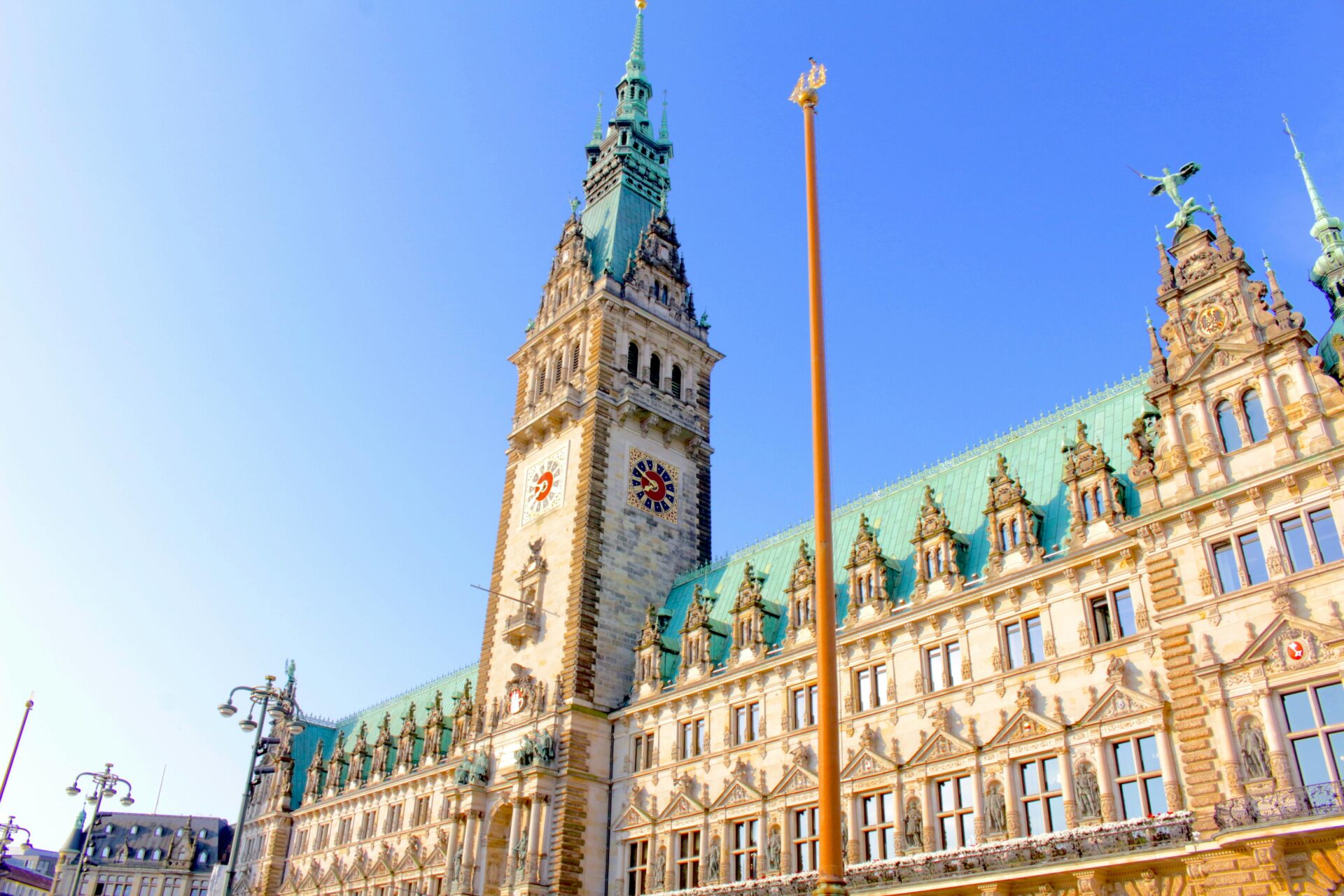
Striking Town Hall and Modern Buildings
Hamburg’s Rathaus, or Town Hall, stands right at the heart of the city. Built back in 1897, it grabs attention with its detailed sandstone façade, a tall central tower, and those grand halls that practically whisper stories from the city’s past.
I wandered inside and got lost in rooms filled with paintings and gold accents. Each corner seemed to reveal another layer of Hamburg’s rich history.
Modern buildings pop up everywhere around the city. You’ll spot everything from shiny new theaters to sleek office towers. Hamburg really manages to blend old and new in a way that feels fresh but still respects its roots.
Large parts of the city center look bold and creative, with glass and steel everywhere. You can feel that forward-thinking vibe just walking around.
| Building | Style | Key Feature |
|---|---|---|
| Rathaus (Town Hall) | Neo-Renaissance | Tall central tower |
| Theater district | Modern, Art Nouveau | Range of live performances |
| Modern office blocks | Glass façades | Innovative designs |
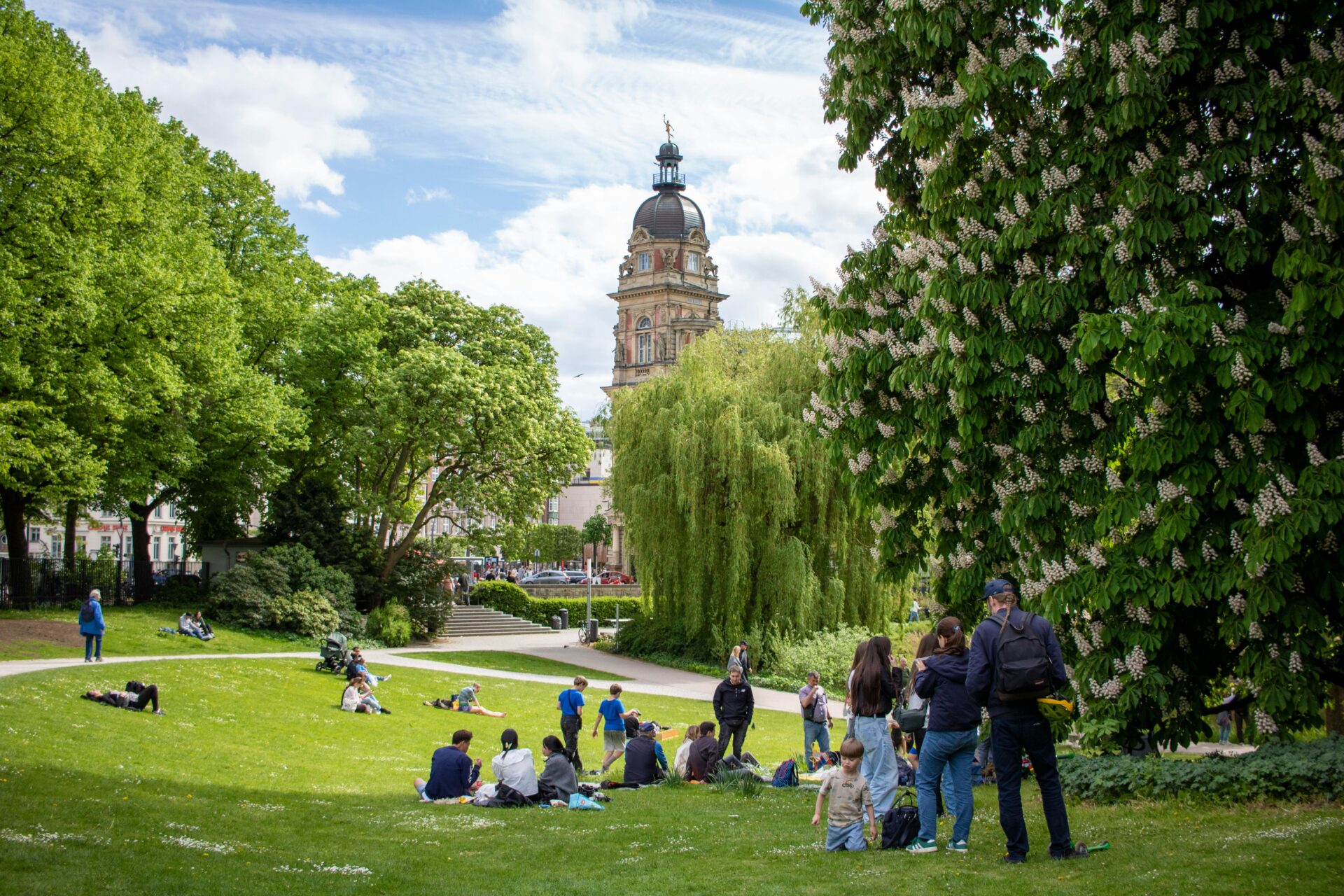
Natural Beauty and Outdoor Activities
Hamburg’s natural spots genuinely surprised me with how easy they are to reach from downtown. I loved how the city stays lively and urban but still feels open and full of green.
Alster Lakes and Green Spaces
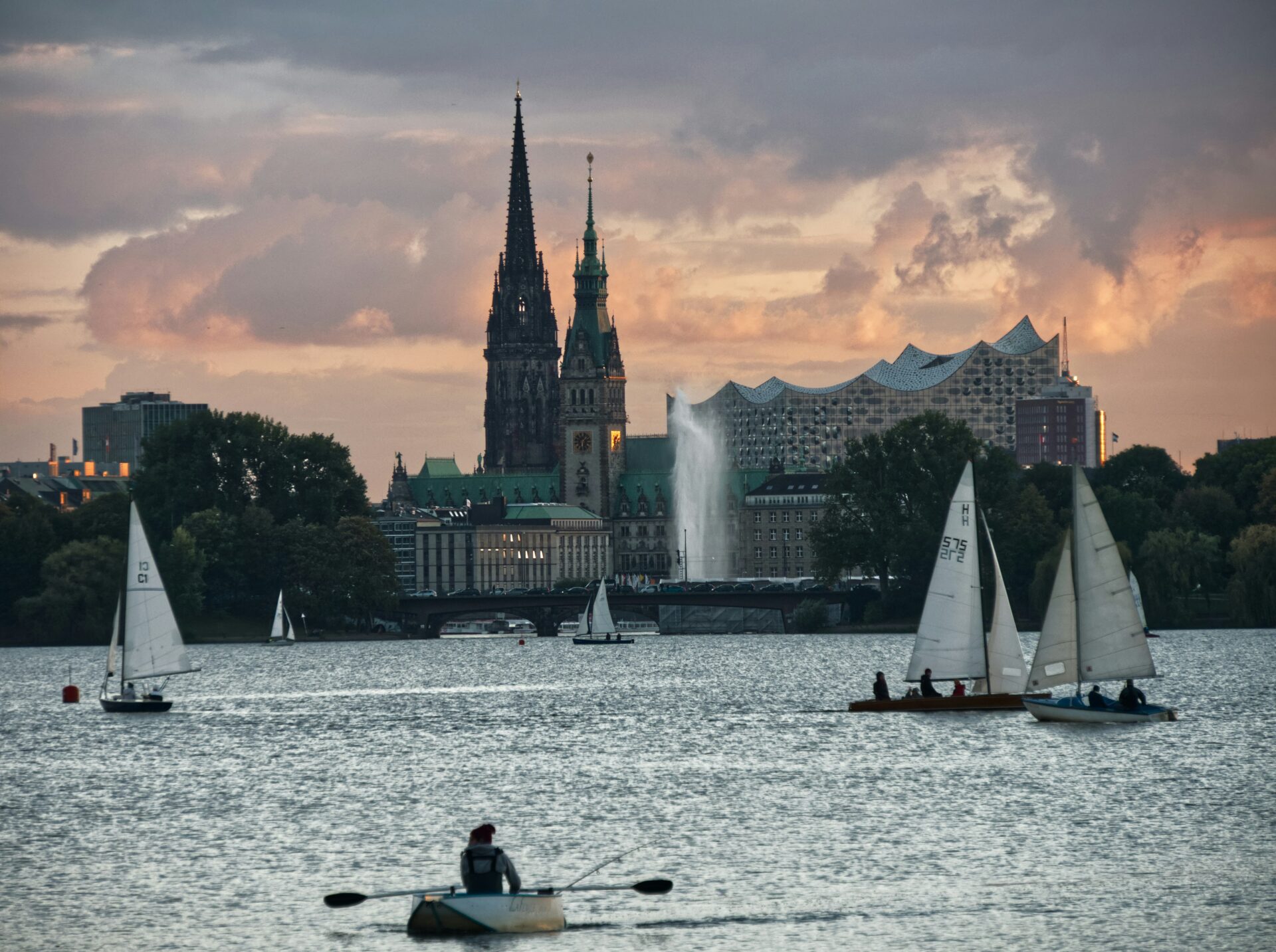
The Alster Lakes, especially the Outer Alster, create a calm, almost dreamy heart right in the city. When I walked or biked around the lake, wide tree-lined paths and grassy meadows opened up everywhere.
Locals sail or kayak, joggers zip by, and families push strollers along the water. It’s the kind of place where everyone seems to find their own rhythm.
Green spaces spill out from the Alster’s edge into the city. I kept stumbling onto pocket parks and big lawns, perfect for a picnic or just people-watching.
Public boat rentals are easy to find, so I hopped into a rowboat and drifted for a while, watching the city skyline ripple on the water. This area offers a break from city noise, but you’re never far from a good café.

Hamburg’s Many Parks and Canals
Everywhere I looked, another park or canal jumped out at me. Planten un Blomen became one of my favorites, with its lush flower gardens, fountains, and even a Japanese teahouse tucked away inside.
Wandering through, I felt like I was moving between different worlds. In summer, the park hosts outdoor concerts and light shows, and when winter comes, there’s ice skating.
The canals in Hamburg really do earn the “Venice of the North” nickname. Waterways thread through old brick warehouses and lively neighborhoods.
Renting a canoe or paddleboard gave me a totally different view of the city—quiet, slow, and peaceful. Dozens of bridges cross these canals, from old stone arches to sleek new walkways, often leading to tucked-away cafés or quirky shops.
River Elbe, Bridges, and Maritime Charm
The River Elbe shaped Hamburg’s story as a port city, and you can still feel that energy everywhere. I loved strolling along the Elbe’s wide promenades, especially the stretch between Landungsbrücken and the Elbphilharmonie.
Ships and ferries crisscross the water all day, giving the city a constant sense of movement. The Elbphilharmonie’s plaza became my go-to spot for sweeping harbor views—cranes, old windjammers, and massive container ships all sharing the same water.
Ferry rides along the Elbe felt way more local and affordable than any tourist boat tour. Hamburg actually has more bridges than Venice, which means every walk along the river or canal brings something new.
The Elbe connects Hamburg straight to the North Sea, so you never forget this city is built for trade and travel. There’s a mix of salty air, old docks, and a buzzing waterfront that keeps Hamburg’s maritime charm alive.
Culinary Scene: From Fischbrötchen to Michelin-Starred Dining
Hamburg’s food scene really won me over, blending classic German flavors with modern, creative cooking. I found everything from traditional seafood at bustling markets to stylish meals at trendy spots and even a couple of Michelin-starred restaurants.
Seafood Specialties and Market Culture
Seafood is everywhere here. I noticed right away—Hamburg sits on the Elbe and so close to the sea that fresh fish is always on the menu.
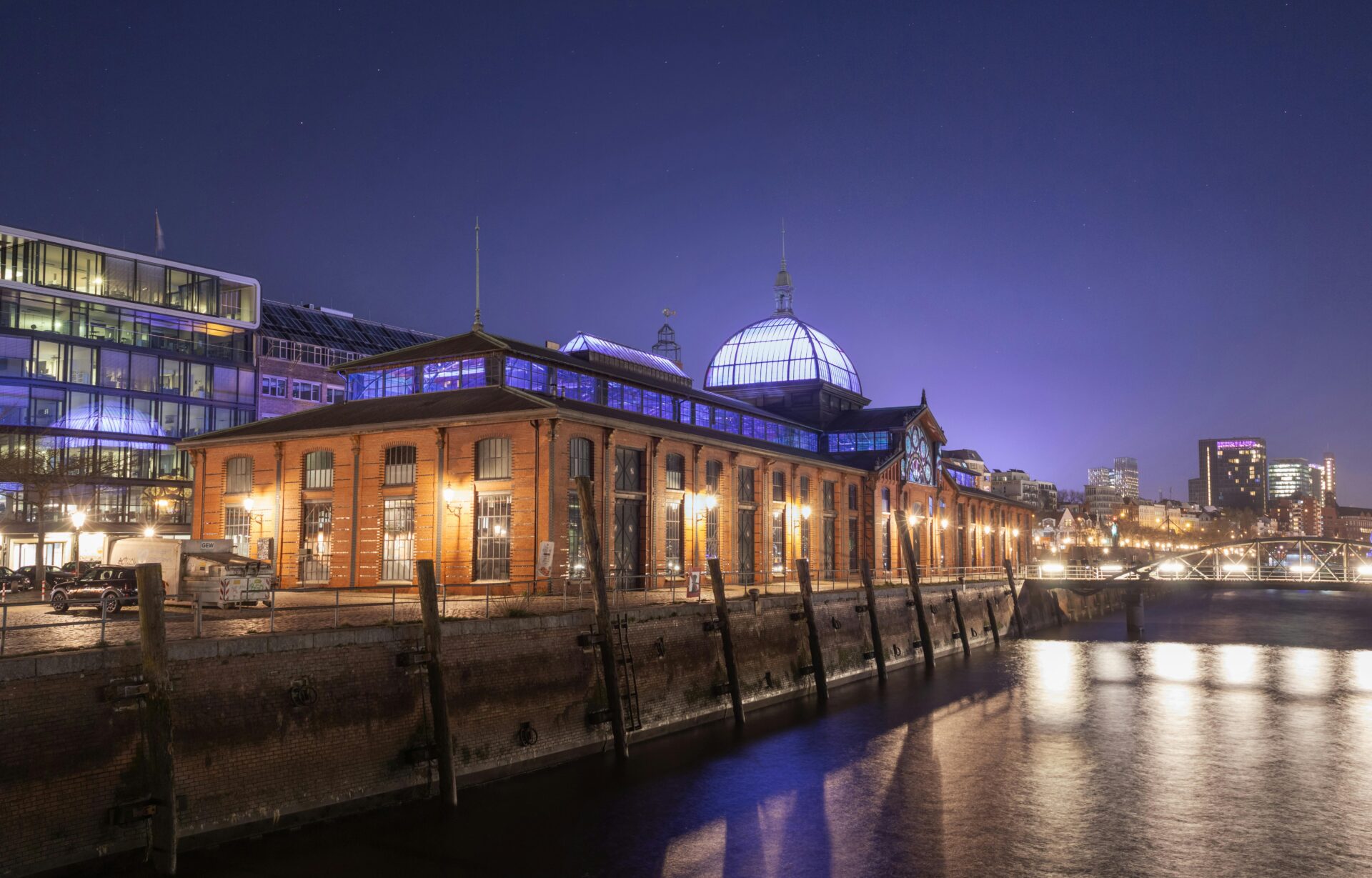
The Fischmarkt Hamburg is a must if you’re into seafood or just want to soak up the city’s busy, noisy food scene.
Vendors shout out deals on smoked eel, Matjes herring, and the famous fischbrötchen—a simple sandwich packed with pickled herring, onions, and sometimes remoulade. I grabbed one by the waterfront, and honestly, it was the perfect quick bite: cheap, satisfying, and seriously local.
The market isn’t only about fish. You’ll find seasonal produce, flowers, and even cheese stalls. What makes it special, though, is the lively crowd, the smell of fresh seafood, and the energy of the traders.
Trendy Restaurants and International Cuisine
Hamburg doesn’t just stick to tradition. Modern restaurants are popping up everywhere, and a few even earned Michelin stars for their creative tasting menus and gorgeous plating.
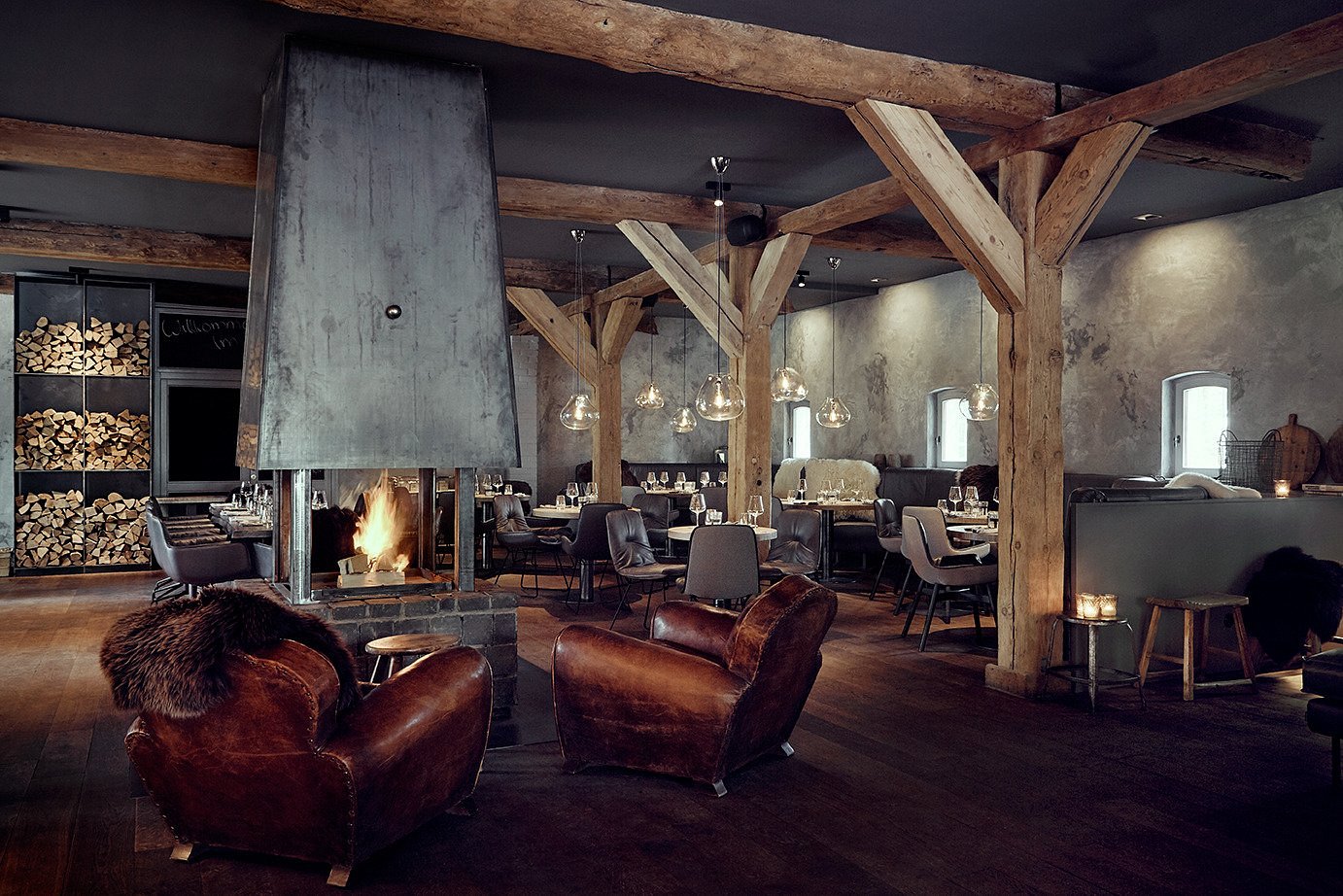
International flavors are everywhere too—Italian, Japanese, and Middle Eastern restaurants fill up just as fast as the German ones. Some places, like HYGGE, caught my eye for their cozy style and dedication to local ingredients.
The city’s got a growing number of hip cafés and stylish brasseries, which are perfect for a laid-back meal or just hanging out with friends.
Here are a few that stood out to me:
| Restaurant Name | Style | Special features |
|---|---|---|
| HYGGE | Modern Scandinavian | Bib Gourmand, cozy atmosphere |
| Haerlin | Michelin-starred | Elegant, classic dishes |
| Jellyfish | Seafood | Focus on sustainable fish |
Local Delicacies: Franzbrötchen and More
Honestly, I couldn’t leave Hamburg without tasting a franzbrötchen. This sweet, cinnamon-sprinkled pastry reminds me of a croissant, just flatter and somehow a little more comforting. You’ll spot them in bakeries all over town, usually still warm in the morning.
Labskaus caught my eye next—a quirky mix of corned beef, potatoes, beetroot, and herring. It might look a little odd, but trust me, it’s surprisingly good.
When I needed a quick bite, I found myself drawn to currywurst stands. Locals seem to love grabbing these spicy sausages on the go, and I totally get why.
What really stood out to me was how easy it felt to bounce between a bustling market stall and a peaceful little café. Hamburg’s food scene just feels open and inviting, whether you’re after tradition or just a good cup of coffee.
