
Most Americans chase the sun for spring break, but honestly, March Break in Canada flips the script. Instead of fleeing the cold, you get to dive into winter activities you just won’t find anywhere warm.
March Break usually lands in mid-March, right when the snow’s at its best for skiing. Ice hotels hit their peak, and quirky winter festivals celebrate the season instead of hiding from it. It’s the perfect time to try dog sledding in Banff or even sleep in Quebec’s famous ice hotel.
What really grabs American families? It’s the mix of world-class winter sports and cultural experiences you just can’t get back home. Whistler’s ski resorts hand out free gear rentals for kids, and Tofino lets you surf year-round without summer crowds.
Canadians don’t just survive winter—they turn it into an art form. Instead of hiding inside, folks bundle up and head out for fun.
American visitors often seem surprised by how easy and family-friendly these activities are during March Break. Living history museums, wild Pacific coast storms, and adventures you never expected? Canada transforms what many Americans dread as the “worst month of winter” into a trip you’ll remember for years.
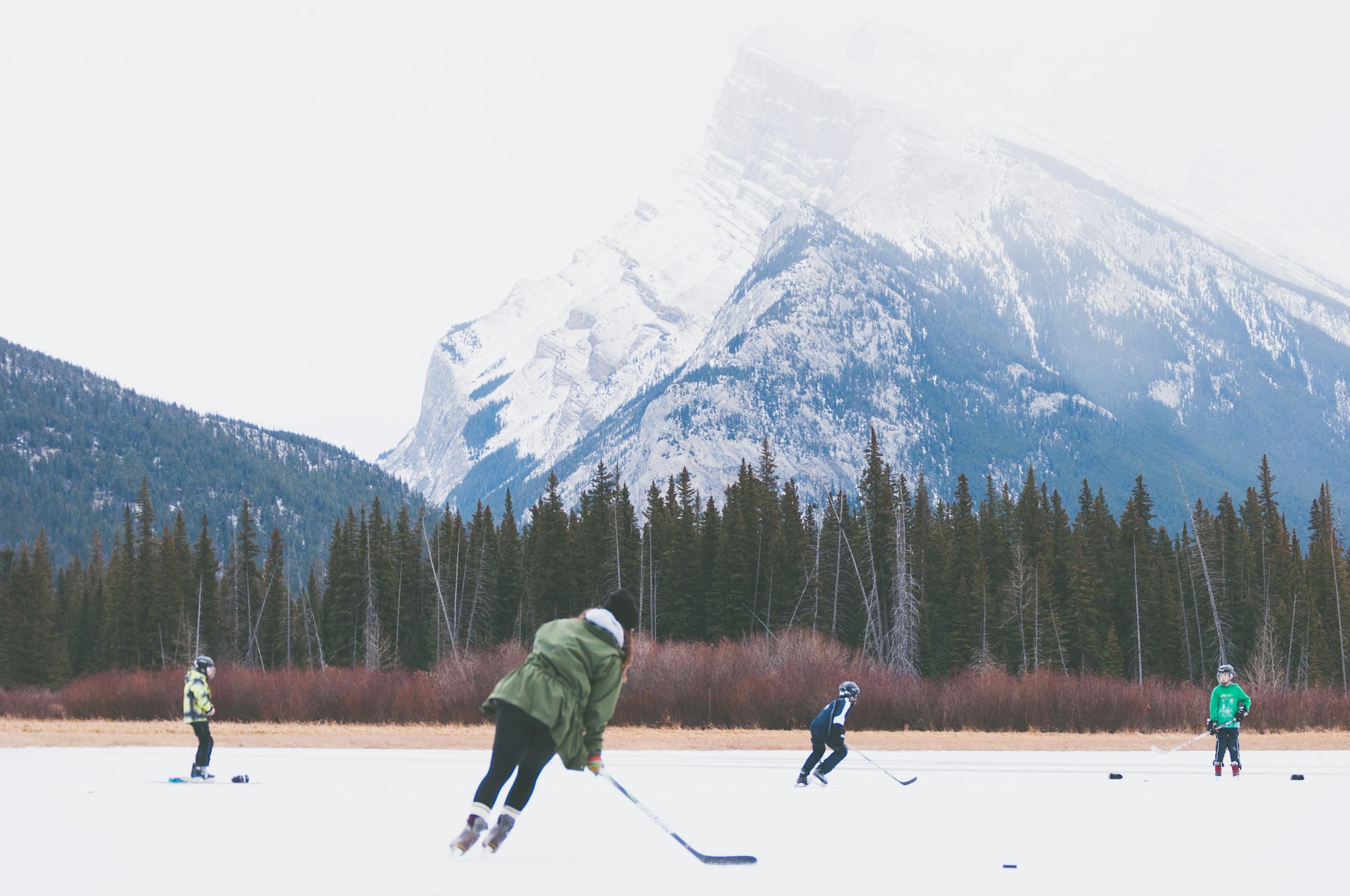
Banff National Park, Canada
What Is March Break in Canada?
March Break is a week off school, right in the thick of winter, usually mid-March. Unlike the US, where spring break means shorts and flip-flops, up here it’s all snow boots and mittens.
March Break vs. Spring Break: Key Differences
The differences between Canadian March Break and US spring break? They’re bigger than you’d think. March Break always falls in March, with snow still blanketing most of Canada.
Spring break down south happens anywhere from March to April, depending on the school. The weather couldn’t be more different.
Timing differences:
- March Break: Always March
- US Spring Break: March–April, varies
Weather expectations:
- Canada: Cold, snowy, winter sports
- US: Warm, beaches, sun
Canadian kids get a solid week off, no more, no less. In the US, spring break can stretch to two weeks.
The activities? Total opposites. Canadian families hit up ski hills or maple syrup festivals, while American students flock to beaches or tropical escapes.
March Break in Canada leans toward family time. US spring break? More independence, more student travel.

Typical March Break Dates by Province
March Break dates shift a bit every year, but most provinces stick to the second or third week of March.
Common March Break weeks by region:
| Province/Territory | Typical Week |
|---|---|
| Ontario | Mid-March |
| Quebec | First week March |
| British Columbia | Mid-March |
| Alberta | Third week March |
| Maritime Provinces | Mid-March |
Exact dates can change by school district. Sometimes rural schools take a different week than city schools in the same province.
The break always runs Monday through Friday. Kids get the whole week off.

Why March Break Is Unique to Canada
March Break really shows off Canada’s winter-loving spirit. It’s funny—while other countries chase spring, Canadians are all about snow and ice.
Maple syrup season kicks off in March. Families head to sugar shacks for pancakes and to watch sap boil.
Ski season peaks right now too. Resorts like Whistler and Mont Tremblant fill up with families.
March Break gives students a much-needed pause during the long winter. It’s a mental health break that helps fight off those winter blues.
Local tourism gets a boost as families travel within Canada. Small towns and big cities both benefit from the extra visitors.
Top March Break Destinations and Activities
March Break in Canada gives American families four epic destinations to discover winter’s fun side. Whistler’s legendary slopes, Toronto’s cozy indoor gems, Montreal’s festive culture, and Vancouver’s early spring all offer something different.
Whistler: Skiing, Snowshoeing, and Outdoor Adventures
Whistler really shines in March. The resort lets kids 12 and under rent ski and snowboard gear for free when adults rent too.
Key Winter Activities:
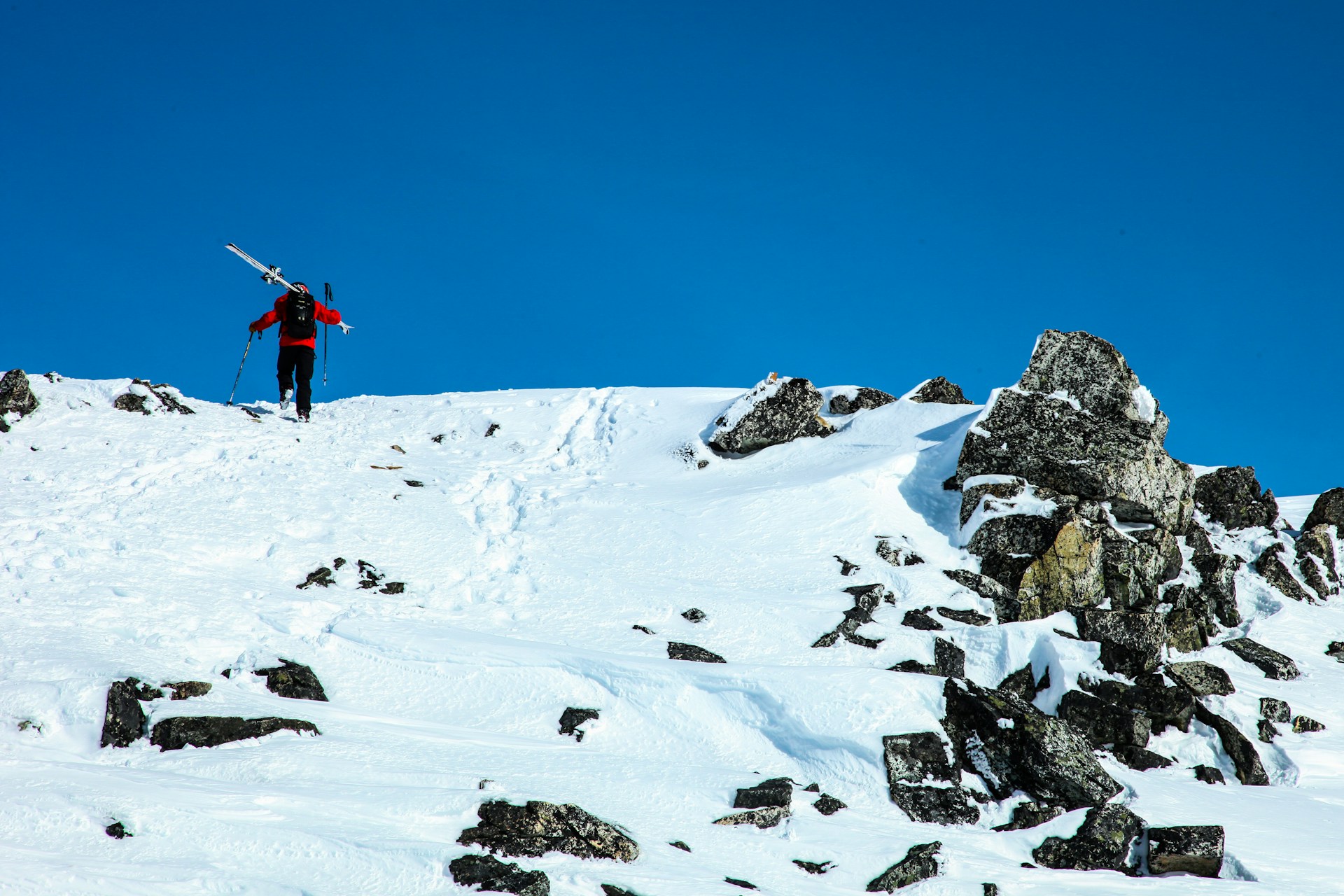
- Ski or snowboard Whistler and Blackcomb
- Snowshoe quiet forest trails
- Skate outdoors under the sky
- Hop on a dog sled for a thrill
March brings great snow and longer days. The village buzzes with families sipping hot chocolate or browsing shops between adventures.
Snowshoeing is easy to pick up and works for any fitness level. Rental shops have everything you need, and trails like the Valley Trail and Lost Lake Loop are perfect for first-timers.
The Peak 2 Peak Gondola links both mountains with jaw-dropping views. Even if you don’t ski, you can ride up for mountain eats and scenery.
Toronto’s Urban Attractions and Family Events
Toronto turns into an indoor playground during March Break. Museums and attractions keep everyone warm and entertained.
Top Indoor Destinations:
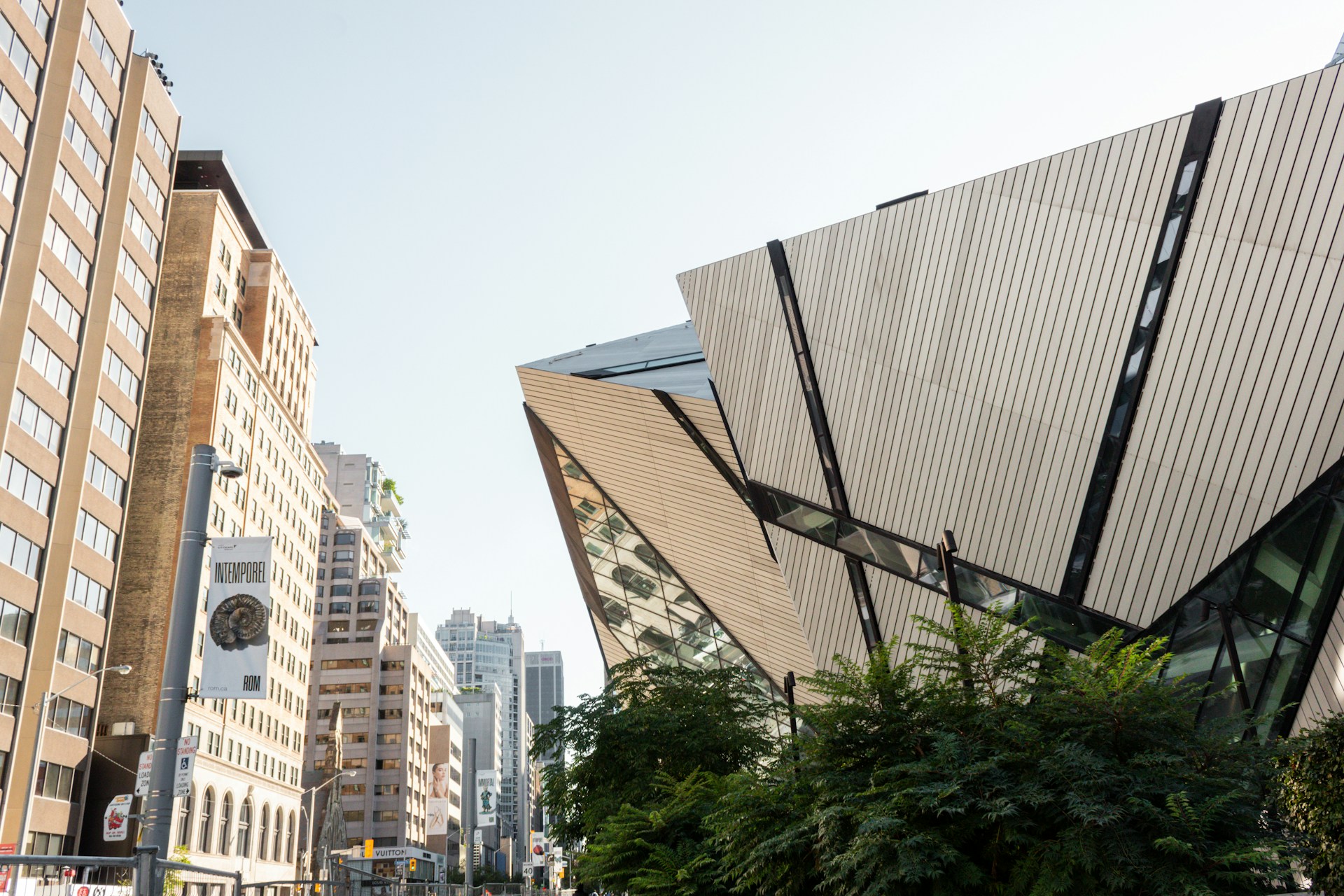
- Royal Ontario Museum’s dinosaurs
- Casa Loma’s secret passages
- Harbourfront Centre’s interactive fun
- CN Tower and EdgeWalk thrills
The Royal Ontario Museum wows kids with dozens of dinosaur skeletons. Hands-on exhibits let them dig for fossils and get curious about the past.
Casa Loma feels straight out of a fairy tale. Explore historic rooms, underground tunnels, and gardens. Kids love the secret passages.
Harbourfront Centre packs March Break with HarbourKIDS programs. They’ve got Toronto’s biggest indoor skating rink. It’s worth checking for special events or workshops.
The Distillery District brings history alive with cobbled streets, Victorian buildings, and cool shops. It’s a fun spot for a family stroll.
Exploring Montreal’s Festivals and Historic Sites
Montreal knows how to party for March Break. Maple syrup season is in full swing, and the city’s culture comes alive.
March Break Highlights:
- Sugar shack visits and maple treats
- Old Montreal’s historic streets
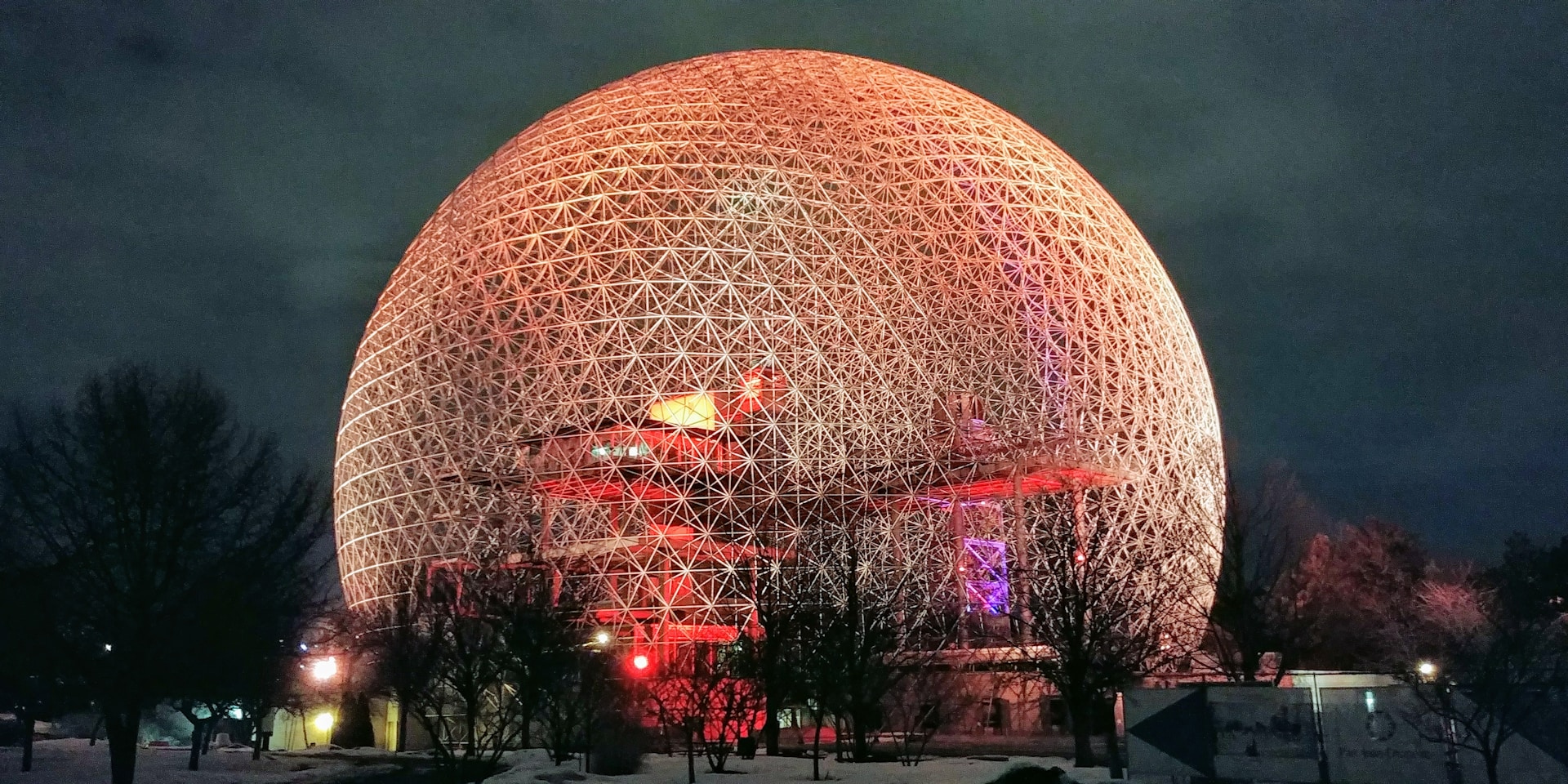
- Biodôme’s four wild ecosystems
- Free skating at Esplanade Tranquille
Maple syrup defines March in Montreal. Farms welcome families to see syrup-making and dig into pancakes and maple taffy.
The Biodôme lets you wander through everything from tropical forests to polar worlds—all under one roof.
Old Montreal’s cobblestone streets and centuries-old buildings create a magical backdrop for markets and galleries. Evening brings great food and live entertainment.
The Montreal Science Centre has hands-on exhibits and an IMAX cinema. That giant red molecule sculpture? You can’t miss it.
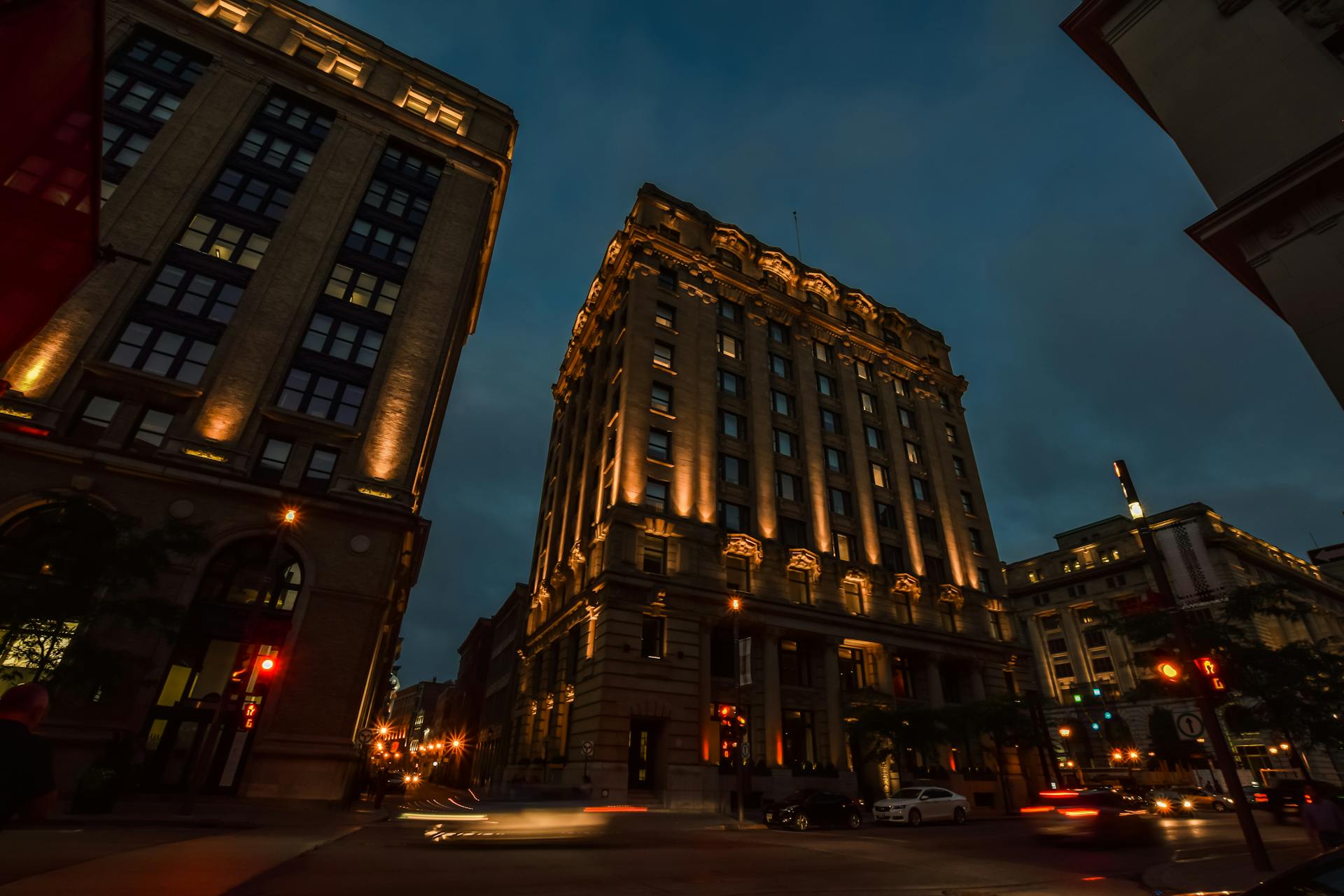
Vancouver and Granville Island Escapes
Vancouver gives you the mildest March Break weather. Flowers start blooming, and the city’s perfect for exploring.
Granville Island is a family magnet. The Kids’ Market packs unique shops and activities under one roof, from toys to quick haircuts.
Transportation Adventures:
- Ride the SeaBus across Burrard Inlet
- Take the SkyTrain for city views
- Hop a ferry to Granville Island
Vancouver’s walkability is a treat in March. Daffodils pop up everywhere, and you can stroll in just a light jacket.
Stanley Park offers forests, beaches, and a seawall for walking or biking with ocean and mountain views.
The food scene here is wild—food trucks, sushi, poutine, you name it. Plenty of places cater to kids too.

Iconic Canadian Winter Experiences for Americans
March Break in Canada gives Americans three unforgettable winter experiences. Think coast-to-coast family festivals, the jaw-dropping Rockies, and deep dives into Indigenous culture.
Family Getaway Traditions Across the Country
Winter festivals make March Break magical. The Quebec Winter Carnival goes all out with ice palaces, toboggan races, and the famous caribou drink (red wine meets maple syrup—who knew?).
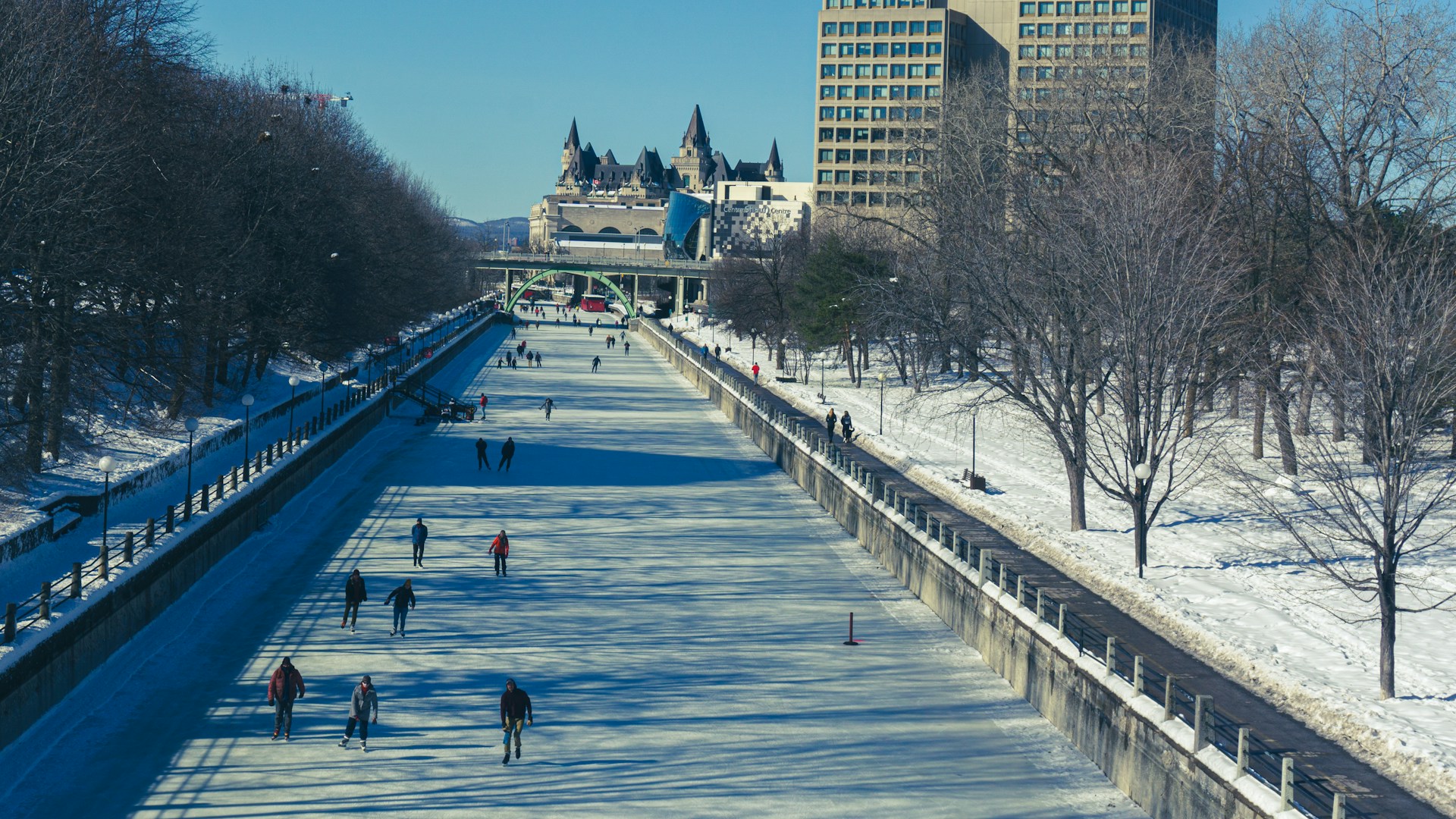
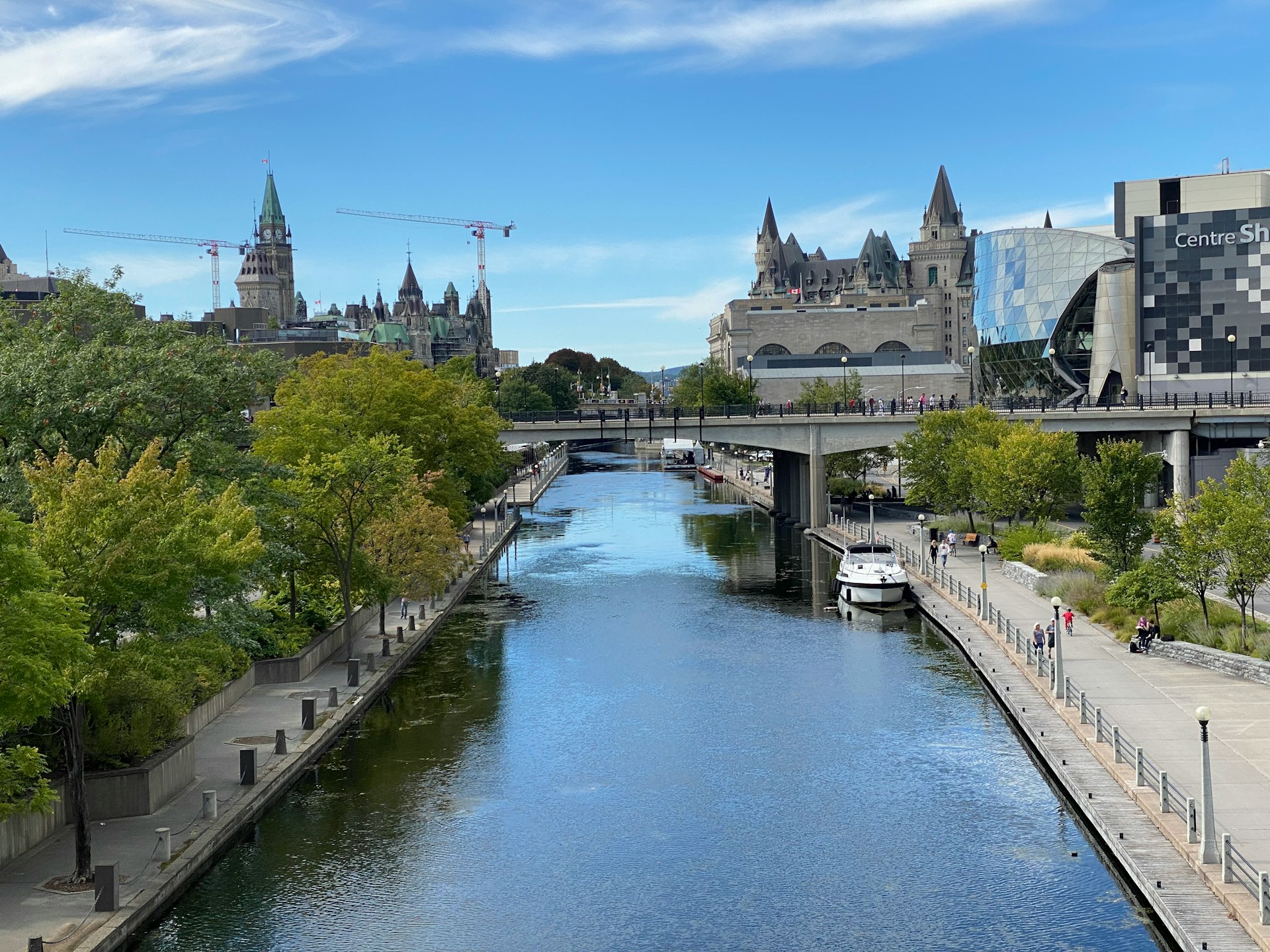
Ottawa’s Winterlude turns the Rideau Canal into the world’s biggest skating rink. You can skate past Parliament, check out ice sculptures, and play on winter playgrounds.
Out west, Manitoba’s Trappers Festival in The Pas brings dog races, chainsaw contests, and a quirky King and Queen Trapper competition.
The Maritimes? Corner Brook Winter Carnival in Newfoundland is a week of ice sculptures, house decorating contests, and Viking-inspired fun.
Lake Louise and Banff: The Rockies in Winter
Lake Louise in March is straight out of a snow globe. The lake freezes into a skating rink surrounded by towering peaks.
Banff National Park has three major ski resorts. You can ski, cross-country, or snowshoe through pristine wilderness.
Canmore offers adventure tours—think ice climbing or winter trekking with Yamnuska Adventures.
After all that activity, Banff’s hot springs are a must. Soaking in warm mineral water while snow falls around you? Unbeatable.

Discovering First Nations Culture During March Break
First Nations communities invite visitors to experience traditional culture in winter. In northern Quebec, the Puvirnituq Snow Festival celebrates Inuit heritage with snow sculptures shaped like caribou.
The festival features igloo-building and dog-sled races, showing off skills that kept people alive in the Arctic.
Cultural centers across Canada teach families about Indigenous winter traditions. You’ll learn how people survived—and thrived—in the cold for thousands of years.
Storytelling and craft workshops reveal deep connections to the land. You might hear tales of winter hunting, try ice fishing, or see how traditional clothing kept everyone warm.

How Americans Can Make the Most of March Break in Canada
If you’re planning a March Break trip to Canada, you’ll want to prep a little differently than you would for a typical US spring vacation. Focus on winter gear, check weather patterns, and book early—this is peak season.
Travel Tips and Essential Planning Advice
March Break dates vary by province but usually fall between March 10-17. It’s Canada’s busiest travel week.
Booking Strategy:
- Reserve hotels 2–3 months ahead
- Book flights early for deals
- Try cities like Halifax or Winnipeg for better prices
Currency and Payments:
Bring some Canadian dollars. Credit cards work almost everywhere, but small shops sometimes prefer cash.
Transportation Planning:
Rentals need winter tires in many provinces. Public transit is reliable in cities like Toronto, Vancouver, and Montreal.
Documentation:
You’ll need a valid passport. Enhanced driver’s licenses work for land crossings, but not flights.
Budget Considerations:
Expect prices to jump 30–40% during March Break. To save, eat at local markets (like Granville Island) instead of touristy spots.

What to Pack for a Canadian March Break
March weather up north is a whole different beast. You could see anything from -10°F to 40°F, depending on where you go.
Essential Winter Clothing:
- Heavy winter coat (down to -20°F)
- Waterproof boots with grip
- Thermal underwear for outdoor play
- Warm hat, gloves, and scarf
- Layers, layers, layers
Activity-Specific Gear:
If you’re skiing, pack goggles and snow pants. For city days, bring comfy shoes with good traction.
Electronics Protection:
Cold drains batteries fast. A portable charger helps, and keep your phone close to your body when outside.
What to Leave Behind:
Don’t bother with spring clothes unless you’ll be indoors the whole time. Forget sandals and summer dresses—they just won’t cut it for March in Canada.
Preparing for Weather and Safety
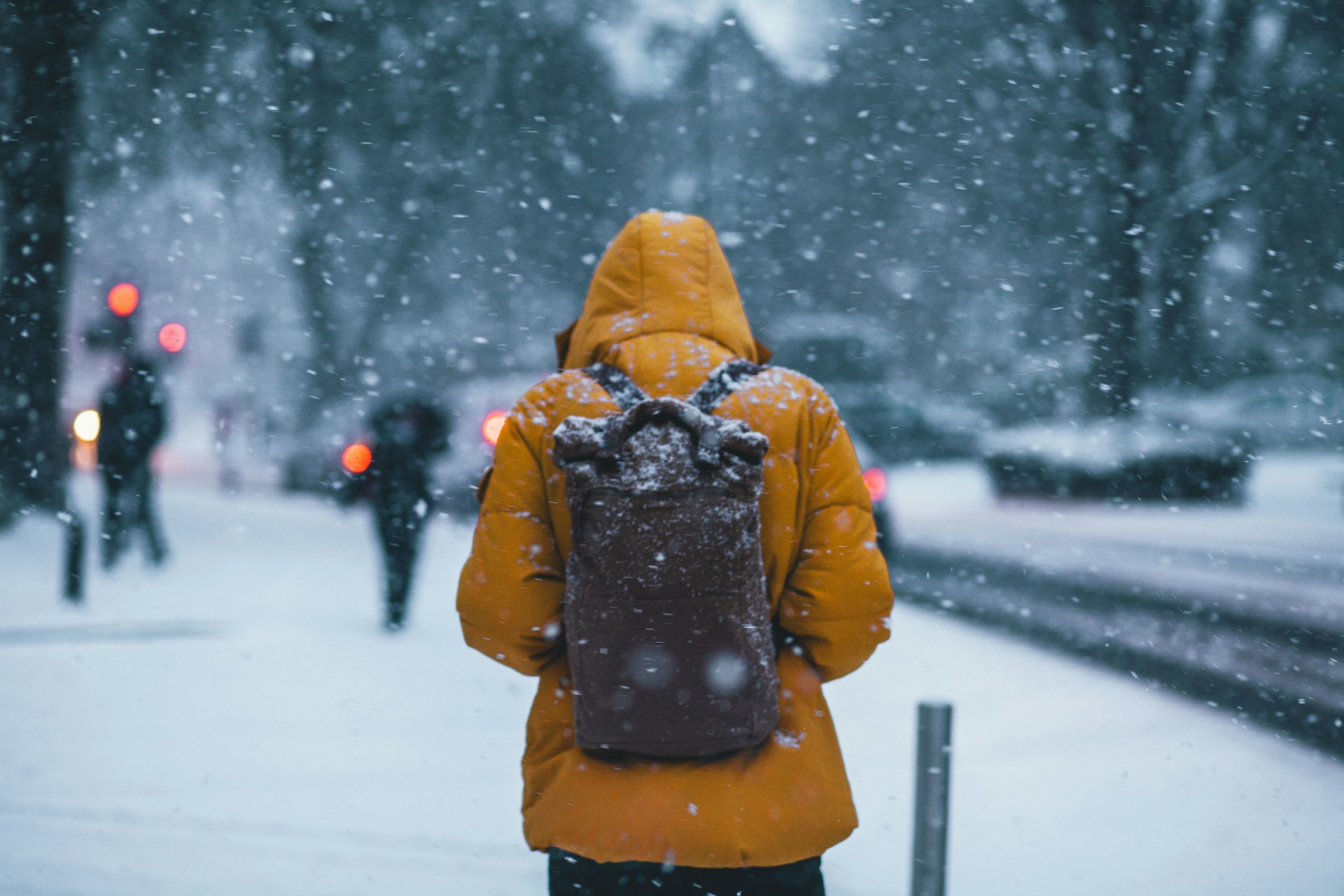
Canadian March weather? It’s unpredictable. One minute, you’re crunching through snow, and by afternoon in coastal towns, you might need an umbrella instead.
Weather Monitoring:
I always check Environment Canada forecasts before heading out. Honestly, weather apps rarely get it right for the far north.
Safety Precautions:
Ice and snow will turn sidewalks into skating rinks. I recommend walking slowly and wearing boots with good grip. Salt covers most sidewalks, so leave your best leather shoes at home unless you like surprises.
Emergency Preparedness:
When I rent a car, I toss in a blanket, some water, snacks, and a phone charger. Cell service drops out fast in rural spots, so it’s best to be ready.
Health Considerations:
The cold air feels different—sometimes it stings. If you’re not used to winter, take breaks when you need them. No shame in ducking inside for a hot drink.
Activity Planning:
Always have an indoor backup plan. When the weather turns wild, I check out museums, shopping centers, or local galleries. Warmth and culture in one go.

Local Celebrations and Community Events
March Break in Canada? It’s not just a week off—it’s a celebration of winter’s final hurrah. From maple syrup harvests to lively community gatherings, there’s always something going on. Big cities like Toronto and Montreal go all out with cultural events, while smaller towns offer cozier, hands-on traditions.
Maple Syrup Season and Sugar Shacks
March is prime maple syrup season. Those cool nights and sunny days? Perfect for sap to start flowing.
Sugar shacks are a Canadian classic. I still remember my first visit—fresh pancakes, warm syrup straight from the boiler, and laughter echoing through a rustic cabin.
Ontario’s maple syrup festivals are a family favorite. You can watch the whole process, from tapping the trees to tasting the finished syrup.
Popular maple syrup activities include:
- Watching tree tapping up close
- Cozy horse-drawn sleigh rides
- Pancake breakfasts that hit the spot
- Trying maple taffy rolled on snow
Many sugar shacks double as working farms. You’ll learn about sustainable forestry and Indigenous traditions that go back generations.
First Nations communities sometimes invite visitors to share in their maple harvesting wisdom. These moments turn a sweet treat into a meaningful memory.

Ice Hotels, Film Festivals, and Cultural Attractions
March Break transforms Canadian cities into winter playgrounds. Montreal’s carnivals light up the city with ice sculptures and outdoor concerts.
Ever wanted to sleep in an ice hotel? It’s chilly but unforgettable—think fancy ice carvings and surprisingly comfy sleeping bags.
Toronto goes big with cultural events during March Break. Museums roll out special exhibits, and theaters fill their stages with family-friendly shows.
March cultural highlights include:
- Film festivals that bring the world to you
- Indigenous art that tells powerful stories
- Hands-on science demos for curious minds
- Live theater that keeps the whole family entertained
Many spots drop their admission prices for March Break. Cultural centers often stay open late, so there’s time to fit it all in.
Winter festivals show off Canada’s creative side. Ice carving competitions bring out local talent, and outdoor markets tempt you with handmade crafts.
Community Sports, Workshops, and Nature Trails
Every March Break, local communities really step up with special programming. You’ll find recreation centers buzzing with drop-in activities and hands-on workshops.
Even as spring tries to sneak in, outdoor winter sports hold their ground. Skating rinks keep their doors open, and cross-country ski trails wind through some of the quietest, most peaceful corners of nature.
Some of my favorite community activities:
- Arts and crafts workshops (always a hit with creative kids)
- Cooking classes just for children—who doesn’t love a messy kitchen?
- Nature photography walks for snapping those “wow” moments
- Traditional Canadian games that make you feel like a local
Nature trails offer a budget-friendly way for families to get outside. Plenty of parks run guided snowshoe tours, and there’s always a chance to spot some wildlife if you’re lucky.
During March Break, community centers really turn into neighborhood hubs. Local volunteers jump in to lead workshops and games, giving visitors a taste of Canadian traditions and values.
I’ve noticed these grassroots events do more than just fill the calendar—they help tourists and residents actually connect. There’s something special about the hospitality in small towns, especially when you see volunteers running the show and neighbors coming together for festivals.