
Mardi Gras in New Orleans? It’s so much more than Bourbon Street and plastic beads. The real magic happens where locals actually gather—think neighborhood parades kicking off on Twelfth Night, and family-friendly spots along the parade routes where you snag the best throws and soak up the real atmosphere. I’ve pulled together this guide so you can experience Mardi Gras 2026 the way we do, not just how the tourist brochures suggest.
Most visitors miss the parts that make Mardi Gras special. They skip the early season parades, which are less crowded but just as fun.
They stand in the wrong spots and end up missing out on the good throws.
They stick to the French Quarter while locals are celebrating all over the city. Let’s avoid those rookie mistakes together.
This guide is all about picking the right parades, understanding local customs, and knowing where to find the food and drinks we actually crave during Carnival. By the end, you’ll have a game plan to celebrate Mardi Gras 2026 like someone who knows the city, not just someone checking it off a bucket list.
Key Takeaways
- Celebrate early with smaller neighborhood parades starting January 6 and rolling through the weekends before Mardi Gras Day.
- Stake out a parade spot outside the French Quarter where you’ll find locals, family vibes, better throws, and a more authentic experience.
- Put on a costume, pace yourself, and don’t forget to yell “Throw me something, mister!” if you want those beads.

Planning Your Mardi Gras 2026 Trip Like a Local
Mardi Gras 2026 lands on March 3, so Carnival season kicks off January 6 and runs through Ash Wednesday, March 4.
If you want reasonable rates, book your stay in neighborhoods like Marigny or Mid-City—places where locals actually live. I’d secure accommodations at least six months ahead.
Key 2026 Dates and Carnival Season Timeline
Mardi Gras Day 2026 is Tuesday, March 3. That’s Fat Tuesday, the final day before Ash Wednesday.
Carnival season starts on Twelfth Night (January 6, 2026). The first parades roll out that evening—Joan of Arc in the French Quarter and Phunny Phorty Phellows Uptown. These early parades feel more intimate and give you a taste of how locals celebrate.
The main parades pick up from mid-February through Mardi Gras Day. The biggest ones happen the two weekends before Fat Tuesday and during the final five days.
Lundi Gras (Monday, March 2, 2026) brings major parades like Proteus and Orpheus. The city really comes alive at this point.
Arrive by the Thursday or Friday before Mardi Gras Day if you want to catch the most famous parades. Stay through Ash Wednesday (March 4) if you can—the city transforms overnight from a wild party to almost eerie quiet.
Where Locals Stay: Neighborhood and Hotel Guide
Skip the French Quarter for lodging. I usually stay in Marigny, just downriver from the Quarter. You get easy parade access without the tourist chaos.
The neighborhood has tons of character and a genuine New Orleans vibe.
Mid-City puts you close to City Park and the Endymion parade route. Hotels here fill up with locals from outside the city, not just tourists.
You’ll usually find better prices than downtown.
Garden District and Uptown are perfect if you want to be near St. Charles Avenue. You can walk to several parade spots and hop on the streetcar when it’s running.
Bywater is like Marigny but a bit quieter. I’ve scored great short-term rentals here for less than hotel prices.
If you stay out in Metairie or Kenner, you’ll need a car and some local knowledge. Otherwise, you’ll spend ages dealing with traffic and parade route closures.
Booking Tips and Accommodation Essentials
Book your Mardi Gras accommodations by September 2025, if not sooner. Most hotels set a minimum stay (usually 3-5 nights), and prices skyrocket.
Look for places with:
- Walking distance to parade routes (check maps for St. Charles Avenue, Canal Street, or Rampart Street)
- Parking included if you’re driving (street parking is a nightmare)
- Kitchen access so you can save on meals and stash your drinks
Always check the cancellation policy—Mardi Gras bookings can be strict.
Read reviews from past Carnival guests to see how the property handles crowds and noise.
Short-term rentals in residential neighborhoods often give you more space for less money. Just make sure the place is legal and registered with the city.
Some hosts leave town and rent out their homes during Mardi Gras.
Try booking Wednesday to Wednesday instead of weekend to weekend. You’ll catch all the biggest events and might dodge the highest rates.
Guests Guide to New Orleans Mardi Gras Parades
The real Mardi Gras parade secret? Knowing which ones matter and where to stand. I’ve learned how to navigate the schedule like someone who’s caught thousands of beads—not just stood in the wrong spot while the best floats pass by.
Must-See Parades and Super Krewes
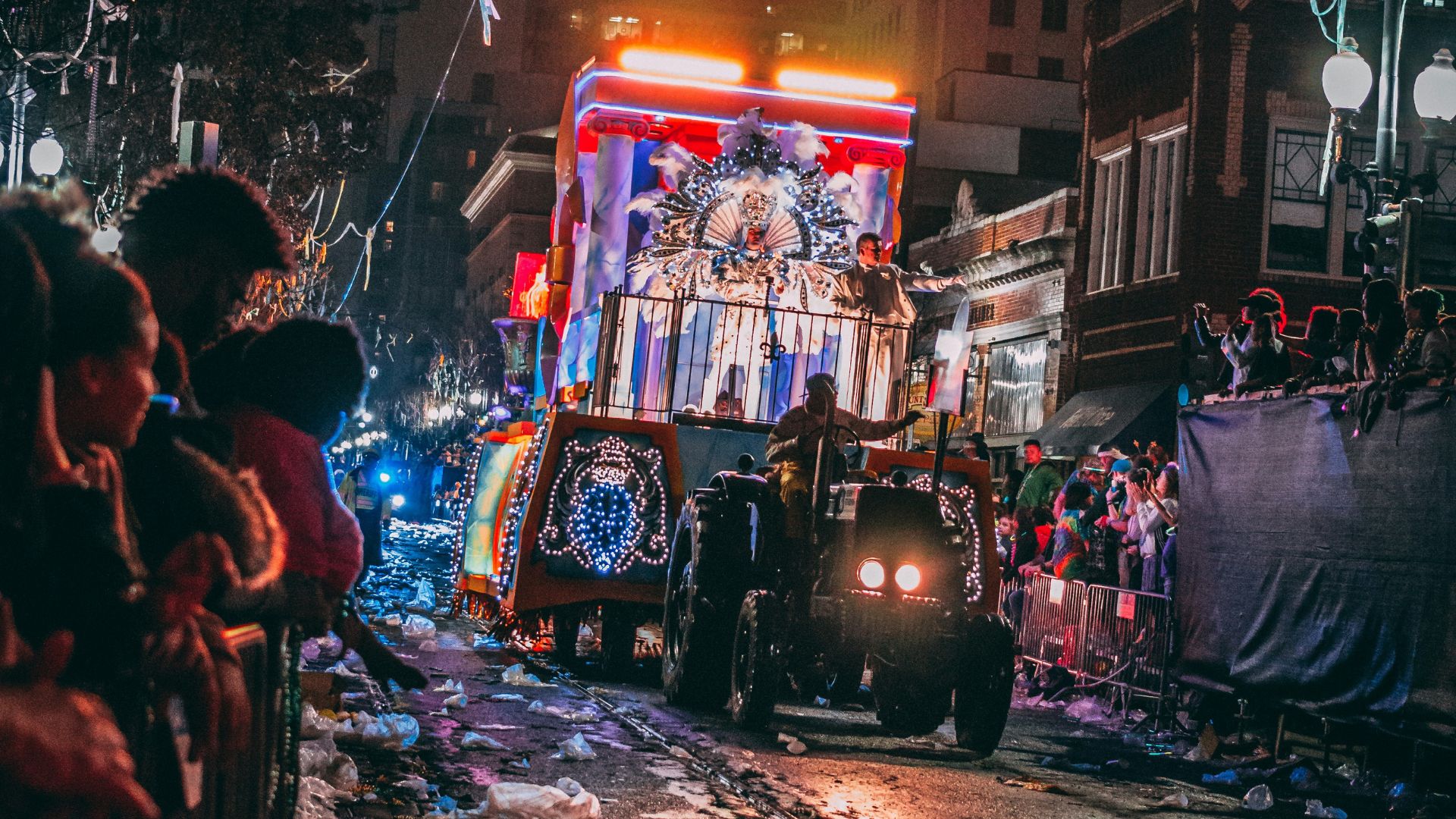
Super Krewes are the big-budget parades with massive floats, celebrity riders, and the most throws. Locals actually plan their schedules around these.
Krewe of Endymion rolls on Saturday before Mardi Gras Day, with over 3,000 riders and more beads than any other parade. The Endymion Extravaganza after-party is legendary, but you’ll need tickets months ahead.
Krewe of Bacchus parades Sunday night with Hollywood celebrities and jaw-dropping floats. The detail on these floats is wild.
Krewe of Orpheus rolls Monday night (Lundi Gras) and brings out musicians and entertainers as riders. The vibe’s younger, more music-focused.
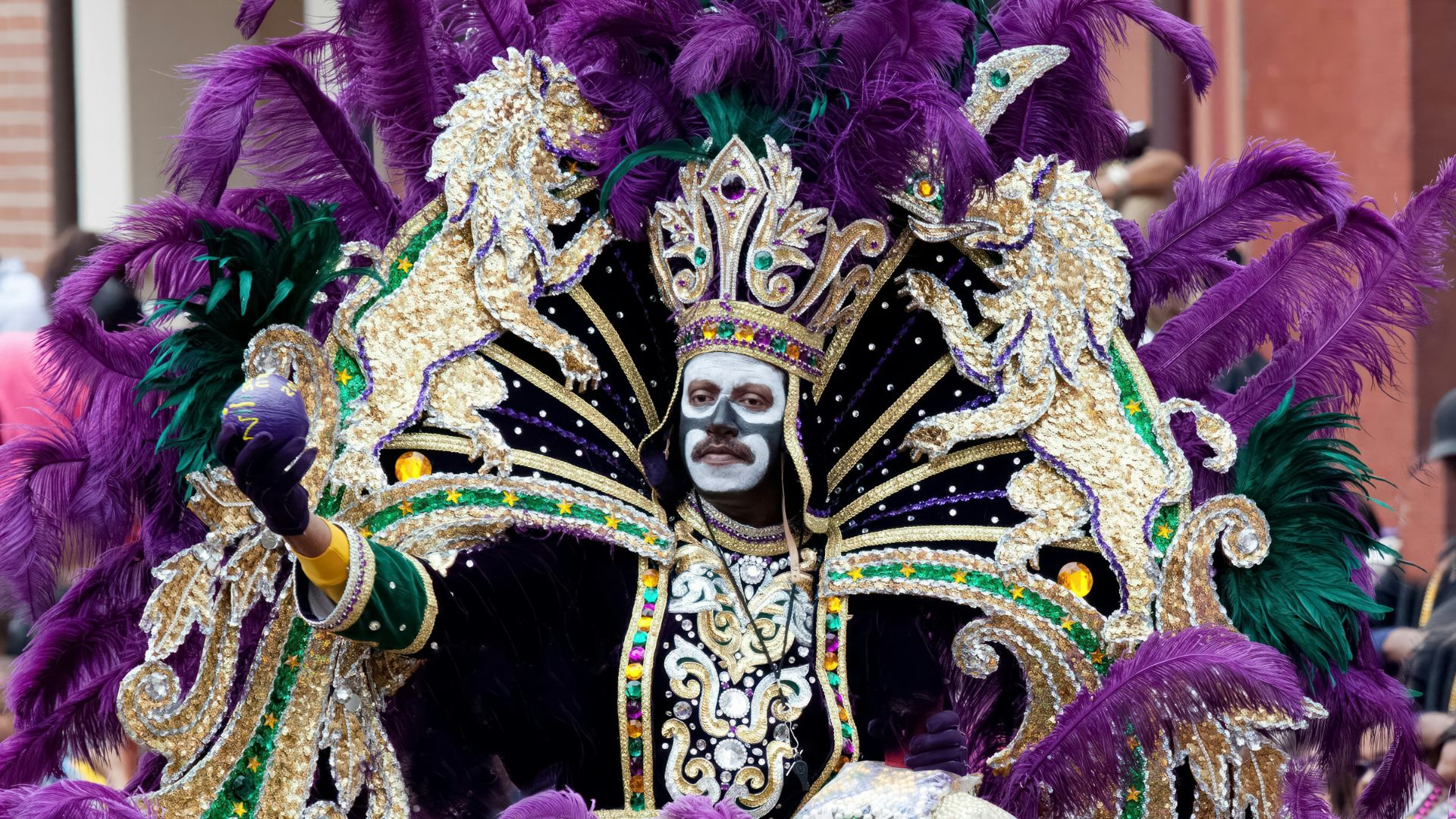
On Mardi Gras Day, Krewe of Zulu starts early. They hand out painted coconuts—the most prized throws of the season.
Krewe of Rex follows Zulu and represents the traditional, old-school Mardi Gras.
For something offbeat, Krewe du Vieux is an adults-only walking parade in the French Quarter—satirical, irreverent, and hilarious. Krewe of Muses throws decorated shoes. Krewe of Nyx is the largest all-female krewe. Krewe of Barkus? It’s a dog parade in the French Quarter and honestly, it’s a blast.
Best Parade Viewing Spots
St. Charles Avenue is the main parade drag, but not all spots are equal. I avoid Lee Circle since it gets packed with tourists camping out all day.
Uptown on St. Charles between Jackson and Louisiana is a sweet spot. You can show up an hour before and still snag a decent view.
Neighborhood bars nearby have bathrooms, and you can duck out without losing your place.
Napoleon Avenue at St. Charles is my favorite. Floats slow down to make the turn, and riders toss out extra beads.
Local families camp out here with ladders for the kids.
Magazine Street runs parallel to St. Charles. I usually park on Magazine and stroll one block to the parade route. Saves hours of circling for parking.
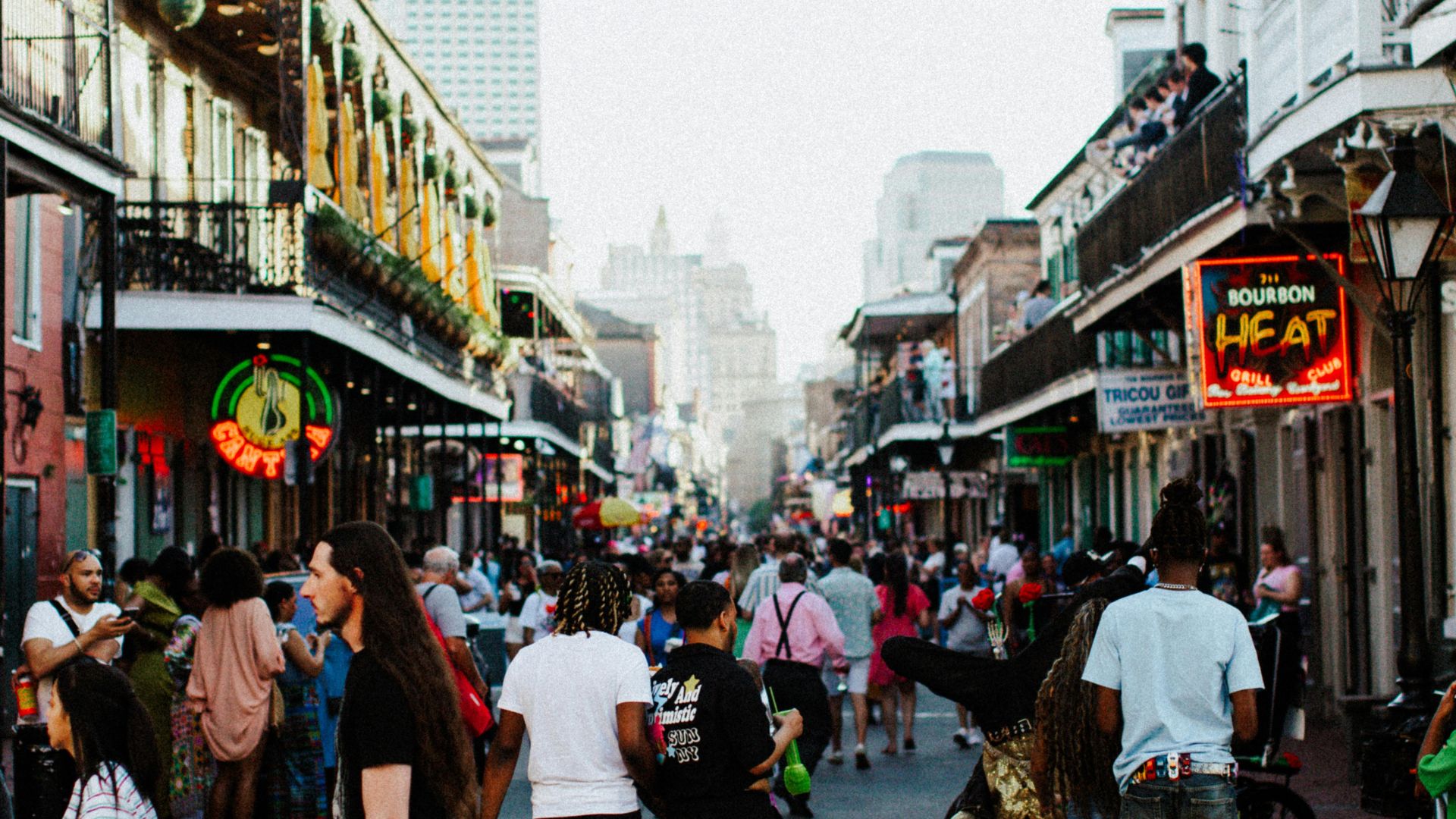
Skip Bourbon Street during parades. The main parade routes don’t go through the French Quarter, except for a few smaller ones.
How to Use a Parade Tracker App
A parade tracker app is a lifesaver. It shows you where the floats are in real time using GPS.
I use these apps to time my arrival, so I’m not standing around forever before the parade starts.
The app displays each float’s location on a map as it moves along. I can check if the parade’s running late or there’s a gap between krewes.
If I’m tired or ready to bail, I check the app to see how much is left.
Download the app before parade season. Set up notifications for your must-see parades.
You’ll get alerts when the parade starts and see how far away it is from you.
Local Mardi Gras Traditions, Etiquette, and Culture
Mardi Gras in New Orleans goes way deeper than beads and parties. The whole celebration has its own colors, community groups called krewes, and a bunch of customs locals keep alive all season.
Signature Mardi Gras Customs and Colors
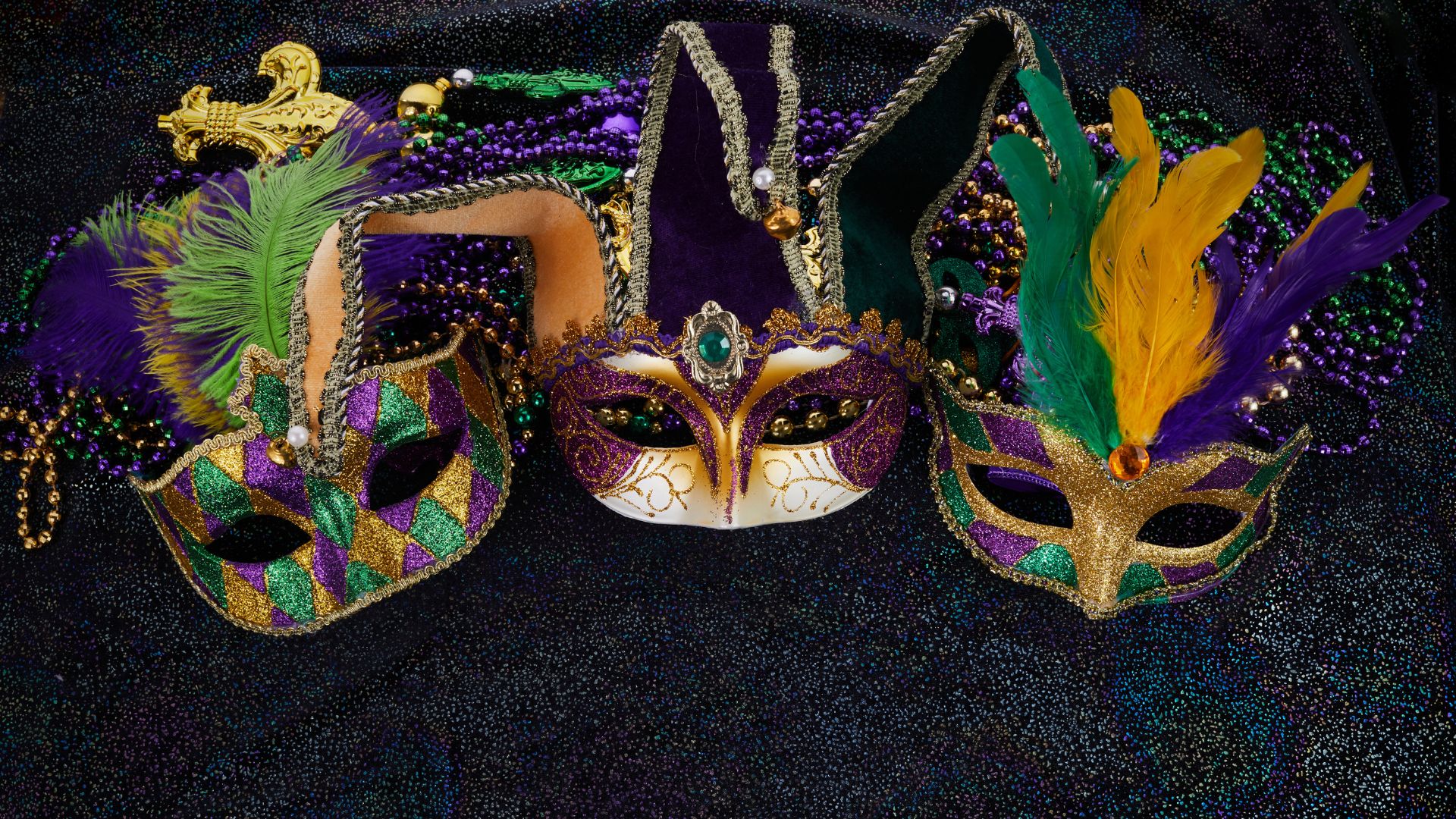
The official Mardi Gras colors? Purple, green, and gold. Purple means justice, green stands for faith, and gold is power.
You’ll spot these colors everywhere during Carnival.
Mardi Gras throws are what riders toss to the crowds. These include:
- Beads (lots of shapes and sizes)
- Doubloons (shiny aluminum coins with krewe designs)
- Cups (often decked out with krewe logos)
- Stuffed animals and random specialty items
Yell “Throw me something, mister!” if you want beads. Doesn’t matter who’s on the float—enthusiasm gets you more throws.
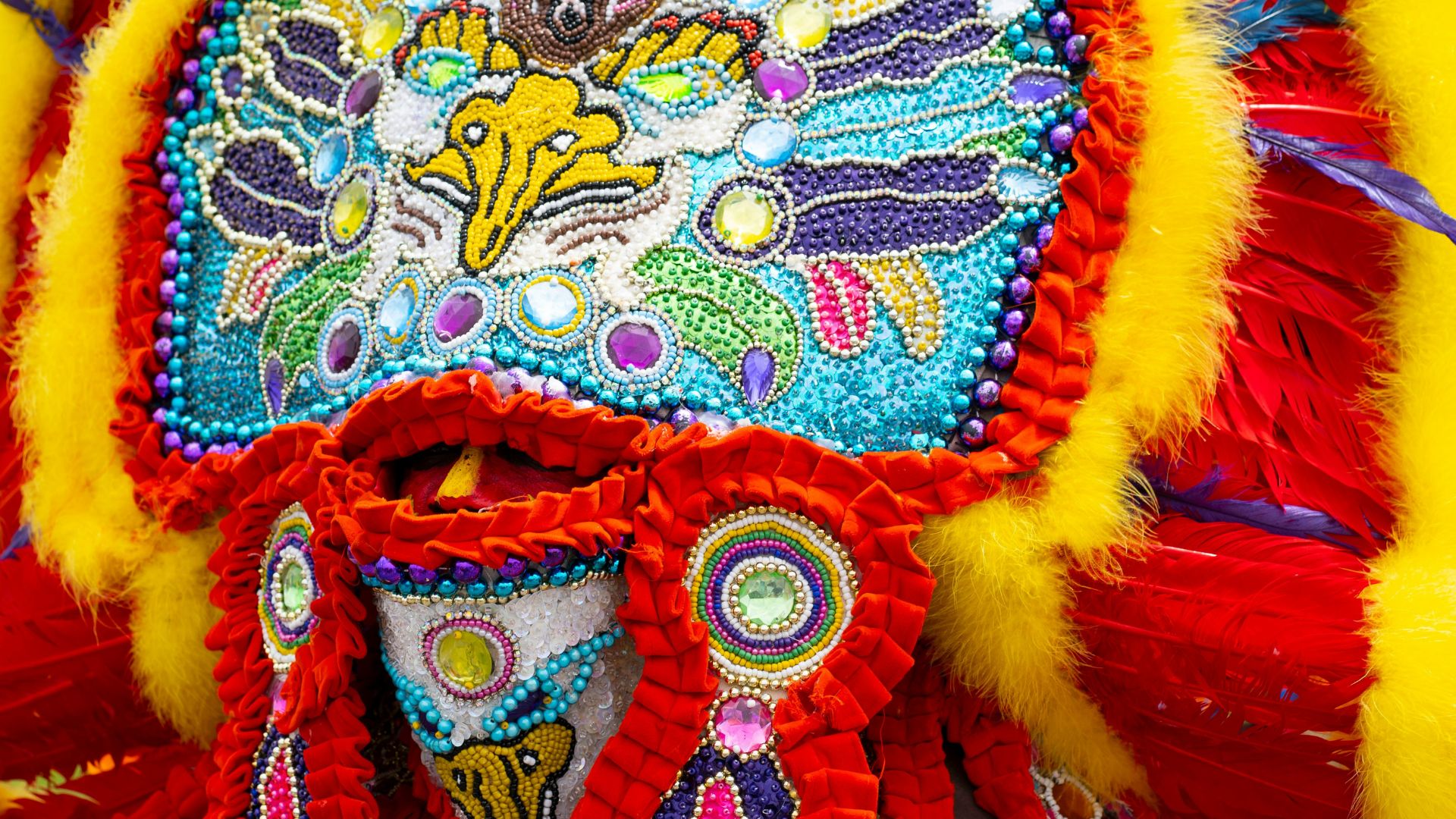
Mardi Gras Indians are Black community members who make intricate bead-and-feather suits. They perform on Mardi Gras Day and St. Joseph’s Night.
These groups honor Native American culture and have deep roots in New Orleans history.
The Greasing of the Poles happens Friday before Mardi Gras. Workers grease light poles in the French Quarter to keep people from climbing them.
Krewe Culture and Secret Societies
Krewes organize the parades and masked balls every year. Some have been around for over 150 years.
Each krewe has its own traditions, themes, and membership rules.
Masquerade balls are formal events for krewe members and their guests. You’ll see dancing, food, and presentations of royalty.
Most balls are invite-only and super exclusive.
Some famous krewes: Rex, Zulu, Endymion, Bacchus. Smaller krewes like Chewbacchus and Krewe du Vieux parade earlier in the season with quirky themes.
The krewe system lets locals shape Mardi Gras as organizers, not just spectators.
Many old-line krewes keep their membership lists secret. It adds a bit of mystery to the whole thing.
What to Say (and What Locals Actually Do)
“Laissez les bons temps rouler” means “let the good times roll.” You’ll hear it everywhere during Mardi Gras, but locals use it all year.
Here’s what I’ve picked up from years of watching parades:
- Arrive early to claim your spot
- Bring a ladder if you’ve got kids—they’ll catch more throws
- Stay at least 6 feet from the curb with your chairs and coolers
- Wear comfy shoes—you’ll be walking a ton
- Pack snacks and water to keep your energy up
Locals usually watch parades with family and friends in the same spot every year. They bring chairs, food, drinks—the works.
It turns into a social event with neighbors.
Keep it family-friendly outside the French Quarter. Most parade routes are packed with kids.
Save the wilder antics for the Quarter or specific adult areas.
Locals create Mardi Gras for locals. Visitors are always welcome, but remember, you’re a guest at a community party.
Where and How Locals Celebrate: Beyond Bourbon Street
Real Mardi Gras lives in neighborhoods where families camp out along parade routes and locals return to the same spot year after year. The French Quarter has more to offer than just Bourbon Street’s chaos, and the best celebrations stretch across communities all over the city.
French Quarter and Hidden Local Favorites
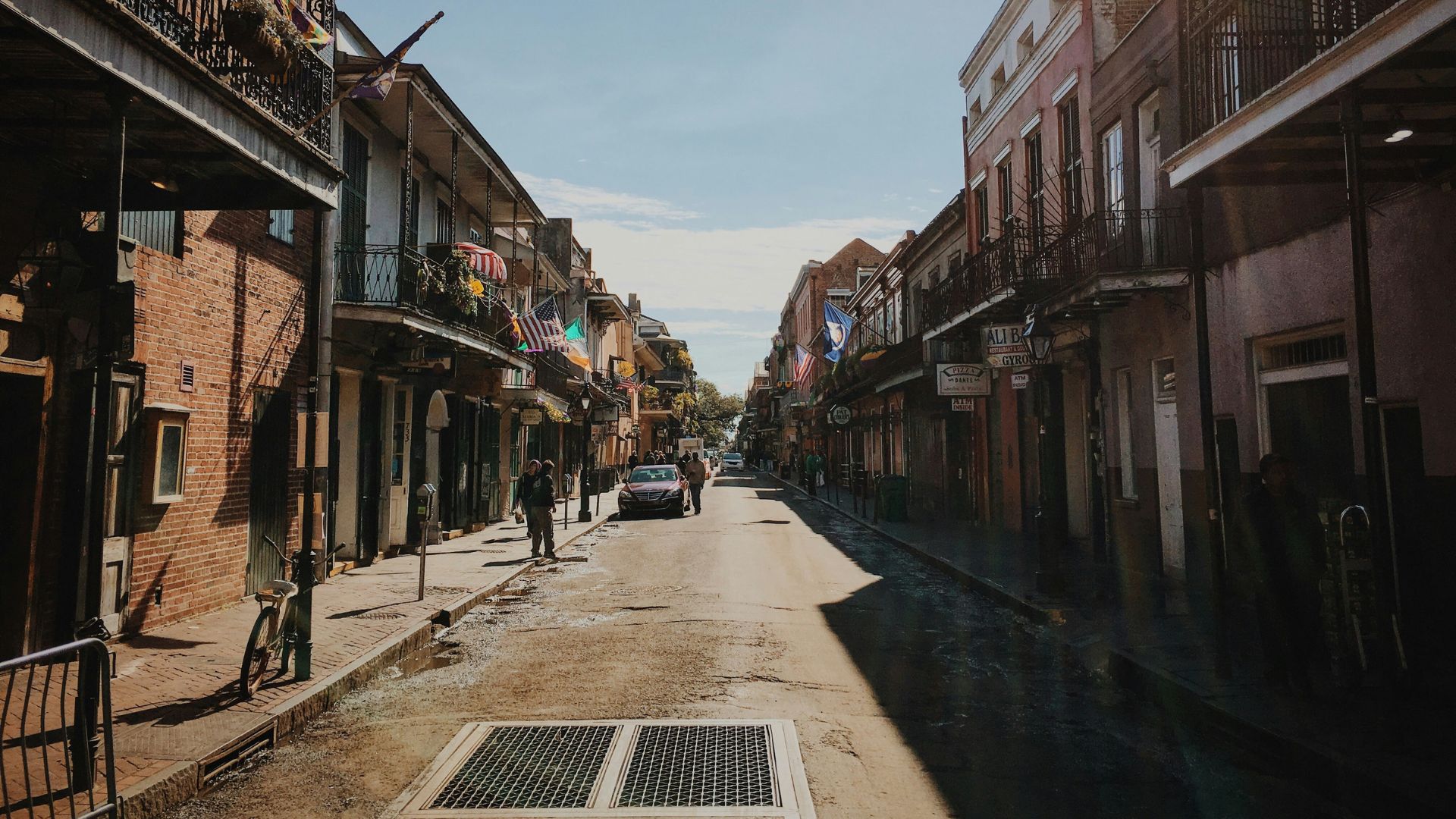
The French Quarter hides a few gems beyond the Bourbon Street madness. I like to start at Jackson Square near St. Louis Cathedral early in the morning before the crowds descend.
The Society of St. Anne parade passes through on Mardi Gras Day, and the costumes are always next-level.
Local bars on Frenchmen Street serve up a vibe that’s nothing like Bourbon Street. These places fill up with neighborhood regulars, not just tourists.
The narrow side streets between Royal and Chartres offer quiet spaces to enjoy King Cake away from the noise.
Locals often grab a café au lait and beignets at small cafes, then walk to catch parades from the quieter, residential parts of the Quarter.
The Krewe du Vieux parade rolls through here in late January with hilarious, satirical floats crafted by locals. It’s intimate and feels way more authentic than the giant productions later in the season.
Iconic Streets and Neighborhoods to Explore
St. Charles Avenue turns into parade central during Mardi Gras. Locals grab their ladders, coolers, and claim the same patch of sidewalk year after year.
Families camp out along this route for the big parades—think Rex and Zulu. It’s a tradition that feels almost like a citywide family reunion.
Magazine Street in Uptown? Love it. You’ll find tons of restaurants and shops, perfect for a quick break between parades. The vibe here feels homey and relaxed, with front porches and friendly faces.
Mid-City hosts the Endymion parade, which draws people who’d rather skip the French Quarter chaos. Napoleon Avenue offers great viewing spots, plus you’re close to bathrooms and food—trust me, that matters.
| Neighborhood | What Locals Do | Best For |
|---|---|---|
| Uptown | Set up chairs and ladders along St. Charles | Traditional parades, families |
| Marigny | Walk between parades and live music | Art scene, laid-back atmosphere |
| Bywater | Costume in the streets, neighborhood parties | Creative crowds, walking parades |
Family-Friendly and Off-the-Beaten-Path Experiences
The Krewe of Barkus parade in the French Quarter is all about dogs in costume. Kids, pets, and parents all line up to watch the canines strut their stuff. I’ve stood on the curb, laughing at the wild costumes and clever floats.
The ‘tit Rex parade is a local favorite. Picture tiny shoebox-sized floats rolling down the street—quirky, creative, and totally New Orleans. This one started as a neighborhood joke and now everyone looks forward to it.
Locals often take their kids to early season parades like Joan of Arc on Twelfth Night or Chewbacchus, which mixes sci-fi and beer. These parades are smaller, way less hectic, and honestly just more fun for families.
Muses, rolling the Thursday before Mardi Gras, is famous for tossing decorated shoes. Forget beads—those shoes are the real prize.
Neighborhood celebrations are where it’s at. Families bring picnics, spread out blankets, and let their kids catch throws from floats without fighting Bourbon Street crowds.
What to Eat and Drink: True New Orleans Flavors
Mardi Gras food is a celebration all its own. Locals have their favorites, and honestly, eating is half the fun of Carnival season.
You’ll want to know where to grab a bite between parades, or which cafés will let you linger with a drink and a snack.
Classic Mardi Gras Foods
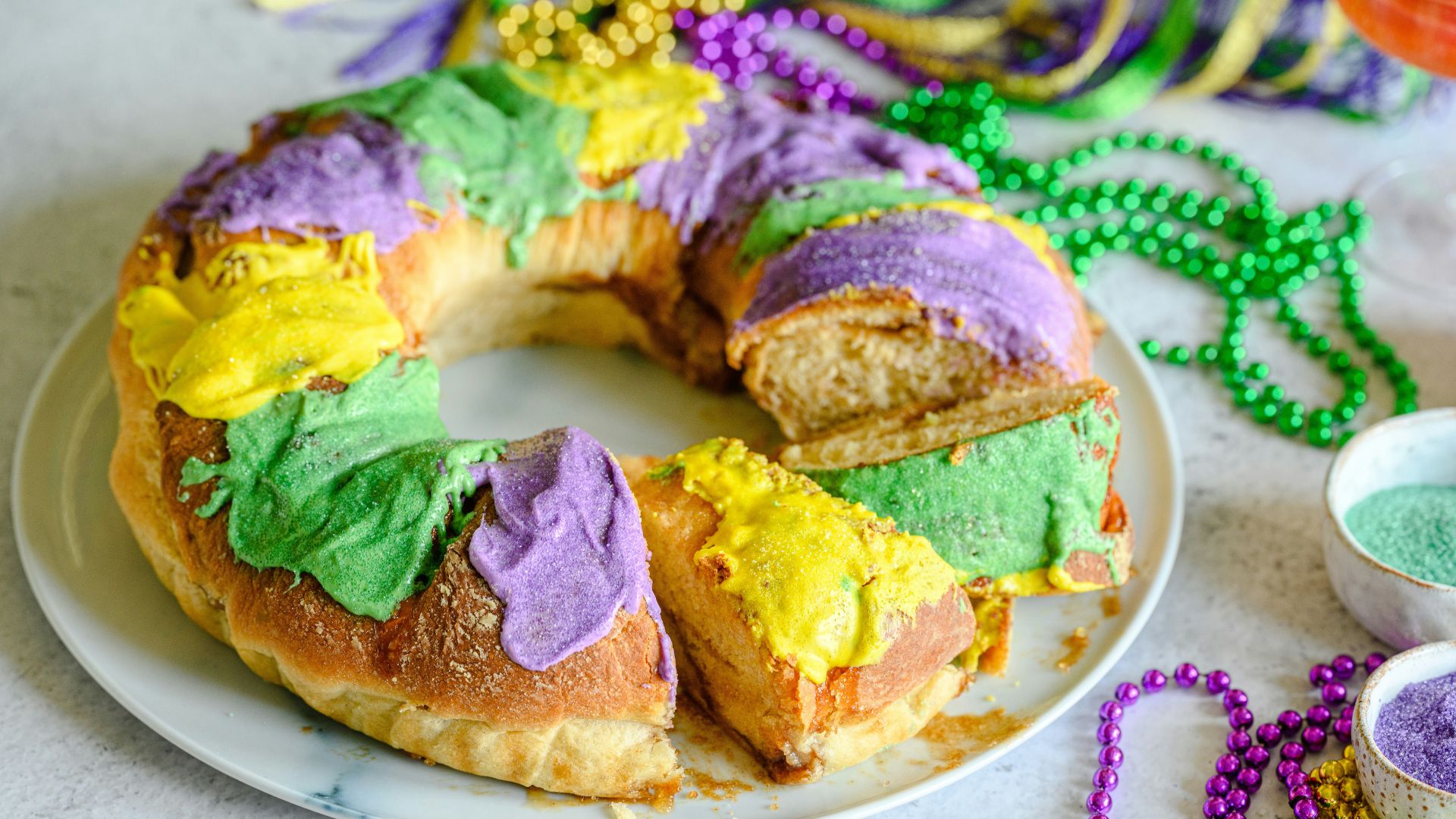
King cake is non-negotiable. It’s the official dessert of the season—an oval pastry covered in purple, green, and gold sugar. Bakers hide a little plastic baby inside, and if you find it, guess what? You’re on the hook for the next cake.
The king cake tradition runs from January 6 all the way to Mardi Gras Day. Every bakery and grocery store in town churns out their own version.
When you’re hungry for something savory, go for gumbo or jambalaya. Both are local classics—gumbo’s a rich, stewy bowl of seafood or sausage, and jambalaya is a one-pot rice dish loaded with meat and spices.
Po’boys are everywhere during Mardi Gras. These French bread sandwiches get stuffed with fried shrimp, oysters, or roast beef dripping with gravy.
Beignets are basically a breakfast requirement, but nobody’s judging if you eat them at midnight. They’re square, fried, and buried under powdered sugar.
And then there’s crawfish—boiled with potatoes and corn, sold by the pound at parade routes and parties.

Top Local Picks for King Cakes
I always head to Dong Phuong for king cake. Their version is less sweet, more buttery, and just different in the best way.
Randazzo’s is a classic. They’ve got several locations and offer a wild variety of fillings—cream cheese, praline, you name it.
Haydel’s Bakery has been around forever. They ship nationwide, but I prefer grabbing one fresh from their Jefferson spot.
If you want the traditional style, Manny Randazzo King Cakes is the go-to. Their dough is light and brioche-like.
For gluten-free folks, Gracious Bakery actually makes a version that tastes good—no small feat.
Essential Bars, Cafés, and Drinks
Café Du Monde is open 24/7 (except Christmas). Everyone knows the French Quarter location, but I’ll sometimes sneak off to the City Park one to dodge the crowds.
Cafe Beignet offers a quieter spot for beignets, with locations on Royal and Bourbon. Their beignets hold their own against Café Du Monde’s, and the vibe is chill.
Erin Rose in the French Quarter is famous for frozen Irish coffee. It’s tiny and always packed during Mardi Gras, but the line moves.
For something fancier, Commander’s Palace in the Garden District serves up Creole classics. Their 25-cent martini lunch is legendary and honestly, a little dangerous.
Mother’s Restaurant sits at the end of many parade routes and opens early on Mardi Gras Day. I’ll swing by for a po’boy and a strong drink between parades.
Expert Mardi Gras Tips: Stay Safe, Comfortable, and Local
Mardi Gras is a marathon, not a sprint. You’ll be in crowds, on your feet, and dealing with the unexpected. The right gear and a little local know-how go a long way.
What to Pack for Parade Days
A fanny pack keeps your essentials close. I never trust a backpack in a crowd—fanny packs are harder to unzip without you noticing.
Bring a portable phone charger. Your battery will die after hours of photos and checking parade apps. Cell service gets spotty, but sharing your location with your group works better than endless texts.
Pack a reusable water bottle. You’ll need it, especially if you’re drinking. Toss in baby wipes for sticky hands, and don’t forget extra socks and duct tape for blisters.
A backpack cooler with pre-mixed cocktails in screw-top bottles saves money and time. Add a couple go-cups for fresh drinks on the route. Snacks are a must—parade food lines get crazy.
Staying Safe and Navigating the Crowds
Write your phone number on your kid’s arm with Sharpie, just in case. Pick a meeting spot with your group before you get swallowed by the crowd.
Never grab beads off the ground—it’s not worth it. Know your exit plan before the parade starts. Once crowds settle in, you’re not moving for a while.
Download parade tracker apps like WDSU or WWL. They’ll help you find the krewes in real time.
Watch for parking restrictions and street closures. I always take an Uber—parking is a nightmare, and let’s be real, you’ll probably want a drink.
Stick to well-lit areas and keep your stuff close. Map out bathroom options before you claim a spot. Some bars sell bathroom passes, or befriend someone who lives on the route.
Top Dos and Don’ts for Authentic Fun
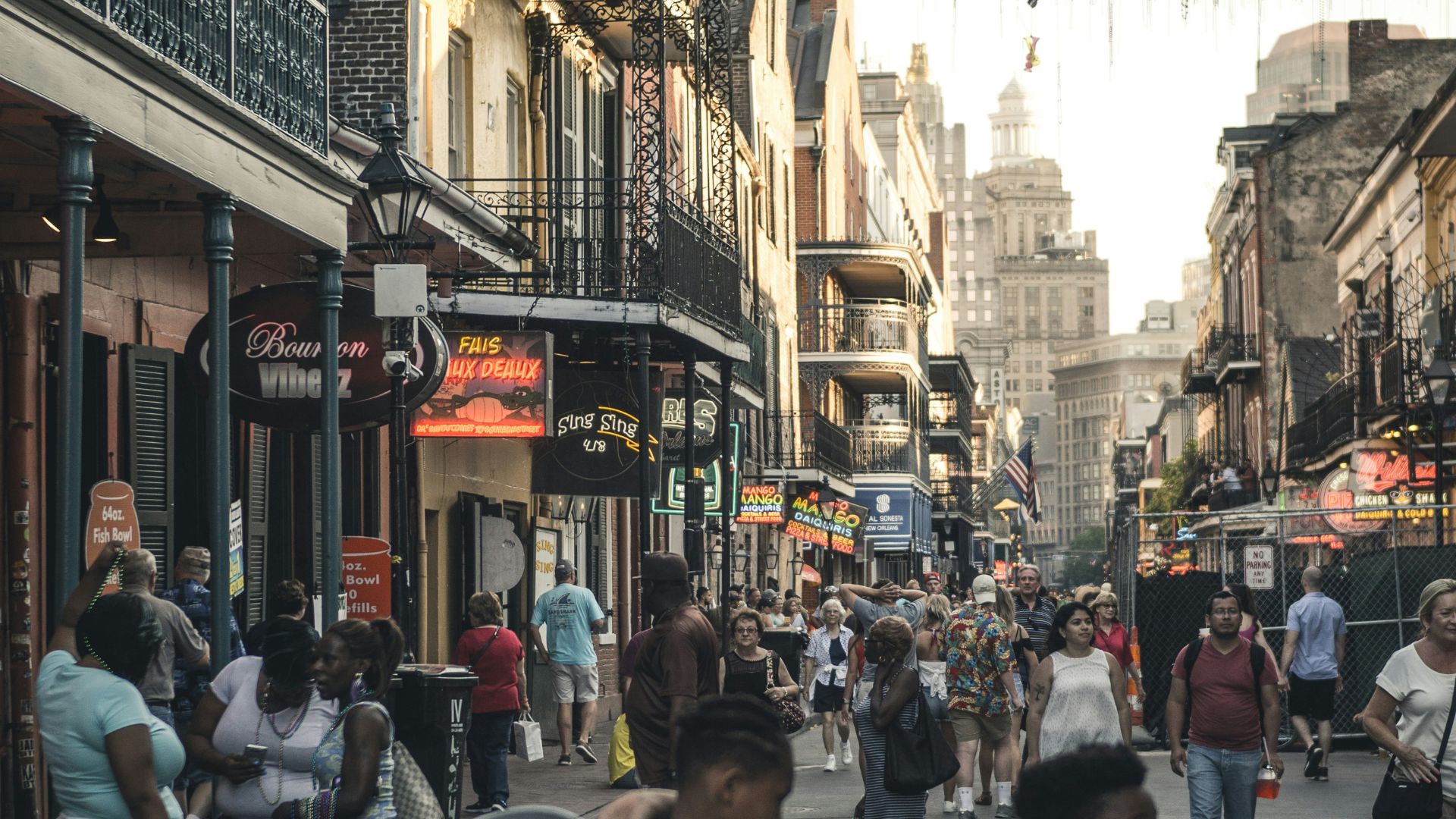
Be loud and wave your arms for good throws—parade riders love it. Don’t fight over beads; you can buy a whole bag for a few bucks.
Share snacks and drinks with your parade neighbors. Support local spots outside Bourbon Street, and check out walking parades and neighborhood celebrations.
Recycle your throws with ARC NOLA. It’s easier than hauling them home.
Arrive early uptown for a family vibe, or head downtown for a wilder scene.
Expect plans to change and parades to run late. Say yes to invitations from locals. And honestly? Stick to coffee before 9 a.m. on Mardi Gras Day.
Frequently Asked Questions
Locals have Mardi Gras down to a science—timing meals, picking the right parade spot, and choosing neighborhoods like the Garden District or Bywater for the real experience. Here’s what you’ll want to know about food, parade hacks, where to stay, family activities, and getting around during Carnival.
King cake is the big one. You’ll find it everywhere, in flavors from classic cinnamon to cream cheese and praline. It’s got the signature purple, green, and gold icing, and the tiny plastic baby hidden inside means you’re buying the next cake.
Red beans and rice is a Monday tradition that locals still love. It’s simple—kidney beans, sausage, and Creole spices over rice—but it hits the spot.
Gumbo is a must. Seafood or chicken-and-sausage versions both show up at local joints. I always skip the touristy French Quarter restaurants and hunt down a bowl at a neighborhood spot.
Po-boys are perfect parade food. Just grab a French bread sandwich stuffed with fried shrimp, roast beef, or oysters and eat it on the go.
Jambalaya is another essential. It’s a spicy rice dish with meat and veggies, and you’ll spot it everywhere during parade season.
I always claim my spot on St. Charles near Napoleon Avenue. That’s where locals set up ladders and coolers, and there’s actually space to breathe.
Get there at least two hours before the parade rolls. Bring chairs, snacks, and a small ladder for kids—they’ll catch more throws that way.
Skip the “throw me something, mister!” chant. Making eye contact and holding up one finger works way better.
Don’t bother with the French Quarter for parades—none of the big ones roll through there. The Quarter is fun but gets packed with tourists, especially on Fat Tuesday.
Bring a wagon or big bag for your haul. You’ll catch more beads and trinkets than you can carry, trust me.
The Garden District is my top pick. You’re right on the parade route, surrounded by historic homes and oak trees. Lots of Airbnbs have yards for relaxing between parades.
Bywater and Marigny are where the locals live and play. You’ll find great food, coffee shops, and bars, plus you’re close to the Krewe du Vieux parade.
Uptown near Tulane and Loyola is affordable and right on the parade route, but far enough from the madness. Local restaurants stay open and don’t hike up prices.
Mid-City puts you near the Endymion parade and City Park. It’s residential, friendly, and full of classic po-boy shops and neighborhood bars.
I’d skip staying in the French Quarter unless you’re all about the tourist scene. Hotels cost a fortune, and you’ll be far from most parades.
For families, St. Charles Avenue in the Garden District is the sweet spot. Kids can play on the neutral ground (that’s the median), run under the oak trees, and catch plenty of throws without wild crowds.
The Krewe of Caesar parade in Metairie rolls the Saturday before Mardi Gras weekend. It’s designed for families, starts early, and throws stuffed animals and toys.
Krewe of Muses on Thursday night is a favorite for families. The all-female krewe tosses decorated shoes, and the energy is creative but not too crazy.
Arrive early so kids can play before the parade. Local families bring balls, bubbles, and snacks to keep everyone happy while waiting.
City Park’s Storyland and Carousel Gardens Amusement Park stay open during Mardi Gras. These spots are a great break from parades, and mixing in other activities keeps kids from getting overwhelmed.
Skip the French Quarter with little ones. That’s where the adult party happens, especially on Fat Tuesday. Locals with kids steer clear.
I always stash my valuables in my front pockets or use a cross-body bag that I keep right in front. Pickpockets love big crowds during parades, so don’t give them an easy target.
Honestly, just leave the flashy jewelry at the hotel. It’s not worth the risk.
Stay sharp and aware, especially after dark. I stick to well-lit parade routes and try not to wander alone down quiet side streets.
You’ll notice police along the main parade routes, but those side streets? They can feel a bit sketchy, so I avoid them.
Hydration is a big deal. I’ve watched so many people get dehydrated because they’re drinking all day and standing in the sun. Bring a water bottle and actually use it—your future self will thank you.
Parade floats are massive and they don’t exactly stop for anyone. I always stay behind the barricades and keep kids close, just in case.
Some locals bring those tall ladders for their kids to sit on. They look fun but can tip over in a packed crowd, so watch your step.
It helps to know where first aid stations are. Red Cross volunteers usually set up at Canal Street, Napoleon Avenue, Washington Avenue, and a few other busy spots.
