
Last weekend, I set out on a truly unforgettable adventure through Matese Park. The rugged mountain landscapes and lush alpine meadows created a stunning backdrop for my hiking trip.
I managed to combine two of my favorite things—outdoor adventure and discovering artisanal food. I got to see traditional mountain cheese production up close. The Matese mountains blend culinary heritage and wild beauty in a way that feels rare, especially since mass tourism hasn’t really found its way here yet. If you’re looking for authentic Italian experiences far from the usual crowds, this place is a dream.

As I walked along the old trails through untouched wilderness, I met local shepherds tending their flocks in meadows bursting with wildflowers. These same meadows give Matese cheese its unique flavors.
The park’s hiking paths twist through all sorts of landscapes—beech forests, open valleys, and spots where you might catch a glimpse of wildlife while breathing in crisp mountain air.
You’ll find hikes for every skill level, but honestly, the most stunning views reward those who tackle the steeper climbs to panoramic overlooks.
Exploring the Alpine Meadows of Matese Park
The alpine meadows in Matese Park are just breathtaking, and they change a lot with the seasons. These high-altitude grasslands support a surprising variety of plant and animal life, all uniquely adapted to the mountain climate.
Alpine Flora and Meadows
Walking through the meadows in spring, I couldn’t believe the explosion of wildflowers everywhere. Purple gentians, yellow buttercups, and white edelweiss made the hills look like a natural tapestry.
The soil here, weirdly enough, is rich—over 2,000 plant species thrive despite the tough conditions. Many plants have fuzzy leaves or deep roots, clever little tricks to survive up here.
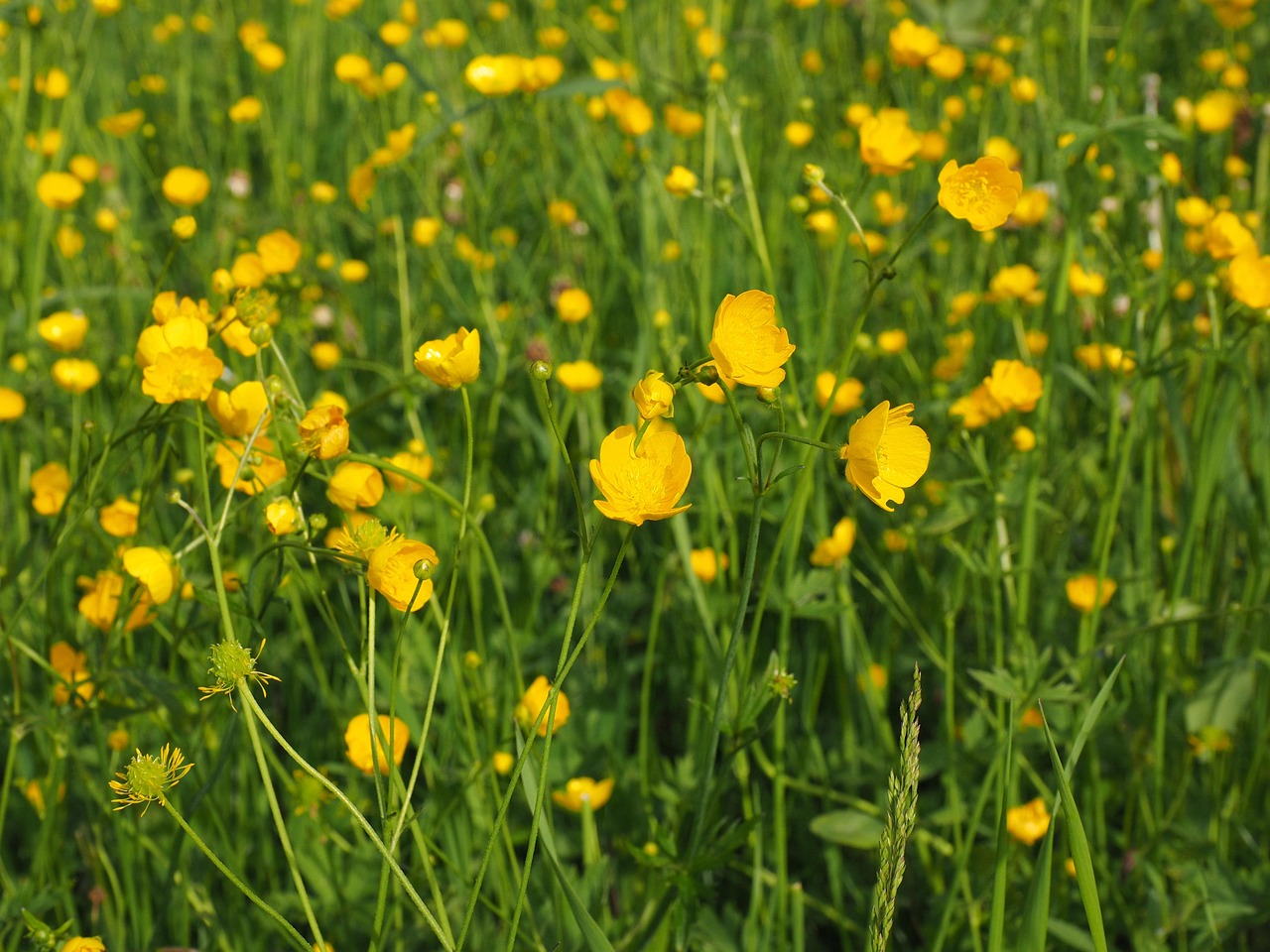
Local farmers have grazed animals here for centuries, sticking to traditional methods that work with nature’s rhythms. Their herds help keep the meadow ecosystem healthy.
As I climbed higher, I noticed the plants huddling closer to the ground. It’s how they cope with strong winds and soak up warmth from the earth.
Seasonal Changes and Four Seasons
What really struck me was how much Matese’s meadows change with the seasons. In winter, snow covers everything, turning the world silent and white.
Spring comes fast, with a wild rush of growth. By summer, the meadows are at their best—tall grasses, flowers everywhere, and most hikers out on the trails.
When fall arrives, the colors shift to gold and amber. That’s when farmers make the last cheese batches, using herbs the animals grazed on all summer.
The growing season is short here. Plants have just a few months to live their whole lives, which is kind of amazing.
Wildlife Encounters
Spotting a herd of wild horses grazing in the high meadows was probably my favorite moment. These animals have figured out how to thrive in the mountains.
Birdwatchers will find plenty to love—I saw alpine choughs, golden eagles, and lots of songbirds. During summer, the meadows become crucial nesting habitat.
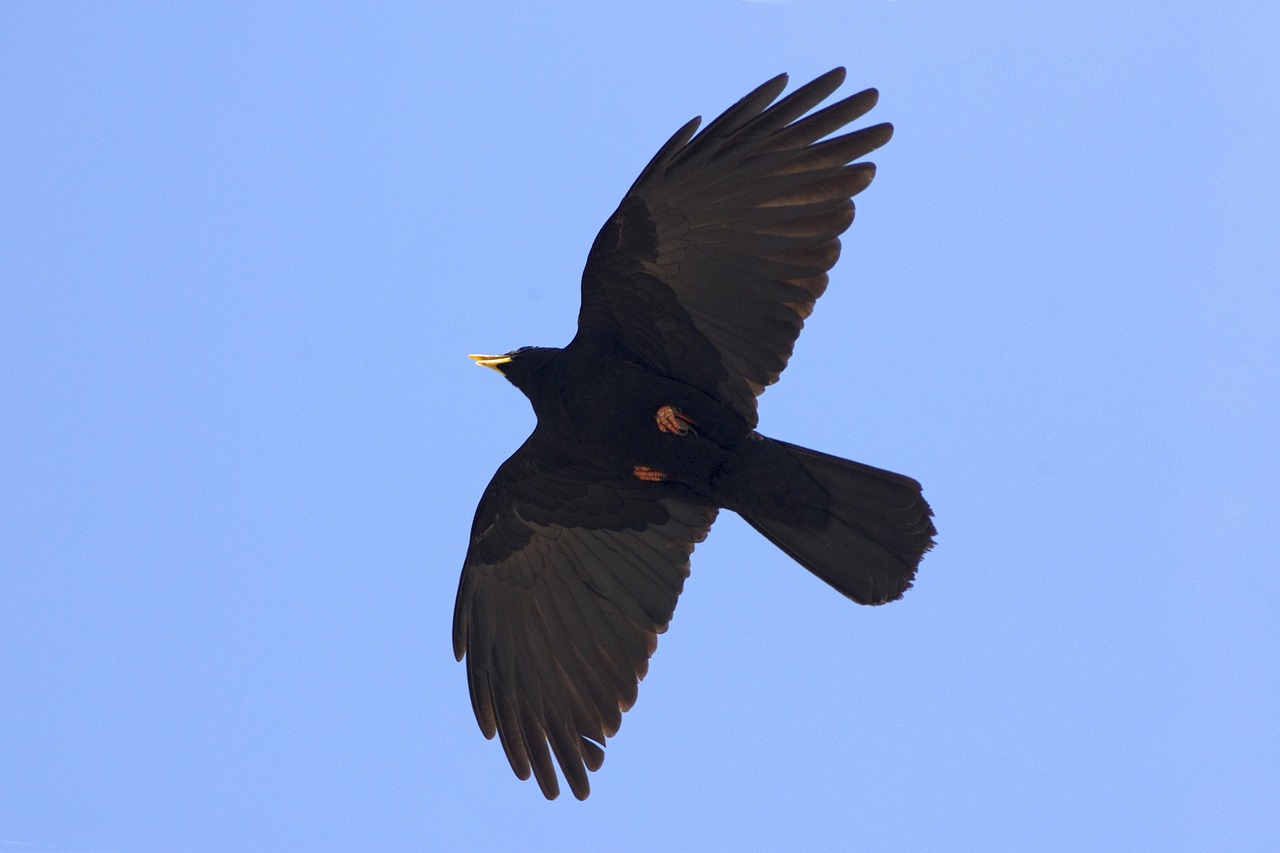
There’s plenty of small wildlife too. Marmots lounged on sunny rocks, and lizards zipped between stones. Park rangers mentioned that wolves and even brown bears sometimes wander through.
You won’t find bison here like in American alpine zones, but chamois and deer do graze these meadows. If you move slowly and stay quiet, your chances of seeing wildlife go way up.
Savoring Mountain Cheese and Local Cuisine
Matese Park’s Alpine cuisine is an adventure on its own, with traditional cheese-making passed down for generations and restaurants that celebrate real mountain flavors.
Traditional Cheese-Making in the Park
I watched, totally captivated, as a local cheesemaker turned fresh milk into a firm, flavorful wheel of Caciocavallo. The process is old-school—raw milk, natural rennet, and practiced hands stretching the curds until they’re just right.
Farms all over Matese Park invite visitors to see cheese-making up close. I even got to shape some fresh cheese myself, guided by Maria, a third-generation cheesemaker whose family has grazed these hills for over a century.
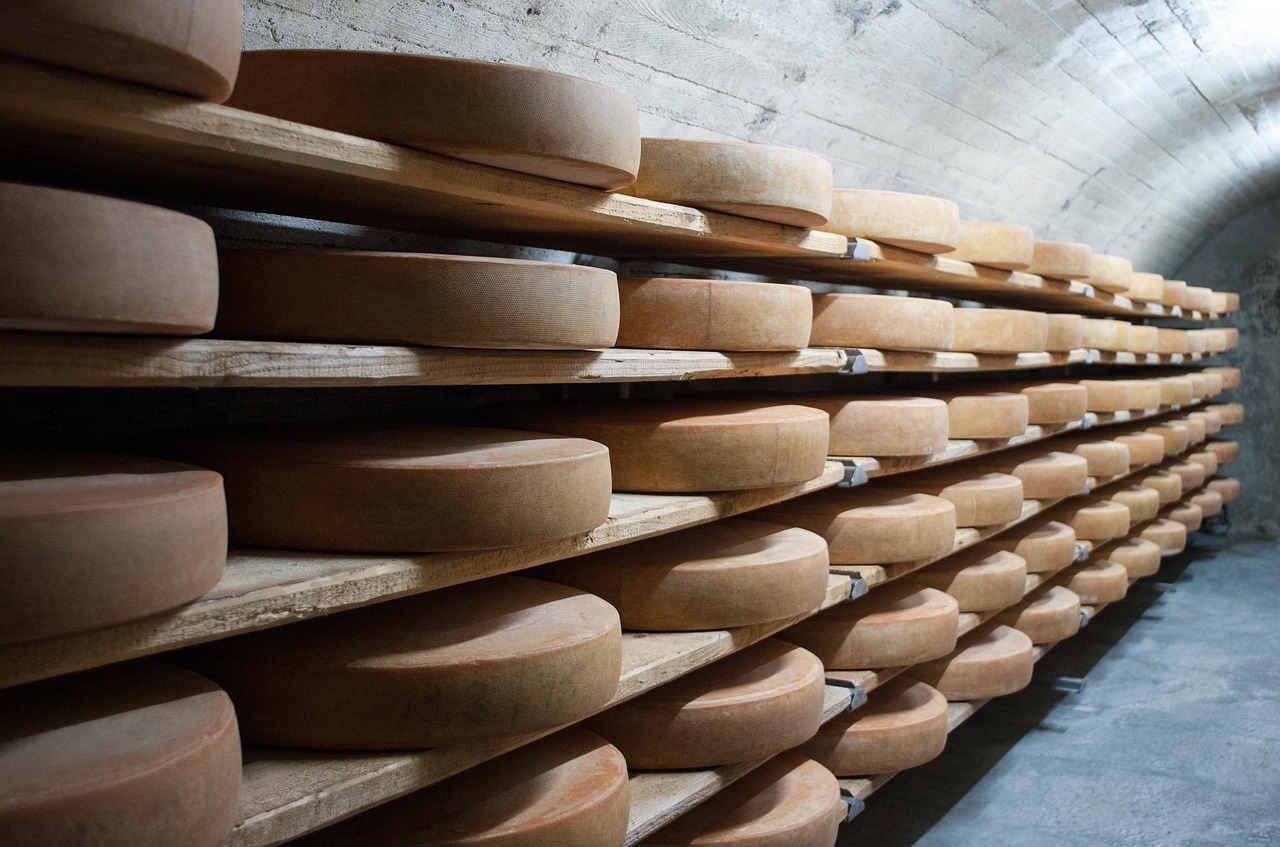
In the aging rooms, the air was cool and smelled of cheese. Rows of wooden shelves held cheeses at every stage of maturity. Each farm’s cheese tastes a bit different, thanks to the unique mix of alpine herbs and flowers the animals eat.
Sampling Local Dishes and Buffets
The mountain restaurants and agriturismi here really go all out. At one farmhouse, I stared in awe at a buffet loaded with marinated mushrooms, cured meats, and more types of cheese than I could count.
Local dishes focus on simple, hearty ingredients. Pasta is homemade and served with rich ragù—usually wild boar or lamb. My favorite was cavatelli with porcini mushrooms, foraged from the nearby woods.
Plenty of places offer fixed-price meals where you get dish after dish, almost never-ending. The buffet at Masseria Monte Verde stood out, especially the seasonal veggies—grilled, marinated, or baked with local herbs.
Best Restaurants for an Alpine Meal
Trattoria del Pastore sits up at 1,200 meters, offering wide views of the valley below. Their slow-roasted lamb with rosemary and mountain potatoes is a house specialty. The service feels relaxed, and the owner often stops by to chat.
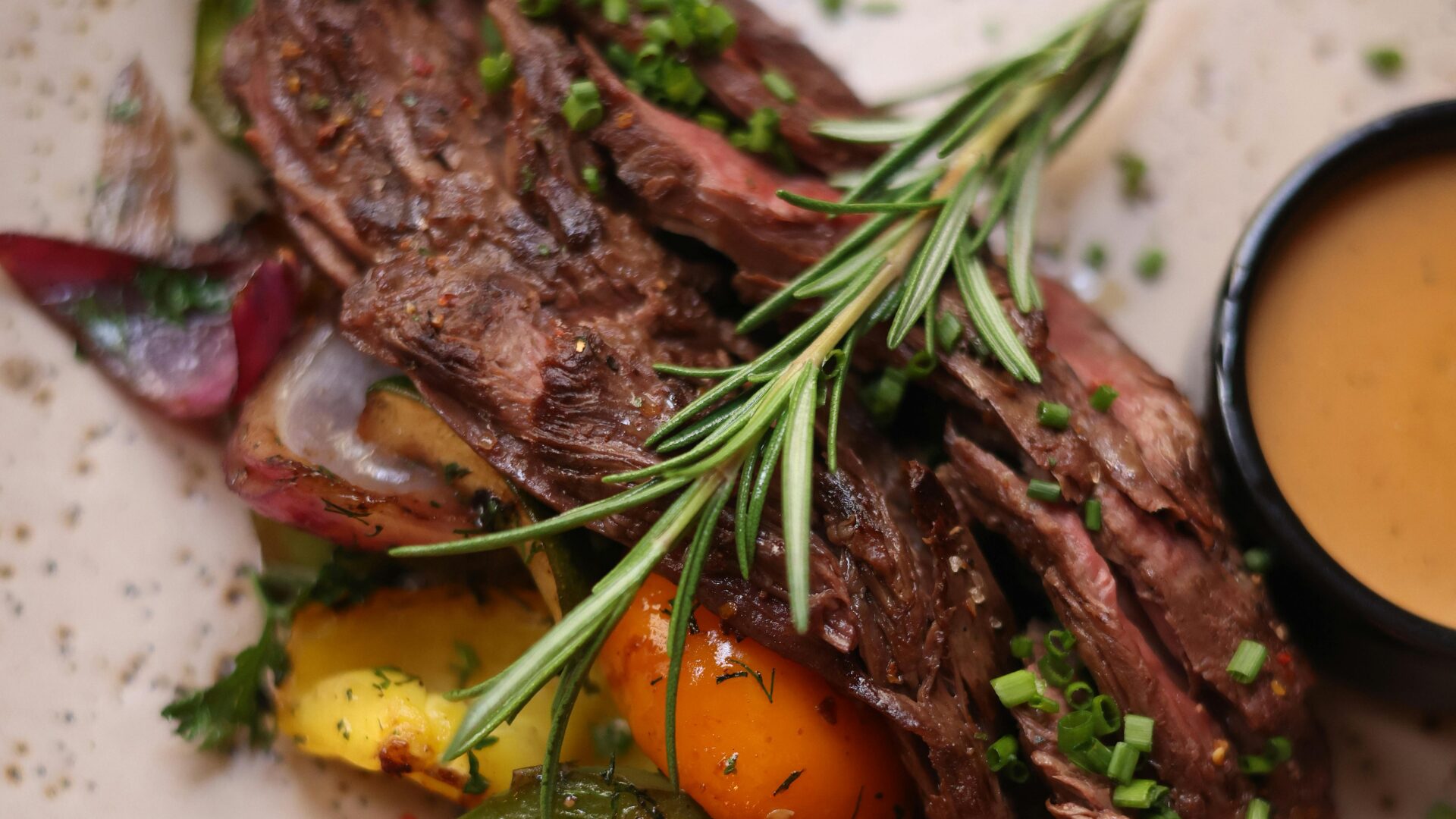
If you want something a bit more refined, Rifugio Alta Montagna serves up creative takes on traditional foods. Their tasting menu features local cheeses in unexpected ways. There’s a cozy fireplace and a wine cellar with some real gems from the region.
Agriturismo La Quercia gives you the most authentic experience. This working farm serves whatever’s fresh that day, and its spot near popular trails makes it ideal for a mid-hike meal. Don’t miss their homemade liqueurs—especially the walnut and wild berry ones.
Hiking Trails and Outdoor Adventures
Matese Park is a paradise for hikers, with everything from tough mountain climbs to peaceful lakeside walks. The park’s natural wonders keep outdoor lovers coming back for more.
Most Scenic Hiking Trails
I found the Monte Miletto trail absolutely stunning—it climbs to the highest peak in the Matese massif at 2,050 meters. The views stretch across valleys and far-off mountains, and honestly, every step feels worth it. It’s a moderately tough hike, taking about 4-5 hours.
If you’re after something easier but still beautiful, try the Lago Matese Circuit. This 7km loop circles a crystal-clear alpine lake, with the mountains mirrored in the water. The path is well-marked and great for families.
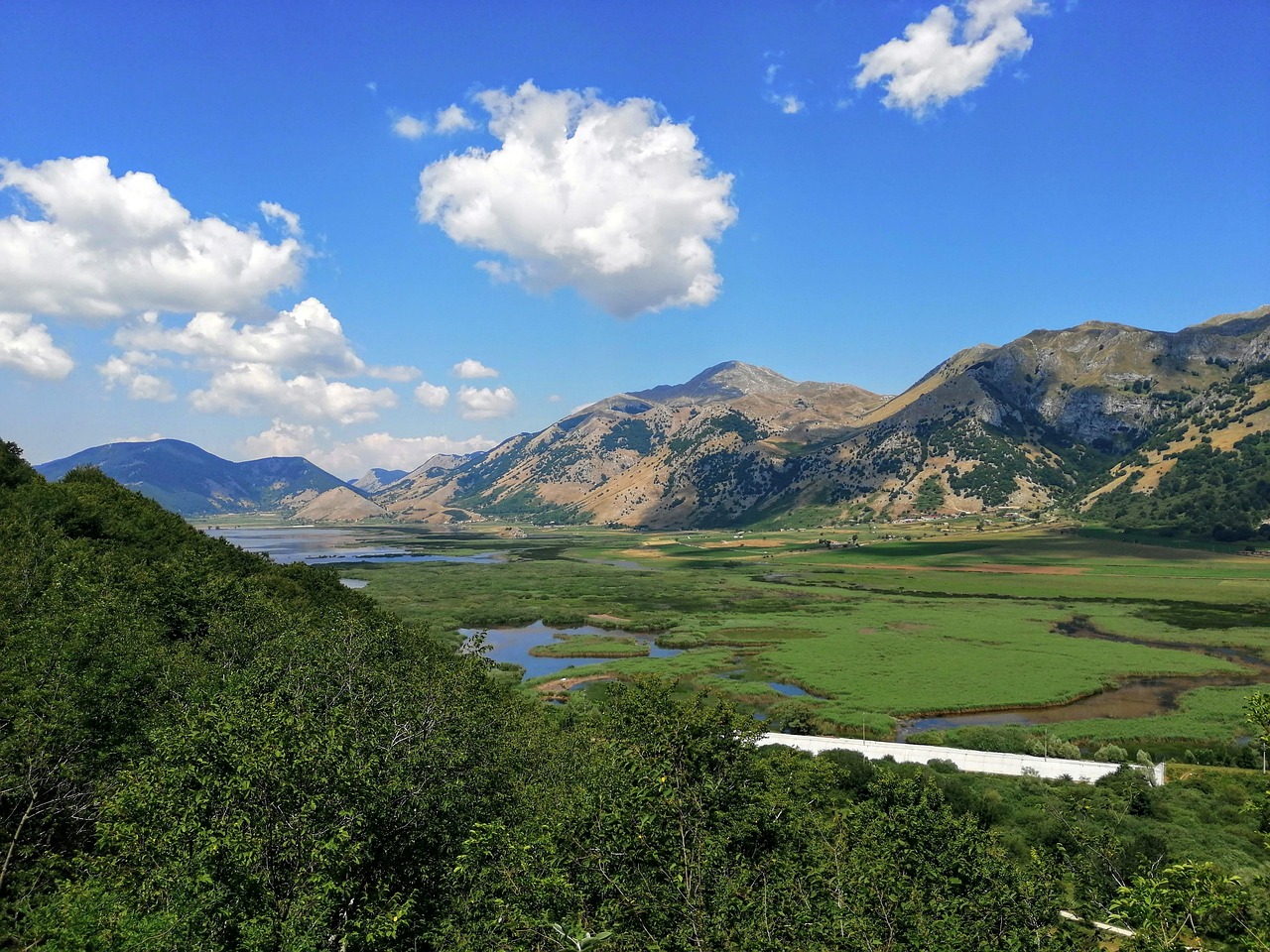
My favorite secret spot is the Valle dell’Inferno trail. It winds through old beech forests, where sunlight filters through the leaves and creates a magical vibe. There are plenty of places to stop, snack on local cheese, and just soak in the view.
Waterfalls and Natural Wonders
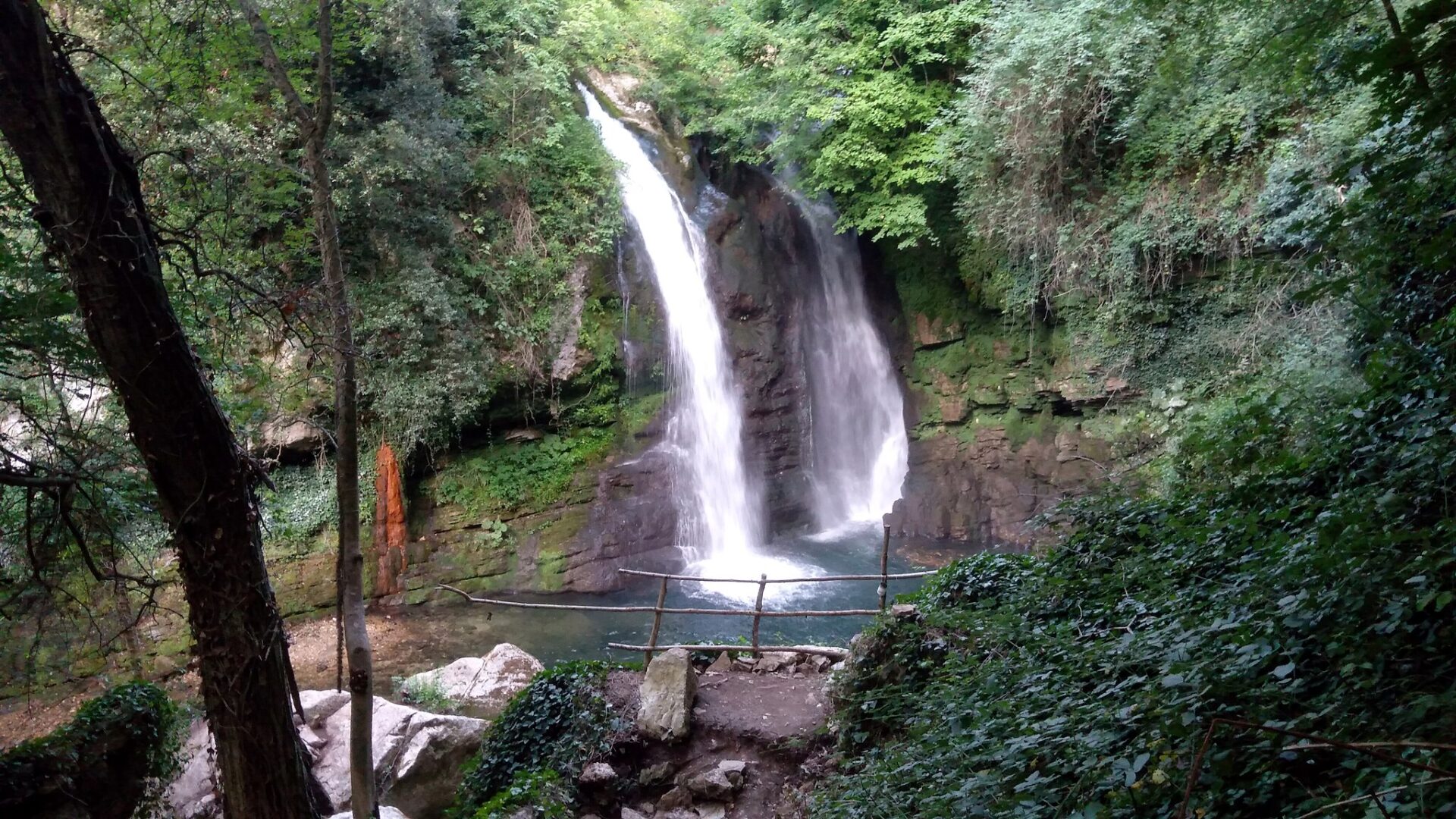
The Cascata di Carpinone waterfall blew me away. It plunges 30 meters into a natural pool that’s perfect for a summer swim. The 2km walk to get there is short and doable for most people.
Matese Park’s karst landscapes have shaped the amazing Grotte di Cusano—a limestone cave network filled with wild stalactites and stalagmites. Guided tours run from April to October, but you’ll want to book ahead.
Campo dell’Alt is a high plateau that bursts with wildflowers in spring and early summer. Local shepherds bring their flocks here, and it’s the source of the park’s best mountain cheese. The open meadows are easy to wander, with big mountain views all around.
Angling and Hunting Opportunities
Lago Matese and Lago Gallo are top spots for fishing. I caught several trout during my stay, and the lakes get stocked regularly. You can grab a fishing permit at the visitor center for €15 a day. Early morning or late afternoon are the best times to fish.
Hunting is allowed in certain areas during autumn, as long as you have the right license. Wild boar and game birds are common, but the park keeps things sustainable with strict rules.
If you’d rather just watch wildlife, sign up for a guided tour. My guide pointed out chamois that have learned to handle the rocky slopes. These tours give you a deeper look at the park’s conservation work, and you might spot rare species in their element.
Culture and History of Matese Park
Matese Park isn’t just about epic mountains and cheese. The place is alive with stories from the past and cultural traditions that still shape daily life. People here have adapted to the mountains for centuries, and their way of life feels both unique and deeply rooted.
Heritage of the Alpine Communities
The mountain communities in Matese have kept old traditions alive. Shepherds’ paths, like the historic Tratturi trails in southern Italy, cross the landscape. These routes were essential for moving livestock between villages and valleys.
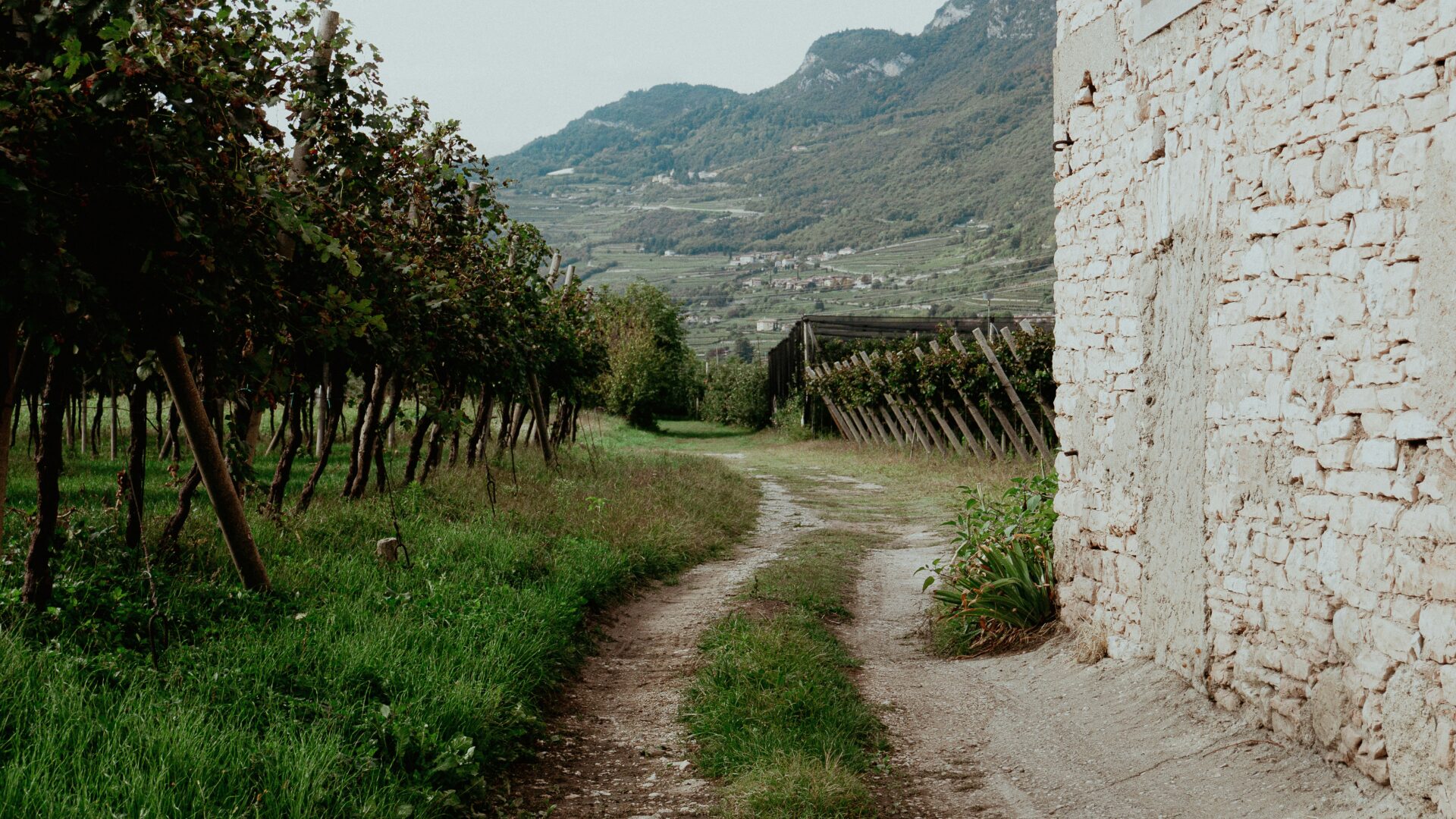
The stone houses here tell their own story. Thick walls kept families warm through harsh winters. I met Maria, an elderly woman whose family has called this village home for eight generations. She showed me handwoven textiles her grandmother made—a craft that’s nearly vanished.
Some village names go back to pre-Roman times. The local dialects still use words from these ancient languages, making the region’s language as diverse as its scenery.
Festivals and Local Traditions
When spring and summer roll around, Matese’s villages come alive with festivals. I lucked out and caught the Festa della Transumanza, which celebrates the old practice of moving herds between pastures. Shepherds wear traditional outfits, and everyone joins in with music and dancing.
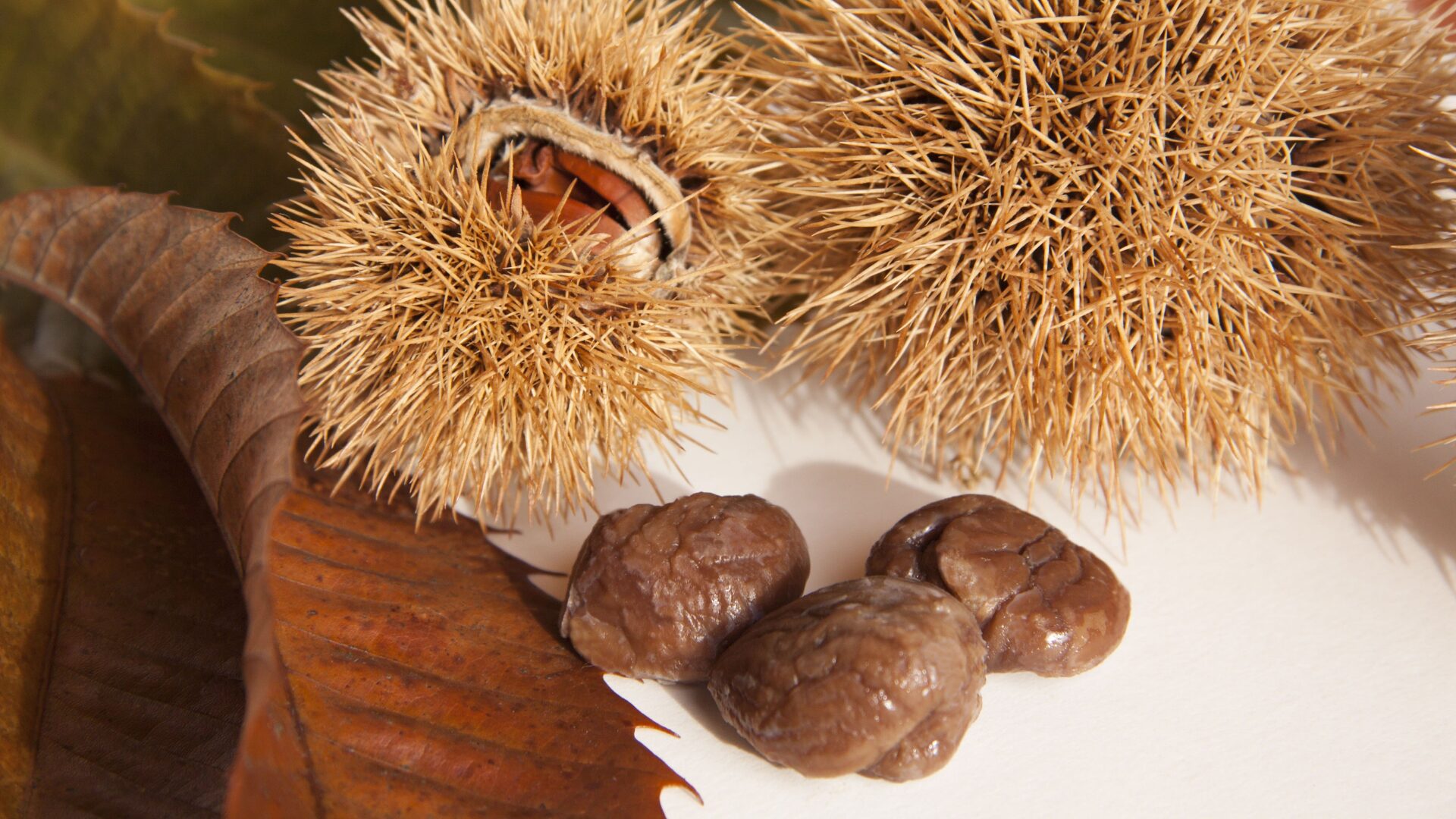
Food is at the heart of every celebration. The Sagra del Formaggio spotlights local cheeses, while autumn festivals celebrate the chestnut harvest with treats like castagnaccio.
Music is still a big deal here. I listened to zampogna (Italian bagpipes) played by Antonio, whose family has passed down the instrument for generations. The sound is haunting and used to keep shepherds company on lonely nights.
Local crafts you’ll find include:
- Wood carving (especially shepherd’s staffs)
- Wool weaving
- Basket making from mountain grasses
Influence of Religion and Spirituality
The spiritual side of Matese is layered and fascinating. Small stone shrines dot the trails, offering protection to travelers. Some go back to pre-Christian times but now hold Catholic saint images.
Mountain village churches often surprise with their artwork. In one remote church, I found frescoes of local saints and scenes from daily mountain life. Researchers say these paintings show a rare Byzantine influence for this region.
Religious processions are a big deal, especially for patron saints of shepherds and farmers. People carry statues through the streets and up mountain paths to sacred spots.
Easter here mixes Catholic rituals with ancient spring traditions. I saw one ceremony where villagers gathered flowers before dawn to create elaborate displays—symbols of renewal and hope, tying faith to the natural world.
Practical Travel Tips for Your Matese Park Getaway
If you’re planning a trip to Matese Park, a little preparation goes a long way. These tips should help you enjoy the alpine meadows and cheese-tasting adventures, all while treading lightly on the land.
Best Time to Visit Matese Park
April to early June is the sweet spot—mild weather, wildflowers in bloom, and cheese-making in full swing as herds return to the hills. The trails are quieter, too.
August gets crowded with Italian vacationers, so I’d skip it if you can. Fall is gorgeous, especially in September and early October, with clear skies and vibrant colors.
Winter (December to February) is an option for snow lovers, but many places run on limited hours. Some trails close unless you have proper winter gear, though the spas are a cozy escape from the cold.
Accommodation and Spa Amenities
You’ll find everything from rustic mountain huts to spa hotels. The Matese Park Hotel has modern rooms with mountain views and a spa with mineral-rich thermal pools.
For a more personal touch, stay at a family-run agriturismo. I loved La Fattoria del Matese—breakfast came with fresh ricotta straight from their dairy.
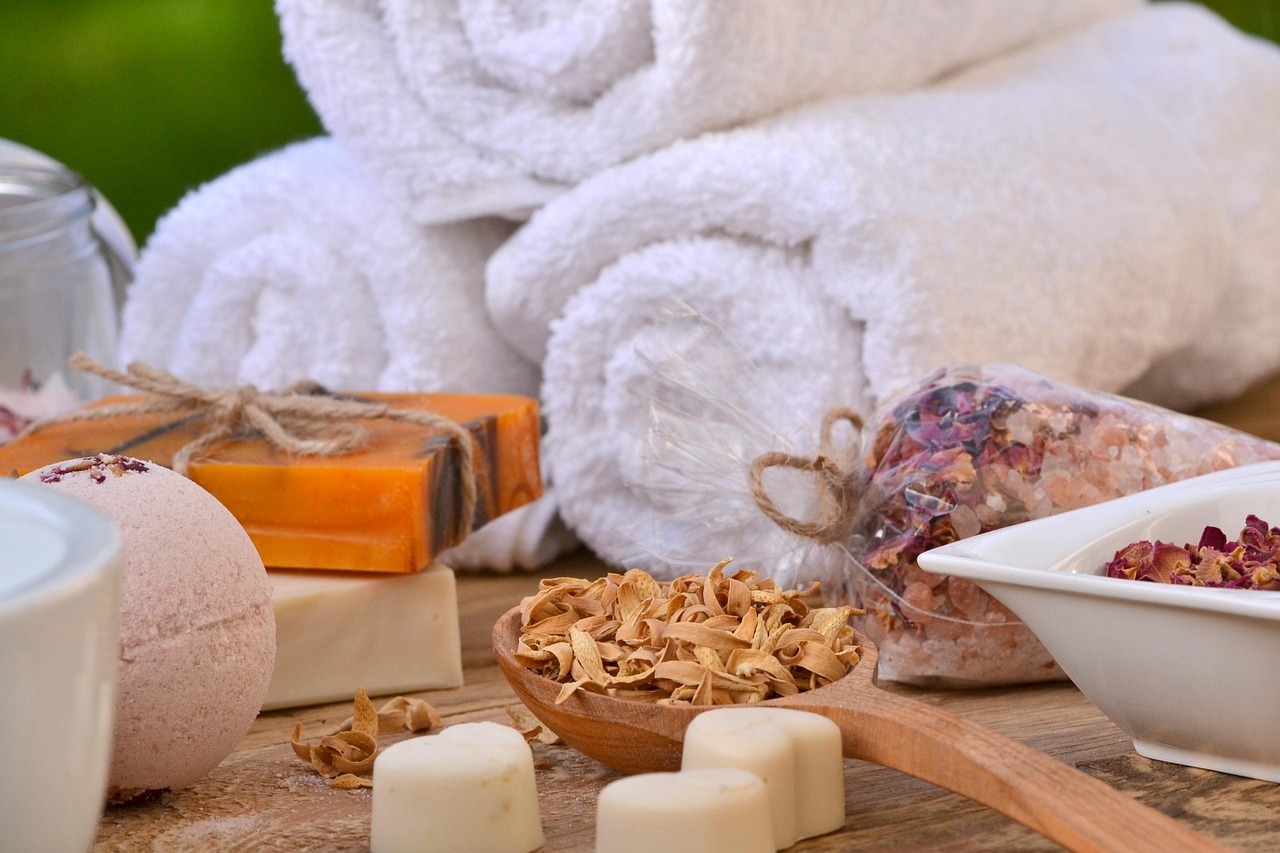
Local spa treatments often use mountain herbs and milk. If you get the chance, try the “Shepherd’s Rejuvenation” package. My skin felt ridiculously soft afterward.
Book your stay at least 2-3 months ahead, especially for summer. Most places have online booking, but some small ones might need an email.
Getting There: Airlines and Transportation
Naples International (NAP) and Rome Fiumicino (FCO) are the closest big airports. I found Alitalia and Ryanair flights the most convenient, with regular connections from major European cities.
From Naples, renting a car gives you the most freedom—it’s about a 1.5-hour drive. Public transport is possible but takes some planning: train to Caserta, then a local bus to the park.
Avis and Europcar both have cars at the airports. I suggest booking ahead, especially in high season. An SUV or small car with decent clearance works best on the twisty mountain roads.
Some lodgings offer shuttle service from Caserta train station for a fee. It’s worth it if mountain driving isn’t your thing.
Environmental Considerations and Pollution
The park has pretty strict rules to keep Matese pristine. I saw plenty of signs about waste and protected areas along the trails.

Carry out all your trash—there aren’t many bins on the paths. Lots of hotels and agriturismi now follow eco-friendly practices, like saving energy and reducing waste.
Everyone takes water quality seriously. Cheese producers use traditional methods that avoid chemicals and protect the watershed. Maybe that’s why the cheese tastes so good!
Bring a reusable water bottle. Most trails have natural springs with safe drinking water, clearly marked by park staff.

