
Travel dreams shouldn’t just live in your head. I mean, who hasn’t daydreamed about far-off places while stuck in traffic or scrolling through Instagram? A vision board makes those dreams visible—something you’ll actually see every day, nudging you to make choices that get you closer to stepping on that plane.
A travel vision board keeps your wanderlust alive by putting your dream destinations front and center. I’m not talking about magic spells or wishful thinking here. I’m talking about a practical, visual reminder that keeps you connected to your travel goals, especially when life gets overwhelming.
This year, I’ve picked 10 places that mean something different to me—some for rest, others for adventure or maybe just to shake things up. Each spot on my 2026 travel vision board stands for an experience I want, and I’m excited to share how I chose them and why they landed on my list.
Key Takeaways
- A travel vision board helps you zero in on the places you actually want to visit in 2026.
- Picking destinations based on your own intentions makes travel goals more personal and doable.
- Keeping your vision board where you’ll see it every day keeps your travel plans alive and helps you take real steps toward booking those trips.

What Is a Travel Vision Board?
A travel vision board is basically a collage—digital or physical—of images, words, and places you want to visit. It’s a daily reminder of your travel dreams, something you interact with instead of just thinking about.
Difference Between Travel and General Vision Boards
Travel vision boards stick to destinations, trips, or travel experiences. General vision boards? They cover everything: career, health, relationships—you name it. My travel vision board? Only maps, destination photos, and travel quotes make the cut.
This focus changes things. When I build a travel-specific board, I get granular: actual hotels, restaurants, even activities. A generic board might have a random beach for “relaxation.” My travel board? The exact beach in Bali I want to swim at.
Travel boards also work on a tighter timeline. I update mine every year to match what’s realistic. General vision boards often cover several years, since life goals can take a while.
Benefits of Visualizing Your 2026 Destinations
Seeing your dream destinations every day changes your habits. I’ve skipped more than a few impulse buys just because I remembered Japan is waiting on my board. Suddenly, saving money doesn’t feel like a punishment—it feels like progress.
Visualization turns “someday” into “soon.” When Iceland stares back at me from my board, I start researching flights and planning the best time to go. The images push me to take action, not just dream.
Vision boards also show you what really matters. Maybe you want to visit ten countries, but when you’re forced to pick, you realize only three truly light you up for 2026.

Travel Vision Board vs. Bucket List
A bucket list is just words on a page. A vision board adds emotion, color, and context. I keep both, but the vision board is what actually gets me booking tickets.
Bucket lists can get out of hand. My old one had nearly 50 places—no plan, just chaos. Vision boards force you to prioritize. I can only fit so many images, so I focus on what matters now.
Vision boards also capture the feeling of travel. My board shows people hiking, eating street food, wandering markets. A bucket list just says “Visit Thailand.” My vision board? Me floating in turquoise water at a specific Thai beach.
Manifestation and Intentional Travel Planning
Manifestation is about lining up your thoughts and actions with your travel goals. When you mix visualization with practical steps, you create a real path from dreaming to booking.
Understanding the Power of Manifestation
Manifestation means turning your thoughts into reality through focused intention and action. When you imagine yourself in a specific place, your brain lights up as if you’re already there. This mental blueprint guides your choices.
I’ve realized manifestation isn’t magic. It’s about clarity—knowing what you want, then doing something about it. If I put Paris on my 2026 board, I’m not just hoping. I’m researching flights, setting aside money, and mapping out my days.
The trick is combining visualization with action. I look at my board every day to remind myself why I’m saving money or learning basic French. This blend of focus and practical steps makes travel goals feel possible, not just wishful thinking.

Setting Clear Travel Intentions for 2026
Vague goals like “travel more” don’t work. I need specifics I can actually measure. For 2026, I write down destinations, target months, and rough budgets.
I break each goal into steps. For a spring trip to Japan, my plan looks like this: save $3,000 by December, book flights by January, research where to stay by February. These milestones lay out a path I can follow.
My intention-setting process:
- Pick dates or seasons for each trip.
- Set a realistic budget for flights and hotels.
- List must-see spots in each place.
- Decide what kind of experience I want—adventure, relaxation, culture, or something else.
When intentions are this clear, I can track progress and make changes as needed.
Daily Affirmations for Travel Goals
I use affirmations to keep my travel intentions strong. These are positive statements I repeat while looking at my vision board each morning.
My affirmations stay specific and in the present tense. Instead of “I will travel,” I say, “I am planning my trip to Iceland.” That little shift gets my brain moving from someday to now.
A few of my daily travel affirmations:
- “I am creating opportunities to travel to my dream destinations.”
- “I manage my money wisely to fund my 2026 adventures.”
- “I take one step each day toward my travel goals.”
- “I am worthy of exploring the world.”
Sticky notes on my desk and phone reminders help keep these top of mind. The repetition makes it easier to choose actions that support my travel dreams.
Choosing Your 10 Manifestation Destinations for 2026
Picking the right destinations for your vision board takes more than scrolling pretty pictures. The best choices connect to your values, growth, and current life—while staying realistic enough to actually happen.
How to Clarify Your Top Travel Dreams
I start with a brain dump—every place that excites me, no filter. Destinations I’ve mentioned to friends, seen in documentaries, or just can’t stop daydreaming about all go on the list.
Then I ask myself why each spot matters. Do I want to see the northern lights because I crave nature? Or Tokyo because I’m obsessed with the food scene? The “why” reveals what I’m really after.
I look at photos and check my gut. Do hiking trails in New Zealand get me excited or make me nervous? That gut reaction tells me if a destination really fits.
I also consider what I need right now. Maybe I’m desperate for relaxation, so beaches climb to the top. Or maybe I’m craving adventure—bring on the mountains.
Criteria for Selecting Meaningful Destinations
Budget always shapes my list. I check average costs for flights, hotels, and daily expenses. A week in Southeast Asia can be cheaper than a weekend in Switzerland—no joke.
Visa rules and travel restrictions matter. Some places need paperwork months ahead. Others let you stroll in with just a passport.
Trip length is huge. Paris is perfect for a long weekend. Australia? I need at least two weeks to make that flight worth it.
Seasons matter. I want to see cherry blossoms in Japan or catch Costa Rica’s dry season. Weather can make or break a trip, honestly.
Safety and health are non-negotiable. I check travel advisories, required vaccines, and whether I’d feel comfortable solo.
Reflecting on Past Milestones and Future Goals
I think about what I’ve accomplished lately. Did a promotion give me more vacation days? Did I finish a big project? Those wins deserve a trip.
Life goals help shape my picks. If I’m learning Spanish, I might choose a Spanish-speaking country. Turning 30? Maybe I want a big celebration somewhere new.
I look for gaps in my travel history. Have I only done beaches? Maybe it’s time for mountains or a city break. Have I stuck to one continent? Time to branch out.
Past trips teach me a lot. I loved places where I could walk everywhere. I struggled where I didn’t speak the language. Those lessons help me pick better next time.
Aligning Destinations with Your Personal Growth
I match destinations to skills I want to build. Want more confidence? Solo travel somewhere just outside my comfort zone helps. Want to get better at photography? I look for places with epic landscapes.
Some places push me in specific ways. Trekking in Nepal builds endurance. Figuring out Tokyo’s subway system sharpens my problem-solving.
I consider what each place can teach me. History-rich sites deepen my worldview. Rural areas show me new ways of living. Foodie cities expand my taste buds and cultural understanding.
The right destinations challenge me but don’t overwhelm. I balance the new with the familiar—maybe an English-speaking country with different customs, or a place where I know someone. Small comforts make big adventures easier.
Designing Your 2026 Travel Vision Board
Making a travel vision board starts with picking the right format. The best board is the one you’ll actually see and use every day.
Physical vs Digital Vision Board: Which Suits You?
If you have a home office or a spot you see every morning, a physical board is awesome. Hang it on the wall or closet door. The act of cutting and arranging photos makes the dream feel more real for some people.
Digital boards are super flexible. Set them as your phone wallpaper, laptop background, or tablet lock screen. That way, your travel dreams follow you everywhere—on the train, in the office, or even at the gym.
I go digital because I’m always on the move. My vision board comes with me, and updating it is a breeze. No scissors or glue required.
Essential Supplies and Tools
For a physical board, you’ll need a foam or cork board (11×14 or bigger), scissors, glue, and a stack of travel magazines. Pushpins if you’re using cork. National Geographic and travel mags are goldmines for destination photos.
Digital boards just need a device and a design platform. Your phone or laptop will do. Most people already have what they need, making digital boards easy and budget-friendly.
I always keep a folder or envelope handy to collect images before arranging them. Gathering inspiration over a few days helps me avoid rushing and makes the board feel more intentional.

Incorporating Canva and Pinterest for Inspiration
Pinterest is my go-to image source for digital boards. I search for specific places—“Santorini travel” or “Japan cherry blossoms”—and save the best photos to a private board.
Canva is perfect for putting it all together. They offer free templates sized for phone and desktop wallpapers. I drag my saved images onto a blank canvas and use their grid layouts to keep things tidy.
Here’s my process: collect 20-30 images on Pinterest, then narrow down to my top 10 in Canva. You get endless inspiration and simple tools for a vision board you’ll actually want to look at every day.
Creative Elements for an Inspiring Board
The right creative touches turn a pile of travel pics into a daily motivator. I focus on three things: words that push me to act, visuals that tell a story, and personalized sections that make each destination feel real.
Adding Inspirational Quotes and Affirmations
I like to scatter inspirational quotes around my board, right where I’ll see them every day. Short, punchy phrases like “Adventure awaits” or “I am creating my dream life” just hit differently than long-winded paragraphs.
I’ll play with different fonts and colors, matching the vibe of each destination. It’s honestly fun to make the quotes blend with the mood—sometimes bold, sometimes soft.
Affirmations feel more powerful when they’re specific. Instead of something vague, I’ll write, “I am exploring Santorini’s white-washed villages” or “I am standing at Machu Picchu.” Writing these in present tense makes them feel real, like I’m already there.
Mixing handwritten affirmations with printed quotes keeps things personal. There’s something about seeing my own handwriting that makes the intention click. I’ll even add practical affirmations: “I am financially prepared for my adventures,” or “I make time for the experiences I value.”

Visual Storytelling with Imagery
I don’t just slap on postcard views—I look for images that capture the moments I want to live. For Tokyo, I’ll pick a photo of someone slurping ramen at a tiny counter. It’s more vivid than a generic Mount Fuji shot, don’t you think?
Layering photos adds depth. I’ll overlap smaller snapshots on top of bigger ones, showing off different sides of each trip. Maybe a sunset beach scene, with a plate of street food and a shot of a local festival tucked in.
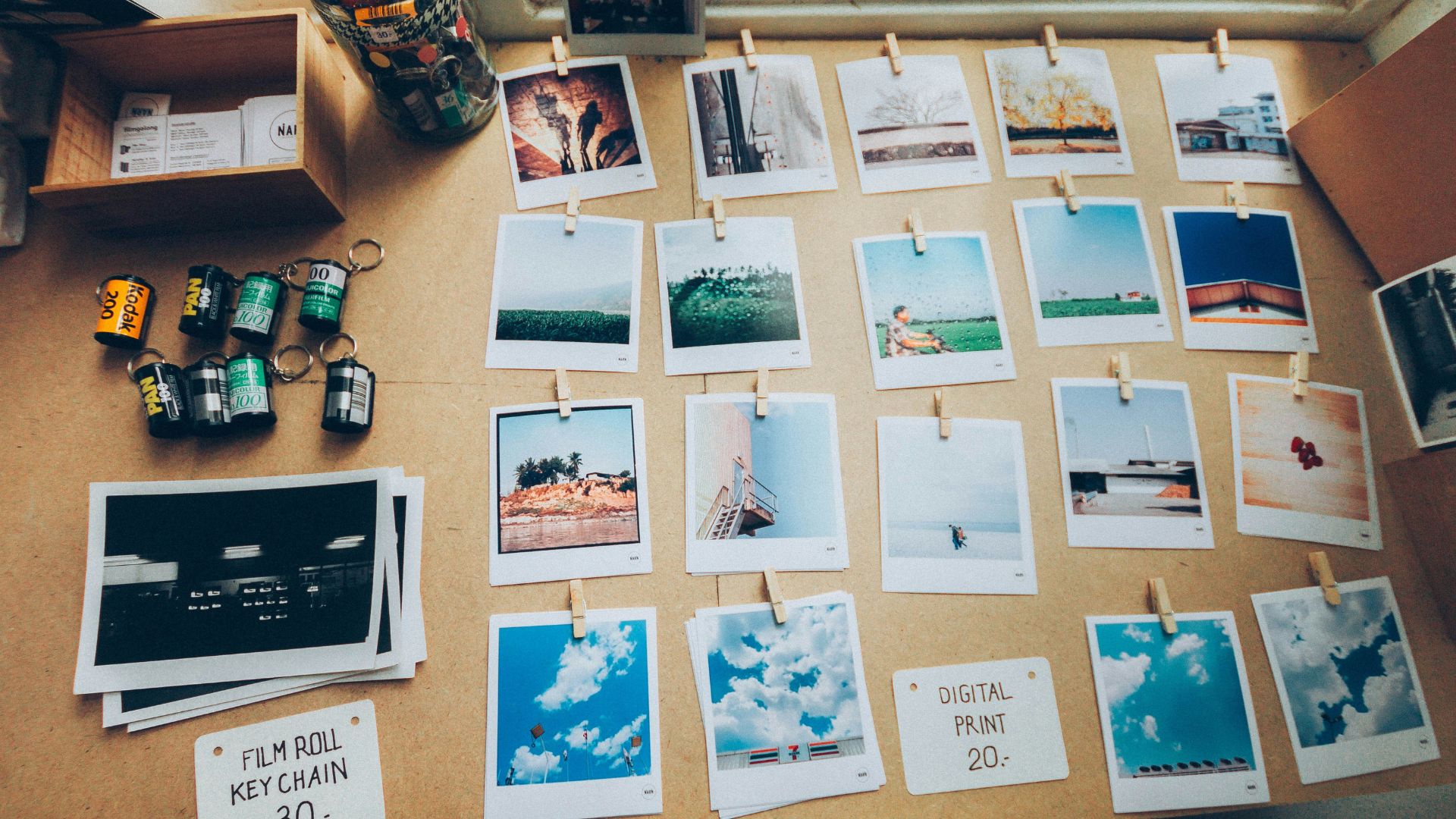
Printing photos in all kinds of sizes keeps things interesting. The places I’m most excited about get the prime, central spots. Maps, ticket stubs, even currency from future trips—these little bits make the board feel alive.
Personalized Sections for Each Destination
I carve out a special spot on my board for each of my top 10 destinations. It keeps things tidy, and honestly, it helps my brain stay organized. Colored paper or washi tape makes easy borders between sections.
Here’s what goes in each section:
- Main destination photo that nails the vibe
- 3-4 activities I’m dying to try there
- Target month or season for the trip
- One personal reason this place matters to me
Textures bring it all together. For Iceland, I might glue on a bit of faux fur for that chilly feeling. Thailand? Maybe a swatch of patterned fabric. Touching these during my daily visualization makes the experience oddly real.
Staying Motivated and Tracking Progress
A vision board only works if you actually interact with it. I’ve noticed that daily rituals and regular check-ins keep my travel dreams from fading into the background.
Using Affirmations and Visualization Routines
Most mornings, I spend five minutes with my vision board, saying affirmations out loud. Stuff like “I am financially prepared for my Iceland trip” or “I attract opportunities to explore Japan.” It’s a little awkward at first, but it helps shift my thinking.
I’ll close my eyes and picture myself in each place. I imagine the smell of Bangkok street food, the crash of Maldives waves, the rough stones at Machu Picchu. Suddenly, these trips don’t feel so far-fetched.
A small notebook sits next to my board. Every day, I jot down one travel affirmation. On tough days, I flip through the pages and remember why I’m doing all this.
Updating as You Achieve Travel Milestones
Whenever I hit a milestone—booking a flight, getting time off, reaching a savings goal—I slap a sticker or checkmark on my board. It’s silly, but it feels good.
After a trip, I’ll print a photo of myself at that destination and add it to the board. Seeing those wins pile up is the best motivation to chase the next adventure.
I track little wins too: researching accommodations, applying for visas, spotting a flight deal. They might seem minor, but they’re real steps forward.
Turning Your Vision Board Into an Action Plan
I break down each trip into bite-sized tasks with deadlines. For Portugal, I made a timeline: research neighborhoods by January, book flights by March, reserve accommodations by April.
Monthly Action Items:
- Budget Review: Tally up savings and see what’s left for upcoming trips
- Research Sessions: Block out two hours to dig into one destination
- Booking Check: Hunt for deals on flights or hotels for my next trip
- Document Prep: Double-check passports, visas, and travel insurance
Calendar reminders keep me on track. When I finish a task, I mark it on my vision board. It’s satisfying to see the progress stack up each week.
Frequently Asked Questions
Building a travel vision board is one thing—using it to actually make your travel dreams happen is another. Here’s what I’ve figured out along the way.
I always use photos of the exact places I want to visit—no generic beaches or mountains. Writing out the names of cities or landmarks makes the goal real.
I’ll add images of activities, too. If Japan’s on my list, I’ll include temples, sushi bars, cherry blossoms.
Budget trackers or savings goals go right on the board. Sometimes I’ll make a section showing how much I need to save each month, or set a target date for booking flights.
Travel quotes keep me going when the wanderlust fades. I pick ones that fit my reasons for traveling—adventure, relaxation, or just curiosity.
I organize my board by destination or by trip timeline. If I’m juggling multiple trips for 2026, each one gets its own section with images and deadlines.
Adding practical planning bits like packing lists, visa notes, or must-see sights turns the board into a real planning tool.
When I’m stuck choosing between trips, I glance at my board. Whichever destination stands out more usually reveals what I really want.
I make it a habit to look at my board every morning, coffee in hand. It keeps my travel goals front and center.
For each destination, I pair an image with a specific action. Next to Paris, I might jot “research flight prices” or “save $200 this month.”
I imagine myself right there in those places—what I’d see, hear, feel. It’s a little cheesy, but it works.
When I hit a milestone, I add a checkmark or date. Booking a flight or reaching a savings goal gets a spot on the board, so I can see the journey unfold.
Once a week, I give my board a quick review. I check my progress and see if I need to tweak any plans.
After booking a trip, or if my priorities shift, I update the board. I’ll swap out a finished section for the next dream destination or add details to a confirmed itinerary.
Every three months or so, I do a bigger refresh—adding new places, letting go of ones that don’t excite me anymore. My interests change, so my board should too.
Digital vision boards totally work if you actually use them. I set mine as my phone wallpaper or computer background, so I see it constantly.
Digital boards make it easy to swap images, move things around, or update savings goals. No glue or scissors required.
The real difference is convenience. I carry my digital board everywhere, so I can peek at it during lunch or in line at the store. A physical board only works if you put it somewhere you’ll actually notice.
Let’s get practical—dedicate a whole section of your vision board to real actions with honest-to-goodness deadlines. For each dream destination, jot down the next three things you need to do. Maybe that’s “compare flight prices by January 15” or “renew my passport by February 1.”
Break those big savings goals into bite-sized chunks. Instead of just scribbling “save $3,000,” I use a tracker and mark down that I need to stash away $250 every month for a year. It feels way more doable that way, trust me.
Add in research tasks right on the board. Sticky notes work wonders—one might ask, “When’s the best time to visit Thailand?” Another might remind me, “Do I need a visa for Morocco?” Questions like these keep me moving forward.
Connect your vision to reality by linking each image to an actual booking site or resource. Next to a hotel photo, I’ll write down the exact website where I found it. That way, when I’m finally ready, turning dreams into bookings is just a click away.