Standing under the towering coastal redwoods of Pfeiffer Big Sur State Park hits you with a sense of awe. It’s like walking into a natural cathedral, where sunlight just barely sneaks through the leafy ceiling.
Some of these ancient giants soar over 300 feet. The park itself sits right in the heart of Big Sur, hugging California’s iconic Highway 1. Honestly, it’s one of the easiest places to get up close with redwoods along the coast.
Pfeiffer Big Sur State Park blends old-growth redwood groves with trails that you can actually navigate without too much effort. Trails wind through lush forest, following the Big Sur River and linking up several groves in a pretty compact area.
Unlike some of those super-remote redwood parks, this one gives you the convenience of nearby places to stay and plenty of facilities. But you still get that wild, untouched vibe.
I’ve wandered these trails more times than I can count. Every grove seems to have its own personality.
The Valley View Trail loop is always a favorite, but the quieter Nature Trail along the river is just as magical. Whether you’re squeezing in a quick hike or planning to spend the whole day, the redwoods here leave you with that unmistakable sense of wonder you only get from California’s wild places.
Why Pfeiffer Big Sur State Park Is a Redwood Hiker’s Paradise
Pfeiffer Big Sur State Park sits right at the southern tip of California’s coastal redwood habitat. Hikers get to wander through ancient groves in a setting you really won’t find anywhere else.
The park covers 1,006 acres, mixing those massive redwoods with all kinds of different landscapes. People sometimes call it a “mini Yosemite,” and honestly, I get why.
Unique Coastal Redwood Ecosystems
The redwood forest here actually marks the southernmost habitat for California’s coast redwoods. These trees thrive in a microclimate where coastal fog rolls right into the Santa Lucia Mountains.
I can’t help but notice the diversity every time I visit. The groves hug the Big Sur River, creating a green, almost jungle-like world where several ecosystems overlap.
The Valley View Trail makes a 1.5-mile loop through old-growth redwoods. You’ll spot some of the tallest trees in the park, their trunks rising like columns in a quiet cathedral.
The Big Sur Nature Trail is another great option. It’s a short loop, super accessible, and gives you a front-row seat to California’s giant redwoods, no matter your hiking experience.
What really sets these redwoods apart is their location. The trees grow right where river valley meets mountain, so you get a wild mix of habitats and wildlife.
Mini Yosemite: History and Conservation
People started calling this place “mini Yosemite” because of its dramatic mix of redwoods, steep mountains, and clear rivers. It really does feel like a bite-sized version of something much bigger.
Back in 1884, John Pfeiffer settled here. He turned down offers from developers and, instead, sold his 160 acres to the state of California in the 1930s.
That decision made all the difference. The state named the park after him, honoring his choice to protect this land.
Conservation remains a big deal here. After the Basin Complex Fire wiped out trails over a decade ago, the Pfeiffer Falls Trail finally reopened in 2021—a real testament to ongoing efforts.
I love that this story shows how early conservation shaped California. Pfeiffer’s decision kept these groves safe for future hikers.
Big Sur’s Role in California State Parks
Pfeiffer Big Sur State Park stands out among California’s state parks. It’s the only one with a lodge and a sit-down restaurant, which is a lifesaver after a long hike.
The park acts as a gateway to Big Sur’s redwoods. You’ll find it 26 miles south of Carmel-by-the-Sea on Highway 1, so getting here is a breeze.
Its campground sits right among old-growth redwoods—pretty rare for state parks. You can literally sleep under the giants you just spent the day exploring.
The park covers over 1,000 acres, so there’s plenty of protected redwood habitat and no shortage of trails.
I honestly think this place is a cornerstone of California’s redwood conservation. Not only does it guard the southern edge of the redwood range, but it also teaches visitors about these ancient forests.
Discovering the Iconic Redwood Groves
When it comes to accessible redwood experiences, Pfeiffer Big Sur State Park is hard to beat. The groves here create an ecosystem where wildlife thrives, and, if you’re into photography, you’ll find endless inspiration.
Where to Find the Tallest Redwoods
The Colonial Tree claims the title of tallest redwood in the park. I stumbled across it about 0.8 miles from the Nature Center, right along the main trail.
If you want to see the densest cluster of mature redwoods, head for the Pfeiffer Falls Trail. This 2-mile round-trip hike takes you deep into the heart of the forest.
A few spots I always recommend:
- Valley View Trail: Younger trees mixed with some real giants
- Nature Trail: Short loop (just 0.7 miles) with helpful signs along the way
- Buzzards Roost Trail: Awesome views down into the redwood canopy
Most of the redwoods here hit 200-250 feet. They might not be the tallest in California, but standing next to them, you’d never know.
If you’re hoping for good light, come in the morning. Fog usually burns off by 10 AM, and you might catch those magical sunbeams through the branches.
Photographing Coastal Redwoods
Golden hour—that last bit of sunlight—is when the groves look their best. I usually show up about half an hour before sunset to catch the best light.
Fog acts like a natural filter for your photos. Since redwoods rely on fog for moisture, you’ll often get that dreamy, misty look.
A few photography tricks I swear by:
- Use a wide-angle lens to fit those giants in the frame
- Add people to your shots for scale
- Zoom in on bark texture for close-ups
- Try shooting upward to really show off their height
Tripods come in handy since the forest is dim, even at noon. The thick canopy blocks most direct sunlight.
I also bring a polarizing filter to cut glare from wet bark and leaves. It makes the colors pop in a way that’s hard to describe.
Wildlife Encounters in the Groves
Steller’s jays seem to be everywhere. Their electric blue feathers pop against the red bark.
You’ll probably spot banana slugs crawling along the forest floor. They’re not just weird—they actually help break down organic matter, keeping the ecosystem healthy.
Keep your eyes peeled for:
- Black-tailed deer (dawn and dusk are best)
- Gray squirrels (you’ll see them any time)
- Raccoons (they’re around, but mostly at night)
Sometimes, Roosevelt elk wander into the redwoods from the grasslands. I’ve only seen them twice, both times early in the morning.
The ground is covered with ferns, sorrel, and redwood sorrel. These plants create little hideouts for salamanders and insects.
Stay quiet if you want to spot wildlife. The groves are so peaceful, you can actually hear birds and animals moving around.
The Essential Redwood Hikes at Pfeiffer Big Sur
Two trails really stand out for redwood lovers: Pfeiffer Falls for waterfall views and Valley View for sweeping looks over the Big Sur River Valley.
Pfeiffer Falls Trail Highlights
Pfeiffer Falls Trail drops you right into the redwoods. I usually start near the park lodge, where the signs make it pretty hard to get lost.
The trail is a 2-mile out-and-back with about 450 feet of elevation gain. Most folks find it easy to moderate.
Trail Highlights:
- Walk beneath giant coastal redwoods
- Cross wooden bridges over creeks
- End at a 60-foot waterfall
- See the forest floor blanketed with redwood sorrel
The hike starts with a gentle climb through thick redwoods. After about half a mile, you’ll cross a bridge and begin the real ascent up the canyon.
Some of the tallest redwoods in the park line this path. I’ve looked up and lost count at how high the branches disappear.
The waterfall runs all year, but it’s strongest in winter and spring. Even during the dry months, the rocky cascade is a peaceful spot to end your hike.
Valley View Trail Experience
Valley View Trail connects with Pfeiffer Falls, so you can turn it into a loop if you’re up for it. I always take the spur up to the overlook bench—the views are worth the extra effort.
This part of the trail climbs steeply through oak woodlands above the redwoods. The mix of tree types makes it feel completely different from the rest of the park.
What to Expect:
- Big Sur River Valley laid out below you
- Oaks and redwoods growing side by side
- Glimpses of the Pacific Ocean
- On a clear day, you can spot Point Sur Lighthouse
The climb to the bench is short but pretty steep. I always appreciate having a spot to catch my breath and snap a few photos.
Surprisingly, your phone might actually get service at the overlook—rare for Big Sur. The view stretches both up and down the valley, and out toward the coast.
If you combine both trails, you get a 2-mile hike that covers the best groves and the most stunning viewpoints in the park.
Trail Planning and Hiking Tips
Planning a redwood hike here isn’t rocket science, but a little prep goes a long way. Knowing the trail difficulties, picking the right season, and figuring out parking on Highway 1 can make all the difference.
Trail Difficulty and Safety
Trails range from easy strolls to moderately challenging hikes. The Valley View Trail is a 1.5-mile loop—great for families and anyone just getting started.
Pfeiffer Falls Trail is a bit tougher, with rocky stretches and creek crossings. I always wear sturdy boots with good grip.
The Big Sur River Gorge Trail isn’t maintained, and it’s best for experienced hikers. It gets steep and slippery, so take extra care.
My go-to safety gear:
- First aid kit
- At least a liter of water per person
- Cell phone (though don’t count on service)
- Trail map from the visitor center
Creek crossings can get tricky after rain. I always test my footing and use hiking poles if I have them.
Best Seasons for Redwood Hikes
Spring is my favorite—March through May brings mild weather and smaller crowds.
Redwoods stay green all year, but waterfalls peak from February to April. That’s when Pfeiffer Falls really puts on a show.
Summer gets busy and hot. I hit the trails early to beat the heat and the tour buses.
Fall is underrated. September and October bring cooler temps and clear skies, making it perfect for photos.
Winter can be tough. Rain turns trails muddy and creeks swell, so I usually skip hiking during big storms.
Navigating Trailheads and Parking
The main entrance is just off Highway 1. I always try to arrive early—parking fills up fast.
Parking costs $10 per car at the main lot, and you can pay with cash or card.
Trailheads are easy to find from the parking area. The Valley View and Pfeiffer Falls trails both start near the campground.
I always stop by the visitor center to use the restroom and fill my water bottle. Maps are handy and free.
For the Big Sur River Gorge Trail, I park at Big Sur Station, just south of the main entrance. Spaces there are limited, so plan ahead.
Where to Stay and What to See Nearby
Big Sur Lodge is hands-down the most convenient place to stay inside the park. If you’re looking to explore more, McWay Falls and Julia Pfeiffer Burns State Park are just minutes away and absolutely worth the trip.
Big Sur Lodge and Accommodation Options
Big Sur Lodge sits right inside Pfeiffer Big Sur State Park, and honestly, that’s why I keep coming back. You just can’t beat rolling out of bed and wandering straight into the redwoods.
There are 61 guest rooms and cottages here. Some of the cottages come with fireplaces or balconies—perfect for chilly evenings or just soaking in the forest air.
Prices are what I’d call mid-range for Big Sur, which, let’s face it, isn’t a budget destination. Still, you get what you pay for, especially with this location.
Lodge amenities include:
- On-site restaurant and café
- Grocery store
- Seasonal outdoor pool
- Laundry facilities
- Conference center
After a day of hiking, I always appreciate how simple and cozy the rooms feel. The best part? You can hit the trails on foot, no need to jump in the car.
If camping’s more your style, the park offers 189 campsites scattered along the Big Sur River. Standard sites run $35 a night, while the riverfront spots go for $50.
Campers get flush toilets, hot showers, and potable water. There aren’t any hookups, so plan accordingly.
Sites fill up fast, so I suggest booking about six months ahead if you want to snag a spot.
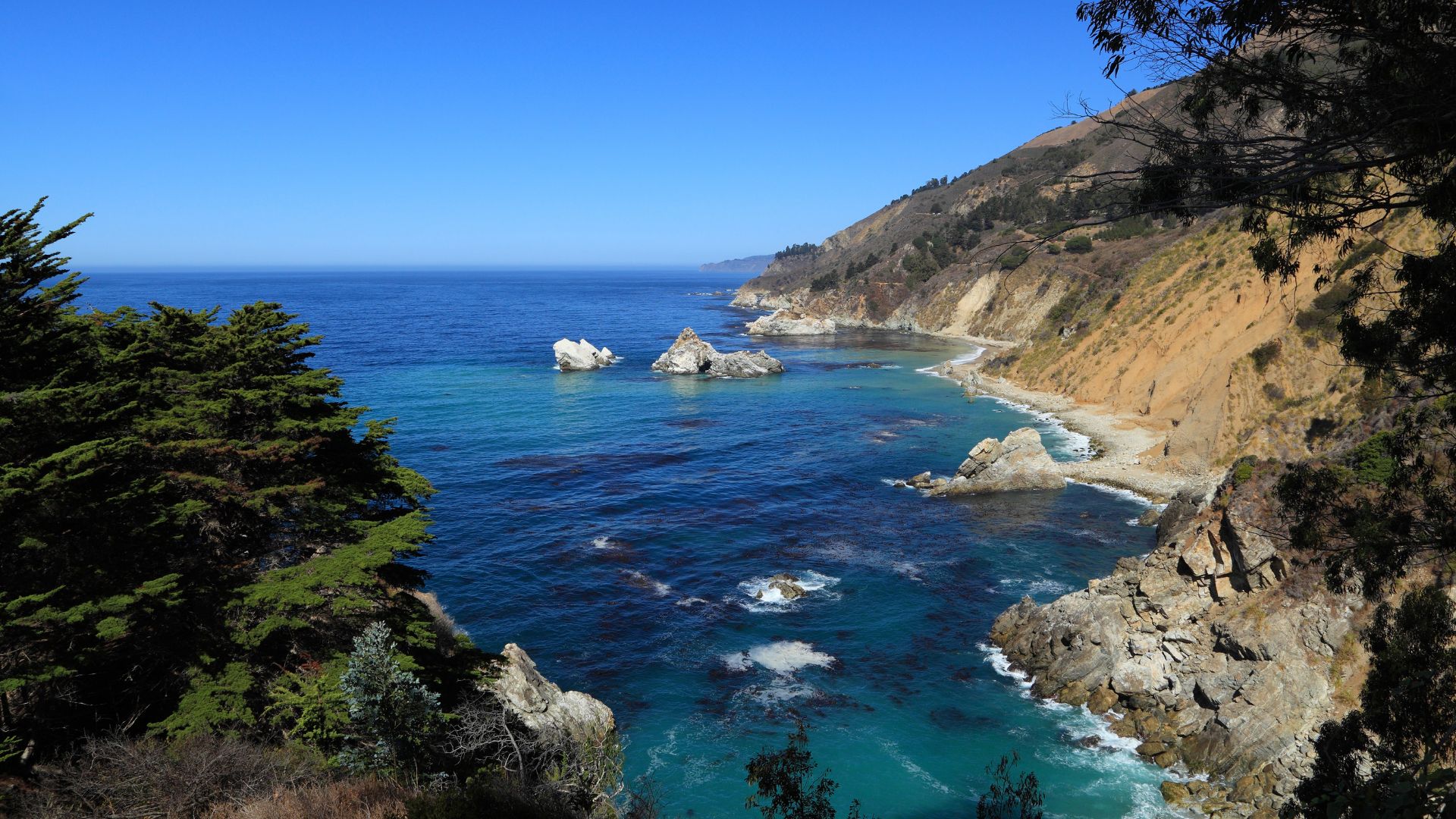
Top Nearby Sights: McWay Falls and Julia Pfeiffer Burns State Park
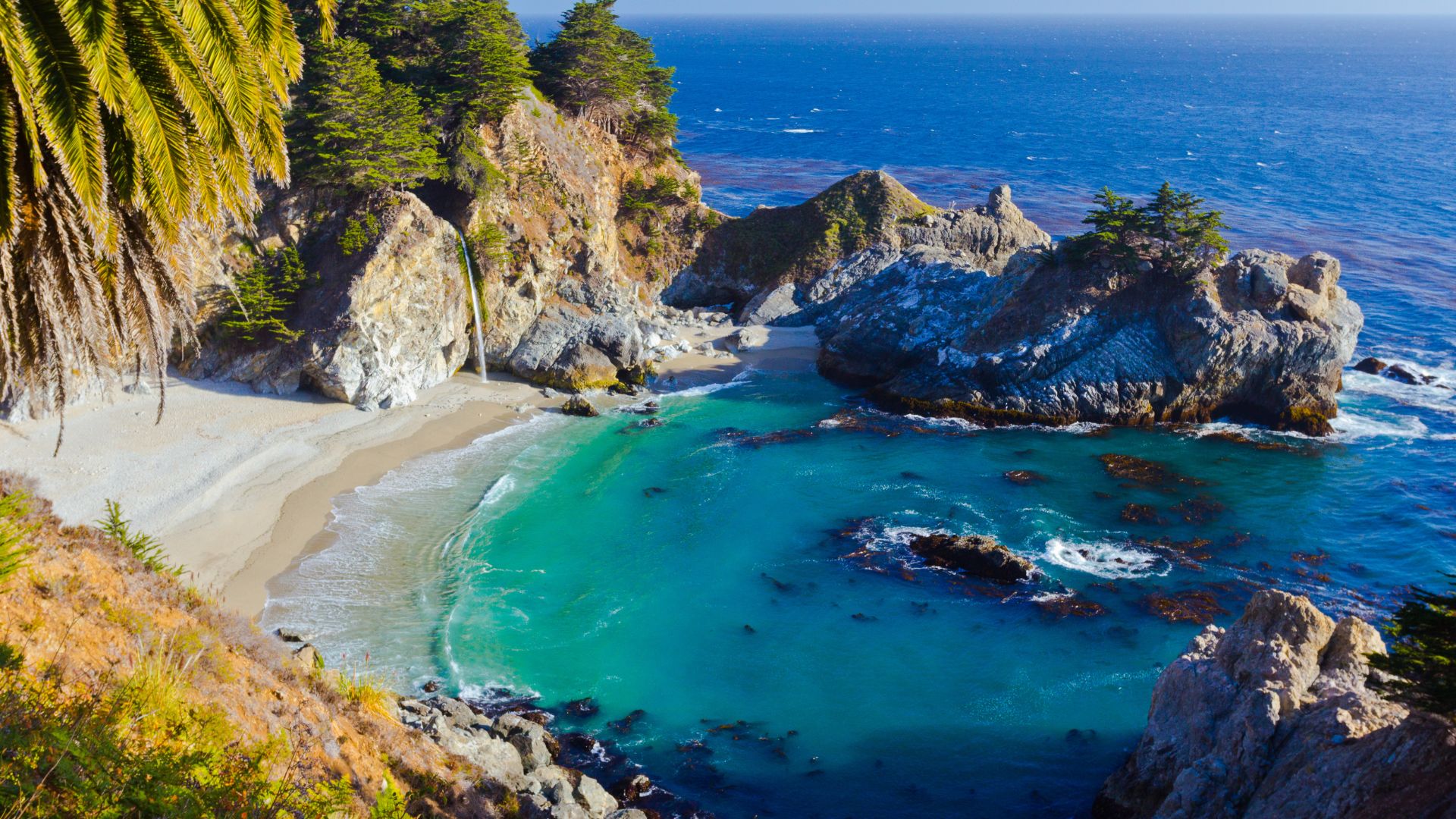
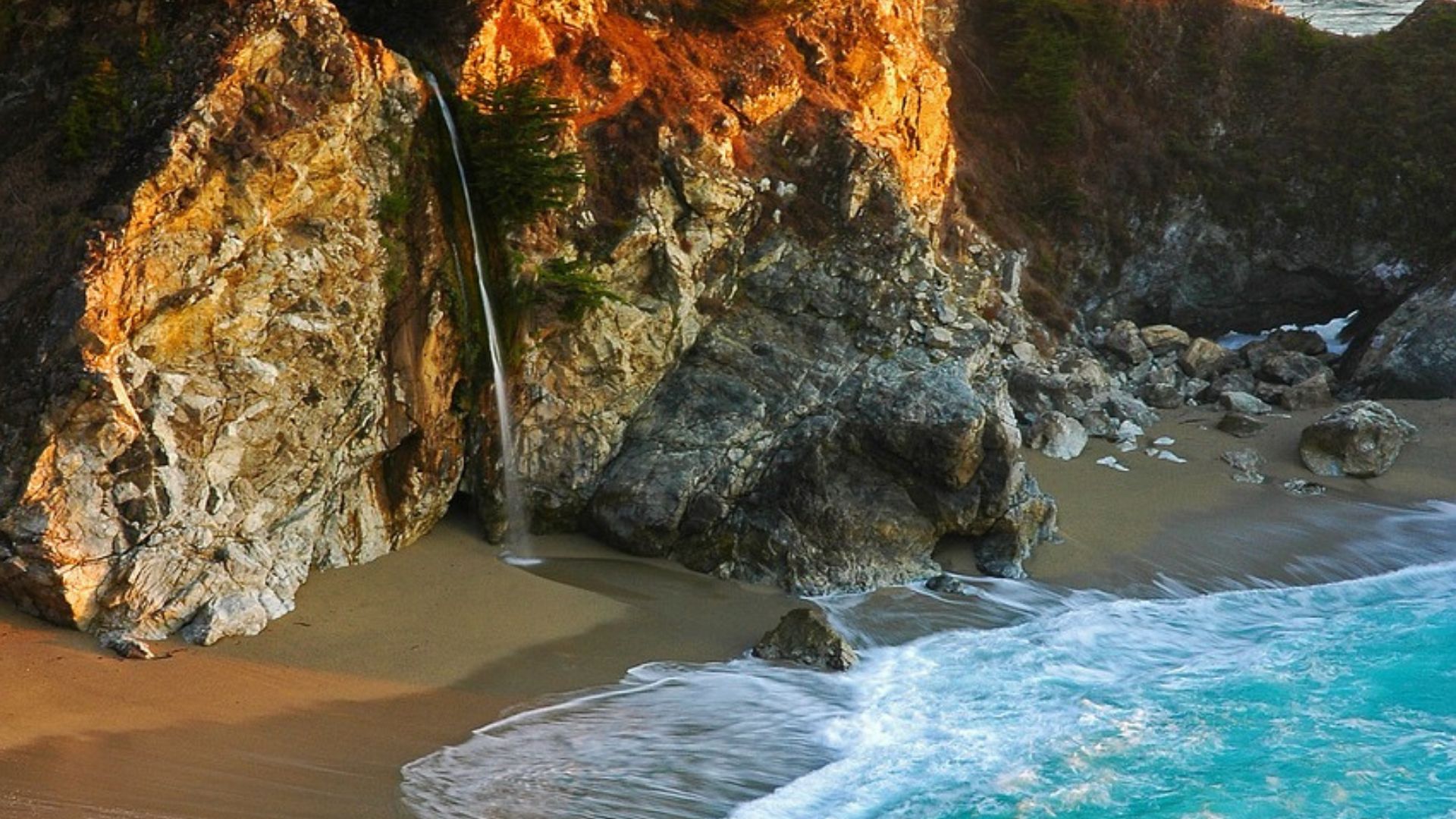
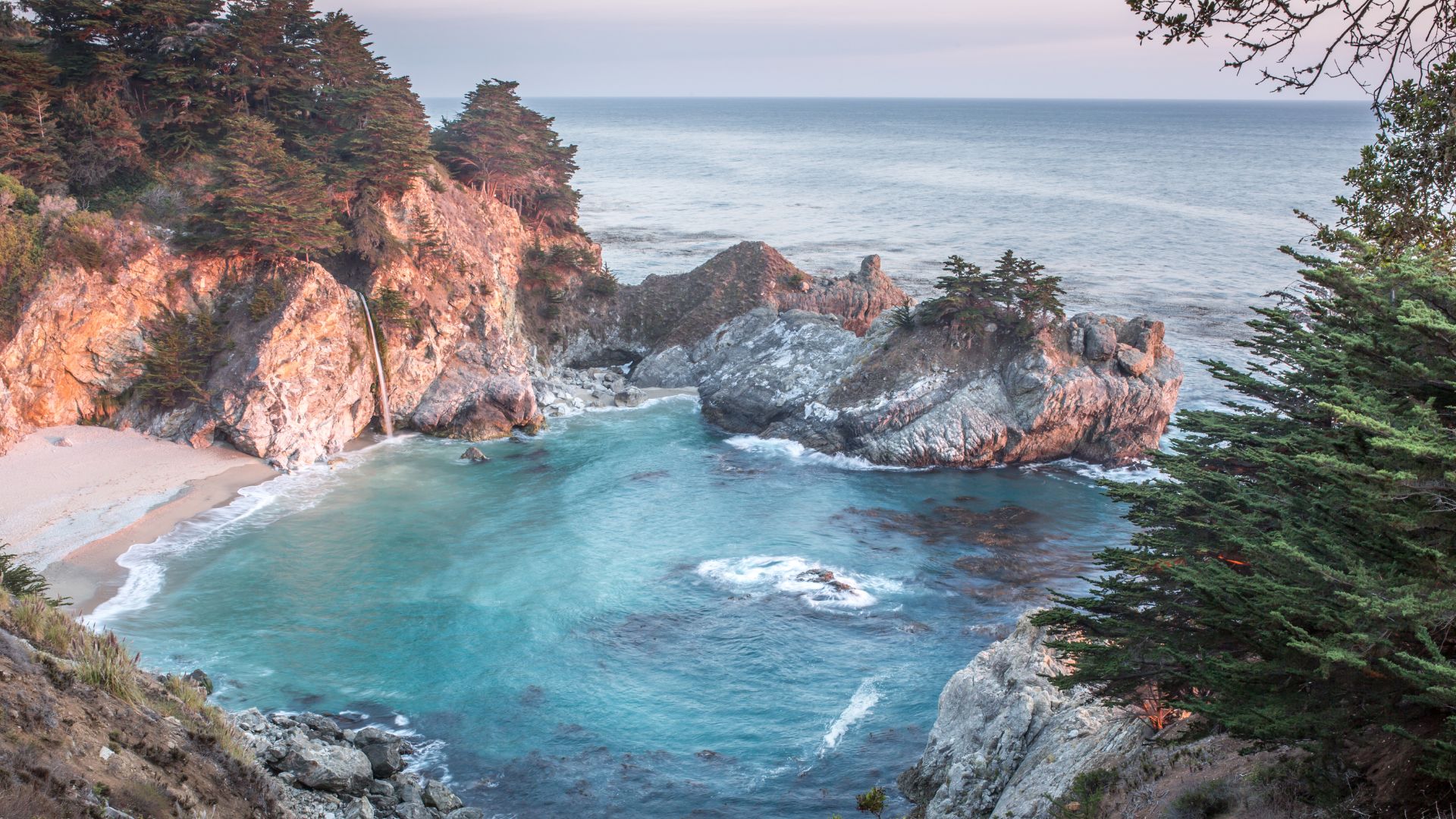
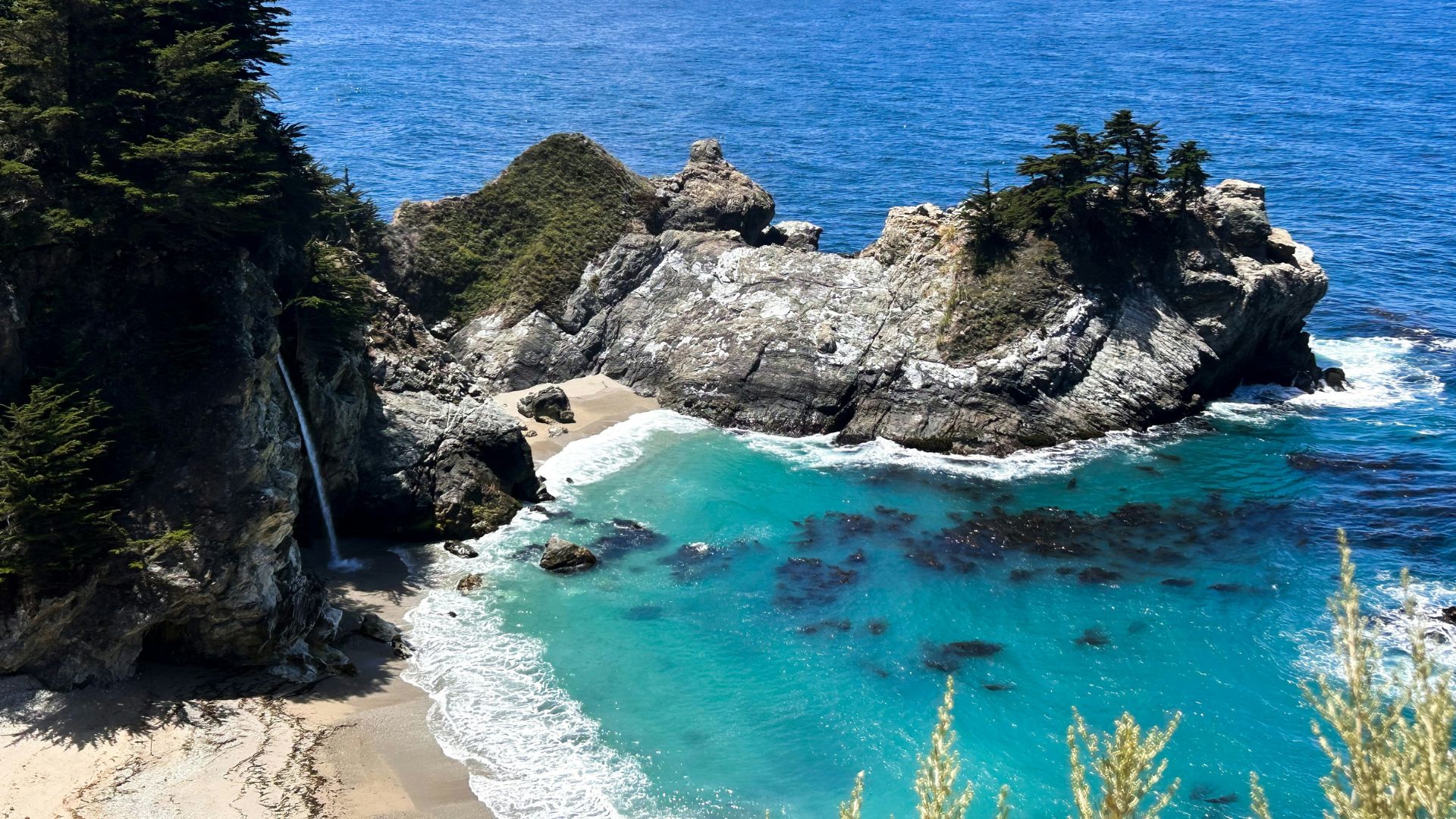
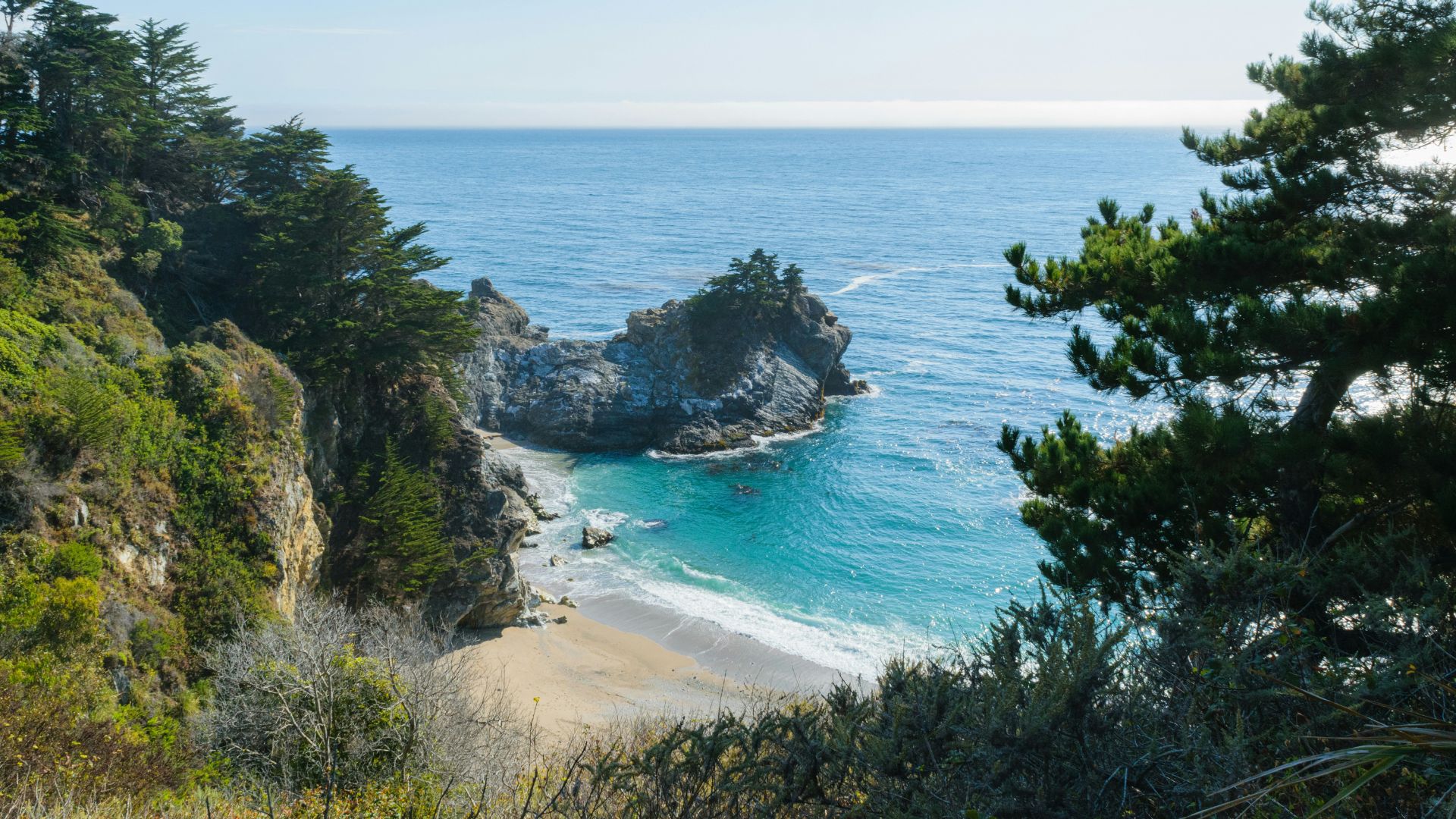
McWay Falls stands out as probably the most iconic waterfall in Big Sur. It sits just a few minutes south of Pfeiffer Big Sur State Park, and honestly, the first time I saw that 80-foot drop landing right on the sand, I just stood there for a while, soaking it in.
Usually, I reach McWay Falls by walking the super easy 0.6-mile McWay Falls Trail. That short stroll ends at an overlook, and wow—the view of the waterfall crashing onto the beach with the Pacific stretching out behind it? It’s the kind of scene you want to capture, but photos never seem to do it justice.
Julia Pfeiffer Burns State Park actually includes McWay Falls, but there’s more to it than just the waterfall. If you’re into hiking, the park has several trails, some winding through redwood groves that feel almost otherworldly.
I’ve wandered those redwood sections with my camera, and every time, I find something new to appreciate. The light filters through the trees in a way that makes everything look cinematic.
Getting to both spots is a breeze since they’re right off Highway 1. Personally, after hiking the redwood trails at Pfeiffer Big Sur State Park, I like to spend the rest of the day exploring these gems nearby. If you only have a day in the area, these sights pack in a lot of that classic Big Sur magic.