
When Nazaré pops into conversation, most folks immediately think of the monstrous waves and the daredevil surfers. But honestly, this coastal town is bursting with much more than just surf.
Nazaré’s true heart beats in its traditional fishing culture, the women’s famous seven-layered skirts, and the clifftop Sítio quarter overlooking the wild Atlantic. I love wandering along the old promenade, where I spot those painted boats and watch fishermen, sunburnt and focused, fixing their nets right on the sand.
Seeing local women in their bright, layered skirts always adds a pop of color to the scene. Each skirt tells a story—layers that reflect Nazaré’s history and everyday life.
When I explored the Sítio neighborhood perched high above, those winding lanes and sweeping ocean views made me see Nazaré in a whole new way.
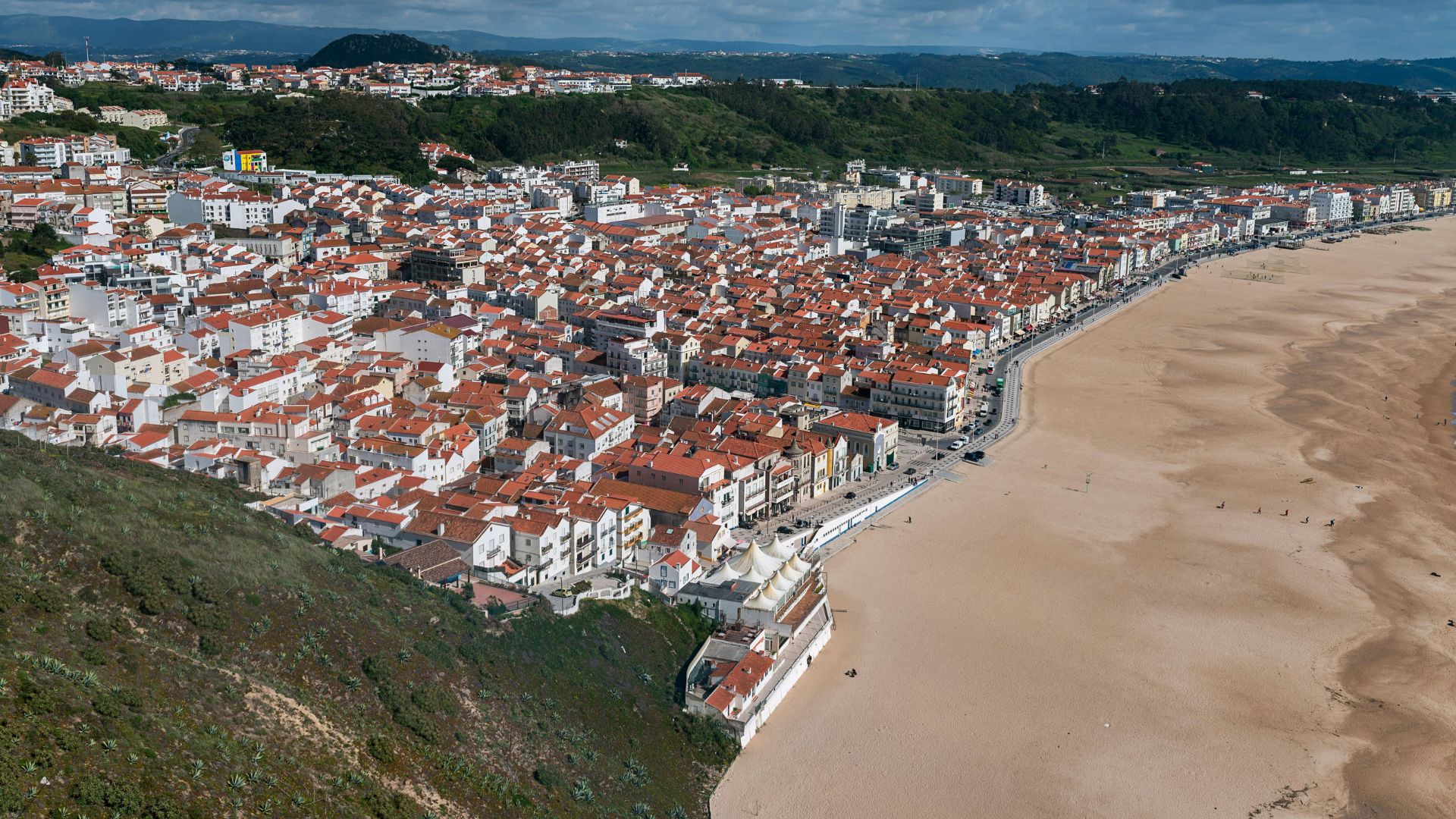
Nazaré’s Seafaring Soul: The Heartbeat of a Traditional Fishing Village
Nazaré feels alive with the constant crash of Atlantic waves on its long, sandy beach. The town’s fishing traditions, the painted boats, and the salty tang in every bite of food define Nazaré’s coastal spirit.
Fishermen at Dawn: Daily Life on the Atlantic Coast
Every day in Nazaré starts before the sun even rises. I’ve watched fishermen, bundled up against the cold, trudge down to the water with nets slung over their shoulders.
They ready their boats for another day battling the Atlantic. Local families have fished these waters for generations, and the work isn’t easy—sometimes it’s downright dangerous.
Still, there’s real pride in the routine. Each cast and every haul connects the village to its roots.
Others join in on shore, mending nets or trading the day’s catch. The conversations usually drift toward weather, fish, and rumors of good spots.
That quiet, steady buzz of activity always blends with the calls of gulls and the rhythm of the waves.
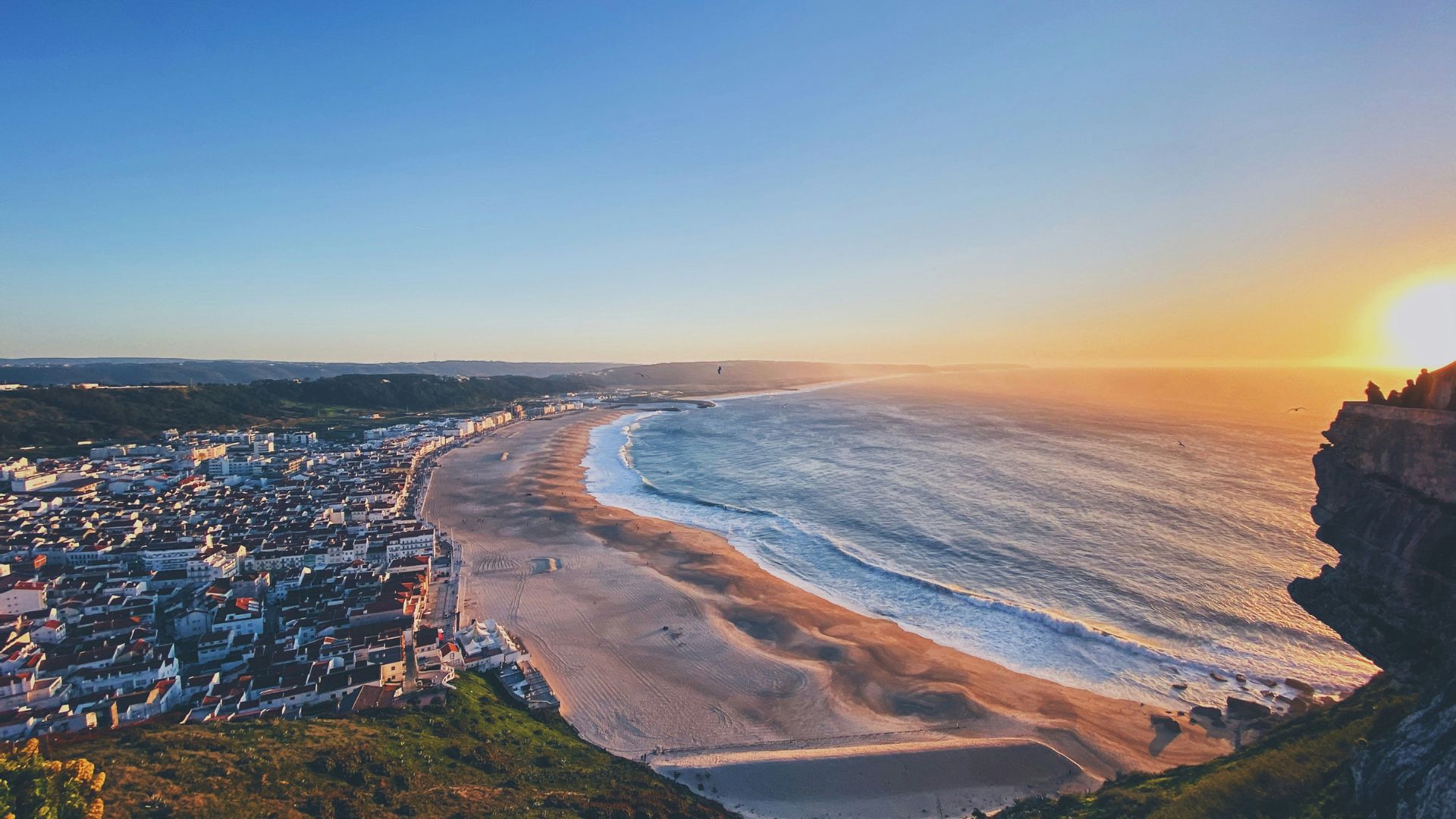
Fishing Boats and Ancient Maritime Rituals
You can’t miss the fishing boats in Nazaré. They’re painted in bold blues, reds, and yellows, lined up along the sand, each with its own curved prow and symbols. I found out some of these designs go back centuries—Phoenicians and Romans left their mark here.
Before heading out, the crews still honor old traditions. Some light candles in chapels, hoping for safe passage, while others tie charms to their boats for luck.
Nazaré’s festivals, especially in summer, celebrate St. Peter, the fishermen’s patron saint. The boat parades and processions turn the town into a party.
These rituals remind me that fishing here isn’t just about work. It’s a big piece of Nazaré’s identity, woven into family stories and local pride.

Caldeirada and Culinary Influence of the Sea
Eating in Nazaré always feels like tasting the sea itself. The star here is caldeirada, a rich fisherman’s stew packed with whatever the boats bring in—fish, shellfish, octopus.
Every family seems to have their own recipe, and they guard it pretty closely. Seafood fills every menu.
Grilled sardines sizzle on summer evenings, and barnacles come simply with lemon. The local polvo à lagareiro—octopus roasted with garlic and olive oil—is melt-in-your-mouth good.
A stroll by the harbor is a feast for the senses: salty air, the snap of drying nets, and the promise of another fresh seafood meal. No wonder Nazaré’s food has a reputation all over Portugal for being the real deal.

Beyond the Waves: The Magnetic Allure of Surfing and Adventure
Sure, Nazaré is world-famous for its waves, but honestly, the place has a vibe that’s about way more than surfing. Tradition, adventure, and water sports all blend together, drawing travelers and surfers from everywhere.
Giant Waves and the Nazaré Canyon
Standing on the cliffs by the Nazaré Lighthouse, I finally got why this spot is legendary. Praia do Norte’s waves are monsters—the tallest ever surfed, apparently.
The Nazaré Canyon, a deep ocean gorge (it’s about 16,000 feet deep at its lowest), funnels energy right at the shore. That’s how you get those record-breaking surf waves in winter.
The first time I watched a wave rise up on the horizon, it honestly felt like nature was showing off. Geography and weather team up to make every visit different.
The ocean here is wild and beautiful—and I never really know what to expect next.

The Rise of Big Wave Surfing and Record-Breaking Feats
Big wave surfing used to feel like something out of a movie, but Nazaré changed that for everyone. I remember following Garrett McNamara’s story—he put Praia do Norte in the spotlight by surfing a wave that broke all previous records.
Now, surfers from all over the world come here to test themselves. Some show up with high-tech gear, others stick to old-school tricks passed down from legends.
The real thrill isn’t just about breaking records. It’s about facing the unknown and pushing past your own limits.
Every winter, I see new faces arrive—some determined to make history, others just hoping to ride the wave of their lives.
Surfing Culture: Surfers, Festivals, and Water Sports
Surfing in Nazaré isn’t just a sport—it’s a whole way of life. I’ve met people who travel here just to watch, soaking up the energy from the cliffs by the lighthouse.
During surf festivals, Praia do Norte buzzes with music, excitement, and the whoosh of boards slicing through the water. Not everyone braves the giants.
Sometimes I try stand-up paddleboarding or kayaking, or hop on a boat tour to get close to the action. The surf shops are always lively, and it’s easy to find both new friends and seasoned pros swapping tips over coffee.
When the waves calm down, families and beginners take over. Surf schools offer lessons, and local cafes fill up with stories from the day.
That mix of laid-back living and high-energy adventure keeps people coming back.

Praia do Norte: A Beach Town Legend
Praia do Norte isn’t just a backdrop—it’s at the heart of Nazaré’s surf scene. I love waking up early to catch the sunrise over the wide sands.
Surfers and spectators gather here, and the iconic Nazaré Lighthouse stands watch from the cliffs above. History happens on this beach.
World records are set, memories are made, and photographers snap endless shots of the epic landscape. Even on quiet days, the ocean’s power is impossible to ignore.
For me, the perfect ending is a walk along Praia do Norte, listening to the waves and sharing a laugh with locals. There’s always a sense of adventure just out of sight.
The Sítio Quarter: Spirituality, Heritage, and Breathtaking Vistas
High above Nazaré’s main beach, the Sítio neighborhood mixes religious history, old legends, and some of the best ocean views I’ve ever seen.
I wandered through sacred buildings, discovered pilgrimage routes, and found one of Portugal’s most unforgettable viewpoints.
Sanctuary of Our Lady of Nazaré and Pilgrimage Traditions
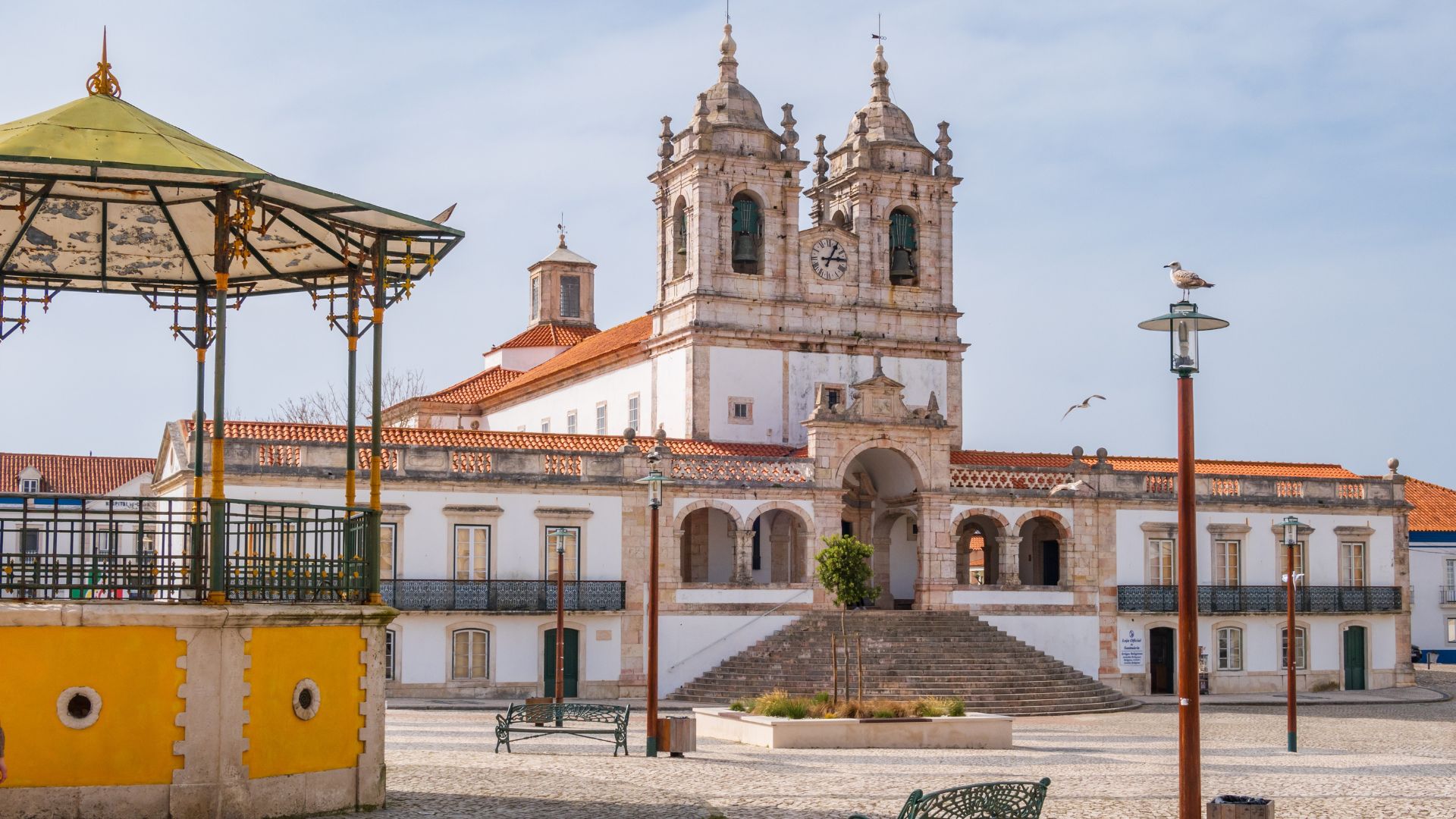
In the heart of Sítio, I found the Sanctuary of Our Lady of Nazaré. This whitewashed church stands as a landmark and draws both worshippers and curious travelers.
Founded in the 14th century, the sanctuary holds a cherished statue of the Virgin Mary, known locally as Our Lady of Nazaré.
Every September, the square outside overflows with people for the annual pilgrimage. Some walk for miles to get here.
The church’s azulejos—those blue and white Portuguese tiles—show scenes from the legend of Dom Fuas Roupinho, a knight who, according to the story, was saved by the Virgin Mary right on these cliffs.
Visiting the sanctuary always gives me a sense of Nazaré’s deep faith and close-knit community. Even on quiet days, families stop in to pray, and the air inside feels calm and meaningful.
Ermida da Memória and the Black Madonna
Right by the main square sits the Ermida da Memória chapel. From outside, it looks tiny and simple, but inside, it’s packed with legend.
Local tradition says King Dom Fuas Roupinho took refuge here in 1182, after almost riding his horse off the cliff during a foggy hunt. The chapel’s real treasure is the Black Madonna, a wooden statue believed to have come from Nazareth in the Holy Land.
The statue sits hidden in a small altar, surrounded by bright azulejo tiles that tell its story. I’ve stood quietly in that space, just soaking up the sense of history and all the prayers whispered over centuries.
Local guides love sharing miracle tales and stories of ancient pilgrimages. Watching pilgrims kneel by the altar, I really felt how important this place is for Nazaré’s spiritual life.
Miradouro do Suberco: Panoramic Views Over the Atlantic
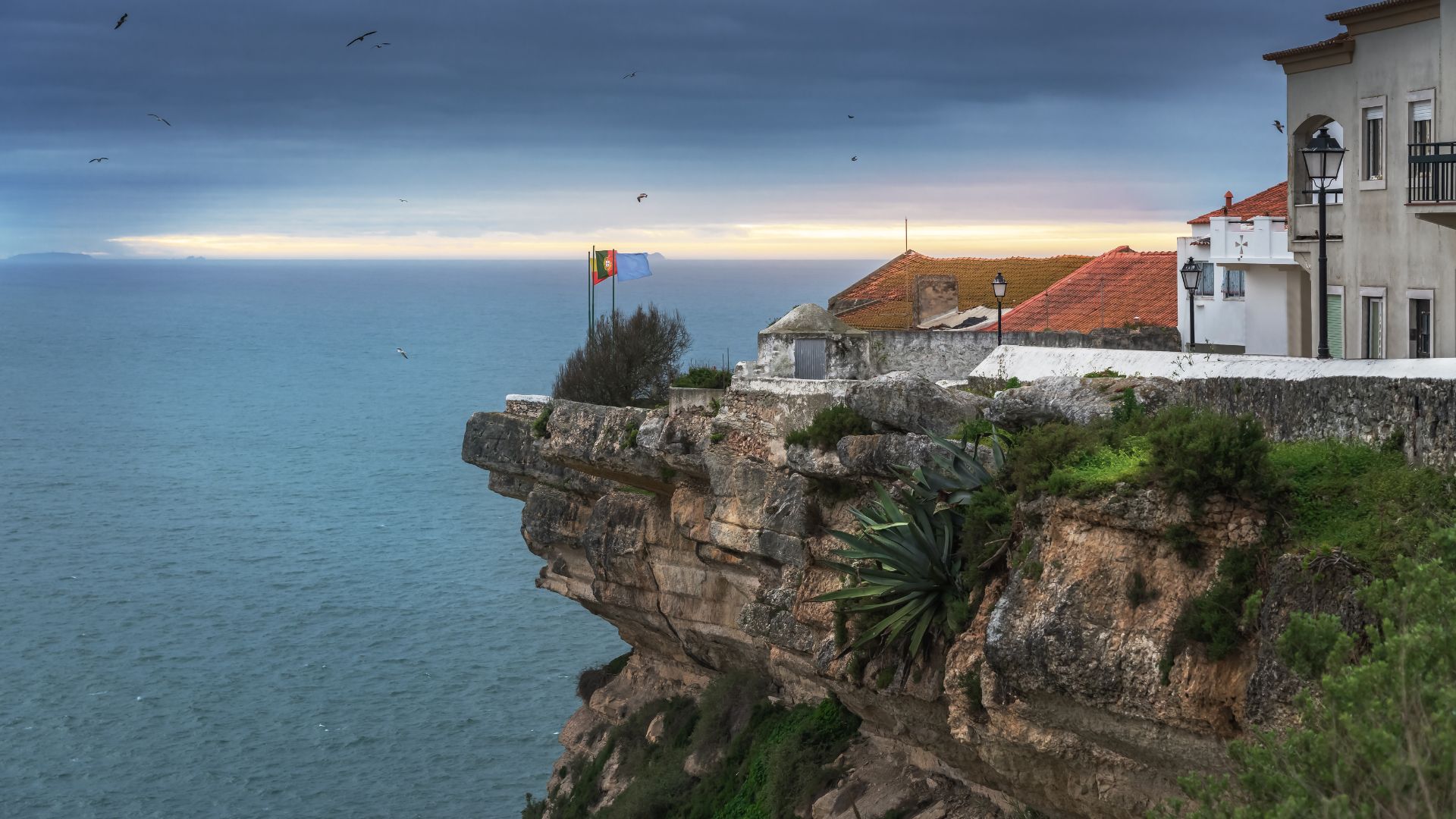
At the edge of Sítio, I found the Miradouro do Suberco—a wide balcony perched 318 meters above the Atlantic. It’s an easy walk, and there’s always a mix of tourists snapping photos and locals enjoying the breeze.
From here, Nazaré’s golden beach and the sweeping coastline stretch out below. I love lingering at sunset, watching the waves that made Nazaré famous.
On clear days, I spot fishing boats heading out, looking tiny against the endless ocean. Benches, stone walls, and food stalls make this a great place to pause and take it all in.
Standing atop the cliffs at Suberco, I always feel like I’m seeing Nazaré at its best.
Colorful Skirts and Cultural Traditions: Nazaré’s Vibrant Spirit
Nazaré bursts with color and energy, and I’ve found its spirit thrives in the everyday lives of locals, their celebrations, and the way they dress.
Seven Petticoats: The Story Behind the Iconic Skirts
The women of Nazaré are famous for their striking layered skirts, called saia das sete saias or “seven petticoats.” Each woman traditionally wears seven colorful petticoats at once—a sight that really brings the main square to life.
These layers aren’t just pretty; they’re rooted in fishing heritage. Some say the seven skirts stand for the days of the week, the seven virtues, or even the colors of the rainbow.
Others mention a practical reason: fishermen’s wives wore them to keep warm while waiting on the windy shore. Nowadays, women wear them proudly at festivals and markets.
The skirts have become a living symbol of Nazaré’s bond with the Atlantic and its unique traditions.
What to look for on your visit:
- Striped aprons and embroidered shawls paired with the seven petticoats.
- Elderly women often still wear the full traditional outfit, especially during festivals.
- Shops sell dolls dressed in miniature versions of the iconic attire.
Festivals, Folk Music, and Local Events
Nazaré’s calendar is packed with festivals that light up the streets with music, dance, and food. One of the biggest is the “Festa de Nossa Senhora da Nazaré” in September.
I joined in once and got swept up by the folk tunes and lively dances—everyone wears traditional clothes, especially those colorful petticoats. Accordions and tambourines fill the air, and local groups perform songs unique to the region.
Street parades, processions, and pop-up markets give visitors a chance to see Nazaré’s culture up close.
Must-experience events:
- Nazaré Carnival: Famous for its bright costumes and joyful parades.
- Local Fado nights: Some bars host small, intimate performances.
- Weekly markets: Try local cheeses, dried fish, and sweets while listening to live music.
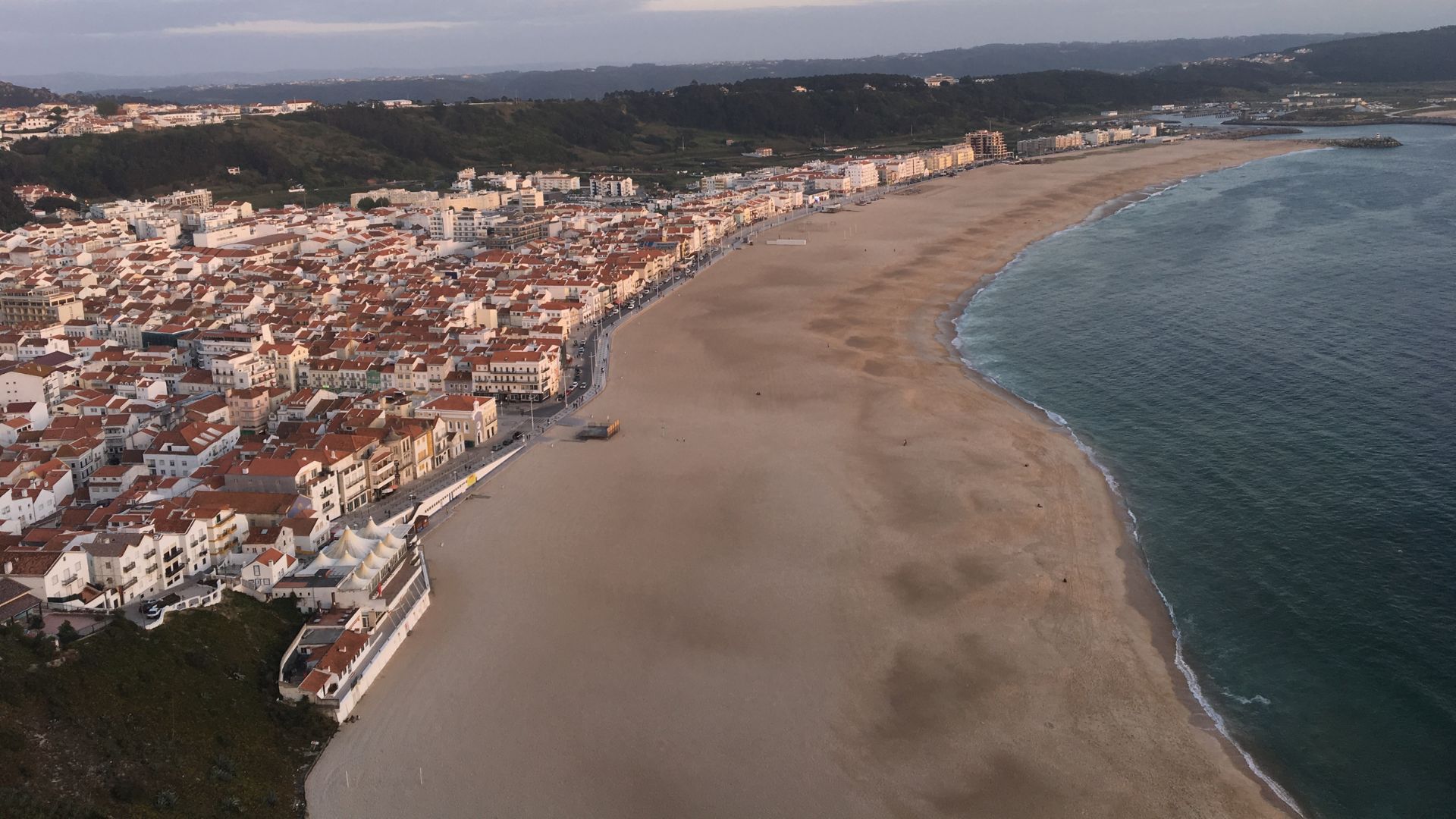
Charming Streets and Everyday Life in Nazaré
Every day in Nazaré feels like stepping right into a lively story. Narrow, winding streets twist between whitewashed houses and bursts of painted tiles.
Women in layered skirts stroll along the seaside promenade or gather in tiny plazas for a chat. They add so much color and personality to the scene.
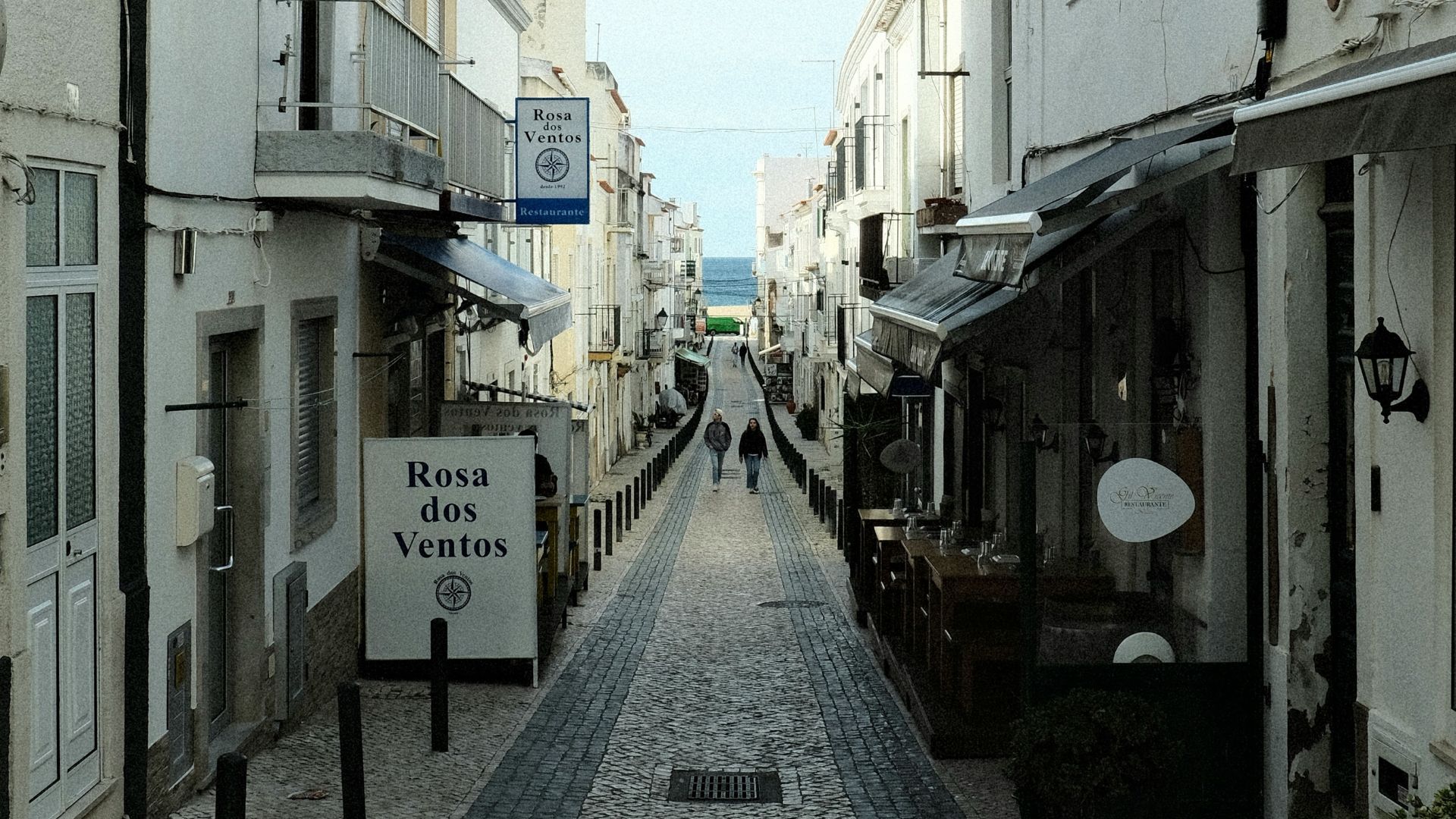
I loved wandering Rua dos Pescadores. Fishermen mend their nets beside souvenir stalls, and small cafés spill onto the pavement.
It’s the perfect place to sit and watch daily life roll by. Kids chase soccer balls, fishermen swap stories, and that amazing smell of grilled sardines drifts from nearby restaurants.
Travel tips for soaking in Nazaré’s daily culture:
- Take a morning walk along the cliffs for peaceful seaside views.
- Visit the old market for fresh produce and friendly conversation.
- Snap photos of doorways—many are painted with bright folk designs.
Exploring Culinary Delights and the Seaside Lifestyle
Nazaré pulses with the rhythm of the sea. Every meal feels fresh and honest.
I found myself drawn to the salty air, lively cafés, and tables piled with seafood and crisp local wine.
Seafood Restaurants and Authentic Gastronomy
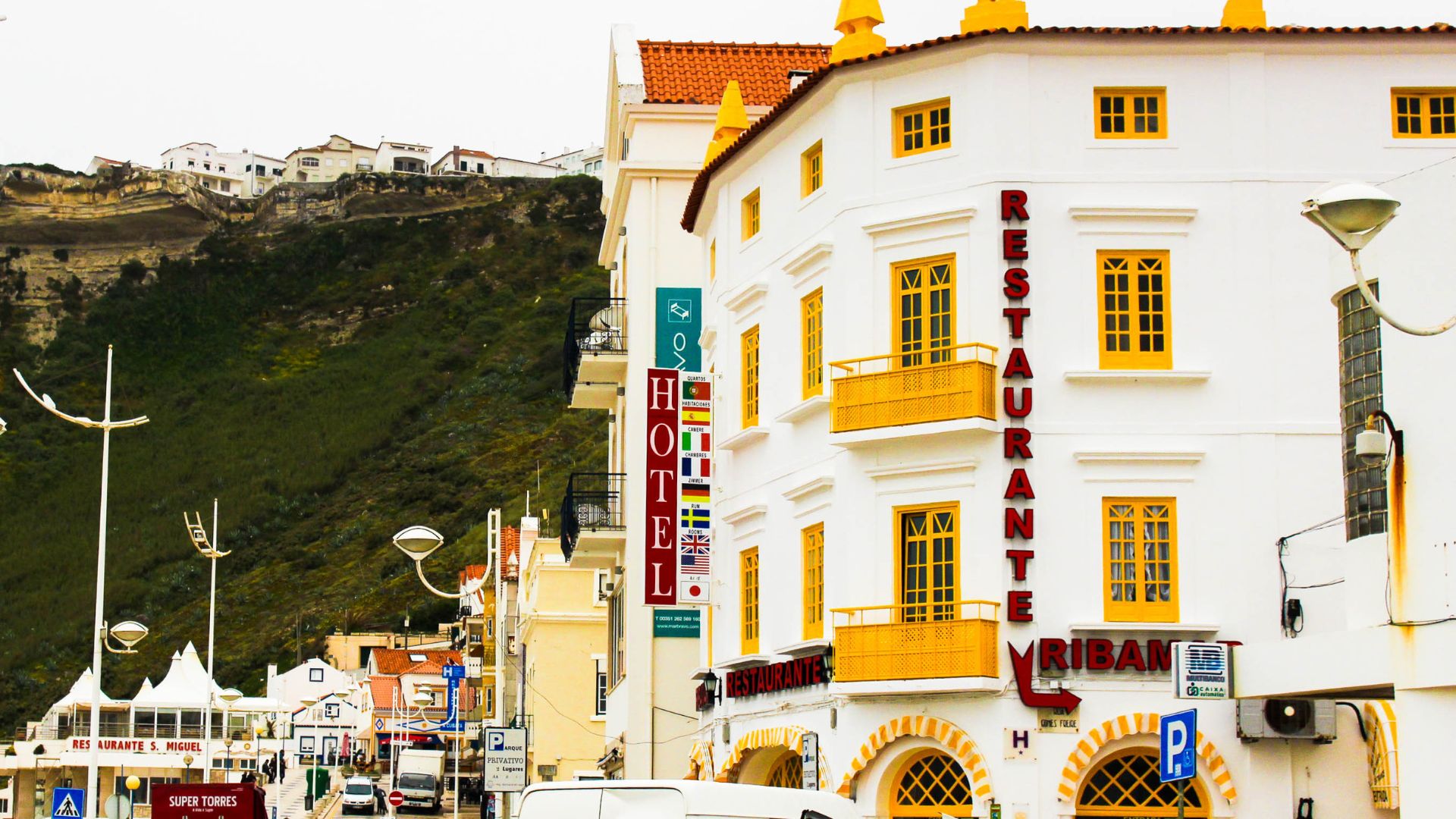
Walking the beach promenade, I passed rows of cheerful seafood restaurants. They display today’s catch right on ice.
The menus lean into grilled sardines, octopus rice, and caldeirada—that classic fisherman’s stew. I ordered polvo à lagareiro once, and honestly, I still think about that tender octopus with olive oil and garlic. Easily one of my favorite dishes in Portugal.
Nazaré’s food shines because it sticks to simple, local ingredients. Fishermen bring in fresh fish every morning, and kitchens turn it into satisfying meals.
Tables buzz with families sharing arroz de marisco or big platters of clams, mussels, and prawns. Warm bread and olive oil always show up, which just feels right in a place where food is so woven into daily life.
Lunchtime gets busy, so I try to arrive early or book a table—especially on weekends or festival days. Here’s a quick look at some popular seafood favorites:
| Dish | Main Ingredient | Cooking Style |
|---|---|---|
| Grilled Sardines | Sardines | Chargrilled, salted |
| Polvo à Lagareiro | Octopus | Baked, olive oil |
| Caldeirada | Mixed fish | Stew, tomato, potato |
Vinho Verde and Savoring Portuguese Sunsets
Nothing beats Nazaré’s seafood like a chilled glass of vinho verde. Sitting at a seaside terrace, I love the gentle fizz and citrusy kick of this young green wine from northern Portugal.
Evenings are for being outside, letting the Atlantic breeze cool the last golden light. I once watched the sun drop behind the horizon, sky turning pink and orange, with vinho verde in hand and a plate of cockles nearby.
Locals gather at sunset, chatting over drinks and the day’s stories. It’s a simple joy that matches Nazaré’s relaxed, sun-washed pace.
For a real local touch, I order vinho verde by the carafe instead of the bottle. It’s affordable, and the freshness just works with everything. With the ocean air and the sound of waves, it’s easy to feel like you belong here.
Travel Experiences and Practical Tips for Visiting Nazaré
Nazaré offers so much more than giant waves. You’ll find vivid fishing heritage, dramatic coastline views, and easy trips to nearby spots like Alcobaça and Óbidos.
I loved moving between neighborhoods, clifftop viewpoints, and soaking up the rhythm of this coastal town. It gave me some of my best memories in Portugal.
The Funicular Ride between Nazaré and Sítio
One of my favorite ways to get around Nazaré is riding the funicular up to the historic Sítio quarter.
It’s quick, affordable, and saves you from that steep hike. Since 1889, the funicular has carried locals and visitors up the cliff, and it still feels like a piece of history in motion.
The glass windows give you a sweeping view of the town and ocean below—honestly, it’s one of the best ways to see Praia da Nazaré and all that golden sand.
Here’s a quick guide:
- Runs daily: about every 15-30 minutes
- Tickets: Buy at the station (cash or card)
- Duration: Around 2 minutes
- Accessibility: Step-free and stroller-friendly
If you want fewer crowds, try late morning after breakfast rush. Sítio’s lookout sits just steps from the top, and the funicular saves your legs for more exploring.
Must-See Landmarks: Fort of São Miguel Arcanjo and More
Standing right on the Atlantic’s edge, the São Miguel Arcanjo Fort has become a Nazaré icon. Walking out to the fort from Sítio gives you wild, windswept ocean views along the cliffs.
Inside, you’ll find the Surfer Wall—a patchwork of photos and surfboards signed by athletes who’ve braved those massive waves at Praia do Norte. The rooftop lighthouse adds a little extra, and the views are always jaw-dropping, no matter the weather.
I always stop by the Sanctuary of Our Lady of Nazaré in Sítio and check out the dried fish stalls on Praia da Nazaré. These spots give you a real sense of the fishing traditions and daily life that still shape this seaside resort.
Best Time to Visit Nazaré and Helpful Travel Advice
Nazaré’s seasons each bring their own vibe. For giant wave watching and surfers, the best time to visit is October through March, when swells hit Praia do Norte.
For warm beach days along the Silver Coast, I usually pick May, June, or September—sunny, less crowded, and still full of life.
Helpful tips:
- Book your hotel early if you want to catch big wave season or local festivals.
- I always pack layers and a windbreaker—the ocean breeze can surprise you, even in summer.
- Public transport to Lisbon and Porto runs often.
- Consider travel insurance, especially for surfing or day trips.
Lining up bus or train tickets ahead of time makes things easier, and I double-check schedules since they sometimes change on holidays.
Day Trips: Alcobaça, Óbidos, and São Martinho do Porto
Honestly, some of my favorite travel memories in Nazaré kicked off with those quick day trips. I wandered through Alcobaça, explored its stunning gothic monastery, and grabbed a pastry from a bakery just across the square.
Óbidos totally charmed me. Its medieval walls and cobblestone streets, plus rows of white houses covered in bright flowers, felt straight out of a storybook.
I tried a tiny glass of ginjinha (cherry liqueur) in an old stone courtyard. For a moment, I wondered if I’d stepped back in time.
If you’re after another beach town, São Martinho do Porto sits nearby. It’s known for its calm, shell-shaped bay.
Families splash around in gentle waves. The promenade? It’s packed with ice cream shops—honestly, who could resist?
| Day Trip | Distance from Nazaré | What I Enjoyed Most |
|---|---|---|
| Alcobaça | ~15 km, 20 min | Monastery, pastries |
| Óbidos | ~40 km, 40 min | Medieval charm, ginjinha |
| São Martinho do Porto | ~15 km, 20 min | Safe swimming, seaside strolls |
You can get to each town by car or bus, no sweat. These trips gave me a taste of Portugal’s wild Atlantic beauty and its peaceful countryside—without ever feeling far from Nazaré.
