
Walking through the sun-dappled olive groves of Puglia, I feel like I’m wandering straight into a living history book. These ancient trees with their twisted, silver-green trunks have stood here for centuries, watching empires come and go.
Some of Puglia’s oldest olive trees are over 1,000 years old, planted back when ancient Greeks and Romans prized their oil for food, medicine, and even sacred rituals.
I ran my fingers along the rough bark of an Ogliarola Salentina olive tree, one of the region’s native varieties. People have cultivated these trees since ancient times.
It’s humbling to realize these trees have produced olives since 1,000 BC, when Greek settlers first arrived. Every twist in their trunks feels like a story of survival, a witness to centuries of change.
I’ve traveled to plenty of agricultural regions, but Puglia’s olive landscapes are something else. These trees aren’t just crops—they’re living monuments that root us in ancient times.
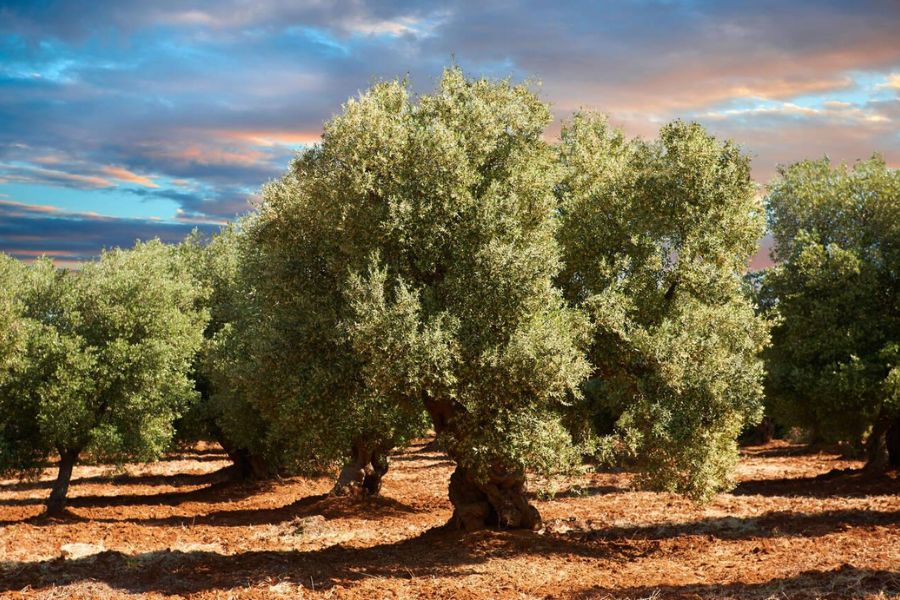
No matter where you look, olive trees dominate the Puglian landscape, creating a scene that’s barely changed since the Roman Republic expanded olive cultivation here between 266 BC and 27 BC.
The Timeless Olive Trees of Puglia
In Puglia, I stumbled on olive trees that have seen centuries pass, standing as living reminders of ancient farming traditions. These remarkable trees are more than just agricultural assets—they’re woven into the region’s identity.
Discovering Ancient Groves
When I first visited the old olive groves near Lecce, I just stood there in awe. These aren’t your typical farms—they’re open-air museums.
Some groves have hundreds of trees that the Puglia region has officially declared “monumental.” Masseria Brancati especially stood out to me, with about 1,000 ancient olive trees. Nearly 800 of these have monumental status.
Walking among them, I felt like I’d slipped back in time. The most impressive groves dot the region—from the rocky Gargano peninsula in the north to the sun-soaked plains of Salento in the south.
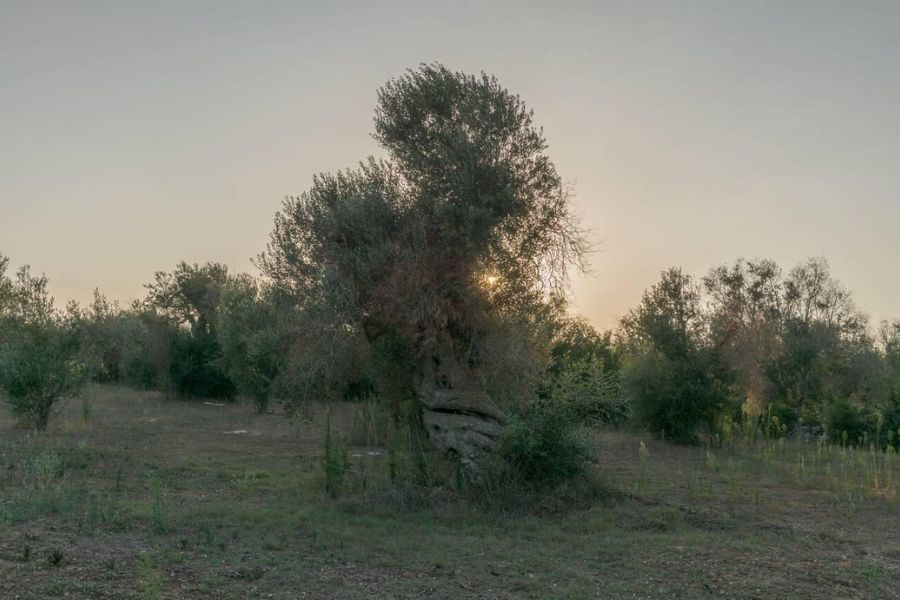
Local farmers often offer tours. You can touch these ancient trees and taste oil from olives that have been harvested for generations.
Legendary Trees Older Than Rome
Some olive trees in Puglia go back over 2,000 years—older than the Roman Empire itself! The “Millenari di Puglia” project works hard to identify and protect these ancient giants.
Touching their massive, twisted trunks, I felt connected to history. Many of these trees have enormous girths, their hollow, gnarled trunks telling stories of families who’ve harvested their fruit for centuries.
What really blew my mind? These ancient trees still produce olives! Even after all these years, many continue to bear fruit used in some of the world’s most prized olive oils.
Oldest Known Olive Trees in Puglia:
- 2000+ years: Several in Salento
- 1000+ years: Hundreds scattered across the region
- 500+ years: Thousands forming the backbone of traditional groves
How Olive Trees Shaped the Puglian Landscape
The olive groves of Puglia aren’t just fields—they define the landscape. When I flew into Bari, I couldn’t believe the endless silvery-green carpet stretching to the horizon.
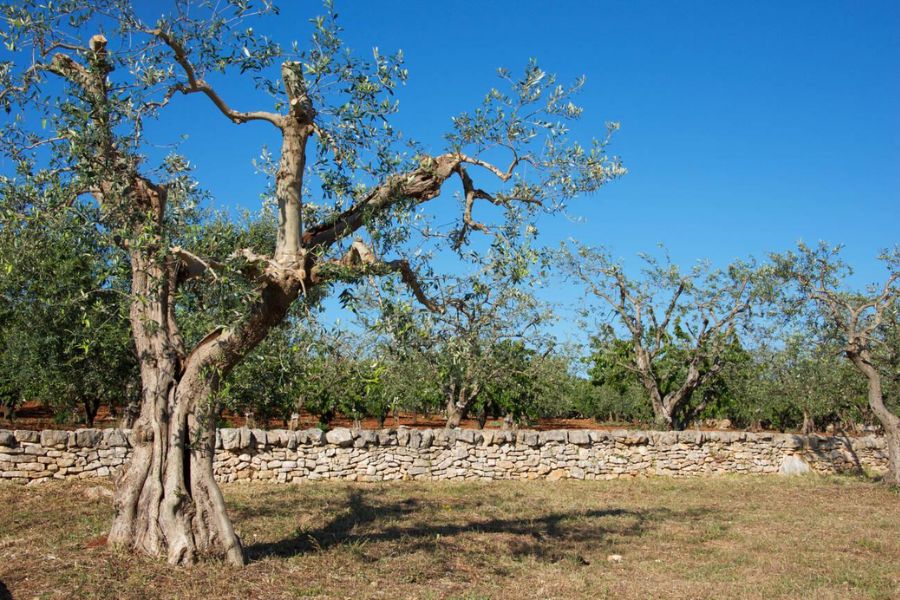
Farmers shaped the land itself. They built thousands of dry-stone walls to separate groves and terraced hillsides to squeeze out every bit of growing space. The red soil against the silvery leaves creates that classic Puglian look you see in so many photos.
Different olive varieties thrive in different areas. Near Taranto, you’ll spot the small Leccino olives, while in other spots, the huge Ogliarola trees dominate, their branches sprawling like sculptures against the sky.
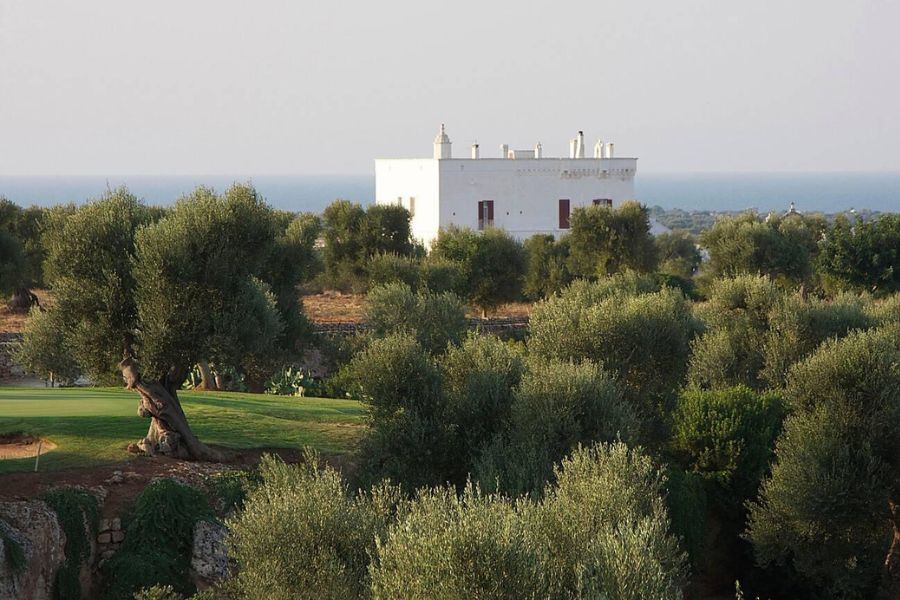
I’ve noticed these groves are more than just olive producers—they’re havens for wildlife, buzzing with birds and insects among the ancient trunks.
Roots of Ancient Agriculture in Southern Italy
Southern Italy’s farming roots run deep, with olive cultivation at the heart of its traditions long before Rome’s rise. People and the land built sustainable systems that have lasted for millennia.
Olive Cultivation Before and After the Roman Empire
Olives have thrived in Puglia since at least 1,000 BC, when ancient Greeks brought these tough trees here. Archaeologists found fossilized olive pits at Torre Canne dating back to Neolithic times, proof of even earlier human interaction with wild olives.
The Romans later standardized and expanded olive cultivation. They realized its value and developed the first systematic approaches, like pruning and pressing methods that farmers still use today.
After Rome fell, olive cultivation didn’t stop. The Byzantines and then the Normans kept it going. These trees have outlasted rulers, standing as living proof of the region’s agricultural continuity.
The Role of Coloni and Small Farms
Small-scale farmers, called coloni, shaped Puglia’s agricultural backbone. They worked plots of land and paid landowners with part of their harvest instead of money.
This system built close ties between farmers and their olive trees. Families often cared for the same groves for generations, learning everything about the soil, microclimates, and each tree’s quirks.
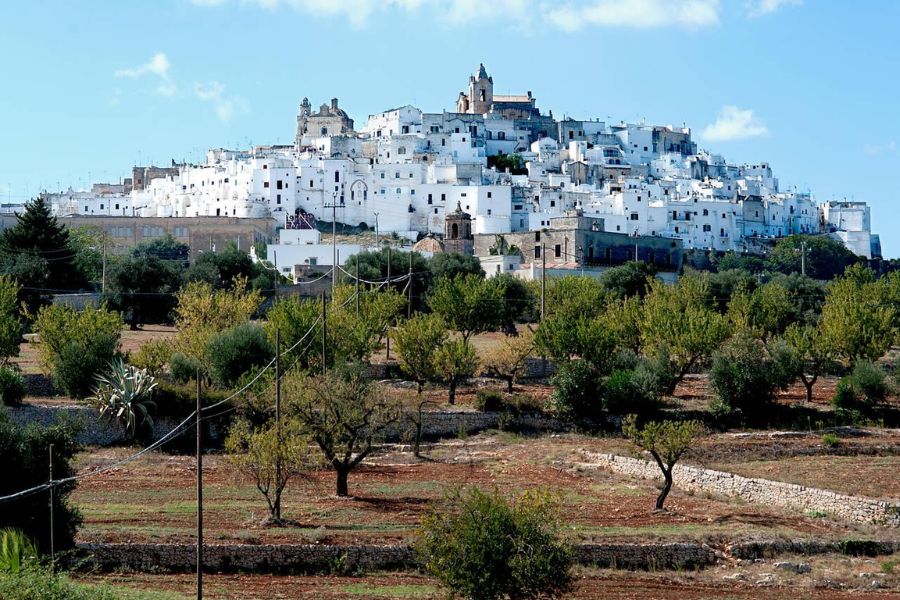
Unlike the huge latifundia (big estates) in other Roman regions, Puglia favored smaller, more intensively managed farms. This approach preserved biodiversity and protected the soil through careful land use.
Linking Olive Groves and Vineyards
Puglian farmers figured out clever polyculture systems. They often mixed olive groves with:
- Vineyards for wine
- Wheat fields between rows
- Vegetable gardens in the shade
This setup made the most of every bit of land and kept pests at bay naturally. Livestock grazed under the trees, trimming weeds and adding natural fertilizer, creating a sustainable cycle.
The timing of olive and grape harvests fit together perfectly. Grapes came first in summer, then olives in the fall, so families always had work and the land stayed productive.
Today, Puglia boasts over 60 million olive trees and leads Italy in extra-virgin olive oil production. The region keeps traditions alive that are truly older than Rome.
Olive Varieties, Farming Techniques, and Unique Challenges
Puglia’s ancient olive culture centers around certain varieties and time-tested farming methods. The region faces unique challenges that have shaped how people care for these trees.
Primary Olive Varieties of Puglia
Two main olive varieties rule the Puglian landscape. Ogliarola Salentina is the classic one here, famous for its twisted trunks that can live for thousands of years. These trees give medium-sized olives with a delicate, fruity taste—perfect for high-end oils.
Coratina is the other big name, known for bold flavor and lots of polyphenols. I’ve tried oils from Coratina olives, and they really pack a peppery punch that lingers in your throat—a sure sign of freshness.
Some trees around here are genetically distinct from modern varieties, a reminder of how olive cultivation has changed over centuries. Wandering these groves really does feel like time travel.
Traditional and Modern Pruning Methods
Pruning ancient olive trees isn’t easy. Local knowledge passed down through generations guides the process, with a focus on keeping the tree’s signature “twisted” look while letting in air and sunlight.
The vaso policonico (polyconic vase) pruning style is still the go-to for old trees. I watched skilled workers shape trees into open crowns with a few main branches, maximizing sun exposure.
Recently, more farmers switched to lighter annual pruning instead of heavy cuts every few years. This gentler approach keeps the old trees healthier and yields steadier crops.
Some still prune in winter during the waning moon, thinking it helps the tree hold onto its energy and lose less sap. It’s a mix of science and old-school folklore you’ll find all over Puglia.
Fertilizer Use and Soil Health
Soil care around ancient olive trees balances tradition with sustainability. Many growers let ground cover plants grow between the trees to stop erosion and boost biodiversity.
Organic fertilizing is the norm in heritage groves. I’ve seen farms use:
- Composted olive pomace (the leftovers from pressing)
- Sheep and goat manure
- Green manure crops, like legumes, plowed back into the earth
They generally avoid chemical fertilizers near the oldest trees, since those can mess with the delicate root systems and soil microbes that keep these giants going.
Water is another big hurdle. Most old groves rely on rainfall, having adapted to Puglia’s dry climate over centuries. But longer droughts tied to climate change are making things tougher.
Battling Pests: Olive Fly, Xylella Fastidiosa, and Vectors
Xylella fastidiosa, a nasty bacterial disease first spotted in 2013, has become the biggest threat to Puglia’s ancient olive trees. It’s wiped out millions of trees, especially in the Salento area.
Meadow spittlebugs spread Xylella, and the disease dries trees from the inside out. I’ve seen entire groves turn from lush, green havens into ghostly forests of dead trunks—a heartbreaking sight for locals who depend on these trees.
Farmers fight back by:
- Regularly checking for symptoms
- Removing infected trees
- Managing ground vegetation to control bugs
- Creating buffer zones between healthy and infected areas
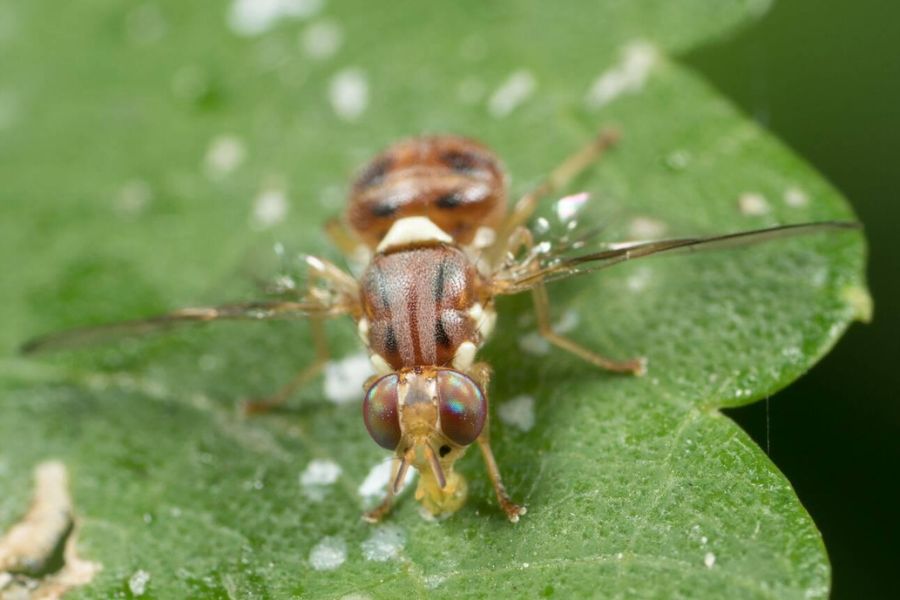
The olive fly (Bactrocera oleae) is another tough pest, especially for organic growers. Farmers use traps, good bugs, and careful harvest timing to protect fruit quality.
Harvesting Rituals and Olive Oil Craftsmanship
In Puglia, olive harvesting and oil-making follow traditions passed down for generations. Old-school methods blend with modern techniques to produce some of Italy’s best olive oils.
The Olive Harvest: From Grove to Frantoio
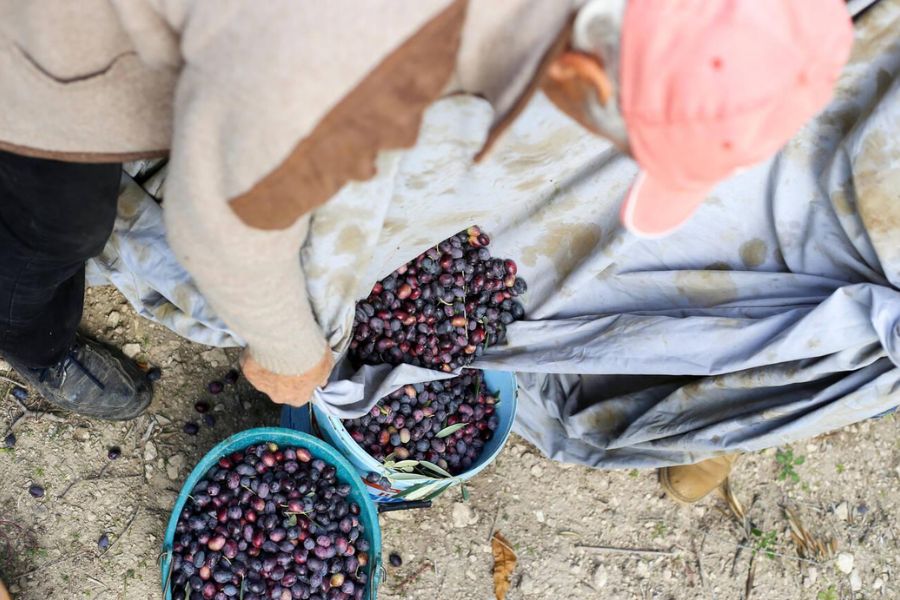
Harvest season kicks off in October and usually runs into December. I’ve watched families gather before sunrise, laying nets under the ancient trees to catch the olives.
Many still use wooden sticks to gently knock olives from the branches—a technique called “bacchiatura” that’s been around for ages.
The harvest is still a community affair. Families work together, swapping stories and singing songs as they pick. Kids learn from grandparents, keeping the old ways alive.
Once picked, olives need to reach the frantoio (mill) within 24 hours. This quick turnaround is crucial for keeping the fruit fresh and the oil top-notch.
Centrifuge Machines and Traditional Presses
In Puglia, you’ll find both old and new oil-making techniques side by side. Traditional stone mills (molazze) crush olives into a paste, which is then spread onto fiber discs called fiscoli before pressing.
I visited a family-run frantoio near Ostuni where they showed me their century-old wooden press. Slow, steady pressure squeezes out oil and water, which naturally separate.
Modern mills use stainless steel centrifuges that spin out the oil much faster. This method keeps more polyphenols and antioxidants in the oil.

Traditional presses give the oil a distinct character, while centrifuges offer consistency and higher yields. Both have their fans, and honestly, each has its own charm.
How Oil Production Determines Olive Oil Quality
The journey from olive to bottle makes a huge difference in quality. The best extravergine olive oil comes from a single, cold pressing—meaning the olives are pressed once at temps below 27°C (80°F).
Timing is everything. Olives pressed within hours of picking produce oils with lower acidity—a key sign of quality. The finest Puglian oils often have acidity below 0.3%, way under the 0.8% cutoff for extra virgin.
Puglia’s climate and soil give its oils unique flavors. Taste tests reveal notes of artichoke, almond, and fresh grass, depending on where the olives grew.
The most dedicated producers avoid chemicals and stick to mechanical methods, turning out pure olive oils that really showcase the region’s heritage.
Puglia’s Extra Virgin Olive Oil: Flavors, Uses, and Culinary Traditions
Puglia’s olive oil is often called “liquid gold,” and honestly, it lives up to the hype. The region’s climate and ancient trees create oils with flavors that define local cooking.
Extra Virgin Olive Oil: What Makes It Special
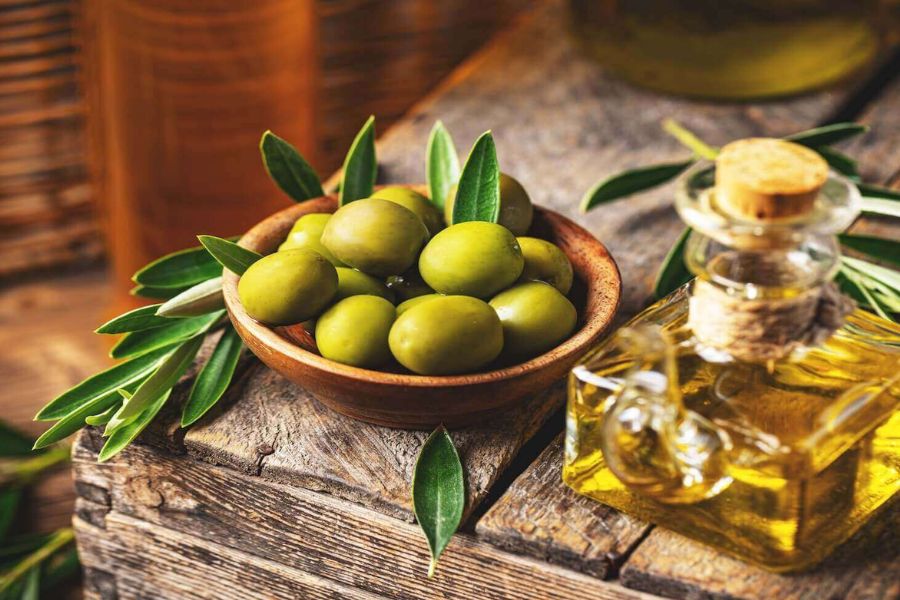
Puglia’s extra virgin olive oil bursts with intense, fruity flavor and a gorgeous green-gold color. The first time I tasted real Puglian oil, the peppery finish caught me off guard—a tingling in the throat that means it’s rich in polyphenols and antioxidants.
The region produces about 40% of Italy’s olive oil, with many trees hundreds or thousands of years old. These ancient trees create flavor profiles you simply can’t copy anywhere else.
Local producers still harvest many olives by hand or with small rakes, preserving the fruit’s quality. The best oils are cold-pressed quickly to lock in flavor and nutrition.
Key Varieties in Puglia:
- Coratina: Bold, fruity, and a little bitter
- Ogliarola: Milder and sweeter
- Cellina di Nardò: Has a unique almondy aftertaste
Olive Oil for Frying and Cooking
If you peek into Puglian kitchens, you’ll see olive oil used for everything. Despite what some say, extra virgin olive oil handles heat just fine.
The oil’s high smoke point makes it perfect for frying local favorites like panzerotti and polpette. I’ve watched cooks start nearly every dish with a sizzle of olive oil, garlic, and chili—simple, but so flavorful.
For marinating, Puglian oil works wonders with fresh fish and meat. Its strong flavor soaks in deep, making dishes richer before they even hit the pan.
Pairing Olive Oil with Orecchiette and Burrata
Puglia’s beloved pasta, orecchiette (little ears), almost demands the region’s olive oil. These hand-shaped cups scoop up oil and simple toppings beautifully.
My favorite? Tossing orecchiette with broccoli rabe, garlic, and a big splash of local oil. The slight bitterness of the greens and oil balance each other perfectly.
Burrata—Puglia’s creamy cheese—really shines with quality olive oil. The best way to eat fresh burrata is at room temp, drizzled with fruity extra virgin oil, a bit of sea salt, and maybe some ripe tomatoes.
For an easy, unforgettable appetizer, I like to serve burrata with crusty bread and let guests mix the cheese and oil themselves.
Exploring Puglia: Where to See Ancient Olive Trees
Puglia’s ancient olive trees form living sculptures across the region, some older than 2,000 years. These twisted giants aren’t just agricultural marvels—they’re living history, predating even the Roman Empire.
Olive Groves of Lecce
The countryside around Lecce has some of Italy’s most stunning olive groves. I found millennium-old trees with trunks so gnarled they looked like works of art.
The Plain of Olives (Piana degli Ulivi) stretches across this area, painting a silvery-green landscape that feels almost otherworldly. Farms like Masseria Brancati welcome visitors to stroll among trees that have produced oil since before Christ.
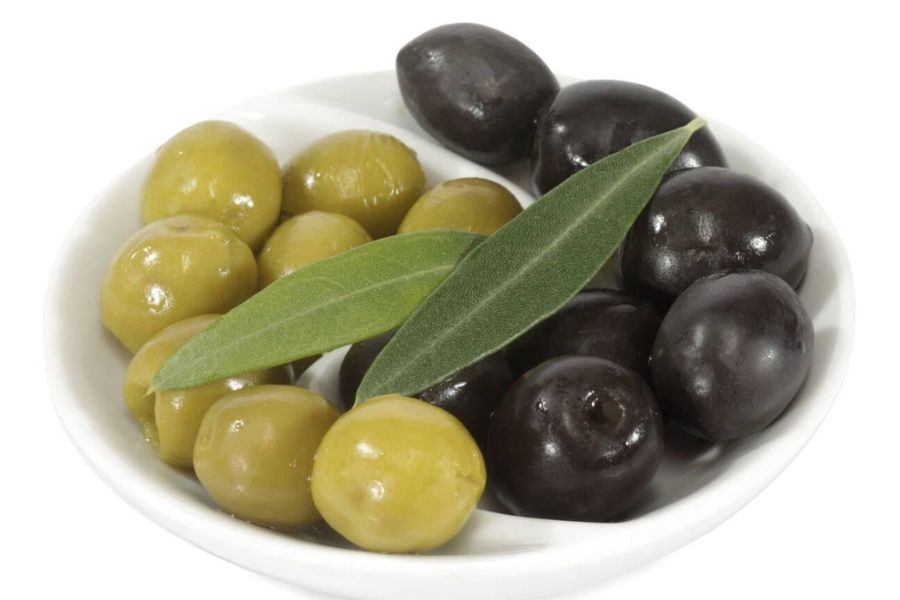
Touching trees that have stood through empires rising and falling left me speechless. The light in this region is magical—golden rays shining through silver leaves, a photographer’s dream, especially in the late afternoon.
Bari’s Living Agricultural Heritage
Bari province boasts some of Puglia’s most impressive olive groves, with trees that look like ancient sentinels. The stretch between Monopoli and Carovigno is packed with spectacular specimens.
If you’re near Ostuni, check out the groves where some trunks measure over 10 meters around. Local guides can point out trees that have been producing olives for more than a thousand years.
These aren’t just museum pieces—they’re still working trees. Many farms harvest olives from these giants, making unique “millennial olive oils” with incredible flavors.
The contrast of red soil and silver leaves makes for striking photos, especially early in the morning.
Gallipoli, Gargano, and Other Iconic Landscapes
The countryside around Gallipoli offers breathtaking groves with the Ionian Sea as a backdrop. I spent a morning wandering groves where farmers said some trees were planted by Greek settlers.
In Gargano, the northern tip of Puglia, olive groves climb terraced hillsides. The microclimate here creates trees with wild, spiral trunks that almost seem to dance.
Don’t miss the Salento peninsula, where the land narrows between two seas. The constant wind here shapes trees into wild forms that locals call “the thinking trees” for their human-like shapes.
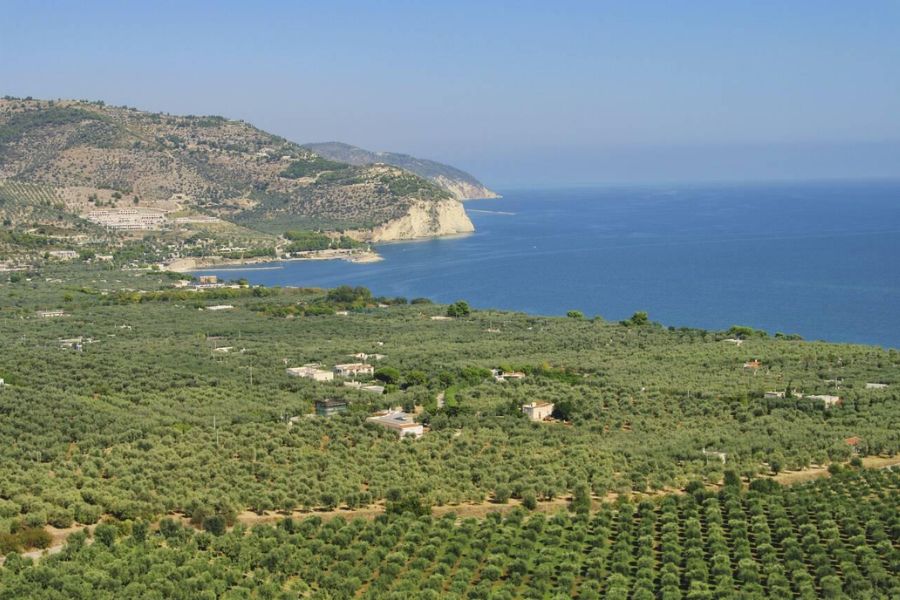
The groves near Polignano a Mare are another must-see, where ancient trees frame Adriatic views.
Travel Tips: Experiences, Photos, and Videos
Many olive estates offer guided tours explaining cultivation methods that haven’t changed for centuries. I recommend booking ahead at places like Masseria Brancati or other estates focused on ancient tree conservation.
The best light for photos comes early or late in the day, when the sun throws dramatic shadows across the trunks. Bring a wide-angle lens to capture these giants in all their glory.
Try an olive oil tasting tour to sample oils from trees of different ages. The flavor difference between oil from 100-year-old and 1,000-year-old trees is honestly surprising.
If you’re into video, time-lapse shots of shifting shadows on the trunks can be stunning. Visit in spring for fresh growth or in fall during harvest for the most action.
Above all, remember these trees are living monuments—some have survived more generations than we can really grasp.
