
Stepping onto Ortigia honestly feels like stepping back in time. This tiny island connects to mainland Syracuse with just two short bridges, and I felt its pull the moment I crossed over.
Ortigia sits at the core of Syracuse, Sicily. Greek colonists first settled here, building temples to Athena and Apollo—somehow, those ancient stones still stand today. As I wandered the whitewashed streets, I could sense the layers of history underfoot. It’s wild to realize this small patch of land, only 1 km long and 600 meters wide, has hosted people for thousands of years.
The island’s size makes it perfect for exploring on foot. I spent hours getting lost in narrow alleyways that suddenly open into bright piazzas.
Around every corner, I found another architectural gem. The ancient Greek influence flows right into Roman, Byzantine, Norman, and Baroque touches, so the whole place feels like a living, breathing museum.
But what really sets Ortigia apart isn’t just its ancient temples or those sea views—it’s the sense of daily life pulsing through the old stones. Locals shop at the bustling morning market, elderly neighbors chat in doorways, and cafés stay lively late into the night.
Some historic centers feel frozen in time, but Ortigia doesn’t. Here, history isn’t just preserved—it’s lived, every single day.

Ortygia’s Origins: Birth of a Greek Island Heart
Ortygia’s story starts with ancient Greek colonists who saw promise in this little limestone island. Its spot in the Mediterranean made it a smart place to settle, and it soon grew into one of the region’s most powerful cities.
Founding of Ancient Ortygia
During my visit, I learned that Ortygia’s roots go back to the 8th century BCE. Greek settlers from Corinth, led by Archias, landed here and made Syracuse with Ortygia at its heart.
The island’s natural harbor and its defensible position made their choice easy. As I walked these ancient streets, I could imagine how those first Greek structures laid the groundwork for a thriving city.
The original settlement hugged the water, compact and easy to defend. Archaeologists have found evidence that these colonists quickly built temples, markets, and walls.
Within just a century, Syracuse expanded from this tiny core into one of the most powerful Greek colonies in Sicily, even rivaling Athens at its peak.
Transformation Into Syracuse’s Old Town
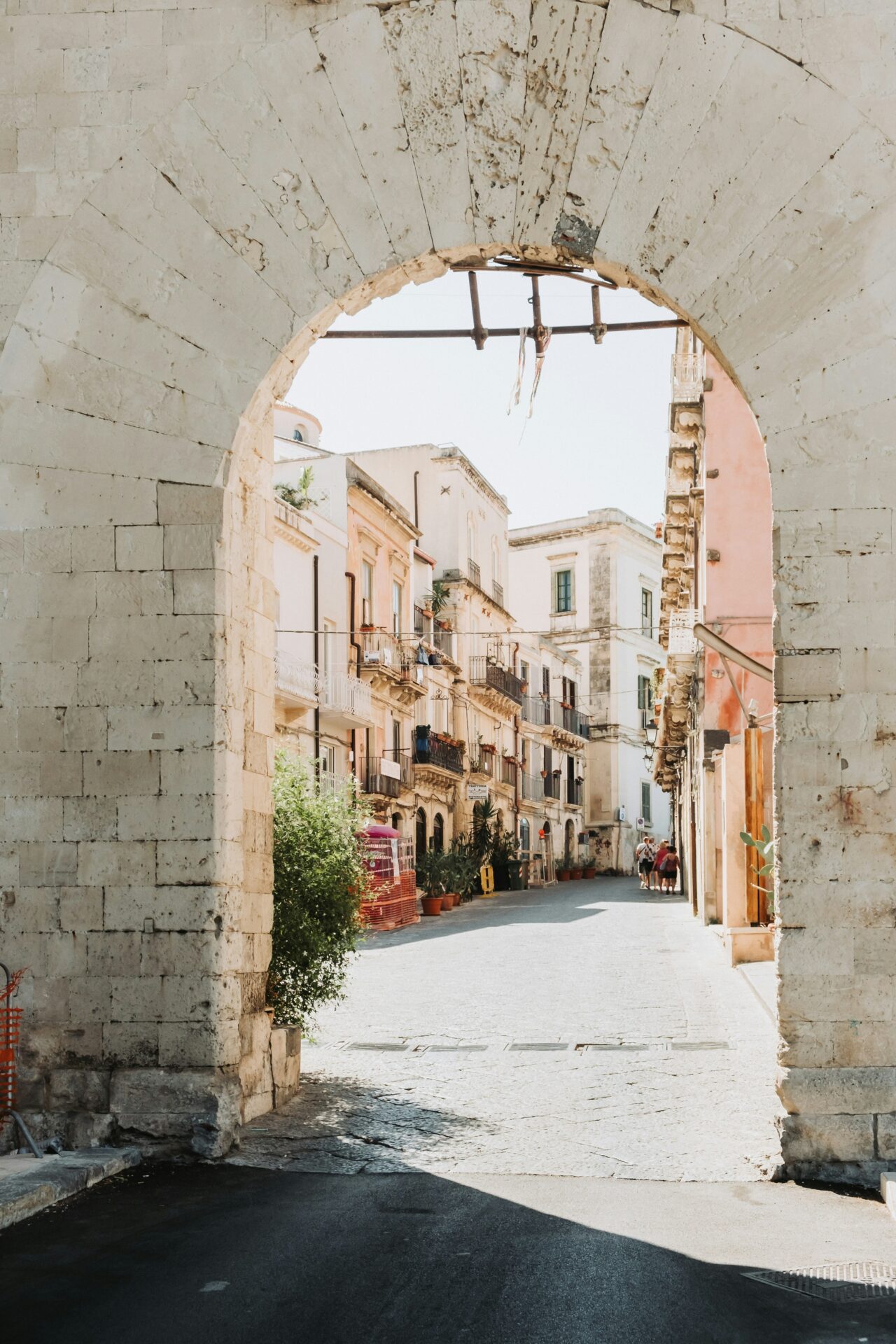
As I explored Ortygia’s medieval lanes, I noticed how the island slowly changed from a Greek colony into what locals call “Città Vecchia”—the Old City.
This transformation unfolded over centuries. During Roman times, Ortygia stayed important as Syracuse’s administrative hub.
Afterward, Byzantine, Arab, Norman, and Spanish rulers all left their fingerprints on the island’s buildings and traditions.
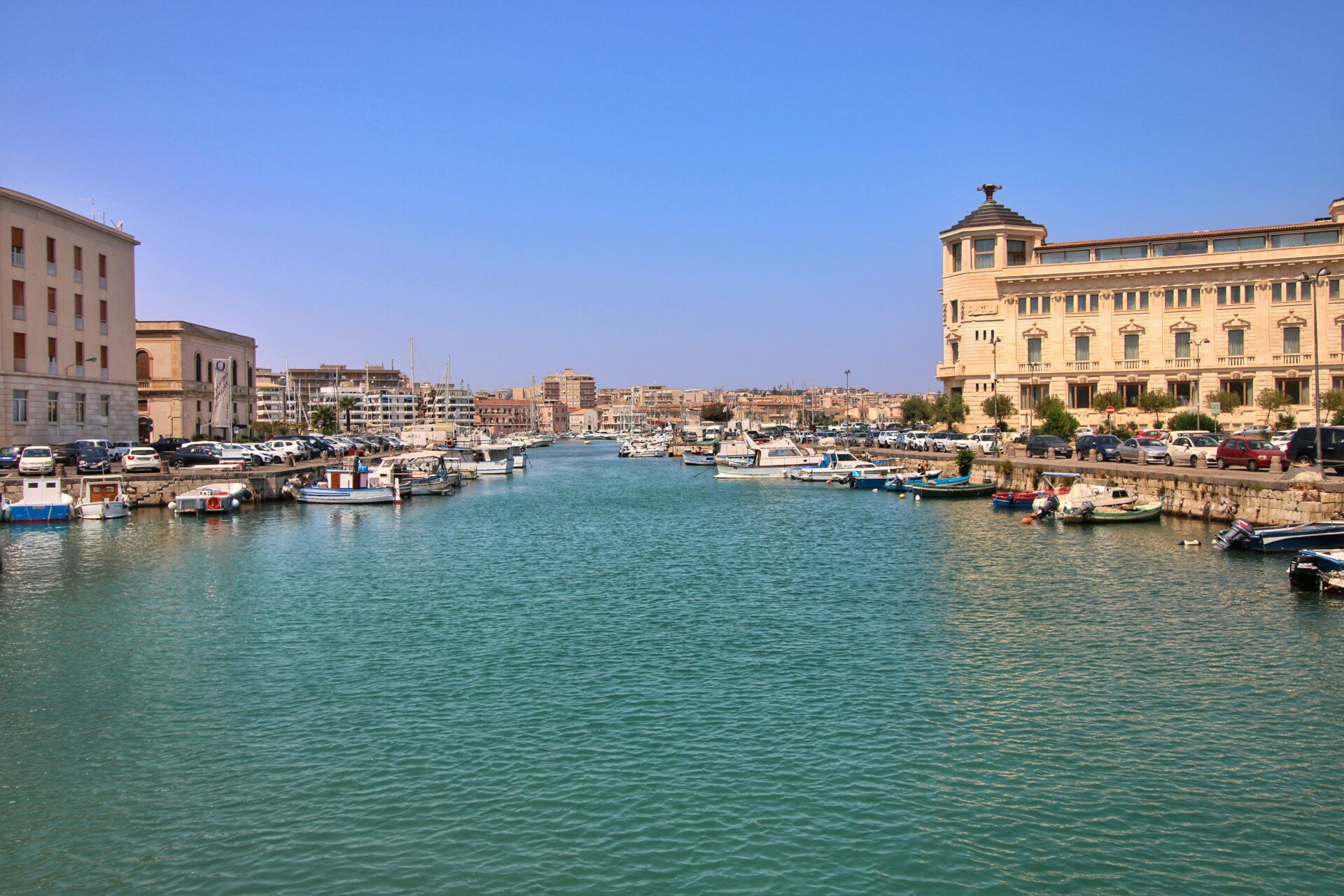
The two bridges linking Ortygia to mainland Syracuse now replaced older, more defensive crossings. What once protected the island now just adds to its quirky charm.
What really surprised me was how Ortygia shifted from a fortress into a cultural jewel. Today’s baroque buildings often stand right on top of Greek foundations, so you get this amazing layering of history.
Legends of Arethusa and Sanctuary
The Fountain of Arethusa sits at the island’s edge and remains one of my favorite spots. It’s tied to a Greek myth: the nymph Arethusa, chased by the river god Alpheus, fled under the sea from Greece to Sicily.
She emerged here as a freshwater spring. Believe it or not, you can still see this spring bubbling up today. Papyrus plants grow in the water—it’s the only place in Europe where they grow wild.
The Greeks held this spot sacred and built sanctuaries nearby. I wandered through the Temple of Apollo, Sicily’s oldest Doric temple, and felt the island’s deep religious roots.
Ortygia became a sanctuary in every sense—a safe haven both physically and spiritually.

Architectural Marvels and Ancient Ruins
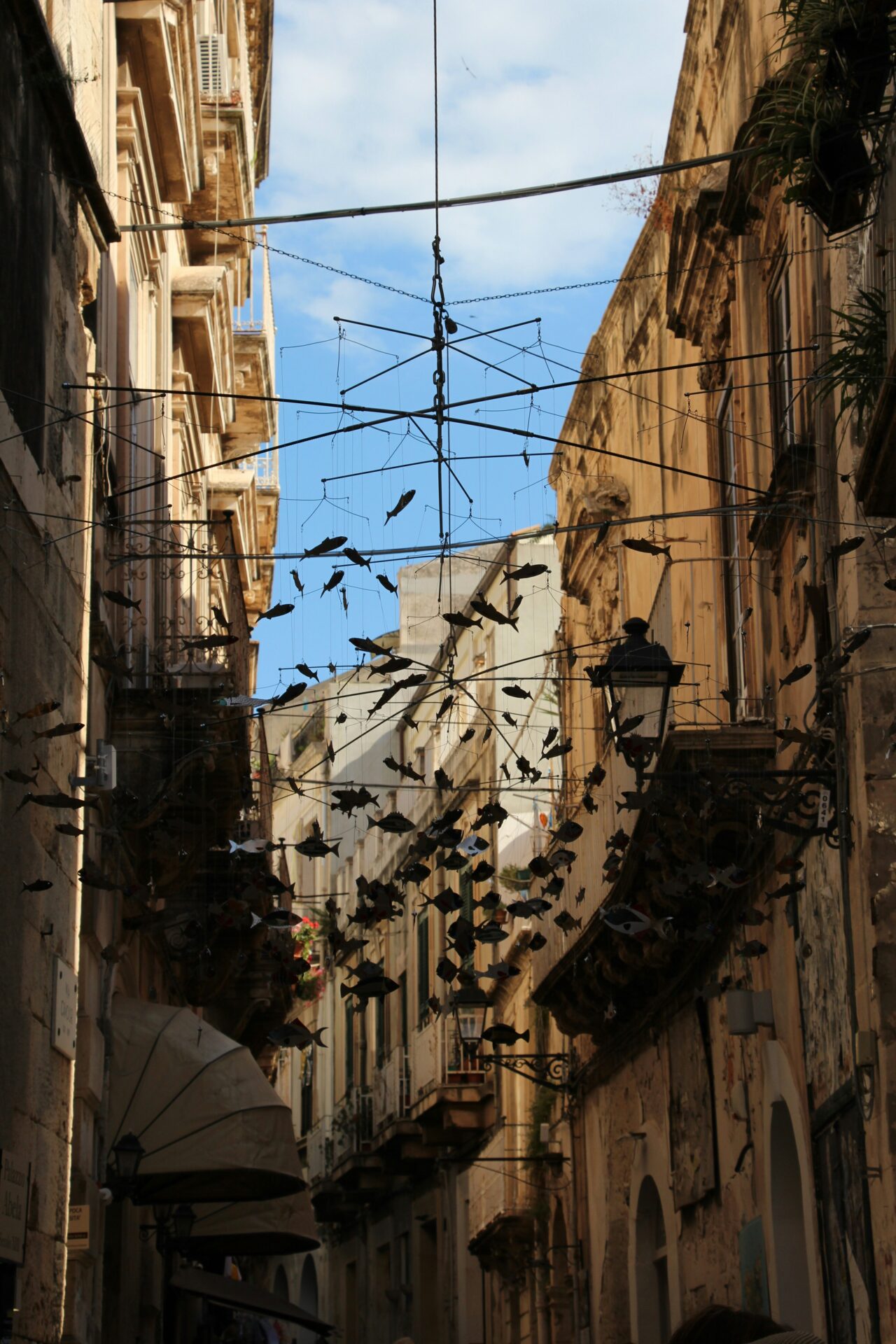
Walking through Ortygia, I felt like I was flipping through a history book. Ancient Greek ruins stand shoulder to shoulder with Baroque palazzi, all along those winding streets.
Greek Temples and Doric Columns
Ortygia’s Greek heritage hits you right away. Massive Doric columns still stand tall across the island.
As I strolled the old town, I kept running into these ancient pillars—some jutting out from newer buildings, others standing alone in courtyards.
Greek builders loved the sturdy Doric style for their temples, and Ortygia has some of the best examples around. The columns, with their simple capitals and fluted shafts, really define the island’s look.
What’s wild is how these ruins blend into daily life. You might be shopping for bread and suddenly find yourself face-to-face with a 2,500-year-old column.
Temple of Apollo and Temple of Athena
The Temple of Apollo greets you right at Ortygia’s entrance. Built in the 6th century BCE, it’s one of Sicily’s oldest Doric temples—maybe even the oldest in all of Greece.
Those massive columns still standing after all these centuries blew me away. Sure, only parts remain, but you can picture how grand it must have been.
Over time, the temple became a Byzantine church, then an Islamic mosque, and later a Norman church. Layers on layers.
The Temple of Athena, now part of the island’s Cathedral, is another treasure. If you visit the Duomo, look for the ancient Doric columns hidden inside the cathedral walls. It’s amazing to see how each civilization built on the last instead of starting over.
Baroque Facades and Cathedral Piazza
After a devastating earthquake in 1693, Ortygia got a serious makeover in the Baroque style. Now, honey-colored limestone buildings with fancy balconies and ornate details line the streets.
The Cathedral Piazza is the showstopper. You wander through tight lanes and suddenly step into this glowing square, with the Duomo’s grand facade taking center stage. I say go at sunset—the golden stone looks almost magical.
The Cathedral itself is a patchwork of history. It started as the Temple of Athena, became a Byzantine basilica, later a mosque, and finally got its Baroque facelift. You can spot elements from every era in one building.
Other Baroque gems worth seeing:
- Church of Santa Lucia alla Badia
- Palazzo Beneventano
- Church of San Martino

Exploring Archaeological Wonders
Syracuse’s ruins tell the story of an ancient city that once competed with Athens. The remains are so well preserved, you can almost picture life here centuries ago and get a sense of how its ancient inhabitants lived.
The Greek Theatre and Aeschylus
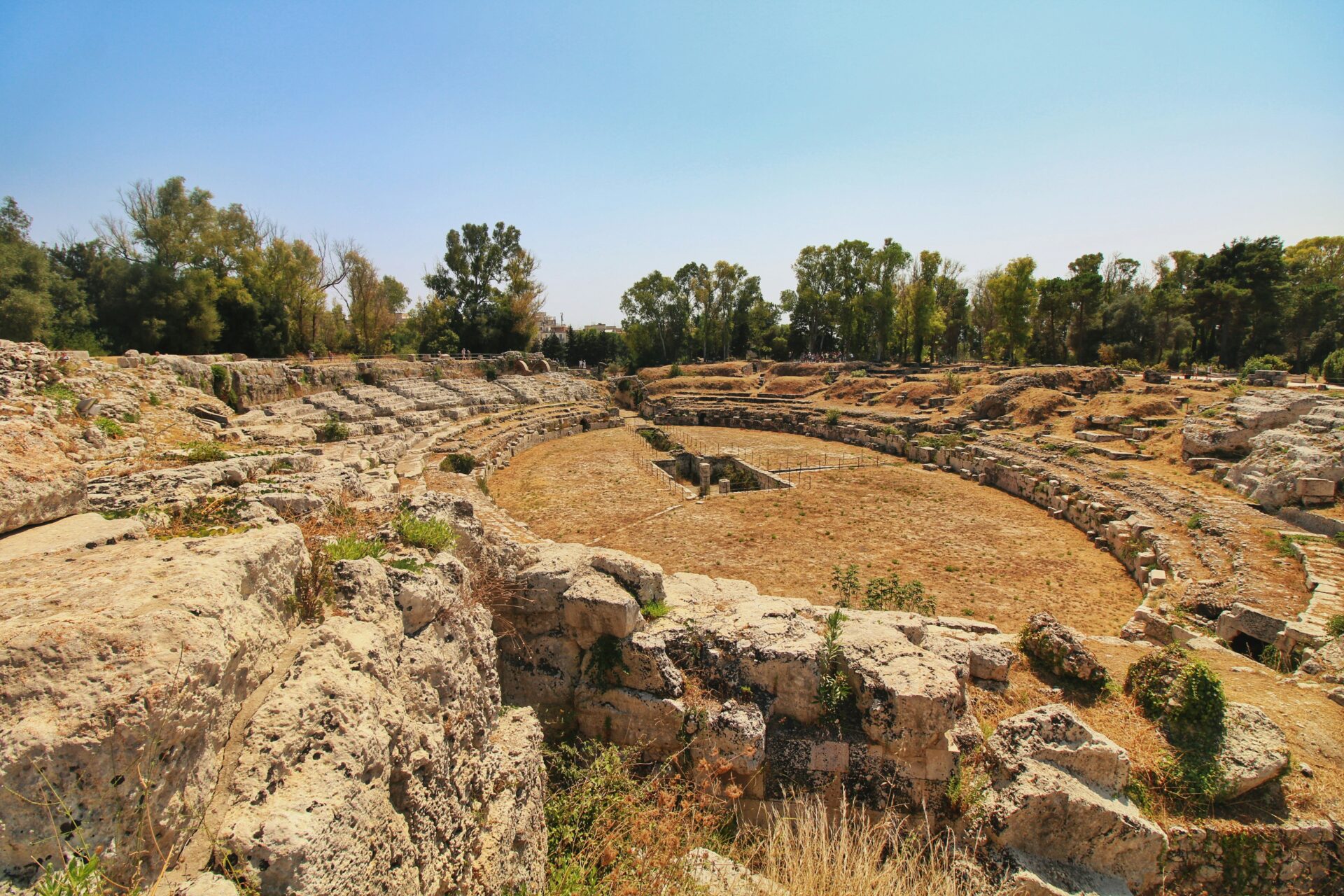
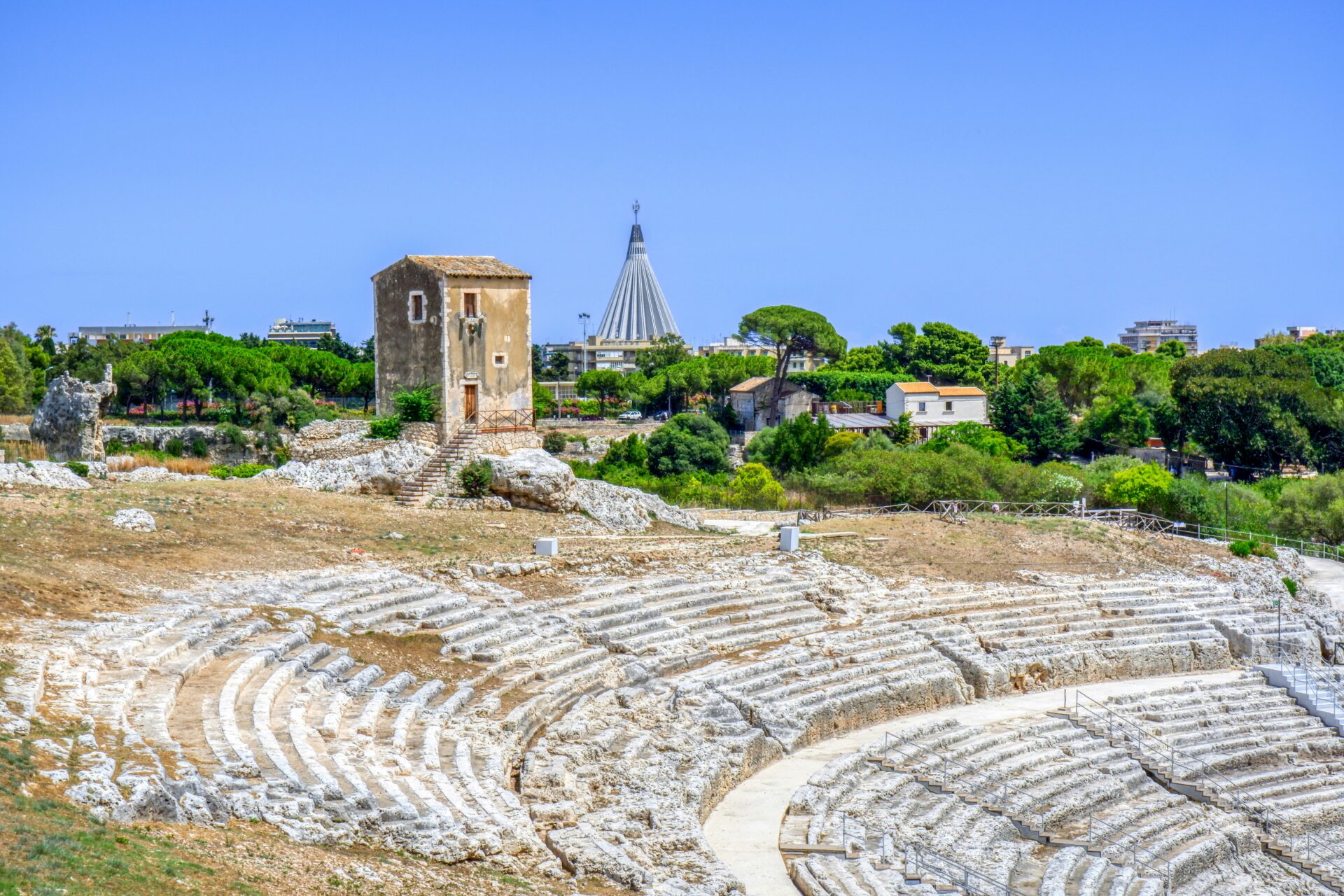
In the Archaeological Park of Neapolis, I made a beeline for the Greek Theatre. Built in the 5th century BCE, this huge semicircular arena could hold up to 15,000 people.
What makes it extra special? Aeschylus, the legendary playwright, debuted his play “The Persians” here in 472 BCE. Sitting on those ancient stone seats, I could almost hear the crowds reacting to his words.
The theatre is carved right into the hillside, just like the Greeks liked to do. Even now, the acoustics are incredible—a whisper on stage can reach the top rows.
Every summer, they still put on Greek plays here. It’s a rare chance to connect with the past in a real, tangible way.
Ara of Ierone and Ancient Altars
Next to the theatre, I found the massive Ara of Ierone II—an altar dedicated to Zeus. This thing is enormous: 198 meters long and 23 meters wide, making it one of the biggest ancient Greek altars ever built.
King Hieron II had it constructed around 240-215 BCE. Back then, they sacrificed 450 bulls here each year to honor Zeus. Only the foundation survives now, but you still get a sense of its scale.
There are smaller altars nearby too, all showing how important religious rituals were in ancient Syracuse. I lingered over the detailed stone carvings—they show scenes of offerings and ceremonies.
The Ara stands out as a pure Greek monument, unlike the nearby Roman amphitheater, which came later and changed the city’s vibe.

Life and Culture of Ortygia Today
Every time I wander through Ortygia, I’m struck by how this ancient island blends its deep history with a lively, modern spirit. Locals and visitors fill the sunny piazzas, creating a bustling atmosphere that’s both Sicilian and cosmopolitan.
Art and the Vibrant Cultural Scene
Ortygia’s artistic energy always surprises me. Old churches and palazzos now host modern art shows, so you get these cool contrasts between eras.
The Galleria Regionale di Palazzo Bellomo holds a fantastic collection of Sicilian art, spanning centuries. If you love art, don’t skip it.
Street performers often fill the piazzas, especially on warm evenings. I’ve stumbled into impromptu concerts in Piazza Duomo where everyone—locals and tourists—joined in the fun.
Many artists keep studios tucked away in the narrow lanes. I’ve found beautiful handmade jewelry, ceramics, and paintings just by following my curiosity.
Unwinding on Corso Vittorio Emanuele
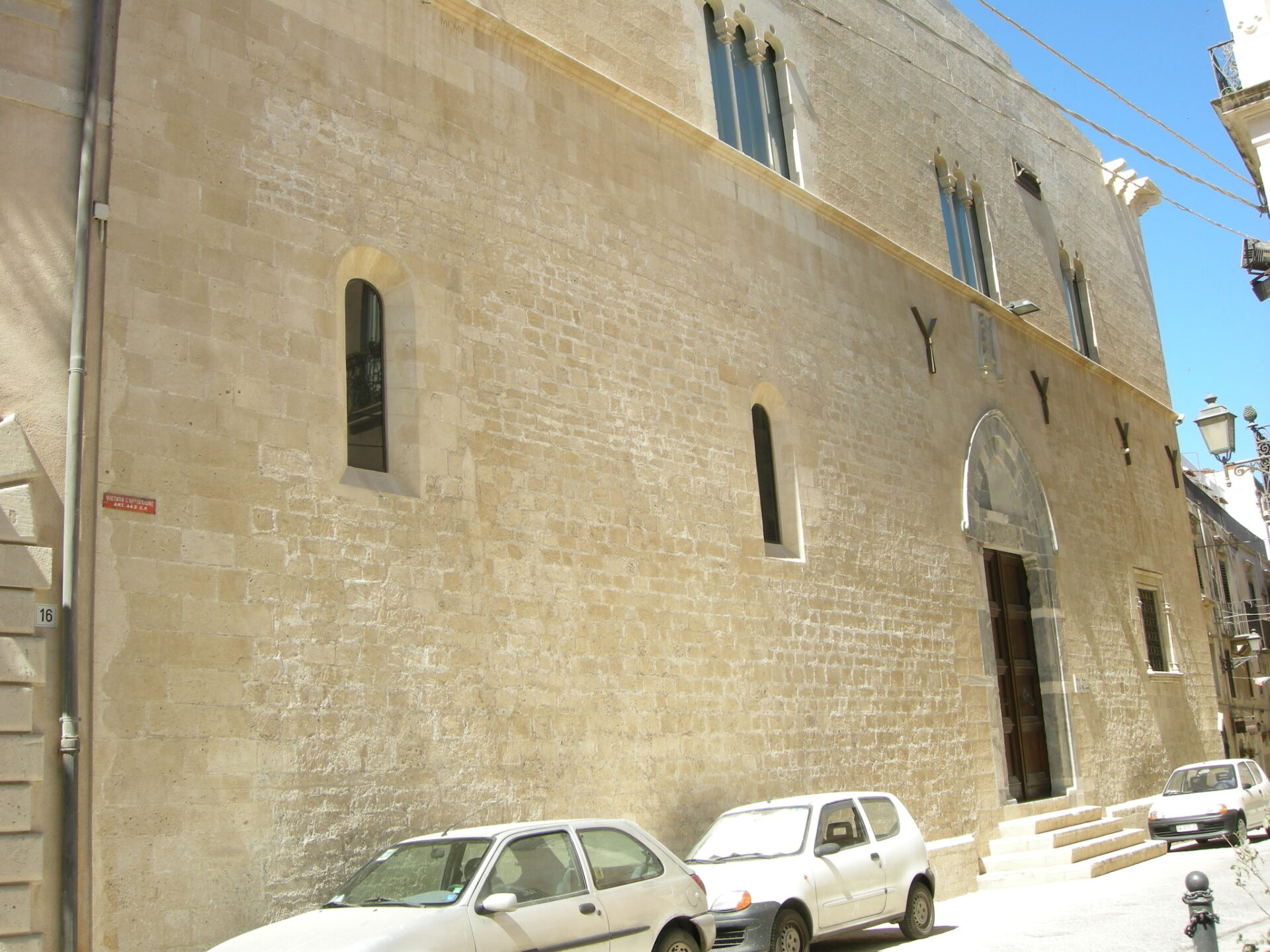
Corso Vittorio Emanuele cuts through Ortygia and remains my favorite spot for people-watching. This pedestrian street runs from the mainland bridge all the way to the island’s southern tip.
In the mornings, I grab a cappuccino at a sidewalk café and watch the town wake up. Locals chat, business owners set up shop, and the whole place feels alive.
The evening passeggiata is a highlight. Families, couples, and friends stroll the Corso, stopping to greet neighbors or browse the shops.
The street links landmarks like the Temple of Apollo and Piazza Archimede, but honestly, the real magic is in the small details—the gelato stands, the bookshops, and those surprise glimpses of the sea.
Local Sicilian Cuisine Experiences
Ortygia’s food scene mixes classic Sicilian dishes with fresh twists. Restaurants here serve up flavors that tell Sicily’s multicultural story.
Seafood rules the menus—I’ve had swordfish, sea urchin, and red prawns, all simply prepared to let the freshness shine. Some places even let you pick your fish right from the display.
The Ortygia Market is a sensory overload every morning. Vendors call out their wares—produce, cheeses, spices, and seafood. I love grabbing picnic supplies:
- Caciocavallo cheese
- Sun-dried tomatoes
- Local pistachios
- Fresh bread
You’ve got to try arancini (fried rice balls) from the little take-away spots. For dessert, cannoli stuffed with ricotta or a cup of icy granita will cool you down on a hot afternoon.

Travel Tips and Iconic Sights
To really soak in Ortigia’s history and views, a little planning goes a long way. The island’s small enough to cover on foot, but knowing which sights to focus on makes a big difference.
Planning a Guided Tour
I always suggest booking a guided tour if you can. Local guides bring the streets to life with stories you’d never find on your own.
Most tours last 2-3 hours and hit the main historic spots. Mornings are best—the honey-colored buildings glow in the early light.
I found several good companies offering walking tours for about €25-35 per person. Some even throw in tastings of local specialties.
If you want something more personal, private guides can tailor the experience to your interests. Expect to pay €70-120 depending on the group and length.
On a tight budget? The tourist office near the Temple of Apollo hands out free maps with self-guided walking routes.
UNESCO World Heritage and Not-To-Miss Nearby Sites
Ortigia is part of Syracuse’s UNESCO World Heritage designation, which really says a lot about its cultural importance. The Duomo stands out—this cathedral sits right on top of an ancient Greek temple, and you can actually spot the old Doric columns in its walls.
Just head across the bridge to mainland Syracuse and you’ll reach the Archaeological Park of Neapolis. The Latomia del Paradiso (Paradise Quarry) hides the well-known Ear of Dionysius, a cave with acoustics so good it turns whispers into echoes.
The Greek Theater dates back to the 5th century BCE and, believe it or not, still hosts summer performances. I couldn’t help but feel impressed by how much of it has survived after 2,500 years.
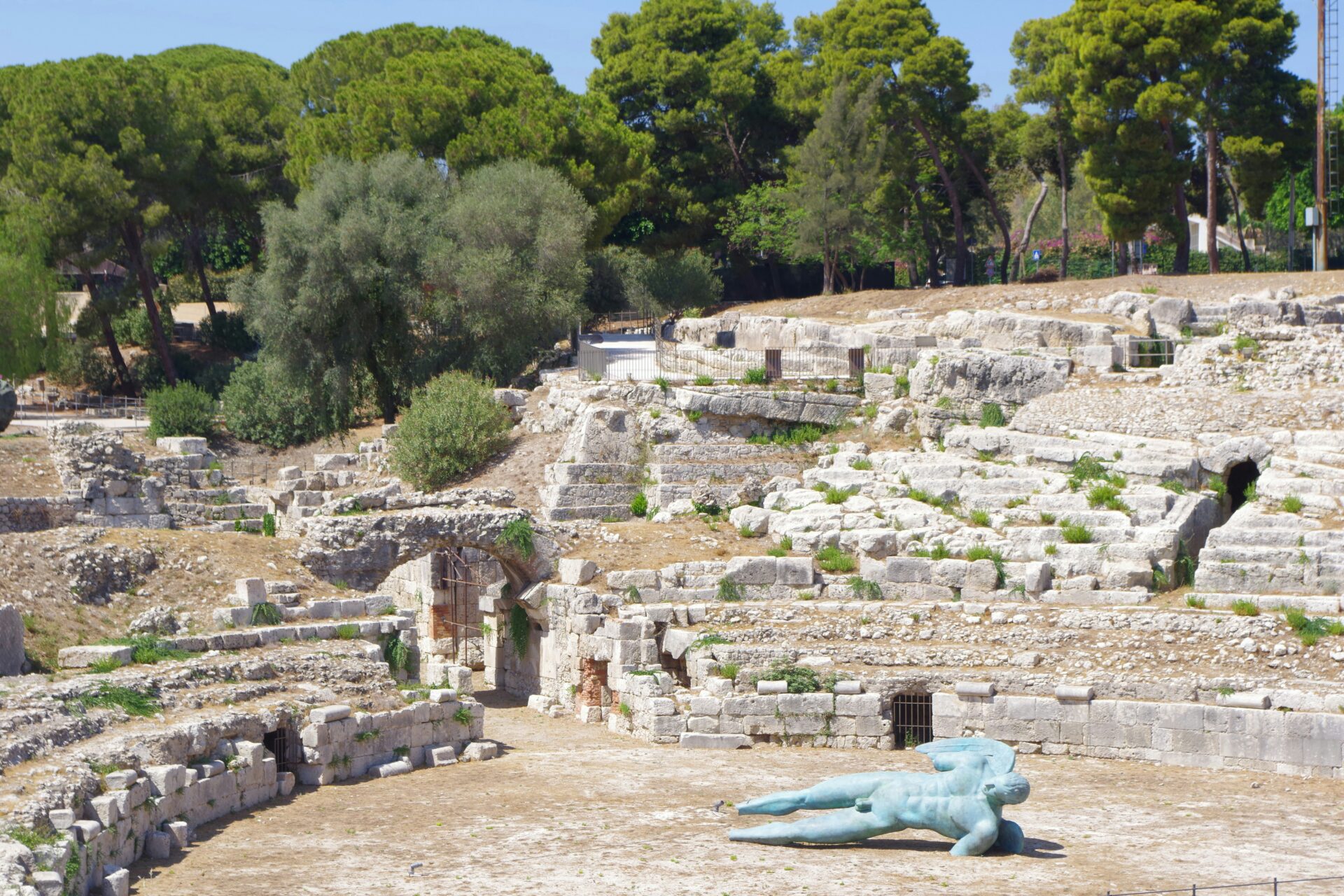
You’ll also find the Roman Amphitheater nearby, where crowds once cheered on gladiators.
Day Trips: Noto and the Mediterranean Shoreline
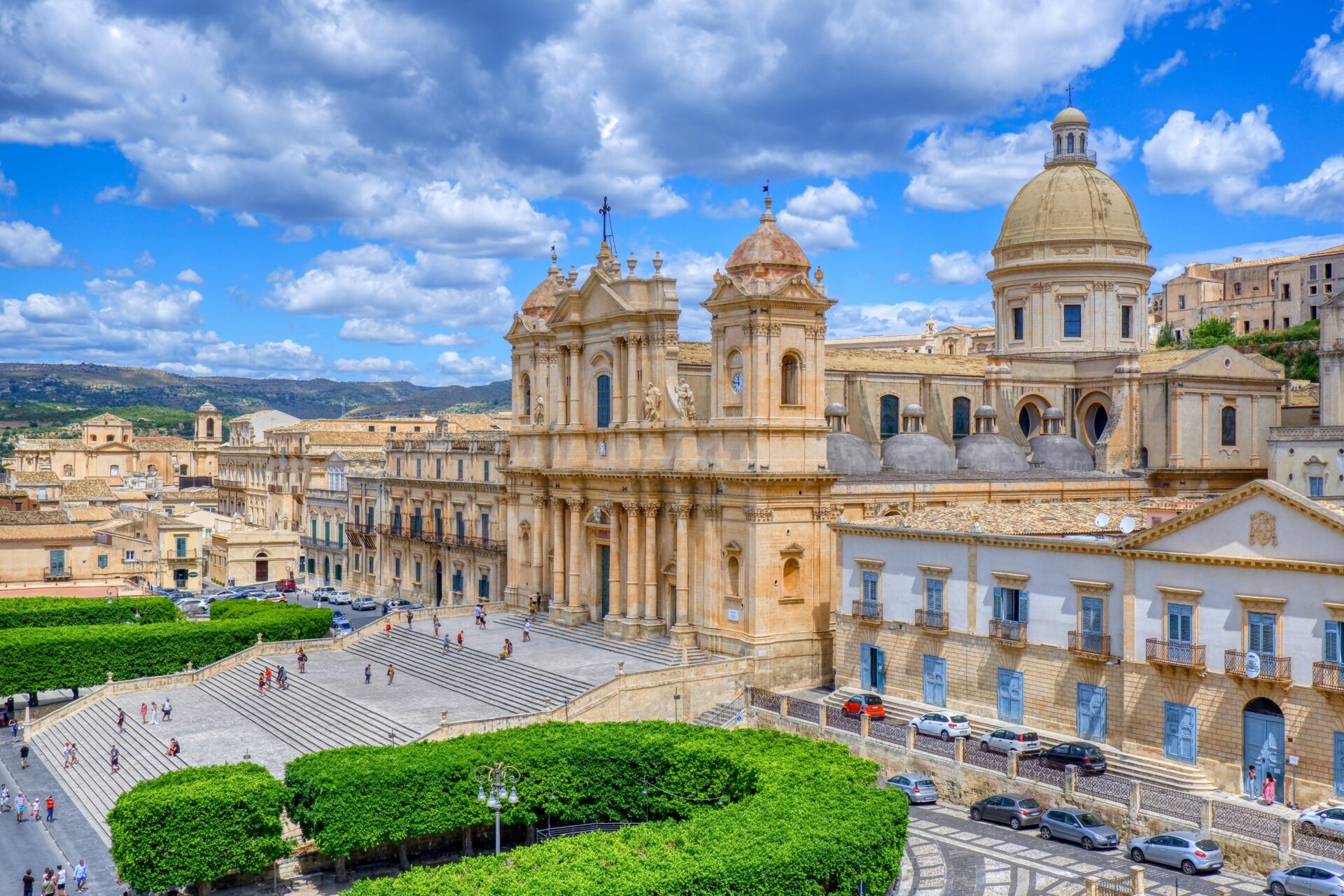
Noto sits just 40 minutes south of Syracuse and makes for a great day trip. After the 1693 earthquake, people rebuilt the town from scratch, and now its golden limestone buildings line streets that feel almost too perfect.
Try to get to Noto by mid-morning. Spend a few hours strolling along Corso Vittorio Emanuele, where you’ll see some truly ornate churches and palaces.
If you love the beach, the Mediterranean shoreline near Syracuse has plenty to offer. Fontane Bianche, about 15km south, has soft white sand and clear water. Arenella Beach sits even closer and usually draws fewer crowds.
You can also hop on a boat tour around Ortigia. The views from the sea are something else, and some tours even stop for a swim in hidden coves.
Legacies of Archimedes and Plato
Ortigia really takes pride in its connection to Archimedes, the brilliant mathematician and inventor who was actually born here way back in 287 BCE.
You’ll find the Archimedes Museum not far from the Duomo. They’ve filled it with working models of his inventions—honestly, it’s fascinating.
People say the famous “Eureka!” moment happened right on these streets.
As I wandered around, I noticed subtle nods to him all over the city. There’s even a tiny piazza named after him, which feels like a nice touch.
Plato didn’t just pass through Syracuse—he visited several times, hoping to set up his vision of an ideal republic with help from the local rulers.
His influence still lingers in the city’s intellectual history, and you can feel it if you pay attention.
The Fonte Aretusa (Fountain of Arethusa) connects to Greek mythology, especially in Plato’s writings.
It’s honestly one of the most peaceful spots on the island. If you get the chance, go at sunset—the papyrus plants look incredible against the golden sky.


