
The first time I watched peka cooking in Croatia, I felt like I was witnessing a show, not just dinner prep. Peka turns ordinary cooking into a real spectacle—fire, smoke, and patience all swirling under a heavy iron bell. This ancient Croatian method makes every meal feel like a sensory event, a gathering where food and community come together.
What really sets peka apart isn’t just the end result, but the whole ritual around it. I’ve seen firsthand how this traditional technique gets passed down through families, creating melt-in-your-mouth meats and veggies by slow-roasting them over hot coals. That dome-shaped lid? It locks in heat and smoke, building flavors you just can’t get from a stovetop.
For me, peka is more than a cooking style. It’s a glimpse into Croatian hospitality and the value of slowing down to make something unforgettable. Digging into its history and trying modern versions, I’ve realized peka is where food and tradition blend into a kind of theater.

Defining the Peka Tradition
The peka tradition stands as one of Croatia’s oldest cooking methods, stretching back thousands of years. Its roots reach into prehistoric times, when people first started using a bell-shaped lid to create a mini-oven over hot coals.
This simple tool transforms basic ingredients into flavorful meals. It’s pretty wild to think about how little the core method has changed.
Origins and Historical Roots
Researching peka’s origins took me back to the Bronze Age. Archaeologists have found dome-shaped cooking vessels in places like Erdut and Bregana, proving that ancient Croatians were already onto something special.
The Illyrians picked up this method around the 8th century BC. They spread it all over the Balkans and along the Adriatic. Over time, Croatian peka evolved into its own thing.
Romans called it sub testu. Roman soldiers even carried pekas on military campaigns because they were practical and portable. Back home, women baked bread and other foods using the same technique.
Through the Middle Ages, Croatian potters crafted ceramic pekas on hand-turned wheels called čripnja. Each region gave the vessel its own name and twist.
The Role of the Bell-Shaped Lid
The bell-shaped lid really makes peka what it is. I’ve seen how this dome creates a cozy oven for slow-roasting meat and veggies.
The lid keeps heat and moisture inside, letting steam tenderize the food while the bottom browns. Hot coals piled on top spread warmth all around.
Key features of the peka lid:
- Dome shape for even heat
- Thick material to hold warmth
- Snug fit to trap moisture
- Handle for lifting (and showing off)
Old-school pekas came in two main shapes. Some had two side handles like a bowl, while others—more common now—have a single handle on top.

From Hearths to Present Day
Croatian cooking keeps the peka tradition alive, even as times change. In small villages, folks still use pekas for bread and special celebrations.
Modern Croatian restaurants now feature peka as a signature dish, but there’s a catch: you usually need to order it a day ahead because it cooks for hours. The Dalmatian region especially loves this tradition.
Nowadays, pekas can be clay or metal. Restaurant chefs have found ways to adapt the method for busy kitchens, but they stick to the old rituals. For many, peka means more than food—it’s a symbol of hospitality and togetherness.
The tradition has even crossed borders. Food lovers from around the world now hunt for authentic peka meals in Dalmatia and other Croatian hotspots.
The Culinary Artistry of Croatian Peka
Croatian peka turns simple ingredients into something extraordinary using fire and patience. That bell-shaped lid acts like a natural oven, infusing each bite with smoky flavors and making even tough cuts melt-in-your-mouth tender.
Theatrical Cooking Process
Watching peka prep is like catching a live show. I lay out meat and veggies in a sturdy pot, arranging them just right.
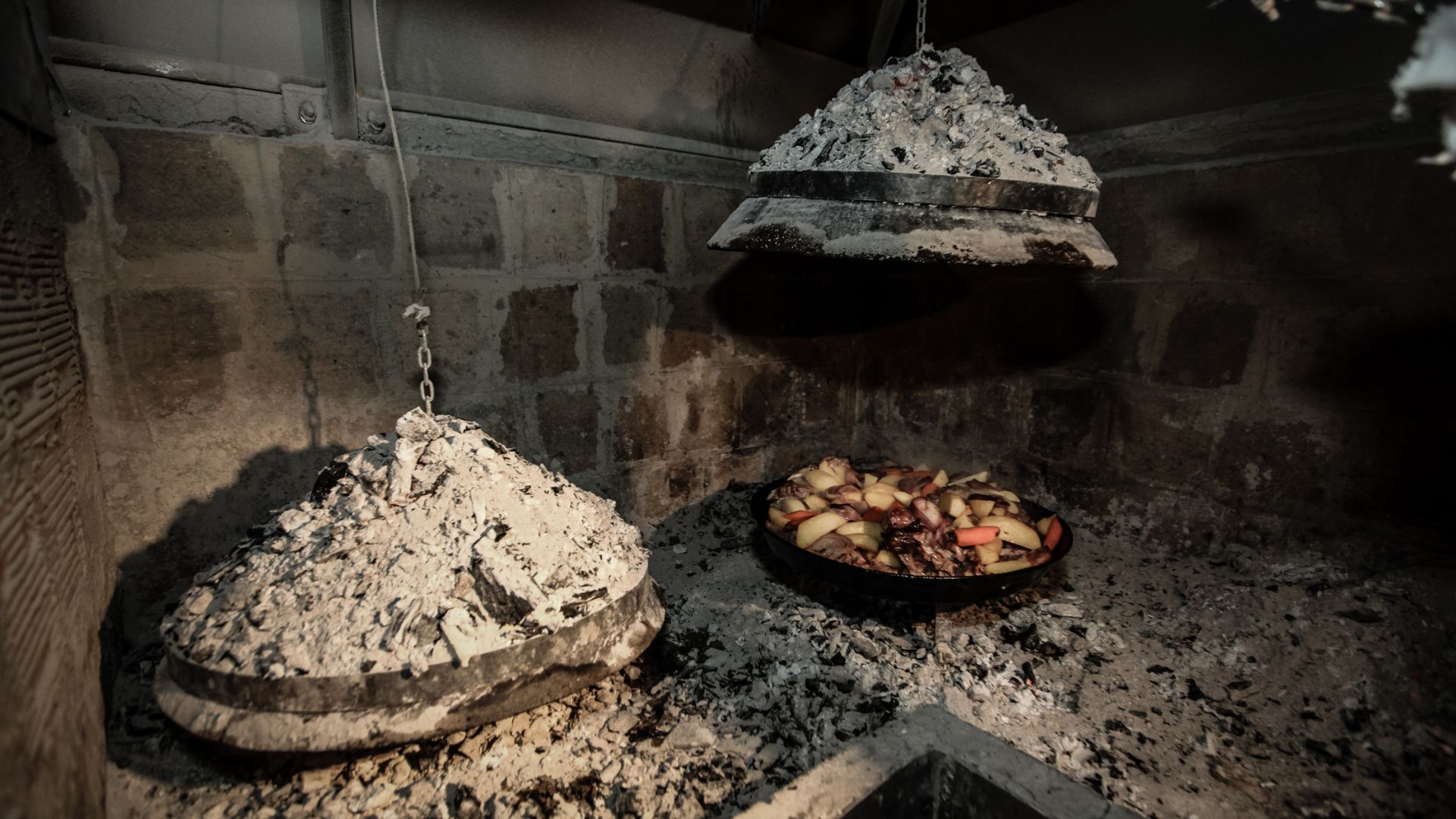
Next comes the iconic bell-shaped lid—the peka itself. Then, we pile hot coals and embers right on top.
The show-stopping steps:
- Lighting the fire long before cooking starts
- Spreading embers around the lid with care
- Rotating coals every half hour or so
- Lifting the heavy lid with special hooks
This isn’t a “set it and forget it” kind of meal. I keep an eye on the fire and listen for that gentle sizzle inside.
The whole thing takes anywhere from two to four hours. Friends and family gather around, turning dinner into a social event.
Infusion of Smoky Flavors
Peka creates smoky flavors that ovens just can’t touch. Wood smoke sneaks in through tiny gaps around the lid.
Different woods give different vibes. Oak brings a deep, earthy taste; fruit woods add a hint of sweetness.
Everything cooks in a sealed space, so the smoke and steam mingle together. That’s how the flavors get so deep.
Favorite combos:
- Lamb, rosemary, and oak smoke
- Pork, sage, and cherry wood
- Octopus, bay leaf, and olive wood
I always toss in Mediterranean herbs like thyme or oregano before sealing the pot. They really come alive under the dome.
Each ingredient soaks up smoke and releases its own juices, building layers of flavor you can’t fake.

Slow Cooking Techniques
Peka is all about low, steady heat—not blasting things on high. The coals wrap the pot in gentle warmth.
I start with blazing hot embers, then let them cool off slowly. This falling heat makes even tough meat super tender.
The sealed pot acts like a pressure cooker and smoker in one. Steam builds up inside while smoke adds depth.
How the heat works:
- First hour: High heat for a nice sear
- Next couple hours: Medium heat to cook through
- Final stretch: Low heat for that perfect finish
Potatoes soak up all the flavors from the meat and herbs above. It’s honestly hard to beat.
Long, slow cooking breaks down collagen, so even the toughest cuts turn out fork-tender.
Signature Peka Ingredients and Flavors
The magic of peka comes from simple, carefully chosen ingredients layered with smoke and herbs. Classic meats, fresh seafood, good olive oil, and Mediterranean herbs set the stage for this timeless dish.
Trusted Meat Choices: Veal and Lamb
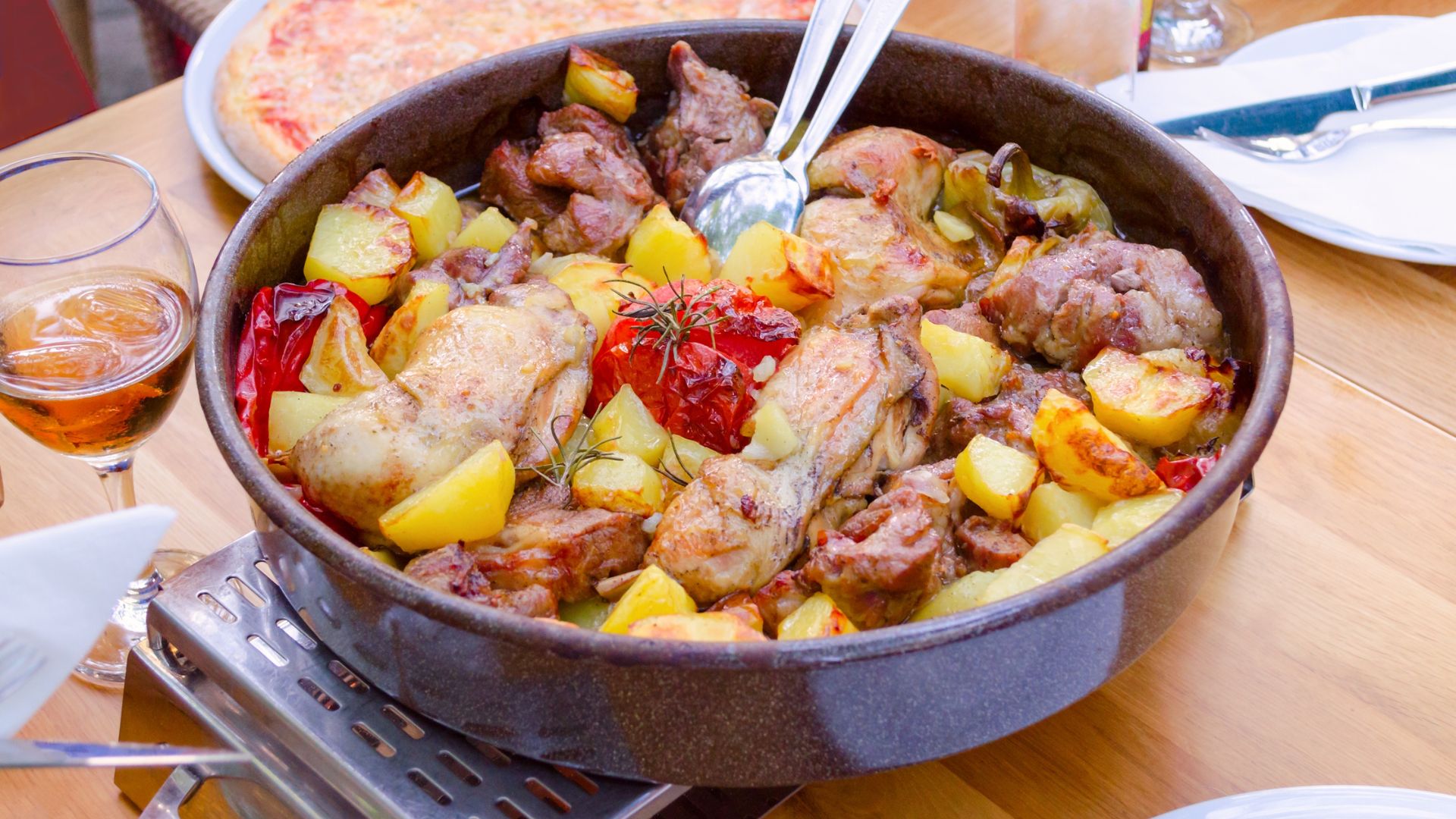
Veal is the superstar of traditional peka. It turns buttery soft after hours under the bell.
I love how veal soaks up the smoky notes from the embers. It practically falls apart when you touch it.
Lamb brings a deeper, richer flavor. Croatians often pick younger lamb for extra tenderness. The fat melts slowly, keeping everything juicy.
Go-to cuts:
- Veal shoulder or leg
- Lamb shoulder, bone-in
- A mix for more variety
Both meats work beautifully with root veggies. The flavors blend together over the long cook.
Seafood Specials: Octopus and Beyond
Octopus peka is a coastal Croatian classic. Slow-cooked, it becomes incredibly tender.
I always go for fresh octopus if I can get it. It cooks faster than meat, so timing matters.
Fish like sea bream and sea bass are great too. Mussels or other shellfish add a salty, ocean kick.
Popular seafood picks:
- Fresh octopus (number one)
- Whole, cleaned fish
- Mixed seafood platters
Seafood peka usually finishes in about half the time of meat versions. Don’t overcook it—trust me.

Vegetables, Olive Oil, and Aromatic Herbs
Every peka starts with top-notch olive oil. I reach for extra virgin oil from local Croatian makers when possible.
Potatoes are almost always in the mix. They soak up all the meaty, herby goodness.
Tomatoes add a bit of tang and help make the sauce. Bell peppers bring color and sweetness.
Must-have herbs and flavors:
- Loads of fresh rosemary
- Parsley for a fresh kick
- Garlic cloves
- Bay leaves
- Sea salt and cracked pepper
I scatter the herbs right on before closing the lid. Rosemary stands up to long heat without getting bitter.
Seasonal and Regional Variations
In spring, cooks toss in peas and baby artichokes. Summer brings zucchini and ripe tomatoes.
Istria sometimes adds truffles during mushroom season—what a treat. They also splash in white wine.
Dalmatia leans heavy on seafood. Islands might use wild sage or oregano.
Regional twists:
- Istria: Truffles, white wine
- Dalmatia: Lots of seafood
- Islands: Wild herbs
- Inland: Game meats, wild mushrooms
Winter peka relies on hearty root veggies like carrots and turnips to stand up to the long cook.
Social and Cultural Significance
Peka isn’t just about food in Croatia. It’s a way to bring people together, mark big moments, and keep culinary traditions alive.
Peka at Family Gatherings
Croatian families build entire gatherings around the slow magic of peka. I’ve watched relatives use the hours of cooking to catch up and swap stories.
Everyone pitches in. Men usually tend the fire, women prep the ingredients, and kids learn by helping out.
Sunday dinners often feature peka. Extended families meet up at grandparents’ homes, and the slow pace gives everyone time to reconnect.
Roles at a peka gathering:
- Fire keepers: Watch the embers
- Prep crew: Chop and season
- Recipe keepers: Share family secrets
- Storytellers: Keep spirits high

Festive and Special Occasions
Big Croatian holidays and milestones almost always mean peka. Easter lamb peka brings everyone together after church. Weddings call for massive peka feasts.
Christmas Eve usually features fish or veggie peka. Name days and harvest festivals get their own special versions.
Birthday parties and anniversaries often include a family favorite peka recipe. It’s a sign of respect for guests and a nod to tradition.
Local festivals sometimes have peka contests, with each region showing off its best version.
Passing Down Peka Recipes
Peka recipes are family treasures in Croatia. Grandmothers teach the next generation by doing, not by writing things down.
Recipe secrets include:
- Precise spice amounts
- Adjusting cooking times
- Swapping in seasonal ingredients
- Managing the fire
Families rarely share their full recipes outside the inner circle. Each home adds its own twist, passed down through the years.
Young Croatians abroad keep the tradition alive, tweaking methods for modern kitchens but holding onto the heart of the dish.
Village elders are the real experts, remembering dozens of variations and seasonal swaps. Their knowledge is a living link to Croatia’s past.
Modern Interpretations and Where to Experience It
Today, peka bridges old and new. You’ll find authentic peka in rural taverns across Dalmatia and Istria, and some chefs are getting creative with the technique in city kitchens. If you’re traveling in Croatia, hunting down a real peka meal is a must—just make sure to call ahead!
Restaurants and Rural Taverns
If you’re chasing down the most authentic peka, Dalmatia’s where you want to be. I always find myself drawn to those family-run konobas (taverns) tucked into the villages around Split and Dubrovnik.
Locals here cook peka the old-school way. They fire up wood ovens and use heavy metal bells to cover the dish. It’s not a quick meal—usually takes two or three hours, but that’s part of the magic.
Some taverns actually invite you to watch them get everything ready. You’ll see them layering the meat and veggies, then piling on the coals. It’s kind of mesmerizing, honestly.
A few favorite spots:
- The stone villages near Makarska
- Rural corners around Zadar
- Island taverns on Brač and Hvar
Heading further north, Istria puts its own spin on peka. They’ll sometimes toss in truffles or splash in a bit of Istrian wine, which, trust me, adds a whole new flavor.
If you’re feeling hands-on, some restaurants even run peka cooking classes. You get to learn the ropes and then dig into your own creation. Not a bad way to spend an afternoon.
Contemporary Adaptations in Croatian Cooking
Modern Croatian chefs have really embraced peka, bringing it into restaurant kitchens in their own way. Instead of the old-school outdoor fire, they use special ovens that capture the spirit of the bell-cooking method.
Some chefs get creative and whip up fusion versions:
- Seafood peka arrives with a modern twist and eye-catching plating.
- Vegetarian options pop up, loaded with whatever local veggies are in season.
- Fine dining spots sometimes serve smaller, elegant portions.
If you wander into urban restaurants in Zagreb or Split, you’ll probably spot these updated takes on the classic. Even with the changes, the Croatian dish still hangs on to those rich, core flavors, just dressed up for today’s diners.
At home, people have started using electric peka pots. Honestly, it’s a game changer—you get the slow-cooked magic without messing around with outdoor fires or hauling coals.
And if you’re lucky, you might catch a food festival along the coast in summer. These gatherings celebrate both the old-school and the modern peka styles, giving everyone a taste of Croatia’s evolving food scene.