
I’m standing on a hillside in Asturias, watching lush green mountains roll down into the blue of the Cantabrian Sea. This part of northern Spain is one of those rare places where you don’t have to pick between beaches and peaks—they sit right next to each other, just waiting for you.
The real challenge? Deciding whether to soak up the wild coastline, hike the dramatic Picos de Europa, or blend both into your perfect Asturian adventure.
I remember my own planning phase—one minute I’d scroll through photos of rugged cliffs, then I’d start daydreaming about misty trails and mountain cheese. Each corner of Asturias feels like its own world, with a different flavor of beauty and culture.
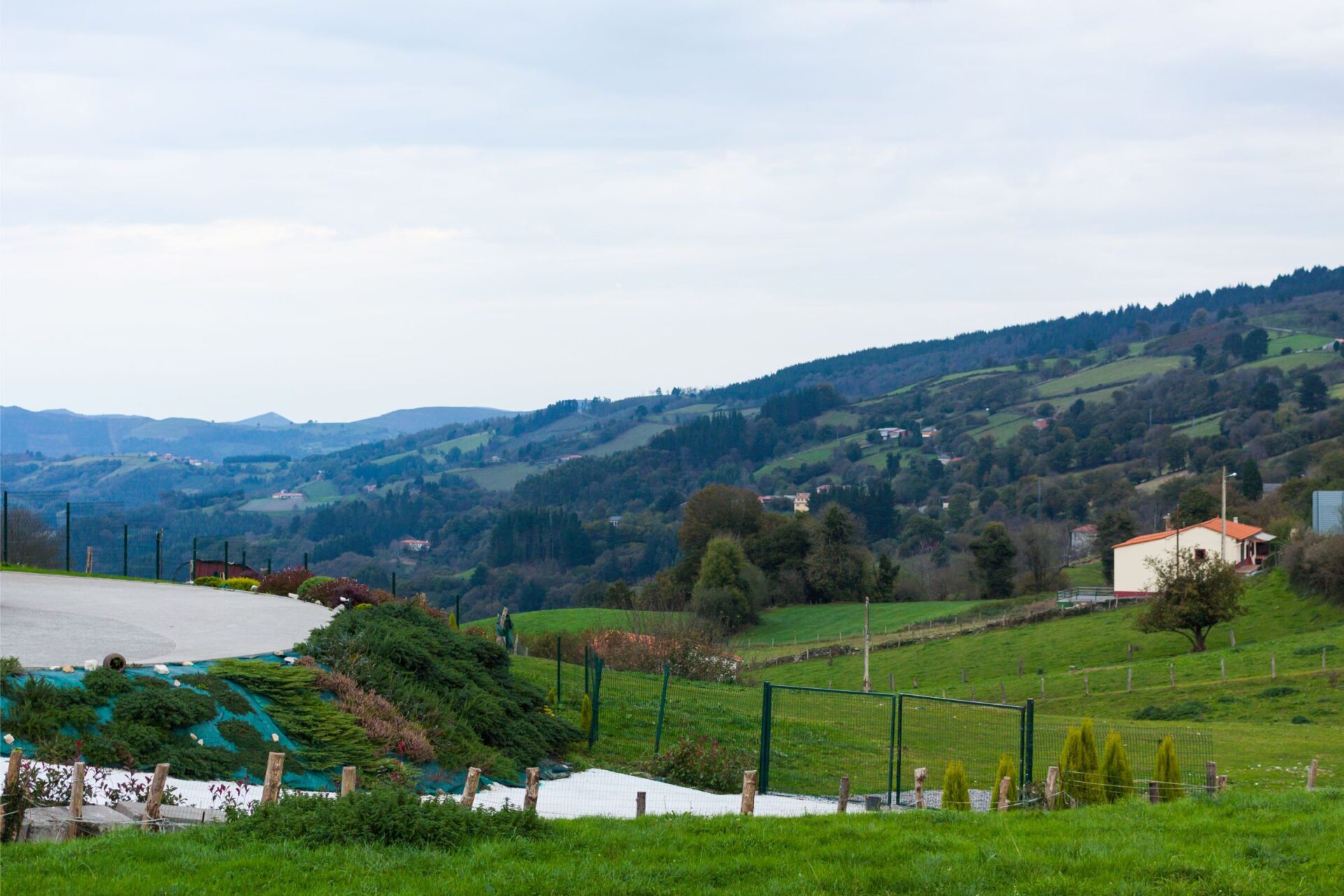
If you’re hoping to design an itinerary that fits your style, stick around. I’ll share practical tips and personal stories to help you find your path—or maybe even walk both.
Choosing Your Asturian Route: Coast, Mountains, or a Perfect Mix?
Asturias invites you to explore wild coastlines and dramatic mountains, with routes that fit almost any adventure style. The best plan really depends on your interests, the season, and how you want to experience the local scene.
What Makes Asturias Unique?
Asturias feels magical because the coast and mountains sit side by side. I remember driving just twenty minutes from the wave-battered beaches near Llanes to the green foothills below the Picos de Europa.
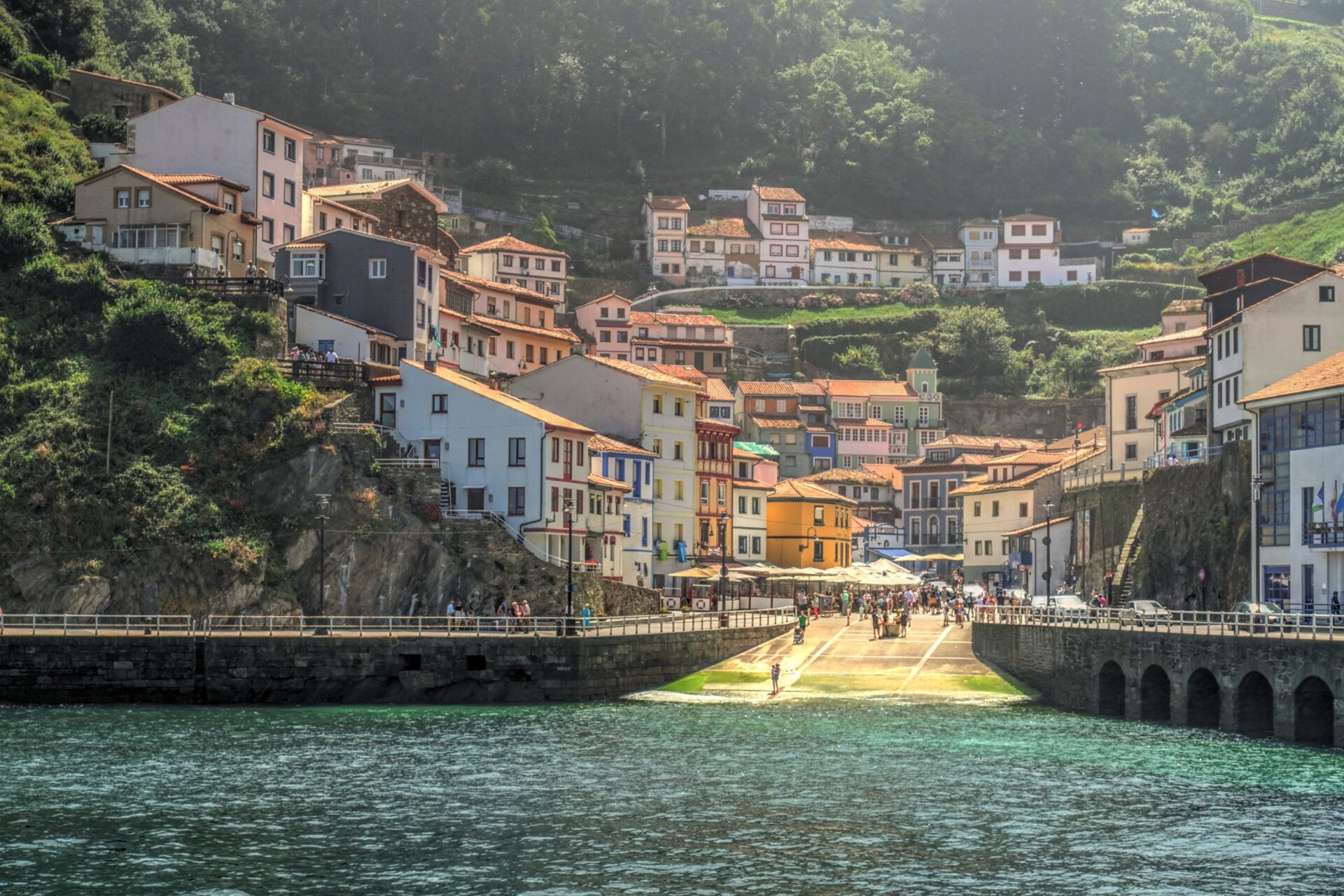
It’s rare to see scenery change so quickly in one place. The coast has fishing villages like Cudillero, rocky coves, and cold, clear water.
Inland, you’ll find high peaks and deep valleys. Some of the best walking routes cross old stone bridges or follow shepherd trails.
Nature isn’t just a backdrop in Asturias—it shapes daily life. Locals spend weekends hiking, surfing, or sipping cider in rustic sidrerías.
For travelers, you can spend one day watching the sea crash below clifftop paths, and the next climbing through oak forests.
Seasonal Considerations for 2025-2027
Timing matters here, especially if you’re planning for 2025, 2026, or 2027. June to September brings warmer weather for beaches and sunny days in the mountains.
The sea stays pretty chilly—but honestly, it’s refreshing after a morning walk. Spring and autumn are quieter.
Wildflowers bloom along the Senda Costera, and mist rolls through the valleys. Some high mountain trails stay muddy until late spring.
Late October can mean heavy rain, especially in the hills, but the coast still feels lovely for slow walks. Winter is peaceful and feels a bit isolated.
Villages quiet down and the high peaks, especially around Covadonga, sometimes get snow. If you want to avoid crowds and see a wilder Asturias, try coming from November to March—just be ready for quick weather changes.
| Season | Coast Advantage | Mountain Advantage |
|---|---|---|
| Spring | Quiet coves | Wildflowers, streams |
| Summer | Warm beaches | Best trail weather |
| Autumn | Dramatic waves | Crisp air, less rain |
| Winter | Solitude, storms | Snow, peaceful hikes |
Matching Your Adventure to Your Travel Style
I always tell friends to ask themselves: do you picture mornings by the sea, or sunrise hikes above the clouds? Coastal routes make sense if you love fishing towns, seafood, and ocean air.
Mountain itineraries are for those who crave quiet paths, big views, and a bit of challenge. If you’re like me and can’t pick, just mix both.
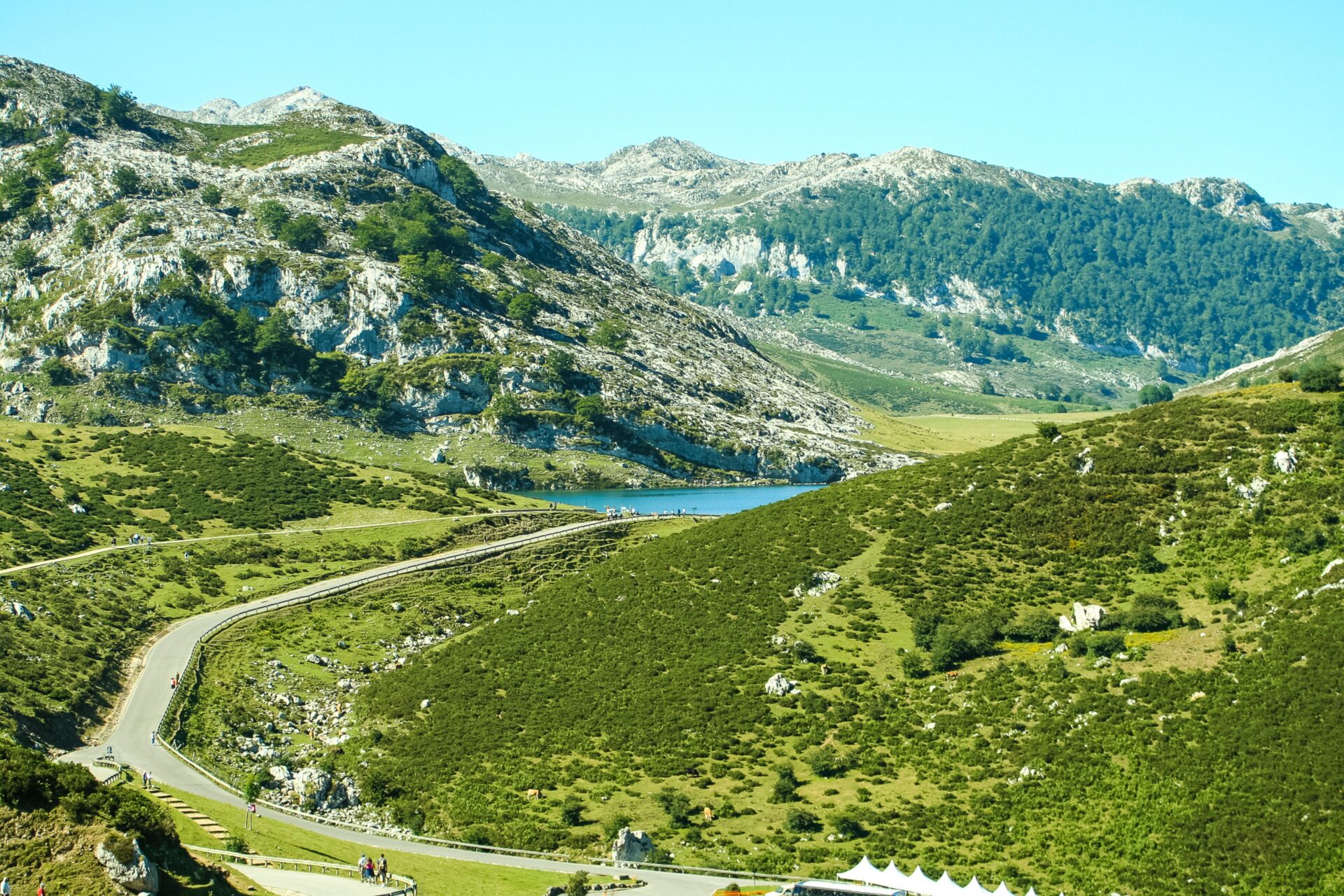
A perfect mix could look like two days hopping between beaches in Ribadesella and Llanes, then heading inland to hike around the lakes of Covadonga. The distances are short—Asturias is compact, and those winding country roads always surprise me with new viewpoints.
Packing for both is smart. For 2025–2027, I’d bring light hiking shoes, a rain jacket, and a swimsuit. I’d also use local buses or rent a car, so I can change plans if the weather turns.
Tip: Try a three-day plan with a coastal walk, a village market visit, and a mountain sunrise hike. That balance gives you a real taste of Asturias.
Exploring the Asturian Coast: Hidden Beaches, Bustling Ports, and Seaside Life
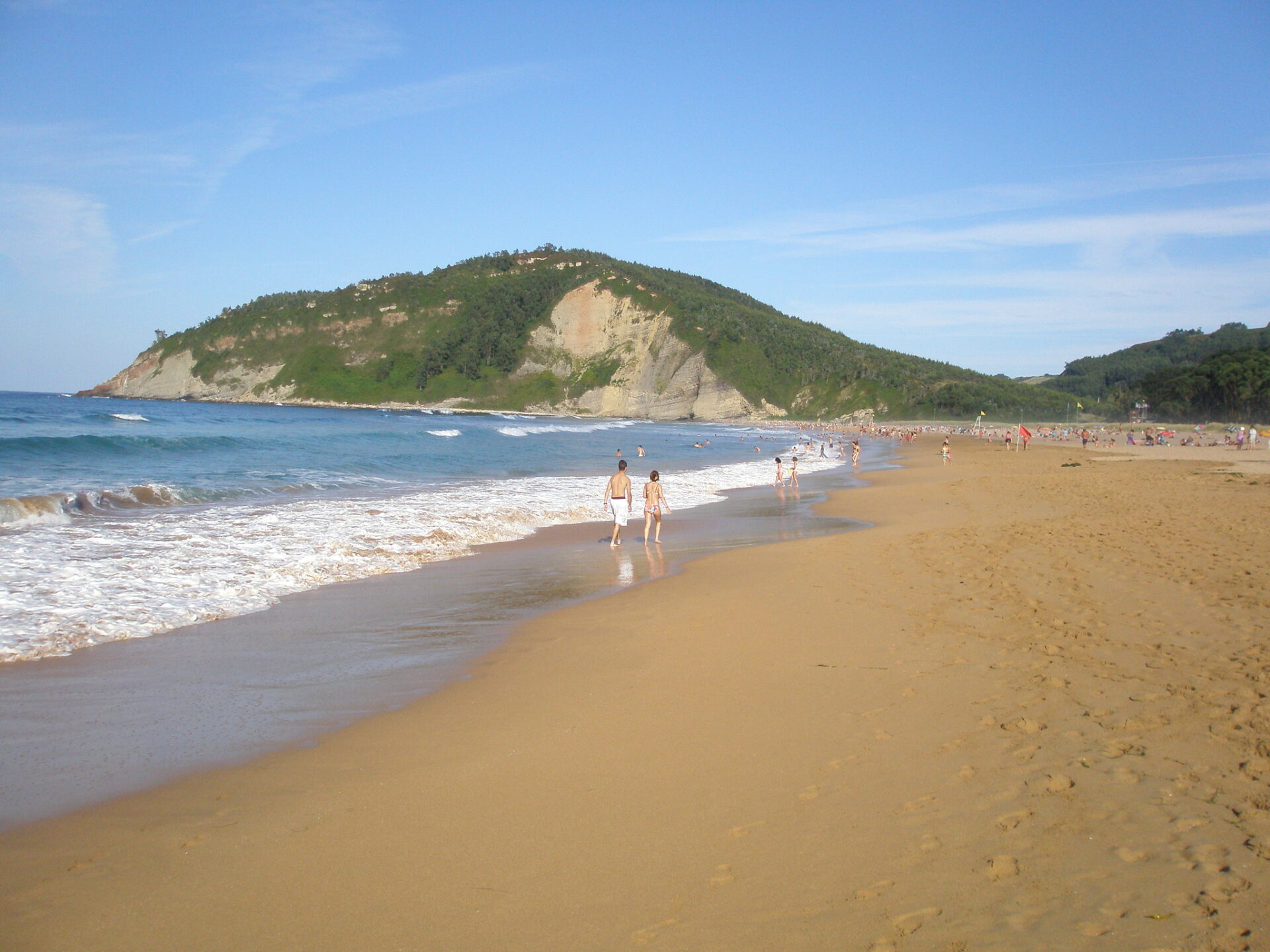
The Asturian coast offers dramatic cliffs, charming fishing villages, and some of the greenest scenery I’ve ever seen by the sea. You can surf remote coves or taste fresh seafood at a port-side café—every day brings something new.
Charming Coastal Towns and Their Local Delicacies
Ribadesella, Llanes, and Cudillero stand out as coastal gems that mix tradition with beautiful settings. I love wandering through Cudillero’s colorful, tiered houses, watching local fishermen haul in the day’s catch.
In Llanes, the medieval old town is perfect for a morning stroll, followed by freshly grilled sardines or fabada asturiana. Each town has its own specialty.
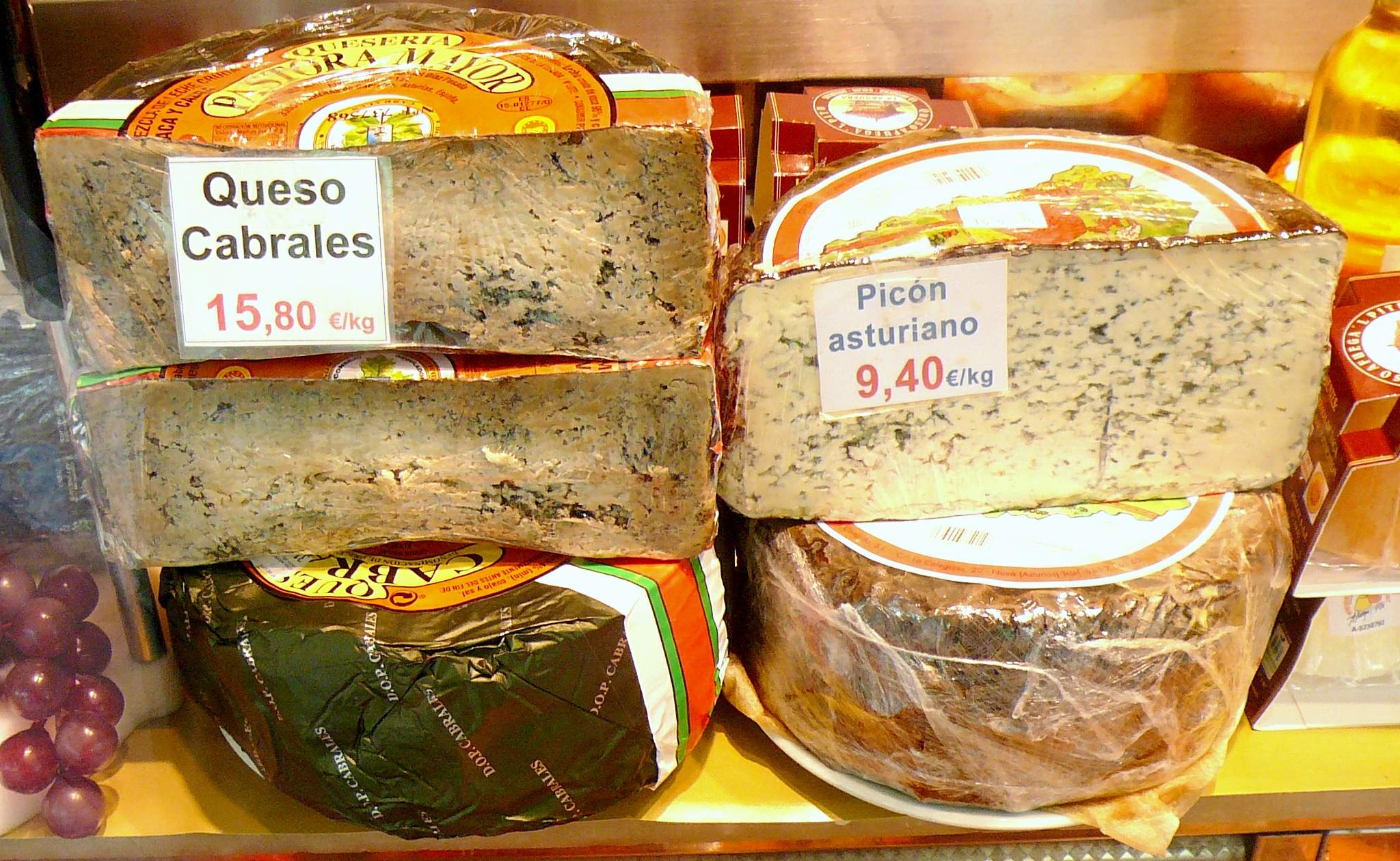
Ribadesella is famous for rice with lobster, and the local cider—Asturias’ signature drink—flows everywhere. I always stop by the small markets to try queso de Cabrales and apple tarts made from orchard fruit.
Surf, Sail, and Ocean Cruise Experiences
Surfing rules on the Asturian coast, thanks to wild Atlantic swells. I’ve caught waves at Playa de Rodiles and Playa de Salinas—both are lively with local surfers.
Lessons and rentals are easy to find, even for beginners. Sailing clubs in Gijón and Llanes send out boats daily.
When I want a slower day, I’ll book a short ocean cruise along the Costa Verde. Some trips focus on dolphin watching, others explore hidden sea caves.
Shuttle buses connect major beaches and ports, so you don’t really need a car to get around.
Pintxos Trails: Tasting Txakoli and Basque Country Favorites
One of my favorite ways to eat on the coast is by following a pintxos trail. Many bars serve these tiny, artful snacks, each paired with a glass of crisp txakoli—a light Basque white wine.
I always look for house specialties, from grilled prawns in San Sebastian to anchovy toasts in Hondarribia. Sometimes I’ll hop across the border to Basque towns like Pasajes or Hondarribia, where pintxos culture is everywhere.
It’s a fun way to taste the region, with cider and txakoli always close at hand. The casual vibe makes it easy to meet new friends at the bar.

Planning Coastal Accommodation: Hostels to Boutique Stays
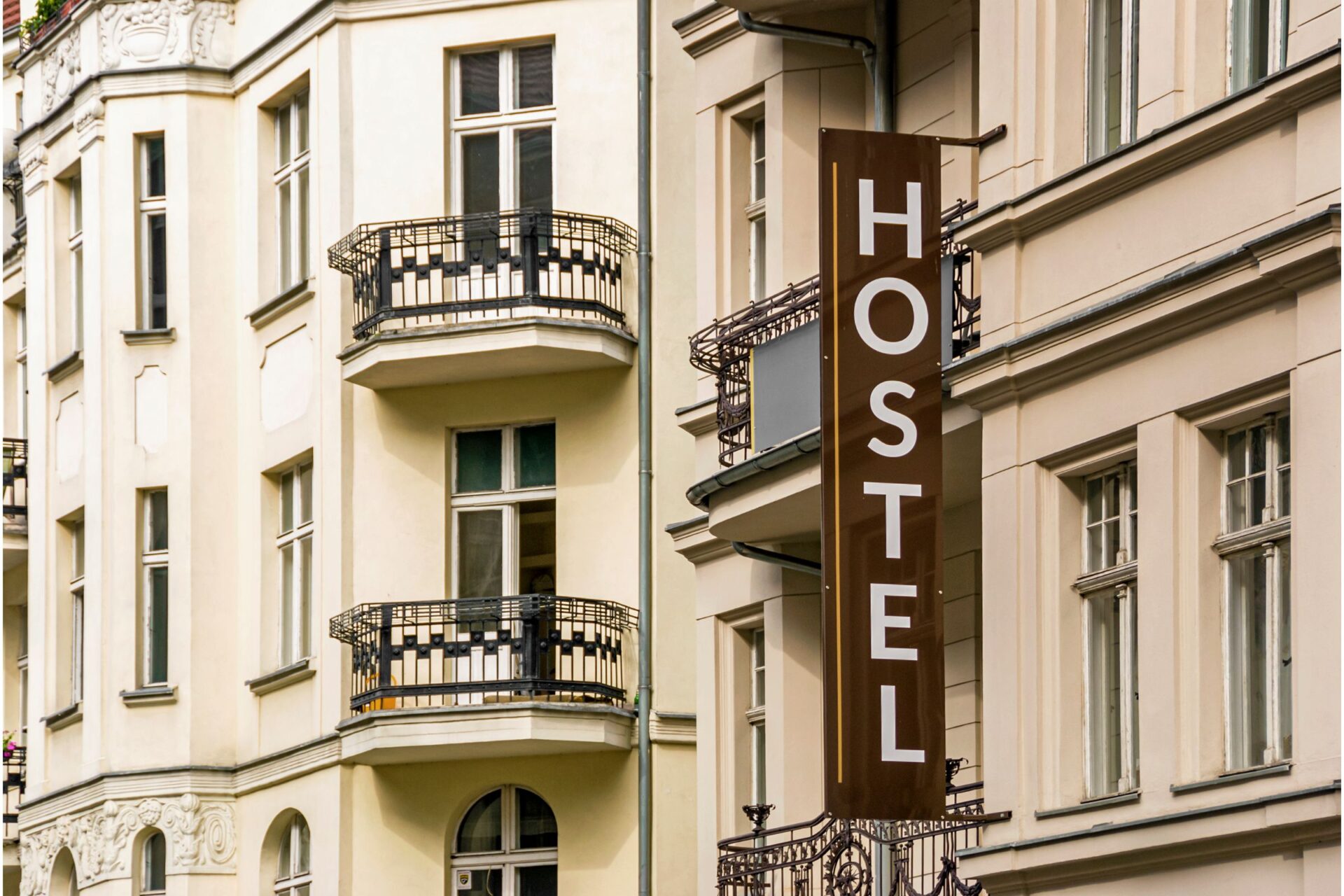
Finding a place to stay on the Asturian coast can be as social or as quiet as you like. Hostels are great if you want a lively scene and don’t mind sharing with other travelers.
Many sit right by the sea—perfect for early surf sessions or sunset swims. Boutique hotels in fishing towns often have sea views, rustic touches, and homemade breakfasts.
I always book ahead during summer, since rooms fill up fast in popular spots. Options range from farmhouses and beachside inns to apartments above busy ports.
There’s so much variety, it’s easy to find something that fits your style and budget.
Journey Into the Asturian Mountains: Nature, Culture, and Pilgrimage Routes
The mountains of Asturias pulled me far from the coast, drawing me into forests, high valleys, and villages that feel frozen in time. Every trail and old route tells a story worth discovering, whether you’re on a quiet path or a pilgrim’s journey.
Hiking the Iconic Trails of Asturias
Hiking in Asturias feels different from anywhere else in Spain. The Picos de Europa stand tall, with jagged peaks that test even experienced hikers.
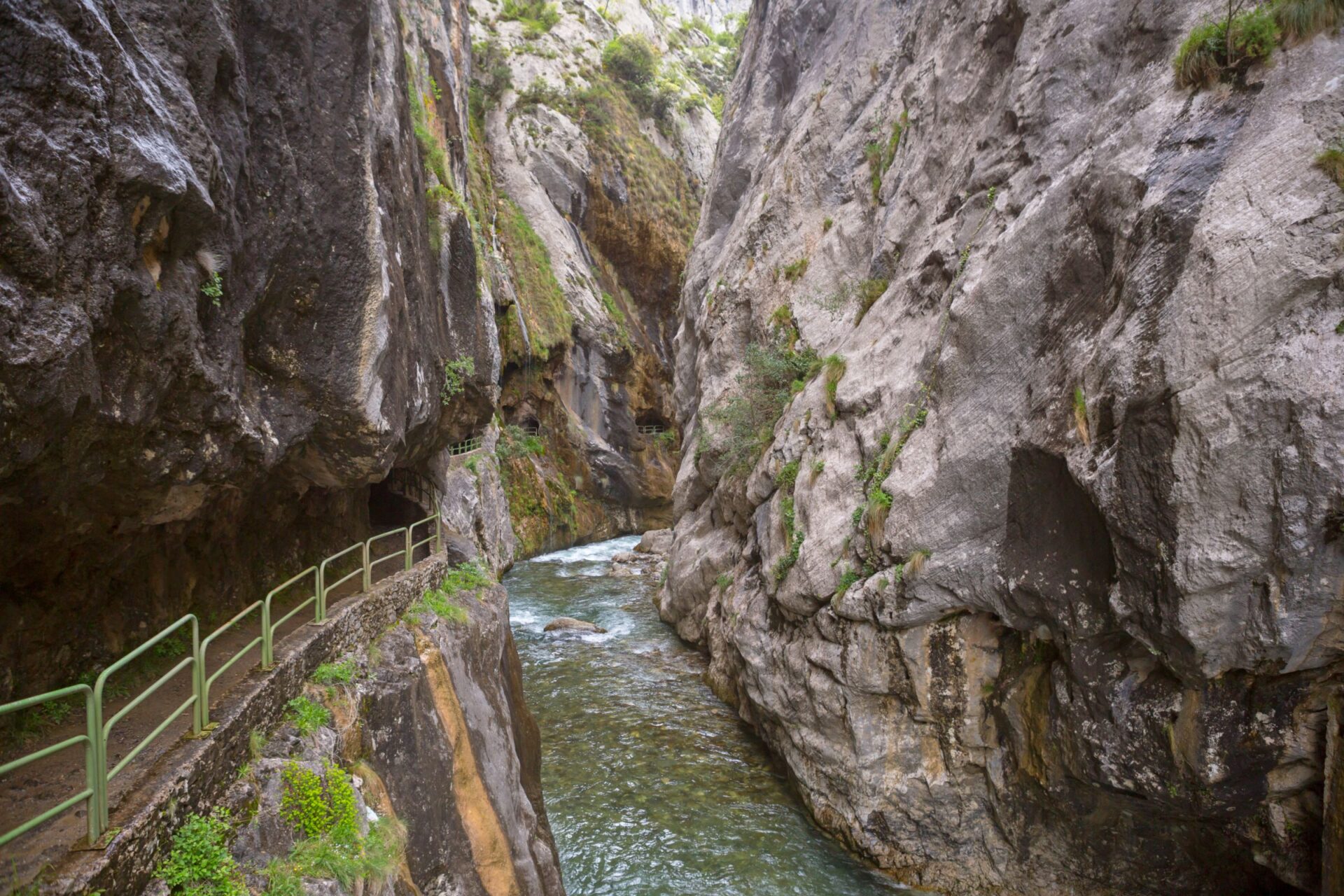
Well-marked trails wind through beech and oak forests, passing grazing cattle and stone villages. One of my most unforgettable hikes was along the Ruta del Cares.
The narrow gorge path hugs a cliff above the Cares River, serving up nonstop jaw-dropping views. I always pack sturdy boots, a rain jacket, and snacks—weather changes fast up here.
I also love exploring less crowded trails, like old trade routes and shepherds’ tracks. I’ve met locals who still live off the land, sharing real insight into traditional Asturian life.
From short nature walks to multi-day treks, there’s a trail here for everyone.
Camino Primitivo and Pilgrimage Experiences
Walking the Camino Primitivo left a big mark on me. It’s the oldest Camino de Santiago route, starting in Oviedo and following a path used by pilgrims for over a thousand years.
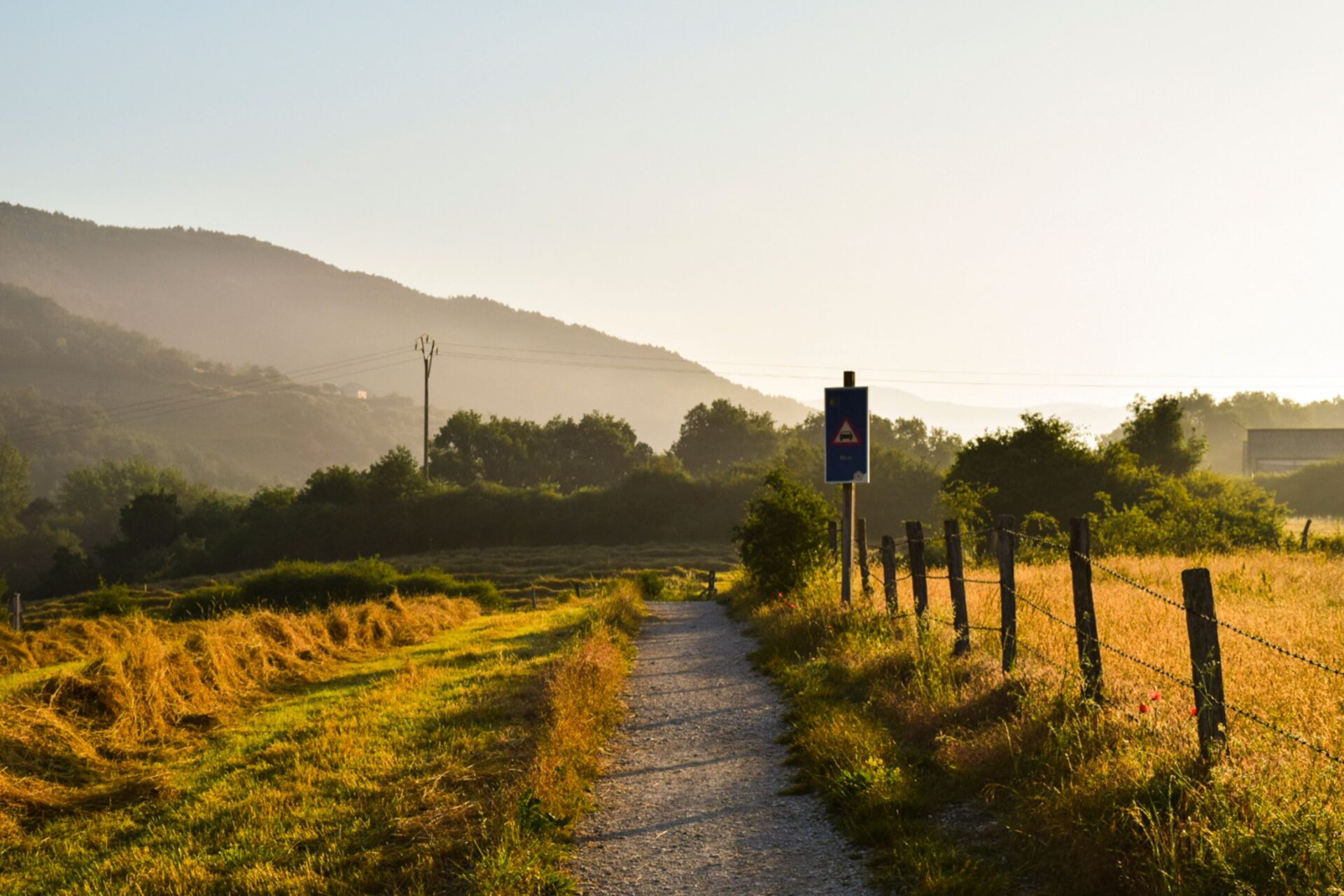
The trail leads through mountain landscapes, quiet hamlets, and misty forests. Every day on the Camino brought something beautiful—a sunrise, a chapel tucked between hills, or a warm chat with fellow travelers.
The mountains add challenge and reward, with steep climbs and sweeping views. What really surprised me was the sense of tradition that still ties people together along the route.
Pilgrimage hostels (albergues) offer simple comfort and a chance to swap stories with walkers from around the world. Even if you’re not religious, the hospitality and history along the Camino Primitivo are something I think everyone should try.
Discovering Oviedo and the Cathedral
Oviedo, the capital of Asturias, became my gateway to the mountains and the start of the Camino Primitivo. The old town’s cobbled streets and squares are easy to wander on foot.
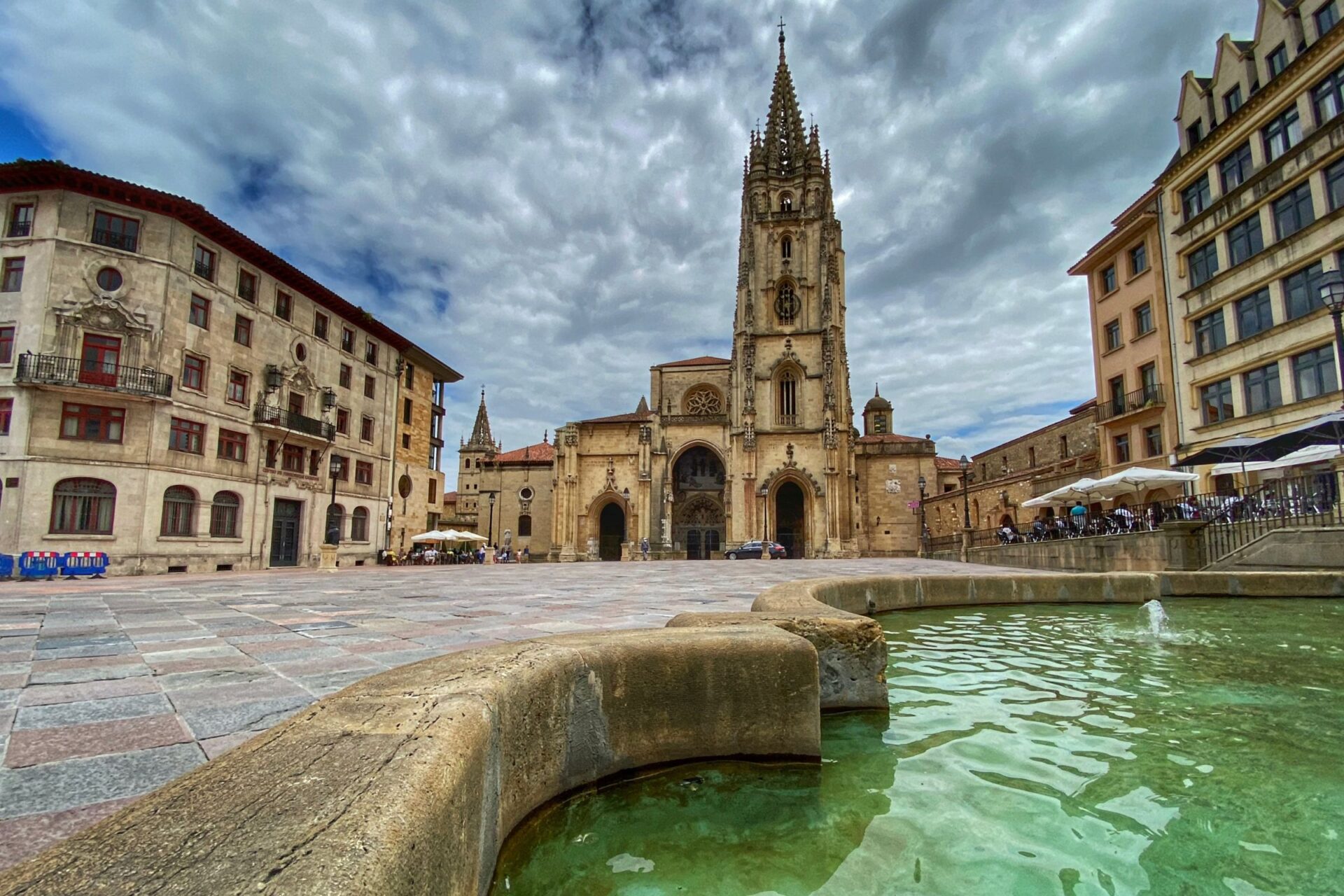
Cafés spill onto the sidewalks, filled with laughter and the scent of cider. The highlight for me was the Cathedral of Oviedo (Catedral de San Salvador).
Its Gothic towers rise above the city, but the real treasure sits inside. Pilgrims from medieval times journeyed here to see the Cámara Santa, a chapel holding relics tied to the earliest Caminos.
I recommend taking time to wander the church, gaze at the stained glass, and let the peace sink in. The cathedral isn’t just a religious site; it’s a place layered with history and marks the heart of Asturias.
Mixing Mountains and Sea: Crafting the Ultimate Asturian Adventure
Asturias really shines where green peaks tumble into surf and fishing villages hug the cliffs. When I combine coast and mountains, I get to experience both wild landscapes and unique local culture, one after the other.
Sample Hybrid Itineraries
I like to kick things off in Oviedo or Gijón. Spending a day in town helps me settle in and pick up any last-minute hiking gear.
From there, the Picos de Europa mountains call me, so I plan a two-day trek and pick routes with good elevation profiles. Seeing wild horses in the meadows and those steep limestone cliffs always blows me away.
After mountain hiking, I head to the coast—Cudillero or Llanes are favorites. I spend afternoons walking along rugged cliffs and small coves, or just enjoying local sidra with fresh seafood.
Whenever I plan, I mix short hikes by the sea with slow breakfasts in alpine villages. Here’s a quick sample:
| Day | Morning | Afternoon | Night Stay |
|---|---|---|---|
| 1 | Oviedo walking | Travel to Cangas | Mountain lodge |
| 2 | Picos hike | Picnic/lake visit | Mountain inn |
| 3 | Drive to coast | Llanes beach walk | Coastal hostel |
| 4 | Cliff hike | Town exploring | Coastal inn |
Interactive Maps and GPS Navigation
Getting around Asturias can feel tricky if you rely just on road signs. I always download an interactive map app that shows hiking paths, albergues, and must-see spots.
Most apps let me see the elevation profile for each route, which helps a ton when planning tougher climbs. I bookmark beaches and mountain viewpoints ahead of time so I don’t miss anything.
Some guides include eBooks with offline GPS maps, so I never worry about losing signal in remote villages or mountain passes. Sharing my location with friends and using turn-by-turn navigation gives me a bit more peace of mind, especially when I’m exploring solo.
Accommodation Strategies for a Mixed Journey
Switching from mountains to the coast means I end up staying in all sorts of places.
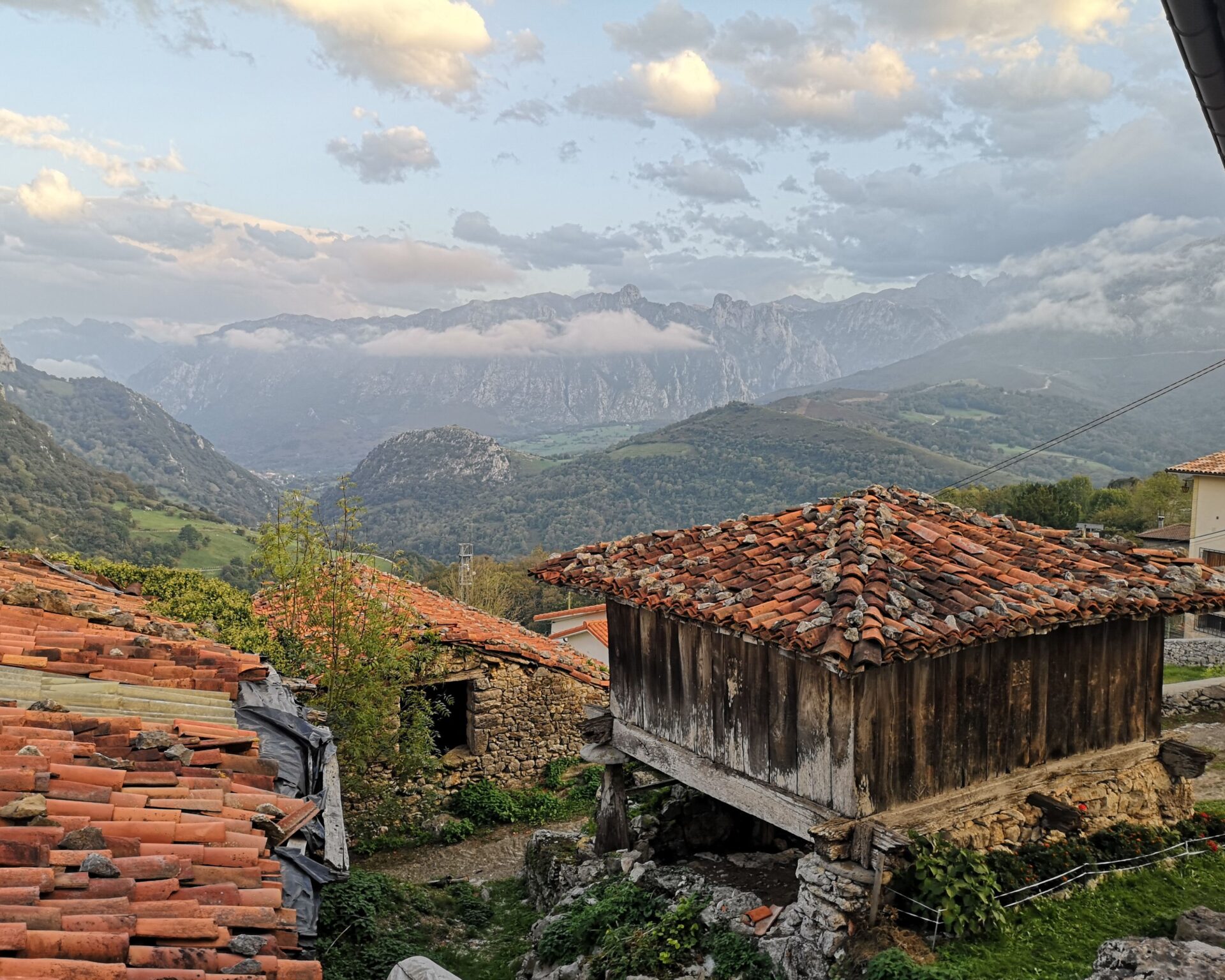
Up in the hills, I love booking cozy mountain inns or rustic albergues. These spots usually include group dinners, which makes it easy to swap stories with other hikers.
When I reach the sea, I go for small coastal hotels or hostels. They keep things affordable and the staff always seem to know the best local travel tips.
I always compare options online before booking—sometimes I’ll pick a rural guesthouse with homemade breakfasts near the cliffs. Other times, I find a lively hostel right in the fishing port.
For longer trips, I split my stays: one night high in the mountains, the next by the waves. I like having a flexible plan so I never have to rush, and I can actually enjoy both worlds.
Practical Tips: Booking, Travel Costs, and Special Offers
Planning ahead for an Asturian adventure can really save both time and money.
I’ve learned that being flexible with dates, knowing where to look for deals, and spotting extra perks can stretch my travel budget further than I expected.
When and How to Book for 2025-2027
Booking early, especially for peak seasons like summer, gives me more choices and better rates.
Many trips I’ve taken offered special fares if I reserved 8-12 months ahead. A low deposit often locks in early deals.
Recently, I paid just $25 per person to secure my spot on a cruise. That small fee was even refundable for a while.
Tips I use:
- I check if booking is “capacity-controlled”—discounts vanish once a set number of cabins or rooms sells out.
- I subscribe to email lists for early access to special offers.
- New bookings usually get the best fares and extras, but I always watch for “new bookings only” restrictions.
Navigating Airfares, Transfers, and Luggage
Airfare to northern Spain can jump all over the place, but shopping around helps me spot promotional pricing. Sometimes I even find free or discounted airfare with tour packages.
If my vacation starts with a cruise like the Eastern Seaboard Explorer or North Pacific Crossing, I compare flight deals through agencies like Viking Air Plus.
I prefer premium economy for the comfort, but I keep an eye on business class sales. Sometimes there are special fares for U.S. gateways.
I always double-check what’s included: roundtrip flights, airport transfers, air taxes, and surcharges are sometimes bundled in the price, or they might be extra.
Luggage is another detail I pay attention to. Some airlines only allow one checked bag and have strict weight limits.
I pack accordingly and look for customized air services if I plan to bring extra gear.
Cruise and Flight Promotion Insights
I’ve noticed a lot of cruise lines—especially for routes like Central America’s Panama Canal or the Greek Odyssey—run promotions that include free airfare, reduced air upgrades, and single supplement savings for solo travelers.
Special offers change fast and are often capacity-controlled. I recently spotted savings for double occupancy cabins, but those promotional fares only lasted a few weeks.
When I’m considering a cruise with add-ons, I always read the fine print about air taxes, business class buy-ups, and refund policies. Being thorough about these deals helps me avoid surprise costs down the road.
Budget Breakdown: Accommodation, Meals, and Activities
I find it easier to plan my trip when I break down the costs. In Asturias, I usually set aside money for three things: where I’ll sleep, what I’ll eat, and the stuff I want to do.
A comfortable hotel typically costs between $90 and $180 per night (that’s for two people). If I pick a rural inn or a guesthouse, I can save quite a bit.
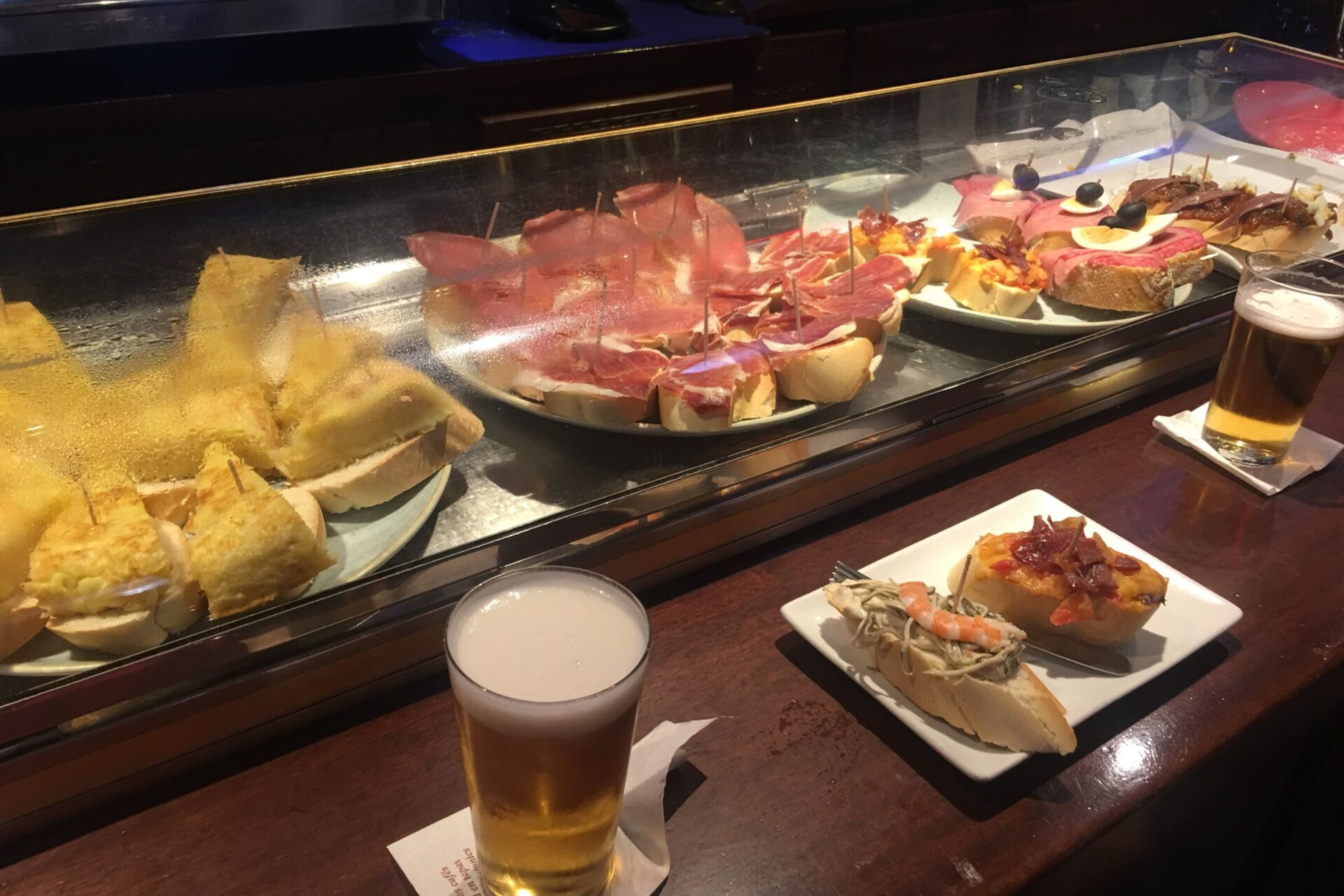
Meals? They’re all over the place. I might spend $10 on a simple café breakfast, or go up to $35 for a seafood dinner by the coast. Tapas bars in Oviedo or Gijón make a fun, affordable meal, and sometimes hotels throw in breakfast.
When it comes to activities, I’ve paid anywhere from $20 to $60 for guided tours. If I just go hiking or wander through a village, that’s usually free.
I always leave a little wiggle room in my budget for things like entry fees, festivals, or a wine tasting I stumble across. You never know what you’ll find.
