
The first time I sailed into Zakynthos’ Blue Caves, I realized why people say it feels like stepping into another world.
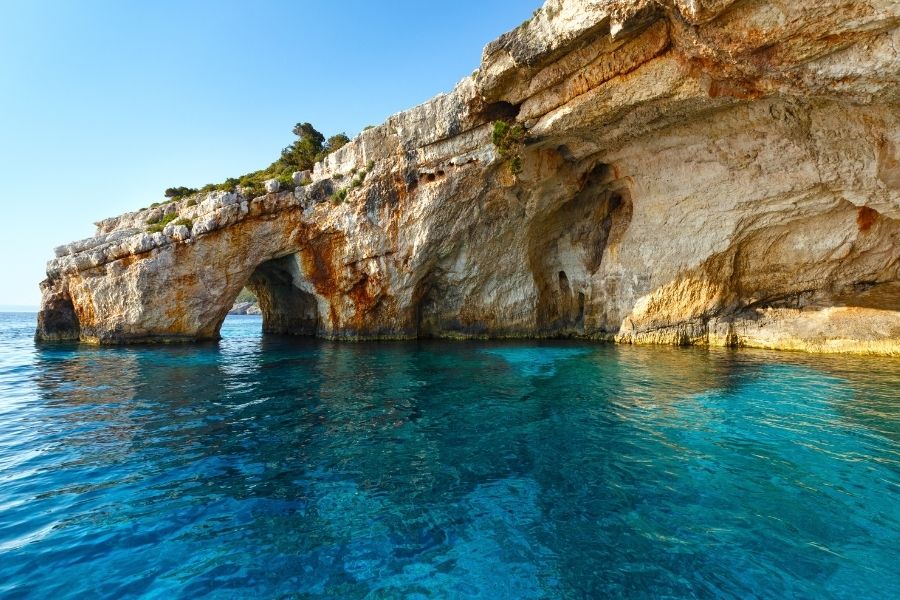
Those blue waters? They’re so vibrant and surreal, sunlight bouncing through the clearest sea and ricocheting off limestone walls, that the whole place glows in this wild, almost unbelievable shade of azure.
I’ll admit, I was skeptical at first. All those photos online—could they really capture the magic?
I set out for the northern coast of Zakynthos, curious to see if it lived up to the hype.
Navigating the natural chambers in a tiny boat, watching sunlight perform its own light show, I quickly decided—no camera can do this place justice.
From planning the boat trip to stumbling on the best viewing spots inside the caves, I picked up a few tricks about timing, getting around, and what really goes down on this bucket-list adventure.
Along the way, I checked out nearby spots and picked up practical tips that made everything smoother and way more memorable.
Discovering Zakynthos’ Blue Caves: Unraveling the Mystique
The Blue Caves on Zakynthos didn’t just appear overnight. Over thousands of years, natural erosion carved out limestone formations that now produce that signature azure glow.
These waters look magical because sunlight bounces off the white sea floor and the cave walls, giving everything that otherworldly blue tint.
Origins and Unique Formation
I got curious about how the Blue Caves formed, and it turns out, it’s a wild story of geology.
Waves, over millennia, carved intricate formations out of limestone rock—super vulnerable to erosion, by the way.
Tectonic activity helped shape the caves too. Seismic forces and relentless waves teamed up to create the dramatic arches and winding passages I wandered through.
Inside, I spotted stunning stalactites hanging from above. These grew slowly from mineral deposits, one drip at a time, over thousands of years.
Wind and water sculpted natural arches all over the place. These doorways lead deeper into the cave system, and honestly, each one feels like a secret entrance.
Signature Blue Waters and Light Effects
The blue glow is real, and it’s all about the light.
Sunlight streams into the caves and bounces off the white sea floor, making the water practically shimmer in electric blue.
If you go in the morning, you’ll catch the best light. The sun hits at just the right angle to make those blues pop and the whole place feels dreamlike.
The water’s so clear, it acts like a natural filter, making the blue even more intense.

Light dances everywhere—on the walls, across the surface, shifting as the day goes on.
Every cave has its own personality, too. Some spots are bright azure, others go deep, almost sapphire.
Geographic Location on the Greek Island
The Blue Caves sit right at the northern tip of Zakynthos, or Zante, as some call it.
You’ll find them at Cape Skinari, the island’s wild, windswept northernmost point.
You can only get to the caves by sea, which honestly makes them feel even more special.
Most boat tours head out from Agios Nikolaos port, tucked up in the north.
These caves are part of a protected coastal area in the Ionian Sea. Their remote location has really helped keep them pristine.
There are several caves along this stretch, but the biggest—often just called “the Blue Cave”—has the most jaw-dropping stalactites and those famous blue water effects.
Embarking on the Blue Caves Adventure: Setting Sail
Your Blue Caves adventure kicks off by picking a boat tour from a handful of departure points around Zakynthos.
Most trips launch from Agios Nikolaos Harbor, and there’s a style and price for every traveler.
Planning Your Boat Tour
If you’re visiting in peak season, I’d book your boat tour at least a day ahead. The caves get packed, especially June through September.
Best times to visit:
- Morning (9-11 AM): Gorgeous light, fewer crowds
- Late afternoon (3-5 PM): Softer light, but more boats on the water
Weather makes a big difference. Calm seas mean you can go further into the caves, but rough waves might cut the trip short.
I always check the forecast before booking. Northern winds can make things choppy near the caves.
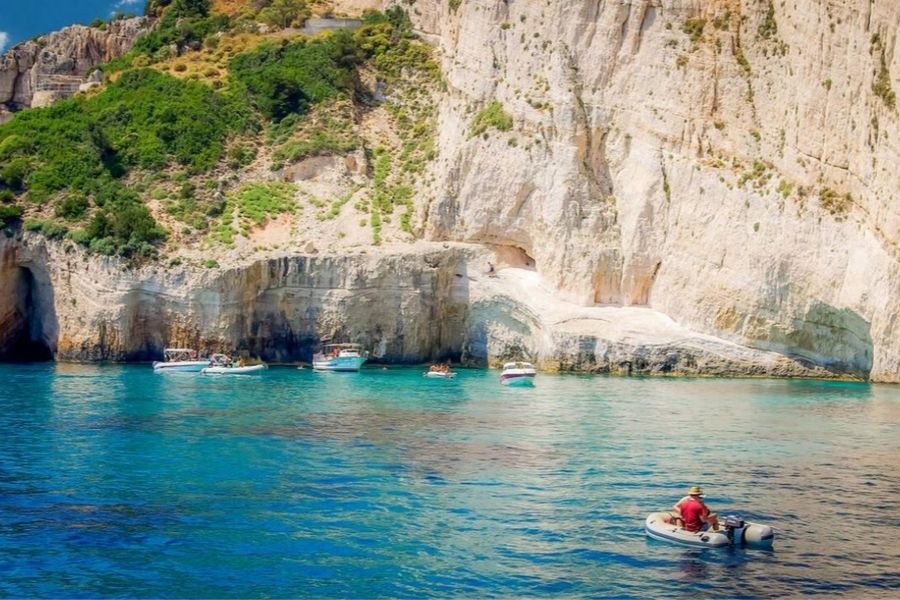
Most tours expect you to know basic swimming. They’ll give you a life jacket, though, if you want one.
Available Tour Options and Durations
You’ve got options, depending on your time and wallet:
Quick Blue Caves tours (1-2 hours):
- Focus just on the caves
- Leave from Agios Nikolaos
- Short swimming stop
- About €15-25 per person
Half-day combined tours (3-4 hours):
- Blue Caves plus Shipwreck Beach
- More swimming stops
- Light snacks included
- Around €35-50 per person
Full-day private tours (6-8 hours):
- Explore the whole northern coast
- Lunch and drinks on board
- Visit hidden beaches and Keri Caves
- €300-600 for groups up to 8
Honestly, I loved the half-day tour. It felt just right—not rushed, not too long.
Departure Points and Agios Nikolaos Harbor
Agios Nikolaos is the main launch spot for Blue Caves tours.
The harbor’s on the northeast coast, really close to the caves.
Getting there:
- 45 minutes by car from Zakynthos Town
- Parking’s limited—arrive early if you can
- Some tours do hotel pickups
- There’s a public bus, but only twice a day
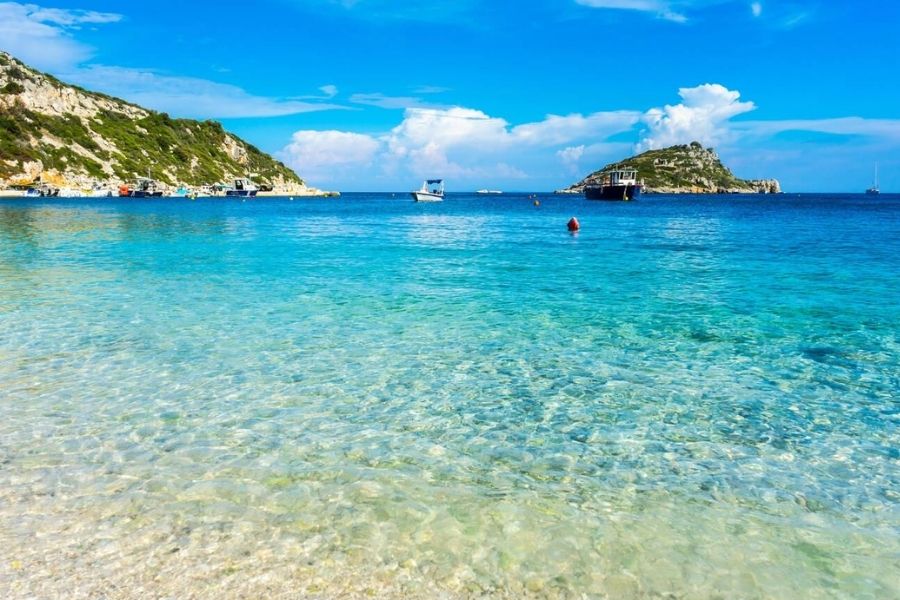
The harbor’s simple: a small café, restrooms, and that’s about it. I usually get there half an hour early to park and check in.
Other departure points include Porto Vromi and Zakynthos Harbor.
Porto Vromi is closer to Shipwreck Beach, but it’s a longer haul to the Blue Caves.
Local operators run tours from the Agios Nikolaos Beach area. Boats range from tiny speedboats (8-12 people) to big ones holding 50 or more.
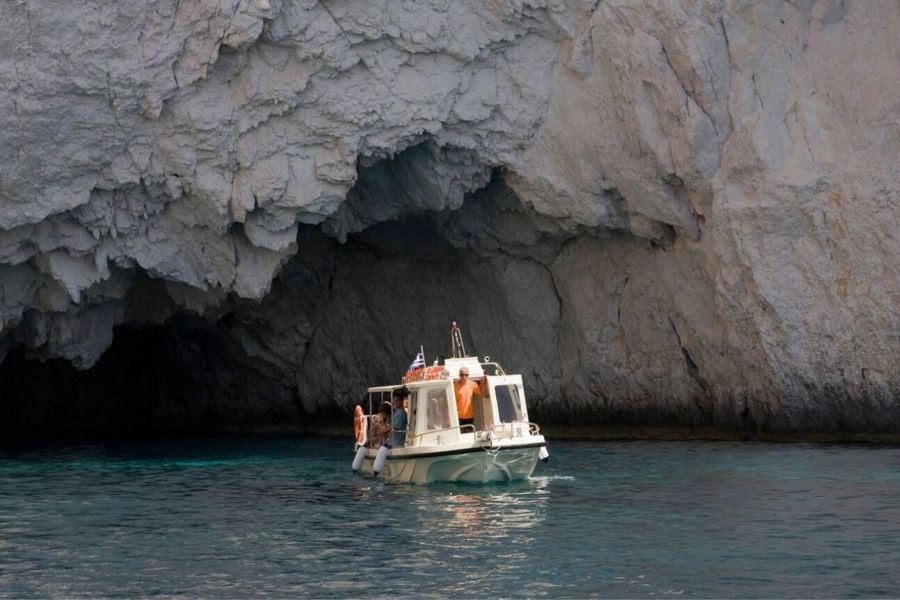
Small boats squeeze deeper into the caves. I definitely prefer that for a more up-close experience.
Immersive Experiences Inside the Blue Caves
Inside the caves, the water is so clear it’s almost hypnotic.
You can swim, snorkel, or just snap photos—each way gives you a different angle on the magic.
Swimming in the Dazzling Blue Waters
Swimming here? It’s a rush.
The water stays cool and crisp, even in summer.
Limestone walls surround you, forming a natural pool.
I love floating on my back, watching sunlight flicker across the cave ceiling.
Top swimming spots:
- The biggest cave entrance (boats can go inside)
- Small alcoves with calm water
- Areas by Agios Nikolaos for easy access
Water depth changes fast, so I always check before diving from rocks.
The brightest blue shows up mid-morning, between 10 and noon.
Snorkeling and Underwater Marvels
Snorkeling opens up a whole new world here.
I usually bring my own mask and snorkel, but lots of tours have gear if you ask.
Snorkeling must-haves:
- Waterproof mask
- Dry snorkel
- Fins (makes swimming easier)
- Underwater camera
Below the surface, limestone forms tunnels and little chambers. Fish dart through the blue, making it feel alive.
That blue glow? Sunlight reflecting off the white sand below.
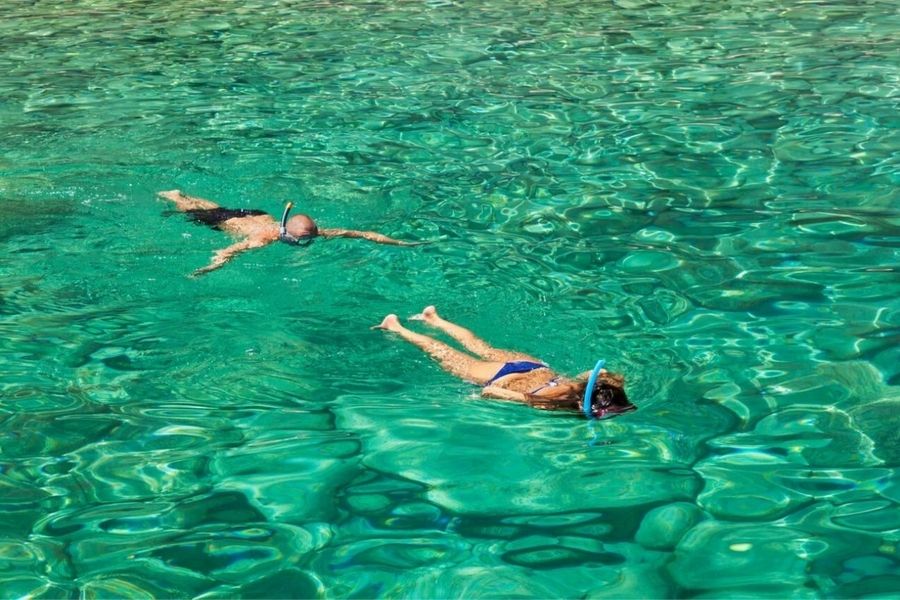
Water’s so clear you can see 30 feet down—rock formations, marine life, all of it.
Tips for Capturing Spectacular Photos
Photography here can be tricky, but the payoff is huge.
Light changes constantly as clouds drift by.
Morning sun gives you the brightest blues.
Camera tricks:
- Crank up the ISO for shadowy spots
- Fast shutter speed for ripples
- Wide-angle lens for those big cave shots
I always use a waterproof case—learned that lesson the hard way.
Floating in the water, looking up at the cave’s mouth, I got some of my favorite shots.
The contrast between dark rock and neon blue water? That’s the money shot.
Beyond the Blue Caves: Must-See Sights Nearby
Zakynthos isn’t just about the Blue Caves.
Three other spots nearby are absolutely worth your time—each with its own vibe, from dramatic shipwrecks to turtle encounters.
Navagio Beach and Shipwreck Bay
Navagio Beach is just a quick boat ride away.
It’s famous for the rusted freighter that crashed there in 1980.
White cliffs tower over turquoise water—it’s a scene that’s stuck with me.
Boats drop anchor, and people swim right up to the shipwreck.
You can only get there by boat since the cliffs are massive.
Most tours bundle Blue Caves and Navagio Beach together.
The sand is powdery and white, and the water stays shallow near shore—perfect for a swim or some photos.
Keri Caves and Their Contrasts
Keri Caves, over on the western coast, feel totally different from the northern caves.
Instead of blue, the light here turns golden, almost honey-colored.
Swimming’s actually allowed inside these caves, which isn’t always the case up north.
The rocks show off reds and oranges mixed with limestone—a cool change of scenery.
It’s a lot quieter here, too. Most tours stop at hidden beaches you won’t find on a map.
The caves formed differently, with wider openings and some seriously high ceilings.
Turtle Island Escapades
Turtle Island (Marathonisi) sits out in Laganas Bay, about half an hour by boat from the Blue Caves.
It’s a vital nesting site for loggerhead turtles.
Peak nesting season runs June to August, and if you’re lucky, you’ll spot turtles swimming nearby.
From above, the island looks like a turtle—hence the name.
The beaches are wild and untouched to protect the turtles.
Swimming here means being extra careful, since it’s a protected marine zone.
Many tours offer snorkeling, and turtle sightings are a real possibility.
Essential Tips for a Seamless Blue Caves Journey
A great Blue Caves trip needs a little planning.
Packing the right gear and knowing the weather can turn a good day into an epic memory.
What to Bring for Comfort and Safety
Sun protection is key. I never leave without SPF 50+, a big hat, and polarized sunglasses.
The water reflects the sun like crazy, so you burn twice as fast.
Snorkeling gear makes a huge difference. Even if tours offer equipment, I like my own mask and fins for comfort.
A waterproof phone case is a lifesaver. I learned that one the hard way.
Here’s what I always toss in my bag:
- Quick-dry towel
- Water bottle (hydration is a must)
- Light jacket for breezy rides
- Non-slip water shoes for the rocks
- Waterproof bag for valuables
If you get seasick, bring something for motion sickness. The boat ride can get bumpy, especially on windy days.
Weather and Seasonal Considerations
The best months to visit? May through October—seas are calmest and the weather’s sweet.
I usually skip July and August to avoid the crowds.
Morning tours are the way to go. Winds pick up later in the day, and tours might get canceled if it’s rough.
Weather to watch for:
- Waves: Under 3 feet is best
- Wind: Below 15 mph
- Visibility: Clear days make everything pop
Water temps by season:
- May-June: 68-72°F
- July-August: 75-79°F
- September-October: 72-75°F
I always book with operators who let you reschedule if the weather turns.
Most reputable companies offer refunds if your tour gets canceled.
Check marine forecasts the day before—I use local Greek weather apps for the best info.
Frequently Asked Questions
If you want to catch those magical blue reflections, visit in the morning. Boat tours are really the only way to reach these northern coast caves—there’s no path down from the cliffs.
Swimming feels pretty safe when the sea’s calm, but remember: you can’t get there by land.
What is the best time of day to visit the Blue Caves in Zakynthos for the optimal experience?
Honestly, I think 9 to 11 AM is the sweet spot. Morning sunlight dances off the water and turns the cave walls that electric blue everyone raves about.
Usually, the sea stays calmer early in the day, which helps if you get queasy on boats (I know I do sometimes).
You’ll also dodge the big crowds and the worst heat by going early. And, trust me, the water looks its brightest and most surreal at that time.
Are there any tour operators you recommend for sailing to the Blue Caves?
Most boats set off from Agios Nikolaos port up north. It’s the closest spot, so you get there faster.
Some tours leave from Zakynthos town or Porto Vromi. Those trips take longer, but you get to see more of the coastline—totally worth it if you love scenery.
If you can, pick a tour with a smaller boat. Big boats can’t squeeze inside the caves, but the little ones can actually go in and let you see the blue glow up close.
What should visitors bring with them when visiting the Blue Caves?
Definitely bring swimwear if you plan to jump in—swimming in crystal-clear waters is half the fun.
Don’t forget sunscreen. The sun bounces off the water and cliffs, and you can burn fast. I usually pack a light jacket too, since those morning breezes on the boat can be chilly.
If you get motion sick, maybe bring some medication just in case. And a waterproof camera? Absolutely essential for capturing those wild blue colors inside the caves.
Is it safe to swim in the Blue Caves, and are there any precautions to take?
Swimming here feels safe as long as the sea’s calm. The water’s so clear you can see right to the bottom.
Always listen to your boat captain—they know the safest spots and will tell you when it’s okay to swim.
The caves cut into steep, rocky cliffs, so stay near your boat. I wouldn’t recommend swimming deep into any narrow passages; it’s a bit risky.
Can the Blue Caves be accessed by land, or is a boat trip necessary?
You have to go by boat—there’s just no way down those cliffs.
The caves sit right at sea level, and the famous blue glow only really shows up when you’re in or near the cave entrances.
Some caves are big enough for small boats to enter. Others? You can only reach them by swimming from the boat, which is its own little adventure.
Are there any restrictions or conservation efforts in place to protect the Blue Caves?
Locals and officials treat the caves as a precious part of the island’s natural heritage. Boat operators stick to specific guidelines, all to keep the cave ecosystem healthy and undisturbed.
Swimming and snorkeling? Absolutely, you can jump in. Just remember—it’s important not to touch or scrape the cave walls. These white limestone formations are incredibly delicate and honestly, they’ve taken centuries to become what they are today.
Tour boats keep group sizes small, so you won’t find the caves overcrowded. This approach not only protects the environment but makes the whole experience feel a bit more magical and safe for everyone.
