
Imagine walking where our earliest ancestors once stood, right where ancient humans first harnessed fire in Italy. The rolling hills near Visogliano in northern Italy hide secrets that go back hundreds of thousands of years, showing us how early humans learned to tame flames for warmth, safety, and maybe even a decent meal.
Scientists still debate exactly when fire use began in Italy, but archaeological evidence points to controlled fire use in Europe starting about 250,000 years ago. Some sites might even show earlier sparks.
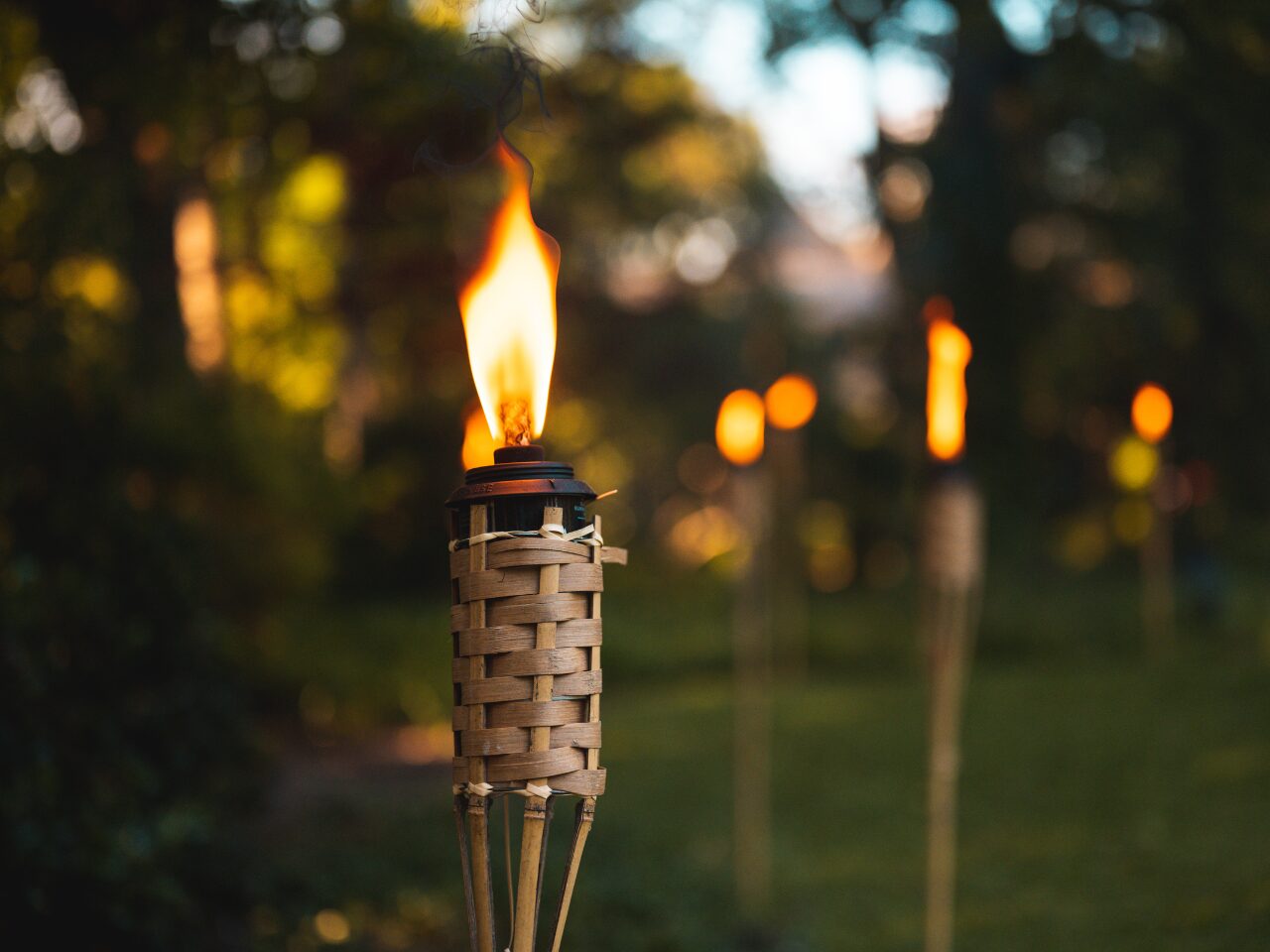
When I visited these sites, I felt a deep connection to our shared human story. The caves and rock shelters where our ancestors gathered around flickering flames still hold microscopic traces of ancient hearths.
These places aren’t just piles of old stones—they’re where human innovation took its first big leap.
As I walked these Italian landscapes, I often paused to picture the scene—small groups huddled around a fire, sharing food and stories as night settled in. Fire wasn’t just about warmth or scaring off predators; it changed everything.
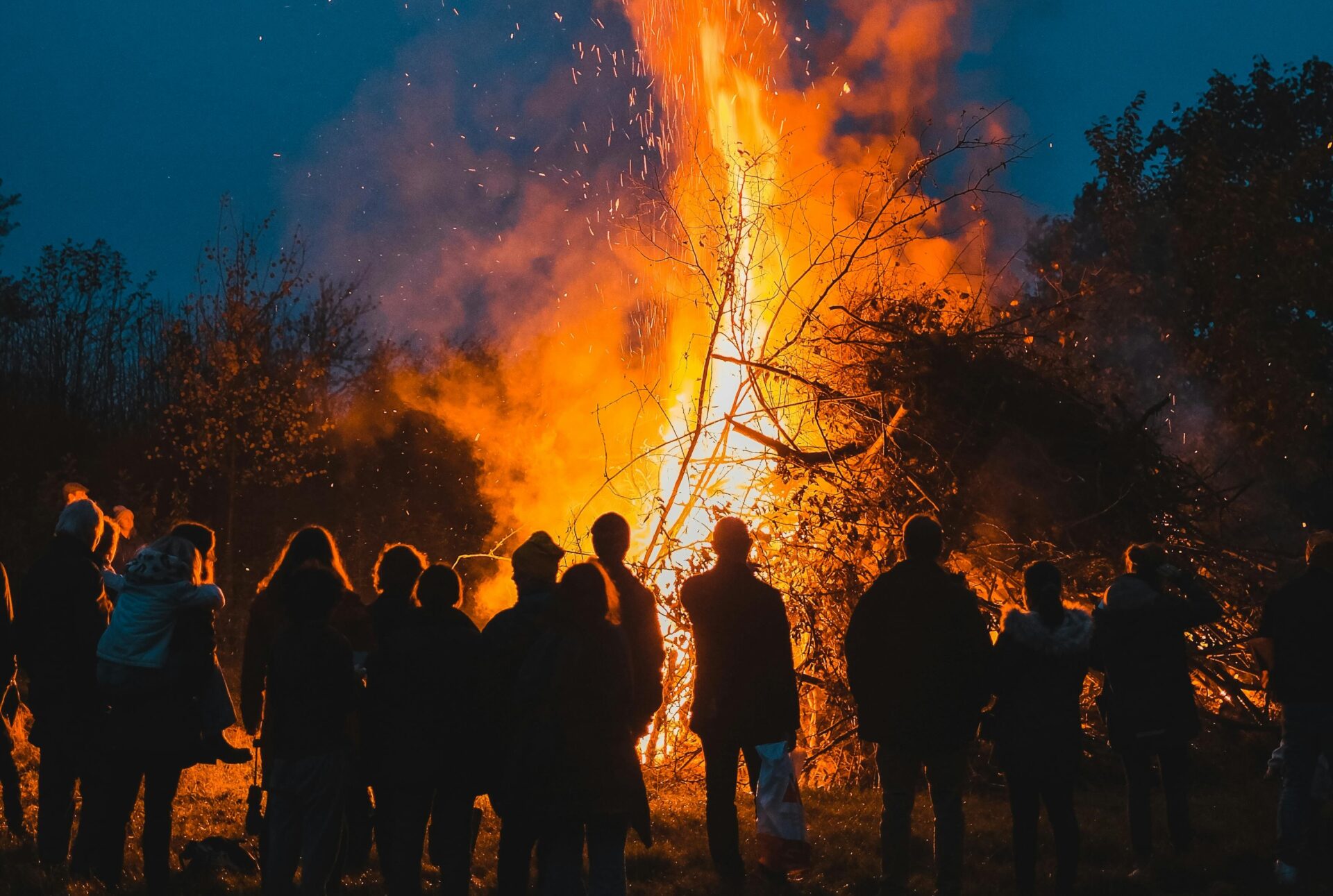
Cooking made food easier to digest and probably helped our brains grow. Next time you light a campfire or even just turn on your stove, remember—you’re carrying on a tradition that stretches back to the very start of humanity.
Discovering the First Fires: Where Ancient Humans Lit the Flame
Archaeologists searching for humanity’s first fires have made some major discoveries across Europe, showing us how our ancestors learned to master this powerful force. Early fire use gives us a peek into the daily lives of ancient humans—people who changed the course of evolution with one simple spark.
Unveiling the Hearths of Prehistoric Italy
When I walked through Italian archaeological sites, I was amazed by the ancient hearths that still tell stories of our earliest relatives. These fire pits, often surrounded by charred bits and stones, show some of the earliest evidence of controlled fire in southern Europe.
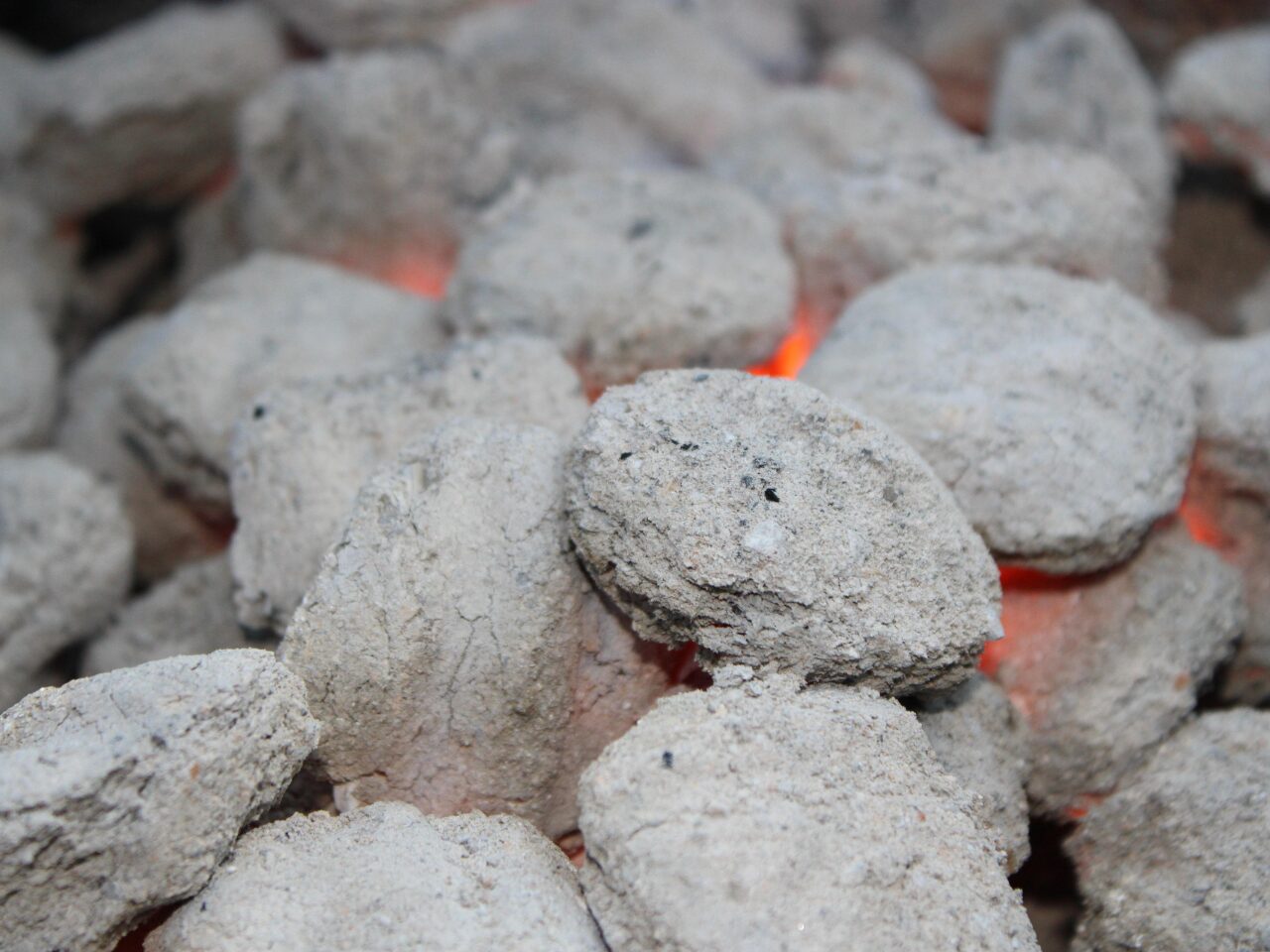
At Middle Pleistocene sites, archaeologists found charcoal and burned sediments that clearly point to people managing fire on purpose. Hearths range from simple shallow spots to more elaborate stone-lined pits.
What really gets me is how these discoveries link us to Homo heidelbergensis, who probably brought fire-making skills with them into Italy. Some sites show fire was used over and over again, turning these places into real community hubs.
The Role of Fire in Early Human Evolution
Fire changed human life in ways that are honestly hard to overstate. For early humans in Italy, mastering flames meant they could survive brutal winters and keep predators at bay during the night.
Cooking with fire let our ancestors get more nutrients from food and spend less energy digesting it. That nutritional boost might have helped our brains grow and our societies get more complex.
Homo erectus was probably using fire in Eurasia even earlier than we thought, but the first solid evidence in Italy comes a bit later. These fire-users were early members of our human family who made their way out of Africa.
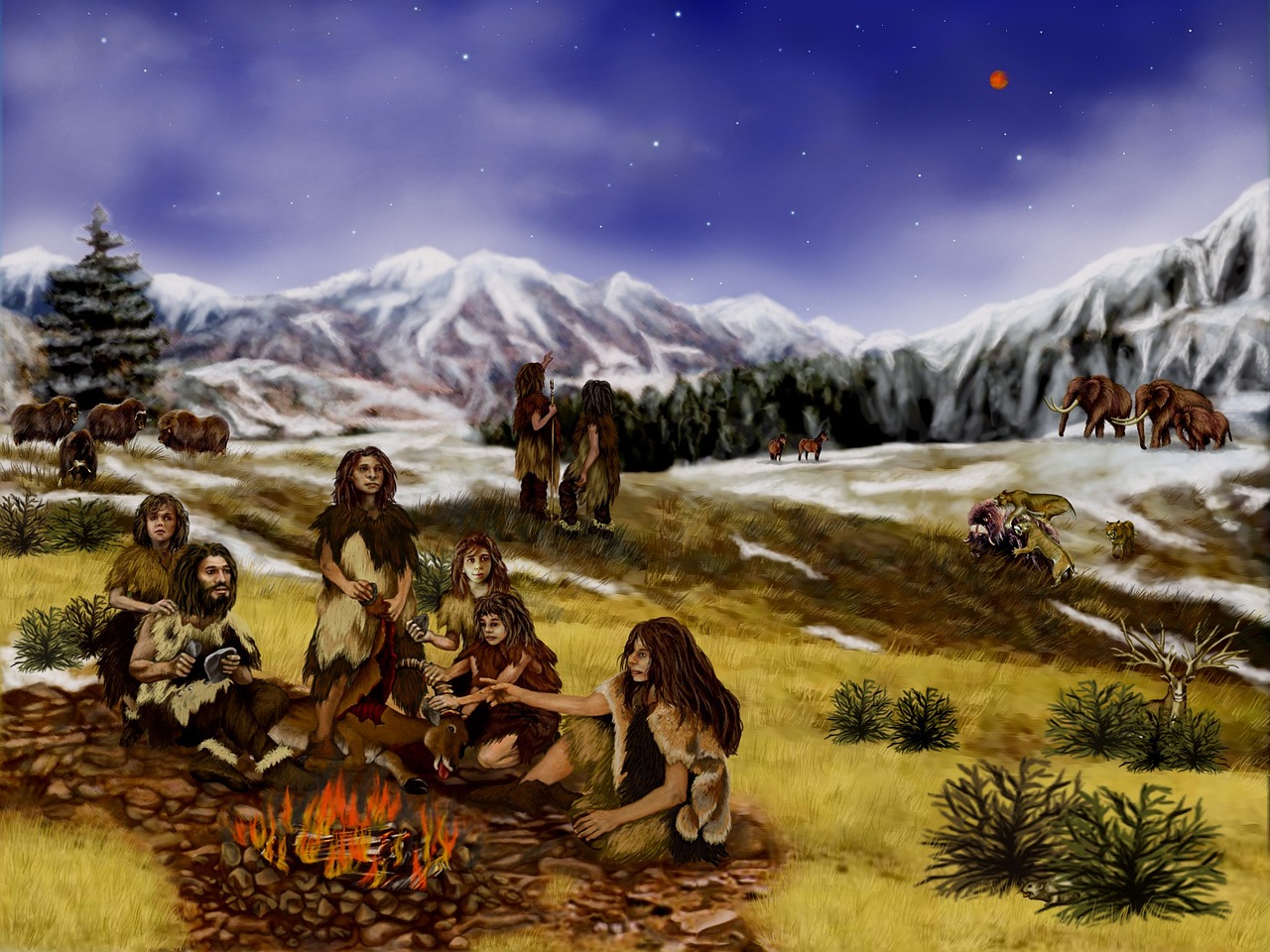
Fire also created a space for people to come together, share stories, and pass down knowledge. I’ve stood at some of these ancient hearths, trying to imagine families huddled close, passing down wisdom that would shape humanity.
Archaeological Sites and Excavations in Italy
Italy’s ancient soil has kept some incredible evidence of early human fire use. Sites like Poggetti Vecchi in Tuscany and Scoglietto cave open a window into prehistoric life, showing how fire technology evolved and shaped people on the Italian peninsula.
Notable Discoveries: Charred Remains and Stone Tools
At Poggetti Vecchi in southern Tuscany, archaeologists dug up wooden artifacts that reveal early Neanderthals knew a thing or two about making tools. I was surprised to learn these tools were mostly crafted from boxwood (Buxus sempervirens), one of the first plants humans used for pointed sticks—maybe for protection, maybe for making fire.
Scoglietto cave, which stretches 40 meters deep in the Parco region, gave up human remains from the Copper Age that show clear signs of burning. When I visited, the guide explained how these charred bones might reveal funeral practices or maybe just accidental fires.
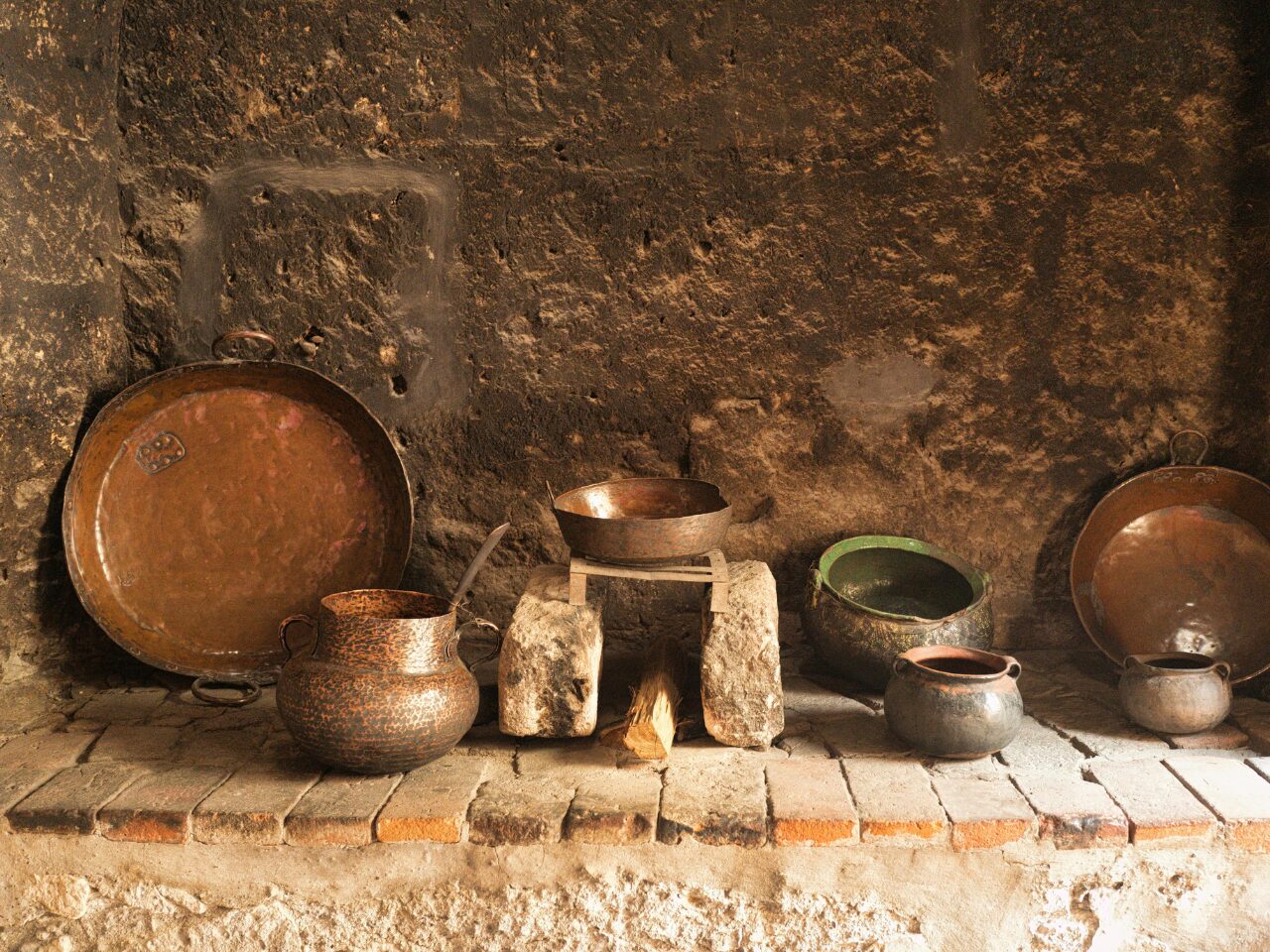
Stone tools found alongside burnt material help archaeologists date and understand how fire technology developed. A lot of sites also have ochre, which early humans probably used for both practical and symbolic reasons.
Life Around Ancient Hearths: Daily Routines and Survival
Fire totally changed the daily grind for Italy’s first people. I’ve seen museum displays that show how hearths became the heart of family life and small groups.
Excavations make it clear that fire let these ancient people:
- Cook food to make tough meats and plants edible
- Stay warm in cold weather, so they could live in more places
- Fend off predators
- Make better tools by heat-treating stone
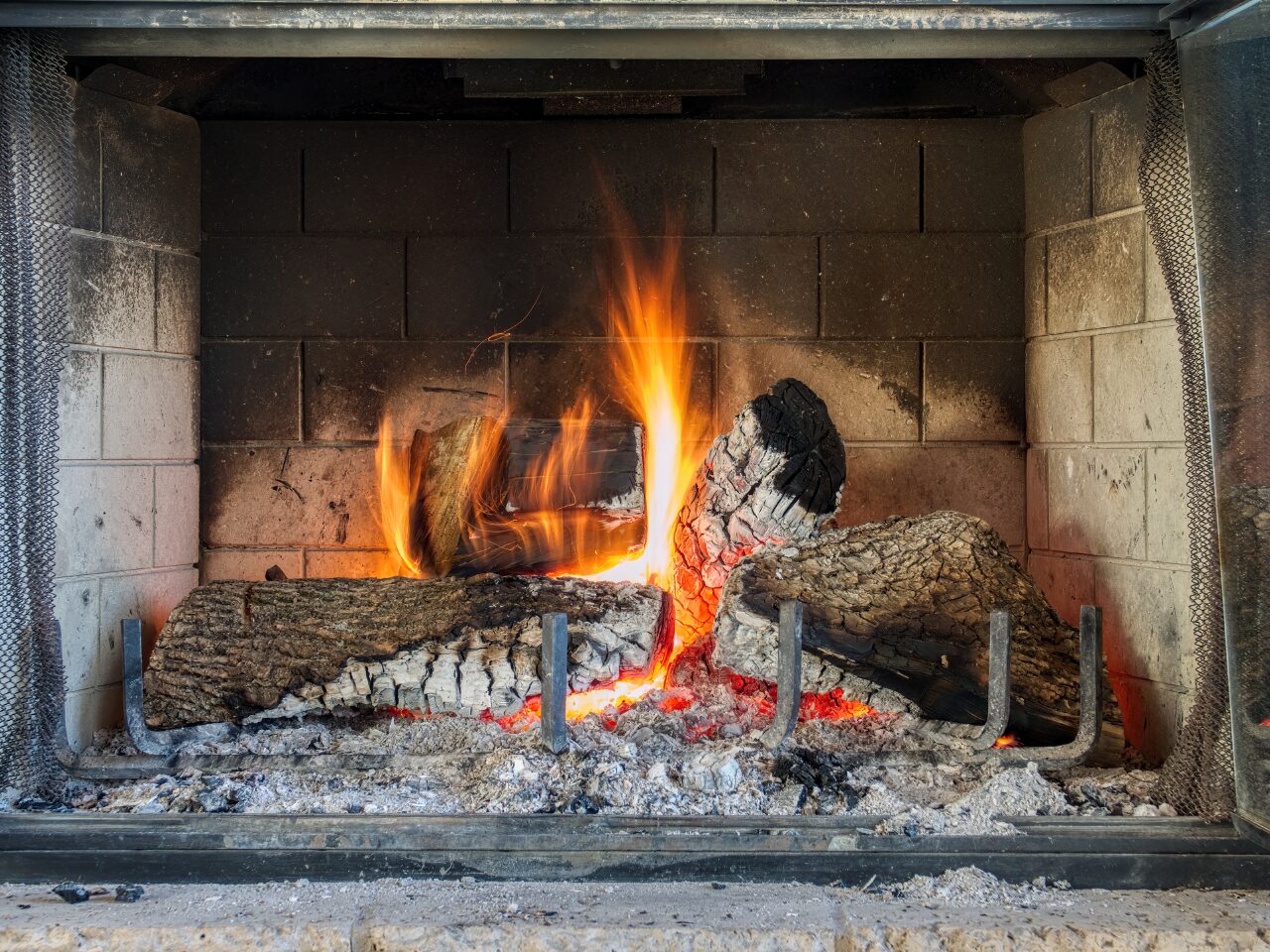
Animal bones with cut marks and burn marks tell stories of hunting trips and butchering. At several sites, I even noticed fish bones, hinting that fire helped people preserve food from Italy’s coastlines.
How Archaeologists Interpret Evidence of Fire
Archaeologists have to look closely at sediments, charcoal, and heat-altered artifacts to spot ancient fire use. I watched a dig team at one Italian site carefully examine soil color changes that marked where hearths once burned.
Scientists use controlled burns in labs to see how materials react to different temperatures. That helps them spot fire signatures in ancient dirt—even if they’re thousands of years old.
When looking for ancient fire, archaeologists check for:
- Ash deposits and their chemistry
- Heat-cracked stones from old cooking pits
- Tiny plant remains trapped in charcoal
- Patterns of artifacts that show people gathered around hearths
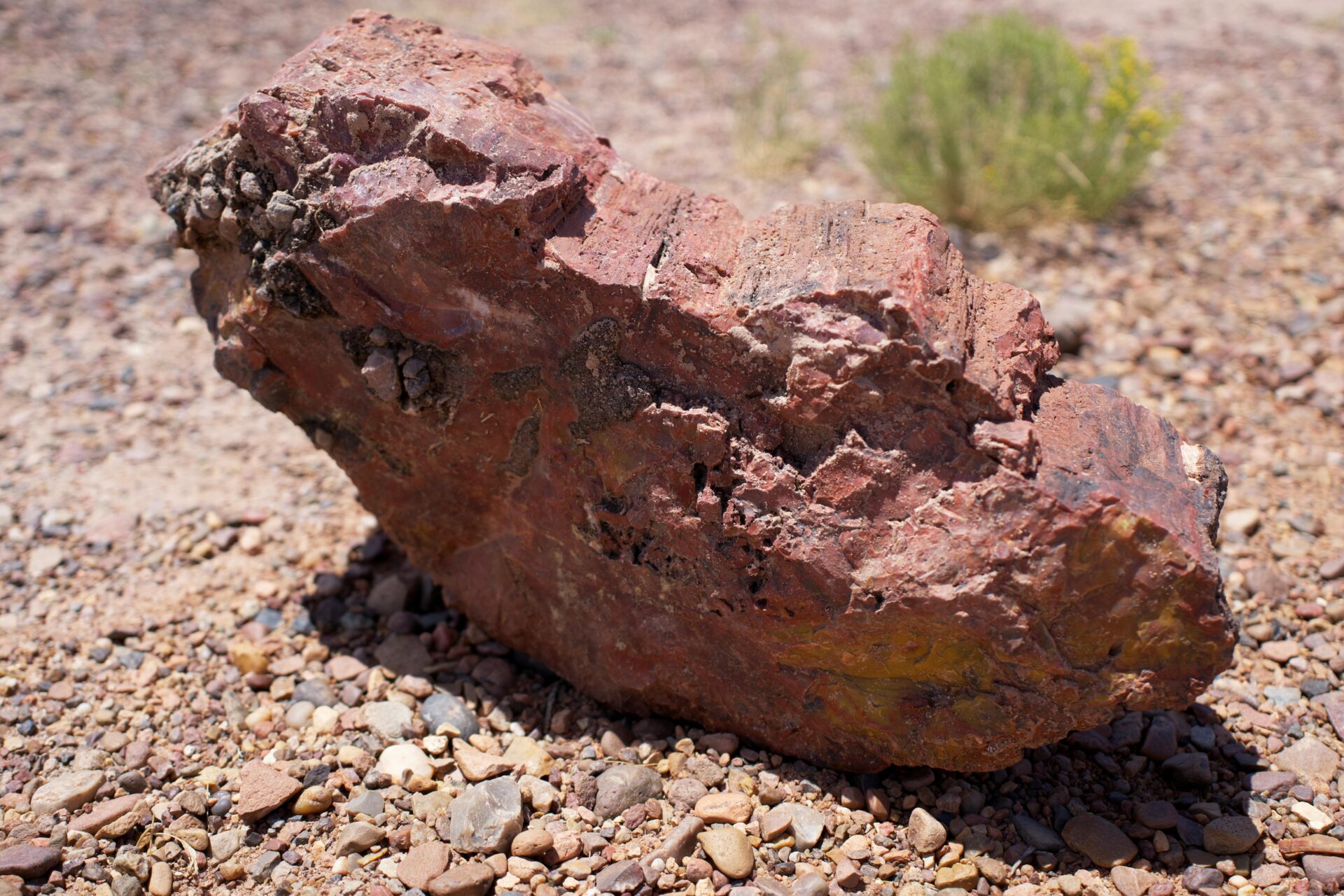
Microstratigraphy—basically, looking at soil layers under a microscope—can reveal if people used fire in the same spot over and over, hinting at real campsites, not just random fires.
Ancient Inhabitants: From Neanderthals to Homo Erectus
Italy’s ancient landscape was home to several human species long before modern humans showed up. These early ancestors left behind clues about their lives and their special bond with fire—a tool that changed everything.
Neanderthals and Their Relationship with Fire
Standing at ancient Italian fire sites, I can’t help but think about the Neanderthals who once gathered around those same flames. The evidence says Neanderthals didn’t just use fire—they got really good at it. At sites in Southern Europe, archaeologists have found clear proof of controlled fire at Pech IV and Roc de Marsal.
Neanderthals used fire for warmth, safety, and cooking. This skill helped them survive Europe’s rough climate for thousands of years. Their talent with fire shows just how adaptable and clever they were.
DNA studies reveal Neanderthals weren’t just distant cousins—they mixed with modern humans. Some of us still carry a bit of Neanderthal DNA, so in a way, we’re directly linked to these ancient fire-makers.
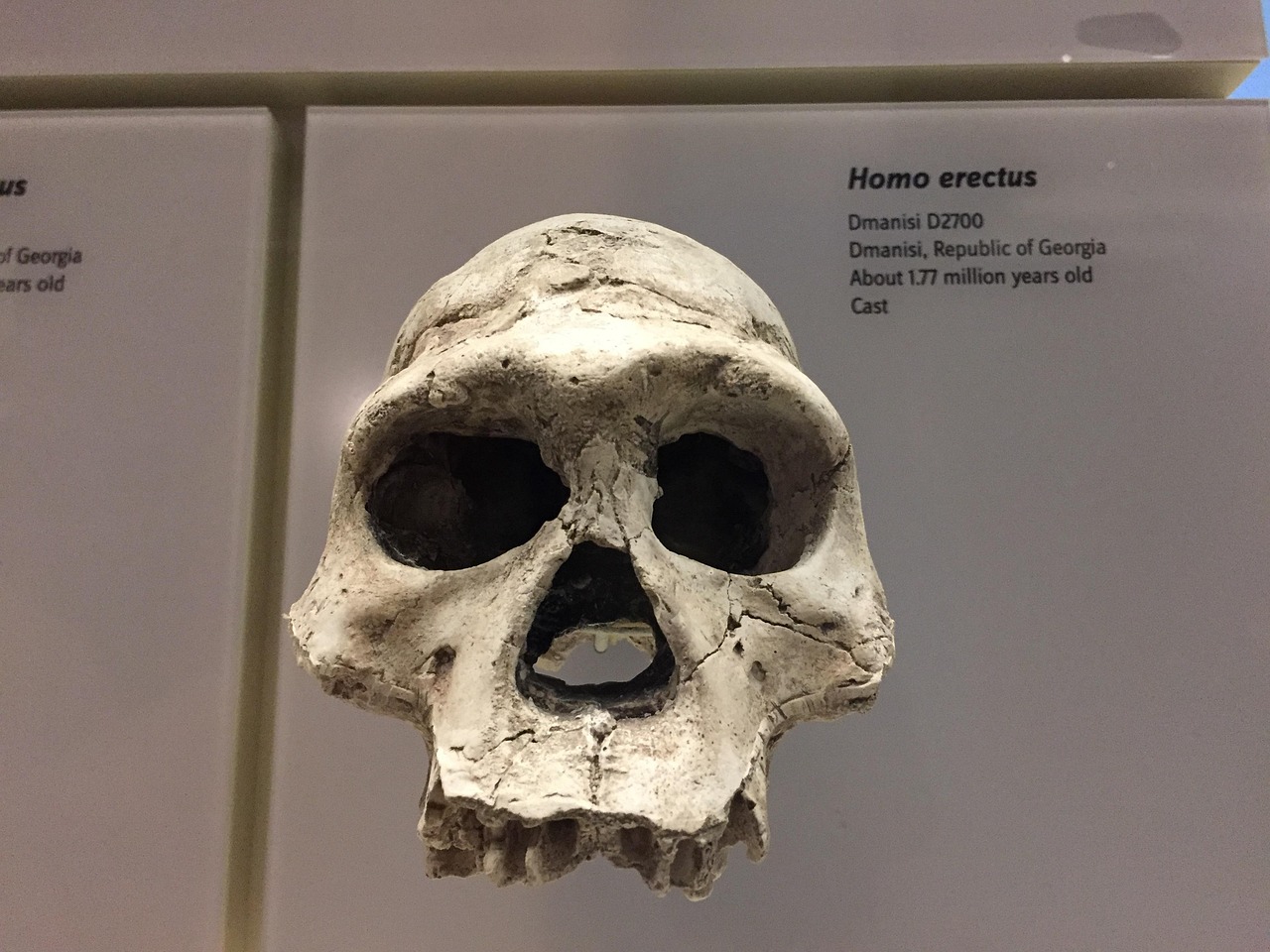
Homo Heidelbergensis and Technological Advances
Before Neanderthals, Homo heidelbergensis lived in what we now call Italy. When I walk these ancient sites, I can almost picture these folks—shorter than us, but taller than earlier species—gathering around their fires.
Homo heidelbergensis represents a key link in our family tree. They might be ancestors to both Neanderthals and us, which is kind of wild to think about.
Their tech went beyond basic tools. Evidence suggests they were among the first to use fire regularly in Europe, and that changed everything. Cooking food meant more calories, which could have fueled bigger brains.
I find it amazing that these now-extinct relatives invented things that still shape how we live today.
Wild Italy: Prehistoric Environments and Fauna
Italy’s prehistoric landscape looked nothing like it does now. It was a wild place, home to a huge variety of animals and plants. Ancient people had to learn to survive in thick forests, on the coast, and in the mountains—often side by side with big predators and valuable prey.
Bears, Whales, Dogs, and the Changing Landscape
When I wander through Italian archaeological sites, I keep stumbling across signs of animals that once ruled these lands. Cave bears, for example, were massive—some fossils show they were up to 30% bigger than today’s brown bears.
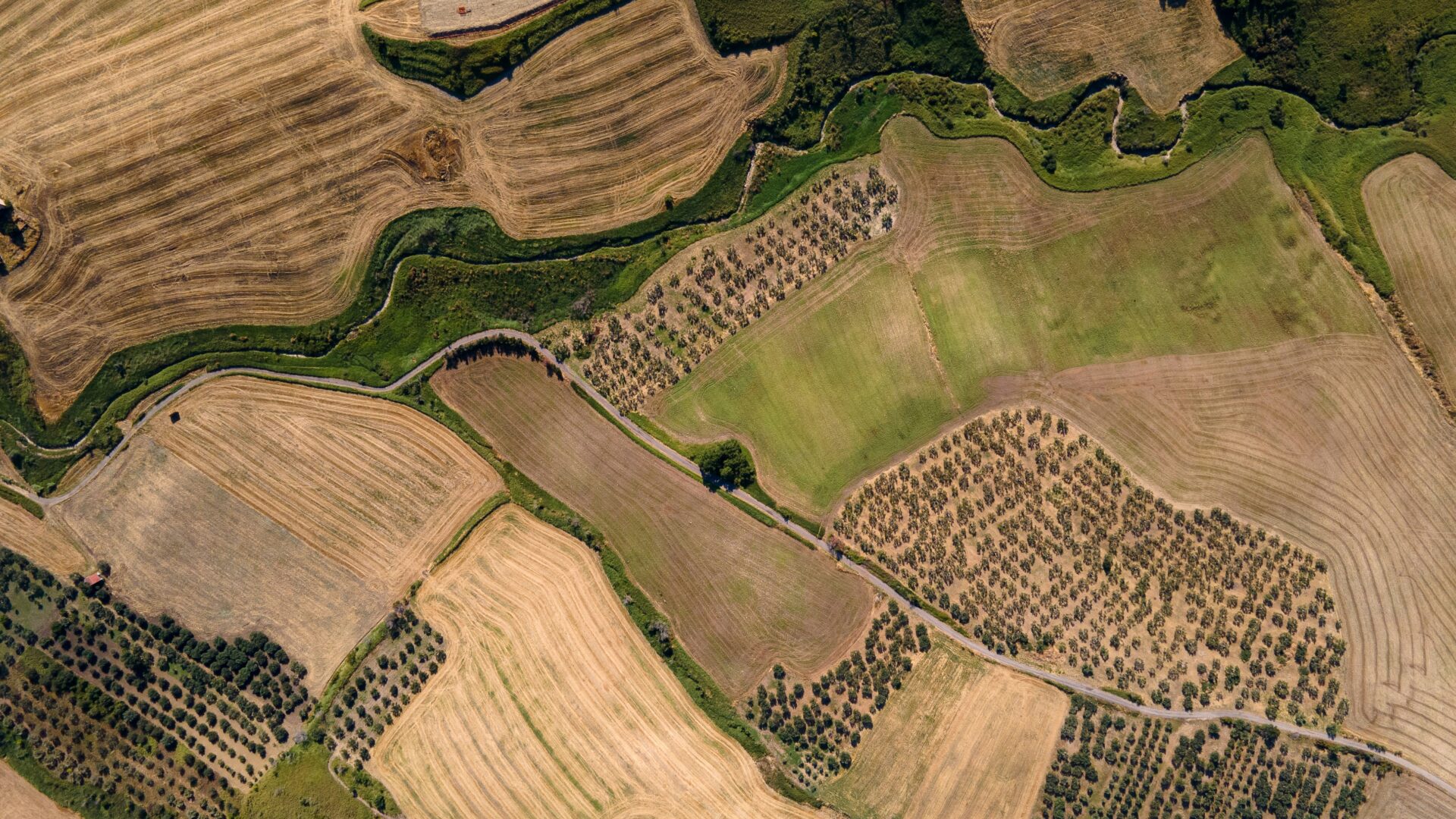
During the Pleistocene (2.6 million to 11,700 years ago), the north and center of Italy had thick forests, while the south had more open grassland. These different habitats supported all sorts of wildlife.
Early canids—ancestors to today’s dogs—start showing up in fossils around 40,000 years ago. There’s evidence that humans and these early dogs started working together, kicking off a partnership that still lasts.
Coastal regions held all kinds of marine mammals, including whales that still swim in the Mediterranean. Sometimes their bones turn up at ancient settlements, hinting they were important to people back then.
Boating, Trapping, and Marine Life: Early Human Ingenuity
I’ve checked out ancient fishing tools that really show off human creativity. By 30,000 years ago, people in Italy were making bone harpoons and fish hooks—pretty advanced stuff for the time.
Around 12,000 years ago, simple dugout canoes started showing up, letting people fish farther from shore. These new tools really opened up the menu.
Early Hunting and Trapping Methods:
- Pit traps for big animals
- Snares from plant fibers
- Special harpoons for marine hunting
- Stone-tipped spears for large game
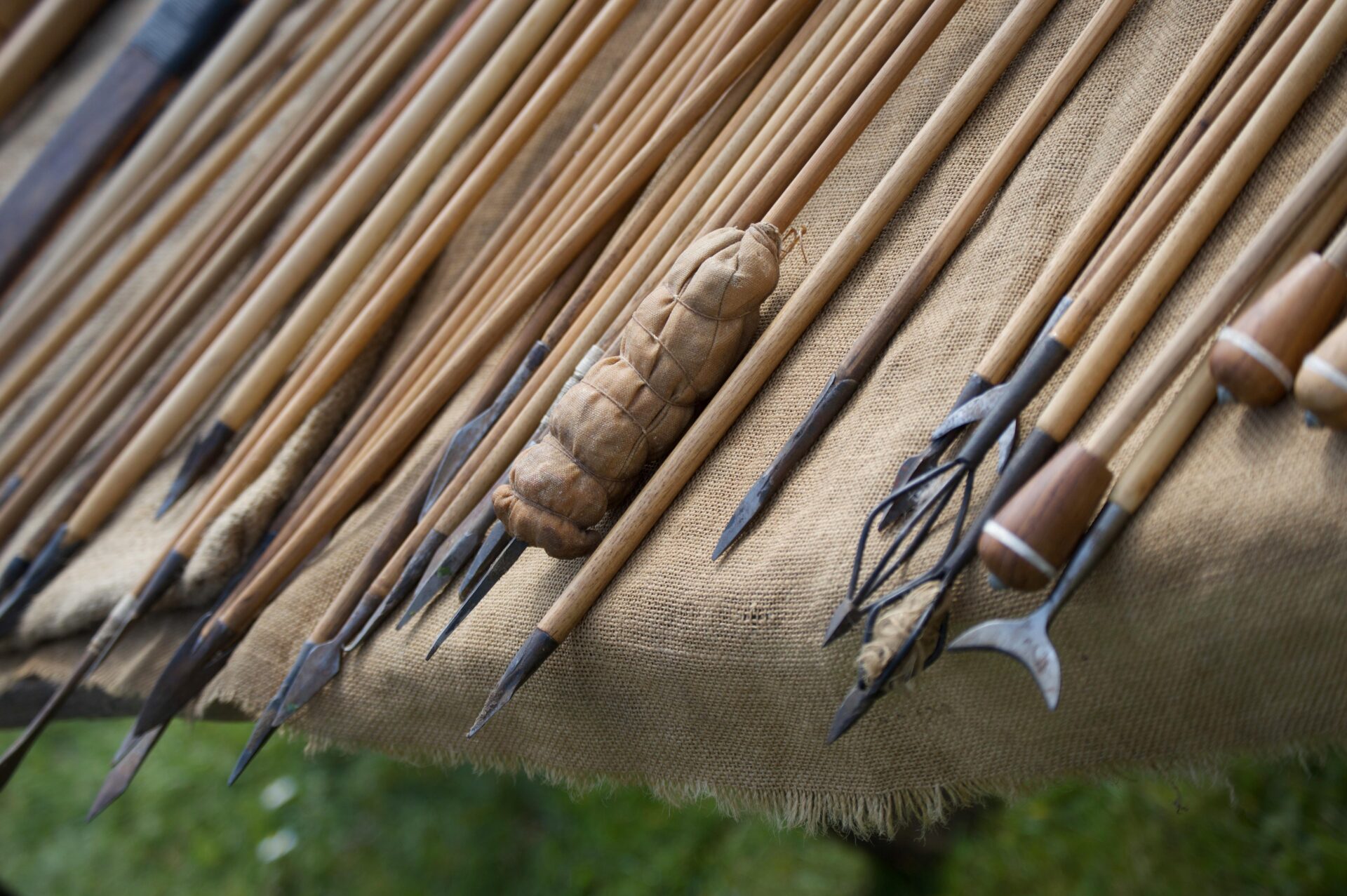
Marine food was especially important in coastal settlements. Ancient trash piles (middens) are stuffed with shellfish, fish bones, and sometimes sea mammal remains, showing just how much the Mediterranean mattered.
Impact of Fire on Deforestation and Ecosystems
Looking at soil layers at archaeological sites, I can spot evidence of human-set fires from at least 40,000 years ago. Early people used fire to clear brush and make open spaces.
The impact on forests was big, but mostly local. Pollen samples show that deforestation spread slowly around settlements, creating a patchwork of woods and clearings instead of wiping everything out.
Fire created new habitats. Burned areas would regrow quickly with young plants, which drew in herbivores—making hunting easier. This might be one of the first times humans started changing their environment on purpose.
Some evidence says strategic burning pushed certain species—especially those needing thick forest—toward decline. Humans managing the landscape eventually became the norm, totally changing the balance that had existed for millions of years.
Fire Through the Ages: From Prehistory to Ancient Rome
Fire’s journey through human history is a wild ride—from the first controlled flames to the way it shaped Rome’s crowded streets and even its myths.
Fire in Ancient Rome: Conflagrations and Urban Life
Walking through Rome now, I’m struck by how different fire must have felt to ancient Romans. In a city packed with wooden buildings, fire was both a necessity and a constant threat.
Families needed open flames for cooking, warmth, and light—but those same flames could start disasters. The risk was so real that Emperor Augustus set up the vigiles, Rome’s first firefighters, who patrolled at night with water buckets and basic tools.
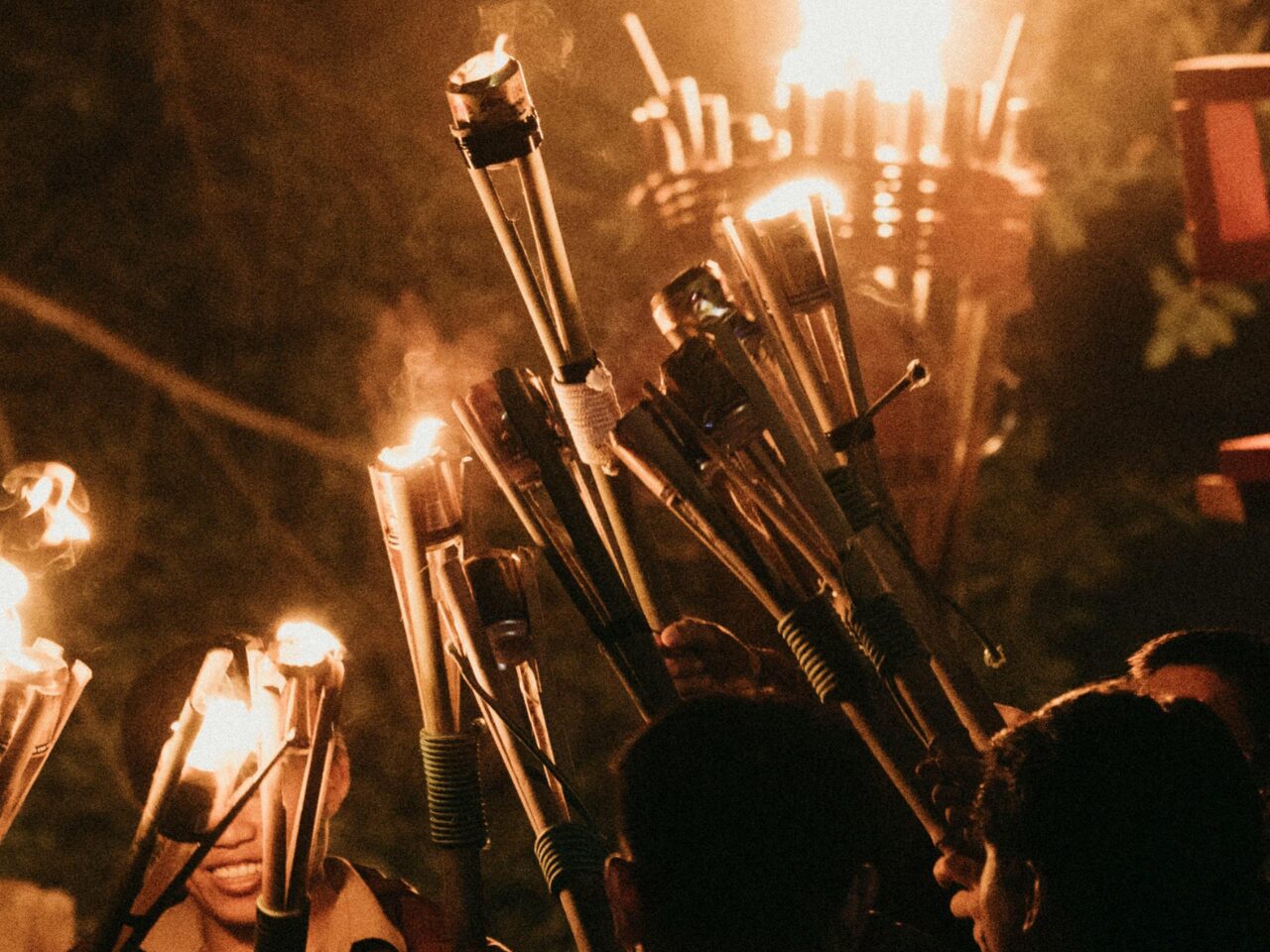
Many Romans kept shrines to Vesta, goddess of the hearth, right in their homes. Fire was practical, but it was also sacred.
Fires of Destruction: Public Buildings and Historical Disasters
Rome’s history is full of devastating fires. The worst hit in 64 CE, under Nero—flames tore through two-thirds of the city. Standing among the ruins now, I can almost hear the panic as fire raged for six days, swallowing homes and monuments.
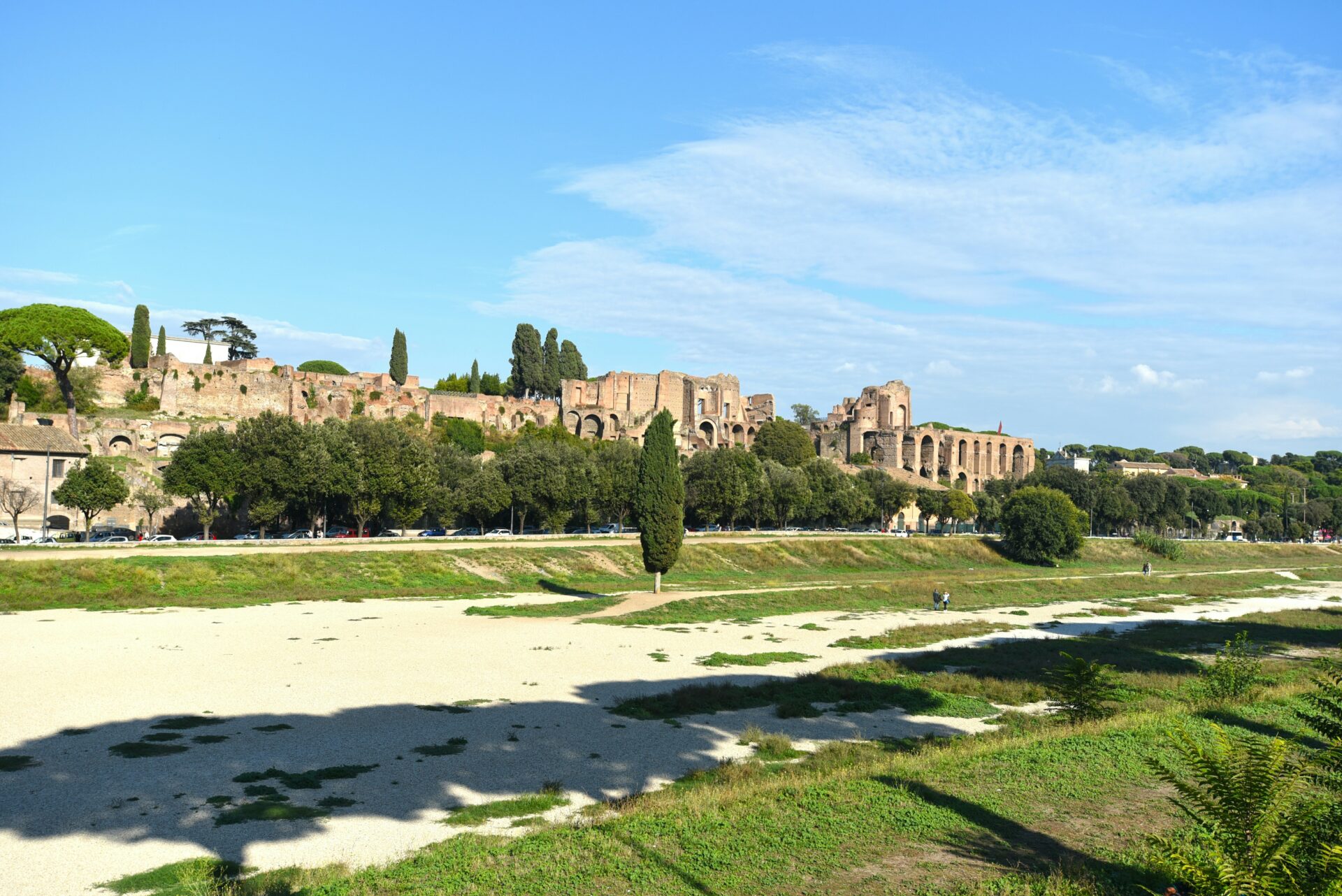
The Circus Maximus, Rome’s huge chariot stadium, burned down more than once, each time leading to big rebuilding projects.
Fire was even used as a weapon. When the Gauls invaded in 390 BCE, they set much of Rome ablaze after defeating Roman forces, burning everything but the Capitoline Hill.
Rome’s Founders, Fires, and Folklore
Fire pops up everywhere in Rome’s founding stories. According to legend, Romulus lit sacred fires when he founded the city in 753 BCE, honoring the gods and protecting the new settlement. That tradition grew into the eternal flame cared for by the Vestal Virgins.
Tacitus, the historian, wrote that Romans often saw fires as omens—bad ones, usually, warning of coming trouble.
Along the Tiber, Romans celebrated fire festivals like Vulcanalia, honoring Vulcan, god of fire and the forge. They’d light bonfires and toss live fish in as sacrifices, hoping to keep destructive fires away.
Fire was both creator and destroyer, shaping not just Rome’s buildings but its whole identity.
Exploring Italy’s Fire Legacy Today: Travel Tips and Experiences
Italy’s ancient fire sites give us a rare look into our deep past. You can explore these archaeological treasures through guided tours, interactive exhibits, and careful preservation that tries to balance tourism with conservation.
How to Visit Archaeological Fire Sites
In my experience, spring and fall are the best times to visit Italy’s prehistoric fire sites—fewer crowds, nicer weather. Some places need advance reservations, especially in busy spots like Tuscany and Sicily.
For a deep dive, I’d go with a specialized archaeological tour. Groups like Archaeological Tours Italy and Ancient Fire Expeditions offer packages with transport and expert guides.
Top sites to check out:
- Grotta del Cavallo in Puglia
- Riparo Bombrini in Liguria
- Grotta Romanelli on the Adriatic coast
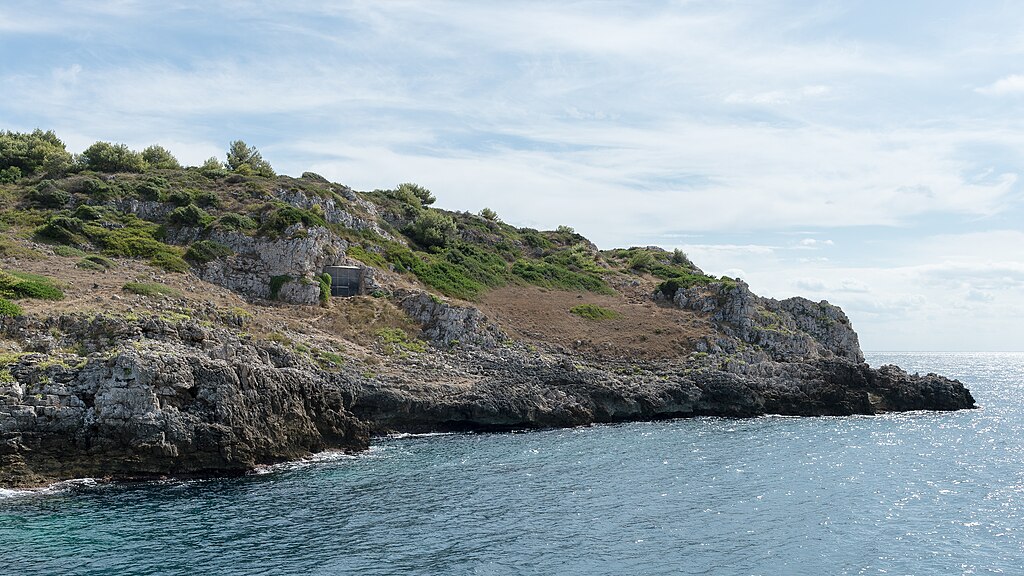
Most are reachable by public transport, but a few remote sites might need a rental car. I always download offline maps before heading out—cell service can be iffy in the hills.
Experiencing Prehistoric Life: Interactive Tours and Videos
Plenty of Italian museums now offer immersive experiences that make ancient fire-making feel real. The National Prehistoric Museum in Rome has hands-on demos where you can try old-school fire-starting.
Virtual reality has changed the game. At the Prehistoric Life Center in Florence, I watched some stunning 4K videos that recreated early human rituals and daily life.
For families, these interactive options are great:
- Fire-making workshops at the Museum of Ancient Technologies (Milan)
- The “Day in Prehistoric Life” experience in Naples
- Digital tours at the Virtual Archaeology Center (Rome)
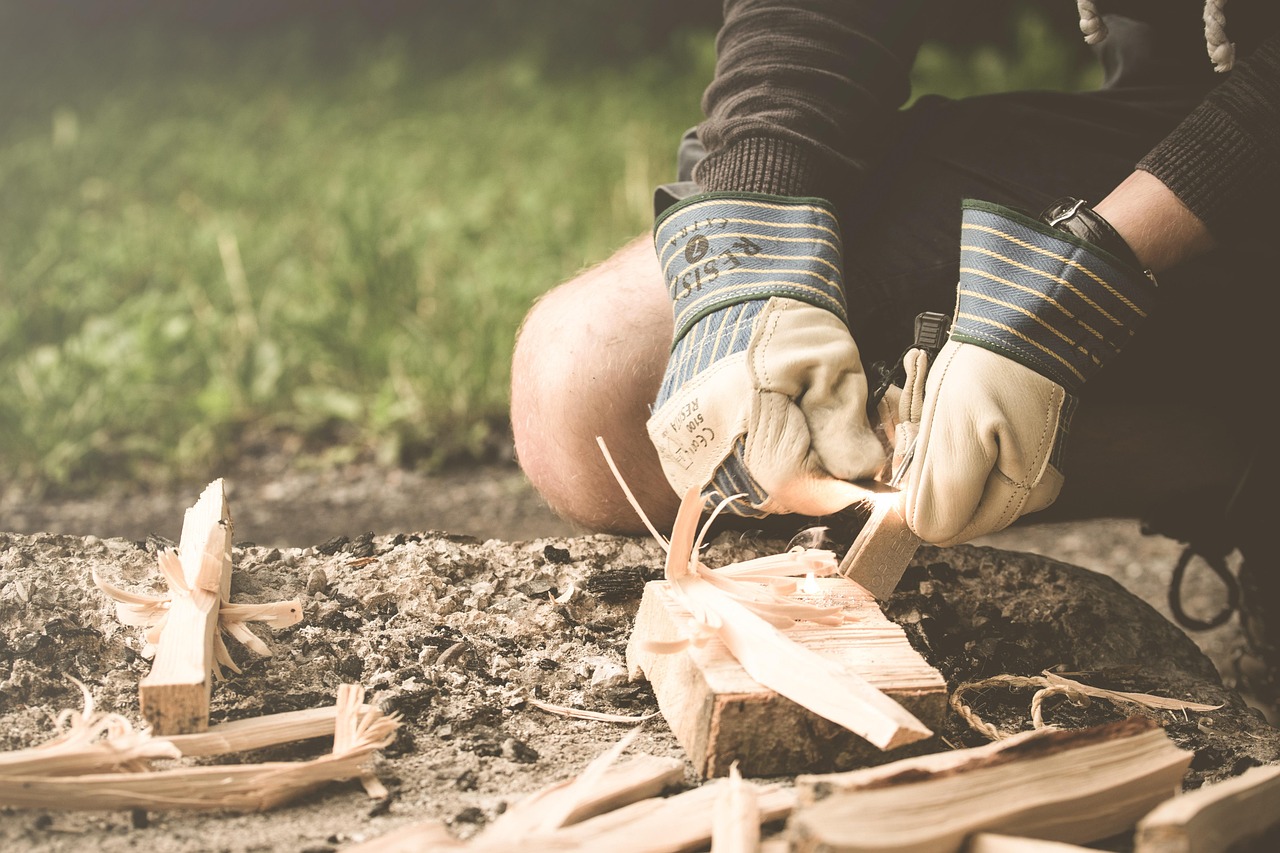
Many places now have audio guides in different languages, telling the story of fire technology in a way that actually keeps you interested.
Responsible Tourism and Preservation Efforts
As I’ve explored these sites, I’ve realized just how fragile they are. Italy has set up strict visitor rules at most prehistoric locations to keep them safe.
If you go, stick to marked paths. Don’t touch cave paintings or artifacts. Avoid flash photography in sensitive areas. Take only photos—seriously, leave everything else behind.
The Italian Ministry of Cultural Heritage works with UNESCO to protect these places. Some of your ticket fee goes straight to conservation.
If you want to do more, consider supporting local groups like Protect Ancient Italy or even volunteering at a dig during the summer. It’s a cool way to connect with Italy’s fire legacy and help keep it safe for the next generation.

