
I never thought I’d find myself completely alone in an ancient Roman amphitheater, but that’s exactly what happened last week in Molise.
As I wandered through ruins that have stood for thousands of years, only my footsteps and the occasional bird broke the silence.
In Molise, Italy’s least-visited region with only about 482,000 tourists a year, you can explore archaeological treasures without crowds or lines.
The morning sun stretched shadows across ancient stone paths where toga-clad Romans once walked.
I explored every corner at my own pace, with no tour guides hurrying me or selfie sticks blocking my view.
It was just me and centuries of history, having a private conversation.
This hidden gem in central Italy offers something that’s almost impossible elsewhere: authentic connection with the past, free from modern distractions.
My friends called me crazy for skipping Florence and Venice to visit this obscure region, but standing alone in that ancient city, I finally got it.
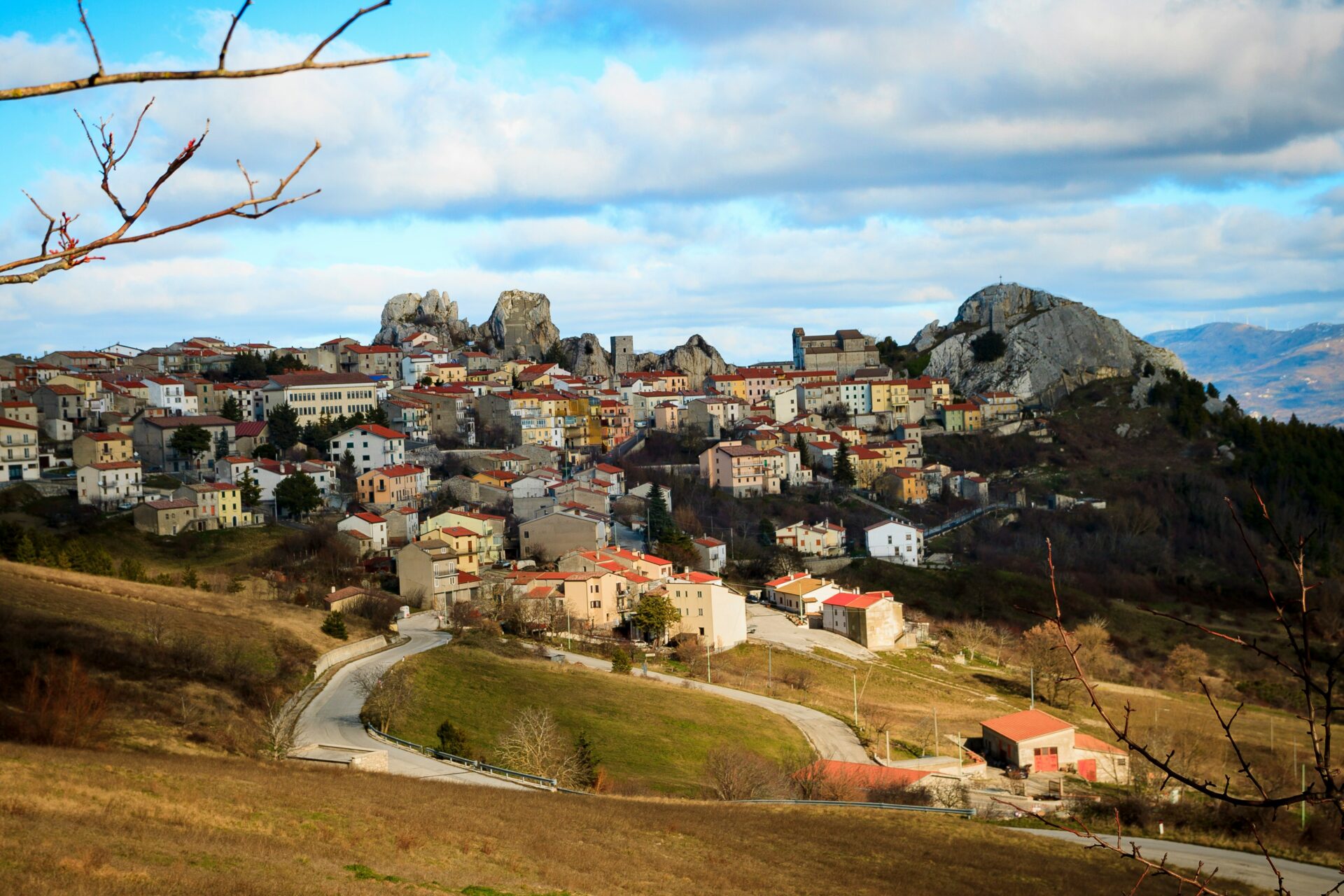
Molise may be famous for “not existing”—locals love that joke—but its empty beaches, clear sidewalks, and untouched historic sites give a rare glimpse of Italy as it used to be.
Here, you won’t find staged experiences for tourists; everything just exists for the few curious enough to look.
Discovering the Hidden Roman City in Molise
Molise hides one of Italy’s most remarkable archaeological sites, far from the crowds of Pompeii or Rome.
This forgotten Roman city gives you a chance to experience ancient history in complete solitude.
Location and Setting
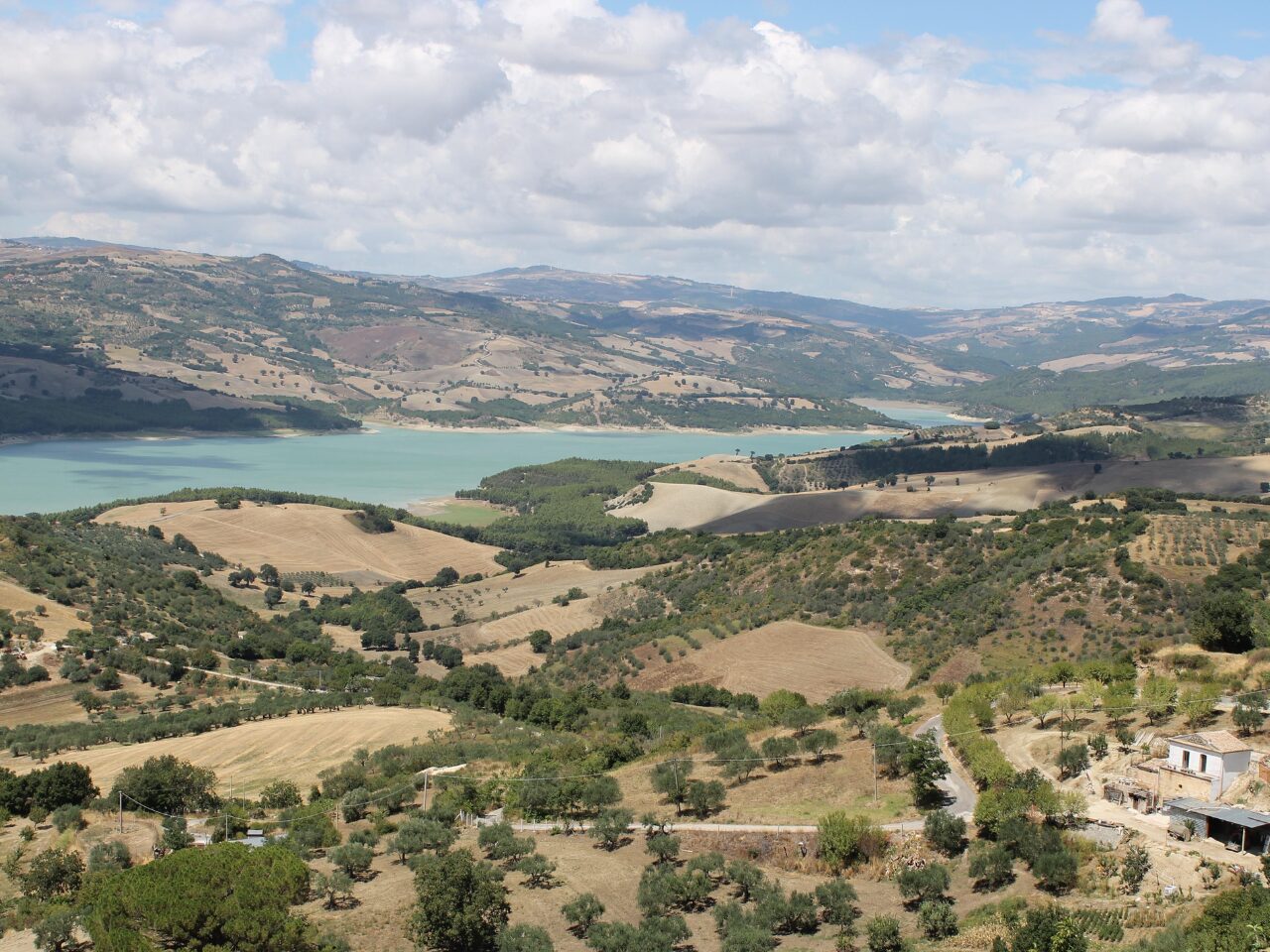
I found the ancient Roman ruins in the province of Isernia, tucked among Molise’s rolling hills.
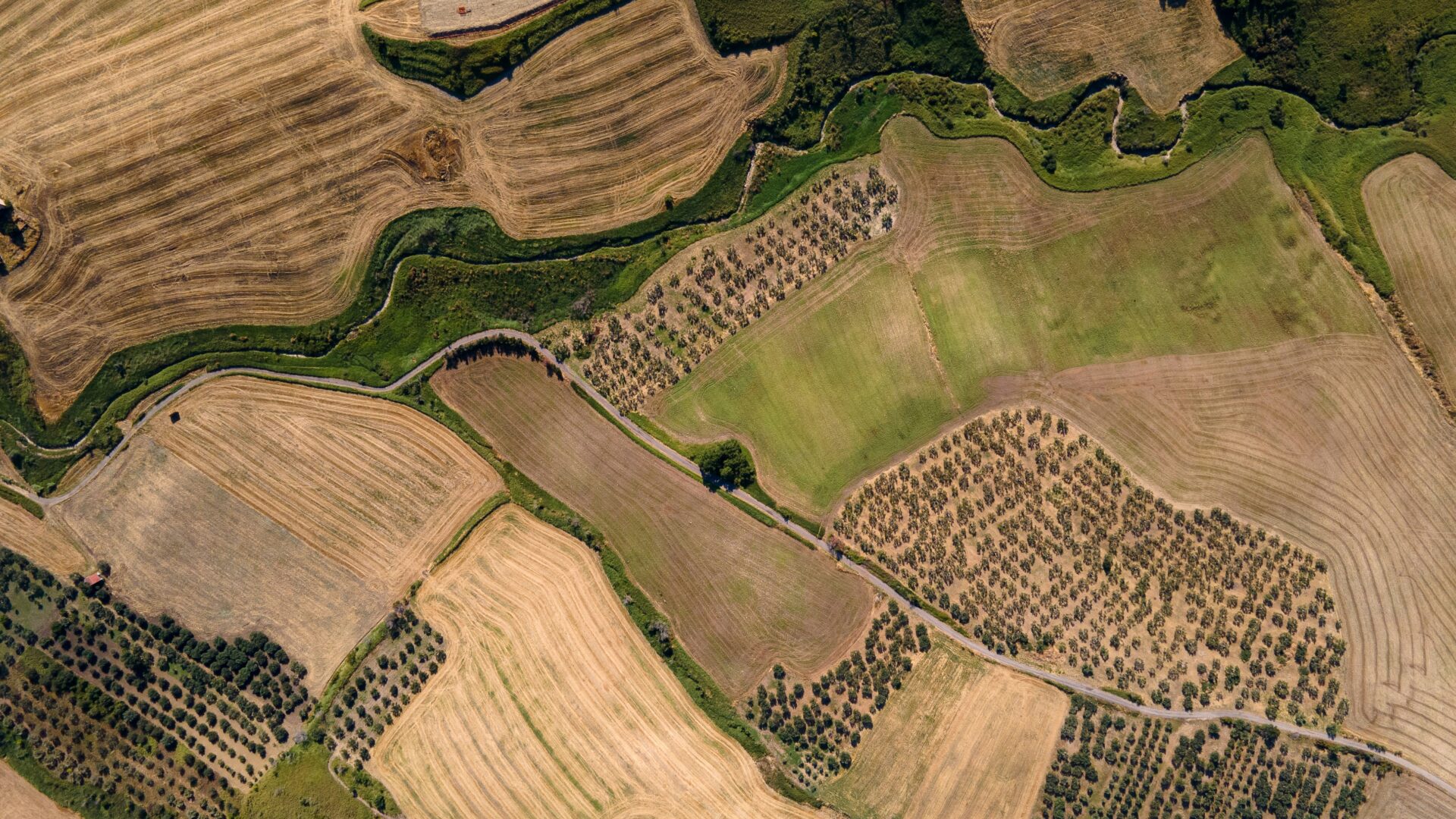
Unlike most Italian archaeological sites, this one sits quietly, surrounded by olive groves and farmland that seem frozen in time.
Getting there meant a winding drive through tiny villages and narrow country roads.
The site is about 20 minutes from Isernia’s town center, but it feels like you’ve left the modern world far behind.
What really struck me was how the ruins just blended into the landscape.
Instead of being heavily excavated, the ancient stone walls peek out from the hillside, framing sweeping views of Molise’s countryside.
First Impressions Upon Arrival
When I stepped onto the site, the silence hit me.
No tour groups, no vendors, no crowds—just me and the weight of centuries.
The sun stretched long shadows across pathways where Romans once strolled.
The ruins sprawl over several acres, and I saw the outlines of a once-busy community.
I could pick out:
- A small forum with columned porticoes
- Public baths with visible heating systems
- Residential buildings with bits of mosaic floor
- A small temple to local gods
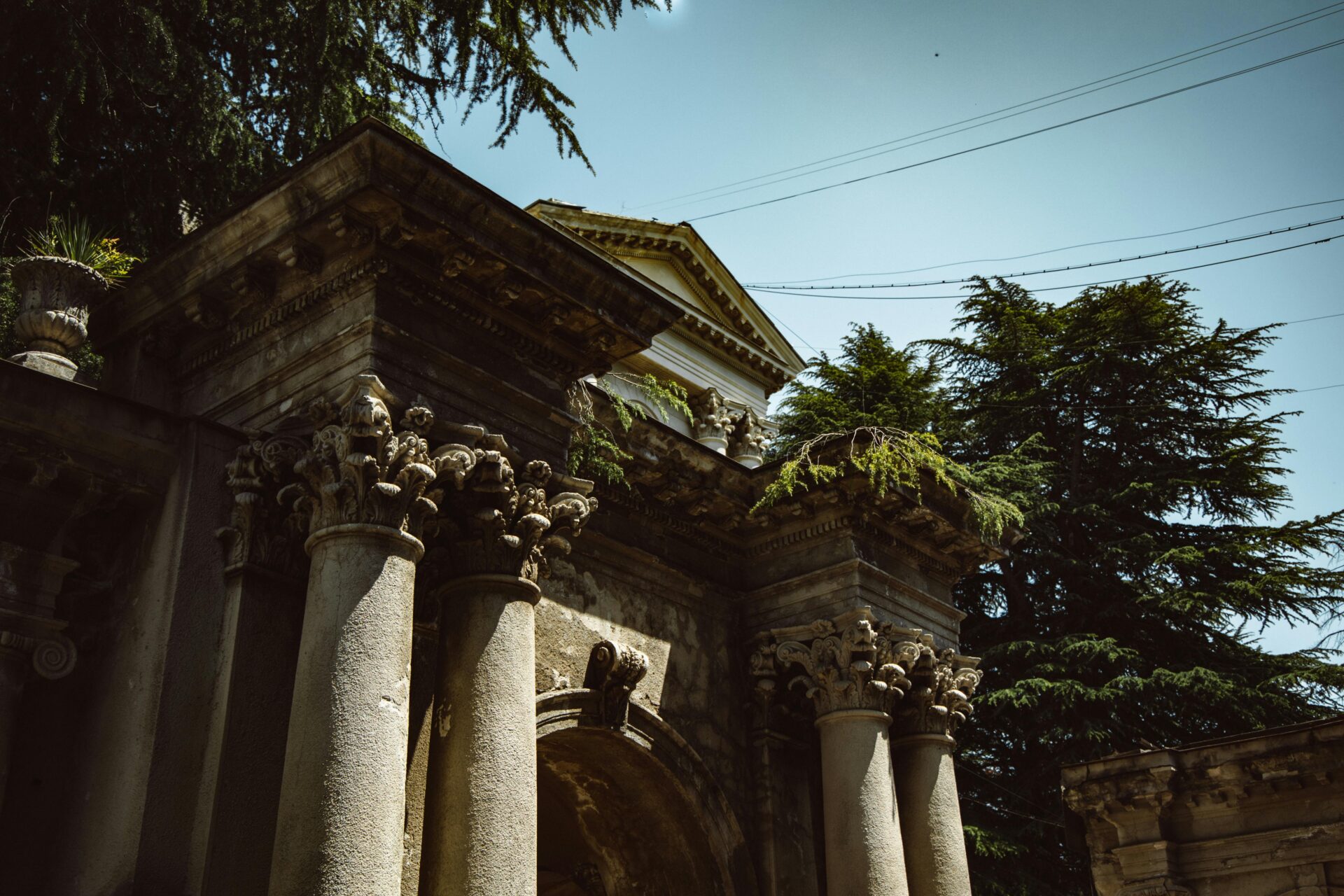
Some of the walls still stand impressively high, though the preservation varies.
Fragments of daily life—broken pottery, rusted tools—rest where archaeologists found them.
Local Legends and History
Eventually, the caretaker showed up, looking surprised to see anyone.
He told me the city flourished from the 1st century BCE to the 3rd century CE and served as a trading hub between the coast and the inland towns.
Local stories say earthquakes—not invaders—caused the city’s abandonment.
That peaceful ending probably helped preserve many artifacts that would have otherwise vanished.
The Archaeological Museum in Venafro now displays many treasures from this and other Molise sites.
Each artifact shares a piece of the region’s Samnite and Roman history.
I found myself most intrigued by recent finds.
Archaeologists uncovered a previously unknown section of the baths last year, with decorative details still intact.
It makes me wonder what else hides beneath the soil, just waiting for someone to find it.
Walking Amongst Ancient Ruins
The ancient Roman city of Altilia-Saepinum in Molise gave me the rare chance to wander through history without another soul in sight.
As I walked the remarkably preserved streets and ruins, I felt like I’d stepped straight into Roman times.
Unveiling Roman Architecture
The forum stood at the heart of civic life, its weathered stones whispering stories of gatherings and debates.
I trailed my fingers along the basilica’s columns, picturing officials in togas conducting business.
What amazed me most was how perfectly the city’s grid still lined up.
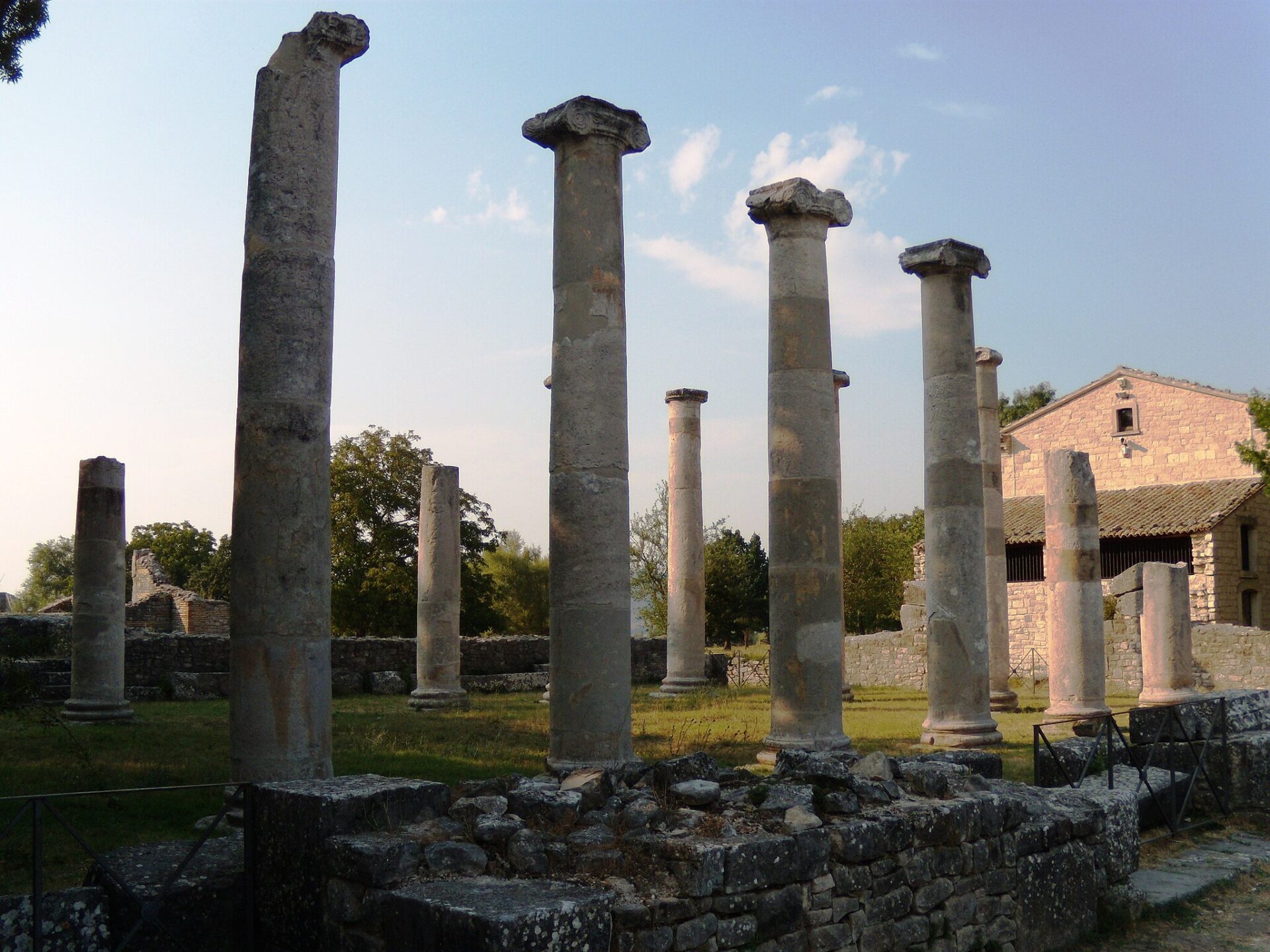
The main streets—cardo and decumanus—crossed at right angles, with shop foundations where merchants once sold their goods.
The public baths showed off Roman engineering.
I saw clever heating systems under the floors and glimpses of mosaic tiles that once decorated these lively spaces.
Traces of the Samnites and Volsci
Before the Romans, the Samnite people called this region home.
At Pietrabbondante nearby, I visited a striking theater complex built by these pre-Roman locals.
The Samnite sanctuary sits high on a hillside, with stone seats facing breathtaking mountain views.
Their religious ceremonies must have felt magical up there.
Artifacts from the Volsci, another ancient tribe, fill small local museums.
Distinctive pottery and weapons tell the story of their long resistance against Roman rule.
Recent digs have uncovered burial sites with jewelry and religious items, revealing a sophisticated culture before the Romans arrived.
The Influence of Romans on Molise
Roman engineers changed Molise’s landscape with practical infrastructure that’s still impressive.
Aqueducts carved into the hillsides remain sturdy after centuries.
I followed ancient Roman roads, once built for soldiers and traders, that now serve as hiking trails through the countryside.
Roman influence also transformed agriculture.
Walking through the fields, I noticed the organized patterns they introduced—some are still visible today.
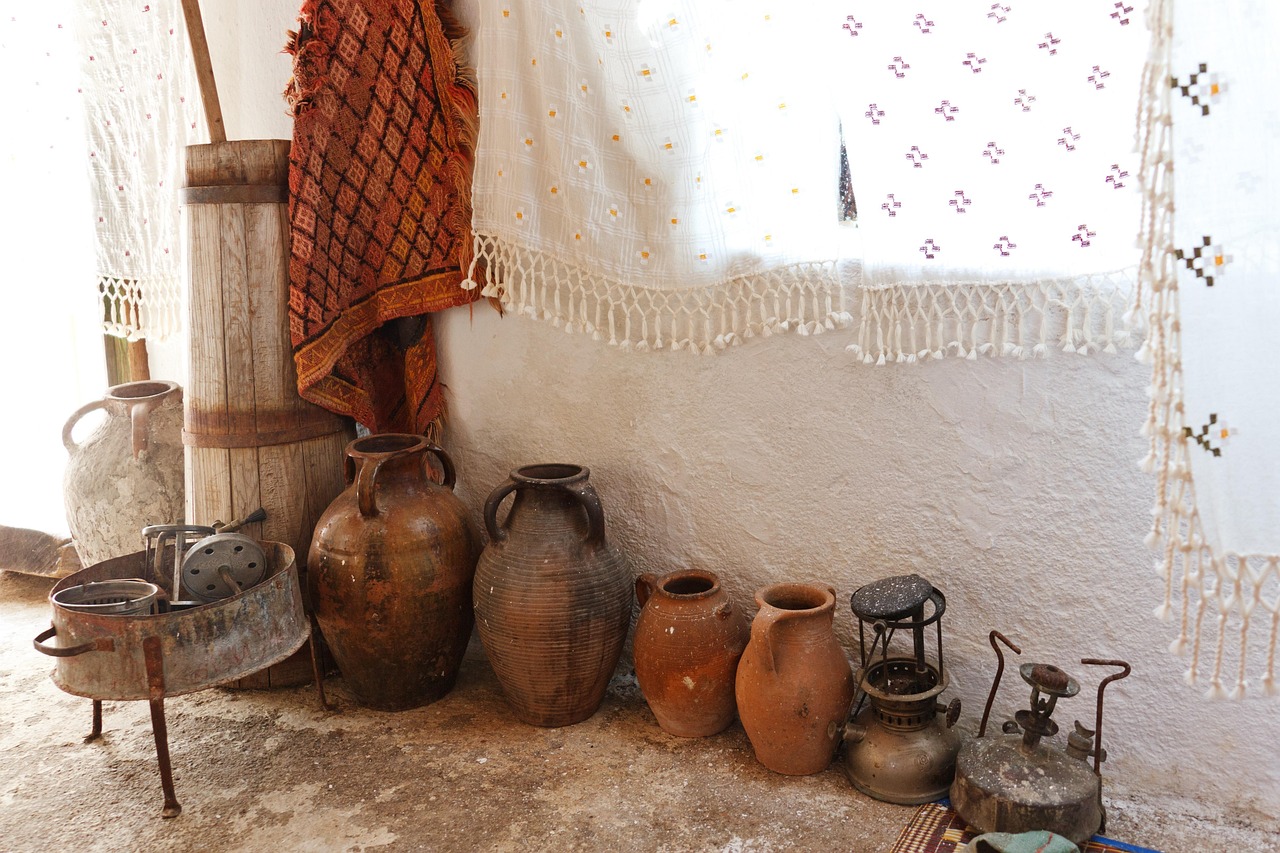
Local museums display everyday Roman items: oil lamps, cooking pots, farm tools.
These simple objects made me feel closer to the ordinary people who once lived here.
A Personal Journey Through Silence and History
Exploring Molise’s ruins gave me a rare gift—genuine solitude in a world full of crowded tourist spots.
The peace and unexpected discoveries connected me to Italy’s past in ways I never expected.
Solitude in a Forgotten City
I arrived at the Roman ruins in Isernia Province just after sunrise.
No tourists, no guards, not even a ticket booth—just me and centuries of history.
The morning light threw shadows across the ancient forum, highlighting details I might have missed otherwise.
Marble columns still stood tall, their surfaces marked by time.
I ran my fingers along stone walls that had survived the rise and fall of empires.
The silence felt almost sacred.
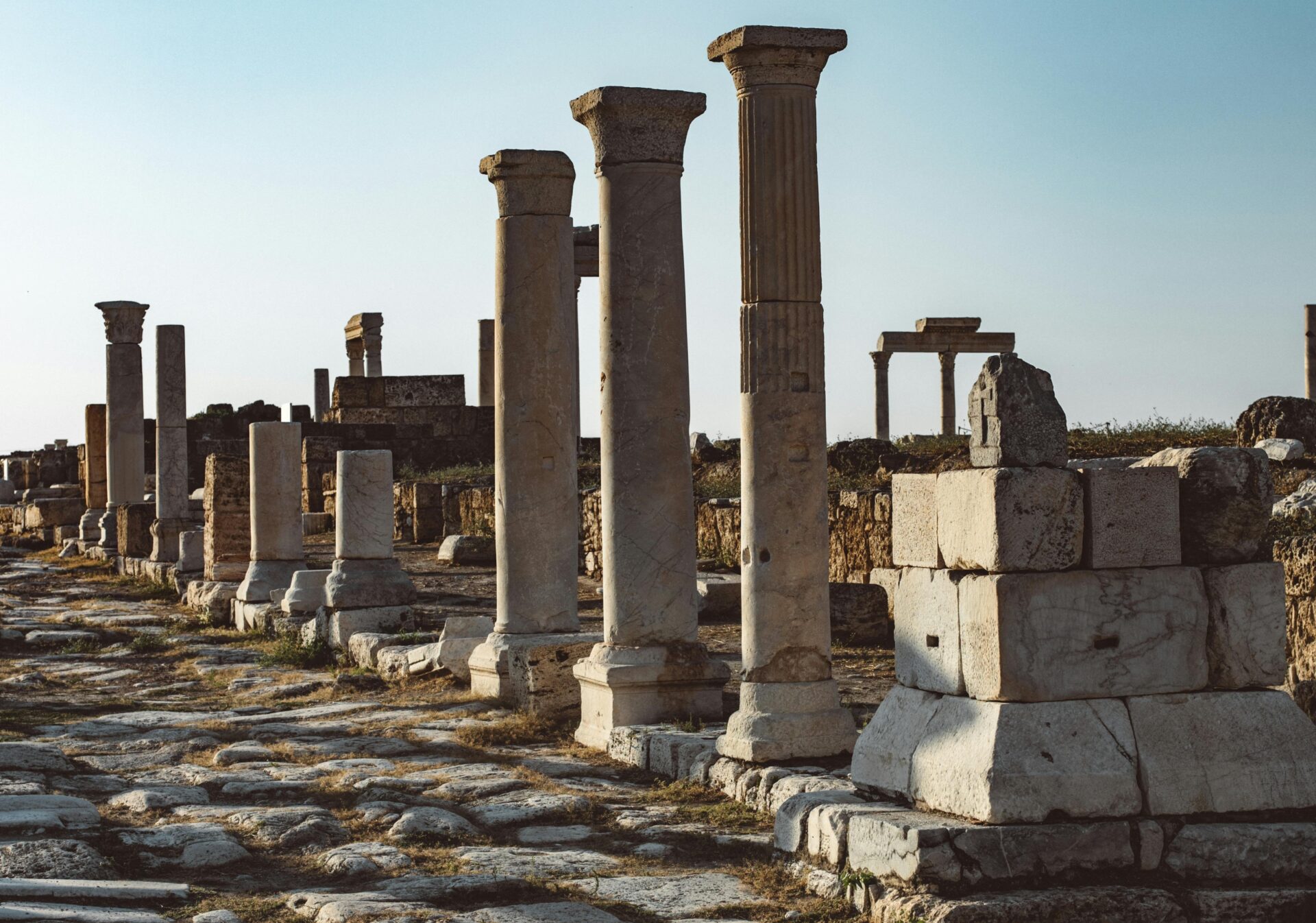
In the abandoned amphitheater, my footsteps echoed where thousands once gathered.
I sat on well-worn stone seats, imagining the spectacles Romans once watched here.
Reflections by the Volturno River
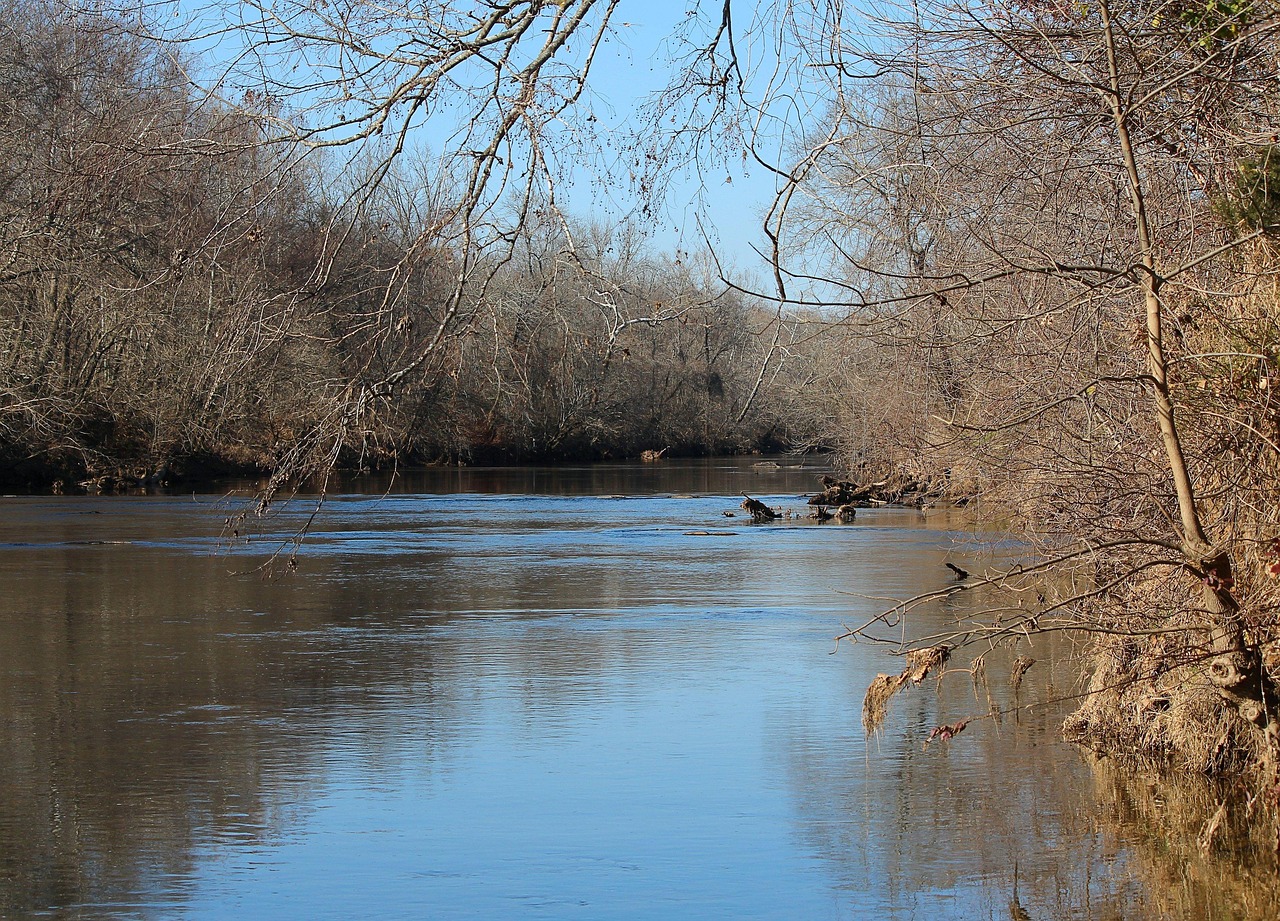
Later, I followed a path down to the Volturno River that once sustained this city.
The same waters still flowed quietly by.
I found a sun-warmed rock on the bank and pulled out a simple lunch—local bread and cheese.
The gentle sounds of the river made the perfect backdrop for a bit of daydreaming.
A fisherman appeared downriver, using techniques that probably haven’t changed much in generations.
He nodded at me, then got back to work.
The Volturno ties together Molise’s past and present, winding from the Apennines through lands once walked by Samnites and Romans.
Its waters have seen centuries of history unfold.
Moments at the Civic Museum
The town’s small Civic Museum held treasures that made the ruins feel real.
Unlike big museums where you rush past crowds, here I could linger over every artifact.
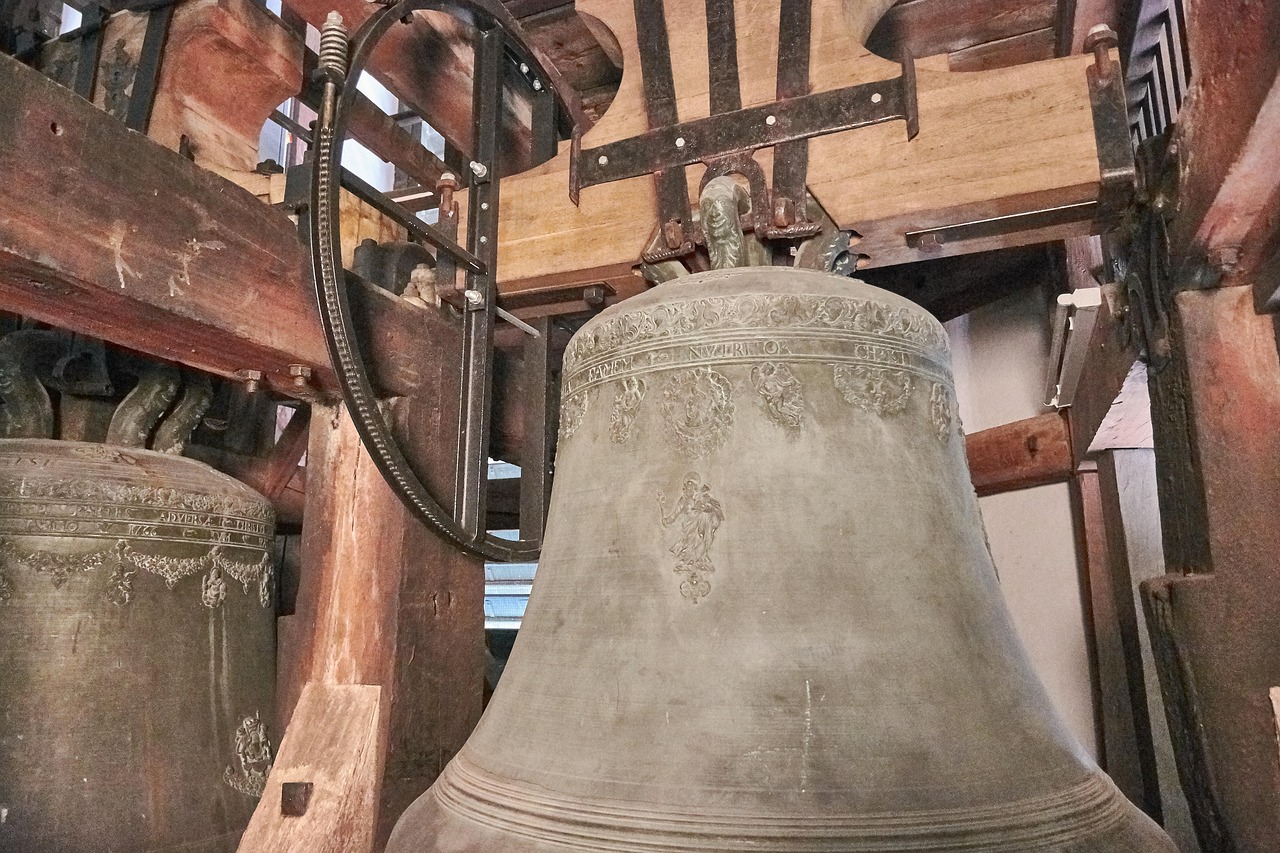
The curator, surprised to see anyone, happily shared stories about bronze figurines found near Agnone, a place known for ancient bell-making.
A detailed scale model of the Roman city helped me make sense of the ruins I’d just explored.
Labels pointed out temples, bathhouses, and homes that now exist as stone outlines.
Most fascinating was a collection of everyday items—clay lamps, cooking pots, children’s toys.
These simple things brought me closer to the people who once lived here than any grand monument ever could.
Molise’s Cultural and Culinary Treasures
Molise surprised me with its rich flavors and traditions, untouched by mass tourism.
The region’s gastronomic heritage runs deep, rooted in its pastoral history and fertile land.
Savoring Local Wine and Olive Oil
Molise’s rolling hills are perfect for vineyards and olive groves.
I spent a relaxed afternoon at a family-owned vineyard near Isernia, where three generations worked together to make Tintilia wine.
This ancient grape, nearly lost until recently, produces a bold red with cherry and spice notes.
The olive oil here truly stands out.
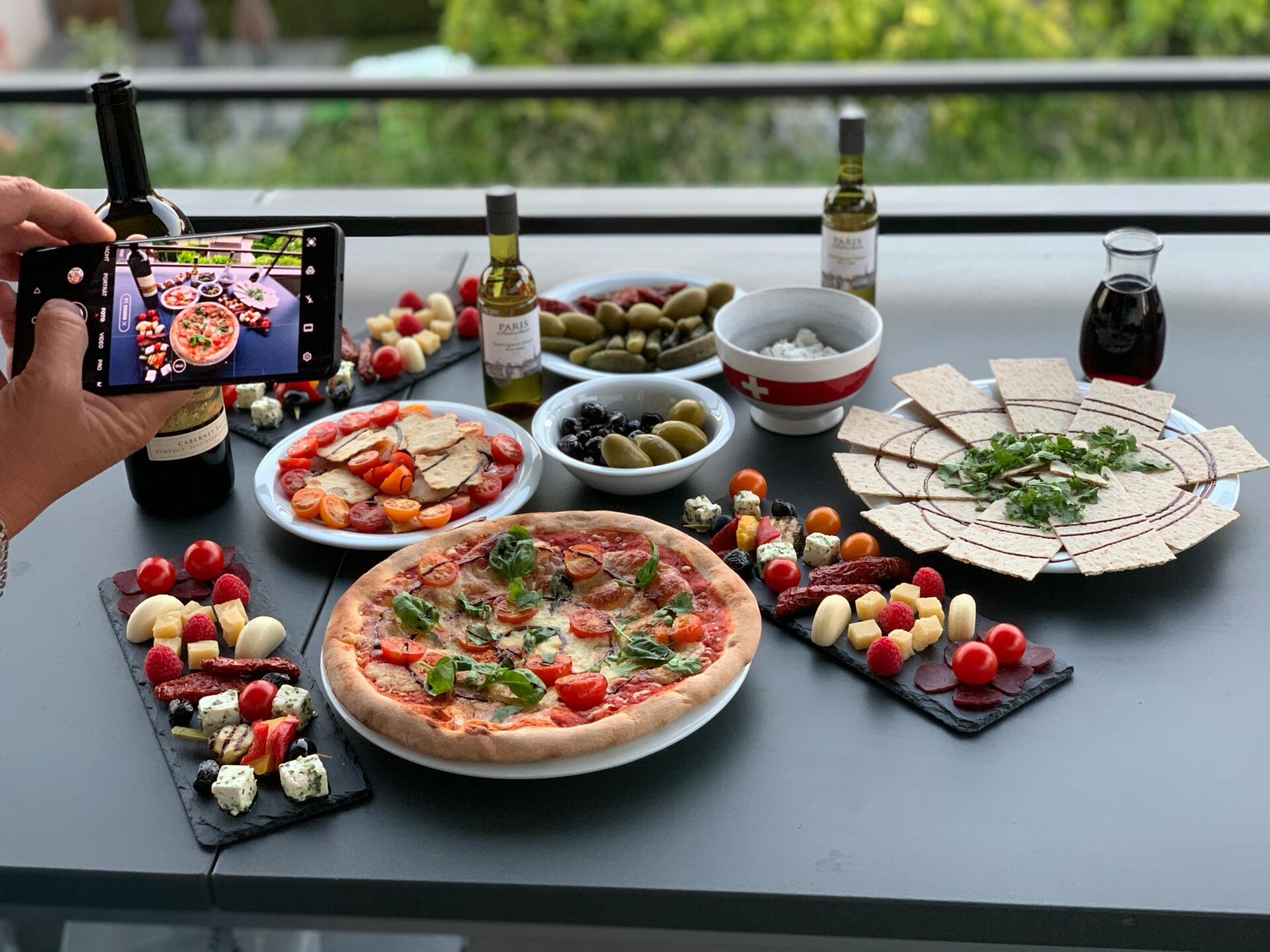
Walking through ancient groves, my guide explained how the unique microclimate gives the oil its peppery finish.
Many producers still use old stone presses—methods passed down for generations.
I watched golden oil flow from the press and tasted it on fresh bread at a rustic farm table.
Shepherding Traditions and Flavors
Sheep have shaped Molise’s culture and food for millennia.
The old tradition of transhumance—the seasonal movement of livestock—was recently recognized by UNESCO.
I joined a shepherd for a morning on the tratturi, the ancient grassy paths used for migration.
It felt like stepping into a way of life that hasn’t changed much over time.
Sheep’s milk here becomes amazing cheeses.
Caciocavallo and pecorino have unique flavors thanks to the mountain herbs the sheep graze on.
At a small cheese festival in a village square, locals offered samples and shared stories about their craft.
Festivals celebrate this heritage with music, dancing, and plenty of lamb, cheese, and rustic breads.
Exploring Beyond the Roman City
Molise’s charm goes far beyond its ancient ruins.
The region offers mountains, coastal towns, and wild parks that most tourists never see.
Day Trips: Termoli, Campobasso, and More
Termoli won me over with its pristine Adriatic beaches and medieval old town.
The ancient walls and Swabian Castle give you sea views that rival Italy’s more famous coasts.

I spent an afternoon wandering narrow streets and ate the freshest seafood I’ve ever tasted at a family-run spot.
Campobasso, the capital, surprised me with its hilltop castle and lively historic center.
Castello Monforte, built in the 1500s, offers sweeping views of the countryside.
If you love religious history, San Vincenzo al Volturno Abbey is worth a visit.
This old monastery sits in a peaceful valley and holds some beautiful medieval frescoes.
Natural Wonders of Abruzzo National Park
Just across the border, Abruzzo National Park stands as one of Italy’s most beautiful wild spaces.
The park is home to wildlife like the rare Marsican brown bear and Apennine wolf.
I joined a guided walk through ancient beech forests, now UNESCO World Heritage sites.
Some trees are over 500 years old, and the atmosphere feels almost enchanted.
The park’s clear lakes mirror the mountains perfectly.
Lake Barrea turned out to be a peaceful spot for a picnic, with cheese and bread from a village bakery.
Hiking the Apennine Mountains
Molise’s Apennines offer great hiking without the crowds you’ll find in the Dolomites.
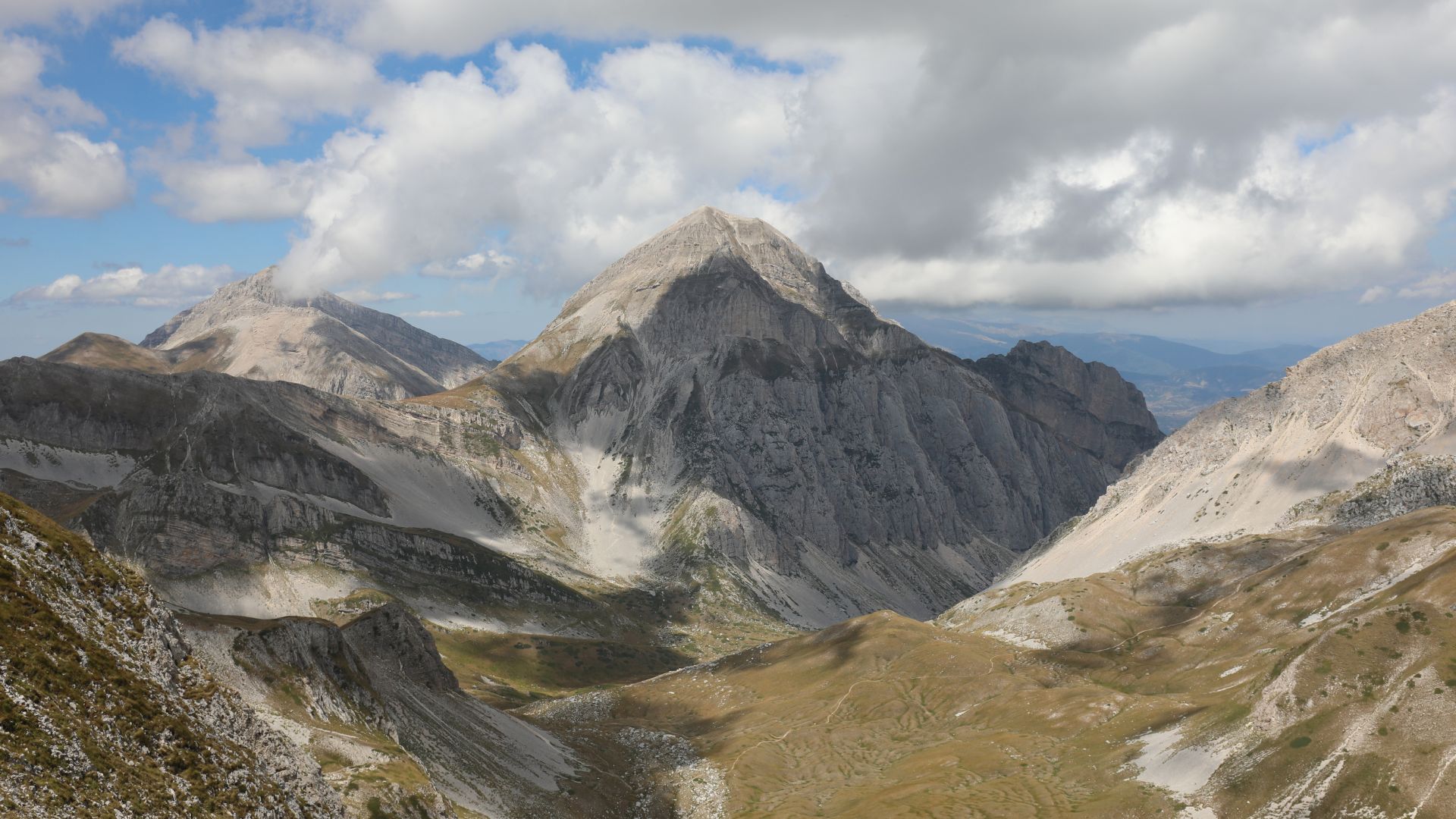
I took the trail up Monte Campo (5,712 ft) and, on a clear day, could see all the way to Puglia.
The marked paths wind through meadows full of wildflowers in spring.

For easier walks, the routes around Campitello Matese offer beautiful views without tough climbs.
I ran into more shepherds than tourists on those trails.
Local guides can show you hidden mountain villages where time feels like it’s stopped.
These places keep traditions alive, including handmade pasta techniques that have vanished elsewhere in Italy.

.JPG)