
Italy’s always topped my list of European escapes, but honestly? Croatia gives you that same Mediterranean magic—sunny coastlines, ancient towns, and a deep sense of history—at about half the price. With more than 1,100 miles of Adriatic coastline and a wild number of islands, Croatia serves up those cobblestone streets, sparkling waters, and Roman ruins without the crowds or the sticker shock you’ll find in Italy.
But Croatia’s not just a cheaper stand-in. There’s so much more. Thanks to centuries of Venetian rule and Roman influence, you’ll spot historical ties everywhere—think ornate architecture and cultural experiences that feel both familiar and totally new. Picture medieval towns that could easily be mistaken for the Italian Riviera, untouched national parks, and food that honestly holds its own.
Let’s be real: Italy’s gotten crowded and pricey. Meanwhile, Croatia keeps things relaxed and affordable. You get better deals on places to stay, meals that don’t empty your wallet, and it’s just easier to hop between destinations. If you want European style without the splurge, Croatia’s a smart move.
Why Croatia Rivals Italy’s Beauty at a Lower Cost
Croatia’s got that Mediterranean vibe—gorgeous coasts, storybook towns, and unbelievably clear water—but your bank account will thank you. The Adriatic Sea links both countries, so the landscapes feel strikingly similar, but you’ll pay a lot less for the same sunsets.
Comparing Mediterranean Landscapes and Coastlines
Both countries line the Adriatic Sea, so you’ll find those classic coastal views in either spot. Croatia’s Istrian Peninsula? It’s like looking at a mirror image of Italy’s shores.
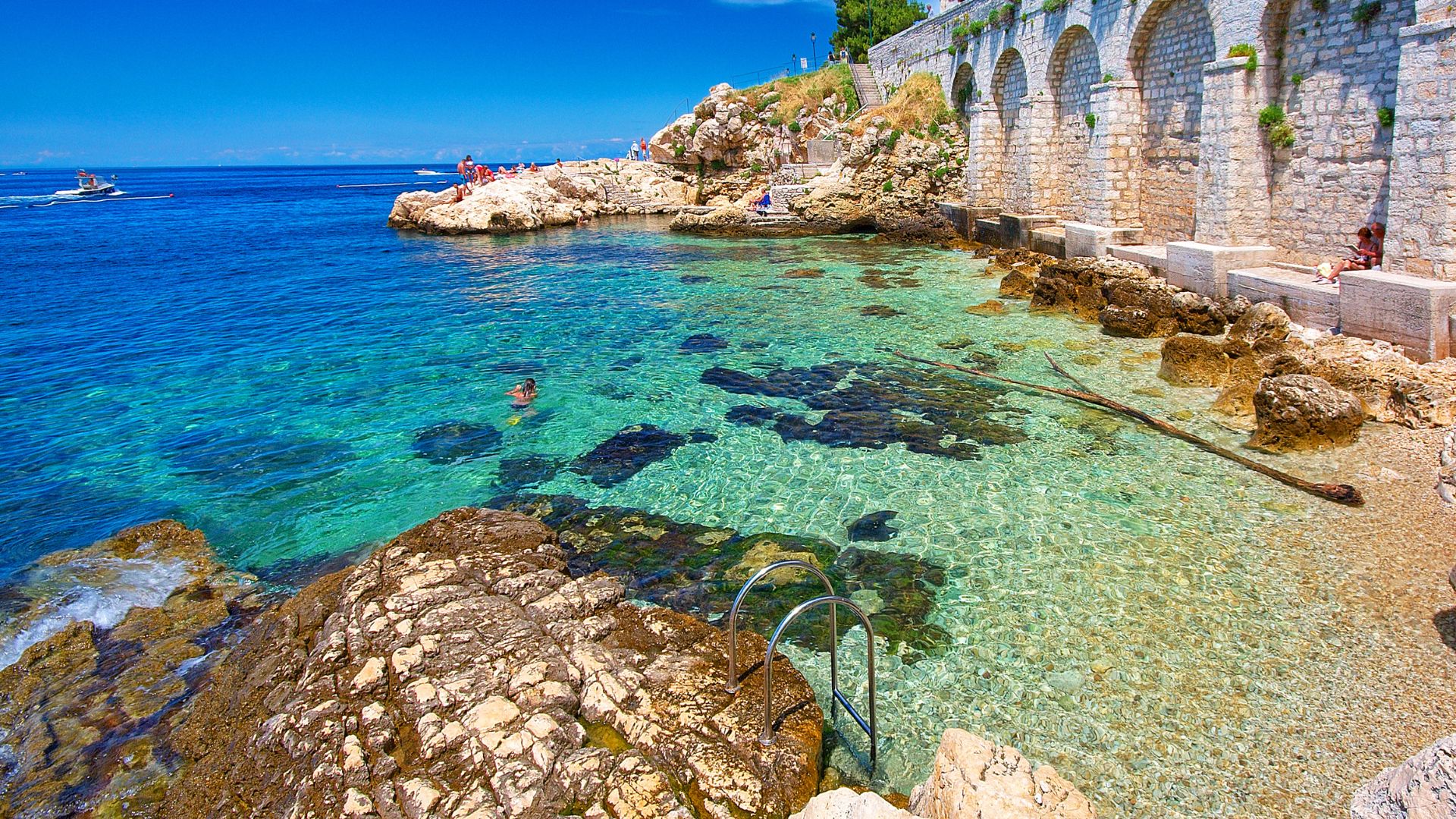
You’ll wander pastel-hued towns and twisty cobblestone streets that could easily be in Italy. Rovinj, for example, channels Venice—just minus the canals and the crowds.
Drive the Dalmatian Coast and you’ll get those Amalfi Coast vibes. Turquoise water, dramatic cliffs, the works.
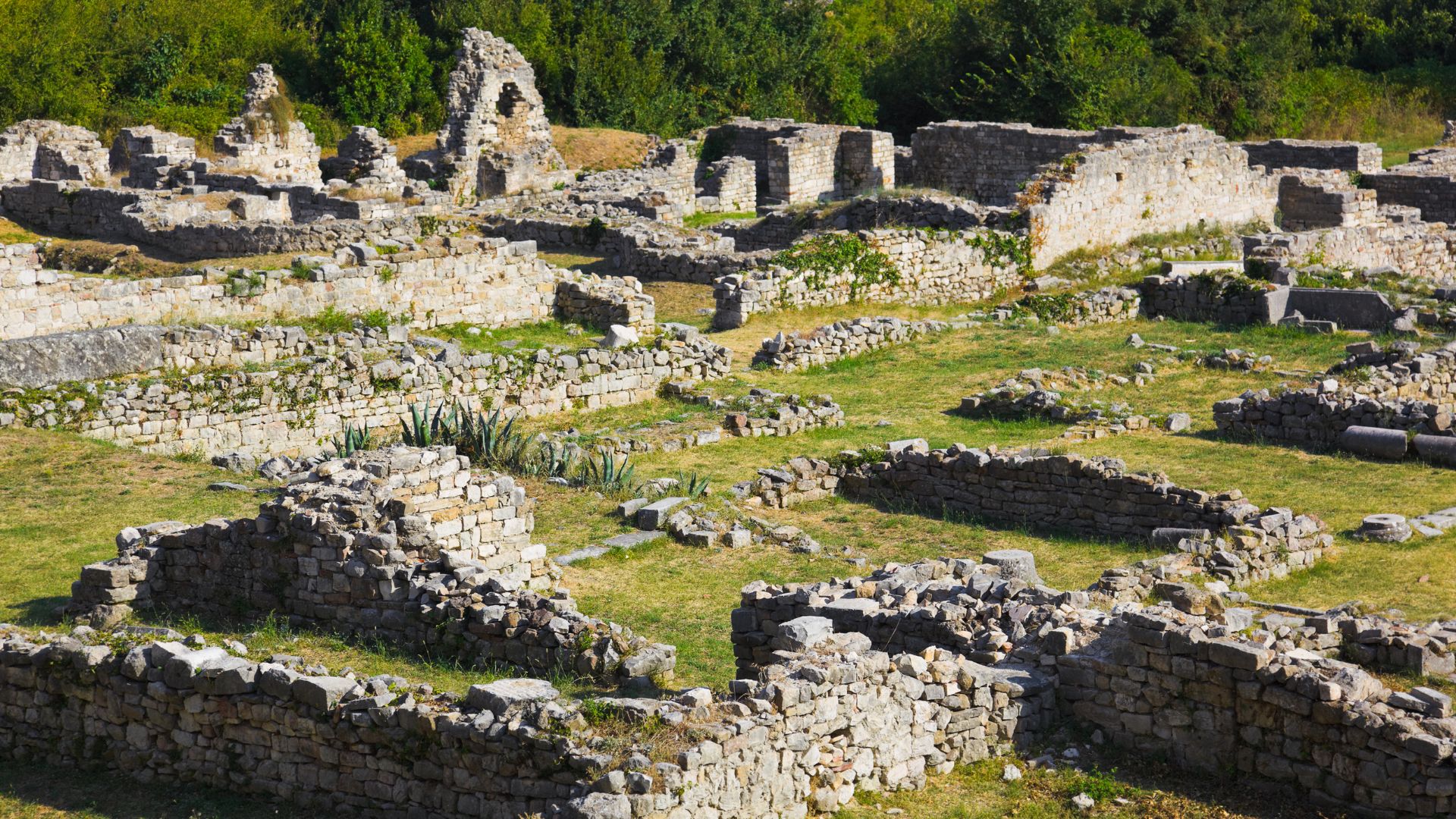
Roman ruins and Byzantine touches pop up in towns like Poreč and Pula. Pula’s Roman arena? It’s actually more intact than the Colosseum in Rome.
Motovun’s hilltop views remind me a lot of Tuscany—medieval walls, endless green, and that peaceful countryside feel.
Croatia’s beaches hold their own, too. Mulini Beach near Rovinj? The water’s so clear you can see your toes.

Cost Differences: Accommodation, Dining, and Activities
Your money stretches way further in Croatia. A hotel room that’d cost $300 a night in Venice? In Croatia, you’ll pay closer to $69.
Dining is where the savings really shine:
| Meal Type | Croatia | Italy |
|---|---|---|
| Lunch | $16.35 | $25-35 |
| Seafood dinner | $21.79 | $40-60 |
| Bakery items | $5 | $8-12 |
Fresh fruit at the market? About $2.18 per kilo. Museum tickets are a steal at around $3.27, while Italy often charges $15-25.
Even Croatia’s priciest site, the Pula Arena, only asks $10.90. Renting an umbrella and two beds at Mulini Beach will run you $65 for the day.
A 3-night stay in Croatia averages $227. In Italy, that might barely cover a single night in a big city.
Day tours in Croatia usually cost about $65 and often include meals. In Italy, you’ll pay at least $100—and usually have to buy your own lunch.
The Role of the Adriatic Sea in Both Destinations
The Adriatic Sea shapes everything here—weather, scenery, even the food. Both Croatia and Italy share that same inviting coastline.
The water’s the same gorgeous blue-green, and you can swim from May to October. I’ve found the seafood and the pace of life along the coast almost identical.
Both sides have a strong fishing tradition and plenty of boat tours. The Adriatic’s gentle waves make it perfect for sailing and island hopping.
Croatia’s islands feel just like Italy’s, but you’ll find more space to yourself. Ferries run between both countries, and the sea’s dotted with natural harbors and hidden bays.
National parks like Kamenjak show off those dramatic cliffs and secret coves—shaped by the same forces that carved Italy’s coast. A boat tour here, with dinner, costs about $44.
Exploring Croatia’s Scenic Wonders
Croatia’s got serious variety—turquoise coasts, more than 1,200 islands, waterfalls in wild national parks, and cities like Zagreb buzzing with life.
Breathtaking Beaches and Island Hopping
The Adriatic Sea stretches on and on, with beaches that honestly rival Italy’s but won’t drain your wallet.
Popular Island Destinations:
- Korčula – They say Marco Polo was born here.
- Lopud – No cars, just sandy beaches and quiet paths.
- Koločep – Great for a swim or some snorkeling.
- Šipan – The biggest of the Elaphites, full of olive groves.
The Elaphite Islands near Dubrovnik have that crystal-clear water. You can hop between them all day for a fraction of what you’d pay in Italy.
Split makes a great jumping-off point for Brač and Hvar. Zlatni Rat beach on Brač? Its shape actually changes with the tides—pretty cool.
Many beaches here have Blue Flag certification, so you know the water’s clean. You get those Mediterranean scenes without the price tag of the French or Italian Riviera.
National Parks and Natural Heritage
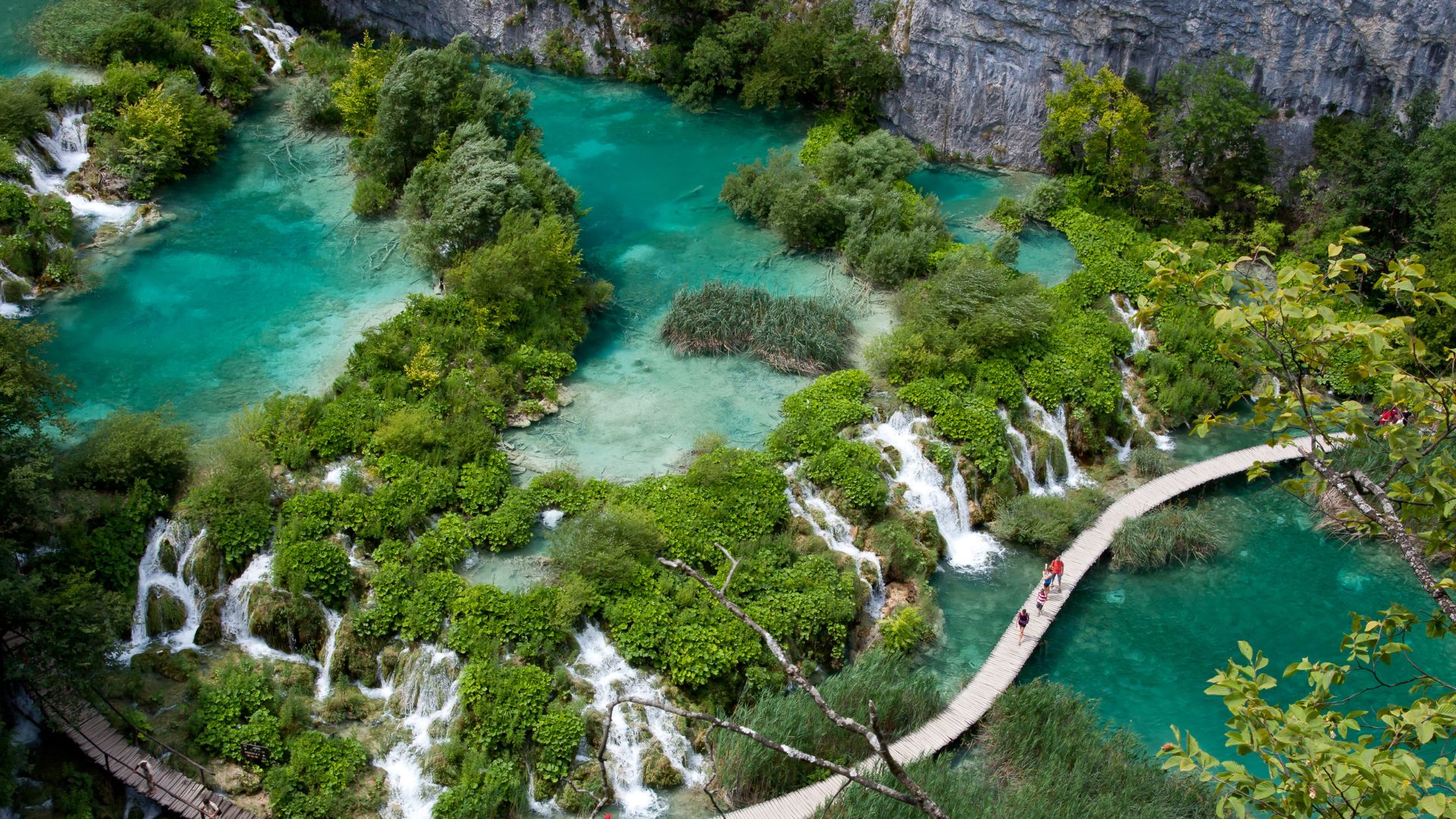
Croatia’s home to eight national parks, and each one’s got its own vibe. Plitvice Lakes National Park is probably the most famous.
You’ll find 16 lakes stacked in terraces, all linked by waterfalls. Swimming’s not allowed, but wooden walkways take you right over the water for unreal photos.
Krka National Park is another favorite. Here, you can actually swim in some areas, and the park has seven waterfalls plus tons of wildlife.
Expect:
- Easy hiking trails
- Visitor centers with info in multiple languages
- Cheap entrance fees
- Guided tours that don’t break the bank
Honestly, these parks remind me of Switzerland’s landscapes, but at about 30% of the cost.
Cultural Gems of Zagreb and Historic Towns
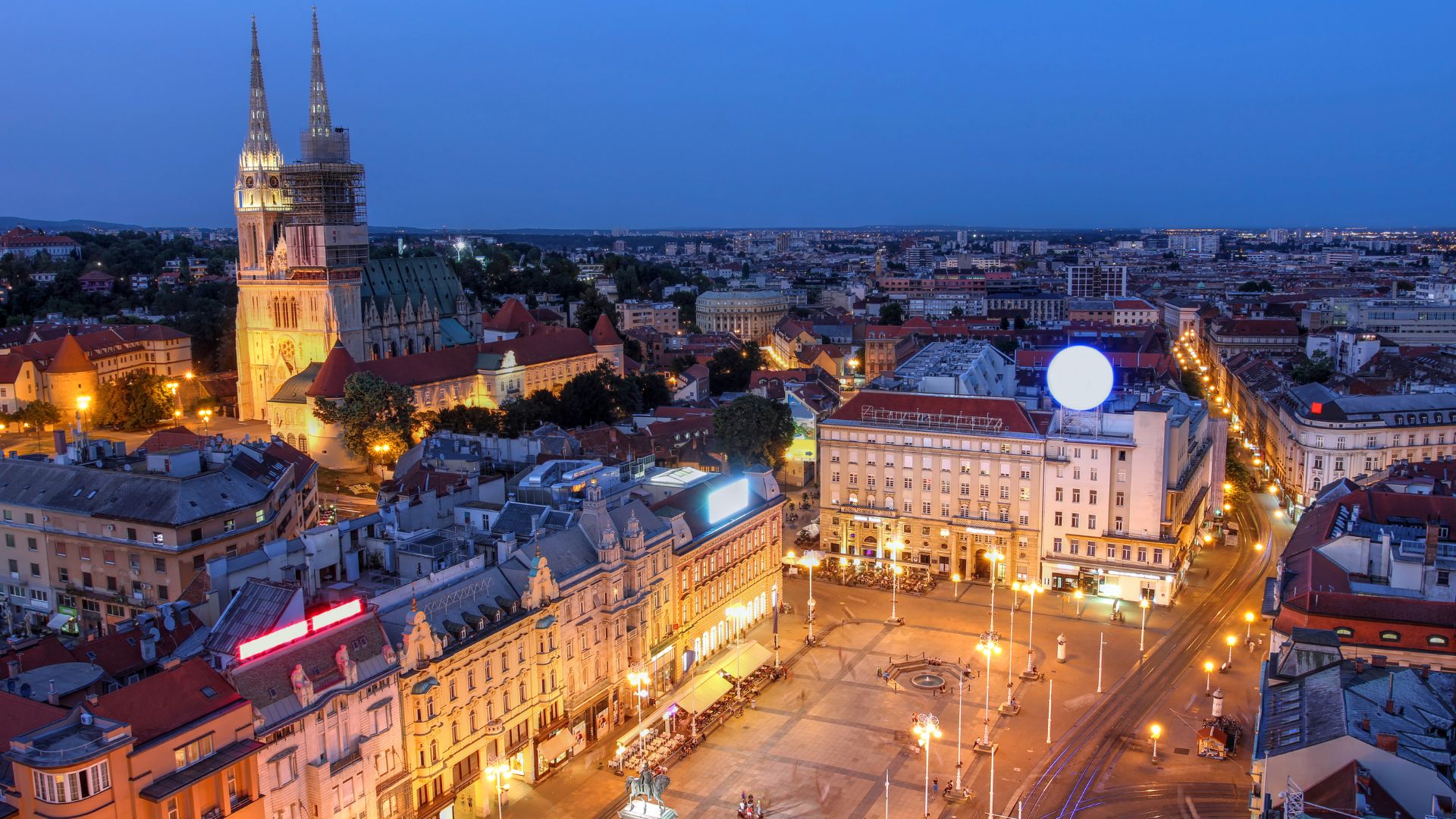
Zagreb, Croatia’s capital, feels lively and packed with history. The Upper Town has medieval buildings and those classic cobblestone lanes.
Must-see Zagreb spots:
- St. Mark’s Church (the roof tiles are a work of art)
- Gothic spires of Zagreb Cathedral
- Dolac Market for fresh produce and people-watching
- The quirky Museum of Broken Relationships
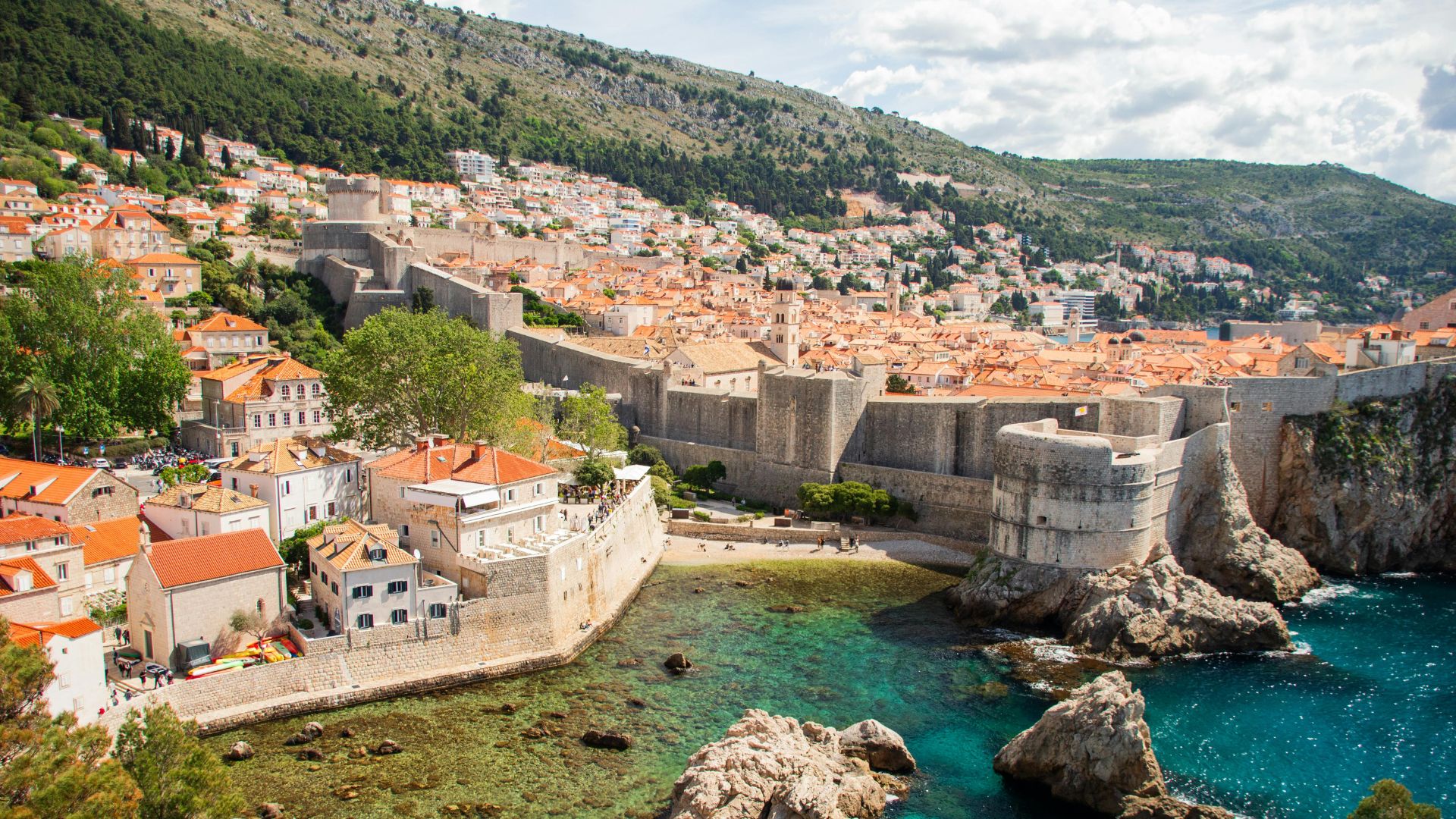
Along the coast, towns like Dubrovnik have UNESCO World Heritage status. Walking the Old City walls gives you sweeping Adriatic views.
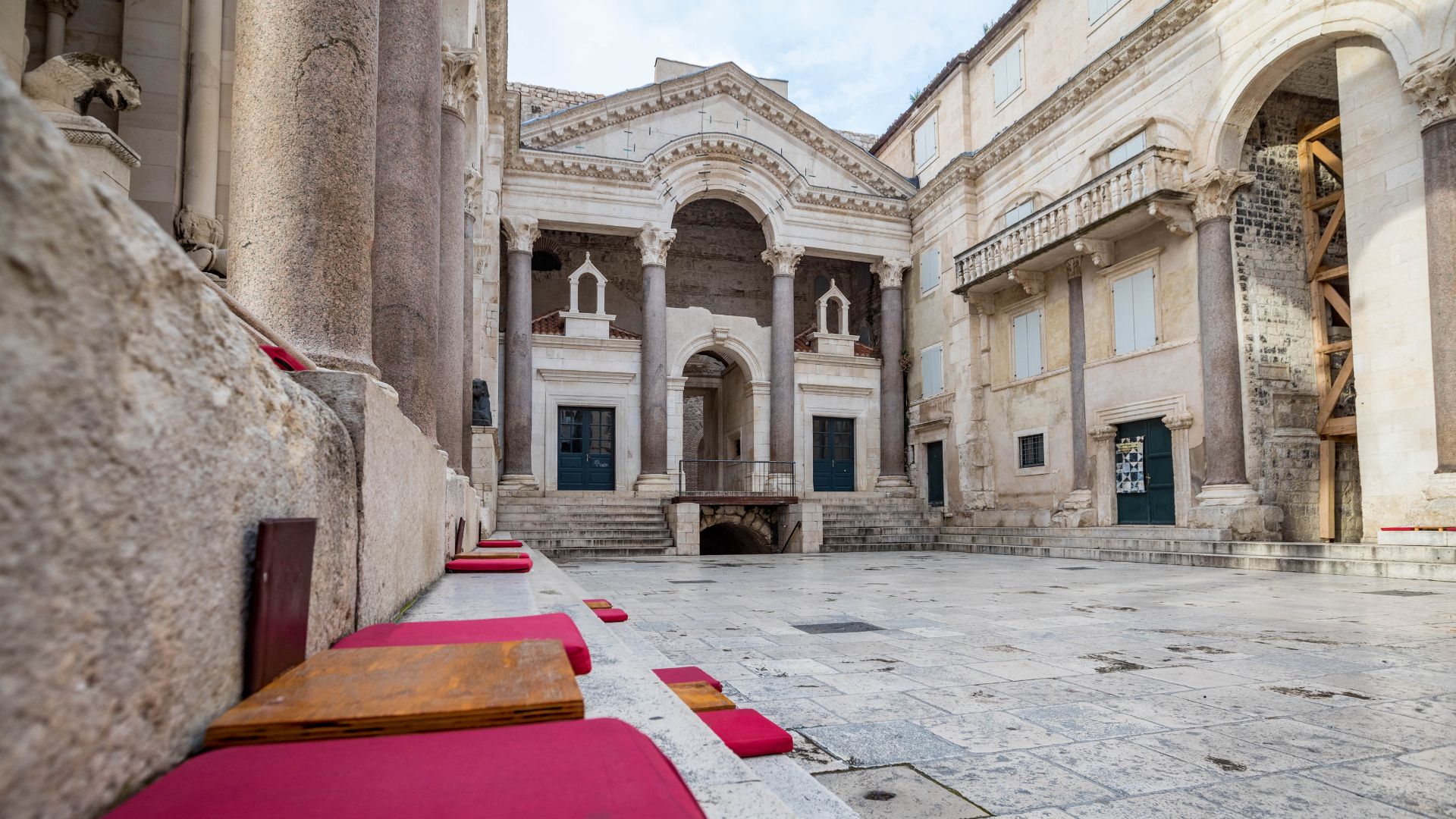
Split mixes Roman ruins with everyday life. Diocletian’s Palace isn’t just a relic—it’s a living part of the city where people still live and work.
You get all the history and architectural beauty you’d expect from Rome or Venice, but you’ll spend a lot less.
Shared History and Artistic Influence
Croatia and Italy have been tied together for centuries, leaving behind a blend of art, architecture, and culture that you can spot everywhere. Roman ruins, Venetian flair, and that Mediterranean touch show up in both countries, making the experience feel familiar but still unique.
Roman Empire Footprints Across Croatia and Italy
The Roman Empire left its fingerprints all over the place. In Italy, you’ve got the Colosseum and Pompeii, of course.
But Croatia’s no slouch. Diocletian’s Palace in Split stands out as one of the world’s best-preserved Roman buildings. It was literally built for a Roman emperor’s retirement.
Shops, restaurants, even homes still fill the palace walls. Wandering Split feels like stepping back in time.
Key Roman Sites:
- Italy: Colosseum, Pantheon, Pompeii
- Croatia: Diocletian’s Palace, Pula Arena, Salona ruins
Pula’s Roman amphitheater once seated 23,000 people and now hosts concerts and festivals. It’s in amazing shape.
Venetian and Mediterranean Connections
Venice ruled much of Croatia’s coast for ages, so the Italian influence runs deep. In Istria, Italian’s even an official language.
Dubrovnik’s old town shows off Venetian touches—stone buildings, winding alleys, those signature city walls.
Plenty of Croatian coastal towns have Italian-style piazzas and churches. Bell towers, red tile roofs, and stone facades look straight out of Italy.
Venetian Influences:
- Stone buildings with red roofs
- Central squares for gatherings
- Gothic and Renaissance churches
- Strong city walls
Trade routes kept the cultures mingling for centuries, so you’ll notice art, architecture, and traditions that echo across the Adriatic.
Architectural Marvels from Ancient Times
Both countries show off similar styles—Roman, Gothic, Renaissance, and Baroque—sometimes all on the same street.
Croatian churches often borrow from Italian Renaissance design. The Cathedral of St. James in Šibenik has stonework that rivals anything I’ve seen in Italy.
Florence’s influence traveled across the sea, bringing stone carving and decorative styles to Croatian towns.
Common Features:
- Local limestone for building
- Tall bell towers with matching designs
- Renaissance and Baroque church fronts
- Courtyards inspired by Italian palaces
Zagreb’s upper town mixes Gothic and Baroque, and the cathedral’s twin spires are a real standout.
So, if you love Italian architecture, you’ll feel right at home in Croatia—just with fewer crowds and much friendlier prices.
Art, Culture, and Cuisine: A Tale of Two Regions
Italy and Croatia both have that Mediterranean soul—art, festivals, and food that tell stories. Italy’s famous for its Renaissance masterpieces and refined dishes, but Croatia brings its own flair: lively festivals and great flavors, all for less.
Italy’s Artistic Legacy: Michelangelo, Titian, and the Renaissance
Italy’s the birthplace of the Renaissance, no question. The Sistine Chapel’s ceiling by Michelangelo is just jaw-dropping.
Florence’s Uffizi Gallery holds masterpieces by Titian and others, drawing crowds from everywhere. The art here tells the story of centuries.
Top Italian Art Spots:
- Vatican Museums (Sistine Chapel)
- Uffizi Gallery, Florence
- Doge’s Palace, Venice
- Capitoline Museums, Rome
Tickets run €15-25, and the lines can be brutal in high season. You’ll want to book ahead.
Every region has its own style, so you could spend weeks just chasing art across the country.
Croatia’s Vibrant Festivals and Modern Culture
Croatia’s got a foot in both worlds—old traditions and modern energy. The Dubrovnik Summer Festival brings theater and music to the city’s ancient streets.
Split hosts the Ultra Music Festival, which pulls in young people from all over Europe. Local festivals pop up year-round, from folk dancing to edgy art shows in old warehouses.
Most of these events are way more affordable than their Italian counterparts. Sometimes they’re even free.
Don’t Miss:
- Dubrovnik Summer Festival (July-August)
- Split Summer Festival (music and theater)
- Zagreb Design Week
- Pula Film Festival
Museum tickets in Croatia cost €3-8, and street festivals are often open to everyone. The country manages to celebrate its history while staying fresh and creative.
Croatian artists keep making a name for themselves internationally, blending Mediterranean roots with new ideas. It’s a scene that feels both timeless and exciting.
Mediterranean Flavors: Food and Wine Experiences
Italy and Croatia both enjoy the gifts of a Mediterranean climate—think olive oil, seafood, and wine. These ingredients shape local cooking along their coasts, and honestly, the flavors are unforgettable.
Italian cuisine? It’s a wild ride from region to region. Up north, you’ll find buttery, creamy dishes. Down south, it’s all about tomatoes and that golden olive oil.
If you’re eating out in touristy Italian spots, expect to spend around €25-40 per person. That can add up fast, especially if you love lingering over long dinners (guilty as charged).
Croatia surprised me with similar flavors at much friendlier prices. Fresh seafood often costs just €15-25. Local wines go toe-to-toe with Italian bottles, but you’ll pay about half. And don’t sleep on Croatian truffles from Istria—they’re every bit as good as the Italian ones.
Signature Dishes to Try:
- Italy: Pasta carbonara, risotto, osso buco
- Croatia: Black risotto, peka (slow-roasted meat), fresh oysters
Wine lovers, you’re in luck in both places. Sure, Italian wines have the global reputation (and the price tag), but Croatian wines like Plavac Mali and Malvasia offer amazing quality for less.
If you love wandering food markets, both countries deliver. Croatian markets, in particular, make it easy to fill your basket with Mediterranean staples for a fraction of what you’d pay across the Adriatic.
Comparing Travel Experiences: Practical Insights
Whenever I plan a trip between Croatia and Italy, I notice how the little details can make or break your budget. Croatia tends to be easier on the wallet and simpler to get around. Italy offers a bigger, faster rail network, but you’ll pay for the convenience.
Transportation and Accessibility
Getting to Croatia vs Italy
Flying straight into Croatia is a breeze. Major airports like Zagreb, Split, or Dubrovnik welcome plenty of budget flights from all over Europe.
Italy, on the other hand, has more flight options—Rome, Milan, Venice, Naples, you name it. Flights to Italy usually cost 20-30% more, though, which always stings a bit.
Local Transportation
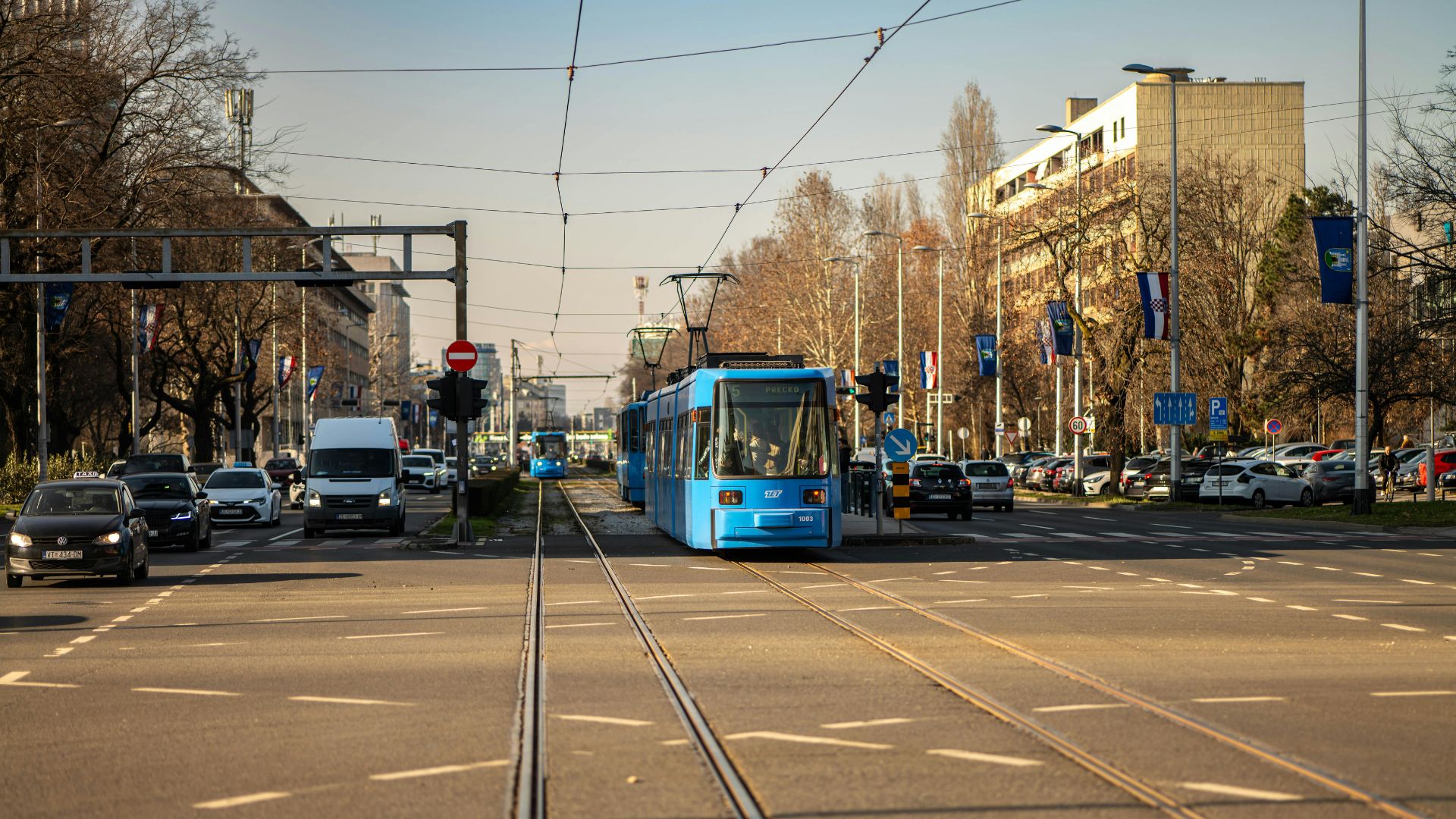
Croatia’s bus system works surprisingly well. I once took the bus from Split to Dubrovnik for about €15-20 and got a great view along the way. If you’re up for exploring islands, renting a car and hopping ferries is the way to go.
| Transportation | Croatia Cost | Italy Cost |
|---|---|---|
| City Bus Ticket | €1-2 | €1.50-3 |
| Regional Train | €8-15 | €15-35 |
| Car Rental/Day | €25-35 | €35-50 |
Italy’s trains cover more ground and move faster. High-speed routes, like Rome to Milan, cost about €50-80, but you’ll zip across the country in style.
Island-hopping in Croatia by ferry usually costs €5-15. In Italy, ferries to Sicily or Sardinia can run €30-60, so plan accordingly.
Seasonal Attractions and Events
Peak Season Differences
Croatia’s peak season hits hard in July and August. Accommodation prices skyrocket—sometimes triple. Beaches in Dubrovnik and Split get absolutely packed, and I’ve definitely had to elbow my way through a few crowds.
Italy’s peak stretches from June through September. Venice and Rome? Always busy, honestly. The art and history just keep people coming, no matter the season.
Shoulder Season Benefits
If you want the sweet spot, try Croatia in May or September. Temperatures hover around 20-25°C, perfect for hiking Plitvice Lakes or wandering old coastal towns without sweating buckets.
Italy’s shoulder seasons—April-May and October—feel just right. Fewer tourists, gentle weather, and you’ll breeze through museum lines in Rome or Florence.
Winter Considerations
Croatian coastal towns go quiet from November to March. Many restaurants and hotels shut their doors, but Zagreb and the inland regions stay lively with Christmas markets and local events.
Italy’s cities never really sleep. Winter means you can wander museums without the crowds, though some coastal hotspots scale back their services. If you ask me, that’s not a bad trade-off.
Tips for Budget-Conscious European Travel
Accommodation Strategies
I’ve found that private apartments in Croatia usually run about €40-60 per night, which is a steal compared to €80-120 in Italy’s more touristy spots. Booking directly with owners? That’s my go-to move—it saves on those annoying booking fees.
Hostels in Croatia? Expect to pay €20-25 per bed. In Italy, the range jumps up to €30-45 per bed, so you might want to plan accordingly.
Food Budget Management
Croatian konobas—those cozy little taverns—dish out hearty meals for €12-18. If you’re into seafood, you’ll pay about half what you would along the Italian coast.
Italy’s trattorias have lunch menus for €15-25, which isn’t bad. And honestly, I love the aperitivo culture; order a drink and you get free snacks, so you can stretch your euros further than you’d think.
Money-Saving Activities
Croatia’s national parks charge €15-25 for entry. But honestly, some of my favorite moments were just walking Dubrovnik’s walls or swimming at public beaches—totally free.
In Italy, you can wander through stunning churches and lively piazzas without spending a cent. Plus, a lot of museums let EU residents in for free on certain days, so it’s worth checking the calendar before you go.
