
So, you’re itching to explore Mexico but the thought of draining your savings makes you pause? I’ve been there. Turns out, you don’t have to empty your bank account to make your Mexican adventure happen.
There are actually loads of creative ways to fund your trip and keep your savings safe. From working remotely to snagging clever accommodation deals, it’s possible to generate income and cut costs at the same time.
Mexico’s got some unique opportunities for travelers who want to see more for less. I’ll share how you can earn money through local gigs, find budget-friendly dining spots, and use travel hacks that really slash expenses.
Whether you’re planning a quick getaway or a months-long escape, these tips can help you pull it off without dipping into your savings.

Working Remotely on the Road
Remote work opens up a world of possibilities. You can earn dollars while exploring Mexico’s beaches or buzzing cities.
Some travelers land full-time remote jobs. Others pick up freelance gigs or teach skills online to keep the cash flowing.
Remote Job Opportunities
Companies everywhere now hire remote workers. You don’t have to quit your current job to hit the road in Mexico.
Favorite remote job sites:
- We Work Remotely
- Remote.co
- FlexJobs
- AngelList
I always look for jobs that pay in US dollars. Your money goes further in Mexico, and that’s a win.
In-demand remote roles:
- Customer service reps
- Virtual assistants
- Content writers
- Software developers
- Digital marketers
Mexico’s time zone lines up pretty well with the US. Usually, you’re just an hour or two behind, so meetings and teamwork feel easy.
But don’t forget about internet reliability. I stick to places like Playa del Carmen and Mexico City for solid WiFi—no one wants to freeze on a video call.

Freelancing for Extra Income
Freelancing gives you freedom. Take on projects when you need extra pesos for tacos or a longer stay.
- Upwork
- Fiverr
- Freelancer
- Guru
I recommend setting up your profile and uploading work samples before you travel. A few good reviews help you stand out once you’re on the move.
Skills that pay well:
- Graphic design
- Social media management
- Writing and editing
- Web development
- Photography
Instagram content is hot right now. Lots of hotels and restaurants want photos and videos, so if you’re handy with a camera, offer your services.
A lot of travel bloggers freelance on the side. They write articles, run social media accounts, or create travel content for tourism companies.

Teaching English or Skills Online
Teaching online brings in steady income while you wander. English is always in demand, but you can teach other skills too.
Popular teaching platforms:
- Cambly
- Preply
- iTalki
- Verbling
Most English teaching gigs pay $10-20 per hour. You don’t always need teaching experience—just being a native speaker is enough for some platforms.
I like teaching because you can schedule lessons in the morning, then go explore all afternoon.
Other skills you can teach:
- Music lessons
- Cooking classes
- Fitness training
- Language tutoring
- Business coaching
Time zones actually help here. If you’re teaching students in Asia, your evening in Mexico matches their morning.
Many teachers work 10-15 hours a week, which covers basic costs in places like Oaxaca or Puebla.
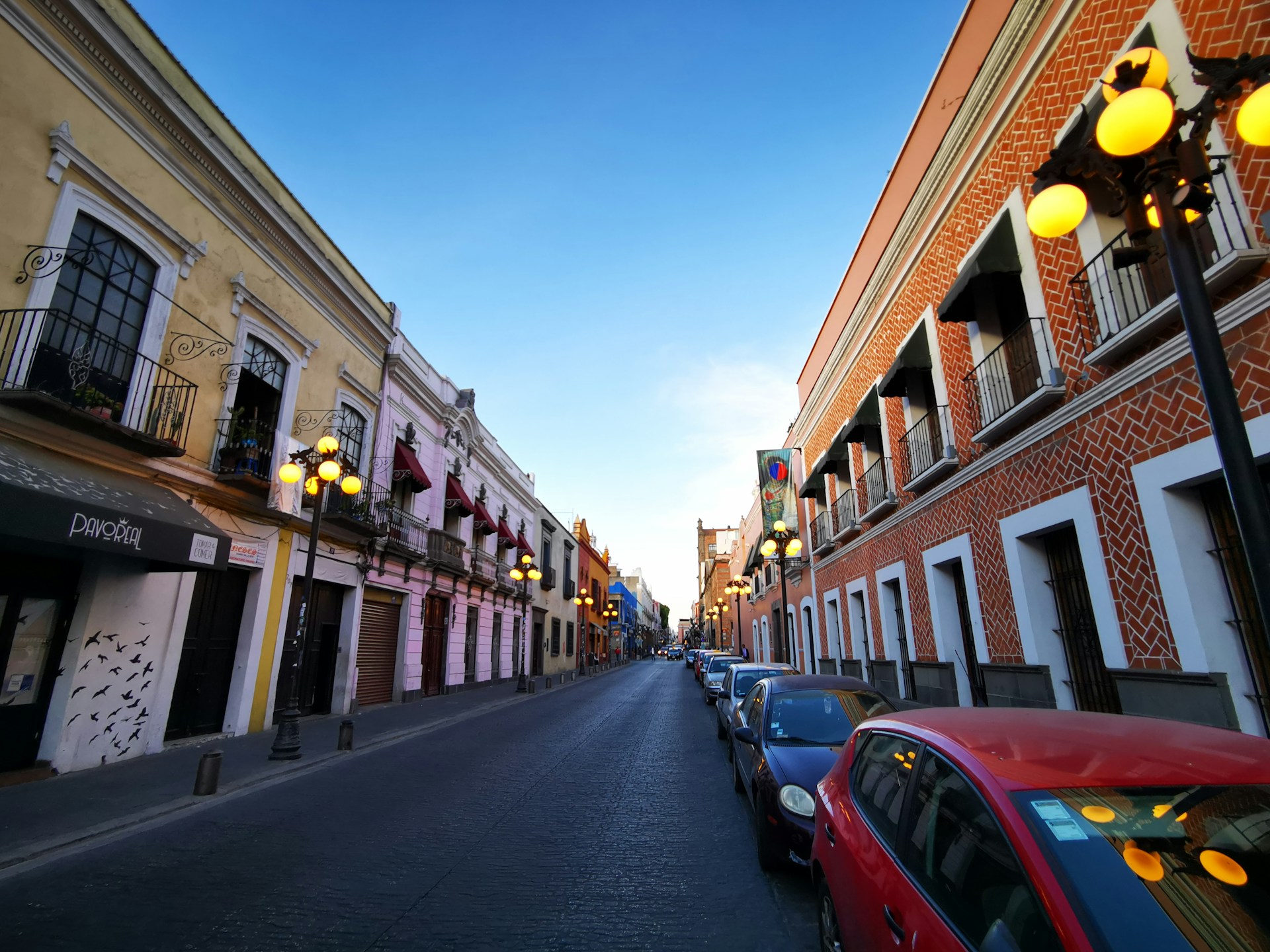
Smart Strategies to Reduce Accommodation Costs
Cutting down on where you sleep can save you a fortune. House sitting gives you a free place to stay and a taste of local life. Hostels are another solid budget-friendly option, with beds starting at $10-15 a night.
House Sitting and Pet Sitting
House sitting means you get free accommodation for looking after someone’s home and pets. I’ve had great luck with this in expat hotspots like Puerto Vallarta, Playa del Carmen, and San Miguel de Allende.
TrustedHousesitters and HouseCarers are my go-tos. Most gigs involve caring for dogs or cats, watering plants, and keeping an eye on things.
You need to start applying early—2-3 months ahead is ideal for popular places. I keep my profile updated with recent photos, references, and a bit about my pet experience.
Perks include:
- Free place to stay
- Local neighborhood vibes
- Pet cuddles
- Access to a kitchen
Most house sits last a week or two. Sometimes, you’ll find longer ones that stretch up to three months.

Staying in Hostels and Guesthouses
Hostels in Mexico are a traveler’s best friend. Dorm beds run $10-25 a night, and private rooms are $25-45.
I use Hostelworld and Booking.com to compare prices and check reviews.
Best hostel locations:
- Mexico City: $12-20/night
- Guadalajara: $10-18/night
- Cancun/Playa del Carmen: $15-25/night
- Oaxaca: $8-15/night
Guesthouses are a nice middle ground. Family-run spots often toss in breakfast and local tips. I always look for a kitchen to save even more on meals.
Booking directly with the hostel can get you a better price. Some offer discounts for week-long stays. I always double-check cancellation policies—plans change!
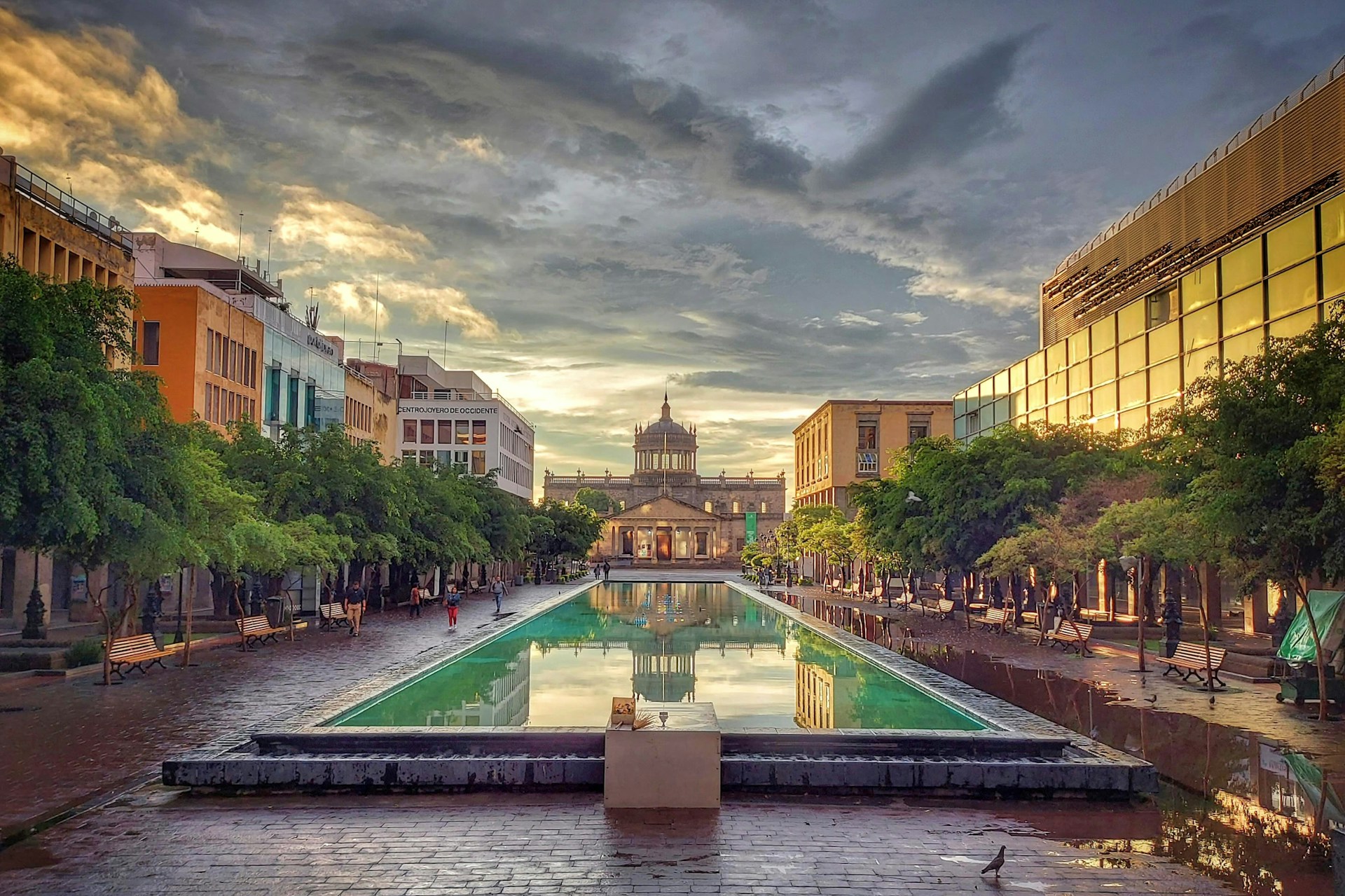
Leveraging Vacation Rentals and Airbnb
Airbnb and vacation rentals start making sense for stays over five days. Monthly discounts can knock 20-50% off the nightly rate.
I always filter for “entire place” and “kitchen.” Cooking your own meals can save $15-25 a day.
My money-saving tricks:
- Book 6-8 weeks in advance for more choices
- Pick neighborhoods a bit outside tourist centers
- Split the cost with friends
- Message owners directly for long stays
Vrbo sometimes beats Airbnb for weekly or monthly deals. I always check both before booking.
Local Facebook groups like “Mexico City Housing” or “Playa del Carmen Rentals” connect you with owners directly—no platform fees, and you can negotiate.
Earning and Saving Money Through Local Experiences
You can actually make money while you travel in Mexico. Seasonal jobs and content creation let you earn, and you get a real taste of the culture at the same time.
Seasonal and Gig Jobs in Mexico
Tourism Season Work brings in the best cash from November to March. Beach towns like Cancún, Playa del Carmen, and Puerto Vallarta go wild during peak season.
Tour guide jobs pay well if you speak English and Spanish. Companies often hire foreigners to lead English-speaking groups, and you can make $50-100 a day plus tips.
Teaching English is a steady gig. Private lessons pay $10-20 an hour. Language schools offer stable work, but the pay’s a bit lower—usually $8-15.
Restaurants and bars are always looking for English-speaking staff in tourist areas. Bonus: most places feed their workers, so you save on food.
Some hostels offer free accommodation for a few hours of work each day. I’ve seen travelers get breakfast and a bed in exchange for helping out. A few spots even pay a small wage.
Freelance gigs like writing, photography, and web design are easier to find in Mexico City and touristy towns. WiFi’s usually strong in the cities.
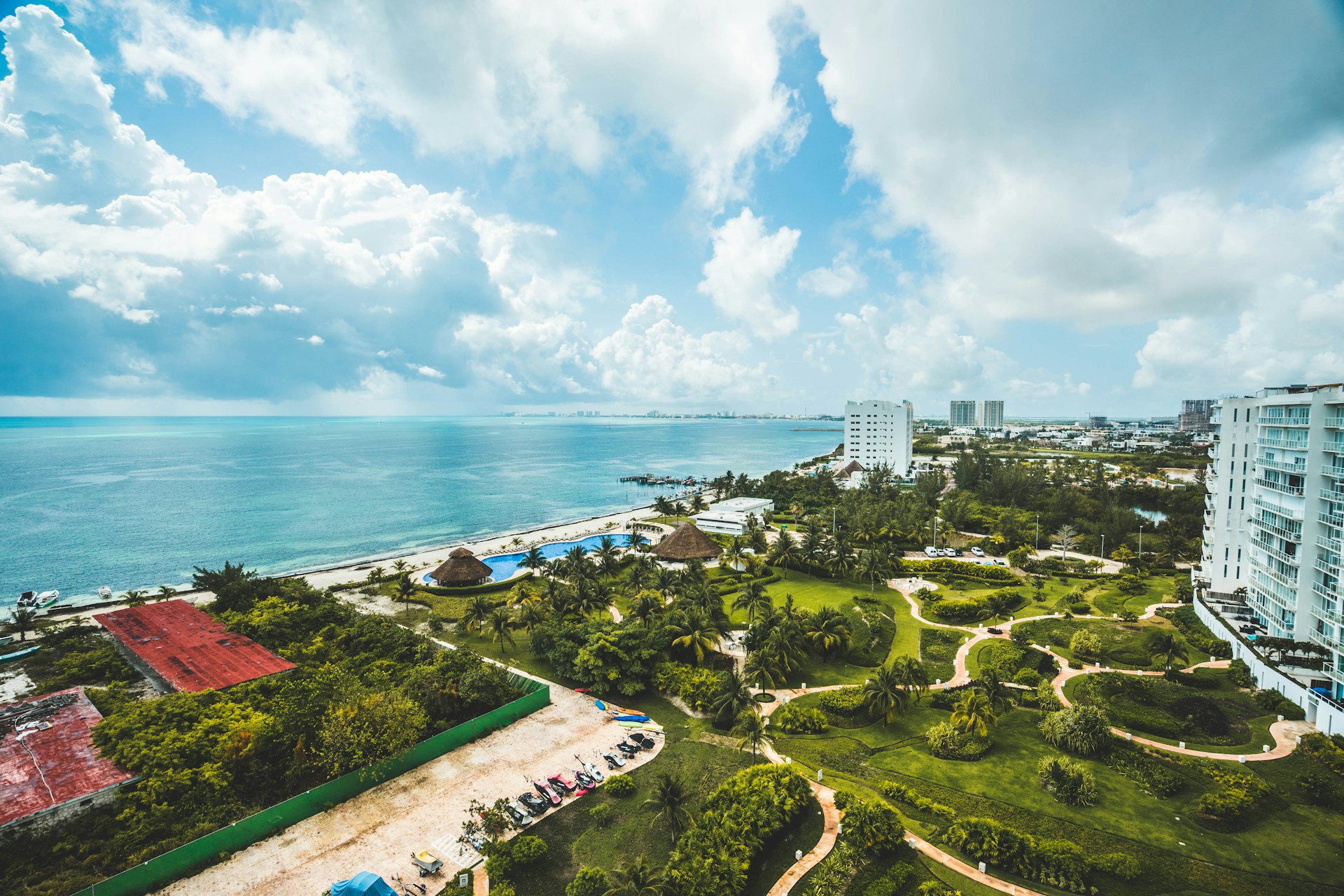
Social Media and Content Creation
If you’re into Instagram, you can earn by partnering with Mexican hotels and tour companies. You’ll need at least 1,000 engaged followers to get noticed.
Share your adventures with great photos and videos. Highlight stuff like cooking classes, local festivals, or secret beaches.
Sponsored posts can bring in $50-500, depending on your following. Mexico City brands love working with travelers.
Travel blogging is another way to earn. Write detailed guides and use affiliate links for hotels and tours.
Offering photography services to other travelers can be surprisingly lucrative. Destination shoots pay $200-800 per session.
Starting a YouTube channel about Mexican travel? Weekly videos showing real experiences can bring in ad revenue over time.
Budget-Friendly Eating and Dining Tips
Food can eat up your budget if you’re not careful, but in Mexico, you can eat well for cheap. I always try to eat like the locals, hunt down street food, and shop at markets. That alone can slash your food budget by up to 70%.
Eating Like a Local in Mexico
Most Mexican families have their main meal between 2-4 PM, when restaurants serve comida corrida (set lunches). These cost $3-5 and come with soup, a main, sides, and a drink.
I look for busy places filled with locals at lunchtime. That’s where you’ll find the best, most authentic food at local prices.
Neighborhood taquerias sell tacos for $0.50-1 each, way cheaper than tourist restaurants. Quesadillas at local spots cost $1-2.
I hit up grocery stores like Soriana or Chedraui for tortillas, cheese, and veggies. Thirty tortillas cost less than a buck.
Whenever I can, I make breakfast at my place—eggs, beans, and tortillas fill me up for under $2.

Sampling Street Food Delights
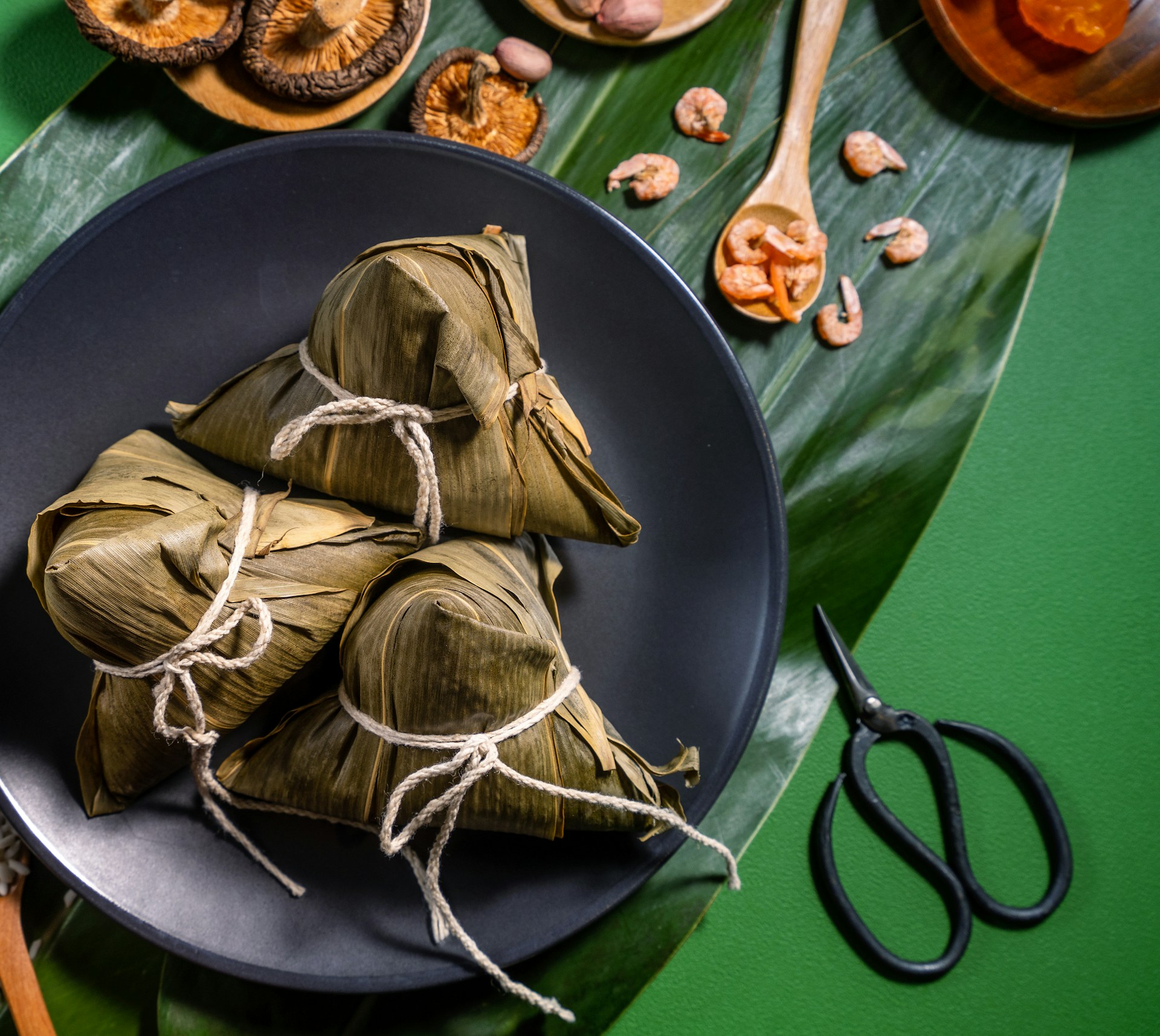
Street food is where Mexico really shines. Tamales from a cart cost $1-1.50 and make a solid breakfast. I buy them early when they’re fresh.
Taco stands crank out delicious tacos for $0.75-1 each. I always pick the ones with a crowd—fast turnover means fresher food.
Elote (grilled corn) is a filling snack at $1-1.50. Fruit vendors sell big cups of fresh fruit for $1-2.
I stick to busy stalls with locals in line. That’s my rule for freshness and safety. If I see meat sitting out too long, I move on.
Watching the vendor prepare your food helps too. Clean utensils and food cooked to order are good signs.
Finding Affordable Markets and Eateries
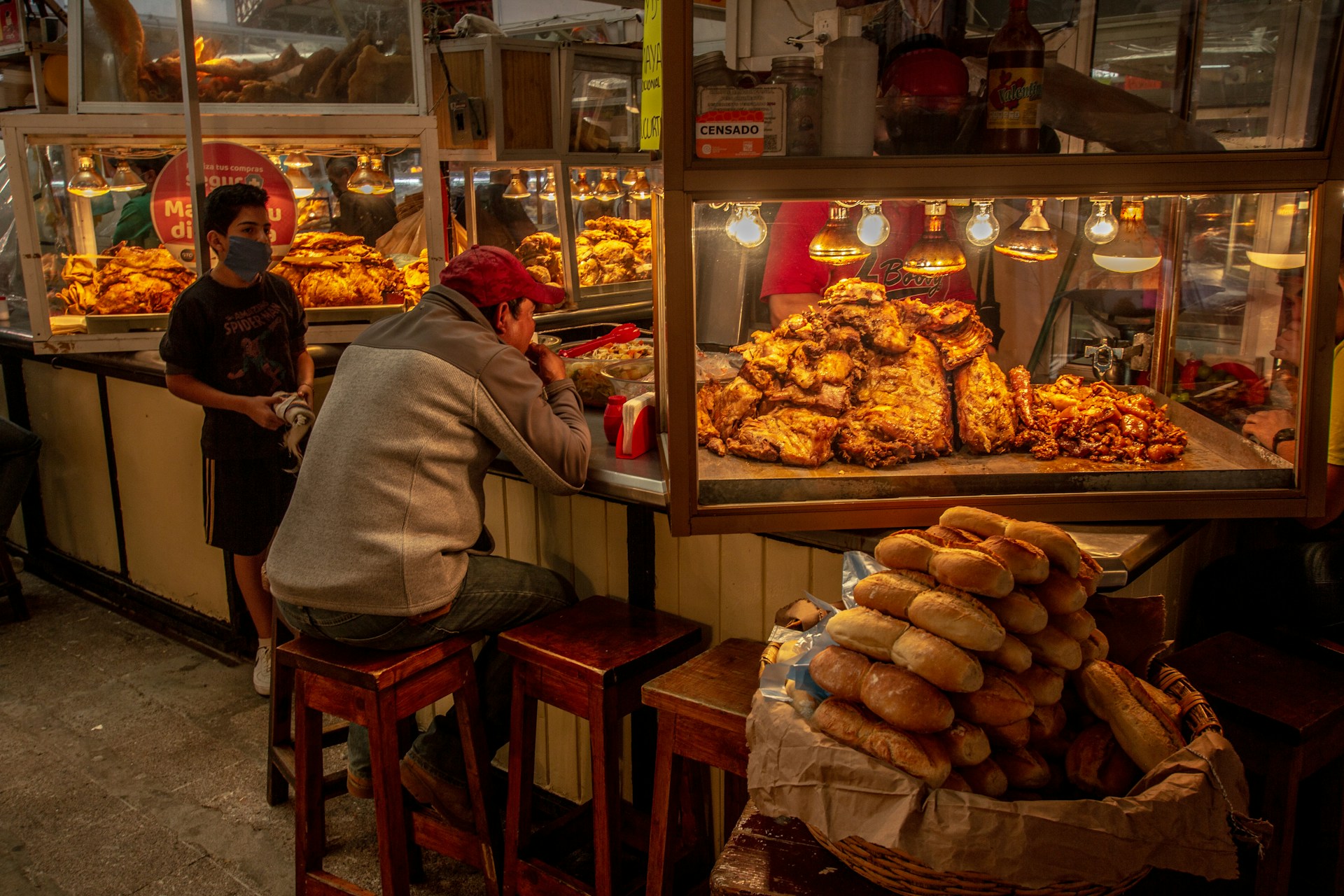
Local mercados have food stalls serving full meals for $2-4. I eat at these all the time and haven’t had issues.
Comedores (small family restaurants) in neighborhoods serve hearty plates for $3-5.
Bakeries (panaderías) sell pastries and bread for $0.25-0.50 each. Sweet bread makes a cheap breakfast or snack.
University neighborhoods are goldmines for cheap eats. Look for “comida económica” signs for meals under $3.
I sometimes use Uber Eats to compare prices, but I pick up my order to skip delivery fees.
Travel Hacks and Money-Saving Resources
You don’t have to spend a fortune to experience Mexico. A few smart strategies can cut your costs by 30-50% and you’ll still have an amazing trip.
Public transportation and off-season timing are two of my favorite ways to stretch my budget travel funds.
Embracing Public Transportation
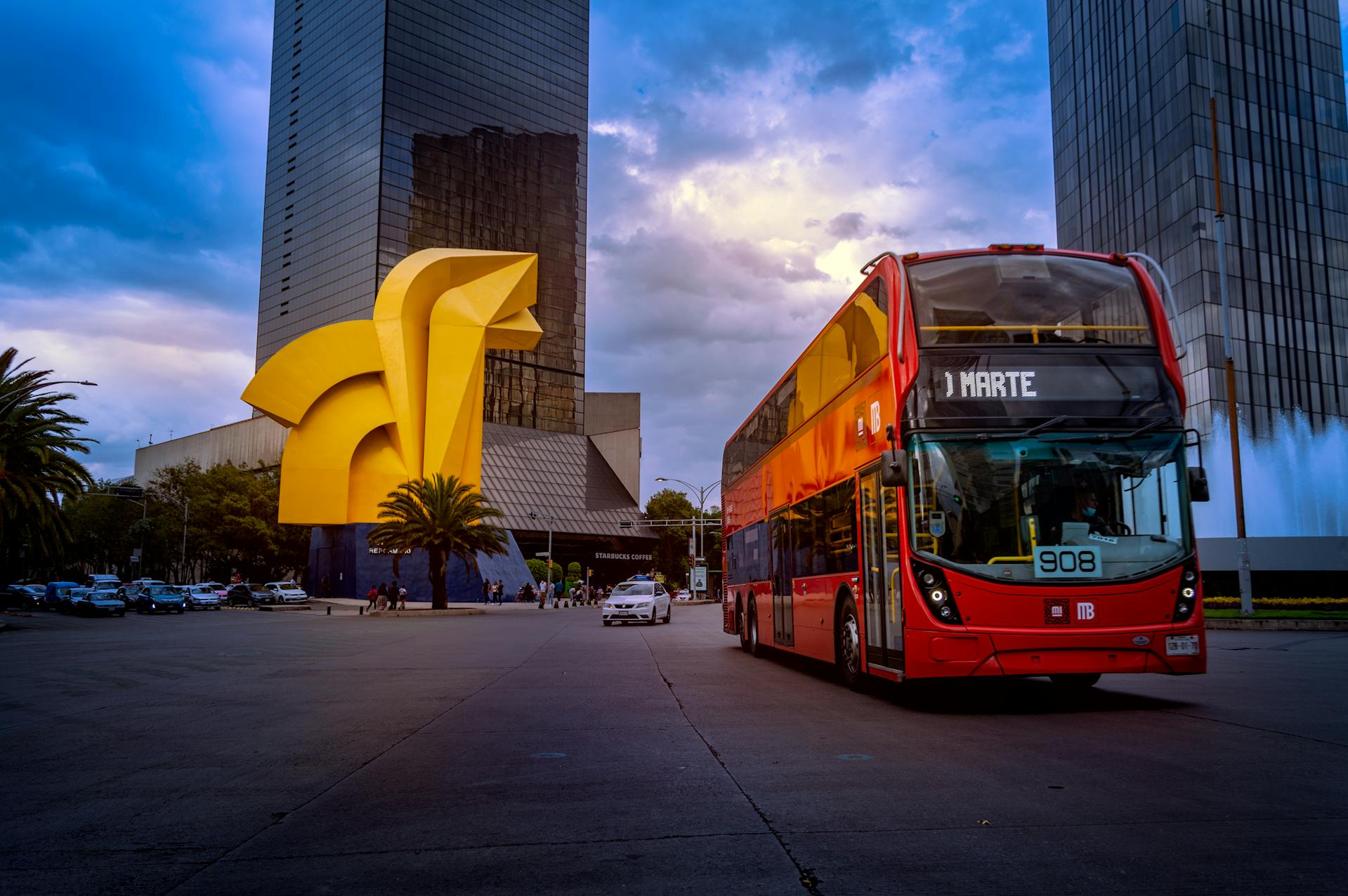
Mexico’s public transport is a budget traveler’s dream. I’ve saved hundreds by skipping taxis and using local options.
Metro Systems: In Mexico City, the metro is just 5 pesos (about $0.30) per ride. It covers most of the city and runs all day.
Bus Networks: First-class buses connect major cities comfortably, and they cost way less than flights.
Local Options:
- Colectivos: Shared minivans go where big buses can’t, for the same price
- City buses: 10-15 pesos ($0.50-$0.75) for short trips
- Uber and local apps: Usually cheaper than taxis
I always download transportation apps before I arrive. That way, I can figure out routes and fares without any stress.
Traveling Off-Season for Deals
Traveling off-season? Honestly, it’s one of my favorite ways to save big in Mexico—sometimes I’ve slashed my costs by 40-60%. I always look for those sweet spots when prices dip but the weather’s still surprisingly nice.
Best Off-Season Months:
- April and May (right after the spring break madness settles)
- Mid-October through early November (once the rains have eased up)
- Late January through February (after everyone’s gone home from the holidays)
Savings Breakdown:
| Category | Off-Season Savings |
|---|---|
| Hotels | 40-60% less |
| Flights | 25-40% less |
| Tours | 20-30% less |
| Car rentals | 30-50% less |
I’ve snagged rooms in Mexico City for just $20-30 a night, instead of the usual $60-80. Airfare to Mexico? It’s often way cheaper during these months.
Shoulder season weather can honestly be better than peak times. You’ll dodge the crowds and, if you ask me, end up with a much more genuine experience—locals actually have time to chat and you’re not elbowing your way through tourist mobs. Isn’t that what travel’s really about?
