
Last summer, I stumbled across a hidden gem tucked away in Italy’s boot. Calabria, with its wild 500 miles of coastline, gave me a perfect escape from the usual tourist crowds.
This southern Italian region blends dramatic cliffs, quiet beaches, ancient ruins, and seriously good seafood into a Mediterranean adventure I won’t forget.
I bounced from charming seaside villages to ghost towns perched on hillsides. Every day, something new surprised me along Calabria’s two coastlines.
I swam in crystal-clear waters where legends say sea monsters once lurked. Then I devoured fresh swordfish that fishermen had just caught that morning.
Calabria’s shores stayed blissfully uncrowded, a world away from the packed Amalfi Coast.
My week-long road trip through this rugged landscape introduced me to locals who genuinely wanted to share their traditions.
Between wandering Byzantine cathedrals and Norman castles, I treated myself to gelato on sun-soaked promenades. I watched fishermen haul in their daily catch right before sunset.
Calabria still feels like Italy’s best-kept secret—wild, authentic, and just waiting for travelers who want something different.
Planning the Journey Along Calabria’s Coastline
If you want to explore Calabria’s coast, you have to think about routes, timing, and how you’ll get around. This region offers a wild variety along its 500 miles of coastline, from medieval towns to hidden beaches far from the crowds.
Mapping Out the 500-Mile Coastal Adventure
Breaking up Calabria’s coastline into smaller chunks made exploring a lot easier for me. The Tyrrhenian coast on the west feels rugged, with dramatic cliffs and sparkling waters.
The Ionian coast on the east? It stretches out with long sandy beaches and a slower pace.
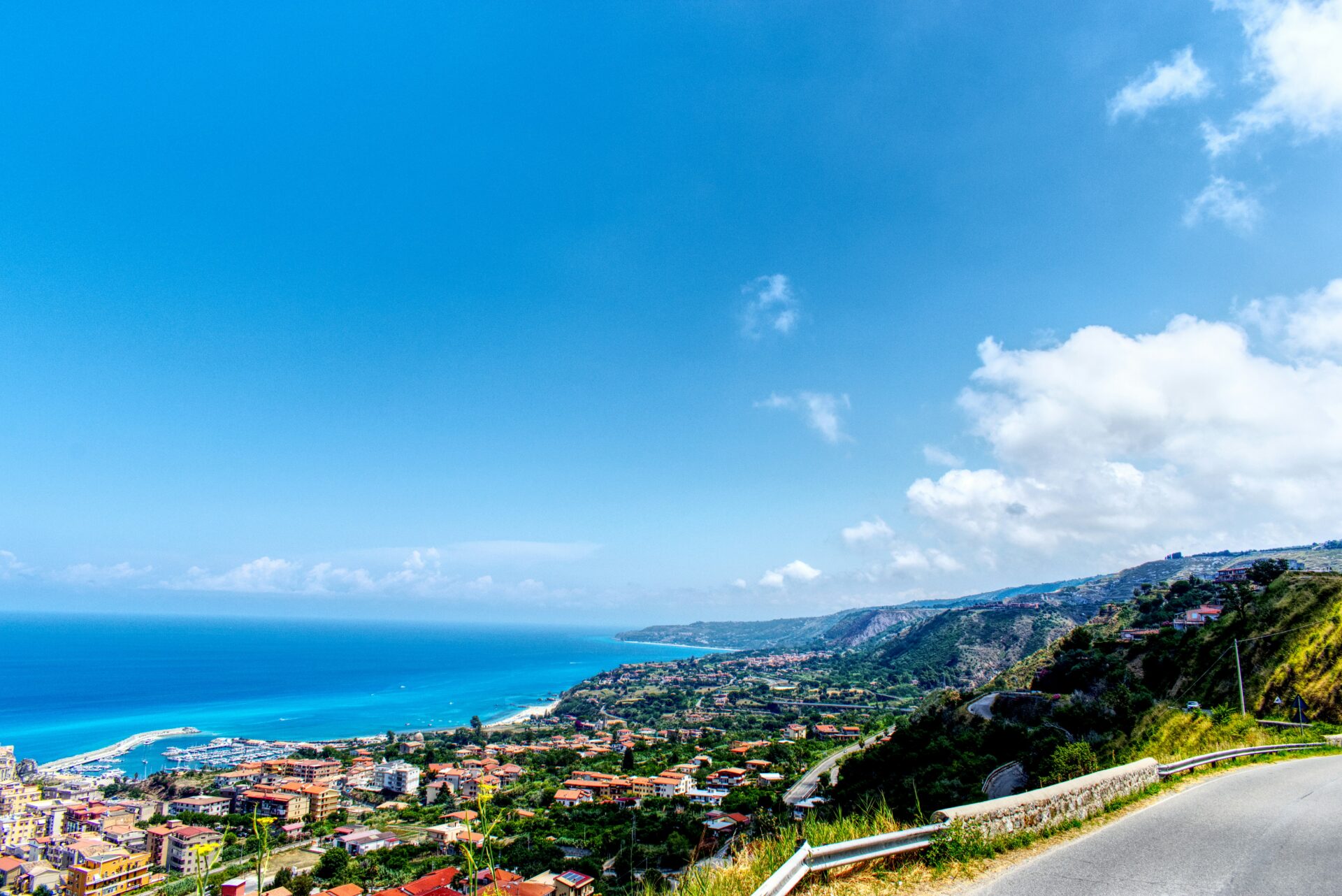
Honestly, renting a car is the way to go. The coastal roads twist through jaw-dropping scenery, linking up hidden gems like Tropea, Scilla, and Pizzo on the west, and Roccella Ionica and Le Castella on the east.
Don’t try to cram too much in! I think you need at least 7 days to really get a feel for the region.
Keep your daily drives short—under 2 hours if you can—so you have time for spontaneous stops at secret coves or hilltop towns.
Top coastal towns to include:
- Tropea (clifftop historic center)
- Scilla (classic fishing village)
- Roccella Ionica (gorgeous beaches)
- Le Castella (that fortress is something else)
Best Times To Visit and Essential Packing Tips
If you’re wondering when to go, I’d say May to June or September to early October is perfect. You’ll get warm, sunny days (think 75-85°F) but miss both the intense summer heat and the crowds that show up in July and August.
Pack light, breathable clothes and bring a couple of swimsuits. The Mediterranean sun is no joke—so toss in sunscreen, sunglasses, and a hat.
You’ll need comfortable shoes for those hilly towns.
I always made sure to carry:
- A light jacket for breezy evenings
- A waterproof bag for beach days
- Cash, since small places often don’t take cards
- A few basic Italian phrases (English is rare in rural Calabria)

Getting There: Travel Options via Naples and Sicily
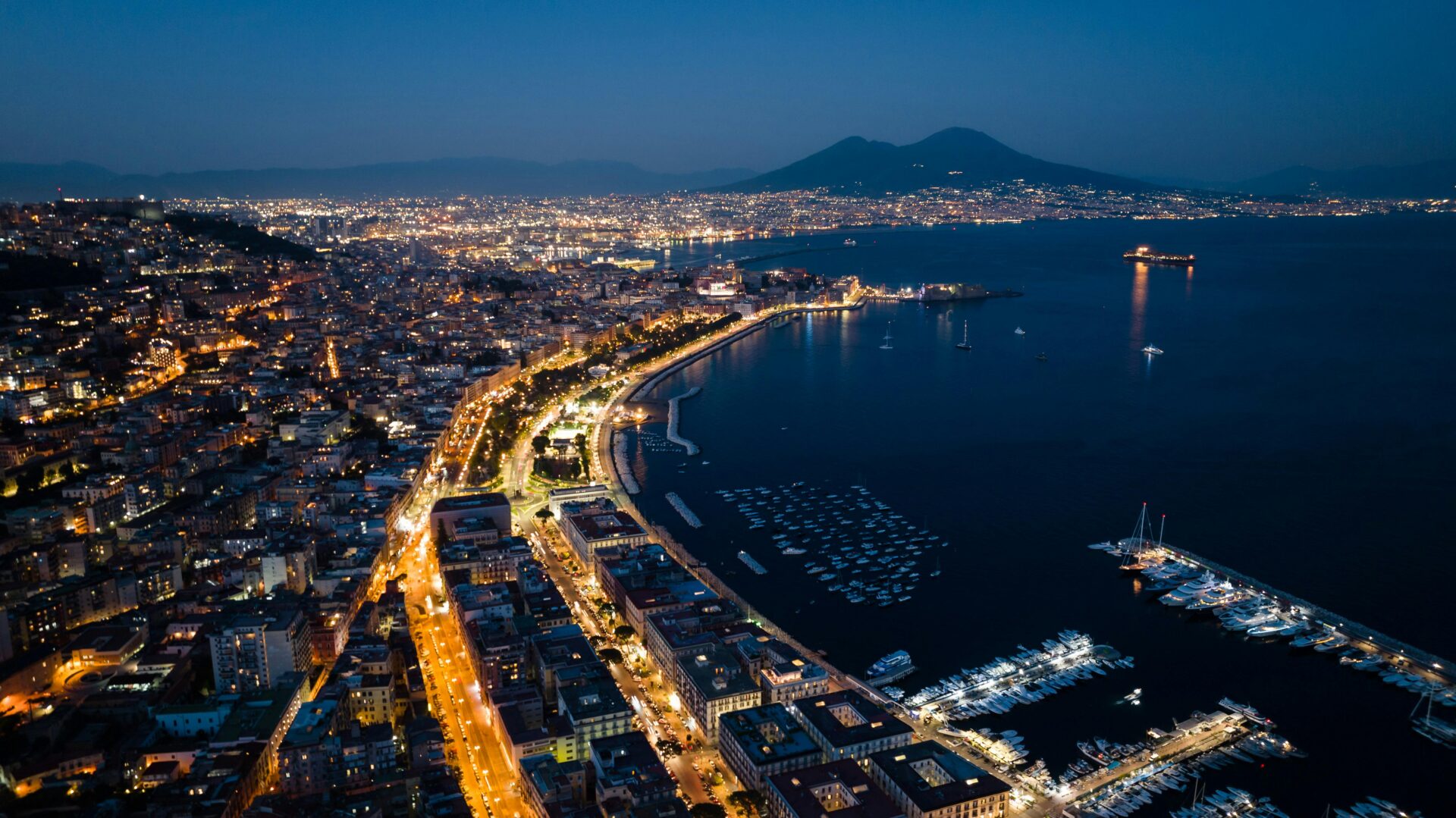
Naples is the easiest northern gateway to Calabria. I hopped on a high-speed train from Naples to Lamezia Terme, Calabria’s main hub, and arrived in about 3 hours.
You can pick up a rental car at either the airport or train station.
Coming from Sicily is another great option. The ferry from Messina to Villa San Giovanni only takes about 20-30 minutes and runs all the time.
This route is especially scenic, crossing the Strait of Messina—where Greek myths placed those sea monsters Scylla and Charybdis.
If you’re flying in from abroad, Naples International Airport or Catania (in Sicily) usually have more flights than Lamezia Terme’s small airport.
Budget airlines connect these cities to major European hubs for decent prices.
Discovering the Ionian and Tyrrhenian Seas
Calabria’s unique geography gives it 500 miles of coastline split between two gorgeous seas.
The contrast between them makes this place a dream for beach lovers and sailors.
Exploring the Ionian Sea’s Hidden Beaches
I found the Ionian coast quieter and less developed, but honestly, that’s what made it so special. The eastern shoreline offers empty, pristine beaches with water so clear it almost glows turquoise in the morning.
Near Roccella Ionica, I spent a peaceful morning with barely anyone else around. The sand was soft and golden, stretching out for what felt like forever.
Towns like Soverato and Crotone mix beautiful beaches with authentic Italian life.
In Soverato, I ate fresh seafood at a tiny restaurant and watched fishermen bring in their catch.
Ancient ruins pop up near these beaches, blending history and natural beauty in a way I haven’t seen anywhere else in Italy.

Dramatic Cliffs and Coves of the Tyrrhenian Coast
The Tyrrhenian coastline on the west side is a whole different story—bold, with cliffs and secret coves.
Tropea instantly won me over with its iconic beach below towering cliffs and colorful buildings stacked above.
I found secluded spots you can only reach by boat or by hiking down steep paths. The effort always paid off—private swimming holes with perfect water and unreal views.
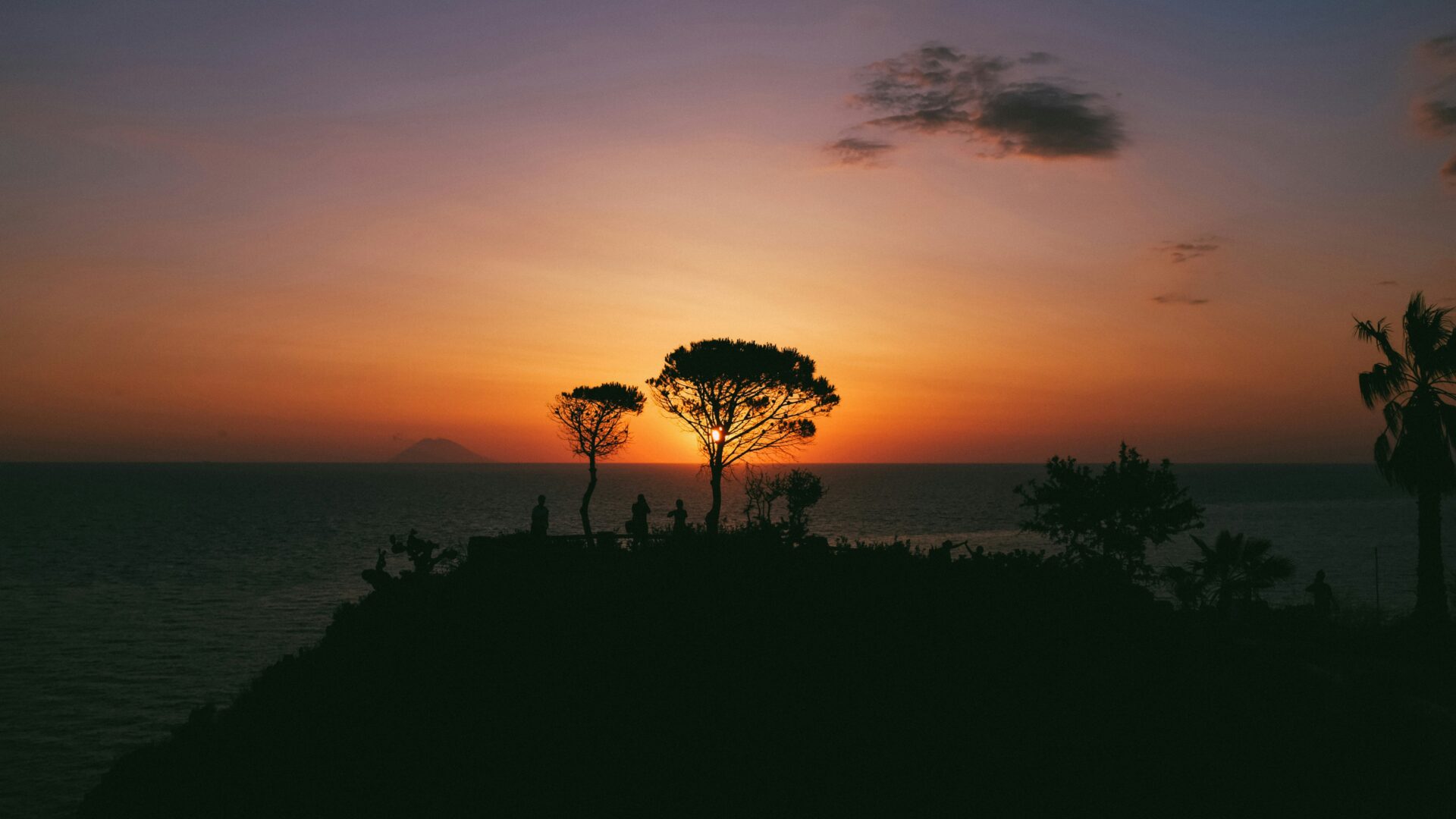
Sunsets here are unreal. I watched the sun dip into the Tyrrhenian Sea from a little restaurant in Pizzo, famous for tartufo ice cream. The sky turned wild shades of orange and pink, with the volcanic shape of Stromboli glowing on the horizon.
Driving along this coast means epic views at every bend, though you have to stay sharp on those winding roads.

Sailing Adventures: Yacht Charters and Boat Excursions
Chartering a small yacht for two days ended up being the highlight of my trip. I set sail from Tropea, checking out hidden grottoes and beaches you simply can’t reach by land.
If you’re not up for captaining your own boat, several companies offer affordable half-day trips. I joined a group tour from Scilla and we cruised along the coast to see the famous “Violet Line,” where the deep blue water takes on this wild purple hue.
Sometimes fishermen at small harbors offer informal boat rides. In Bagnara, I paid €30 for a two-hour trip with a local captain who showed me secret caves and shared stories about the region’s maritime past.
From the water, the difference between the two seas really jumps out. The Ionian is calmer and clearer, while the Tyrrhenian gives you those dramatic cliffs and interesting rock formations.

Calabria’s Coastal Towns and Cultural Treasures
Calabria’s coastline is a patchwork of historic towns, clear blue water, and deep-rooted traditions. Every settlement I visited had its own personality, with customs that locals have kept alive for centuries.
Tropea: The Gem of the Tyrrhenian
Tropea sits perched on a cliff, staring out over the sea. I couldn’t help but be captivated by its views and the old town’s winding streets.
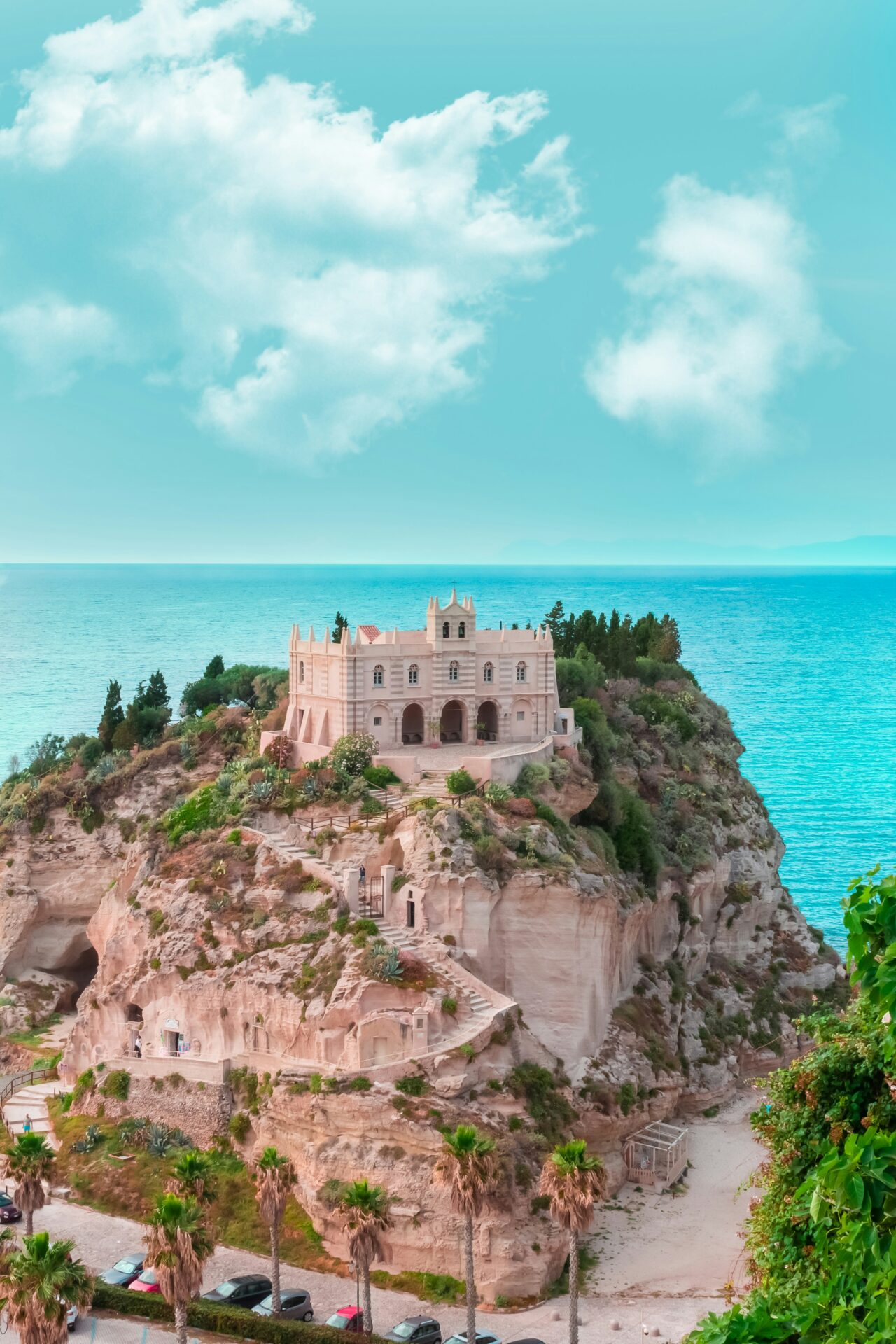
The Santa Maria dell’Isola church stands on a rocky outcrop, making that classic postcard scene you might’ve seen before.
I spent hours just wandering Tropea’s medieval lanes, listening to locals chat from balconies draped with laundry. The town square buzzes in the evenings when families stroll for the passeggiata.
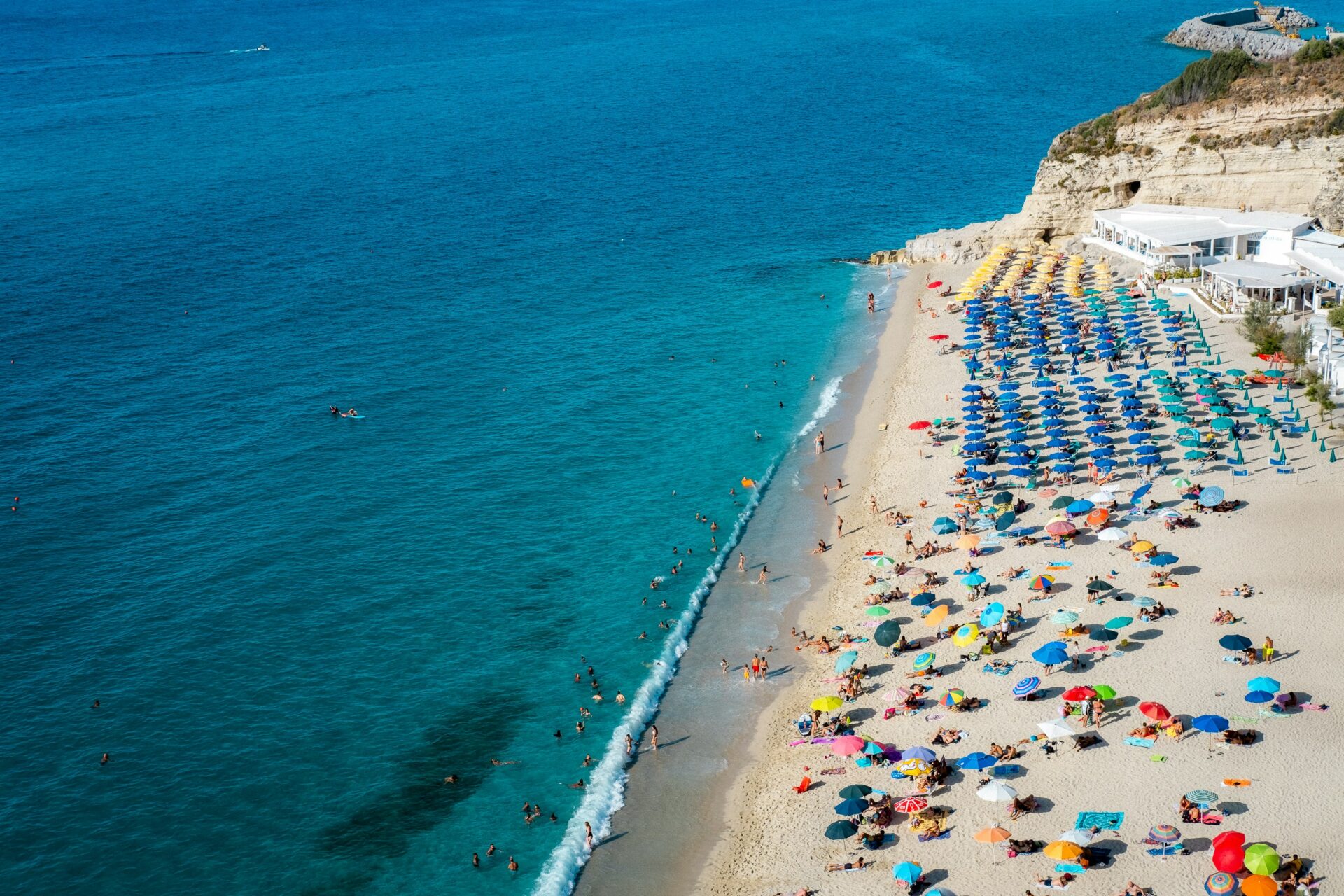
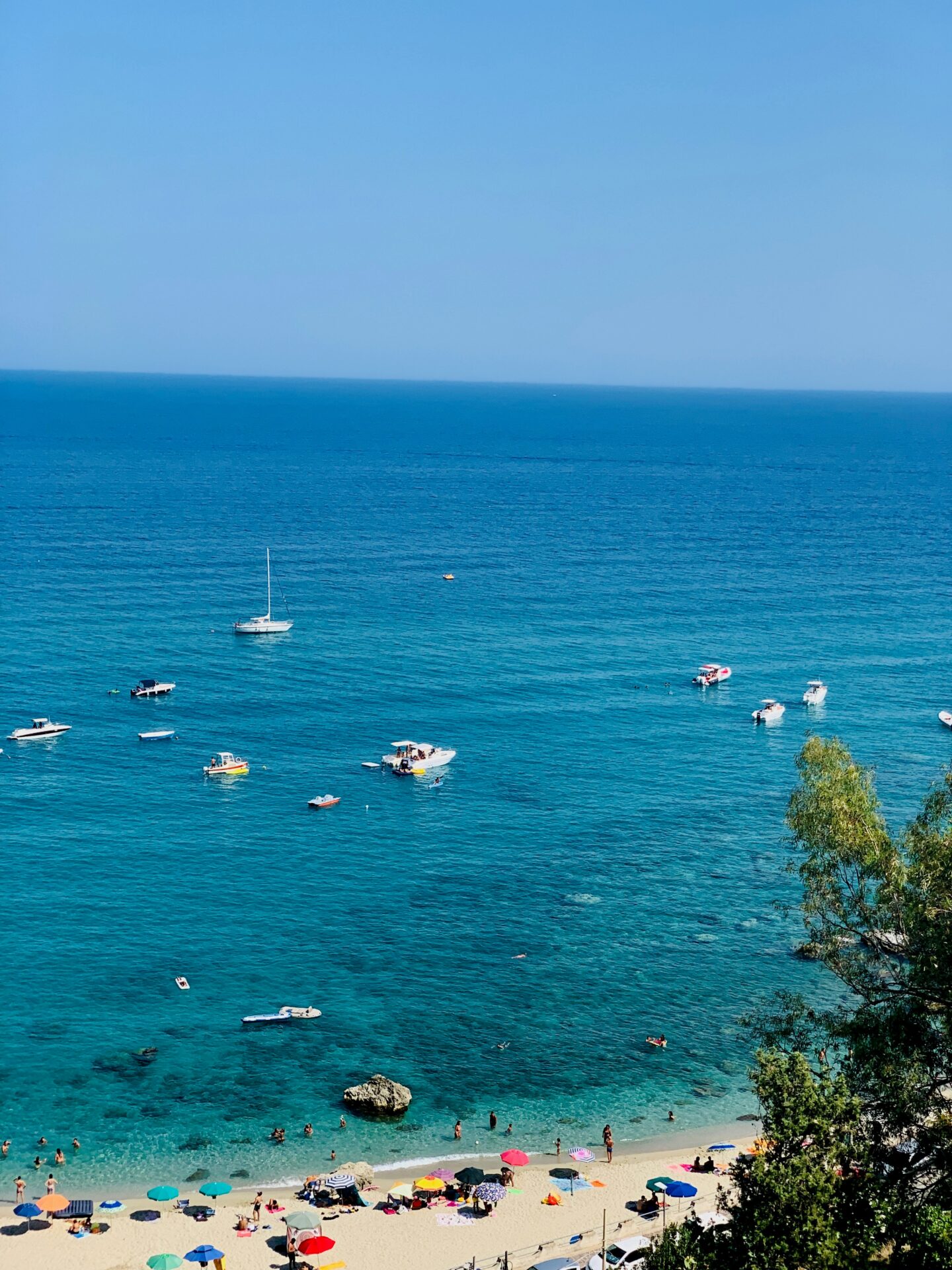
The beaches below are unreal—white sand and the clearest turquoise water I’ve ever seen.
You have to try Tropea’s famous red onions. They’re so sweet, locals even make jam from them.
Scilla and Chianalea: Legends and Seaside Villages
Just north of Reggio Calabria, I found Scilla, a place steeped in Greek myth as the home of the sea monster Scylla.
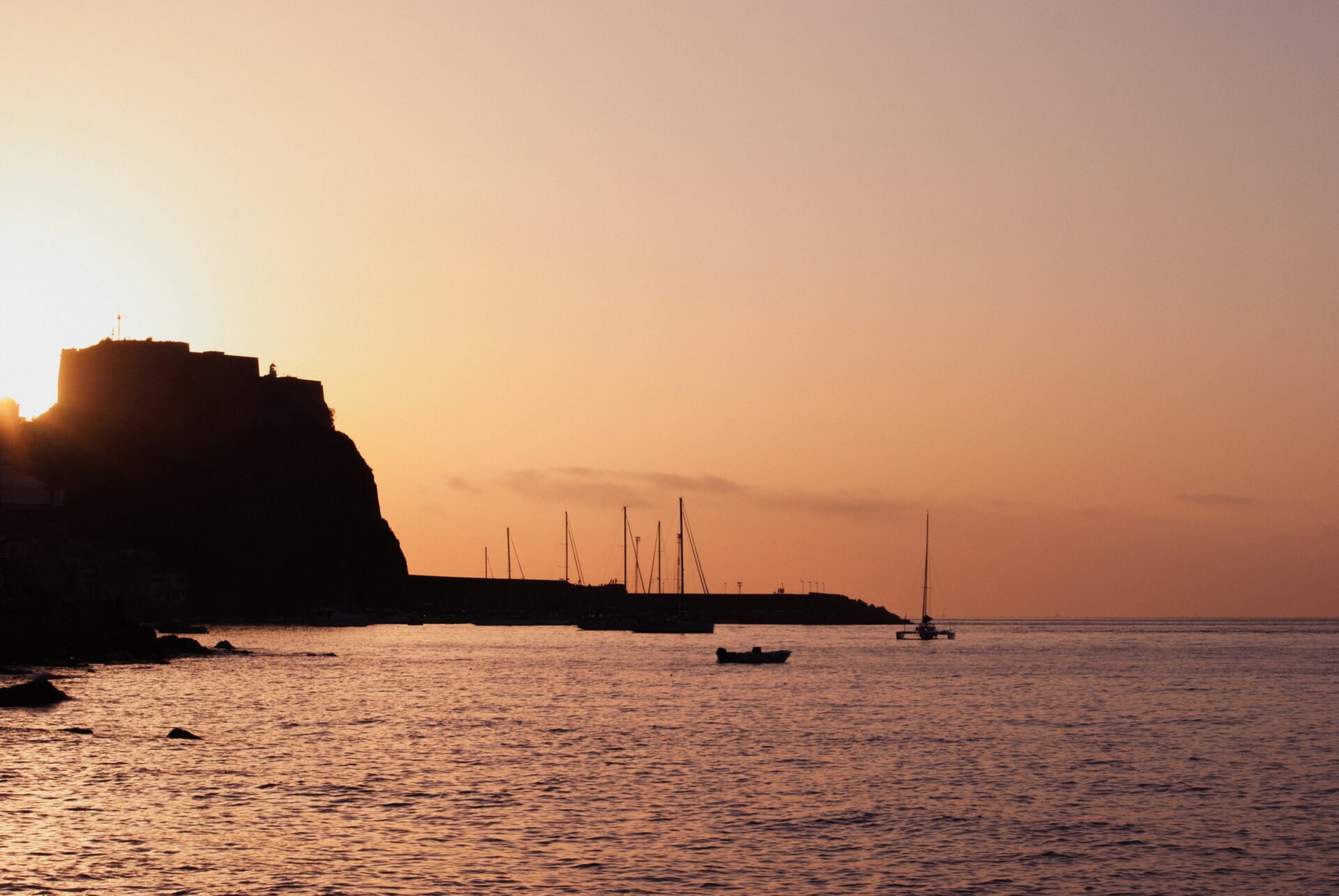
Ruffo Castle sits above it all, offering sweeping views across the Strait of Messina toward Sicily.
Chianalea, the neighborhood known as “Little Venice,” won me over with its houses rising right out of the water. Fishing boats dock at doorsteps, and tiny bridges connect the narrow streets.
Local fishermen still catch swordfish the old-school way, using distinctive boats with tall masts. I watched them scan the waters for their next big catch.
Some things you shouldn’t skip here:
- Dinner at a seaside restaurant with fresh-caught fish
- Swimming at Chianalea’s pebble beaches
- Watching the sunset from Ruffo Castle
Reggio Calabria and Its Historic Churches
Reggio Calabria, the region’s oldest city, blends architecture from across the centuries. The Cathedral of Maria Santissima Assunta in Cielo shows off Byzantine touches and houses beautiful religious artifacts.
The National Archaeological Museum holds the legendary Riace Bronzes—two ancient Greek statues found in the sea nearby. I lost track of time just staring at these 2,500-year-old masterpieces.
The waterfront promenade, called “the most beautiful kilometer in Italy,” gave me stunning views across to Sicily. On clear days, you might even catch the Fata Morgana mirage floating over the water.

Culinary Delights Along the Coast
Calabria’s coastal food scene kept me hungry and happy. The region’s signature ‘nduja—a spicy, spreadable sausage—shows up everywhere. I loved it on crusty bread at a tiny trattoria in Tropea.
Seafood rules here. Swordfish, tuna, and sardines get grilled simply with olive oil and lemon. In Scilla, I tried pasta with swordfish and eggplant that blew my mind.
Calabrian Coastal Specialties:
- ‘Nduja (spicy spreadable sausage)
- Pesce spada alla ghiotta (swordfish stew)
- Red Tropea onions
- Bergamot-infused desserts
The local Cirò wine, made from Gaglioppo grapes, went perfectly with these bold flavors.
Some waterfront restaurants even offer cooking classes—I learned to make traditional Calabrian dishes and, honestly, it was a blast.

Nature, Adventure, and Iconic Landmarks
Calabria’s wild landscapes give you way more than just beaches. The dramatic coastline sits alongside rugged mountains, volcanic views, and endless outdoor adventures.
Vulcano Views and Natural Wonders of the Coast
From parts of Calabria’s west coast, I spotted Vulcano island’s silhouette rising from the Tyrrhenian Sea. This active volcano in Sicily’s Aeolian islands glows at sunset, painting the sky orange.
The coastal rock formations here really stand out. Near Tropea, I found hidden caves you can only reach by boat. My guide squeezed us through narrow gaps to reveal chambers with glassy turquoise water.
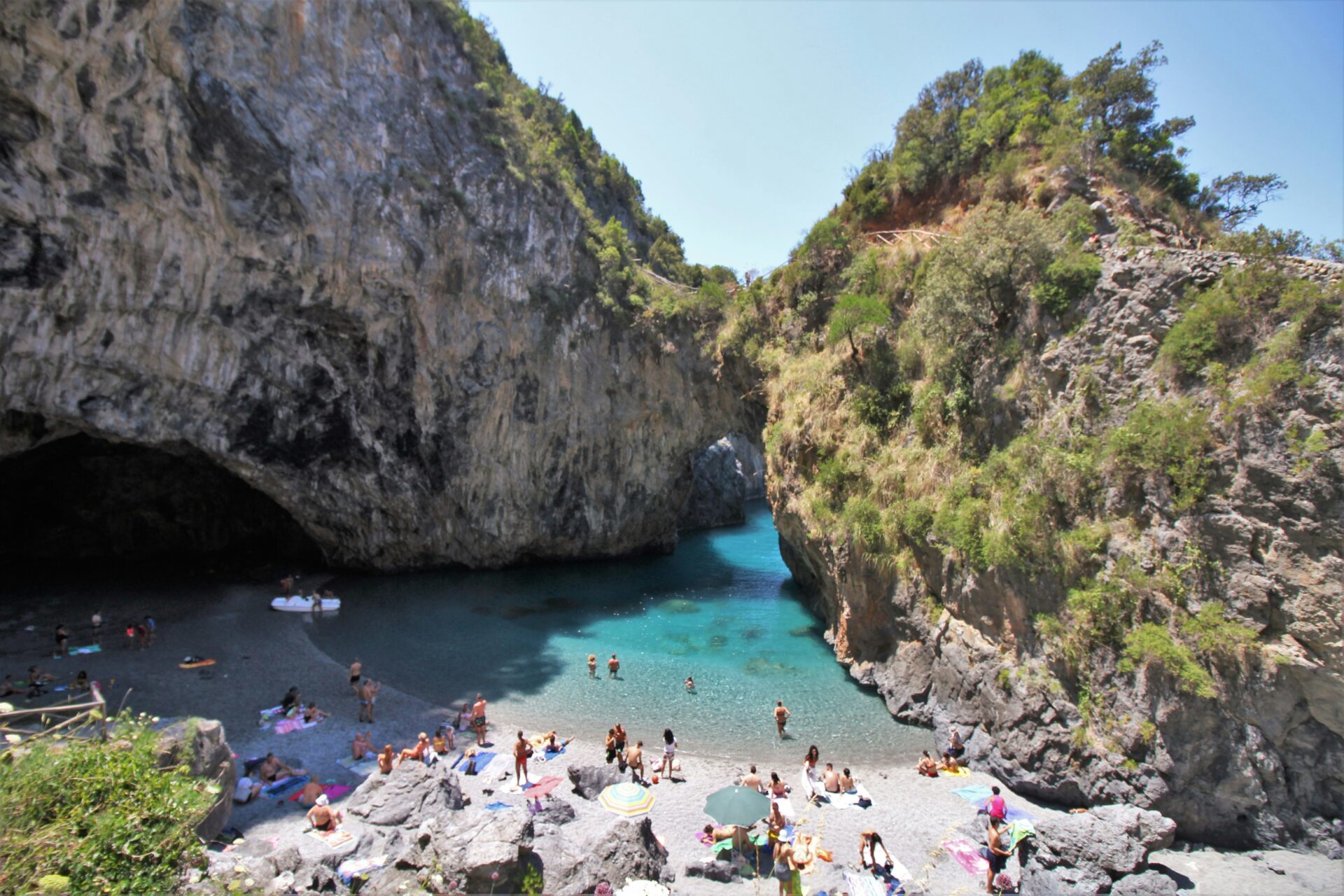
Arcomagno Beach near San Nicola Arcella features a massive natural stone arch framing the sea. I had to hike down a rocky path to get there, but it was totally worth it.
Outdoor Activities: Hiking, Snorkeling, and More
Calabria’s wild terrain is perfect for adventure. I spent a morning hiking through Pollino National Park, Italy’s largest protected area.
The trail led me through ancient pine forests and opened up to sweeping views of both seas.
Snorkeling around Capo Vaticano was a treat. The water was so clear I could see fish darting between rocks and seagrass, even from above.
If you want a rush, try the zipline in Maratea (technically Basilicata, but right on the Calabrian border). Flying over the coast gave me a whole new perspective on the rugged shoreline.
Popular Outdoor Activities in Calabria:
- Coastal hiking trails
- Cave exploration by kayak
- Snorkeling in clear waters
- Mountain biking in national parks
- Sailing along the coastline

On the Trail of ‘Il Postino’: Famous Filming Locations
The beloved Italian film “Il Postino” mostly came to life in Sicily, but a few key scenes found their backdrop along Calabria’s stunning coast.
I wandered through the tiny fishing village that, in the movie, became the poet’s dreamy Mediterranean escape.
Walking those same narrow paths as Philippe Noiret and Massimo Troisi? Honestly, it felt a bit magical. The little harbor looks almost frozen in time since the early ’90s—fishermen still fix their nets, and bright boats gently rock in the water.
I checked out the beach near Scilla, where they shot those iconic bicycle scenes. I tried to recreate Mario’s ride along the sand, but let’s be real: I didn’t have any love letters to deliver. Still, the romance in the air was impossible to miss.
Local guides run “Il Postino” tours, making stops at filming spots and places that inspired the story. It’s a mix of movie nostalgia and Calabria’s wild natural beauty—no wonder they picked this region for the film.
Travel Insights and Practical Advice
Traveling through Calabria taught me valuable lessons about getting the most out of this gorgeous Italian region.
A little preparation and cultural awareness really turned a good trip into something unforgettable along its 500-mile coastline.
Navigating Local Customs and Language
Plenty of Calabrians in touristy spots speak some English, but picking up a few Italian phrases made everything smoother for me.
Just using simple words like “buongiorno” or “grazie” opened up real conversations with locals.
People here live life on a different schedule than I’m used to. Most shops close for riposo—that midday rest—from about 1 to 4 PM. I started planning my days around it, honestly, because this break is non-negotiable.
Dinner runs late. Locals don’t even think about eating before 8 PM, and restaurants often stay closed until then. If someone invited me to their home, I’d bring a little gift—wine or pastries usually did the trick.
Dressing right counts, especially in churches. I kept a light scarf handy to cover my shoulders and made sure to wear modest clothes inside religious sites.
Staying Healthy and Dealing With the Unexpected Flu
I came down with the flu during my second week in Calabria. Luckily, Italian pharmacies (look for the green cross) are everywhere, and pharmacists know exactly what to recommend for minor stuff.
My travel health kit had:
- Painkillers and fever meds
- Stomach medicine
- Electrolyte packets
- Some basic first aid
- My own prescriptions (plus copies, just in case)
When my flu got worse, Italy’s healthcare system took great care of me. For emergencies, the number is 118. In touristy areas, you can also use 112.
Staying hydrated really mattered under Calabria’s hot sun. I always carried a bottle of water and tried to pay attention when my body needed a break, especially on those blazing coastal walks.
Responsible Tourism and Preserving Calabria’s Coast
Calabria has about 500 miles of gorgeous coastline, but it’s under a lot of environmental pressure these days.
When I visited, I really tried to leave as little impact as possible.
I picked small, locally-owned places to stay—no big international chains for me. They cared about sustainability, and honestly, it felt good knowing more of my money stayed right there in Calabria.
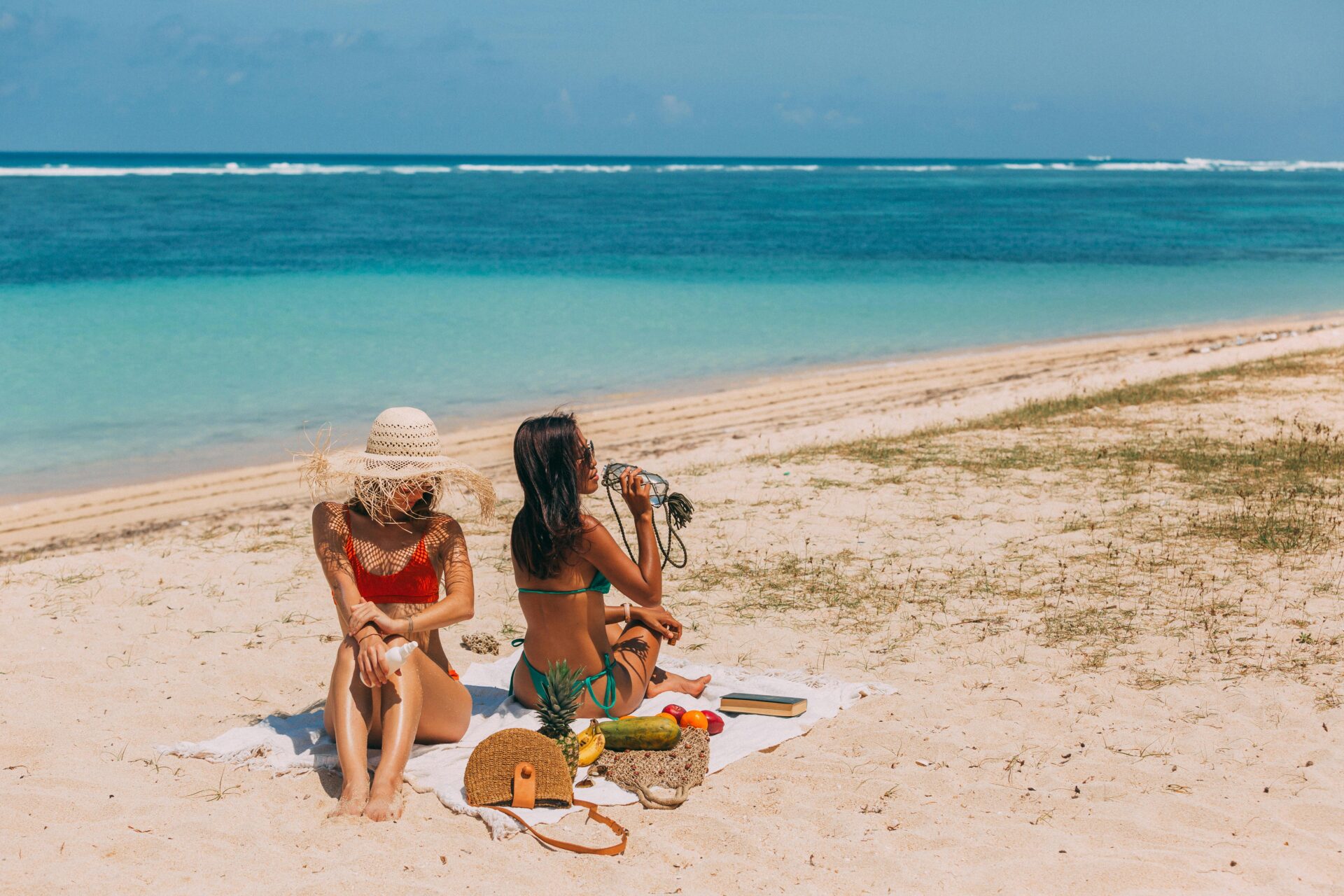
On the beaches, I stuck to the “leave no trace” rule. I took my trash with me and tried not to mess with the natural habitats. Some beaches even have recycling bins, which is a nice touch.
I relied on public transportation to get around. The regional trains and buses connect most of the coastal towns, although I’ll admit, the schedules can be a bit tricky during the off-season.
To support the community, I bought from local artisans and farmers whenever I could. Calabria’s markets overflow with fresh seafood, produce, and handmade goods—each one with its own story about the region’s heritage.
