
The misty waters of Saturnia’s thermal springs have been calling my name for years, and I finally got to experience this natural wonder in Tuscany, Italy. As I discovered, timing is everything when visiting these popular hot springs.
To see Saturnia’s Cascate del Mulino without crowds, arrive before 7am or visit during late evening hours when most tourists have left for the day.
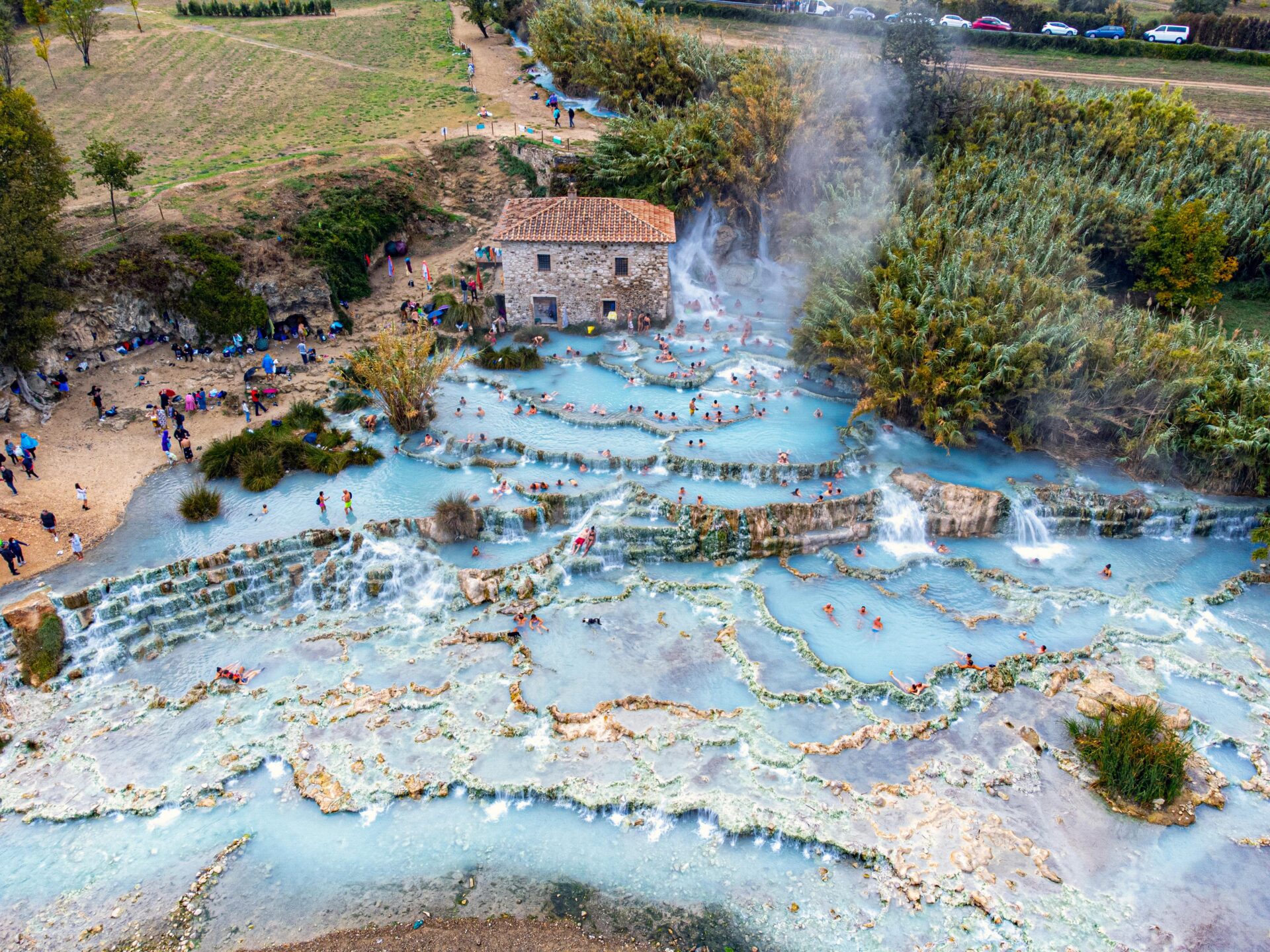
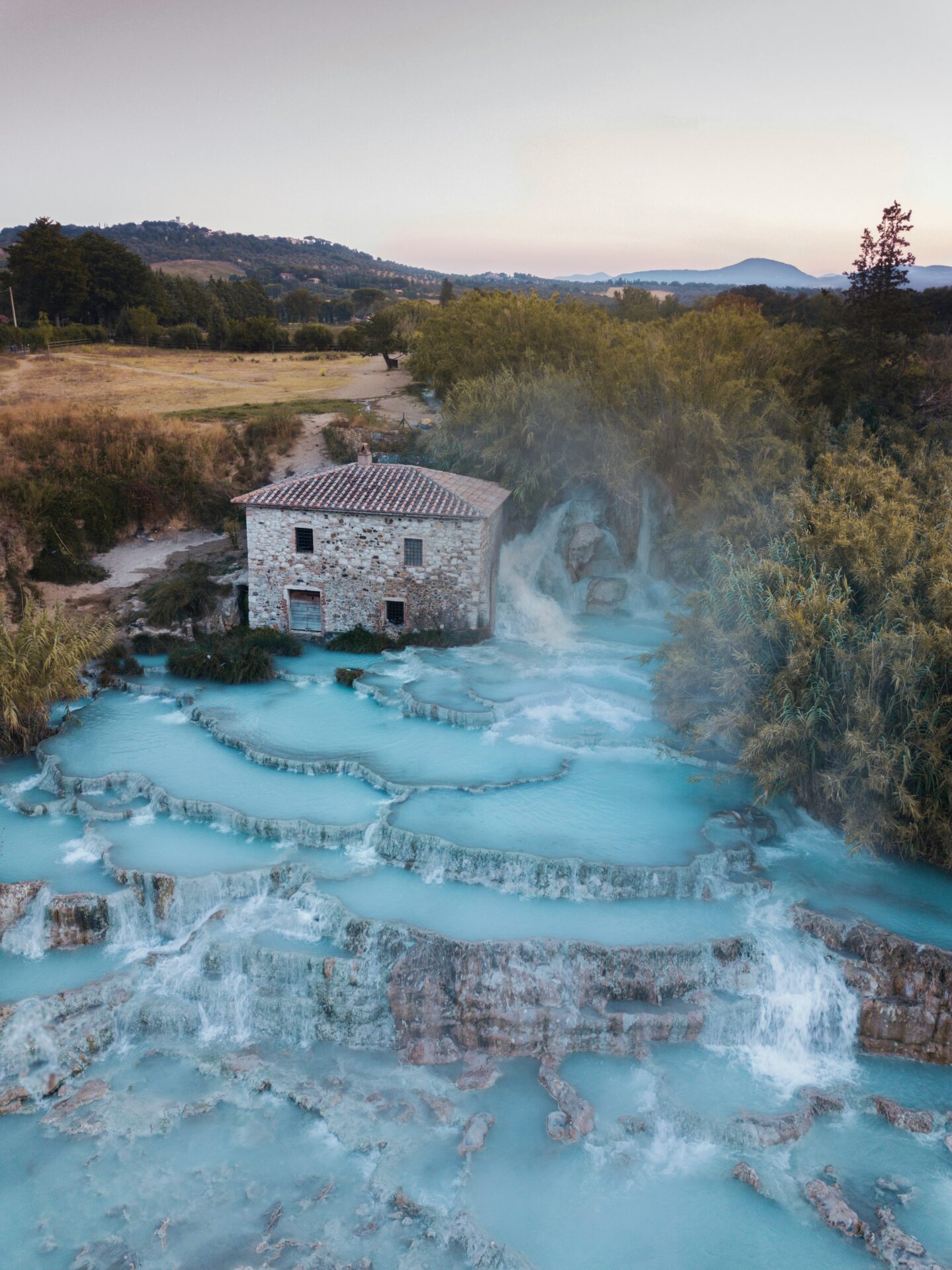
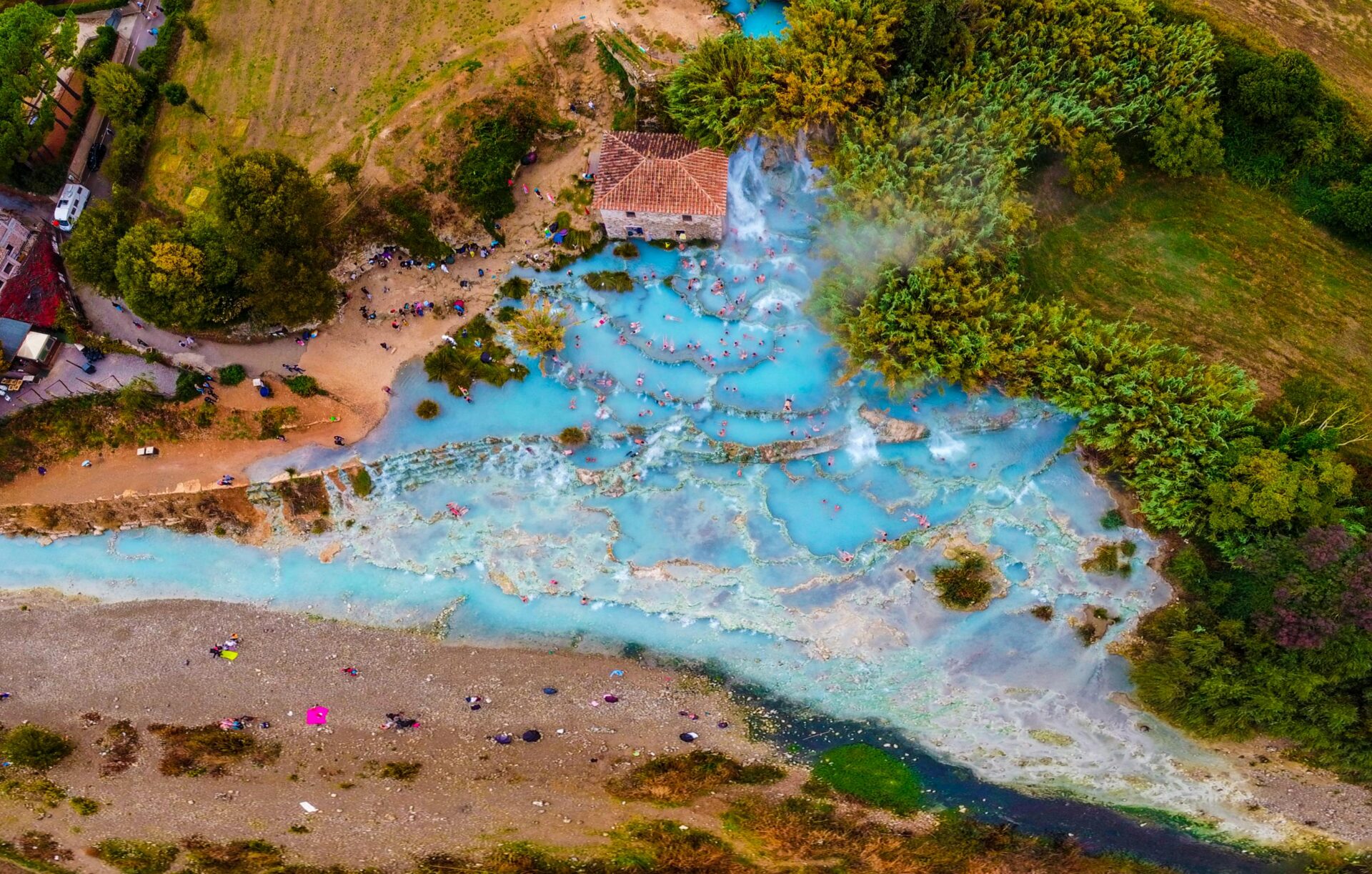
I’ve found that the peaceful experience of having these mineral-rich pools nearly to yourself is worth the early wake-up call. The sight of steam rising from the turquoise waters against the backdrop of Tuscan hills is truly magical when not obscured by crowds of visitors.
While summer brings warmer air temperatures, it also brings more people, so consider a spring or fall visit for a more natural experience.
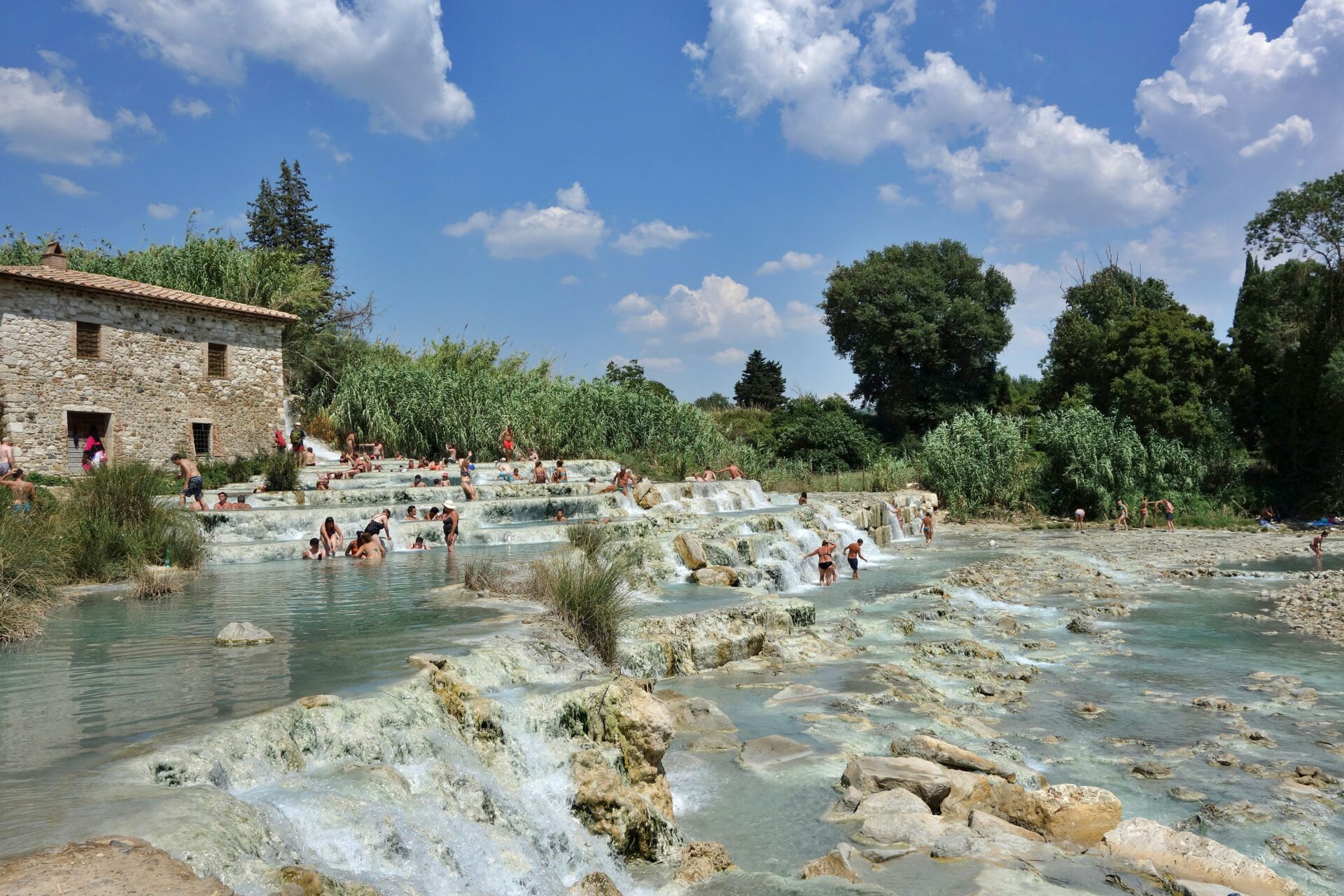
My first dip in these calcium-rich waters taught me why Saturnia has been a wellness destination since Etruscan times. The warm 99°F (37°C) water cascades over travertine rock formations, creating natural pools perfect for soaking tired muscles. I’ve learned that weather doesn’t matter much here – the water stays consistently warm year-round, making these thermal baths a perfect addition to any Tuscany itinerary.
Discovering the Enchantment of Saturnia’s Thermal Waters
Saturnia’s thermal waters have captivated visitors for centuries with their unique healing properties and mystical beauty. The steaming pools nestled in Tuscany’s countryside offer more than just a relaxing soak—they provide a therapeutic experience dating back to ancient times.
History and Background of Saturnia
The legend of Saturnia’s hot springs is as enchanting as the waters themselves. Ancient Etruscans and Romans believed these pools were created when Saturn, god of agriculture, hurled lightning bolts at Earth, creating streams of warm, healing water. I found it fascinating that archaeological evidence confirms these springs have been used since at least the 3rd century BCE.
During my research, I discovered that the Romans built elaborate bath structures here, calling the area “Aurinia” before it became known as Saturnia. Throughout medieval times, the thermal waters remained popular for their healing properties.
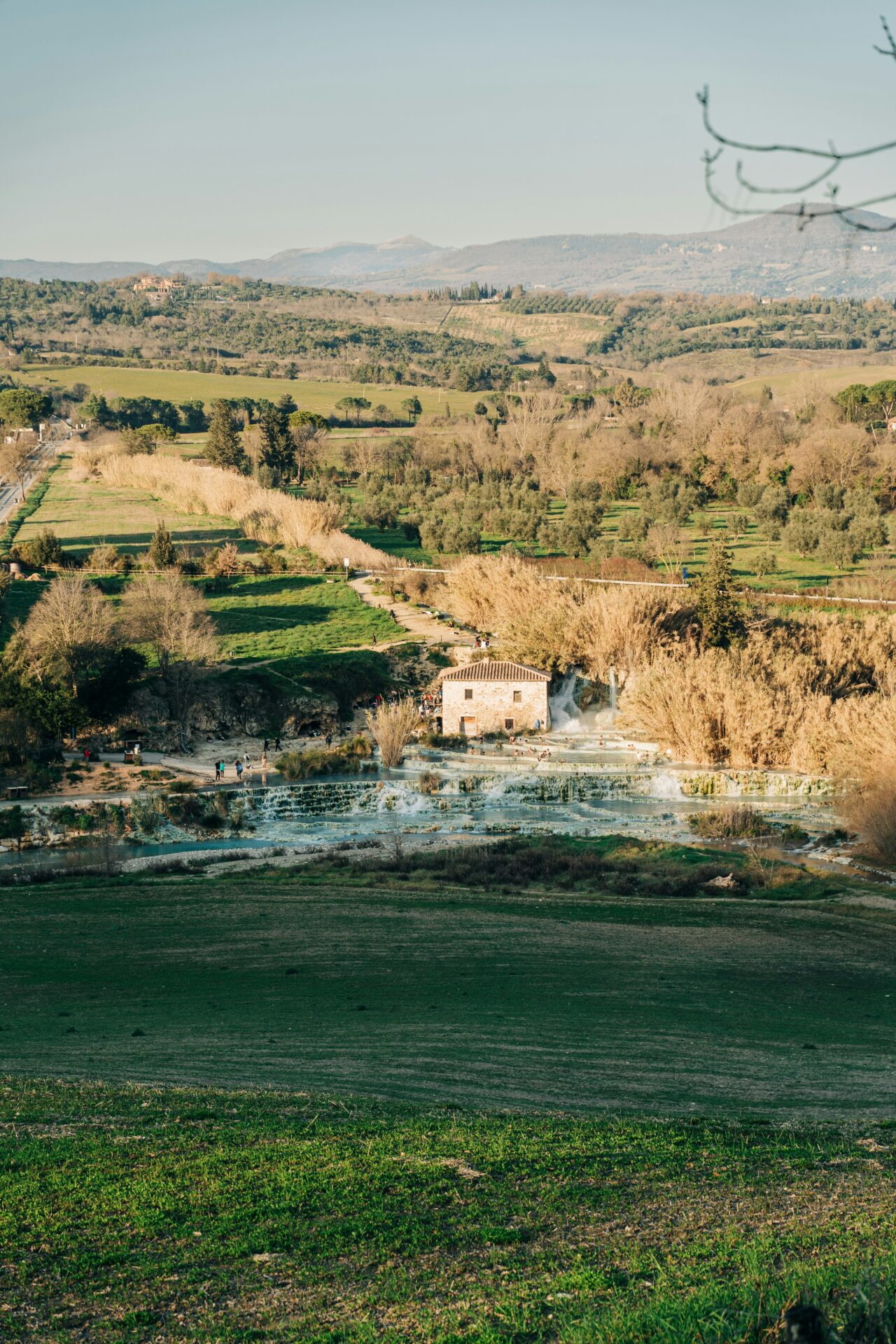
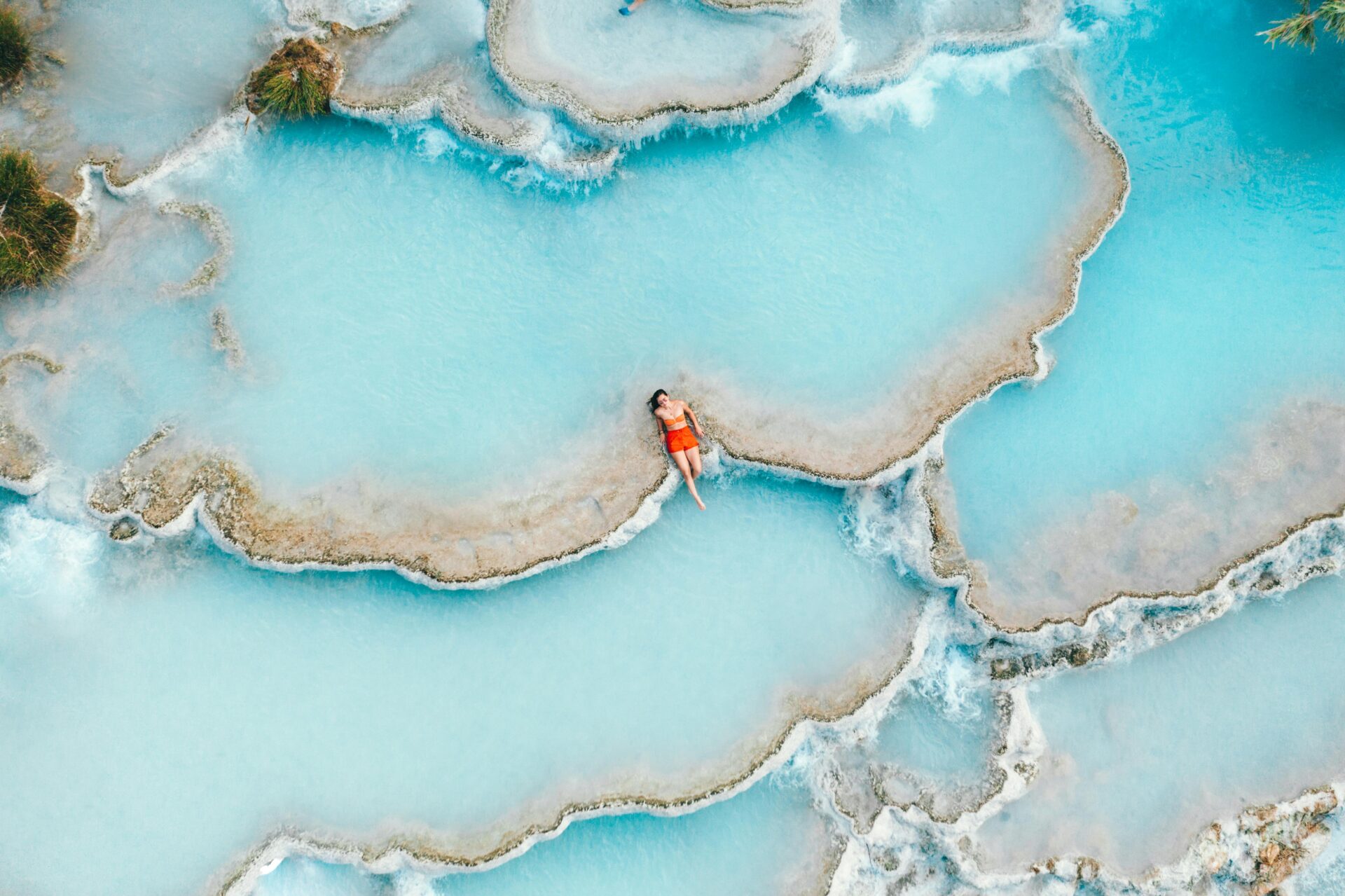
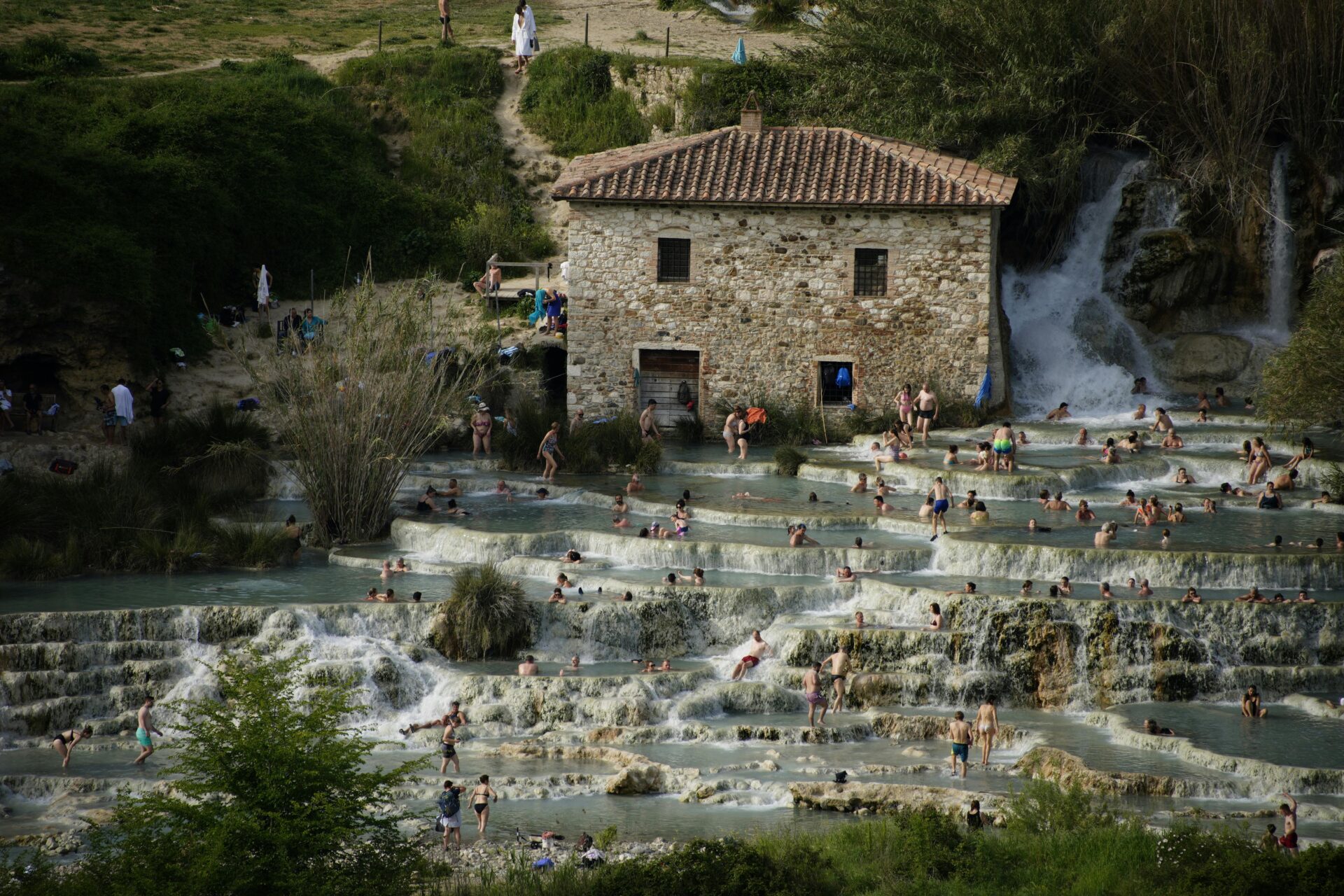
The main attraction today, Cascate del Mulino (Mill Falls), formed naturally as calcium-rich water carved terraces into the travertine rock over thousands of years. These perfectly formed pools now cascade down a hillside, creating one of Italy’s most photographed natural wonders.
The Healing Powers of Thermal Water
When I first slipped into Saturnia’s 37.5°C (99.5°F) waters, I immediately understood their therapeutic reputation. These thermal waters are renowned for treating skin conditions, respiratory issues, and joint problems.
The constant water temperature and continuous flow create ideal conditions for relaxation and healing. The waters contain essential minerals that:
- Improve circulation and cardiovascular health
- Reduce muscle tension and joint pain
- Help with respiratory conditions like bronchitis
- Promote skin regeneration and healing
Doctors sometimes prescribe visits to thermal baths like Saturnia as a natural therapy. Many visitors report reduced stress levels and improved sleep after just one visit.
The water’s natural circulation—complete replacement every four hours—ensures the pools remain clean despite their popularity.
Sulphur and Mineral Composition
The distinctive smell that greets visitors to Saturnia comes from its high sulphur content. While the eggy aroma might take some getting used to, this mineral plays a crucial role in the water’s healing properties.
The thermal water contains:
- Hydrogen sulphide (10 mg per liter)
- Carbon dioxide
- Calcium
- Magnesium
- Sulphates
- Bicarbonates
I noticed my skin felt noticeably softer after soaking in these mineral-rich waters. The sulphur compounds help treat acne, dermatitis, and psoriasis by accelerating skin cell regeneration.
The water’s unique composition comes from its journey through underground volcanic layers, where it absorbs minerals before emerging at the surface. This natural filtration process creates waters so pure and mineral-rich that they’ve been valued for their curative properties throughout history.
Planning Your Visit: Best Times to Avoid the Crowds
Timing is everything when visiting Saturnia’s thermal waters. I’ve found that choosing the right month, day, and even hour can completely transform your experience from overcrowded to peaceful.
Monthly Guide to Saturnia: From January to December
January and February offer some of the quietest times to visit. The cooler air creates a magical steam effect over the waters, and you’ll share the springs with mostly locals.
March brings slightly warmer temperatures with still manageable crowd levels. This is when wildflowers begin to appear, making the surroundings even more picturesque.
May hits the sweet spot of pleasant weather without summer crowds. The Tuscan countryside looks gorgeous, and water temperatures remain perfect.
July and August are the busiest months – I avoid these unless I can visit at dawn. The heat can be intense, and the pools get extremely crowded by midday.
October and November rank among my favorite times. The autumn colors create a stunning backdrop, and crowds thin out significantly after the summer rush.
Weather Patterns and Ideal Visiting Conditions
The thermal waters maintain a constant 37.5°C (99.5°F) year-round, making them comfortable in any season. However, the external weather greatly impacts the overall experience.
Summer days (June-August) can be uncomfortably hot. I’ve found the contrast between air and water temperature less enjoyable during peak heat.
Spring and fall offer ideal conditions with mild temperatures that complement the warm waters perfectly.
Winter visits provide a unique experience. The steam rising from the waters creates a mystical atmosphere, especially on frosty mornings. Just bring a robe or towel for when you exit!
Best weather periods:
- Early morning: Cooler air, beautiful light for photos
- Evening: Stunning sunsets, cooler temperatures
- Rainy days: Often scare away crowds but enhance the thermal experience
Understanding the Peak and Off-Peak Seasons
High season aligns with Italian holidays and summer vacation (June through August). These months bring the most tourists, especially on weekends and holidays.
The shoulder seasons of April-May and September-October offer a balanced compromise between good weather and fewer people.
Low season runs from November through March (excluding Christmas and New Year’s). This is when you’ll experience the most peaceful soaks.
For the ultimate crowd-free experience, I always plan my visits for:
- Weekdays instead of weekends
- Early mornings (before 7 AM) or evenings (after 7 PM)
- Midweek in February or November
- Rainy days (the thermal waters feel even more magical)
Remember that Italian holidays can create unexpected crowd surges even in off-season months!
What to Bring to Saturnia Hot Springs
Preparing for a visit to Saturnia’s thermal waters requires some thoughtful packing. The right items will make your experience more comfortable and enjoyable while helping protect both your skin and this natural wonder.
Essentials for Your Thermal Bath Experience
I always pack a large towel when visiting Saturnia – you’ll need it after your soak! Water shoes are incredibly helpful for navigating the slippery travertine formations and protecting your feet from rough surfaces.
Don’t forget your swimsuit and a change of clothes. The sulfur in the water can leave a distinct smell, so having fresh clothes afterward is a blessing.
The thermal pools offer little shade, so sunscreen is crucial even in cooler months. I apply waterproof SPF 50 and bring a hat and sunglasses for extra protection.
A reusable water bottle keeps you hydrated during your thermal bath experience. The heat from the springs combined with the sun can quickly dehydrate you.
For relaxation maximizers, bring:
- A waterproof phone case for photos
- A small waterproof bag for valuables
- A light robe or cover-up

Eco-Friendly and Respectful Tourism
When I visit Saturnia, I make it a priority to leave no trace. I bring a small garbage bag to collect any trash, ensuring nothing pollutes these beautiful waters.
Avoid using regular beauty products or soaps in the springs. The chemicals can harm the delicate natural ecosystem. Instead, I rinse off before entering the waters.
Opt for biodegradable sunscreen when possible. Regular sunscreens contain ingredients that can damage the springs’ unique environment.
I always pack a reusable water container and snacks with minimal packaging. This reduces waste and helps preserve the pristine setting for future visitors.

Beyond Saturnia: Exploring Tuscany’s Thermal Delights
Tuscany offers more thermal wonders beyond the famous Saturnia springs. I discovered several hidden gems during my travels that provide equally magical experiences with fewer crowds.
Bagni San Filippo: The White Whale of Hot Springs
When I first stumbled upon Bagni San Filippo, I was mesmerized by its unique calcium formations. The star attraction is “Il Fosso Bianco” (The White Whale), a massive calcium deposit that resembles a white whale emerging from the forest.
The milky-blue waters here stay around 48°C (118°F) year-round, making it perfect for winter visits. Unlike Saturnia, these springs remain relatively unknown to international tourists.
For the best experience, I recommend visiting on weekday mornings. Pack water shoes as the calcium deposits can be slippery. The surrounding woods offer nice hiking trails if you need a break from soaking.
Pro tip: Bring a picnic lunch and make a day of it. The small village nearby has limited food options, especially in off-season.

Bagno Vignoni: Where Time Stands Still
Bagno Vignoni captivated me with its unusual central square—a large medieval stone pool filled with steaming thermal water. While you can’t bathe in this historic basin, modern thermal facilities surround the village.
This tiny hamlet has been a wellness destination since Roman times. Even Saint Catherine of Siena visited these healing waters in the 14th century.
I found the Parco dei Mulini (Mill Park) particularly fascinating. Here, hot water cascades down terraced pools where you can dip your feet for free.
For full immersion, I recommend booking a day pass at Hotel Posta Marcucci. Their outdoor pools offer stunning views of Val d’Orcia’s rolling hills.

Maremma: A Hidden Gem Amongst Nature
The Maremma region surprised me with its variety of thermal options. The springs at Petriolo blend perfectly with their natural surroundings, creating pools of varying temperatures along the Farma River.
I loved how free and wild these springs felt. Some pools sit right beside the rushing river, creating a natural hot-cold therapy experience.
For something more developed but still authentic, I visited Terme di Saturnia’s neighboring springs like Terme di Sorano. These lesser-known options offer similar mineral content without the Instagram crowds.
The best part of Maremma’s springs? Most locals still use them regularly. I had wonderful conversations with elderly Italians who’ve been taking these waters for decades for their rheumatism and skin conditions.
Visitor Tips and Etiquette in Saturnia
After visiting the thermal waters of Saturnia multiple times, I’ve gathered some helpful tips to make your experience more enjoyable. The springs are completely free and open 24 hours a day, which makes timing your visit crucial.
I recommend arriving at sunrise or sunset to avoid crowds. During my early morning visit, I had the cascading pools almost to myself and could truly appreciate their beauty.
Bring water shoes or sandals with good grip. The calcium deposits can be slippery, and I learned this lesson the hard way on my first visit!
What to pack:
- Towel
- Water bottle
- Sunscreen (even on cloudy days)
- Change of clothes
- Waterproof bag for wet items
Remember that Terme di Saturnia has a sulfuric smell. Don’t be surprised by this natural odor – it’s part of what gives the water its healing properties.
The thermal waters have a relaxing effect on tired muscles and can help reduce stress. I spent about two hours soaking, which felt perfect for me.
Consider visiting the pools higher up the mountain where fewer people gather. The most popular spots are at the bottom of the cascades where most photos for reviews are taken.
Parking is free but limited. I arrived early to secure a spot close to the entrance, which made the walk with all my gear much easier.
